

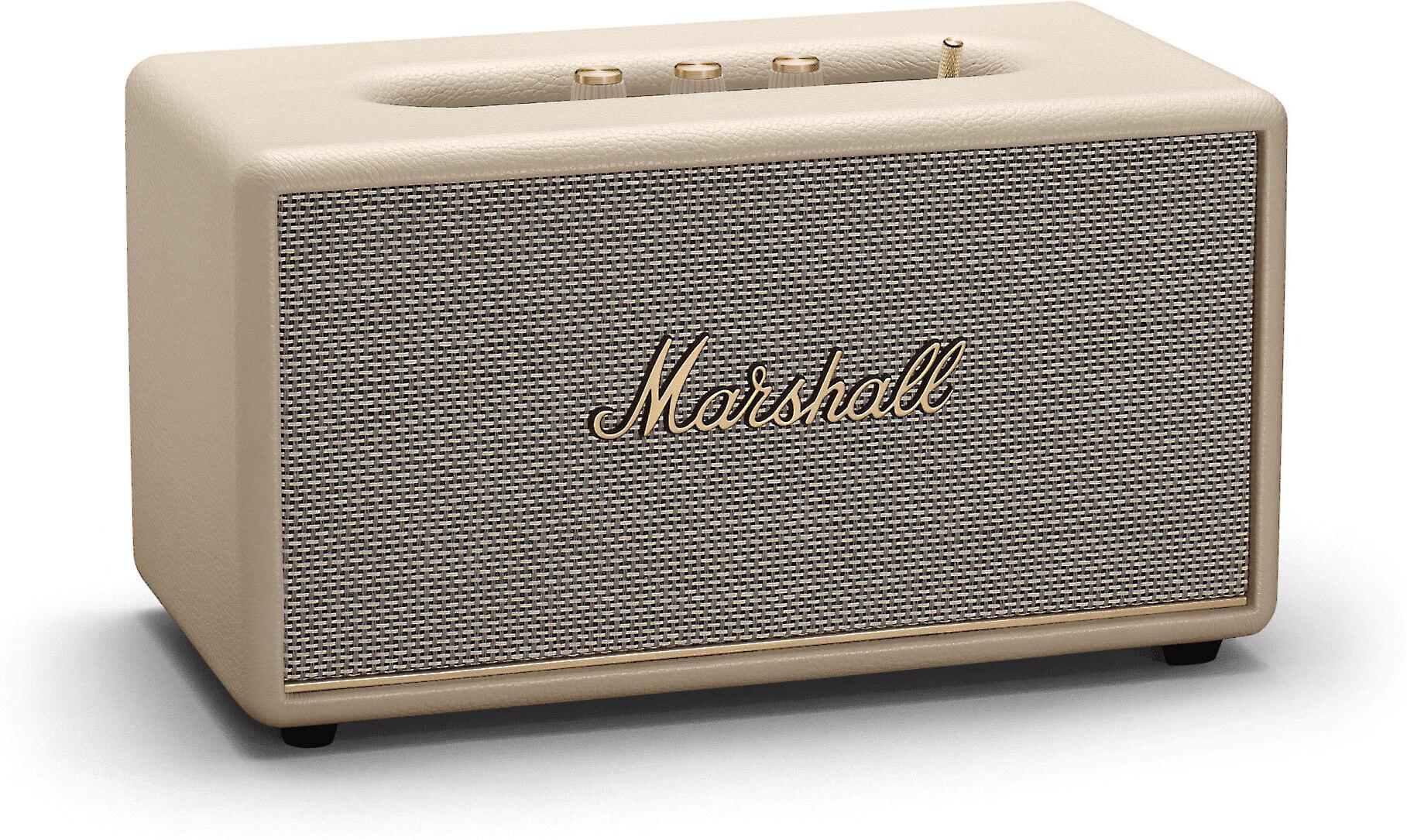
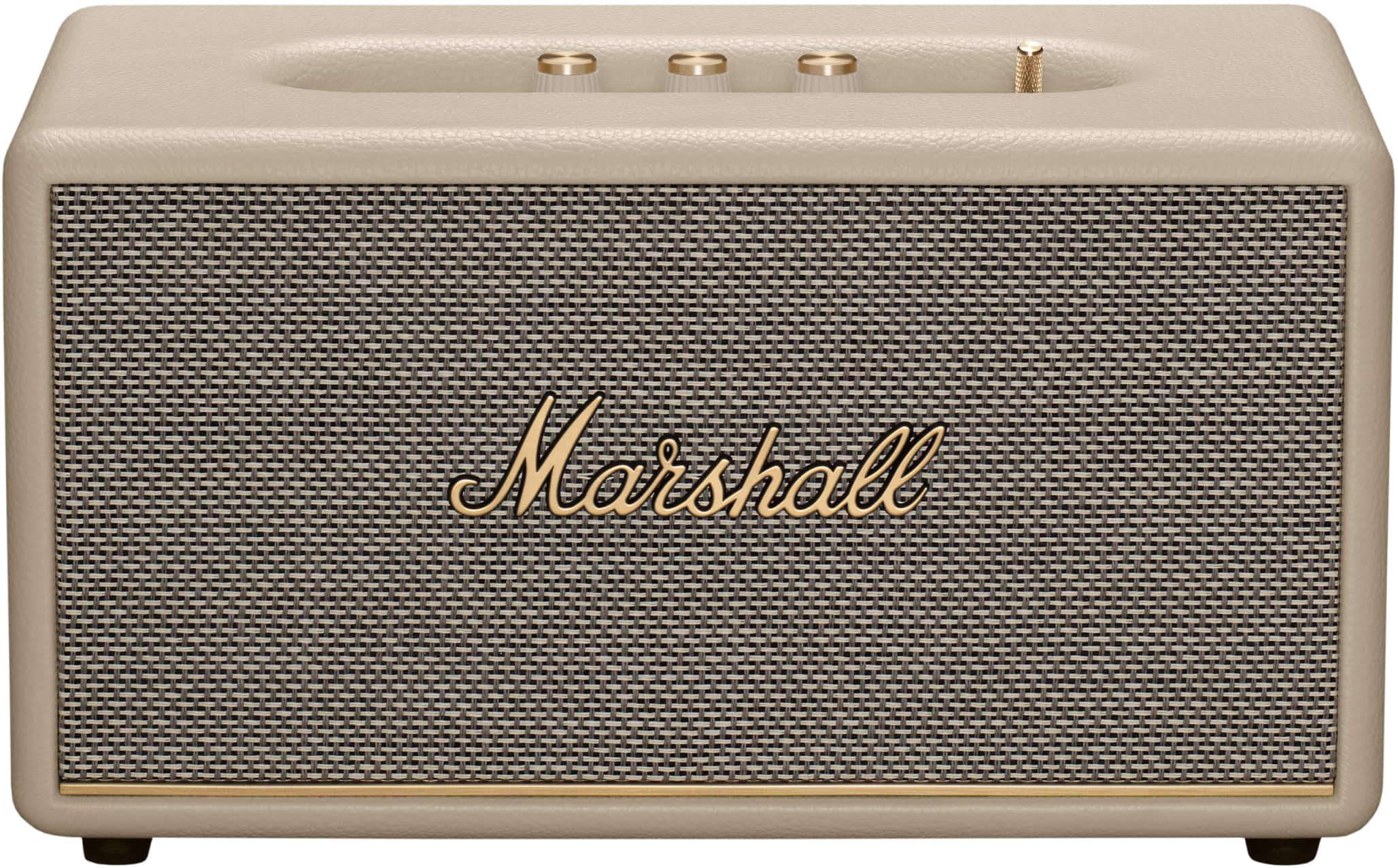
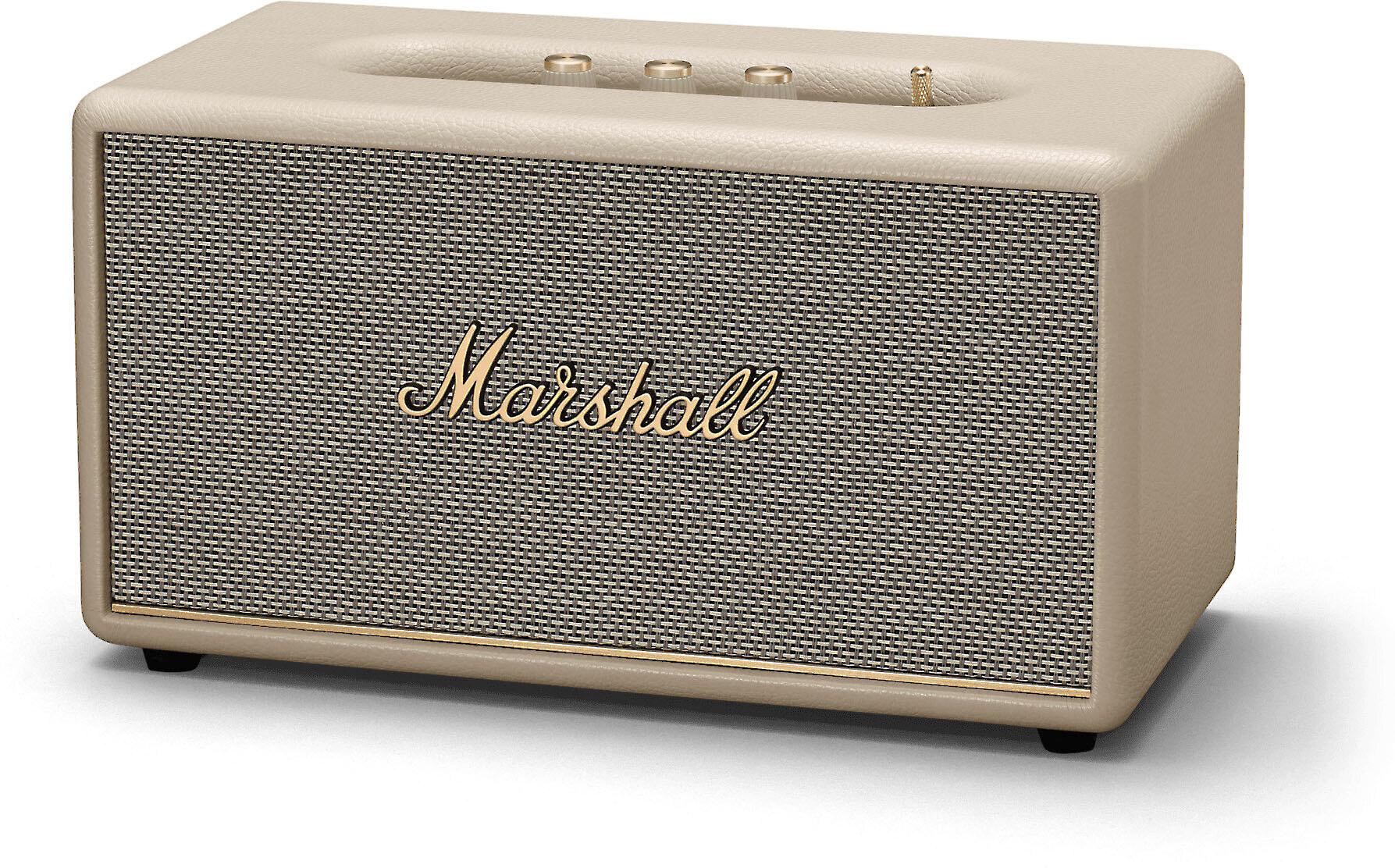
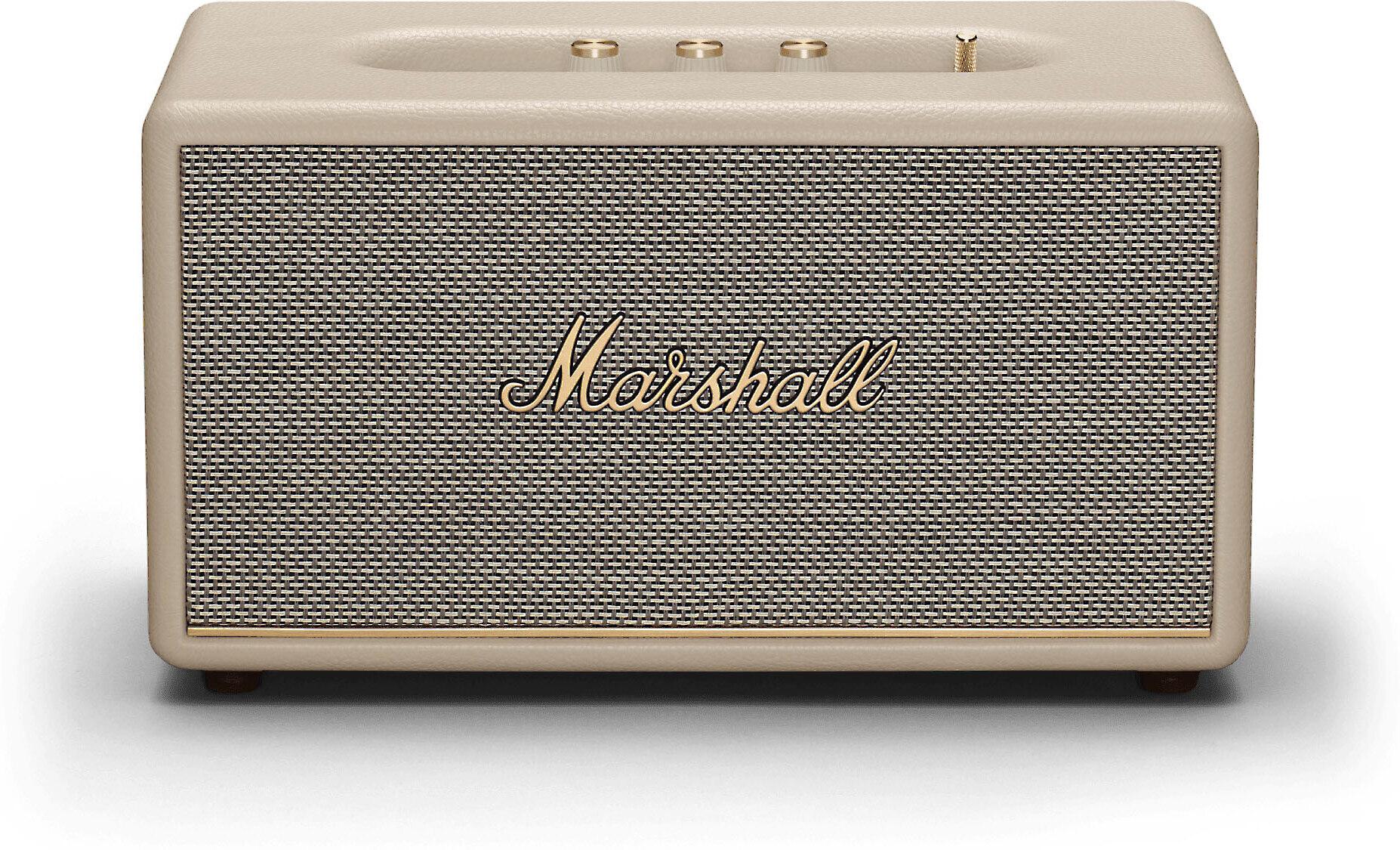
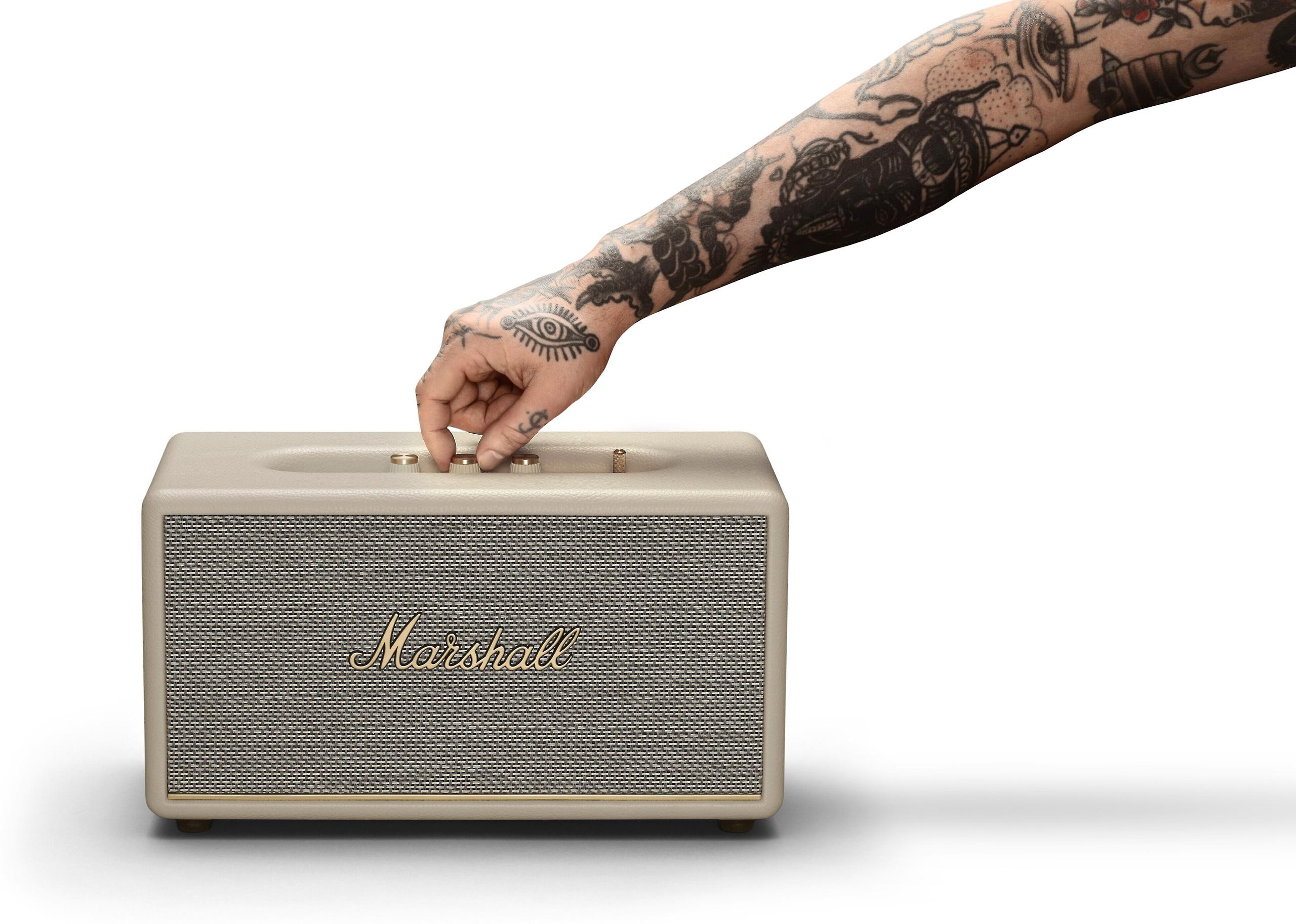
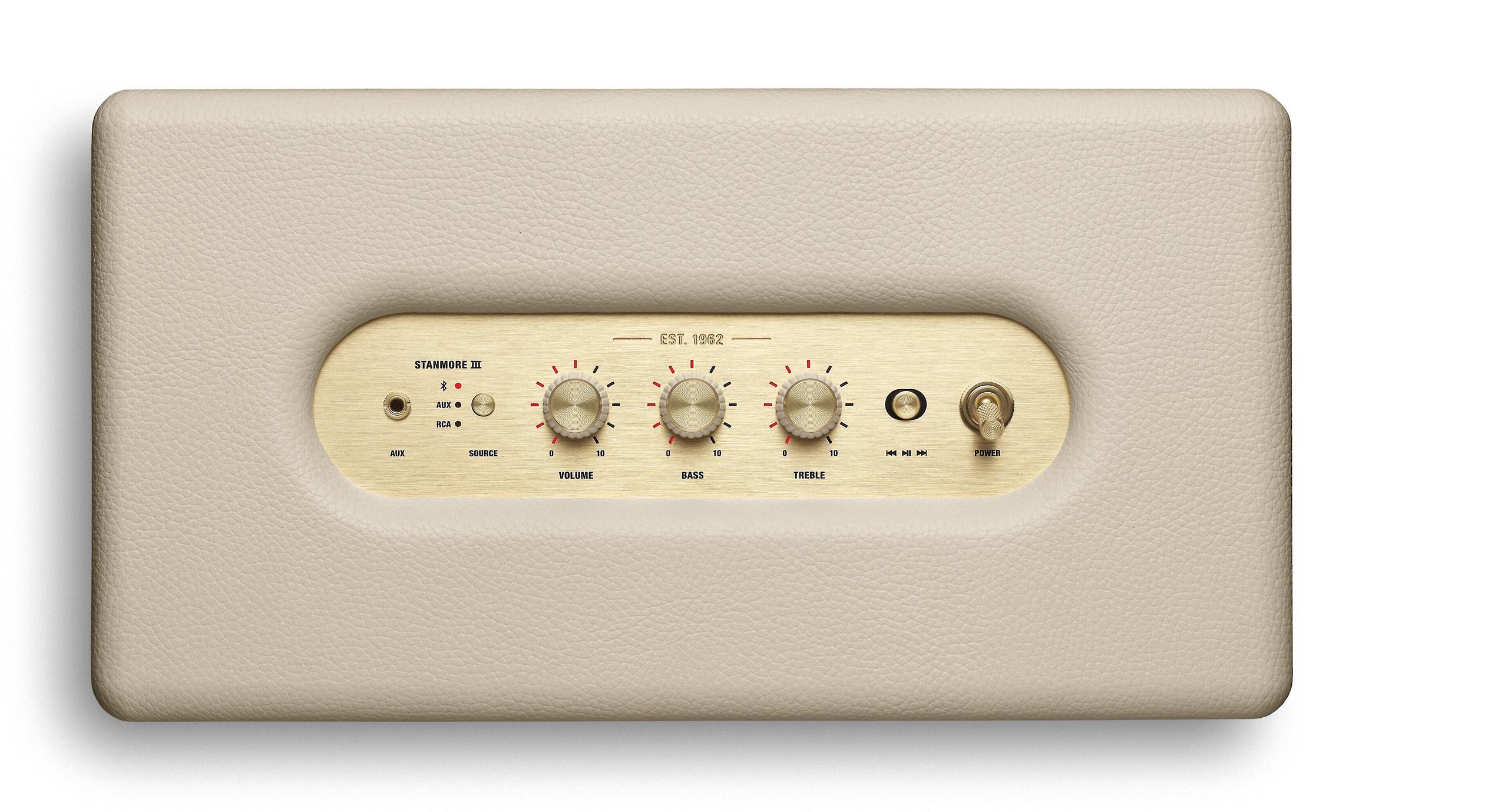
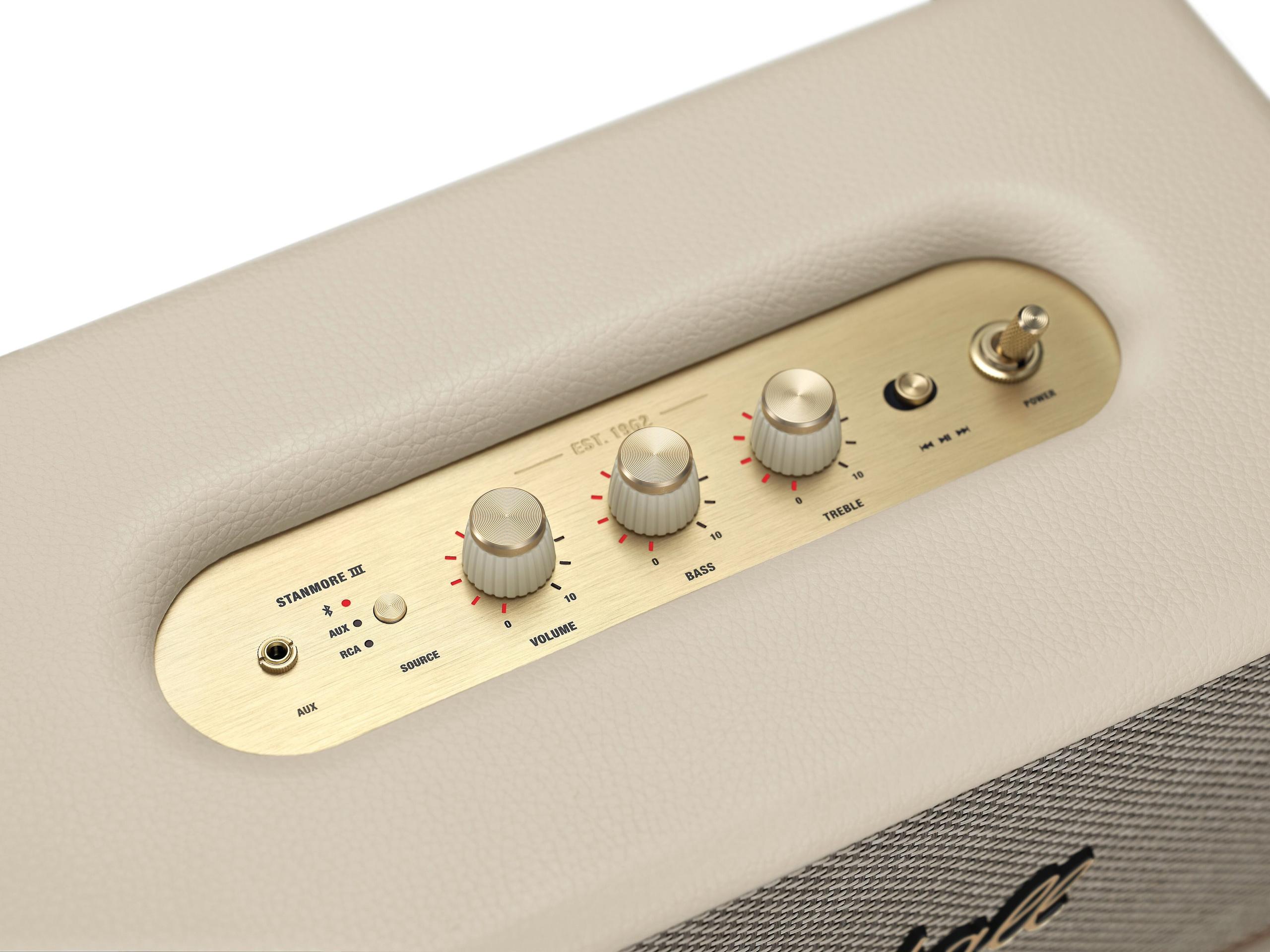
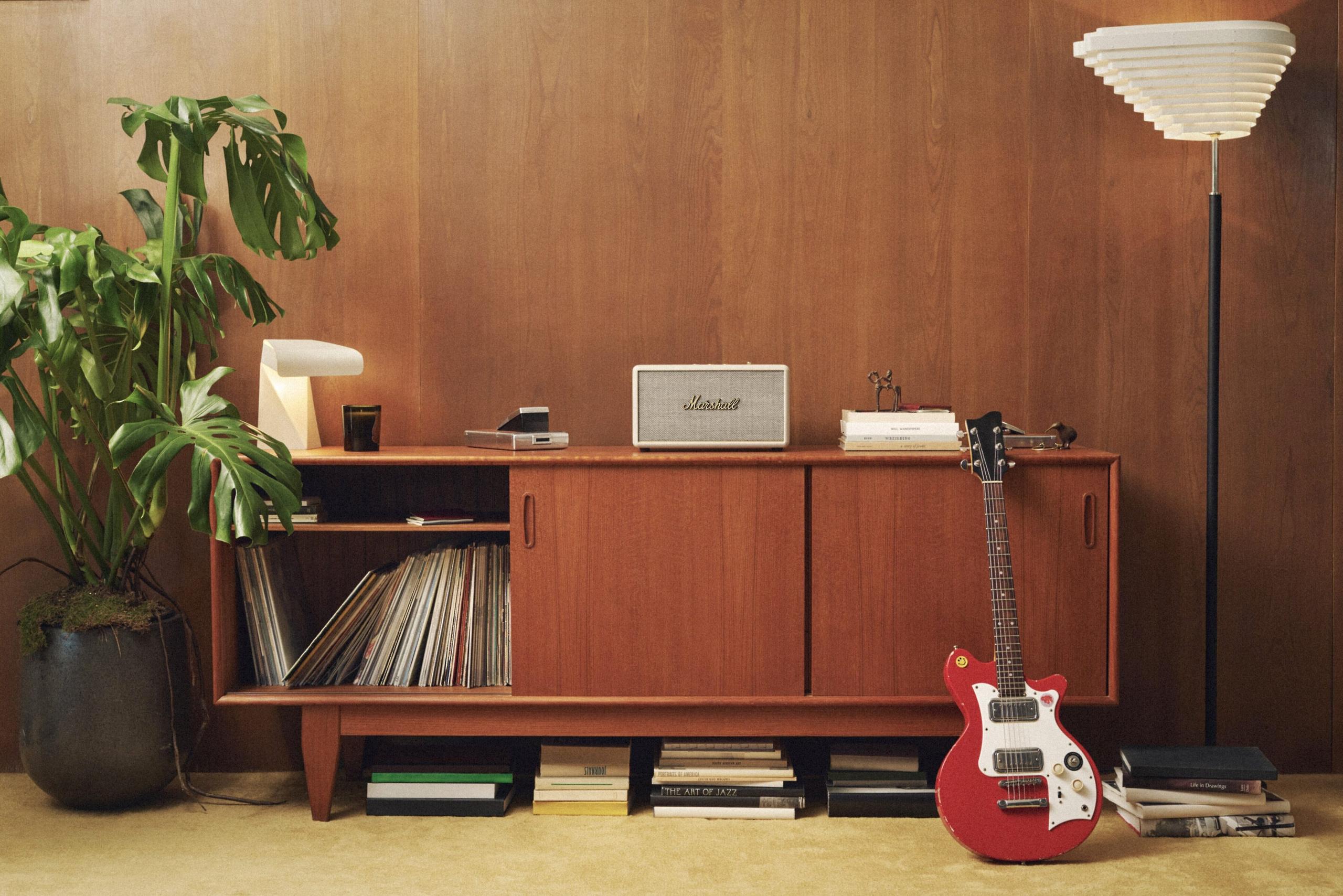
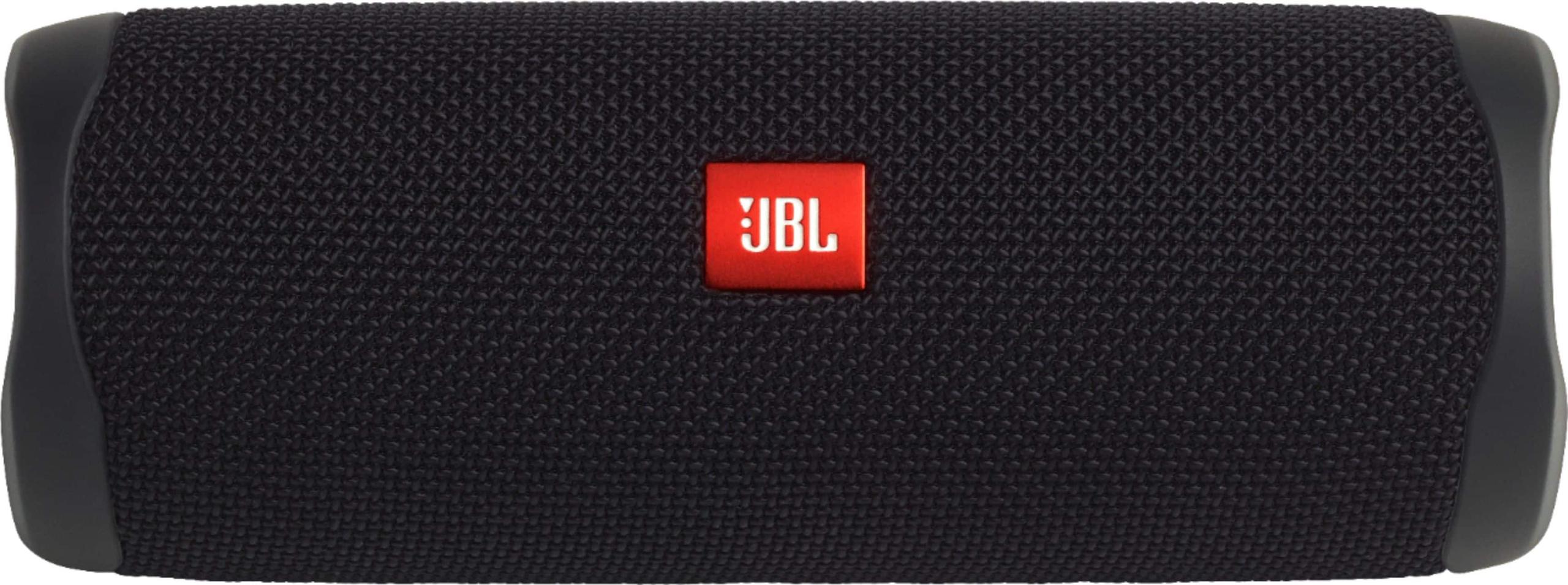
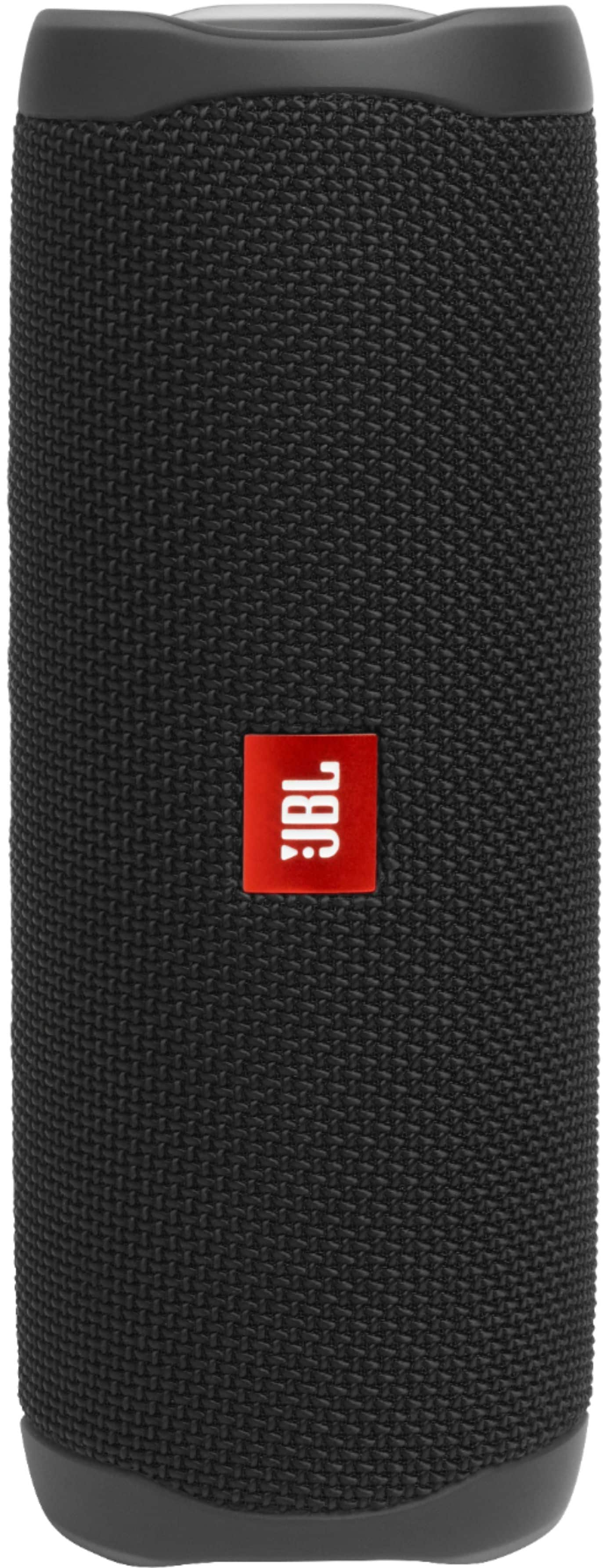
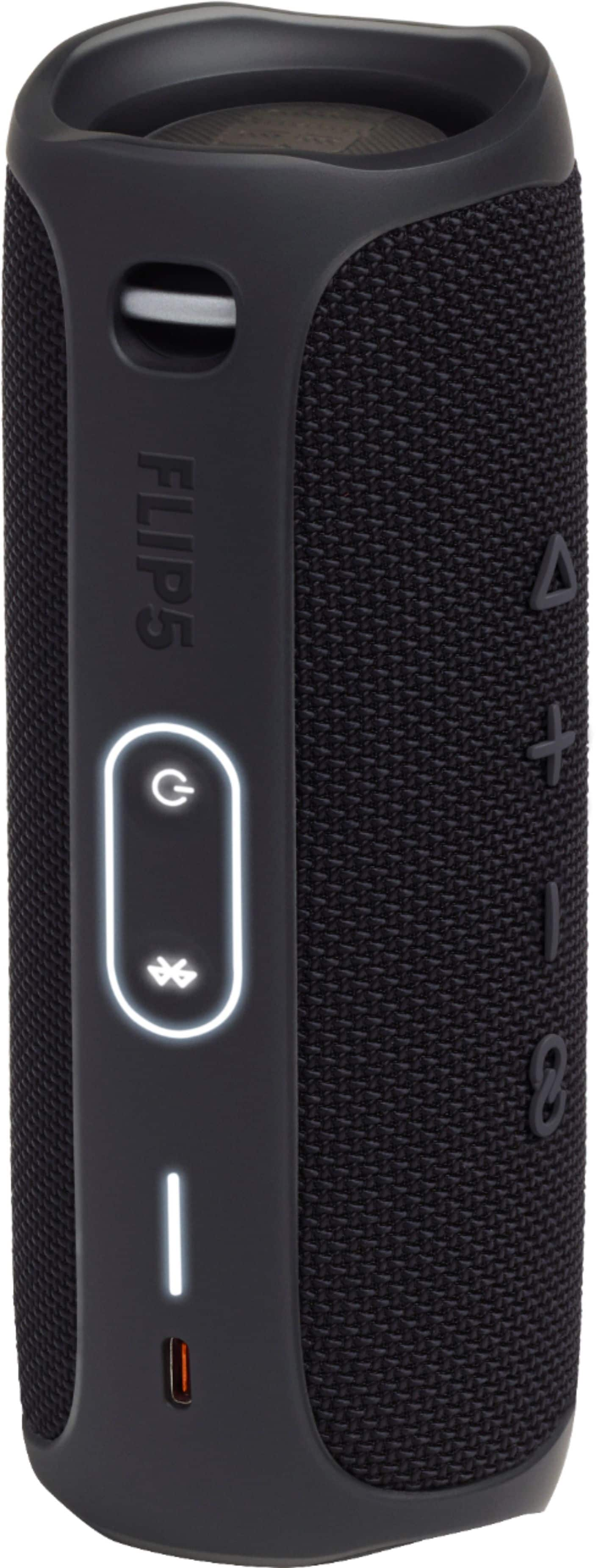
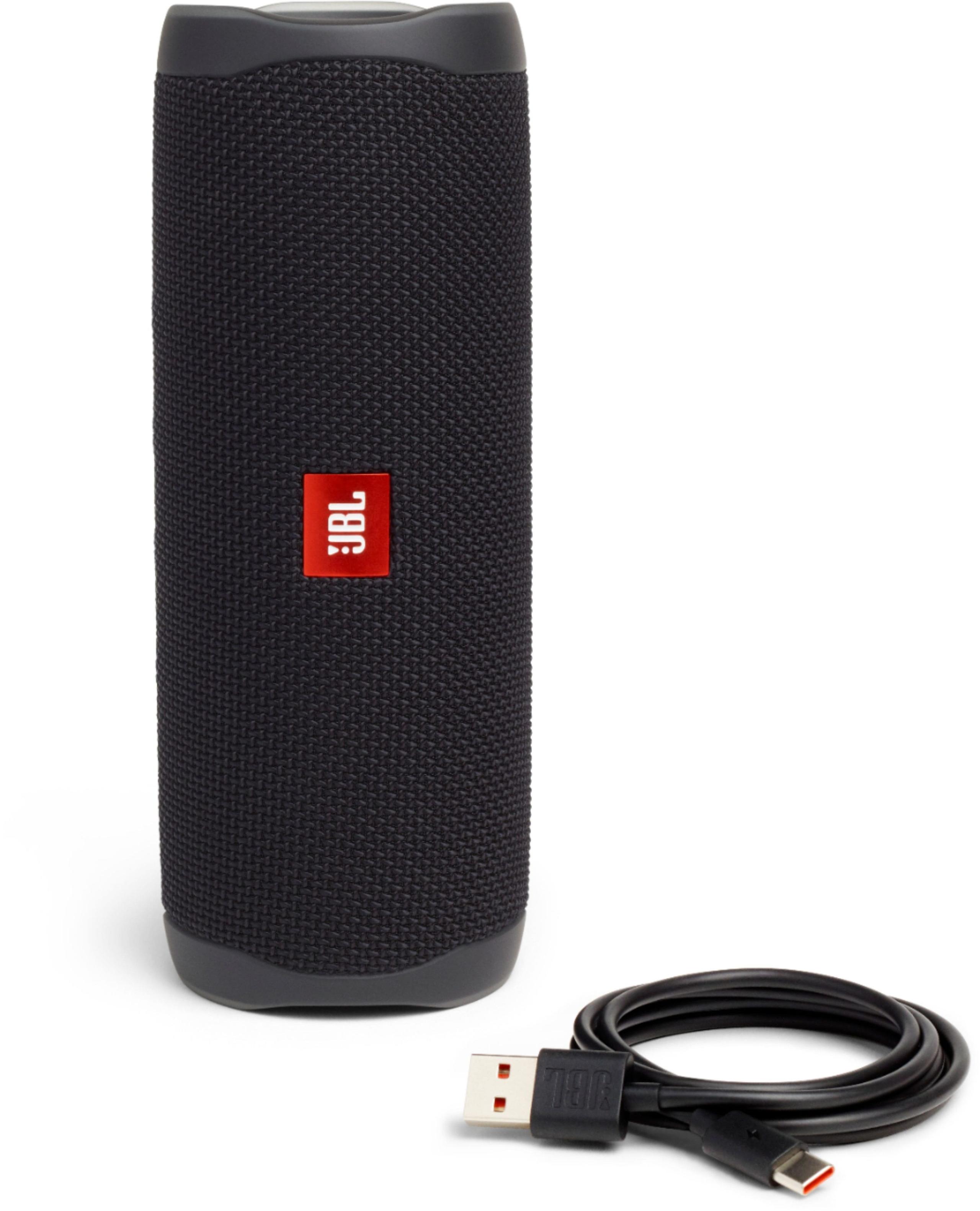
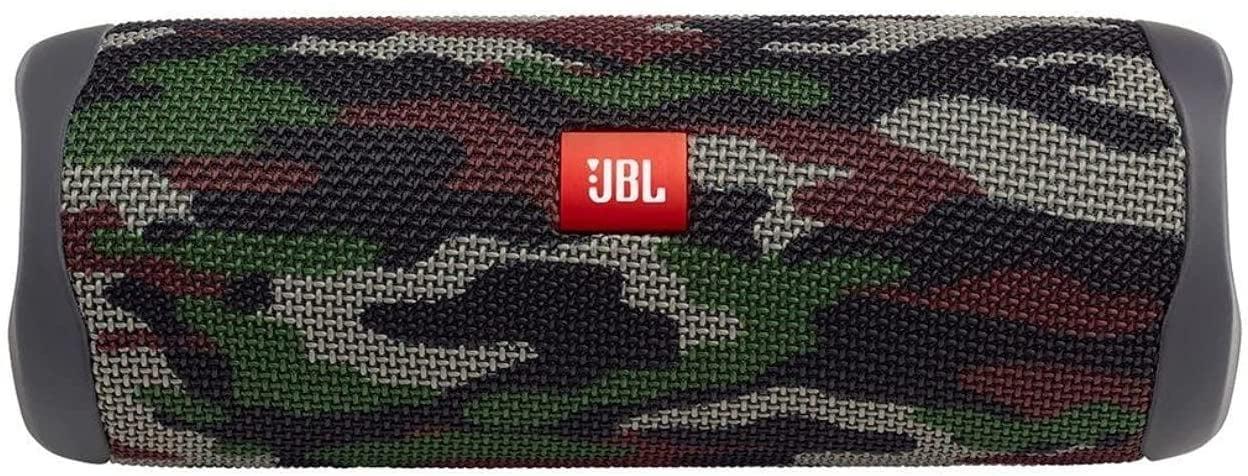
When it comes to Bluetooth speakers, the Marshall Stanmore III ($379.99) and JBL Flip 5 ($79.95) represent two very different approaches to delivering great sound. While both are technically "Bluetooth speakers," they serve distinct purposes and user needs. Let's dive into how these speakers compare and help you decide which one might be right for your situation.
Bluetooth speakers have evolved significantly over the past decade, splitting into two main categories: home audio solutions and portable speakers. The Marshall Stanmore III represents the premium home audio segment, while the JBL Flip 5 exemplifies the portable category. This fundamental difference drives most of their design and feature choices.
The home audio category prioritizes sound quality and connectivity options, assuming a stable power source and fixed location. Portable speakers, meanwhile, balance sound quality with durability, battery life, and weather resistance. Understanding these different priorities helps explain why these speakers differ so dramatically in price and features.
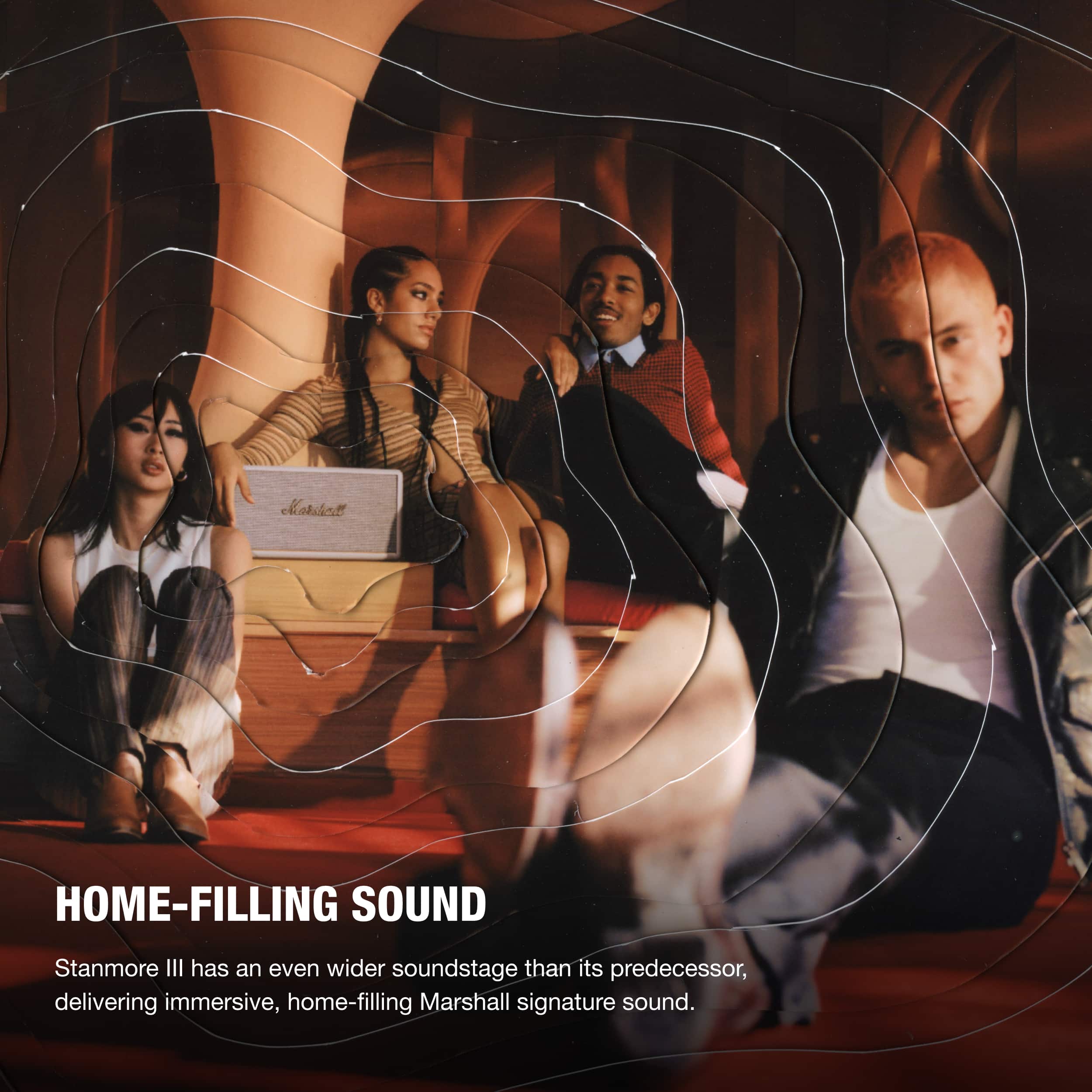
The Marshall Stanmore III, released in September 2022, brings several meaningful improvements over its predecessor. The upgrade to Bluetooth 5.2 provides better range and stability, while its new True Stereophonic technology creates a wider soundstage - that's tech speak for making the music sound like it's coming from a larger space than the speaker itself. The speaker's Dynamic Loudness feature automatically adjusts frequency response at different volumes, ensuring balanced sound whether you're listening quietly or cranking it up.
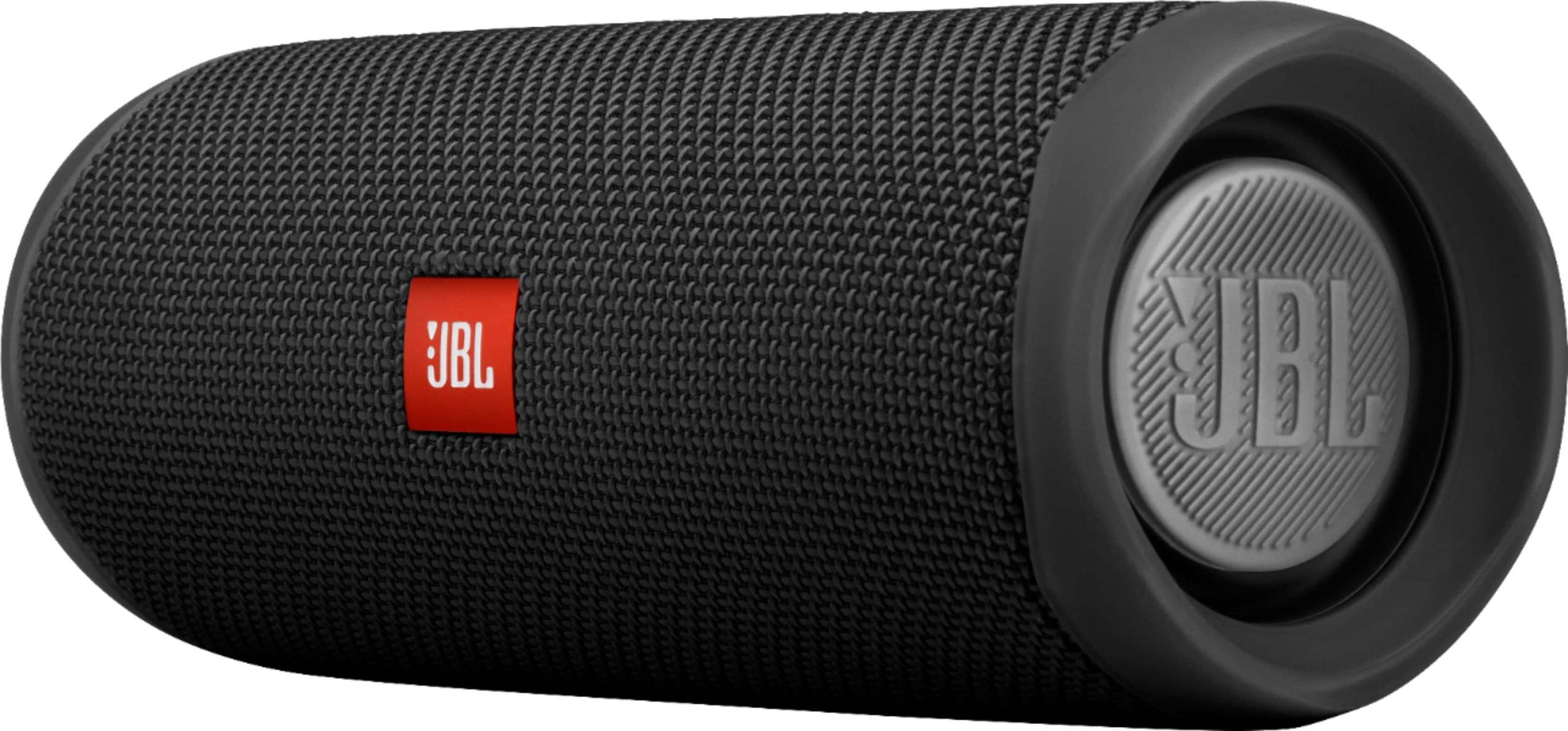
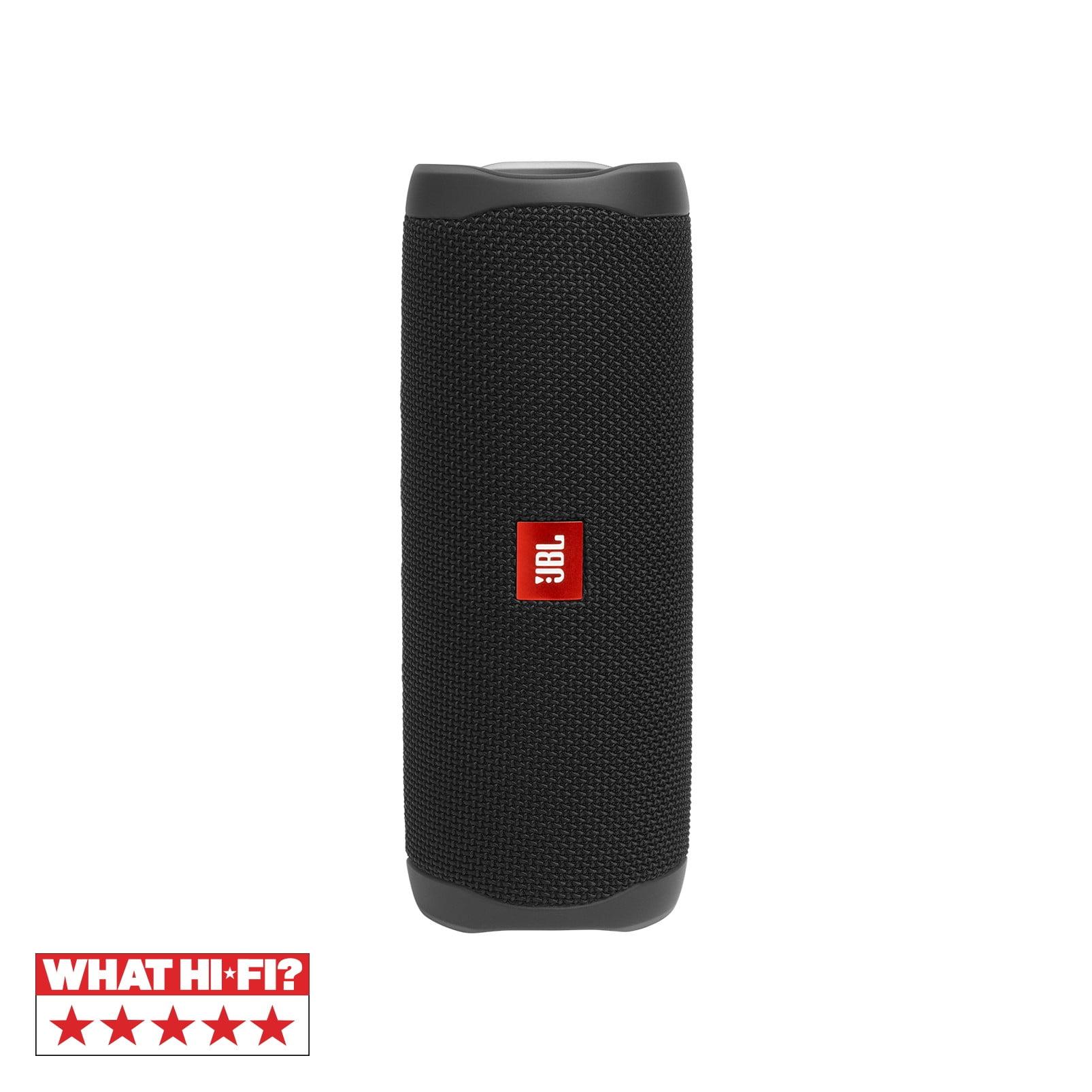
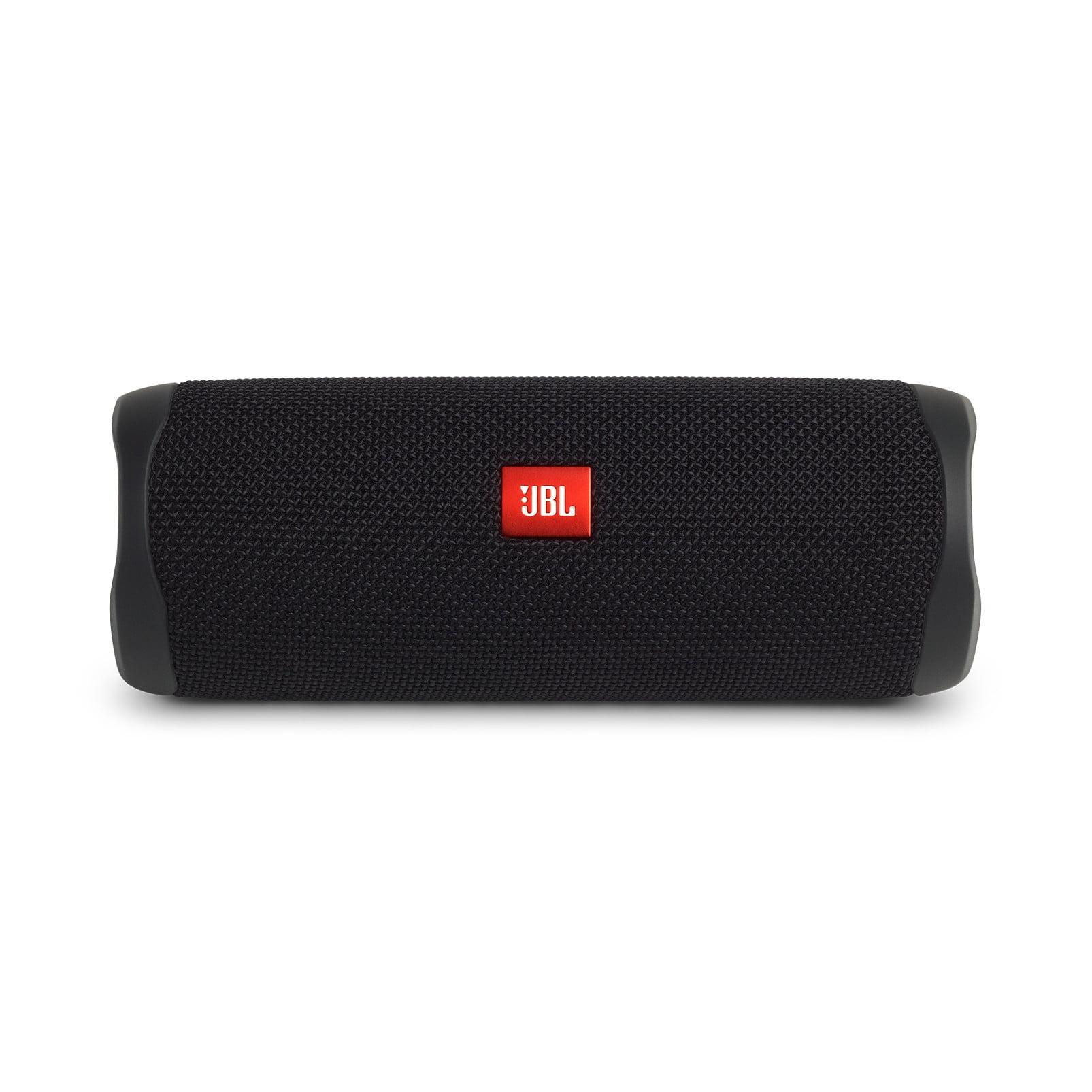
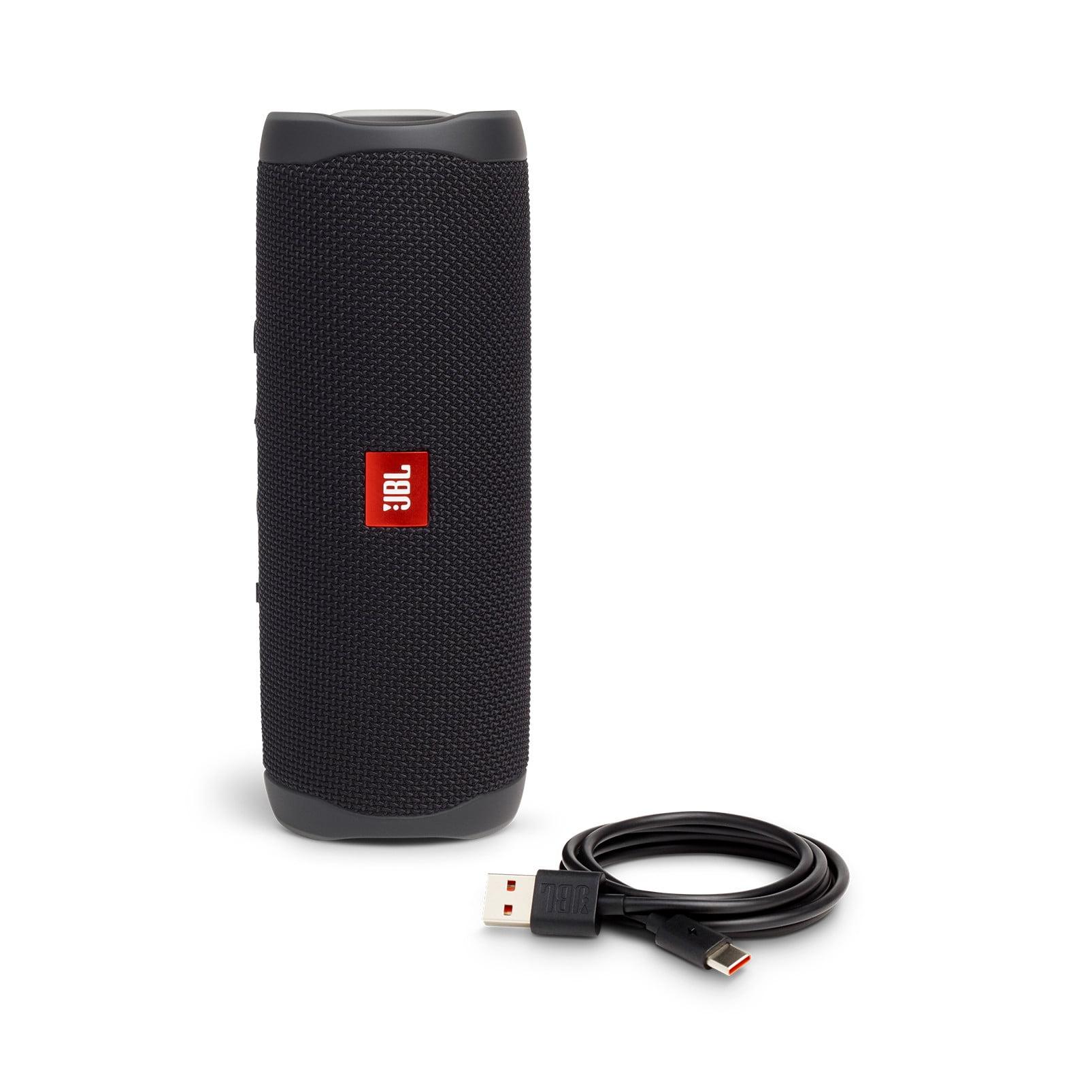
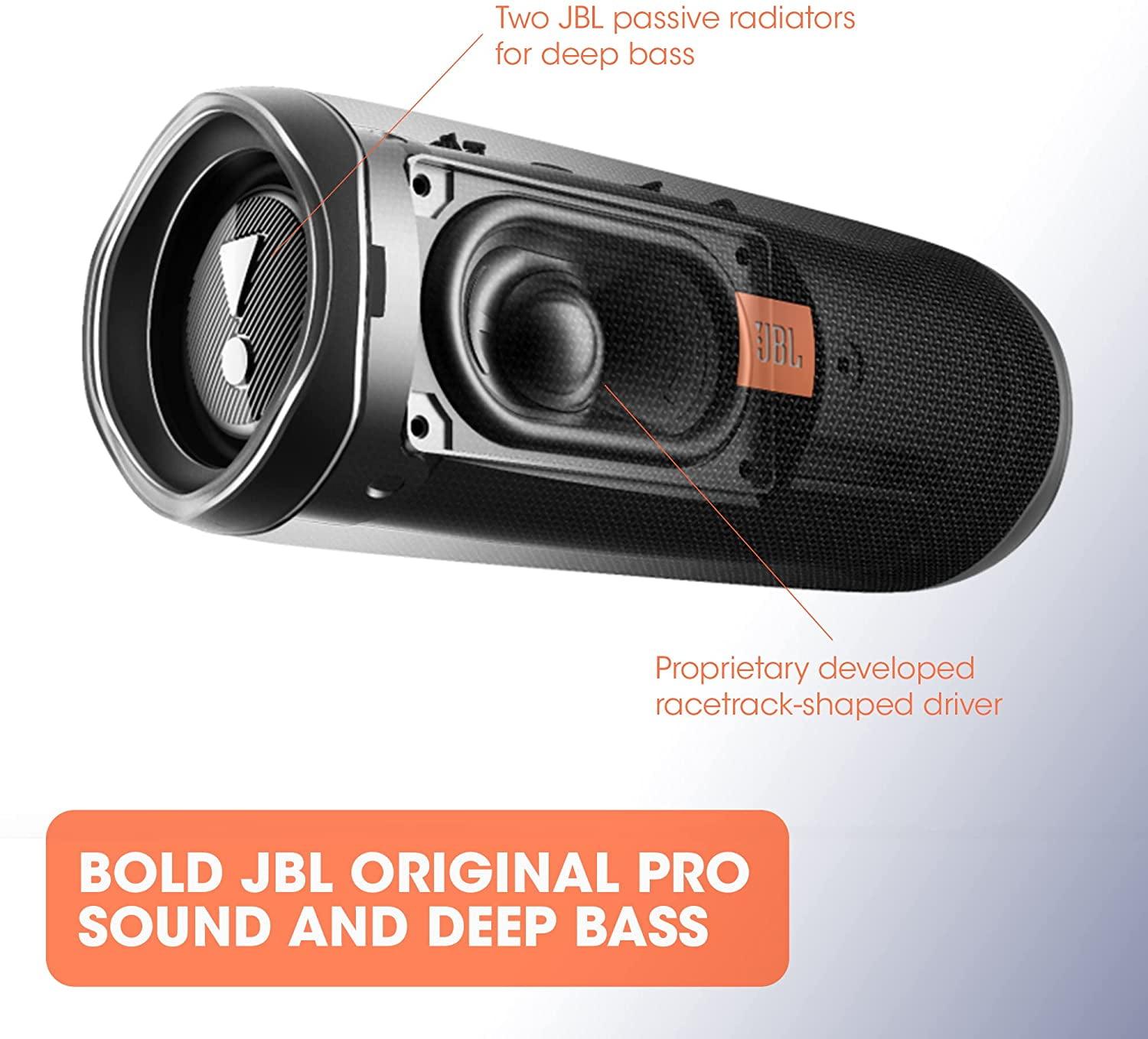
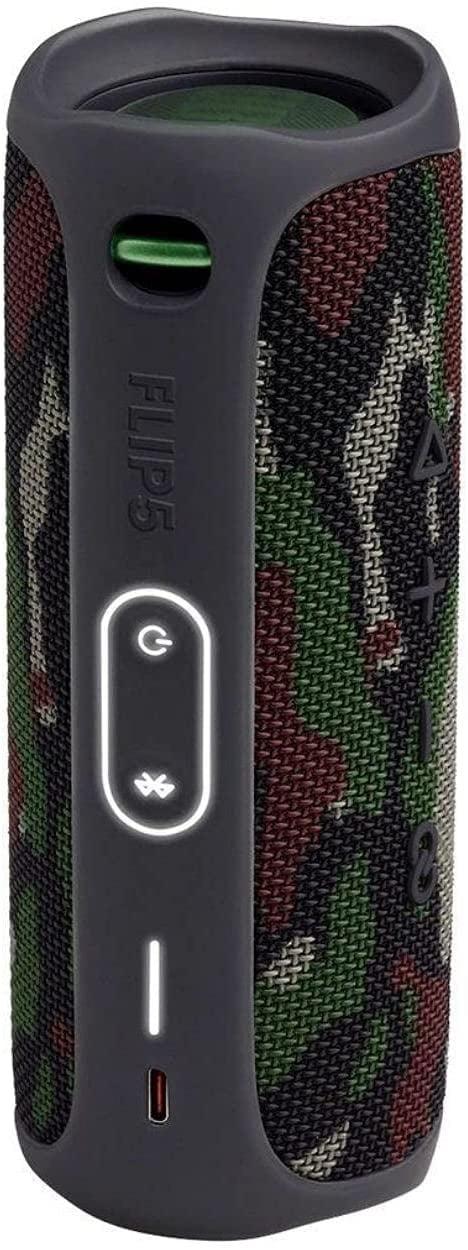
The JBL Flip 5, launched in August 2019, represented a significant upgrade in its series with a new racetrack-shaped driver (the part that actually produces sound) and USB-C charging. While it's an older model, its core technology remains competitive in the portable segment. The speaker's PartyBoost feature allows connection with other compatible JBL speakers for stereo sound or larger coverage.
The Stanmore III's sound quality benefits from its three-amplifier design: a 50-watt amp for the woofer (bass speaker) and two 15-watt amps for the tweeters (high-frequency speakers). This separation allows each component to focus on its specific frequency range, resulting in clearer sound overall. The speaker's frequency response of 45Hz-20kHz means it can reproduce deeper bass notes than many similarly sized speakers.
In practice, this translates to room-filling sound with notable clarity across all frequencies. The physical bass and treble controls allow quick adjustments without reaching for your phone, while the app provides more detailed EQ settings for those who want to fine-tune their sound.
Despite its compact size, the Flip 5's 20-watt amplifier drives its single racetrack-shaped driver effectively. The 65Hz-20kHz frequency response means it can't hit the deepest bass notes, but it compensates with punchy mid-bass that works well for most modern music. The speaker's design focuses sound in one direction, which can actually be beneficial for outdoor use where you want to direct the music to a specific area.
Having tested both speakers extensively, their different design philosophies become immediately apparent. The Stanmore III excels in home environments, delivering rich, detailed sound that fills even large rooms. Its bass response is particularly impressive, making it suitable for home theater use as well as music. The ability to fine-tune the sound through both physical controls and the app means you can optimize it for your space and preferences.
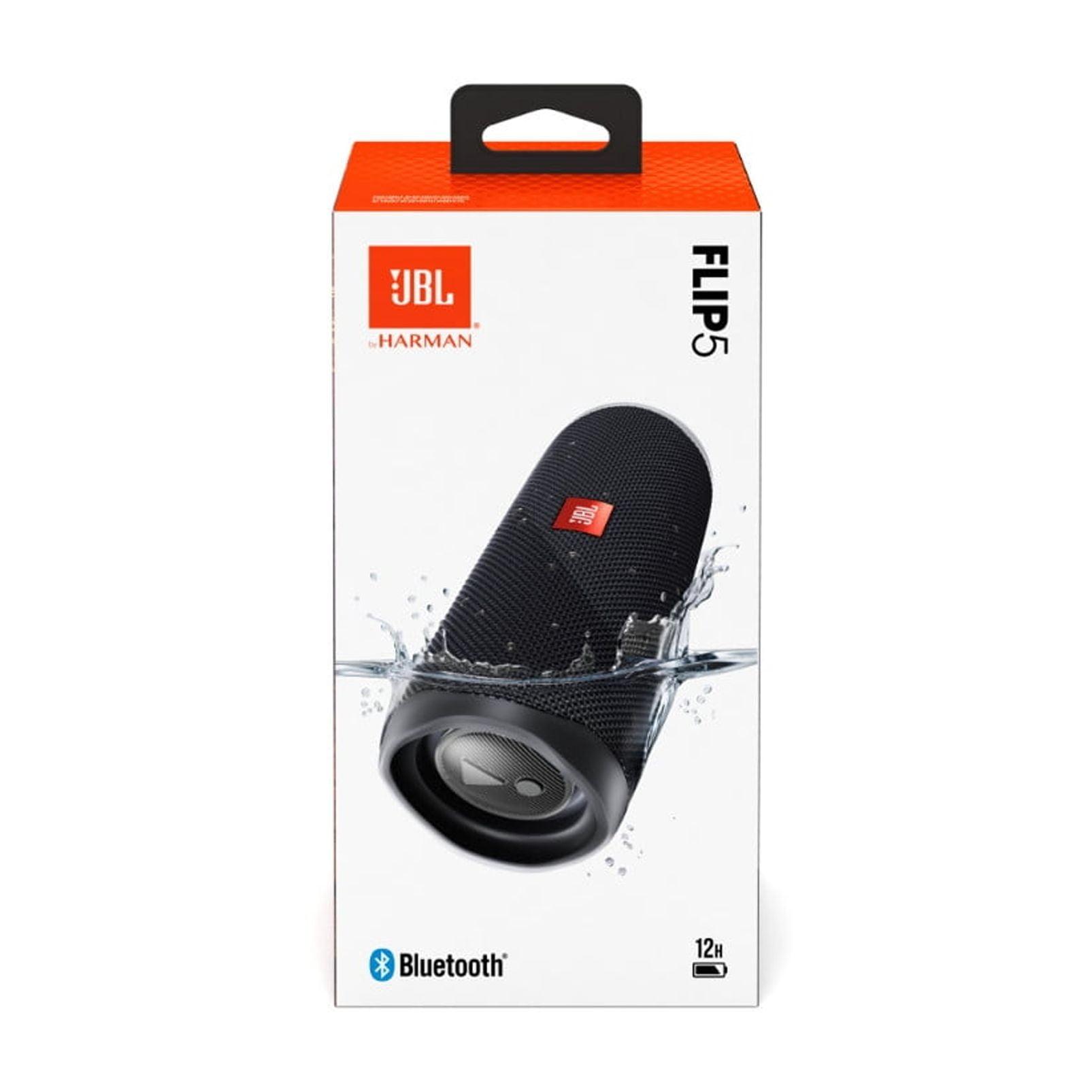
The Flip 5's performance shines in portable scenarios. Its IPX7 waterproof rating means it can handle rain or pool splashes with ease, while its 12-hour battery life covers most outdoor events. The sound projection works particularly well for small gatherings, providing clear audio that doesn't distort at higher volumes.
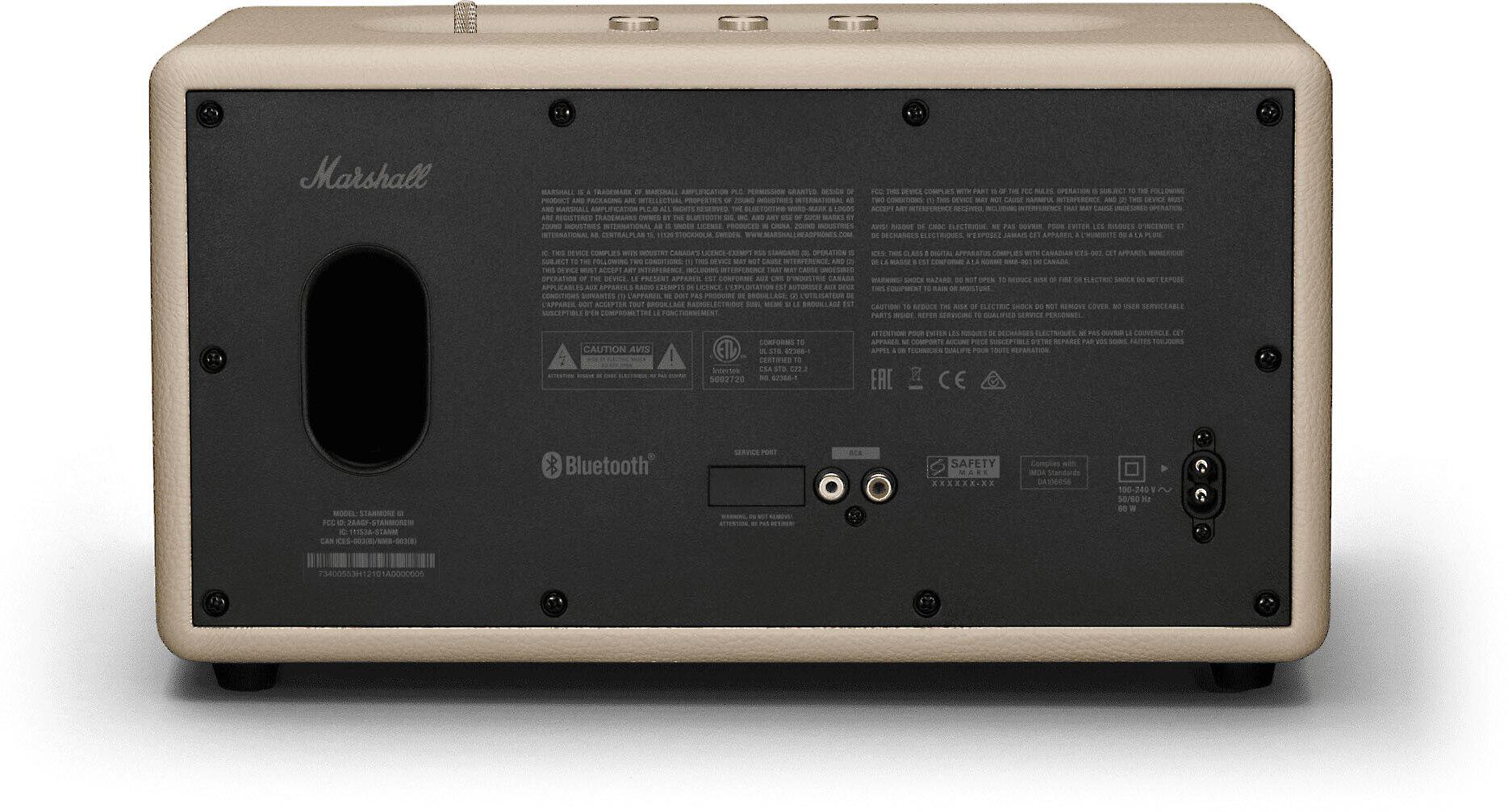
The Marshall Stanmore III offers more connectivity options, including RCA inputs (those red and white plugs used for permanent audio connections) and a 3.5mm auxiliary input alongside Bluetooth 5.2. This flexibility makes it suitable as a central audio hub for multiple devices. The speaker can remember multiple Bluetooth devices and allow two to remain connected simultaneously, making it easy to switch between sources.
The JBL Flip 5 keeps things simpler with just Bluetooth 4.2 connectivity. While this might seem limiting, it aligns with the speaker's portable focus - fewer connections mean fewer potential points of failure in outdoor environments. The PartyBoost feature compensates somewhat by allowing connection to other JBL speakers for expanded coverage.
When considering value, it's crucial to evaluate each speaker against its intended use case. The Stanmore III's $379.99 price tag reflects its position as a premium home audio solution. Its build quality, sound performance, and feature set make it a worthwhile investment for those seeking high-quality home audio with the convenience of Bluetooth.
At $79.95, the Flip 5 delivers impressive value for its capabilities. Its durability, portability, and consistent performance make it an excellent choice for those needing a reliable portable speaker. While it can't match the Stanmore III's sound quality, it excels in situations where the larger speaker wouldn't be practical.
Your choice between these speakers should primarily depend on your intended use:
The Marshall Stanmore III and JBL Flip 5 represent the best of their respective categories, each delivering excellent value for their intended use cases. Your choice should align with how and where you'll most often use your speaker, rather than purely focusing on price or specifications.
| Marshall Stanmore III | JBL Flip 5 |
|---|---|
| Price - Base investment consideration | |
| $379.99 (premium home audio) | $79.95 (budget portable) |
| Audio Power - Determines maximum volume and sound clarity | |
| 80W total (50W woofer, 2x15W tweeters) | 20W single driver |
| Frequency Response - Range of sounds speaker can reproduce | |
| 45Hz-20kHz (deeper bass, fuller range) | 65Hz-20kHz (limited low end) |
| Physical Size - Impacts portability and sound capacity | |
| 13.8" x 8.1" x 8.4" (home installation) | 7.1" x 2.9" x 2.7" (highly portable) |
| Connectivity Options - Flexibility for different audio sources | |
| Bluetooth 5.2, RCA, 3.5mm aux | Bluetooth 4.2 only |
| Power Source - Determines placement flexibility | |
| AC power only (stationary use) | 12-hour rechargeable battery |
| Weather Resistance - Outdoor usability | |
| None (indoor only) | IPX7 (fully waterproof) |
| Special Features - Additional value considerations | |
| App control, EQ settings, Dynamic Loudness | PartyBoost, USB-C charging |
| Driver Configuration - Impacts sound quality | |
| 2-way system (separate woofer/tweeters) | Single full-range driver |
| Use Case Optimization - Primary intended purpose | |
| Home audio, permanent installation | Portable, outdoor, travel |
The Marshall Stanmore III is better for home audio with superior sound quality, while the JBL Flip 5 is better for portable use. They serve different purposes, so "better" depends on your specific needs.
The Marshall Stanmore III costs $379.99, while the JBL Flip 5 is $79.95. The significant price difference reflects their different market segments and capabilities.
The JBL Flip 5 is specifically designed for outdoor use with IPX7 waterproofing and battery power. The Marshall Stanmore III requires AC power and isn't weather-resistant, making it indoor-only.
The Marshall Stanmore III has superior sound quality with 80W total power and dedicated woofer/tweeters. The JBL Flip 5 sounds good for its size but can't match the Stanmore's audio performance.
The JBL Flip 5 offers 12 hours of battery life. The Marshall Stanmore III doesn't have a battery and requires constant AC power.
The Marshall Stanmore III can connect to TVs via its RCA or aux inputs. The JBL Flip 5 only works with Bluetooth-enabled TVs.
For indoor parties, the Marshall Stanmore III provides better sound quality and volume. For outdoor events, the JBL Flip 5 is more practical with its portability and waterproofing.
The JBL Flip 5 offers PartyBoost to connect multiple JBL speakers. The Marshall Stanmore III doesn't support multi-speaker pairing.
The Marshall Stanmore III delivers significantly better bass with its 50W woofer and 45Hz low-end response. The JBL Flip 5 has decent bass for its size but can't match the Stanmore's depth.
The JBL Flip 5 is more durable with its waterproof design and rugged construction. The Marshall Stanmore III is well-built but designed for stationary indoor use.
The Marshall Stanmore III offers a dedicated app with EQ controls. The JBL Flip 5 has basic Bluetooth control but no companion app.
For portable use, the JBL Flip 5 at $79.95 offers excellent value. For home audio, the Marshall Stanmore III at $379.99 justifies its price with superior sound quality and features.
We've done our best to create useful and informative comparisons to help you decide what product to buy. Our research uses advanced automated methods to create this comparison and perfection is not possible - please contact us for corrections or questions. These are the sites we've researched in the creation of this article: techgadgetscanada.com - camelcamelcamel.com - crutchfield.com - bestbuy.com - dxomark.com - crutchfield.com - crutchfield.com - marshall.com - marshall-production-1.mobify-storefront.com - exhibit.tech - ooberpad.com - av-connection.com - whathifi.com - seriousinsights.net - youtube.com - youtube.com - harmanaudio.com - cdwg.com - gzhls.at - kh.jbl.com - support.jbl.com - mm.jbl.com - bestbuy.com - soundguys.com

Privacy Policy
Terms and Conditions - Affiliate Policy
Home Security
© Copyright 2008-2026.
11816 Inwood Rd #1211, Dallas, TX 75244