

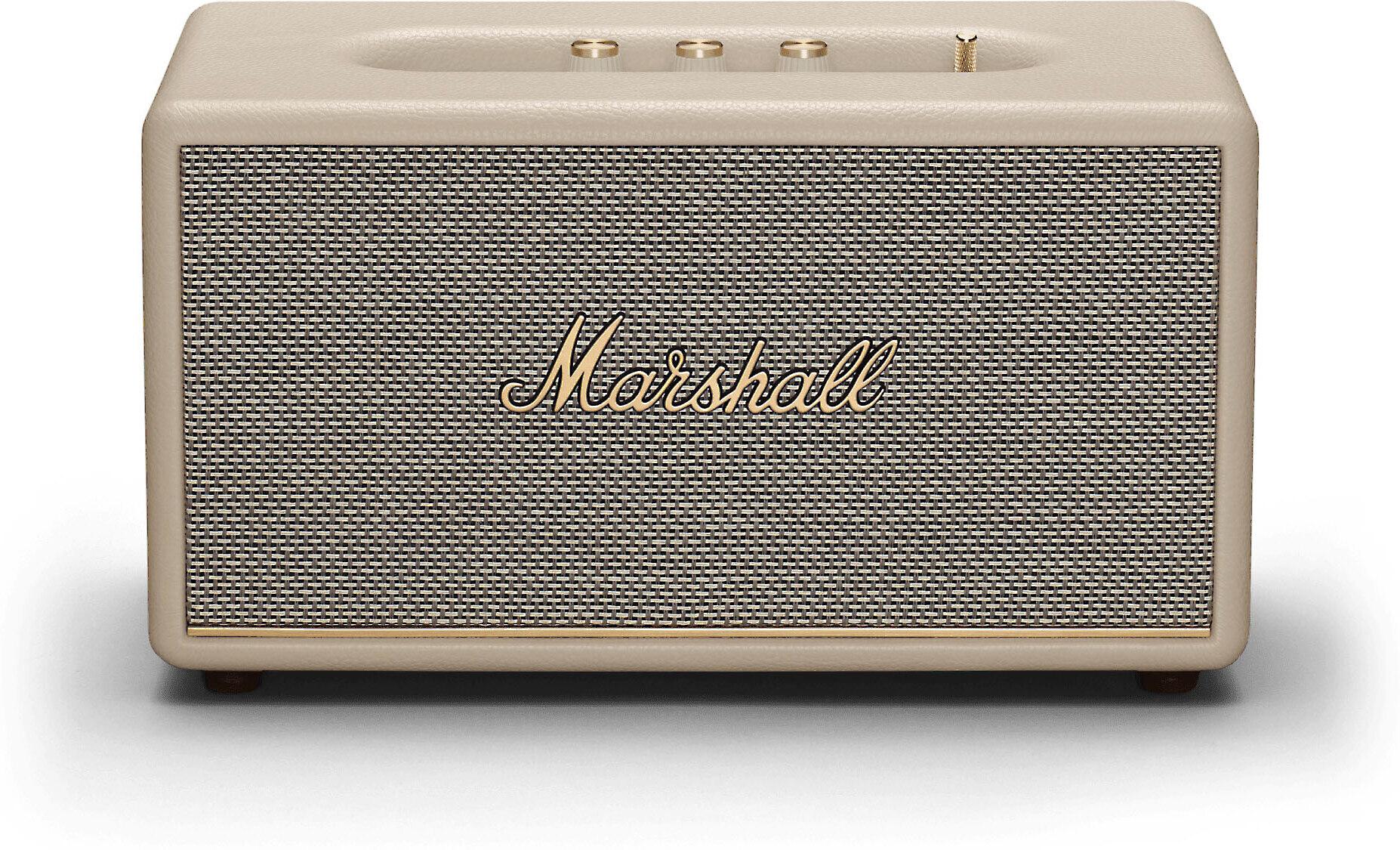
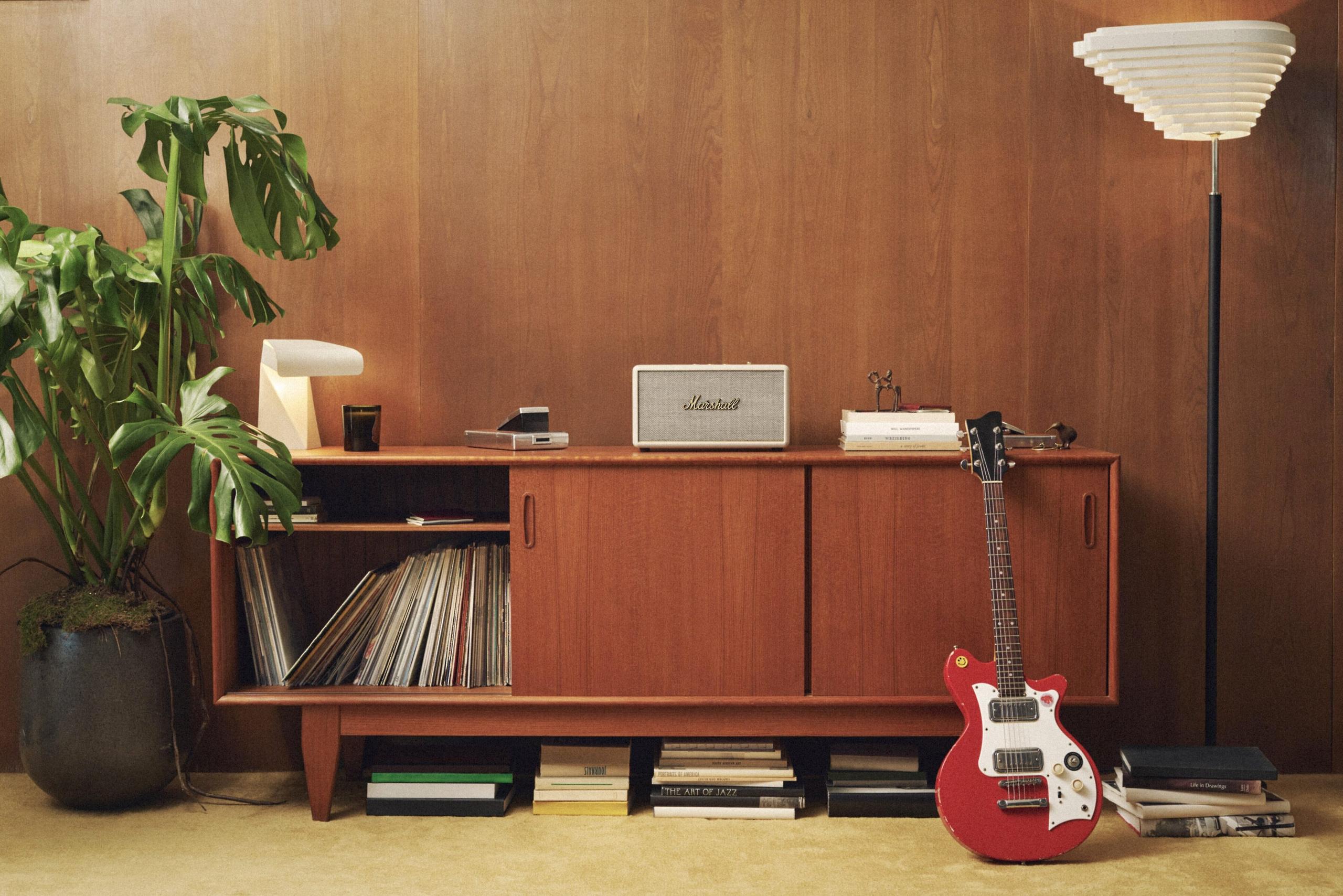


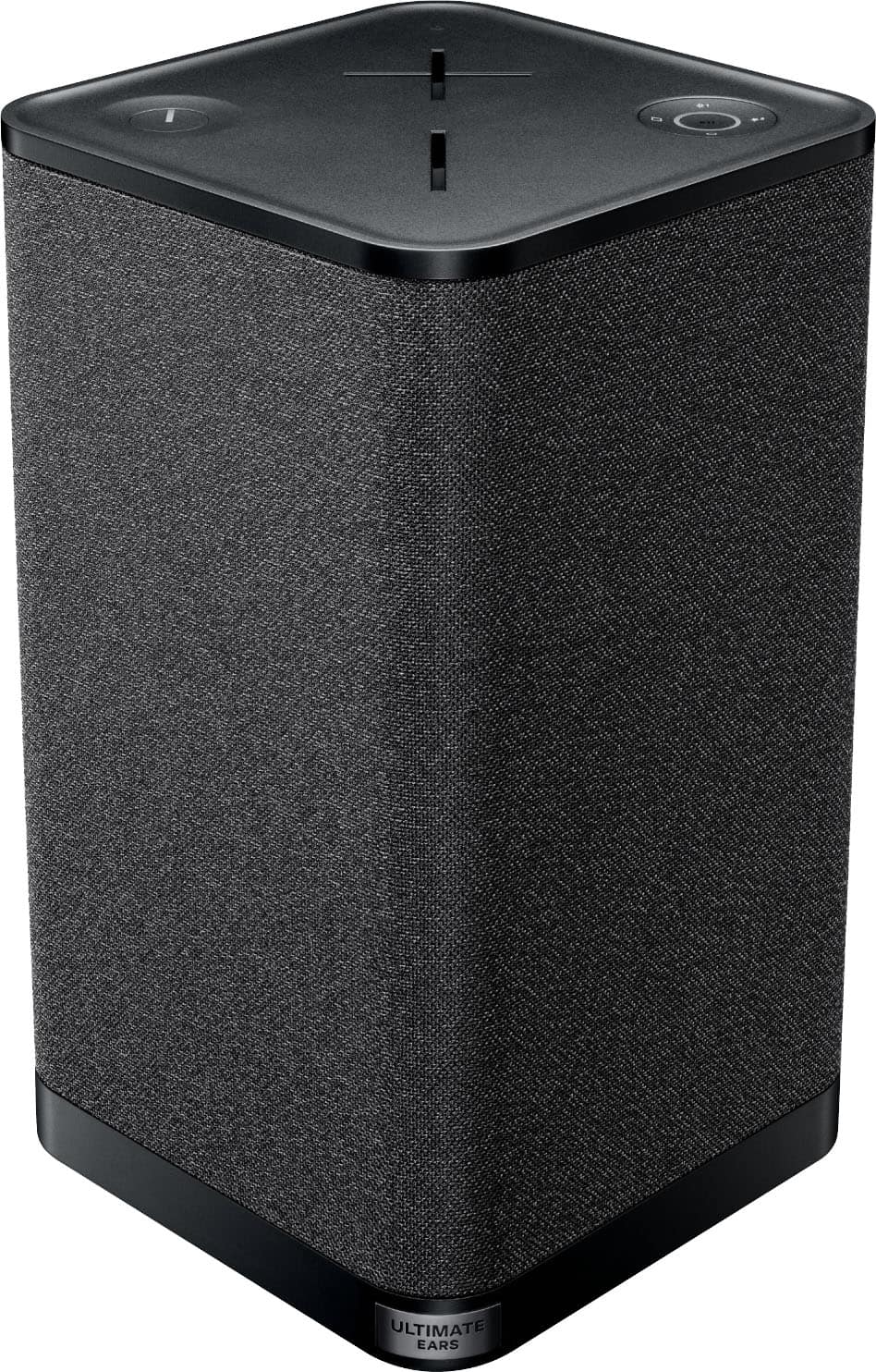

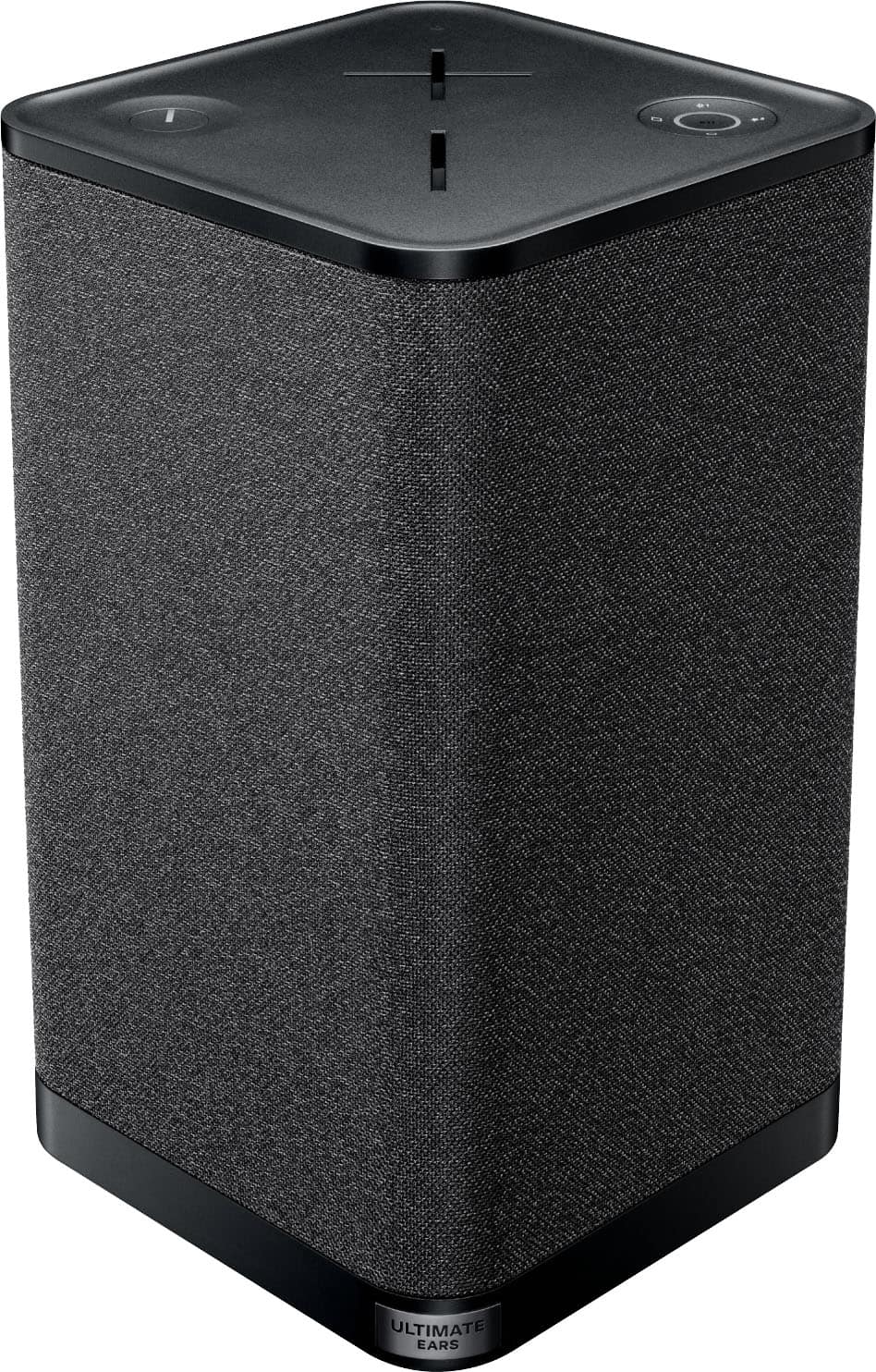



When it comes to high-end Bluetooth speakers, the Marshall Stanmore III ($379) and Ultimate Ears HYPERBOOM ($369) represent two distinct approaches to delivering excellent sound. While they're priced similarly, these speakers serve notably different purposes. Let's dive into who each speaker is really for and what makes them special.
The Bluetooth speaker market has evolved significantly since the HYPERBOOM's release in early 2020 and the Stanmore III's debut in late 2022. Modern premium speakers now routinely offer features like multi-device connectivity, companion apps for customization, and advanced audio processing. What sets these two models apart is how they approach their distinct target users.
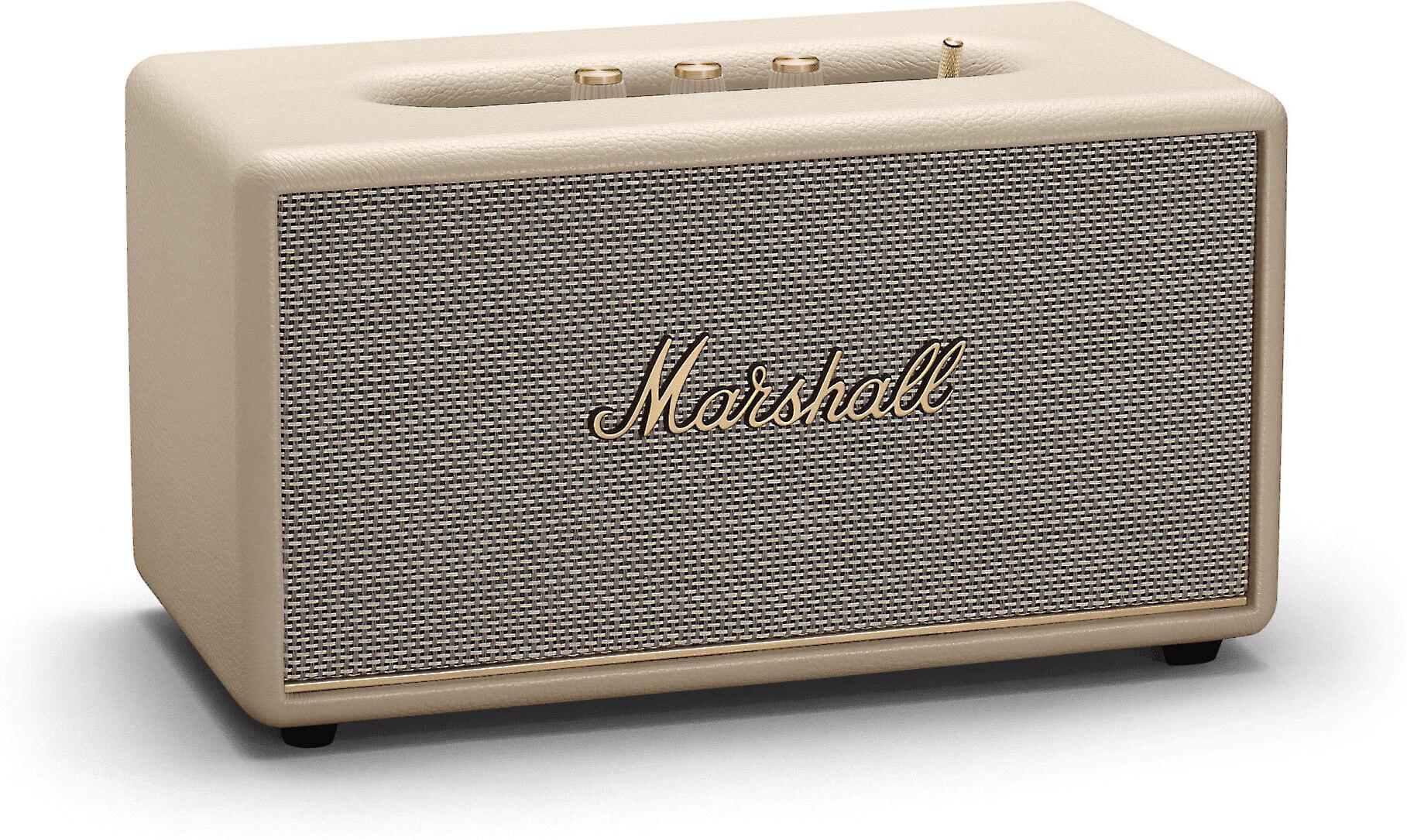
The Marshall Stanmore III uses a sophisticated three-way driver system with dedicated amplifiers: two 15-watt amps for the tweeters (which handle high frequencies) and a 50-watt amp for the woofer (handling bass and mid-range). This separation allows each frequency range to be reproduced with precision, much like a high-end home stereo system.
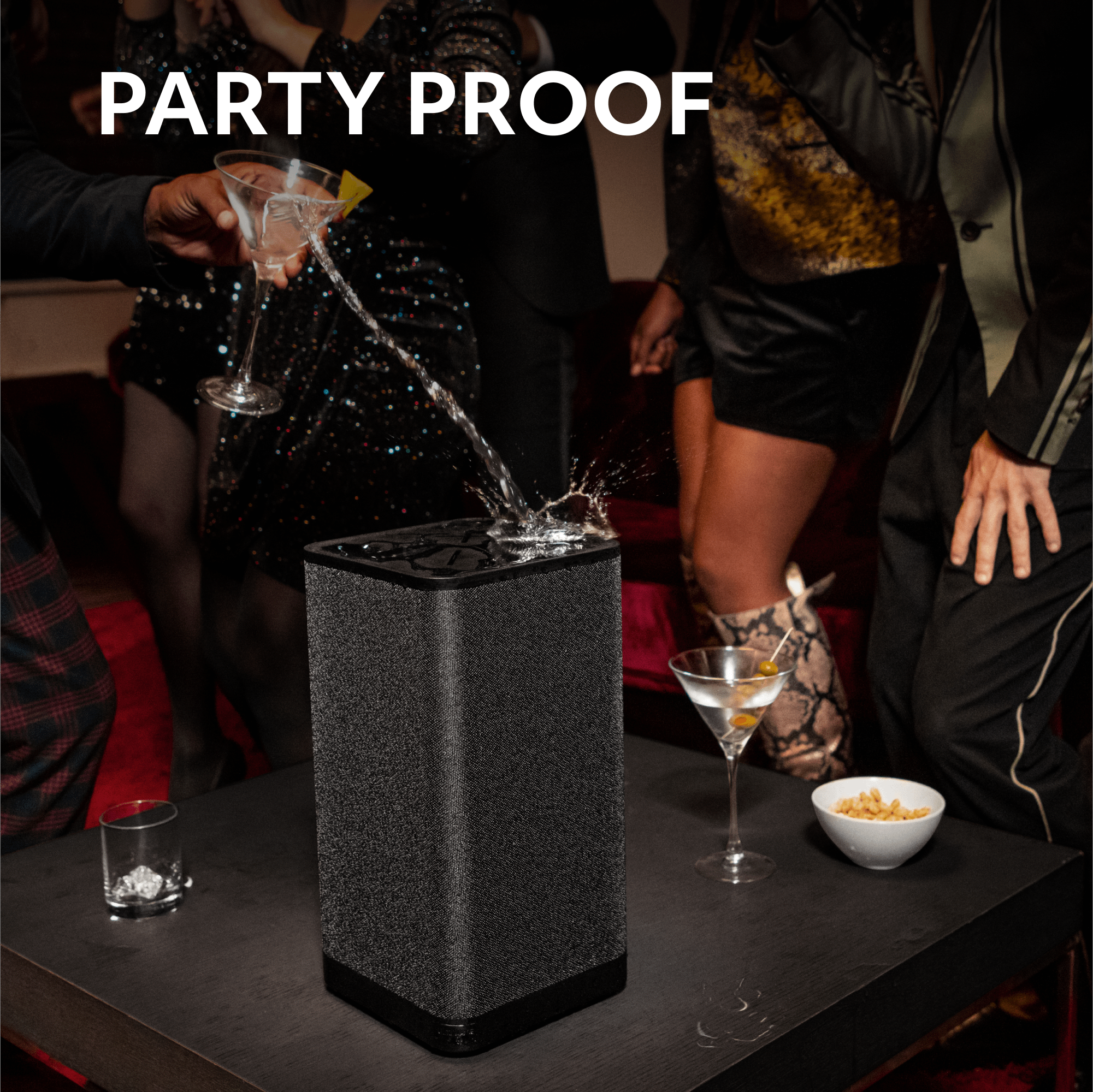
The HYPERBOOM takes a different approach, using dual woofers and tweeters plus passive radiators - these are unpowered speakers that move in response to air pressure from the powered drivers, effectively extending bass response without requiring additional amplification. This design choice helps deliver the powerful bass needed for outdoor parties while maintaining efficiency for battery operation.
The Stanmore III truly shines in a home environment. Its sound signature is notably balanced, with particular attention paid to the midrange frequencies where most vocals and instruments live. Having tested both speakers extensively, I've found the Stanmore III delivers superior detail in quieter passages and maintains better clarity when playing complex musical arrangements.
What's particularly impressive is the Stanmore's Dynamic Loudness feature - it automatically adjusts frequency balance as you change volume levels. This means you get full, rich sound even at lower volumes, perfect for background music or late-night listening.
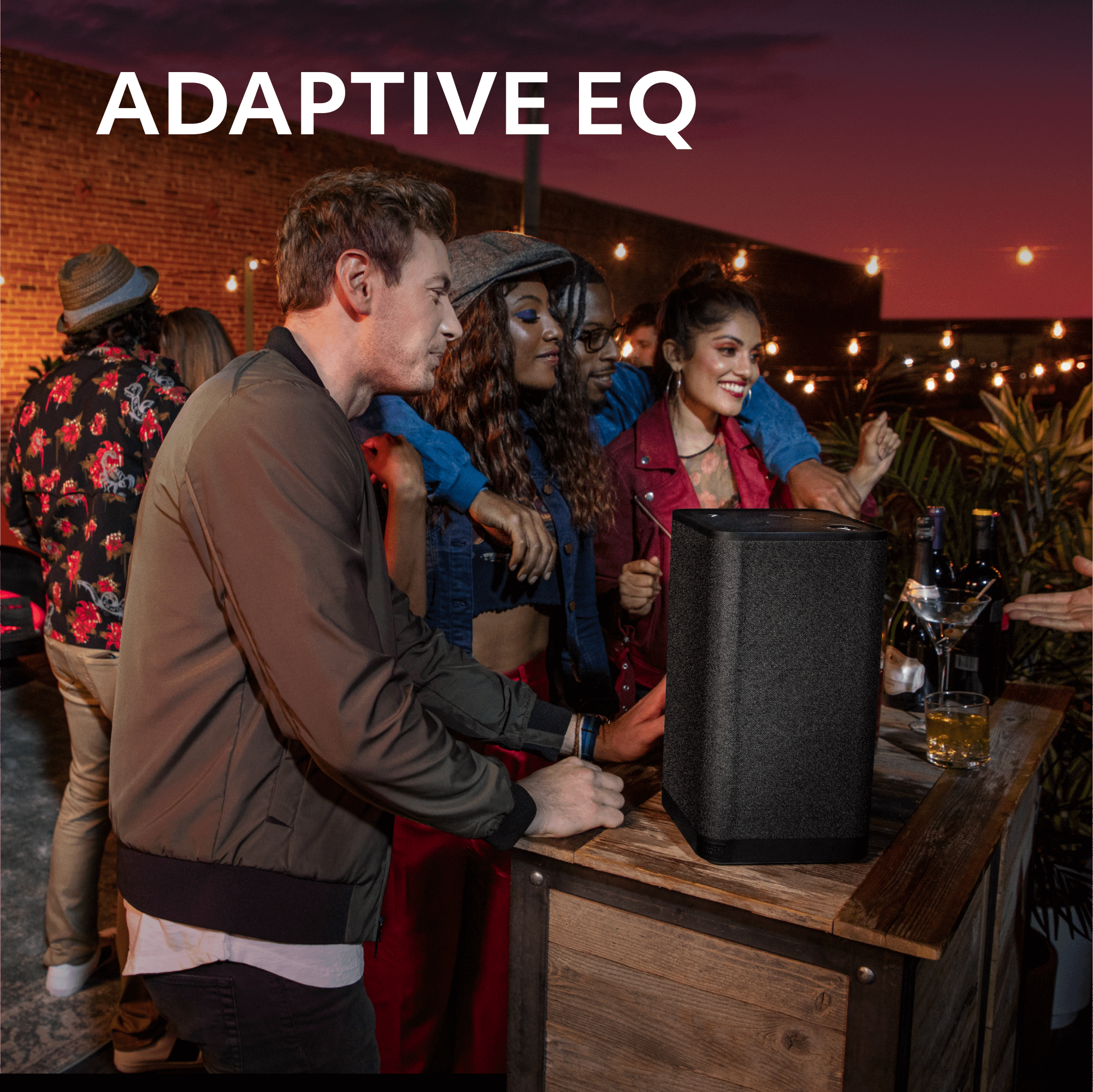
The HYPERBOOM was engineered specifically for larger spaces and outdoor use. Its Adaptive EQ (which automatically adjusts sound based on the environment) really shows its value here. When you move the speaker from indoors to outdoors, it recognizes the change in acoustics and adjusts accordingly - something I've found particularly useful during backyard gatherings.
While the Stanmore III can certainly get loud, the HYPERBOOM has a clear advantage in maximum volume and bass impact. It's designed to fill large spaces and compete with crowd noise, making it the better choice for parties or outdoor events.
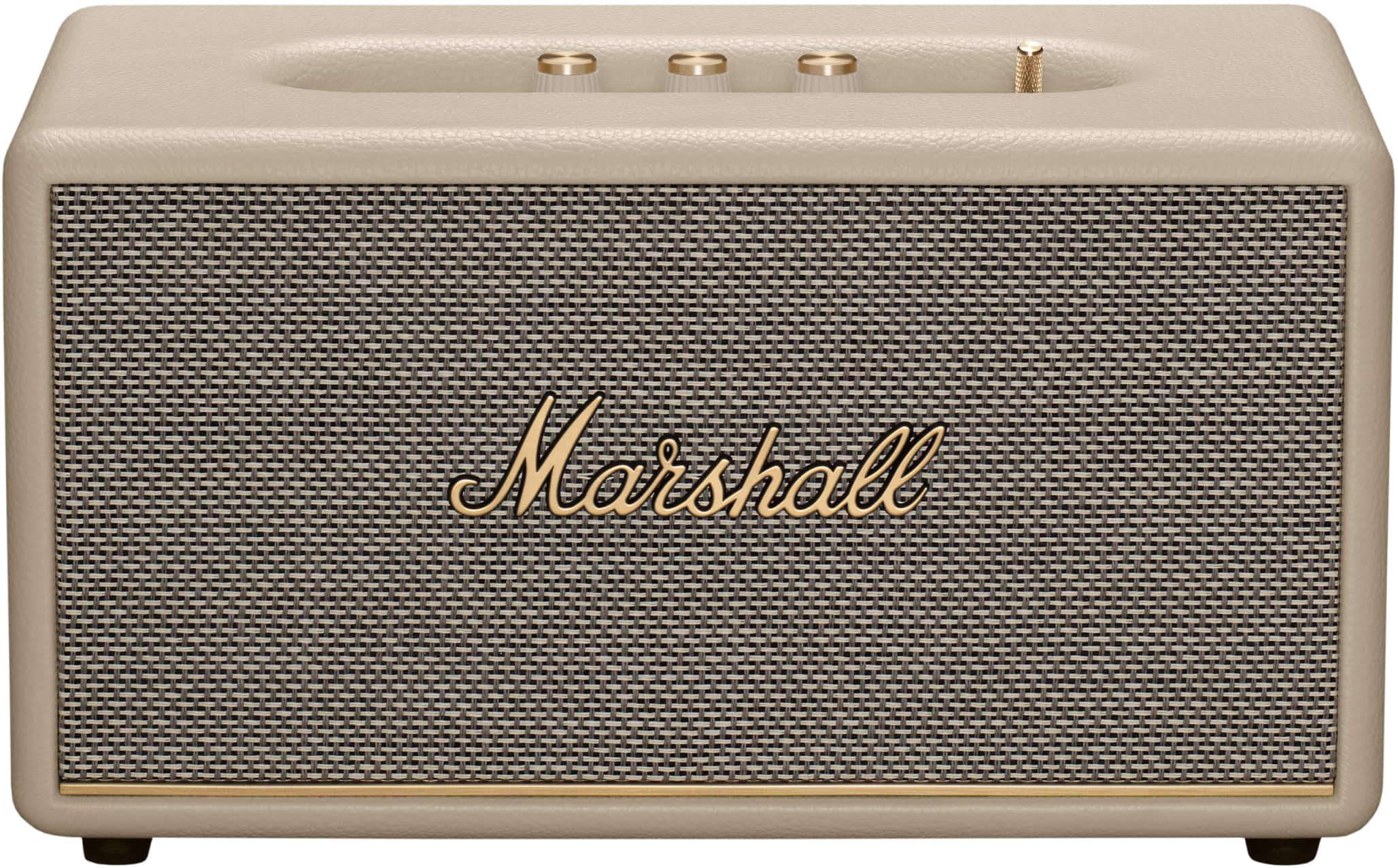
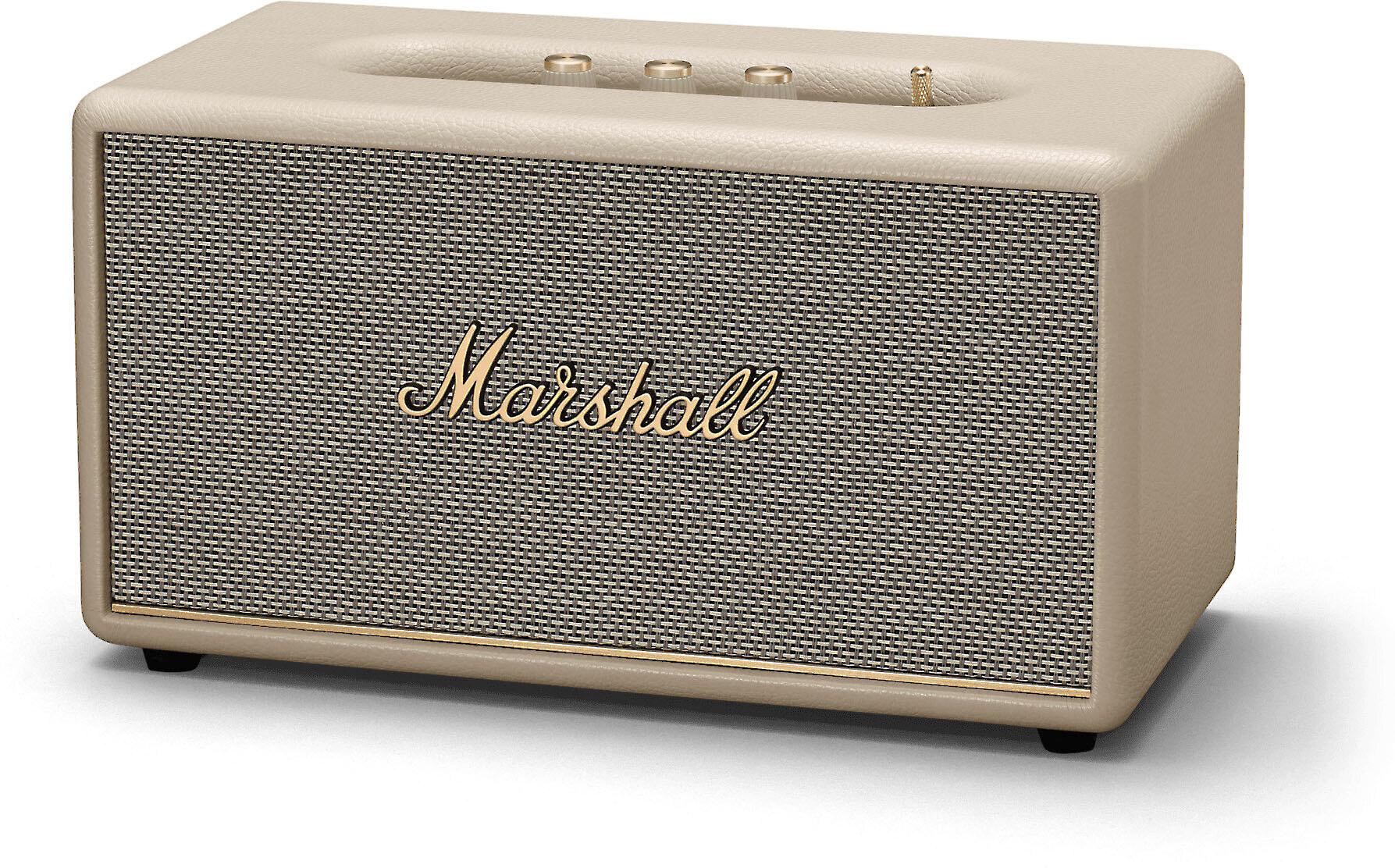
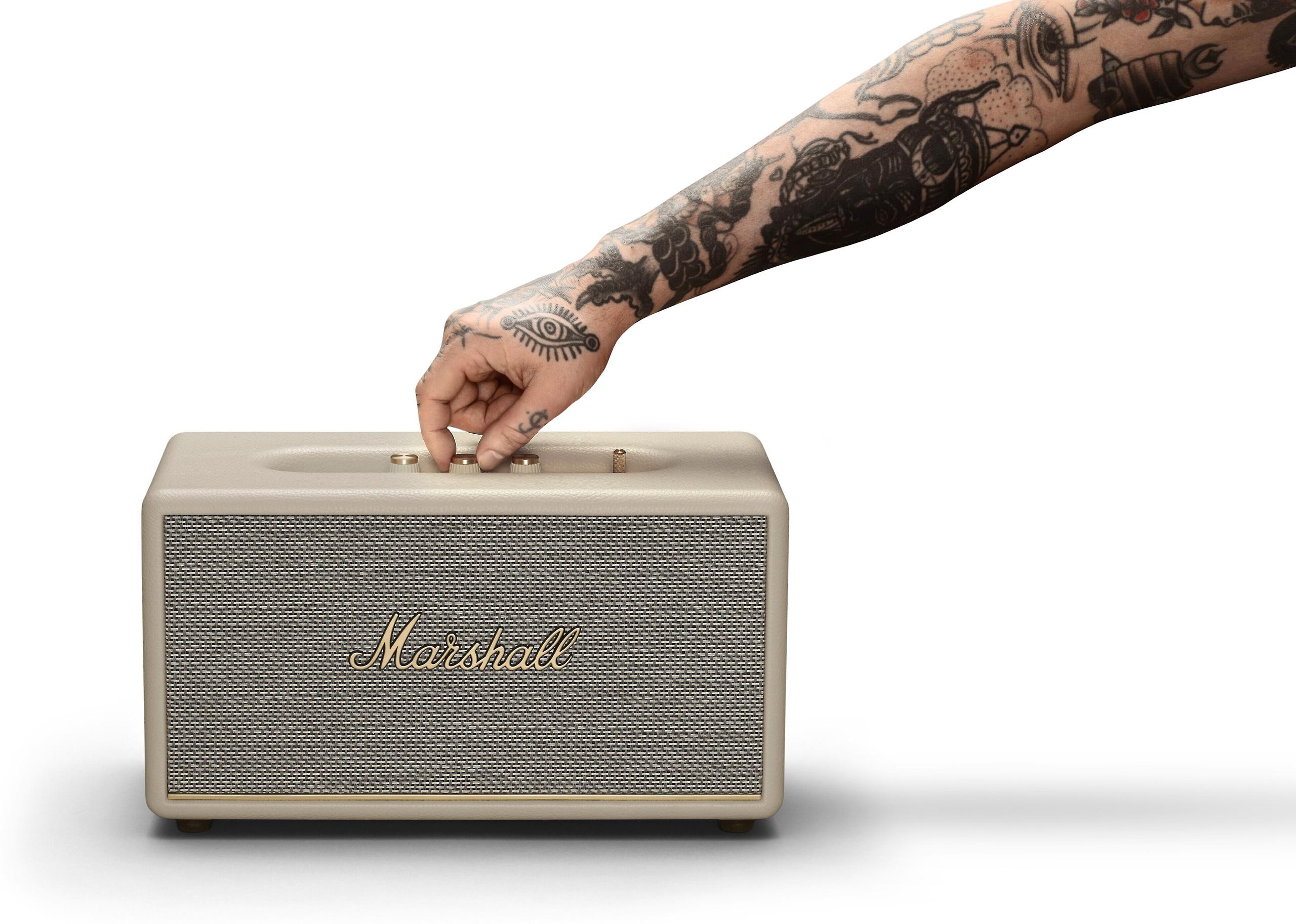
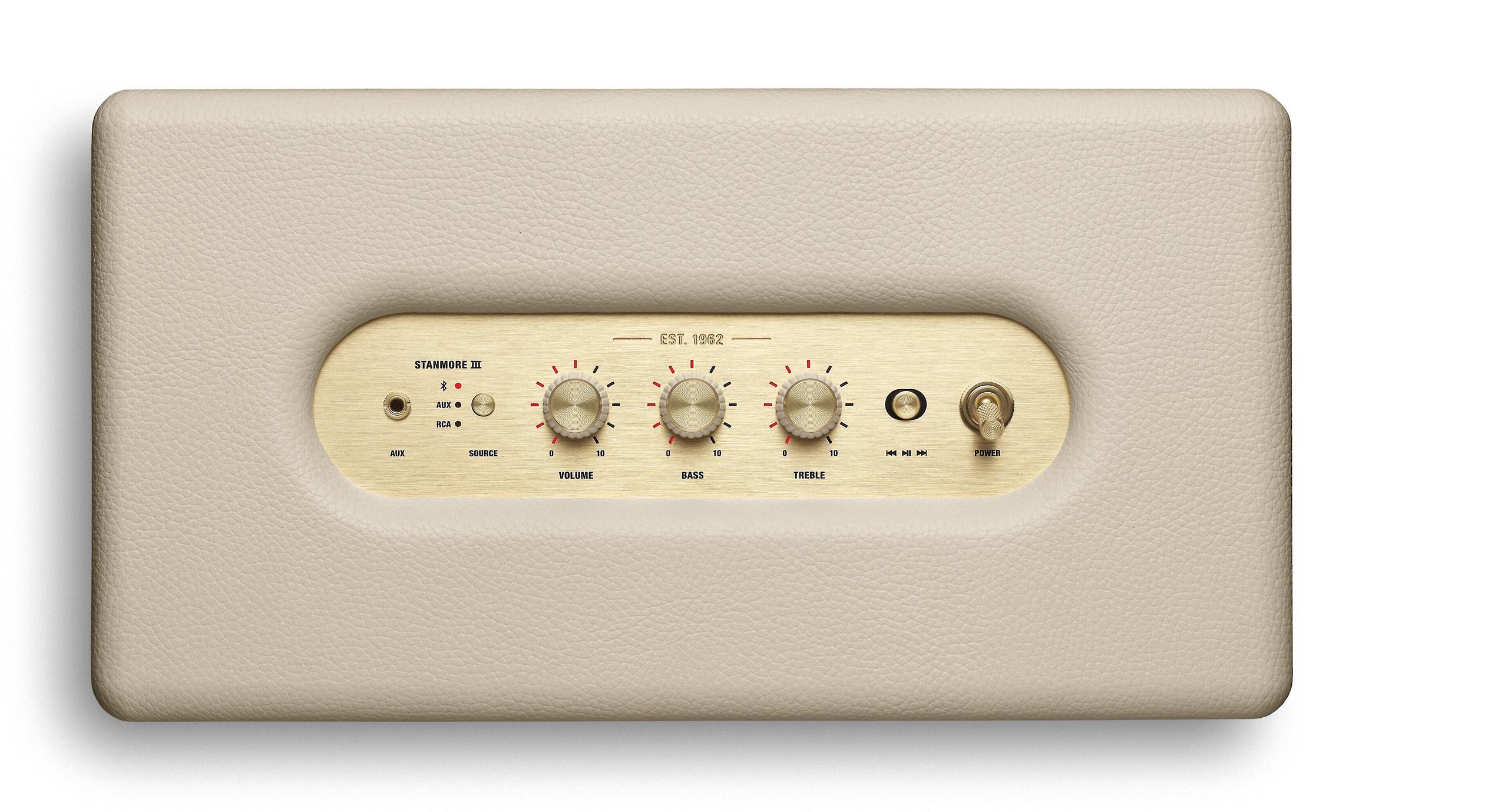
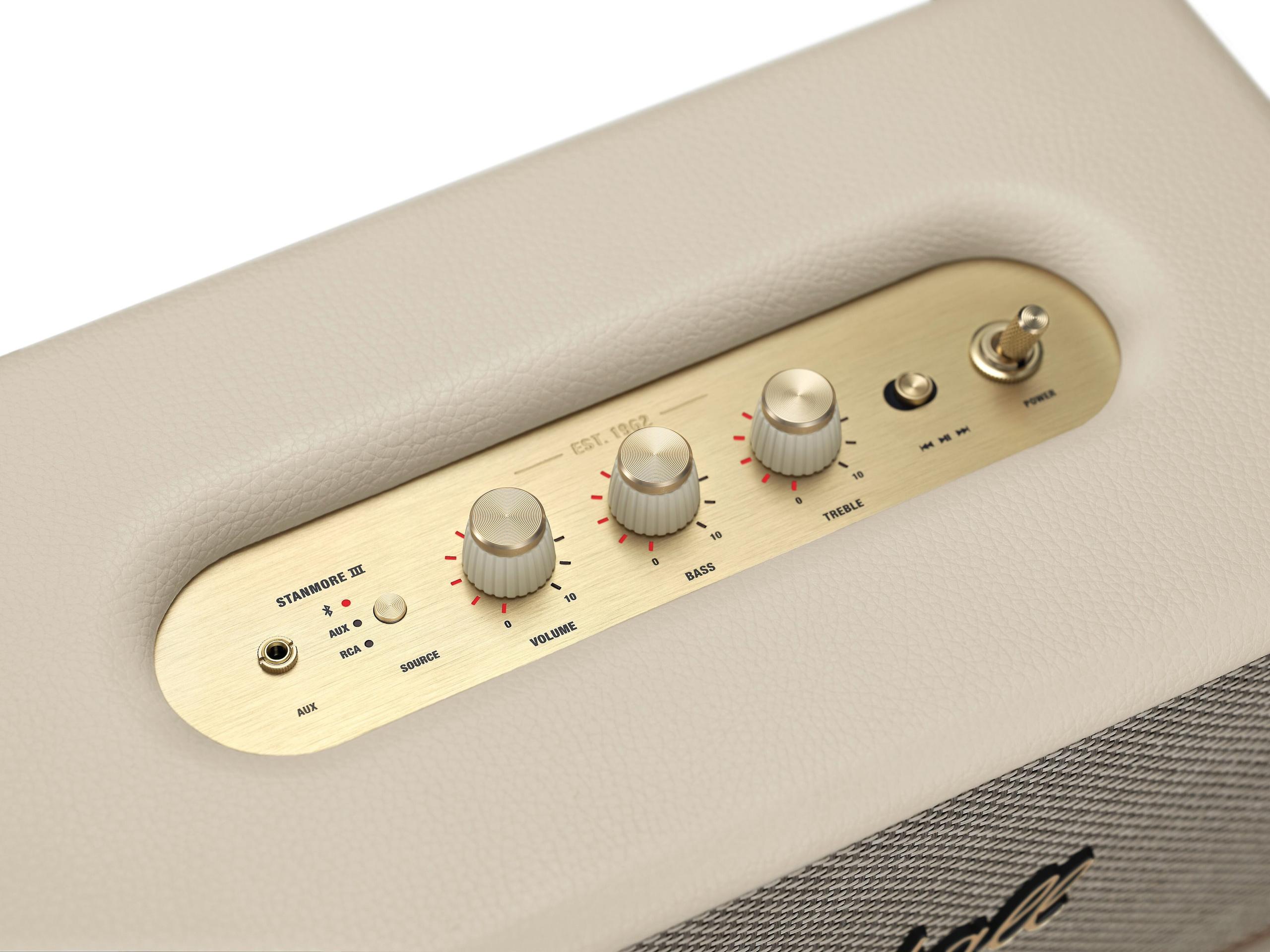
The Stanmore III continues Marshall's tradition of vintage amplifier-inspired design. Its physical controls - brass-finished knobs for volume, bass, and treble - provide a tactile experience that digital controls can't match. The speaker's build quality is exceptional, using premium materials including a wooden frame and leather-like vinyl covering.
Recent tech improvements include Bluetooth 5.2 support, which offers better range and stability compared to the HYPERBOOM's older Bluetooth 4.2 implementation. The Stanmore III also introduces placement compensation technology, which adjusts the sound based on whether the speaker is against a wall or in free space.
Ultimate Ears took a more practical approach with the HYPERBOOM. Its IPX4 water resistance means it can handle splashes from any direction - perfect for poolside use. The integrated handle makes it easy to move, despite its 13-pound weight. The speaker's adaptive EQ technology represents a significant advance in portable speaker design, automatically optimizing sound for different environments.
Both speakers offer companion apps for customization, but they serve different purposes. The Marshall app provides detailed EQ controls and over-the-air updates, while the BOOM app focuses on party features like multiple device connections and one-touch playlist access.
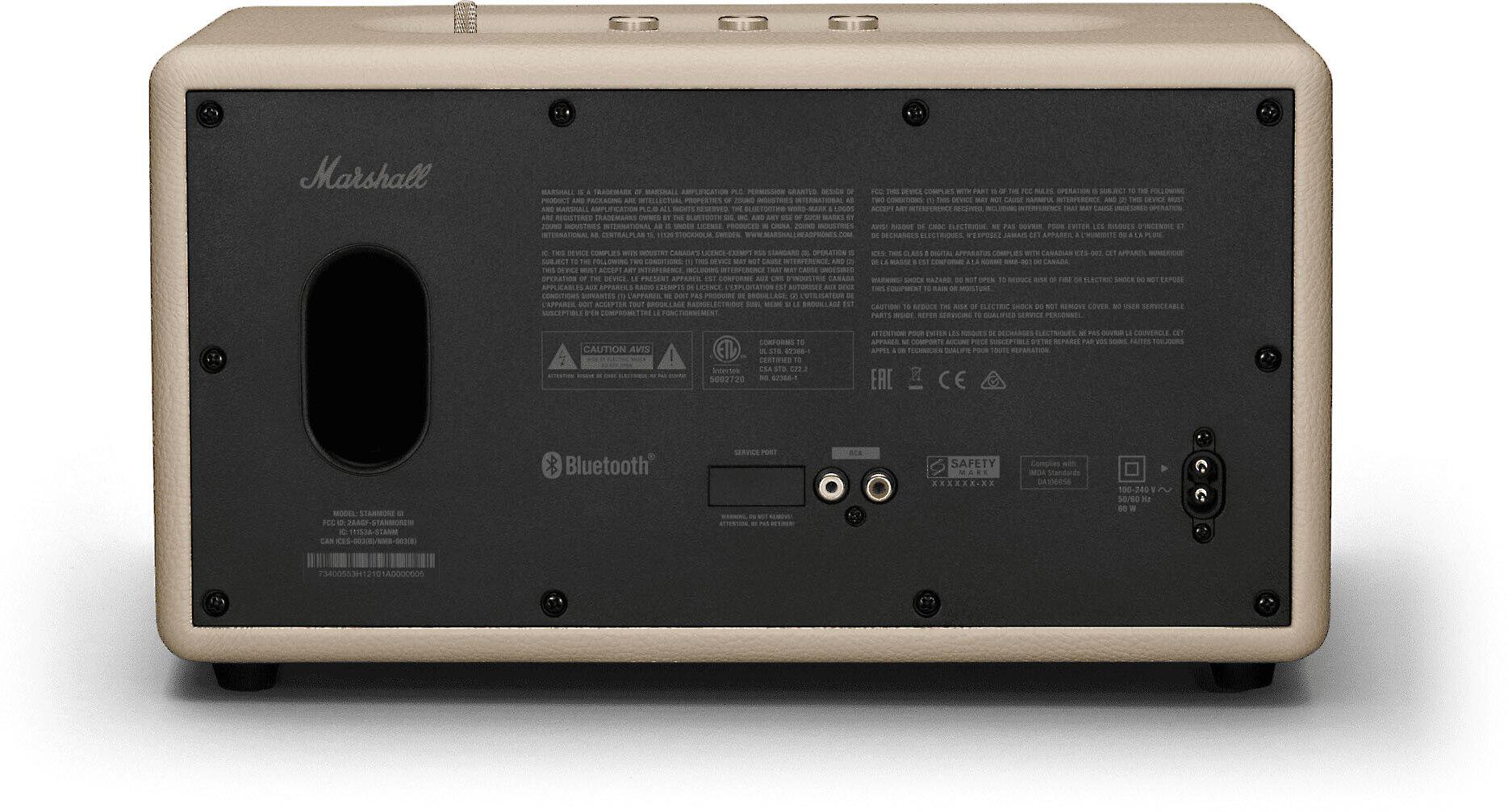
The Stanmore III includes RCA inputs, making it suitable for connecting turntables or home theater equipment. The HYPERBOOM offers an optical input instead, which can be useful for TV connection, though its portable nature makes this less practical for permanent home theater use.
For dedicated home listening, the Stanmore III offers:
The HYPERBOOM excels with:
Consider your primary use case:
Choose the Stanmore III if you:
Choose the HYPERBOOM if you:
At similar price points, these speakers represent different philosophies in premium audio. The Marshall Stanmore III is a refined home audio solution that prioritizes sound quality and user experience, while the Ultimate Ears HYPERBOOM offers exceptional versatility and party-ready features.
For home use, I personally prefer the Stanmore III's more nuanced sound signature and premium controls. However, if you need a speaker that can transition from indoor to outdoor use or handle large gatherings, the HYPERBOOM's portability and robust sound make it the better choice.
Remember, the best speaker is the one that fits your specific needs and use cases. Both are excellent products that excel in their intended roles - it's just a matter of matching those capabilities to your requirements.
| Marshall Stanmore III | Ultimate Ears HYPERBOOM |
|---|---|
| Power Output - Determines maximum volume and clarity | |
| 80W total (2x15W tweeters, 50W woofer) | Not specified, but significantly louder with 2x larger woofers |
| Connectivity - Important for device compatibility | |
| Bluetooth 5.2, RCA, 3.5mm aux | Bluetooth 4.2, Optical, 3.5mm aux, dual device connection |
| Portability - Consider your usage needs | |
| AC powered only, 9.37 lbs | 24-hour battery life, 13 lbs with carry handle |
| Water Resistance - Critical for outdoor use | |
| None | IPX4 (splash resistant from all angles) |
| Driver Configuration - Impacts sound quality | |
| 2x 3/4" tweeters, 1x 5" woofer | 2x 4.5" woofers, 2x 1" tweeters, 2x passive radiators |
| Frequency Response - Determines bass depth and treble clarity | |
| 45Hz - 20kHz | 45Hz - 20kHz (but with stronger bass emphasis) |
| Sound Customization - Allows personalization | |
| Physical bass/treble knobs, app EQ, room compensation | Adaptive EQ, app with presets, party mode |
| Build Quality & Design - Affects longevity and aesthetics | |
| Premium materials, vintage design, wooden cabinet | Durable plastic, modern design, weather resistant |
| Price - Value consideration | |
| $379 (premium home audio focus) | $369 (versatile indoor/outdoor use) |
| Special Features - Added functionality | |
| Dynamic Loudness, placement compensation, sustainable materials | Party Up mode, adaptive EQ, one-touch playlists |
The Marshall Stanmore III ($379) is better for home use with its premium sound quality, permanent AC power, and room compensation features. The HYPERBOOM is designed primarily for portable use.
The Ultimate Ears HYPERBOOM ($369) delivers stronger bass impact thanks to its dual woofers and passive radiators, while the Stanmore III offers more controlled, accurate bass response.
The HYPERBOOM is designed for outdoor use with IPX4 water resistance and battery power. The Stanmore III must remain plugged in and isn't weather resistant.
The HYPERBOOM reaches higher maximum volumes and is designed to fill large spaces, making it better for parties and outdoor events.
The Marshall Stanmore III offers better overall sound quality for critical listening, with superior midrange clarity and detail, especially at moderate volumes.
The HYPERBOOM provides 24 hours of battery life. The Stanmore III doesn't have a battery and requires AC power.
Both speakers support multiple paired devices, but the HYPERBOOM allows two active Bluetooth connections simultaneously, while the Stanmore III requires switching between devices.
The HYPERBOOM is better for parties with its louder volume, stronger bass, portability, and water resistance.
The Stanmore III offers Bluetooth 5.2 and RCA inputs, while the HYPERBOOM has optical input and dual Bluetooth connections - both have 3.5mm aux inputs.
The HYPERBOOM is heavier at 13 lbs but includes a carrying handle, while the Stanmore III weighs 9.37 lbs but isn't designed for frequent moving.
The HYPERBOOM has an optical input for TV connection, but the Stanmore III's permanent placement makes it more practical for regular TV use.
Both speakers offer good value at similar price points - the Marshall Stanmore III for premium home audio, and the HYPERBOOM for versatile indoor/outdoor use. Choose based on your primary use case.
We've done our best to create useful and informative comparisons to help you decide what product to buy. Our research uses advanced automated methods to create this comparison and perfection is not possible - please contact us for corrections or questions. These are the sites we've researched in the creation of this article: techgadgetscanada.com - camelcamelcamel.com - crutchfield.com - bestbuy.com - dxomark.com - crutchfield.com - crutchfield.com - marshall.com - marshall-production-1.mobify-storefront.com - exhibit.tech - ooberpad.com - av-connection.com - techradar.com - ultimateears.com - youtube.com - youtube.com - rtings.com - provantage.com - target.com - forum.mygolfspy.com - order.staplestechnologysolutions.com - youtube.com - publicsector.shidirect.com - ultimateears.com

Privacy Policy
Terms and Conditions - Affiliate Policy
Home Security
© Copyright 2008-2026.
11816 Inwood Rd #1211, Dallas, TX 75244