

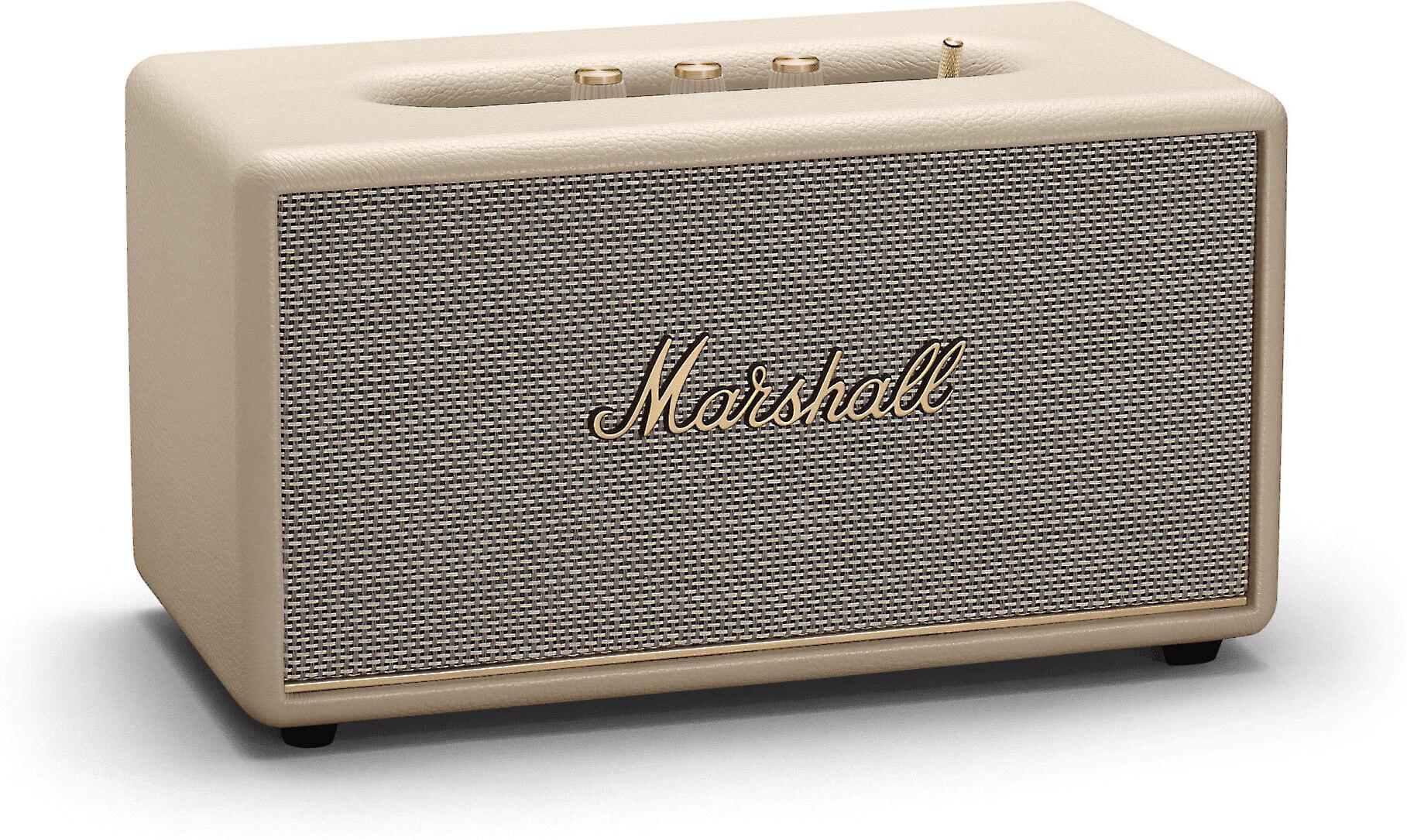
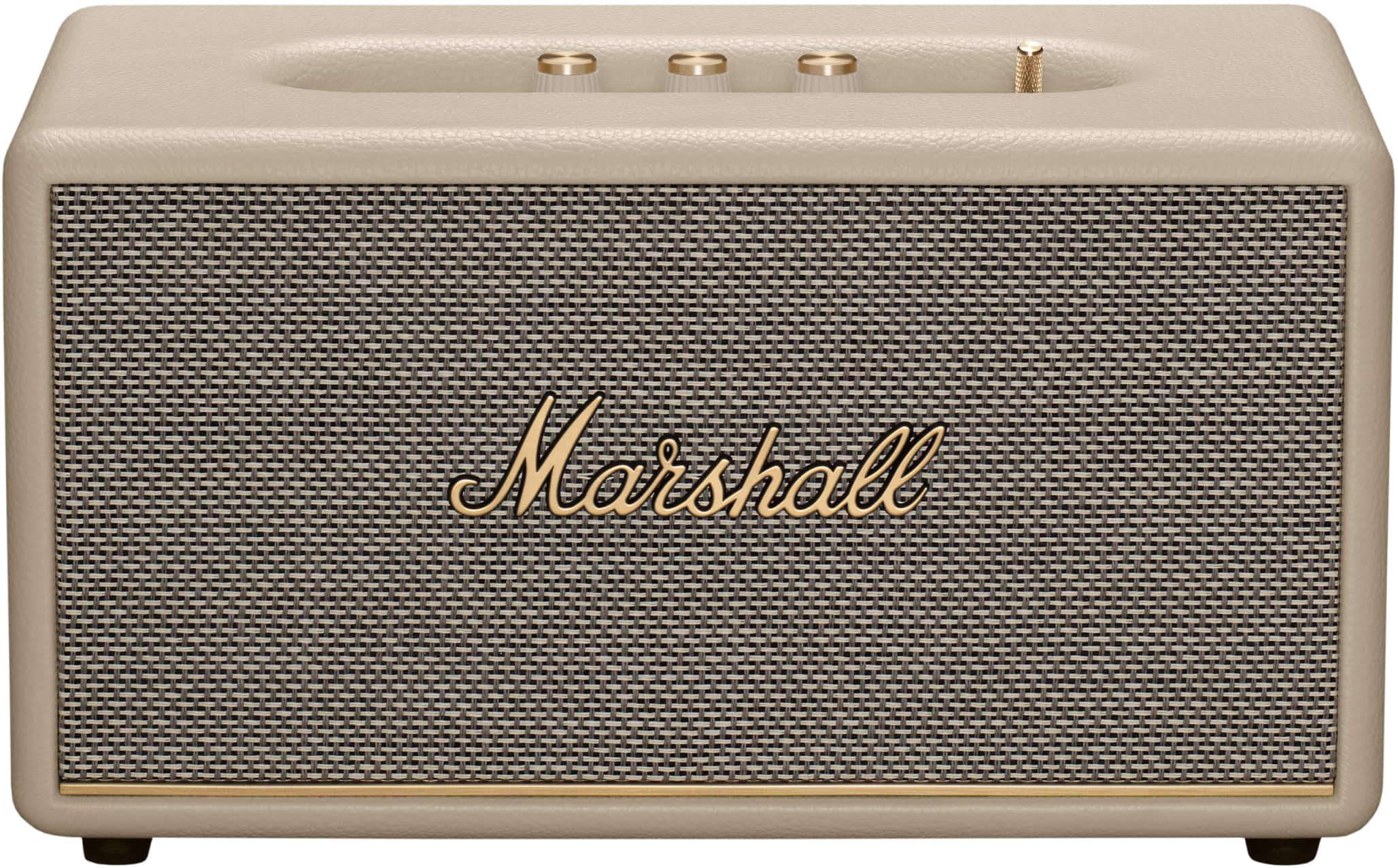
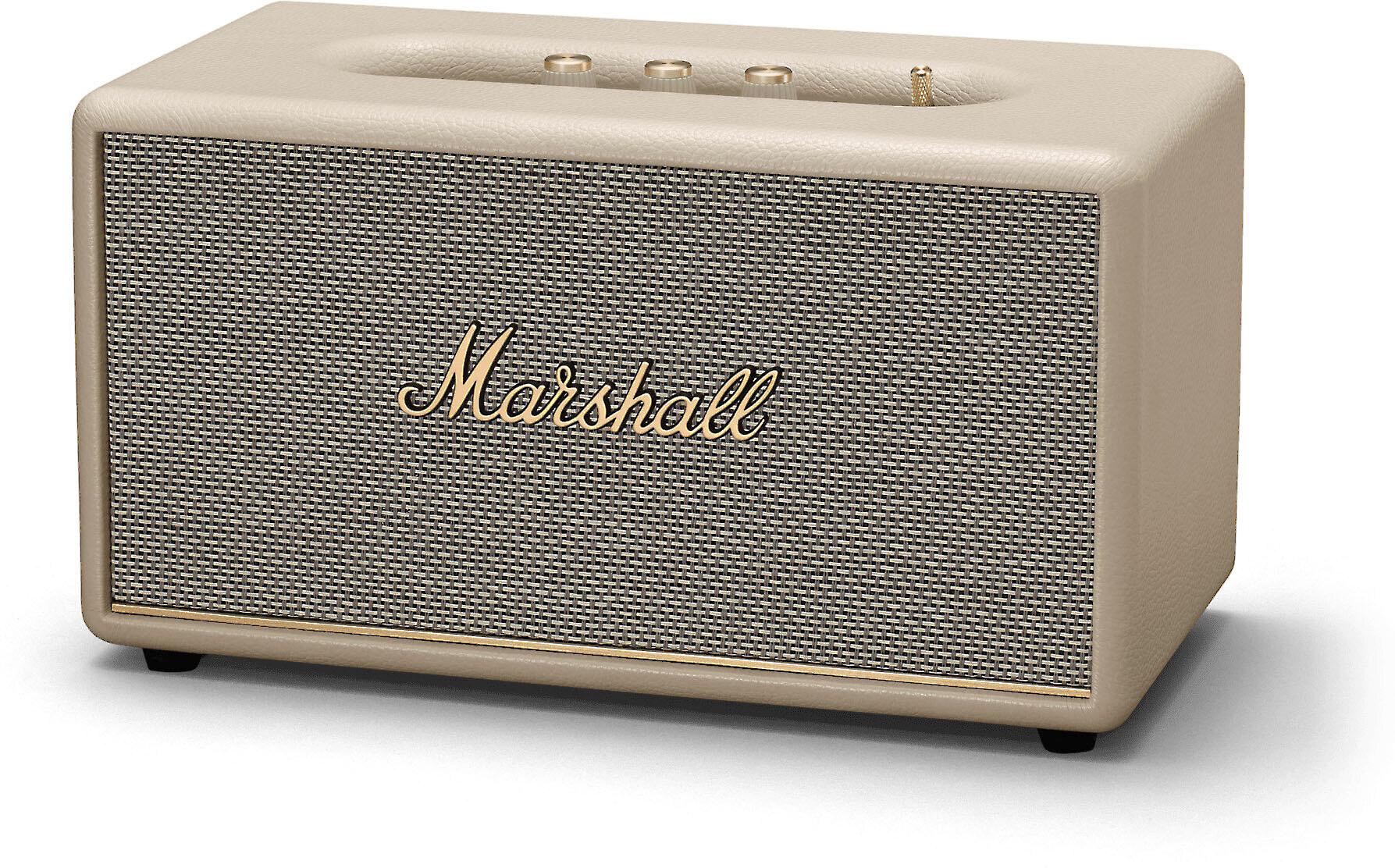
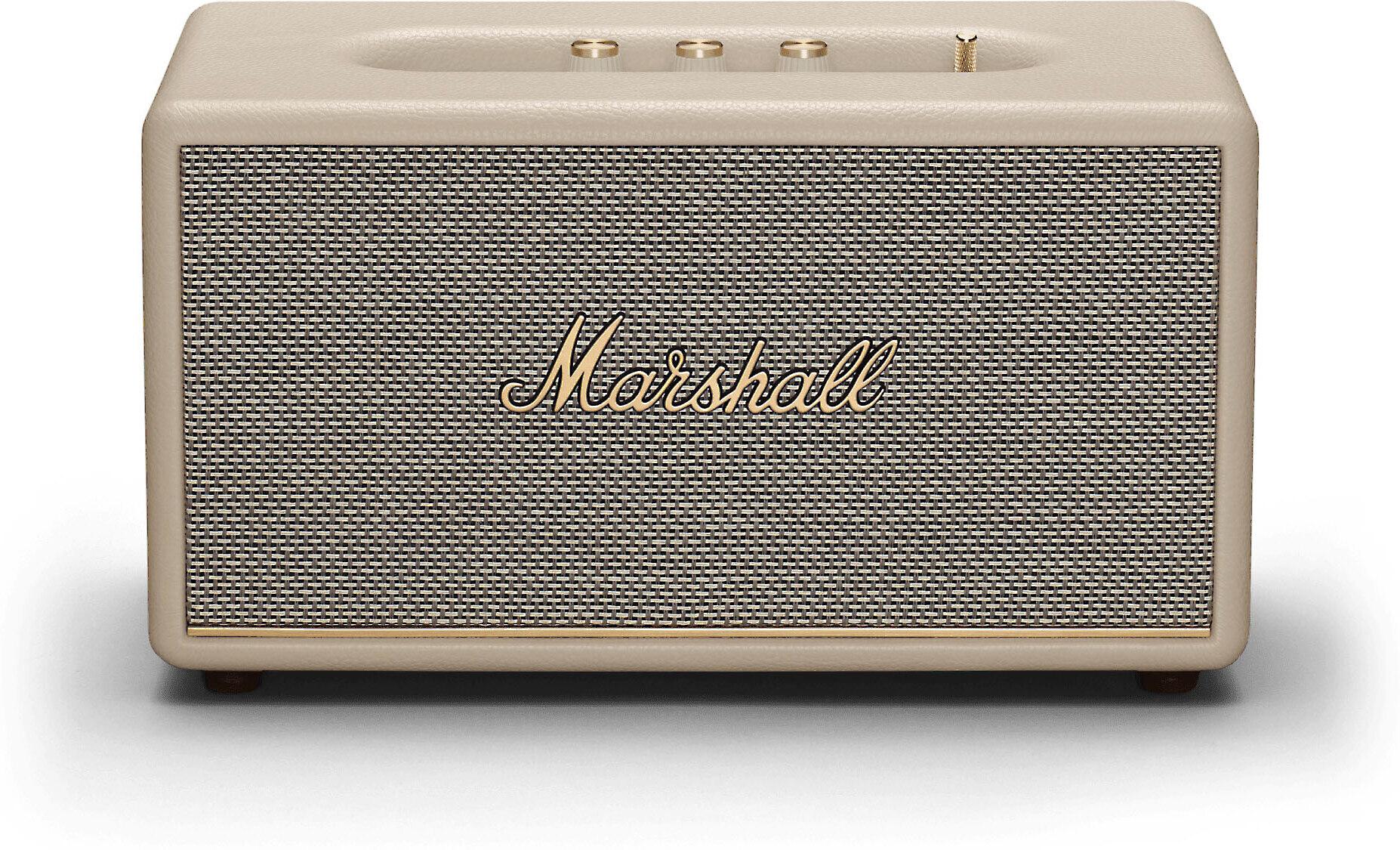
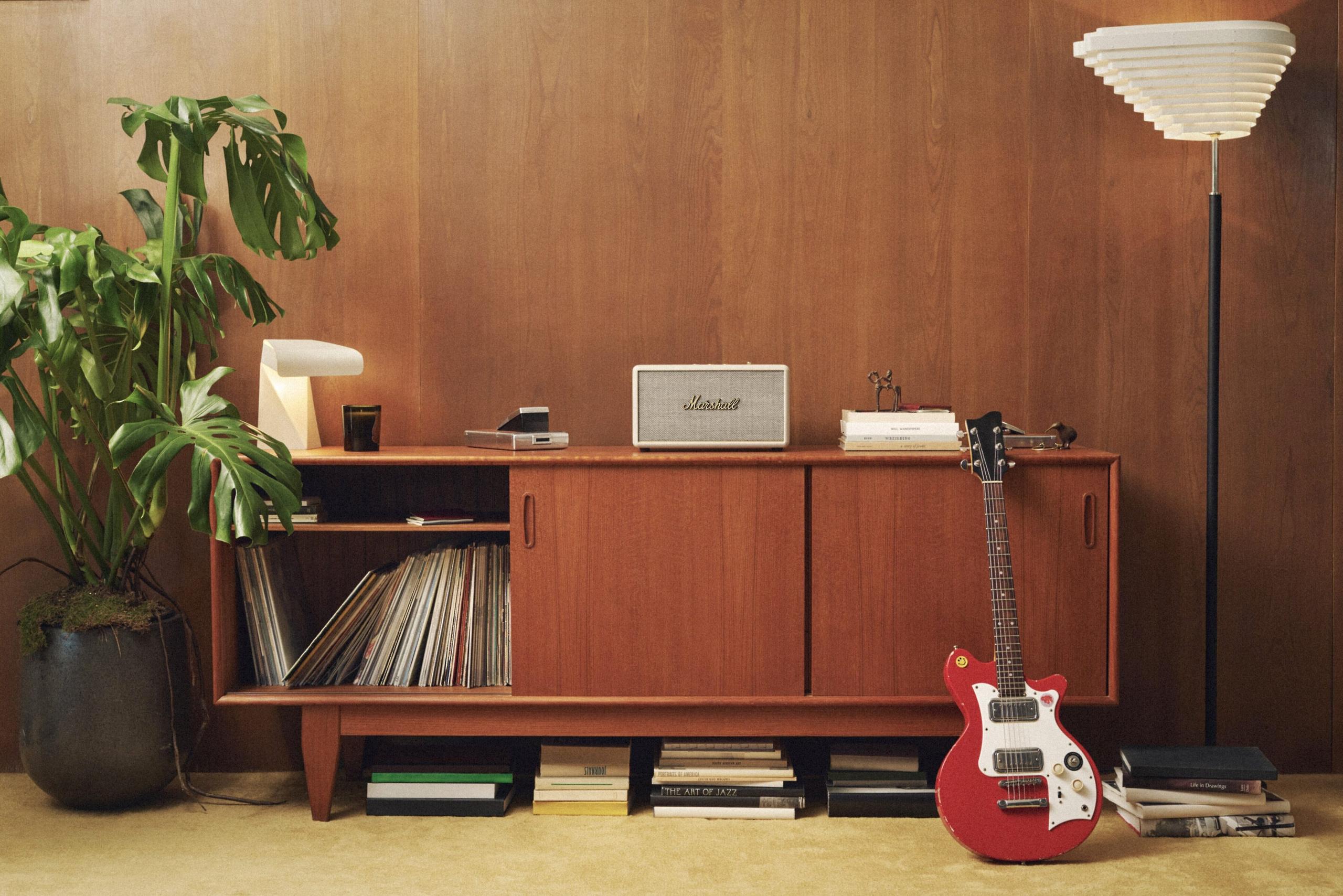
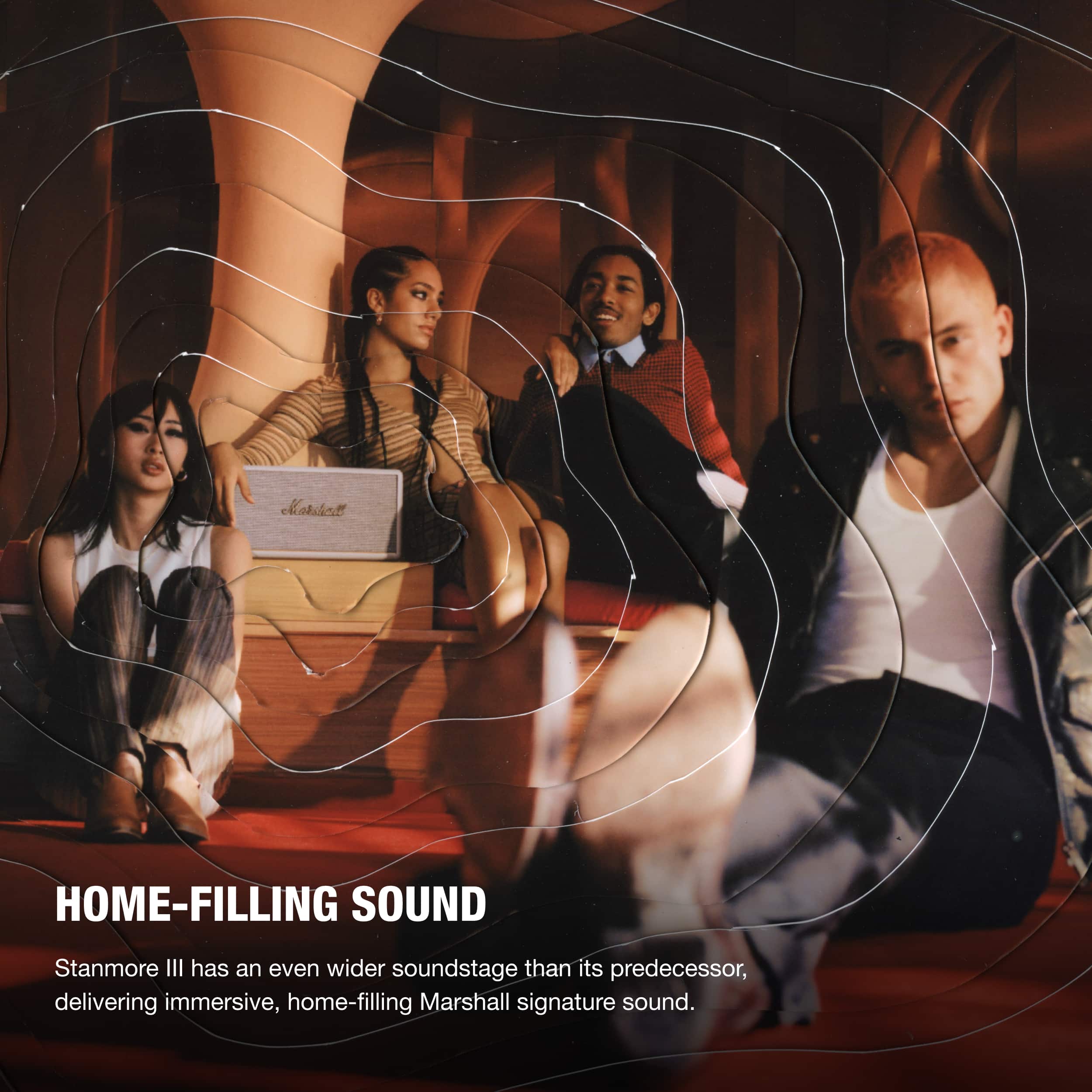

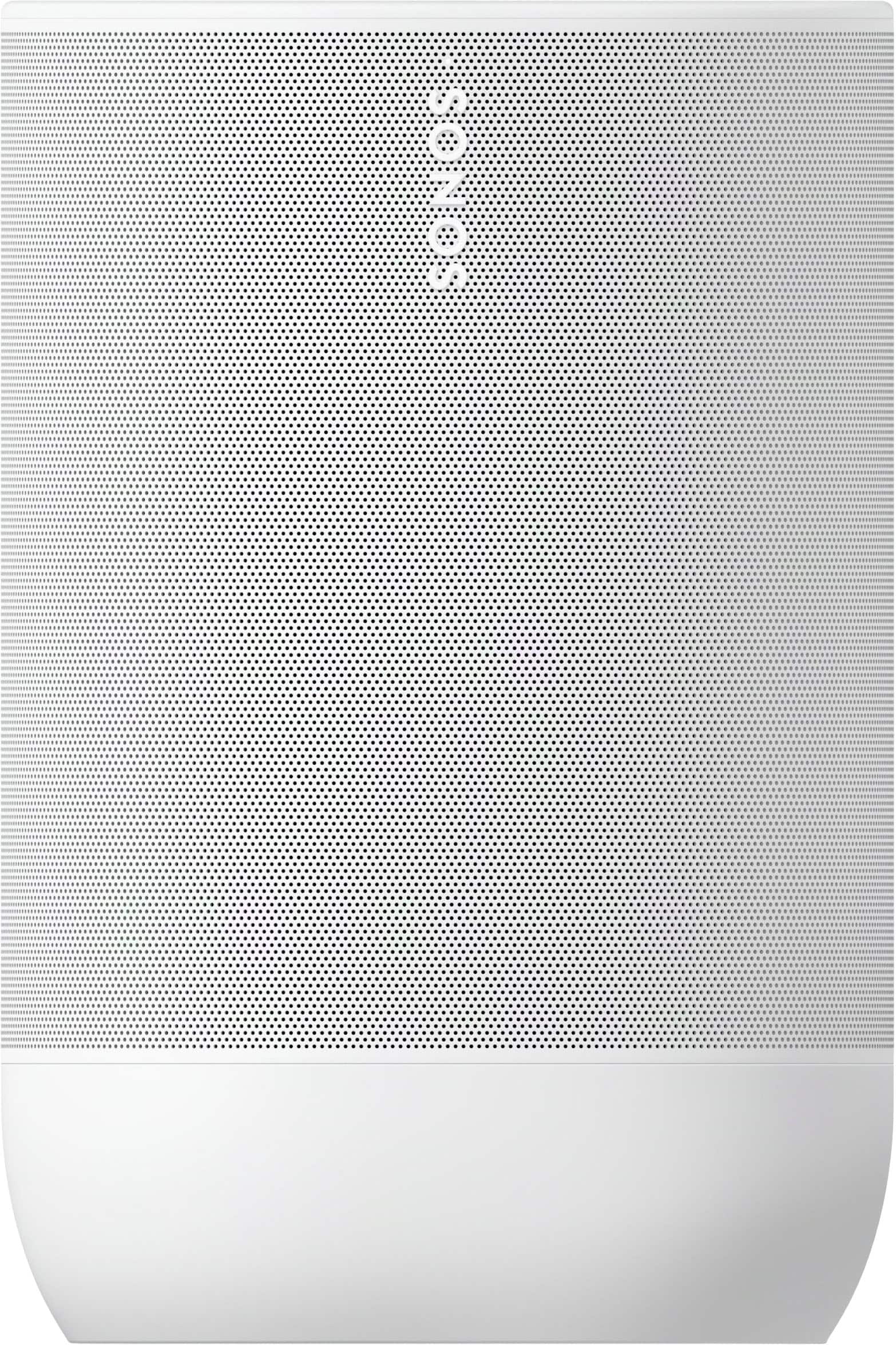
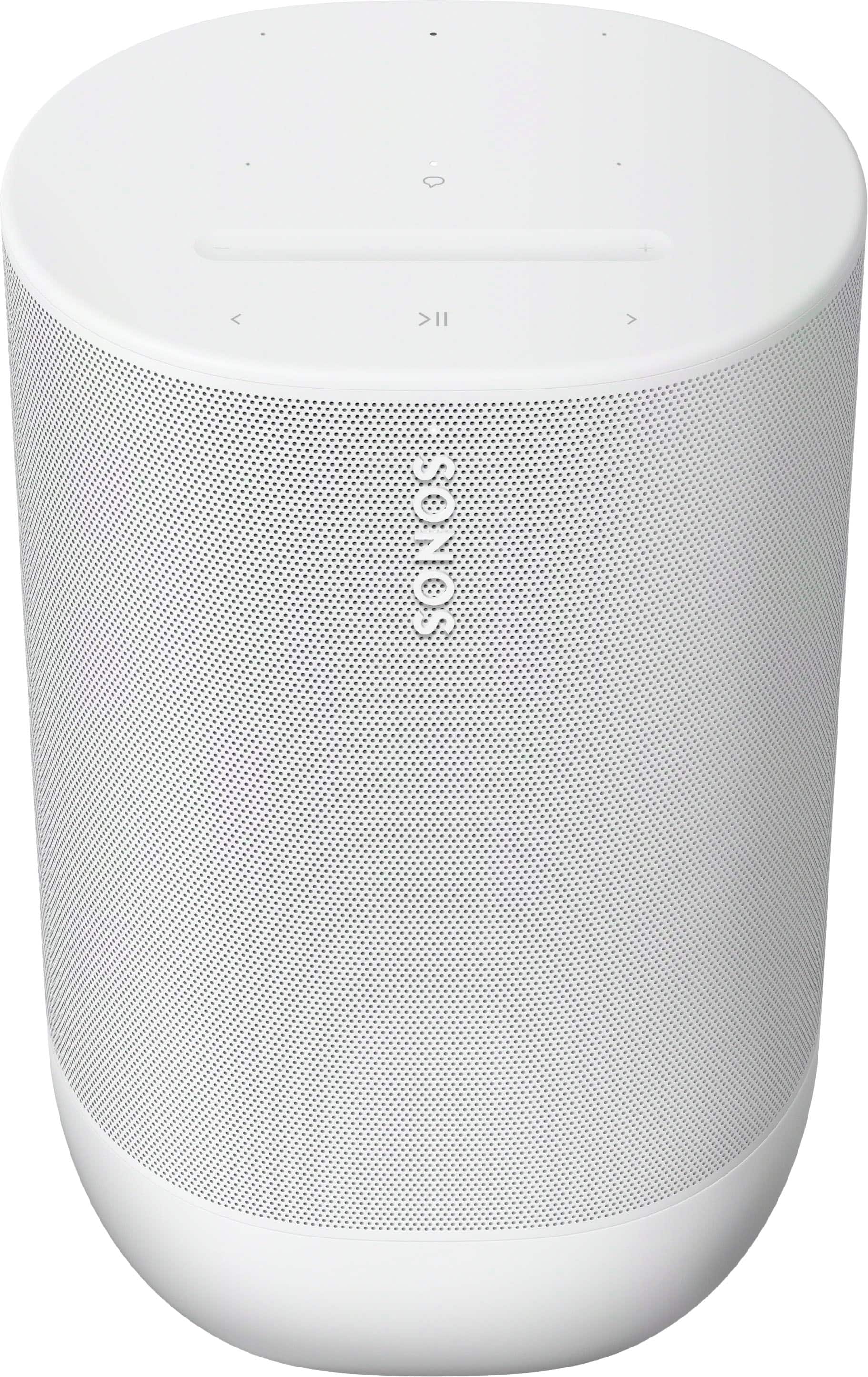
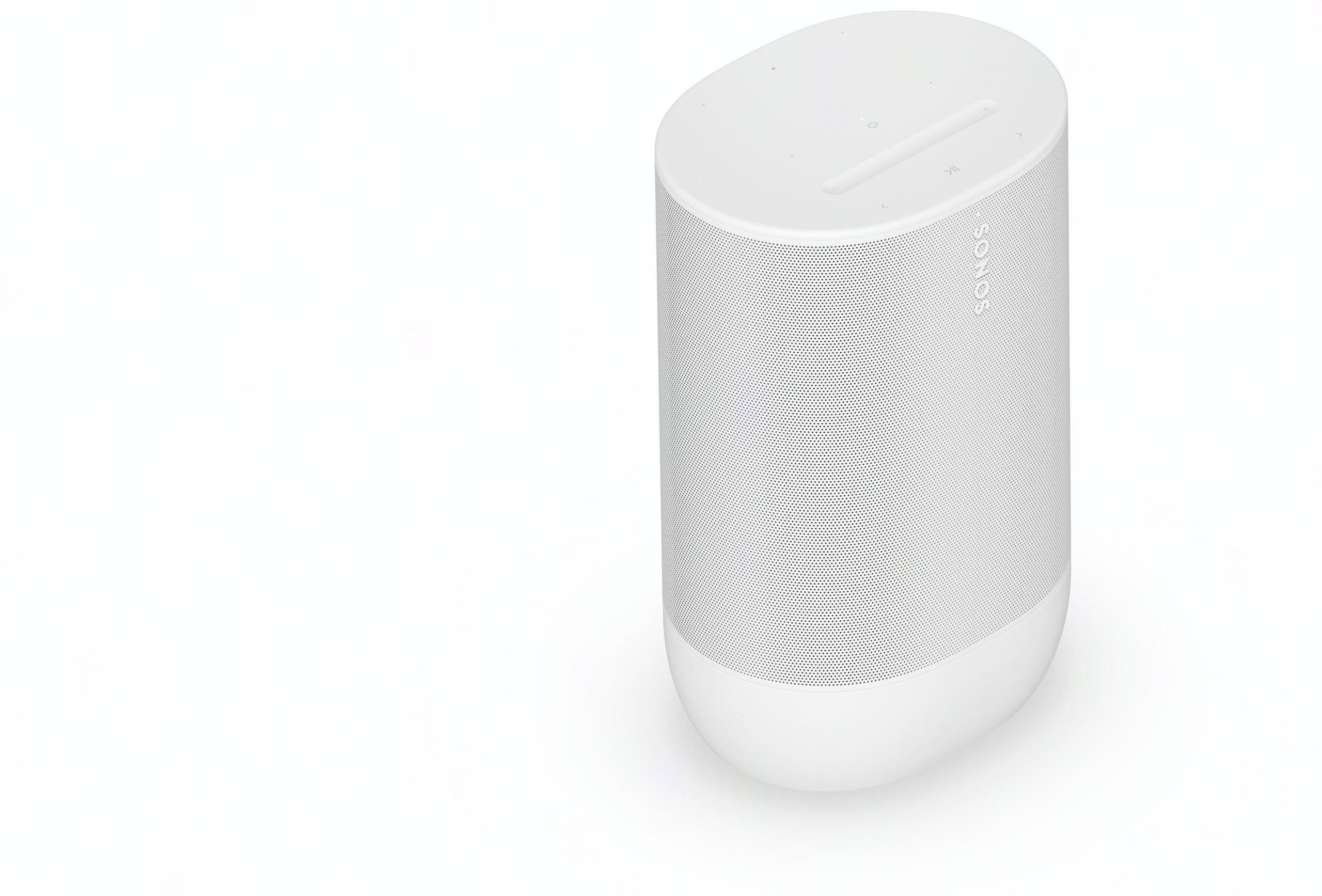
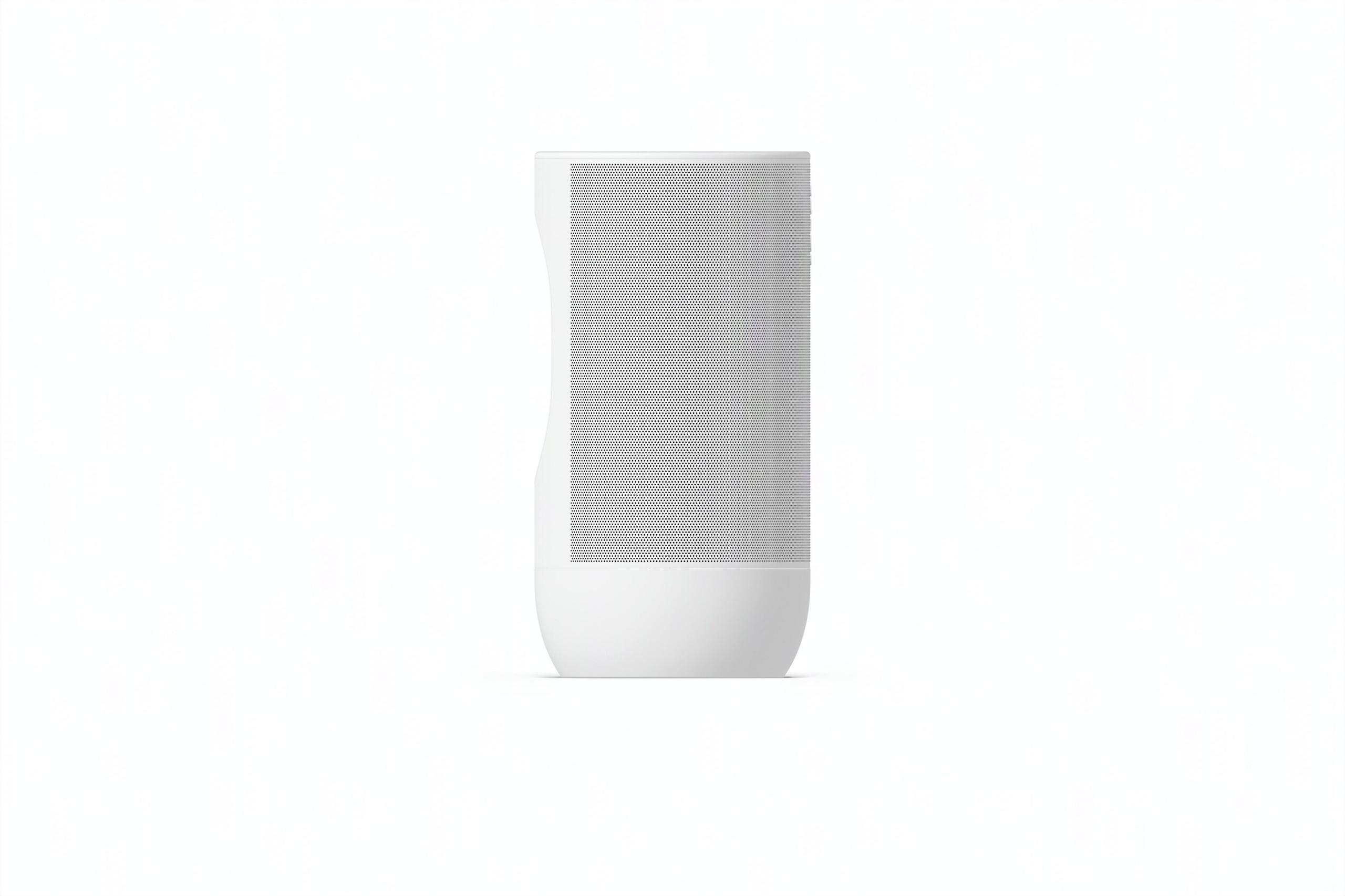
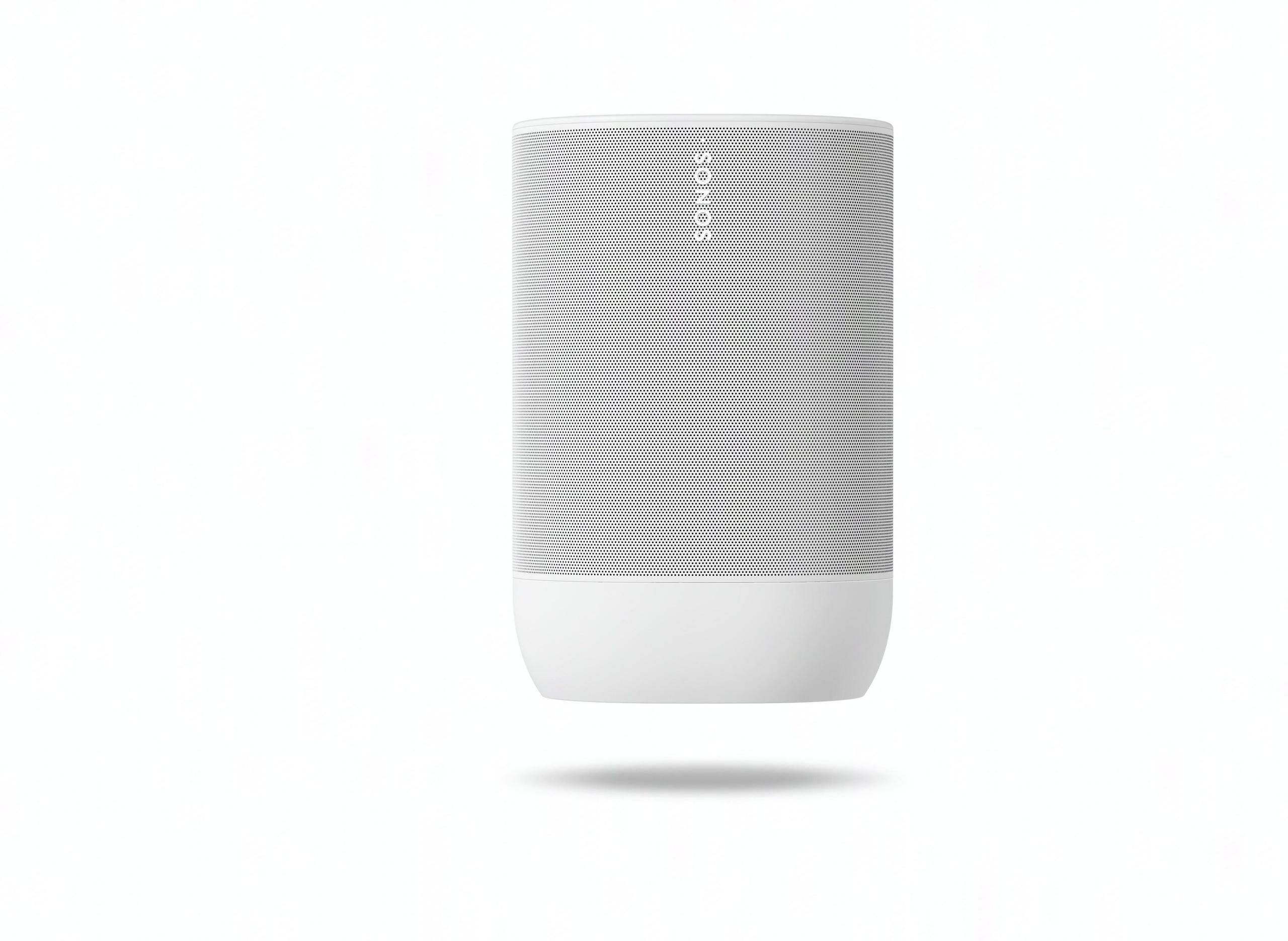
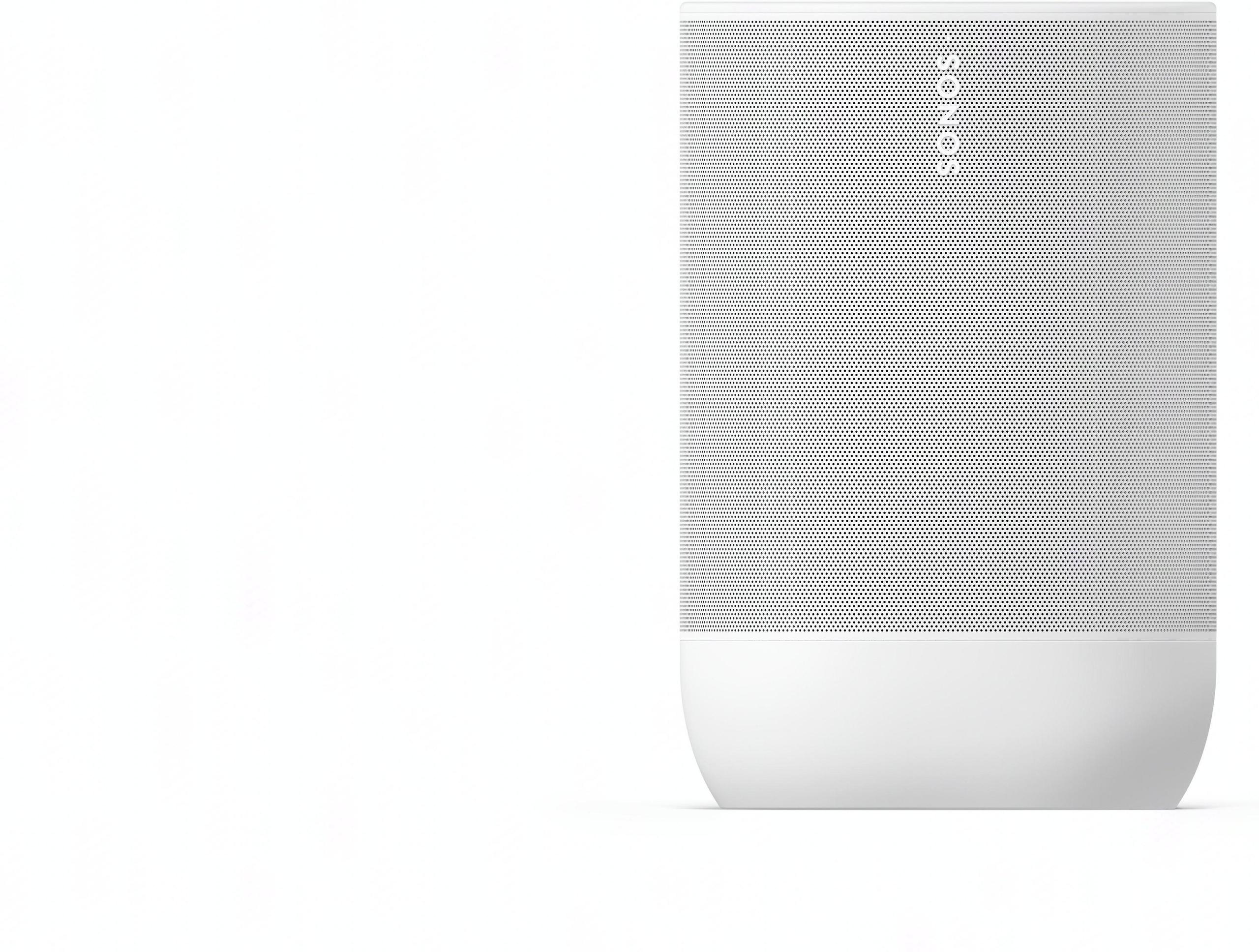
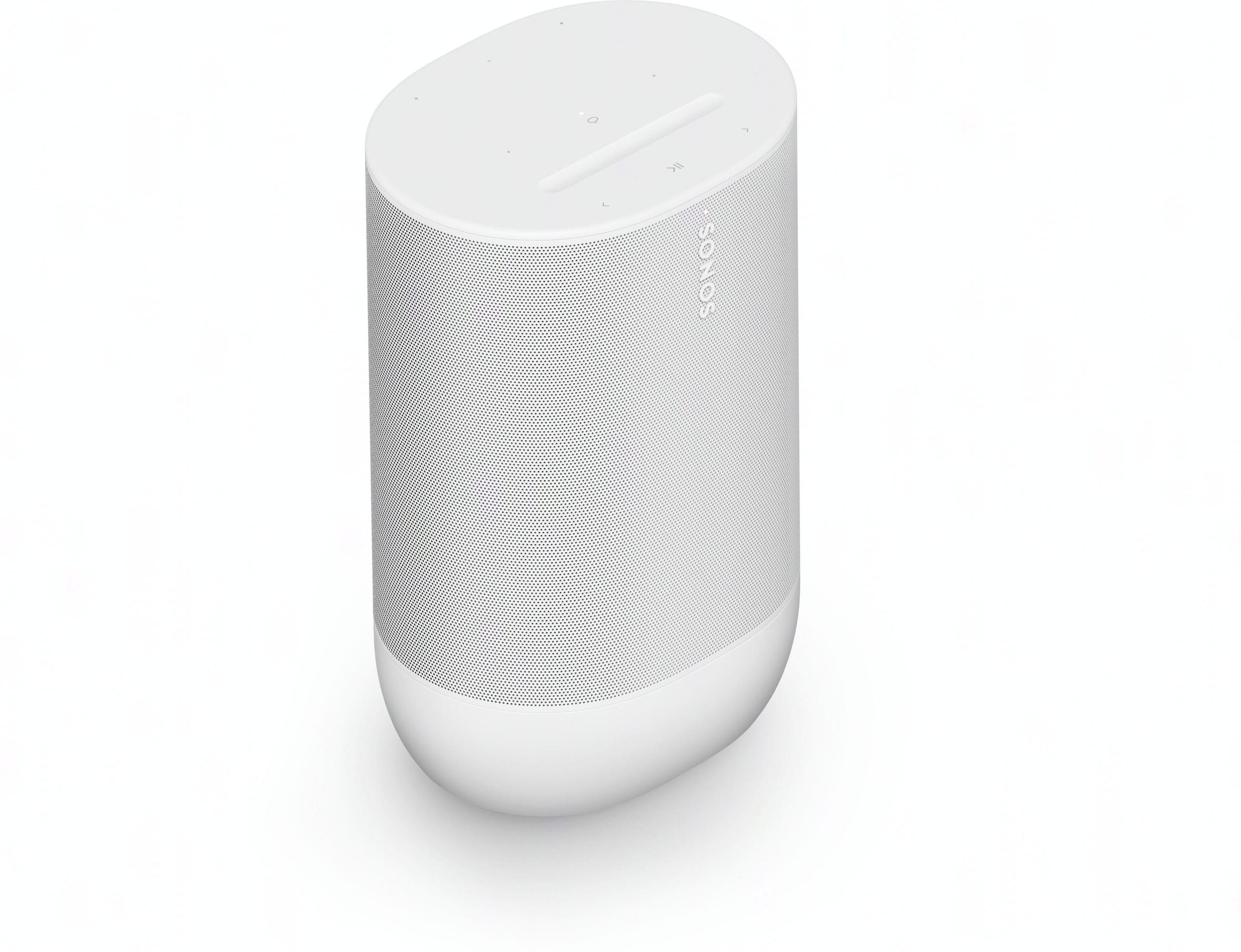
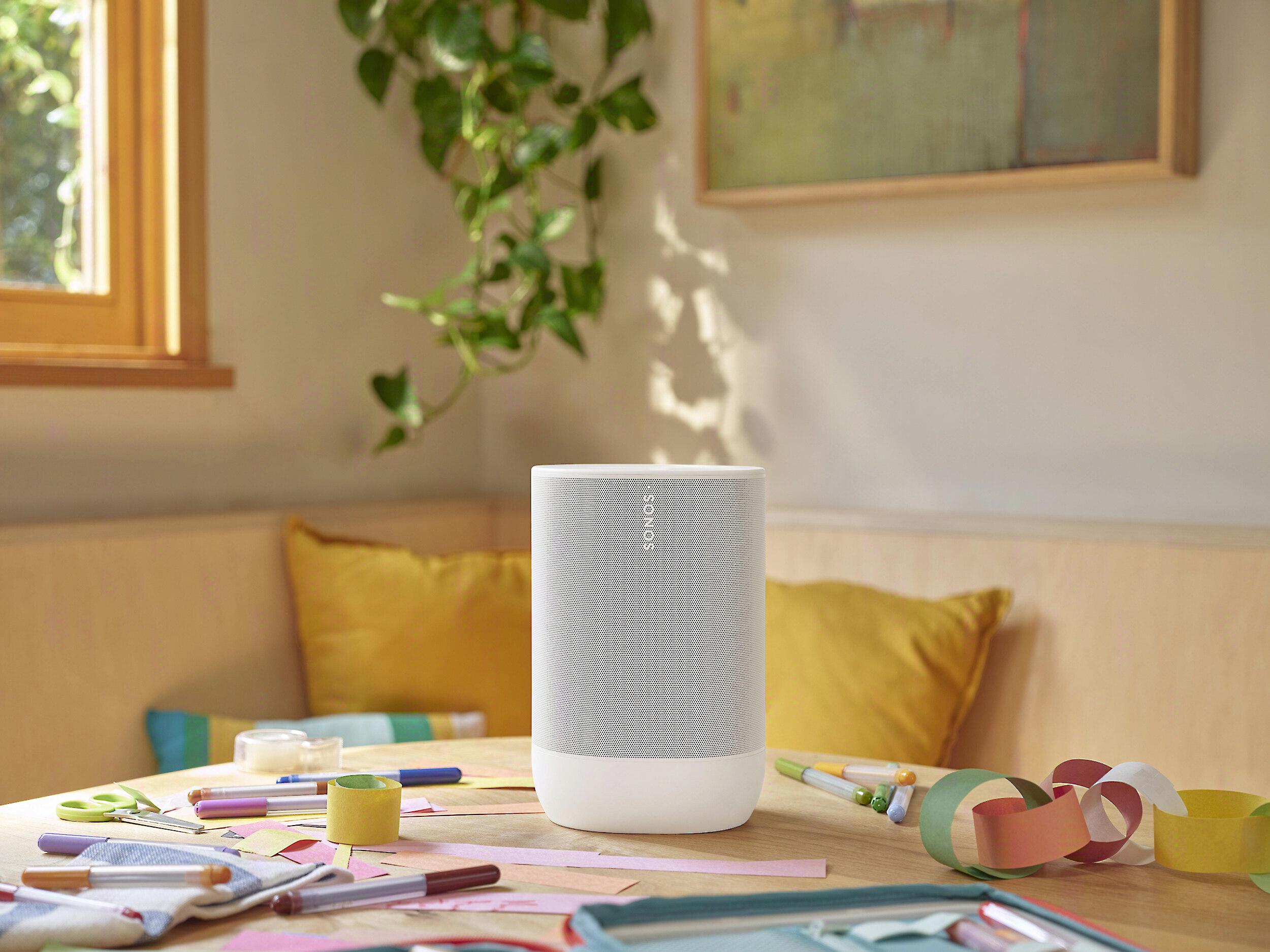

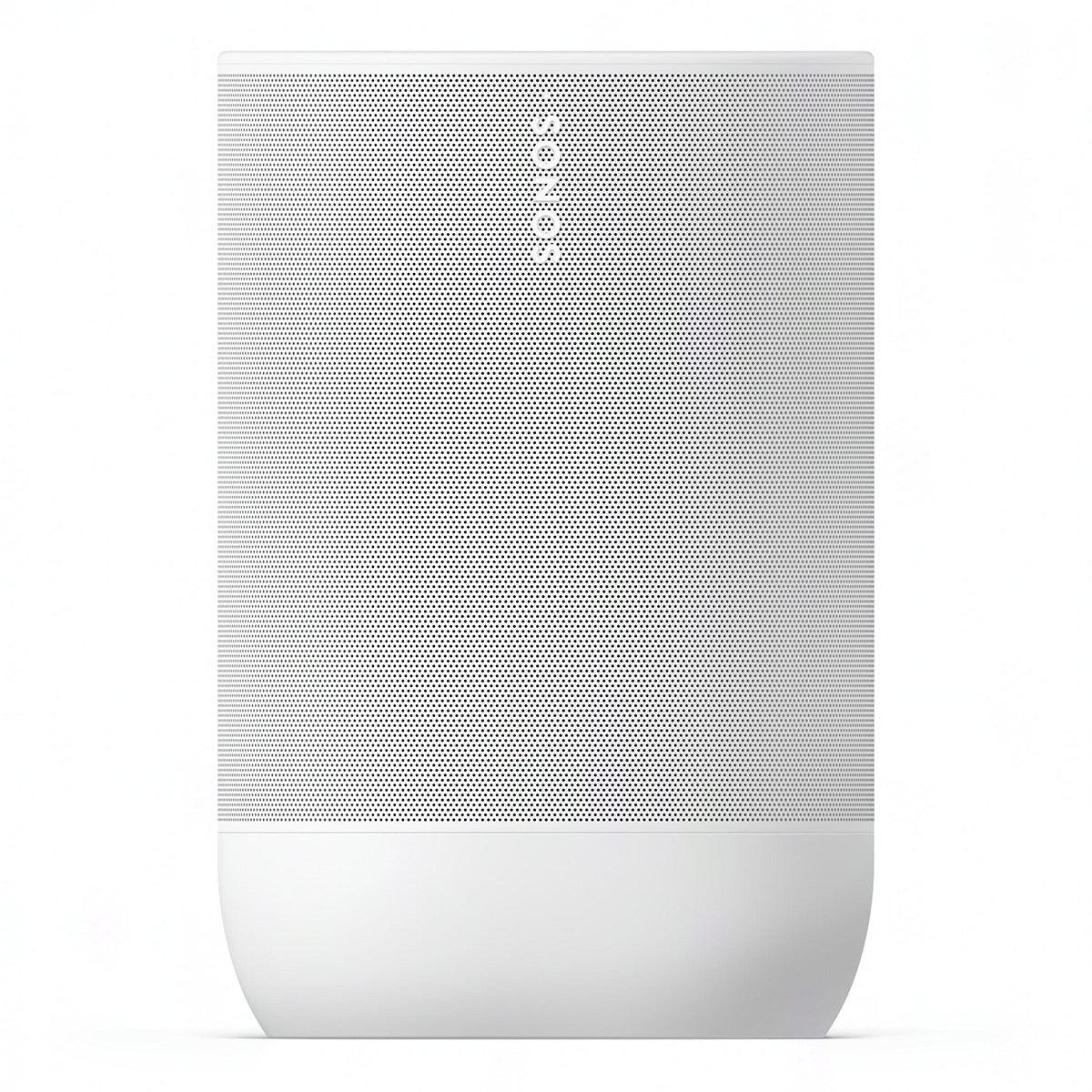
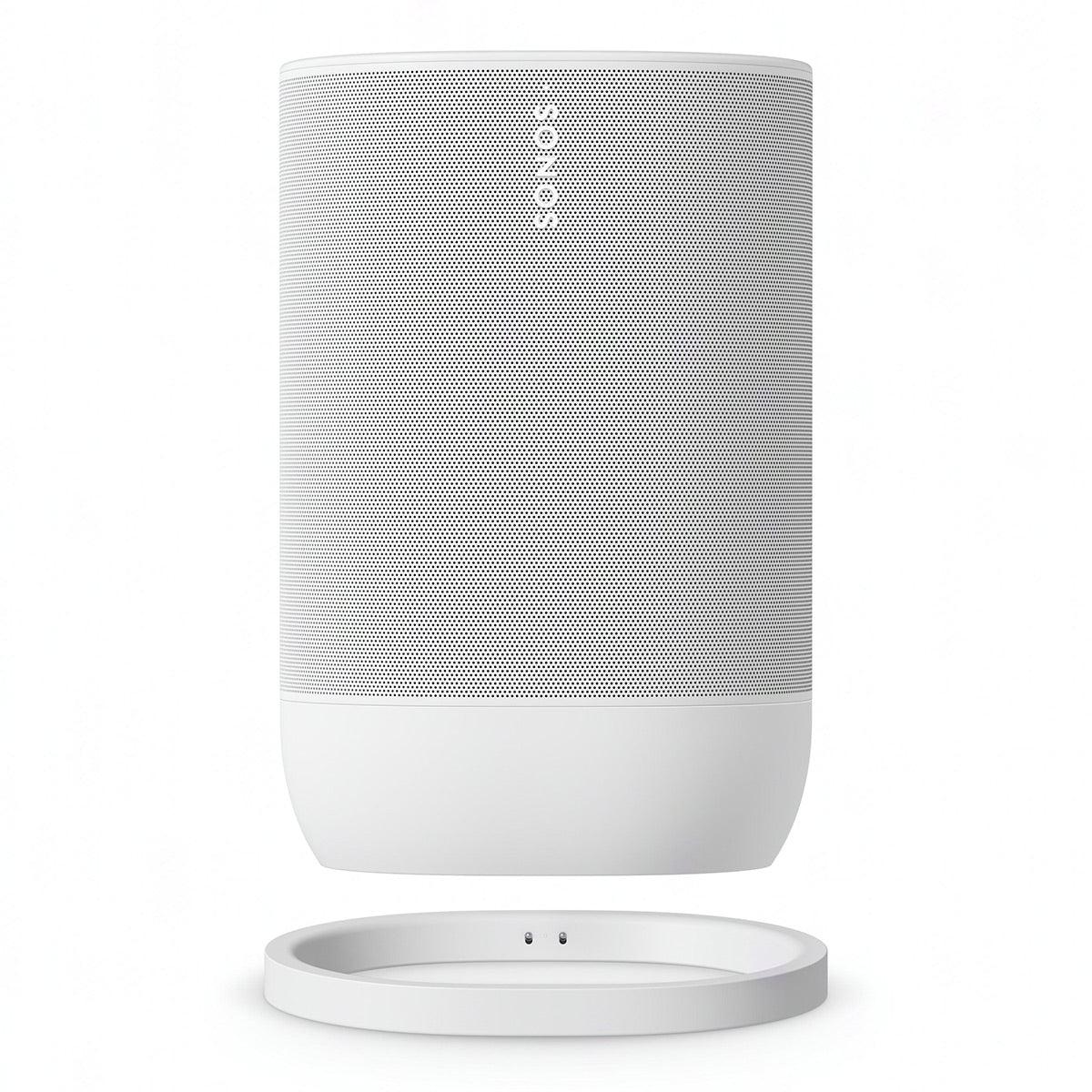
When it comes to premium wireless speakers in 2024, two distinct philosophies compete for your attention: the classic stationary approach of the Marshall Stanmore III ($379) and the versatile portable design of the Sonos Move 2 ($359). Released just a year apart (Stanmore III in 2022, Move 2 in 2023), these speakers represent different solutions to delivering quality audio in your home.
Modern wireless speakers have evolved far beyond simple Bluetooth boxes. Today's premium offerings combine sophisticated audio engineering with smart features and ecosystem integration. While both speakers can stream music wirelessly, their approaches to this task differ significantly.
The Stanmore III follows Marshall's traditional approach - a powerful, stationary speaker that emphasizes sound quality and classic aesthetics. Meanwhile, the Move 2 represents Sonos's vision of a hybrid speaker that works equally well in your living room or on your patio.
The Stanmore III packs serious power with its 80-watt system, splitting power between a 50-watt woofer and two 15-watt tweeters. This configuration delivers impressive volume levels - up to 97dB at one meter, which is loud enough to fill even large rooms. The speaker uses what's called "Dynamic Loudness," which automatically adjusts tonal balance at different volumes. In practice, this means bass notes stay punchy and clear whether you're listening at low volumes late at night or cranking it up for a party.
The Move 2 takes a different approach with its dual-tweeter design, representing a significant upgrade from its predecessor. The stereo separation is notably improved, creating a wider soundstage (the perceived width and depth of the audio). While Sonos doesn't publish specific wattage numbers, testing shows it can easily fill medium to large rooms with clean, detailed sound.
Having spent time with both speakers, their sonic signatures are quite distinct. The Stanmore III produces what I'd call a "vintage-modern" sound - it has the warmth associated with Marshall's guitar amp heritage but with modern clarity and detail. Bass response is particularly impressive, reaching down to 45Hz while maintaining definition.
The Move 2's sound character is more neutral and balanced, focusing on accuracy rather than coloration. Its automatic Trueplay tuning (which uses built-in microphones to analyze room acoustics) continuously optimizes the sound based on the speaker's location. This feature really shows its value when moving the speaker between different spaces.
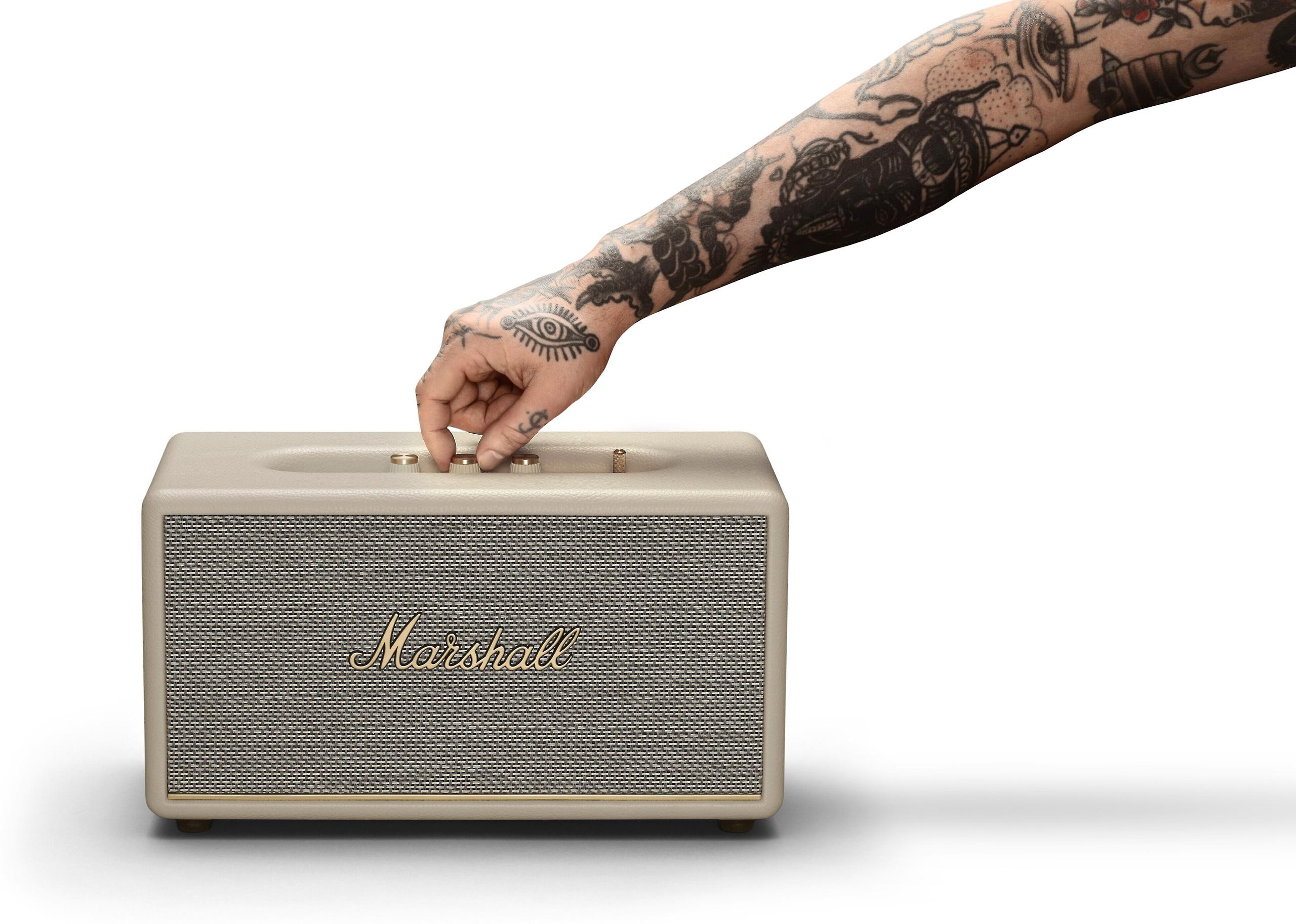
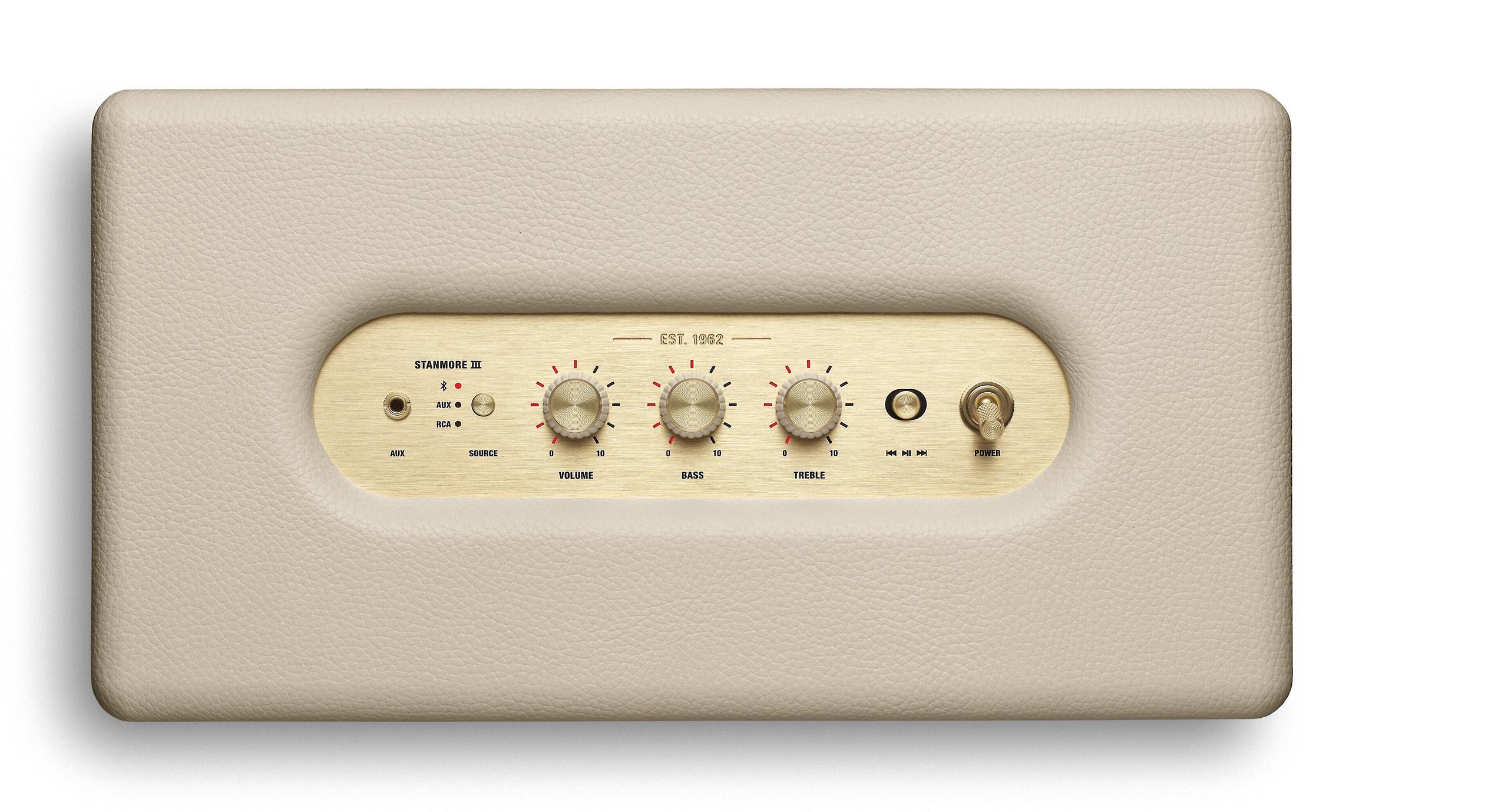
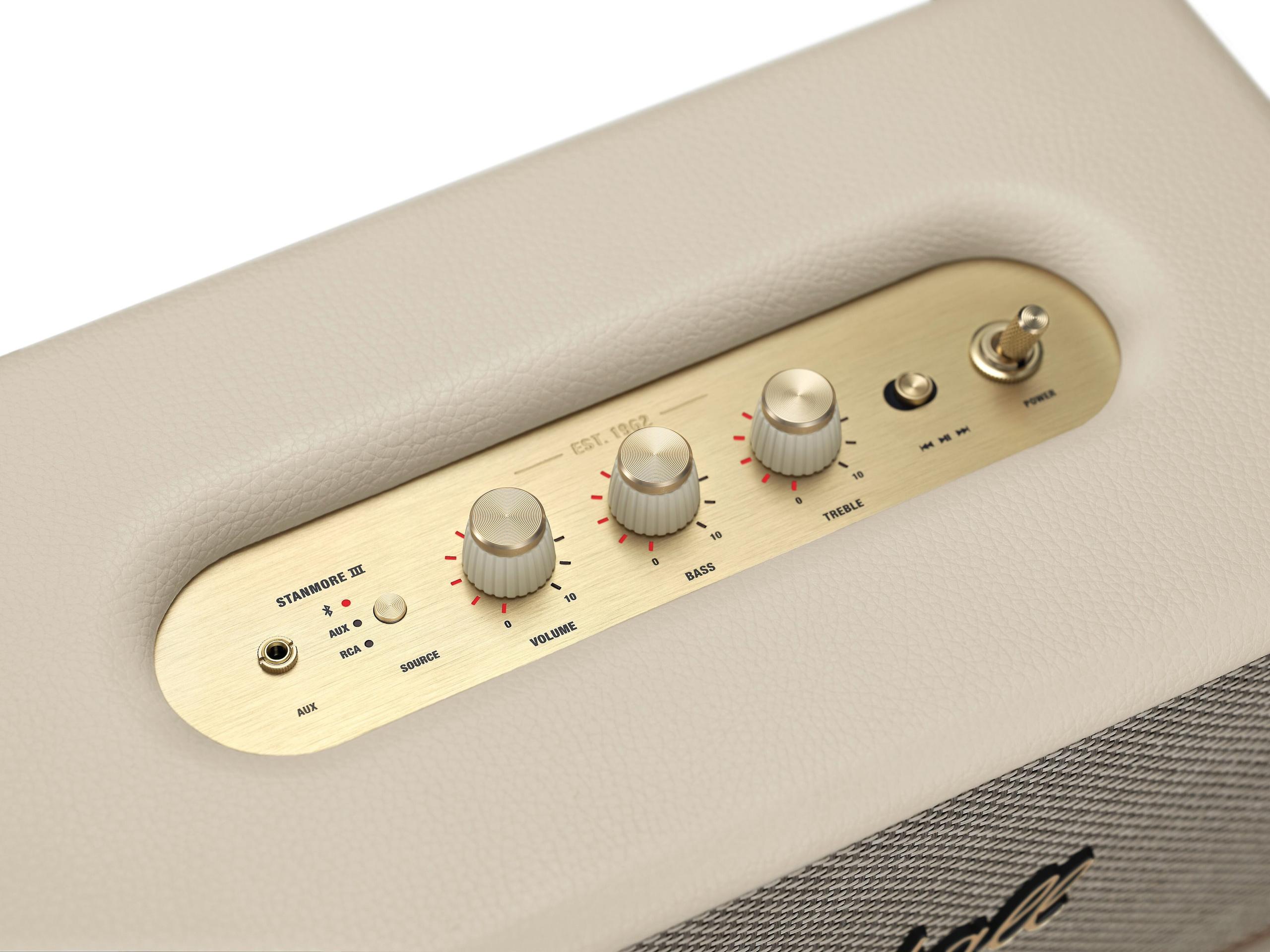
The Stanmore III keeps things relatively simple with physical controls - tactile knobs for volume, bass, and treble that provide a satisfying analog feel. The companion app offers basic EQ settings and firmware updates but doesn't try to do too much.
The Move 2 embraces modern smart features fully. Voice control through Amazon Alexa or Sonos Voice Control, AirPlay 2 support, and extensive multi-room capabilities through the Sonos app make it more versatile. The app experience is more comprehensive, offering detailed EQ settings, streaming service integration, and system controls.
Both speakers support Bluetooth 5.0 or later, but their additional connection options differ significantly:
Stanmore III:
Move 2:
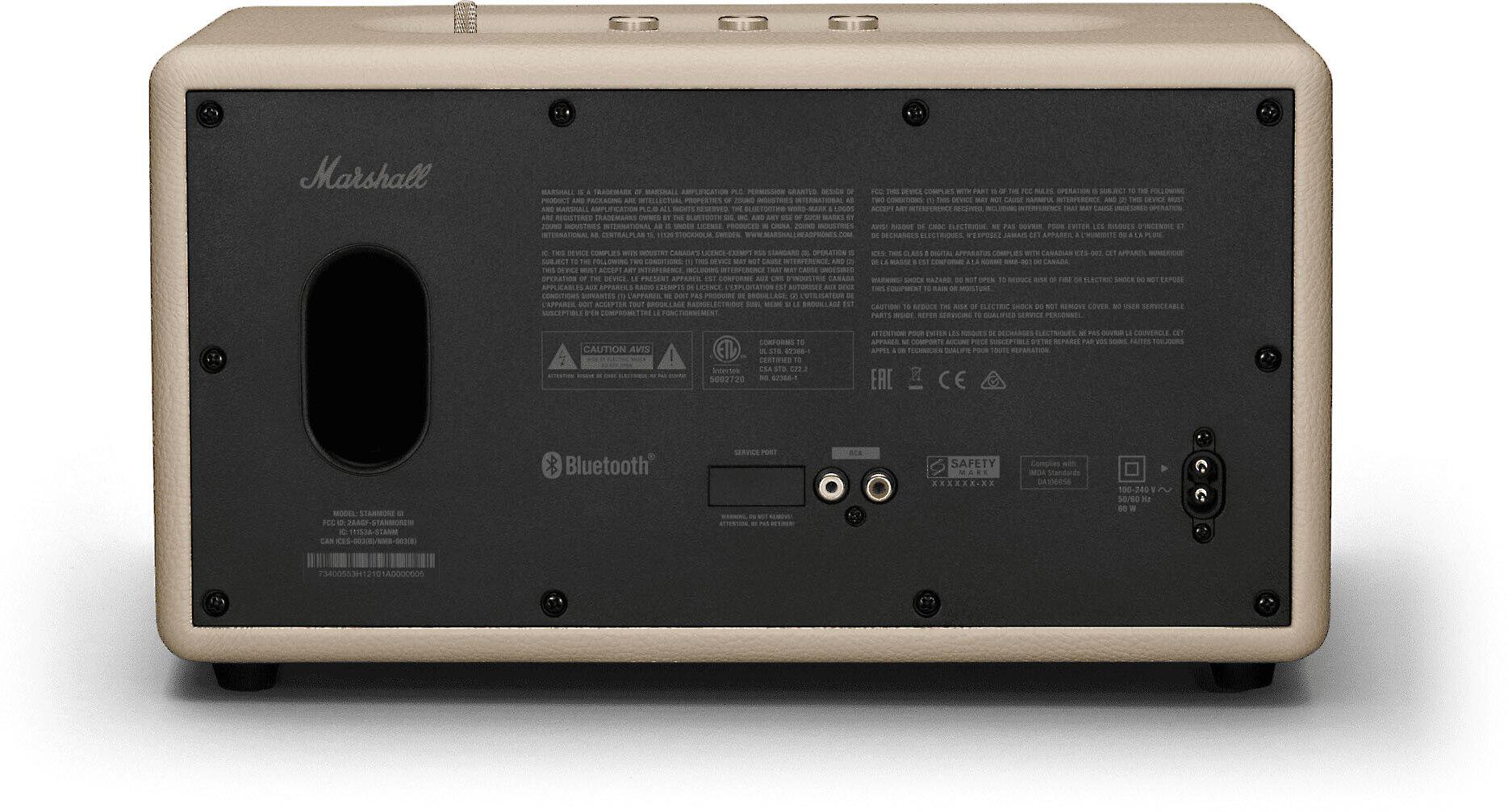
While neither speaker is primarily designed for home theater use, they can serve different roles. The Stanmore III's RCA inputs make it easy to connect to a TV or entertainment system, and its powerful bass makes it suitable for enhancing TV audio.
The Move 2's integration with the Sonos ecosystem means it can be part of a larger home theater setup with other Sonos speakers, though it's better suited as a secondary room speaker rather than primary TV audio.
This is where the fundamental difference between these speakers becomes most apparent. The Stanmore III is designed for a single, optimal location. Its placement compensation technology helps adjust for nearby walls or surfaces, but it's meant to stay put.
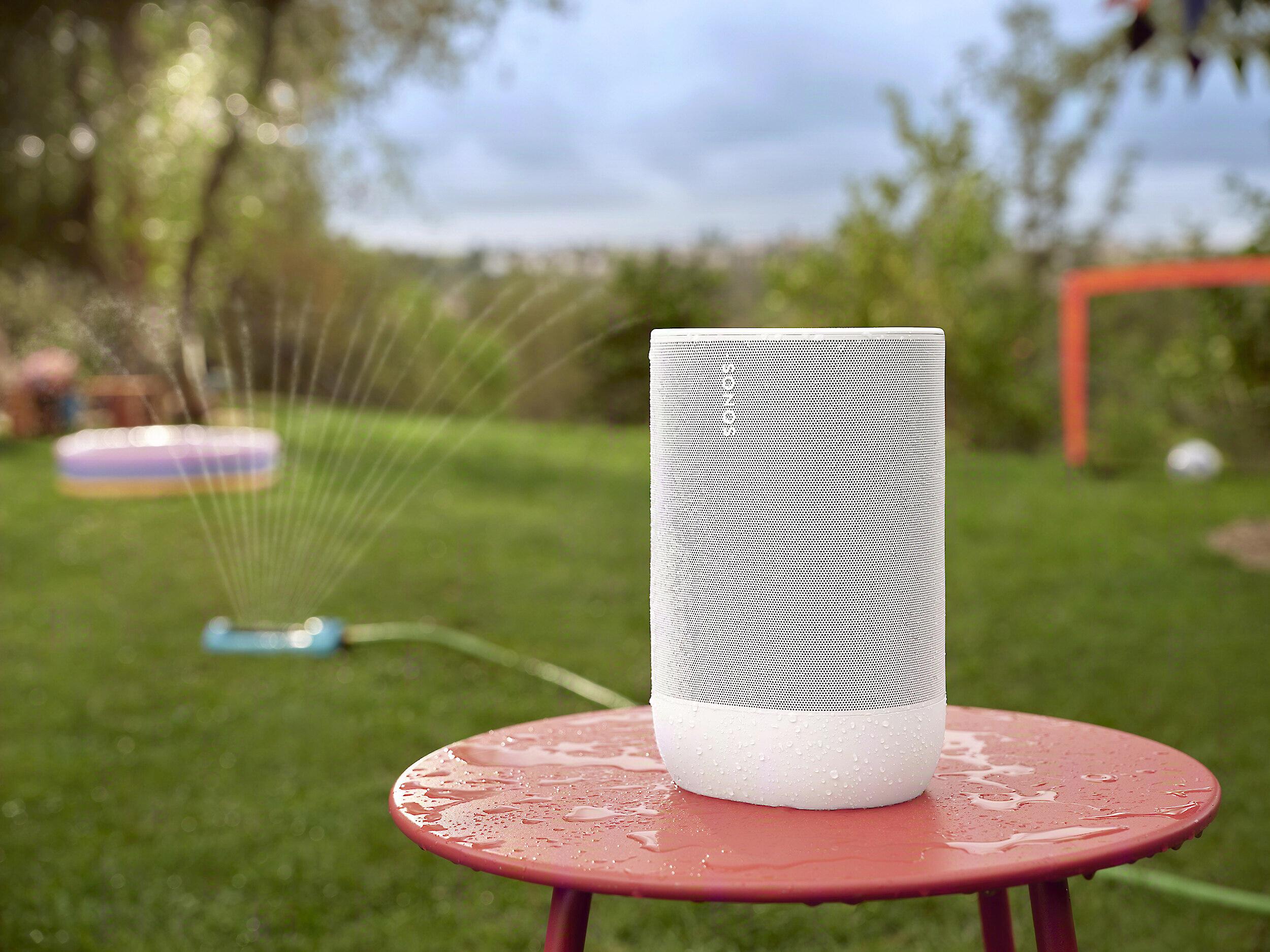
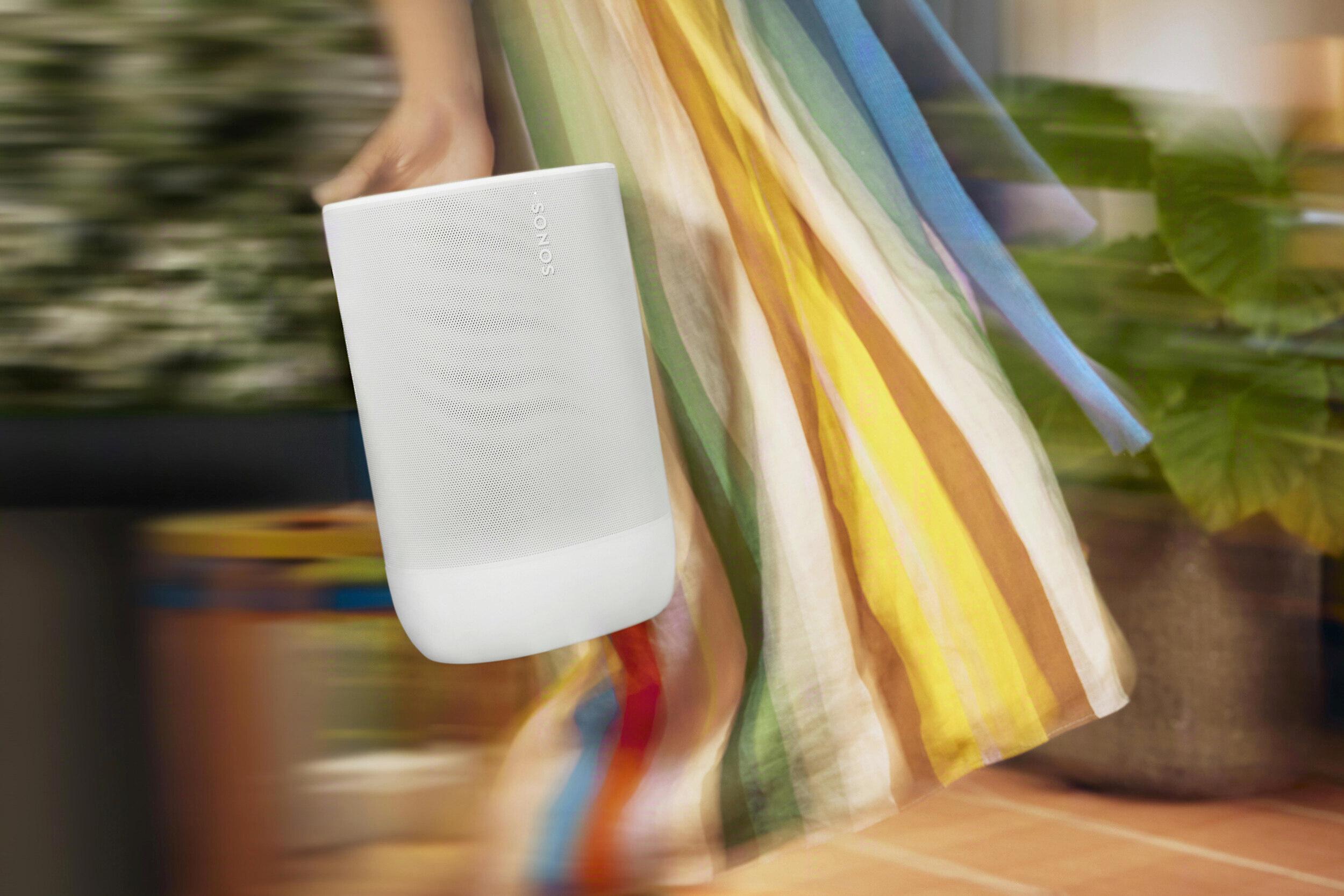
The Move 2 excels in adaptability. Its IP56 rating means it can handle dust, splashes, and light rain, while the 24-hour battery life allows for extended outdoor use. The automatic Trueplay tuning means it sounds great whether it's on your kitchen counter or out on the deck.
At similar price points ($379 for Stanmore III vs $359 for Move 2), the value question comes down to use case rather than pure dollar comparison. The Stanmore III offers excellent sound quality and classic design for those wanting a dedicated home speaker. Its build quality and sound characteristics justify the premium price for users who will appreciate its strengths.
The Move 2's versatility makes its price more compelling for those who will take advantage of its portability and smart features. The ability to serve as both a home speaker and portable unit effectively makes it two products in one.
Choose the Marshall Stanmore III if:
Choose the Sonos Move 2 if:
Both the Stanmore III and Move 2 are excellent speakers that serve their intended purposes well. The choice ultimately comes down to how you plan to use the speaker and which features matter most to you.
| Marshall Stanmore III | Sonos Move 2 |
|---|---|
| Price - Initial Investment | |
| $379.99 | $359.99 |
| Power Output - Impacts maximum volume and sound clarity | |
| 80W total (50W woofer + 2x15W tweeters) | Not specified, but comparable real-world output |
| Speaker Configuration - Determines sound staging and clarity | |
| Two-way: 5" woofer, two 3/4" tweeters | Dual angled tweeters with central woofer |
| Portability - Affects where and how you can use it | |
| Stationary, AC power only | 24-hour battery life, portable design |
| Durability Rating - Important for versatile use | |
| No weather resistance | IP56 water and dust resistant |
| Connectivity Options - Flexibility for different audio sources | |
| Bluetooth 5.2, 3.5mm aux, RCA inputs | WiFi, Bluetooth 5.0, AirPlay 2, USB-C |
| Smart Features - Convenience and integration capabilities | |
| Basic app control, manual EQ knobs | Voice assistants, automatic room tuning, Sonos ecosystem |
| Size and Weight - Consider placement options | |
| 13.8" x 8.1" x 8.4", 9.37 lbs | 9.5" x 6.3" x 5.0", 6.61 lbs |
| Frequency Response - Range of sound reproduction | |
| 45-20,000 Hz | Not specified, but comparable range |
| Multi-Room Capability - Whole home audio potential | |
| Limited multi-speaker pairing | Full Sonos ecosystem integration |
| Sound Optimization - How speaker adjusts to environment | |
| Manual EQ, placement compensation | Automatic Trueplay tuning, continuous adjustment |
| Design and Controls - User interface experience | |
| Classic Marshall amp styling, analog knobs | Modern minimalist design, touch controls |
The Marshall Stanmore III is better for dedicated home audio with superior bass response, while the Sonos Move 2 offers more versatility with its portable design and smart features. Neither is universally "better" - it depends on your specific needs.
At $359, the Sonos Move 2 offers excellent value for those needing a portable speaker with premium sound quality. Its combination of indoor/outdoor capability, 24-hour battery life, and smart features justifies the investment.
The Marshall Stanmore III can reach 97dB at one meter with its 80-watt system, making it plenty powerful for large rooms and parties while maintaining clear sound quality.
Yes, the Sonos Move 2 is designed for outdoor use with IP56 water and dust resistance. It can handle rain, splashes, and dusty environments safely.
The Marshall Stanmore III offers more powerful bass and traditional amp-like sound, while the Sonos Move 2 provides more balanced, neutral audio. Both deliver excellent sound quality with different characteristics.
The Stanmore III can connect directly to a TV using its RCA or aux inputs. The Move 2 can connect through the Sonos system but isn't ideal as a primary TV speaker.
Both speakers work without apps for basic Bluetooth playback. The Stanmore III app offers basic EQ settings, while the Move 2 app provides more extensive features and multi-room control.
The Move 2 excels at multi-room audio through the Sonos ecosystem. The Stanmore III has limited multi-speaker capabilities through its app.
The Stanmore III offers more powerful output for indoor parties, while the Move 2 provides flexibility to move between indoor and outdoor spaces.
The Move 2 supports Amazon Alexa and Sonos Voice Control. The Stanmore III does not have built-in voice assistant capabilities.
Both speakers are built to last many years. The Stanmore III has no battery to degrade, while the Move 2 has a replaceable battery rated for 24 hours per charge.
The Stanmore III supports multi-host Bluetooth pairing for two devices, while the Move 2 can switch between WiFi and Bluetooth sources seamlessly.
We've done our best to create useful and informative comparisons to help you decide what product to buy. Our research uses advanced automated methods to create this comparison and perfection is not possible - please contact us for corrections or questions. These are the sites we've researched in the creation of this article: techgadgetscanada.com - camelcamelcamel.com - crutchfield.com - bestbuy.com - dxomark.com - crutchfield.com - crutchfield.com - marshall.com - marshall-production-1.mobify-storefront.com - exhibit.tech - ooberpad.com - av-connection.com - cnet.com - shop.menshealth.com - youtube.com - whathifi.com - 9to5toys.com - abt.com - youtube.com - ceiling-speakers.co.uk - sonos.com - youtube.com - bhphotovideo.com

Privacy Policy
Terms and Conditions - Affiliate Policy
Home Security
© Copyright 2008-2026.
11816 Inwood Rd #1211, Dallas, TX 75244