


Choosing the right Bluetooth speaker can feel overwhelming when you're comparing products from completely different categories. The Turtlebox Ranger and Marshall Stanmore III represent two distinct philosophies in wireless audio—one built for adventure, the other designed for your living room. Understanding which approach fits your lifestyle makes all the difference between a speaker that gathers dust and one you'll use daily.
At the time of writing, both speakers occupy the premium end of their respective categories, with the Marshall Stanmore III commanding a higher price point typical of home audio equipment, while the Turtlebox Ranger justifies its cost through specialized outdoor features and bombproof construction.
Before diving into specifics, it's crucial to understand that portable outdoor speakers and home audio speakers prioritize completely different performance metrics. Portable speakers need to balance sound quality with durability, battery life, and weather resistance. Home speakers can focus purely on audio fidelity since they don't need to survive being dropped in sand or function during a thunderstorm.
The most important performance characteristics for portable speakers include maximum volume output (measured in decibels), battery life, durability ratings, and connectivity range. For home speakers, frequency response (how evenly they reproduce different sound frequencies), stereo imaging (how well they create a sense of space in music), and total harmonic distortion (how cleanly they reproduce sound) take priority.
Both categories share certain fundamentals: driver quality (the actual speakers that create sound), amplifier power, and Bluetooth reliability. However, the engineering trade-offs differ dramatically based on intended use.
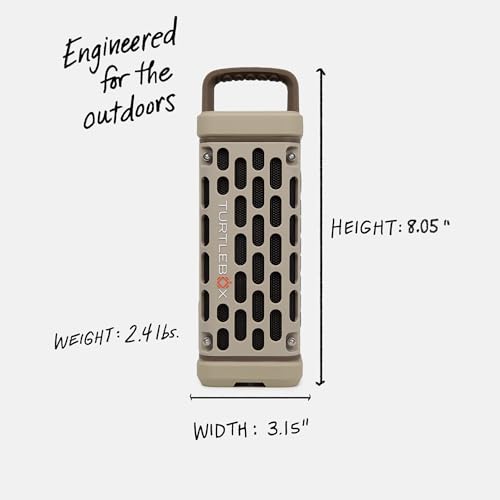
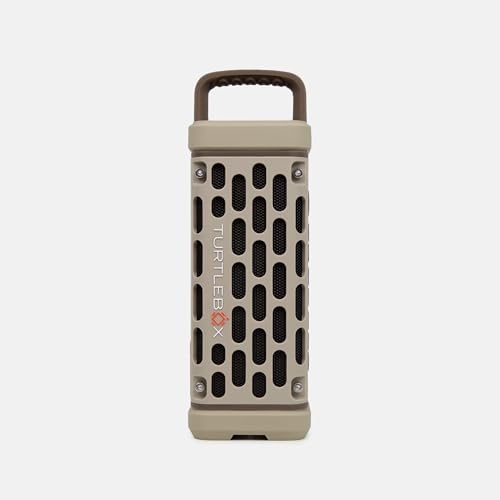
The Turtlebox Ranger, released in 2023, embodies everything learned from years of outdoor speaker development. At 2.4 pounds and roughly the size of a tall water bottle, it packs an impressive amount of technology into a surprisingly compact form factor. The vertical pillar design isn't just aesthetic—it's engineered for optimal sound dispersion in outdoor environments where you need 360-degree audio coverage.
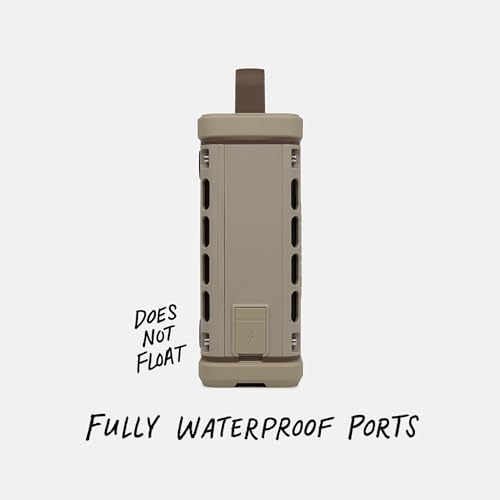
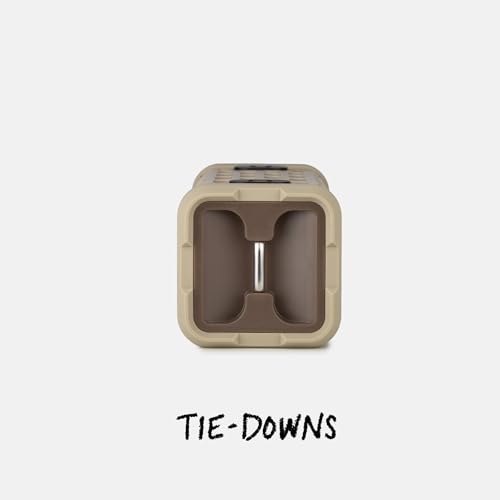
What sets the Turtlebox Ranger apart is its IP67 rating, which means it's completely dust-tight and can survive submersion in up to three feet of water for 30 minutes. This isn't just splash-resistance; it's full waterproofing that lets you use it poolside, at the beach, or during unexpected downpours. The speaker combines drop-proof, crush-proof construction with stainless steel hardware and rubber bumpers that absorb impacts.
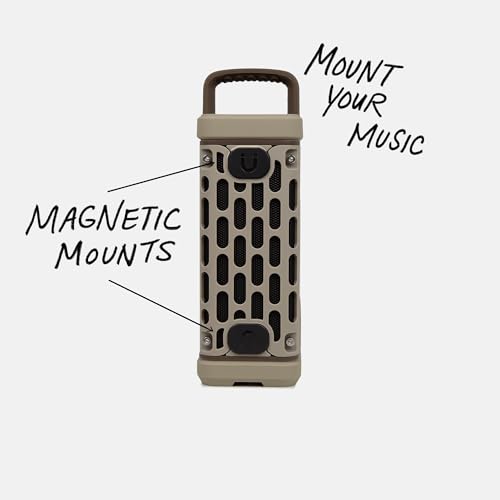
One particularly clever feature is the magnetic mounting system. Powerful magnets built into the sides let you attach the Turtlebox Ranger to metal surfaces like vehicle hoods, coolers, or toolboxes. This might seem minor until you're at a jobsite or camping and realize how useful it is to have your music source securely mounted and out of the way.
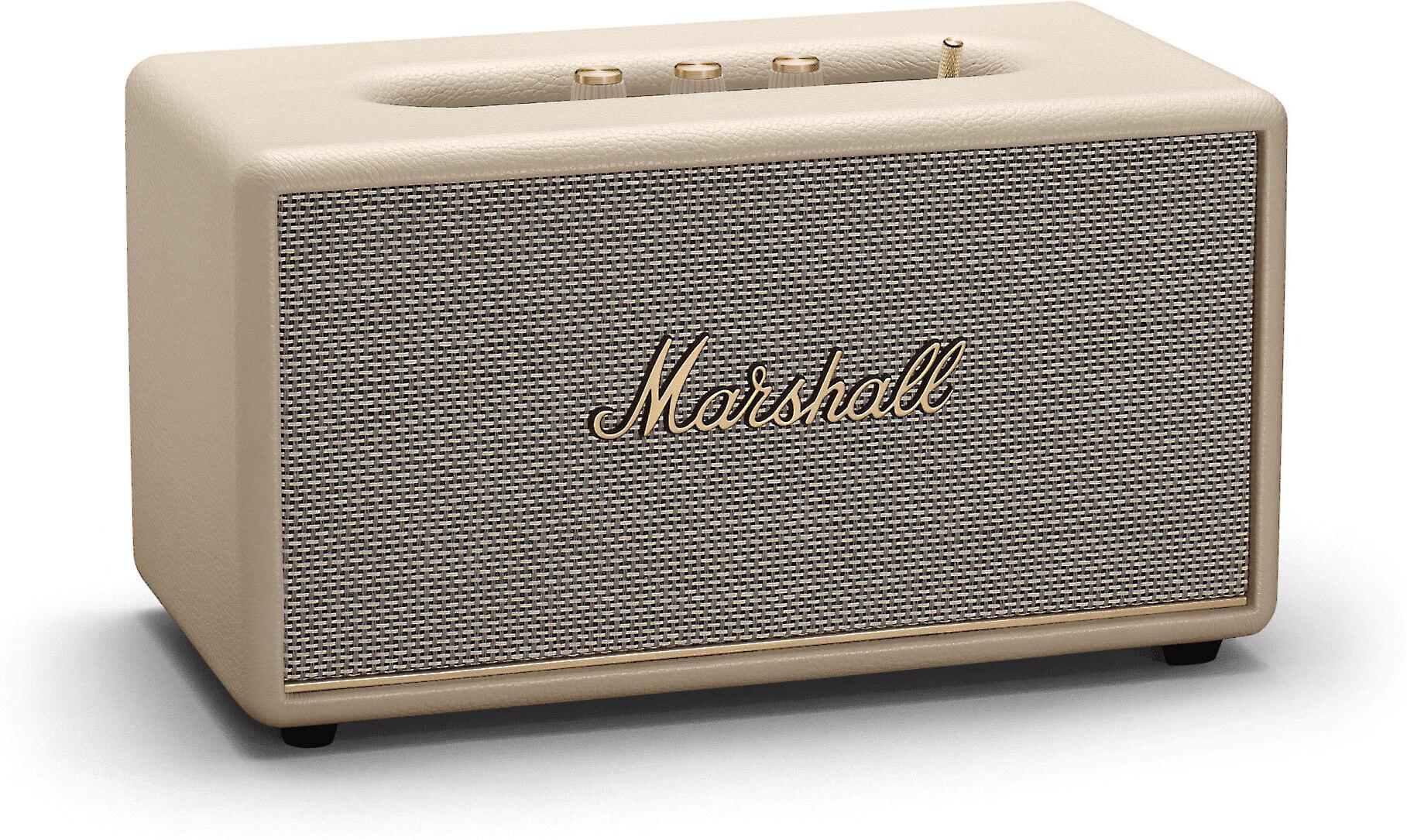
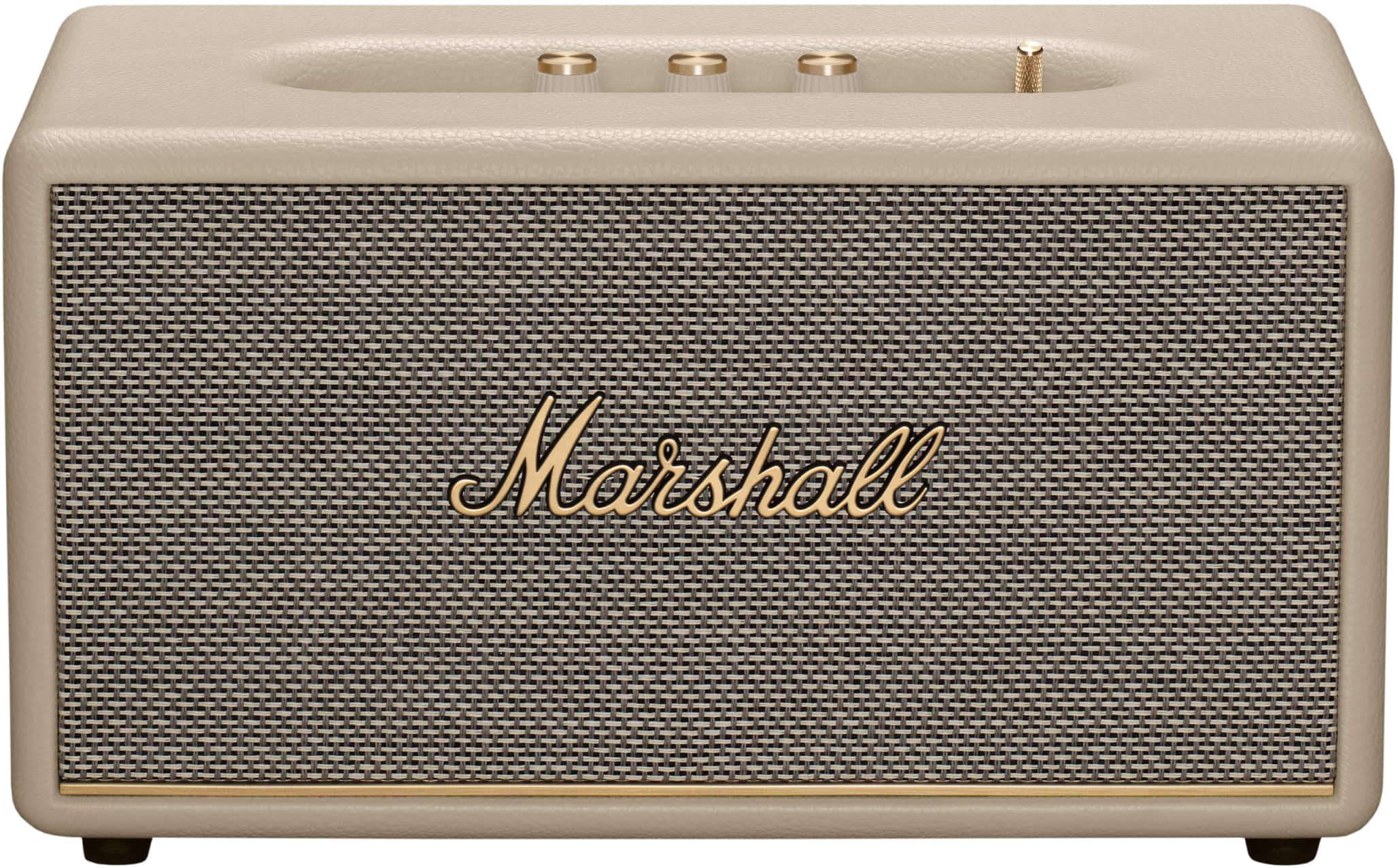
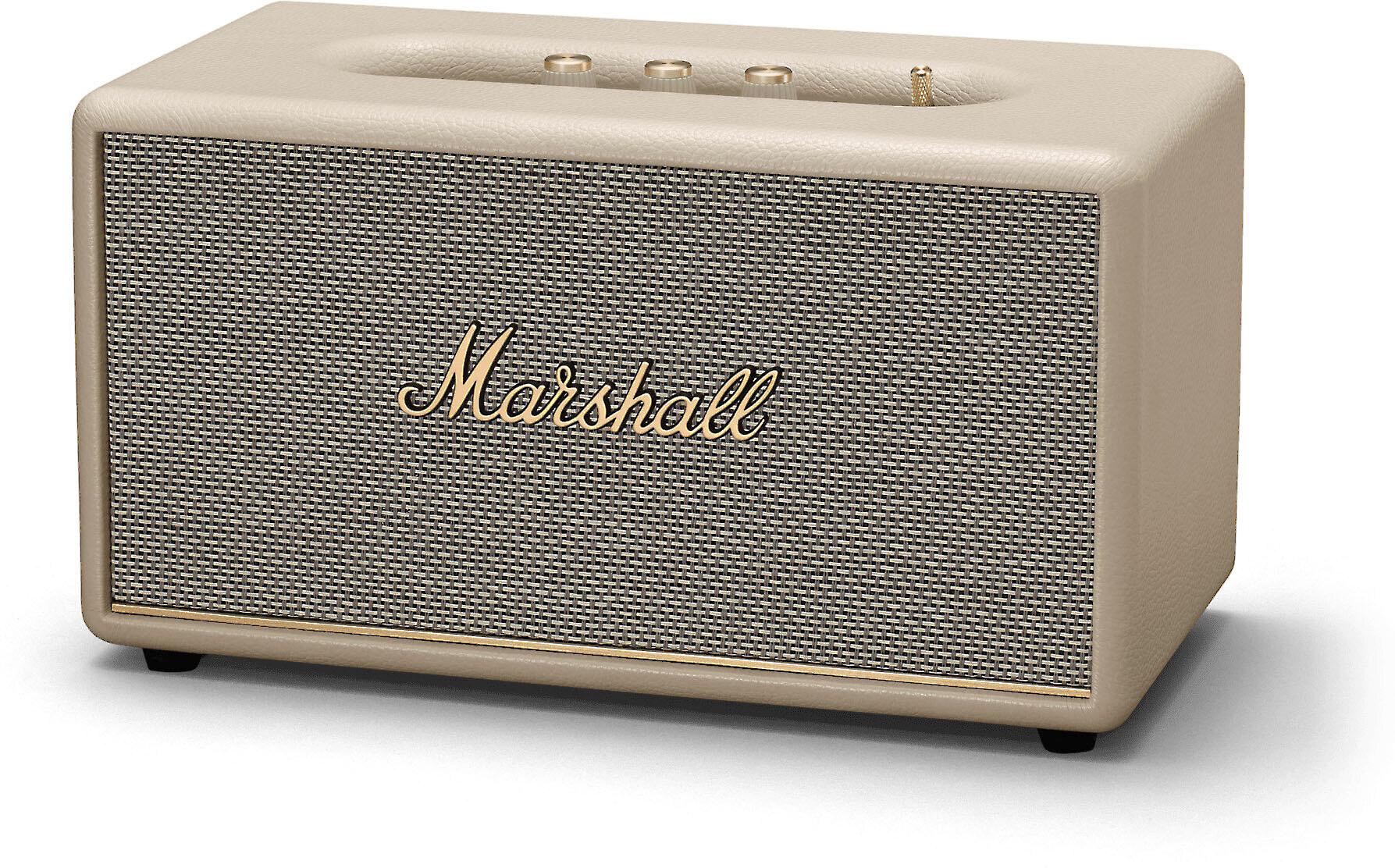
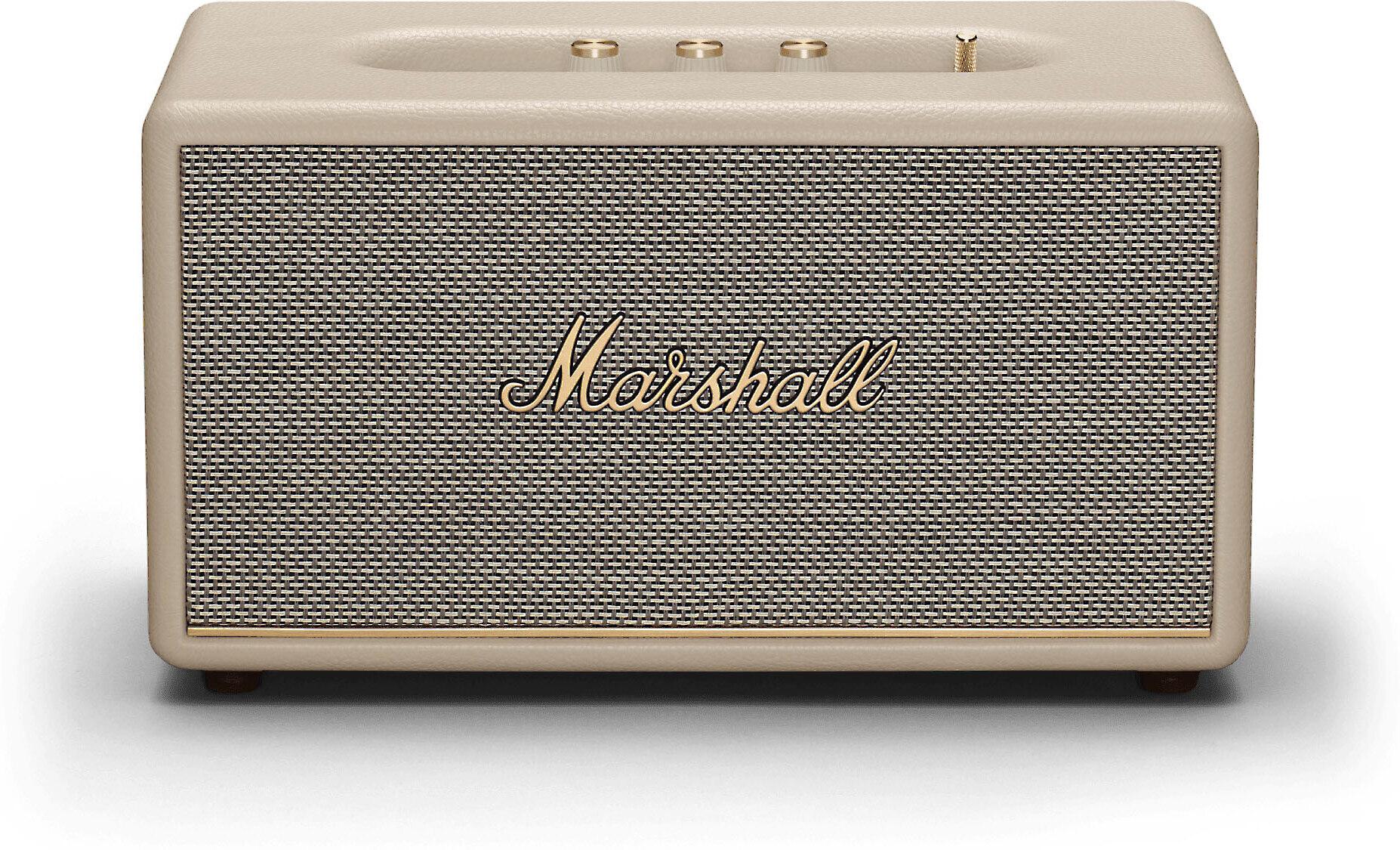
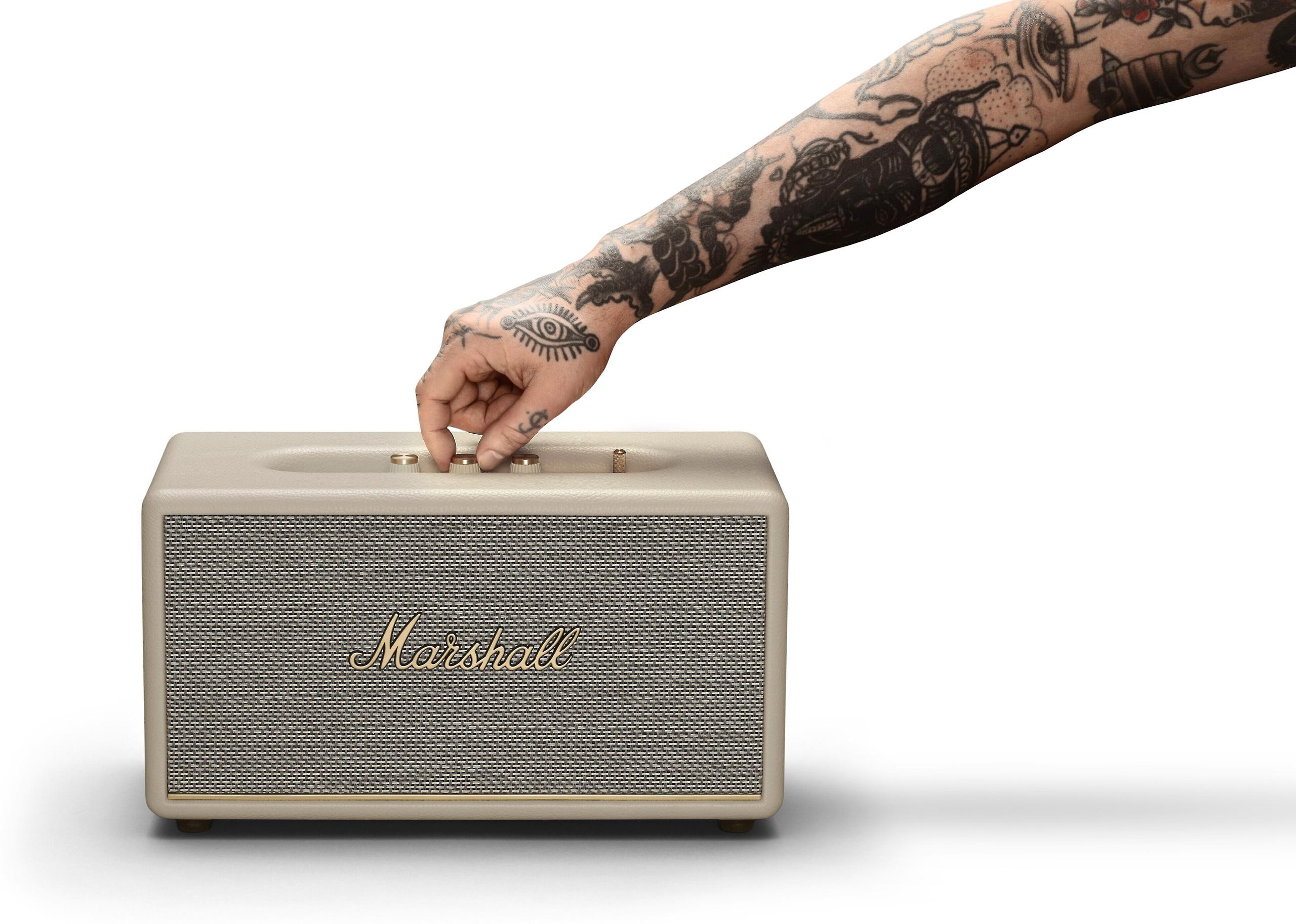
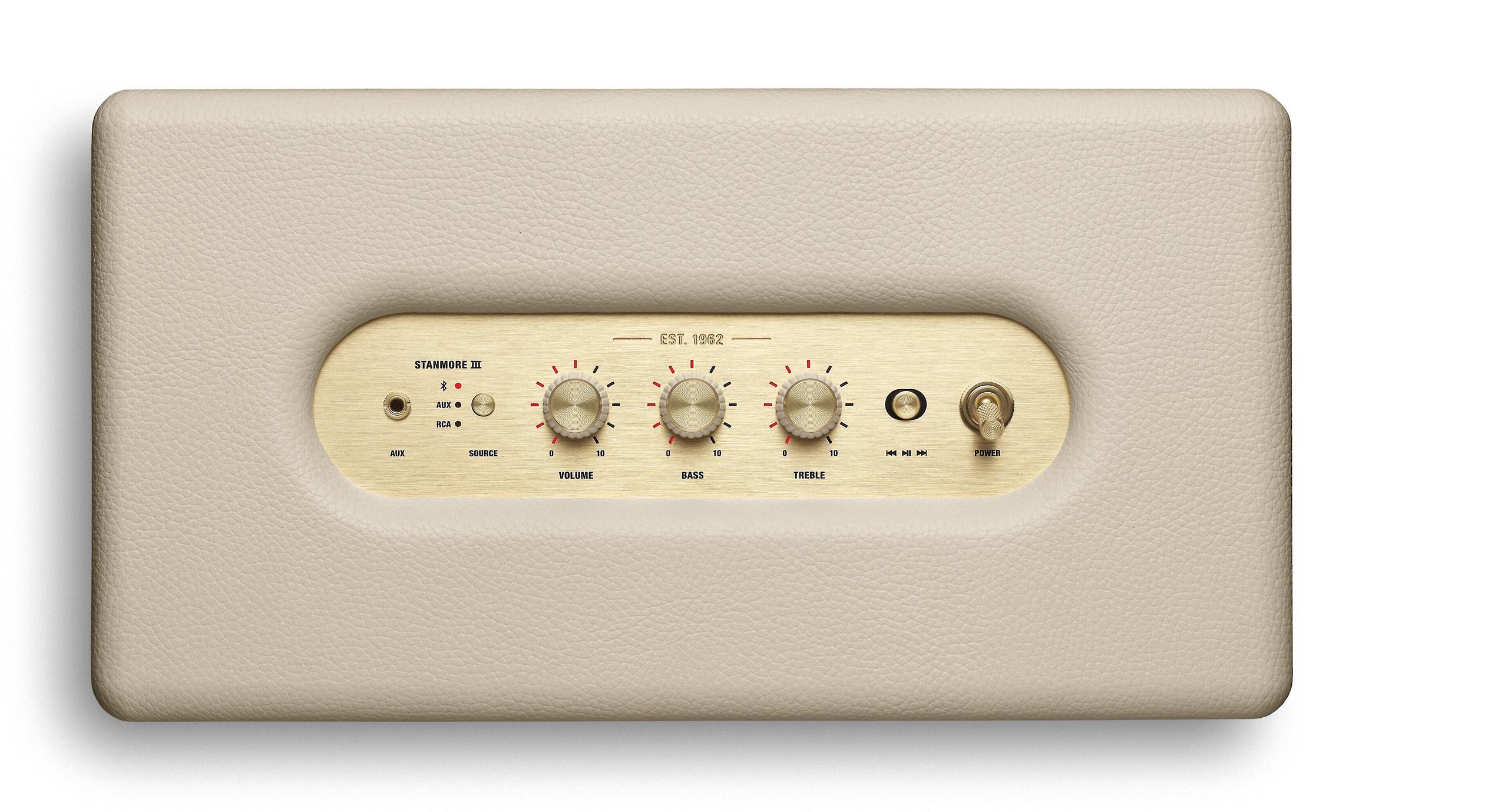
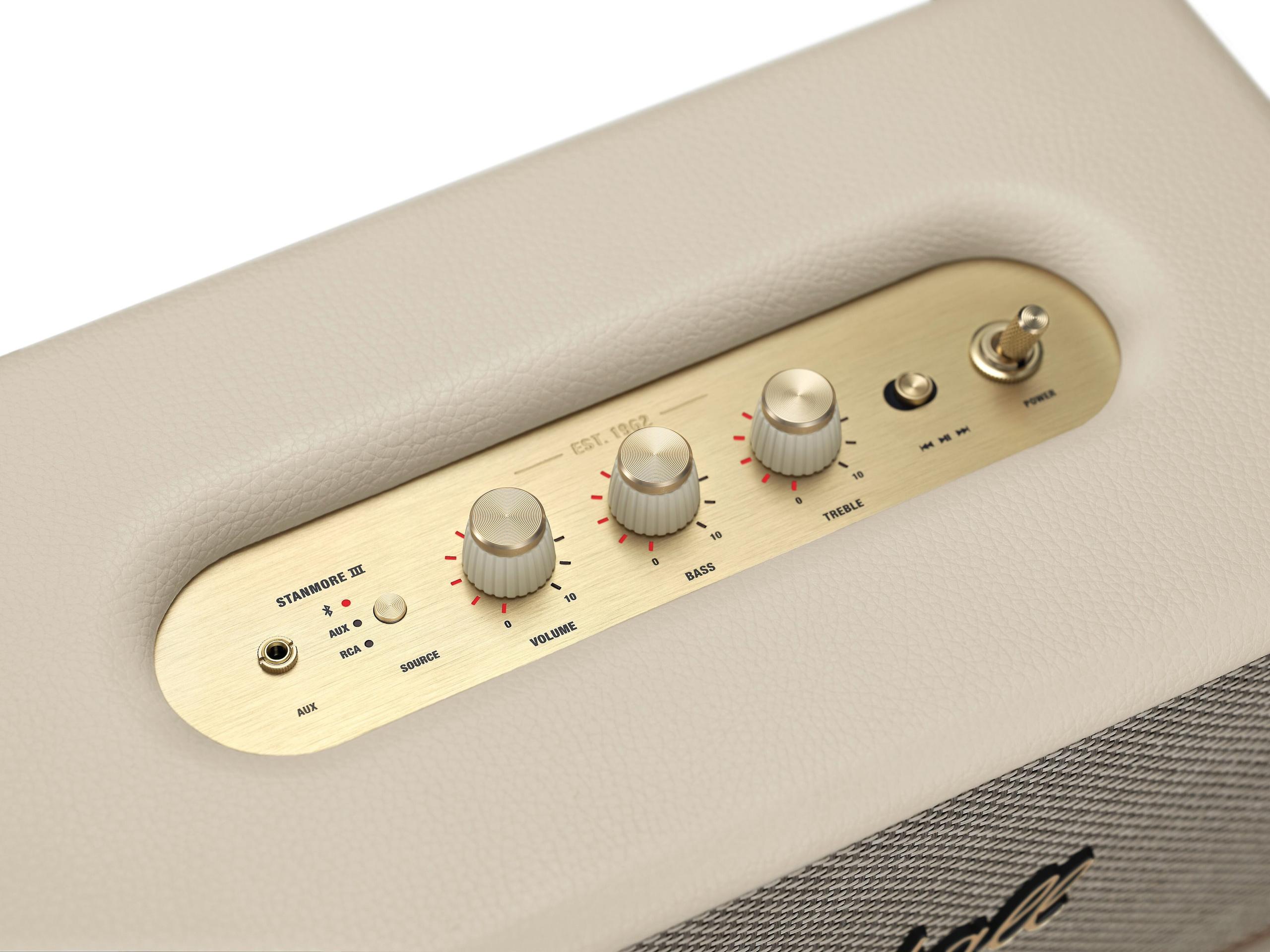
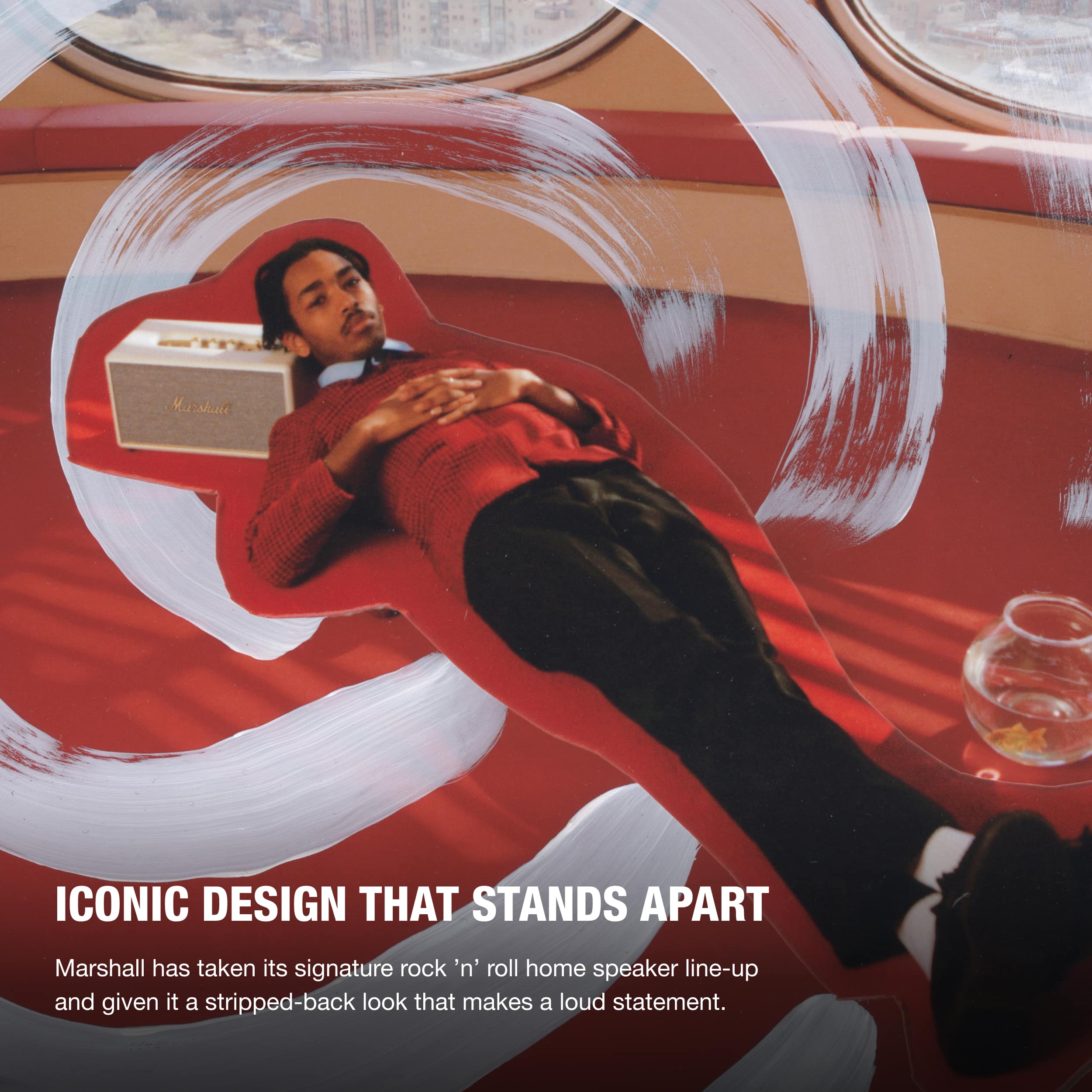
The Marshall Stanmore III, also released in 2023, takes the opposite approach entirely. This isn't a speaker you'll take hiking—at nearly 10 pounds, it's designed to stay put and look good doing it. Marshall's famous guitar amplifier aesthetic translates beautifully to home audio, with analog control knobs, brass accents, and the iconic Marshall script logo.
The larger size serves a purpose beyond aesthetics. Those dimensions allow for bigger drivers (the components that actually create sound) and more internal volume for better bass response. The Marshall Stanmore III houses a dedicated 5-inch woofer for low frequencies and two separate 3/4-inch tweeters for highs, creating true stereo separation that smaller speakers simply can't match.
Marshall also made sustainability improvements in 2023, using 70% recycled plastic and eliminating PVC from the construction. The analog knobs aren't just nostalgic—they provide precise, immediate control over volume, bass, and treble without needing to fumble with phone apps.
This is where things get interesting. Despite being roughly one-quarter the size, the Turtlebox Ranger actually produces higher maximum volume than the Marshall Stanmore III—105 decibels versus 97 decibels measured at one meter. To put that in perspective, every three-decibel increase represents roughly double the perceived loudness, so the Turtlebox Ranger sounds significantly louder at maximum volume.
This volume advantage comes from the Turtlebox Ranger's specialized outdoor tuning. Its Class D digital amplifier with enhanced DSP (Digital Signal Processing) is optimized to cut through wind, background noise, and open-air environments where sound dissipates quickly. The 2-inch waterproof drivers might seem small, but they're engineered specifically for outdoor clarity and punch.
The Marshall Stanmore III takes a different approach with its 80-watt total power output—50 watts for the woofer and 15 watts for each tweeter. This separation allows for better frequency response and stereo imaging, creating a more refined listening experience for indoor use.
Here's where the fundamental difference in design philosophy becomes apparent. The Marshall Stanmore III offers superior overall sound quality for indoor listening, with a frequency response spanning 45 Hz to 20 kHz—nearly the full range of human hearing. Its Dynamic Loudness feature automatically adjusts the tonal balance as you change volume, ensuring music sounds balanced whether you're listening quietly in the morning or cranking it up for a party.
The larger woofer in the Marshall Stanmore III produces deeper, more controlled bass than the Turtlebox Ranger can manage. The separate tweeters create better stereo separation, making it easier to distinguish individual instruments and vocals in complex musical arrangements.
However, the Turtlebox Ranger punches well above its weight class for sound quality. Our research into user reviews consistently shows surprise at how good it sounds for such a compact, rugged speaker. The passive 2×4-inch bass radiator helps extend low-frequency response beyond what you'd expect from 2-inch drivers alone. The enhanced DSP tuning means it maintains clarity even at maximum volume—something many portable speakers struggle with.
For outdoor use, the Turtlebox Ranger's sound signature is actually preferable. It emphasizes mid-range clarity and punchy bass that cut through ambient noise, rather than the more neutral response you'd want for critical indoor listening.
Both speakers benefit from recent Bluetooth advances, but implement them differently. The Turtlebox Ranger uses Bluetooth 5.4—the latest standard at the time of writing—which provides improved connection stability, longer range (up to 100 feet), and better power efficiency. This matters more for a battery-powered speaker where every bit of efficiency extends playback time.
The Marshall Stanmore III uses Bluetooth 5.2, still very current technology that includes multi-host functionality—the ability to stay connected to two devices simultaneously and switch between them seamlessly. This is perfect for home use where family members want to take turns controlling music without constantly re-pairing devices.
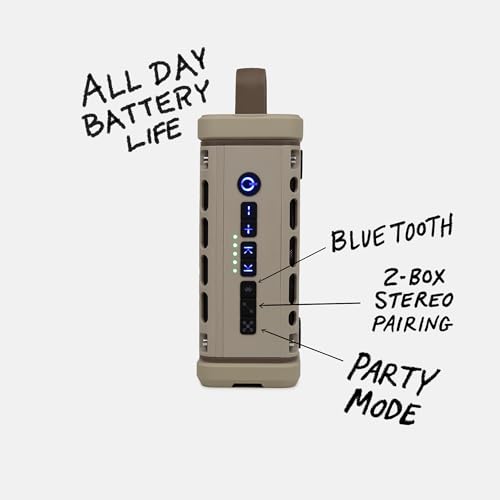
The Turtlebox Ranger introduces some genuinely innovative features through its Party Mode and True Wireless Stereo (TWS) capabilities. Party Mode lets you pair unlimited Turtlebox Ranger speakers together, creating a distributed sound system perfect for large outdoor gatherings. TWS mode pairs two units for true left/right stereo separation, significantly improving the listening experience for stationary use.
The USB-C port on the Turtlebox Ranger serves double duty—it charges the speaker and can also charge your phone or other devices through passthrough power. This feature transforms the speaker into a portable power bank, extending its utility for camping trips or emergency preparedness.
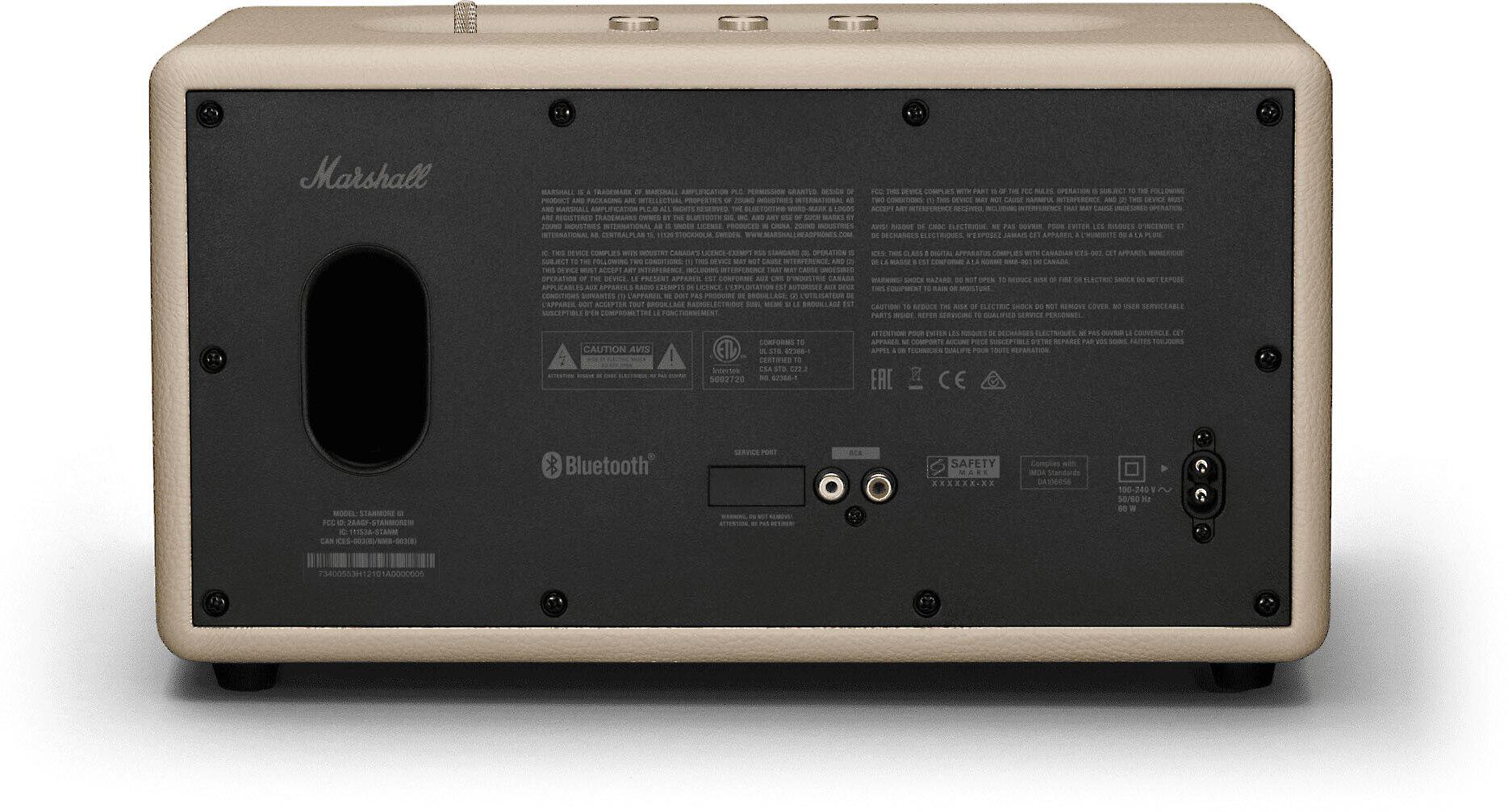
The Marshall Stanmore III offers more traditional connectivity options that many audiophiles appreciate. Along with Bluetooth, it includes a 3.5mm auxiliary input and RCA stereo inputs for connecting turntables, CD players, or other analog sources. The physical control knobs provide immediate, precise adjustment without needing to unlock your phone or navigate apps.
This category shows the starkest difference between the two approaches. The Turtlebox Ranger packs a 25.2 Wh lithium-ion battery that provides 12+ hours of playbook time at moderate volumes, extending to 20+ hours when listening quietly. At maximum volume—which is impressively loud—expect about 5 hours of playback. The USB-C charging means you can top up from any modern phone charger, car adapter, or portable battery pack.
The Marshall Stanmore III requires constant AC power, which completely eliminates portable use but ensures unlimited playback time. This design choice allows Marshall to focus entirely on sound quality without the compromises that battery power introduces—no need to optimize for power efficiency or include charging circuitry that can introduce electrical noise.
The Turtlebox Ranger shines in scenarios where traditional speakers would fail completely. Beach trips benefit from the full waterproofing and magnetic mounting to coolers or beach carts. Construction sites and workshops appreciate the rugged build quality and ability to stick to metal surfaces while staying out of the way of tools and materials.
Camping presents an interesting use case. While 2.4 pounds might seem heavy for backpacking, it's reasonable for car camping where the magnetic mounting to vehicle surfaces and long battery life make it incredibly convenient. The Party Mode functionality really shines for group camping when you want distributed audio around a large campsite.
Tailgating and outdoor parties represent perhaps the ideal use case. The Turtlebox Ranger can easily fill outdoor spaces with sound while surviving spilled drinks, flying footballs, and being constantly moved around. The ability to pair multiple units means groups can pool their speakers for truly impressive volume coverage.
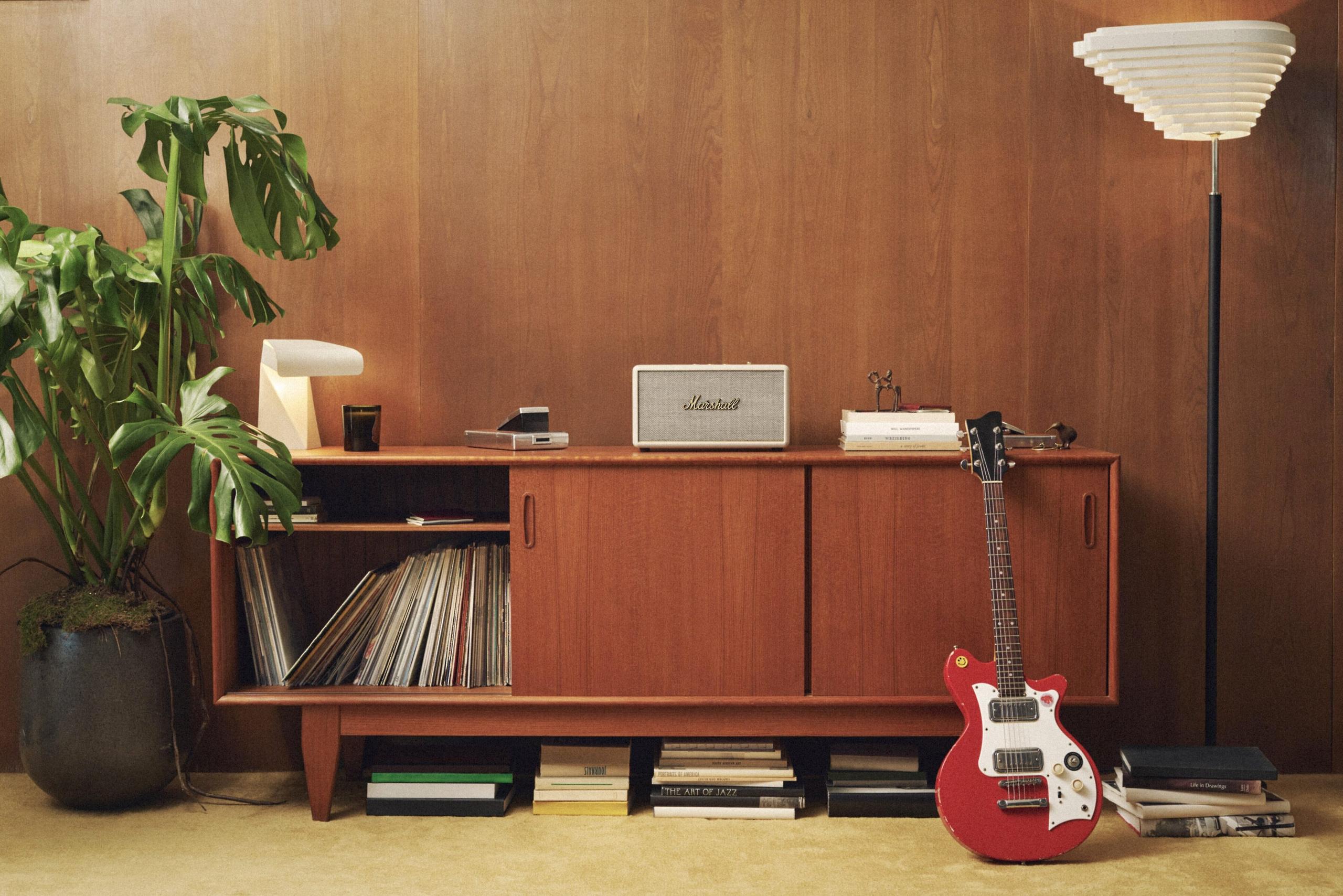
The Marshall Stanmore III excels in traditional home audio scenarios where its larger size and AC power aren't limitations. Living rooms, bedrooms, and home offices benefit from its room-filling stereo sound and attractive aesthetic that complements rather than clashes with home décor.
For vinyl enthusiasts or anyone with analog audio sources, the RCA inputs provide proper connectivity that many modern speakers lack. The physical bass and treble controls offer immediate adjustment for different music types—boost the bass for hip-hop, dial back the treble for compressed streaming sources.
Home theater use presents an interesting consideration. While the Marshall Stanmore III isn't a dedicated home theater speaker, its stereo separation and dialogue clarity make it a significant upgrade from television speakers for casual viewing. The analog controls make quick volume adjustments easy during movies without needing to grab a remote or phone.
The Turtlebox Ranger's engineering includes several features worth highlighting. The built-in breather helps maintain performance across temperature extremes—important for a speaker that might sit in hot cars or cold garages. The magnetic mounting system uses neodymium magnets strong enough to support the speaker's weight even on vertical surfaces.
The enhanced DSP tuning deserves particular mention. This isn't just basic equalization—it's sophisticated signal processing that optimizes the small drivers for maximum clarity and impact. Combined with the passive bass radiator design, it achieves bass response that seems to defy physics given the speaker's size.
The Marshall Stanmore III incorporates Placement Correction technology that adjusts the sound based on where you position the speaker in a room. This helps compensate for bass buildup when placed near walls or corner loading effects that can muddy the sound.
Dynamic Loudness represents another sophisticated feature. Rather than just making everything louder or quieter, it maintains tonal balance across volume levels by adjusting different frequency ranges proportionally. This prevents the tinny sound that many speakers develop at low volumes or the muddiness that creeps in at high volumes.
The decision between these speakers ultimately comes down to lifestyle alignment rather than pure performance metrics. The Turtlebox Ranger offers better value for active users who need portability, weather resistance, and the flexibility to use their speaker anywhere. Its combination of durability, volume, and battery life justify the premium over basic portable speakers.
The Marshall Stanmore III provides superior value for dedicated home listening, offering refined sound quality, classic aesthetics, and the convenience of permanent setup. Its higher price reflects the larger drivers, premium build quality, and Marshall's brand heritage.
Choose the Turtlebox Ranger if you spend time outdoors, travel frequently, or need a speaker that can handle whatever life throws at it. Its magnetic mounting, waterproofing, and multi-speaker pairing make it genuinely useful in ways other portable speakers aren't.
Choose the Marshall Stanmore III if you prioritize sound quality for home listening, appreciate classic design, and want the convenience of always-ready music without worrying about battery levels. Its analog controls, multiple input options, and room-filling sound make it an excellent centerpiece for home audio.
Both speakers excel in their intended roles, but trying to use either outside its design parameters will lead to frustration. The Turtlebox Ranger won't match the Marshall Stanmore III's refined indoor sound quality, and the Marshall Stanmore III simply can't function in the outdoor environments where the Turtlebox Ranger thrives. Understanding this fundamental difference makes the choice much clearer and ensures you'll end up with a speaker that truly fits your lifestyle.
| Turtlebox Ranger | Marshall Stanmore III |
|---|---|
| Design Category - Determines where and how you can use each speaker | |
| Rugged portable outdoor speaker (2.4 lbs, vertical pillar design) | Premium home audio speaker (9.37 lbs, vintage amplifier styling) |
| Maximum Volume Output - Critical for outdoor use and large spaces | |
| 105 dB (exceptionally loud for size, cuts through outdoor noise) | 97 dB (room-filling but optimized for indoor listening) |
| Power Source - Affects placement flexibility and portability | |
| 25.2 Wh battery (12+ hours playback, USB-C charging) | AC power only (unlimited runtime but requires wall outlet) |
| Weather Resistance - Essential for outdoor and active use | |
| IP67 waterproof, dustproof, dropproof, crushproof | None (indoor use only) |
| Driver Configuration - Impacts sound quality and stereo separation | |
| Dual 2" drivers + passive bass radiator (mono/stereo switchable) | 5" woofer + dual 3/4" tweeters (true stereo separation) |
| Total System Power - Affects volume and bass response | |
| Class D amplifier with enhanced DSP (power not specified) | 80W total (50W woofer + 15W per tweeter) |
| Bluetooth Version - Influences connection stability and range | |
| Bluetooth 5.4 (100-foot range, latest standard) | Bluetooth 5.2 (30-foot range, multi-host connectivity) |
| Unique Features - Capabilities that set each speaker apart | |
| Party Mode (unlimited pairing), magnetic mounting, USB-C passthrough charging | Physical bass/treble knobs, RCA/3.5mm inputs, Dynamic Loudness |
| Frequency Response - Shows how evenly they reproduce different sounds | |
| Not specified (optimized for outdoor clarity and bass punch) | 45 Hz - 20 kHz (near full-range audiophile response) |
| Best Use Cases - Where each speaker delivers maximum value | |
| Outdoor adventures, jobsites, poolside, camping, tailgating | Home listening, vinyl playback, bedroom/living room, consistent power available |
| Multi-Speaker Capabilities - Options for expanding your setup | |
| Party Mode (unlimited Turtlebox Rangers), TWS pairing for stereo | Single speaker only (no multi-unit pairing) |
| Mounting Options - How you can position and secure the speaker | |
| Magnetic side mounts, stainless steel tie-downs, rubber feet | Desktop placement only |
The Turtlebox Ranger is specifically designed for outdoor use with IP67 waterproof rating, making it fully submersible and weatherproof. The Marshall Stanmore III has no weather protection and requires AC power, making it unsuitable for outdoor environments. For camping, beach trips, or poolside use, the Turtlebox Ranger is the clear choice.
The Marshall Stanmore III works well as an upgrade from TV speakers for casual home theater use, offering clear dialogue and room-filling stereo sound. The Turtlebox Ranger can function for home theater but isn't optimized for it—its outdoor tuning emphasizes volume over refined sound quality that home theater content requires.
The Marshall Stanmore III delivers superior overall sound quality with its larger 5-inch woofer, dedicated tweeters, and 45 Hz - 20 kHz frequency response. However, the Turtlebox Ranger offers surprisingly good audio quality for its size and excels in outdoor environments where its enhanced DSP tuning shines.
The Turtlebox Ranger runs on a built-in battery providing 12+ hours of playback and charges via USB-C. The Marshall Stanmore III requires constant AC power connection and has no battery option, limiting it to locations with wall outlets.
Despite being much smaller, the Turtlebox Ranger reaches 105 dB maximum output compared to the Marshall Stanmore III's 97 dB. This makes the Turtlebox Ranger significantly louder and better for large outdoor spaces or noisy environments.
The Turtlebox Ranger offers Party Mode for pairing unlimited speakers together and True Wireless Stereo mode for connecting two units. The Marshall Stanmore III doesn't support multi-speaker pairing and functions as a single-unit system only.
The Turtlebox Ranger features military-grade durability with drop-proof, crush-proof, and waterproof construction designed for extreme conditions. The Marshall Stanmore III is well-built for home use but lacks any rugged features and isn't designed to handle rough treatment.
The Turtlebox Ranger uses Bluetooth 5.4 with 100-foot range and includes USB-C charging. The Marshall Stanmore III offers Bluetooth 5.2, plus wired connections including 3.5mm auxiliary input and RCA stereo inputs for connecting turntables or other analog sources.
Value depends on your needs: the Turtlebox Ranger offers excellent value for outdoor enthusiasts needing portability and ruggedness, while the Marshall Stanmore III provides premium home audio value with superior sound quality and classic aesthetics for indoor listening.
The Turtlebox Ranger is compact and portable at 2.4 pounds and 8" tall, designed for easy transport. The Marshall Stanmore III is a substantial home speaker weighing 9.37 pounds with classic amplifier proportions, meant to stay in one location.
The Marshall Stanmore III produces deeper, more controlled bass thanks to its dedicated 5-inch woofer and larger internal volume. The Turtlebox Ranger delivers punchy bass that's impressive for its size, enhanced by passive radiators, but can't match the low-frequency extension of the larger Marshall Stanmore III.
Neither the Turtlebox Ranger nor the Marshall Stanmore III includes built-in voice assistants or microphones. Both focus on audio playback quality rather than smart speaker functionality, requiring you to use voice commands through your connected phone or device.
We've done our best to create useful and informative comparisons to help you decide what product to buy. Our research uses advanced automated methods to create this comparison and perfection is not possible - please contact us for corrections or questions. These are the sites we've researched in the creation of this article: fieldandstream.com - tylerstx.com - comparisontabl.es - gearjunkie.com - rogerssportinggoods.com - youtube.com - armorsound.com - simmonssportinggoods.com - turtleboxaudio.com - outdoorhub.com - backpackeroutdoors.com - youtube.com - tennesseevalleyoutsider.com - turtleboxaudio.com - mrfc.com - linecutterz.com - russells.com - turtleboxaudio.com - flyfishfood.com - techgadgetscanada.com - camelcamelcamel.com - crutchfield.com - bestbuy.com - dxomark.com - crutchfield.com - crutchfield.com - marshall.com - marshall-production-1.mobify-storefront.com - exhibit.tech - ooberpad.com - av-connection.com

Privacy Policy
Terms and Conditions - Affiliate Policy
Home Security
© Copyright 2008-2026.
11816 Inwood Rd #1211, Dallas, TX 75244