

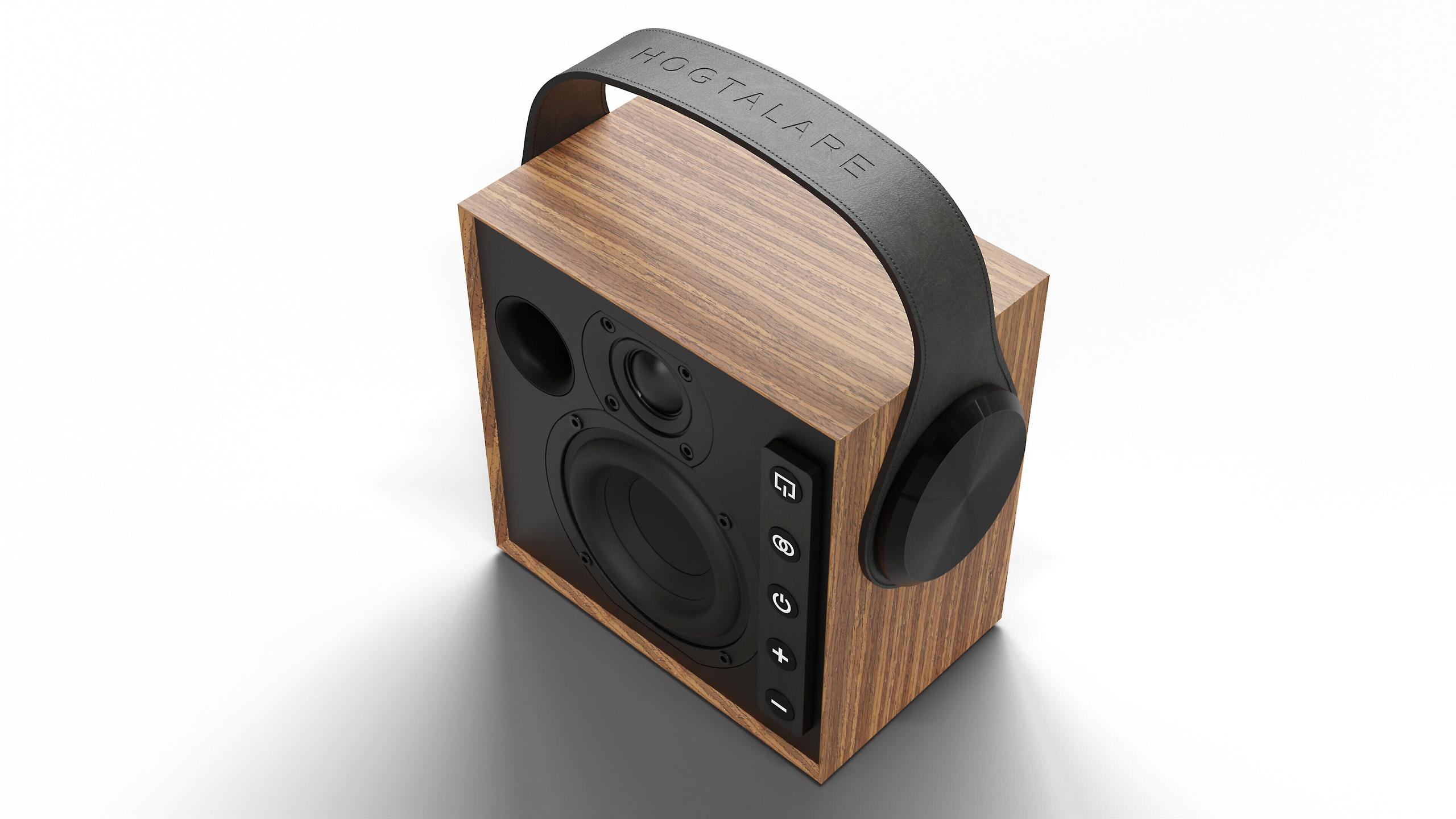
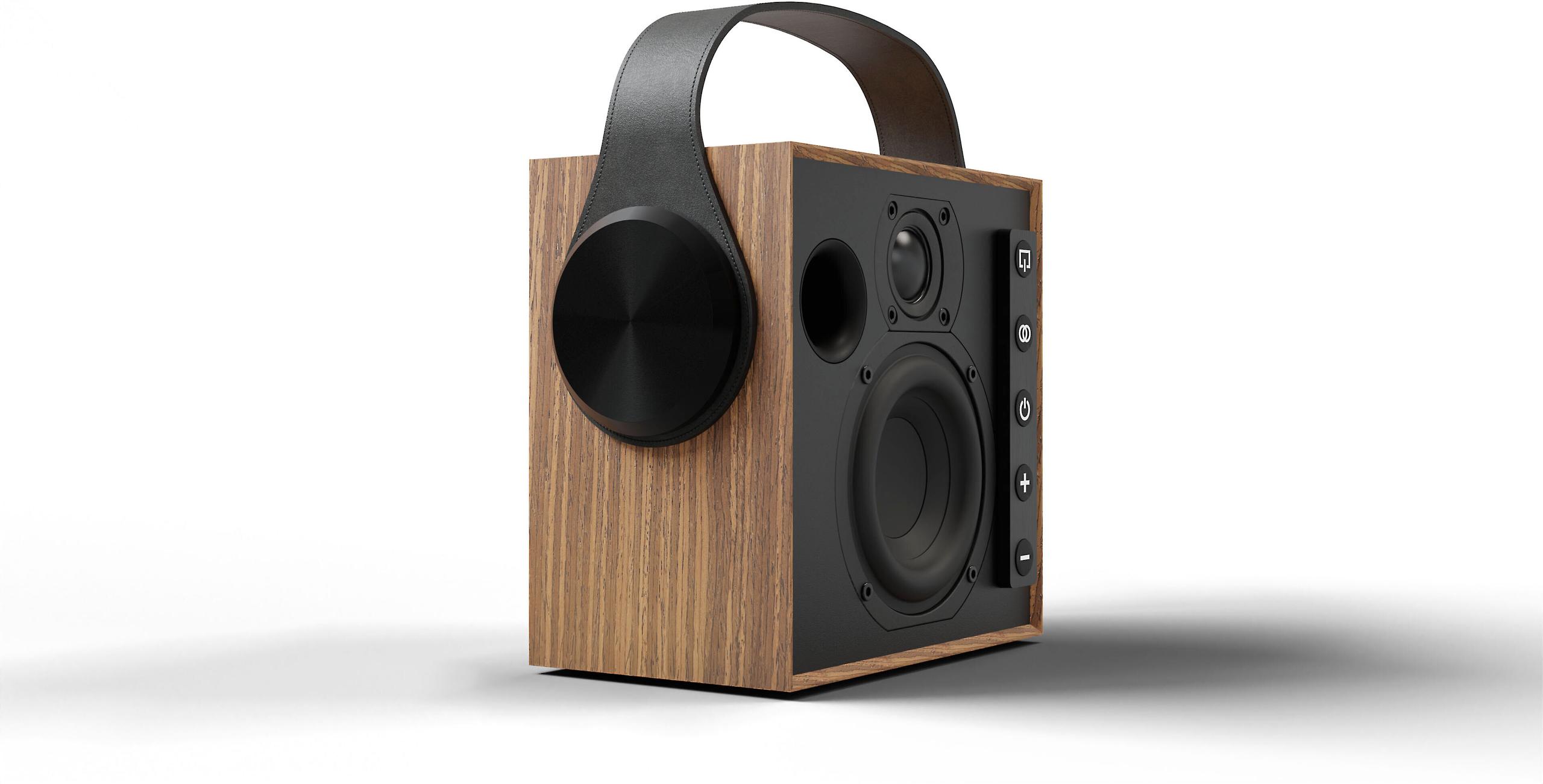
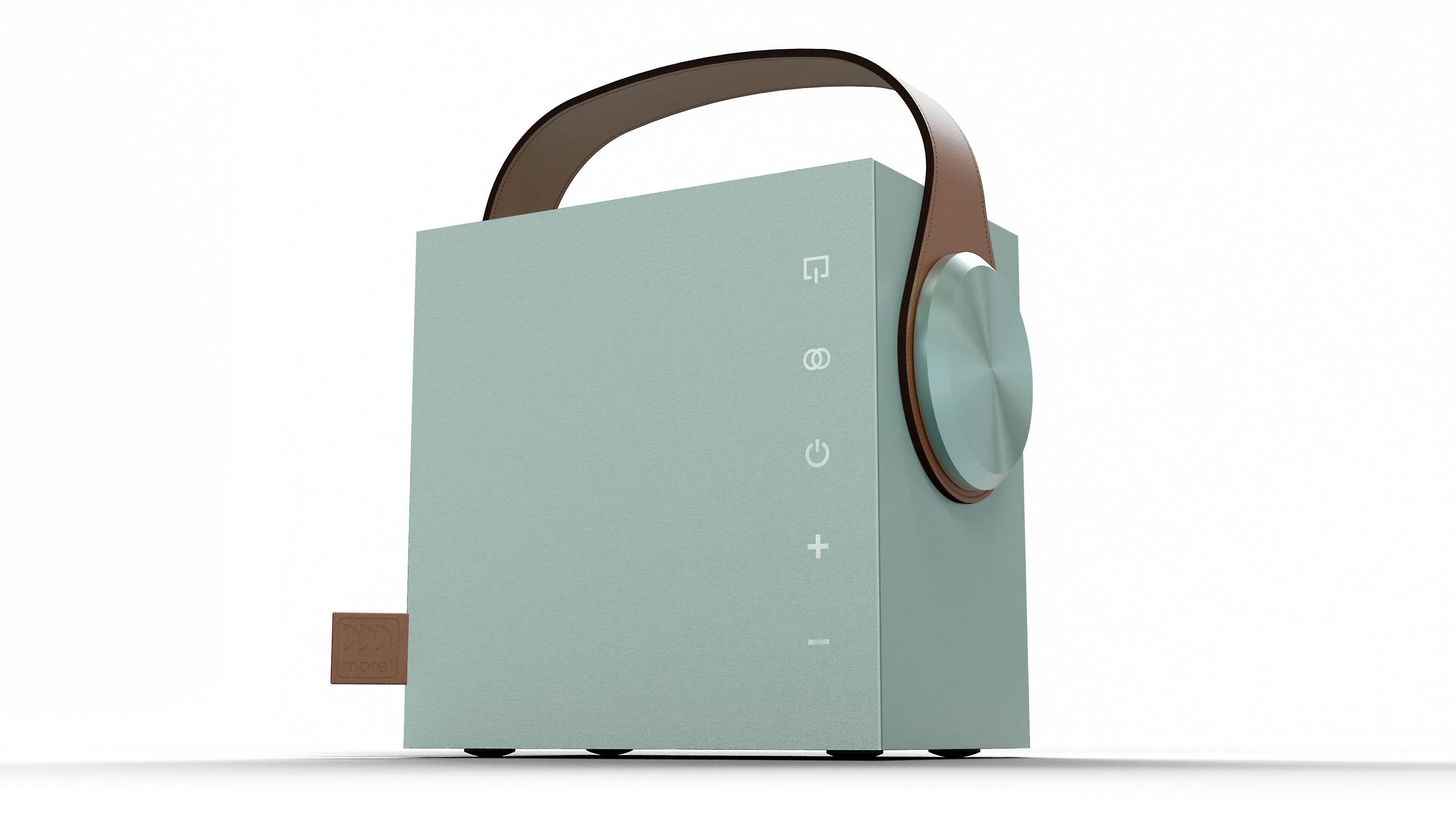
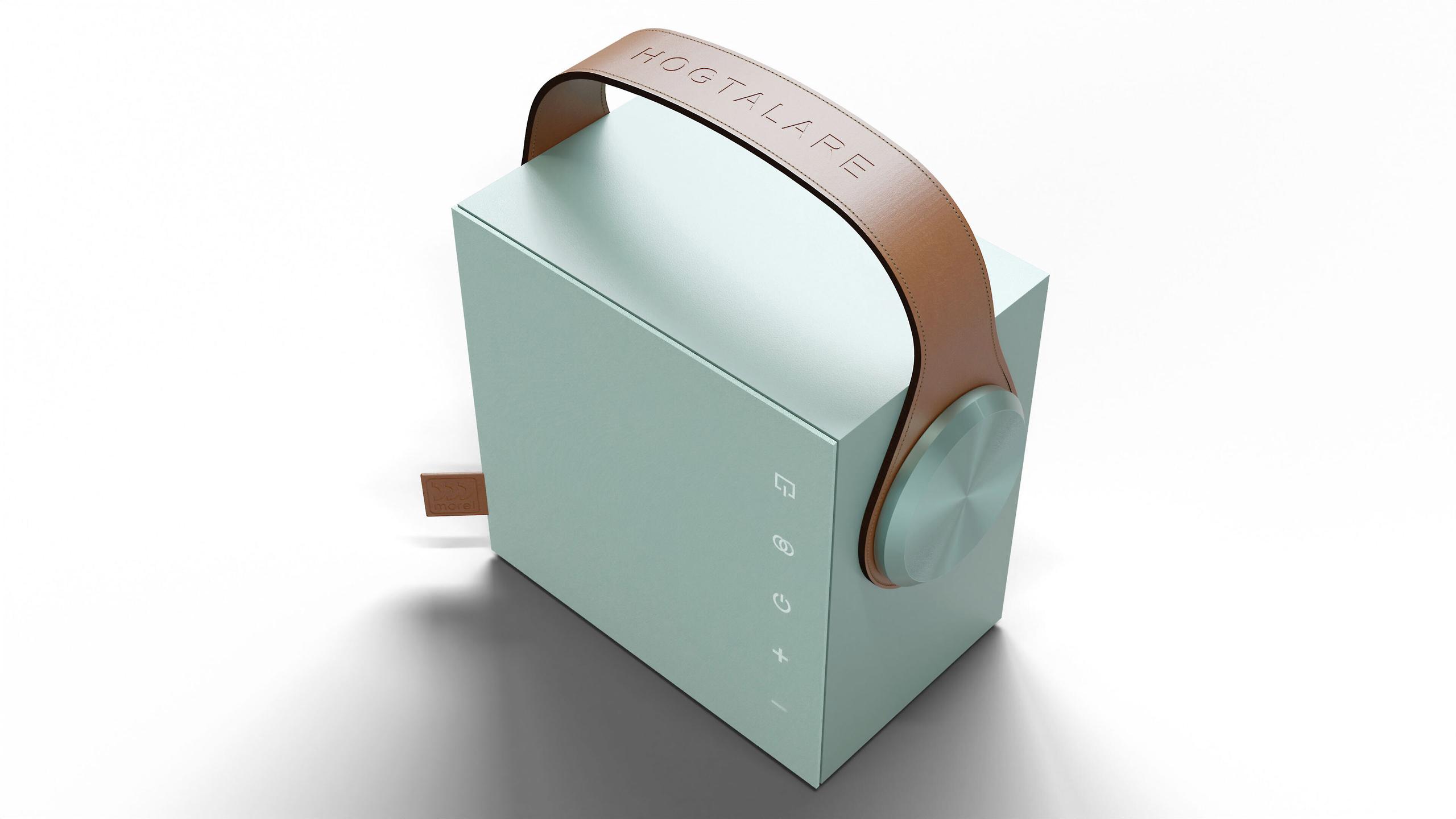
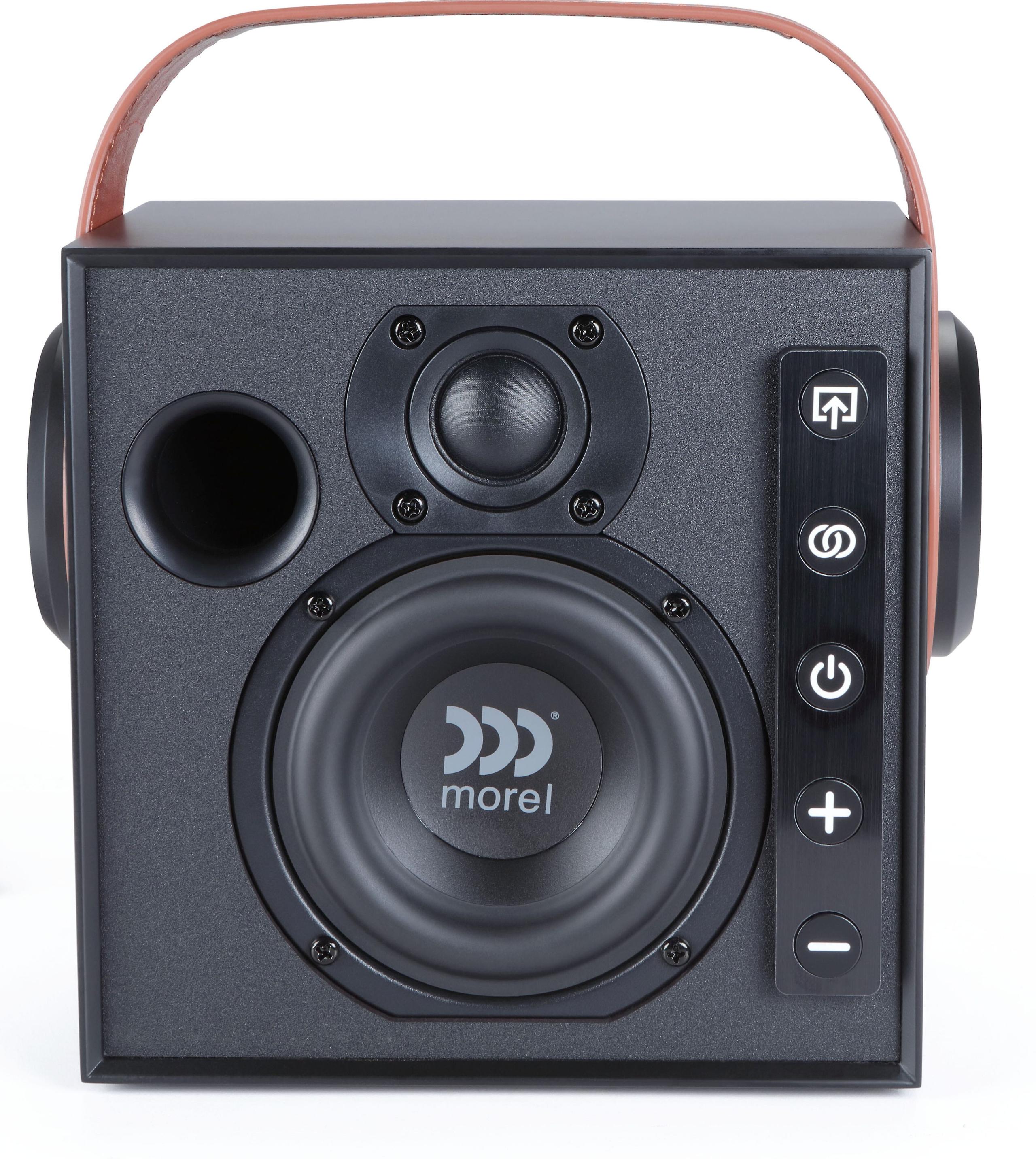
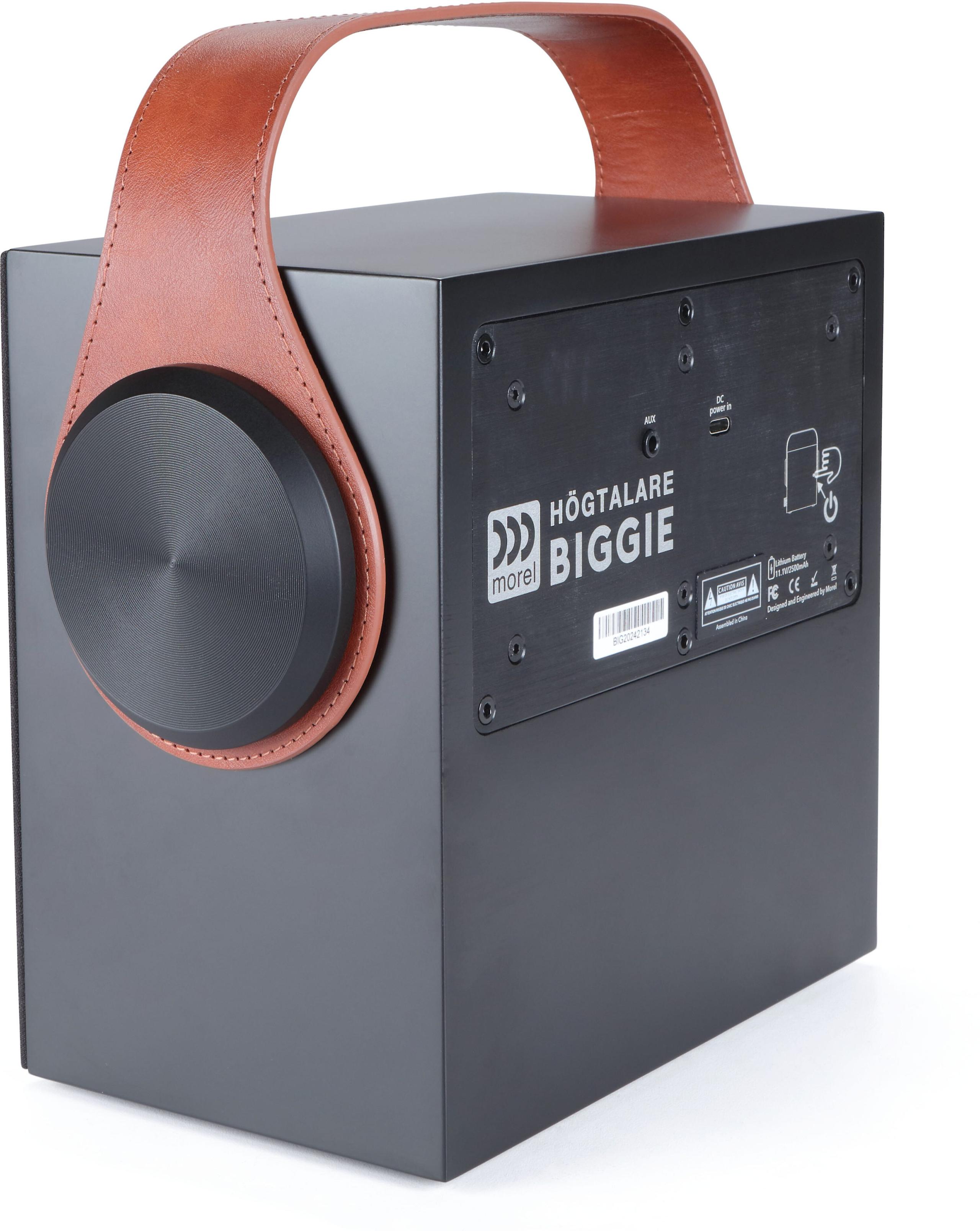
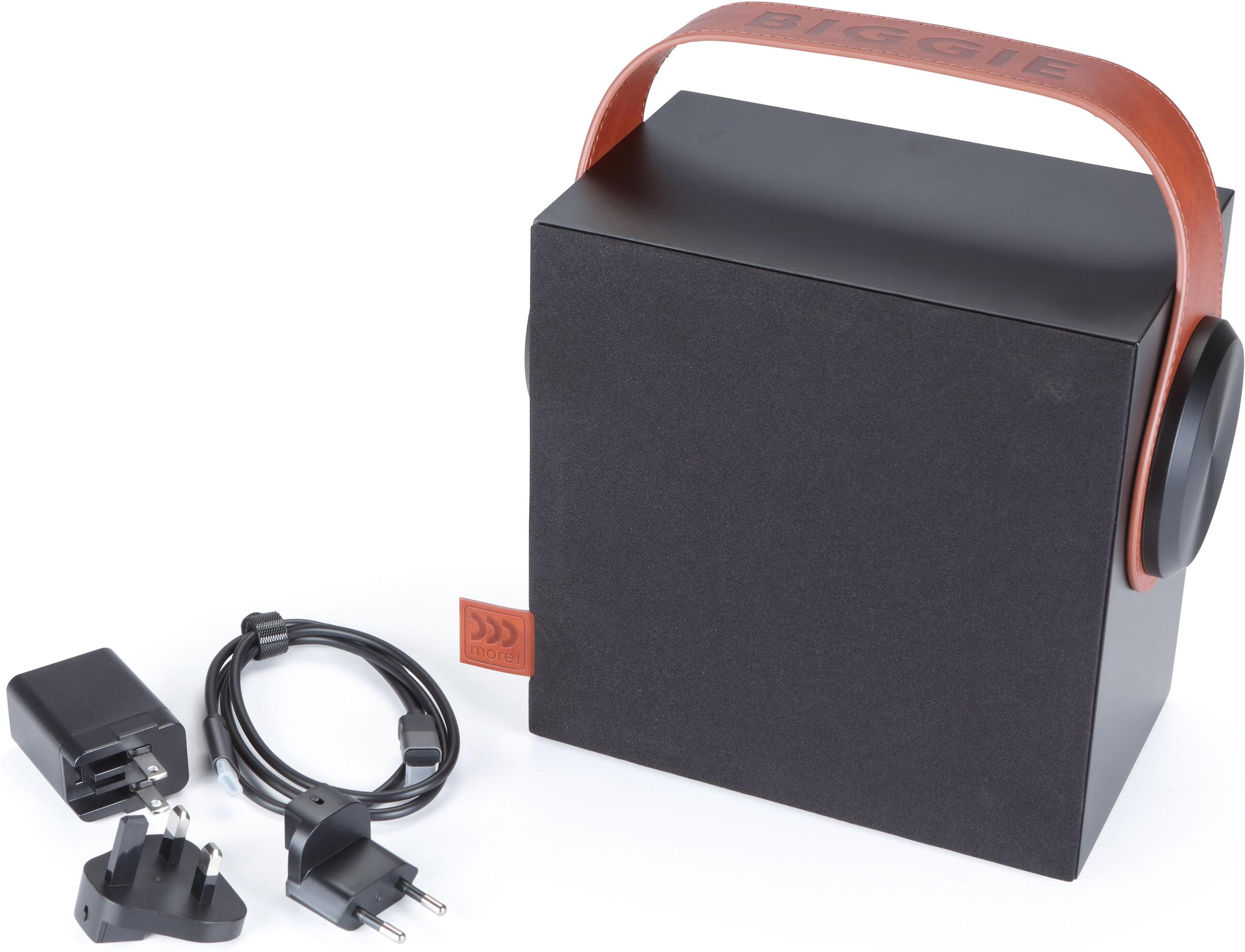

When it comes to high-quality wireless audio, two interesting contenders have emerged recently - the Marshall Stanmore III ($379) and the Morel BIGGIE ($299). While both deliver impressive sound, they approach the task quite differently. Let's explore how these speakers compare and who they might be best suited for.
Bluetooth speakers have come a long way from the tinny, portable units of the past. Modern speakers now offer sophisticated audio processing, multiple amplifiers, and advanced connectivity options. The Stanmore III, released in late 2022, represents Marshall's continued refinement of their home audio line, while the BIGGIE, launched in 2023, showcases Morel's entry into the premium portable market.
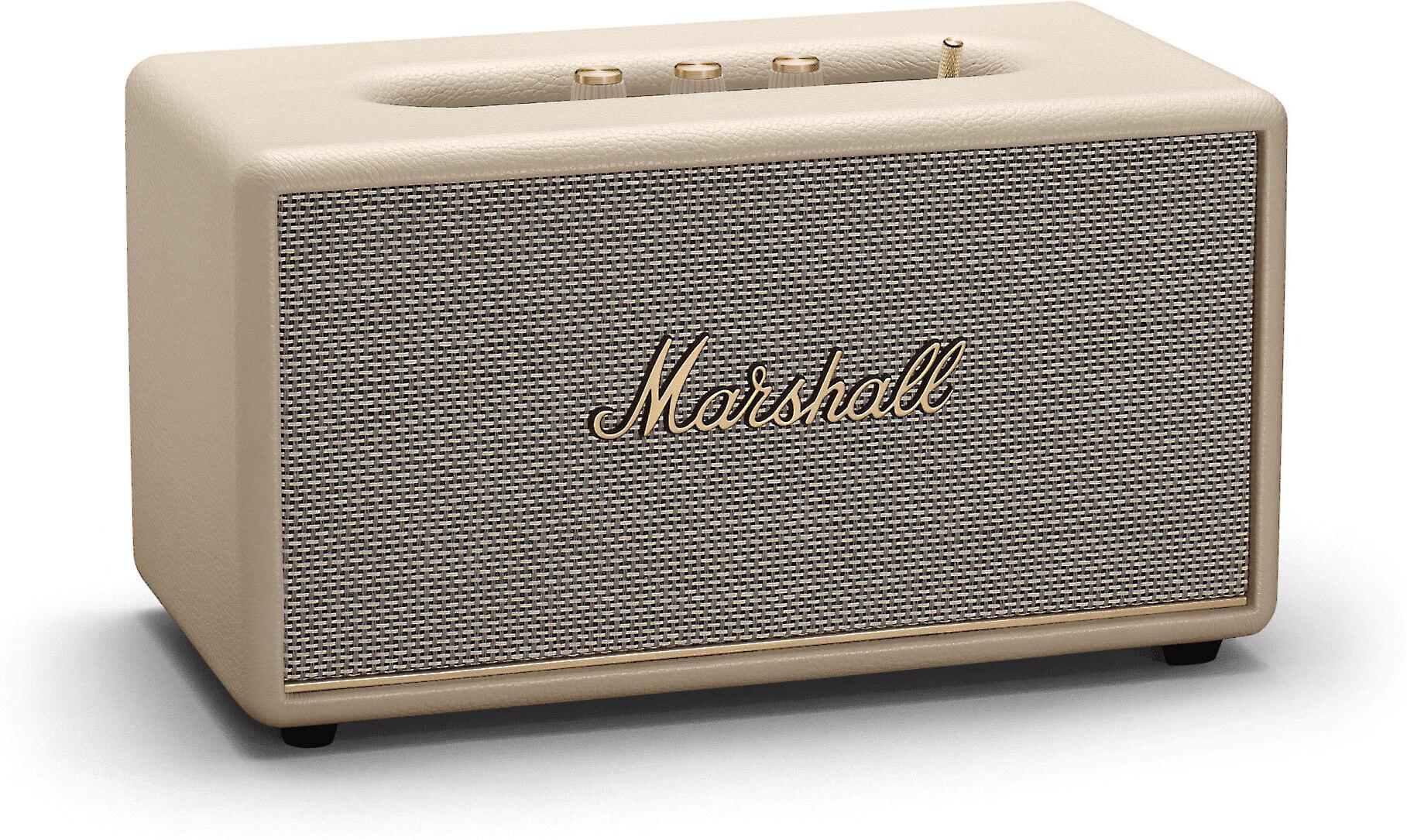
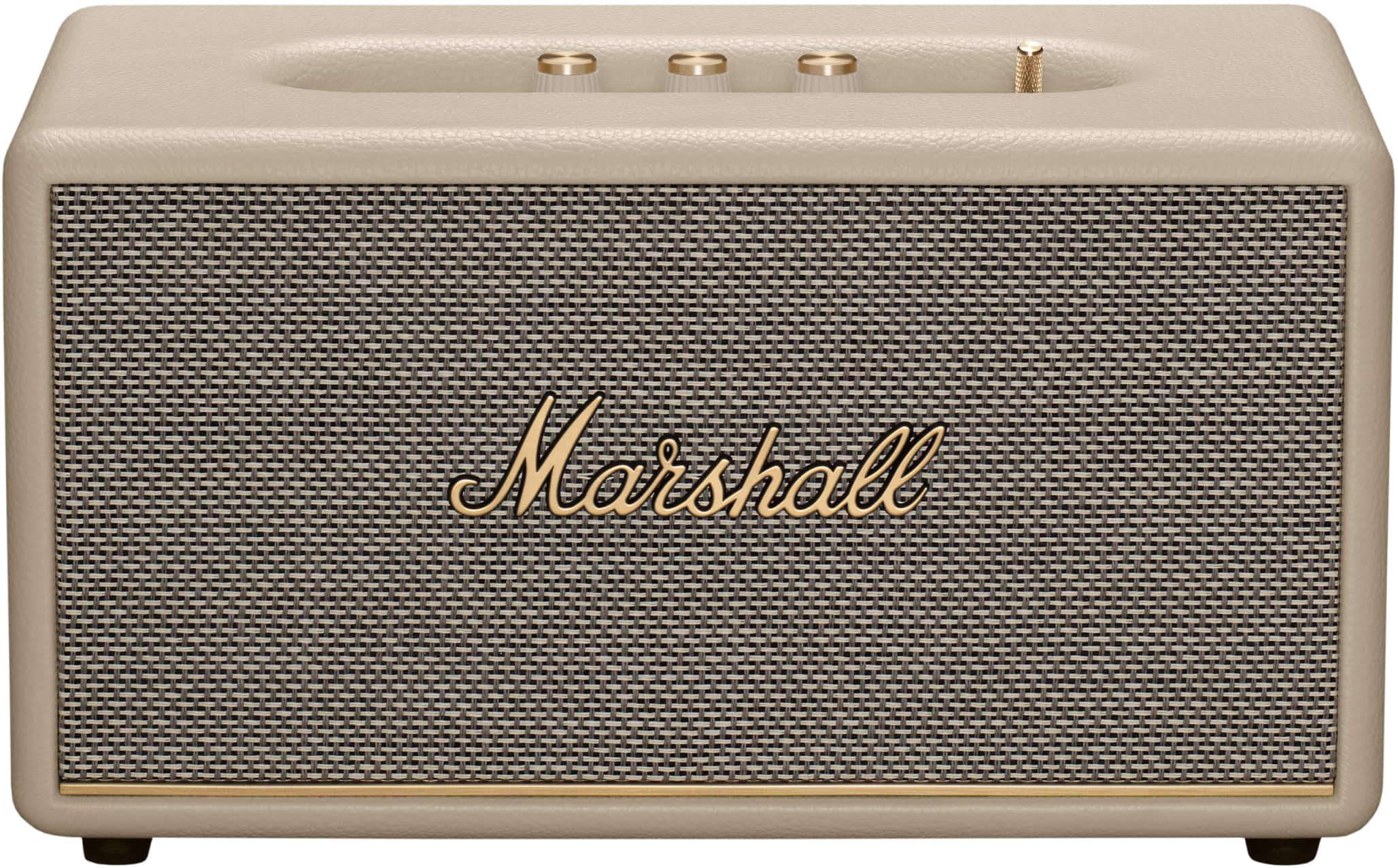
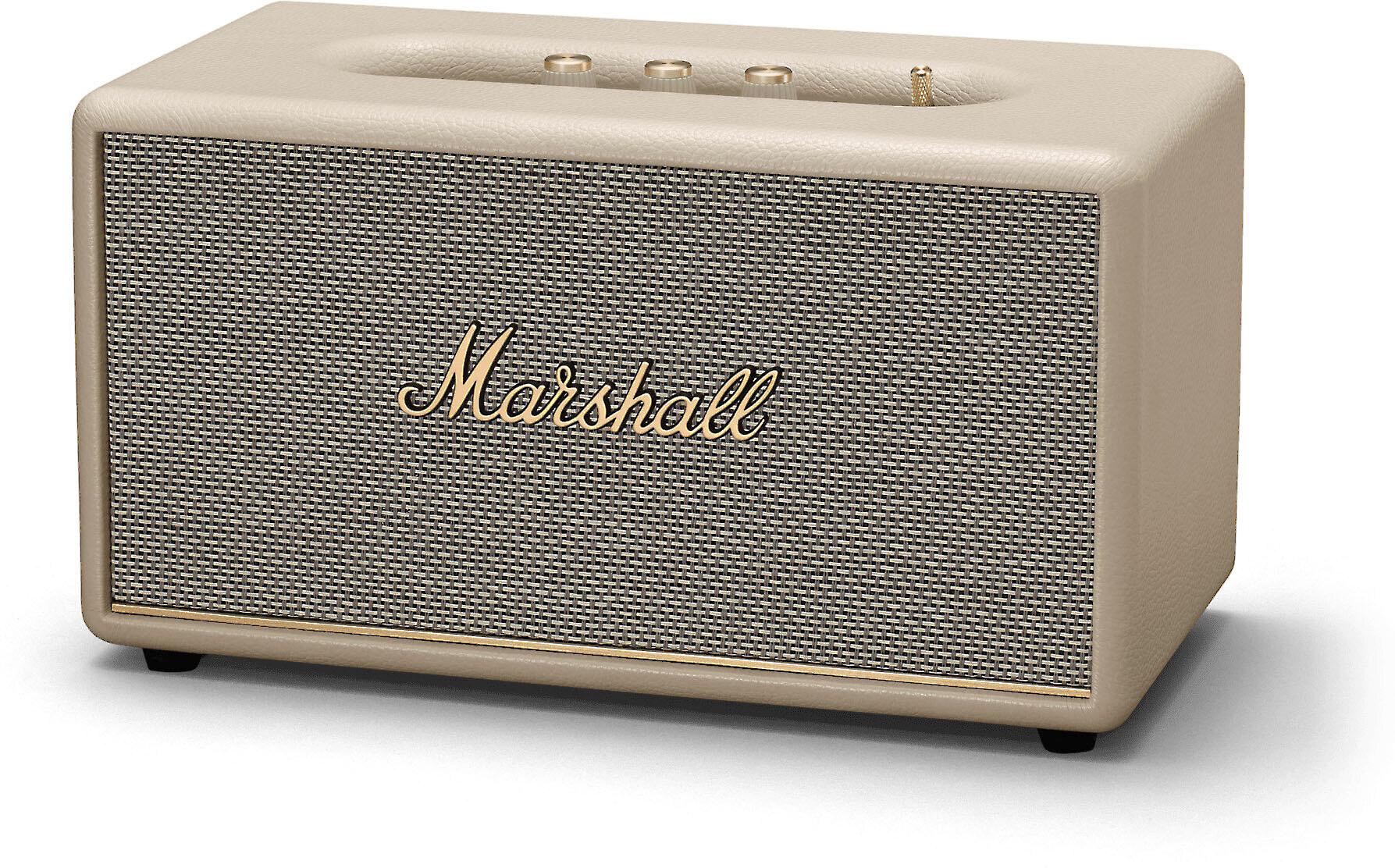
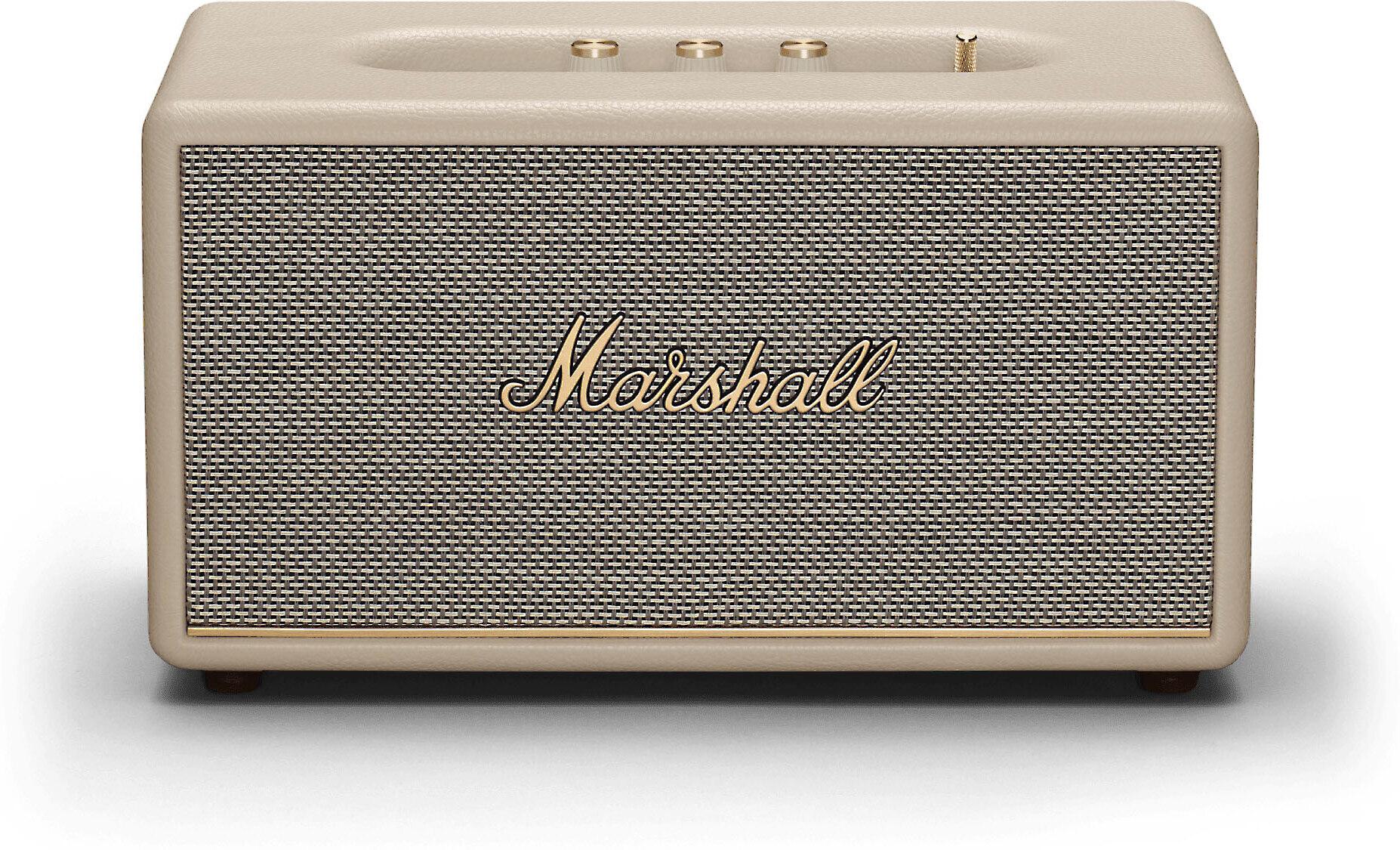
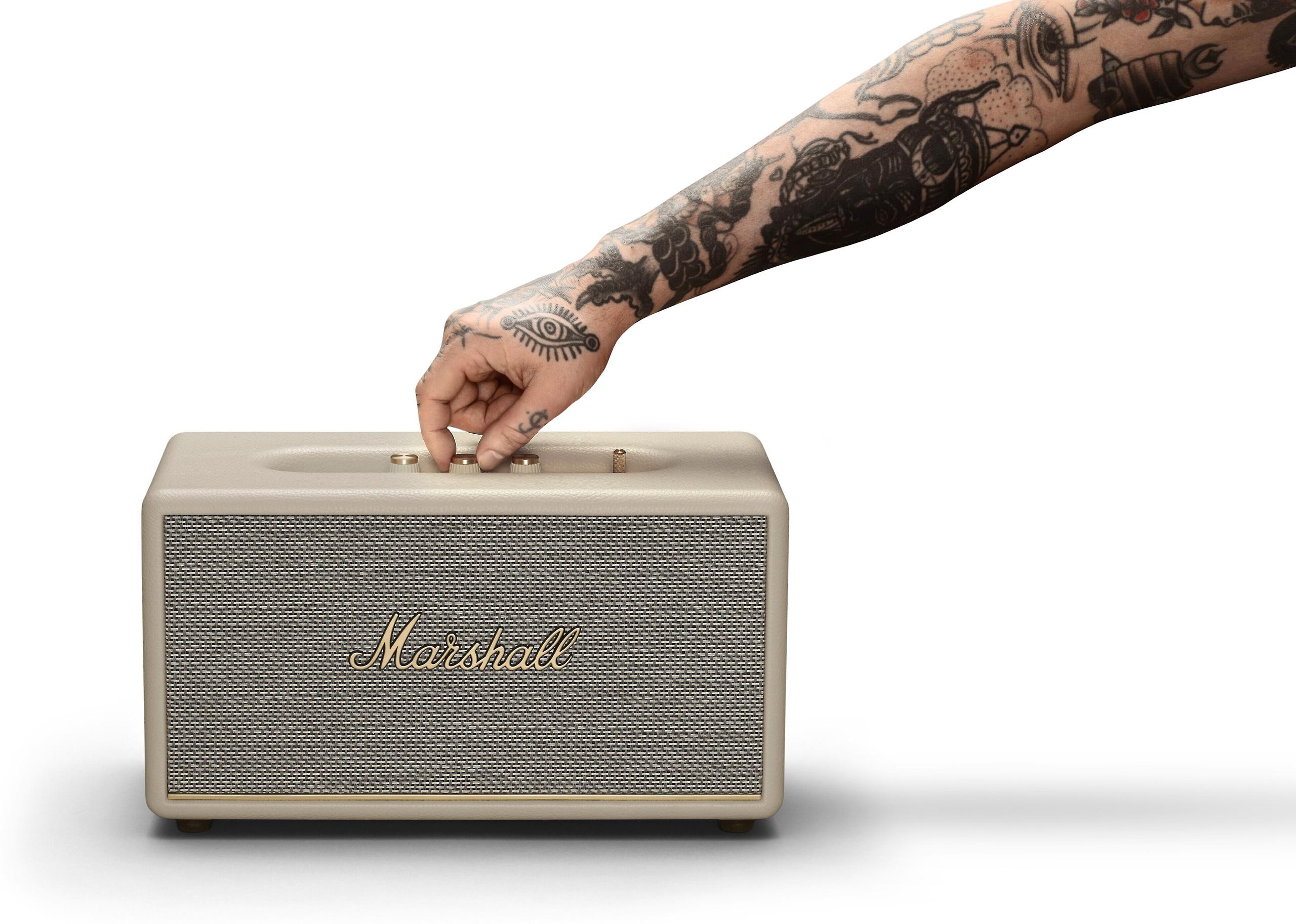
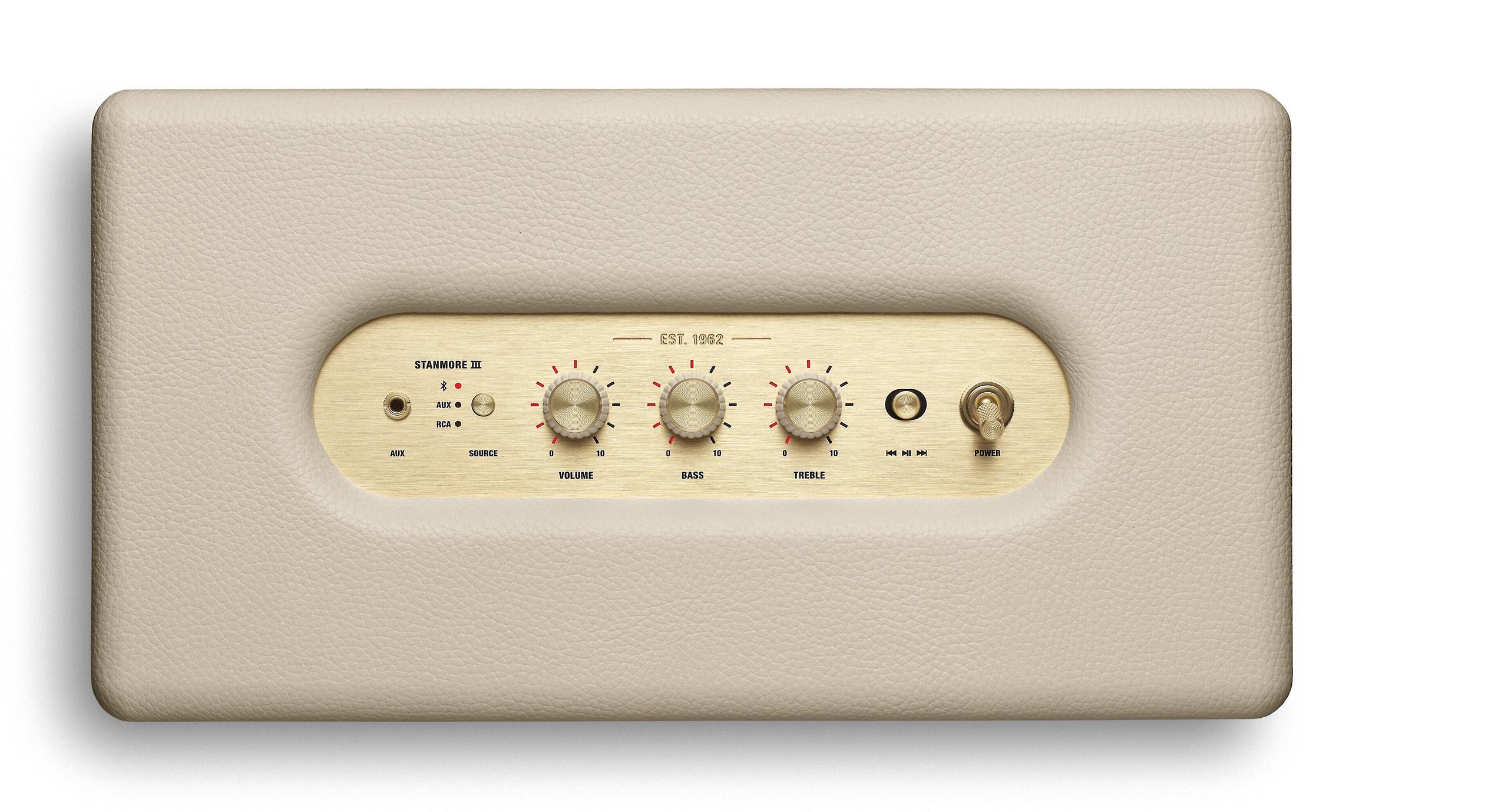
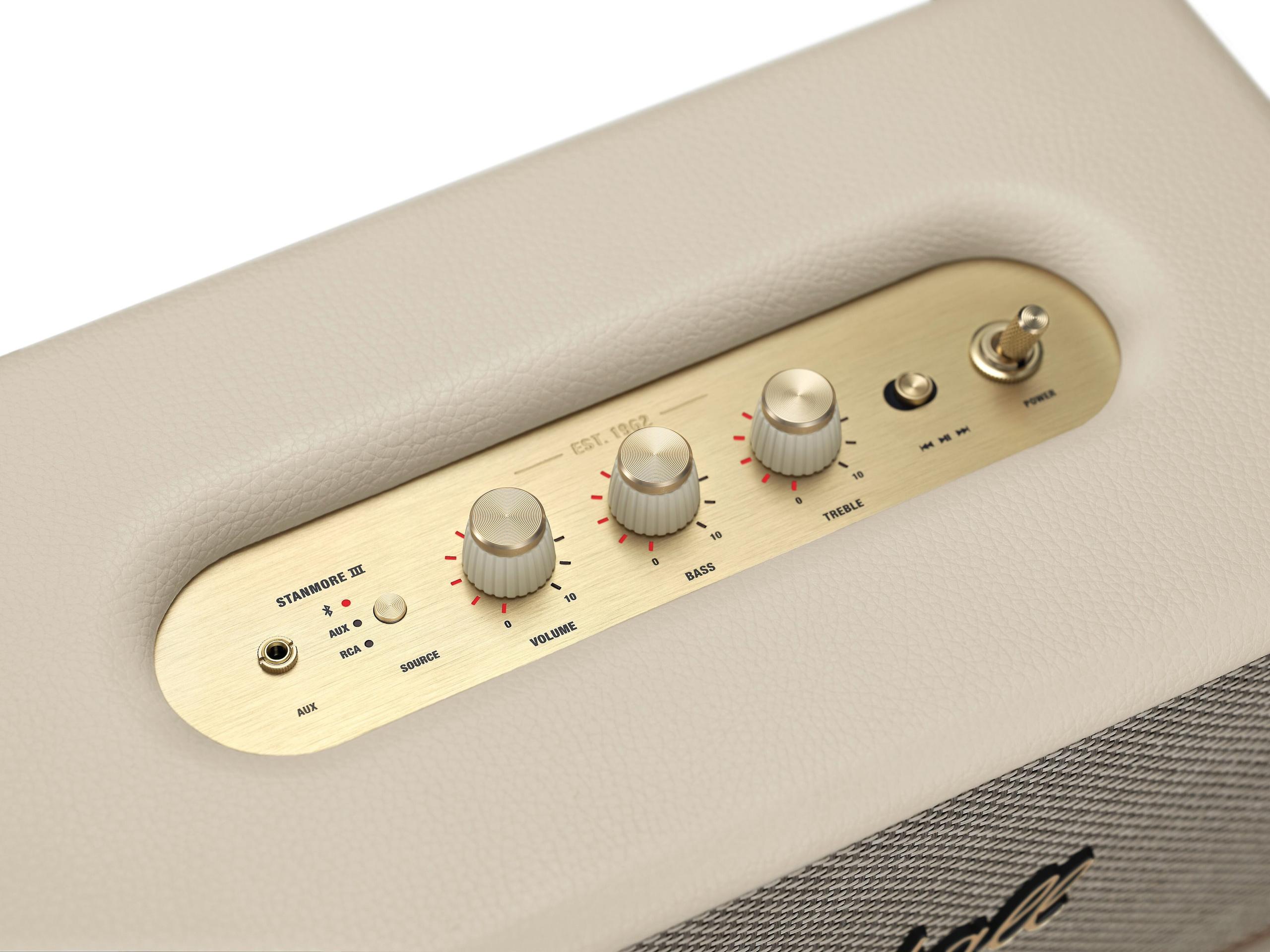
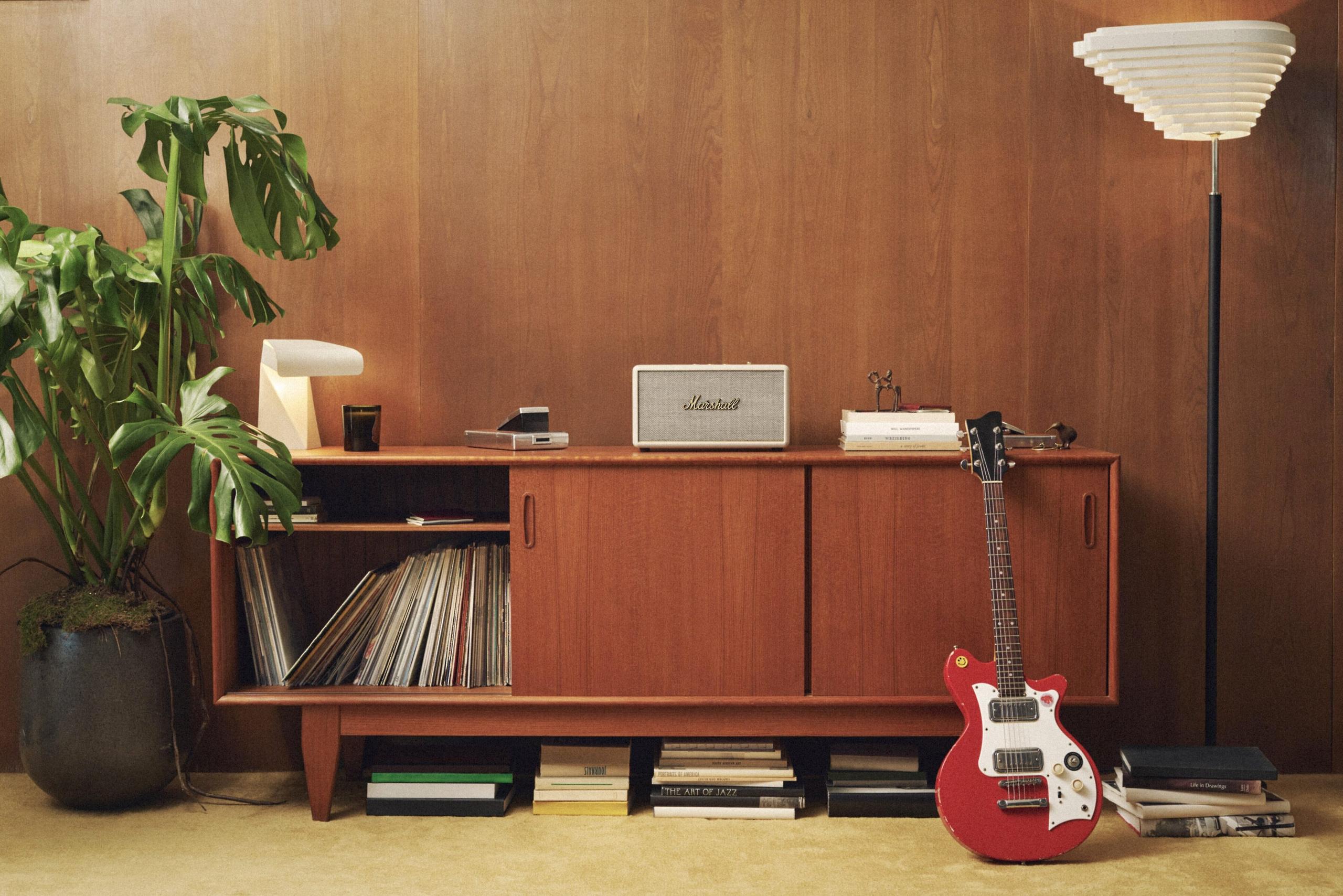
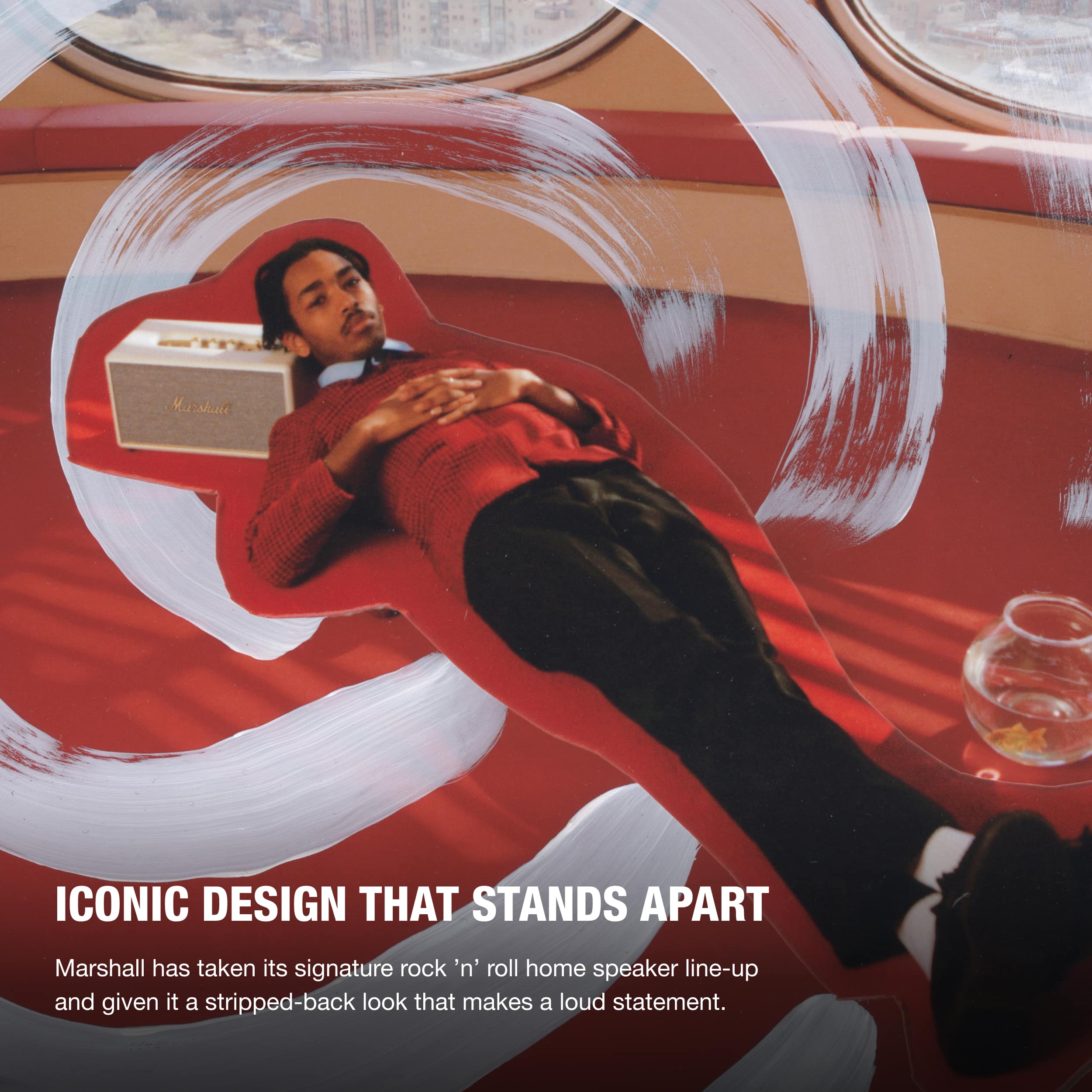
The Stanmore III maintains Marshall's iconic guitar amp aesthetic, with classic textured vinyl covering and brass-finished controls. It's a substantial unit weighing 9.37 pounds, designed to be a centerpiece in your home audio setup. The physical controls - including separate knobs for volume, bass, and treble - offer a tactile experience that digital controls can't match.
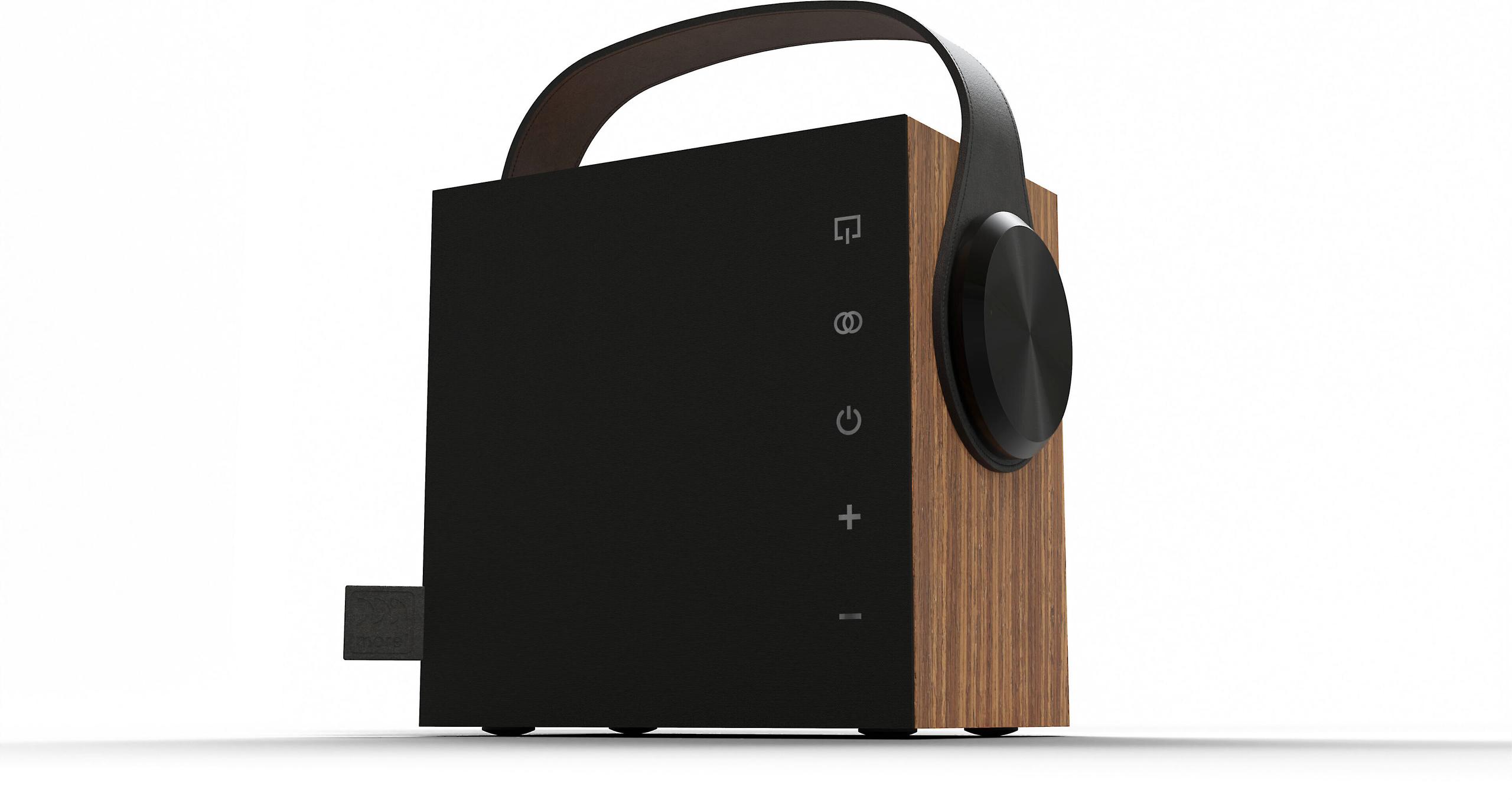
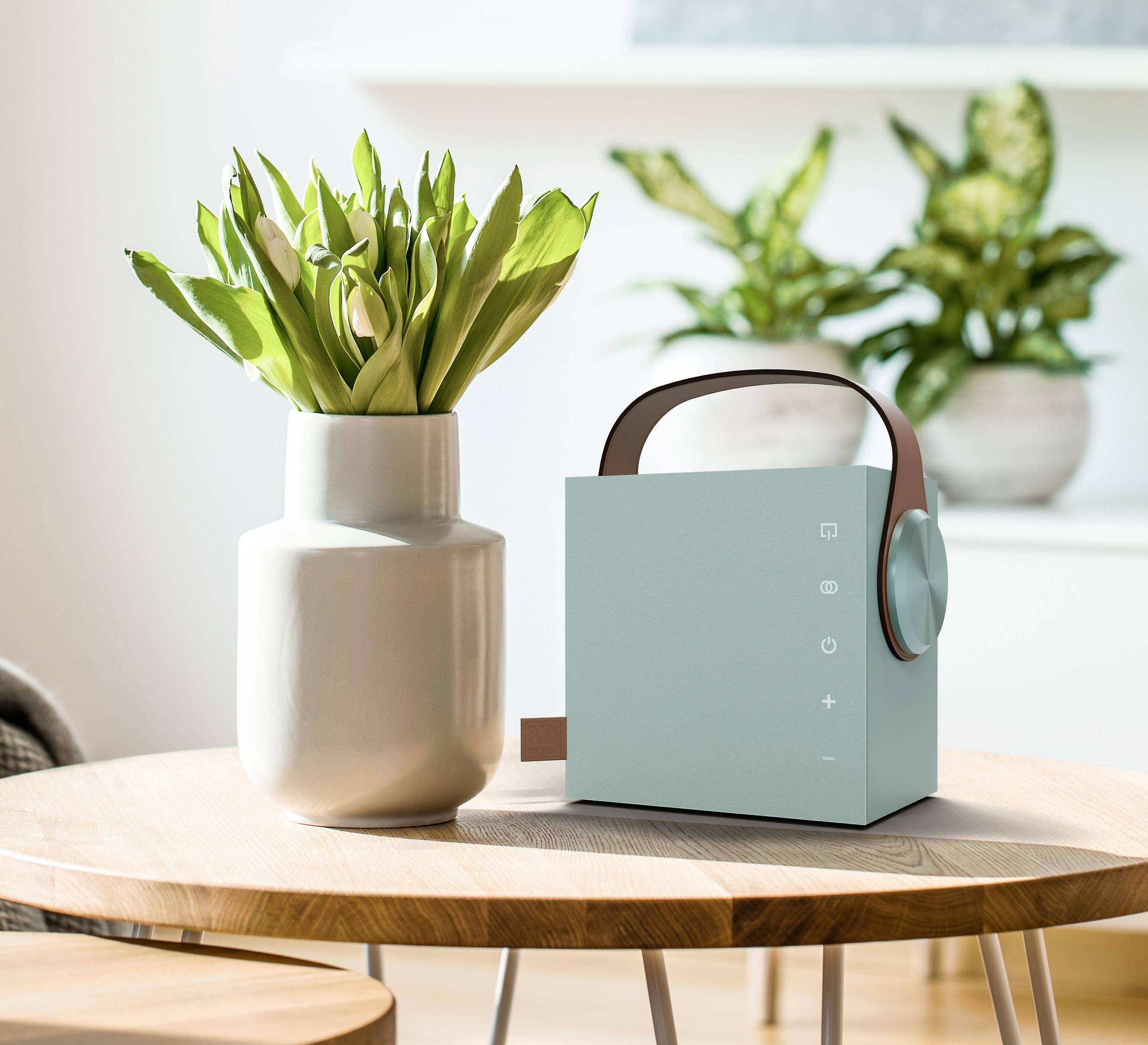
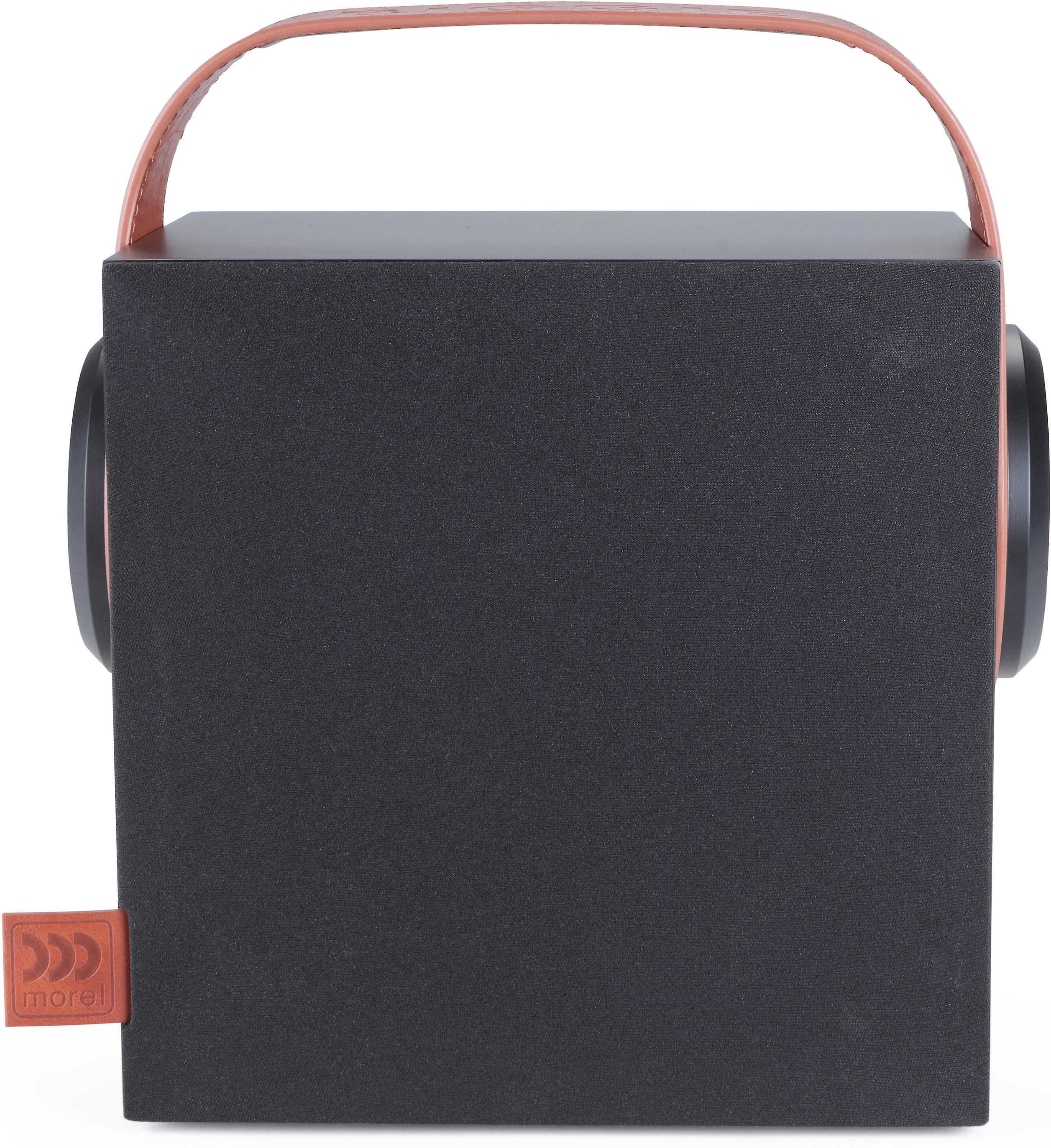
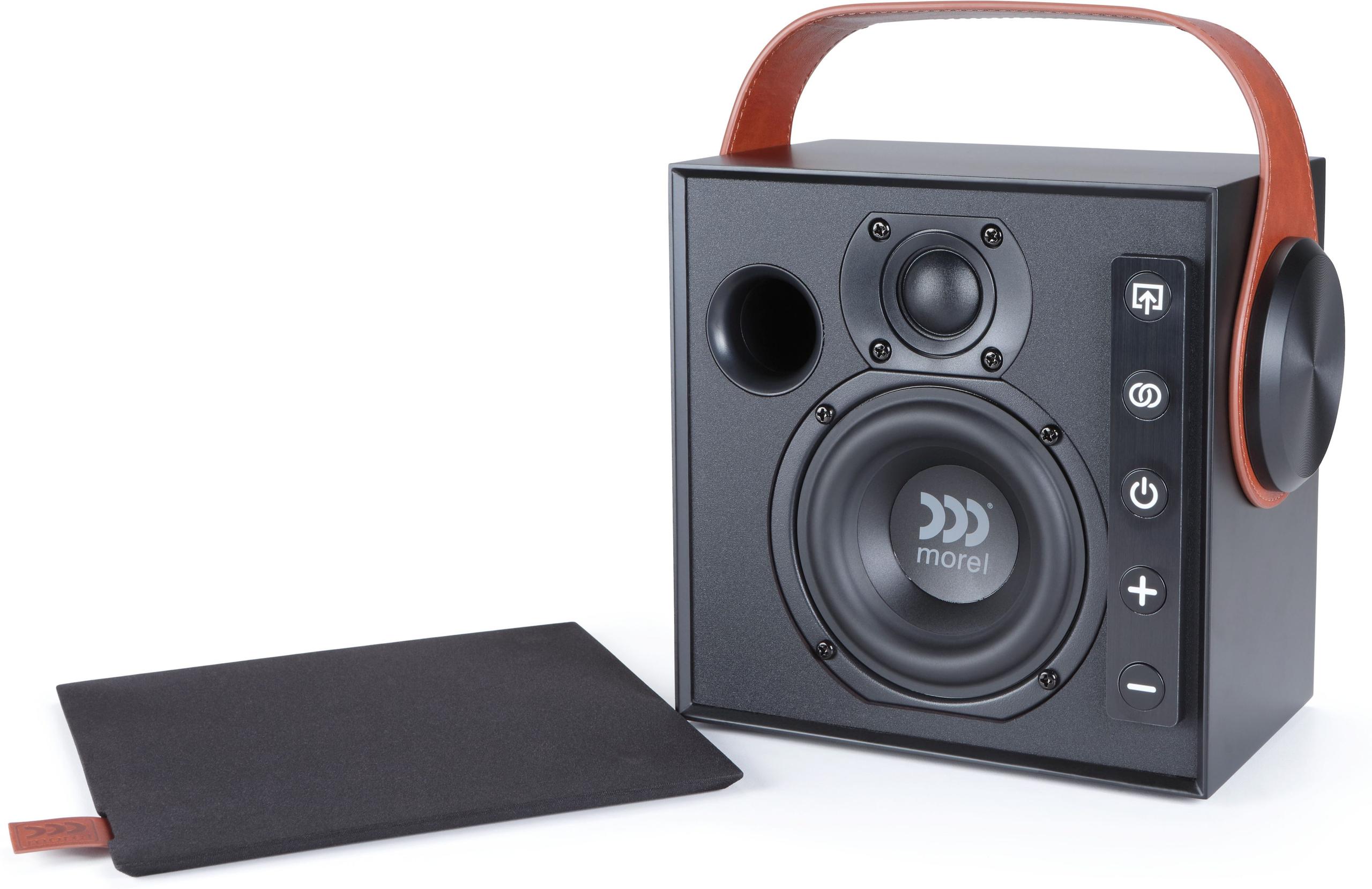
In contrast, the BIGGIE takes a more modern approach with its compact, rugged design. The speaker features a waterproof and dustproof IP67 rating, meaning it can handle submersion in water up to 1 meter deep for 30 minutes. At 5.7 pounds, it's still substantial enough to deliver serious sound while remaining portable.
The Stanmore III employs a sophisticated tri-amp system, dedicating 50 watts to the woofer and 15 watts each to two tweeters. This separation allows each driver to operate in its optimal range without straining. The result is cleaner sound at higher volumes and better overall clarity.
The BIGGIE uses a dual-amp configuration with 45 watts for its woofer and 15 watts for the tweeter. While slightly less powerful overall, it's impressive for a portable unit and allows for excellent volume levels without distortion.
Both speakers handle the full frequency range well, but there are notable differences:
The Stanmore III uses Bluetooth 5.2, which provides stable connections up to about 30 feet. It supports multiple device pairing, making it easy to switch between sources. The companion app offers EQ adjustments and firmware updates.
The BIGGIE features newer Bluetooth 5.3 technology, offering improved range up to 165 feet and better power efficiency. It's also Auracast-ready, meaning it will support future broadcast audio features through firmware updates.
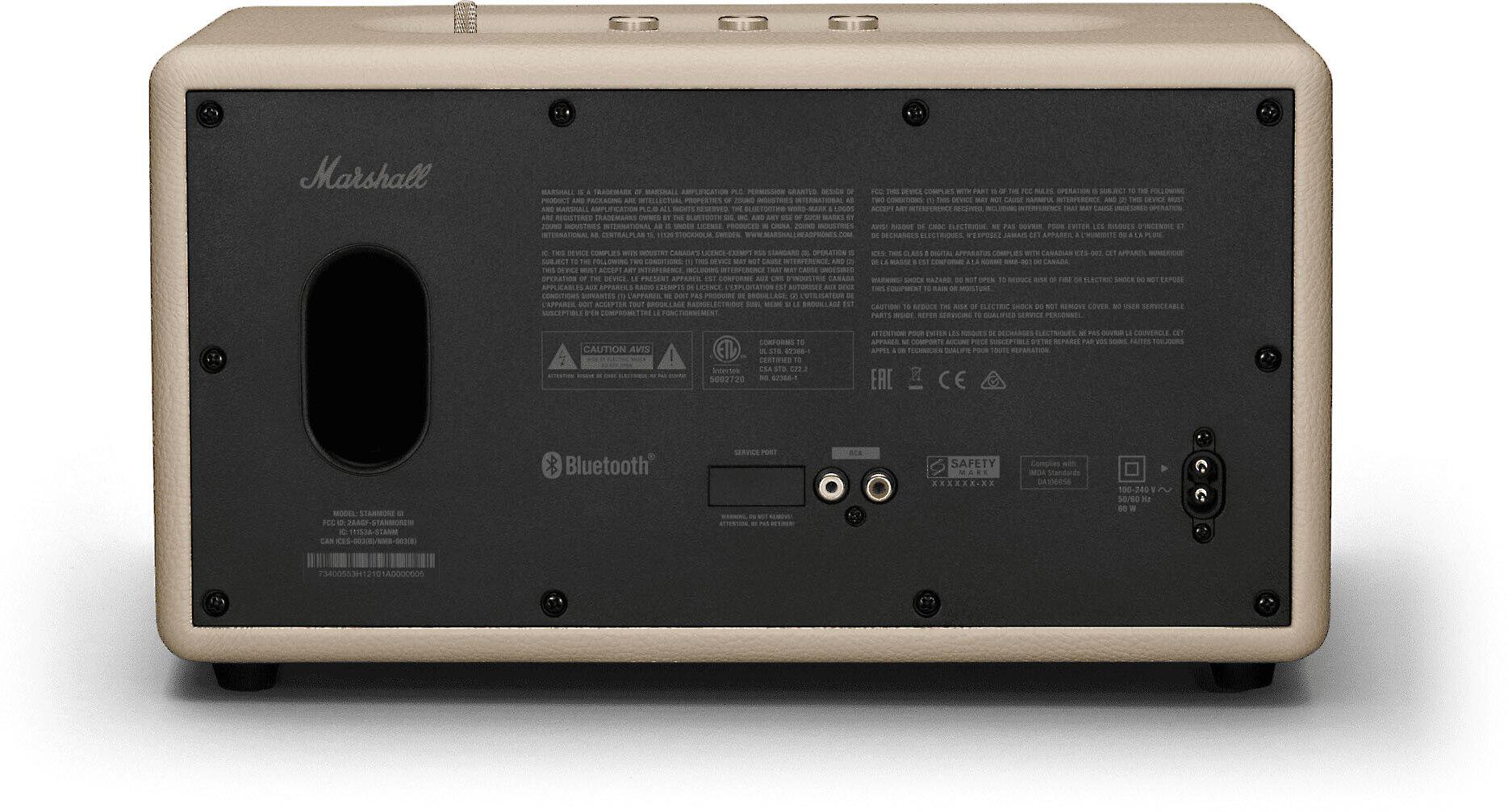
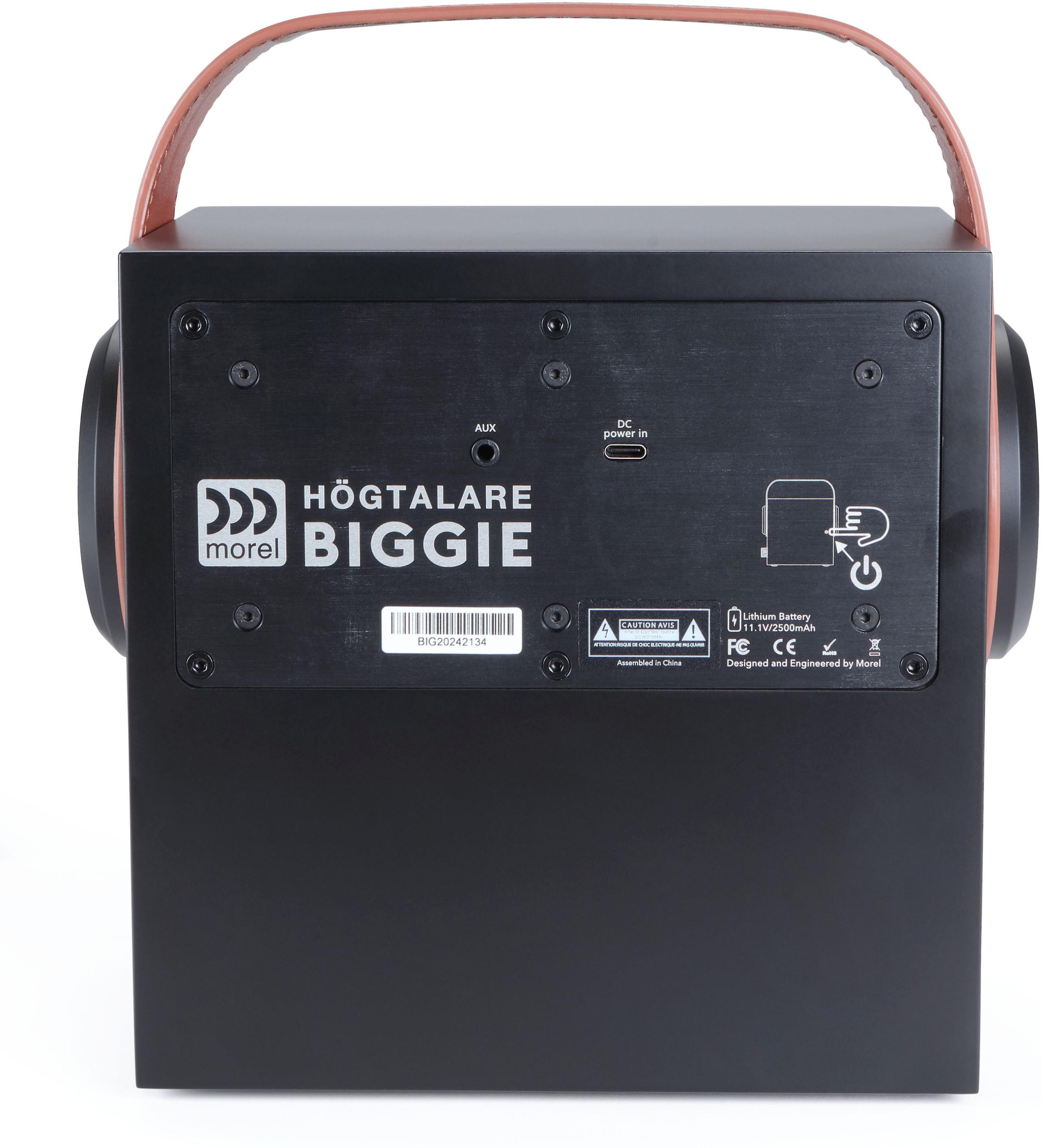
Both speakers include 3.5mm auxiliary inputs for wired connections, but the Stanmore III adds RCA inputs, making it more suitable for home theater use. This allows for easy connection to TVs, turntables, or other home audio equipment.
The Stanmore III excels in home theater applications thanks to its:
While the BIGGIE can certainly handle TV audio, it's not its primary strength. The more directional sound and single input option make it less ideal for this use case.
Here, the BIGGIE clearly shines with:
The Stanmore III at $379 represents a solid value for a premium home speaker, especially considering its power output and build quality. The sound quality and connectivity options justify the price for those seeking a permanent audio solution.
The BIGGIE offers excellent value at $299, particularly given its durability and portability. The combination of weather resistance, battery power, and sound quality makes it versatile enough to justify the investment.
Consider your primary use case:
For Home Audio:
Stanmore III if you want:For Flexible Use:
BIGGIE if you need:Both speakers show thoughtful approaches to future-proofing. The Stanmore III offers firmware updates through its app, while the BIGGIE includes Auracast readiness for future Bluetooth features. The newer Bluetooth 5.3 in the BIGGIE provides slight advantages in range and efficiency, though real-world differences are minimal.
The speakers represent different philosophies in modern audio - the Stanmore's traditional approach focused on sound quality versus the BIGGIE's emphasis on versatility and durability. Both execute their intended purposes well, making the choice more about use case than absolute quality.
Remember, the best speaker is the one that fits your specific needs. Consider where and how you'll use it most often, and choose accordingly. Whether you opt for the room-filling power of the Stanmore III or the go-anywhere capability of the BIGGIE, both represent excellent choices in their respective categories.
| Marshall Stanmore III ($379) | Morel BIGGIE ($299) |
|---|---|
| Form Factor - Determines placement flexibility and use cases | |
| Large home speaker (13.8" x 8" x 8.4"), 9.37 lbs | Compact portable (7" x 7" x 4.5"), 5.7 lbs |
| Power Configuration - Impacts sound quality and volume capability | |
| 80W total (50W woofer + 2x15W tweeters) | 60W total (45W woofer + 15W tweeter) |
| Power Source - Affects mobility and placement options | |
| AC power only | 20-hour battery life, USB-C charging |
| Environmental Protection - Determines where you can use it | |
| Indoor use only, no water resistance | IP67 waterproof/dustproof, outdoor-ready |
| Frequency Response - Defines bass depth and overall sound range | |
| 45-20,000 Hz, optimized for room-filling sound | 40-20,000 Hz, more directional output |
| Bluetooth Version - Affects range and connection stability | |
| 5.2 with 30ft range, multi-host support | 5.3 with 165ft range, TWS pairing capable |
| Input Options - Important for connecting various devices | |
| Bluetooth, 3.5mm aux, RCA stereo | Bluetooth, 3.5mm aux |
| Sound Customization - Control over audio profile | |
| Physical knobs for volume/bass/treble, app with EQ | Basic button controls, less adjustability |
| Special Features - Additional functionality that adds value | |
| Marshall app control, Dynamic Loudness, placement compensation | True Wireless Stereo pairing, Auracast-ready, power bank function |
| Build Quality - Durability and aesthetic considerations | |
| Premium vinyl covering, brass accents, classic amp styling | Rugged portable design, multiple color options |
| Primary Use Case - Where each speaker performs best | |
| Permanent home audio solution, ideal for dedicated listening spaces | Versatile indoor/outdoor use, perfect for mobile scenarios |
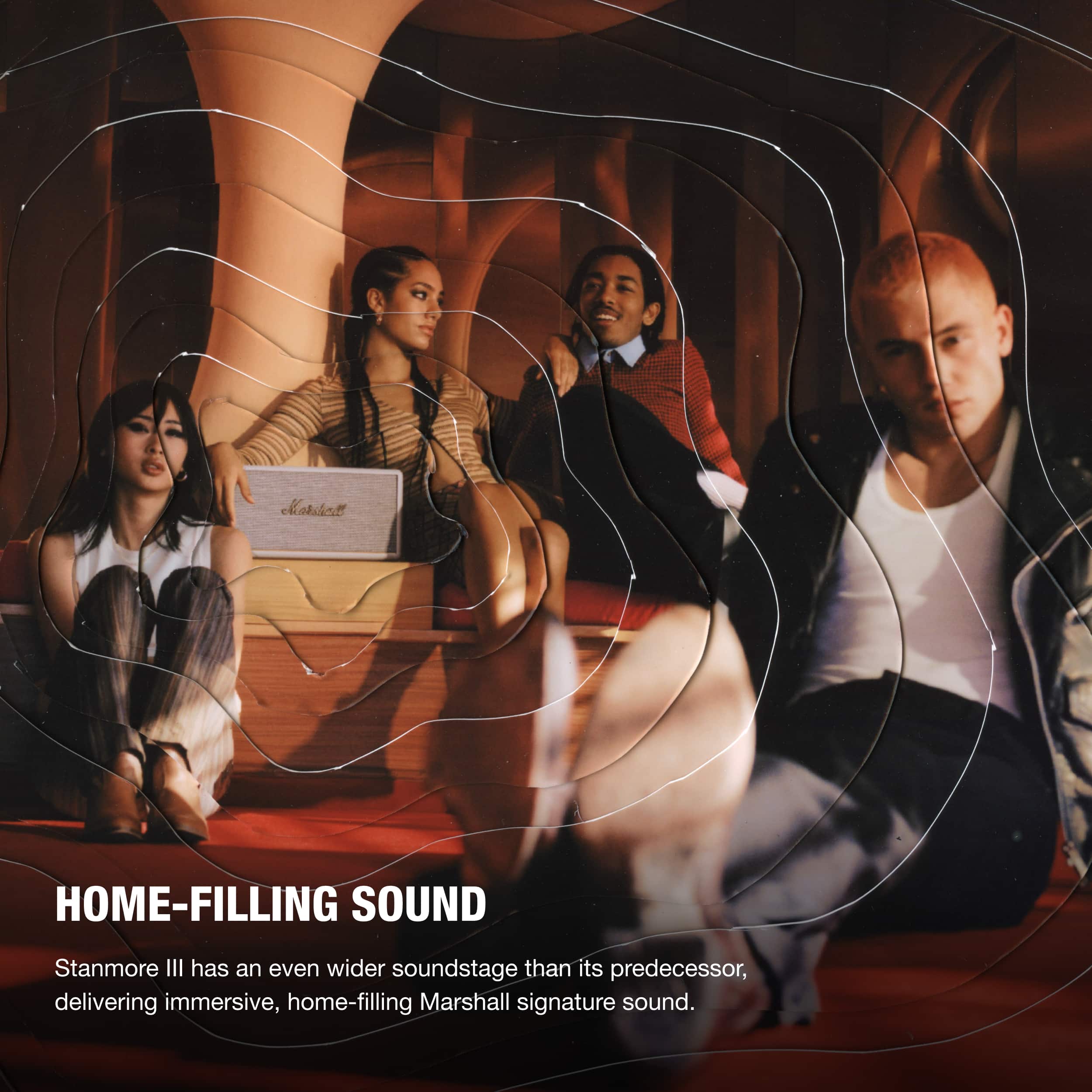
The Marshall Stanmore III ($379) has superior overall sound quality with its 80W tri-amp system and room-filling capabilities. The Morel BIGGIE ($299) offers excellent sound for its size but can't match the Stanmore's power and soundstage.
The Morel BIGGIE is specifically designed for outdoor use with IP67 waterproof rating and portable design. The Stanmore III is not weather-resistant and requires AC power, making it indoor-only.
The BIGGIE offers up to 20 hours of battery life at moderate volume. The Stanmore III doesn't have a battery and requires constant AC power.
Both speakers can handle party situations, but differently. The Stanmore III provides more powerful, room-filling sound for indoor parties, while the BIGGIE offers flexibility for both indoor and outdoor gatherings.
The Stanmore III is better suited for TV use with its RCA inputs and constant power. The BIGGIE can connect via 3.5mm aux but isn't ideal for permanent TV setup.
The BIGGIE offers superior Bluetooth range up to 165 feet with version 5.3, while the Stanmore III provides about 30 feet range with Bluetooth 5.2.
The Stanmore III offers physical knobs for bass and treble plus app EQ control. The BIGGIE has more basic sound adjustments through its controls.
The BIGGIE is more durable with its waterproof construction and portable design. The Stanmore III is well-built but designed for stationary indoor use.
The BIGGIE supports True Wireless Stereo (TWS) pairing with another BIGGIE. The Stanmore III doesn't support speaker pairing.
The BIGGIE at $299 offers better value if you need portability and durability. The Stanmore III at $379 is worth the premium if you want superior sound quality in a permanent setup.
The Stanmore III reaches 97dB at 1 meter, while the BIGGIE reaches 95dB. Both are plenty loud for most uses, but the Stanmore III maintains better clarity at high volumes.
The BIGGIE is simpler with basic controls and portable design. The Stanmore III offers more setup options and controls but requires more initial configuration for optimal sound.
We've done our best to create useful and informative comparisons to help you decide what product to buy. Our research uses advanced automated methods to create this comparison and perfection is not possible - please contact us for corrections or questions. These are the sites we've researched in the creation of this article: techgadgetscanada.com - camelcamelcamel.com - crutchfield.com - bestbuy.com - dxomark.com - crutchfield.com - crutchfield.com - marshall.com - marshall-production-1.mobify-storefront.com - exhibit.tech - ooberpad.com - av-connection.com - theabsolutesound.com - ecoustics.com - crutchfield.com - techradar.com - crutchfield.com - tpdhifi.com - audioxpress.com - nlp.stanford.edu - eisa.eu - muzix.eu

Privacy Policy
Terms and Conditions - Affiliate Policy
Home Security
© Copyright 2008-2026.
11816 Inwood Rd #1211, Dallas, TX 75244