


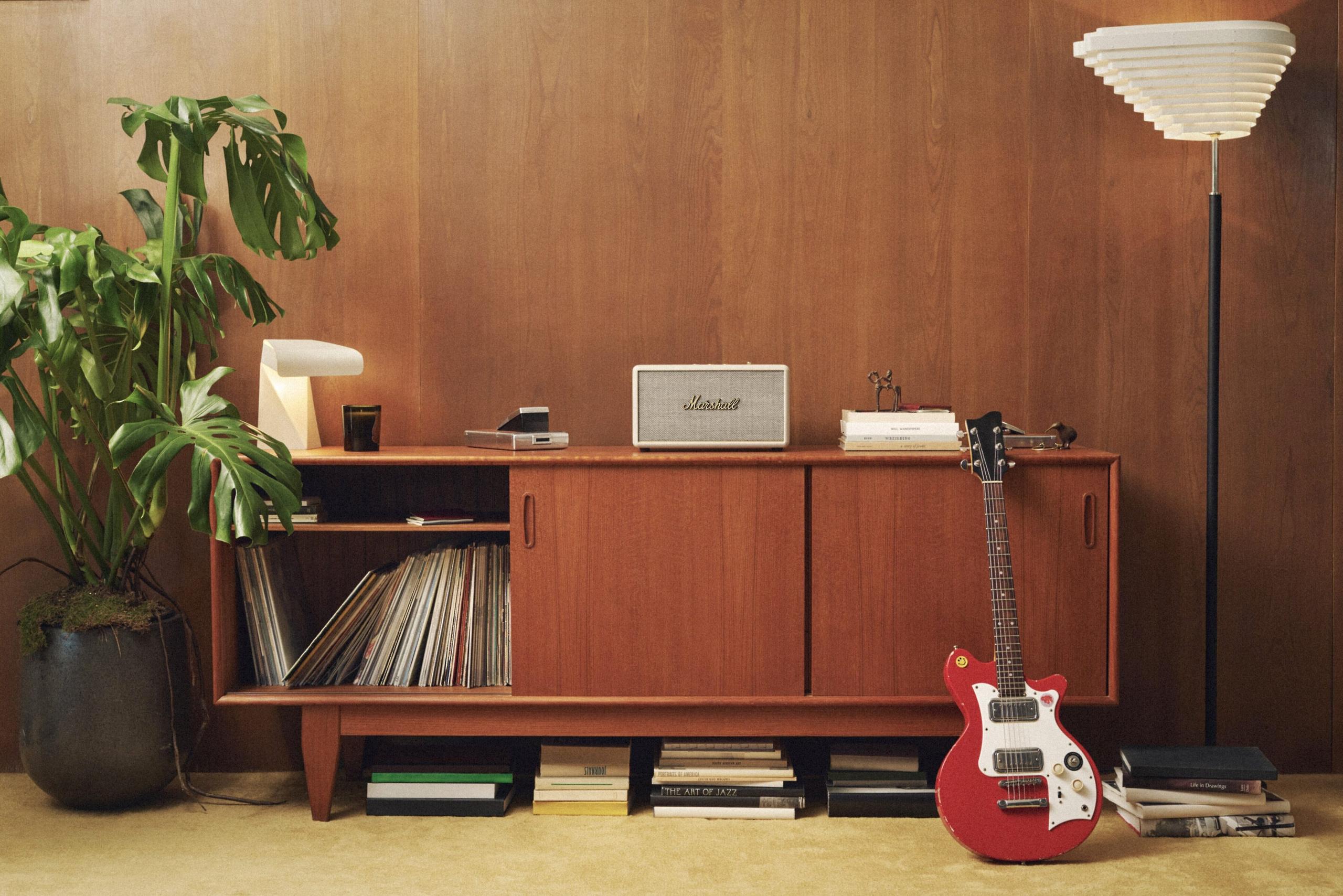


When shopping for a Bluetooth speaker, you're essentially choosing between two completely different philosophies. Do you want something rugged and portable that follows you on adventures, or are you looking for a premium home audio experience that stays put and delivers exceptional sound? The Skullcandy Terrain XL and Marshall Stanmore III represent these opposing approaches perfectly—and understanding their differences will help you make the right choice for your specific needs.
Not all Bluetooth speakers are created equal, and the differences go far beyond just size and price. The fundamental split comes down to portable speakers versus home speakers. Portable models prioritize battery life, durability, and convenience over pure sound quality. They're built to survive drops, splashes, and temperature changes while delivering decent audio on the go. Home speakers, on the other hand, can focus entirely on sound quality because they don't need to worry about weight, battery life, or weatherproofing.
This distinction matters more than you might think. A portable speaker needs to make compromises—every feature that improves durability or extends battery life potentially takes away from sound quality or adds cost. Home speakers face no such limitations, allowing engineers to focus purely on audio performance and premium materials.
The Skullcandy Terrain XL falls squarely into the portable camp, while the Marshall Stanmore III is definitely a home audio solution. Released in recent years (the Marshall in 2022), both represent current-generation technology, though they apply that technology toward very different goals.
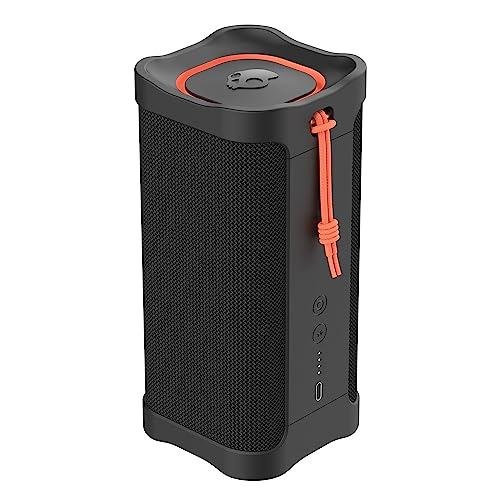
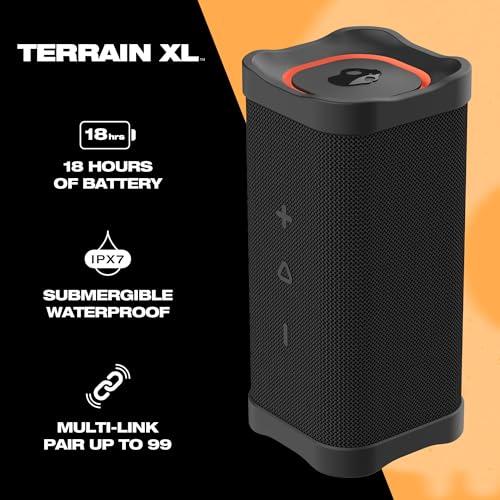
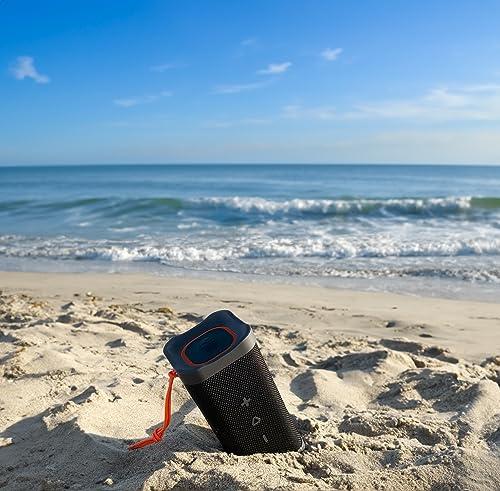
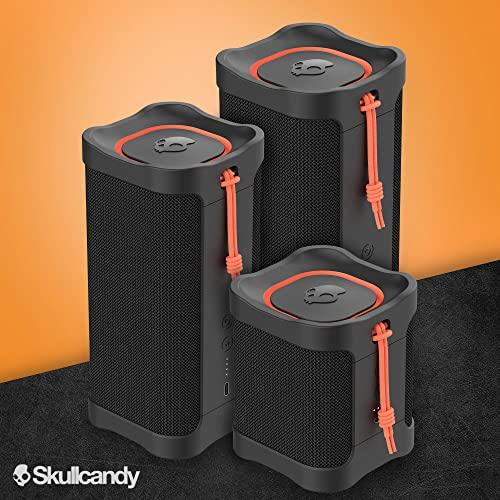
The Skullcandy Terrain XL is built around one core principle: being your reliable audio companion wherever life takes you. At just over 2 pounds, it's light enough to toss in a backpack without thinking twice. The IPX7 waterproof rating is the real star here—this means it can survive being dunked in water up to 3 feet deep for 30 minutes. In practical terms, you can literally drop it in a pool, fish it out, and keep listening to music.
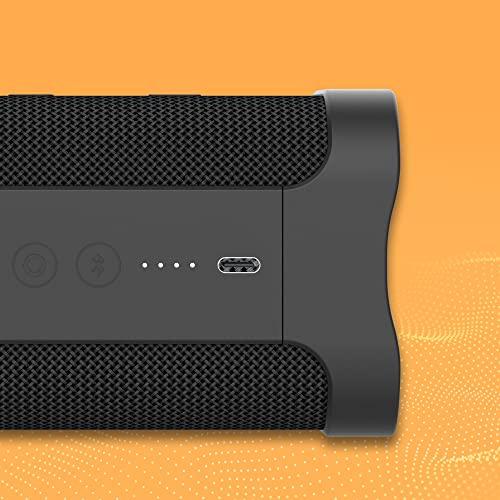
The 18-hour battery life is genuinely impressive for a speaker this size. That's enough for an entire weekend camping trip or multiple beach days without needing to find an outlet. The battery uses USB-C charging, which is convenient since most modern devices use the same connector. However, here's an important limitation: that USB-C port only charges the speaker—it can't be used for wired audio connections.
Sound-wise, the Terrain XL uses what's called a V-shaped sound signature. This means it emphasizes bass (low frequencies) and treble (high frequencies) while de-emphasizing the midrange where most vocals and instruments live. In practical terms, you'll hear punchy bass and crisp highs, but vocals might sound somewhat hollow or distant. This tuning works well for electronic music, hip-hop, and pop, but it's less ideal for acoustic music, podcasts, or anything where clear vocal reproduction matters.
The speaker's 20-watt power output is respectable for its size, though it can distort when pushed to maximum volume. The lack of adjustable EQ (equalization) means you're stuck with Skullcandy's sound tuning—there's no way to adjust the bass or treble to your preferences.
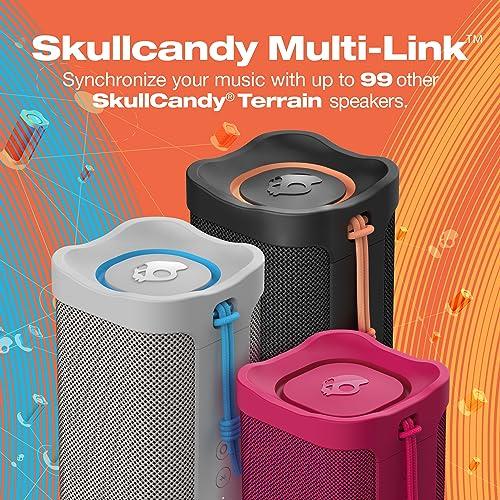
One genuinely cool feature is Multi-Link technology, which lets you connect up to 99 Skullcandy Terrain speakers together for synchronized playback. Even better, you can pair different sizes of Terrain speakers (like a regular Terrain with a Terrain XL) for stereo sound, with one acting as the left channel and the other as the right.
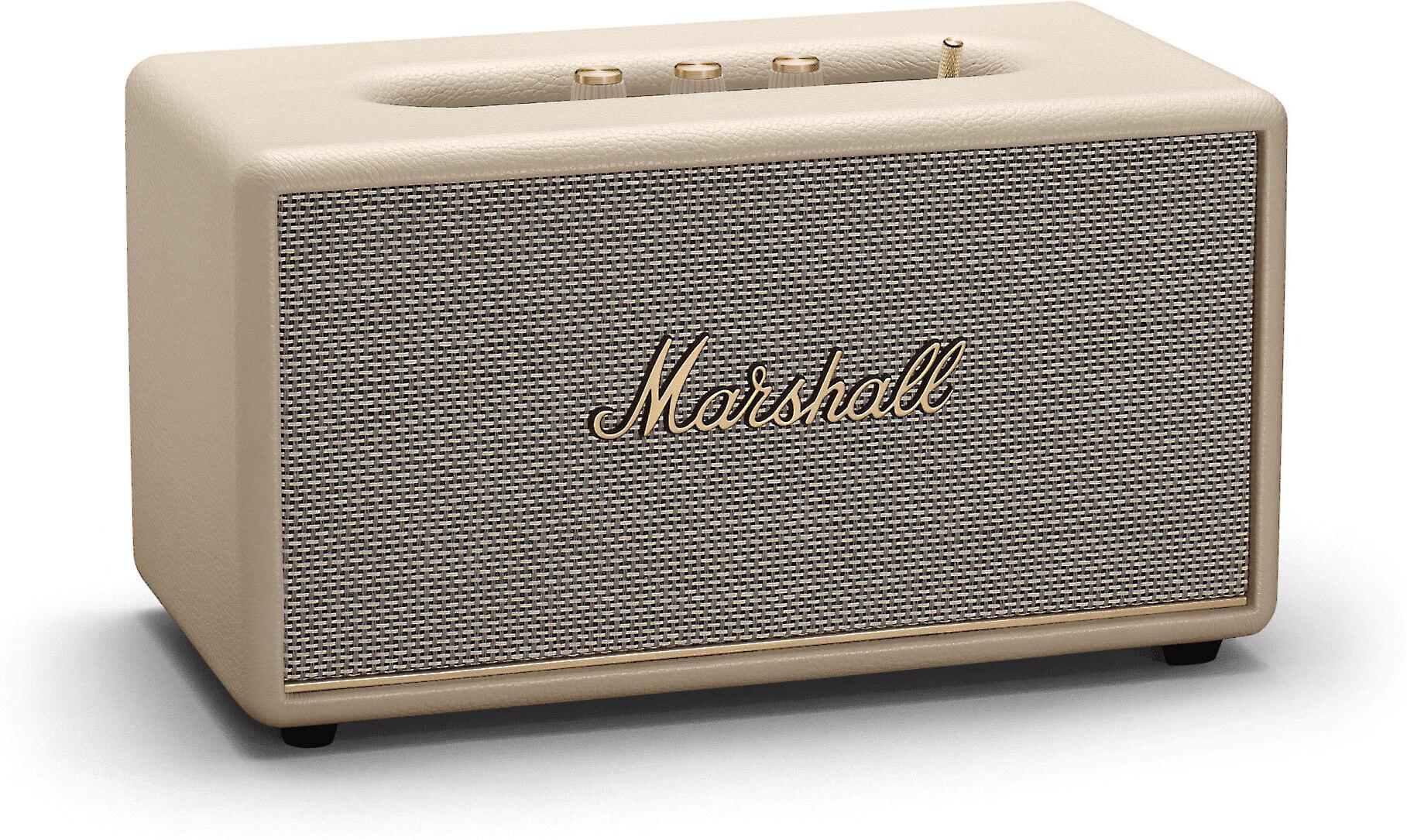
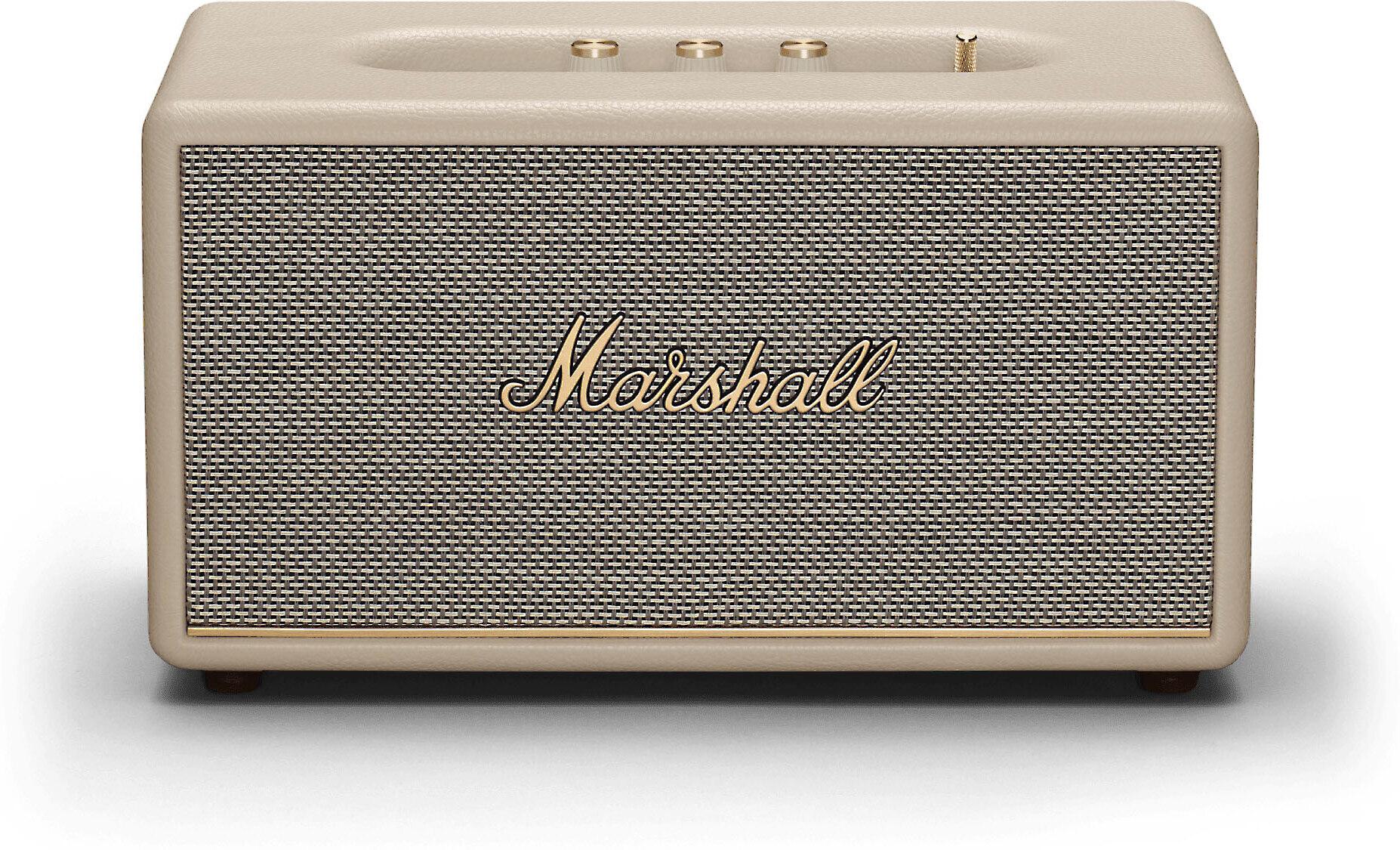
The Marshall Stanmore III takes a completely different approach. This speaker is designed to be a permanent fixture in your home, and everything about it reflects that mission. At over 9 pounds, it's not going anywhere once you set it down. But that weight serves a purpose—it houses serious audio hardware that would be impossible to fit in a portable design.
The power difference is immediately obvious: 80 watts compared to the Terrain XL's 20 watts. That's four times more power, which translates to significantly louder volume and much better dynamic range (the difference between quiet and loud sounds in music). The Stanmore III uses a two-way driver system with a dedicated 5-inch woofer for bass and two 3/4-inch tweeters for highs, creating a proper stereo soundstage that portable speakers simply can't match.
Dynamic Loudness is a particularly clever feature that automatically adjusts the tonal balance as you change volume. At low volumes, our ears naturally perceive less bass and treble, so the speaker compensates by boosting these frequencies slightly. This ensures your music sounds balanced whether you're playing background music quietly or cranking it up for a party.
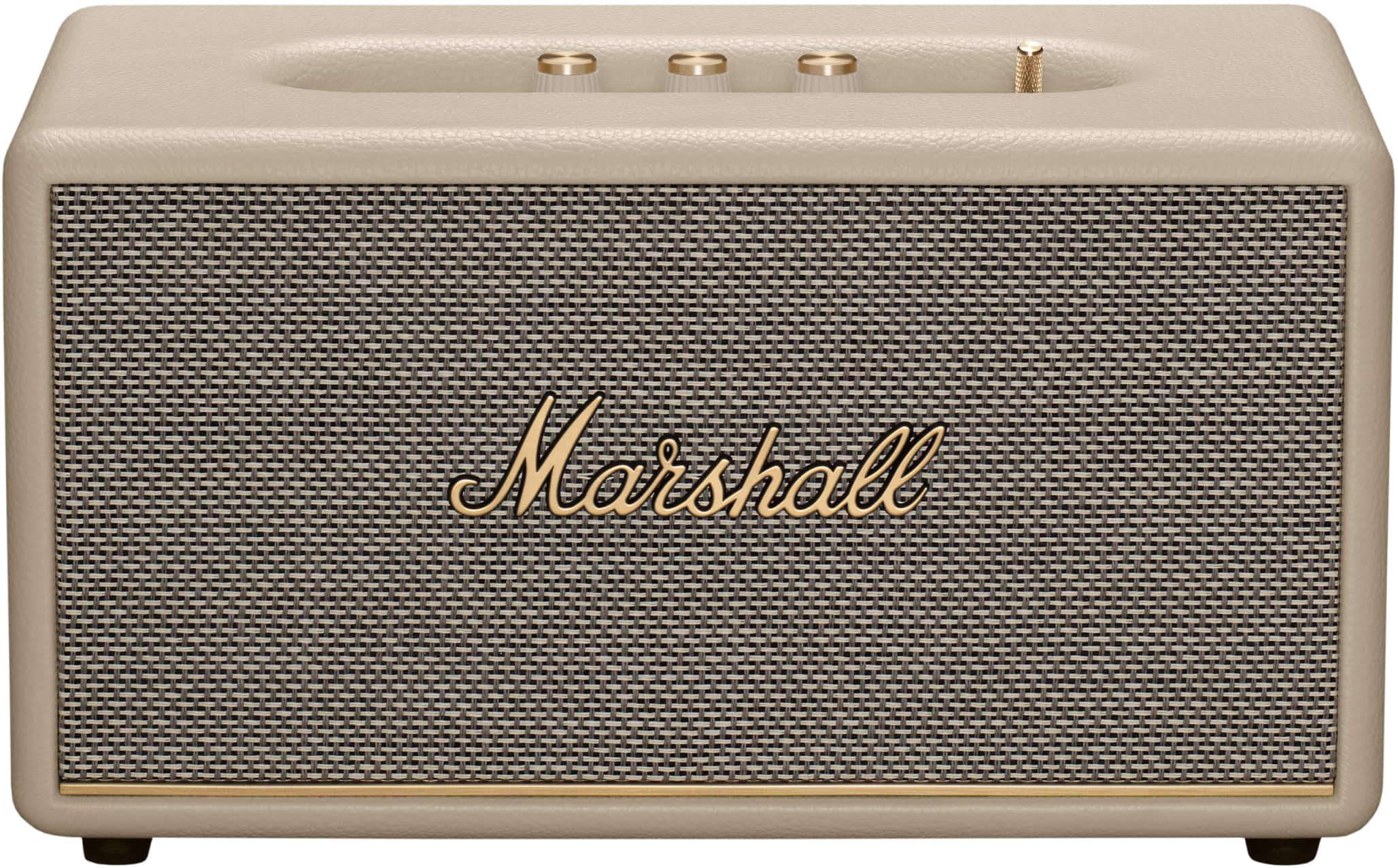
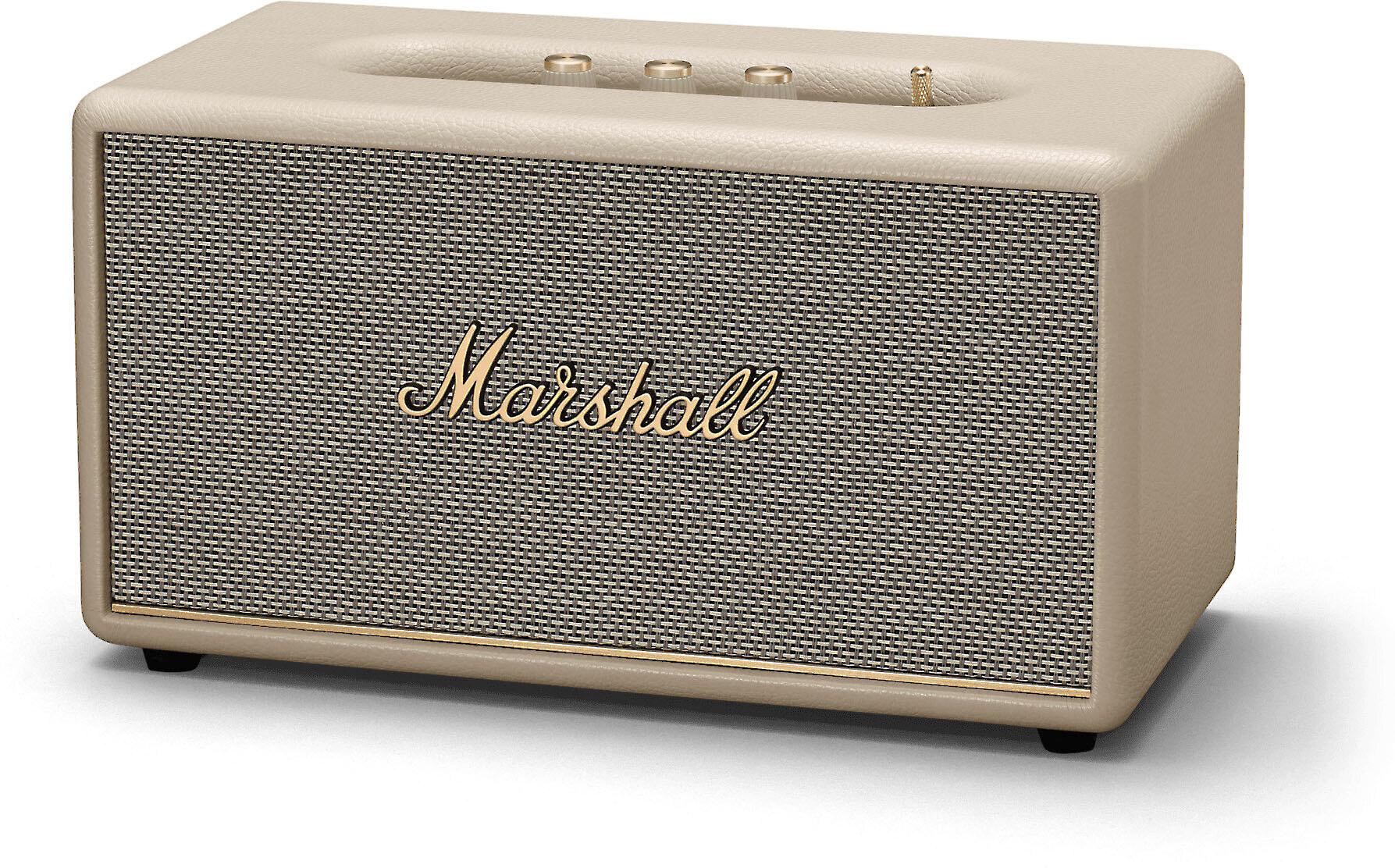
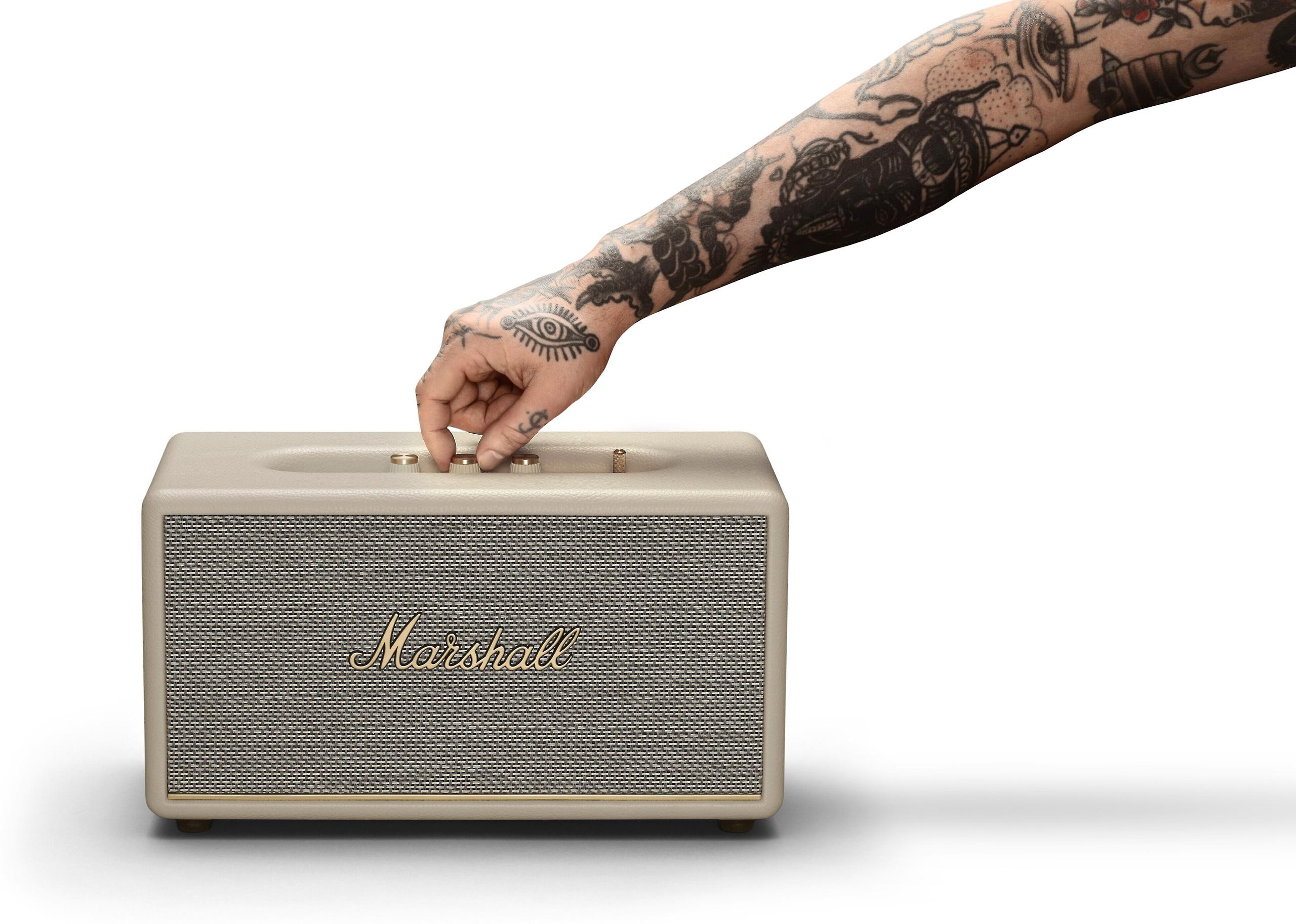
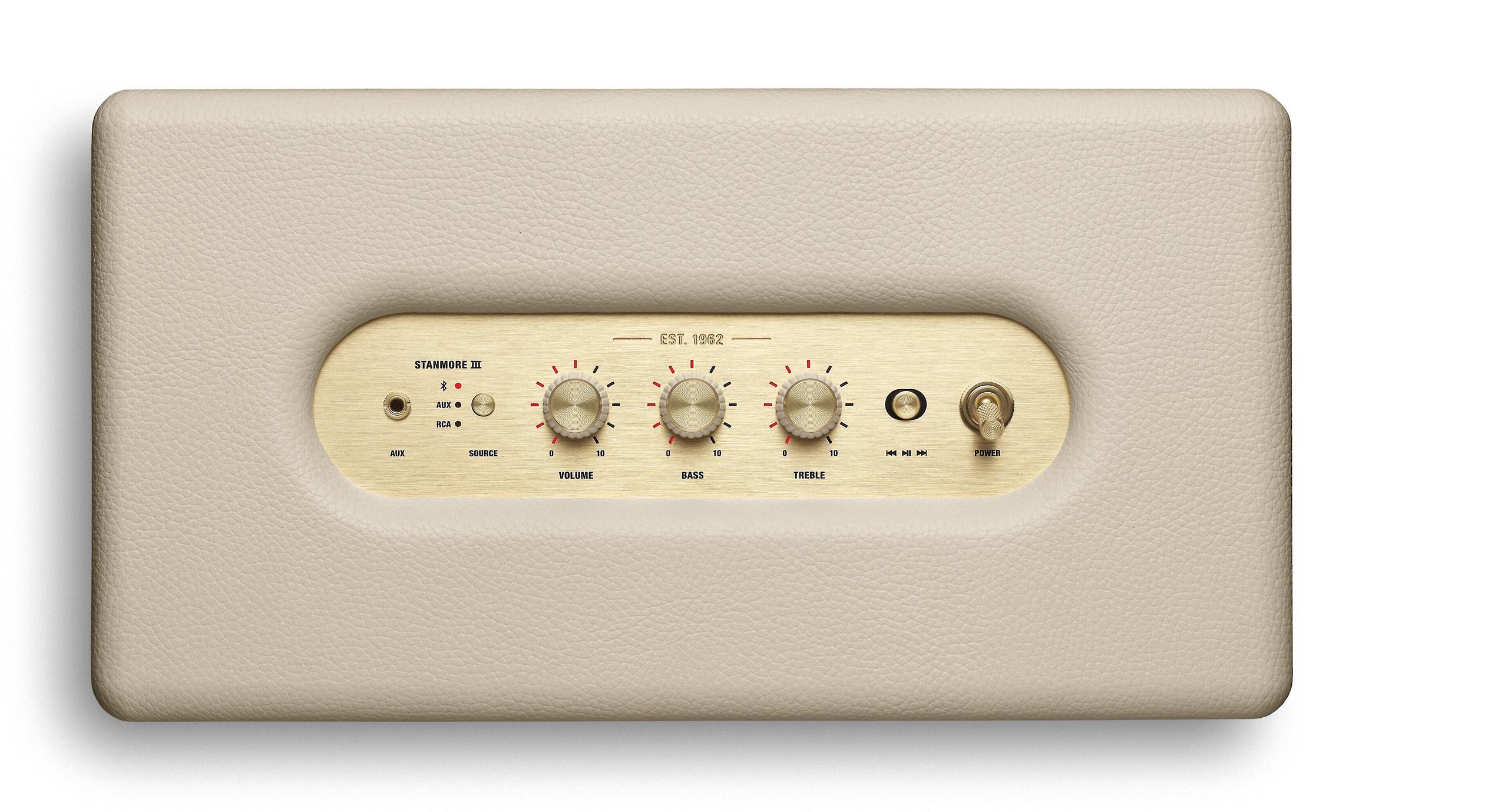
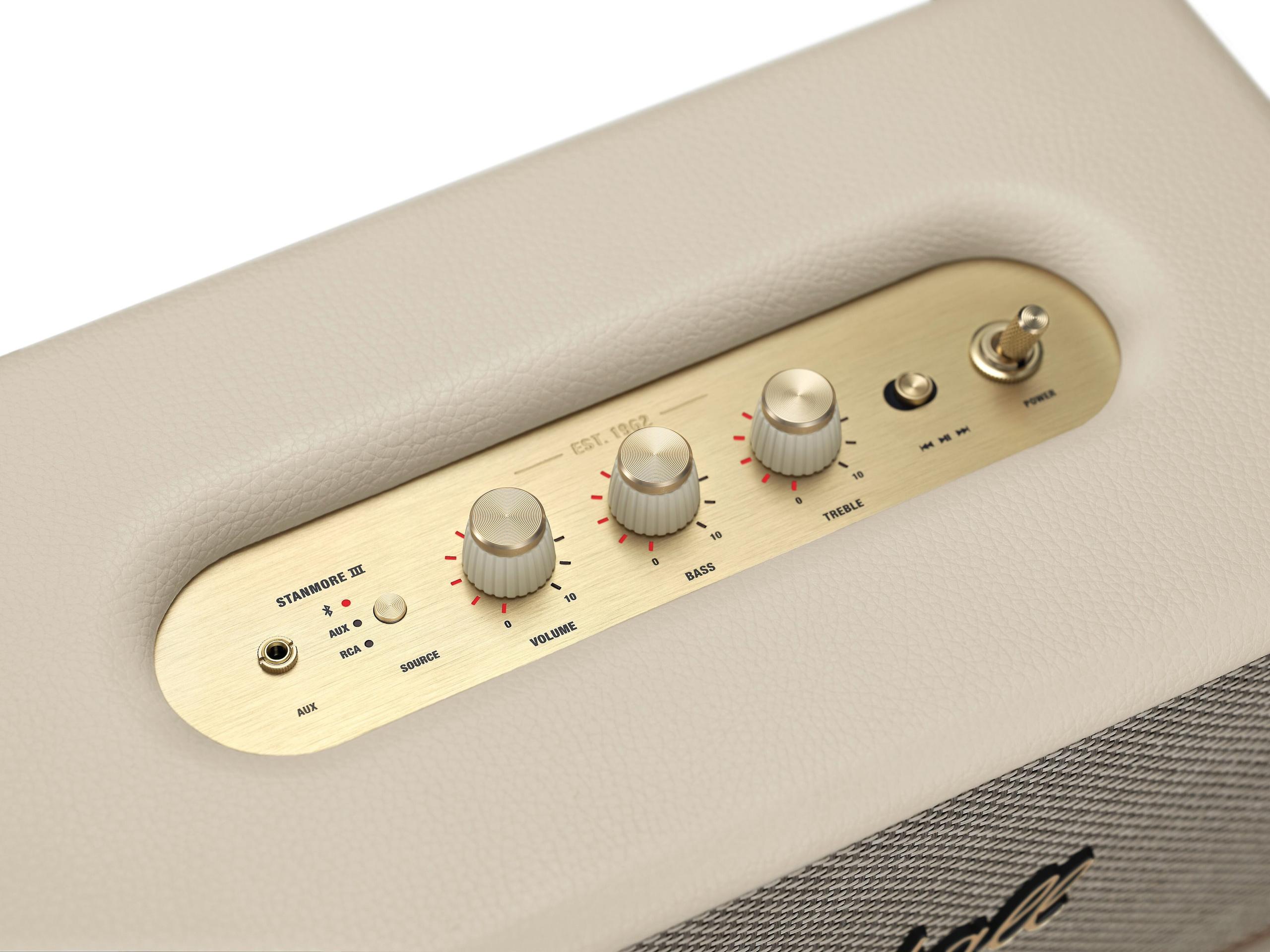
The analog controls on top aren't just for show—they provide genuine sound customization. The bass and treble knobs let you adjust the sound to your room and preferences, something the Terrain XL completely lacks. The frequency response of 45-20,000 Hz means the Stanmore III can reproduce much deeper bass than most Bluetooth speakers.
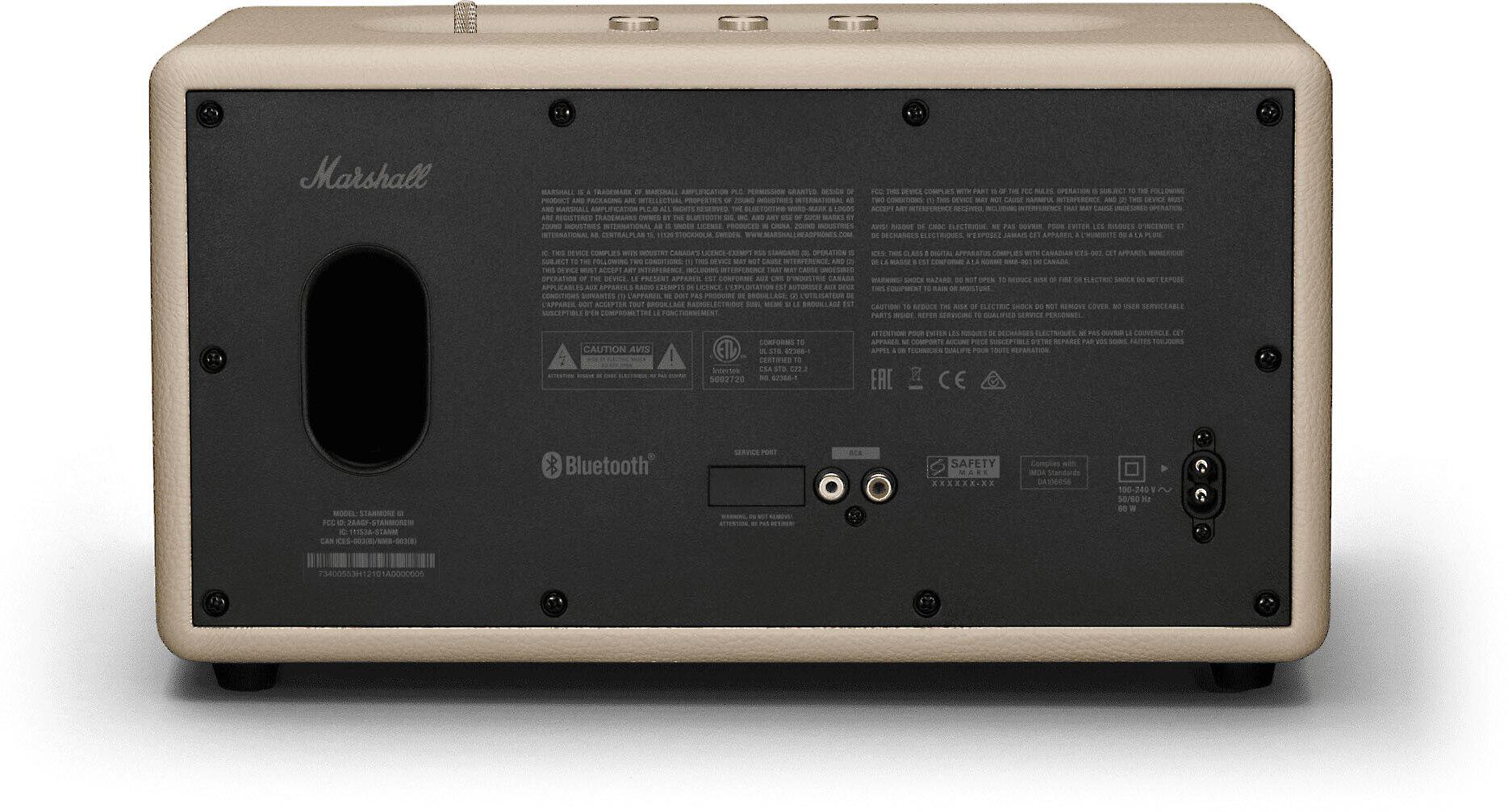
Connectivity options are where the Marshall really shines. Beyond Bluetooth 5.2, you get RCA inputs (the red and white plugs you might remember from older stereo systems) and a 3.5mm auxiliary input. This means you can connect turntables, CD players, or any other audio source directly. The multi-host functionality lets two Bluetooth devices stay connected simultaneously, making it easy to switch between your phone and laptop without re-pairing.
This is where the fundamental philosophy gap becomes most apparent. The Terrain XL delivers what you'd expect from a $50-ish portable speaker—adequate sound that gets the job done but won't impress anyone seeking audio quality. Our research into user reviews consistently points to its harsh sound signature, where vocals often sound thin and instrumentals lack detail. It's perfectly fine for casual listening, but you'll notice the limitations with any complex music.
The Marshall Stanmore III, at roughly six times the price point, operates in a completely different league. The wider stereo separation, deeper bass extension, and clearer midrange reproduction create a listening experience that's genuinely engaging rather than just functional. The maximum SPL (sound pressure level) of 97 dB at 1 meter means it can fill even large rooms with clean, undistorted sound.
For home theater use, the Stanmore III makes a compelling case as a significant upgrade over TV speakers, though it lacks modern inputs like HDMI ARC or optical connections that would make integration seamless. The Terrain XL simply isn't designed for this application—its sound signature and limited power make it unsuitable for movie dialogue or complex soundtracks.
The Terrain XL excels here by design. The integrated carrying strap, compact size, and complete wireless operation make it genuinely convenient for outdoor use. The waterproofing isn't just marketing—it genuinely survives real-world abuse that would destroy the Marshall instantly.
However, this portability comes with trade-offs. The single-device Bluetooth connection means you can't easily share music duties with friends. The lack of any wired inputs limits your options if your phone dies or you want to connect non-Bluetooth sources.
The Marshall Stanmore III makes no pretense about portability—it's designed to stay put and look good doing it. The classic guitar amplifier aesthetic works as both audio equipment and room decor. The multiple input options and physical controls make it much more versatile for home use, but you're trading all mobility for these benefits.
Both speakers represent current-generation technology, though they apply it differently. The Terrain XL's Bluetooth 5.3 provides solid connection stability and decent range, while the Marshall's Bluetooth 5.2 adds multi-device capability that's genuinely useful in home settings.
The Stanmore III includes Over-the-Air (OTA) updates through its companion app, meaning Marshall can add features and improvements over time. This future-proofing approach helps justify the premium price point. The sustainability angle is noteworthy too—Marshall built this speaker with 70% recycled plastic and vegan materials, reflecting modern environmental consciousness.
Since their releases, Bluetooth technology has continued evolving, but both speakers remain current with their respective generations. The real improvements in recent years have been in codec support (how audio is compressed and transmitted) and connection stability, both of which these speakers handle well.
At the budget end, the Terrain XL represents solid value for its intended use case. You're not buying audiophile sound quality—you're buying reliability, portability, and adequate performance at an accessible price point. For outdoor activities, casual listening, and situations where durability matters more than sound quality, it delivers exactly what it promises.
The Marshall Stanmore III operates in premium territory, where you're paying for both performance and brand heritage. Marshall's reputation in guitar amplification translates into audio expertise that's reflected in the sound quality. The price premium buys you genuinely better audio performance, premium materials, and the kind of build quality that should last for years.
This isn't a case where one speaker is objectively better—they're optimized for completely different use cases. Comparing them directly would be like comparing a rugged pickup truck to a luxury sedan; both excel in their intended roles.
Choose the Skullcandy Terrain XL if you need a speaker that adapts to your lifestyle rather than anchoring you to one location. It's ideal for people who prioritize convenience and durability over audio quality. Students, outdoor enthusiasts, and anyone who wants background music without fuss will find it perfectly adequate. The multi-speaker linking capability makes it interesting for larger gatherings too.
The Marshall Stanmore III makes sense when audio quality and home aesthetics matter more than portability. If you're setting up a dedicated listening space, want something that doubles as room decor, or simply care about how your music sounds rather than where you can take it, the premium is justified. Home office workers, music enthusiasts, and anyone who values the ritual of intentional listening will appreciate what it offers.
For home theater use, the Marshall can significantly improve your TV audio experience, though dedicated soundbars might offer better integration. The Terrain XL simply isn't designed for this application.
These speakers represent two valid but completely different approaches to Bluetooth audio. The Terrain XL excels as an affordable, dependable companion for active lifestyles, while the Stanmore III delivers superior home audio with the aesthetics to match. The roughly six-fold price difference at the time of writing reflects not just better components, but entirely different design priorities and target markets.
Your choice should align with how you actually listen to music. If you're constantly on the move and need something that survives real-world abuse while delivering decent sound, the Terrain XL fits perfectly. If you prefer intentional listening sessions in comfortable spaces and want audio quality that draws you into the music, the Marshall justifies its premium positioning.
Neither speaker tries to be everything to everyone, and that focus is ultimately their strength. Buy based on your primary use case, and either will serve you well within its intended role.
| Skullcandy Terrain XL | Marshall Stanmore III |
|---|---|
| Power Output - Determines maximum volume and sound quality | |
| 20 watts (adequate for small gatherings) | 80 watts (fills large rooms with authority) |
| Portability - Whether you can take it anywhere | |
| 2.07 lbs with carrying strap (truly portable) | 9.37 lbs, requires AC power (stationary only) |
| Water Resistance - Protection from outdoor elements | |
| IPX7 waterproof (survives pool drops and rain) | None (indoor use only) |
| Battery Life - Freedom from power outlets | |
| 18 hours rechargeable (weekend camping trips) | Wired only (needs constant wall power) |
| Sound Quality - What your music actually sounds like | |
| V-shaped, harsh mids, no EQ adjustment | Balanced, room-filling stereo with bass/treble controls |
| Connectivity Options - How you connect audio sources | |
| Bluetooth 5.3 only, single device | Bluetooth 5.2, RCA inputs, 3.5mm aux, multi-device |
| Driver Configuration - The speakers that produce sound | |
| Basic setup with passive radiators | Dedicated 5" woofer + dual 3/4" tweeters (true stereo) |
| Multi-Speaker Features - Linking multiple units together | |
| Multi-Link up to 99 Terrain XL speakers | No multi-speaker capability |
| Build Materials - Durability and aesthetics | |
| Rugged fabric mesh, impact resistant | Premium vinyl covering with brass accents |
| Size Dimensions - Physical footprint in your space | |
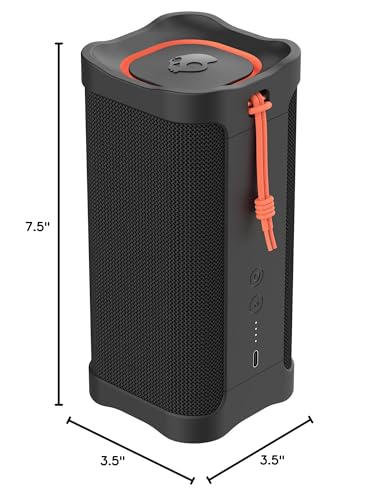
| Compact 3.5" x 3.5" x 7.5" | Large 13.8" x 8.1" x 8.4" (statement piece) |
| Control Interface - How you adjust settings | |
| Basic buttons, no sound customization | Analog knobs for volume, bass, treble plus app |
| Frequency Response - Range of sound reproduction | |
| Limited bass extension | 45-20,000 Hz (deeper bass, extended highs) |
The Skullcandy Terrain XL is specifically designed for outdoor use with IPX7 waterproofing, meaning it can survive being dropped in water up to 3 feet deep. It also has an 18-hour battery life and rugged construction. The Marshall Stanmore III requires AC power and has no water resistance, making it unsuitable for outdoor activities.
The Marshall Stanmore III delivers significantly better sound quality with 80 watts of power, dedicated drivers for different frequencies, and balanced audio reproduction. The Skullcandy Terrain XL has a harsh V-shaped sound signature with neglected midrange frequencies and only 20 watts of power, making it adequate for casual listening but not audiophile-quality.
The Marshall Stanmore III works well as a TV audio upgrade with its room-filling 80-watt output and balanced sound, though it lacks modern inputs like HDMI ARC. The Skullcandy Terrain XL isn't suitable for home theater use due to its limited power, poor vocal reproduction, and portable design focus.
Both offer good value in their categories. The Skullcandy Terrain XL provides excellent value for portable outdoor use with long battery life and waterproofing at a budget price point. The Marshall Stanmore III justifies its premium price with superior sound quality, premium materials, and home audio features for serious listeners.
The Marshall Stanmore III supports multi-host functionality, allowing two Bluetooth devices to stay connected simultaneously. The Skullcandy Terrain XL can only connect to one device at a time, though it does support linking with up to 99 other Terrain speakers for synchronized playback.
The Marshall Stanmore III offers multiple inputs including Bluetooth, RCA stereo inputs, and 3.5mm auxiliary connection for various audio sources. The Skullcandy Terrain XL only has Bluetooth connectivity - its USB-C port is strictly for charging and doesn't support audio input.
The Skullcandy Terrain XL is highly portable at just 2.07 pounds with a built-in carrying strap and 18-hour battery life. The Marshall Stanmore III weighs 9.37 pounds and requires constant AC power, making it a stationary home speaker rather than a portable option.
The Marshall Stanmore III features physical bass and treble control knobs plus a companion app with EQ presets for sound customization. The Skullcandy Terrain XL has no adjustable EQ settings - you're limited to the fixed sound tuning that Skullcandy programmed into the speaker.
The Marshall Stanmore III gets significantly louder with 80 watts of power and can reach 97 dB at 1 meter, suitable for filling large rooms. The Skullcandy Terrain XL maxes out at 20 watts and can produce distortion when pushed to maximum volume, though it's adequate for small gatherings.
Neither the Skullcandy Terrain XL nor the Marshall Stanmore III has built-in voice assistant support. Both rely on your connected device's voice assistant functionality rather than having integrated smart features like Alexa or Google Assistant.
The Skullcandy Terrain XL offers up to 18 hours of battery life on a single charge, making it excellent for extended outdoor use. The Marshall Stanmore III doesn't have a battery at all - it's designed as a wired home speaker that requires constant connection to AC power.
For outdoor parties, the Skullcandy Terrain XL excels with its portability, waterproofing, and ability to link multiple speakers together. For indoor gatherings, the Marshall Stanmore III provides much better sound quality and volume to fill larger spaces, though you'll need access to power outlets and should keep it away from spills.
We've done our best to create useful and informative comparisons to help you decide what product to buy. Our research uses advanced automated methods to create this comparison and perfection is not possible - please contact us for corrections or questions. These are the sites we've researched in the creation of this article: youtube.com - skullcandy.eu - youtube.com - blog.bestbuy.ca - support.skullcandy.com - youtube.com - youtube.com - walmart.com - versus.com - youtube.com - skullcandy.ae - versus.com - skullcandy.com - youtube.com - consumerreports.org - gearjunkie.com - newegg.com - manuals.plus - bestbuy.com - electronicexpress.com - skullcandy.com - techgadgetscanada.com - camelcamelcamel.com - crutchfield.com - bestbuy.com - dxomark.com - crutchfield.com - crutchfield.com - marshall.com - marshall-production-1.mobify-storefront.com - exhibit.tech - ooberpad.com - av-connection.com

Privacy Policy
Terms and Conditions - Affiliate Policy
Home Security
© Copyright 2008-2026.
11816 Inwood Rd #1211, Dallas, TX 75244