

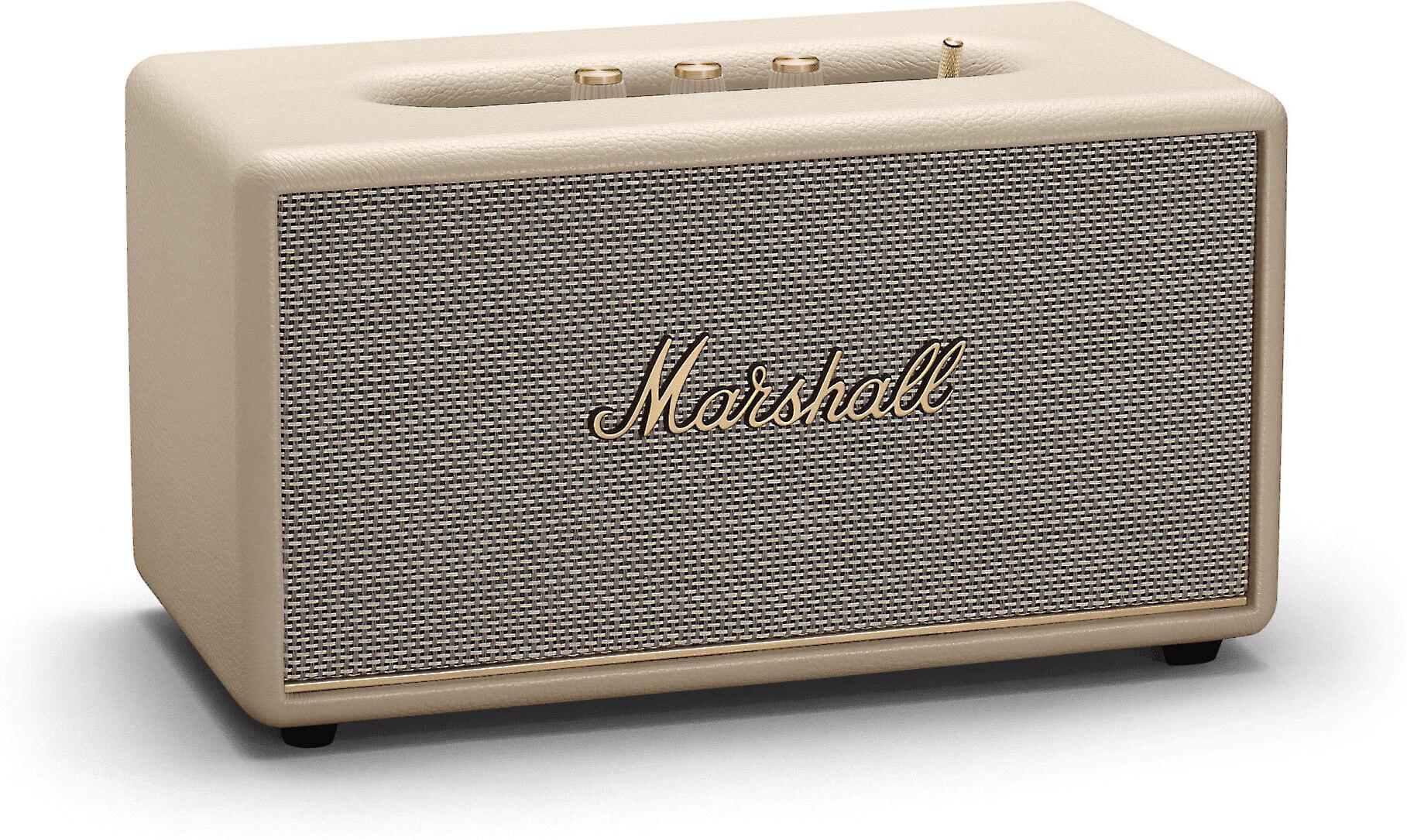
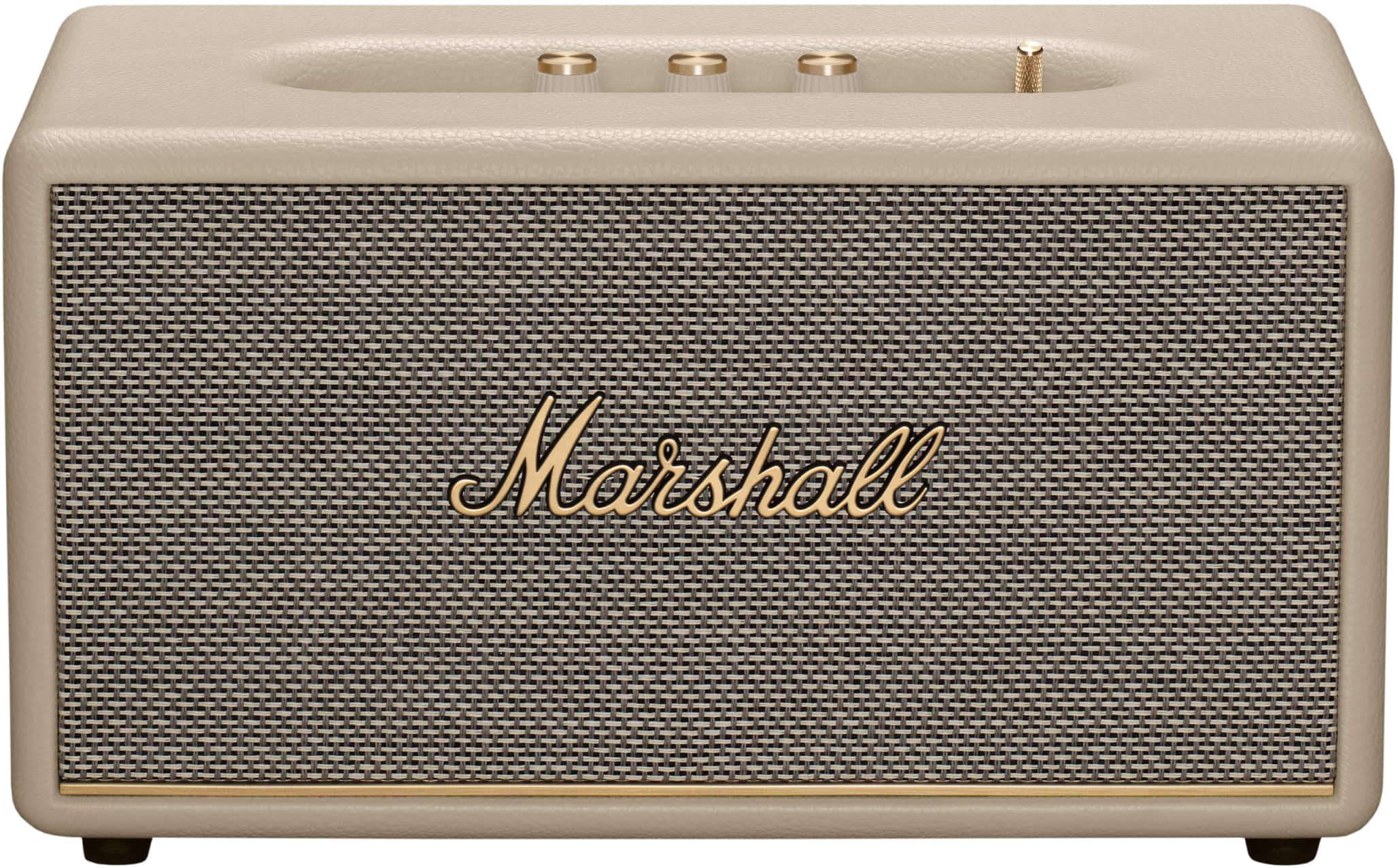
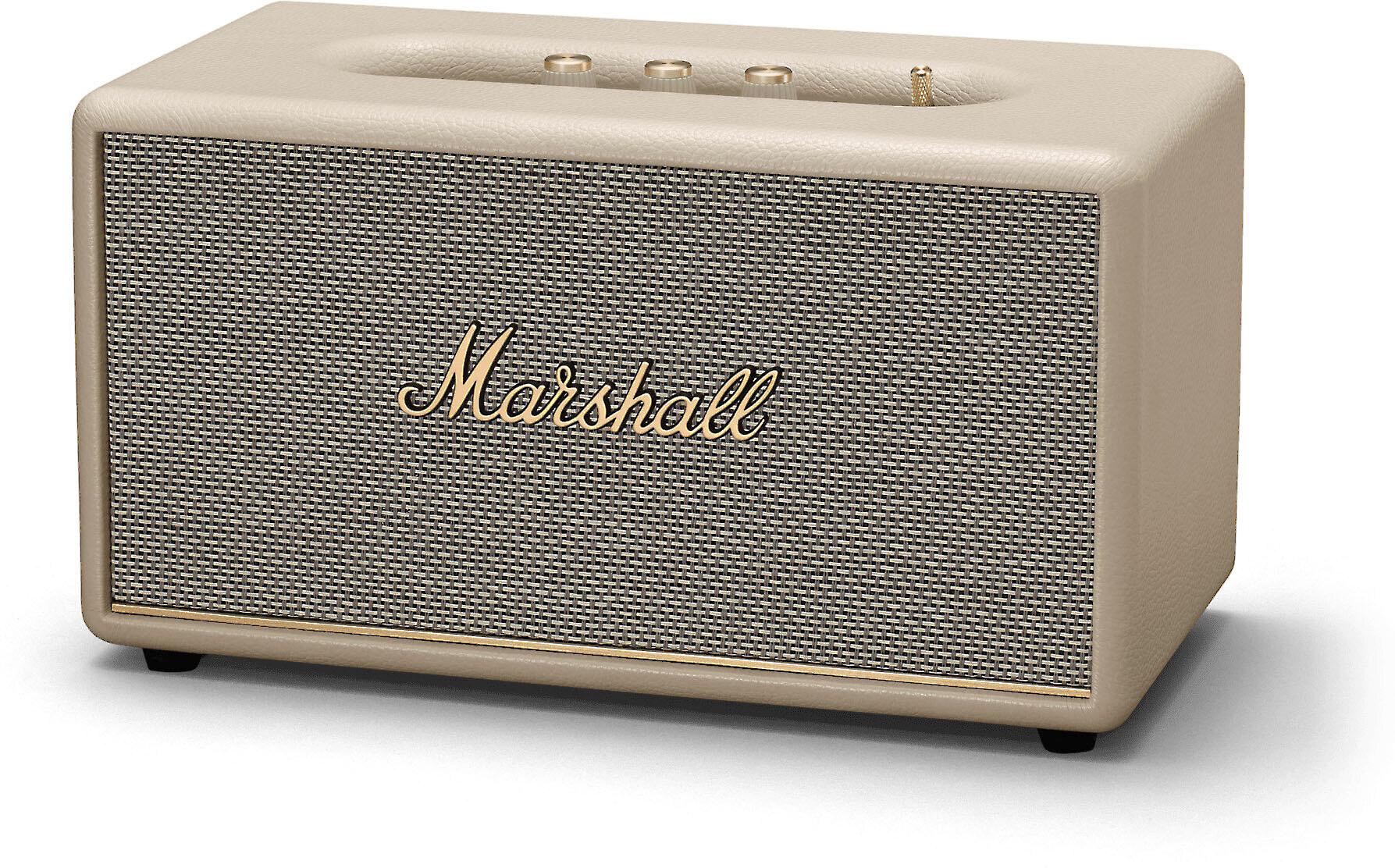
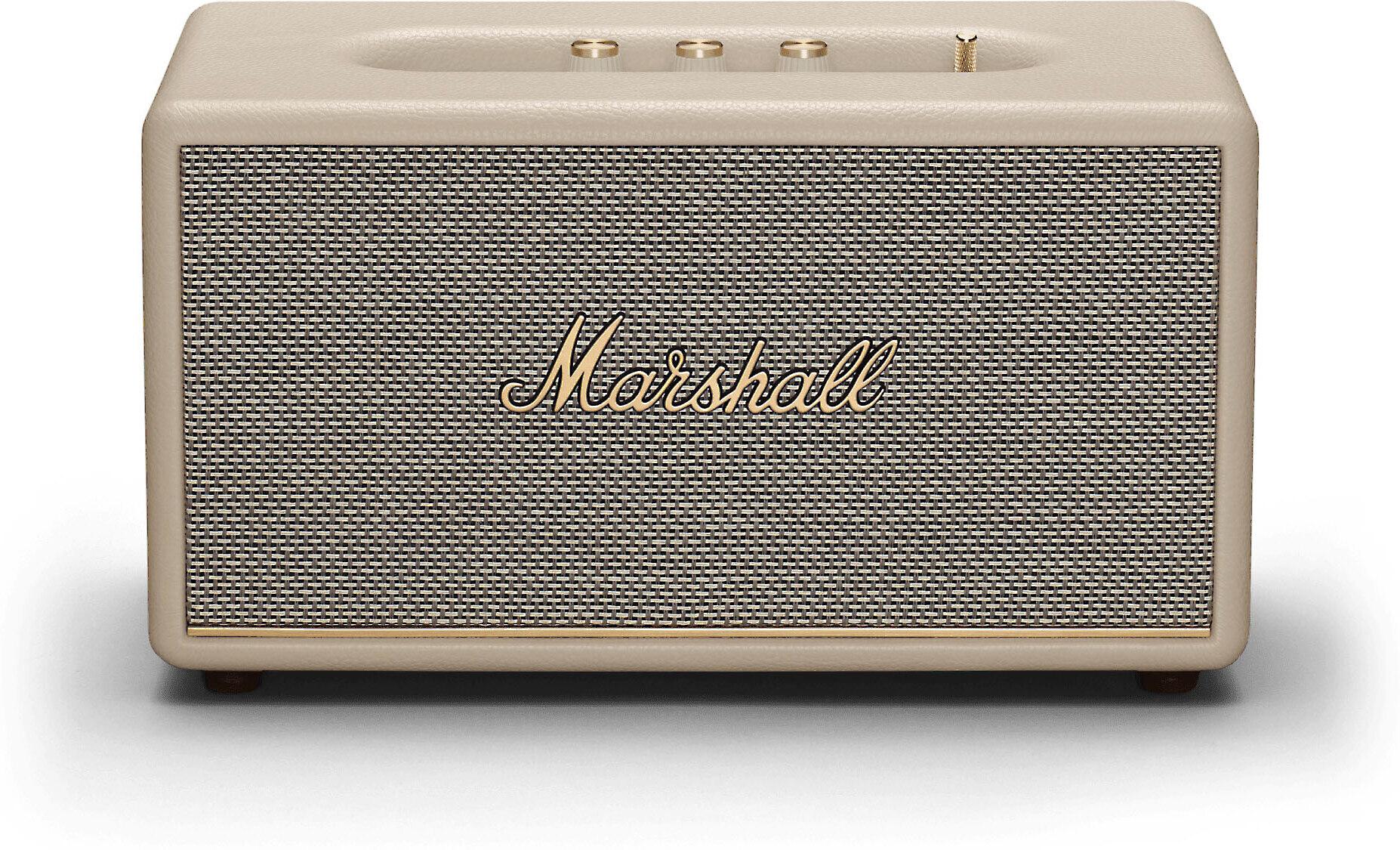
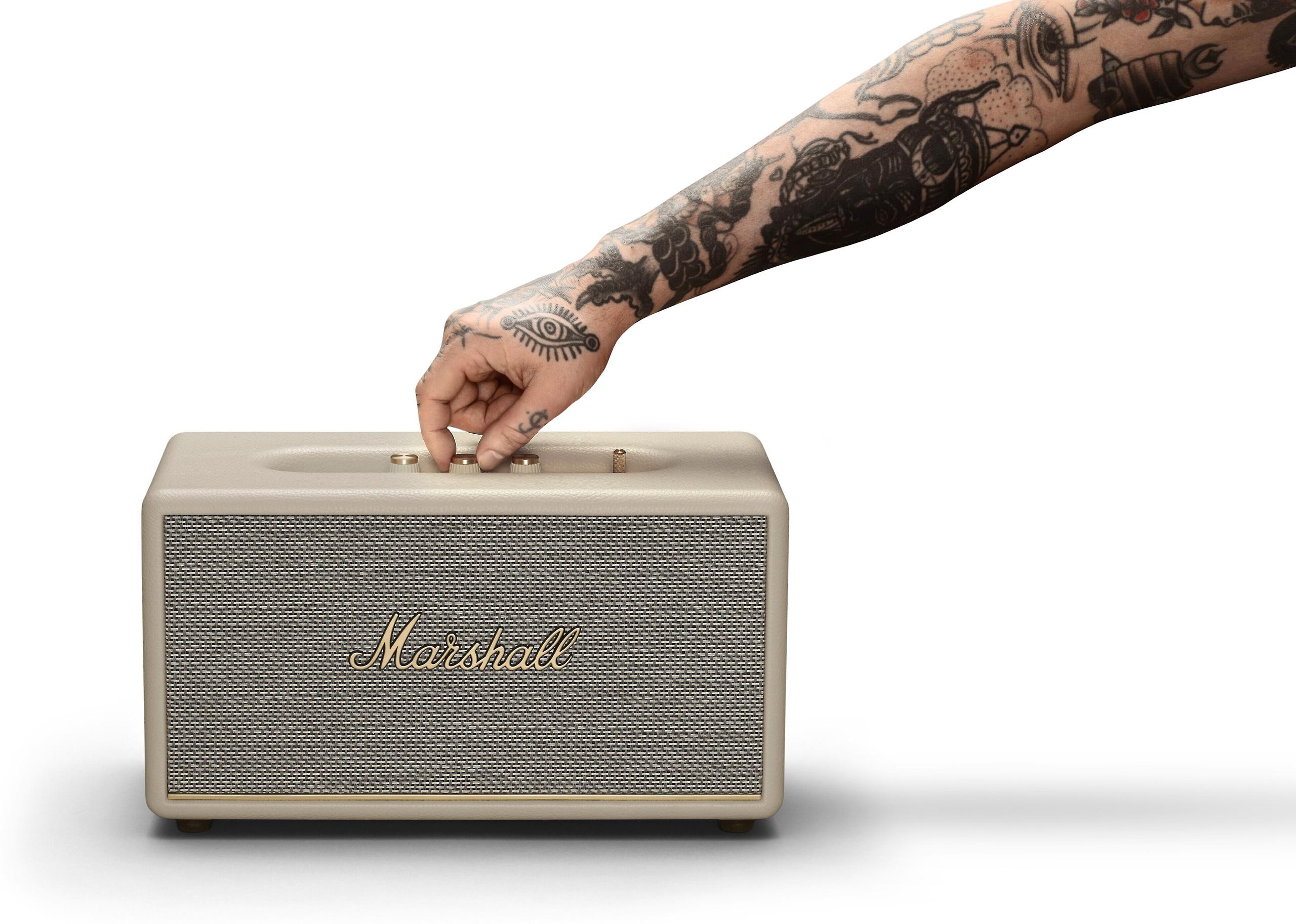
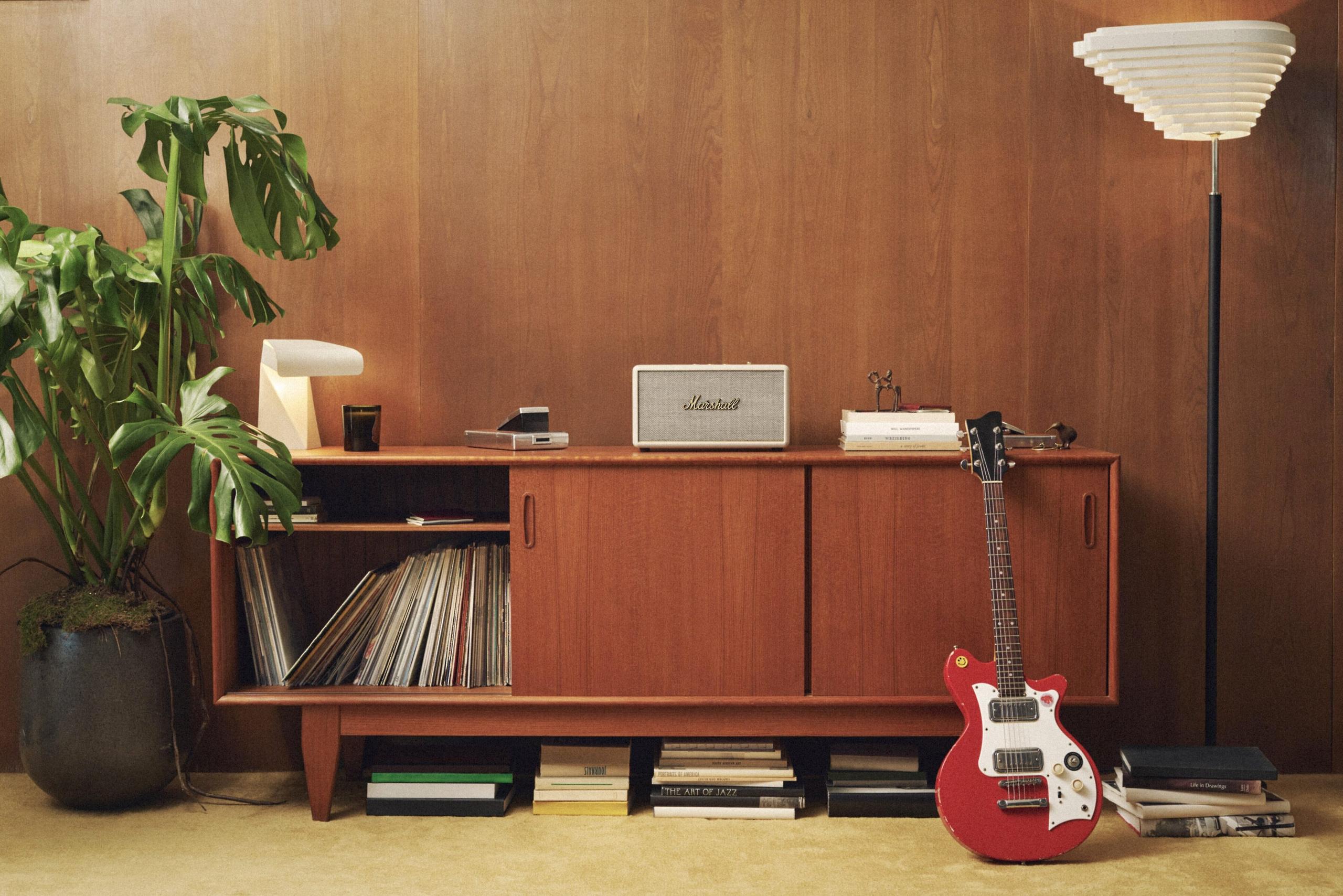
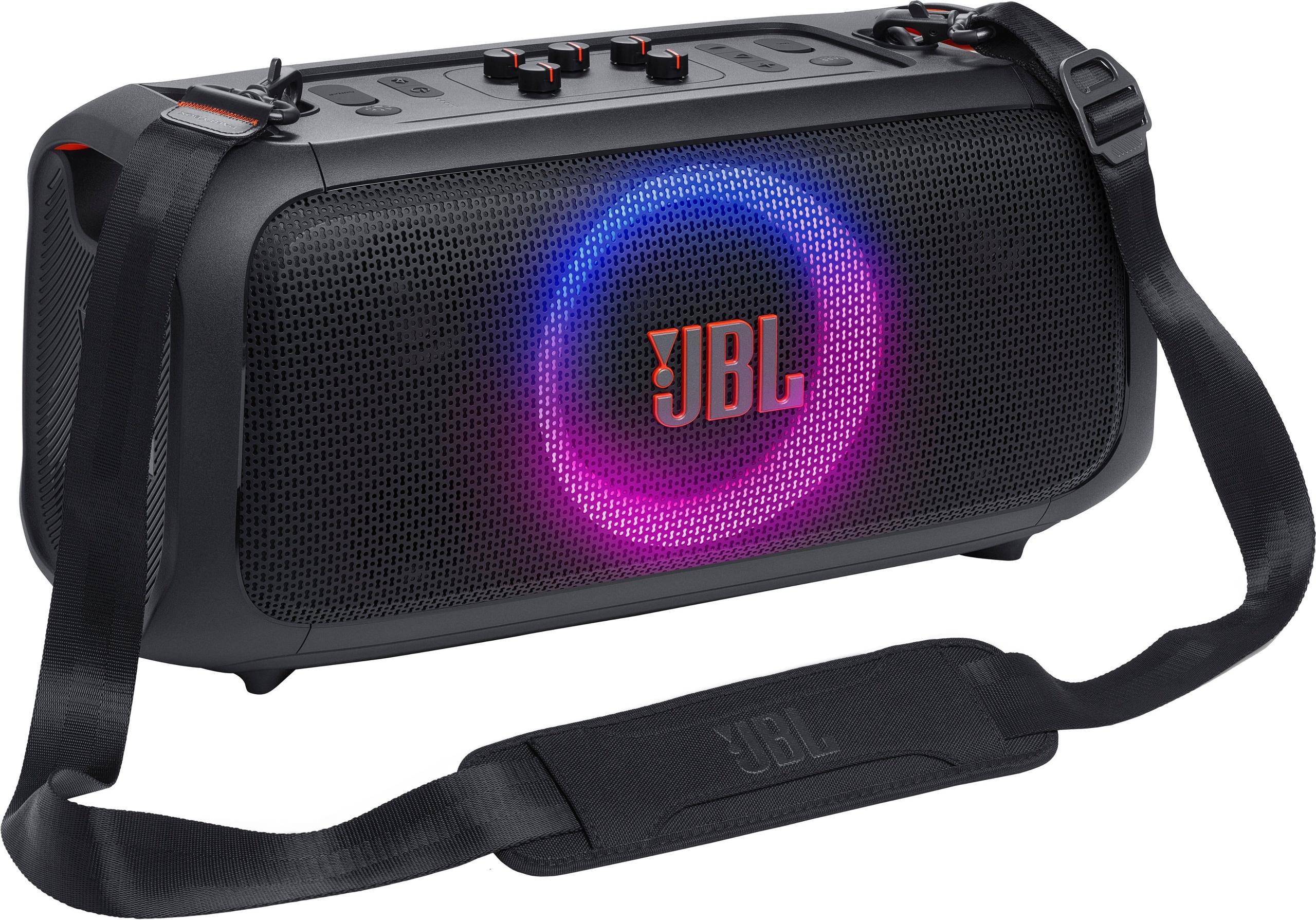
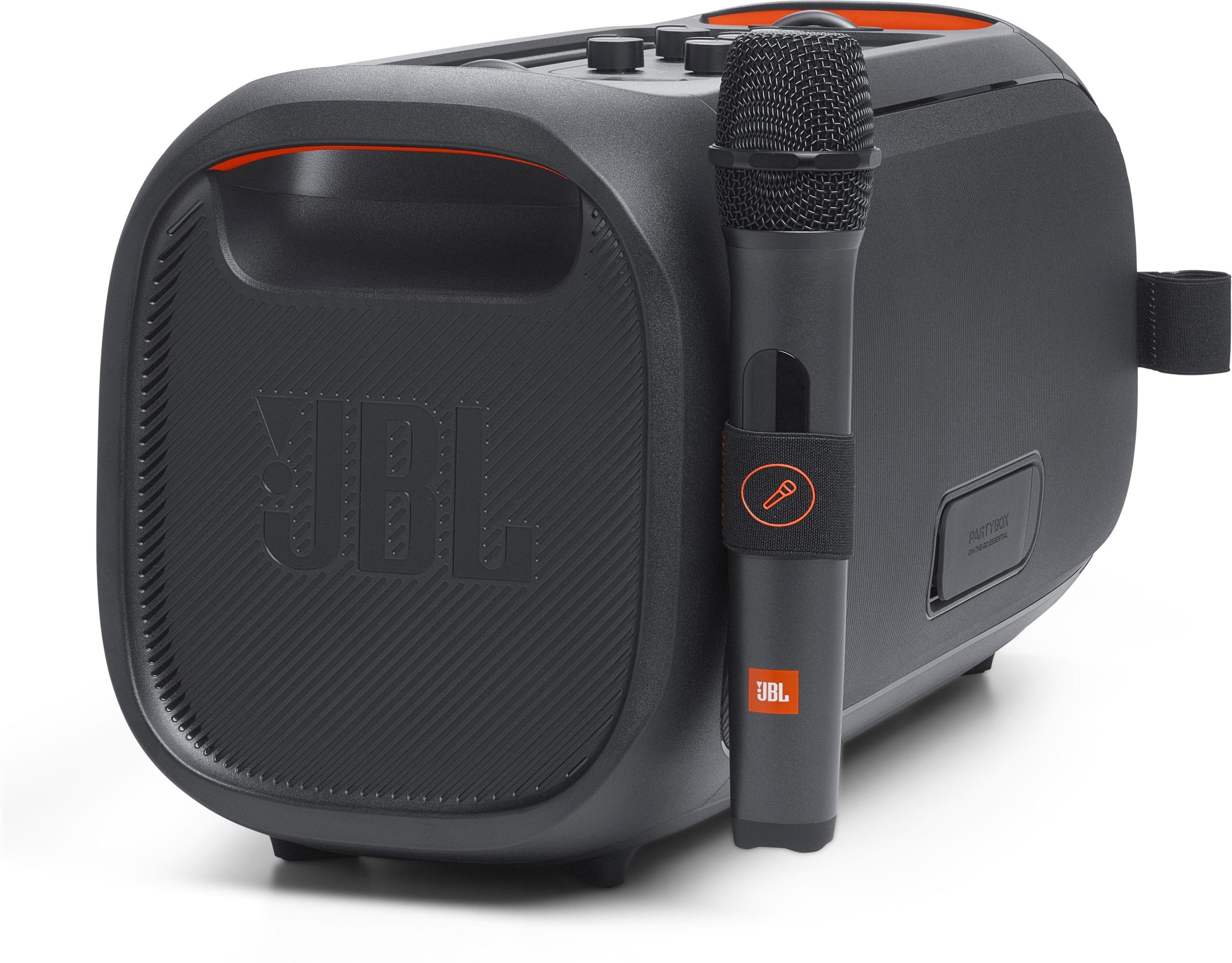
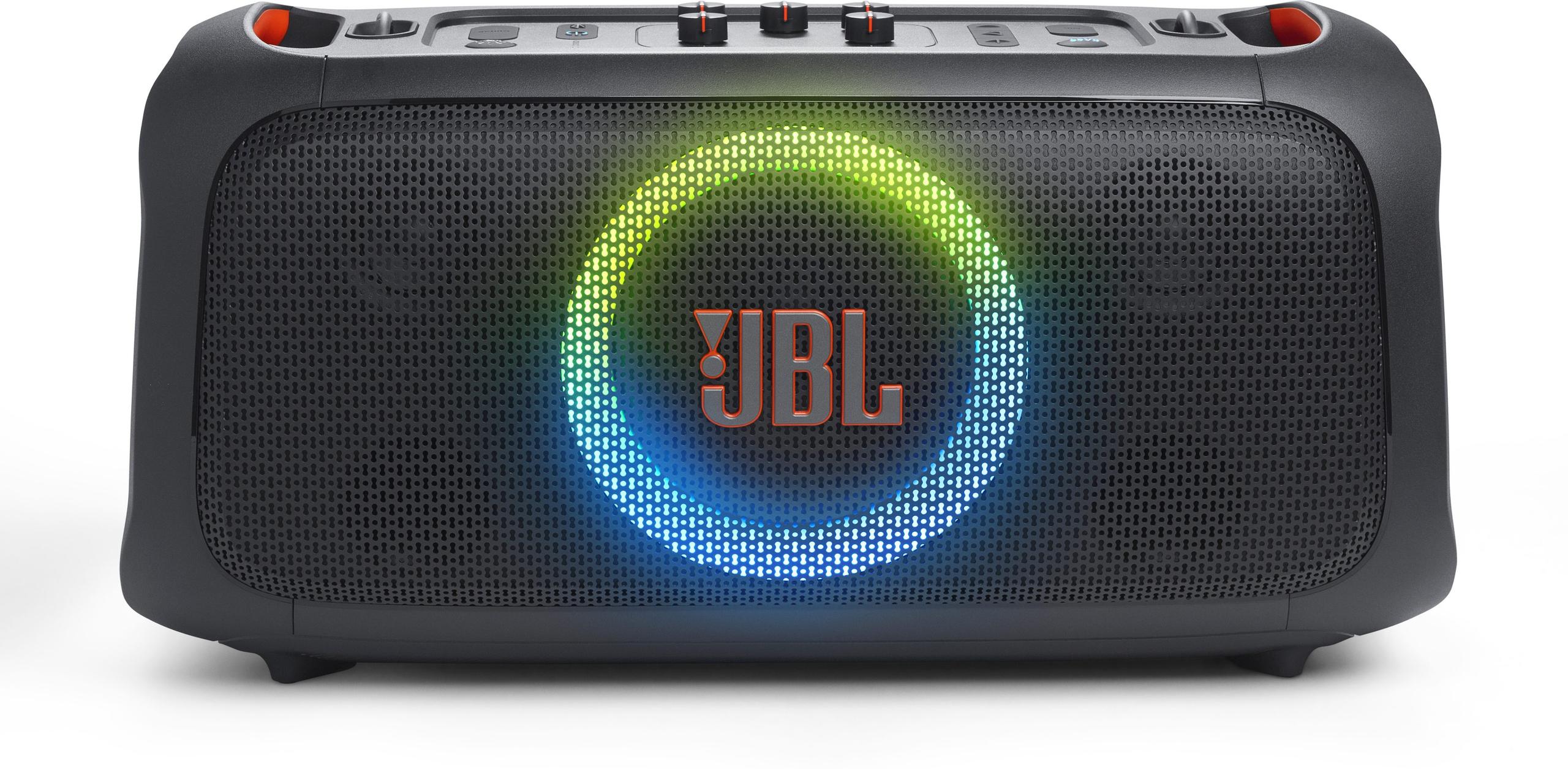
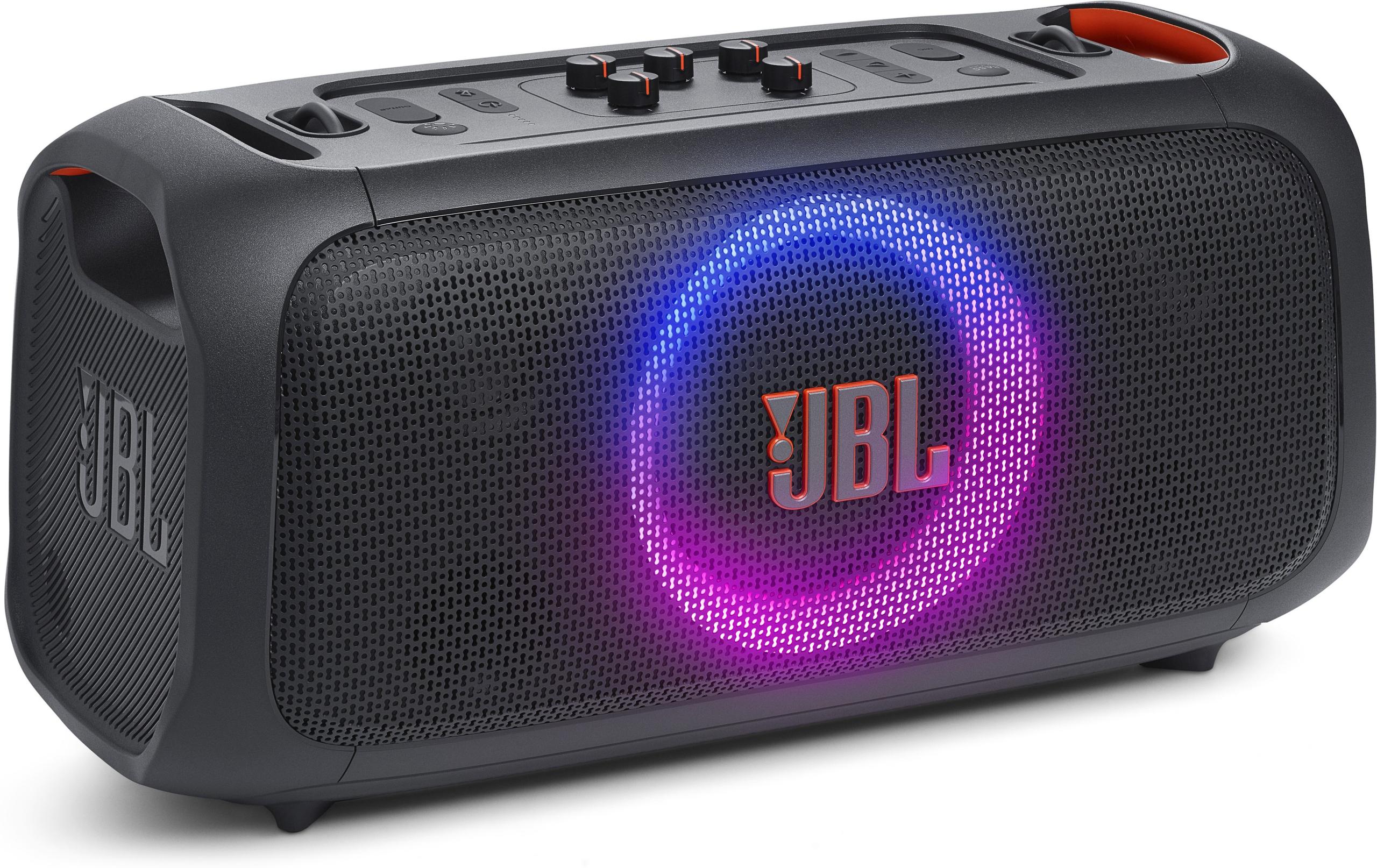
When it comes to premium Bluetooth speakers, the choice between a high-end home audio solution and a portable party speaker can be surprisingly complex. Today we'll compare the Marshall Stanmore III ($379) and the JBL PartyBox On-The-Go Essential ($249), two speakers that take notably different approaches to delivering quality audio.
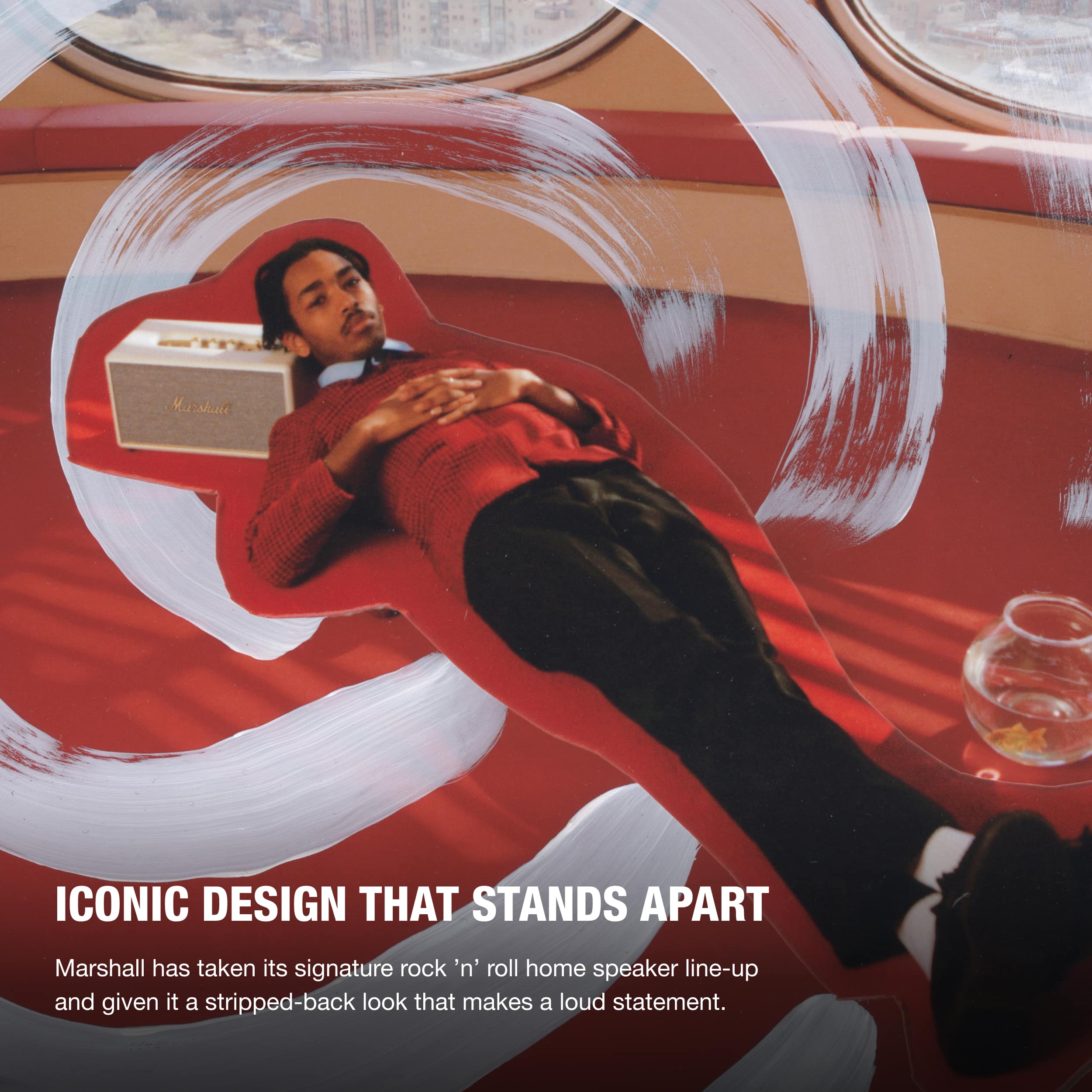
The Bluetooth speaker market has evolved significantly in recent years, with manufacturers taking increasingly divergent paths to serve specific user needs. Released in September 2022, the Marshall Stanmore III represents the latest iteration of Marshall's home audio line, bringing modern features like Bluetooth 5.2 while maintaining their iconic styling. The JBL PartyBox On-The-Go Essential takes a completely different approach, focusing on portability and entertainment features.
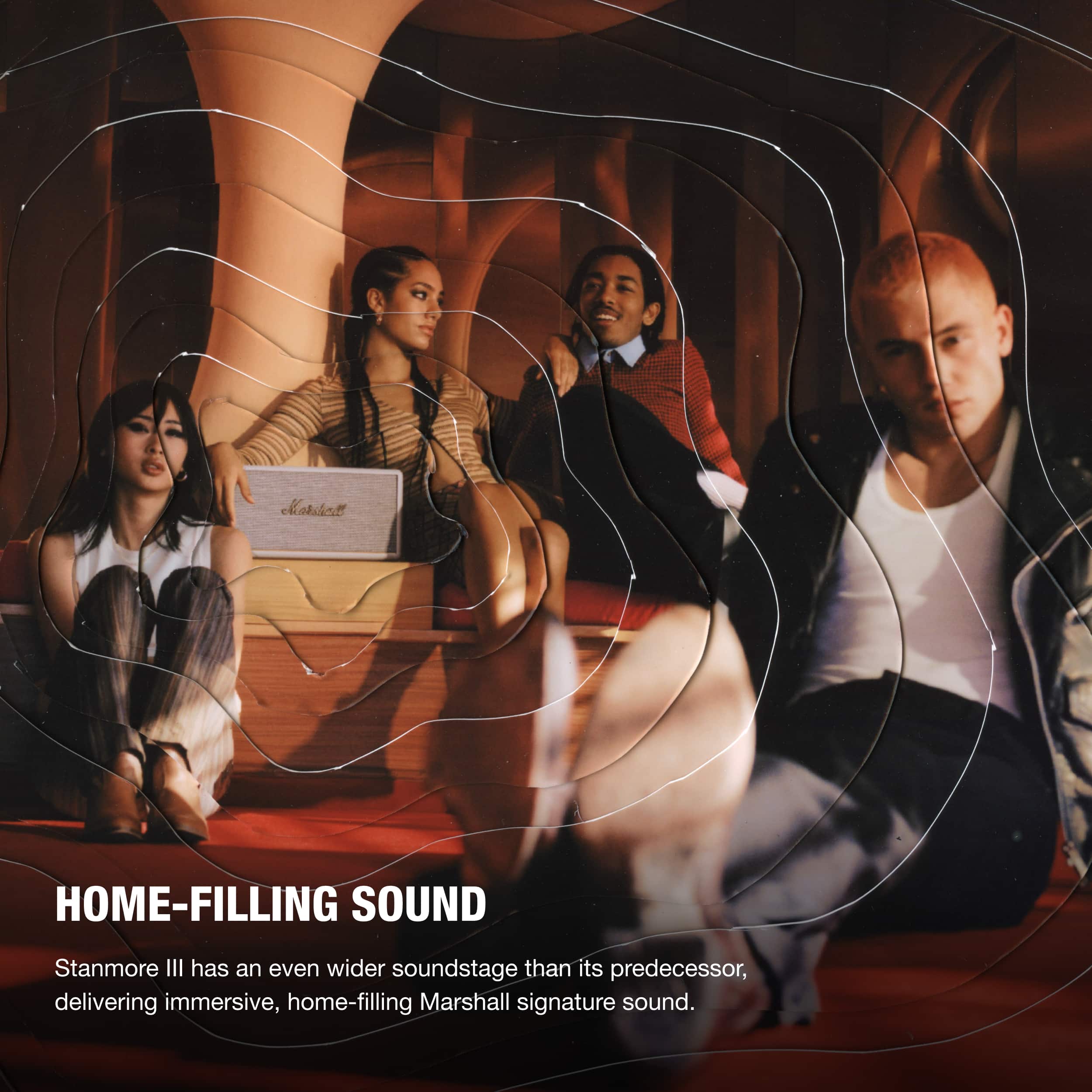
The Stanmore III's sound signature is impressively refined, delivering room-filling audio through its sophisticated three-driver system. The 50-watt woofer handles low frequencies with remarkable precision, while dual 15-watt tweeters provide crystalline highs. This configuration allows for exceptional stereo imaging - the ability to accurately place instruments and vocals in the sound field.
What sets the Stanmore III apart is its Dynamic Loudness feature, which automatically adjusts frequency response based on volume level. This means you'll hear balanced audio whether listening quietly at night or cranking it up for a party. The speaker's placement compensation technology also helps optimize sound based on nearby walls or surfaces - a thoughtful touch for real-world use.
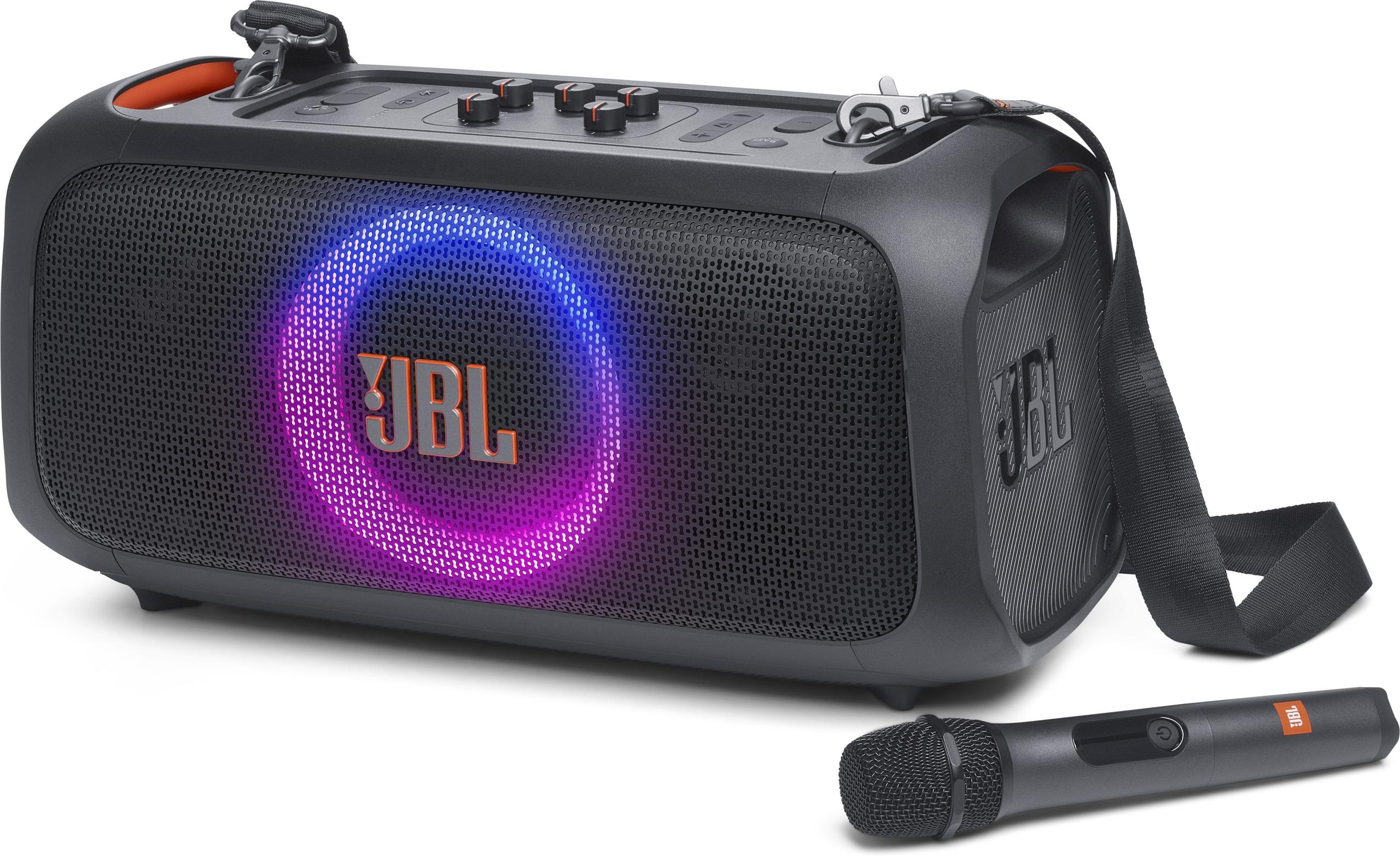
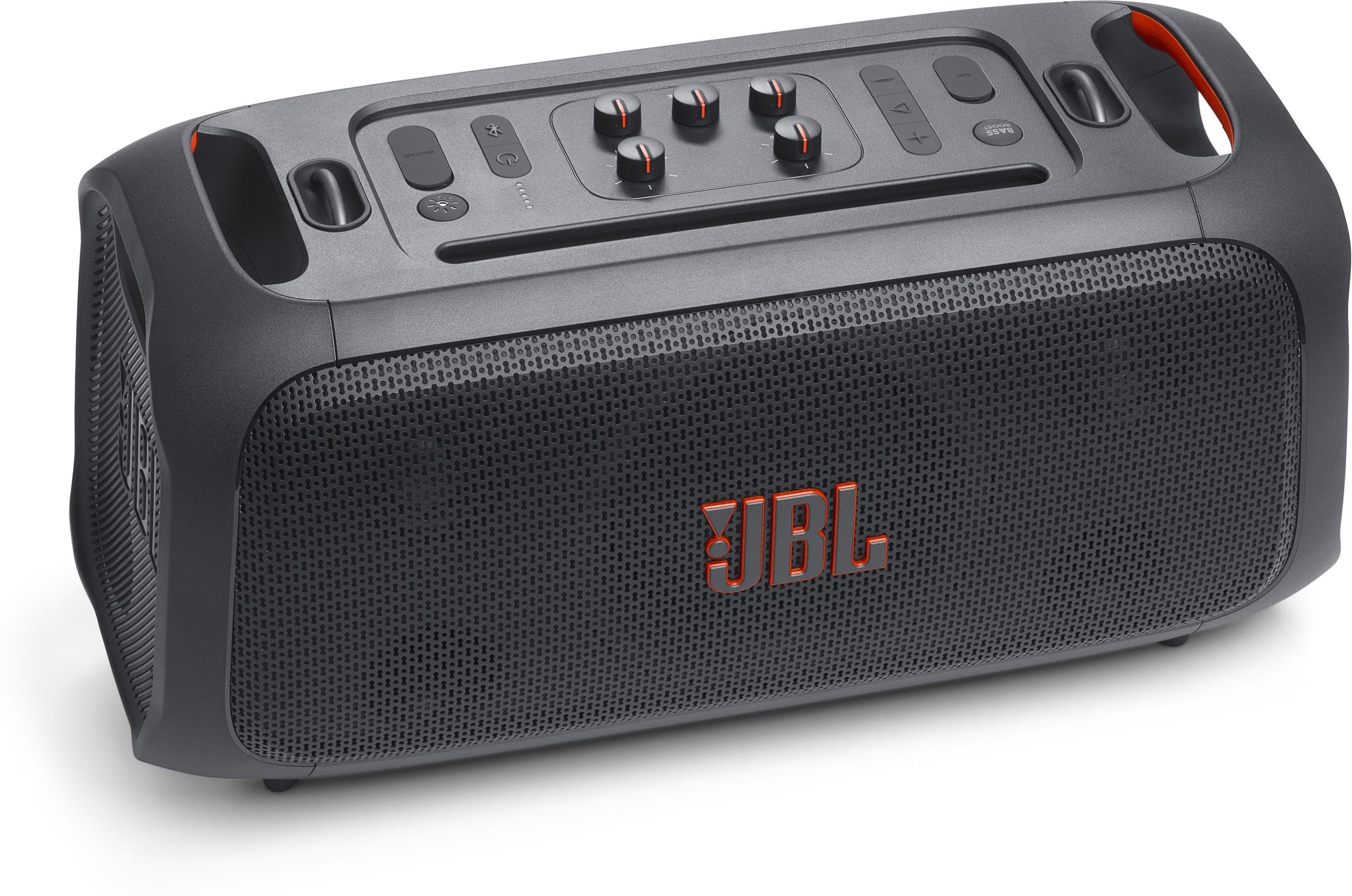
The PartyBox takes a different approach, with its 100-watt system optimized for high-energy environments. While it may not match the Stanmore's subtle detail, it excels at delivering impactful bass and clear vocals that cut through ambient noise. The speaker's design prioritizes sound projection and volume over precise imaging, making it ideal for outdoor gatherings or larger indoor spaces.
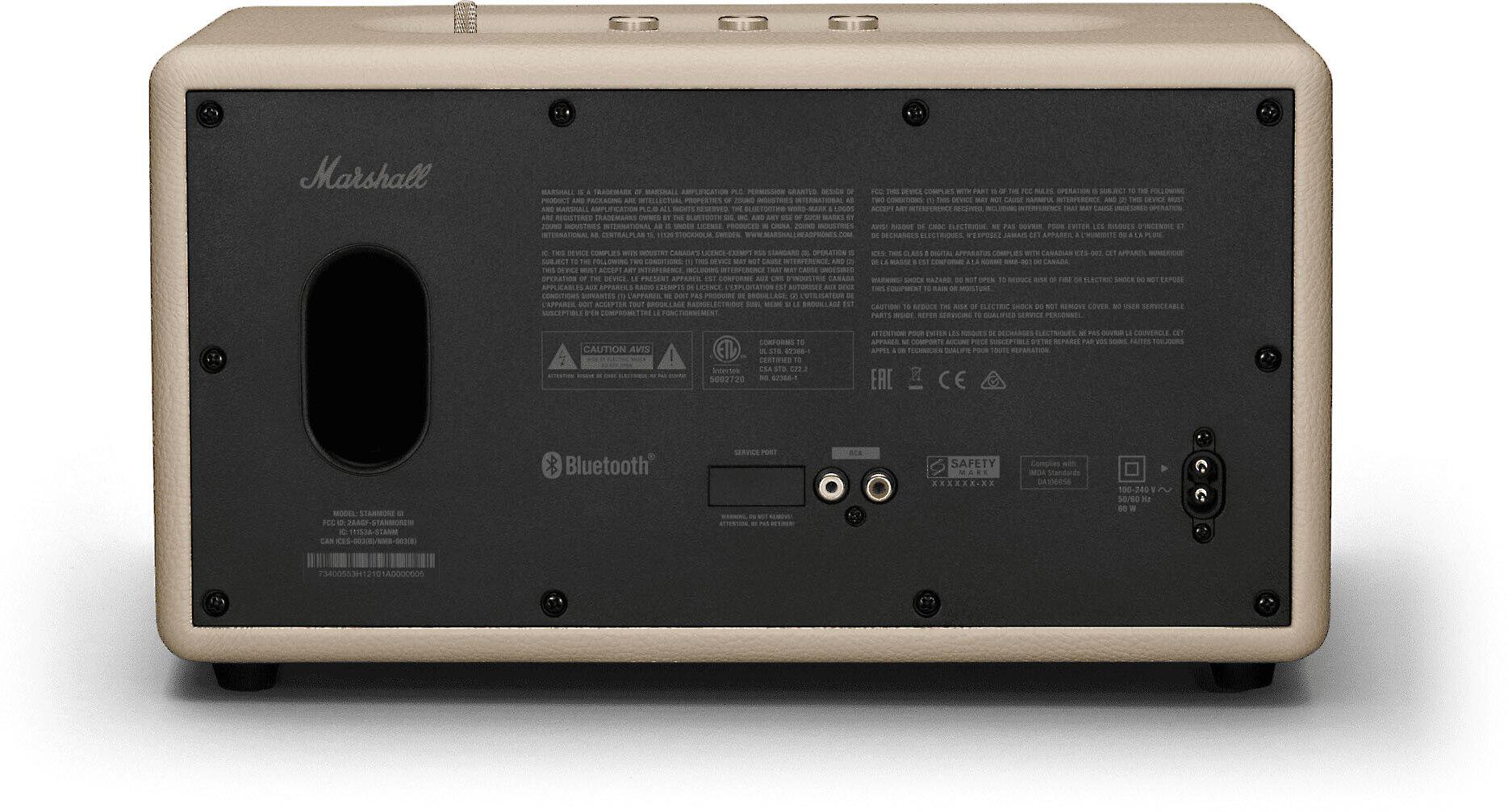
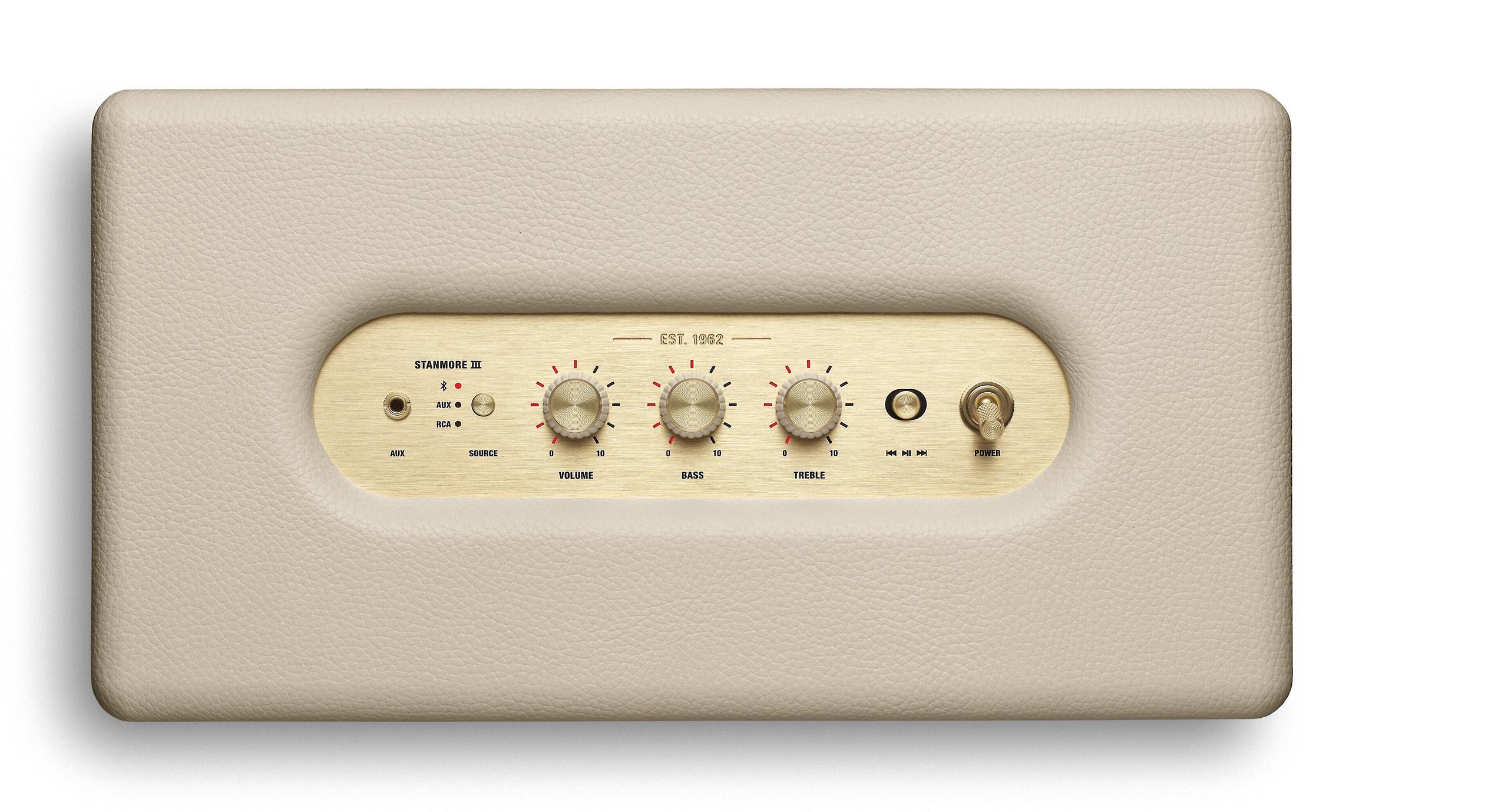
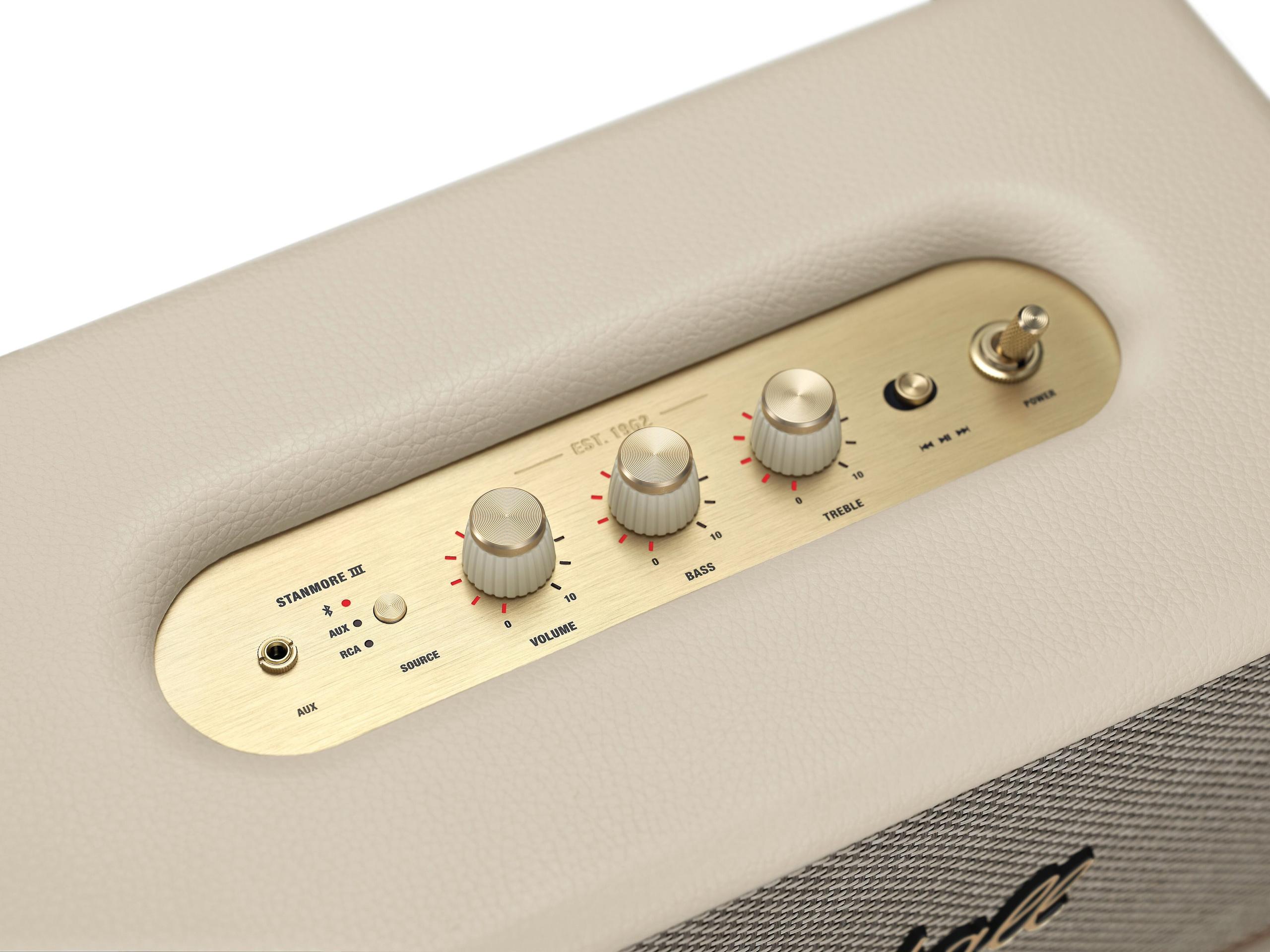
Marshall has packed the Stanmore III with modern connectivity options. Bluetooth 5.2 support means improved range and stability compared to older versions, while multi-host functionality lets you keep two devices connected simultaneously - perfect for switching between your phone and laptop. The companion app provides firmware updates and EQ customization, though the classic analog control knobs offer satisfying hands-on adjustment.
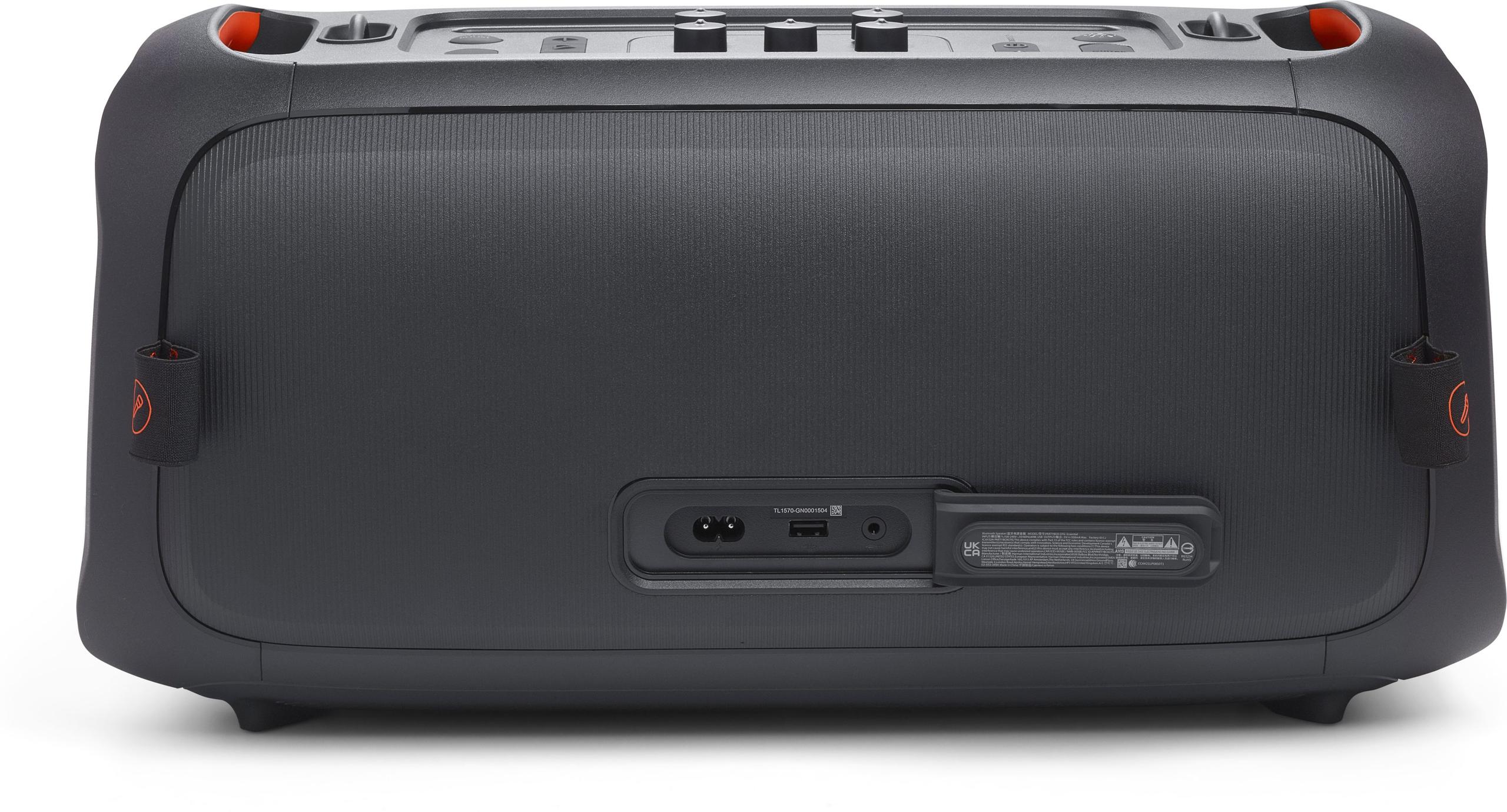
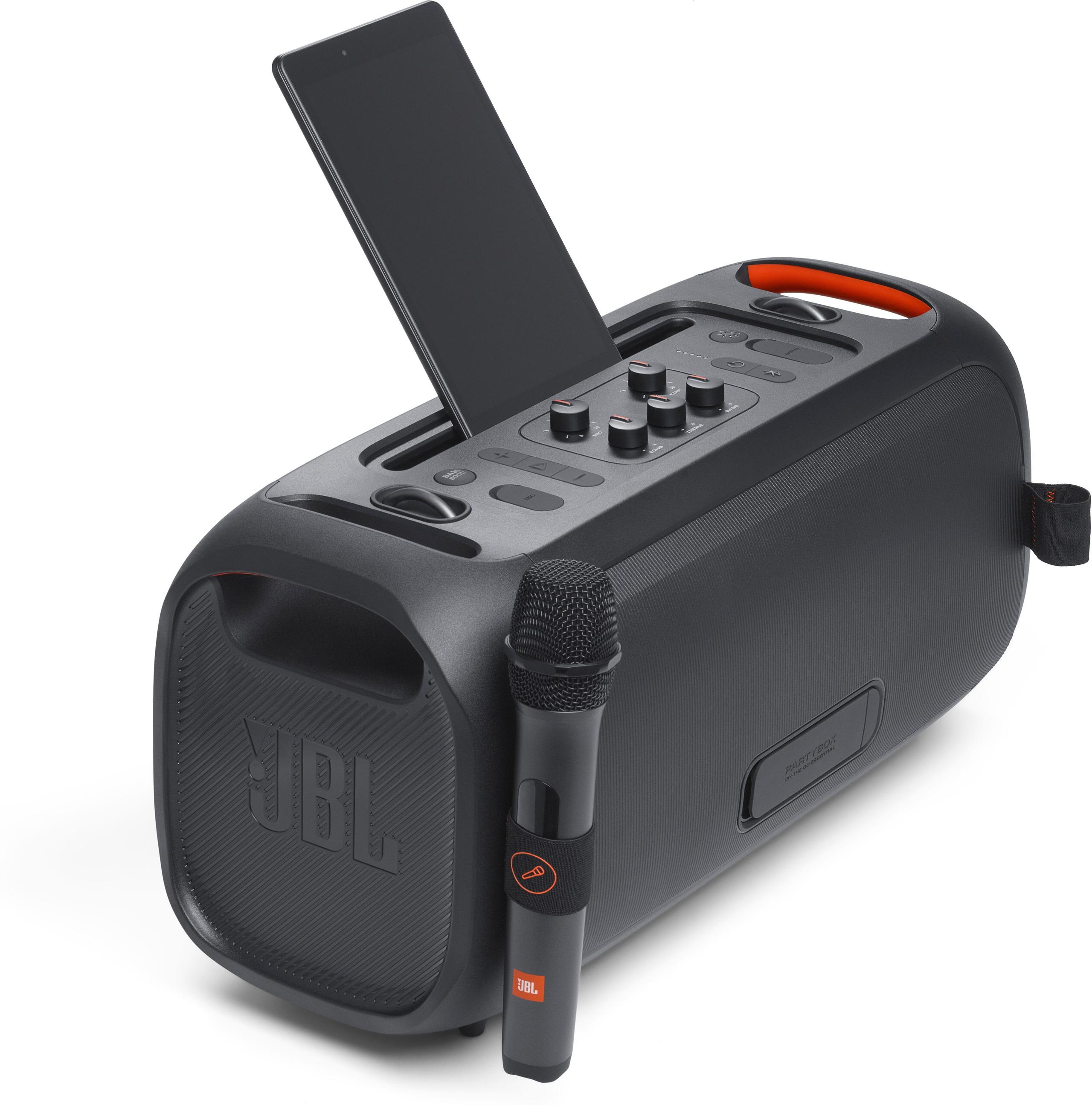
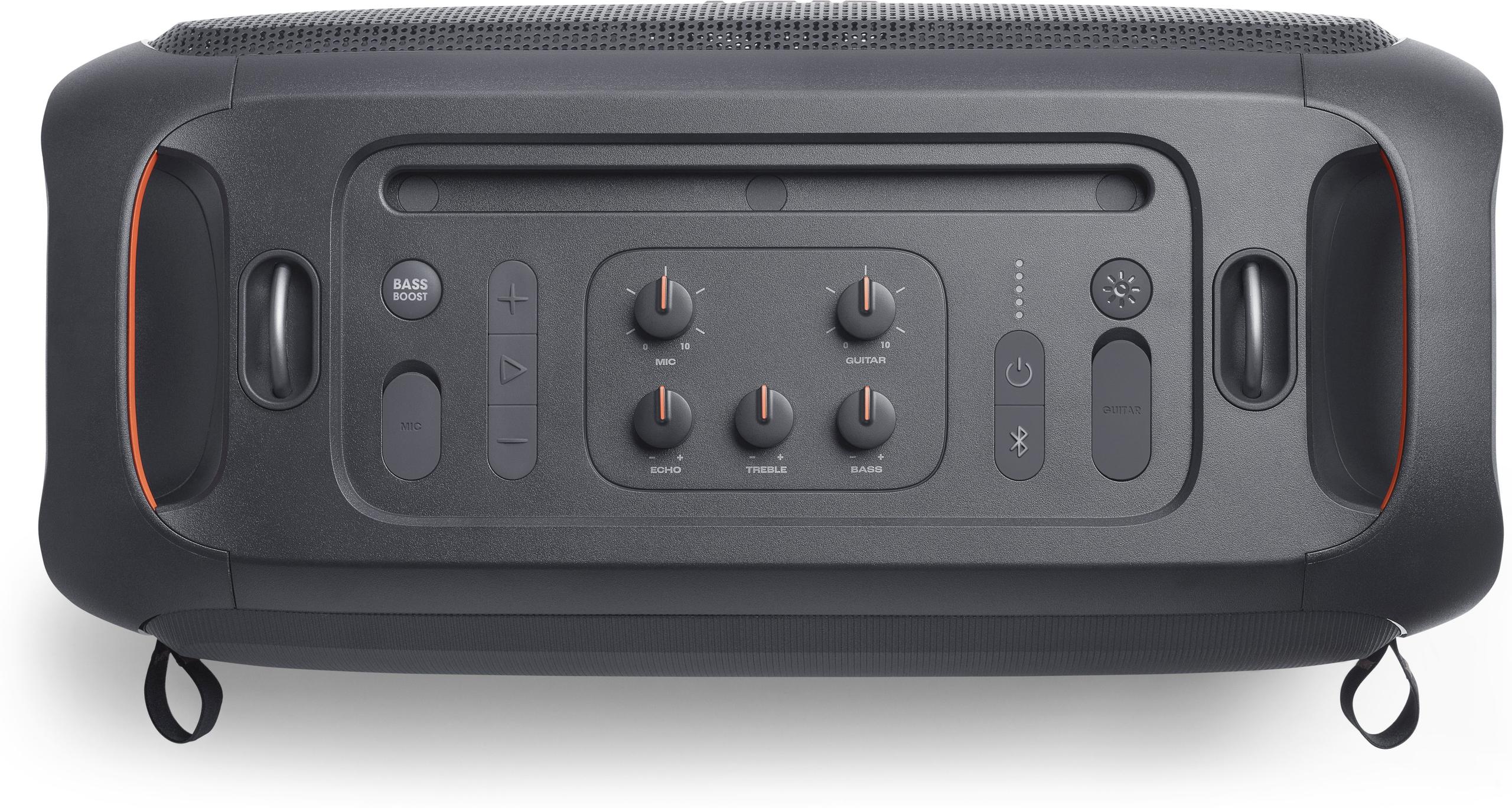
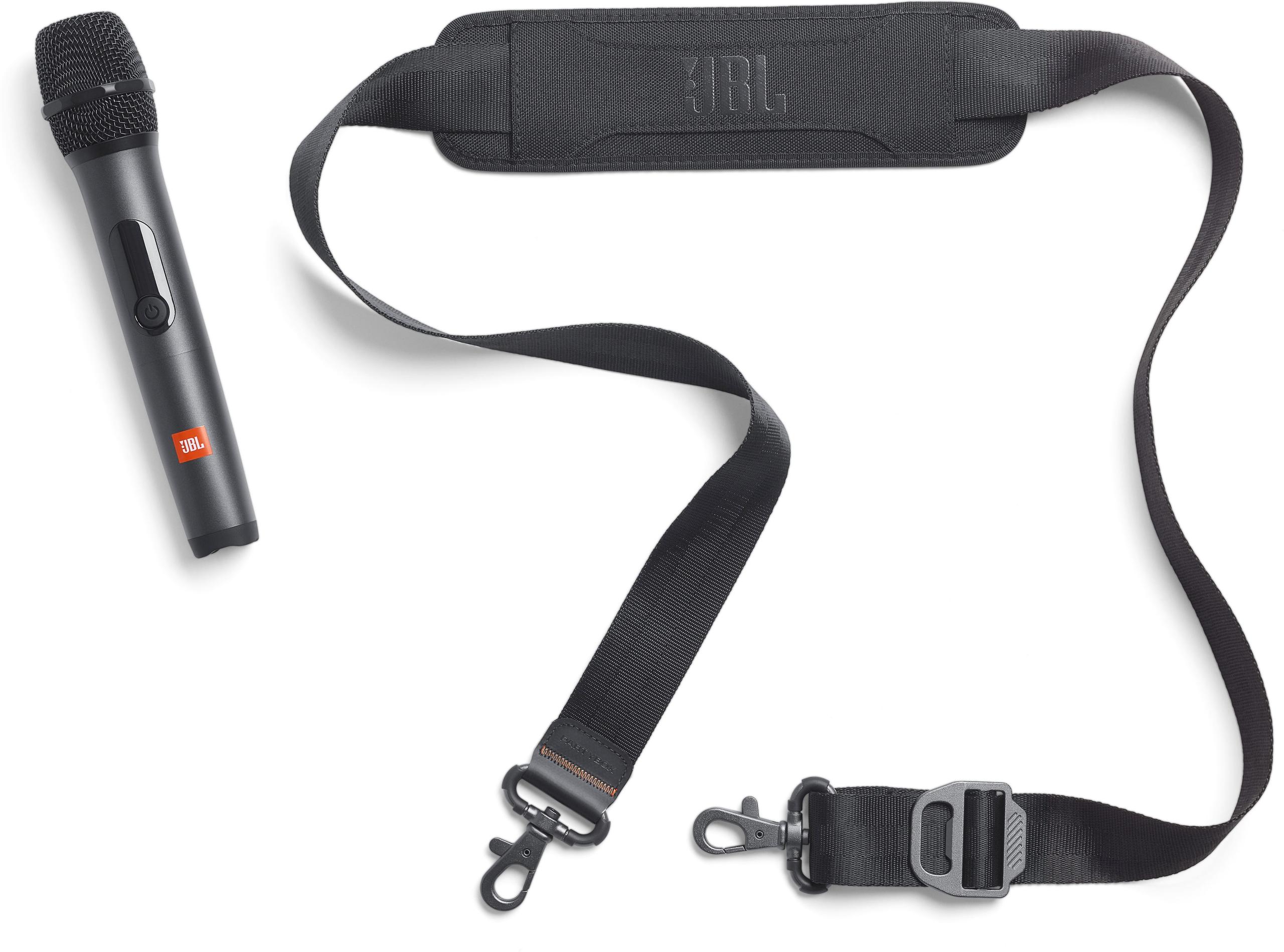
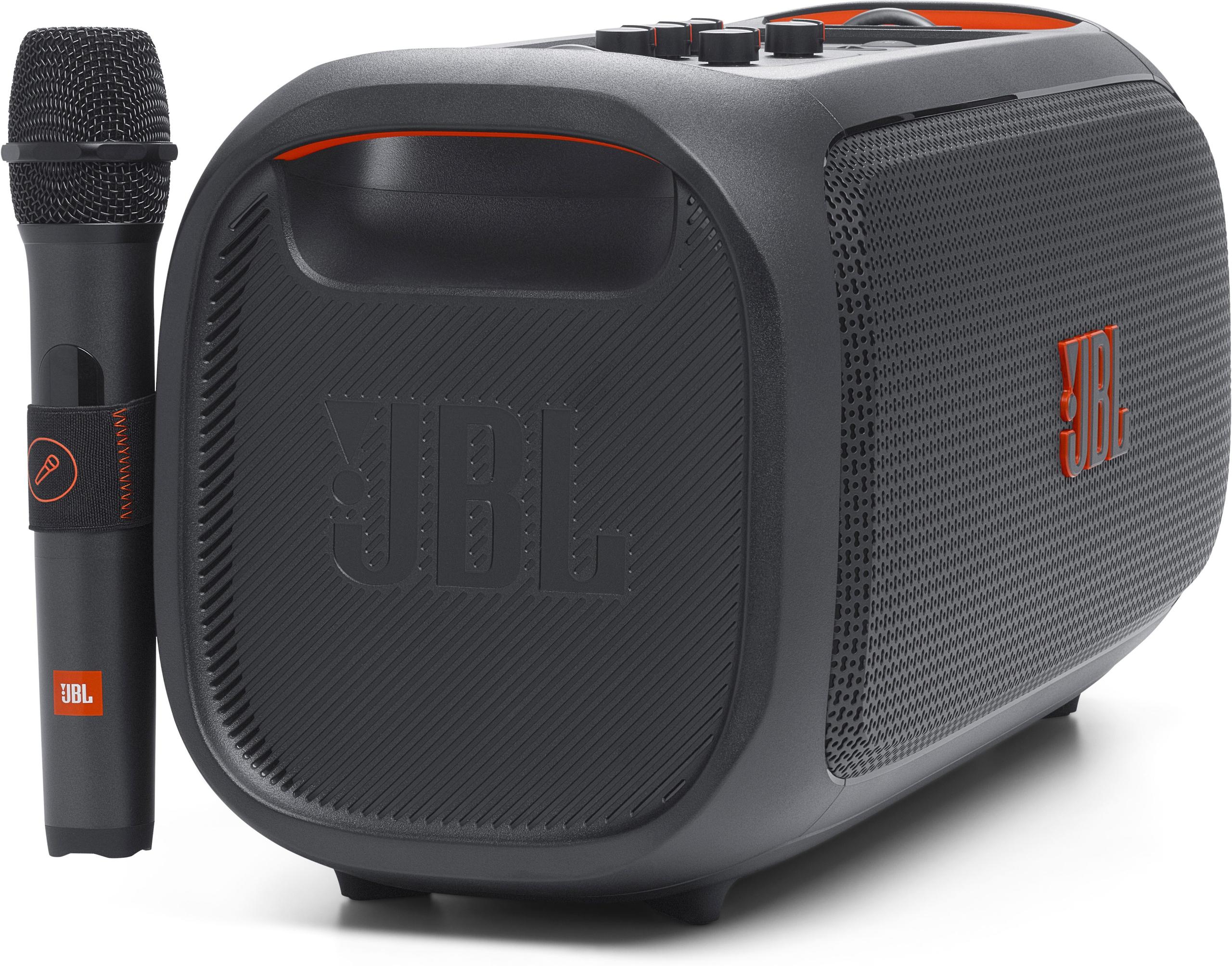
The PartyBox shines in its entertainment features. The built-in light show syncs with music, creating an instant party atmosphere. Its IPX4 water resistance rating means it can handle splashes and light rain, while the included microphone input and guitar input make it a portable karaoke or jamming station. The 6-hour battery life might seem modest, but it's reasonable given the power output.
The Marshall Stanmore III can serve as an excellent TV speaker thanks to its RCA inputs and balanced sound profile. Dialog remains clear and centered, while music and effects benefit from the precise stereo separation. However, it lacks surround sound capabilities or dedicated TV modes.
The JBL PartyBox excels in versatility. I've seen it used effectively for:
Marshall has made significant strides with the Stanmore III, incorporating:
JBL's innovations focus on practical features:
Consider your primary use case:
For home audio enthusiasts: The Marshall Stanmore III makes sense if you:
For social entertainment: The JBL PartyBox On-The-Go Essential is ideal if you:
The Marshall's higher price point ($379) reflects its premium positioning and sound quality. It's an investment in home audio that should serve well for years. The JBL's more accessible price ($249) delivers impressive value when considering its feature set and versatility, though it makes some compromises in absolute sound quality.
Marshall Stanmore III:
JBL PartyBox:
Both speakers excel in their intended roles. The Marshall Stanmore III offers exceptional sound quality and sophisticated home audio integration, while the JBL PartyBox On-The-Go Essential provides versatility and entertainment features perfect for social settings.
The choice ultimately depends on your specific needs and how you plan to use the speaker. If you're primarily focused on home audio quality and don't need portability, the Marshall represents a worthy investment. If versatility and entertainment features matter more, the JBL offers impressive value and capabilities for its price point.
Remember that both speakers will continue to receive firmware updates and improvements over time, making them solid long-term investments in their respective categories. Consider your five-year usage scenario when making the final decision.
| Marshall Stanmore III | JBL PartyBox On-The-Go Essential |
|---|---|
| Price - Initial Investment | |
| $379 (premium home audio pricing) | $249 (mid-range party speaker pricing) |
| Total Power Output - Impacts maximum volume and sound quality | |
| 80W (50W woofer + 2x15W tweeters) | 100W (single system) |
| Core Use Case - Primary design purpose | |
| Stationary home audio system | Portable party/entertainment speaker |
| Bluetooth Version - Affects connection quality and range | |
| Bluetooth 5.2 with multi-host support | Bluetooth 4.2 standard connection |
| Physical Design - Portability and durability | |
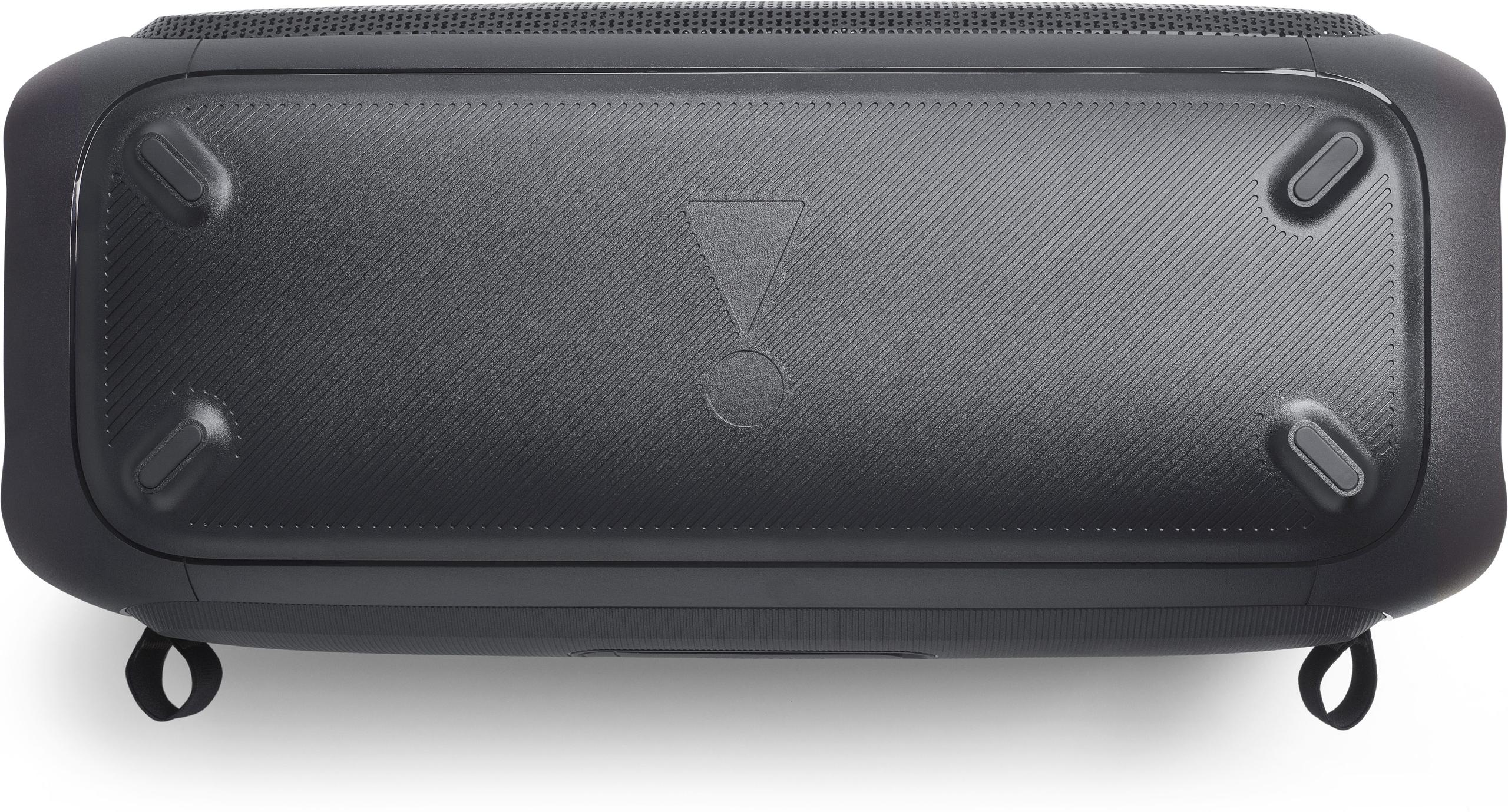
| 9.37 lbs, non-portable, designed for indoor use | 13.4 lbs, portable with shoulder strap, IPX4 water resistant |
| Battery Life - Critical for mobile use | |
| No battery (AC power only) | 6 hours playback time |
| Sound Profile - Audio characteristics | |
| Balanced audiophile-grade sound with Dynamic Loudness | Bass-heavy party sound with Bass Boost feature |
| Frequency Response - Range of reproducible sound | |
| 45-20,000 Hz (wider range) | 50-20,000 Hz (slightly narrower range) |
| Additional Features - Extra functionality | |
| App control, custom EQ, placement compensation | Light show, karaoke mic input, guitar input, True Wireless Stereo |
| Connectivity Options - Input flexibility | |
| Bluetooth, 3.5mm aux, RCA stereo | Bluetooth, 3.5mm aux, USB, mic/guitar inputs |
| Build Quality - Construction and materials | |
| Premium materials, 70% recycled plastic, vegan leather | Durable plastic construction with protective features |
| Future-Proofing - Long-term reliability | |
| OTA updates via app, latest Bluetooth standard | Basic firmware updates, older Bluetooth version |
The Marshall Stanmore III is better for home use, offering superior sound quality and permanent placement design. While the JBL PartyBox can be used at home, it's optimized for portable use and parties rather than dedicated home audio.
The Marshall Stanmore III costs $379, while the JBL PartyBox On-The-Go Essential is priced at $249, making it $130 less expensive.
The Marshall Stanmore III offers better overall sound quality with more balanced audio and clearer detail. The JBL PartyBox focuses on louder volume and stronger bass for party environments.
The JBL PartyBox is designed for outdoor use with IPX4 water resistance and battery power. The Marshall Stanmore III is not suitable for outdoor use as it requires AC power and isn't weather-resistant.
Only the JBL PartyBox has a battery, offering 6 hours of playback. The Marshall Stanmore III must be plugged into AC power at all times.
The JBL PartyBox is specifically designed for parties with features like a light show, karaoke functionality, and portable design. The Marshall Stanmore III is better suited for background music and critical listening.
Yes, both speakers offer Bluetooth connectivity. The Marshall Stanmore III has newer Bluetooth 5.2 with multi-host support, while the JBL PartyBox uses Bluetooth 4.2.
The JBL PartyBox is more durable with its portable design and water resistance. The Marshall Stanmore III is well-built but designed for stationary indoor use only.
The Marshall Stanmore III works well with TVs through its RCA inputs and provides good audio quality for TV viewing. The JBL PartyBox can connect to TVs but isn't optimized for this use.
Both are simple to set up, but the JBL PartyBox is more plug-and-play. The Marshall Stanmore III offers more setup options through its app for optimal sound customization.
The JBL PartyBox supports USB playback. The Marshall Stanmore III does not have USB playback capability.
The JBL PartyBox produces stronger, more prominent bass for parties. The Marshall Stanmore III offers more accurate, controlled bass that's better for regular listening.
We've done our best to create useful and informative comparisons to help you decide what product to buy. Our research uses advanced automated methods to create this comparison and perfection is not possible - please contact us for corrections or questions. These are the sites we've researched in the creation of this article: techgadgetscanada.com - camelcamelcamel.com - crutchfield.com - bestbuy.com - dxomark.com - crutchfield.com - crutchfield.com - marshall.com - marshall-production-1.mobify-storefront.com - exhibit.tech - ooberpad.com - av-connection.com - jbl.com - pcrichard.com - jbl.com - bestbuy.com - verizon.com - greentoe.com - youtube.com - listenup.com - hypermicro.com - jbl.com - mm.jbl.com

Privacy Policy
Terms and Conditions - Affiliate Policy
Home Security
© Copyright 2008-2026.
11816 Inwood Rd #1211, Dallas, TX 75244