

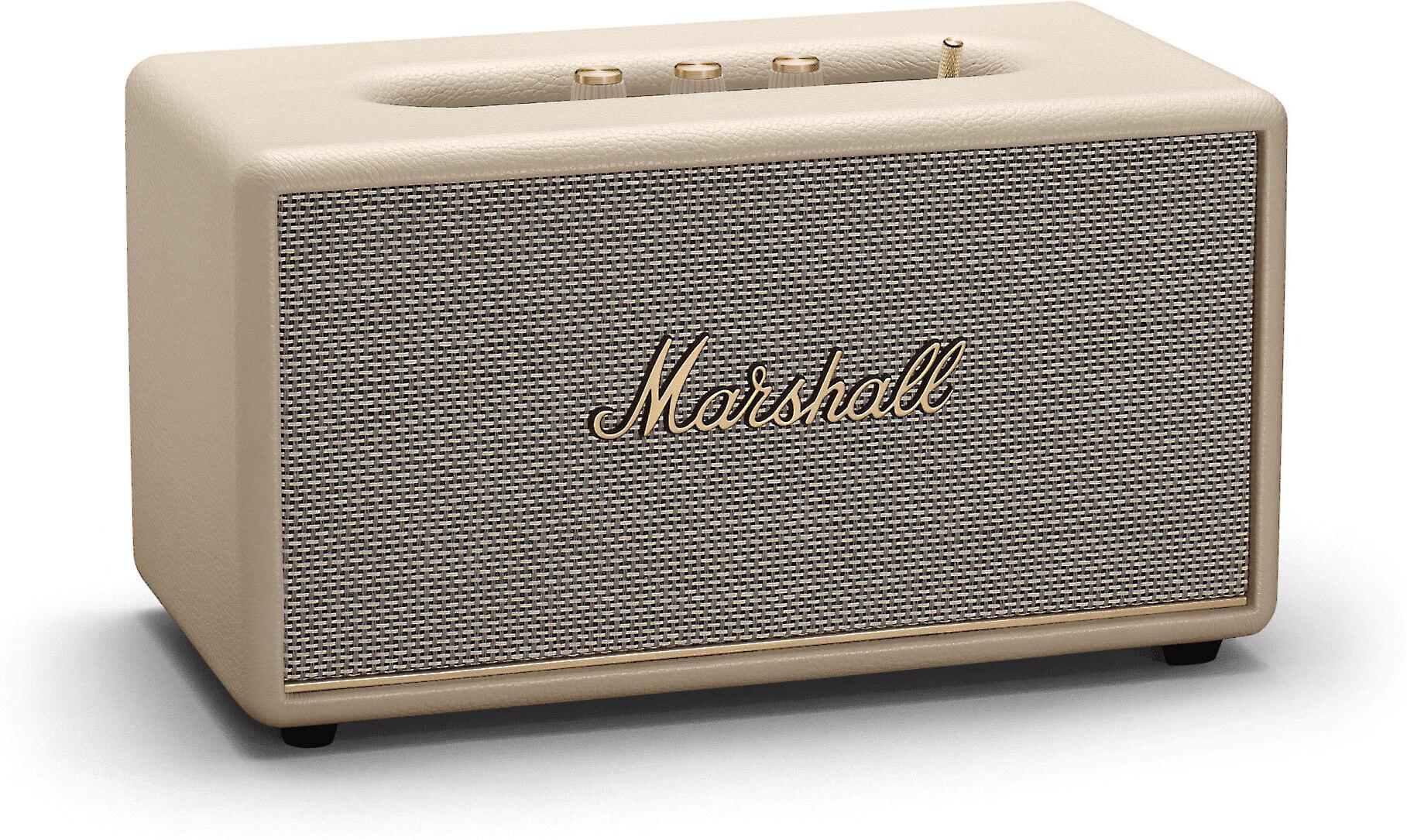
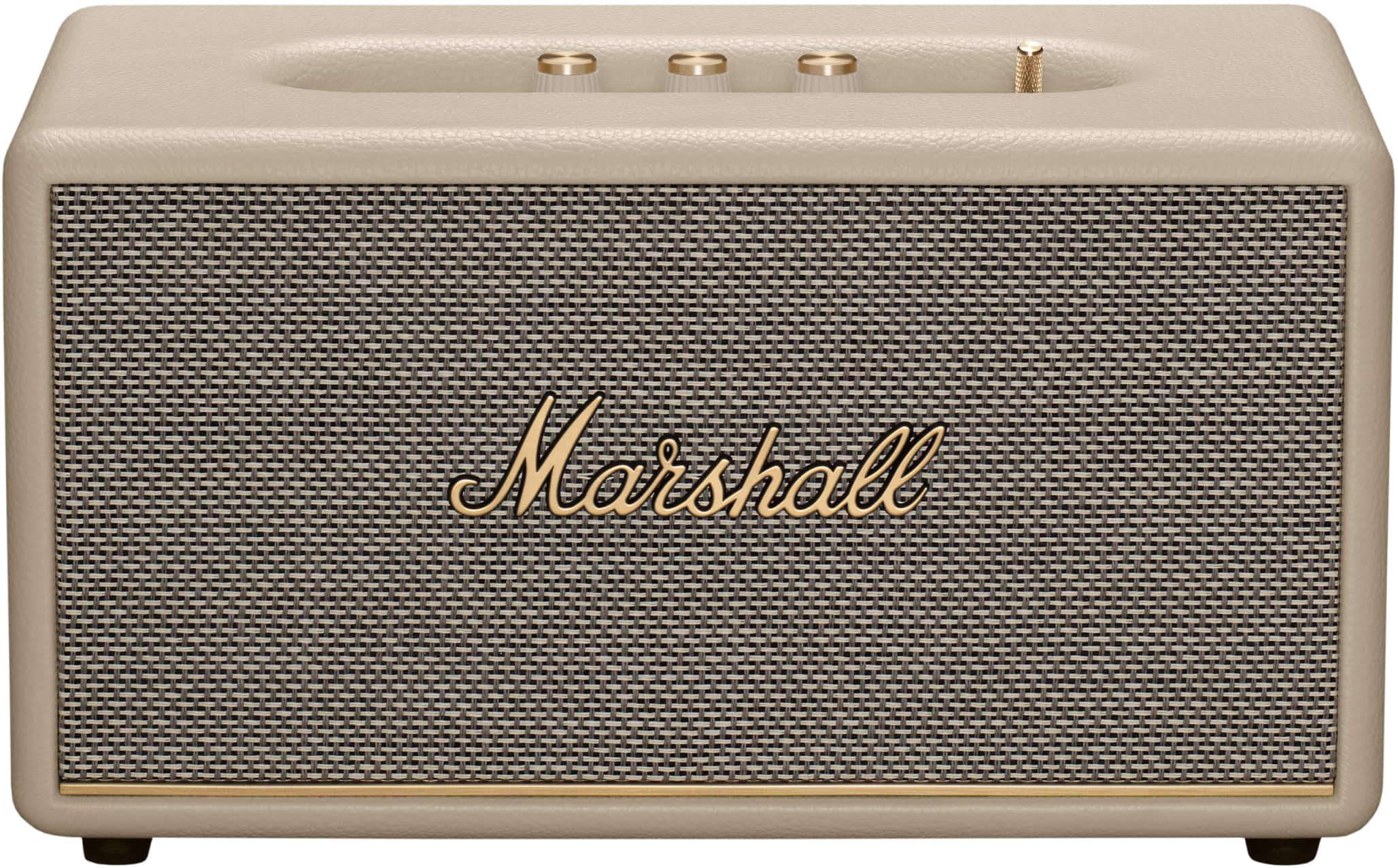
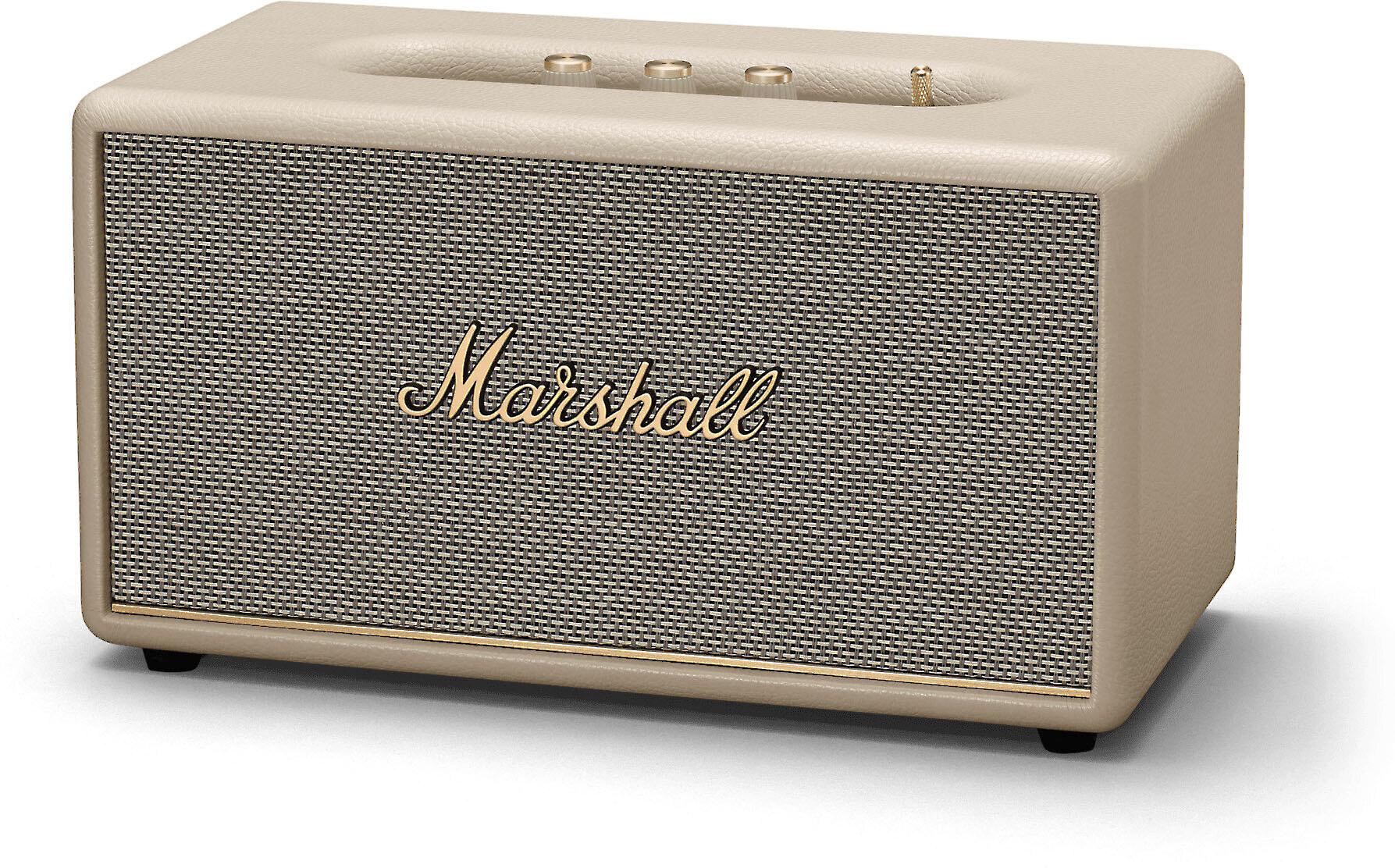
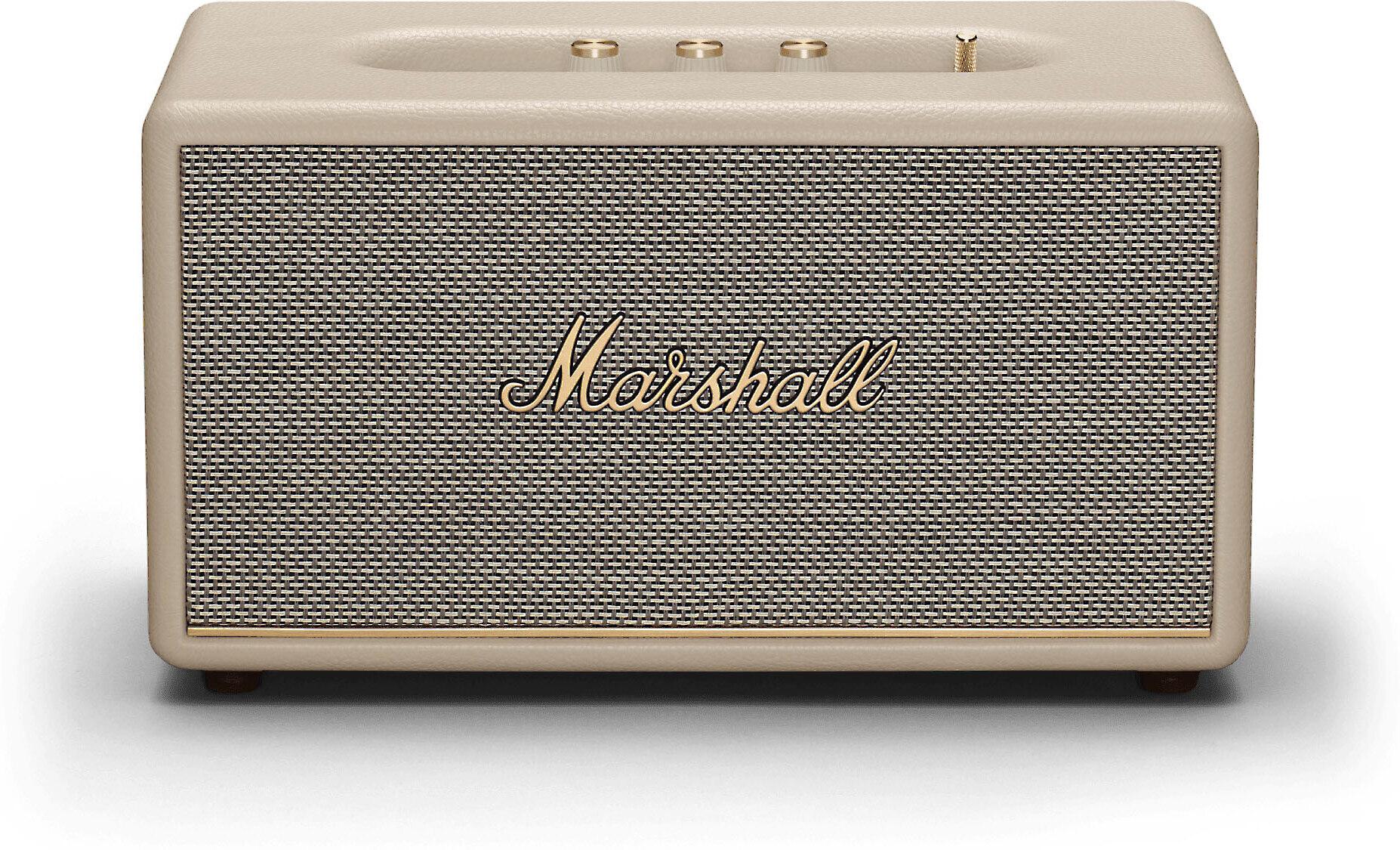
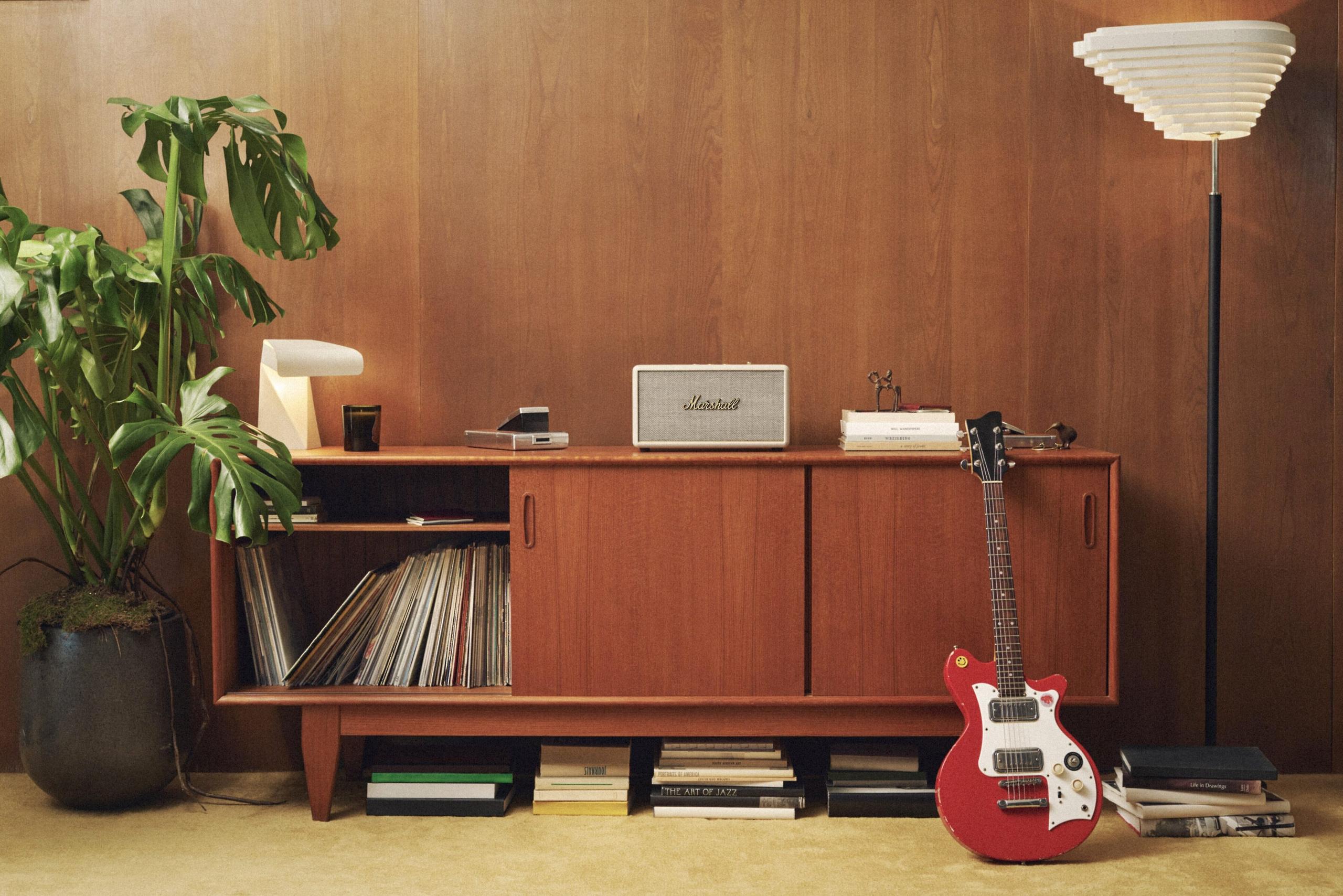
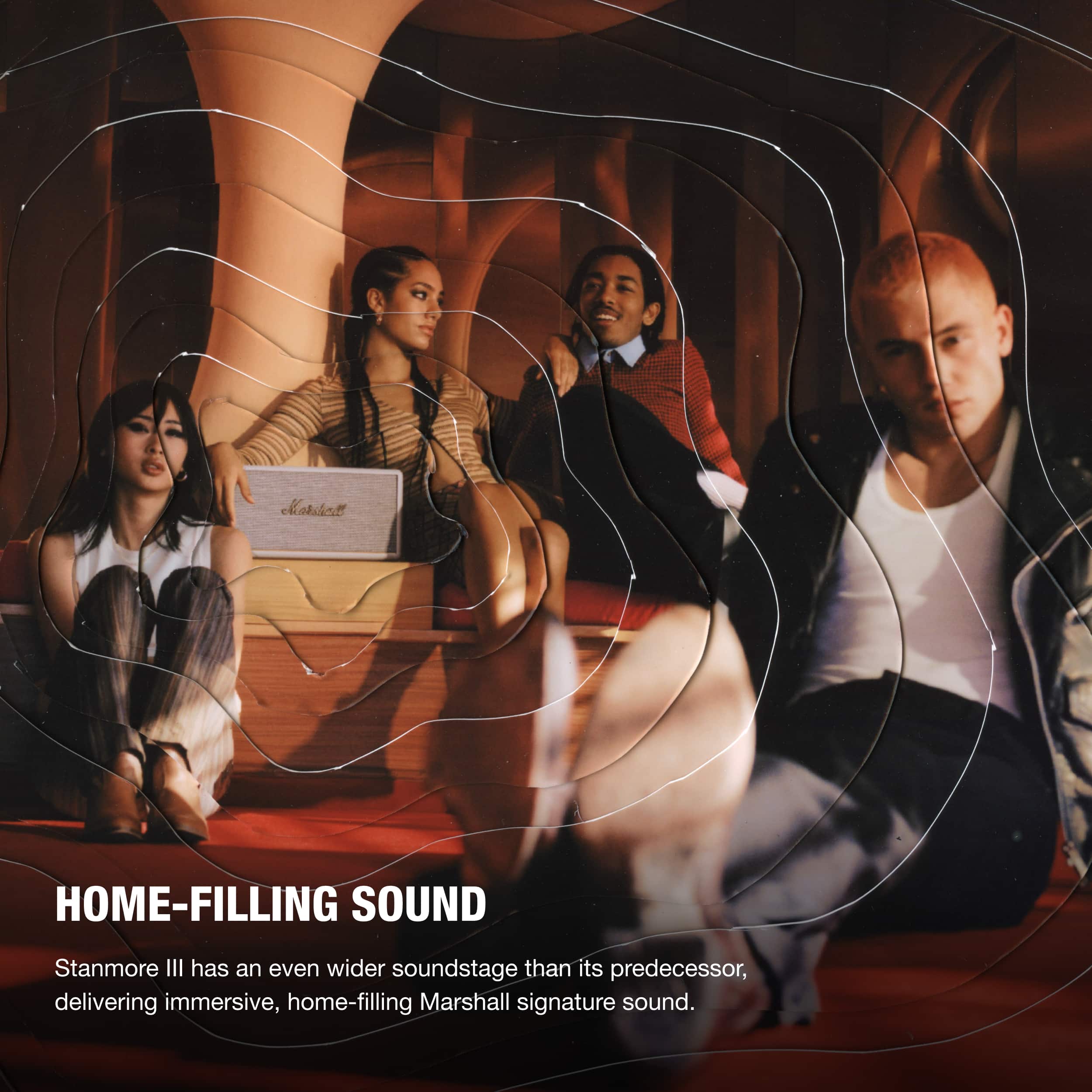
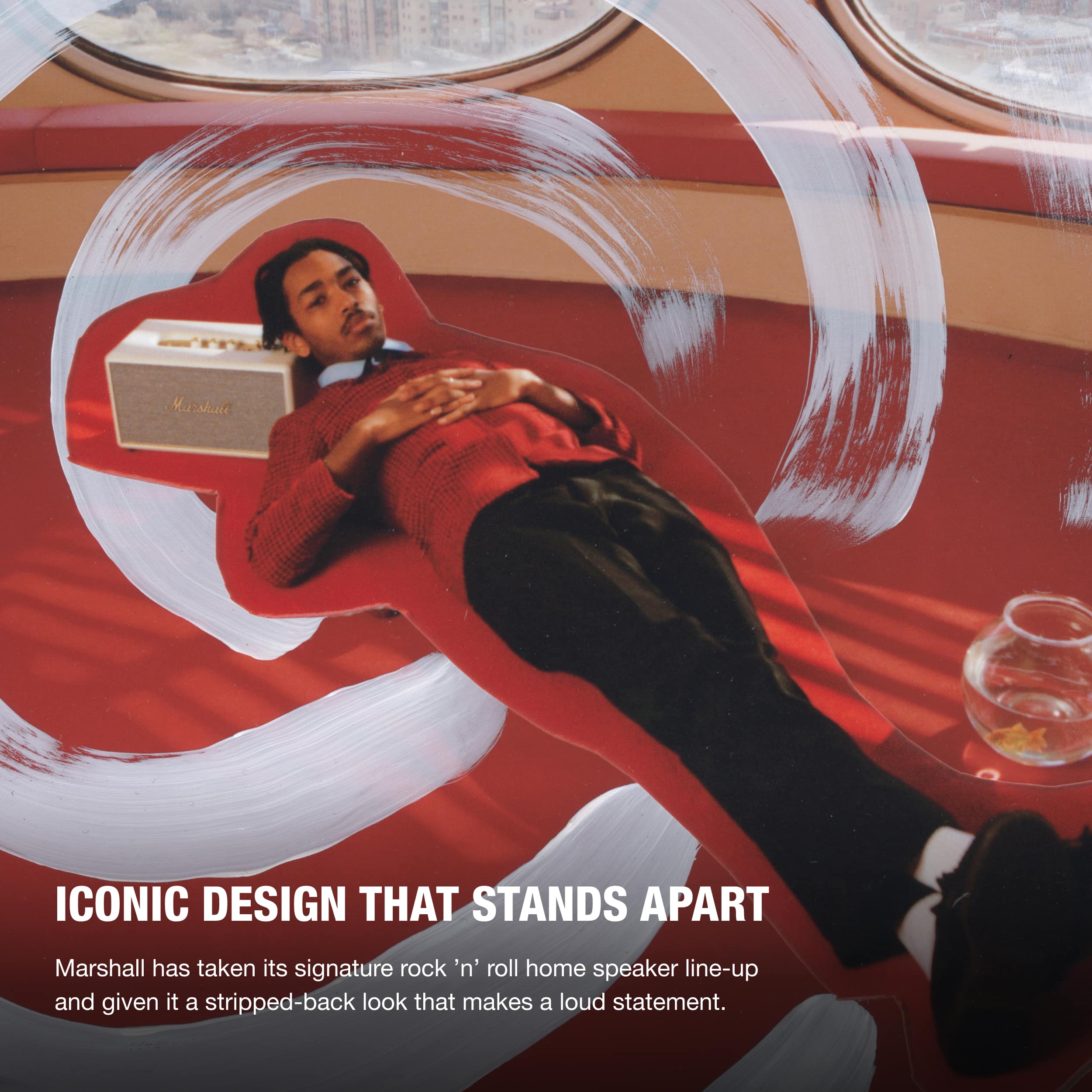
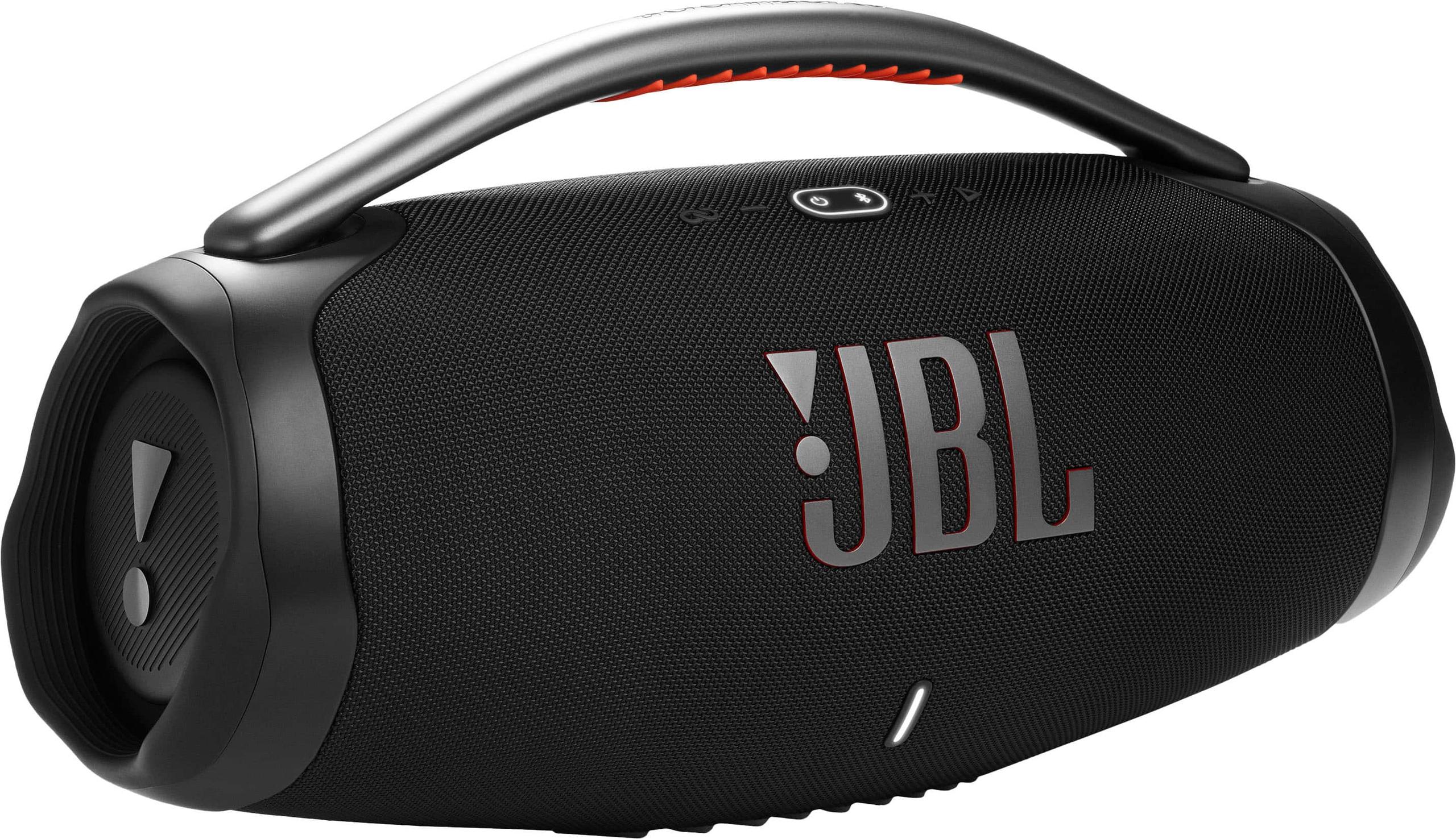
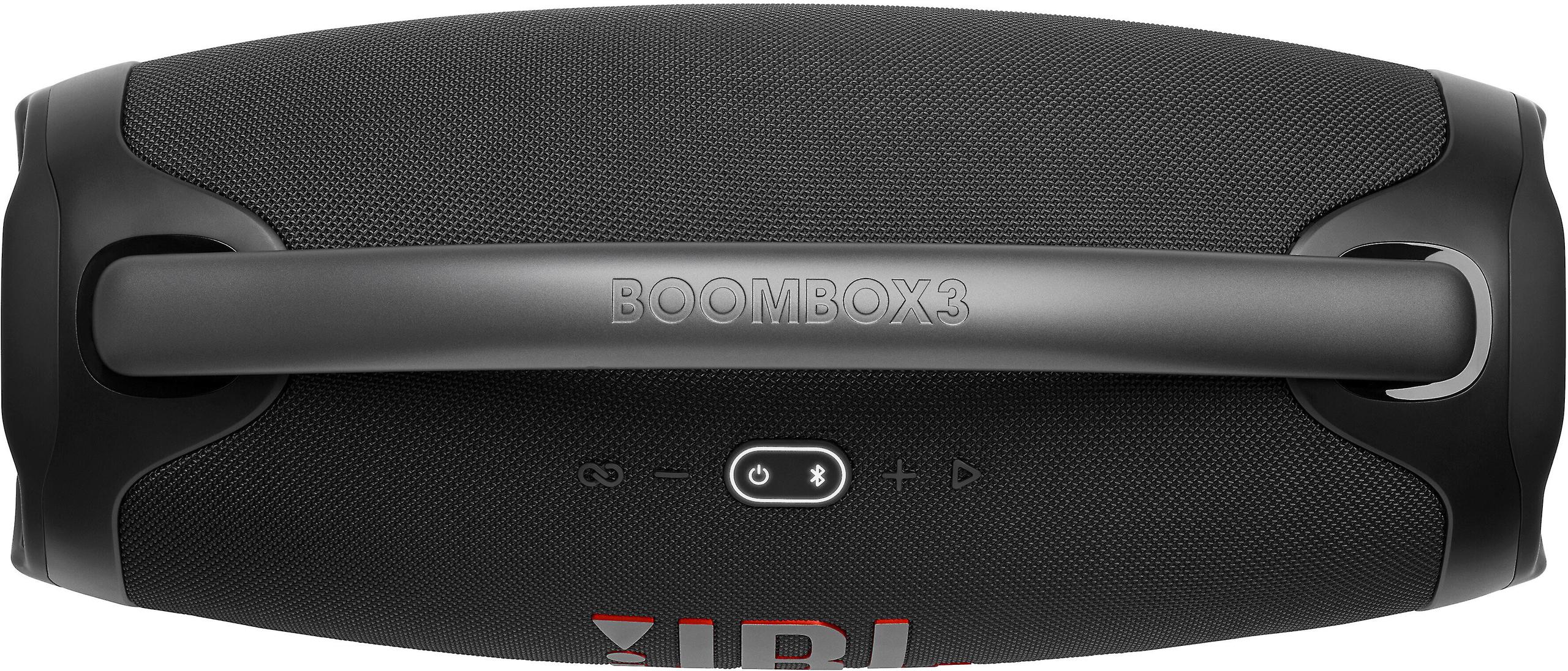
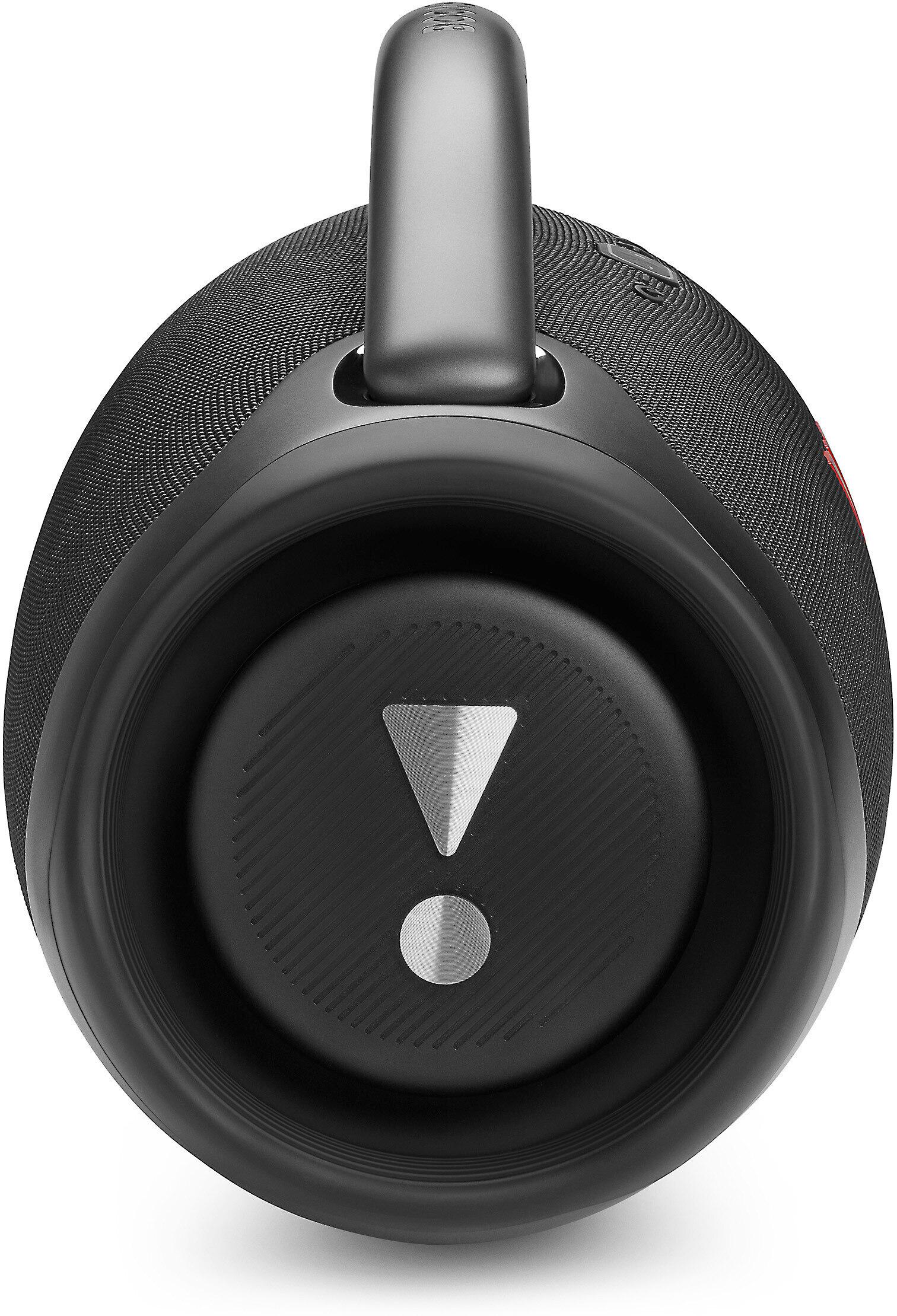
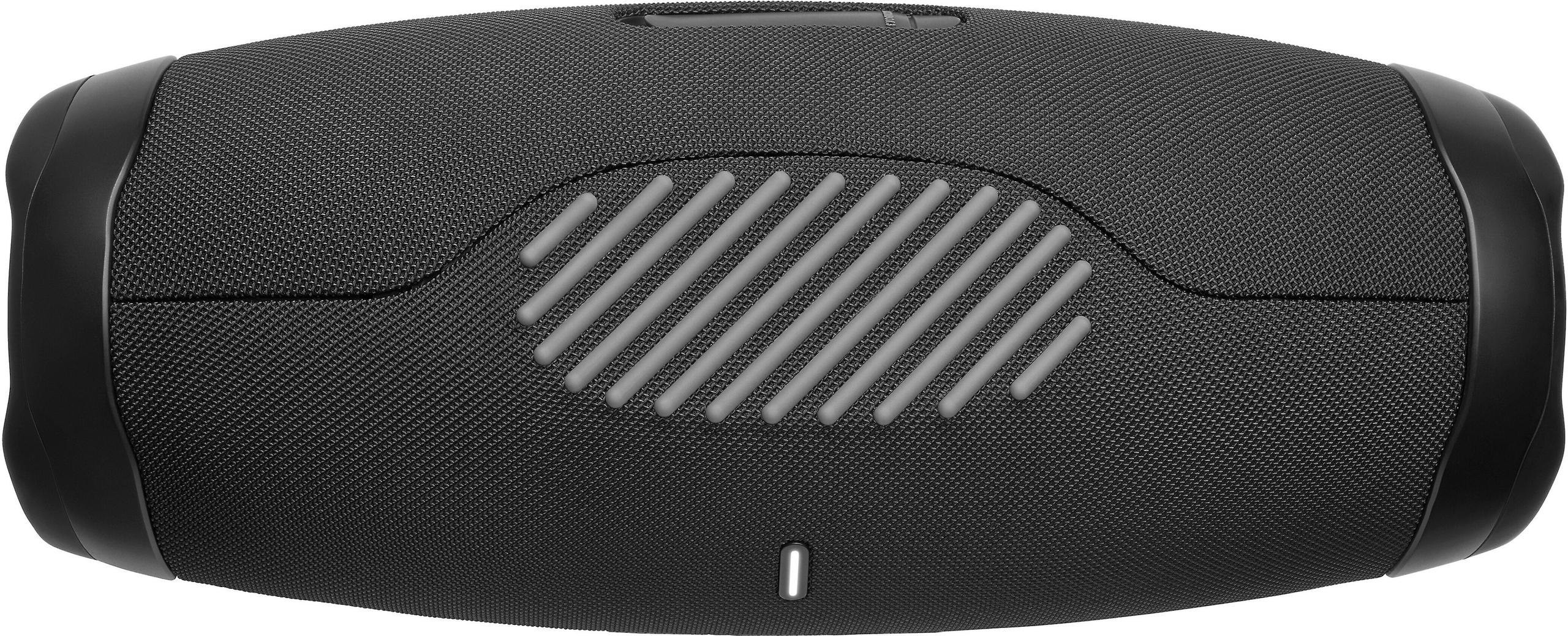



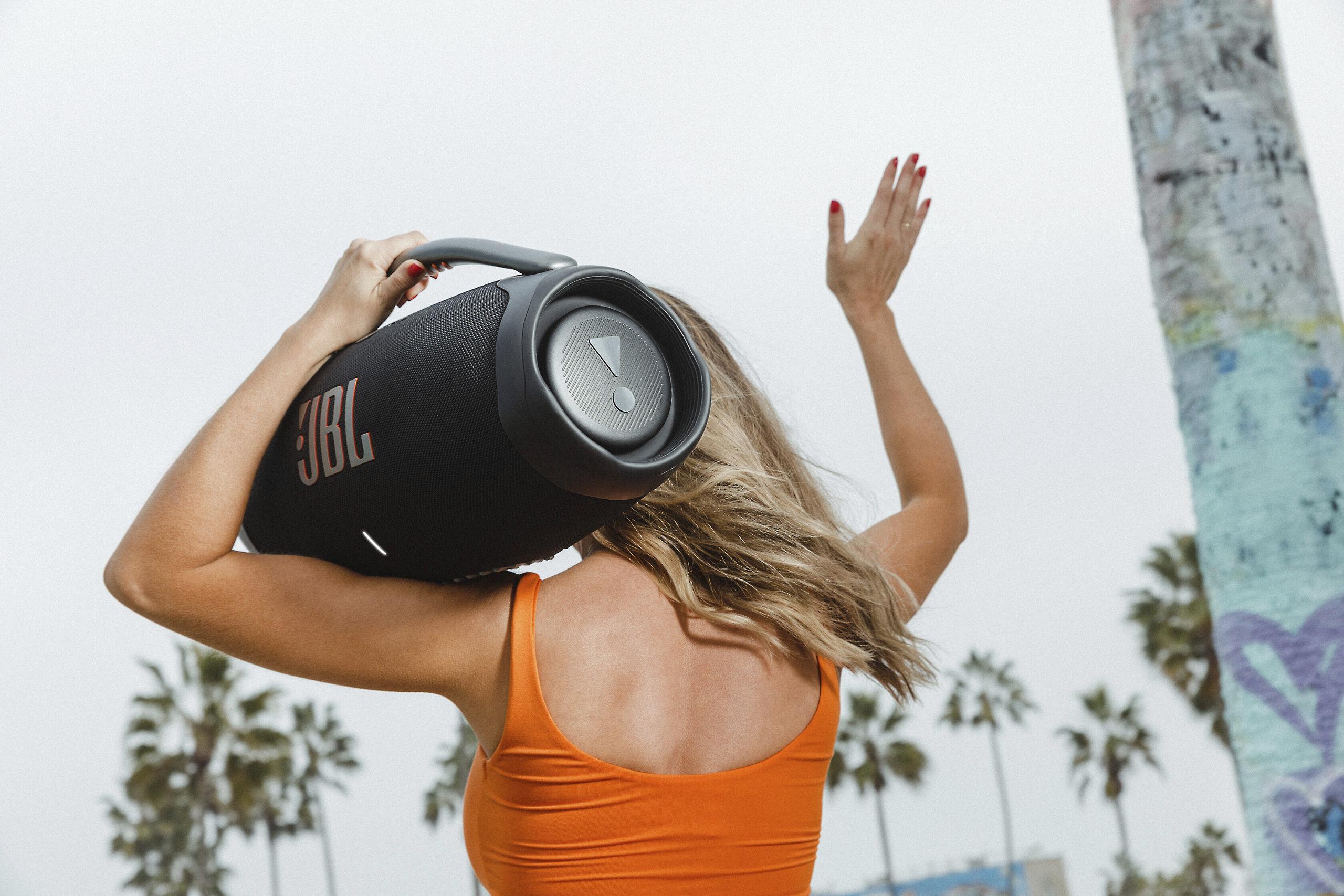
When it comes to premium wireless speakers, the Marshall Stanmore III at $379 and JBL Boombox 3 at $399 represent two distinct approaches to delivering high-quality audio. Released in late 2022, these speakers showcase the latest in wireless audio technology, but they serve notably different purposes. Let's dive into how these speakers compare and who they're best suited for.
Wireless speakers have evolved significantly over the past decade. Today's premium models offer impressive sound quality that rivals traditional wired setups, while adding convenience and, in some cases, portability. The key is understanding what you're primarily looking for - a dedicated home audio solution or a versatile portable powerhouse.
The Stanmore III represents Marshall's home audio philosophy: classic design meets modern technology. Meanwhile, the Boombox 3 embodies JBL's party-ready portable approach, built to deliver powerful sound anywhere you go.
The Stanmore III uses a sophisticated three-driver system with dedicated amplifiers: two 15W tweeters and a 50W woofer. This configuration, combined with Marshall's Dynamic Loudness feature (which automatically adjusts frequency balance at different volumes), creates an impressive soundstage in home environments. The speaker excels at maintaining clarity even at lower volumes, making it perfect for background music or detailed listening sessions.
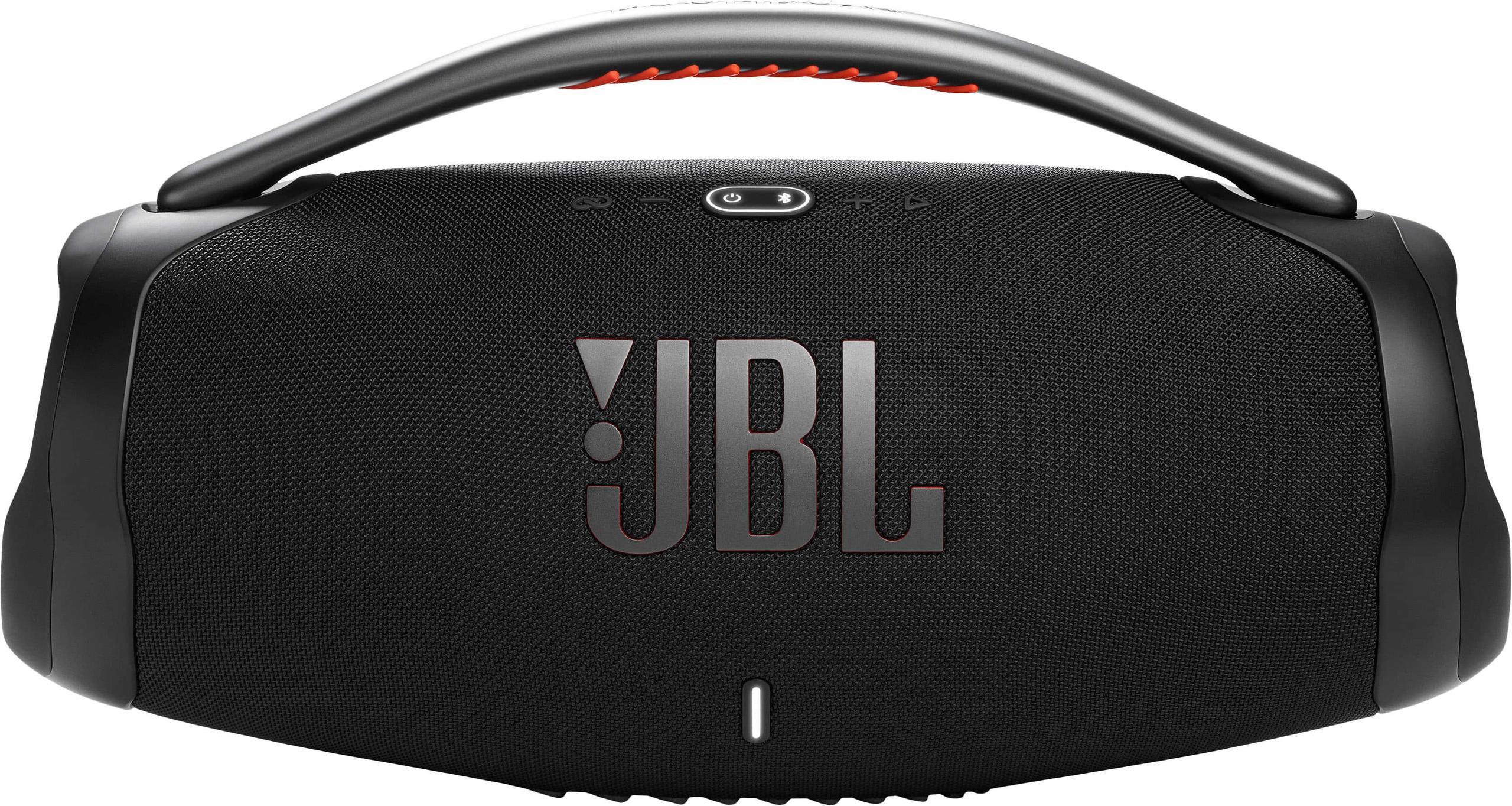
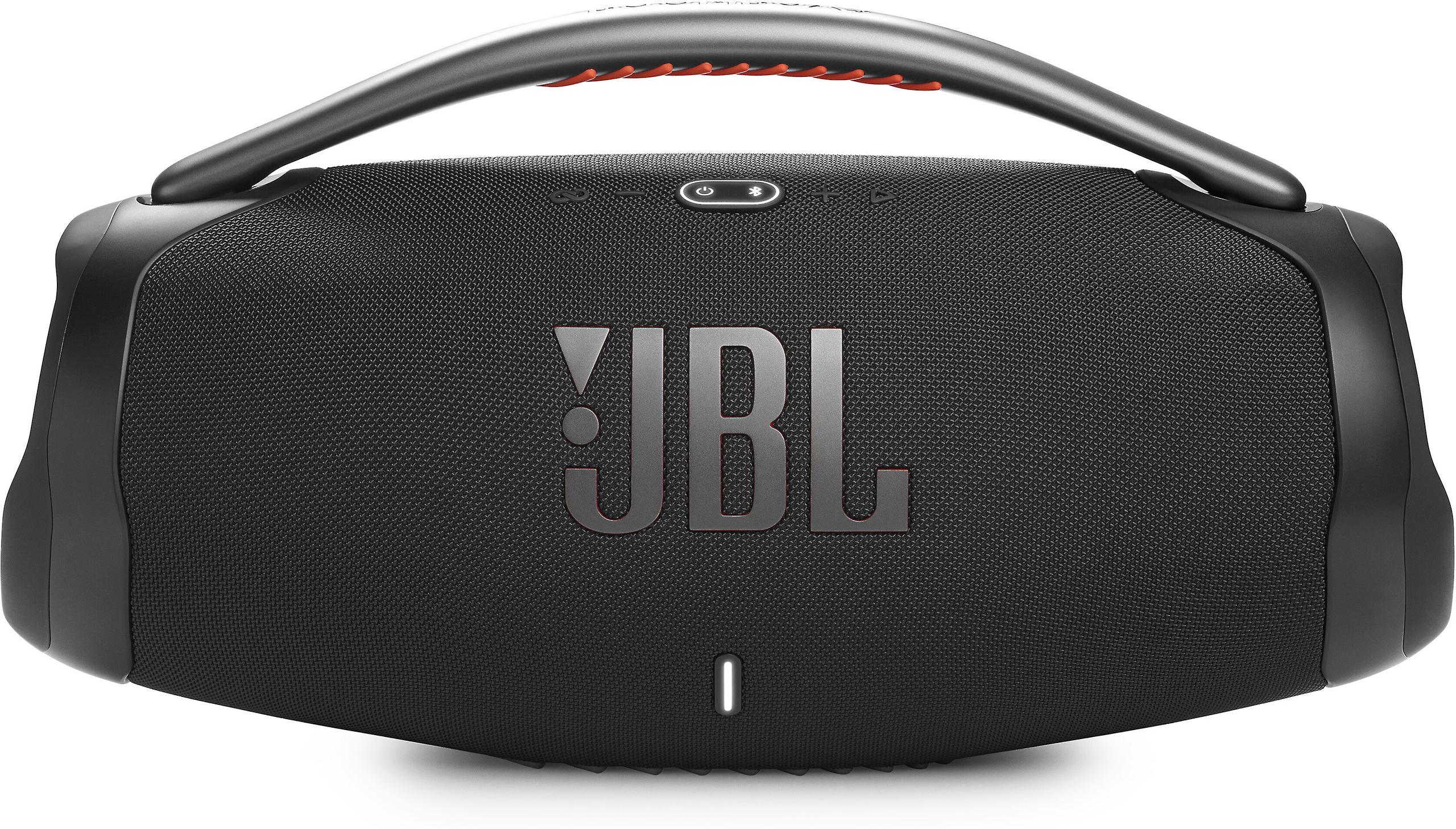
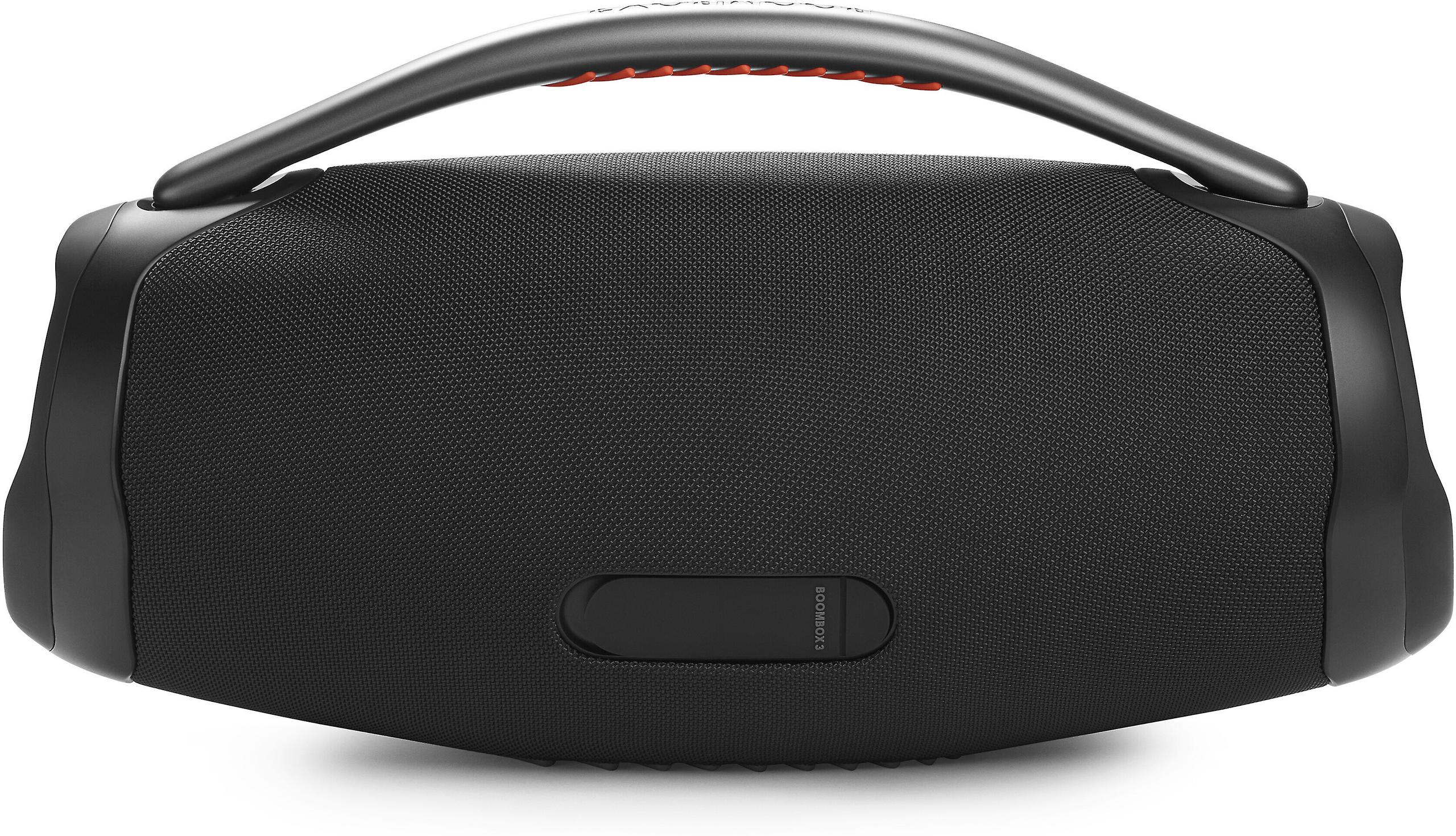
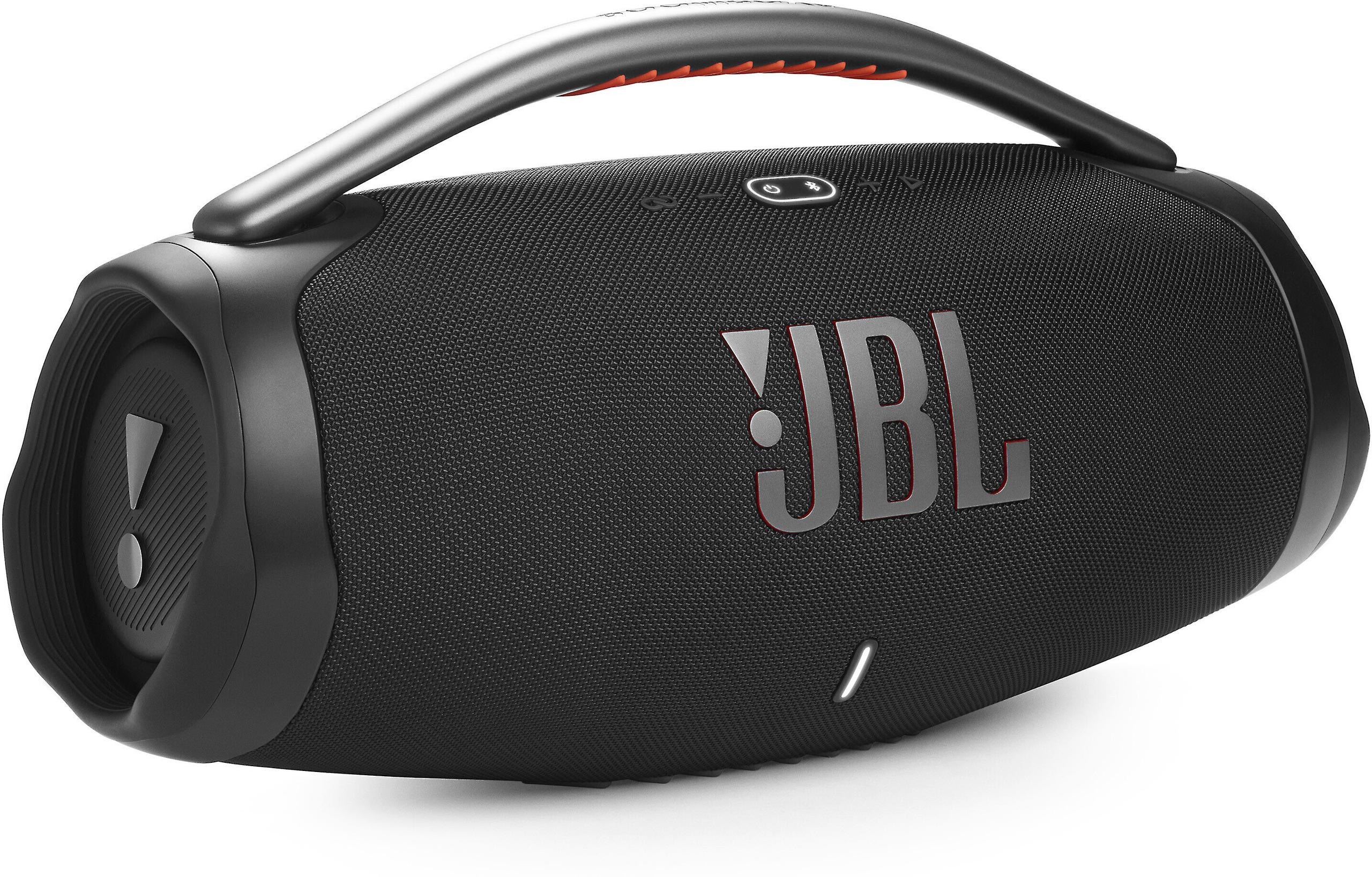
The Boombox 3 takes a different approach, packing significantly more power with up to 180W when plugged in (136W on battery). Its three-way speaker system includes a new racetrack-shaped subwoofer that delivers notably deeper bass than its predecessor. This makes it particularly effective for outdoor spaces where sound tends to dissipate quickly.
Both speakers handle the 40Hz-20kHz frequency range, but they exhibit different characteristics:
Stanmore III:
Boombox 3:
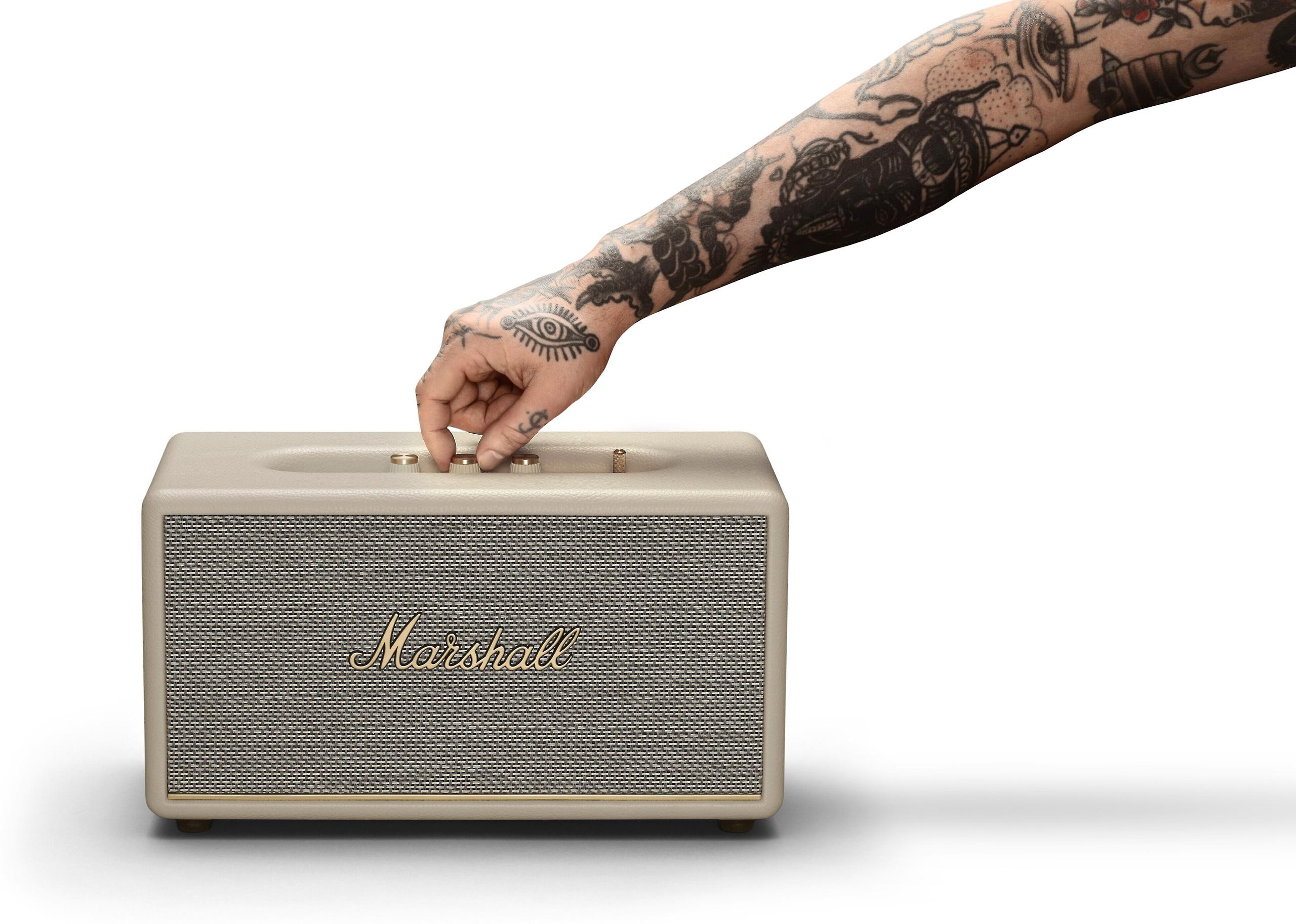
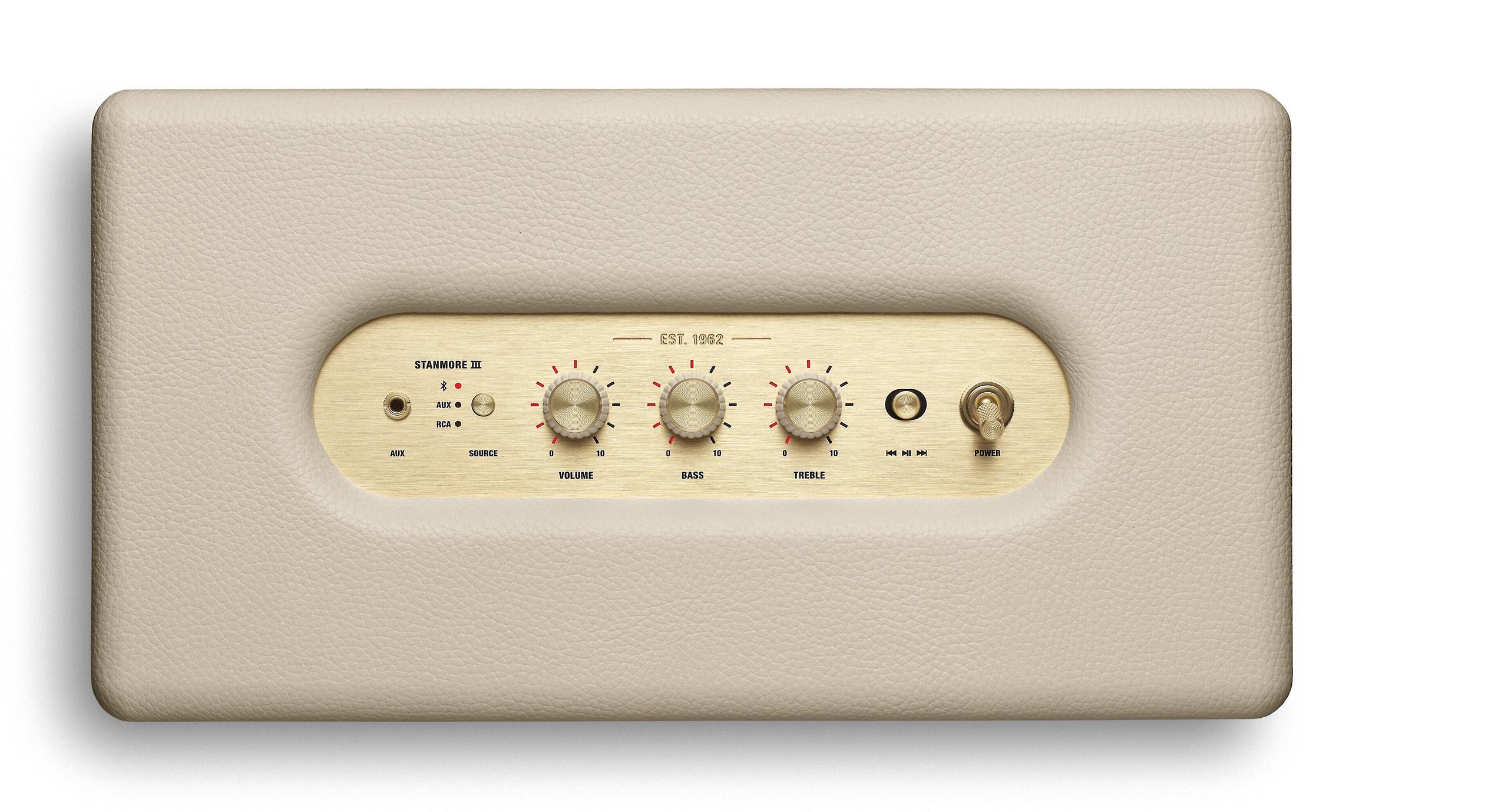
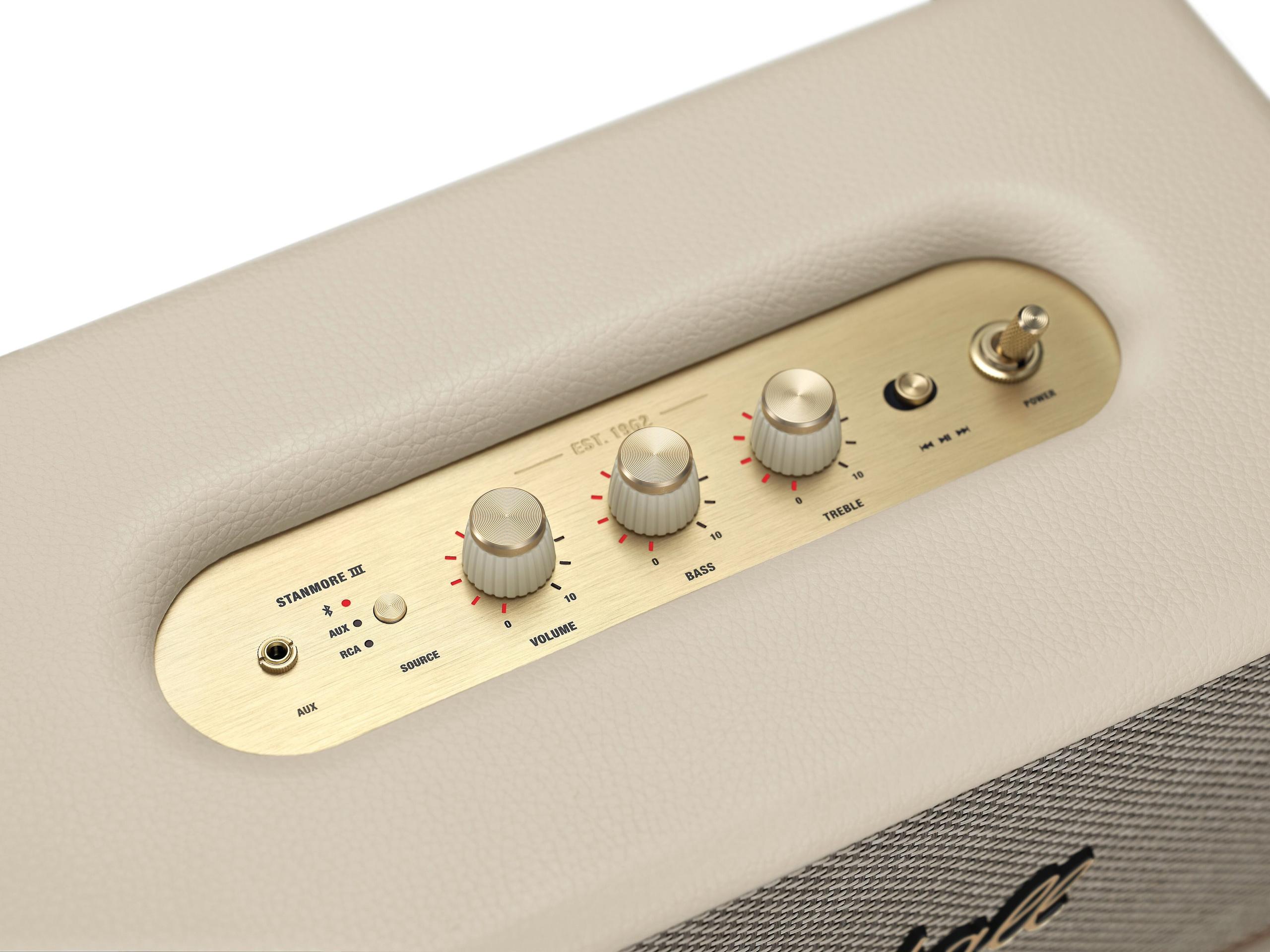
The Stanmore III implements Bluetooth 5.2 with multi-host functionality (allowing two devices to stay connected simultaneously). Its analog control knobs provide tactile control over volume, bass, and treble - a signature Marshall feature that many users appreciate. The companion app offers additional EQ presets and firmware updates.
The Boombox 3 uses slightly newer Bluetooth 5.3, though the real-world difference is minimal. Its PartyBoost feature allows connection with other compatible JBL speakers, creating a larger sound system. The speaker also includes a USB port for charging devices, effectively functioning as a power bank.
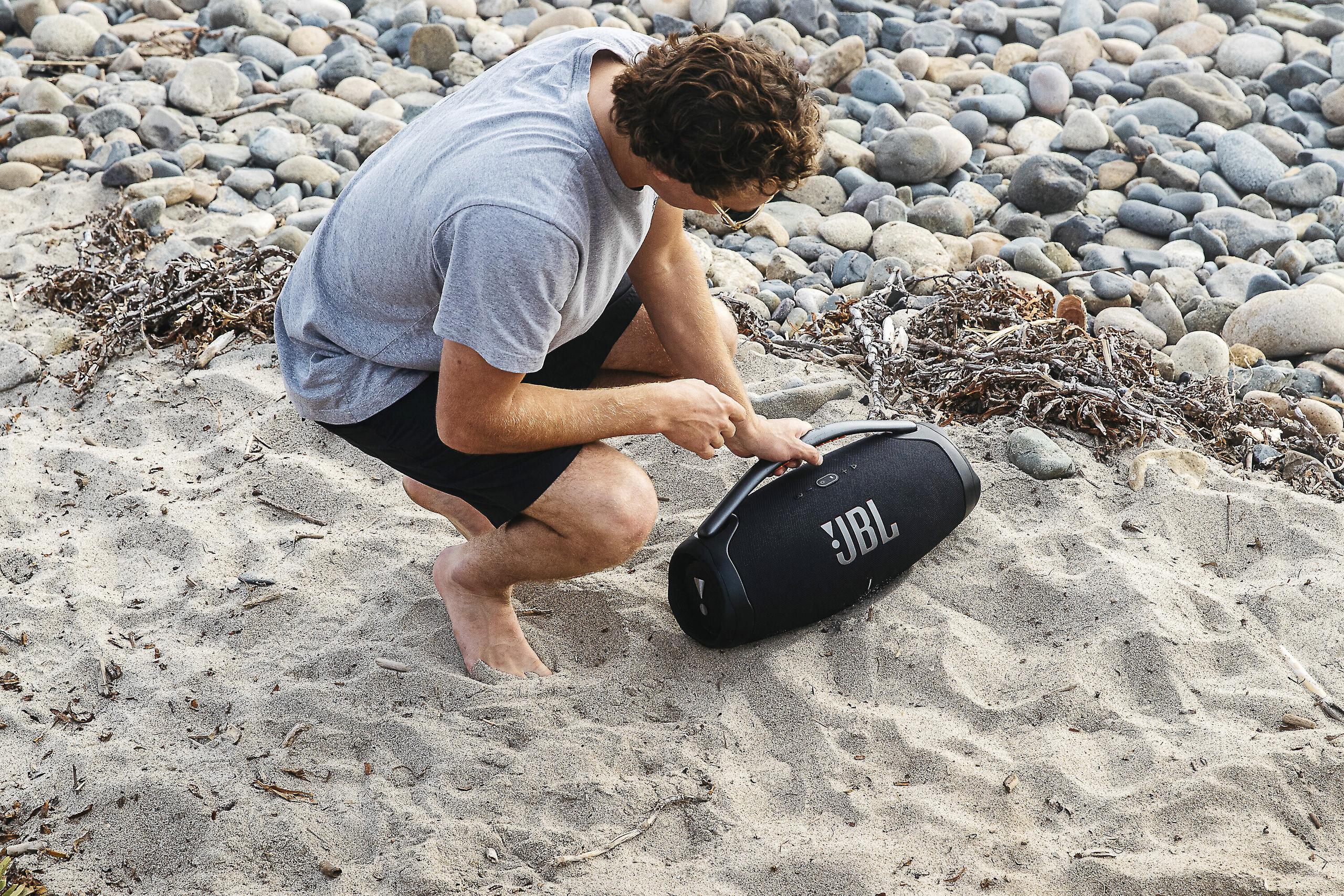
Here's where the differences become stark. The Boombox 3 boasts IP67 water and dust resistance, meaning it can handle submersion in water up to 1 meter for 30 minutes. It's built for poolside parties and beach trips.
The Stanmore III is designed purely for indoor use, though its build quality is excellent. The focus instead went to acoustic optimization for room placement, with special attention to handling reflective surfaces nearby.
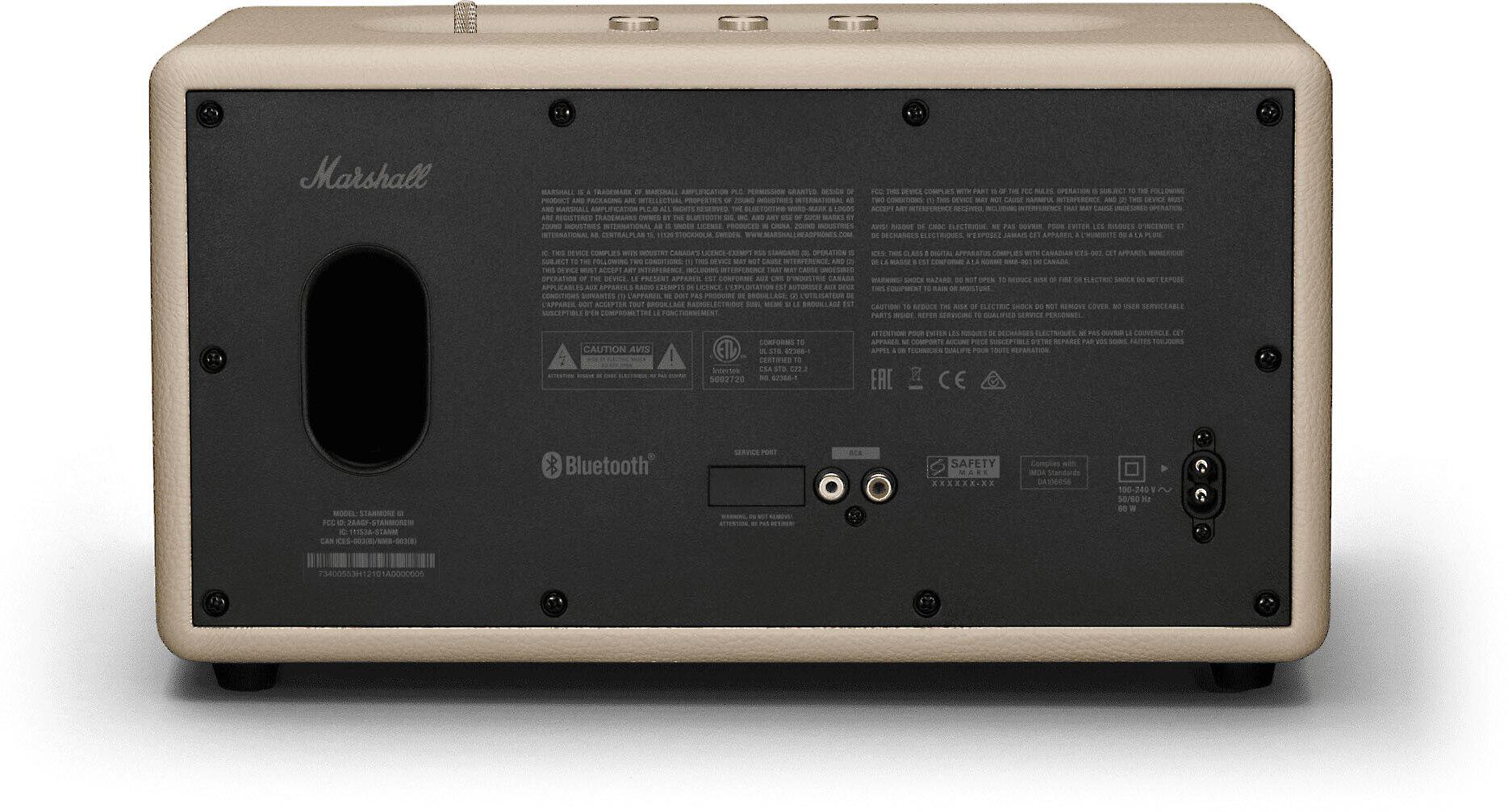
For home theater use, the Stanmore III has a clear advantage. Its RCA inputs allow direct connection to TV systems, and the speaker's careful tuning makes dialogue clear and detailed. The presence of physical control knobs means quick adjustments don't require reaching for your phone.
The Boombox 3 can certainly work in a home theater setup through its aux input, but it's not optimized for this use case. Its sound signature, while excellent for music, may not provide the same level of dialogue clarity.
This is where the Boombox 3 shines. With 24 hours of battery life and incredibly loud, clear sound, it's perfect for outdoor gatherings. The PartyBoost feature means you can add more speakers for larger events, and the waterproofing removes any worry about weather.
The Stanmore III, while capable of high volumes, is limited by its need for AC power and indoor-only design.
Both speakers represent different types of value. The Stanmore III offers:
The Boombox 3 provides:
The choice ultimately comes down to your primary use case:
Choose the Stanmore III if:
Choose the Boombox 3 if:
Both speakers excel in their intended roles, making the decision less about which is "better" and more about which better suits your needs. The Stanmore III is the clear choice for dedicated home use, while the Boombox 3 offers unmatched versatility for those who need a portable powerhouse.
Remember, both speakers represent significant investments, so consider your long-term needs carefully. The good news is that both manufacturers have strong track records for durability and support, meaning either choice should serve you well for years to come.
| Marshall Stanmore III | JBL Boombox 3 |
|---|---|
| Price - Investment consideration | |
| $379 (home audio focus) | $399 (portable powerhouse) |
| Total Power Output - Impacts maximum volume and sound quality | |
| 80W total (2x15W tweeters + 50W woofer) | 180W AC mode (80W sub + 80W mid + 20W tweeter) / 136W battery mode |
| Size & Weight - Affects placement and portability | |
| 13.8" x 8.1" x 8.4", 9.37 lbs (stationary) | 19.0" x 10.1" x 7.9", 14.7 lbs (portable) |
| Power Source - Determines usage flexibility | |
| AC power only | Battery (24 hours) + AC power |
| Environmental Protection - Important for versatile use | |
| Indoor use only | IP67 waterproof and dustproof |
| Connectivity Options - Affects system integration | |
| Bluetooth 5.2, 3.5mm aux, RCA inputs | Bluetooth 5.3, 3.5mm aux |
| Sound Signature - Different approaches to audio | |
| Balanced, detailed, room-optimized | Bass-forward, outdoor-optimized |
| Special Features - Adds functionality | |
| Dynamic Loudness, analog controls, placement compensation | PartyBoost multi-speaker sync, powerbank function |
| Frequency Response - Range of sound reproduction | |
| 45Hz - 20kHz (optimized for indoor acoustics) | 40Hz - 20kHz (stronger bass emphasis) |
| App Features - Enables customization | |
| EQ settings, firmware updates, source selection | PartyBoost control, EQ settings, firmware updates |
| Design Philosophy - Matches different use cases | |
| Classic amp styling, premium materials | Rugged portable design, weather-resistant build |
| Best Use Case - Primary consideration for buyers | |
| Home audio, critical listening, TV/movie sound | Outdoor events, parties, portable powerful audio |
The Marshall Stanmore III is better for dedicated home use, offering room-optimized sound and permanent power connection. While the JBL Boombox 3 can work at home, it's designed primarily for portable use and doesn't offer the same refined home audio experience.
The Marshall Stanmore III costs $379, while the JBL Boombox 3 is priced at $399. The $20 difference is minimal, making the choice more about features than price.
For indoor listening, the Stanmore III offers more balanced, detailed sound. The Boombox 3 has more power and bass but is tuned for outdoor use where sound dissipates quickly.
The Stanmore III has RCA inputs making it better for TV connection. The Boombox 3 only offers Bluetooth and aux input, limiting TV connectivity options.
The JBL Boombox 3 is significantly louder with 180W total power compared to the Stanmore III's 80W. However, raw power numbers don't tell the whole story about sound quality.
The Boombox 3 is designed for outdoor use with IP67 water/dust resistance. The Stanmore III is strictly for indoor use and requires AC power.
The JBL Boombox 3 offers 24 hours of battery life. The Stanmore III doesn't have a battery and requires constant AC power.
The Boombox 3 offers PartyBoost to connect multiple JBL speakers. The Stanmore III doesn't support multi-speaker connectivity.
The Boombox 3 delivers stronger bass with its larger subwoofer. The Stanmore III offers more balanced, controlled bass better suited for indoor listening.
Both speakers have companion apps - Marshall's app for the Stanmore III and JBL's app for the Boombox 3. Both offer EQ control and firmware updates.
The Boombox 3 is more durable with its waterproof design and rugged construction. The Stanmore III is well-built but designed for stationary indoor use.
The JBL Boombox 3 is better for parties with its portability, weather resistance, and higher volume output. The Stanmore III is better suited for indoor listening sessions.
We've done our best to create useful and informative comparisons to help you decide what product to buy. Our research uses advanced automated methods to create this comparison and perfection is not possible - please contact us for corrections or questions. These are the sites we've researched in the creation of this article: techgadgetscanada.com - camelcamelcamel.com - crutchfield.com - bestbuy.com - dxomark.com - crutchfield.com - crutchfield.com - marshall.com - marshall-production-1.mobify-storefront.com - exhibit.tech - ooberpad.com - av-connection.com - tomsguide.com - sweetwater.com - bestbuy.com - jbl.com - rtings.com - harmanaudio.com - jbl.com - jbl.com - thepowercentre.ca - youtube.com - bhphotovideo.com - krazykileys.ca

Privacy Policy
Terms and Conditions - Affiliate Policy
Home Security
© Copyright 2008-2026.
11816 Inwood Rd #1211, Dallas, TX 75244