

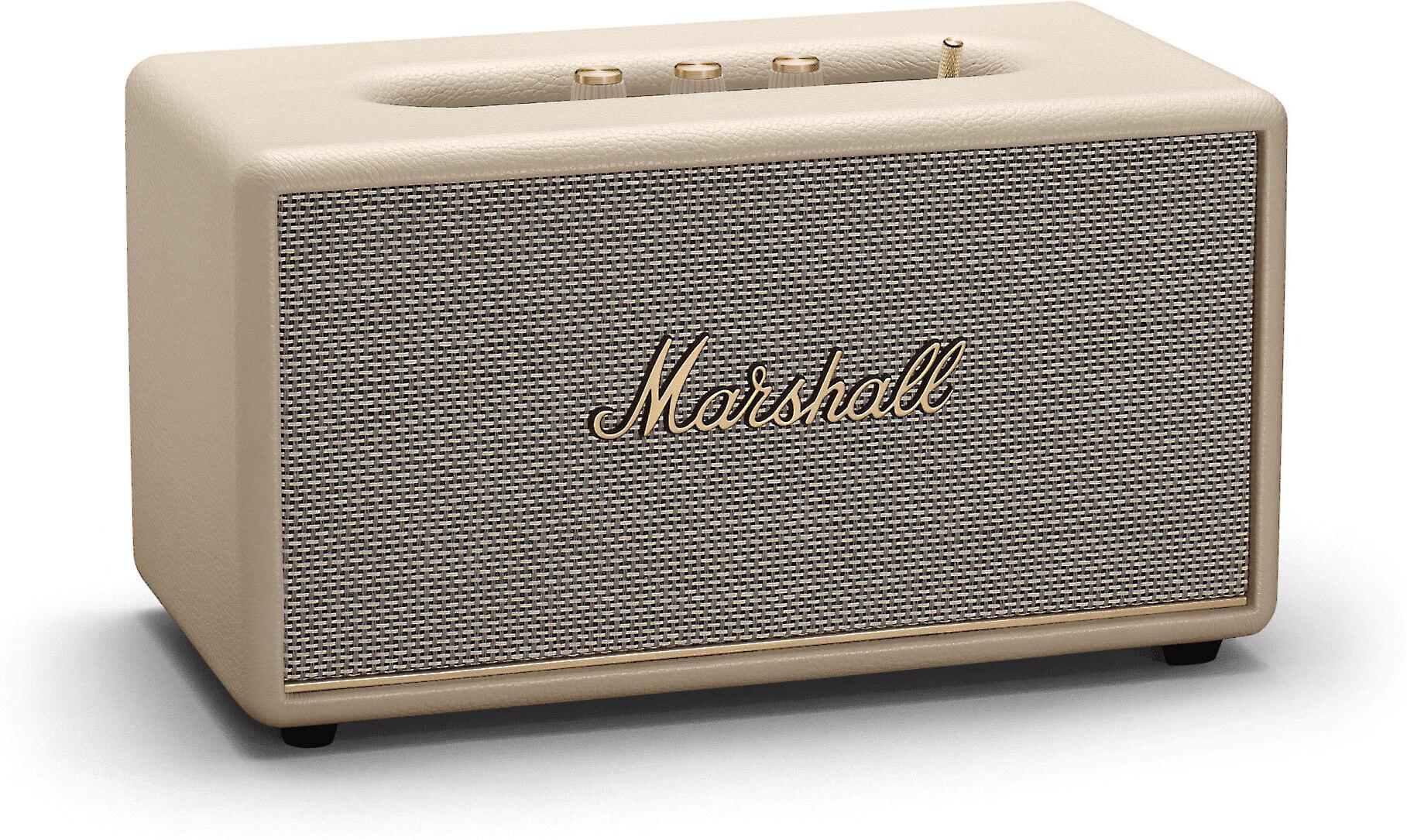
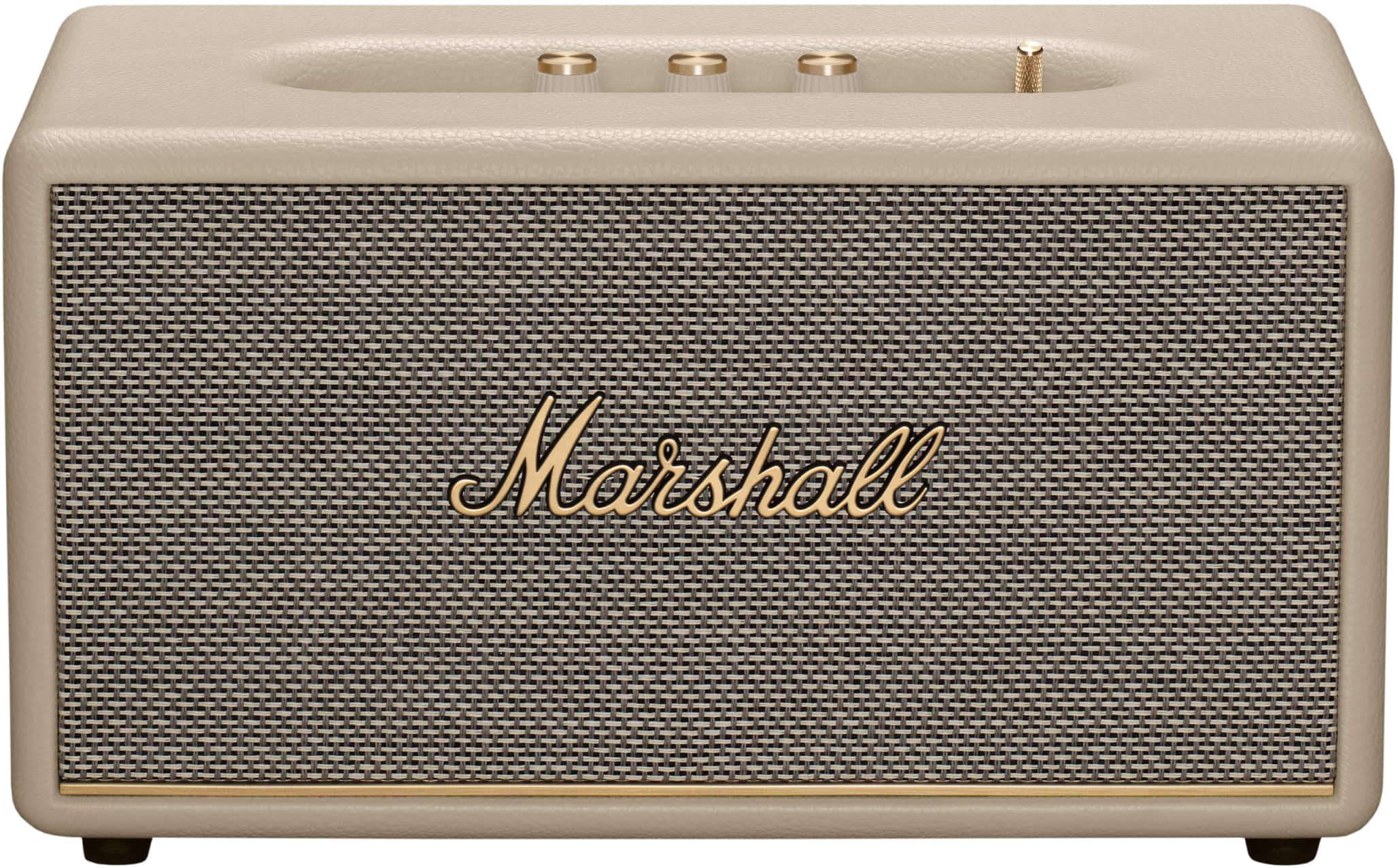
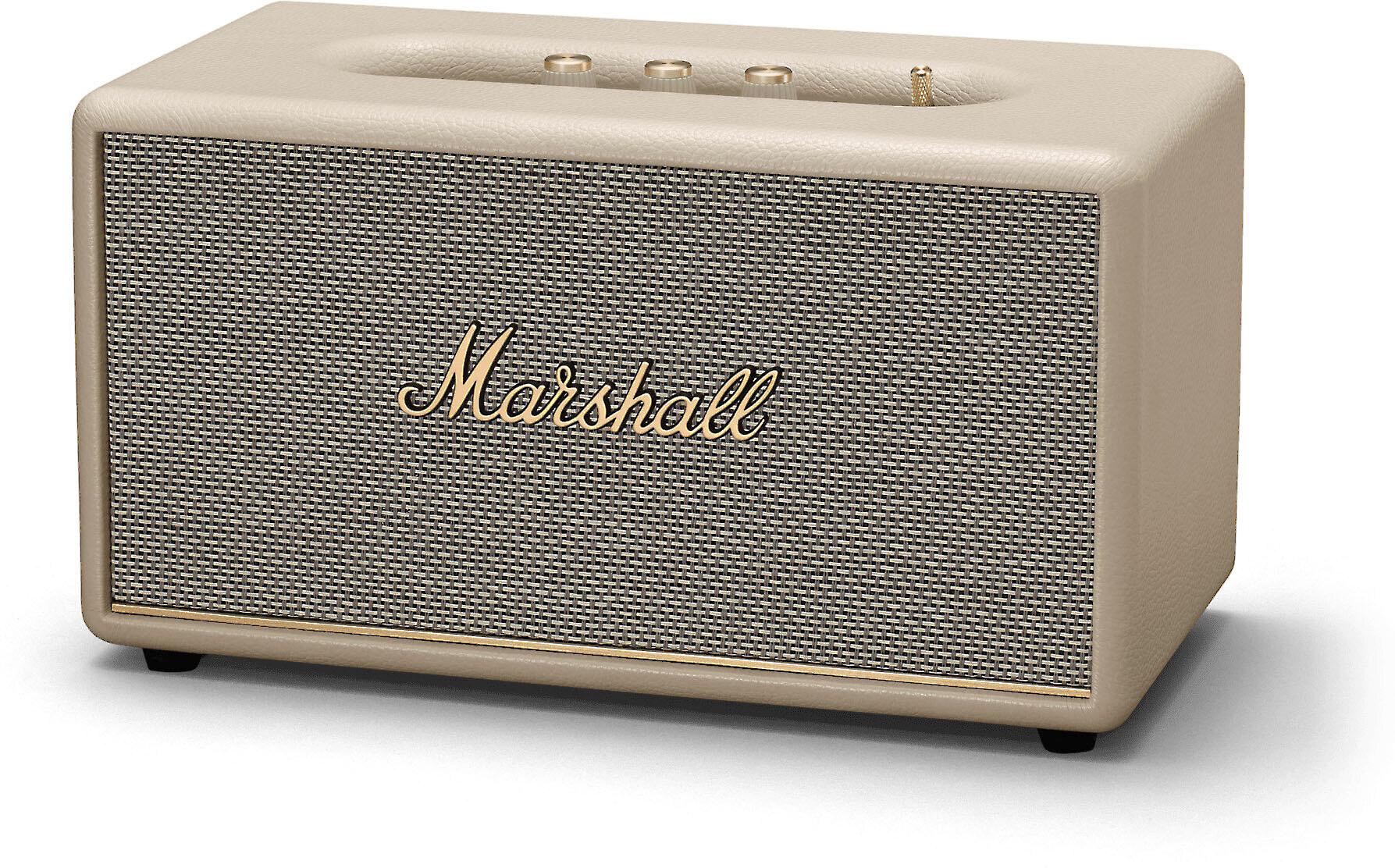
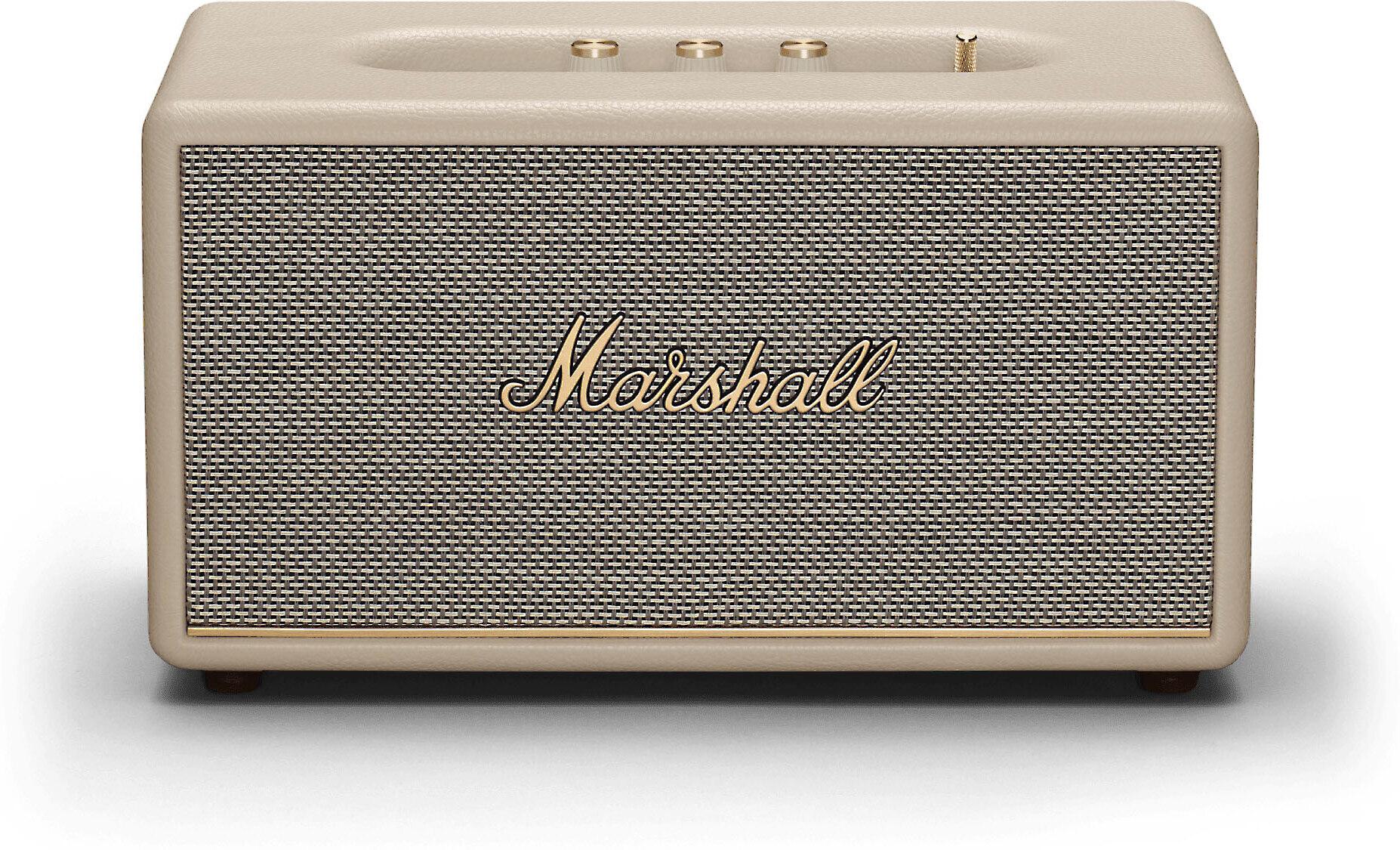
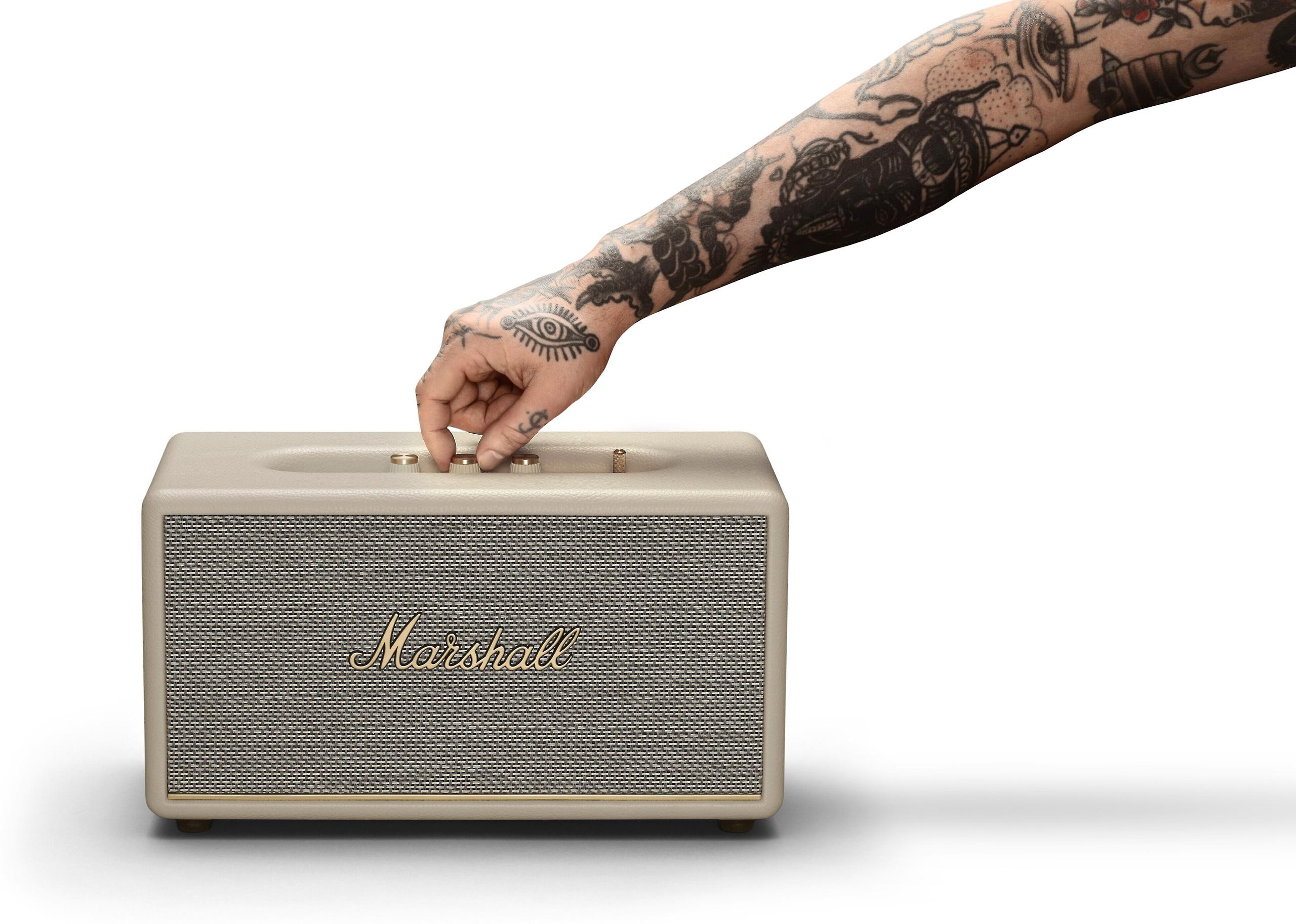
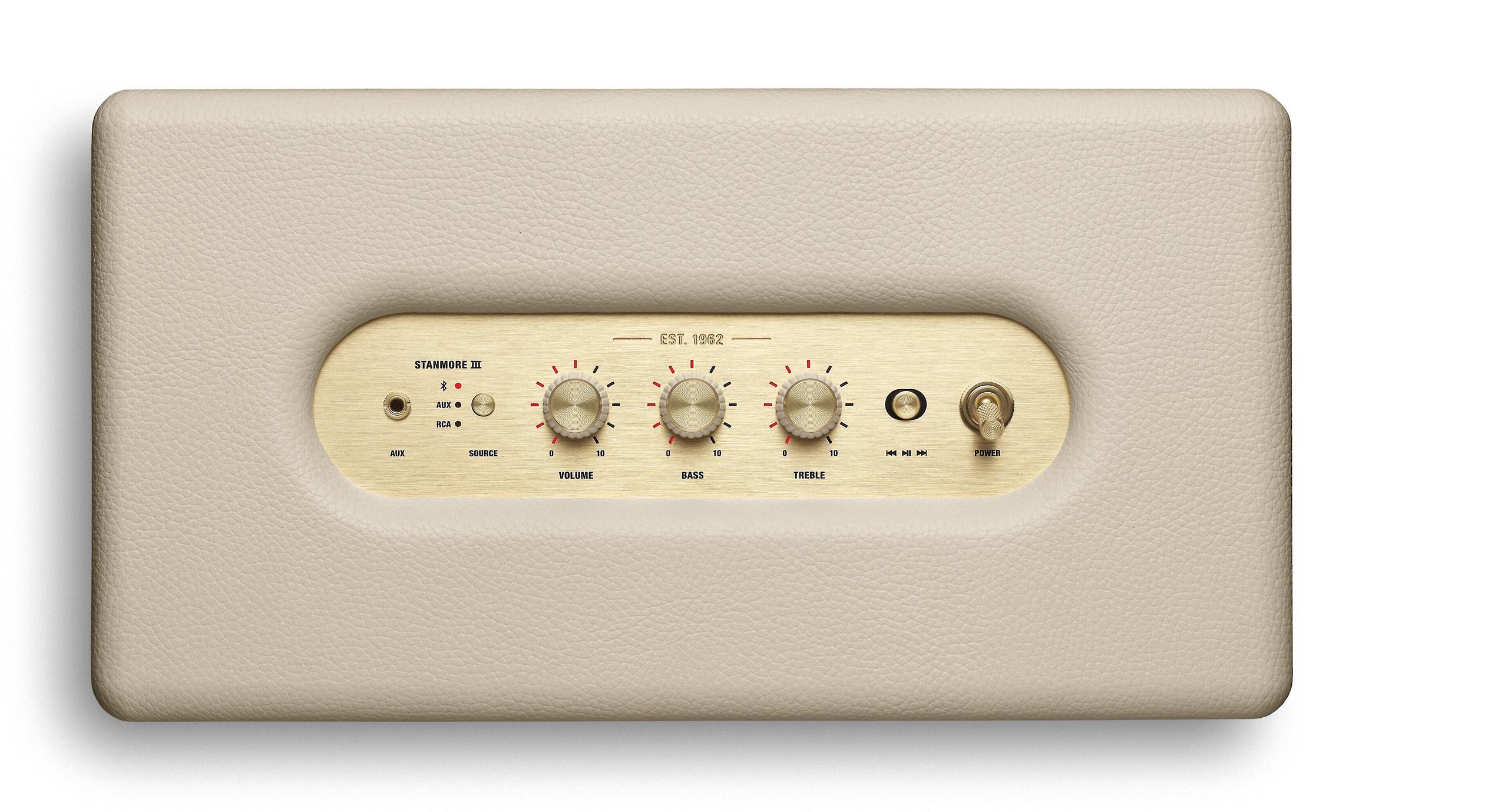
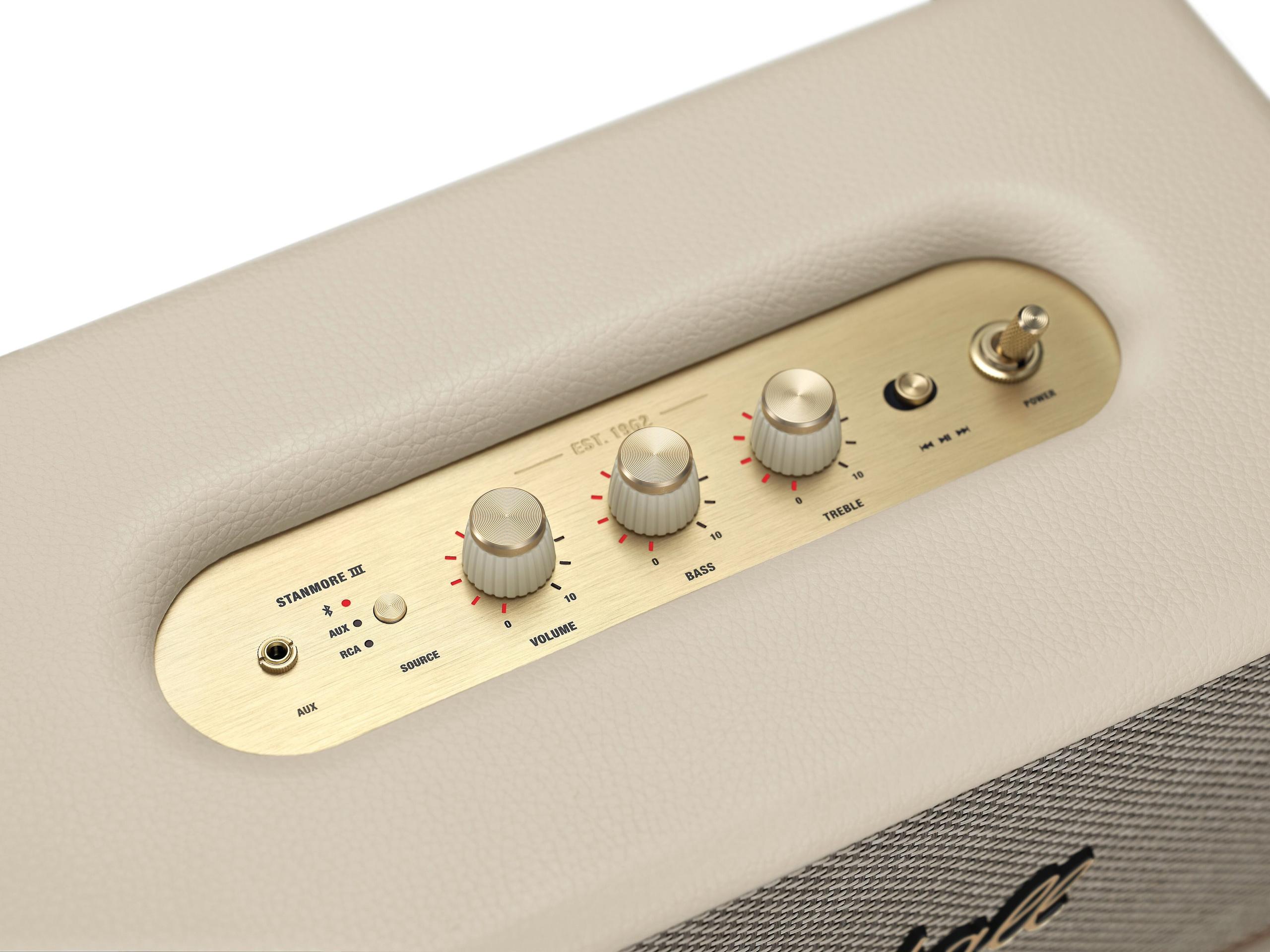



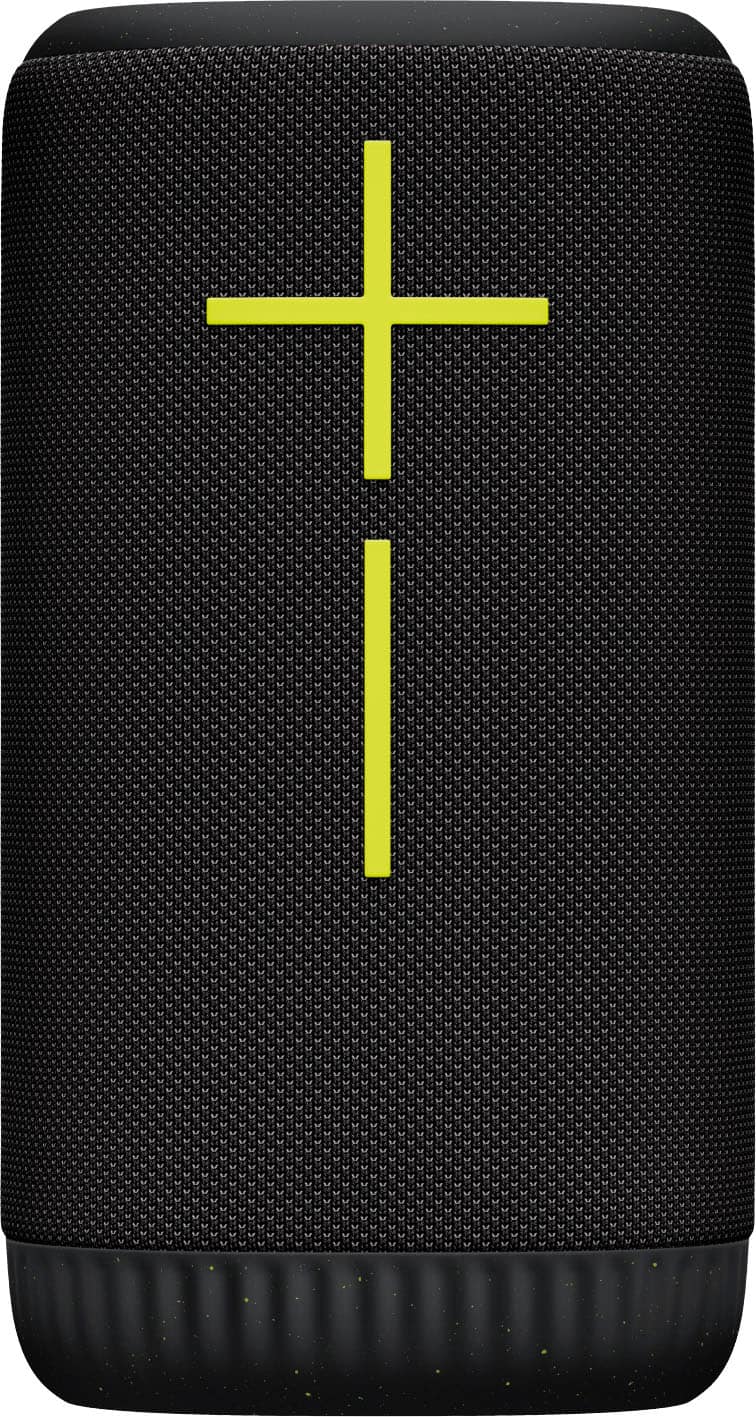

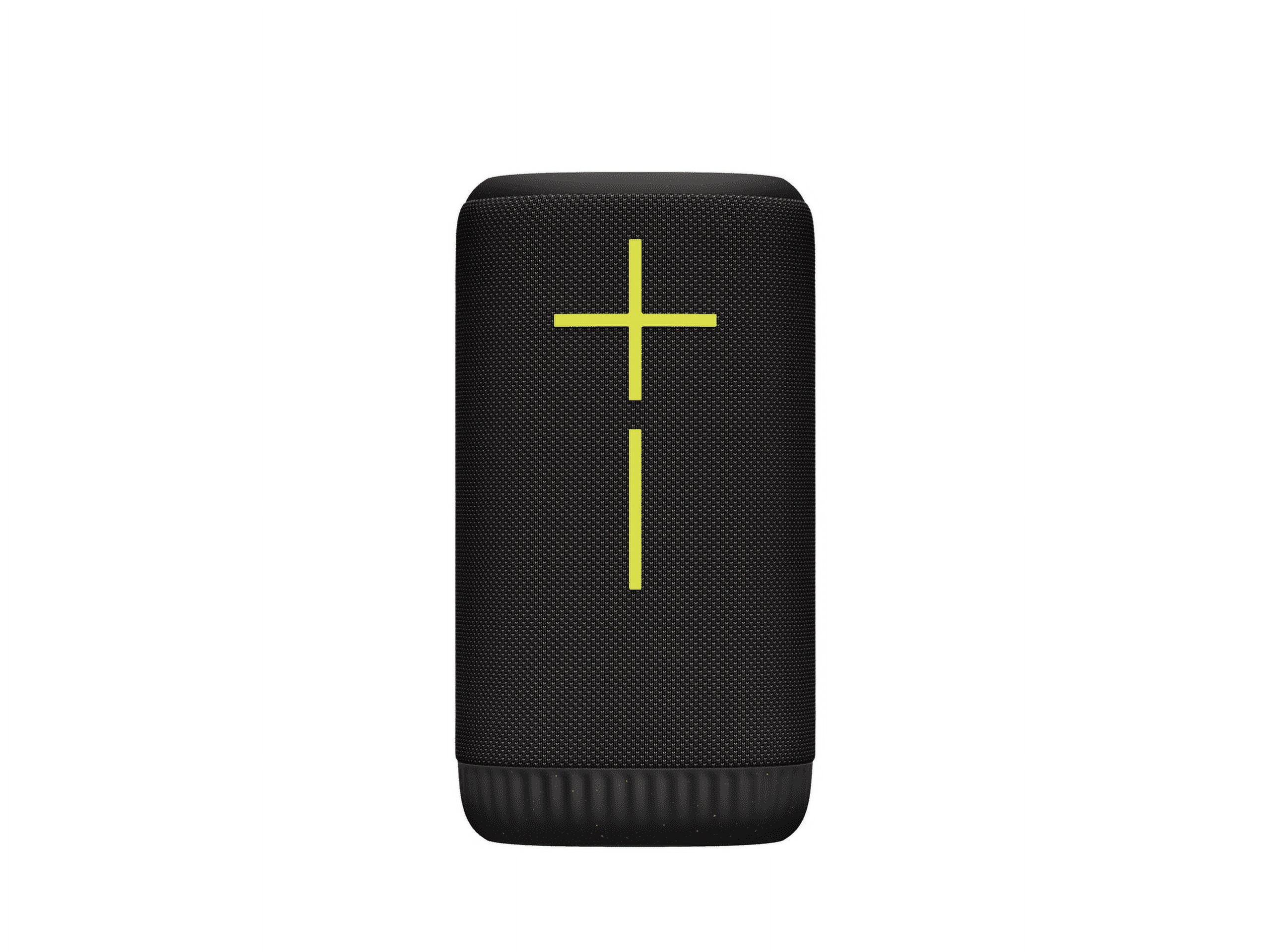


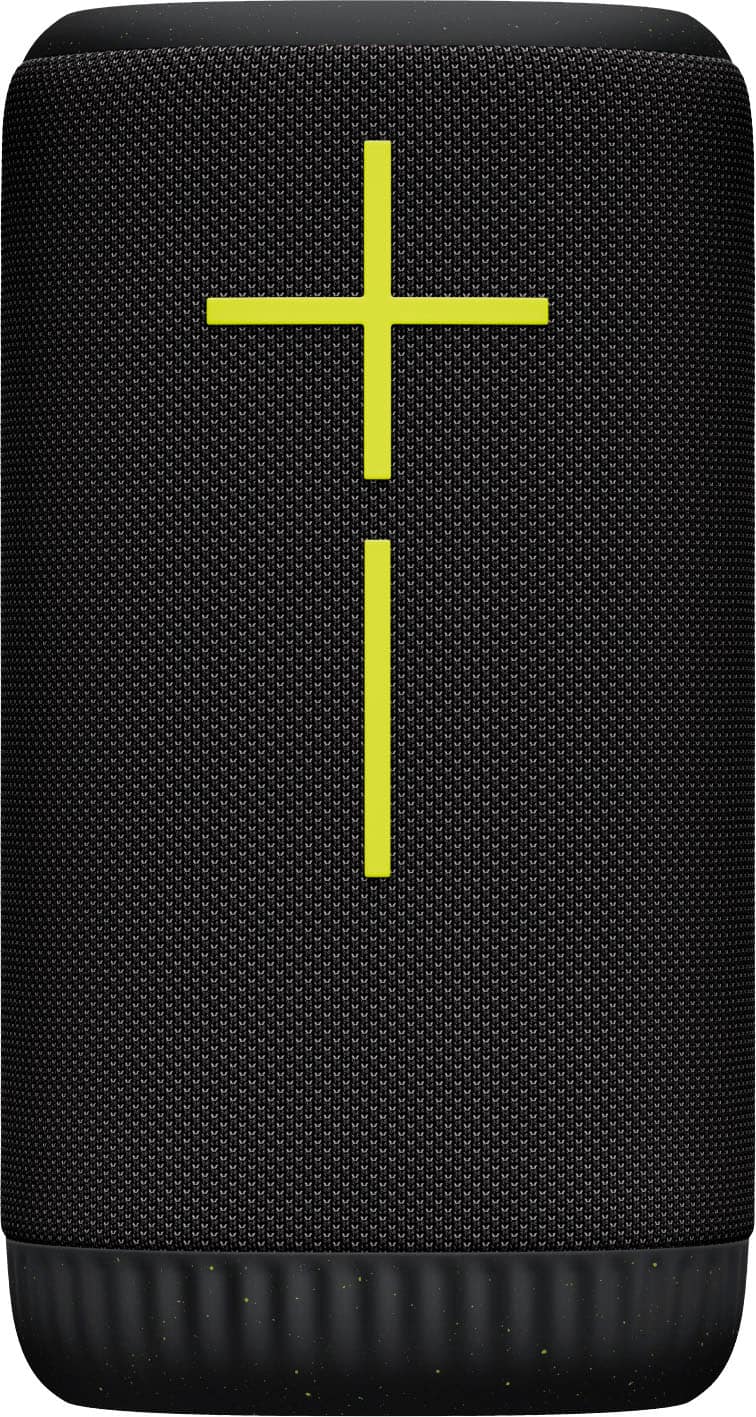


When it comes to wireless audio, the Marshall Stanmore III ($379) and Ultimate Ears EVERBOOM ($249) represent two distinct approaches to delivering quality sound. While both are Bluetooth speakers, they serve notably different purposes and user needs. Let's dive into how these speakers compare and who they're best suited for.
Bluetooth speakers have evolved significantly over the past decade. Today's market splits primarily between home audio solutions and portable options, each with distinct technological advantages. The Stanmore III, released in late 2022, builds on Marshall's home audio expertise with modern features. The EVERBOOM, launching in 2024, represents the latest in portable speaker technology.
Both speakers showcase how far Bluetooth audio has come. The Stanmore III incorporates advanced waveguide design for better high-frequency dispersion and Dynamic Loudness - a feature that automatically adjusts tonal balance as volume changes. Meanwhile, the EVERBOOM introduces new portable audio innovations like optimized 360-degree sound and impressive water resistance while maintaining serious volume capabilities.
The Stanmore III's 80-watt system (one 50W woofer, two 15W tweeters) delivers remarkable clarity and power. What makes this setup special is how the speakers work together - the woofer handles low frequencies while the tweeters manage the highs, creating clear separation between different parts of the music. The speaker's placement compensation feature automatically adjusts the sound based on nearby walls or surfaces, something particularly valuable in home theater setups.
The EVERBOOM takes a different approach, using two full-range drivers and passive radiators to create 360-degree sound. While it can't match the Stanmore III's raw power, it's impressively loud for its size. The outdoor boost feature literally reshapes the sound profile to cut through ambient noise - useful for backyard parties or beach days.
In controlled environments, the differences become clear:
This is where intended use cases really diverge:
The Stanmore III isn't designed for outdoor use - it needs AC power and isn't weather resistant. The EVERBOOM thrives outdoors with:
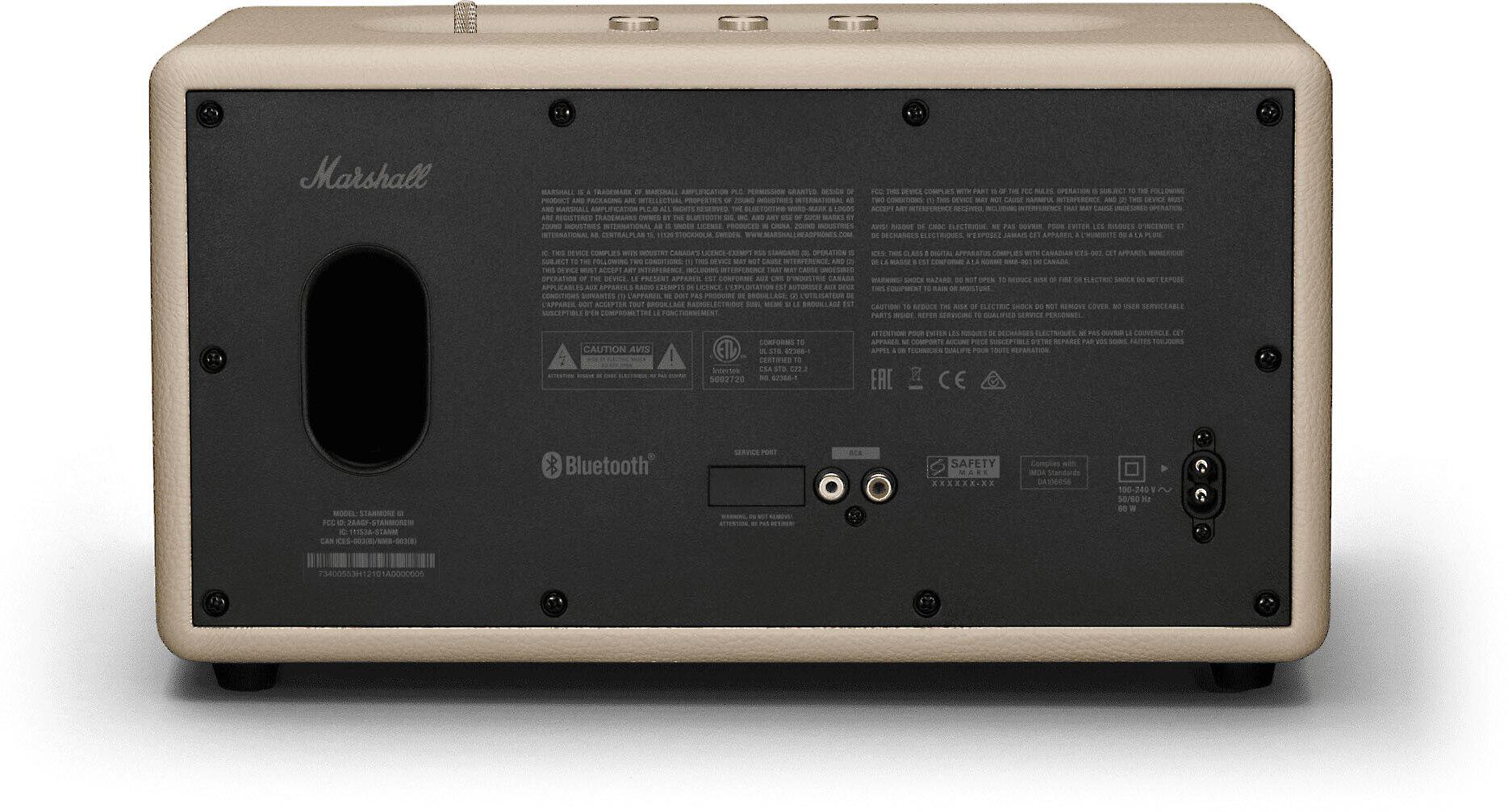
The Stanmore III offers more connection options:
The EVERBOOM focuses on wireless convenience:
At $379, the Stanmore III represents the higher end of home Bluetooth speakers. The value comes from:
The EVERBOOM's $249 price point delivers:
Both speakers incorporate modern tech that helps extend their useful life:
Stanmore III:
EVERBOOM:
Consider your primary use case:
Choose the Stanmore III if:
Go with the EVERBOOM if:
Both speakers represent different paths in Bluetooth audio evolution. The Stanmore III shows how home audio can embrace wireless without sacrificing quality, while the EVERBOOM demonstrates the impressive capabilities possible in modern portable speakers. Your choice ultimately depends on whether you prioritize absolute sound quality in a fixed location or flexibility across multiple environments.
Remember: There's no wrong choice - both are excellent speakers for their intended purposes. The key is matching the speaker's strengths to your specific needs and use cases.
| Marshall Stanmore III | Ultimate Ears EVERBOOM |
|---|---|
| Price - Initial investment consideration | |
| $379.99 (premium home audio) | $249.99 (mid-range portable) |
| Power Output - Determines maximum volume and sound clarity | |
| 80W total (50W woofer + 2x15W tweeters) | Not specified, roughly equivalent to 40W |
| Sound Configuration - Affects audio quality and dispersion | |
| Traditional front-firing 2-way system | 360-degree sound with dual drivers + passive radiators |
| Frequency Response - Range of reproducible sound | |
| 45-20,000 Hz (deeper bass extension) | 50-20,000 Hz (slightly less bass depth) |
| Durability Rating - Environmental protection | |
| No water resistance (indoor only) | IP67 (waterproof, dustproof, floatable) |
| Power Source - Affects placement flexibility | |
| AC power only (requires outlet) | Rechargeable battery (20 hours runtime) |
| Connectivity Options - Input flexibility | |
| Bluetooth 5.2, RCA, 3.5mm aux | Bluetooth 5.2 only (180ft range) |
| Size and Weight - Portability factor | |
| 13.8" x 8.1" x 8.4", 9.37 lbs (stationary) | 8.1" x 3.3", 2.12 lbs (highly portable) |
| Special Features - Additional functionality | |
| Dynamic Loudness, placement compensation, app control | Outdoor Boost mode, PartyUp pairing, float capability |
| Construction - Build quality and materials | |
| Premium wooden cabinet, metal grille, vinyl covering | Rugged polymer housing, shock-resistant design |
| Multi-Room/Pairing - Expandability options | |
| Limited to stereo pairing | PartyUp with unlimited BOOM/MEGABOOM speakers |
| Primary Use Case - Intended application | |
| Premium home audio, home theater integration | Portable audio, outdoor activities, travel |
The Marshall Stanmore III ($379) is significantly better for home use with its more powerful 80W output, superior sound quality, and permanent power connection. The EVERBOOM ($249) is designed primarily for portable use.
The Stanmore III offers better overall sound quality with its dedicated woofer and tweeters, producing clearer highs and deeper bass. The EVERBOOM focuses on 360-degree sound that's good but not as refined.
The Ultimate Ears EVERBOOM is specifically designed for outdoor use with IP67 waterproofing and 20-hour battery life. The Stanmore III requires AC power and isn't weather-resistant, making it indoor-only.
For indoor parties, the Stanmore III provides better sound quality and volume. For outdoor events, the EVERBOOM is superior with its weatherproofing, portability, and ability to pair with multiple speakers.
The EVERBOOM offers 20 hours of battery life on a single charge. The Stanmore III doesn't have a battery and requires constant AC power.
The EVERBOOM can connect with unlimited other UE speakers using PartyUp feature. The Stanmore III has limited pairing capabilities with only certain Marshall models.
The EVERBOOM is significantly more durable with IP67 water/dust protection and drop resistance. The Stanmore III is designed for careful home use only.
The Marshall Stanmore III costs $379, while the Ultimate Ears EVERBOOM is priced at $249, making it $130 less expensive.
The Stanmore III can connect to TVs using its RCA or aux inputs. The EVERBOOM only works with TVs that have Bluetooth output.
The Stanmore III produces deeper, more controlled bass with its dedicated 50W woofer. The EVERBOOM offers good bass for its size but can't match the Stanmore's power.
The EVERBOOM has an extended Bluetooth range of 180 feet, while the Stanmore III offers standard Bluetooth range of about 30 feet.
The EVERBOOM is simpler to set up with just Bluetooth pairing. The Stanmore III offers more connection options but requires more setup consideration for optimal placement and connections.
We've done our best to create useful and informative comparisons to help you decide what product to buy. Our research uses advanced automated methods to create this comparison and perfection is not possible - please contact us for corrections or questions. These are the sites we've researched in the creation of this article: techgadgetscanada.com - camelcamelcamel.com - crutchfield.com - bestbuy.com - dxomark.com - crutchfield.com - crutchfield.com - marshall.com - marshall-production-1.mobify-storefront.com - exhibit.tech - ooberpad.com - av-connection.com - whathifi.com - networkhardwares.com - rtings.com - techradar.com - cdw.com - colamco.com - pcnation.com - ultimateears.com - staples.com - youtube.com - ir.logitech.com - rtings.com

Privacy Policy
Terms and Conditions - Affiliate Policy
Home Security
© Copyright 2008-2026.
11816 Inwood Rd #1211, Dallas, TX 75244