


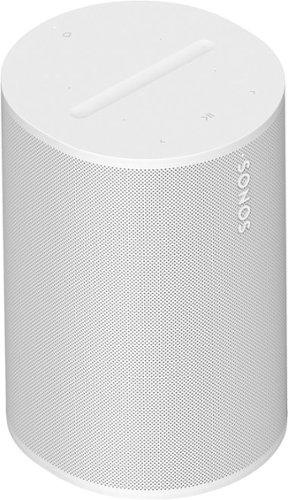
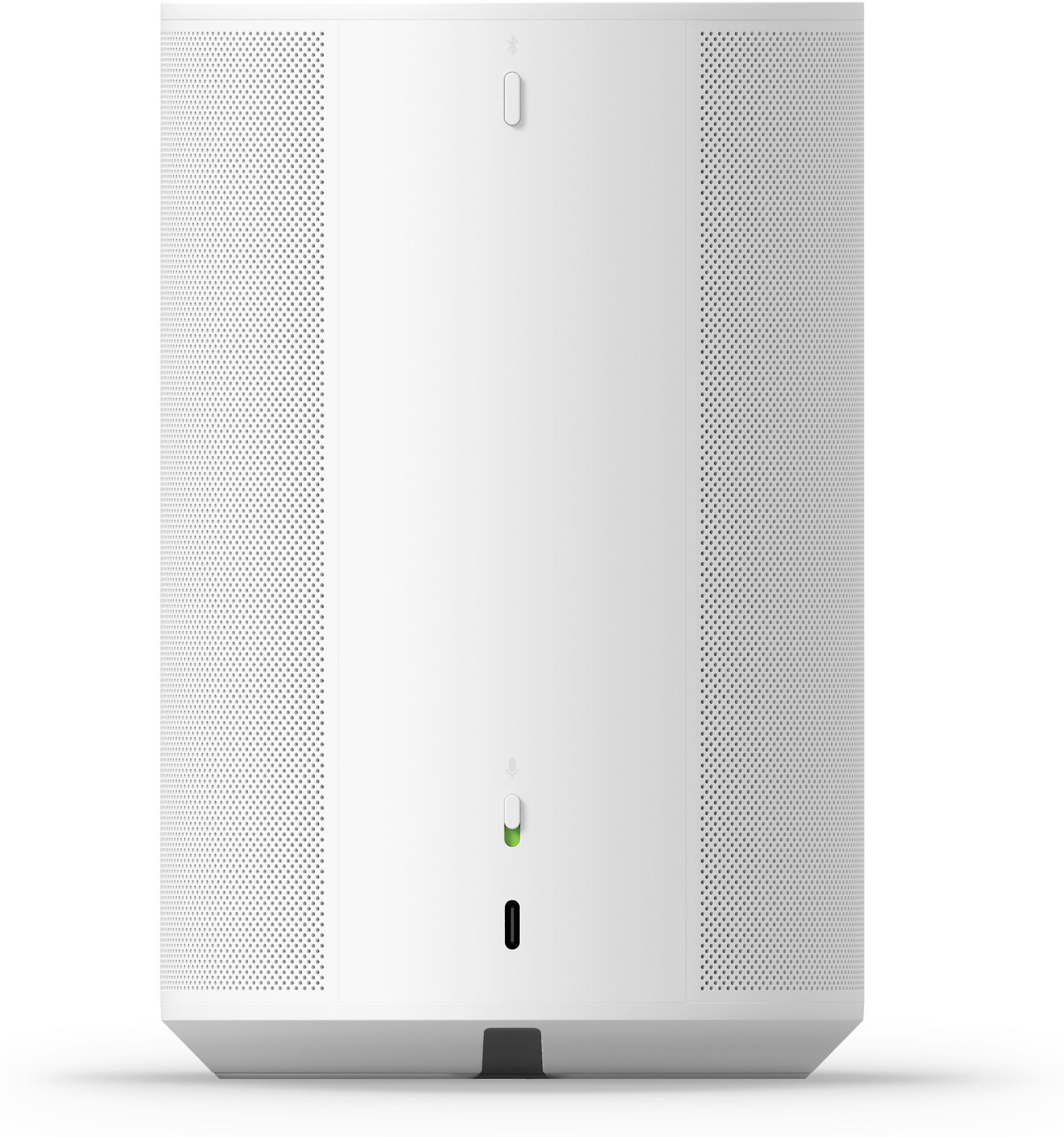
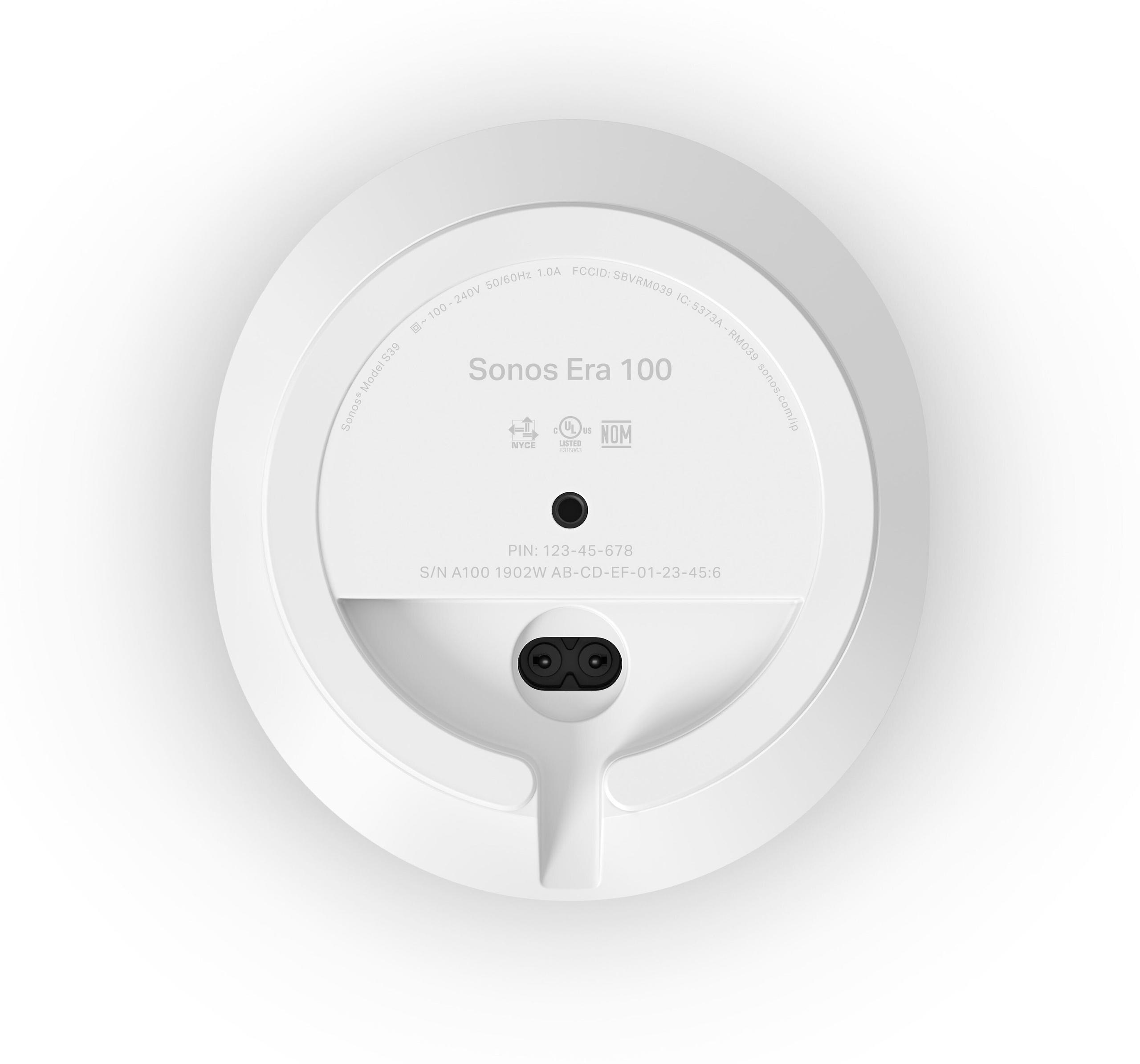
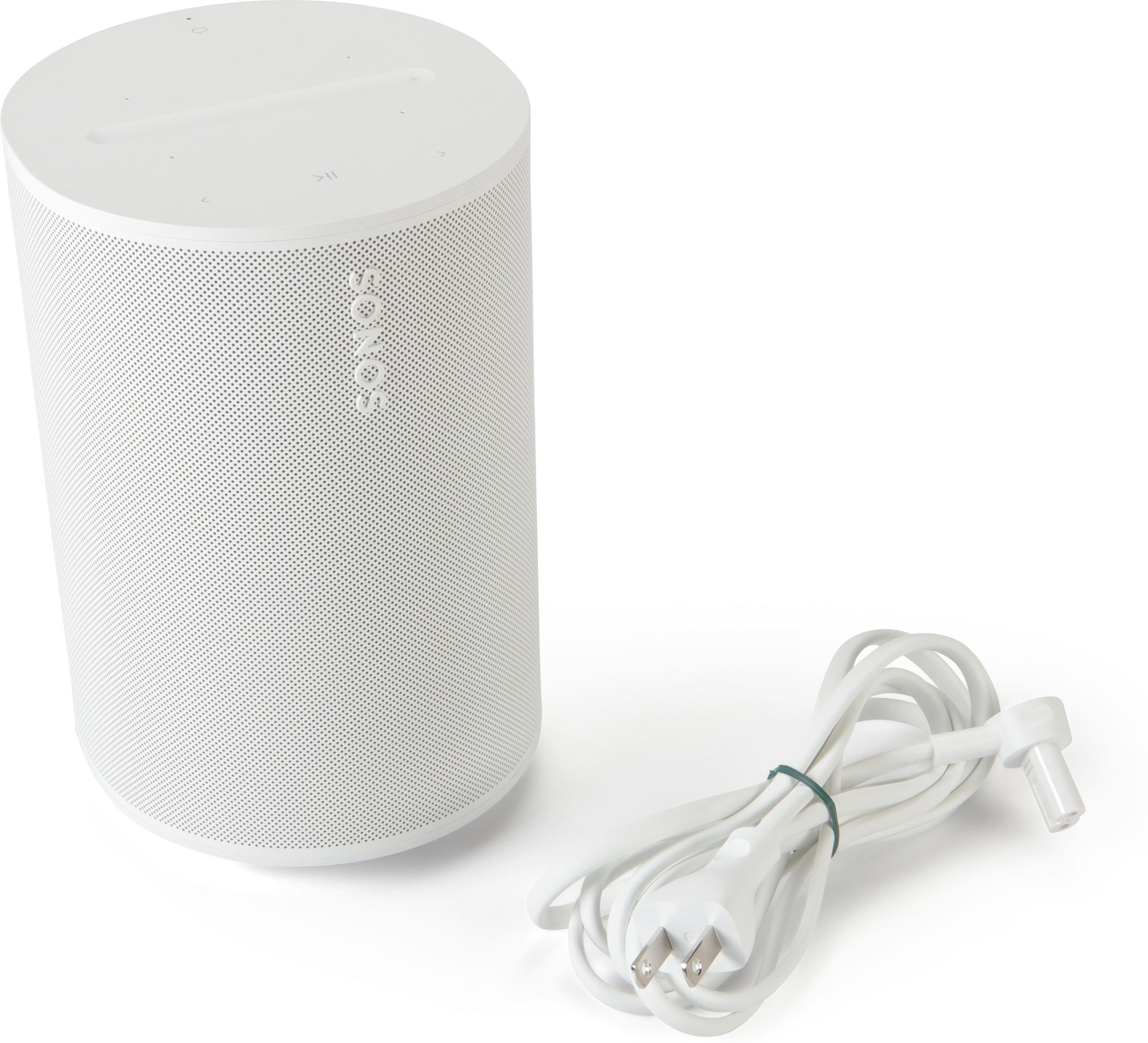



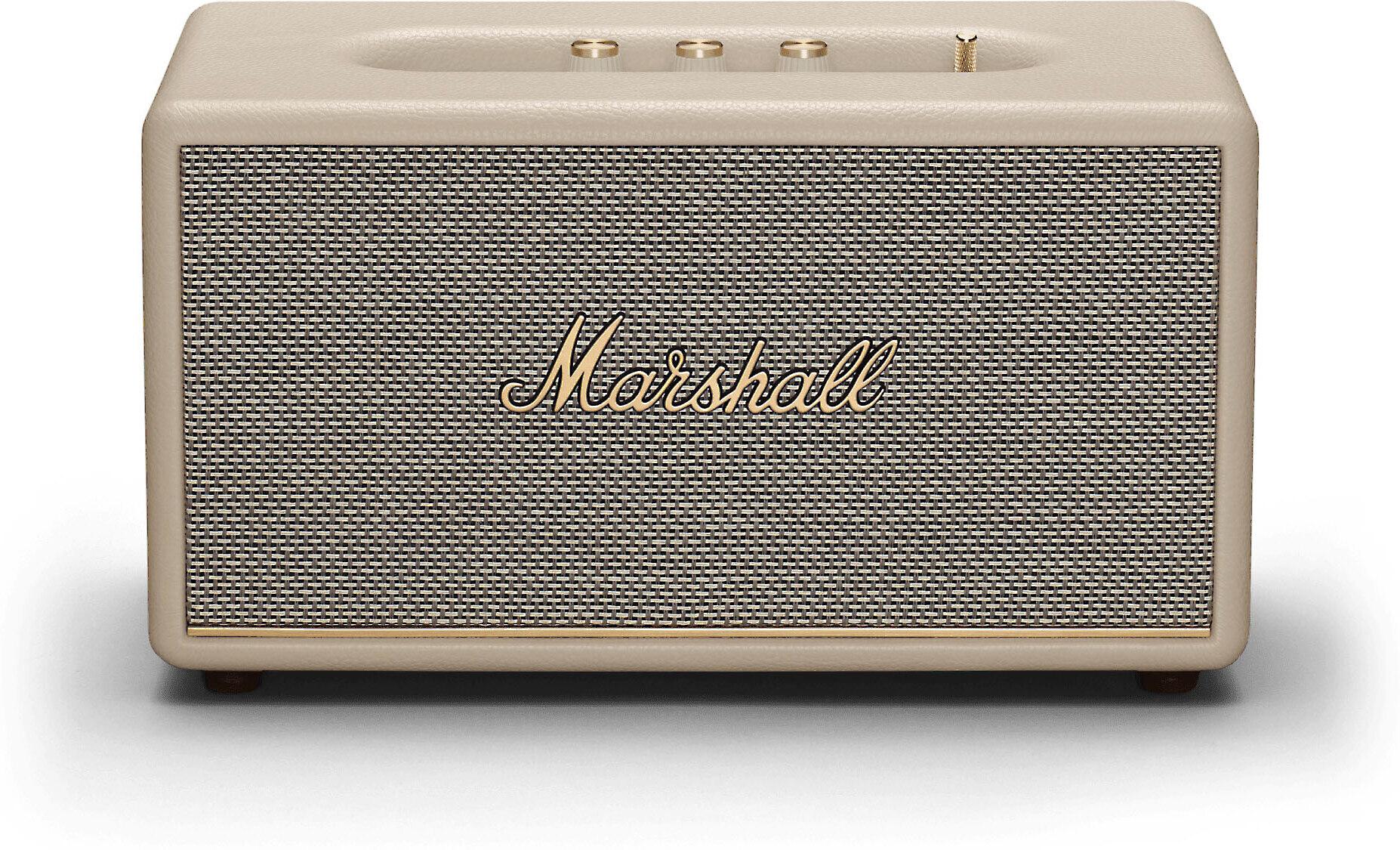
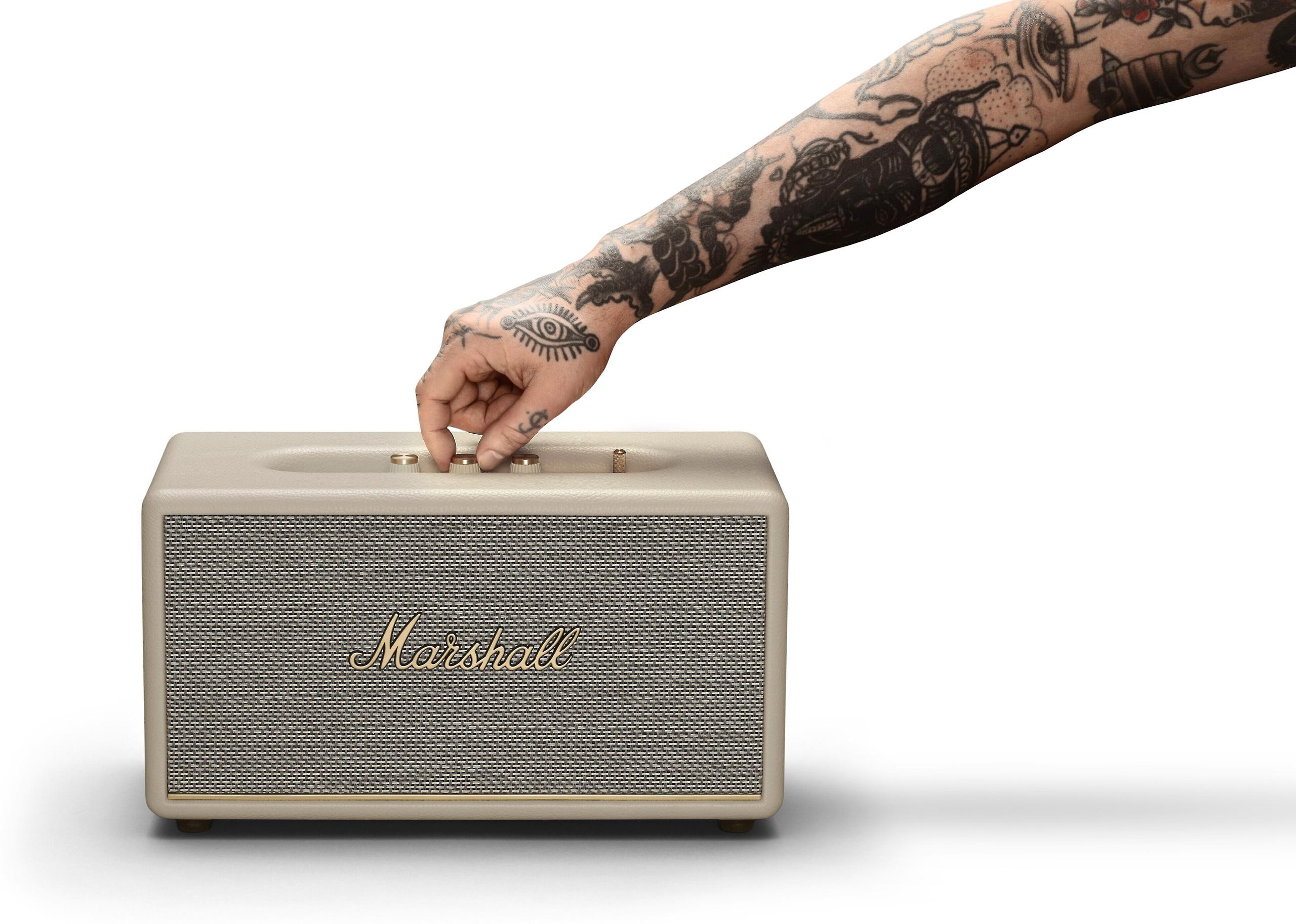
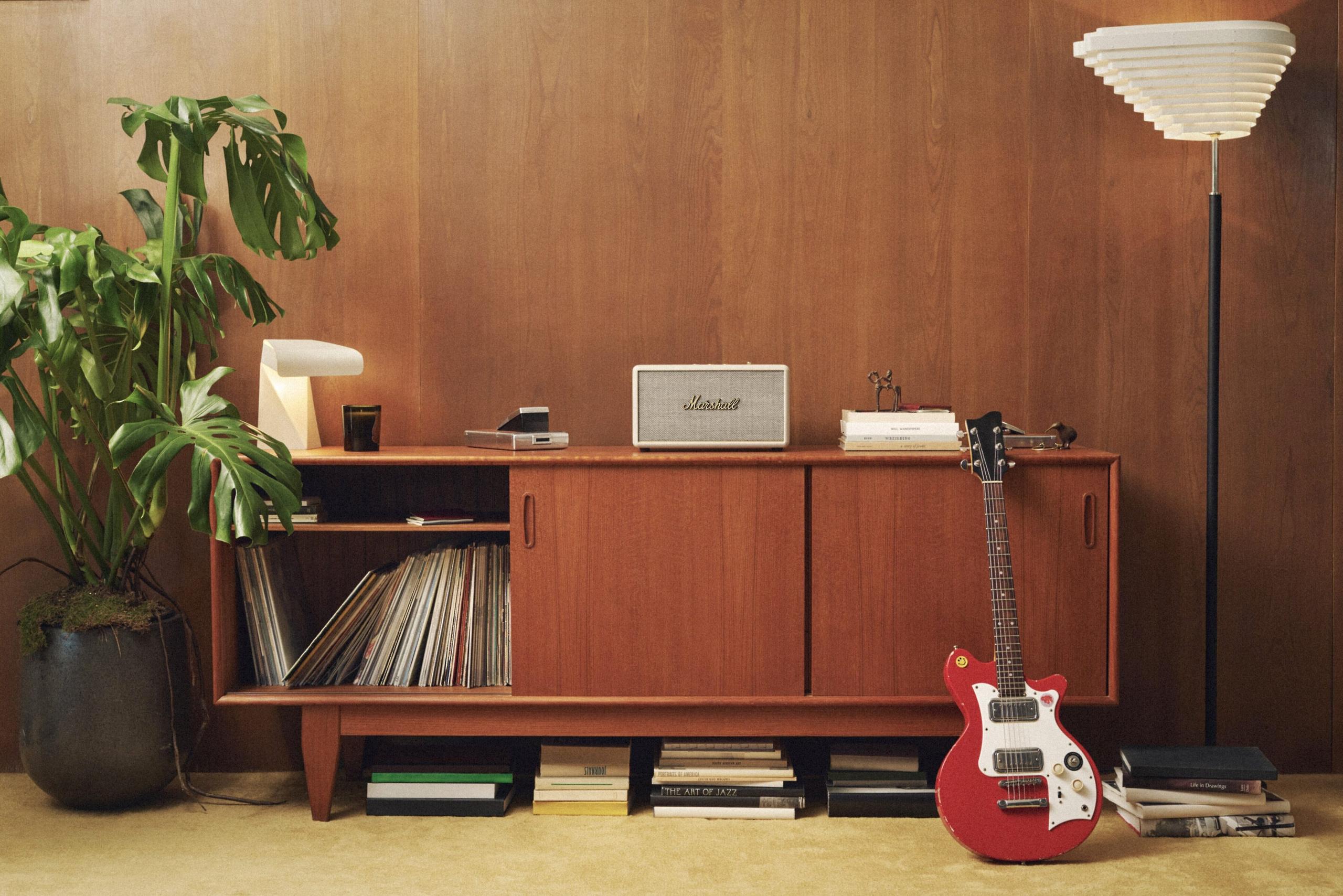


When it comes to wireless speakers in 2024, we're spoiled for choice. Today, we're comparing two compelling but different approaches: the $249 Sonos Era 100 and the $379 Marshall Stanmore III. Both launched within months of each other (Era 100 in March 2023, Stanmore III in September 2022), representing the latest thinking in wireless audio. Let's dive into what makes each special and who they're best for.
Modern wireless speakers have evolved far beyond simple Bluetooth boxes. They now balance multiple roles: pure music playback, smart home integration, and sometimes even home theater duty. The key is finding the right mix of features for your needs.
What really matters? Sound quality comes first, but connectivity, ease of use, and expandability often determine long-term satisfaction. Some users prioritize simple setup and powerful sound, while others need their speaker to integrate with a larger ecosystem of devices.
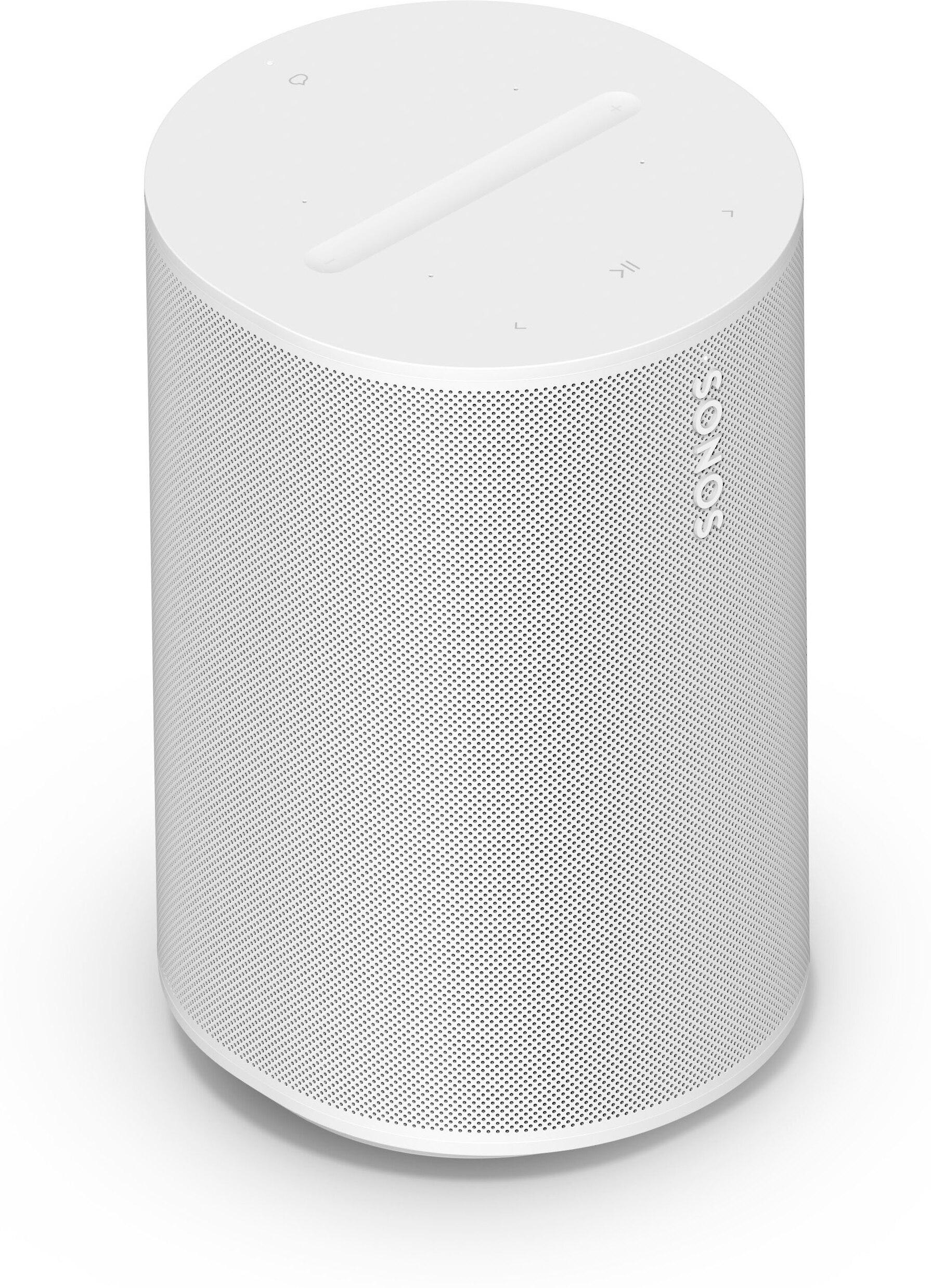
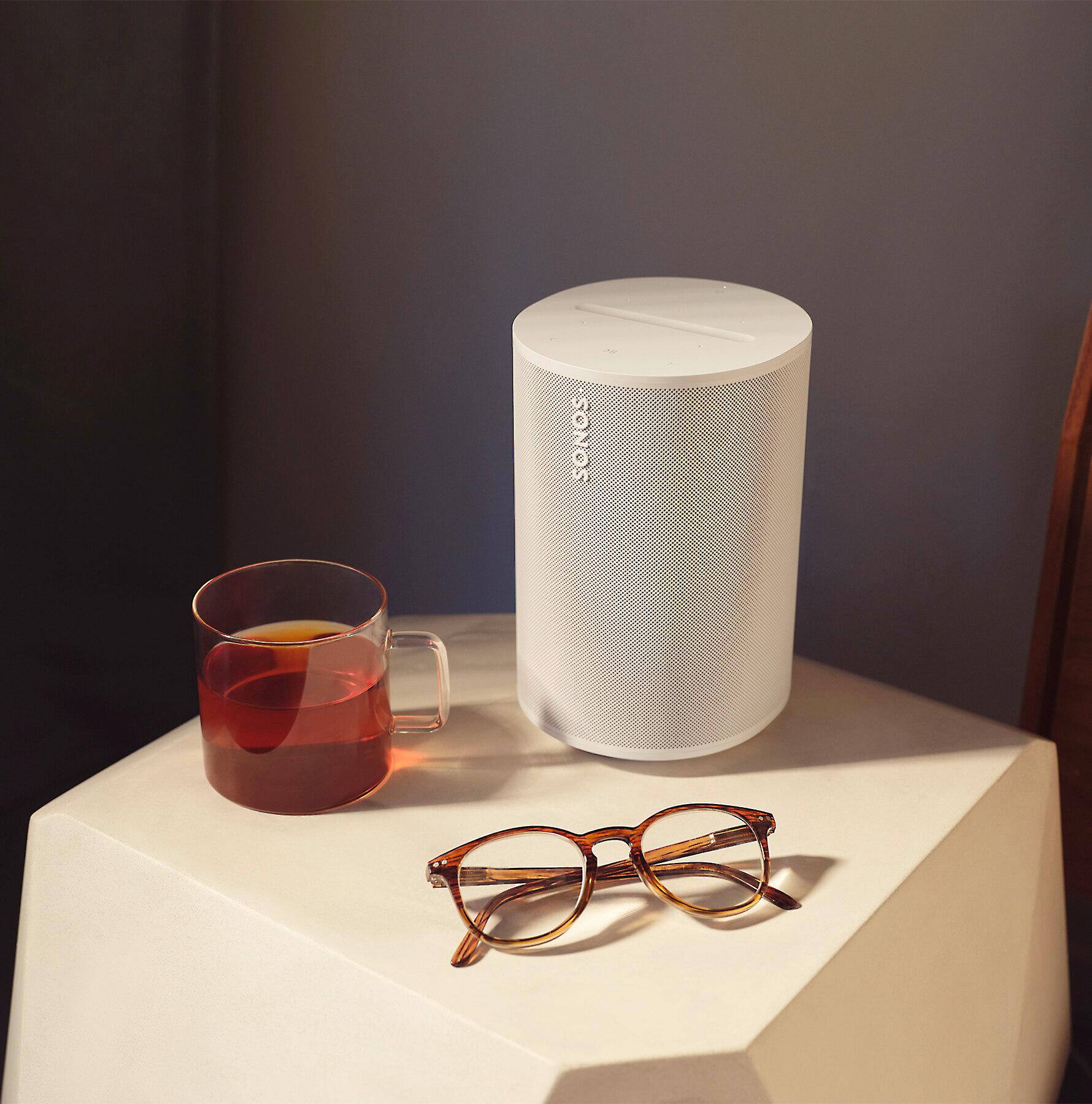
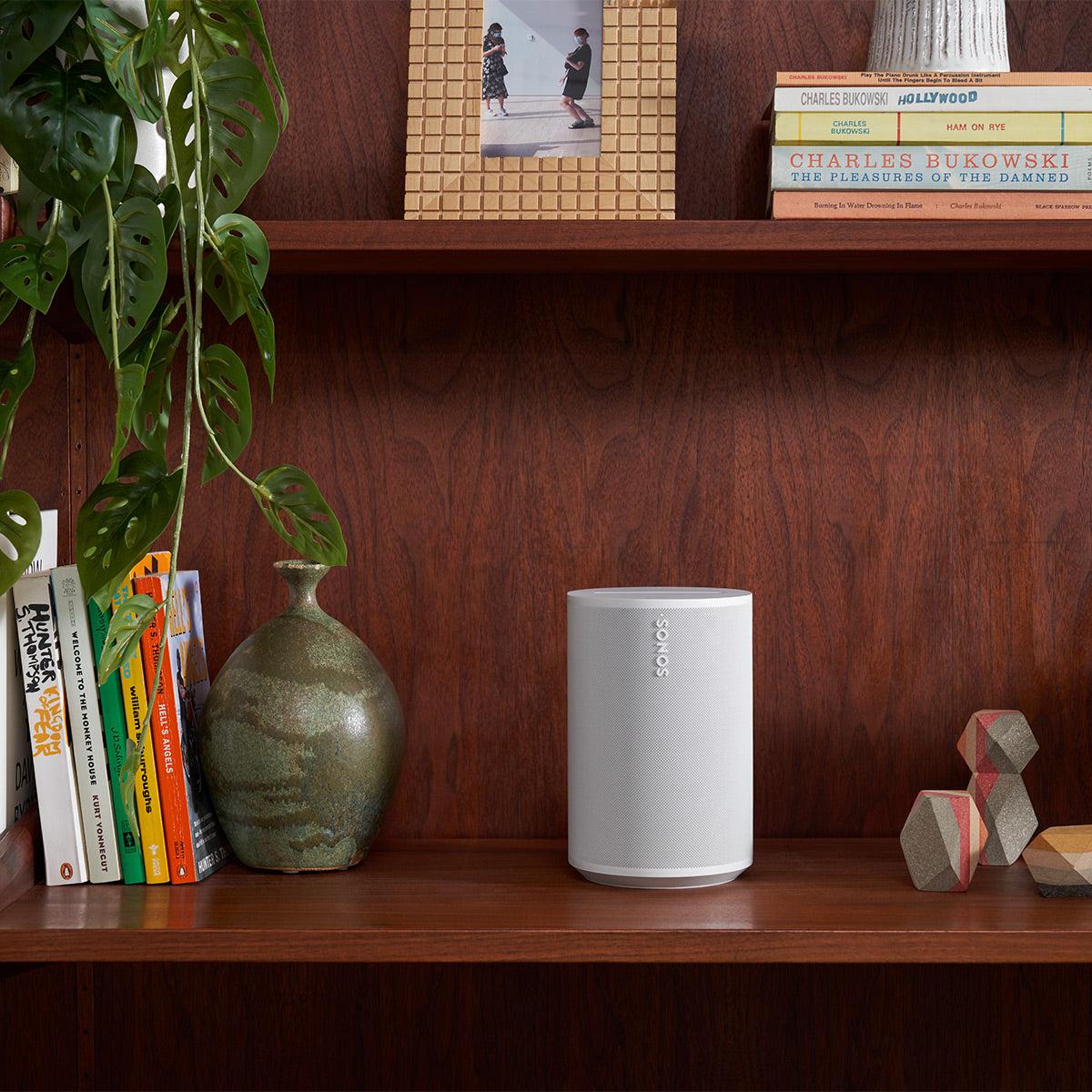
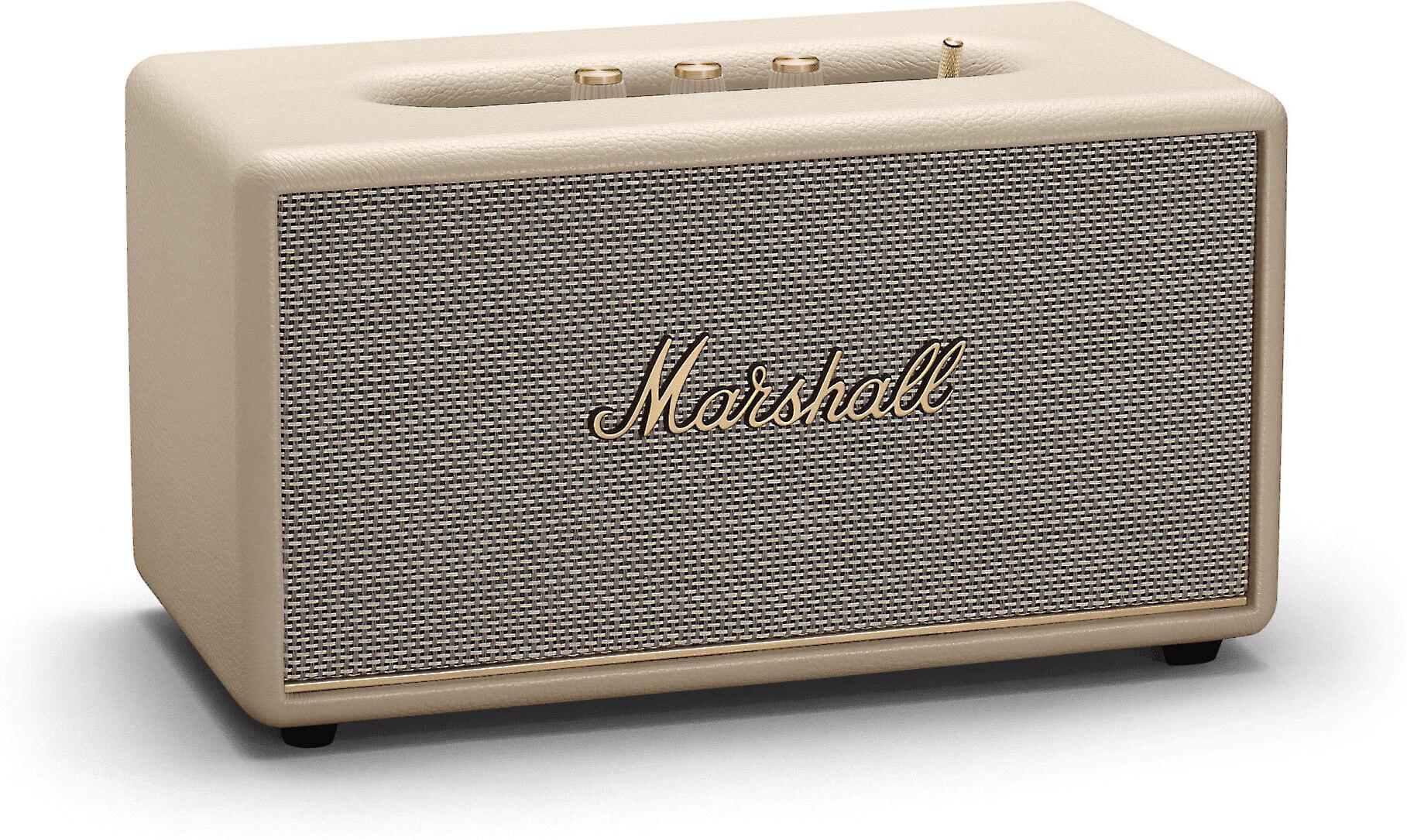
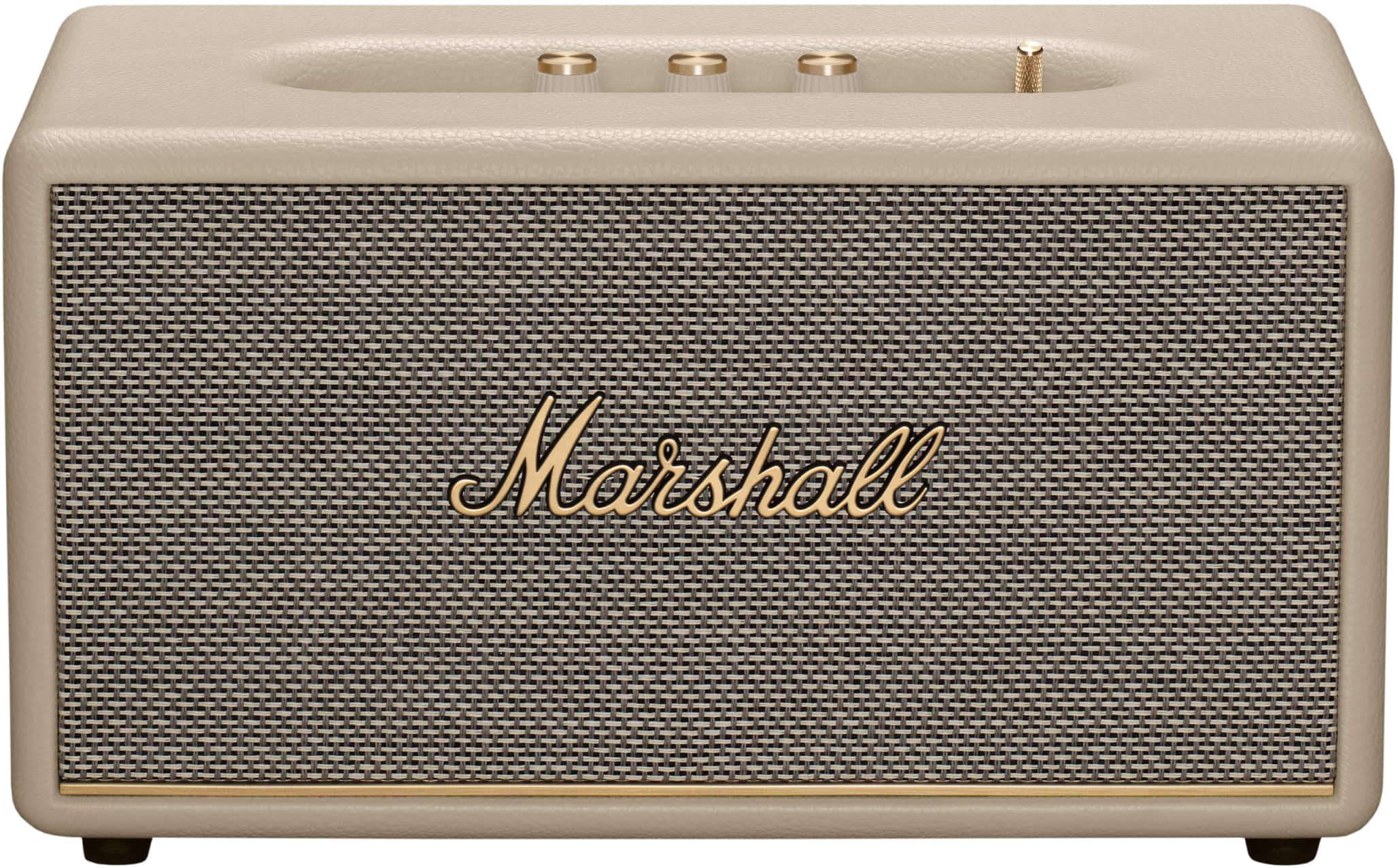
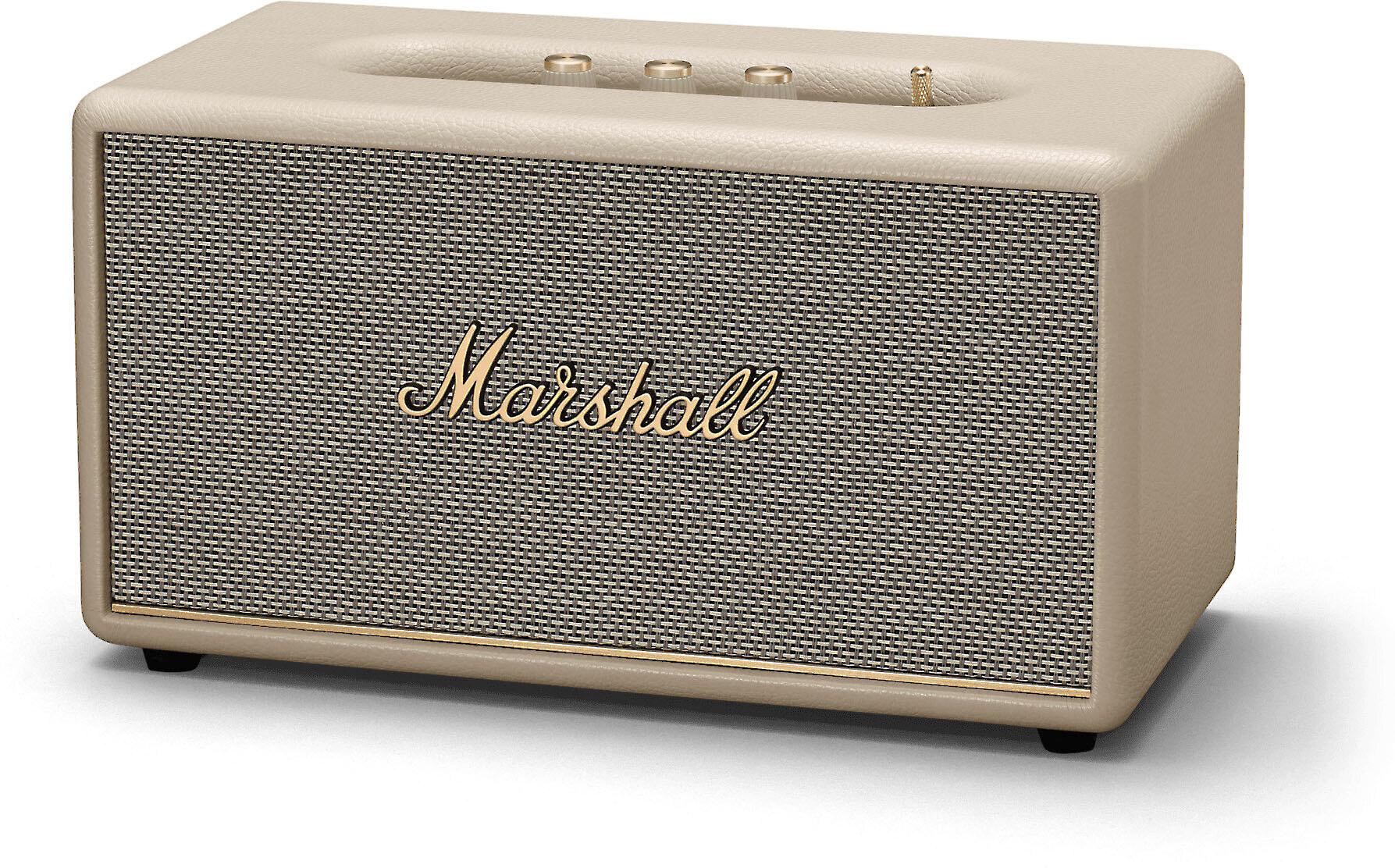
The Sonos Era 100 and Marshall Stanmore III represent two distinct philosophies. The Stanmore III is a powerful, standalone unit that honors Marshall's amplifier heritage with physical controls and robust sound. The Era 100 is more compact and sophisticated, designed as both a standalone speaker and a gateway to Sonos' whole-home audio ecosystem.
Size and power tell part of the story. The Stanmore III delivers 80 watts through a two-way system (50W woofer, two 15W tweeters), making it ideal for larger rooms and parties. The Era 100, while official power ratings aren't published, uses a similar driver configuration but in a more compact form that's better suited to medium-sized rooms.
The Stanmore III is clearly the more powerful speaker. Its 80-watt system can fill large rooms with ease, and the speaker maintains composure at high volumes – something that's crucial for parties or when you just want to feel the music. The Era 100, while no slouch, is designed more for medium-sized rooms and near-field listening.
Each speaker has its own sonic personality. The Stanmore III leans into Marshall's rock heritage with a slightly bass-forward sound that works especially well with rock, hip-hop, and electronic music. It's not overbearing though – the dual tweeters ensure detail in the high frequencies.
The Era 100 takes a more neutral approach, with a balanced sound signature that works well across all genres. Its angled tweeters create impressive stereo separation for a single speaker, while the larger woofer (25% bigger than the previous Sonos One) provides satisfying bass response.
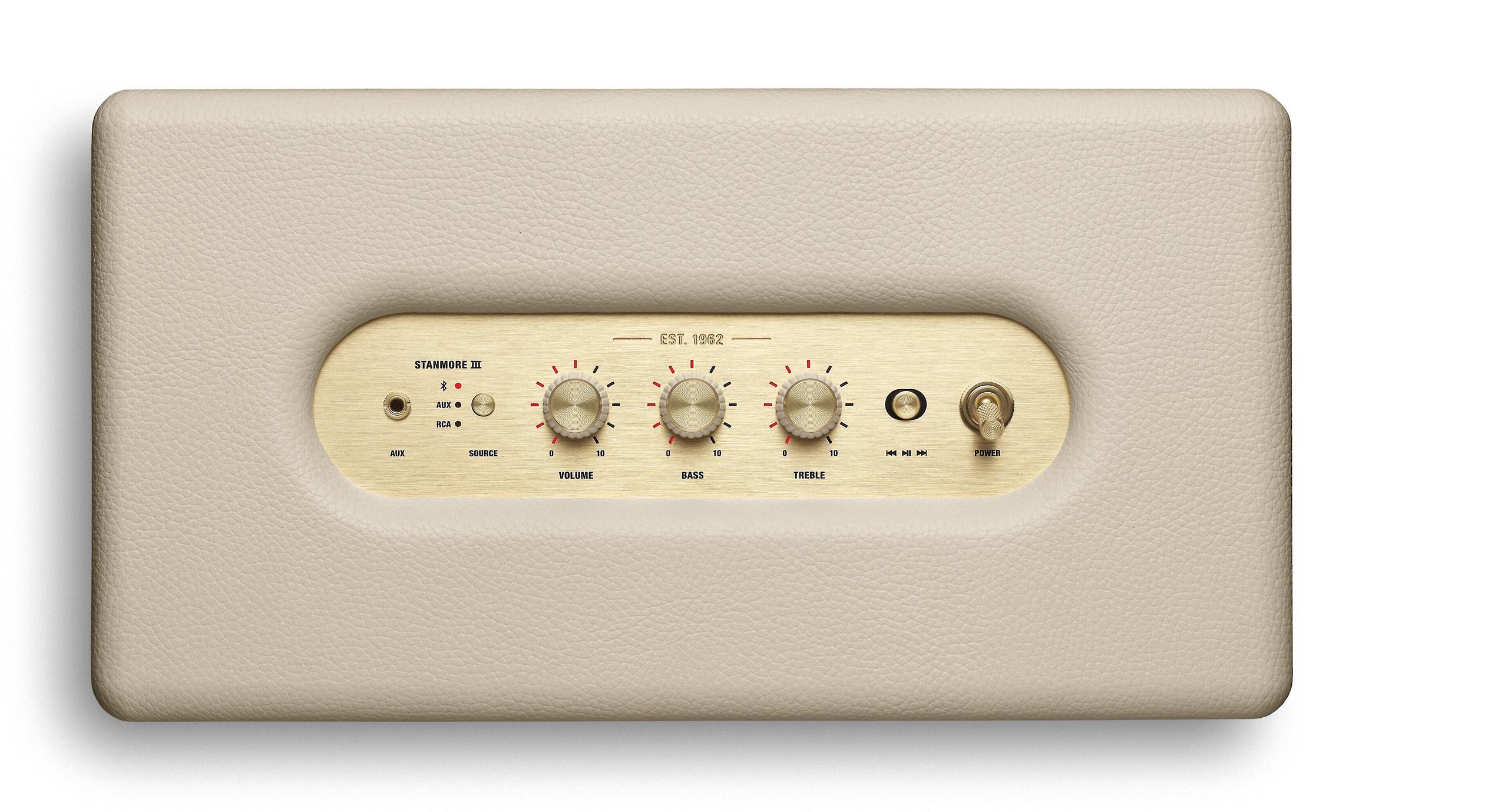
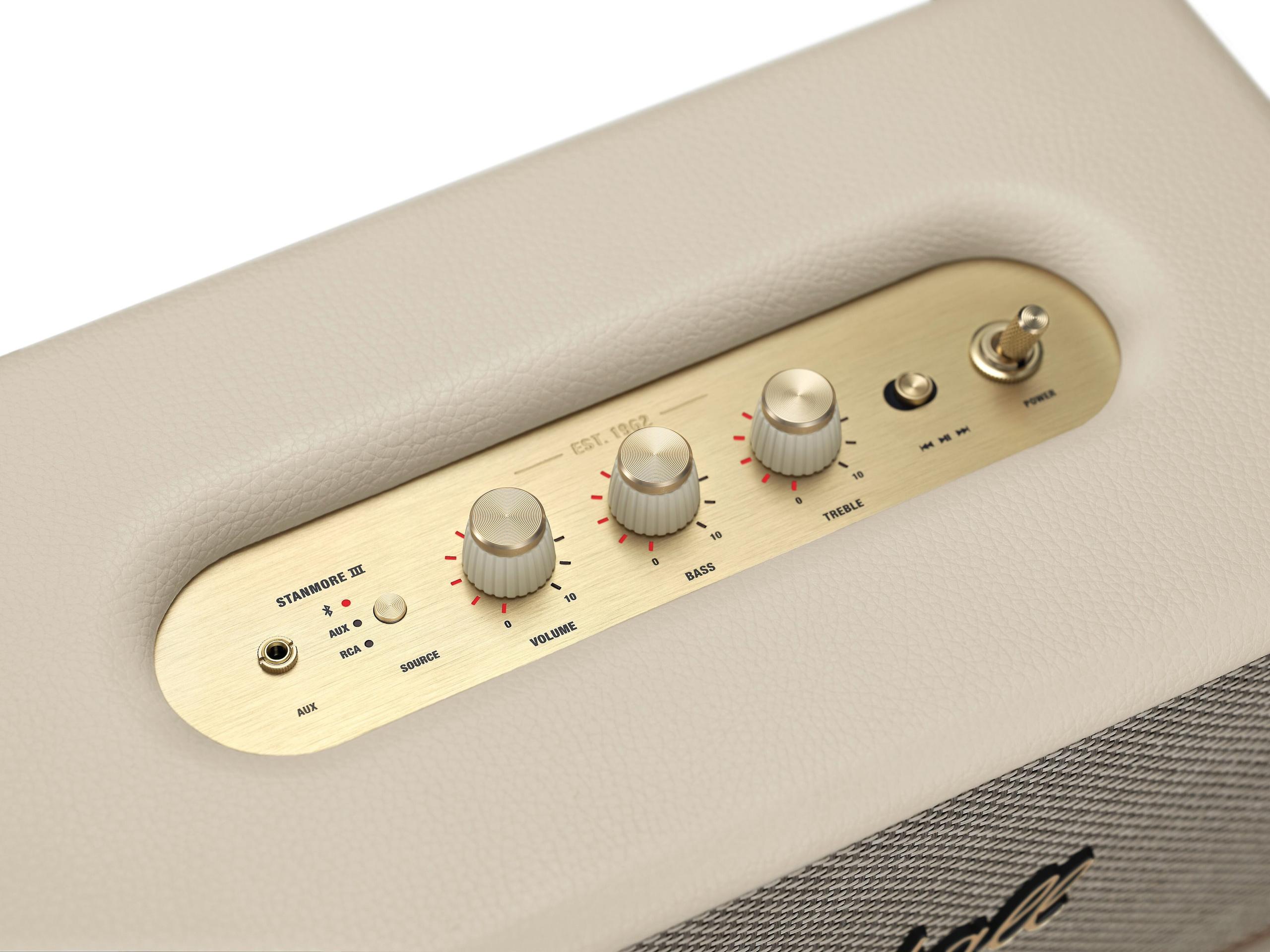
Here's where things get interesting. The Stanmore III offers immediate gratification with its physical bass and treble knobs – perfect for quick adjustments. The Era 100 takes a software-first approach through its app, offering detailed EQ settings and Trueplay room correction (which uses the speaker's microphones to optimize sound for your specific room acoustics).
The Stanmore III prioritizes Bluetooth 5.2, offering excellent range and stability. It can remember multiple devices and connect to two simultaneously, which is handy for parties.
The Era 100 is more versatile, with both WiFi and Bluetooth options. WiFi enables higher-quality streaming and multi-room audio, while Bluetooth serves as a convenient backup. The WiFi connection also enables AirPlay 2 support for Apple users.
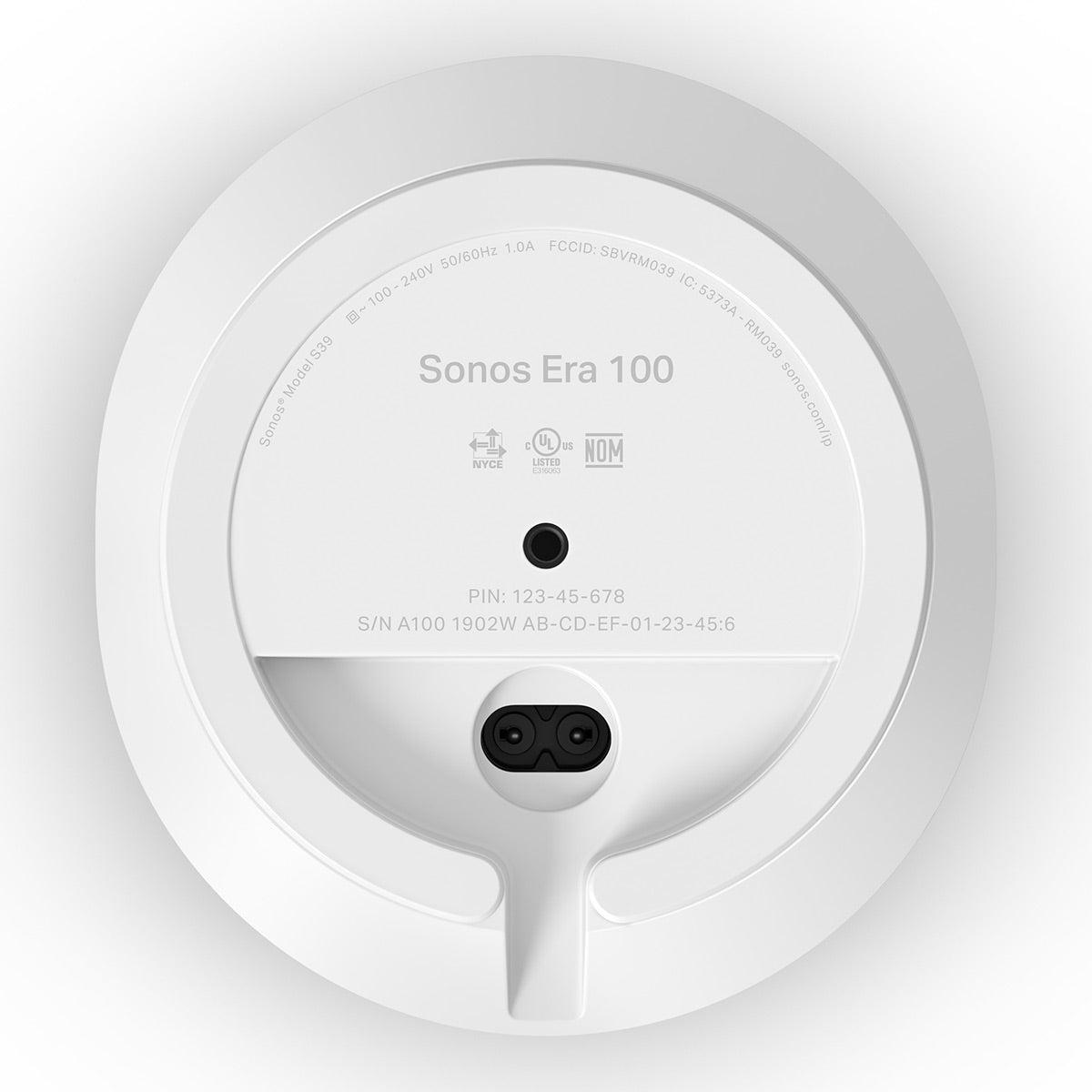
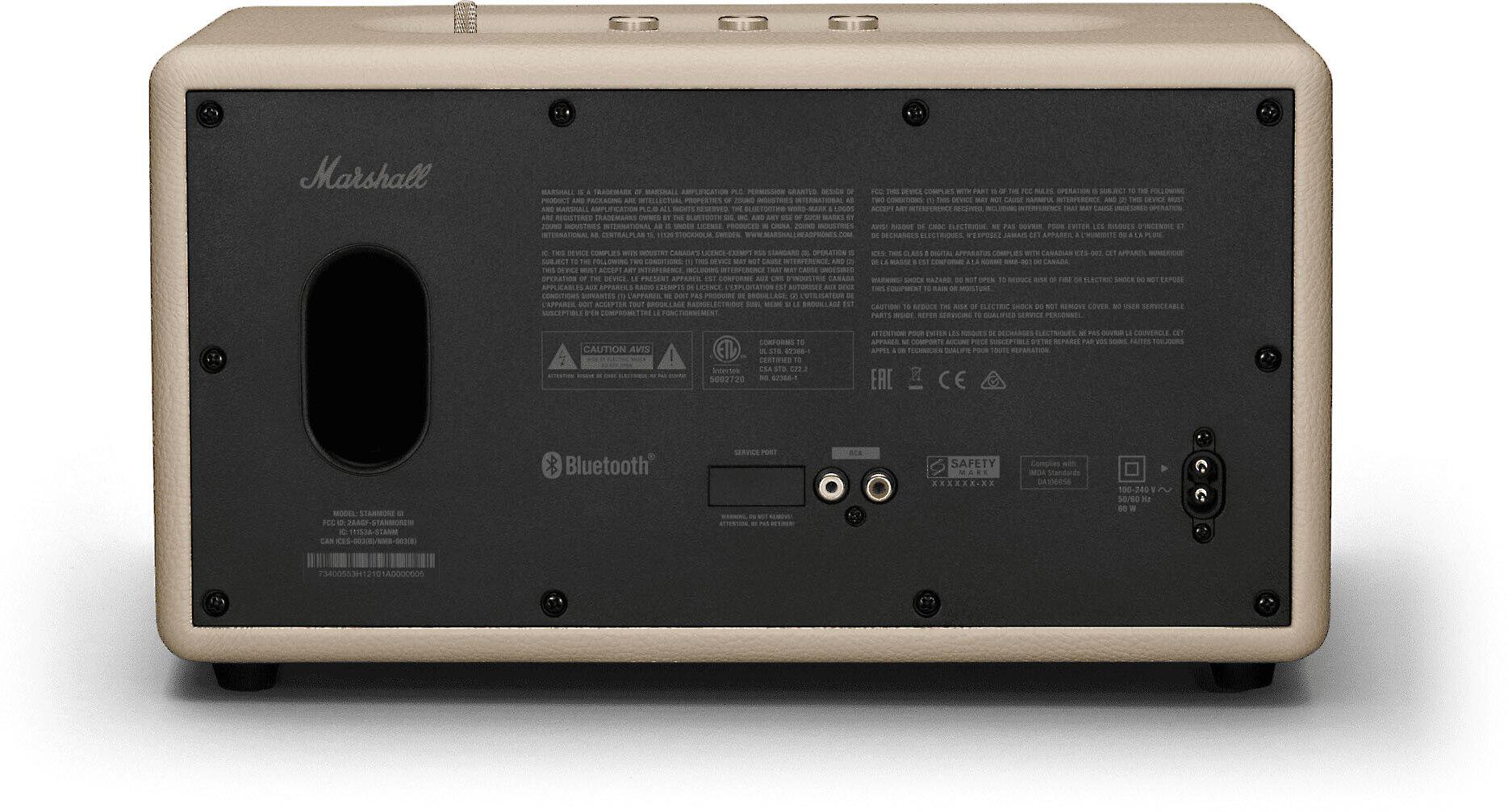
Marshall provides traditional 3.5mm and RCA inputs, making the Stanmore III easy to connect to turntables, TVs, or other audio sources. The Era 100 offers a USB-C port, but requires an optional adapter for line-in connections.
The Era 100 shines in smart features, supporting both Alexa and Sonos Voice Control. It's part of the larger Sonos ecosystem, which means:
The Stanmore III is more focused on pure audio performance. Its app provides basic control and EQ settings, but don't expect voice control or extensive smart home integration.
While neither speaker is primarily designed for home theater use, the Era 100 has an advantage here. It can be paired with other Sonos products like the Arc or Beam soundbars to create a surround sound system. The Stanmore III, while excellent for music, doesn't offer any home theater-specific features.
The Marshall Stanmore III at $379 represents a premium investment in pure audio performance and build quality. Its traditional approach means what you see is what you get – a powerful, great-sounding speaker that will likely remain relevant for years.
The Sonos Era 100 at $249 offers better value if you're interested in building a larger audio system over time. While less powerful than the Marshall, it's more flexible and future-proof thanks to regular software updates and ecosystem integration.
Choose the Stanmore III if:
Go for the Era 100 if:
The final choice often comes down to your wider technology ecosystem and how you plan to use the speaker. The Stanmore III excels as a powerful, standalone music machine, while the Era 100 offers more flexibility and future expansion options at a lower price point.
Remember, both speakers represent significant improvements over their predecessors, with better driver designs, updated connectivity, and refined sound. Your choice should align with your specific needs rather than just raw specifications.
| Sonos Era 100 | Marshall Stanmore III |
|---|---|
| Price - Base investment required | |
| $249 | $379 |
| Power Output - Determines maximum volume and room-filling capability | |
| Unspecified total watts, dual tweeters + mid-woofer | 80W total (50W woofer, 2x15W tweeters) |
| Physical Size - Consider your space constraints | |
| Compact: 7.2" x 4.7" x 5.1" | Larger: 13.8" x 8.1" x 8.4" |
| Connectivity Options - Flexibility for different audio sources | |
| WiFi, Bluetooth 5.0, USB-C (adapter needed) | Bluetooth 5.2, 3.5mm aux, RCA inputs |
| Smart Features - Integration with your existing tech | |
| Voice control, Sonos app, AirPlay 2, multi-room audio | Basic app control, no voice features |
| Sound Customization - How you can adjust the audio | |
| App-based EQ, Trueplay room correction | Physical bass/treble knobs, app EQ |
| Multi-room Capability - Whole-home audio potential | |
| Full Sonos ecosystem integration | None |
| Primary Use Case - Best suited for | |
| Medium rooms, multi-room setups, smart homes | Large rooms, parties, standalone audio |
| Key Advantages - Unique selling points | |
| More affordable, future-proof, expandable system | More powerful, better physical controls, superior bass |
| Construction - Build quality and materials | |
| Modern plastic construction, humidity resistant | Classic amp-style, wood construction, metal grille |
| Voice Control - Smart home integration | |
| Alexa and Sonos Voice Control | None |
| Recent Updates - Latest improvements | |
| New for 2023: 25% larger woofer, added Bluetooth | New for 2022: Improved waveguides, dynamic loudness |
The Sonos Era 100 is better for smart home integration and multi-room audio, while the Marshall Stanmore III offers more powerful sound for single-room use. The Era 100 costs less at $249 compared to the Stanmore III at $379.
The Marshall Stanmore III delivers more powerful sound with stronger bass, while the Sonos Era 100 offers more balanced audio. The Stanmore III has 80W of power compared to the Era 100's smaller drivers.
The Sonos Era 100 can integrate with other Sonos speakers for home theater use, while the Marshall Stanmore III is primarily designed for music playback only.
The Marshall Stanmore III is better for parties due to its higher power output (80W) and stronger bass response. It can fill larger rooms more effectively than the Sonos Era 100.
Yes, both support Bluetooth. The Stanmore III uses Bluetooth 5.2, while the Era 100 has Bluetooth 5.0. The Era 100 also offers WiFi connectivity.
The Sonos Era 100 is more suitable for small to medium rooms due to its compact size, while the Marshall Stanmore III might be oversized for very small spaces.
The Sonos Era 100 supports voice control through Alexa and Sonos Voice Control. The Marshall Stanmore III does not have voice control capabilities.
The Sonos Era 100 is more future-proof with regular software updates and ecosystem expansion options. The Marshall Stanmore III focuses on traditional features without smart capabilities.
The Marshall Stanmore III can connect directly to a TV using its RCA or aux inputs. The Sonos Era 100 requires an adapter for physical connections but can integrate with other Sonos home theater products.
Both are easy to set up, but the Marshall Stanmore III is simpler with basic Bluetooth pairing. The Sonos Era 100 requires app setup but offers more features afterward.
The Sonos Era 100 can connect with other Sonos speakers for multi-room audio. The Marshall Stanmore III cannot be linked with other speakers.
The Sonos Era 100 offers better value at $249 with its smart features and ecosystem integration. The Marshall Stanmore III at $379 is worth it if you prioritize powerful sound and traditional controls.
We've done our best to create useful and informative comparisons to help you decide what product to buy. Our research uses advanced automated methods to create this comparison and perfection is not possible - please contact us for corrections or questions. These are the sites we've researched in the creation of this article: goodhousekeeping.com - tomsguide.com - techradar.com - youtube.com - whathifi.com - dxomark.com - rtings.com - abt.com - sonos.com - bhphotovideo.com - sonos.com - sonos.com - audiolab.com - en.community.sonos.com - techgadgetscanada.com - camelcamelcamel.com - crutchfield.com - bestbuy.com - dxomark.com - crutchfield.com - crutchfield.com - marshall.com - marshall-production-1.mobify-storefront.com - exhibit.tech - ooberpad.com - av-connection.com

Privacy Policy
Terms and Conditions - Affiliate Policy
Home Security
© Copyright 2008-2026.
11816 Inwood Rd #1211, Dallas, TX 75244