




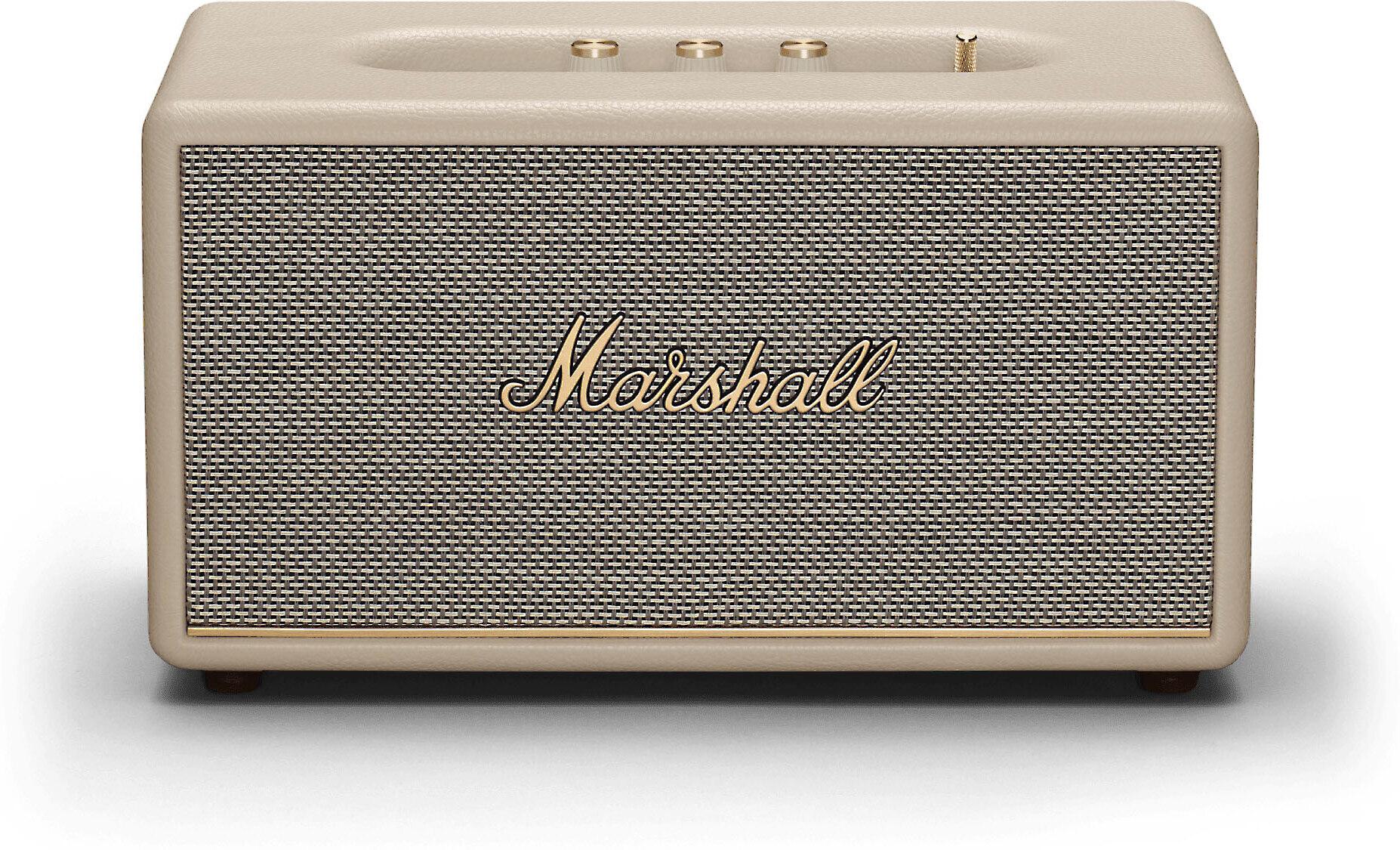
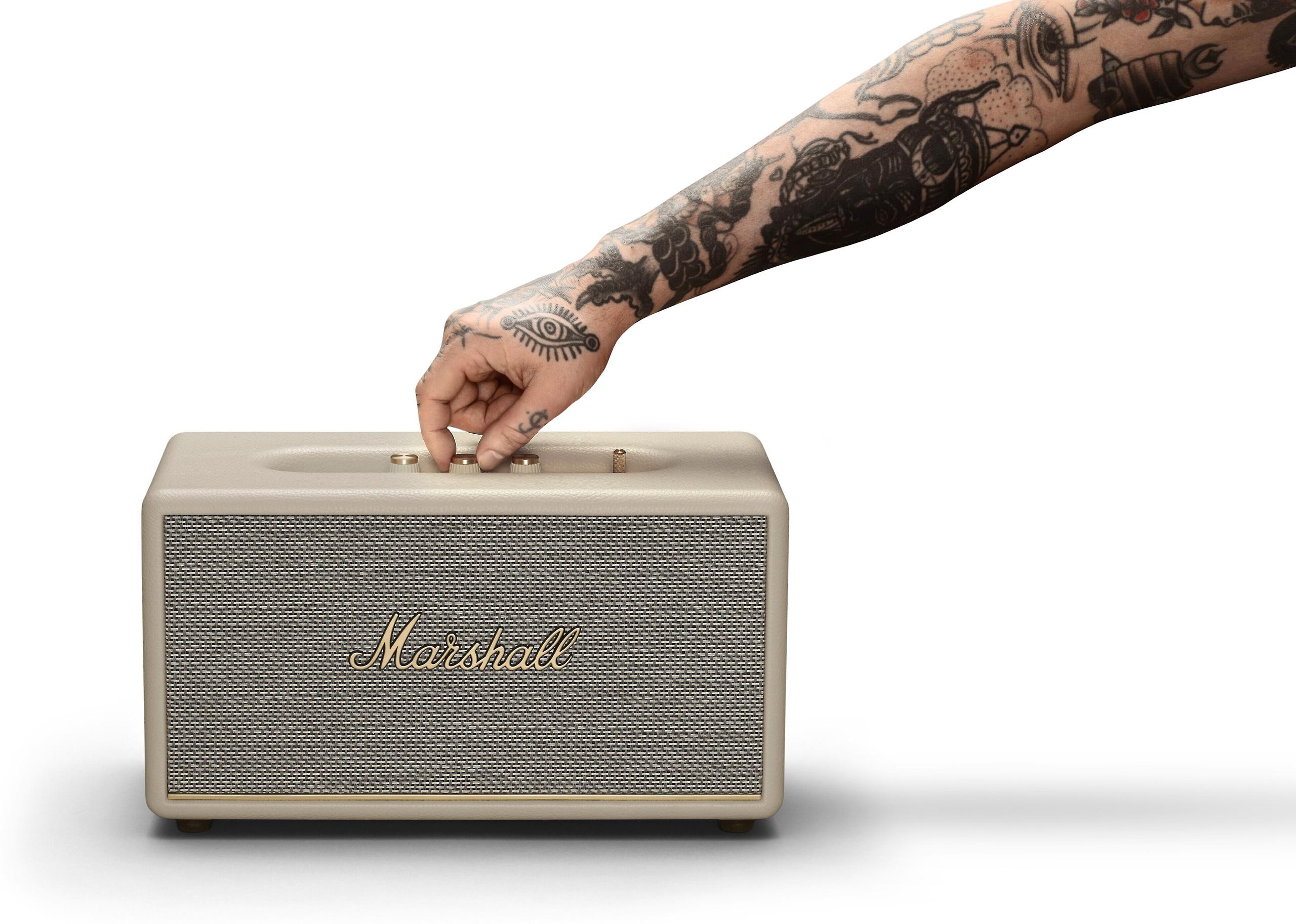
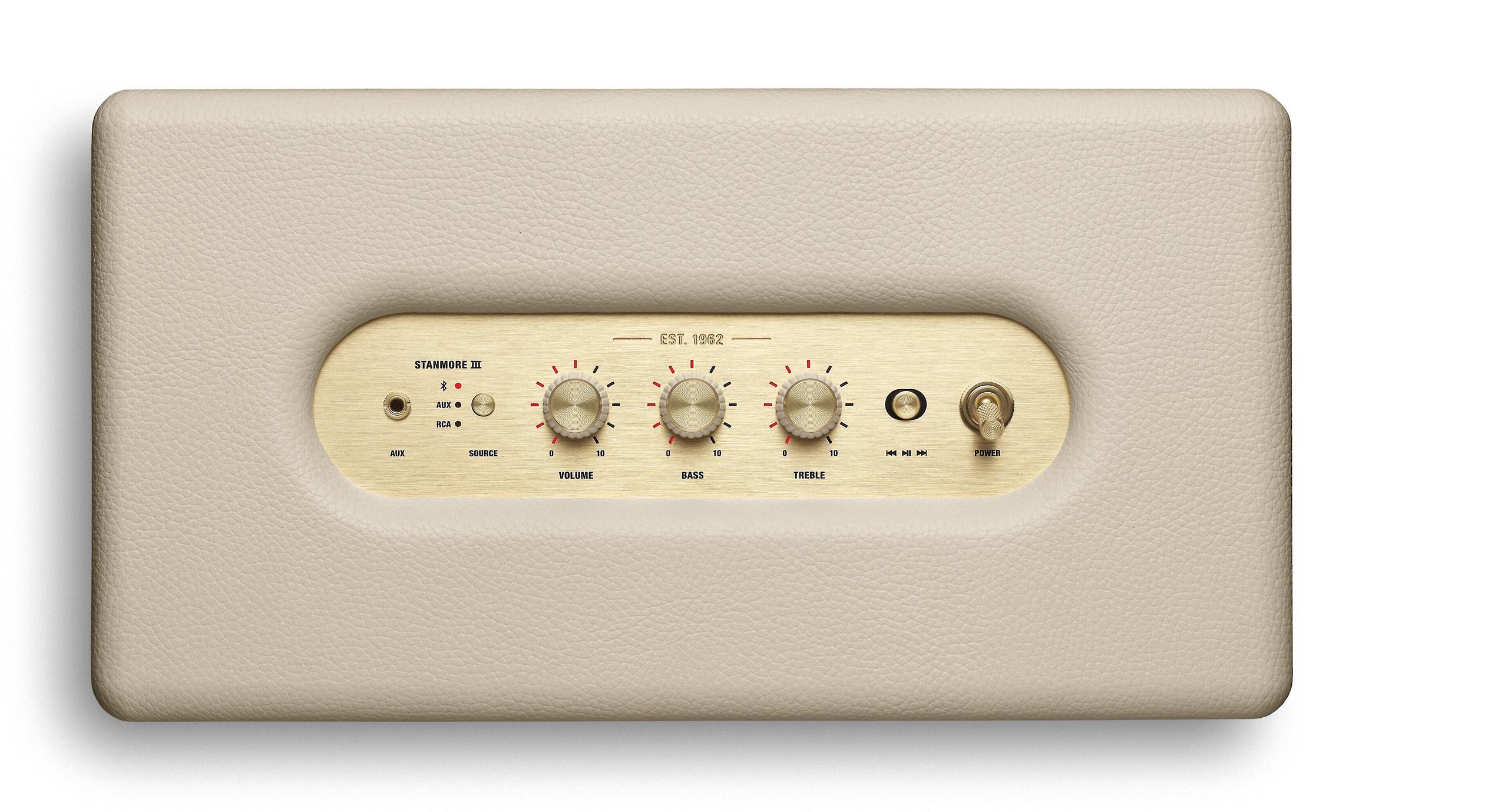
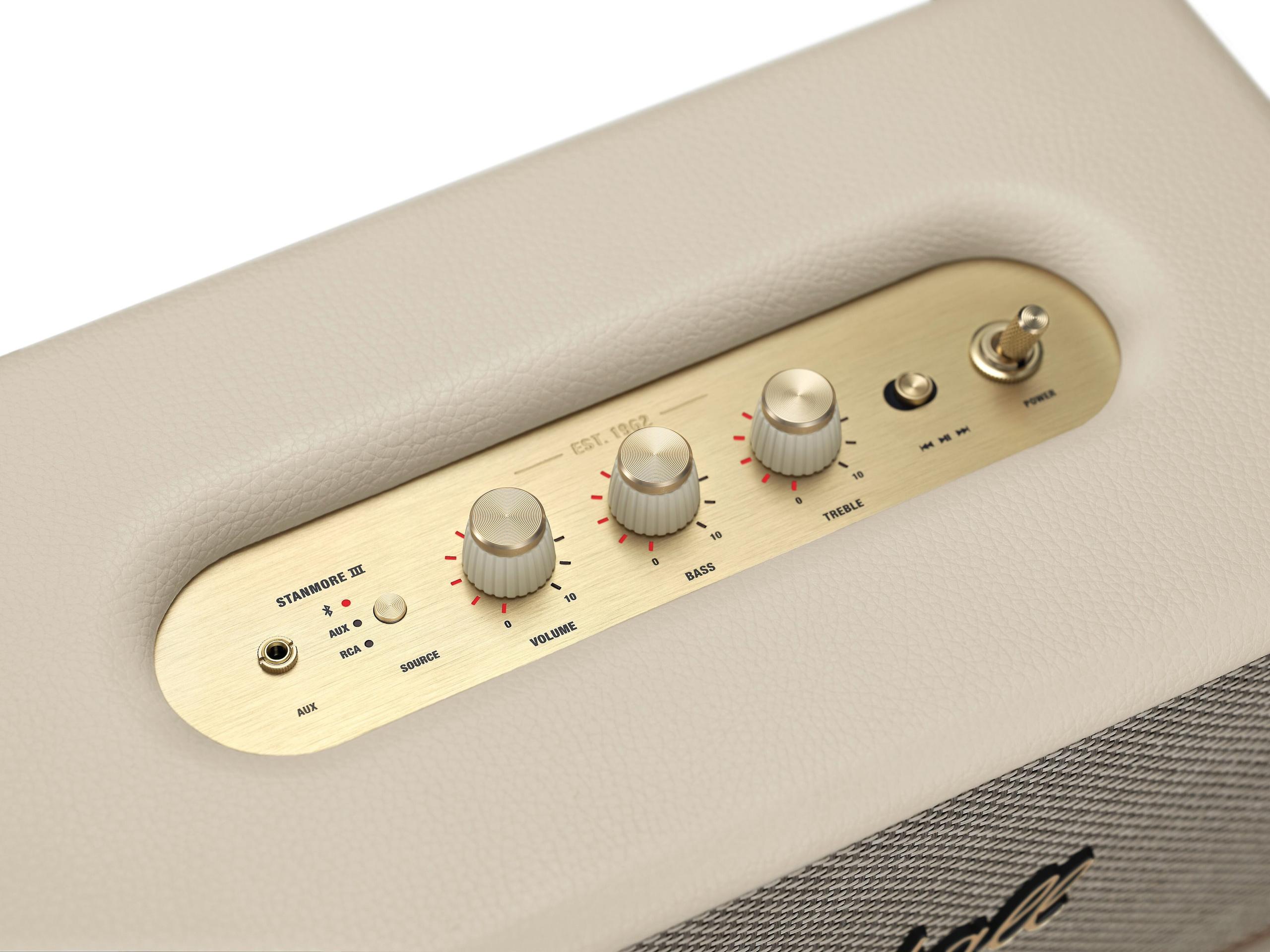
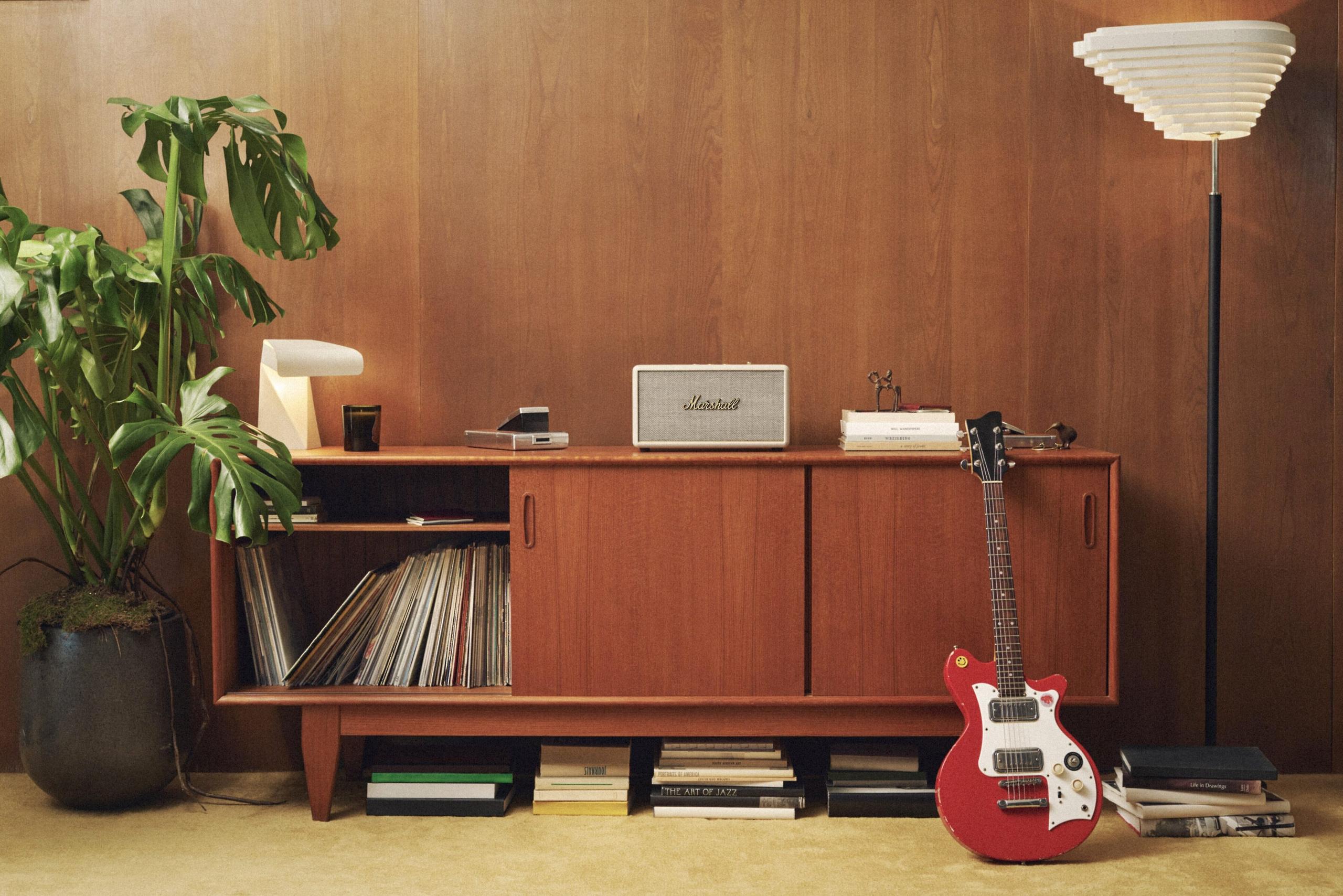


When I first started diving into Bluetooth speakers a few years back, I thought they were all basically the same—just wireless boxes that play music. Boy, was I wrong. The reality is that Bluetooth speakers fall into completely different categories, each engineered for specific purposes. Today, we're comparing two speakers that perfectly illustrate this divide: the Monster S320 Superstar and the Marshall Stanmore III.
These aren't competitors in the traditional sense—they're more like a rugged pickup truck versus a luxury sedan. Both get you where you're going, but through entirely different approaches. Understanding which approach fits your lifestyle is the key to making the right choice.
The Bluetooth speaker market has exploded over the past decade, but it's essentially split into two main camps. Portable speakers prioritize mobility, durability, and battery life—they're designed to go wherever you go. Home audio speakers, on the other hand, focus on sound quality, power, and connectivity options while staying plugged into the wall.
This distinction matters more than you might think. A portable speaker optimizes for different engineering challenges than a home speaker. Portable designs need to squeeze maximum performance from limited battery power, survive drops and water exposure, and maintain decent sound while being small enough to carry. Home speakers can dedicate their engineering efforts entirely to sound quality since they don't need to worry about battery life, waterproofing, or fitting in a backpack.
The Monster S320 represents the portable philosophy taken to its logical extreme—maximum durability and battery life at an aggressive price point. The Marshall Stanmore III, released in 2022 as Marshall's latest home audio iteration, embodies the stationary approach with premium sound engineering and iconic aesthetics.
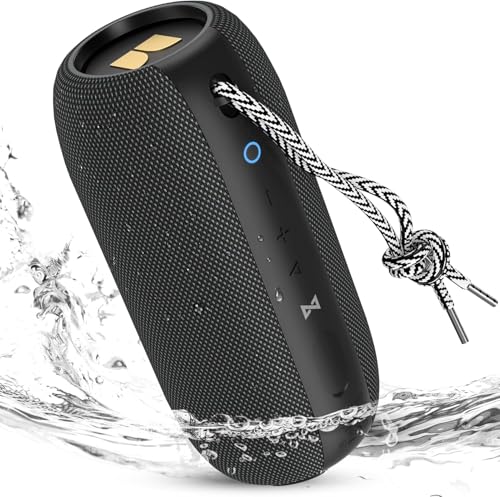
The Monster S320 Superstar launched as Monster's attempt to create the ultimate portable speaker for outdoor enthusiasts and budget-conscious buyers. At the time of writing, it sits in the very affordable range of Bluetooth speakers, typically costing less than a nice dinner for two. But don't let that fool you into thinking it's cheaply made.
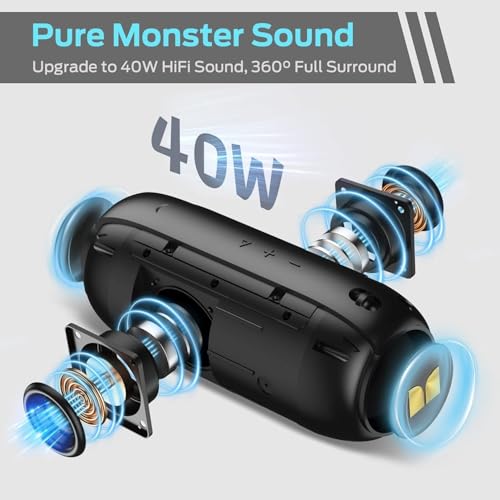
This speaker packs 40 watts of power into a rugged, waterproof package that weighs about as much as a thick textbook. The "360-degree sound" design means audio radiates in all directions rather than pointing straight forward—think of it like a campfire that warms everyone around it instead of just the people directly in front.
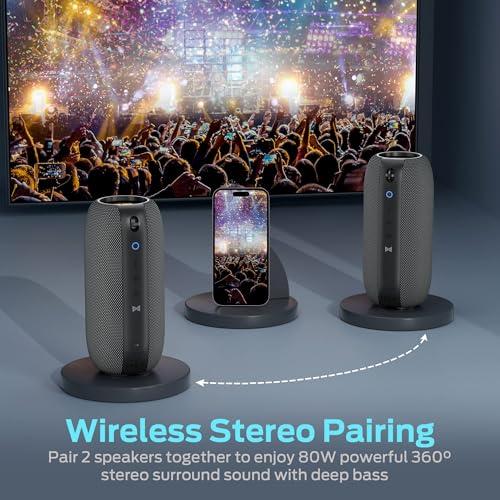
What makes the Monster S320 particularly interesting is its True Wireless Stereo (TWS) capability. TWS is essentially a way for two identical speakers to talk to each other wirelessly and play music in perfect sync. When you pair two S320 units together, you get 80 watts of total power and true left-right stereo separation—like having a proper stereo system that you can set up anywhere.
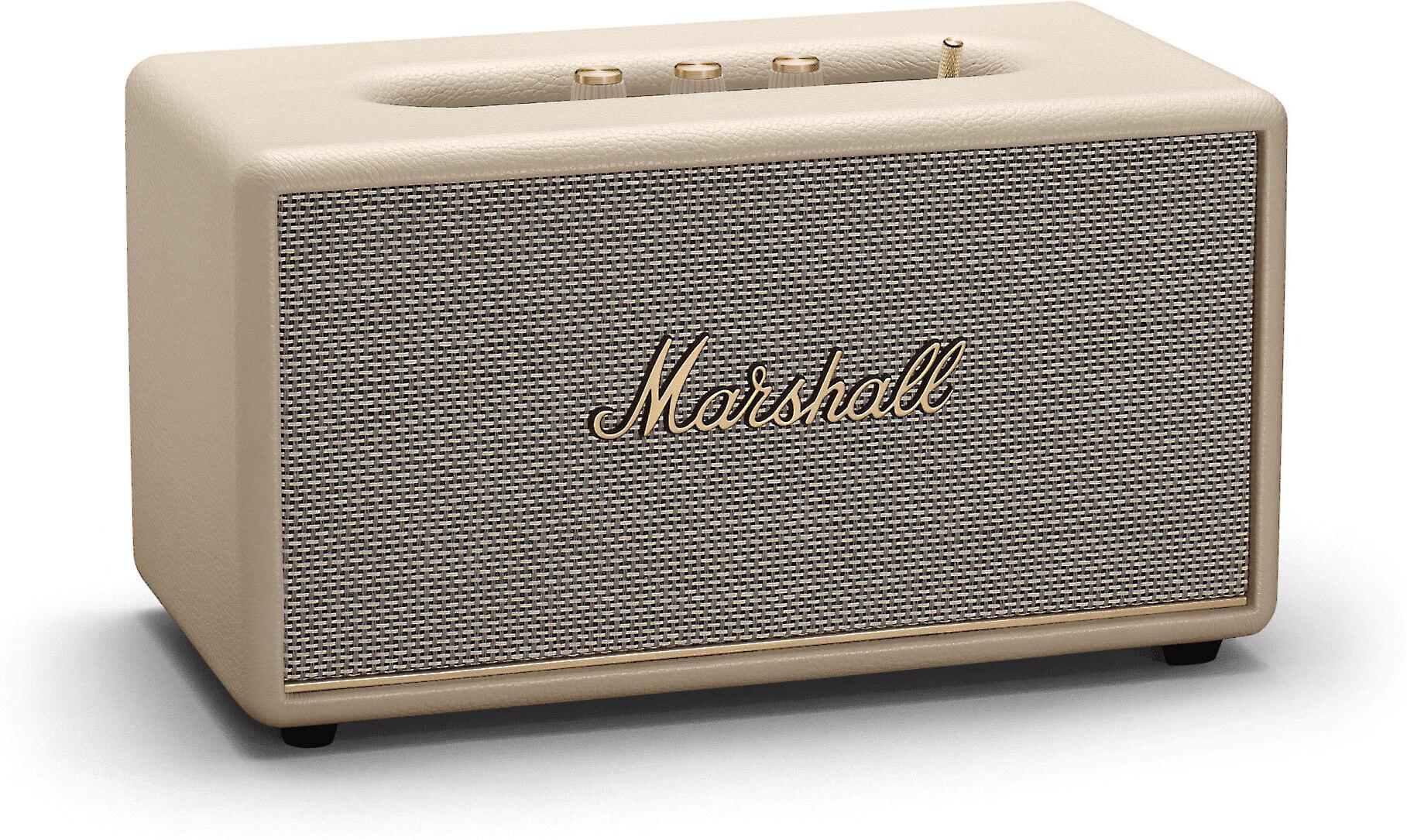
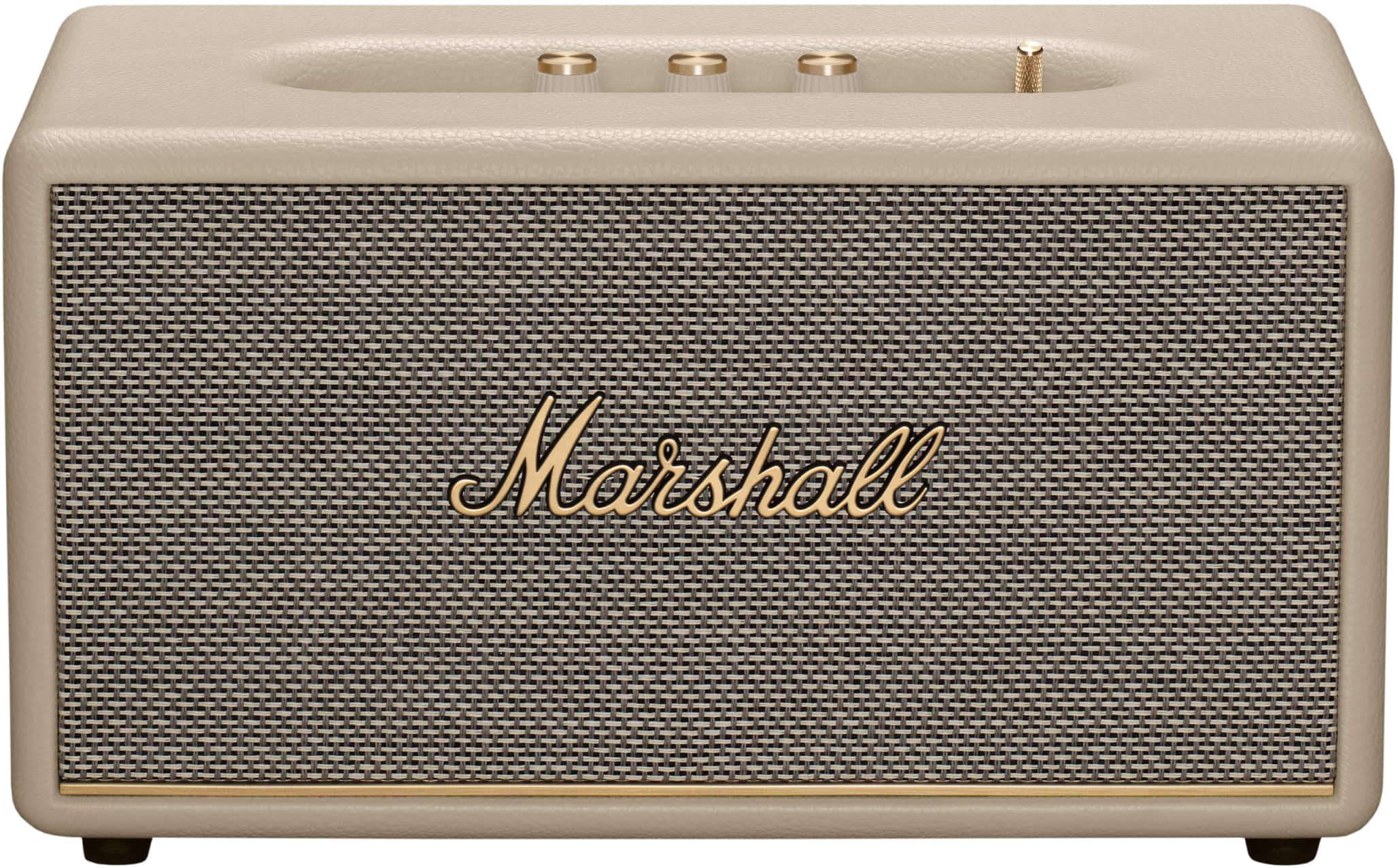
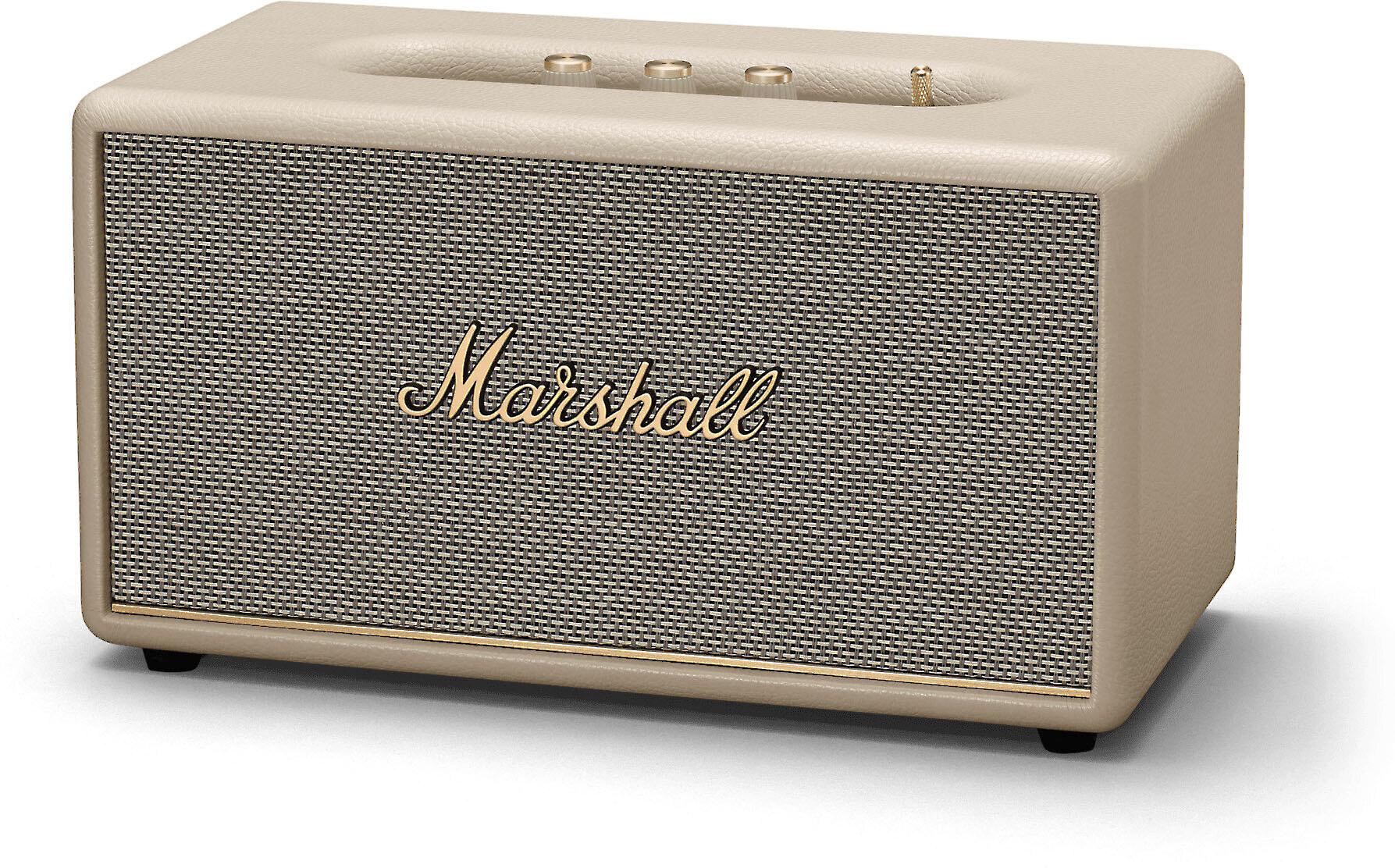
The Marshall Stanmore III, on the other hand, comes from a completely different world. Marshall has been making guitar amplifiers since the 1960s—if you've ever seen a rock concert, you've probably seen those iconic Marshall amp stacks behind the guitarists. The Stanmore III, released in 2022, brings that heritage into modern home audio.
At the time of writing, the Stanmore III costs roughly six times more than the Monster, placing it firmly in the premium home speaker category. But you're not just paying for the Marshall name—you're getting 80 watts of carefully engineered sound through a three-driver system that includes a substantial woofer (the big speaker that handles bass) and two tweeters (smaller speakers that handle high frequencies).
The 2022 release brought significant improvements over earlier Stanmore generations, including wider stereo imaging through redesigned waveguides (basically, the shaped surfaces that direct sound waves) and Bluetooth 5.2 with future-proofing through over-the-air firmware updates.
This is where the fundamental differences between these speakers become crystal clear. The Monster S320 and Marshall Stanmore III approach sound reproduction in completely different ways, and understanding these differences is crucial for making the right choice.
The Monster S320 delivers its 40 watts through a configuration optimized for omnidirectional sound—meaning it tries to fill a space evenly rather than creating a focused listening experience. This approach works brilliantly for outdoor gatherings where people are scattered around the speaker. The sound doesn't have the pinpoint imaging you'd want for critical listening, but it excels at creating an ambient audio environment.
When you activate TWS pairing with a second Monster S320, something magical happens. You suddenly have 80 watts of power split between two speakers, creating proper stereo separation. The left speaker plays left-channel audio, the right speaker plays right-channel audio, and you get spatial separation that makes music feel three-dimensional. It's genuinely impressive for a speaker in this price category.
The Marshall Stanmore III, meanwhile, puts all 80 watts into a single, carefully engineered package. The power distribution is sophisticated: 50 watts drives the central woofer while two separate 15-watt amplifiers power the outward-angled tweeters. This configuration creates what Marshall calls a "wider stereo soundstage"—basically, the sound seems to come from beyond the physical boundaries of the speaker cabinet.
Here's where your music preferences really matter. The Monster S320 covers the full frequency range (20Hz to 20kHz, which represents the limits of human hearing), but it's tuned for impact rather than nuance. Bass hits hard, vocals cut through clearly, and highs have enough sparkle to keep things lively. It's optimized for genres like hip-hop, electronic dance music, and rock—music that benefits from punch and energy over subtle detail.
The Marshall Stanmore III takes a more refined approach. Marshall's signature sound character tends toward warmth and smoothness, with particular attention paid to midrange frequencies where most vocals and instruments live. This makes it excellent for a wider variety of music, from jazz and classical to indie rock and folk. The analog bass and treble controls on top of the speaker let you fine-tune the sound to your preferences—something you won't find on most speakers at any price.
Both speakers handle loud volumes well, but they do it differently. The Monster S320 can get surprisingly loud for its size, and user reports consistently mention that it can fill outdoor spaces effectively. The 360-degree design helps here—since sound radiates in all directions, you don't need to position yourself in a specific "sweet spot" to hear it well.
The Marshall Stanmore III includes a feature called Dynamic Loudness, which automatically adjusts the tonal balance as you change volume. At low volumes, it boosts bass and treble frequencies to maintain perceived fullness—your ears perceive certain frequencies differently at different volumes, and Dynamic Loudness compensates for this biological quirk. At high volumes, it pulls back those boosts to prevent harshness.
The Monster S320 uses Bluetooth 5.0, which was cutting-edge when it launched but has since been surpassed. Bluetooth 5.0 provides stable connections up to about 30 feet and includes improvements in power efficiency—important for battery-powered speakers. The connection quality is reliable, though you won't get the latest codec improvements found in newer Bluetooth versions.
The Marshall Stanmore III features Bluetooth 5.2, which includes support for more advanced audio codecs (essentially, better compression algorithms that preserve more musical detail during wireless transmission) and improved connection stability. More importantly, Marshall includes over-the-air (OTA) firmware updates, meaning your speaker can receive new features and improvements even after you buy it.
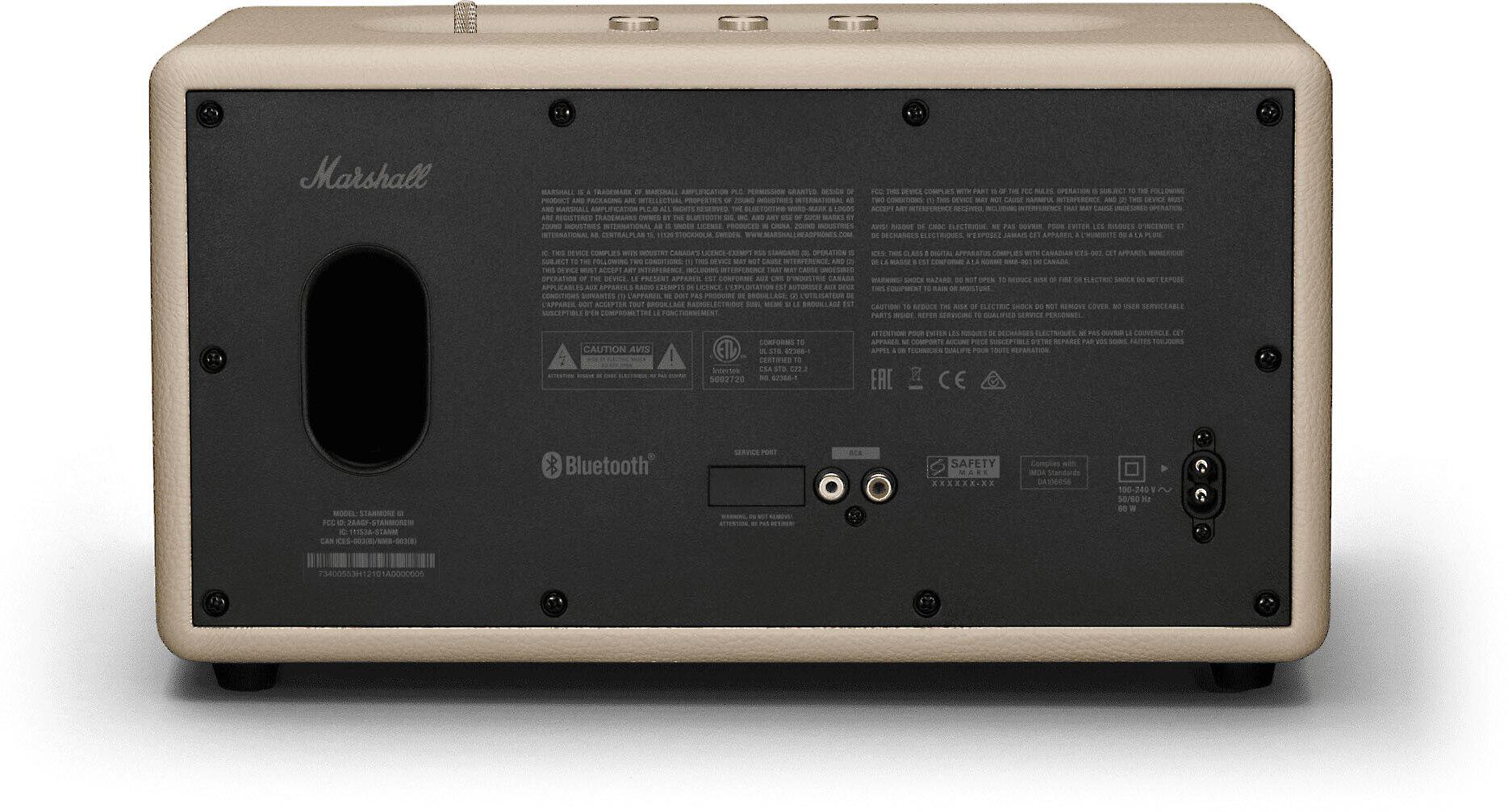
This is where the Marshall Stanmore III really shines. Beyond Bluetooth, it offers both a 3.5mm auxiliary input (the standard headphone jack size) and RCA inputs (the red and white cables you might remember from older stereo equipment). The RCA inputs are particularly valuable if you want to connect a turntable for vinyl listening or hook up a CD player or other audio source.
The Monster S320 is Bluetooth-only, which keeps it simple but limits your options. For most portable use cases, this isn't a problem—you're primarily connecting phones and tablets wirelessly anyway.
The Marshall Stanmore III includes comprehensive physical controls that feel satisfying to use. The brass-colored knobs aren't just for show—they provide precise control over volume, bass, and treble without needing to touch your phone. The Marshall app adds remote control capabilities and EQ presets, though it's not as feature-rich as some competing apps.
The Monster S320 keeps controls simple: power, volume up/down, and play/pause. There's also voice assistant support, so you can activate Siri or Google Assistant directly from the speaker. The simplicity is actually a strength for outdoor use—fewer buttons mean less to go wrong when you're dealing with wet hands or gloves.
The Monster S320 carries an IPX7 waterproof rating, which is serious protection. IPX7 means the speaker can survive complete submersion in water up to one meter deep for 30 minutes. In practical terms, this means you can use it poolside without worry, take it camping in unpredictable weather, or even use it in the shower. The shockproof construction helps it survive drops and rough handling.
The Marshall Stanmore III has no water resistance rating whatsoever. It's designed to live indoors on a shelf, table, or entertainment center. While it's built with premium materials and feels solid, it's not meant to survive outdoor adventures.
Here's the fundamental divide: the Monster S320 runs on a massive 32-hour battery, while the Marshall Stanmore III requires constant AC power. That 32-hour runtime is genuinely impressive—it means you can use the Monster speaker for multiple days of moderate listening without reaching for a charger. User reports consistently praise this battery performance.
The lack of battery power in the Marshall Stanmore III isn't a design oversight—it's a conscious choice. Without battery constraints, Marshall's engineers could dedicate more internal space to larger drivers and more sophisticated amplification. Plus, batteries eventually degrade, and a speaker that's always plugged in never has to worry about diminished runtime as it ages.
While neither speaker is designed primarily for home theater use, they handle TV audio very differently. The Monster S320 isn't particularly suited for this role—its 360-degree sound design doesn't create the focused soundstage you want for movies, and dialogue might get lost in the omnidirectional presentation.
The Marshall Stanmore III can work as a TV speaker upgrade, especially if you connect it via the auxiliary input to avoid Bluetooth latency (the slight delay that can make dialogue look out of sync with actors' lips). Its forward-firing design and clear midrange reproduction help dialogue intelligibility, though it lacks the dedicated center channel that true home theater speakers provide.
For serious home theater use, neither speaker is the optimal choice—you'd want a soundbar or proper surround system. But if you need a speaker that occasionally handles TV duty, the Marshall Stanmore III is far better suited to the task.
At the time of writing, the Monster S320 offers exceptional value for anyone needing portable, waterproof audio. You're getting legitimate waterproofing, impressive battery life, and surprisingly powerful sound at a price that makes it accessible as either a primary speaker for students or a secondary speaker for established audio enthusiasts.
The TWS pairing capability effectively lets you scale up the system when needed. Start with one Monster S320 for personal use, then add a second one later for stereo sound at parties or gatherings. This expandability adds significant value to the platform.
The Marshall Stanmore III operates in a different value category entirely. You're paying premium prices for premium materials, sophisticated audio engineering, iconic design, and future-proofing features. The question isn't whether it's worth the money in absolute terms, but whether its particular strengths align with your priorities and budget.
These speakers represent two entirely different approaches to audio, and both excel within their intended domains. The Monster S320 is the outdoor adventure companion that happens to sound great, while the Marshall Stanmore III is the home audio centerpiece that happens to include Bluetooth convenience.
Your choice should depend primarily on where and how you plan to use your speaker. If portability, durability, and battery operation are essential, the Monster S320 delivers exceptional capability at an accessible price. If sound quality, premium materials, and connectivity flexibility matter more than portability, the Marshall Stanmore III justifies its premium positioning.
There's no wrong choice here—only the right tool for your specific audio lifestyle. The key is being honest about your primary use case and choosing the speaker engineered to excel in that scenario.
| Monster S320 Superstar Portable Bluetooth Speaker | Marshall Stanmore III Bluetooth Speaker |
|---|---|
| Category - Determines where and how you can use the speaker | |
| Portable outdoor speaker with battery | Stationary home audio speaker (AC powered) |
| Power Output - Affects maximum volume and sound quality | |
| 40W (80W when TWS paired with second unit) | 80W through three-driver system |
| Water Resistance - Critical for outdoor and travel use | |
| IPX7 waterproof (submersible up to 1 meter) | None (indoor use only) |
| Battery Life - Determines freedom from power outlets | |
| 32 hours continuous playback | No battery (requires AC power) |
| Connectivity - Affects what devices you can connect | |
| Bluetooth 5.0 only | Bluetooth 5.2 + 3.5mm aux + RCA inputs |
| Sound Design - Impacts listening experience and placement | |
| 360° omnidirectional for outdoor gatherings | Directional stereo with outward-angled tweeters |
| Physical Controls - Convenience for daily adjustments | |
| Basic buttons (power, volume, play/pause) | Full analog controls (volume, bass, treble knobs) |
| Portability - Determines mobility and travel friendliness | |
| 720g with carrying handle | 4.25kg stationary design (no handle) |
| Special Features - Value-added capabilities | |
| True Wireless Stereo pairing, voice assistant | Dynamic Loudness, Marshall app, OTA updates |
| Build Materials - Affects durability and aesthetics | |
| Rugged plastic with shockproof construction | Premium materials with 70% recycled plastic |
| Ideal Use Cases - Scenarios where each speaker excels | |
| Outdoor adventures, travel, student life, backup speaker | Primary home audio, vinyl listening, design statement |
The Monster S320 Superstar Portable Bluetooth Speaker is specifically designed for outdoor use with IPX7 waterproof rating, shockproof construction, and 32-hour battery life. The Marshall Stanmore III Bluetooth Speaker has no water resistance and requires AC power, making it unsuitable for outdoor activities.
Only the Monster S320 operates on battery power, providing up to 32 hours of continuous playback. The Marshall Stanmore III requires constant AC power and has no battery option, making it exclusively for stationary indoor use.
The Marshall Stanmore III delivers superior sound quality with 80 watts through a sophisticated three-driver system, analog controls, and Marshall's signature audio engineering. The Monster S320 focuses more on durability and portability while still providing good sound for its category.
The Marshall Stanmore III Bluetooth Speaker includes RCA inputs specifically designed for turntable connections, along with 3.5mm aux input. The Monster S320 only supports Bluetooth connectivity with no wired input options.
The Monster S320 Superstar is highly portable at 720g with a built-in carrying handle, waterproof design, and long battery life. The Marshall Stanmore III weighs 4.25kg, requires AC power, and is designed to remain stationary.
The Monster S320 supports True Wireless Stereo (TWS) pairing, allowing two units to connect for 80W stereo sound. The Marshall Stanmore III cannot be paired with other speakers but already provides stereo sound through its built-in driver configuration.
Value depends on your needs. The Monster S320 offers exceptional value for portable, waterproof audio with impressive battery life at a budget-friendly price. The Marshall Stanmore III provides premium value for home audio enthusiasts seeking superior sound quality and connectivity options.
Neither speaker is specifically designed for home theater, but the Marshall Stanmore III works better for TV audio with its directional sound design and aux input to avoid Bluetooth latency. The Monster S320 isn't ideal for TV use due to its 360-degree sound dispersion.
The Monster S320 Superstar Portable Bluetooth Speaker provides up to 32 hours of continuous playback on a single charge. The Marshall Stanmore III Bluetooth Speaker has no battery and must remain plugged into AC power at all times.
The Marshall Stanmore III offers the most connectivity with Bluetooth 5.2, 3.5mm aux input, and RCA inputs for multiple audio sources. The Monster S320 is limited to Bluetooth 5.0 connectivity only.
The Monster S320 features IPX7 waterproof rating, meaning it can survive complete submersion up to 1 meter deep for 30 minutes. The Marshall Stanmore III has no water resistance and should be kept away from moisture.
The Monster S320 Superstar is ideal for travel and camping with its waterproof construction, 32-hour battery life, lightweight design, and rugged durability. The Marshall Stanmore III requires AC power and isn't designed for outdoor adventures.
We've done our best to create useful and informative comparisons to help you decide what product to buy. Our research uses advanced automated methods to create this comparison and perfection is not possible - please contact us for corrections or questions. These are the sites we've researched in the creation of this article: youtube.com - runbazaar.com - youtube.com - exceldisc.com - youtube.com - 961souq.com - walmart.com - eshtir.com - mct-audio.com - hk.monsterstore.com - alibaba.com - cdn.tgdd.vn - device.report - manualslib.com - alibaba.com - techgadgetscanada.com - camelcamelcamel.com - crutchfield.com - bestbuy.com - dxomark.com - crutchfield.com - crutchfield.com - marshall.com - marshall-production-1.mobify-storefront.com - exhibit.tech - ooberpad.com - av-connection.com

Privacy Policy
Terms and Conditions - Affiliate Policy
Home Security
© Copyright 2008-2026.
11816 Inwood Rd #1211, Dallas, TX 75244