

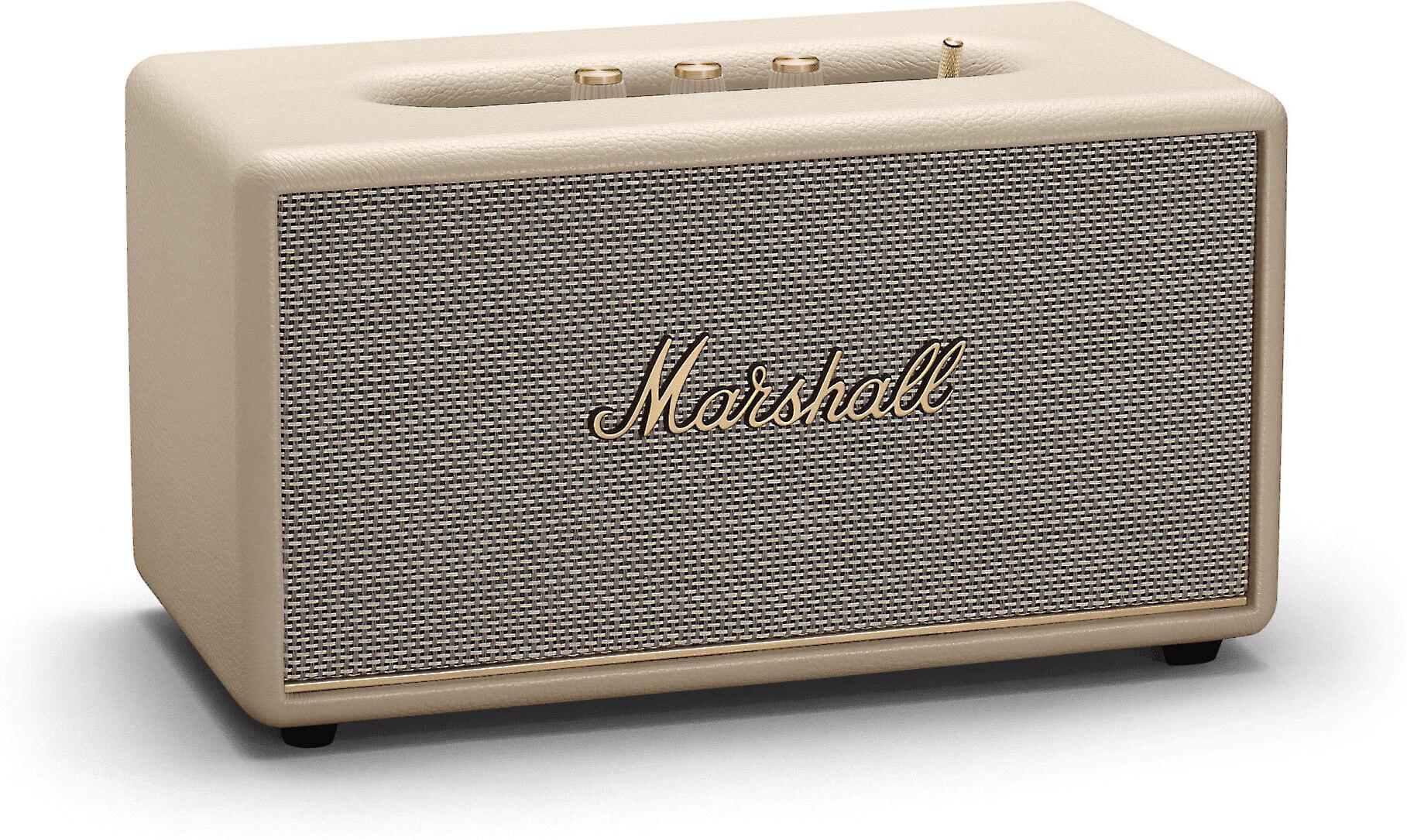
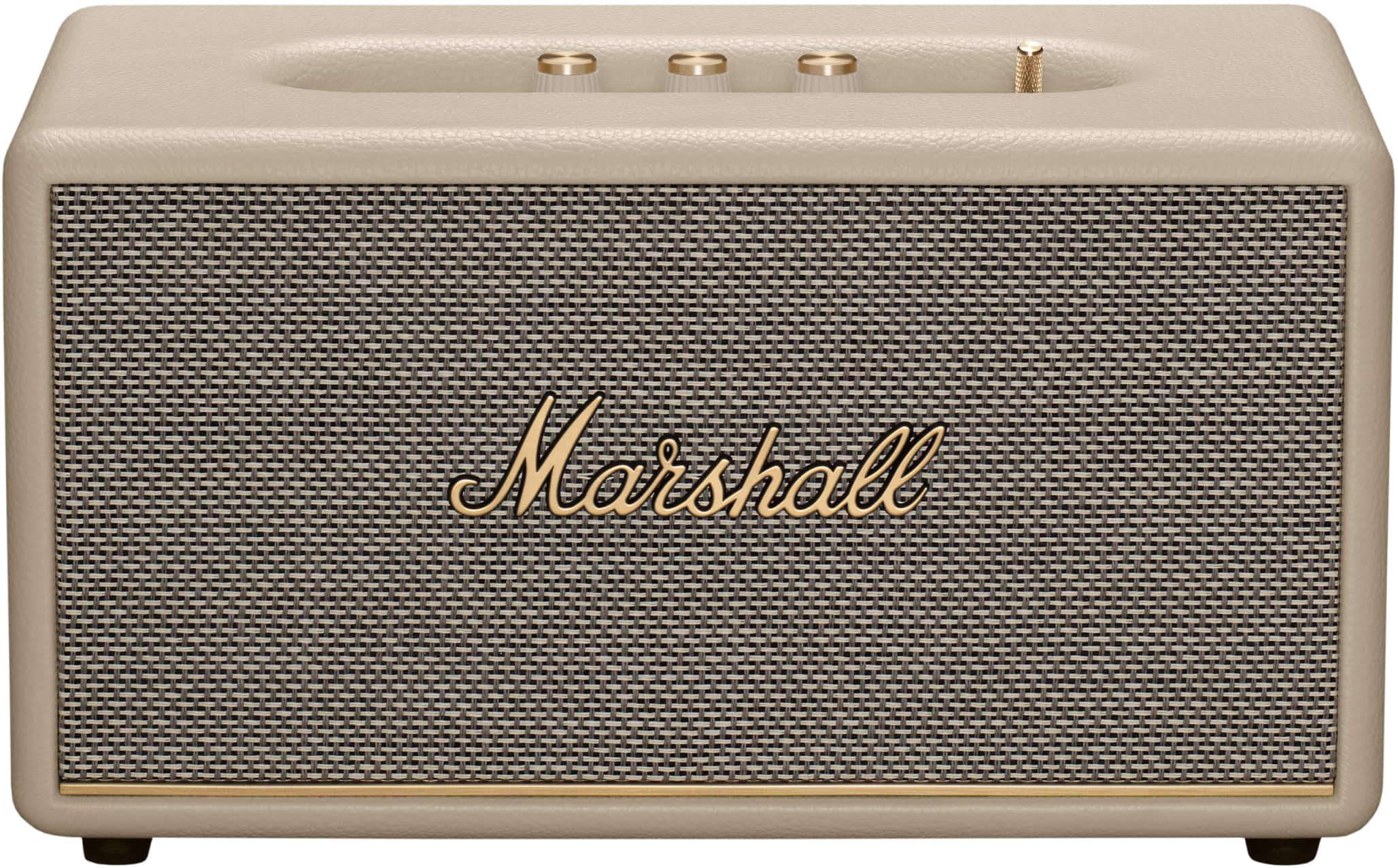
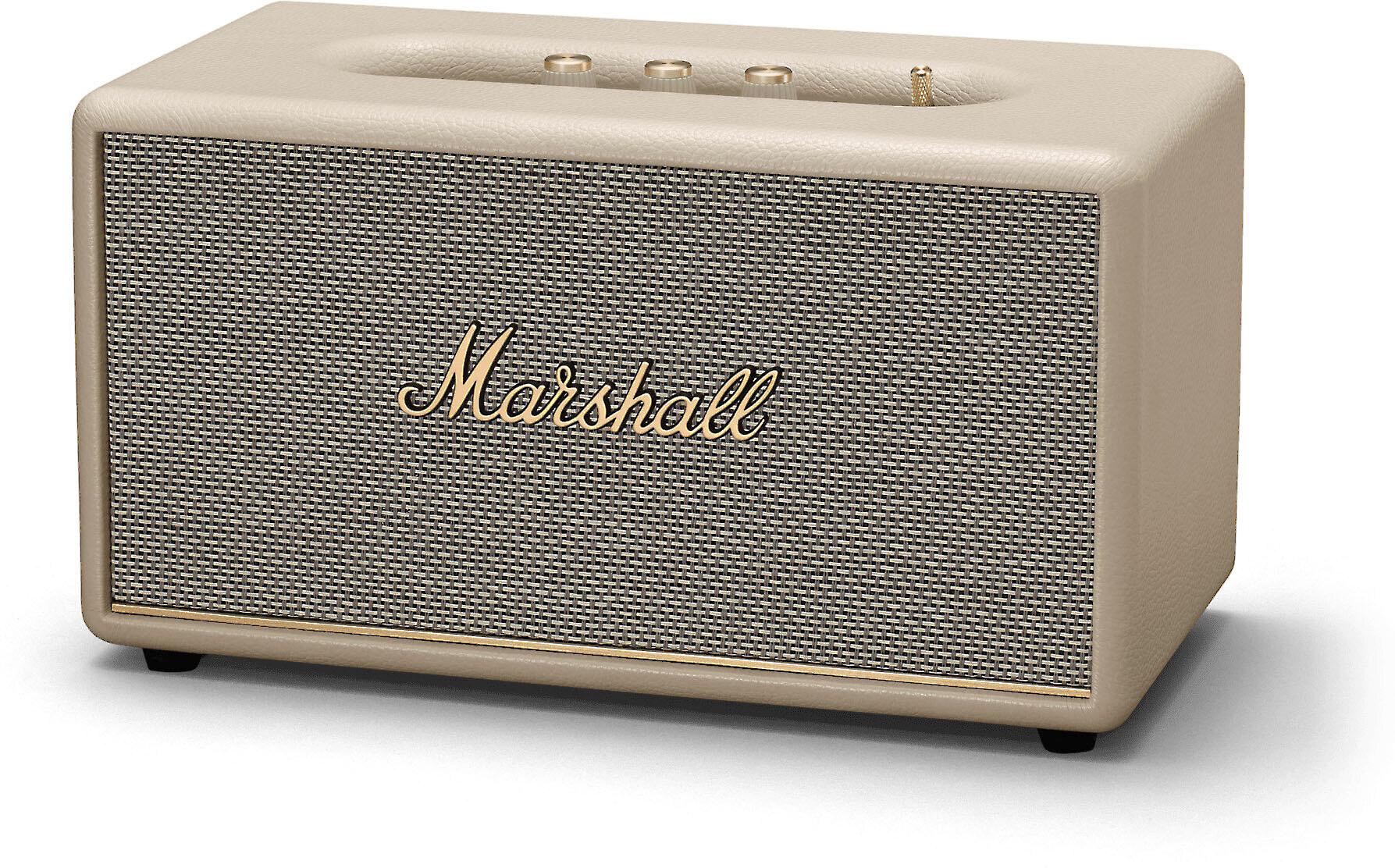
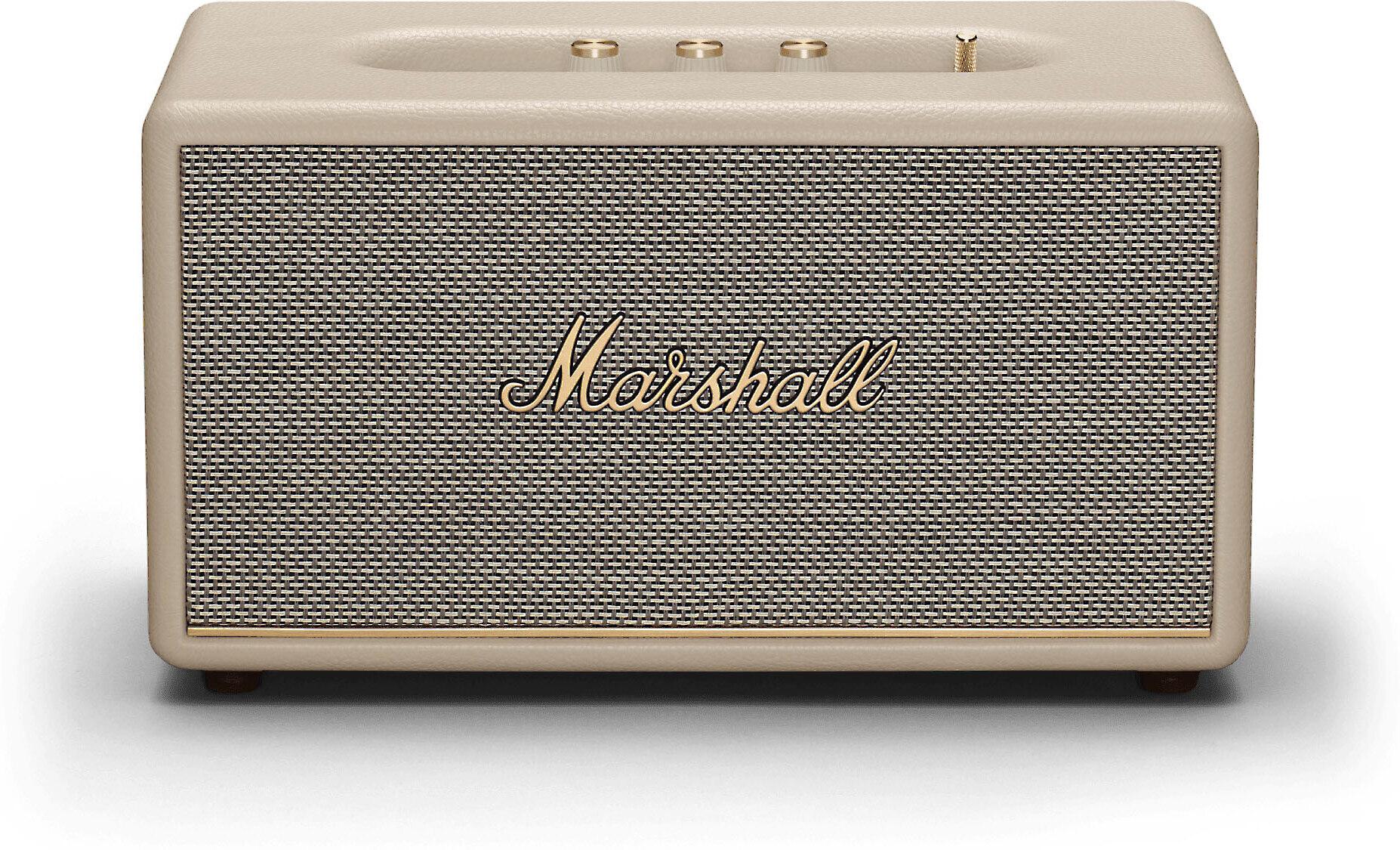
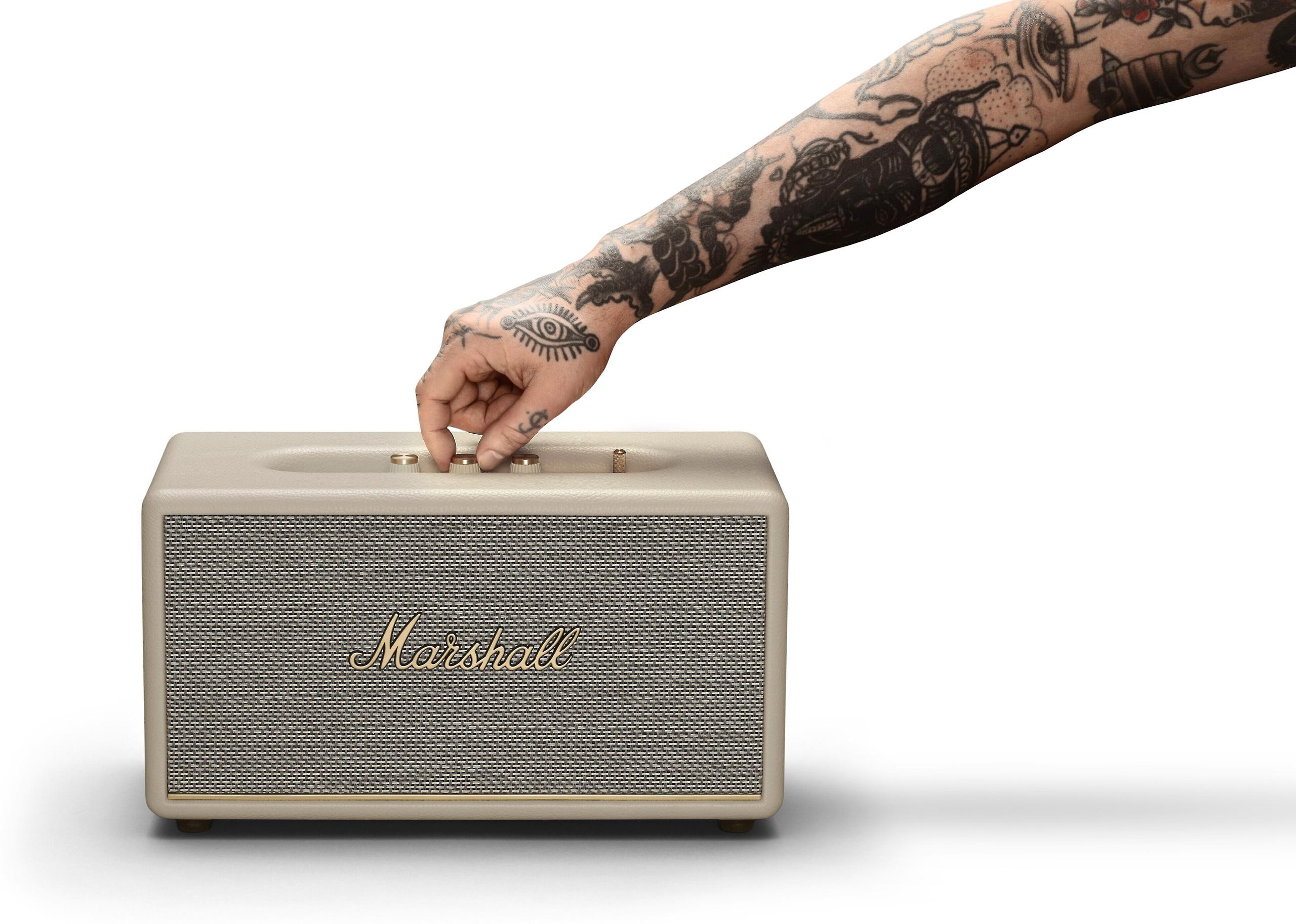
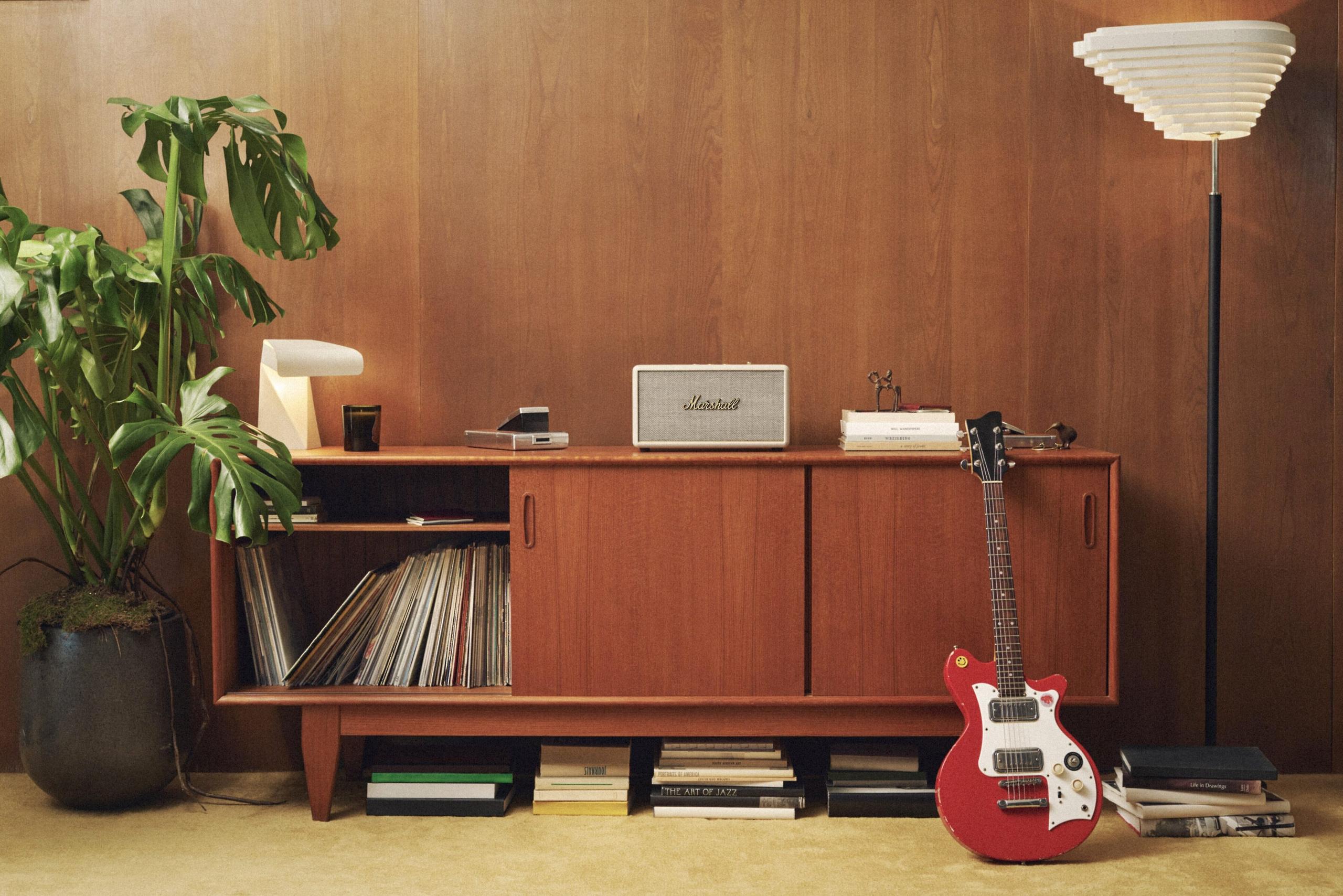
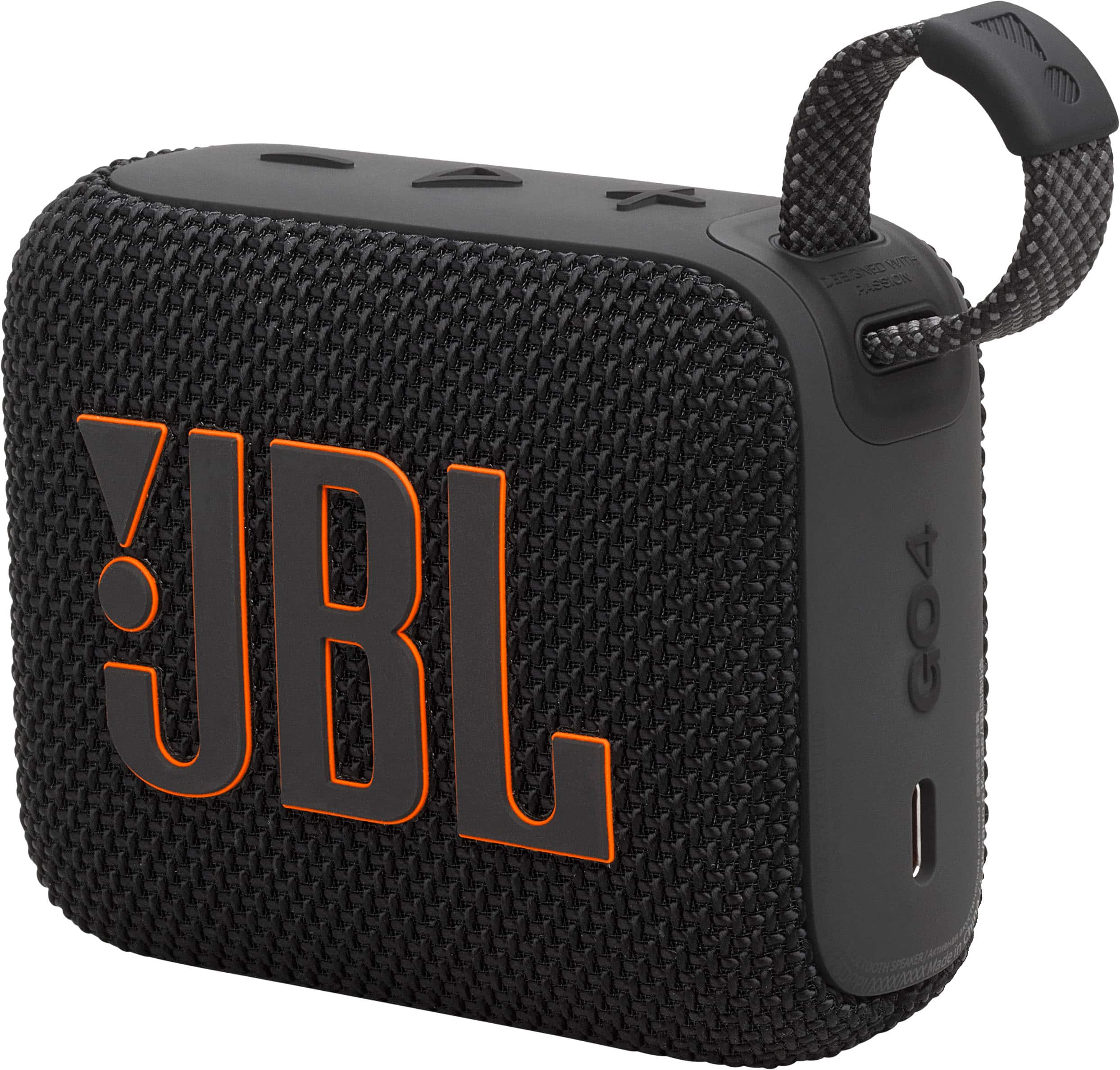
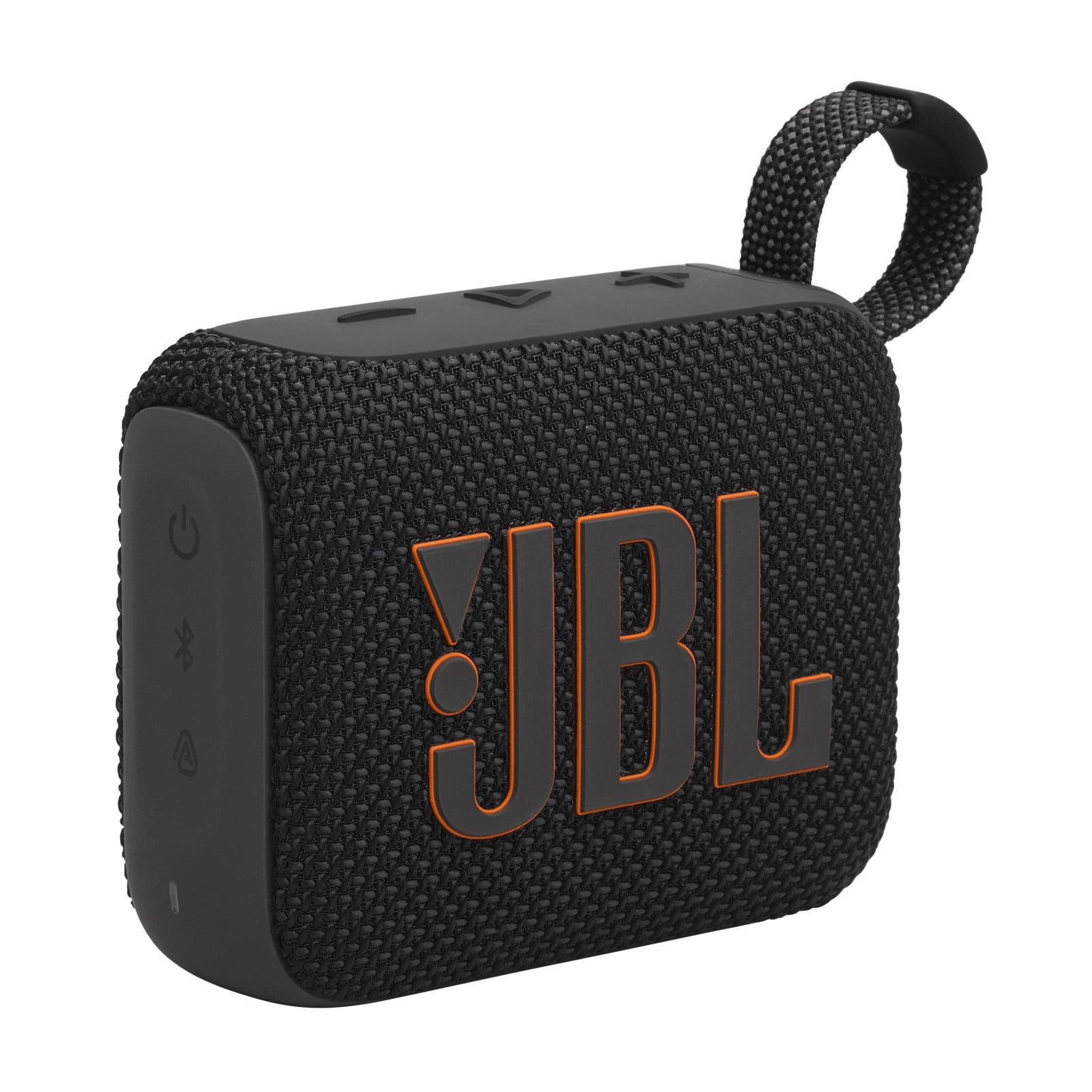


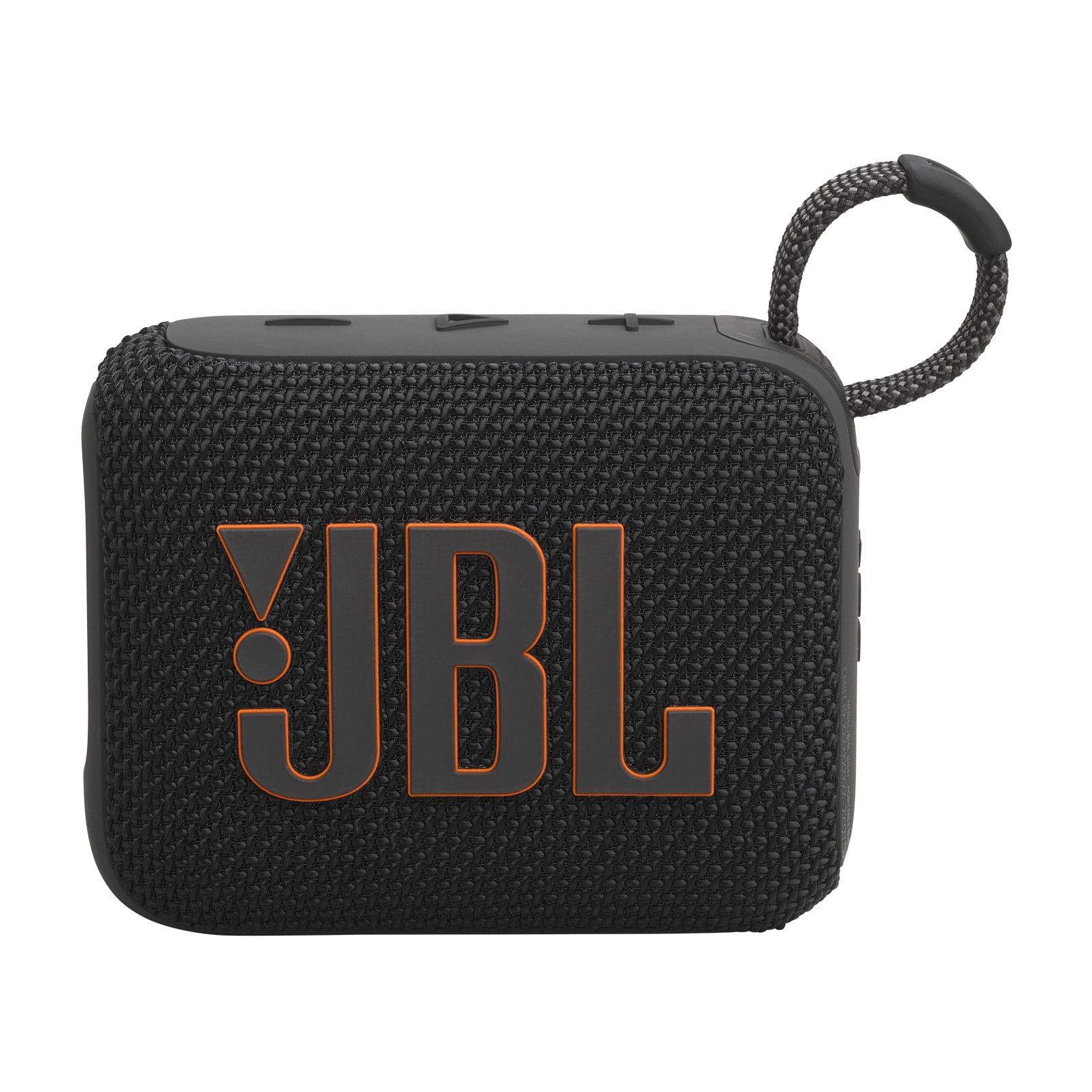
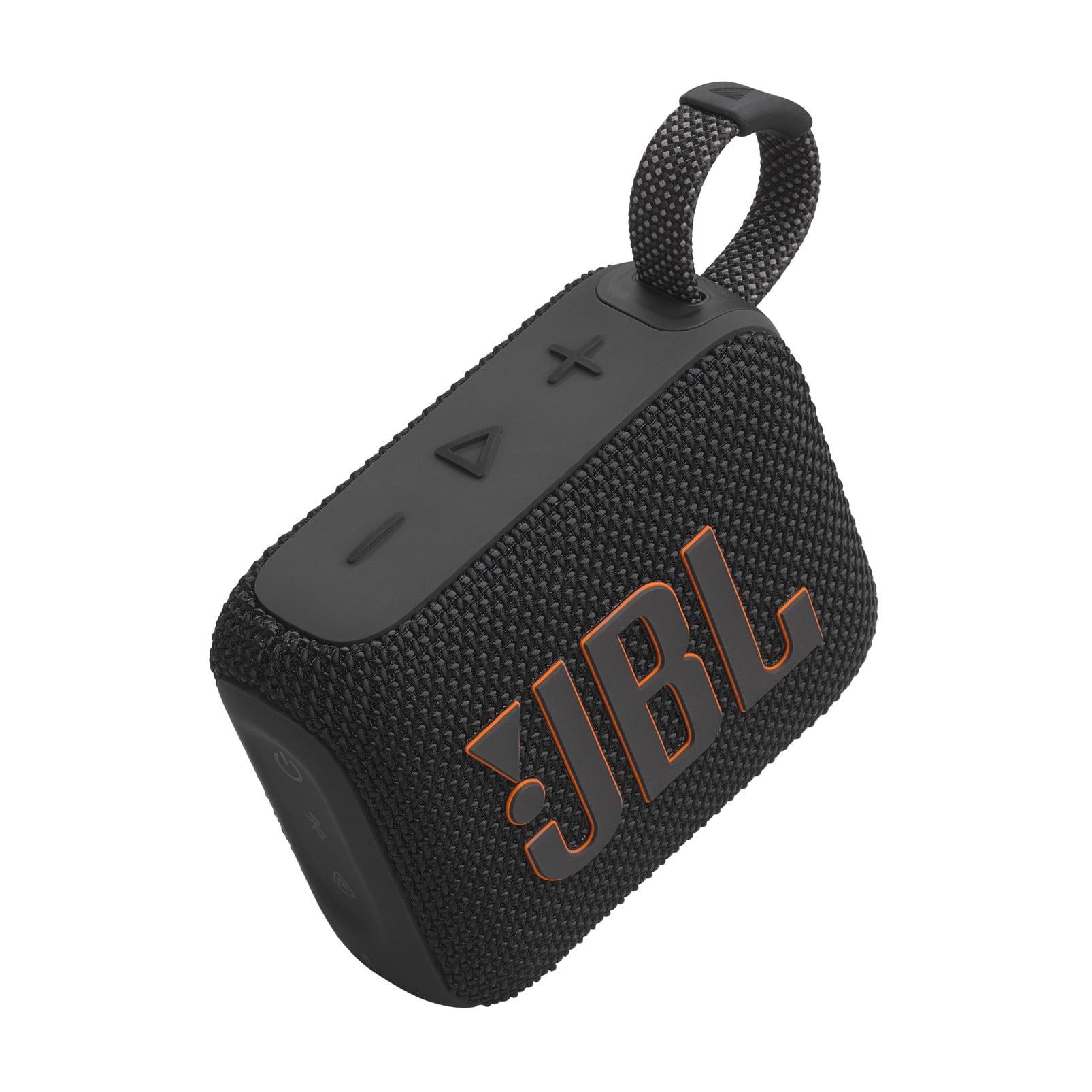
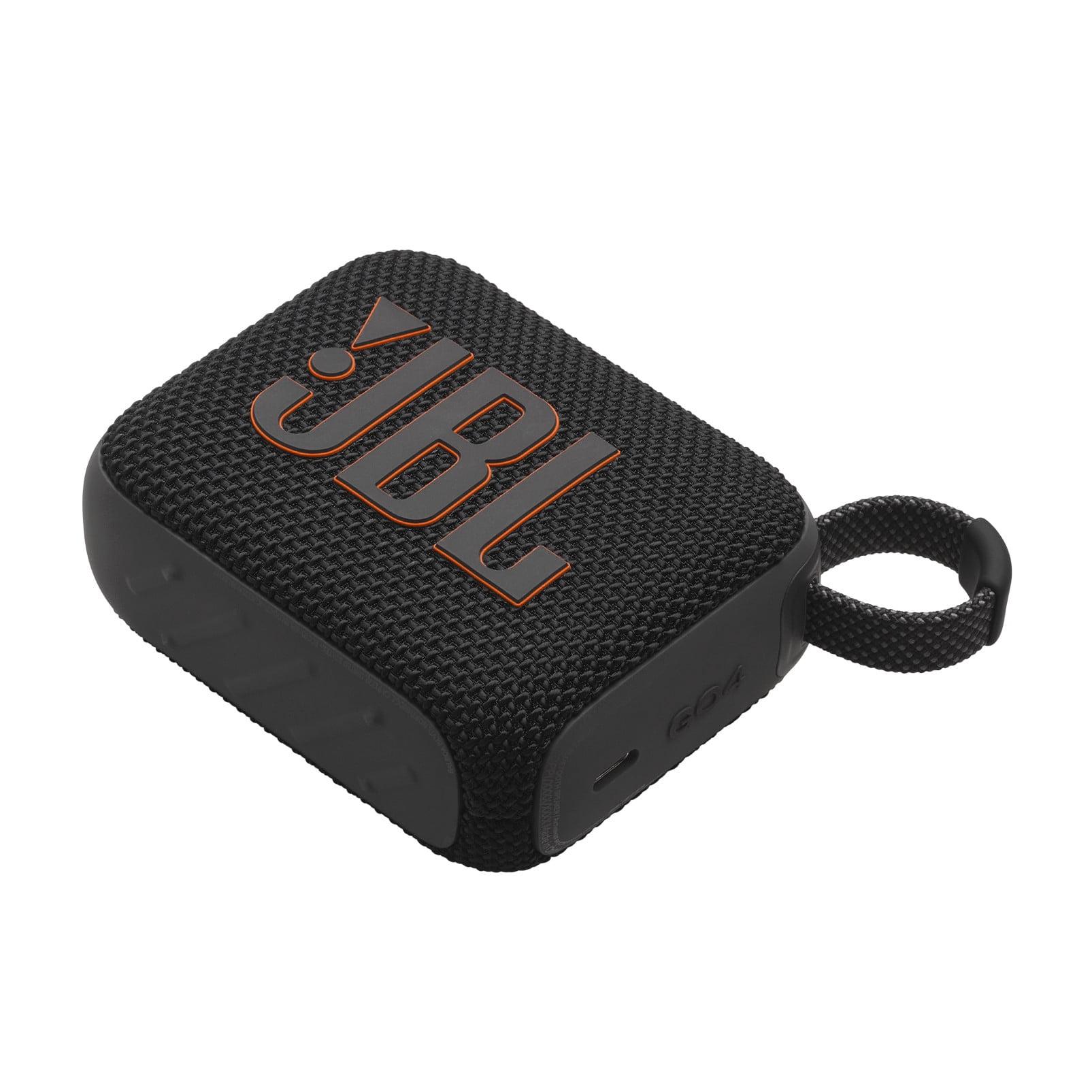
When it comes to wireless audio, choosing between a premium home speaker and an ultra-portable option often comes down to understanding how you'll actually use it. Let's dive into a detailed comparison of the Marshall Stanmore III ($379.99) and the JBL Go 4 ($44.00), two very different approaches to Bluetooth audio that were released in late 2022 and mid-2023 respectively.
Bluetooth speakers have come a long way in the past few years. The latest Bluetooth 5.2 and 5.3 standards offer improved range, better audio quality, and more stable connections than ever before. Both of our featured speakers showcase these improvements, but they take distinctly different approaches to how they implement the technology.
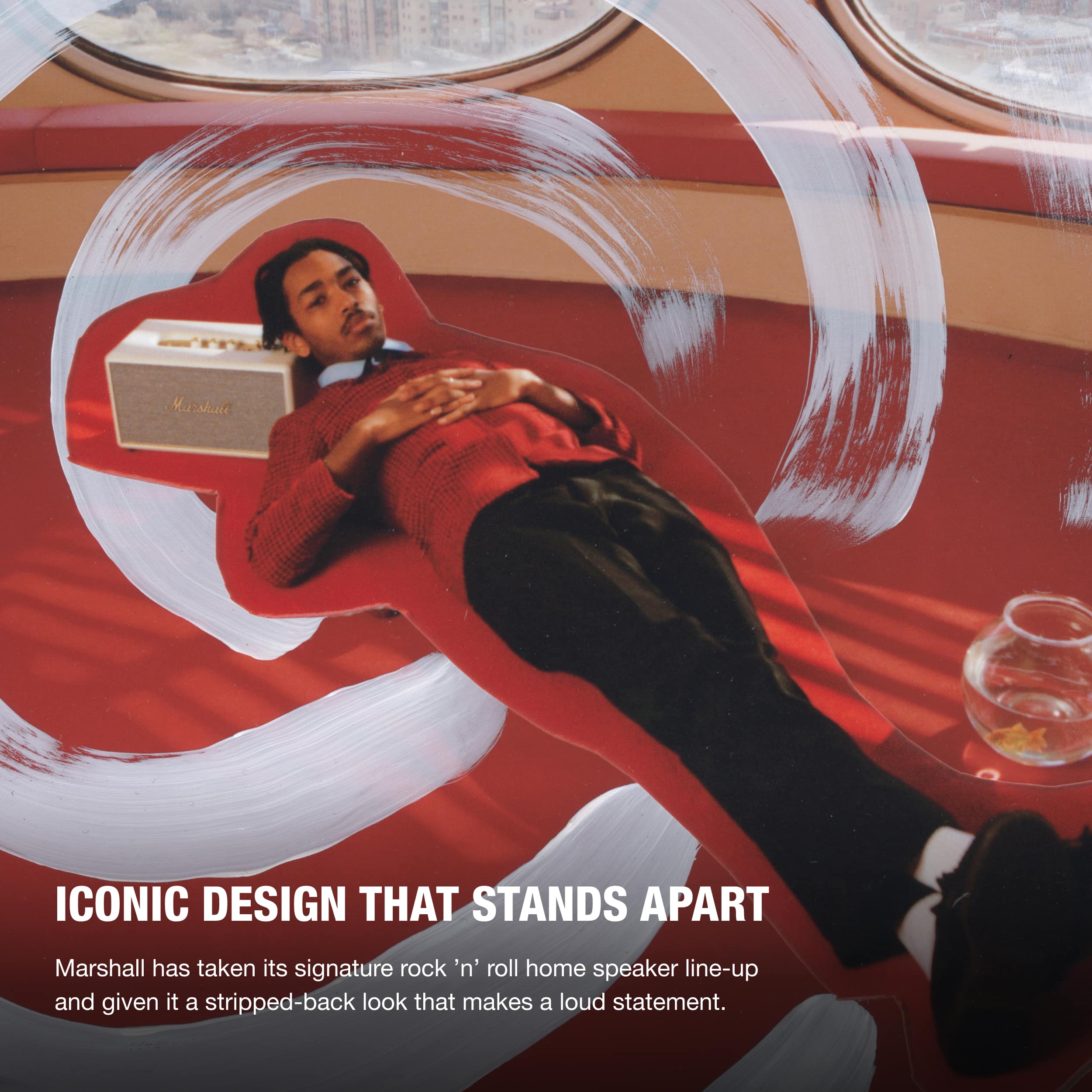
The Marshall Stanmore III represents the premium home audio segment, building on Marshall's legacy of professional audio equipment. It's part of their third generation of home speakers, bringing significant improvements in sound processing and connectivity over previous models. The addition of placement compensation technology (which adjusts the sound based on nearby walls and surfaces) shows how home speakers are getting smarter.
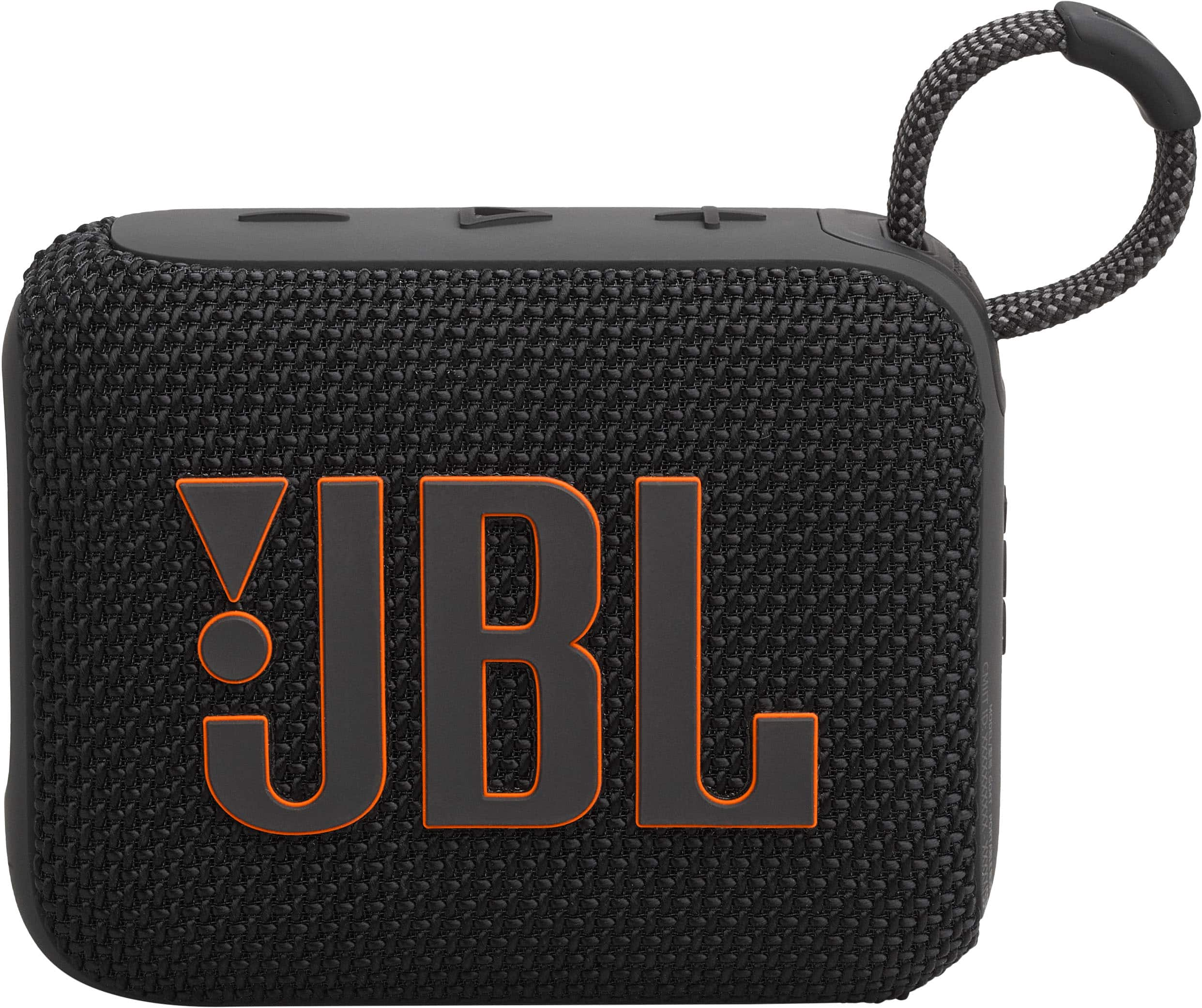
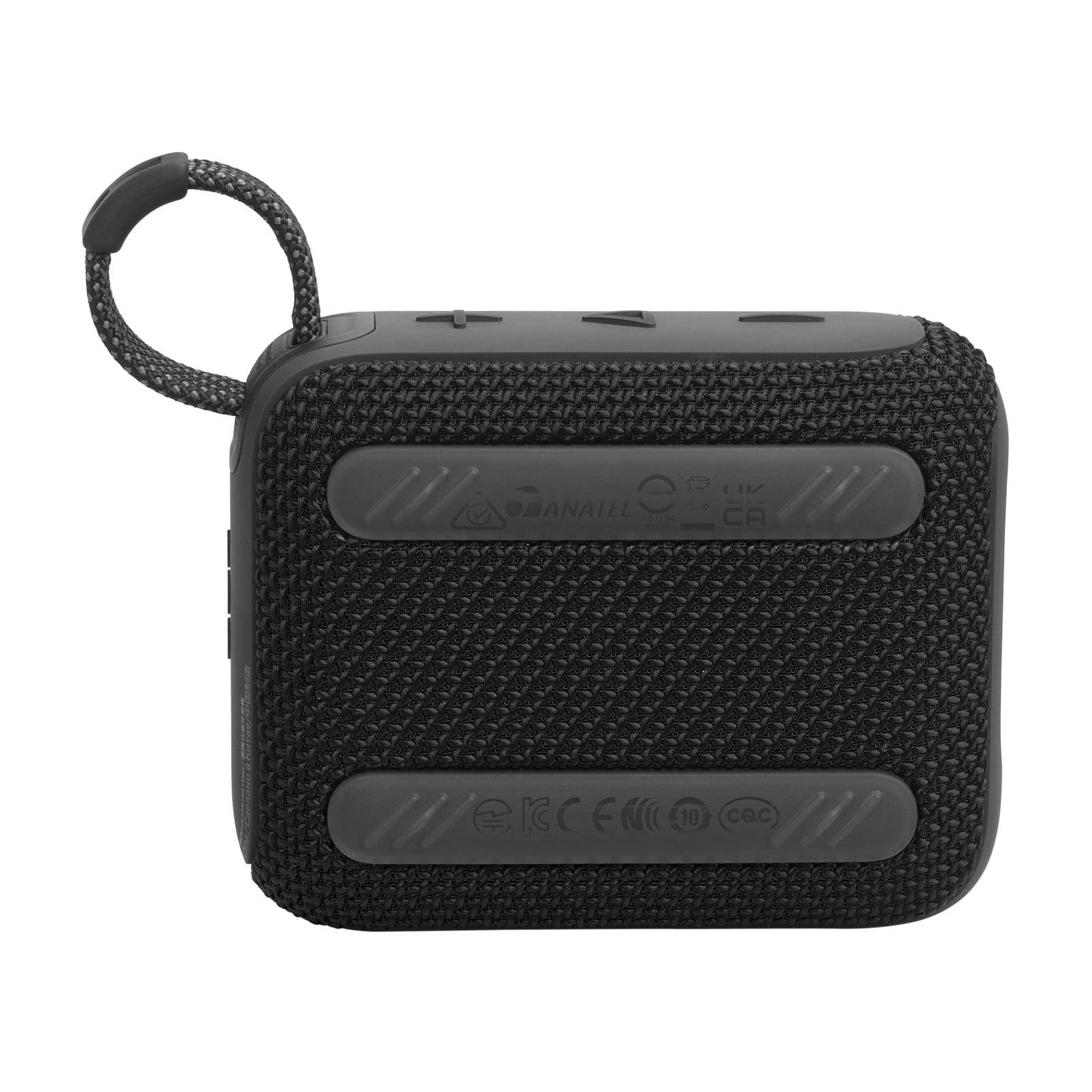
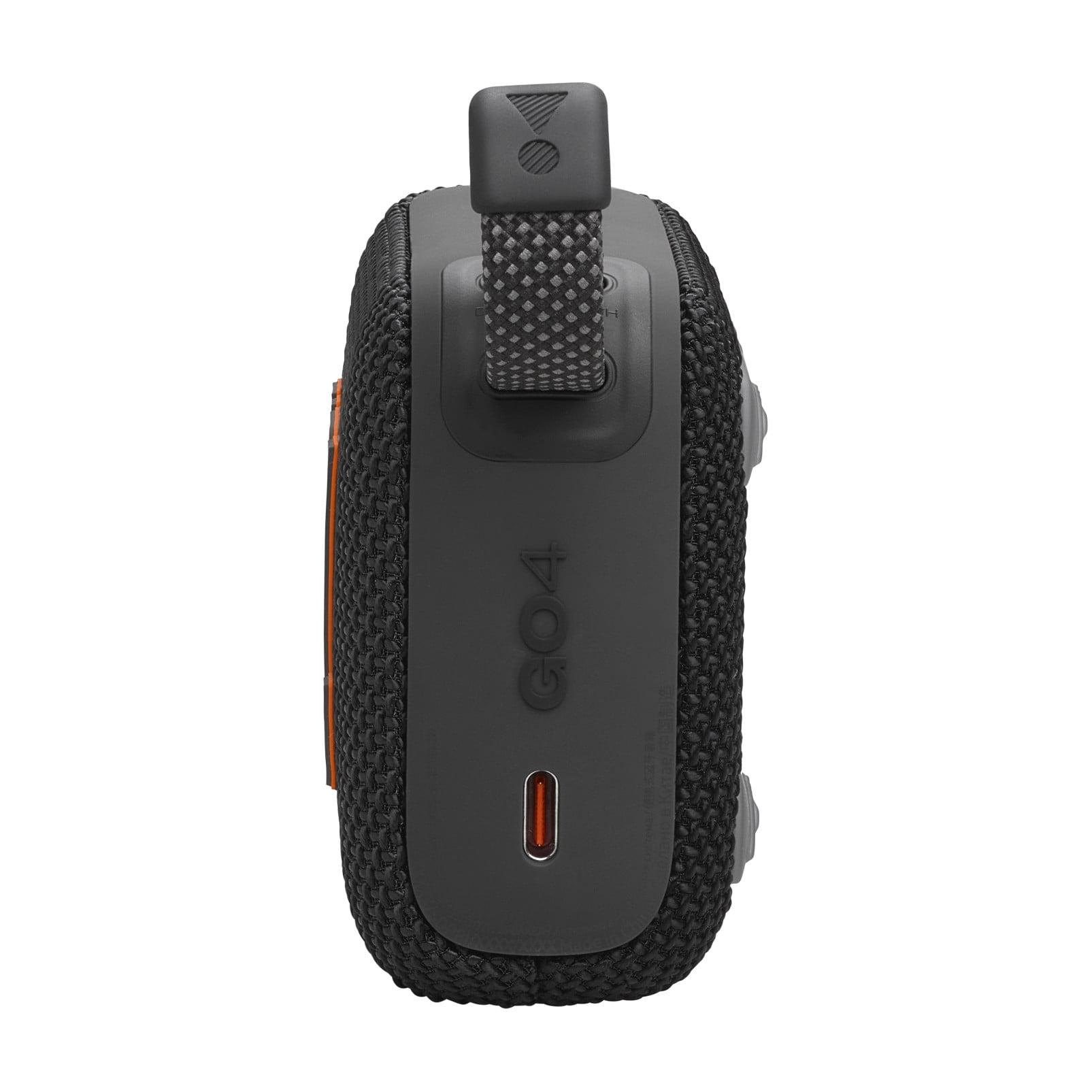
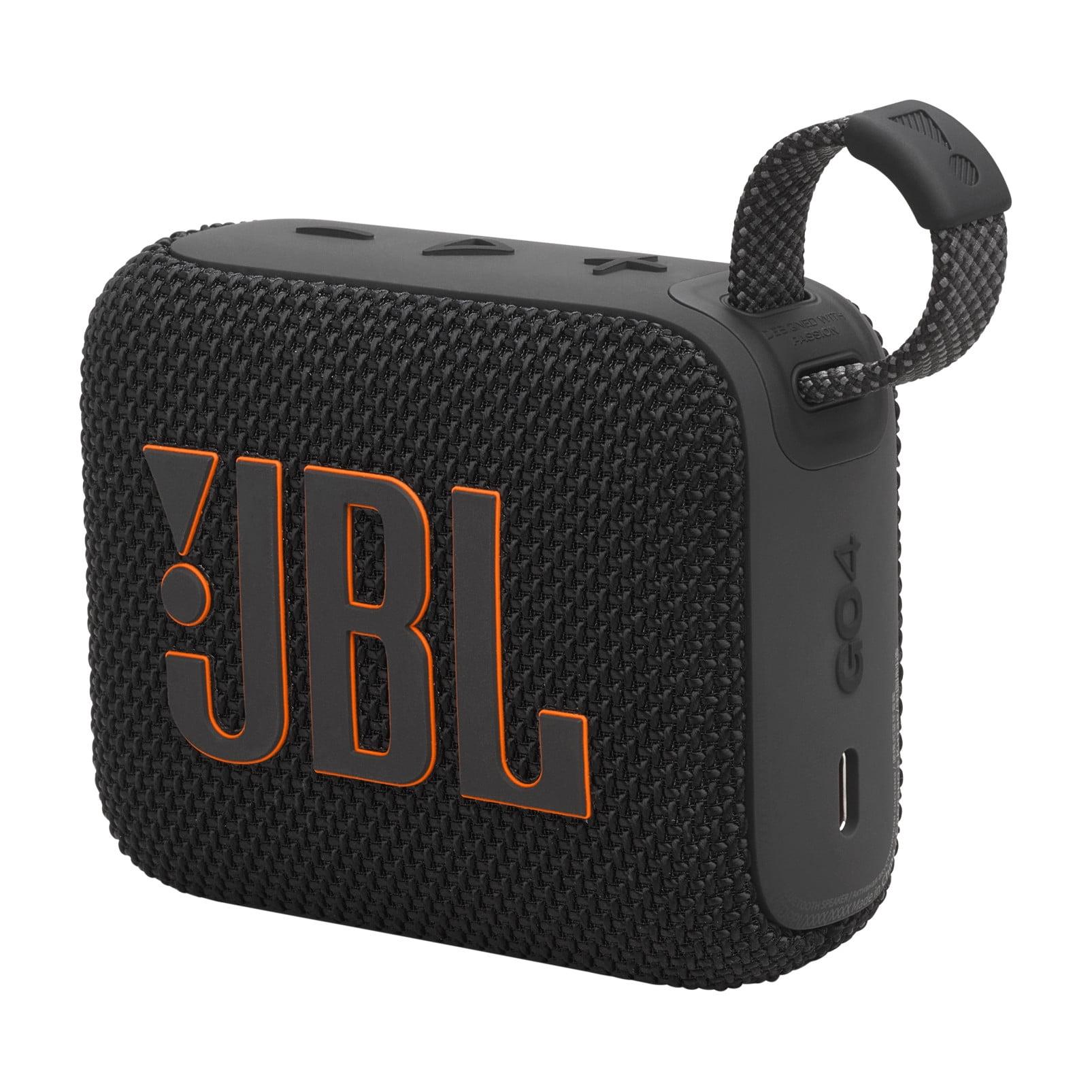
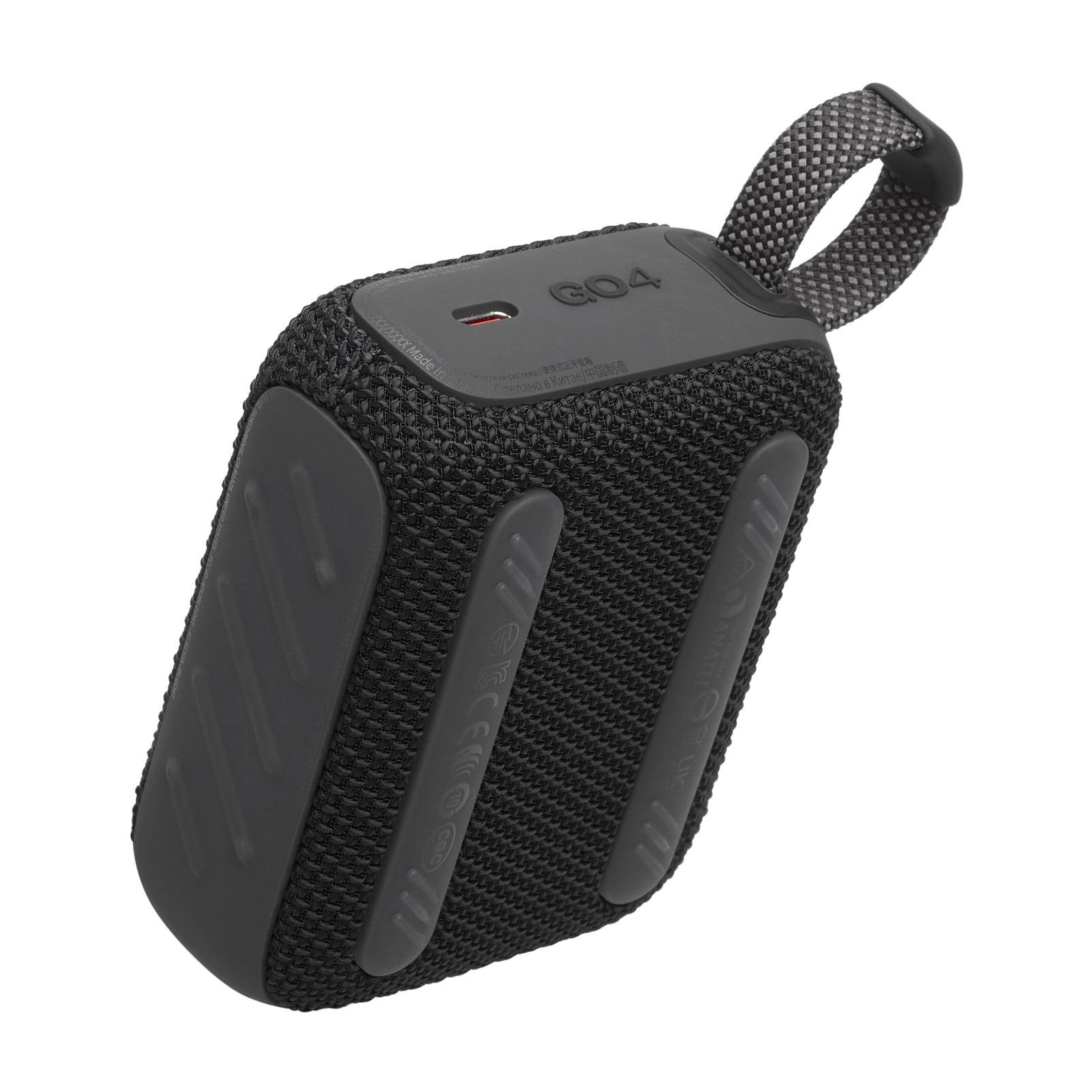
The JBL Go 4 continues JBL's popular ultra-portable line, but with meaningful upgrades. The latest version includes Auracast support (a new Bluetooth feature that allows multiple people to listen to the same audio source) and improved water resistance, demonstrating how portable speakers are becoming more versatile and durable.
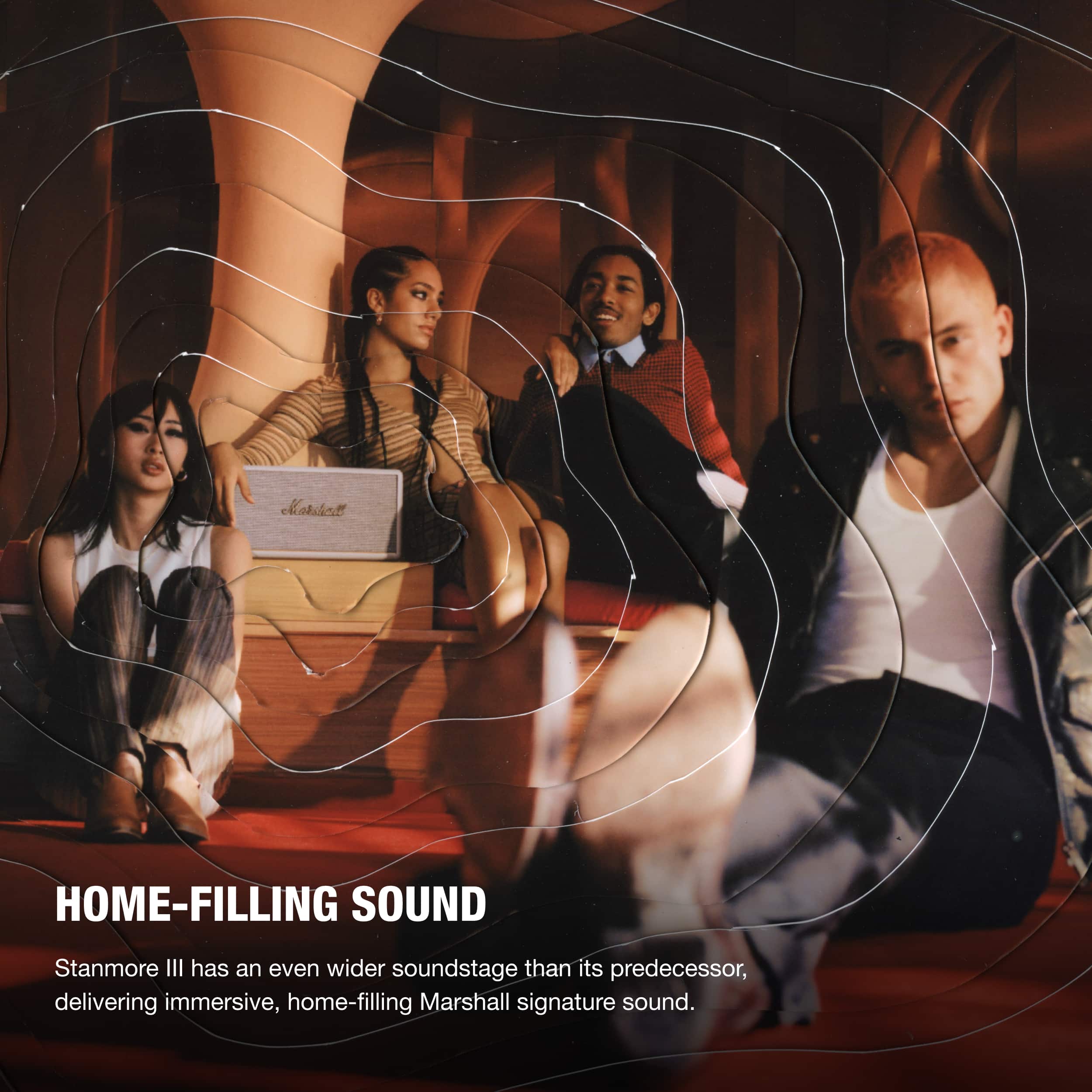
The Stanmore III's sound quality is impressive, leveraging its substantial 80-watt system (split between a 50-watt woofer and two 15-watt tweeters). This three-speaker arrangement creates what audio enthusiasts call a "stereo image" – you can actually hear where different instruments are positioned in the recording. The speaker's frequency response of 45Hz to 20kHz means it can reproduce deep bass notes that smaller speakers simply can't manage.
What's particularly clever is the Dynamic Loudness feature, which automatically adjusts the tonal balance at different volume levels. This addresses a common problem in audio reproduction – our ears perceive bass and treble differently at various volumes. The system compensates for this, ensuring the music sounds balanced whether you're playing it quietly for background music or cranking it up for a party.
The Go 4 takes a different approach, focusing on clarity and projection from a tiny package. Its single 45mm driver handles the full range of frequencies, and while it can't match the Stanmore III's bass response, it does an admirable job for its size. The speaker uses JBL's newest digital signal processing (DSP) to prevent distortion at higher volumes and enhance voice clarity – particularly useful for podcasts and audiobooks.
Let's talk about how these speakers perform in actual use cases:
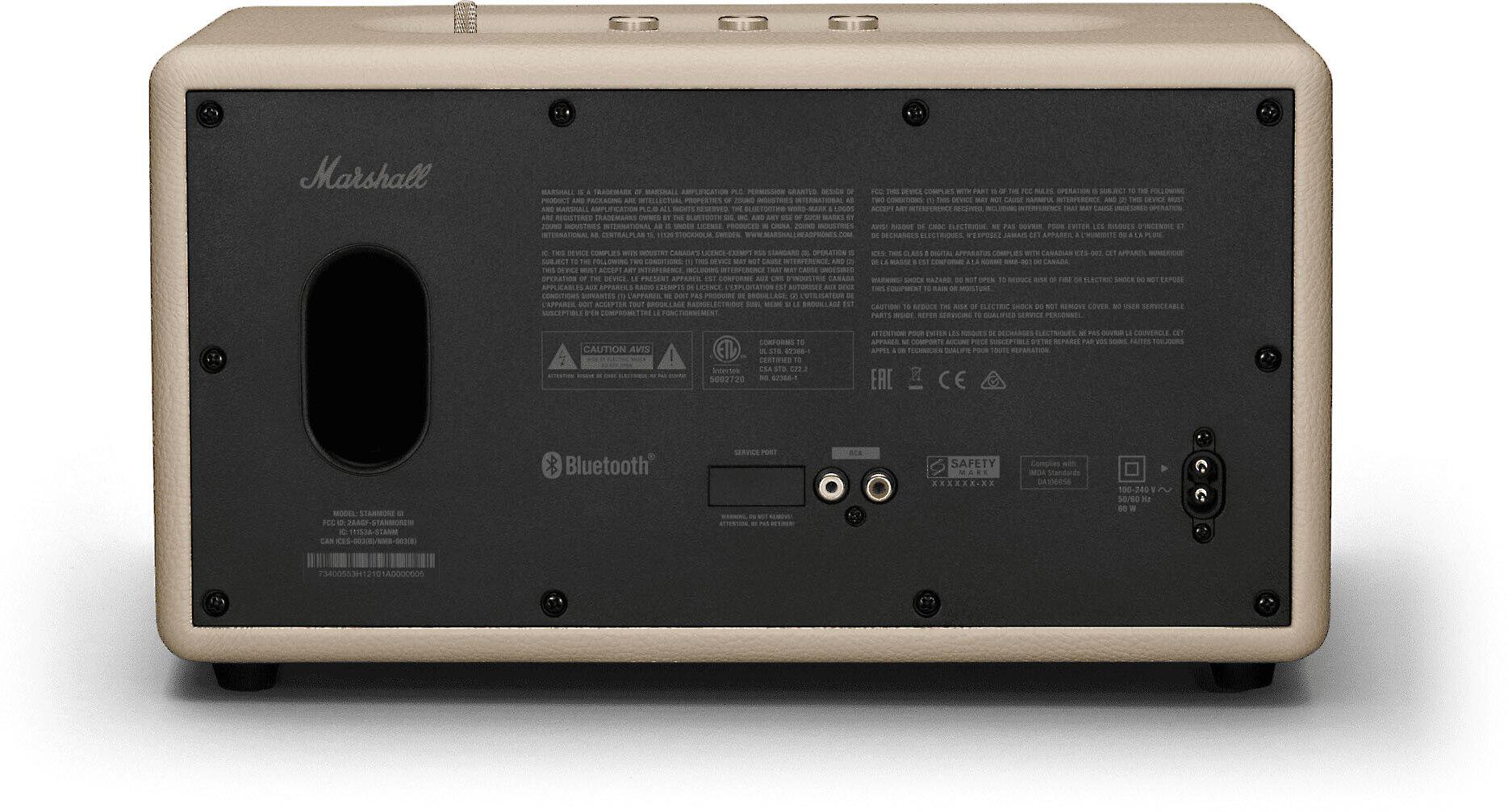
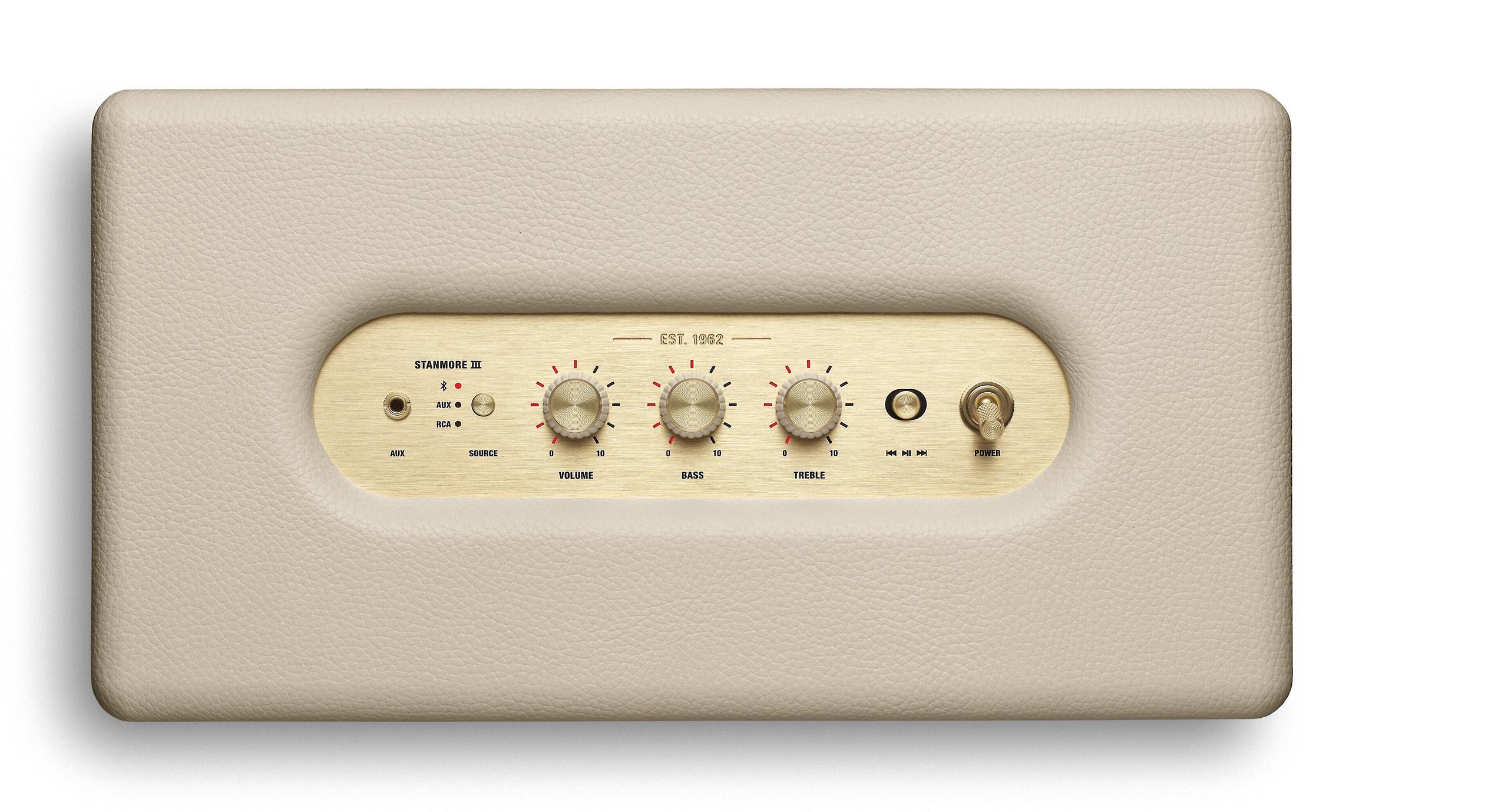
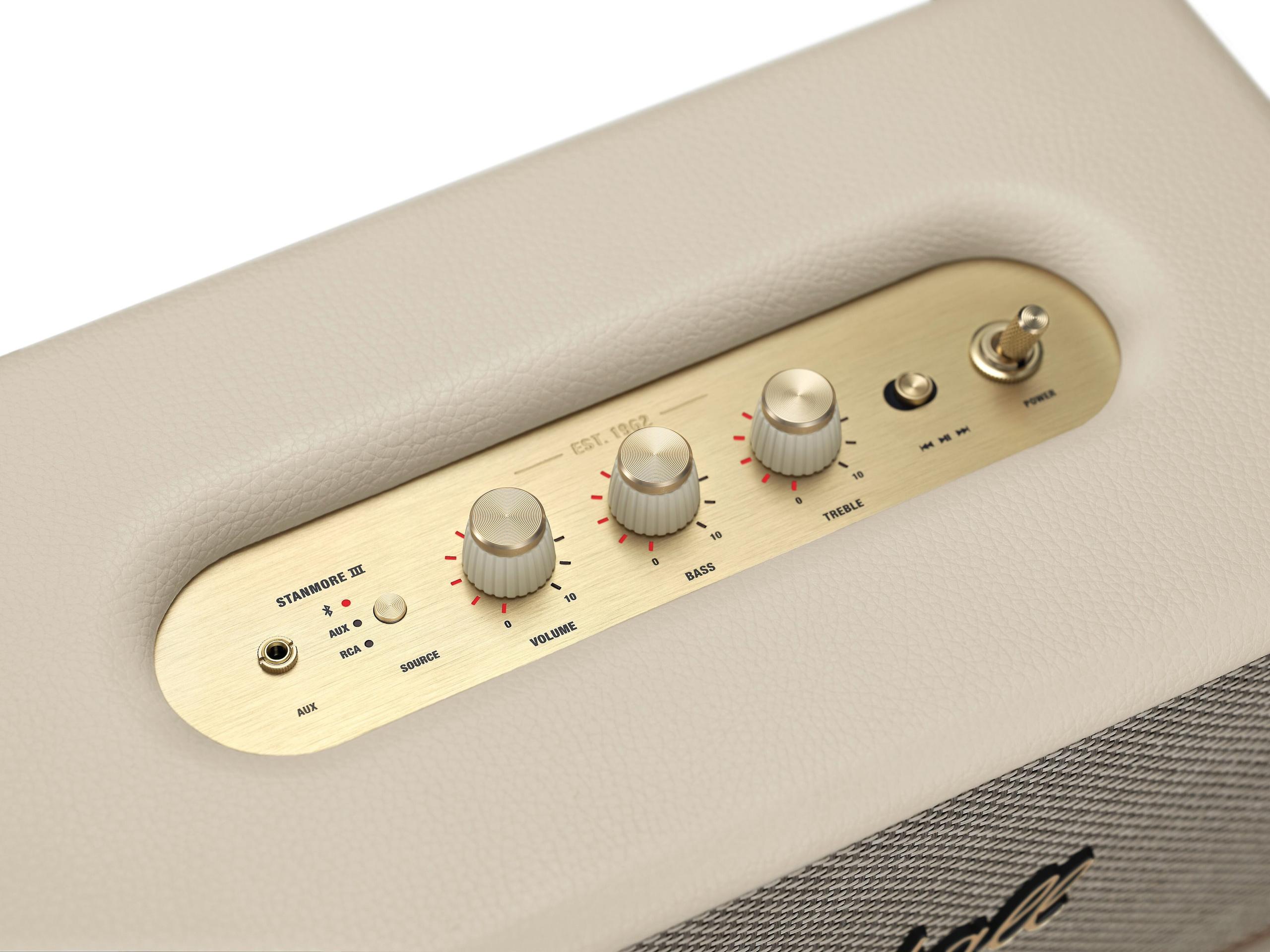
The Stanmore III excels in home entertainment scenarios. Its multiple inputs (including RCA connections) make it ideal for connecting to TVs, turntables, or gaming systems. The speaker's power and range mean it can fill even large rooms with clear, detailed sound. I've found it particularly effective for home theater use, where its powerful bass adds impact to movie soundtracks without requiring a separate subwoofer.
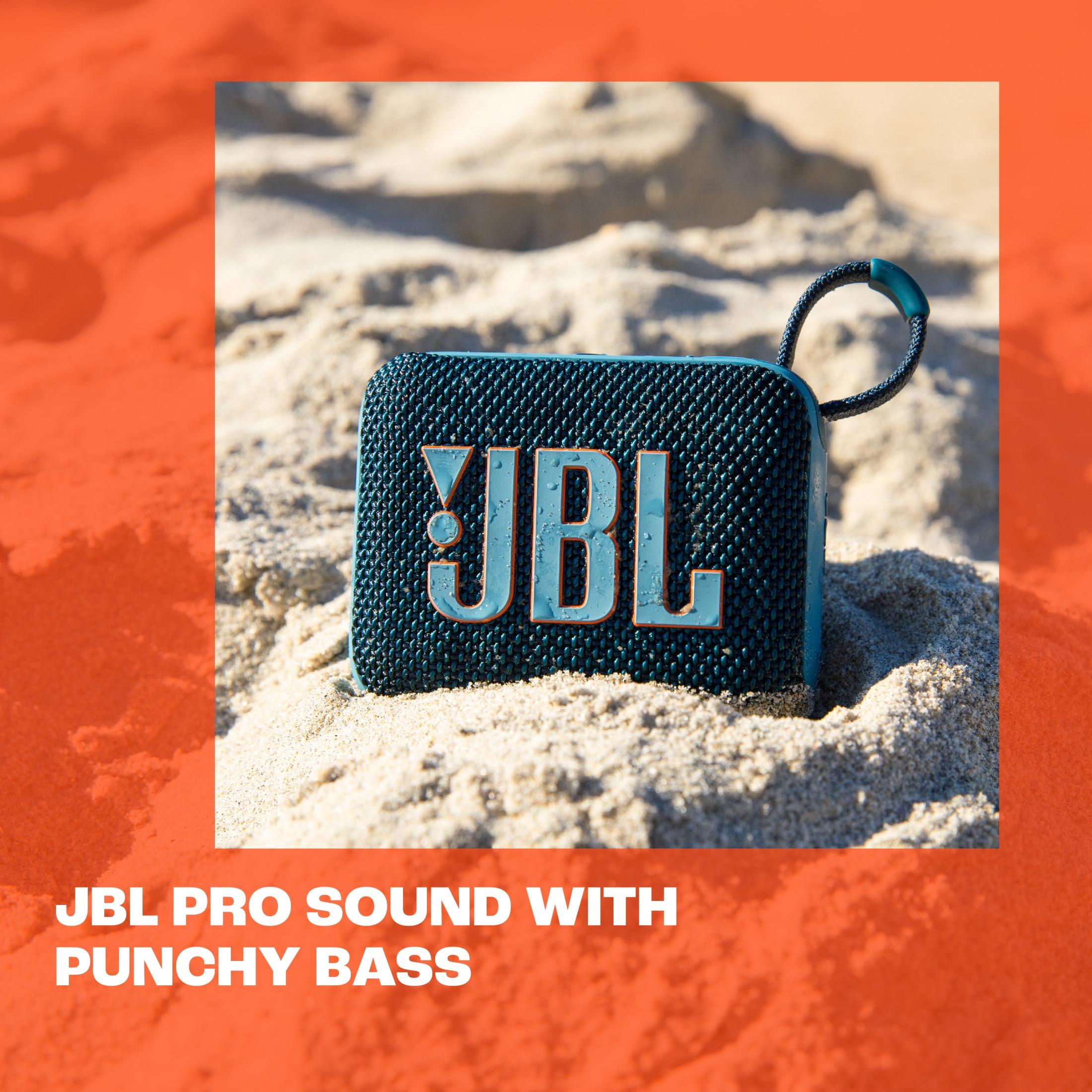
The JBL Go 4 shines in situations where the Stanmore III simply couldn't go. Its IP67 rating means it's fully dustproof and can be submerged in water up to 1 meter deep for 30 minutes. This makes it perfect for beach trips, pool parties, or even singing in the shower. The 7-hour battery life is enough for most outings, and its pocket-sized design means you'll actually want to take it with you.
The Stanmore III offers both modern and traditional control methods. The physical brass knobs on top provide tactile control over volume, bass, and treble – something many users prefer over touch controls. The companion app adds deeper functionality, including:
The Go 4 keeps things simpler with basic button controls but adds some clever features through its app:
When considering value, it's important to look beyond just the price tag:
The Stanmore III at $379.99 represents a significant investment, but it's competitive with other premium home speakers. Its build quality, sound performance, and versatility make it a solid value for those seeking a primary home audio solution.
The JBL Go 4 at $44.00 offers remarkable value for its capabilities. While it can't match the Stanmore III's audio performance, its portability and durability make it an excellent second speaker or primary option for those prioritizing mobility.
The decision between these speakers should primarily be based on your intended use:
Choose the Marshall Stanmore III if:
Choose the JBL Go 4 if:
Both speakers show significant improvements over their predecessors:
The Stanmore III added:
The Go 4 improved with:
While these speakers might seem like they're in completely different leagues, they both excel at their intended purposes. The Marshall Stanmore III is a premium home audio solution that delivers excellent sound quality and versatility for those willing to invest in their home audio setup. The JBL Go 4 proves that good things can come in small packages, offering impressive functionality and durability in an ultra-portable form factor.
The best choice depends entirely on your needs, but there's nothing wrong with eventually owning both – they serve different purposes and complement each other well. After all, even if you have a great home audio setup, sometimes you just need something you can throw in a bag and take to the beach.
| Marshall Stanmore III ($379.99) | JBL Go 4 ($44.00) |
|---|---|
| Power Output - Determines volume capability and sound fullness | |
| 80W total (50W woofer + 2x15W tweeters) | 4.2W RMS single driver |
| Size - Impacts portability and bass response | |
| 13.8" x 7.7" x 7.3" (10.25 lbs) | 3.7" x 3.0" x 1.7" (0.42 lbs) |
| Frequency Response - Range of sound reproduction | |
| 45Hz - 20kHz (deep bass capable) | 90Hz - 20kHz (limited bass) |
| Durability Rating - Important for portable use | |
| Indoor use only | IP67 waterproof/dustproof |
| Battery Life - Critical for portable scenarios | |
| AC power only | 7 hours (up to 9 with Playtime Boost) |
| Connectivity Options - Flexibility for different sources | |
| Bluetooth 5.2, 3.5mm aux, RCA inputs | Bluetooth 5.3, 3.5mm aux |
| Speaker Configuration - Impacts sound quality and staging | |
| 2-way system with dedicated woofer and tweeters | Single full-range driver |
| Special Features - Added value considerations | |
| Room placement compensation, Dynamic Loudness, physical EQ controls | Auracast multi-speaker support, portable app EQ, waterproof |
| Primary Use Case - Helps match to buyer needs | |
| Premium home audio, room-filling sound | Ultra-portable personal audio, outdoor use |
| Construction - Build quality and materials | |
| Premium wood cabinet, metal grille, brass accents | Durable plastic, recycled materials |
| Sound Customization - Control over audio profile | |
| Physical knobs for bass/treble, app EQ, placement compensation | App-based EQ presets only |
| Value Proposition - Price vs. capability | |
| Premium price but competitive in home audio segment | Excellent value for portable use case |
The Marshall Stanmore III ($379.99) and JBL Go 4 ($44.00) serve different purposes. The Stanmore III is better for home audio with superior sound quality, while the Go 4 is better for portability and outdoor use.
The Marshall Stanmore III costs $379.99, while the JBL Go 4 is priced at $44.00, a difference of $335.99.
The Marshall Stanmore III has significantly better sound quality with its 80W system and dedicated woofer and tweeters. The JBL Go 4 offers good sound for its size but can't match the Stanmore's audio performance.
The JBL Go 4 is designed for outdoor use with IP67 water/dust resistance. The Marshall Stanmore III is not suitable for outdoor use as it requires AC power and isn't weather-resistant.
The JBL Go 4 is ultra-portable at just 0.42 lbs and pocket-sized. The Marshall Stanmore III is a stationary home speaker weighing 10.25 lbs and requiring AC power.
The JBL Go 4 offers up to 7 hours of battery life (9 with Playtime Boost). The Marshall Stanmore III doesn't have a battery and must be plugged in.
The Marshall Stanmore III is better for indoor parties with room-filling sound. The JBL Go 4 is better for small outdoor gatherings or personal listening.
The Marshall Stanmore III can connect to TVs via RCA or 3.5mm aux inputs. The JBL Go 4 can only connect via 3.5mm aux and isn't ideal for TV use.
The Marshall Stanmore III delivers much stronger bass with its 50W woofer and 45Hz low-end response. The JBL Go 4 has limited bass capability due to its small size.
Both speakers have companion apps for control. The Marshall Stanmore III offers more extensive EQ options and features, while the JBL Go 4 has basic EQ presets.
The JBL Go 4 is more durable with IP67 water/dust resistance. The Marshall Stanmore III is well-built but designed for indoor use only.
For primary home audio, choose the Marshall Stanmore III for superior sound quality and features. If you need a portable secondary speaker, the JBL Go 4 is an excellent complement.
We've done our best to create useful and informative comparisons to help you decide what product to buy. Our research uses advanced automated methods to create this comparison and perfection is not possible - please contact us for corrections or questions. These are the sites we've researched in the creation of this article: techgadgetscanada.com - camelcamelcamel.com - crutchfield.com - bestbuy.com - dxomark.com - crutchfield.com - crutchfield.com - marshall.com - marshall-production-1.mobify-storefront.com - exhibit.tech - ooberpad.com - av-connection.com - tomsguide.com - outeraudio.com - youtube.com - techradar.com - corporategift.com - jbl.com - target.com - dell.com - projectorscreen.com - mm.jbl.com

Privacy Policy
Terms and Conditions - Affiliate Policy
Home Security
© Copyright 2008-2026.
11816 Inwood Rd #1211, Dallas, TX 75244