

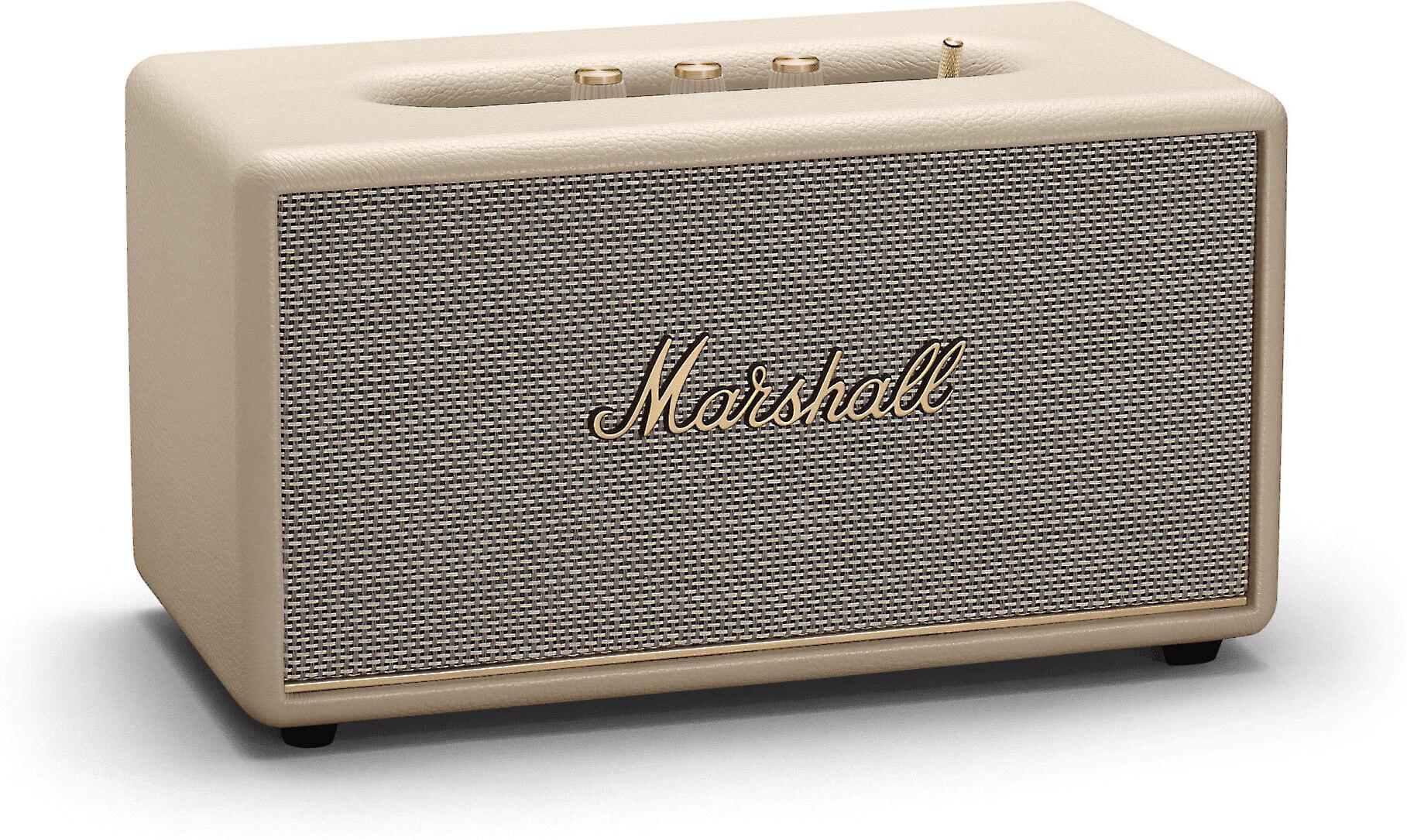
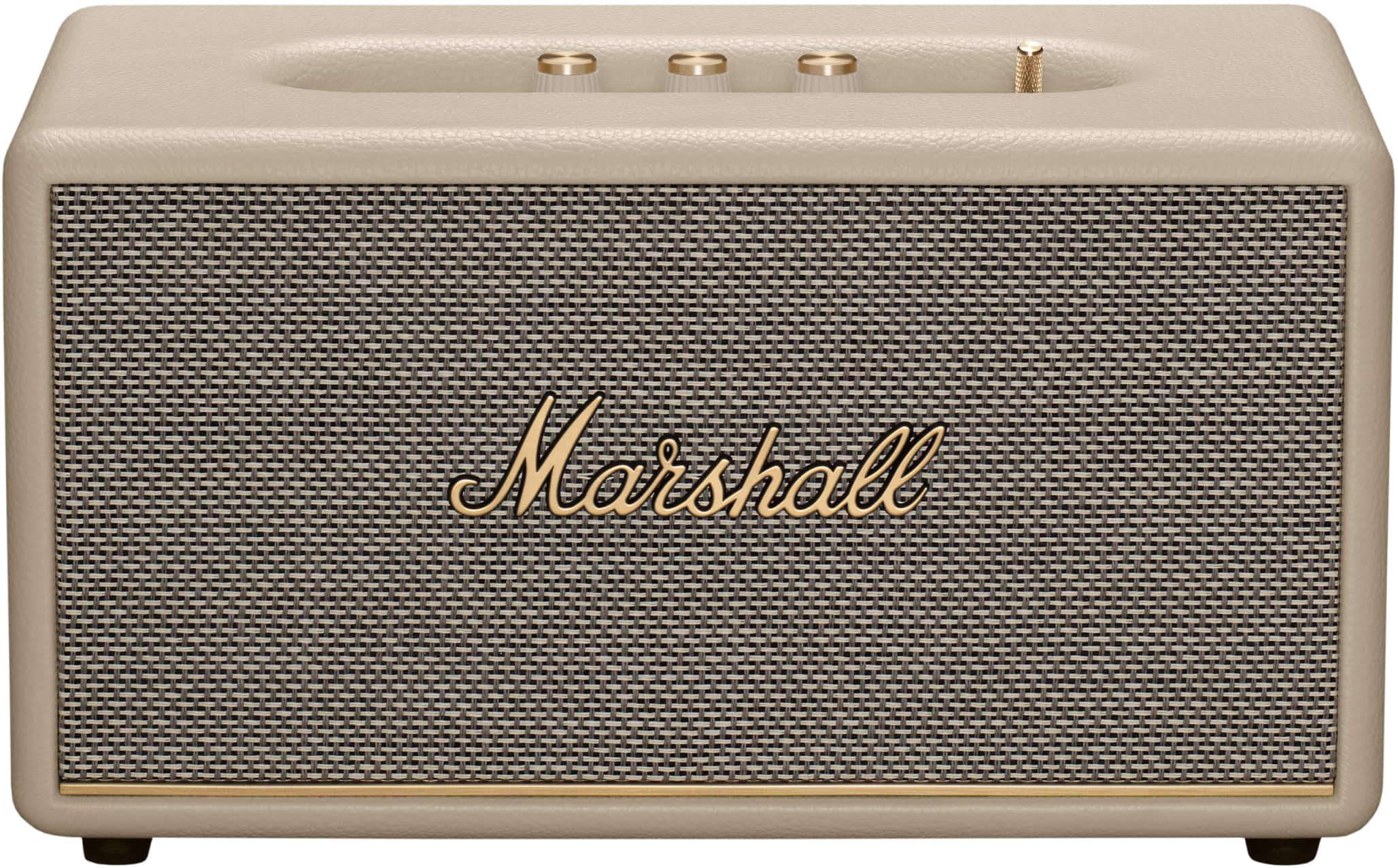
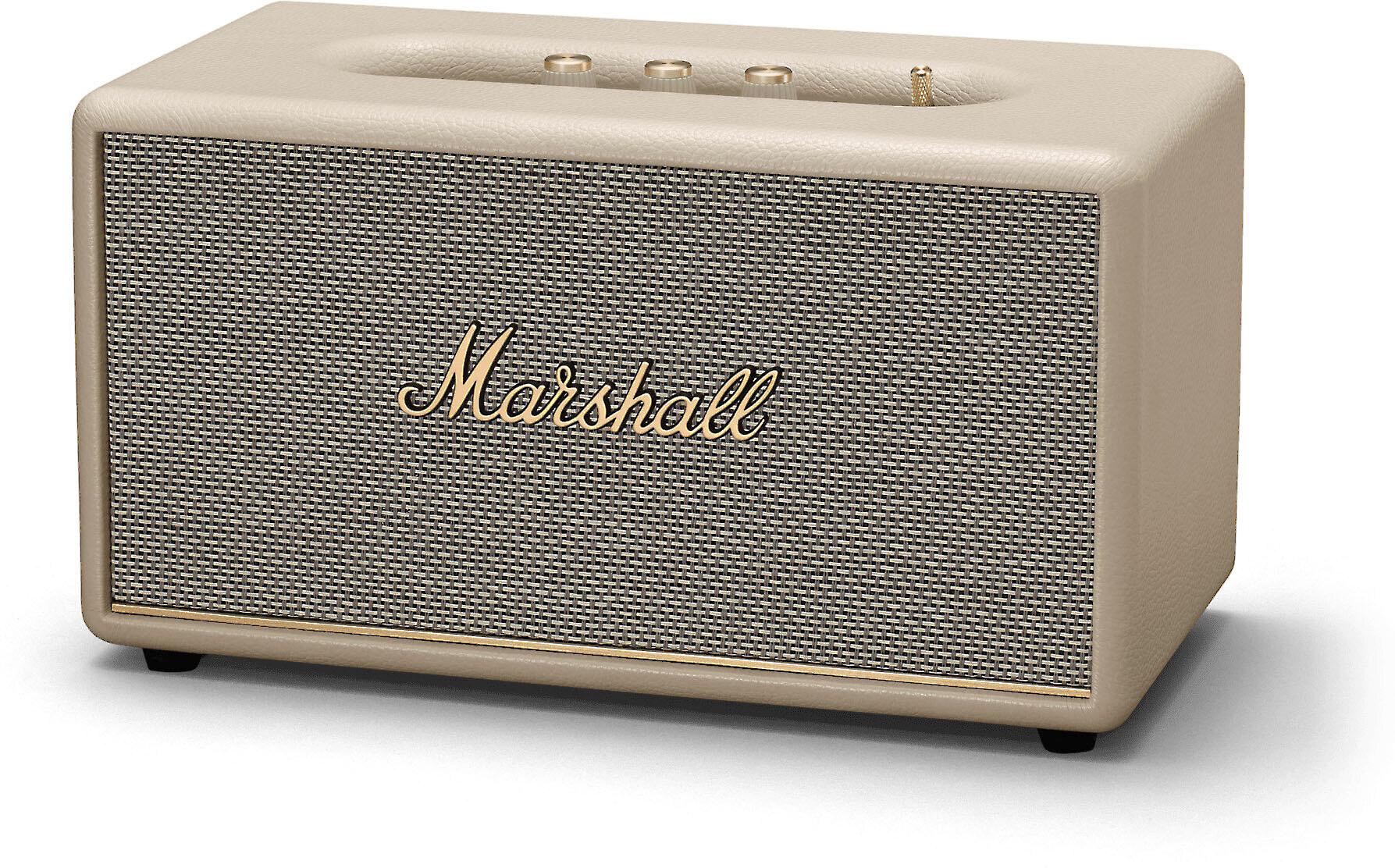
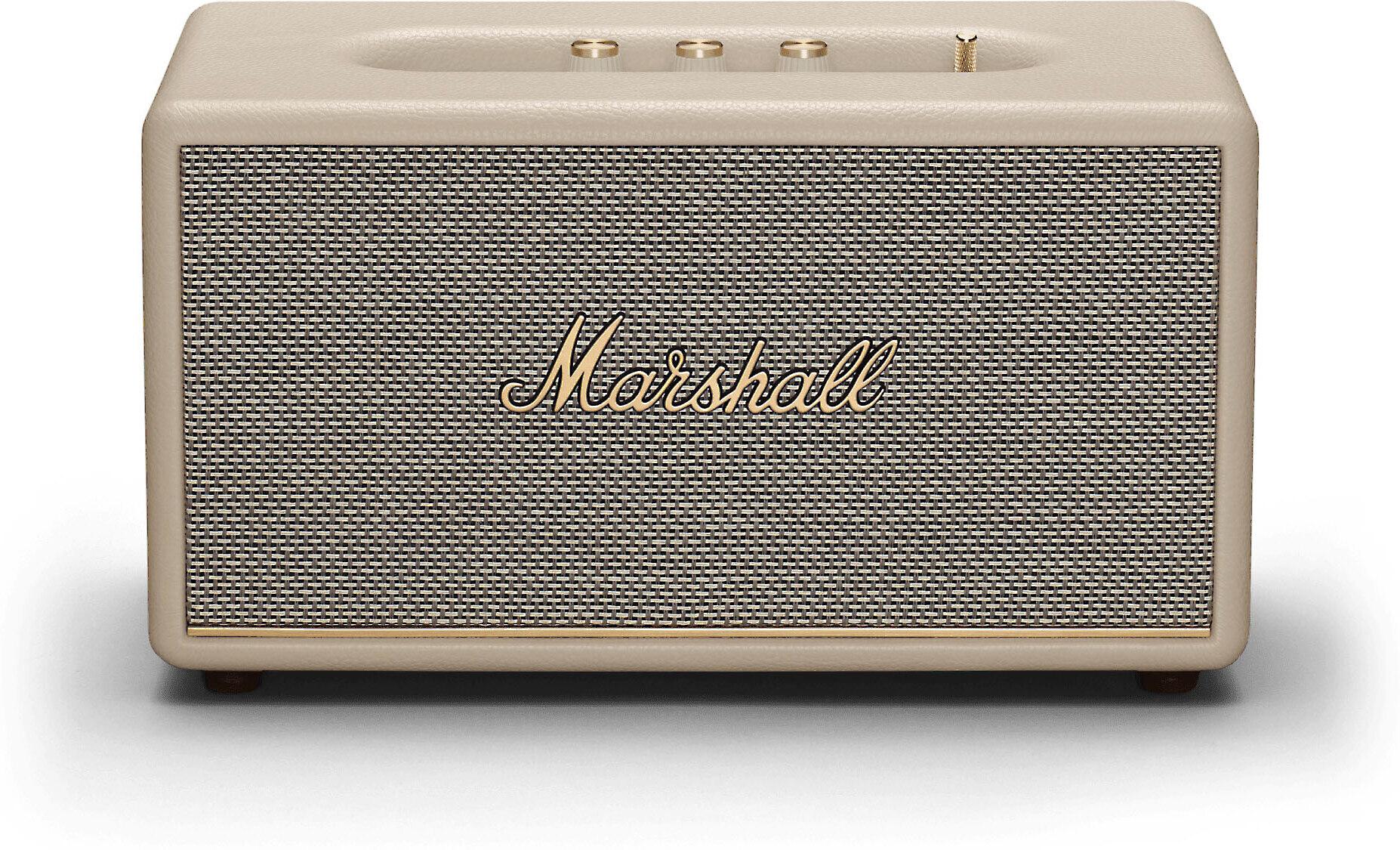
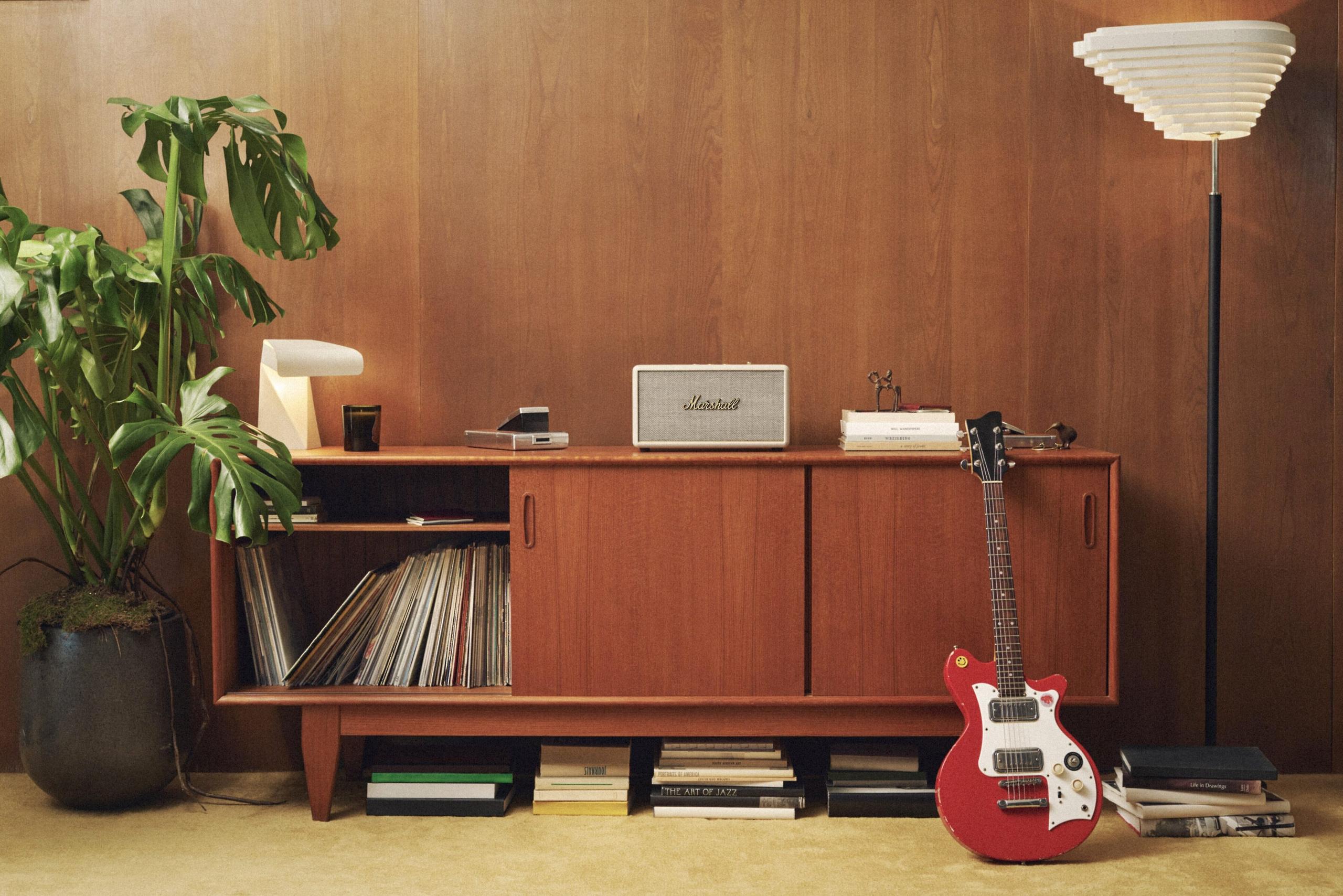



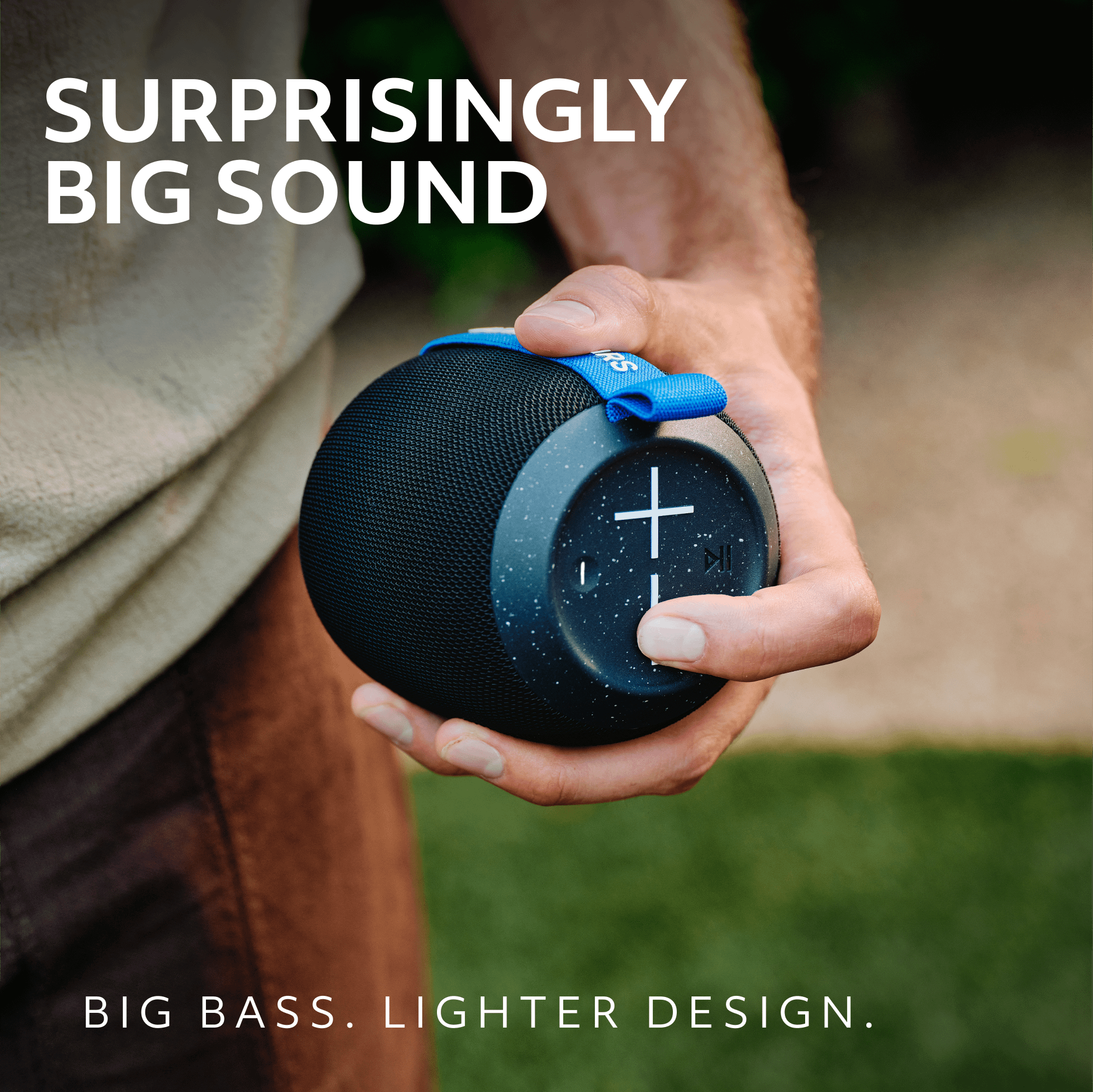



When it comes to Bluetooth speakers in 2024, the market spans from high-end home audio solutions to rugged portable companions. Two standout options - the Marshall Stanmore III ($379) and the Ultimate Ears WONDERBOOM PLAY ($49) - perfectly illustrate the range of choices available. Let's explore how these different approaches to wireless audio might fit your needs.
Bluetooth speakers have come a long way since their early days of compressed, tinny sound. Modern speakers now offer impressive audio quality thanks to advanced digital signal processing (DSP) and more efficient amplification. The Stanmore III, released in late 2022, represents the premium home audio segment with its powerful 80-watt system. Meanwhile, the WONDERBOOM PLAY, launched in 2023, showcases how far portable speaker technology has progressed, delivering surprisingly capable sound in a waterproof package smaller than a water bottle.
The Stanmore III employs a sophisticated three-amplifier system - think of it as having dedicated engines for different parts of the sound. A 50-watt amplifier drives the main 5-inch woofer (handling the low frequencies), while two 15-watt amplifiers power the tweeters (managing the higher frequencies). This separation allows each frequency range to be reproduced with precision.
In practice, this means the Stanmore III can fill even large rooms with detailed sound. Bass notes hit with authority - you'll feel the thump of kick drums and the weight of bass guitars. The speaker's "Dynamic Loudness" feature automatically adjusts the tonal balance as you change volume, ensuring music sounds natural whether you're listening at whisper-quiet levels or hosting a party.
The WONDERBOOM PLAY takes a different approach, using a 360-degree driver arrangement to spread sound evenly in all directions. While it can't match the Stanmore's raw power or bass extension, it's remarkably capable for its size. The speaker particularly excels with vocal-heavy content, thanks to well-tuned midrange frequencies that keep voices clear and natural.
One clever feature is the "Outdoor Boost" mode, which reshapes the sound profile to cut through background noise when you're outside. It's like having a sound preset specifically designed for picnics and beach days.
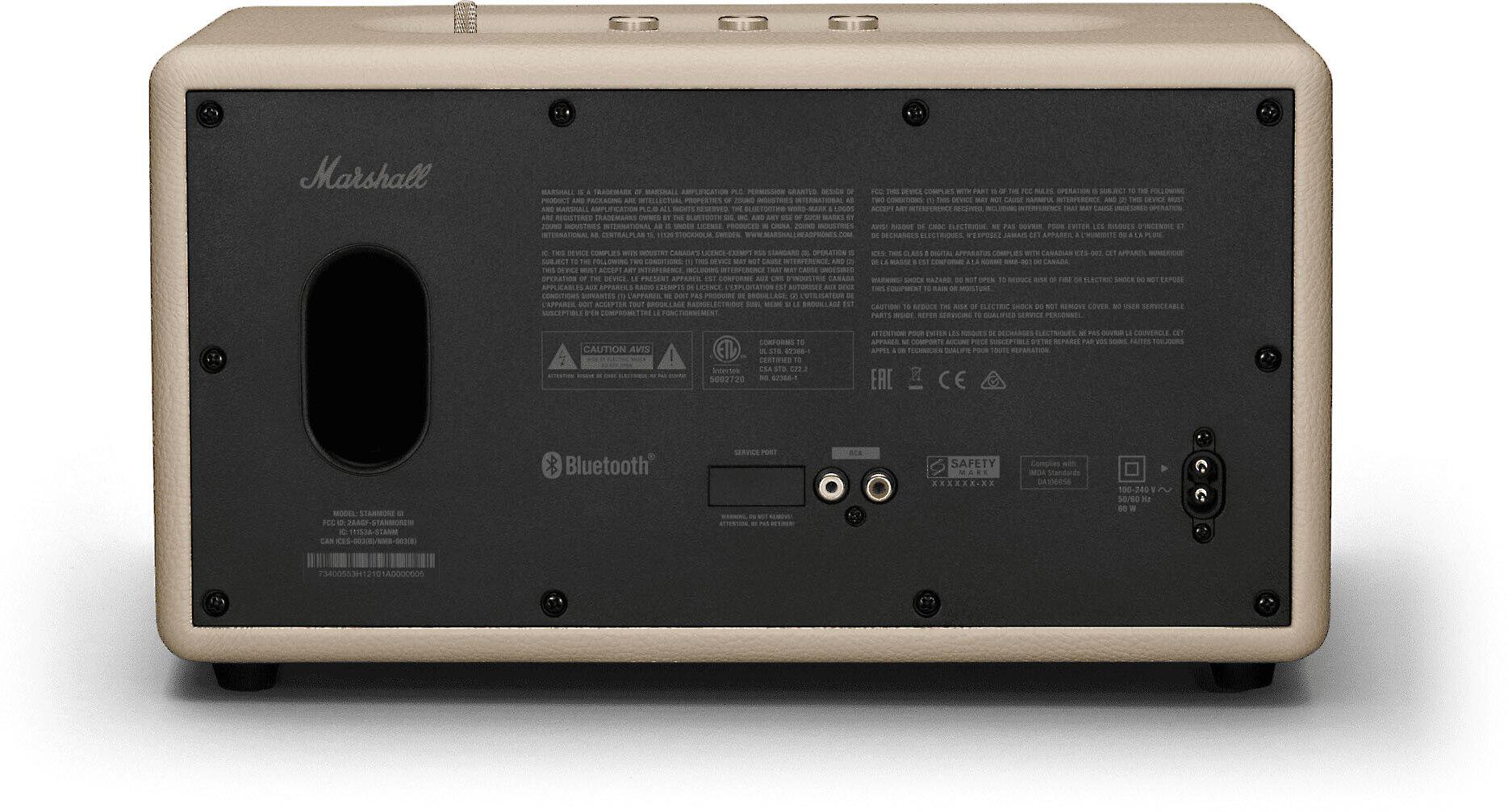
Setting up the Stanmore III in your home opens up several connectivity options. Beyond Bluetooth 5.2 (which supports connecting two devices simultaneously), you get traditional RCA inputs for connecting turntables or CD players, plus a 3.5mm aux input for quick connections. The Marshall app provides room compensation settings - essentially fine-tuning the sound based on where you place the speaker.
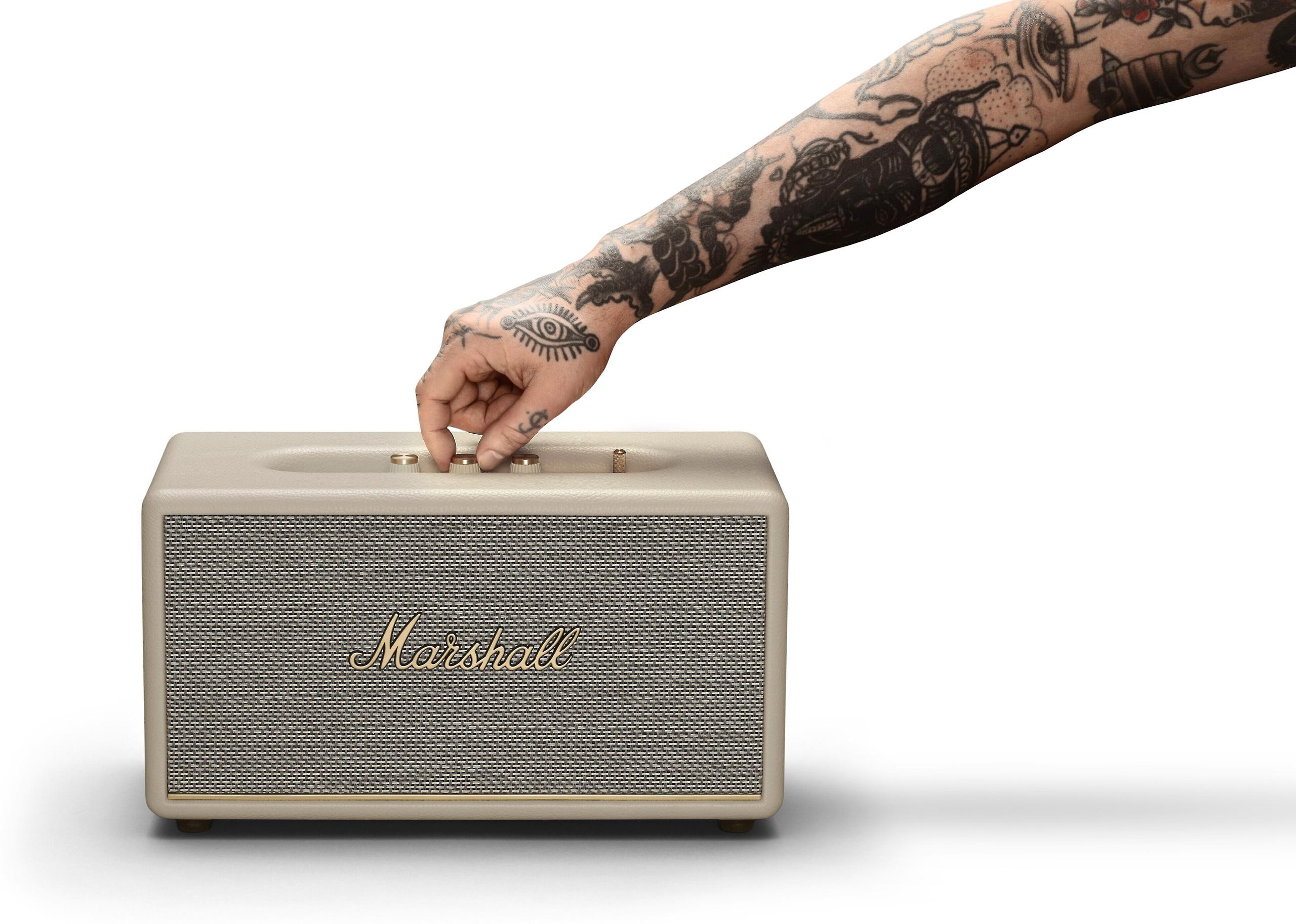
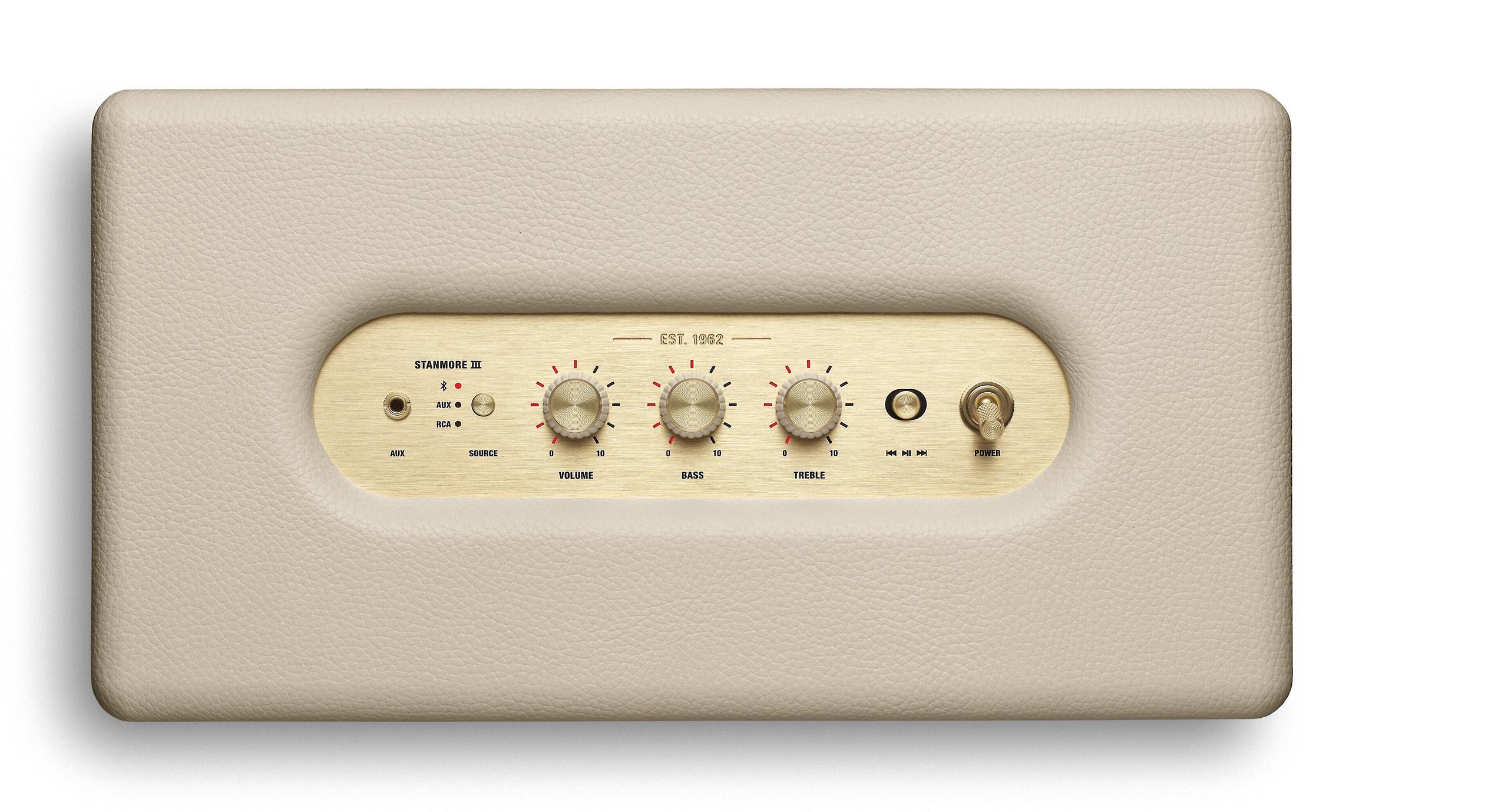
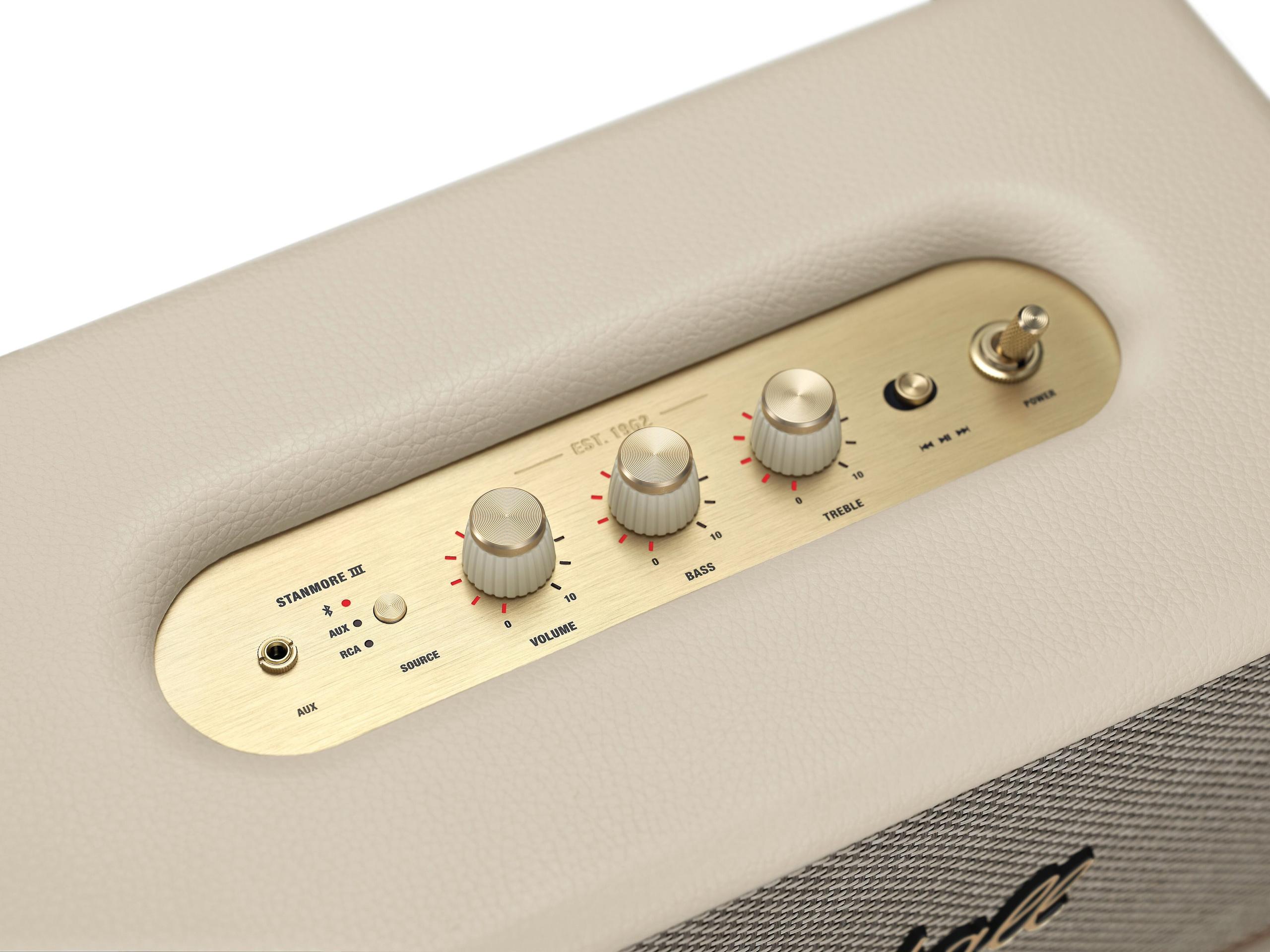
The physical controls deserve special mention. Instead of touch-sensitive panels that can be finicky, you get robust analog knobs for volume, bass, and treble. They're satisfying to use and allow precise adjustments without opening an app.
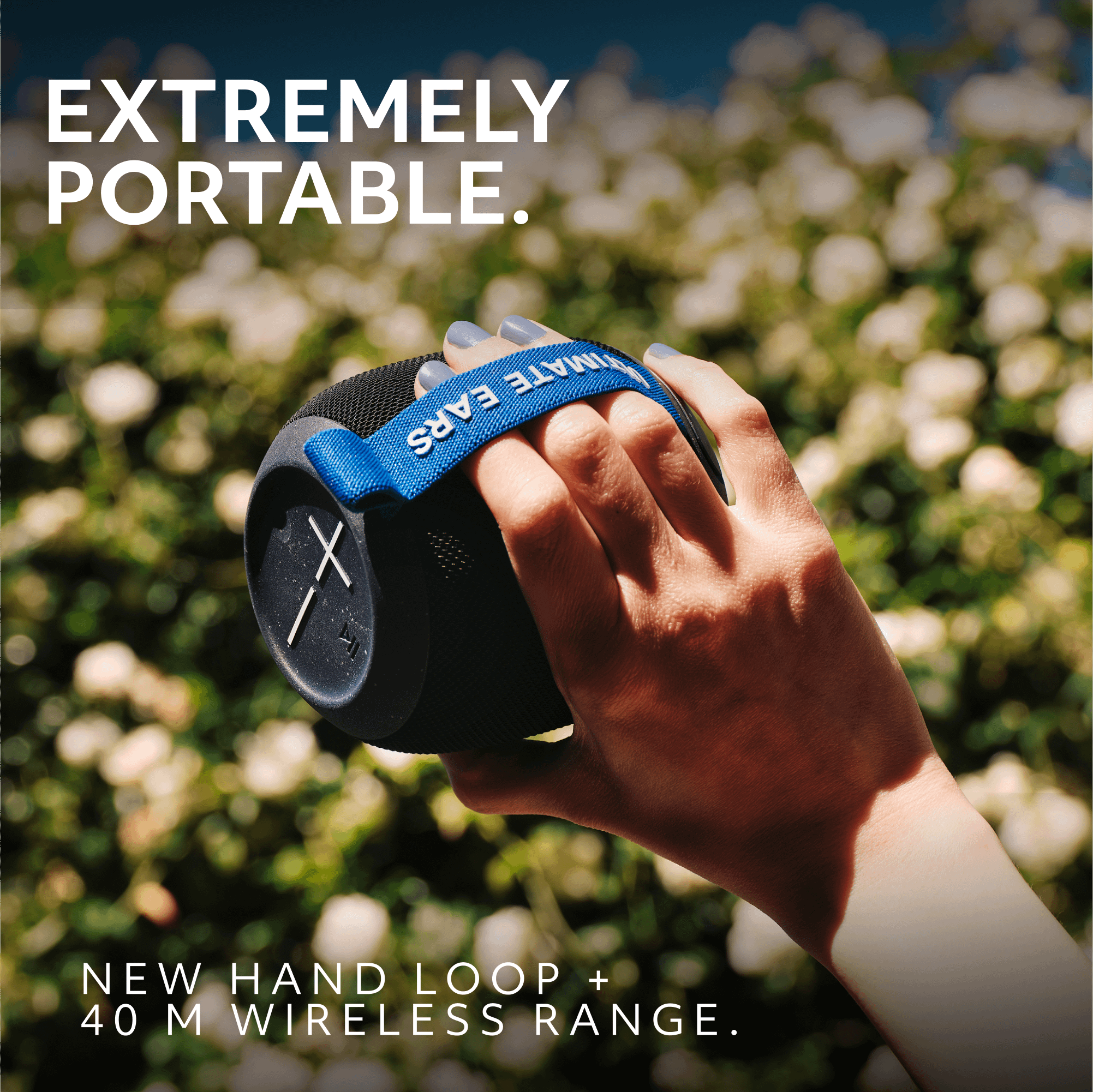
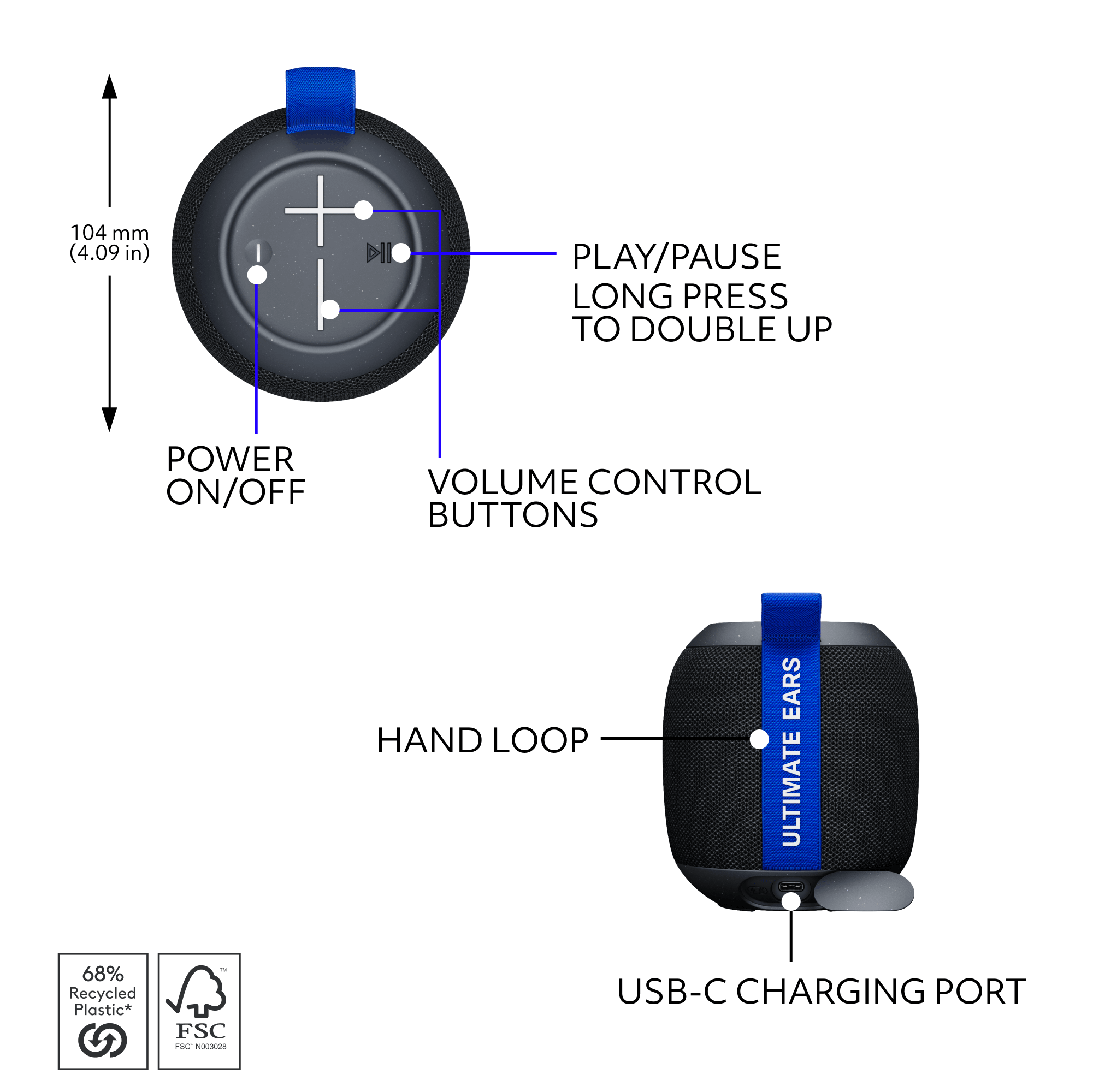
The WONDERBOOM PLAY shines in situations where the Stanmore III wouldn't dare venture. Its IP67 rating means it's fully dustproof and can survive being submerged in water for 30 minutes. The integrated loop lets you hang it from backpacks or beach umbrellas, and it's drop-tested from five feet - perfect for active users.
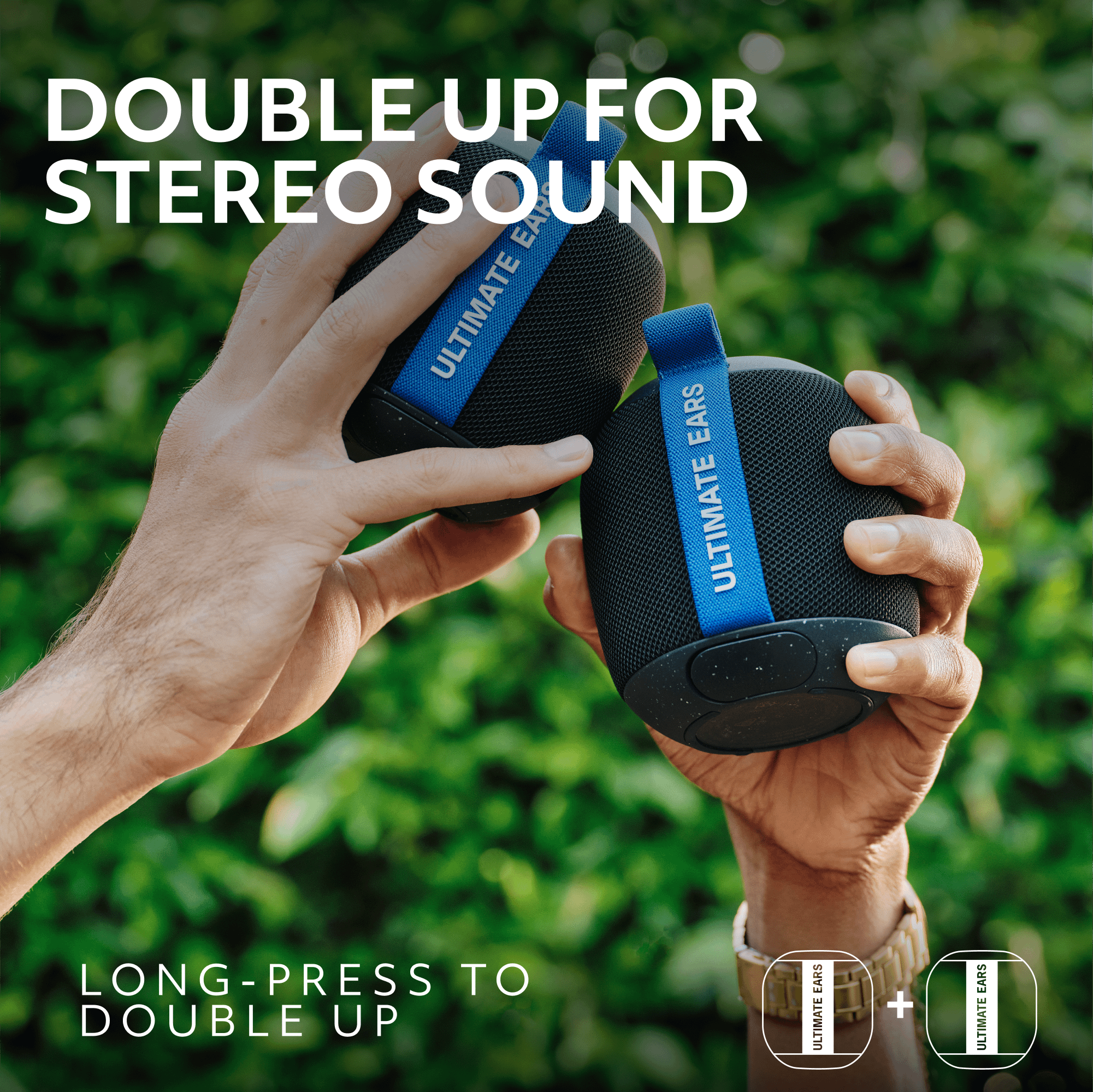
Battery life stretches to 14 hours, and the speaker automatically turns off after 15 minutes of inactivity to preserve power. When paired with a second WONDERBOOM PLAY, you can create true stereo separation, though this is more of a nice-to-have feature than a primary use case.
While neither speaker is primarily designed for home theater use, the Stanmore III can serve as a significant upgrade to TV sound when space or budget doesn't allow for a full surround system. The RCA inputs make connection straightforward, and the powerful bass response means you'll get satisfying impact from movie soundtracks without needing a separate subwoofer.
The WONDERBOOM PLAY, while capable of connecting to TVs via Bluetooth, isn't ideal for this use case due to potential audio sync issues and its focus on mid-range frequencies.
The Stanmore III represents a significant investment at $379, but its versatility and sound quality make it a worthy consideration for primary home audio. The build quality suggests it will last many years, and the ability to receive firmware updates through the app means it can improve over time.
At $49, the WONDERBOOM PLAY delivers remarkable value, especially considering its durability and portable design. It's the kind of speaker that could survive years of active use, making it an excellent choice for anyone needing sound on the go.
Consider these scenarios:
Choose the Stanmore III if:
Go for the WONDERBOOM PLAY if:
The key is being honest about how you'll primarily use the speaker. While the Stanmore III is clearly the superior audio device, the WONDERBOOM PLAY might actually be the better choice if portability matters more than absolute sound quality in your use case.
Remember, these speakers serve fundamentally different purposes - comparing them directly on specs alone misses the point. The best choice is the one that fits your specific needs and usage patterns, not necessarily the one with the most impressive specifications.
| Marshall Stanmore III | Ultimate Ears WONDERBOOM PLAY |
|---|---|
| Price - Initial investment consideration | |
| $379.99 (premium home audio) | $49.99 (budget-friendly portable) |
| Power Output - Determines maximum volume and sound quality | |
| 80W total (50W woofer + 2x15W tweeters) | Not specified, significantly lower power |
| Size & Weight - Impacts placement flexibility and portability | |
| 13.8" x 8.1" x 8.4", 9.37 lbs (stationary) | 3.75" x 3.75" x 4.1", 0.7 lbs (ultra-portable) |
| Connectivity Options - Flexibility for different audio sources | |
| Bluetooth 5.2, RCA, 3.5mm aux input | Bluetooth only |
| Durability Rating - Environmental resistance | |
| Not rated, indoor use only | IP67 (waterproof, dustproof) |
| Battery Life - Portable usage duration | |
| No battery, AC power only | Up to 14 hours per charge |
| Sound Features - Audio enhancement capabilities | |
| Dynamic Loudness, app EQ, room compensation | 360° sound, Outdoor Boost mode |
| Multi-Device Support - Convenience for multiple users | |
| Connect two devices simultaneously | Single device connection |
| Additional Features - Extra functionality | |
| Physical control knobs, companion app, firmware updates | Floatable design, drop-proof to 5ft, stereo pairing |
| Construction - Build quality and materials | |
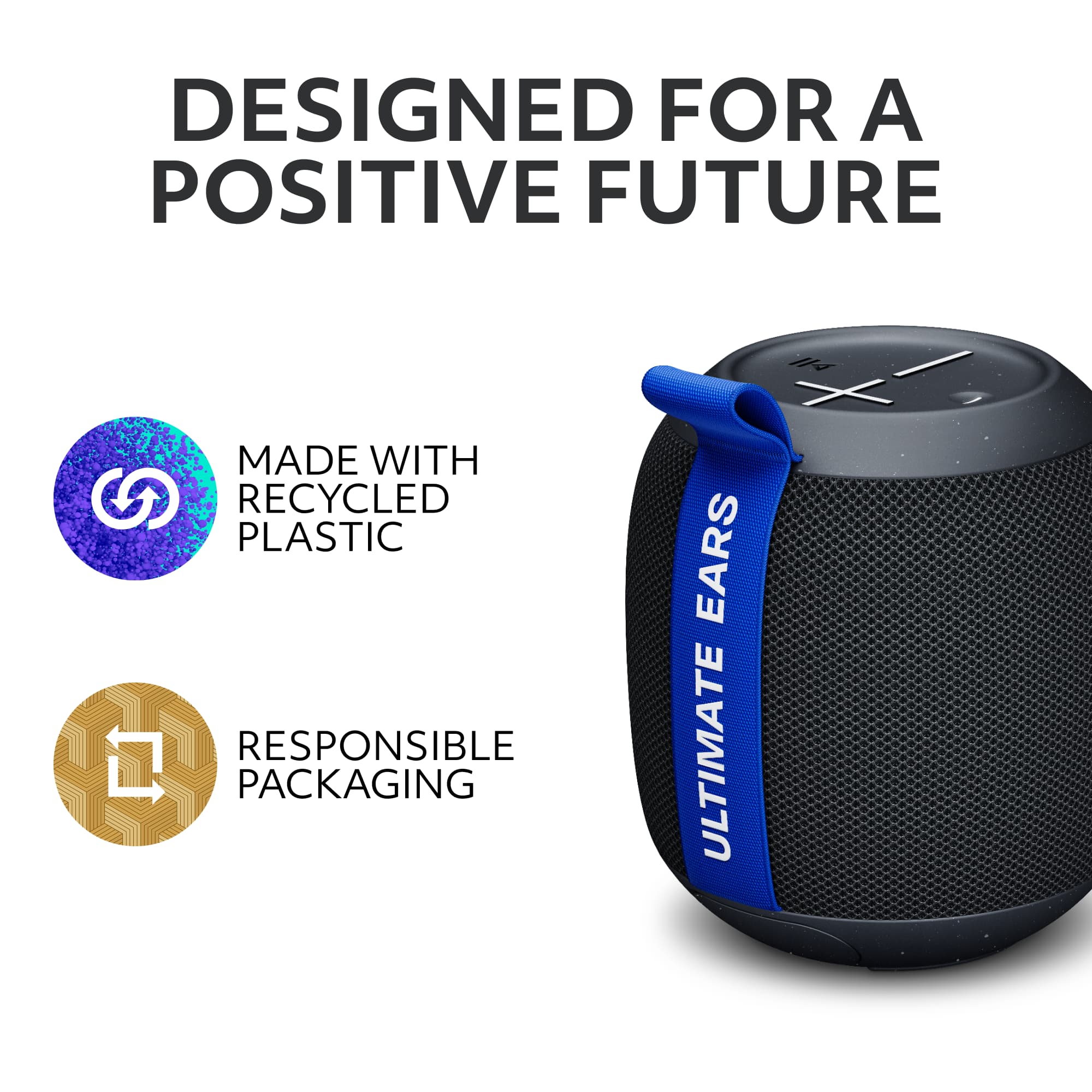
| Premium wooden cabinet, metal grille | 68% recycled plastic, rugged exterior |
| Frequency Response - Range of reproducible sound | |
| 45-20,000 Hz (full range audio) | Not specified, limited bass response |
| Warranty & Support - Long-term reliability | |
| 1-year limited warranty | 12-month warranty |
The Marshall Stanmore III ($379) offers significantly better sound quality with its 80W system and dedicated amplifiers. While the WONDERBOOM PLAY ($49) provides good portable audio, it can't match the Stanmore's room-filling sound and bass response.
The WONDERBOOM PLAY is specifically designed for outdoor use with IP67 waterproofing and rugged construction. The Stanmore III is not weather-resistant and requires AC power, making it unsuitable for outdoor use.
Both speakers offer Bluetooth connectivity. The Stanmore III supports connecting two devices simultaneously, while the WONDERBOOM PLAY allows one connection at a time.
The WONDERBOOM PLAY offers up to 14 hours of battery life. The Stanmore III doesn't have a battery and requires constant AC power.
The Stanmore III is better for indoor parties with its powerful sound system and higher volume capability. The WONDERBOOM PLAY is better for outdoor gatherings where portability matters more than maximum volume.
The Stanmore III can connect to TVs via Bluetooth, RCA, or 3.5mm aux inputs. The WONDERBOOM PLAY only offers Bluetooth connectivity, which may cause audio sync issues with TV content.
The WONDERBOOM PLAY is significantly more durable with IP67 waterproofing and drop protection. The Stanmore III is well-built but designed for careful indoor use only.
The Stanmore III offers physical knobs for volume, bass, and treble, plus app-based EQ settings. The WONDERBOOM PLAY has basic volume controls and an Outdoor Boost mode.
It depends on your needs. The WONDERBOOM PLAY offers excellent value for portable use at $49. The Stanmore III justifies its $379 price for those prioritizing sound quality and home audio.
The WONDERBOOM PLAY can pair with another WONDERBOOM for stereo sound. The Stanmore III doesn't support multi-speaker pairing.
The Stanmore III delivers superior bass with its 50W woofer and larger cabinet size. The WONDERBOOM PLAY has limited bass response due to its compact size.
The WONDERBOOM PLAY is more practical for small spaces with its compact design. While the Stanmore III offers better sound, it requires more space and a fixed location.
We've done our best to create useful and informative comparisons to help you decide what product to buy. Our research uses advanced automated methods to create this comparison and perfection is not possible - please contact us for corrections or questions. These are the sites we've researched in the creation of this article: techgadgetscanada.com - camelcamelcamel.com - crutchfield.com - bestbuy.com - dxomark.com - crutchfield.com - crutchfield.com - marshall.com - marshall-production-1.mobify-storefront.com - exhibit.tech - ooberpad.com - av-connection.com - rtings.com - rtings.com - techradar.com - forum.mygolfspy.com - soundguys.com - ultimateears.com - officeworks.com.au - dell.com - harveynorman.com.au - news.logitech.com - ultimateears.com - head-fi.org - target.com

Privacy Policy
Terms and Conditions - Affiliate Policy
Home Security
© Copyright 2008-2026.
11816 Inwood Rd #1211, Dallas, TX 75244