


When you're shopping for a portable Bluetooth speaker, you're not just buying a device—you're choosing a companion for your lifestyle. Whether you're looking for something to slip into your backpack for a weekend camping trip or a tough speaker that can handle your job site, the market offers wildly different approaches to portable audio.
Today we're comparing two speakers that represent opposite ends of the portable speaker spectrum: the rugged Turtlebox Ranger and the ultra-compact JBL Go 4. These aren't just different products—they're fundamentally different philosophies about what portable audio should be.
Before diving into specifics, let's talk about what actually matters in a portable speaker. The most important factors break down into a few key areas that will determine whether you love or hate your purchase.
Sound quality and volume top most people's lists, but what this means varies dramatically. A speaker that sounds great in your quiet bedroom might disappear entirely at a busy beach or construction site. Maximum decibel output (dB) tells you how loud a speaker can get—think of decibels as the speaker's "horsepower." Every 10 dB increase represents roughly double the perceived loudness, so the difference between 80 dB and 100 dB is massive.
Portability seems obvious, but there's more nuance here than you might expect. An ultra-light speaker that fits in your pocket serves different needs than a slightly larger one that delivers significantly more sound. Weight, size, and how you actually carry the device all matter.
Durability ranges from basic splash resistance to military-grade ruggedness. IP ratings tell the story here—IP67 means complete dust protection and submersion resistance up to about three feet, while lower ratings offer less protection.
Battery life isn't just about hours of playtime. How the speaker performs as the battery drains, how quickly it charges, and whether it can charge your phone matter too.
Connectivity features have exploded in recent years. Modern speakers often support pairing multiple units together, app-based sound customization, and advanced Bluetooth protocols that affect both sound quality and connection stability.
The Turtlebox Ranger, released in 2025, and the JBL Go 4, which hit the market in 2024, represent dramatically different takes on portable audio. At the time of writing, you'll pay roughly five times more for the Ranger, but that price difference reflects fundamentally different target users and capabilities.
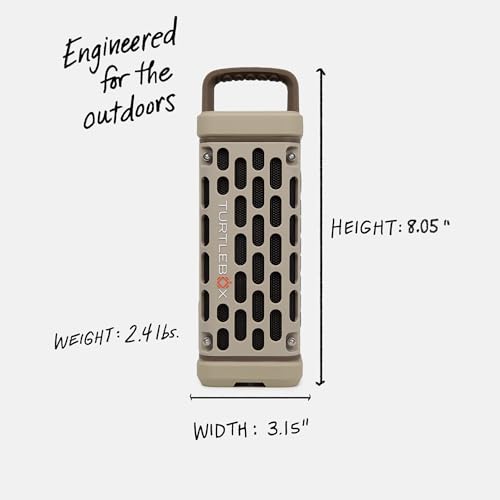
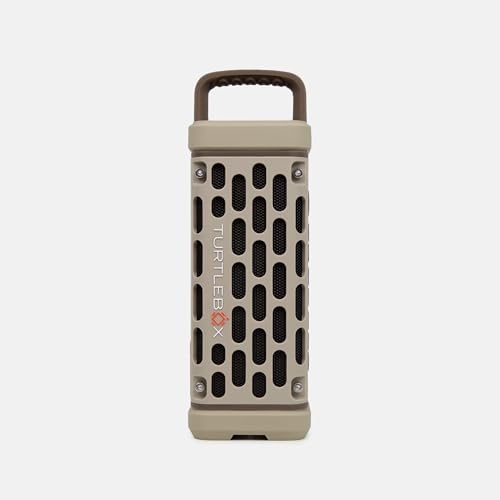
The Turtlebox Ranger embodies the "overbuilt and proud of it" approach. Weighing in at 2.4 pounds and measuring about 8 inches tall, it's what happens when you prioritize performance and durability over absolute portability. This isn't a speaker you'll forget is in your bag, but it's also not one you'll worry about breaking.
Turtlebox built their reputation on speakers that survive actual abuse—think construction sites, fishing boats, and weekend warriors who don't baby their gear. The Ranger brings that DNA to a more portable package while maintaining the core philosophy that your speaker should be the last thing you worry about breaking.
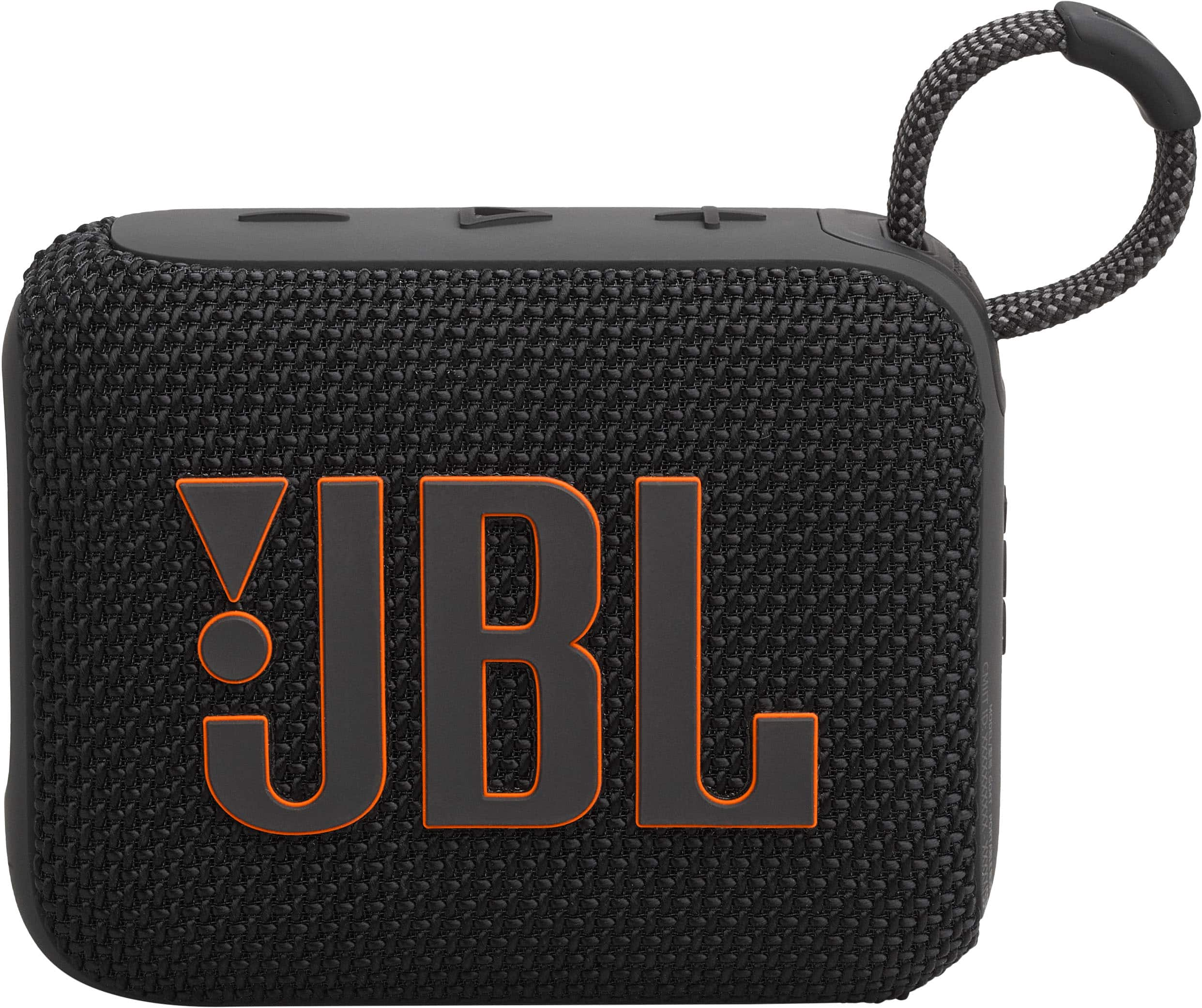
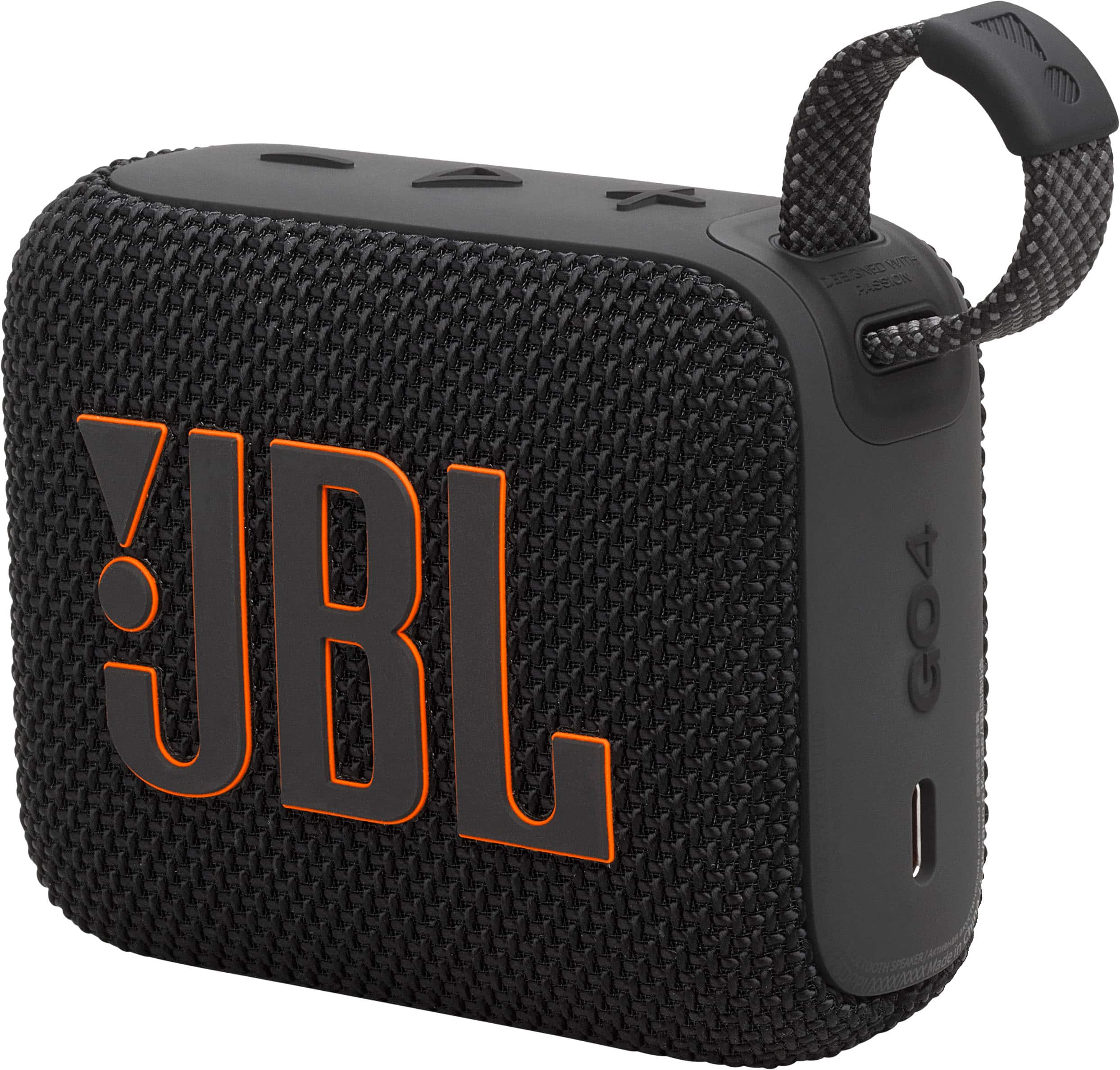
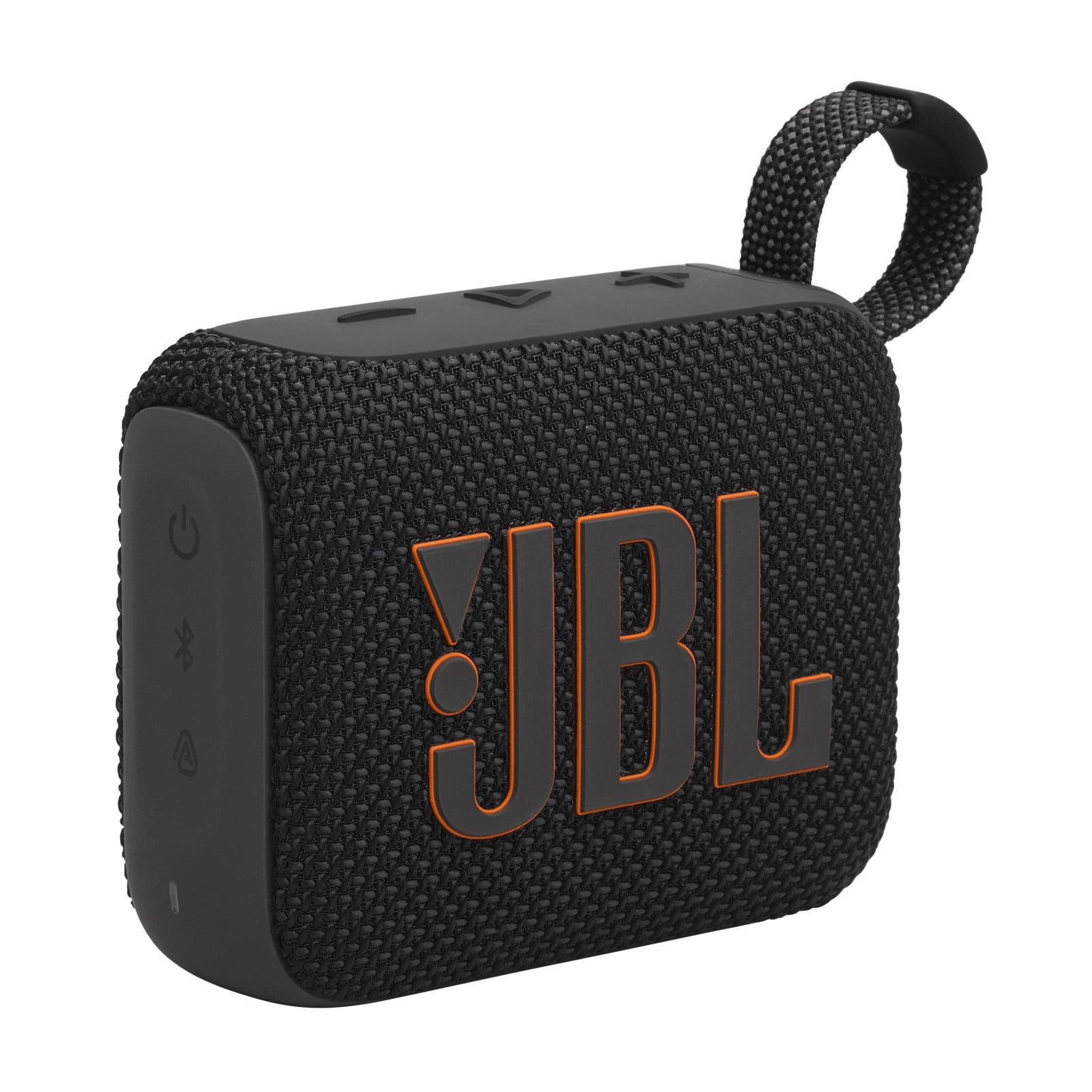
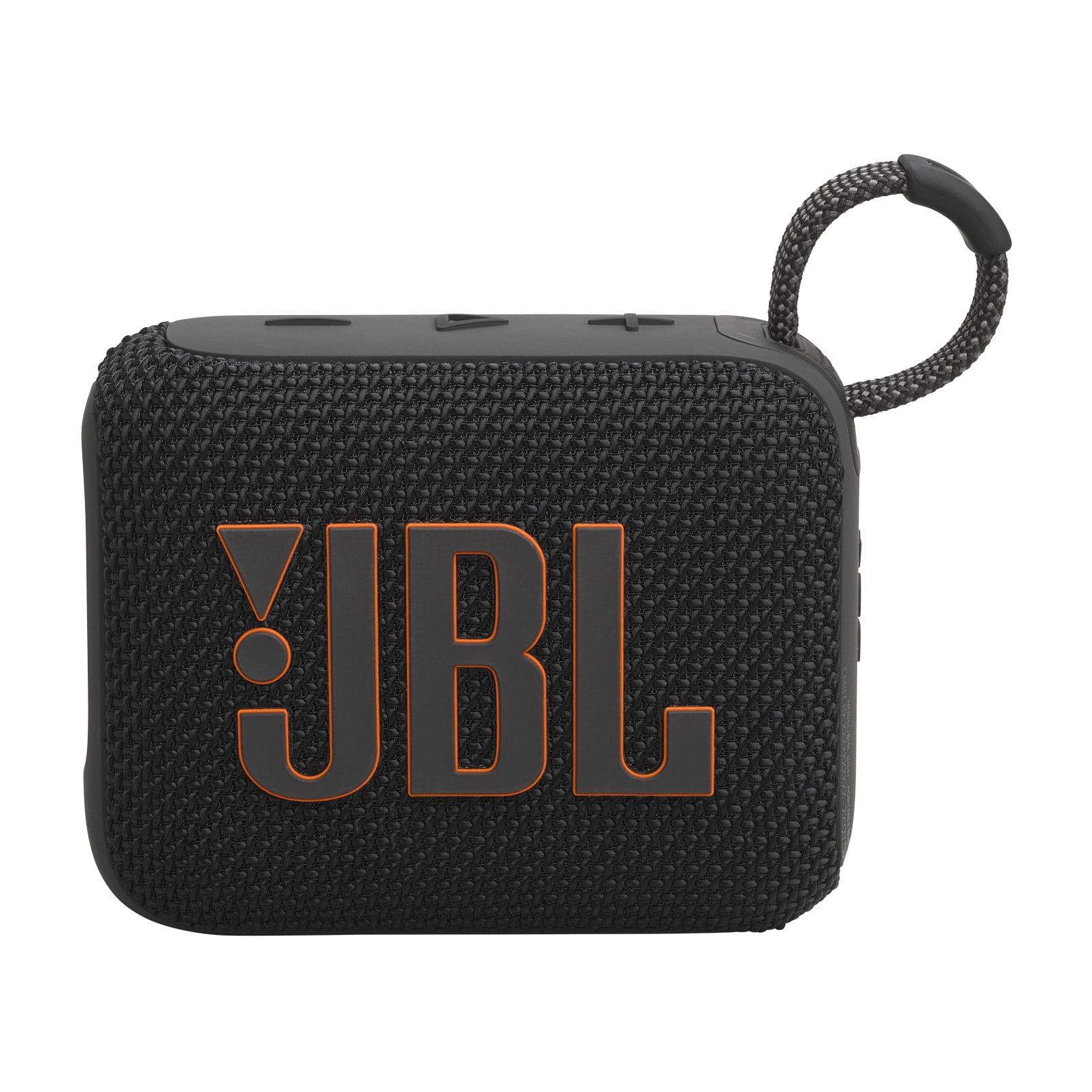
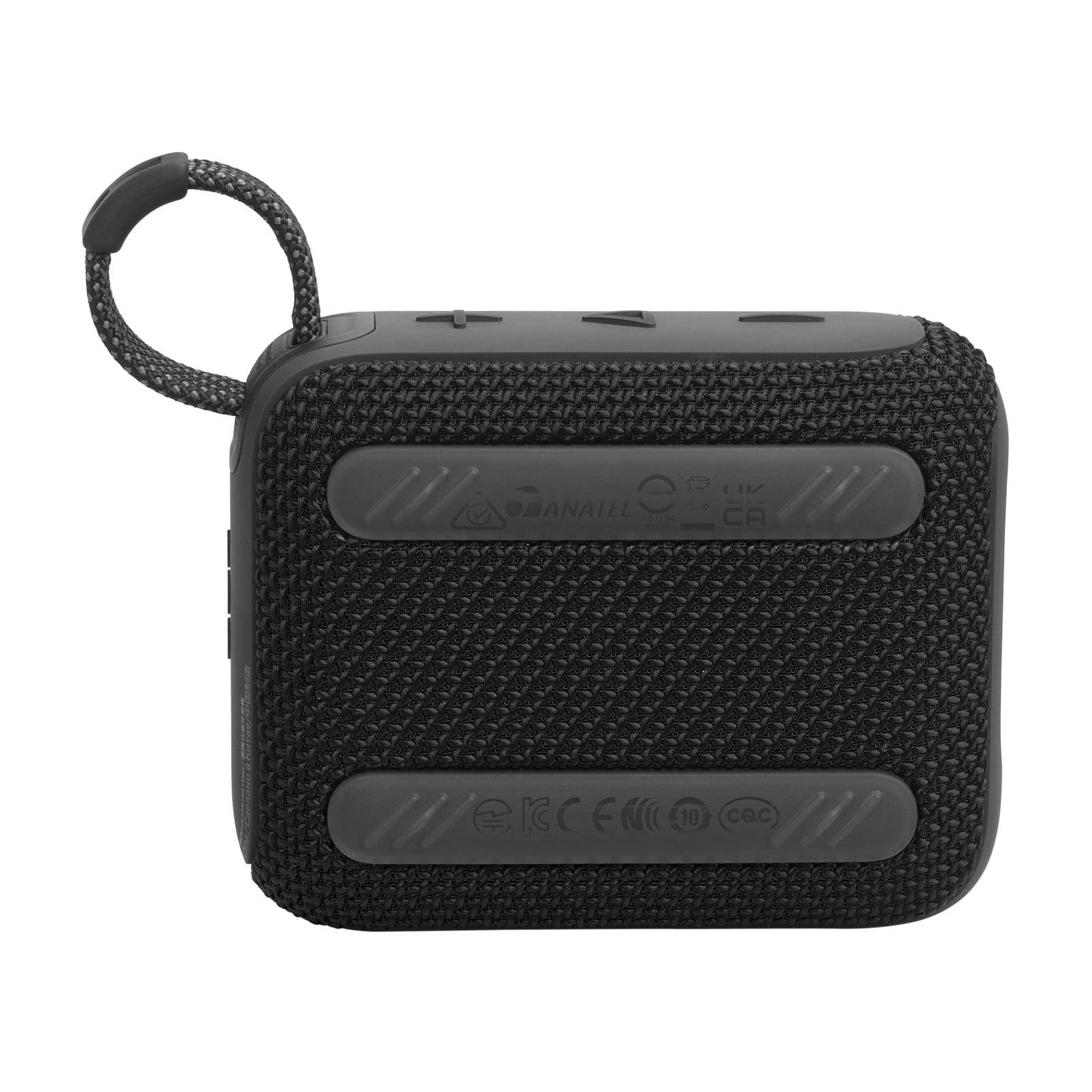
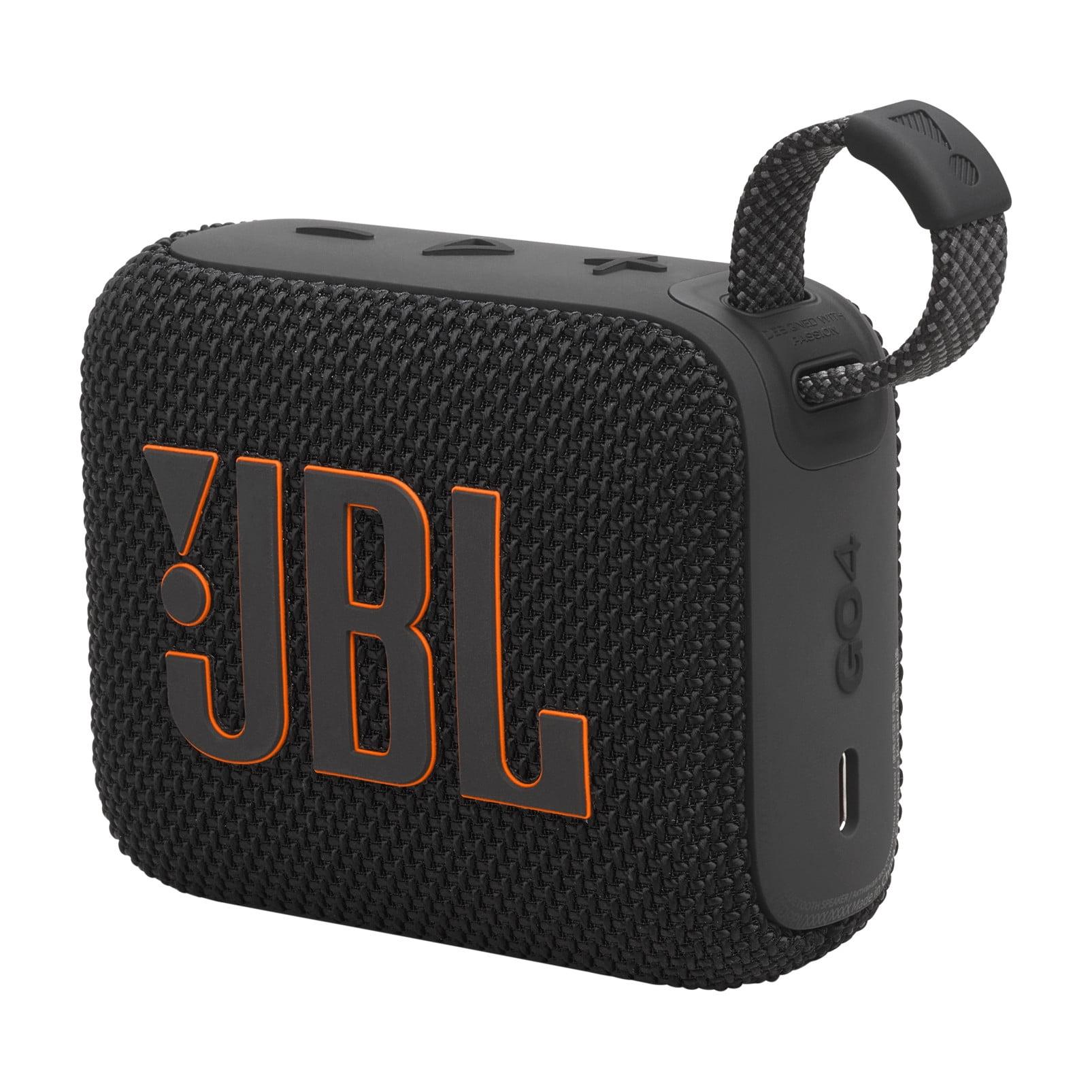
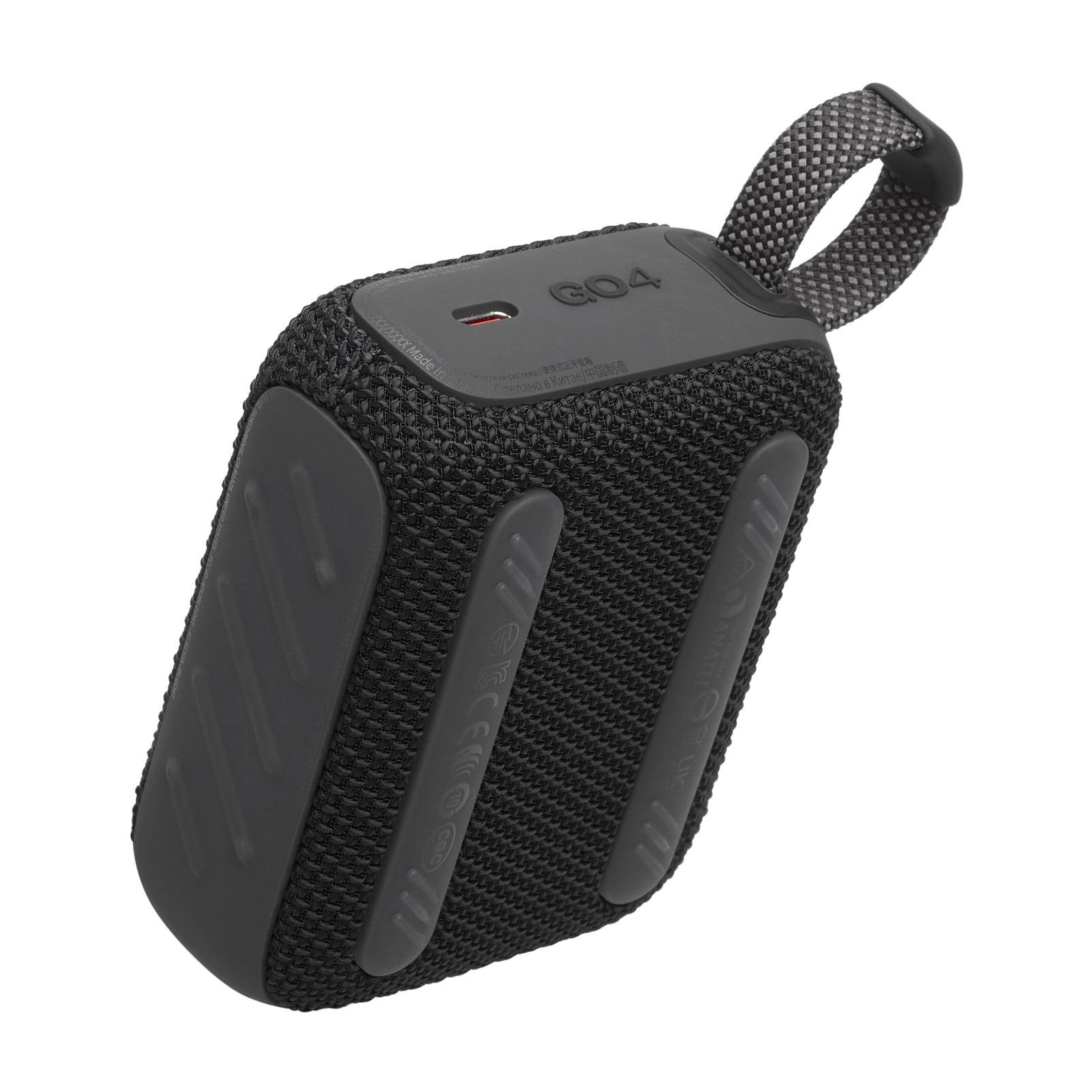
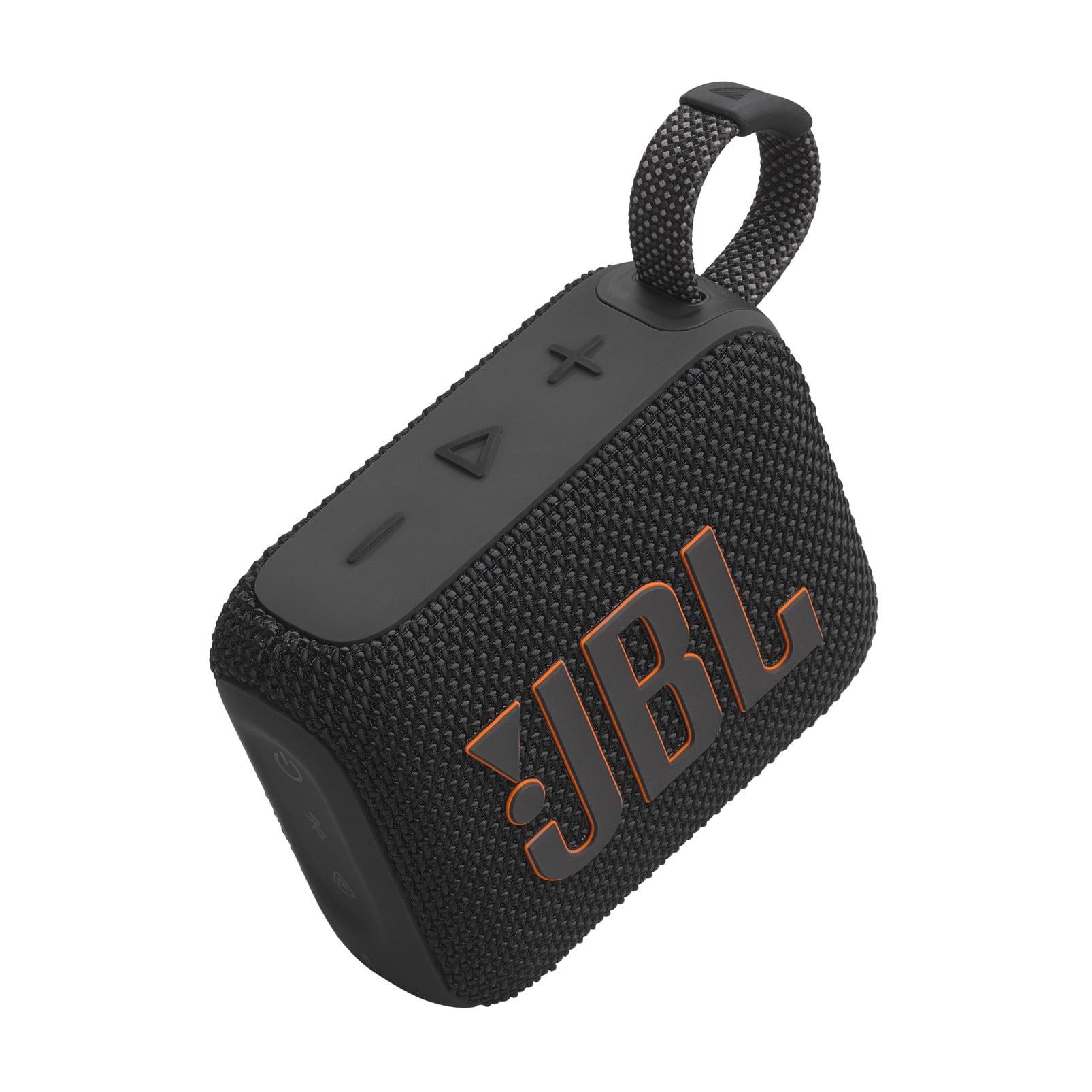
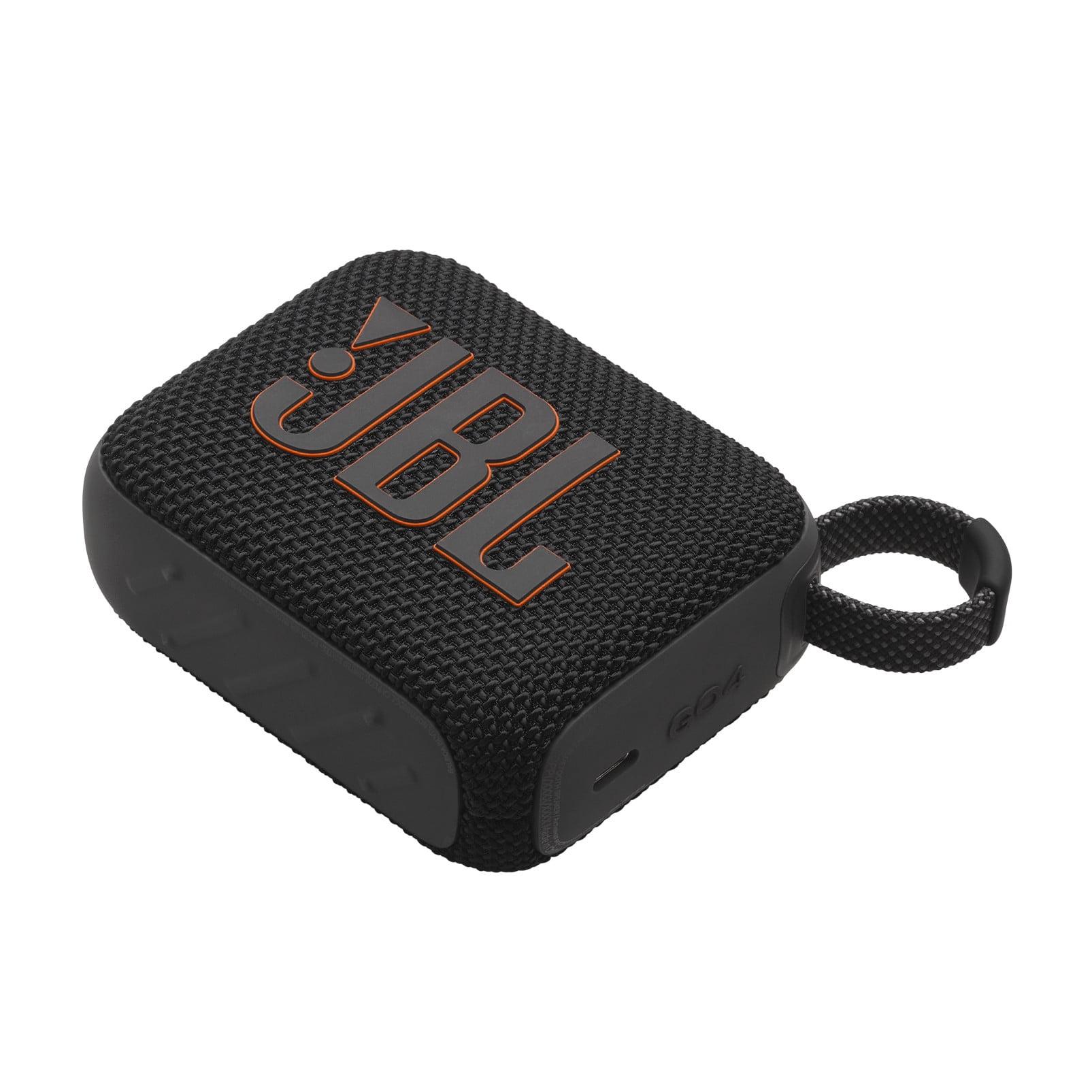
The JBL Go 4 takes the opposite approach. At just 0.42 pounds and small enough to literally fit in most pockets, it prioritizes ultimate portability and affordability. JBL's approach recognizes that most people want good-enough sound in the smallest, most convenient package possible.
This philosophy makes sense when you consider how most people actually use portable speakers. They want something for the pool, the park, or their desk at work—environments where extreme durability matters less than having great sound available whenever you want it.
The most dramatic difference between these speakers lies in their audio capabilities, and understanding why requires a quick physics lesson.
The Turtlebox Ranger delivers 105 dB of maximum output, while the JBL Go 4 tops out around 83 dB. That 22 dB difference represents roughly four times the perceived loudness—it's the difference between background music and room-filling sound.
This difference comes down to driver size and power. The Ranger packs dual 2-inch woofers (the main drivers that produce sound) plus a passive bass radiator. Think of a passive radiator as a second woofer without its own power that vibrates sympathetically to boost bass response. This setup, powered by a Class D amplifier with digital signal processing (DSP), allows the Ranger to move much more air and produce significantly more sound.
The JBL Go 4 uses a single 45mm (about 1.75-inch) driver powered by a 4.2-watt amplifier. While this sounds modest compared to the Ranger, it's actually quite sophisticated for the size. JBL's engineering focuses on maximum efficiency—extracting the most sound possible from minimal power and space.
Frequency response tells you which sounds a speaker can reproduce and how well. The JBL Go 4 covers 90 Hz to 20 kHz, which captures most of the music you actually hear. The Ranger doesn't publish specific frequency specs, but user reports and our research suggest it extends deeper into bass territory while maintaining clean highs.
In practical terms, the JBL Go 4 sounds surprisingly balanced for its size. The sound signature tends toward warm and pleasant, though it can lack the punch needed for bass-heavy music or noisy environments. The EQ customization through JBL's app helps here—you can adjust the sound to your preferences, something the Turtlebox Ranger doesn't offer.
The Ranger, meanwhile, focuses on presence and power. It's tuned to cut through ambient noise and deliver impactful sound even in challenging acoustic environments. The trade-off is less refinement at quiet listening levels where the Go 4 might actually sound more pleasant.
Based on our evaluation of user reviews and expert opinions, the performance gap varies dramatically by use case. For personal listening at moderate volumes, the JBL Go 4 often provides a more enjoyable experience—the sound feels more balanced and refined.
But turn up the volume or move to a noisy environment, and the Turtlebox Ranger dominates. Users consistently report that the Ranger maintains clarity and impact at volumes that would distort most speakers. This makes sense given its more powerful amplification and larger drivers.
For home theater use, neither speaker excels as a primary audio source, but they serve different supplementary roles. The JBL Go 4 works well for casual background music or as a small room enhancement, while the Turtlebox Ranger could serve as a portable outdoor theater solution for smaller gatherings.
The durability difference between these speakers tells the story of their intended lives.
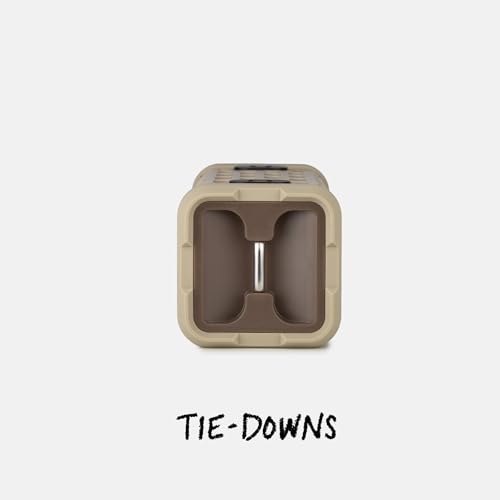
The Turtlebox Ranger earns its IP67 rating through serious engineering. The housing uses crush-proof ABS plastic reinforced with rubber bumpers and stainless steel hardware. Every component is selected for corrosion resistance, including silicone seals that maintain their flexibility in temperature extremes.
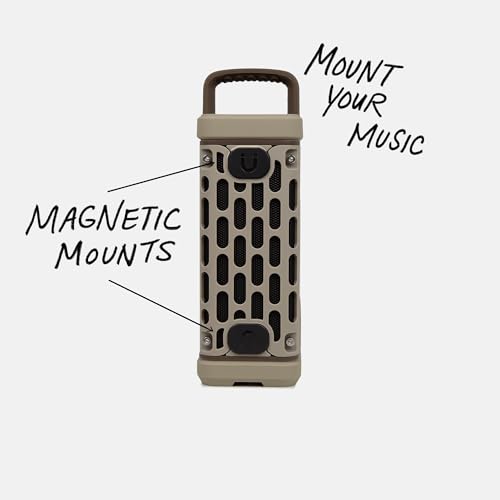
The magnetic mounting system represents thoughtful design—dual powerful magnets let you stick the speaker to metal surfaces like truck toolboxes, boat rails, or workshop equipment. The magnets are strong enough to hold securely even with vibration, but you can still remove the speaker easily when needed.
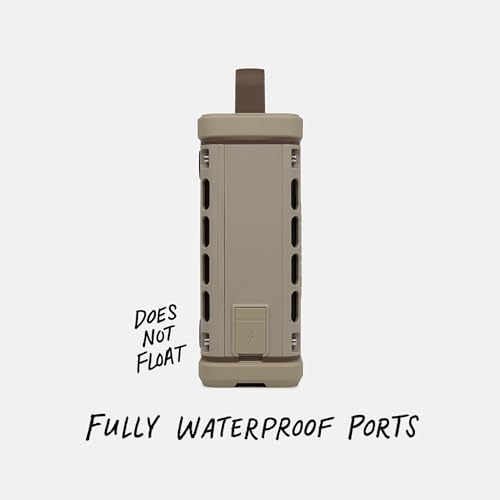
Most importantly, the Ranger handles submersion up to three feet for 30 minutes. While it doesn't float (unlike some Turtlebox models), it survives accidental dunking and can handle pressure washing or heavy rain without concern.
The JBL Go 4 also carries an IP67 rating, but its implementation focuses on typical user scenarios rather than extreme conditions. The waterproofing handles pool splashes, beach sand, and rain, but you wouldn't want to drop it from a ladder onto concrete.
The compact design actually helps durability in some ways—there's less surface area to damage, and the smaller mass creates less impact energy during drops. The fabric grille and plastic housing feel solid for the price point, though they clearly can't match the Ranger's military-grade construction.
JBL's use of recycled materials in the grille and packaging shows environmental consideration without compromising practical durability for typical users.
Battery technology reveals another fundamental difference in approach.
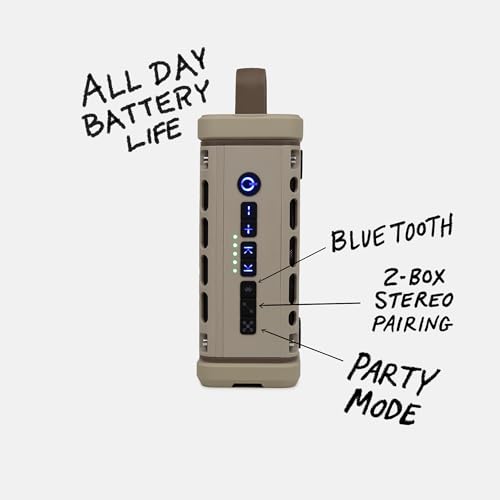
The Turtlebox Ranger packs a 25.2 Wh lithium-ion battery that delivers over 12 hours of typical use. More importantly, it maintains performance as the battery drains—you won't notice significant volume or quality drops until the battery is nearly dead. The USB-C port supports bidirectional charging, meaning you can use the speaker as a power bank for your phone.
The JBL Go 4 uses a much smaller 3.23 Wh battery, reflecting its lower power requirements. JBL claims up to 7 hours of playtime, extending to 9 hours with their "Playtime Boost" feature. This feature essentially optimizes performance to extend battery life, though it may slightly reduce maximum volume.
The charging story differs too. The Ranger's larger battery takes longer to charge but powers more demanding use. The Go 4 charges in about 3 hours and serves most daily needs well.
Both speakers embrace modern Bluetooth technology, but with different focuses.
The Turtlebox Ranger uses Bluetooth 5.4, the latest standard offering improved range (up to 100 feet) and connection stability. The standout features are Party Mode and True Wireless Stereo (TWS). Party Mode lets you connect unlimited compatible Turtlebox speakers for massive sound systems, while TWS pairs two Rangers for proper left-right stereo separation.
The JBL Go 4 implements Bluetooth 5.3 with Auracast technology, which enables multi-speaker connections across compatible JBL devices. The JBL Portable app provides the real value here—full EQ customization, preset sound profiles, and speaker management tools.
Neither approach is inherently better; they serve different needs. The Ranger's features suit users building larger sound systems, while the Go 4's app integration helps individual users optimize their experience.
At the time of writing, these speakers occupy completely different value categories, making direct comparison tricky.
The JBL Go 4 represents exceptional value in the ultra-portable category. For roughly the cost of dinner out, you get surprisingly good sound, full waterproofing, and genuine portability. The app-based customization adds value that exceeds the price point. If your needs fit within its capabilities, few speakers deliver more bang for your buck.
The Turtlebox Ranger costs significantly more but serves users for whom the Go 4 simply won't work. If you need loud, durable audio for work or serious outdoor activities, the price premium buys capabilities you can't get elsewhere in a portable package. The question isn't whether it's expensive—it's whether you need what it offers.
The Turtlebox Ranger makes sense when audio performance and durability are non-negotiable. It's the choice for users who need their speaker to work reliably in demanding conditions and deliver enough volume to matter in noisy environments.
The JBL Go 4 excels when convenience and value matter most. It's the practical choice for users who want great sound available anywhere without the bulk or expense of more specialized equipment.
Start with honest self-assessment. Most people overestimate how much volume and durability they need while underestimating how much they value convenience and portability.
If you're genuinely unsure, the JBL Go 4 represents the lower-risk choice. At its price point, you can afford to be wrong and upgrade later. If it meets your needs, you've saved considerable money. If it doesn't, you've learned what you actually require in a portable speaker.
Choose the Turtlebox Ranger only if you specifically need its capabilities. But if you do need them—if you work outdoors, entertain larger groups, or demand reliability in challenging conditions—it's worth every penny of the premium. The worst purchase you can make is saving money on something that doesn't actually serve your needs.
Both speakers excel in their intended roles. The key is honestly assessing which role matches your actual usage patterns rather than your aspirational ones.
| Turtlebox Ranger Portable Bluetooth Speaker | JBL Go 4 Portable Bluetooth Speaker |
|---|---|
| Maximum Sound Output - Critical for outdoor use and noisy environments | |
| 105 dB (room-filling volume, cuts through noise) | 83.3 dB (adequate for personal listening and quiet spaces) |
| Size & Weight - Determines true portability | |
| 8.05" x 3.15" x 3.15", 2.4 lbs (backpack-friendly) | 3.7" x 3.0" x 1.7", 0.42 lbs (pocket-sized) |
| Audio Drivers - Affects sound quality and bass response | |
| Dual 2" woofers + passive bass radiator (fuller sound) | Single 1.75" driver (efficient for size but limited bass) |
| Battery Life - Real-world usage time | |
| 12+ hours (25.2 Wh battery, consistent performance) | 7-9 hours (3.23 Wh battery, varies with Playtime Boost) |
| Water Resistance - Protection level for outdoor use | |
| IP67 submersible to 3 feet for 30 minutes, crush-proof | IP67 splash and dust resistant, basic drop protection |
| Bluetooth Technology - Connection quality and range | |
| Bluetooth 5.4, 100-foot range (latest standard) | Bluetooth 5.3, standard range (still very current) |
| Multi-Speaker Features - Expandability for larger sound | |
| Party Mode (unlimited pairing), TWS stereo pairing | Auracast connectivity with other JBL speakers |
| Sound Customization - Ability to adjust audio to preference | |
| Fixed tuning optimized for outdoor use | Full EQ control via JBL Portable app |
| Special Features - Unique capabilities that add value | |
| Magnetic mounting system, USB-C device charging | Ultra-portable design, 7 color options, recycled materials |
| Charging Port - Modern convenience and compatibility | |
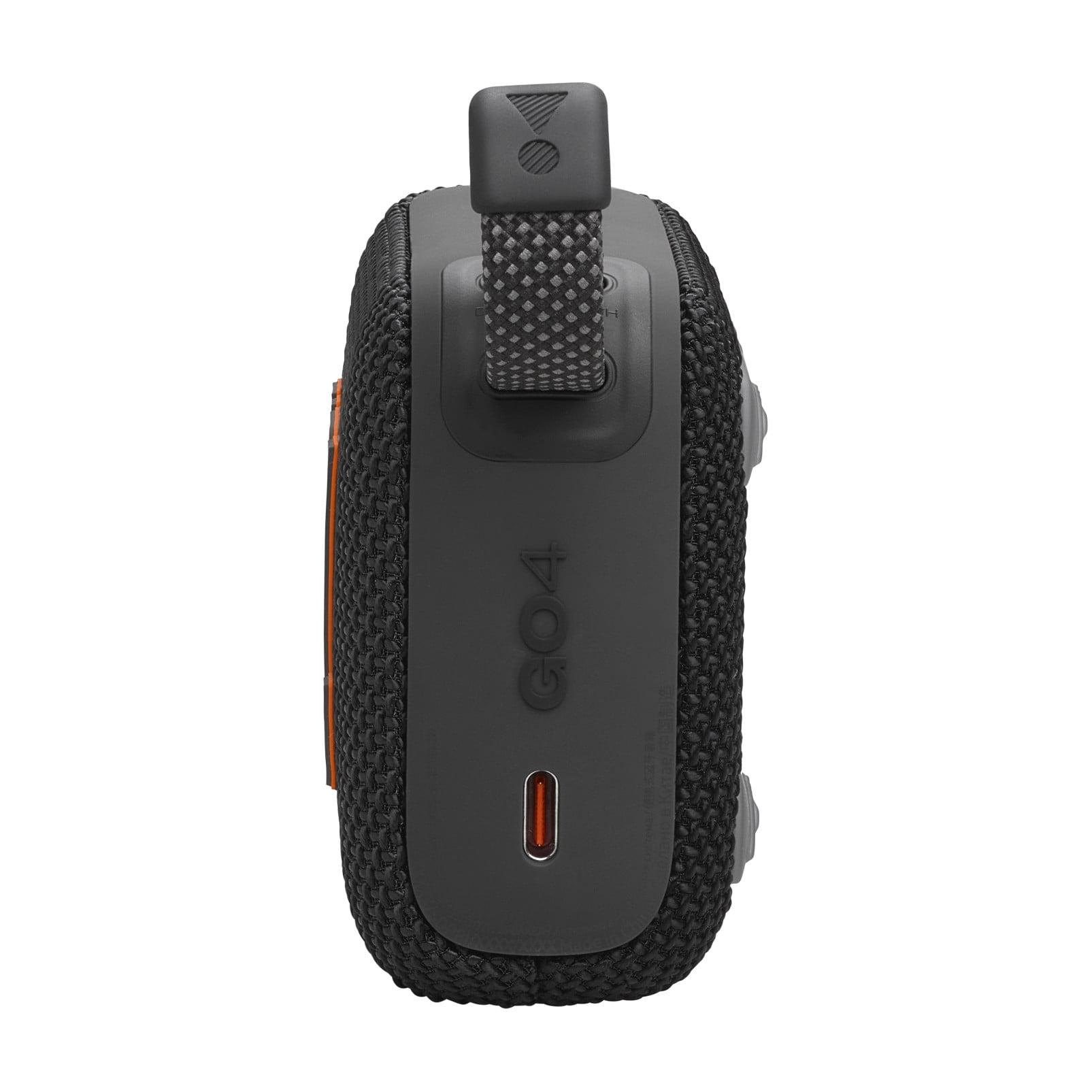
| USB-C with bidirectional charging (powers other devices) | USB-C charging only (charges speaker only) |
| Durability Construction - Build quality for longevity | |
| ABS crush-proof housing, stainless steel hardware | Standard plastic housing with fabric grille |
| Target Price Range - Value positioning at time of writing | |
| Premium pricing for professional-grade durability | Budget-friendly with excellent price-to-performance ratio |
The Turtlebox Ranger is significantly louder, producing 105 dB maximum output compared to the JBL Go 4's 83.3 dB. This 22 dB difference means the Ranger sounds roughly four times louder and is much better for outdoor gatherings, job sites, or noisy environments where you need the sound to carry.
The JBL Go 4 is ultra-compact at 3.7" x 3.0" x 1.7" and weighs just 0.42 lbs, making it truly pocket-sized. The Turtlebox Ranger is larger at 8.05" x 3.15" x 3.15" and weighs 2.4 lbs. The Go 4 prioritizes maximum portability, while the Ranger balances portability with more powerful audio performance.
The Turtlebox Ranger offers longer battery life with 12+ hours of playtime from its 25.2 Wh battery. The JBL Go 4 provides 7-9 hours depending on volume and whether you use the Playtime Boost feature. Both charge via USB-C, but the Ranger can also charge your phone through its port.
Yes, both the Turtlebox Ranger and JBL Go 4 have IP67 waterproof ratings. However, the Ranger offers more robust protection, being submersible up to 3 feet for 30 minutes and built to withstand drops, crushing, and harsh outdoor conditions. The Go 4 handles splashes and rain well but isn't designed for extreme abuse.
Both speakers support multi-speaker connectivity but use different systems. The Turtlebox Ranger features Party Mode for unlimited speaker pairing and True Wireless Stereo for left/right channel separation. The JBL Go 4 uses Auracast technology to connect with other compatible JBL speakers for expanded sound.
Sound quality depends on your needs. The JBL Go 4 offers more balanced, refined audio at moderate volumes and includes app-based EQ customization. The Turtlebox Ranger excels at high volumes and outdoor environments, delivering powerful, clear sound that cuts through ambient noise but may be less refined for quiet listening.
The JBL Go 4 is positioned as a budget-friendly option, while the Turtlebox Ranger commands a premium price reflecting its rugged construction and powerful performance. You'll pay roughly five times more for the Ranger, but the price difference reflects fundamentally different target users and capabilities.
The Turtlebox Ranger is specifically designed for outdoor use with its crush-proof housing, magnetic mounting system, and loud 105 dB output that works well in noisy environments. While the JBL Go 4 is waterproof and suitable for poolside or park use, it lacks the volume and ruggedness needed for serious outdoor adventures.
Neither speaker is designed as a primary home theater solution, but they serve different supplementary roles. The JBL Go 4 works well for casual background music or enhancing audio in small rooms. The Turtlebox Ranger could serve as a portable outdoor theater solution for smaller gatherings but isn't optimized for indoor home theater applications.
The JBL Go 4 offers superior app integration through the JBL Portable app, providing full EQ customization, multiple sound presets, and speaker management tools. The Turtlebox Ranger focuses on hardware features like magnetic mounting and multi-speaker pairing rather than app-based customization.
The Turtlebox Ranger uses the latest Bluetooth 5.4 standard with up to 100-foot range for excellent connection stability. The JBL Go 4 implements Bluetooth 5.3, which is still very current and provides reliable connectivity at standard ranges. Both offer modern, stable wireless performance for typical use cases.
Choose the JBL Go 4 if you prioritize ultimate portability, have a modest budget, want app-based sound customization, or mainly listen at moderate volumes for personal enjoyment. Select the Turtlebox Ranger if you need loud, durable audio for work or outdoor activities, want to charge devices from the speaker, or require reliable performance in harsh conditions.
We've done our best to create useful and informative comparisons to help you decide what product to buy. Our research uses advanced automated methods to create this comparison and perfection is not possible - please contact us for corrections or questions. These are the sites we've researched in the creation of this article: fieldandstream.com - tylerstx.com - comparisontabl.es - gearjunkie.com - rogerssportinggoods.com - youtube.com - armorsound.com - simmonssportinggoods.com - turtleboxaudio.com - outdoorhub.com - backpackeroutdoors.com - youtube.com - tennesseevalleyoutsider.com - turtleboxaudio.com - mrfc.com - linecutterz.com - russells.com - turtleboxaudio.com - flyfishfood.com - tomsguide.com - outeraudio.com - youtube.com - techradar.com - corporategift.com - jbl.com - target.com - dell.com - projectorscreen.com - mm.jbl.com

Privacy Policy
Terms and Conditions - Affiliate Policy
Home Security
© Copyright 2008-2026.
11816 Inwood Rd #1211, Dallas, TX 75244