

Portable Bluetooth speakers have evolved dramatically in recent years, but they still force us to make tough choices between competing priorities. Do you want maximum volume for outdoor gatherings, or ultra-light portability for backpacking? Extreme durability that survives job sites, or elegant design that looks good in your living room? Premium audio quality, or budget-friendly reliability?
The Turtlebox Ranger and Marshall Willen II represent two fascinating approaches to these fundamental trade-offs. Released in 2025 and 2024 respectively, both speakers incorporate the latest Bluetooth 5.3+ technology, but they target completely different user priorities. After diving deep into expert reviews, user feedback, and technical specifications, it's clear these speakers excel in distinct scenarios—and understanding those differences is crucial for making the right choice.
Before we dive into specifics, it's worth understanding what makes a great portable speaker. The category spans everything from tiny clip-on devices barely larger than a smartphone to boom-box-style speakers that challenge the definition of "portable." The key performance metrics that matter most are:
Audio output power, typically measured in watts (how much electrical energy drives the speakers) and maximum decibel levels (how loud the sound actually gets). More watts don't always mean louder sound—efficiency and speaker design play huge roles—but they generally correlate with the ability to fill larger spaces.
Frequency response describes which musical notes the speaker can accurately reproduce, measured in Hertz (Hz). Human hearing spans roughly 20-20,000 Hz, so speakers that cover this range can theoretically reproduce all audible sounds. However, the physical size of speakers limits their ability to produce deep bass (low frequencies) and crisp treble (high frequencies).
Signal-to-noise ratio and total harmonic distortion are technical measures of how cleanly a speaker reproduces sound without adding unwanted noise or distortion, especially at higher volumes.
The challenge is that improving one aspect often compromises another. Bigger drivers (the cone-shaped parts that actually create sound) can produce deeper bass and higher volume, but they require larger enclosures. More powerful amplifiers (the electronic components that boost the audio signal) enable louder playback but drain batteries faster.
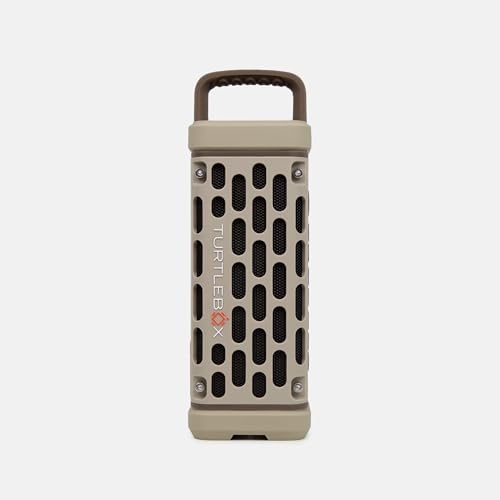
The Turtlebox Ranger emerged in 2025 as a compact version of the company's famously rugged speakers. Turtlebox built their reputation making speakers that can literally survive being run over by trucks—a claim they've demonstrated in countless YouTube videos. The Ranger inherits this extreme durability DNA while shrinking down to a more portable size.
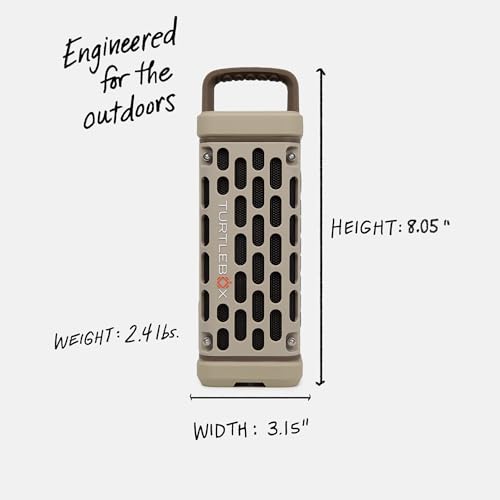
At 2.4 pounds and measuring roughly 8×3×3 inches, the Ranger isn't what most people would call "ultra-portable," but it packs serious audio firepower. The speaker houses dual 2-inch drivers (the actual speakers that move air to create sound) powered by a Class D digital amplifier. Class D amplifiers are highly efficient, converting more electrical energy into sound rather than waste heat, which is crucial for battery-powered devices.
What sets the Ranger apart is its 105-decibel maximum output—that's genuinely loud. For context, normal conversation happens around 60 dB, a lawnmower produces about 85 dB, and rock concerts hit 110+ dB. The ability to reach 105 dB means the Ranger can cut through outdoor ambient noise, from wind and waves to traffic and crowd chatter.
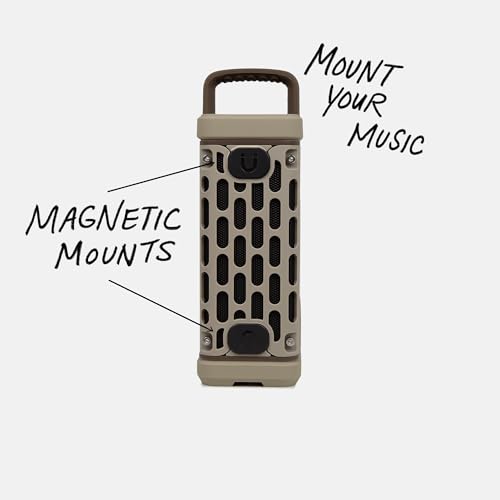
The Ranger also features innovative magnetic mounting systems. Strong neodymium magnets built into the sides allow it to stick securely to metal surfaces like coolers, truck tailgates, or even steel building supports. This seemingly simple feature opens up creative placement options that competing speakers simply can't match.
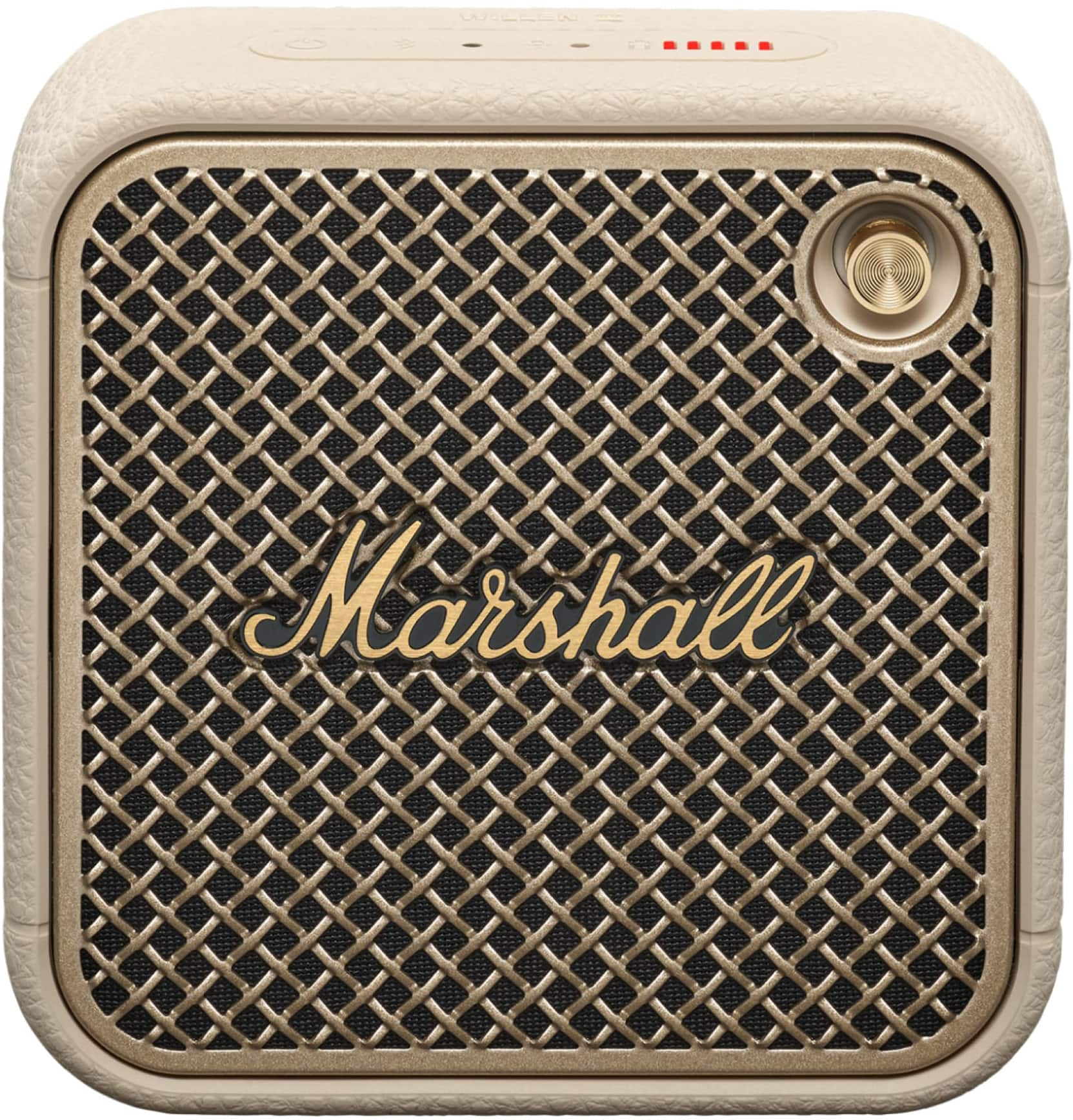
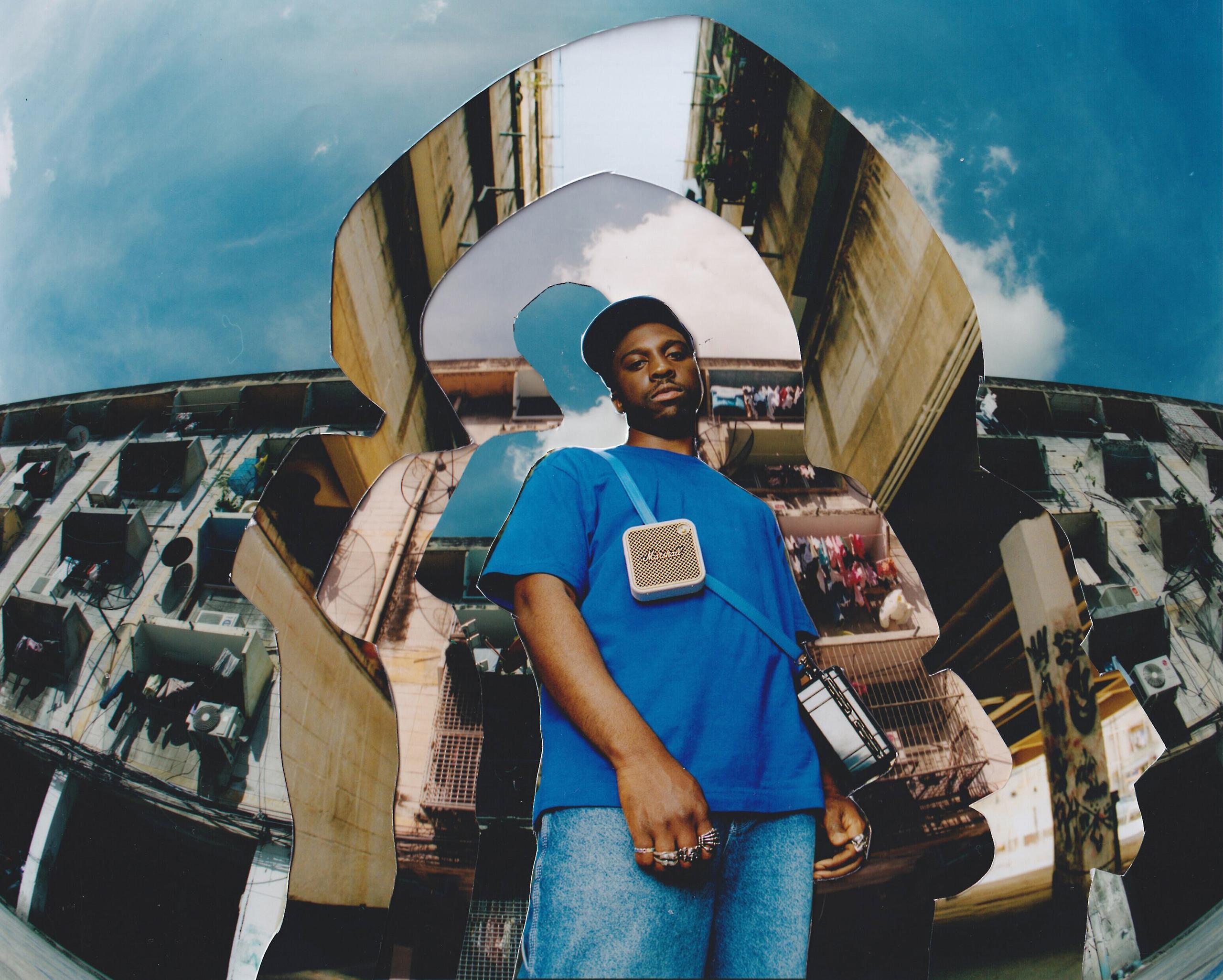
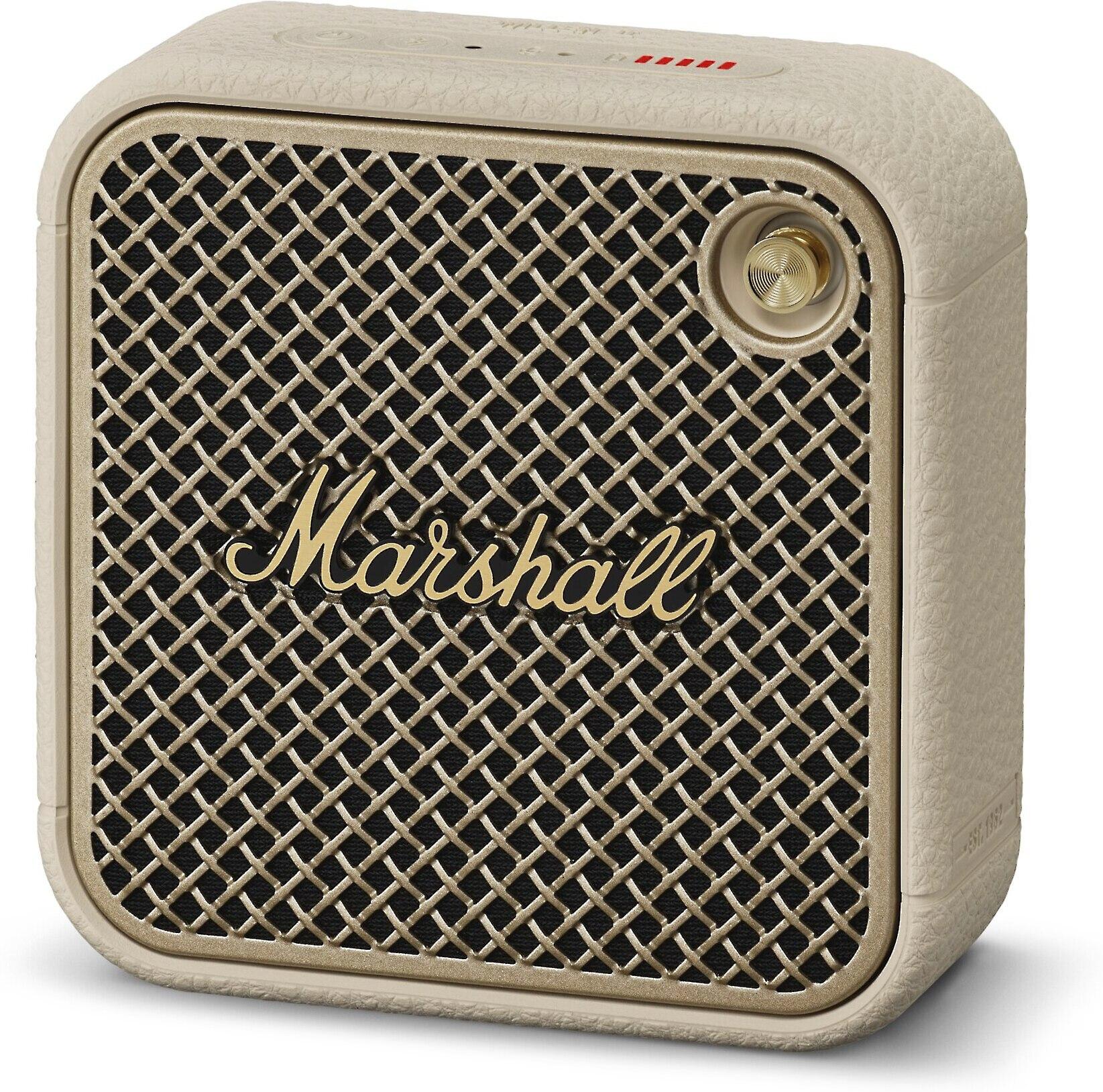
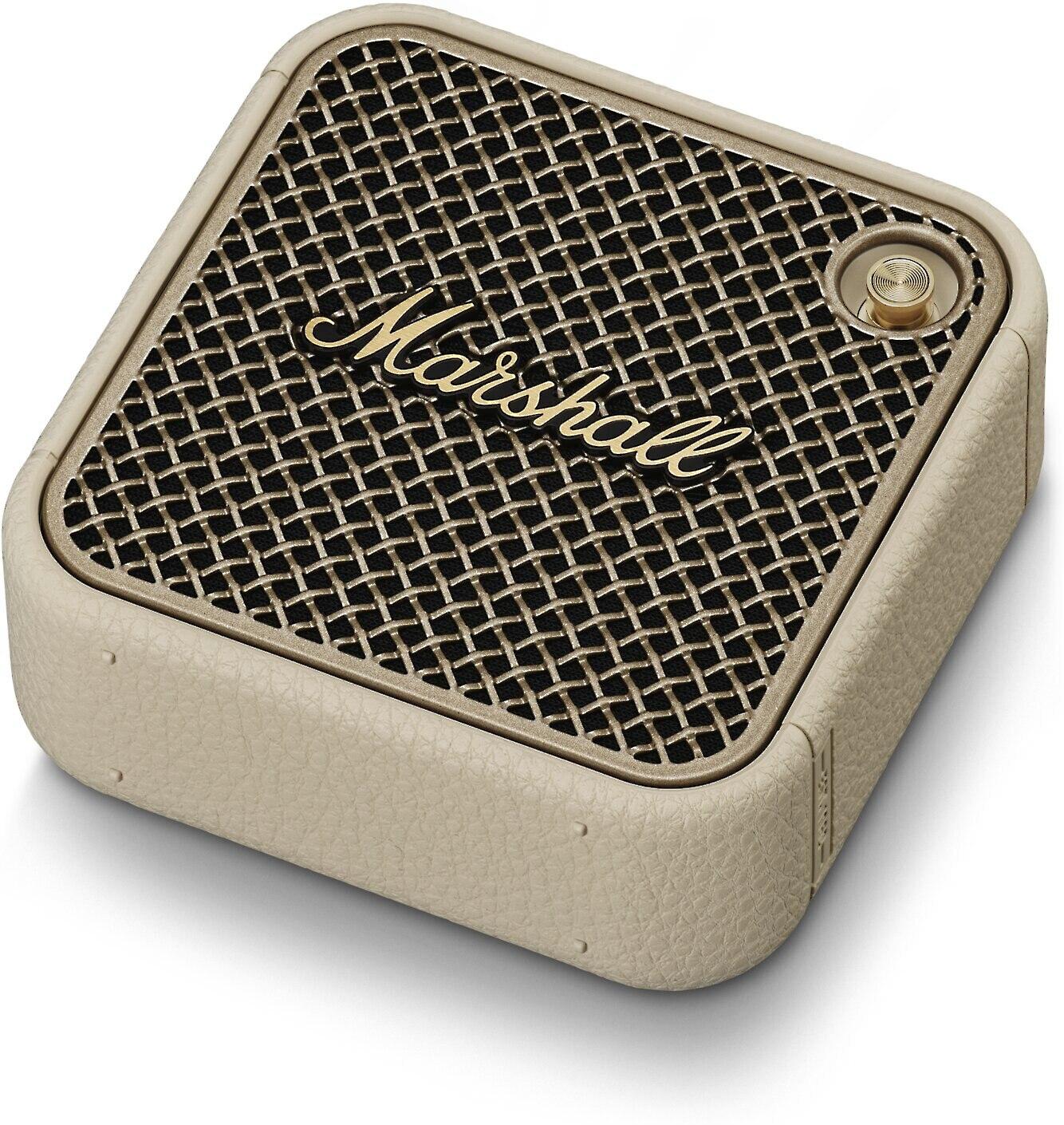
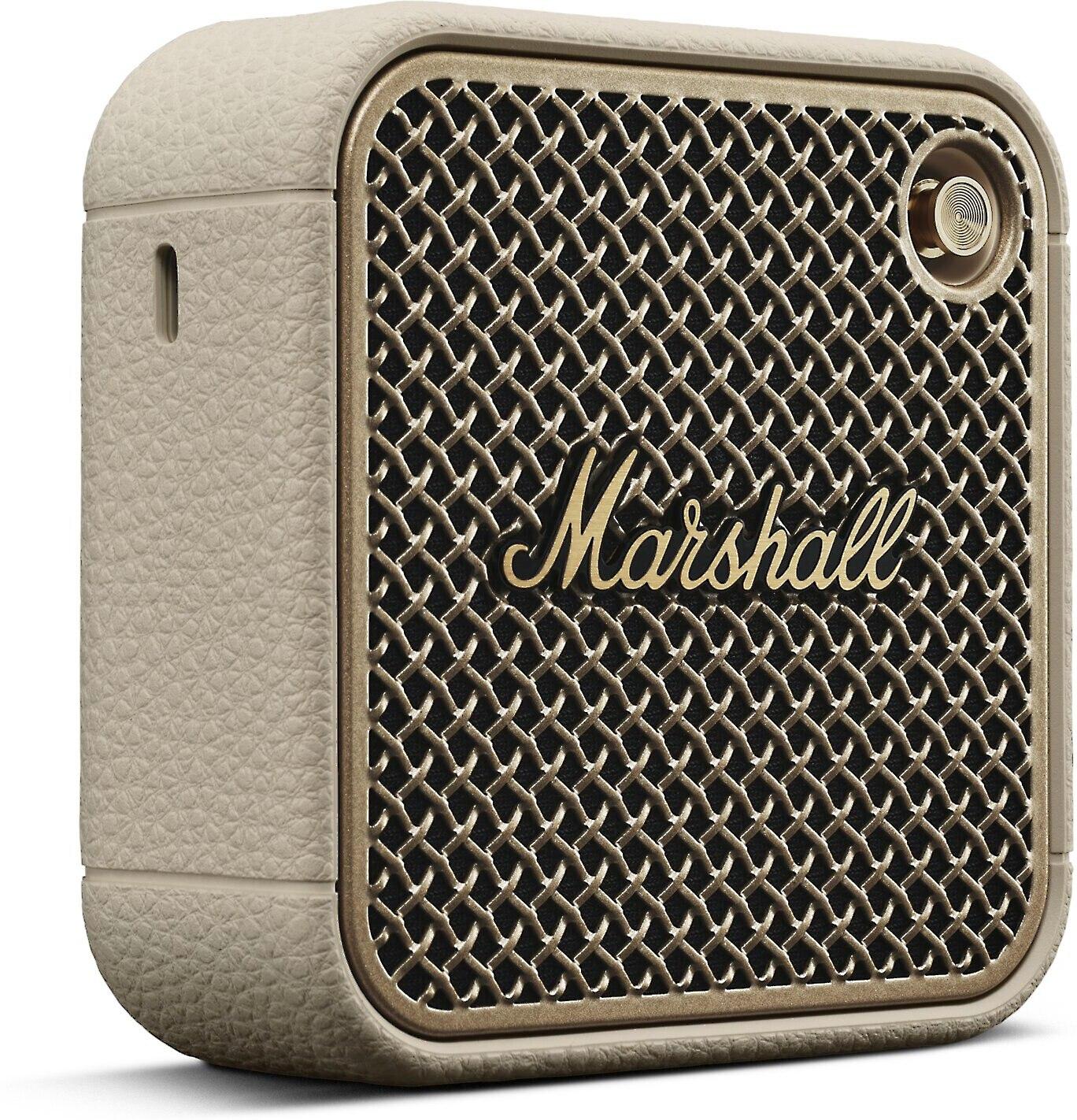
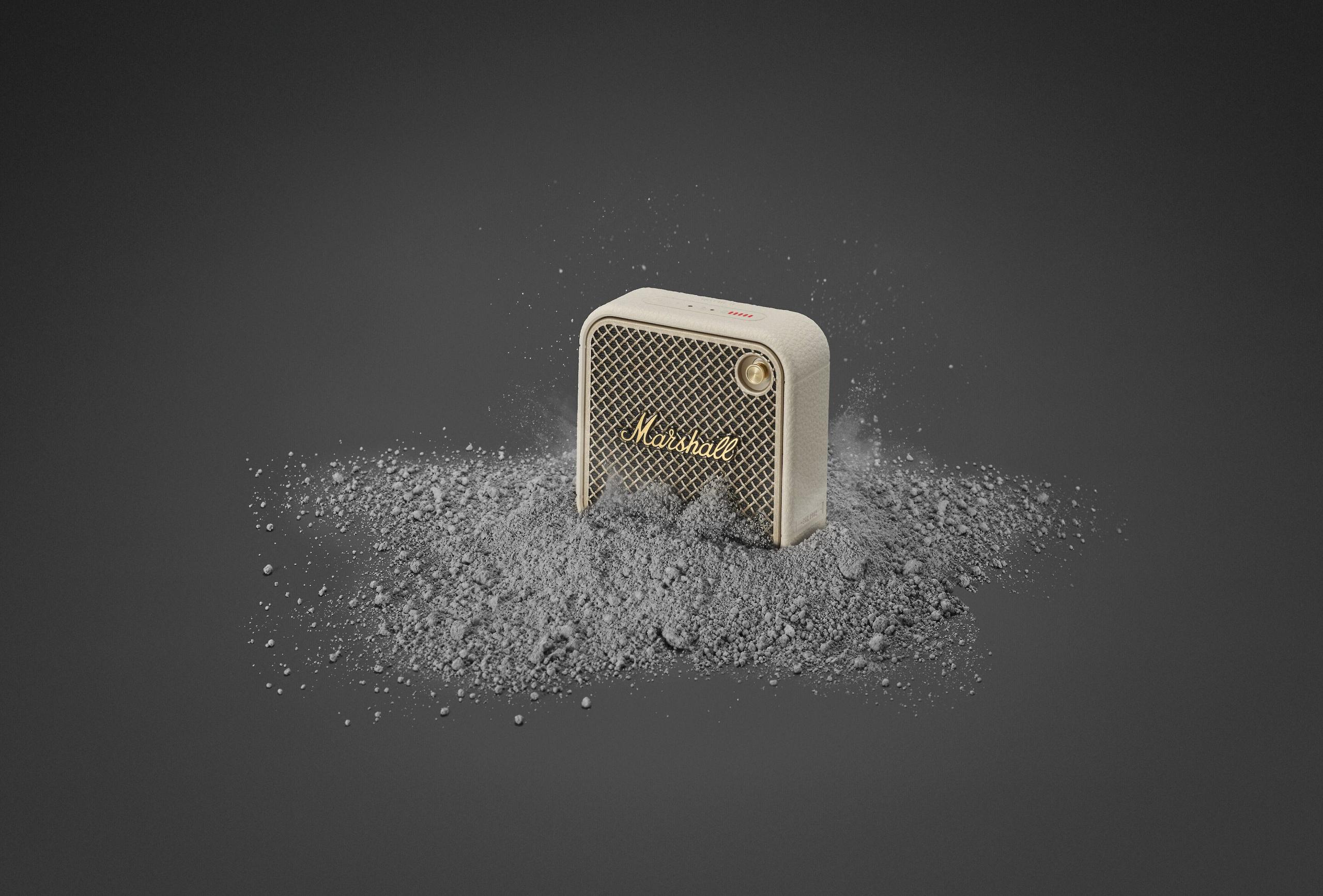
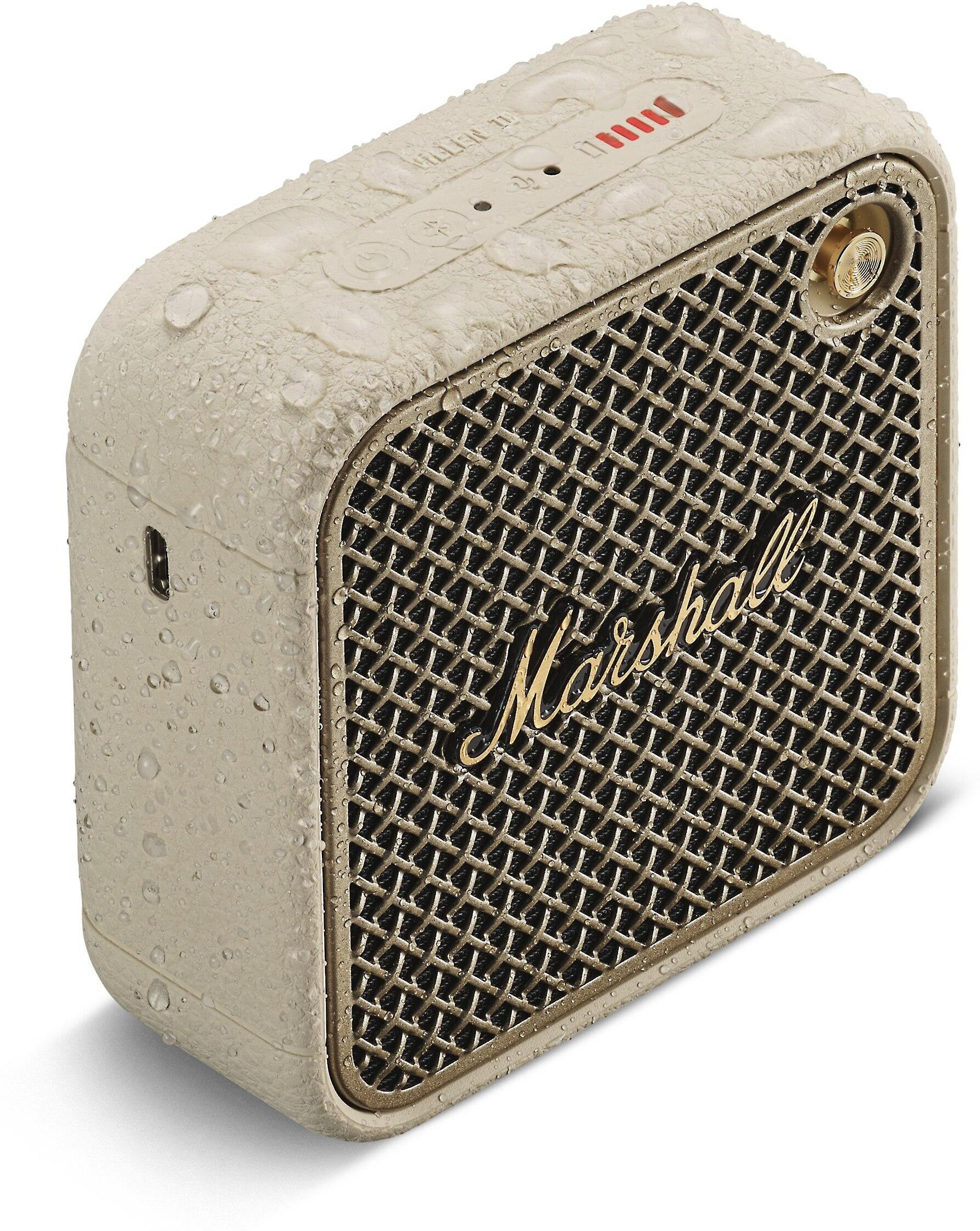
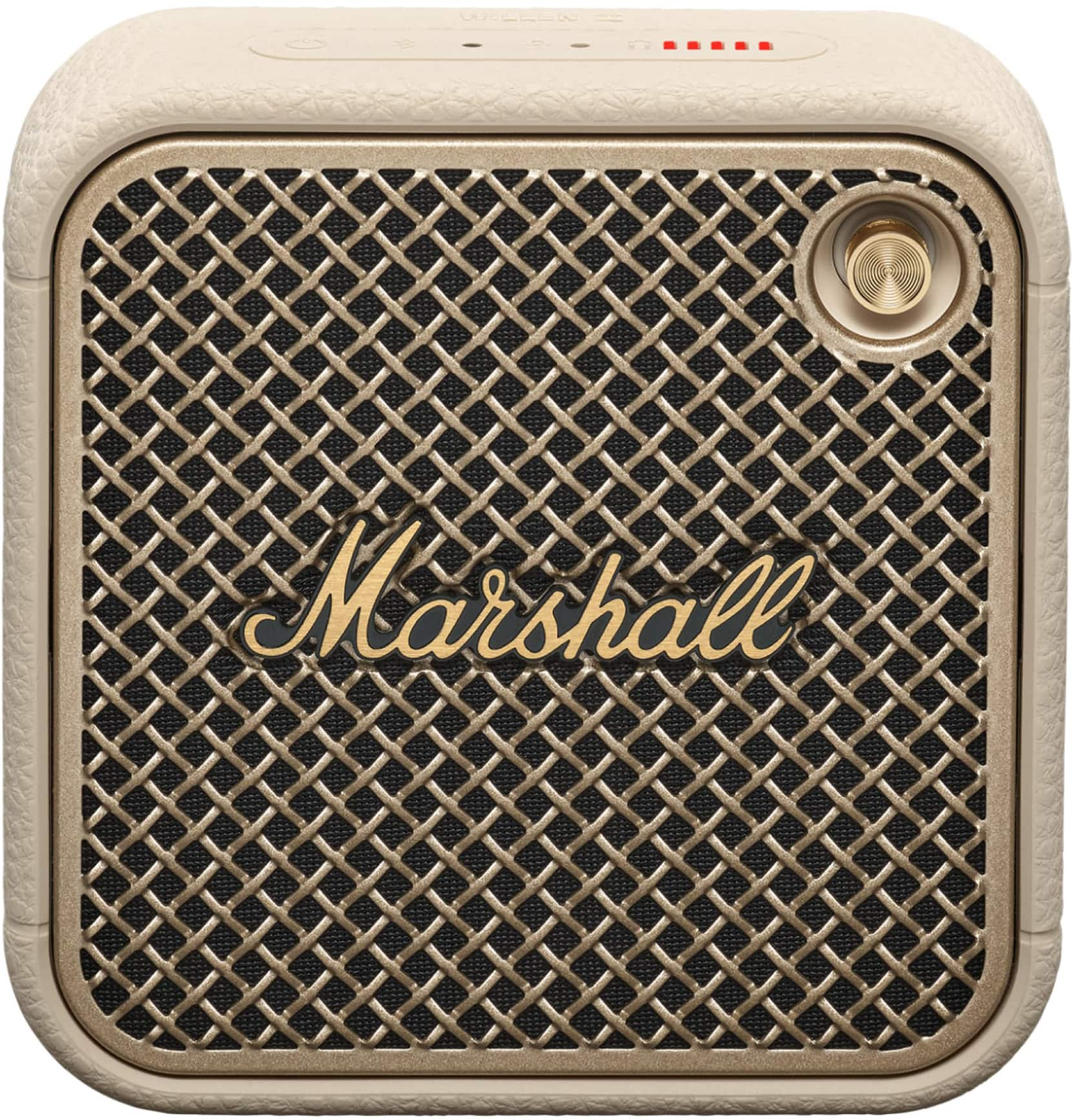
Marshall took a completely different approach with the Willen II, released in 2024 as an evolution of their popular ultra-portable speaker. At just 0.79 pounds—less than a third of the Ranger's weight—and measuring under 4 inches square, the Willen II prioritizes extreme portability above all else.
The Willen II uses a single 2-inch full-range driver powered by a 10-watt amplifier. The term "full-range" means this single driver attempts to reproduce the entire spectrum of audible frequencies, from bass to treble, rather than specializing in specific frequency ranges like dedicated woofers (bass) and tweeters (treble) would.
To compensate for the limitations of a single driver, Marshall included two passive radiators. These look like speakers but don't have magnets or voice coils—instead, they vibrate in response to the air pressure changes created by the main driver. This clever engineering trick helps extend bass response without requiring additional powered drivers, keeping size and power consumption minimal.
The most impressive spec on the Willen II is its 17-hour battery life. This exceptional runtime comes from both efficient Class D amplification and the relatively low power demands of the 10-watt system. A 20-minute quick charge provides 5.5 hours of playback, making it incredibly practical for extended trips.
The performance gap between these speakers is dramatic and immediately obvious. The Turtlebox Ranger delivers roughly 10 times more audio power than the Marshall Willen II, and that difference translates directly to real-world usability.
In outdoor environments, the Ranger can effectively fill large spaces and compete with ambient noise. Beach parties, tailgating events, and camping groups all benefit from having enough volume to reach everyone without forcing the speaker to work at maximum levels (which typically introduces distortion and drains batteries faster).
The Willen II, by contrast, excels at personal listening and small group settings. Its 10-watt output is perfectly adequate for background music in a hotel room, solo hiking adventures, or intimate gatherings of 2-3 people. Push it too hard, and you'll quickly reach its limits.
This fundamental difference affects everything about how you'll use these speakers. The Ranger is a group speaker that happens to be portable, while the Willen II is a personal speaker that can occasionally serve small groups.
Despite the power difference, both speakers punch above their weight class in terms of sound quality, though in different ways.
The Ranger benefits from its dual-driver stereo configuration. Having separate left and right channels creates better stereo imaging—the ability to perceive individual instruments and vocals positioned across a soundstage rather than just coming from a single point. The passive bass radiators help extend low-frequency response, giving drums and bass guitars more impact than you'd expect from such a compact enclosure.
Expert reviews consistently praise the Ranger's ability to maintain clarity even at high volumes. This is where quality amplification and DSP (digital signal processing) tuning make a huge difference. DSP allows engineers to fine-tune the frequency response, apply compression to prevent distortion, and optimize the sound for specific listening conditions.
The Marshall Willen II takes a different approach with its mono configuration. While this eliminates stereo imaging, it allows Marshall to optimize a single driver for the best possible overall sound quality within size and power constraints. The 75-20,000 Hz frequency response specification suggests good coverage of the audible spectrum, though real-world bass response is limited by the small enclosure size.
User reviews frequently mention the Willen II's surprising ability to reproduce nuanced details in music—vocal subtleties, acoustic guitar fingerpicking, and even classical instruments come through with clarity that rivals much larger speakers. The trade-off is maximum volume and the immersive experience that stereo sound provides.
Battery performance reveals another philosophical divide. The Marshall Willen II achieves its impressive 17-hour runtime through exceptional efficiency, while the Turtlebox Ranger focuses on all-day reliability despite higher power demands.
The Willen II's efficiency advantage comes from several sources. The 10-watt amplifier draws relatively little power, the single driver configuration reduces complexity, and Marshall's engineers have clearly optimized every aspect of the power management system. The result is a speaker that can literally play music from morning to bedtime on a single charge.
The Ranger takes a different approach with its larger 25.2 Wh battery (compared to the Willen II's smaller capacity). While it can't match the Willen II's runtime at equivalent volumes, it provides enough power for typical all-day outdoor activities. More importantly, the Ranger includes USB-C passthrough charging, allowing it to function as a power bank for phones and other devices—a genuinely useful feature for extended outdoor adventures.
Environmental protection represents perhaps the starkest difference between these speakers, despite both carrying IP67 ratings.
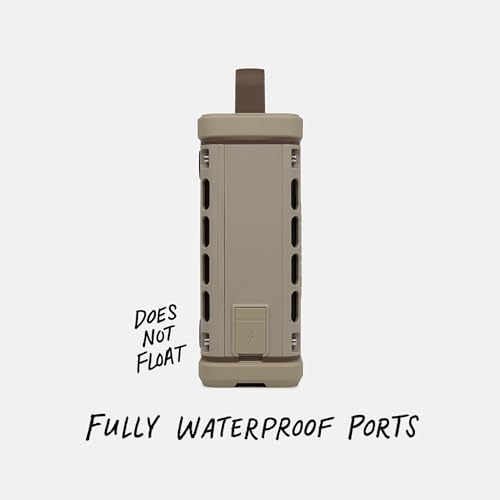
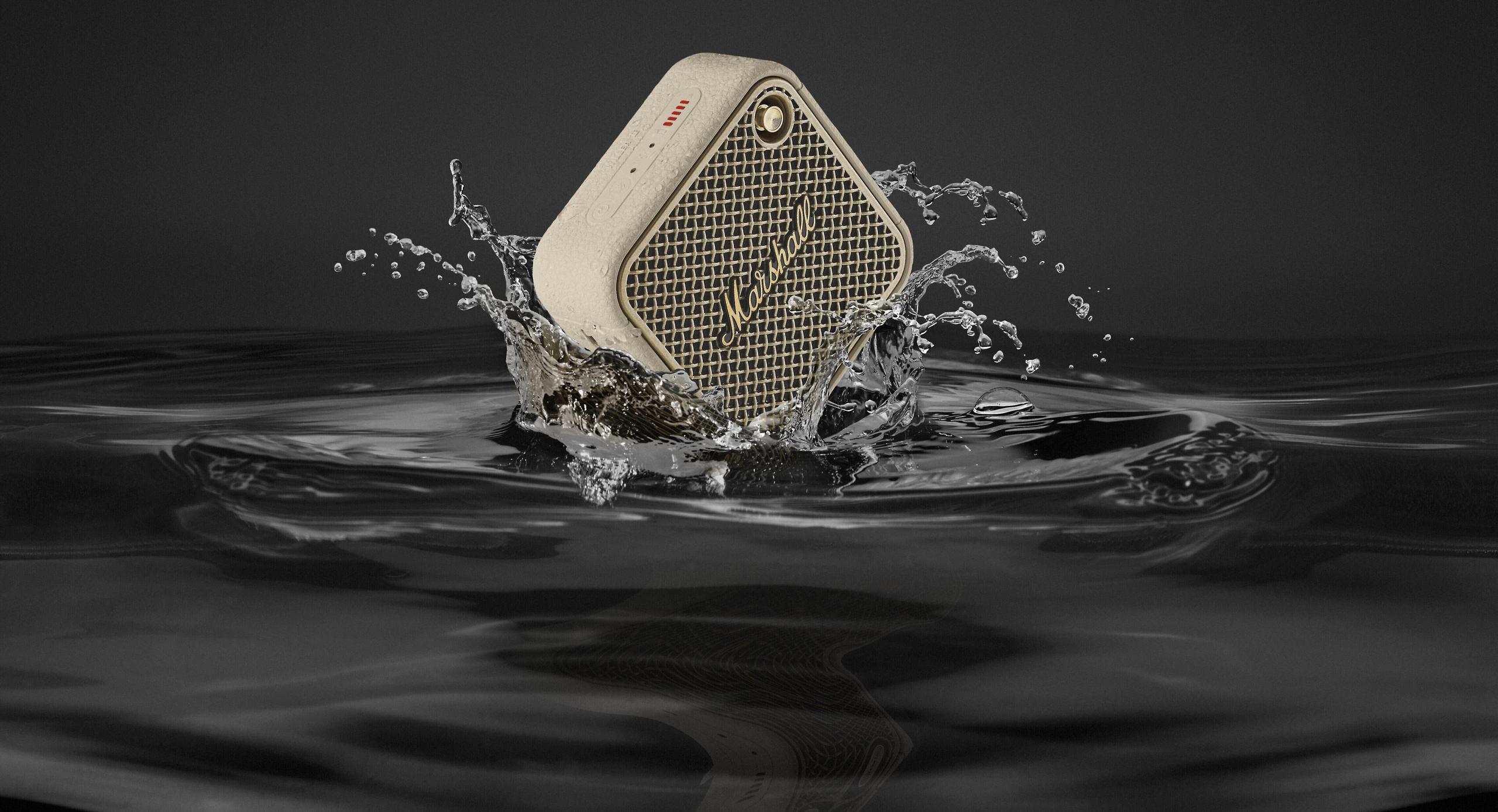
IP67 is an international standard that means both speakers are completely dust-tight (the "6") and can withstand submersion in up to 1 meter of water for 30 minutes (the "7"). However, IP ratings only tell part of the durability story.
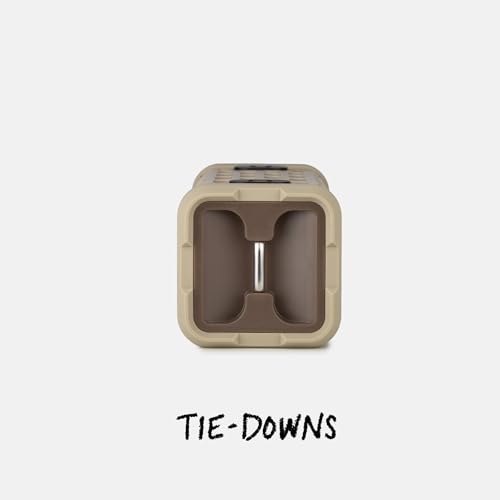
The Turtlebox Ranger goes far beyond basic water resistance. Its ABS (a tough thermoplastic) housing is designed to be crush-proof, drop-proof, and abuse-resistant. Stainless steel hardware resists corrosion, rubber bumpers absorb impacts, and the overall construction is clearly engineered for extreme conditions. Reviews mention speakers surviving drops onto concrete, being buried in sand, and enduring temperature extremes that would kill most electronics.
Turtlebox even includes a built-in breather system that equalizes pressure during temperature changes, preventing internal condensation that could damage electronics over time. These are the kind of engineering details you find in military and industrial equipment, not typical consumer speakers.
The Marshall Willen II takes a more conventional approach to durability. Its rubberized housing and metal grille provide reasonable protection against normal outdoor activities—rain, splashes, dust, and minor impacts. It's built to survive being tossed in a backpack or dropped on grass, but it's not engineered for truly harsh conditions.
This difference matters enormously depending on your use cases. Job sites, extreme outdoor adventures, and situations where equipment takes serious abuse clearly favor the Ranger. Normal outdoor recreation, travel, and careful handling make the Willen II's protection adequate while keeping weight and cost down.
Both speakers incorporate modern Bluetooth standards, but they implement different additional features that affect usability.
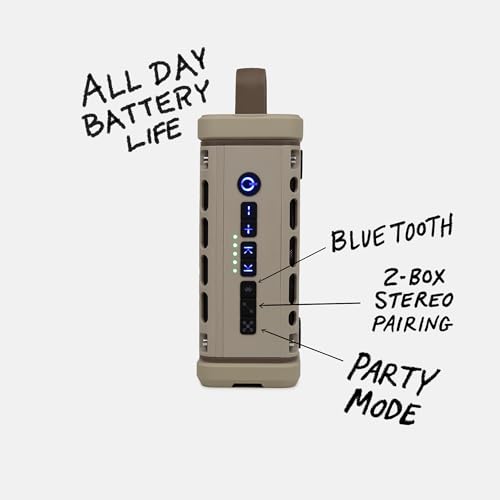
The Turtlebox Ranger uses the latest Bluetooth 5.4 standard with an impressive 100-foot range. More importantly, it includes two unique connectivity modes. "Party Mode" allows unlimited pairing of compatible Turtlebox speakers for true surround sound experiences—imagine having four or five Rangers spread around a campsite for immersive audio. "True Wireless Stereo" mode lets you pair two Rangers for dedicated left/right channel separation, essentially creating a high-powered stereo system.
The Marshall Willen II focuses on practical connectivity with Bluetooth 5.3 and the ability to pair with two devices simultaneously. This means you can have your phone and laptop connected at the same time, seamlessly switching between them without re-pairing. The speaker also remembers up to eight previously connected devices.
A key differentiator is the Willen II's built-in speakerphone capability with an integrated microphone. This makes it genuinely useful for conference calls, hands-free phone conversations, and video chat sessions. The Ranger lacks microphone functionality, focusing purely on audio playback.
The Willen II also supports Marshall's smartphone app, which provides EQ presets optimized for different music genres and listening preferences. While not revolutionary, these software features add value and show Marshall's attention to the complete user experience.
Neither speaker is designed as a primary home theater solution, but both can serve specific roles in different scenarios.
The Turtlebox Ranger's 105 dB output capability and stereo configuration make it surprisingly capable for smaller rooms or apartments where a full home theater system isn't practical. The magnetic mounting system allows creative placement options—imagine mounting it to a steel bookshelf or entertainment center without drilling holes or using brackets.
For outdoor movie nights or backyard entertainment, the Ranger has enough power to provide clear dialogue and immersive sound effects for groups of viewers. The Party Mode capability could even create a multi-speaker surround sound experience for dedicated outdoor theater setups.
The Marshall Willen II serves different home theater needs. Its compact size and long battery life make it perfect for personal viewing on tablets or laptops, especially while traveling. The speakerphone capability also makes it useful for video conferencing in home office setups.
At the time of writing, these speakers occupy different price tiers that reflect their distinct design philosophies and target markets.
The Turtlebox Ranger commands a significant premium, positioning it as a specialized tool for users who need maximum durability and audio power in a portable package. The price reflects genuine engineering innovation—the magnetic mounting system, extreme durability, and high-powered audio output in a relatively compact form factor represent real technical achievements.
The Marshall Willen II offers mainstream pricing that makes it accessible to a much broader audience. At roughly half the Ranger's cost, it delivers exceptional value for users who prioritize portability, battery life, and brand heritage over maximum power and ruggedness.
The value equation becomes clearer when you consider total cost of ownership. The Ranger's superior durability suggests it will last longer in demanding conditions, potentially justifying the higher initial investment. The Willen II's lower price makes replacement less painful if it's lost or damaged during travel.
After extensive research into user experiences and expert opinions, the decision ultimately comes down to your primary use cases and priorities.
Choose the Turtlebox Ranger if you need:
The Ranger excels in scenarios where it's competing with ambient noise and serving groups of people. Beach parties, tailgating events, camping trips with friends, construction sites, and outdoor festivals all benefit from having genuine audio power available.
Choose the Marshall Willen II if you prioritize:
The Willen II shines in personal use scenarios where convenience trumps maximum performance. Solo travel, hiking adventures, hotel room entertainment, office background music, and intimate gatherings all benefit from its featherweight portability and exceptional battery life.
Both speakers excel at what they're designed to do, but they're designed to do fundamentally different things. The Turtlebox Ranger is a powerful, rugged speaker that happens to be portable enough for most outdoor adventures. The Marshall Willen II is an ultra-portable personal speaker that can occasionally serve small groups.
Your choice should align with your most demanding use case. If you ever need to fill outdoor spaces with sound or survive truly harsh conditions, the Ranger is worth the extra weight and cost. If maximum portability and all-day battery life are your top priorities, the Willen II delivers exceptional value and convenience.
Neither choice is wrong—they're just optimized for different lifestyles and priorities. The key is being honest about how you'll actually use your speaker, rather than what you think you might want in theory.
| Turtlebox Ranger | Marshall Willen II |
|---|---|
| Audio Power - Critical for outdoor use and filling larger spaces | |
| 105 dB maximum output with dual 2" drivers | 10W mono output with single 2" driver |
| Weight & Portability - Key factor for backpacking and travel | |
| 2.4 lbs (8.05×3.15×3.15 inches) | 0.79 lbs (3.96×3.96×1.71 inches) |
| Battery Life - Essential for extended outdoor adventures | |
| 12+ hours all-day performance | 17+ hours with 20-minute quick charge |
| Durability Rating - Important for harsh outdoor conditions | |
| IP67 plus crush-proof, drop-proof construction | IP67 water/dust resistant with standard build |
| Audio Configuration - Affects sound quality and stereo imaging | |
| Stereo with dual drivers and passive bass radiators | Mono with passive radiators for enhanced bass |
| Bluetooth Technology - Modern connectivity and range | |
| Bluetooth 5.4 with 100-foot range | Bluetooth 5.3 with dual device pairing |
| Special Features - Unique capabilities that add value | |
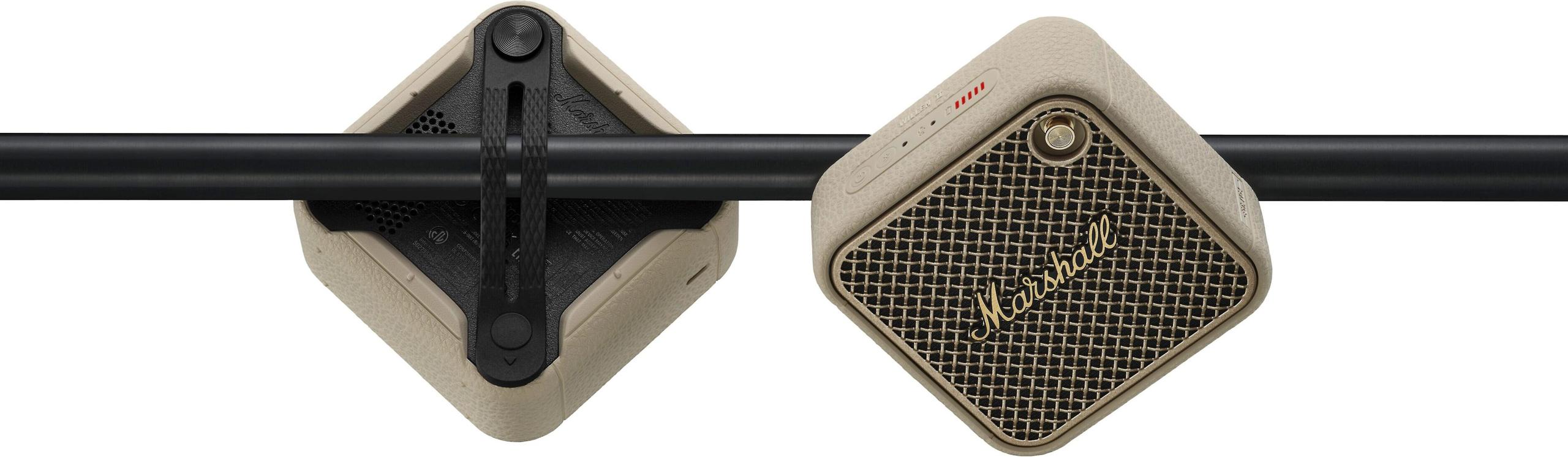
| Magnetic mounting, Party Mode linking, USB-C device charging | Built-in speakerphone, Marshall app integration, fastening strap |
| Build Materials - Affects long-term durability and protection | |
| ABS crush-proof housing, stainless steel hardware | Rubberized housing with metal grille |
| Multi-Speaker Connectivity - For creating larger sound systems | |
| Party Mode (unlimited) and True Wireless Stereo pairing | Standard Bluetooth pairing only |
| Target Use Case - Who each speaker is designed for | |
| Outdoor gatherings, job sites, extreme conditions | Personal listening, travel, backpacking |
The Turtlebox Ranger is significantly louder, producing 105 dB maximum output compared to the Marshall Willen II's 10-watt mono output. The Ranger can fill large outdoor spaces and compete with ambient noise, while the Willen II is designed for personal listening and small groups.
The Marshall Willen II offers superior battery life with 17+ hours of playback, compared to the Turtlebox Ranger's 12+ hours. However, the Ranger includes USB-C passthrough charging to power other devices, while the Willen II features 20-minute quick charging for 5.5 hours of playback.
The Marshall Willen II is much more portable at just 0.79 pounds and 4 inches square, compared to the Turtlebox Ranger's 2.4 pounds and larger dimensions. The Willen II is ideal for backpacking and travel, while the Ranger is better suited for car camping and outdoor gatherings.
Both the Turtlebox Ranger and Marshall Willen II feature IP67 waterproof ratings. However, the Ranger offers superior durability with crush-proof, drop-proof construction designed for extreme conditions, while the Willen II provides standard outdoor protection suitable for normal recreational activities.
Only the Marshall Willen II includes a built-in microphone for hands-free calling and video conferences. The Turtlebox Ranger focuses purely on audio playback without speakerphone functionality, making the Willen II better for business and communication needs.
The Turtlebox Ranger provides superior sound quality with its stereo configuration, dual 2-inch drivers, and enhanced DSP tuning. The Marshall Willen II offers impressive quality for its size with balanced frequency response, but the mono output limits stereo imaging compared to the Ranger's true stereo sound.
The Turtlebox Ranger excels with Party Mode for unlimited speaker linking and True Wireless Stereo pairing with two units. The Marshall Willen II only supports standard Bluetooth pairing without multi-speaker connectivity, making the Ranger better for creating larger sound systems.
The Turtlebox Ranger is specifically designed for outdoor gatherings with its 105 dB output, magnetic mounting system, and extreme weather resistance. The Marshall Willen II works better for personal outdoor use or small intimate groups where maximum portability is more important than high volume.
Neither speaker is designed as a primary home theater solution, but the Turtlebox Ranger can serve smaller rooms with its stereo output and high volume capability. The Marshall Willen II is better suited for personal viewing on tablets or laptops rather than main TV audio enhancement.
The Turtlebox Ranger features magnetic mounting for metal surfaces, Party Mode speaker linking, and USB-C device charging. The Marshall Willen II offers built-in speakerphone capability, Marshall app integration with EQ presets, and an included fastening strap for easy attachment.
The Marshall Willen II provides excellent mainstream value with ultra-portability, long battery life, and solid build quality. The Turtlebox Ranger justifies its premium pricing with superior audio power, extreme durability, and professional-grade features for demanding outdoor use.
Choose the Turtlebox Ranger if you need maximum volume for groups, extreme durability for harsh conditions, and multi-speaker connectivity. Choose the Marshall Willen II if you prioritize ultra-portability, extended battery life, speakerphone functionality, and personal listening over maximum power output.
We've done our best to create useful and informative comparisons to help you decide what product to buy. Our research uses advanced automated methods to create this comparison and perfection is not possible - please contact us for corrections or questions. These are the sites we've researched in the creation of this article: fieldandstream.com - tylerstx.com - comparisontabl.es - gearjunkie.com - rogerssportinggoods.com - youtube.com - armorsound.com - simmonssportinggoods.com - turtleboxaudio.com - outdoorhub.com - backpackeroutdoors.com - youtube.com - tennesseevalleyoutsider.com - turtleboxaudio.com - mrfc.com - linecutterz.com - russells.com - turtleboxaudio.com - flyfishfood.com - whatsthebest.co.uk - youtube.com - crutchfield.com - goodhousekeeping.com - abt.com - bestbuy.com - theaudio.co - store.moma.org - av-connection.com - rtings.com - electronicexpress.com

Privacy Policy
Terms and Conditions - Affiliate Policy
Home Security
© Copyright 2008-2026.
11816 Inwood Rd #1211, Dallas, TX 75244