

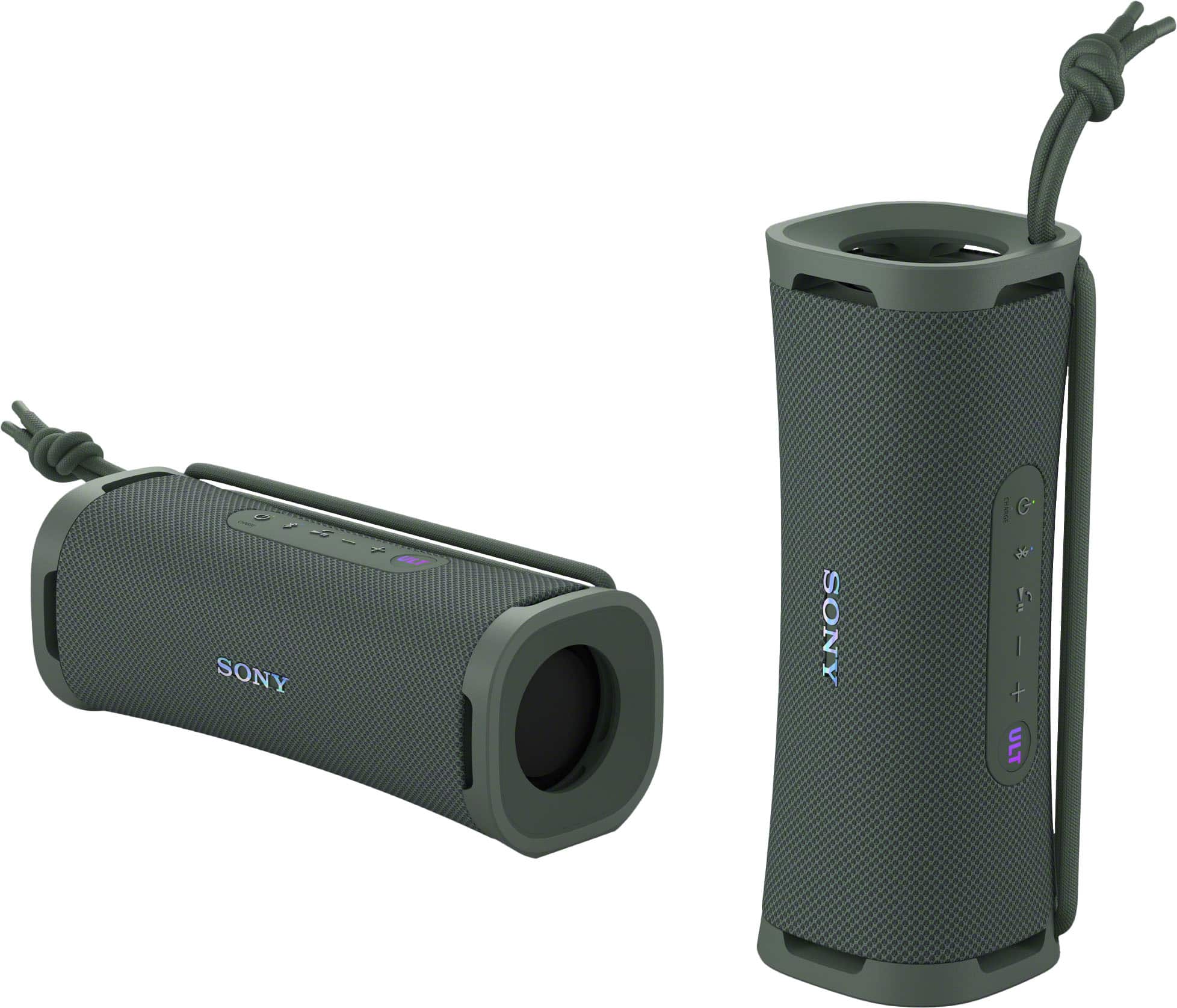
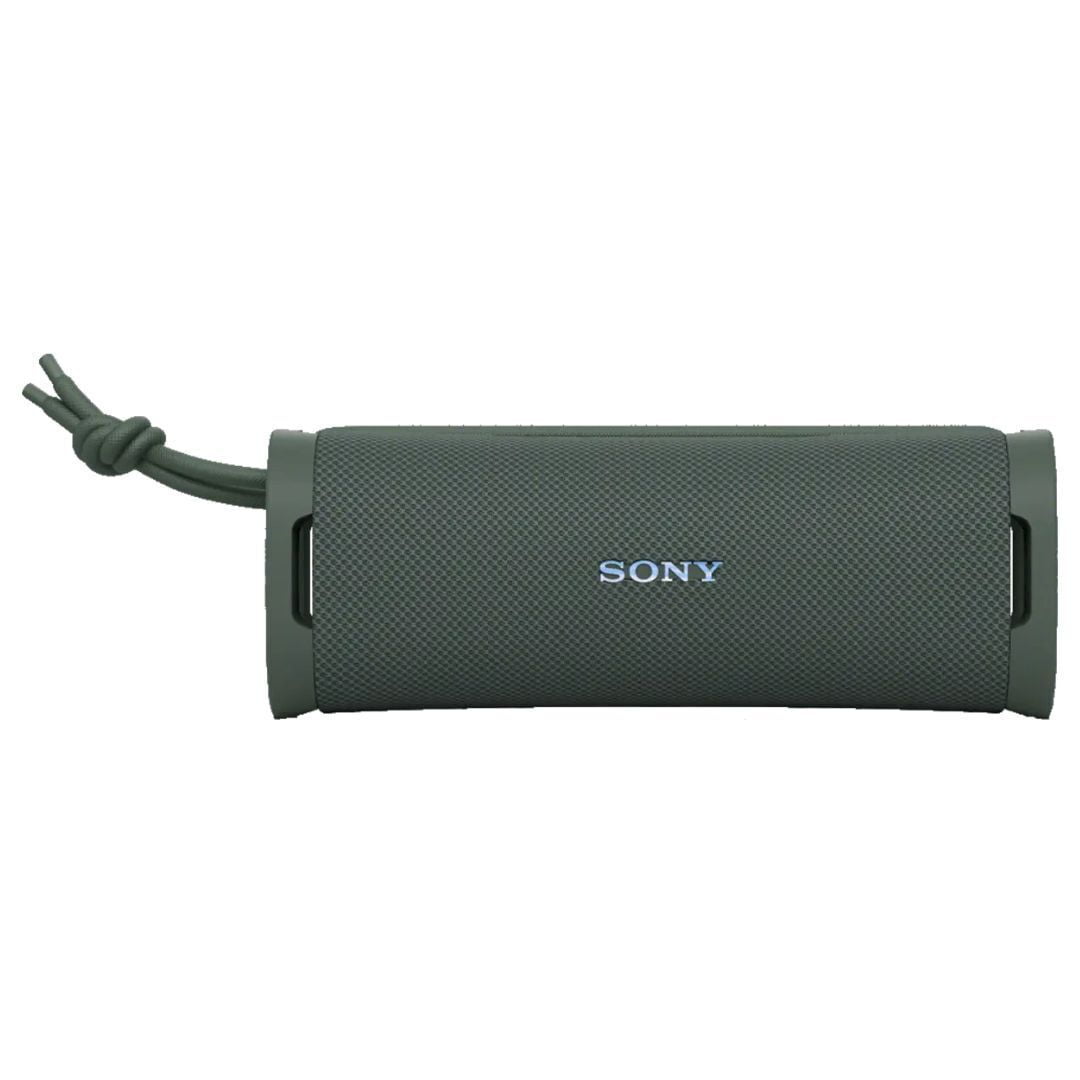


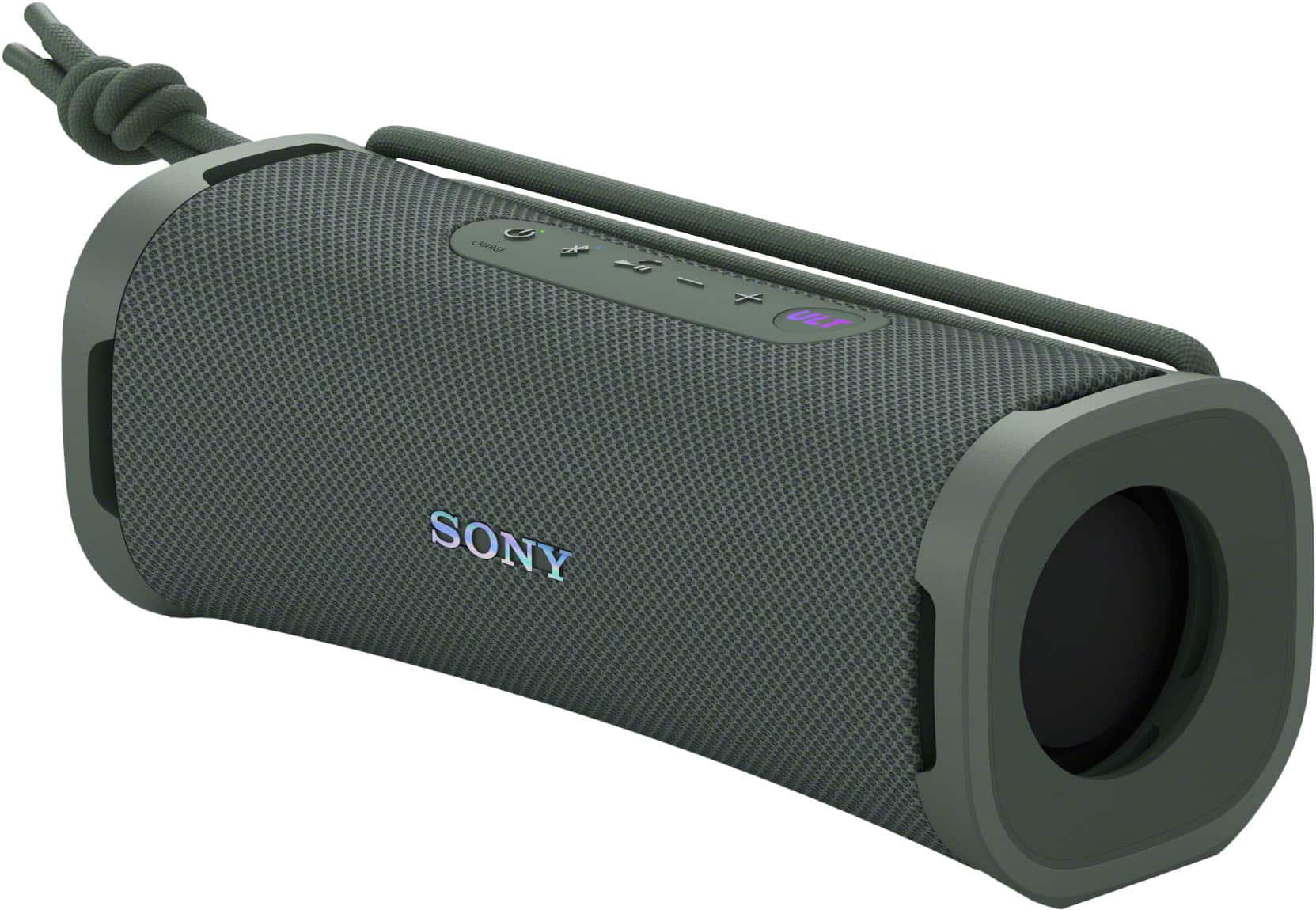
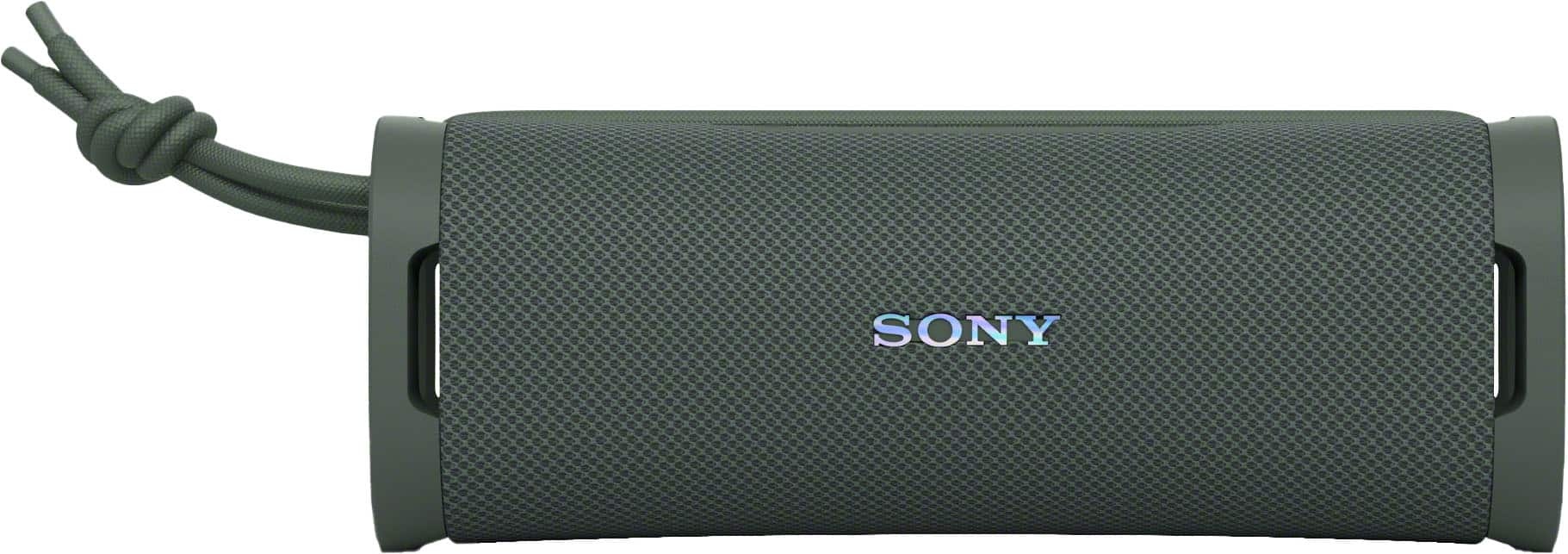

When you're looking for a portable Bluetooth speaker that can handle the great outdoors, you're entering a specialized world where regular consumer speakers simply won't cut it. Rugged portable speakers need to survive dropped canoes, sandy beaches, dusty campsites, and unexpected downpours while still delivering the kind of sound that makes your adventure soundtrack memorable.
The rugged speaker market has evolved significantly over the past few years, with manufacturers pushing the boundaries of what's possible in a portable package. Two speakers that represent very different approaches to this challenge are the Turtlebox Ranger and the Sony ULT FIELD 1. Released in 2025 and 2024 respectively, these speakers showcase how modern technology has advanced to pack serious audio performance into increasingly durable and portable designs.
Before diving into the specifics, it's worth understanding what separates rugged speakers from their indoor cousins. The most important factor is environmental protection, measured by IP ratings—those cryptic numbers like IP67 that tell you exactly how much water and dust a device can handle. IP67 means the speaker is completely dust-tight and can survive being submerged in up to three feet of water for 30 minutes.
But environmental protection is just the starting point. Sound quality becomes much more challenging outdoors, where you're competing with wind, open spaces, and ambient noise. This is where power output, measured in decibels (dB), becomes crucial. A speaker that sounds great in your living room might completely disappear at a beach or campsite.
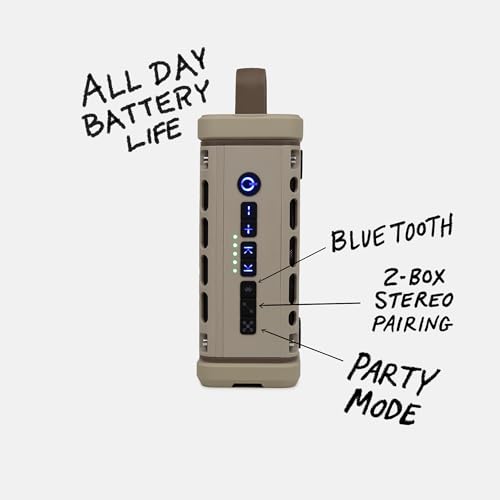
Battery life takes on new importance too. While a few hours might be fine for indoor use, outdoor adventures often last all day, and there's rarely a convenient outlet nearby. Modern speakers also need to handle multiple connection scenarios—sometimes you want stereo sound from two speakers, sometimes you want to link multiple units for a larger gathering.
The physical design matters more than you might expect. Weight affects portability, but so do carrying options and mounting systems. Some speakers float (helpful if you're near water), others have magnetic mounts for metal surfaces, and some prioritize being as compact as possible for backpacking.
The most striking difference between the Turtlebox Ranger and Sony ULT FIELD 1 becomes apparent the moment you turn up the volume. The Ranger delivers a maximum output of 105 decibels through its dual 2-inch waterproof drivers, powered by a Class D digital amplifier with enhanced DSP (Digital Signal Processing) tuning. To put that in perspective, 105 dB is genuinely loud—about the level of a motorcycle or chainsaw at close range.
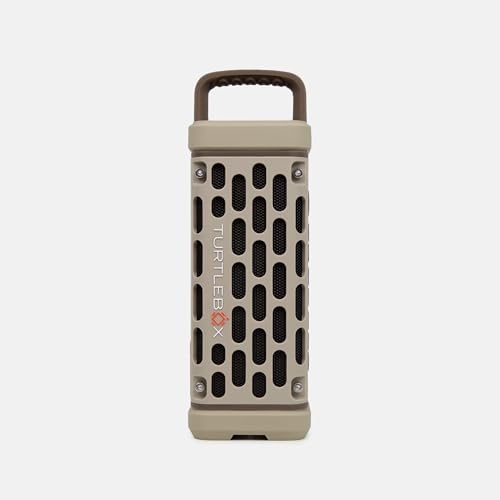
This isn't just about being the loudest speaker at the beach party, though that's certainly part of it. Higher output means the speaker can cut through outdoor ambient noise and fill larger spaces effectively. The Ranger's vertical, pillar-like design also helps with sound dispersion, sending audio in all directions rather than just forward like traditional speaker orientations.
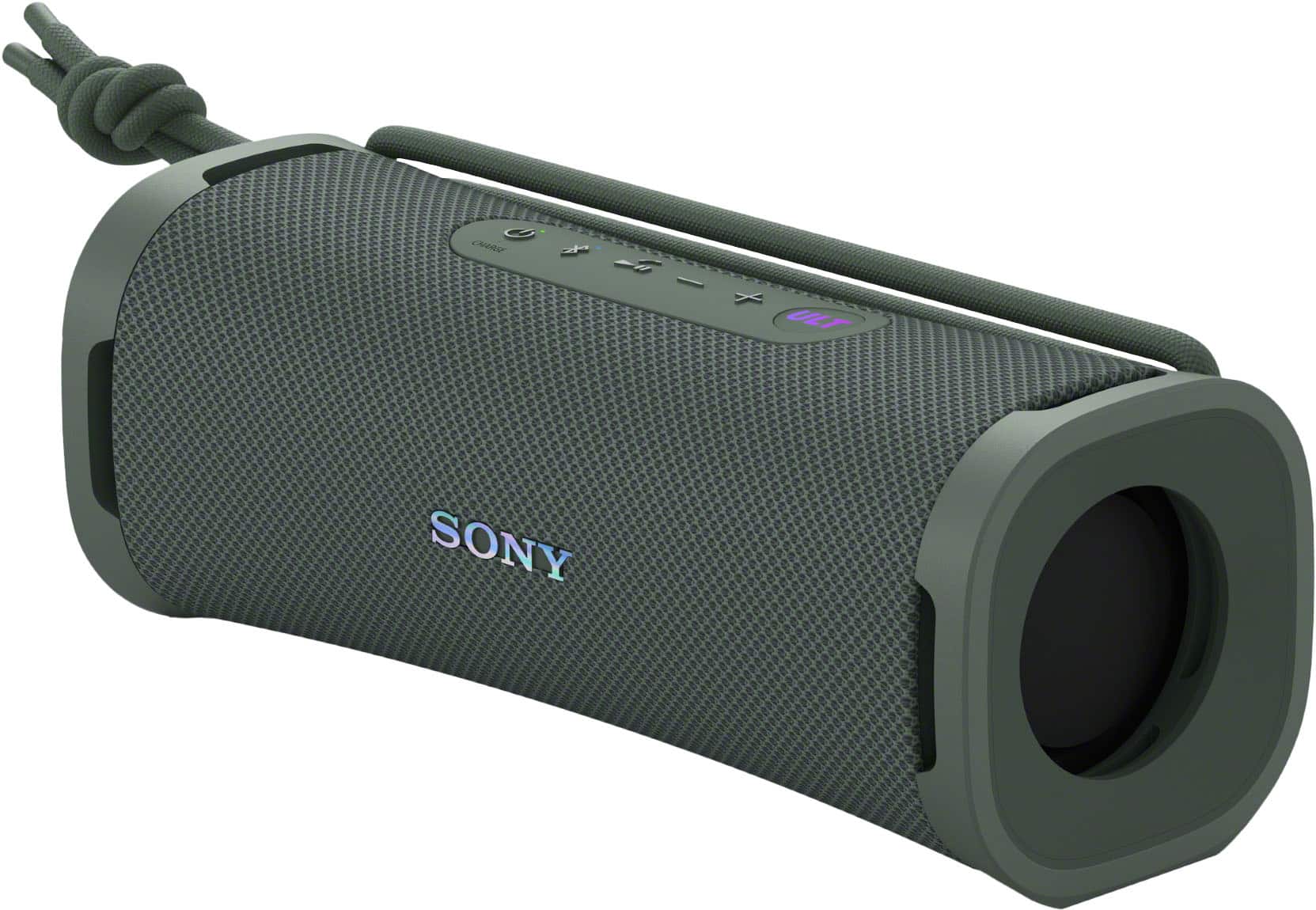
The Sony ULT FIELD 1, while still capable, takes a more restrained approach. It produces moderate volume levels with what reviewers consistently describe as a balanced sound signature. The Sony excels at reproducing vocals and mid-range instruments with clarity, and its ULT button provides a bass boost function that adds some low-end punch to the music. However, it has one significant limitation that many buyers don't discover until after purchase: when used as a single speaker, it downmixes stereo content to mono, meaning you lose the left-right channel separation that makes music sound more spacious and detailed.
The bass response tells another part of the story. The Turtlebox Ranger incorporates a passive 2×4-inch bass radiator along with its main drivers. Bass radiators are essentially speakers without the magnet and voice coil—they move in response to air pressure from the active drivers, effectively adding bass output without requiring additional power or electronics. This gives the Ranger substantially more low-end impact than its compact size would suggest.
For outdoor use, this translates to music that maintains its punch and energy even in open spaces where bass typically gets lost. The Sony's bass boost helps somewhat, but its smaller physical drivers and lack of passive radiators mean it simply can't move as much air to create that physical impact you feel with deeper bass notes.
Nothing ruins an outdoor adventure quite like a dead speaker battery, which is why the battery performance differences between these speakers are so significant. The Turtlebox Ranger uses a 25.2 watt-hour lithium-ion battery that consistently delivers over 12 hours of playback in real-world use. Field reports from users suggest that with moderate volume levels, the Ranger can actually provide weeks of occasional use between charges.
The Sony ULT FIELD 1 offers more variable battery performance, with about 6 hours of playback at higher volumes extending to around 12 hours at more moderate levels. This difference becomes critical during extended camping trips or long days at the beach where charging opportunities are limited.
Both speakers charge via USB-C, which is convenient for users who've already standardized on USB-C for their other devices. However, the Turtlebox Ranger adds a unique feature: passthrough charging that lets you use the speaker's battery to charge your phone or other USB devices. This essentially turns your speaker into a portable power bank, which can be invaluable when you're far from outlets.
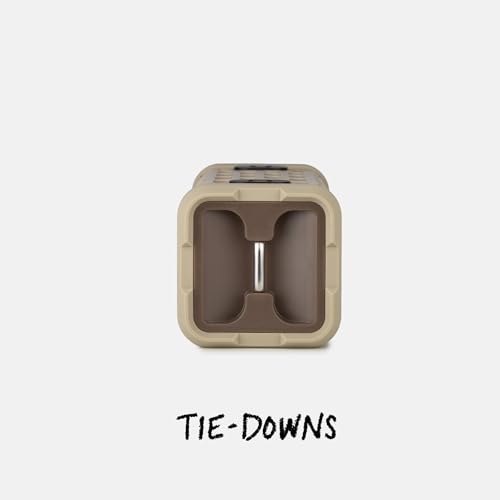
Both speakers meet the IP67 waterproof and dustproof standard, but they achieve this protection through different design philosophies. The Turtlebox Ranger emphasizes bombproof construction with its ABS crush-proof housing, stainless steel hardware, and rubber bumpers designed to absorb impacts. The speaker feels incredibly solid in hand, and user reports consistently mention it surviving drops, impacts, and general rough handling that would damage other speakers.
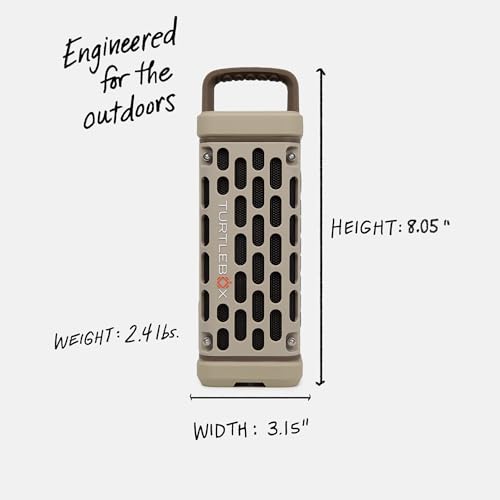
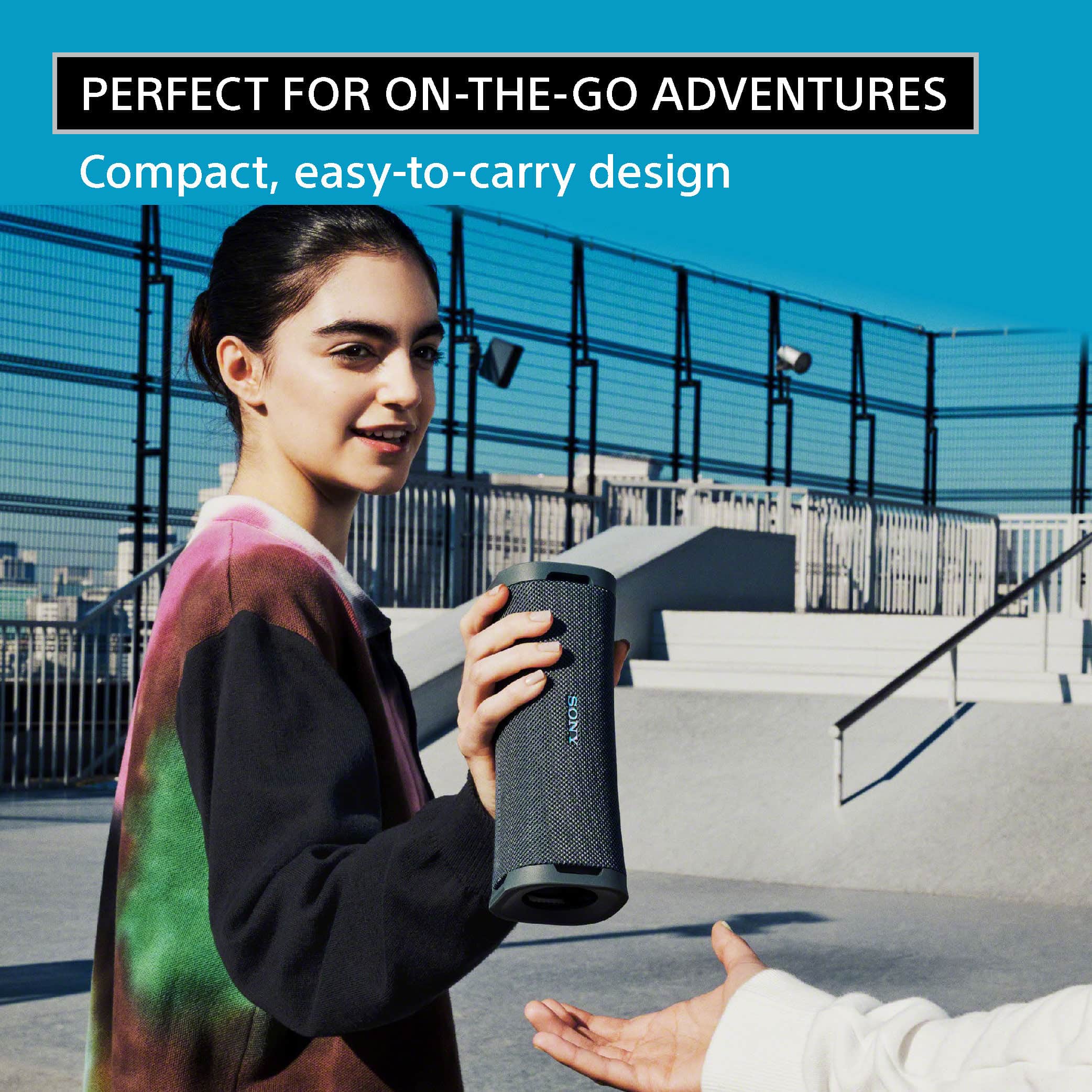
The Sony ULT FIELD 1 takes a lighter approach—literally. At 1.43 pounds versus the Ranger's 2.4 pounds, the Sony prioritizes portability while still meeting rugged standards. It includes shock compliance testing per military standards (MIL-STD 810H) and adds rust resistance for long-term durability in coastal environments.
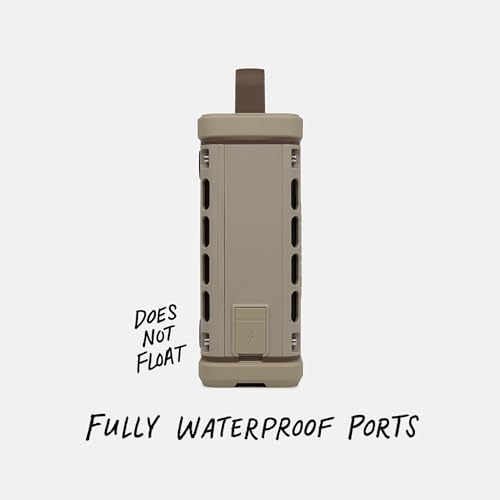
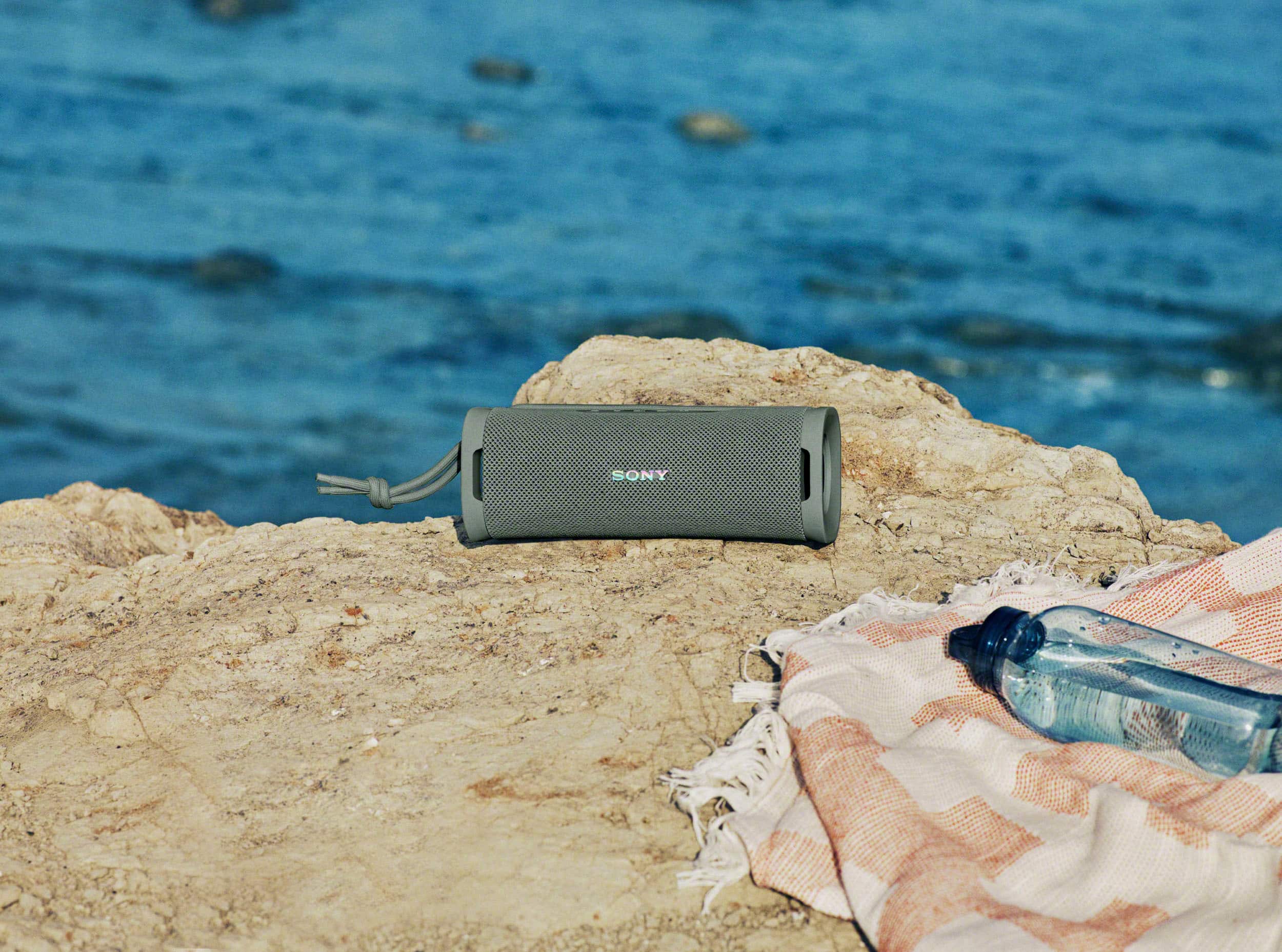
One interesting difference: the Sony floats when dropped in water, while the Turtlebox Ranger sinks. For water-based activities, this could be the deciding factor, as a floating speaker is much easier to retrieve if accidentally dropped overboard.
Modern Bluetooth technology has evolved significantly, and both speakers incorporate recent advances. The Turtlebox Ranger uses Bluetooth 5.4, the latest standard offering improved range (up to 100 feet) and more stable connections. More importantly, it includes two advanced pairing modes that set it apart from typical speakers.
Party Mode allows you to connect an unlimited number of compatible Turtlebox speakers wirelessly, creating a distributed sound system perfect for large gatherings or events. True Wireless Stereo (TWS) mode lets you pair two Rangers for proper left-right stereo separation, something many portable speakers still can't do well.
The Sony ULT FIELD 1 supports standard Bluetooth connectivity and can pair with another ULT FIELD 1 for stereo sound, but lacks the more advanced multi-speaker capabilities. For most users, this isn't a limitation, but if you're planning larger gatherings or want the option to expand your system over time, the Ranger's capabilities become valuable.
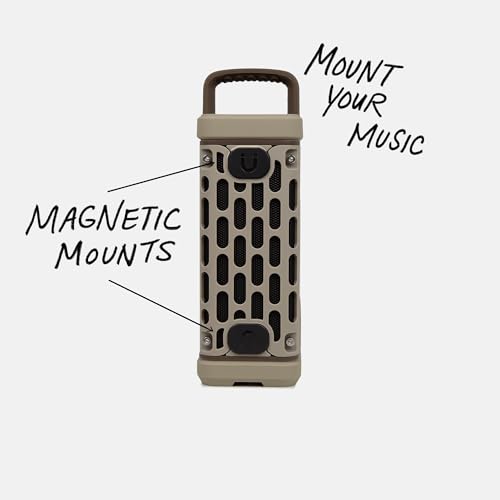
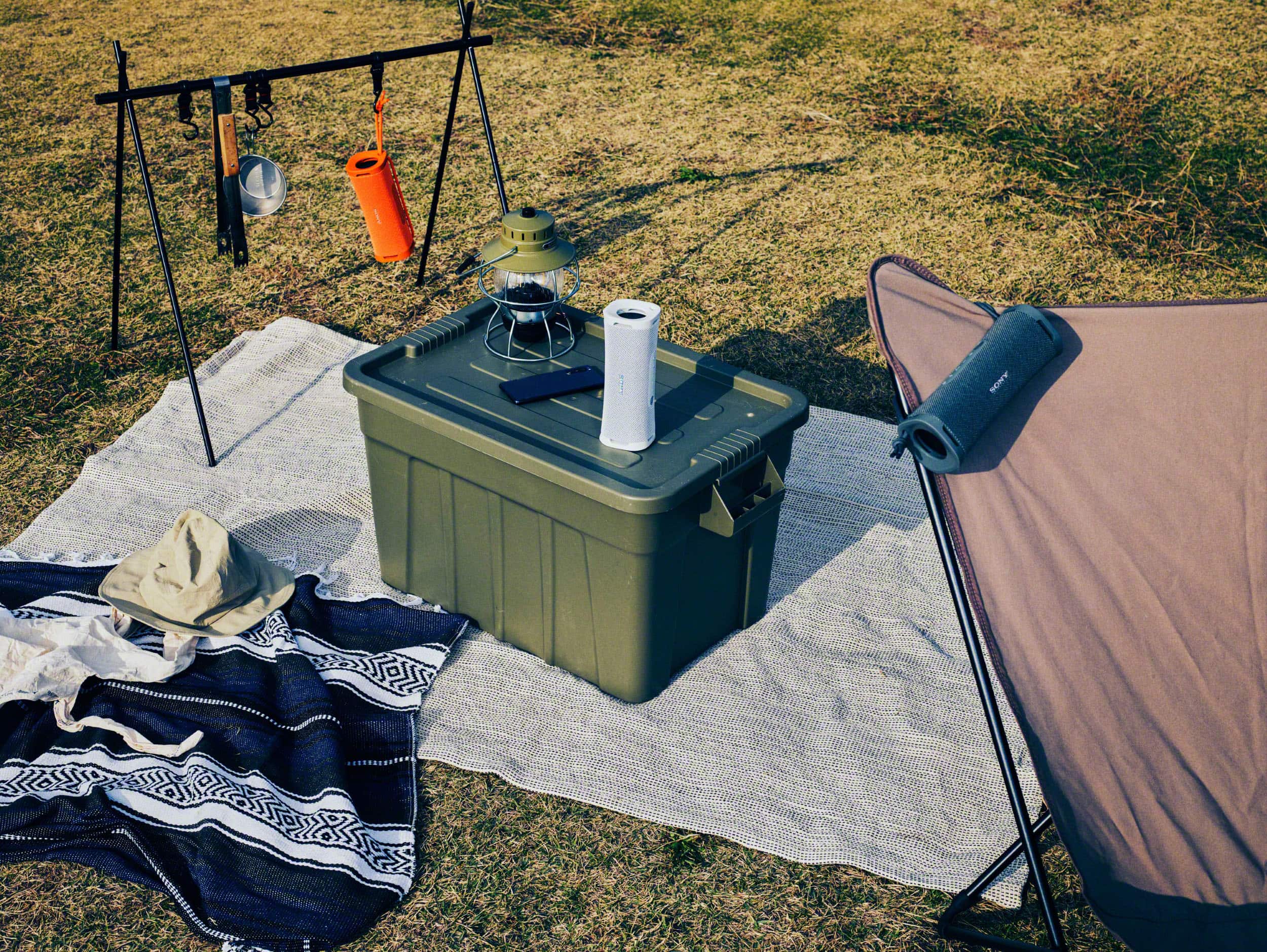
The Turtlebox Ranger includes powerful magnets built into its side panels, allowing it to attach securely to metal surfaces like coolers, vehicle hoods, or jobsite equipment. This sounds gimmicky until you actually use it—having your speaker stay put on a bouncing boat or windy worksite is genuinely useful. The magnetic mounting also frees up valuable surface space since the speaker doesn't need to sit on a table or ground.
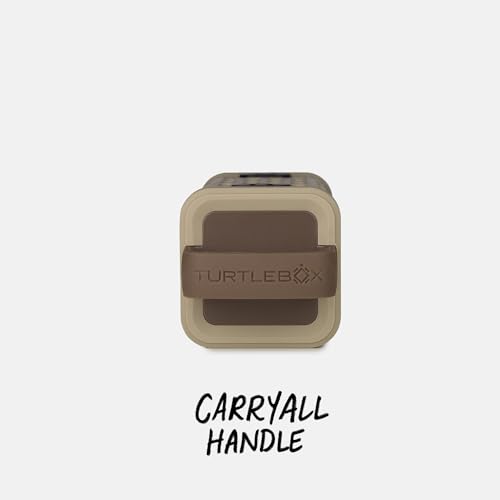
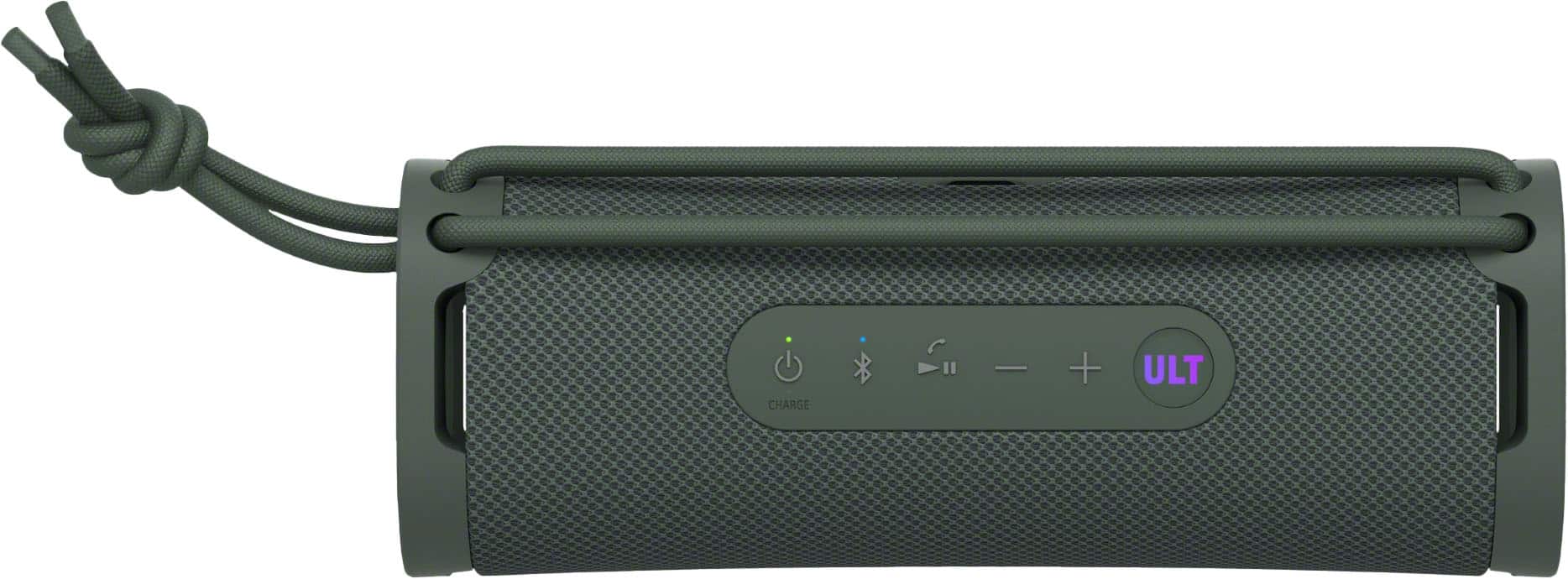
The Sony's standout feature is its multi-way carrying strap system, which offers multiple attachment and carrying options. Combined with its lighter weight, this makes the Sony ULT FIELD 1 more packable for activities where every ounce matters, like backpacking or cycling.
Both speakers include touch controls, but the Ranger's are notably intuitive—reportedly simple enough for young children to operate independently. The Sony includes echo-canceling technology for clearer phone calls, which the Ranger lacks.
At the time of writing, the Turtlebox Ranger commands a significant price premium over the Sony ULT FIELD 1—roughly 70% more expensive. This price difference reflects genuinely different performance levels and target markets.
The Ranger justifies its higher cost with measurably superior audio output, longer battery life, advanced connectivity features, and unique mounting options. For users who prioritize maximum performance and plan to use their speaker frequently in demanding conditions, the additional cost delivers proportional value.
The Sony ULT FIELD 1 represents excellent value for budget-conscious buyers who still want legitimate rugged speaker functionality. While it makes compromises in volume and battery life, it delivers the core benefits of water resistance, decent sound quality, and portable design at a much more accessible price point.
Neither speaker is designed primarily for home theater use, but they can serve as supplemental audio in certain situations. The Turtlebox Ranger's higher output and stereo pairing capabilities make it more suitable for providing outdoor movie audio or supplementing indoor sound systems in casual settings.
The mono limitation of single Sony ULT FIELD 1 units makes them less ideal for home theater applications where stereo separation is important. However, paired Sony units can provide adequate stereo sound for casual outdoor movie nights.
The Turtlebox Ranger is the clear choice for users who prioritize audio performance above all else. If you're planning beach parties, jobsite use, camping trips, or any scenario where maximum volume and all-day battery life matter, the Ranger's performance advantages justify its higher cost. It's also ideal for users who want the flexibility of multi-speaker setups or the convenience of magnetic mounting.
The Sony ULT FIELD 1 makes more sense for budget-conscious buyers, ultralight packers, or casual users who need basic rugged speaker functionality without premium features. Its lighter weight and floating capability make it particularly appealing for water sports and backpacking where weight matters.
For most people, the decision comes down to how seriously you take outdoor audio. If your speaker will see regular, demanding use in challenging conditions, the Turtlebox Ranger's superior performance and features provide lasting value. If you want a capable backup speaker or are testing whether rugged speakers fit your lifestyle, the Sony ULT FIELD 1 offers a lower-risk entry point into the category.
The rugged speaker market continues evolving rapidly, with manufacturers finding new ways to pack more performance into smaller, more durable packages. Both speakers represent solid choices within their respective price ranges, but understanding their fundamental differences ensures you'll choose the one that best matches your specific needs and usage patterns.
| Turtlebox Ranger Portable Bluetooth Speaker | Sony ULT FIELD 1 Wireless Portable Speaker |
|---|---|
| Maximum Volume Output - Critical for outdoor use and cutting through ambient noise | |
| 105 dB (exceptionally loud, ideal for large gatherings and noisy environments) | Moderate volume levels (adequate for small groups in quieter settings) |
| Sound Configuration - Affects audio quality and listening experience | |
| True stereo sound with dual 2" drivers plus passive bass radiator | Mono output from single unit (stereo requires two speakers) |
| Battery Life - Essential for all-day outdoor adventures | |
| 12+ hours typical use, weeks with occasional use | 6 hours at high volume, up to 12 hours at moderate levels |
| Weight and Portability - Balance between durability and ease of carrying | |
| 2.4 lbs (more substantial but still portable) | 1.43 lbs (ultralight for backpacking and travel) |
| Multi-Speaker Pairing - Expands system for larger events | |
| Party Mode (unlimited speakers) + True Wireless Stereo pairing | Basic stereo pairing with one additional ULT FIELD 1 only |
| Unique Mounting Options - Convenience and versatility features | |
| Powerful magnetic mounts for metal surfaces | Multi-way carrying strap system |
| Water Safety - Important for marine and poolside use | |
| IP67 waterproof but does not float | IP67 waterproof and floats when dropped in water |
| Bluetooth Technology - Affects connection stability and range | |
| Bluetooth 5.4 with 100-foot range | Standard Bluetooth with typical range |
| Additional Power Features - Useful for extended outdoor trips | |
| USB-C passthrough charging (can charge your devices) | USB-C charging only |
| Price Positioning - Value consideration at time of writing | |
| Premium pricing reflecting professional-grade performance | Budget-friendly option with good basic functionality |
The Turtlebox Ranger is significantly louder, delivering 105 dB maximum output compared to the Sony ULT FIELD 1's moderate volume levels. For outdoor gatherings, beach parties, or any scenario where you need to cut through ambient noise, the Turtlebox Ranger provides superior performance.
The Turtlebox Ranger offers 12+ hours of typical use and can last weeks with occasional listening sessions. The Sony ULT FIELD 1 provides 6 hours at high volume or up to 12 hours at moderate levels. For all-day outdoor adventures, the Turtlebox Ranger has a clear advantage.
Both speakers are IP67 waterproof, but the Sony ULT FIELD 1 has an advantage because it floats when dropped in water, making it easier to retrieve. The Turtlebox Ranger is equally waterproof but will sink, which could be problematic for boating or poolside use.
The Turtlebox Ranger offers superior connectivity with Party Mode for unlimited speaker pairing and True Wireless Stereo for left/right channel separation. The Sony ULT FIELD 1 can only pair with one other ULT FIELD 1 unit for basic stereo sound.
The Sony ULT FIELD 1 weighs 1.43 pounds versus the Turtlebox Ranger's 2.4 pounds, making it better for ultralight packing. The Sony also includes a multi-way carrying strap system for easier transport during hiking and backpacking trips.
The Sony ULT FIELD 1 includes echo-canceling technology specifically designed for clear phone calls. The Turtlebox Ranger lacks a built-in microphone, so it's not suitable for hands-free calling situations.
The Sony ULT FIELD 1 provides excellent value for budget-conscious buyers who want basic rugged speaker functionality. The Turtlebox Ranger costs significantly more but delivers premium performance with superior volume, battery life, and advanced features that justify the higher price for serious users.
The Turtlebox Ranger features powerful built-in magnets that allow secure mounting to metal surfaces like coolers, vehicles, or jobsite equipment. The Sony ULT FIELD 1 relies on its carrying strap system and doesn't offer magnetic mounting capabilities.
The Turtlebox Ranger includes a passive bass radiator system that provides substantially more low-end impact than its size suggests. The Sony ULT FIELD 1 offers an ULT bass boost button for enhancement, but its smaller drivers can't match the Ranger's bass output.
Neither speaker is designed primarily for home theater, but the Turtlebox Ranger is more suitable due to its higher output and true stereo pairing capabilities. The Sony ULT FIELD 1's mono output limitation makes it less ideal for home theater applications unless you purchase two units.
The Turtlebox Ranger features crush-proof ABS housing, stainless steel hardware, and enhanced durability specifically designed for professional environments. While the Sony ULT FIELD 1 meets rugged standards, it's built more for recreational outdoor use than industrial applications.
Only the Turtlebox Ranger offers USB-C passthrough charging, allowing you to use its battery to charge phones and other devices. The Sony ULT FIELD 1 only supports charging itself via USB-C and cannot charge external devices.
We've done our best to create useful and informative comparisons to help you decide what product to buy. Our research uses advanced automated methods to create this comparison and perfection is not possible - please contact us for corrections or questions. These are the sites we've researched in the creation of this article: fieldandstream.com - tylerstx.com - comparisontabl.es - gearjunkie.com - rogerssportinggoods.com - youtube.com - armorsound.com - simmonssportinggoods.com - turtleboxaudio.com - outdoorhub.com - backpackeroutdoors.com - youtube.com - tennesseevalleyoutsider.com - turtleboxaudio.com - mrfc.com - linecutterz.com - russells.com - turtleboxaudio.com - flyfishfood.com - rtings.com - youtube.com - youtube.com - soundguys.com - techradar.com - electronics.sony.com - thesonyshop.ca - bestbuy.com - electronics.sony.com - sony.ca - stereoguide.com - youtube.com - electronics.sony.com

Privacy Policy
Terms and Conditions - Affiliate Policy
Home Security
© Copyright 2008-2026.
11816 Inwood Rd #1211, Dallas, TX 75244