

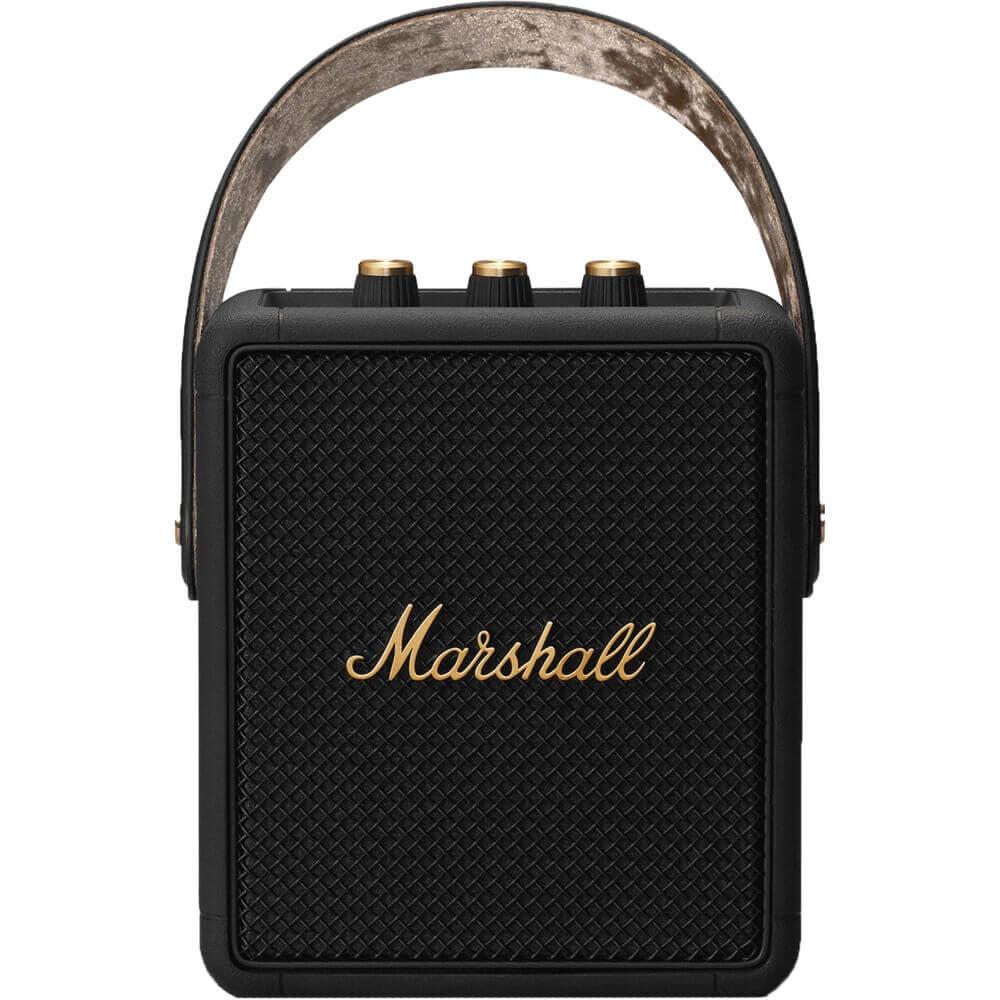
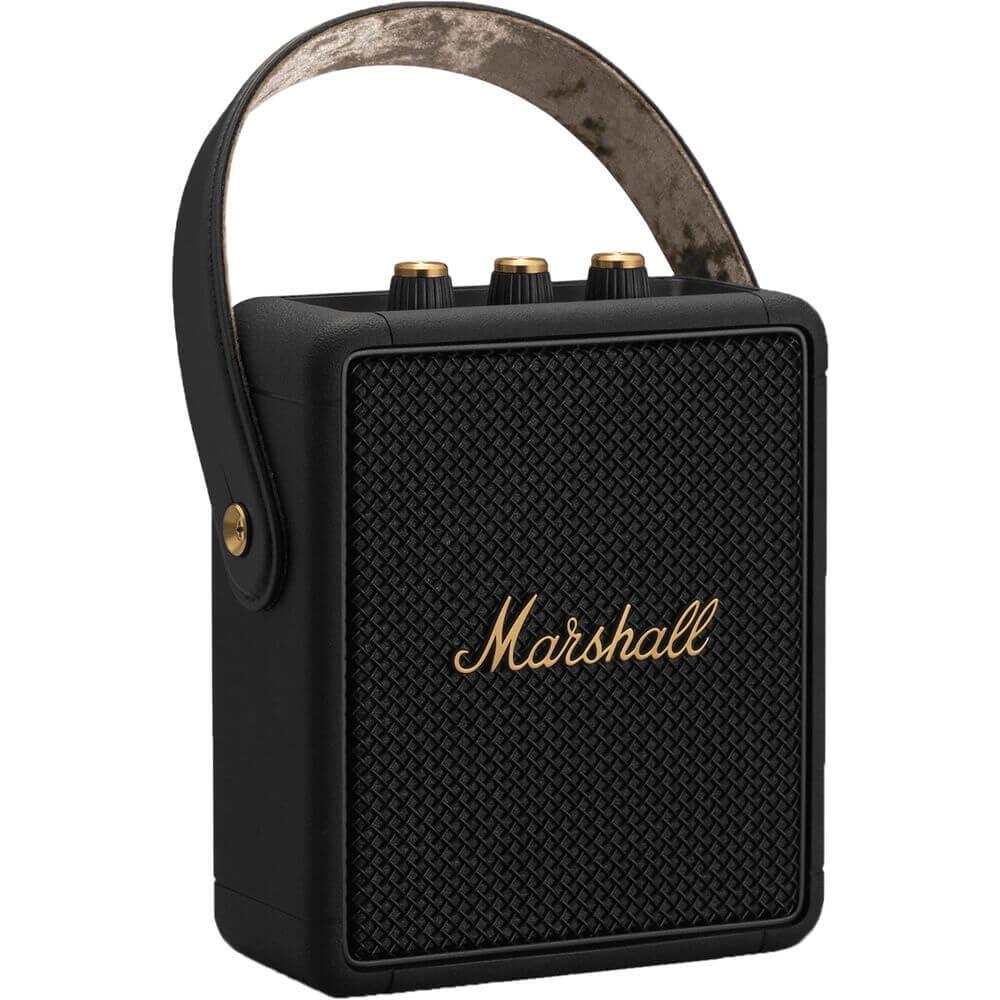

Portable Bluetooth speakers have evolved far beyond basic wireless audio boxes. Today's market splits into distinct camps: ultra-rugged adventure speakers and refined lifestyle audio devices. Two speakers perfectly represent this divide – the Turtlebox Ranger, released in 2025, and the Marshall Stockwell II, which hit the market in 2019.
The timing difference matters. The Turtlebox Ranger benefits from six years of Bluetooth advancement, incorporating the latest 5.4 standard with improved range and power efficiency. Meanwhile, the Marshall Stockwell II represents the mature approach of a company with decades of amplifier experience, focusing on sound quality fundamentals that don't depend on cutting-edge wireless tech.
Before diving into specifics, let's establish what actually matters in portable audio. Unlike home speakers that live in controlled environments, portable speakers must balance competing priorities: sound quality, durability, battery life, and true portability.
Sound quality isn't just about volume – though that's crucial outdoors. It's about maintaining clarity when pushed hard, delivering balanced frequency response (how evenly the speaker reproduces bass, mids, and treble), and creating an engaging listening experience whether you're two feet away or across a campsite.
Durability ranges from basic splash protection to military-grade abuse resistance. An IPX4 rating means protection from water splashes – think poolside use. IP67 means full submersion protection up to three feet for 30 minutes, plus complete dust sealing. That's the difference between "be careful around water" and "throw it in your kayak."
Battery performance involves more than runtime. Modern speakers should charge quickly, maintain consistent volume as the battery drains, and ideally charge other devices when needed. Power management has improved dramatically since 2019.
True portability means you'll actually want to carry it. A speaker that sounds great but weighs too much gets left behind. Size, weight, and carrying options all factor into real-world usability.
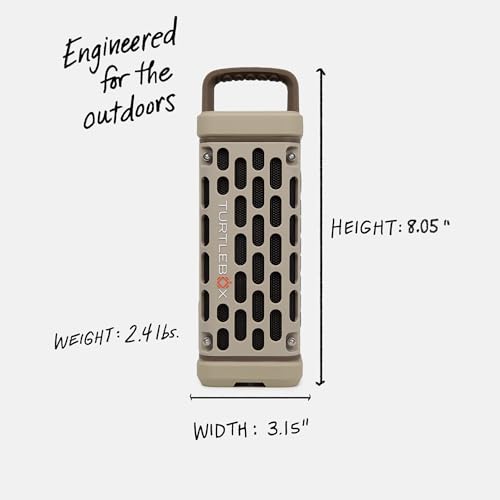
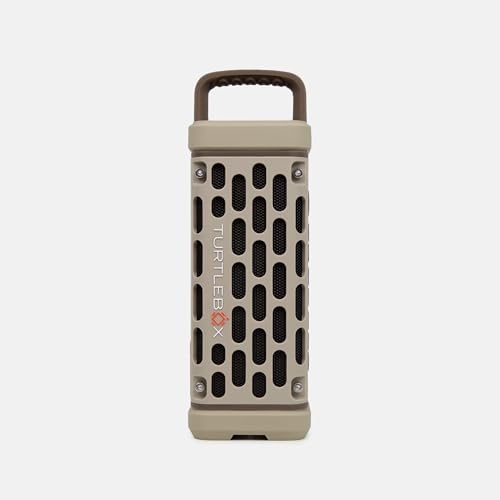
The Turtlebox Ranger represents what happens when engineers prioritize "bombproof" over "beautiful." At 2.4 pounds and roughly the size of a large water bottle, it's Turtlebox's answer to users wanting their signature durability in a truly portable package.
The most striking aspect of the Turtlebox Ranger is its 105-decibel maximum output. To put this in perspective, normal conversation happens around 60 decibels, while 105 decibels approaches the level of a motorcycle engine. For a speaker this size, that's genuinely impressive performance.
This volume comes from a Class D digital amplifier – a highly efficient design that generates minimal heat while delivering maximum power. The Ranger uses two 2-inch waterproof drivers backed by a passive bass radiator (essentially a speaker without a magnet that vibrates sympathetically to enhance low-end response). This configuration prioritizes impact and clarity over audiophile refinement.
The sound signature leans toward excitement rather than accuracy. Bass hits hard, mids punch through wind and ambient noise, and highs remain clear even at punishing volumes. This tuning makes perfect sense for outdoor use, where subtle dynamics get lost anyway. Indoors, it can sound slightly aggressive compared to more neutral speakers, but many users prefer this energetic presentation.
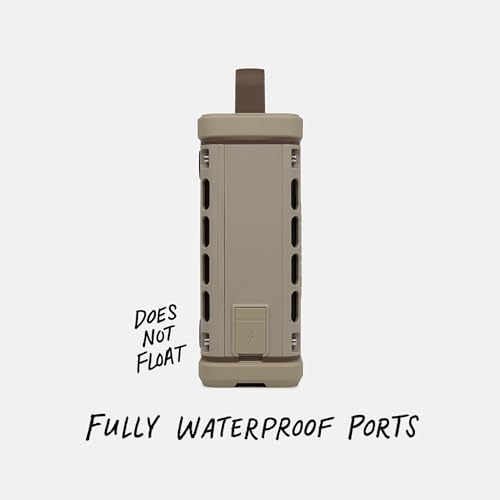
Where the Turtlebox Ranger truly separates itself is environmental resistance. The IP67 rating means complete dust sealing and water immersion protection up to three feet for 30 minutes. More importantly, the construction includes ABS crush-proof housing, stainless steel hardware, rubber bumpers, and silicone gaskets designed for saltwater exposure.
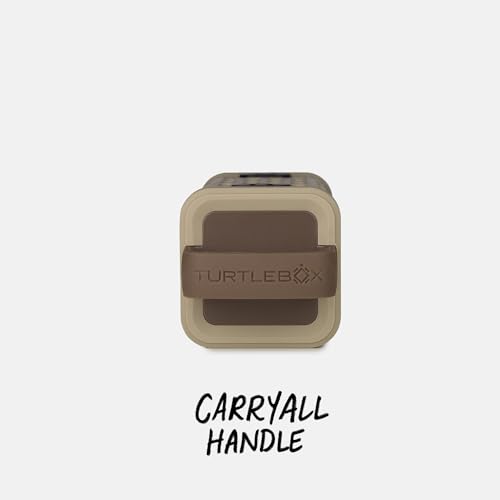
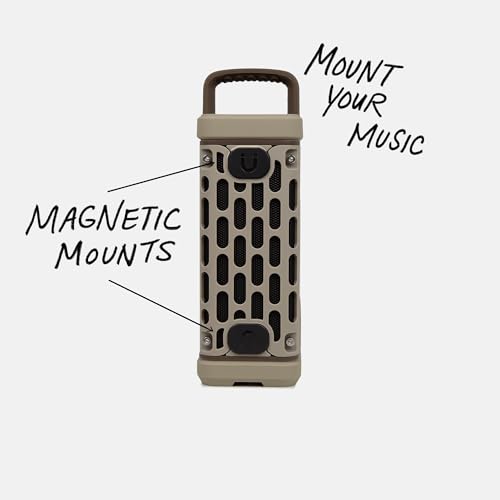
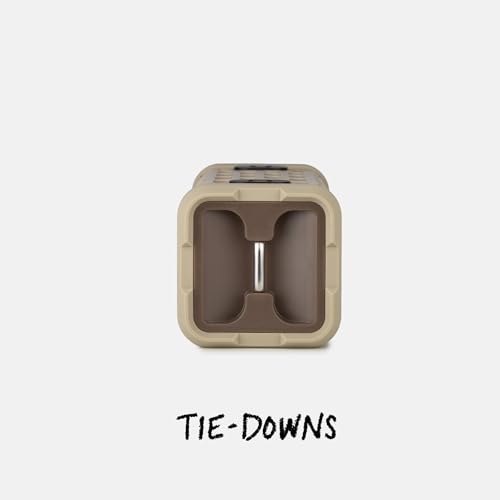
This isn't marketing hyperbole. User reports describe the Ranger surviving drops onto concrete, extended saltwater exposure, and being run over by vehicles. The speaker includes tie-down points for secure mounting and powerful side magnets for attachment to metal surfaces – incredibly useful for vehicles, coolers, or job sites.
One unique feature is the built-in breather system that maintains performance across temperature extremes. Most electronics struggle with rapid temperature changes that create condensation, but the Ranger's design accommodates everything from desert heat to winter cold.
The Turtlebox Ranger showcases how much Bluetooth technology has improved since 2019. Bluetooth 5.4 provides rock-solid connections up to 100 feet with lower power consumption than older standards. The connection stability matters more than range – nobody wants audio dropouts during a party.
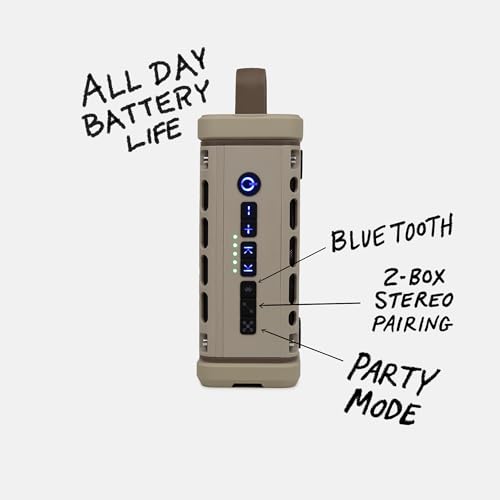
The standout feature is Party Mode, which allows unlimited pairing with other compatible Turtlebox speakers. This creates genuine surround sound experiences for large gatherings. True Wireless Stereo (TWS) mode pairs two Rangers for dedicated left/right channel separation – essentially creating a stereo system from two mono speakers.
However, there's a significant limitation: the Turtlebox Ranger cannot pair with older Turtlebox Gen 2 speakers. For existing Turtlebox owners, this forces a choice between their current speakers and accessing the new features.
The Ranger's 25.2 watt-hour lithium-ion battery delivers 12+ hours of playback at moderate volumes, dropping to around 5 hours at maximum output. This runtime competes well with other rugged speakers, though it can't match the marathon endurance of lifestyle-focused alternatives.
More interesting is the USB-C passthrough charging capability. The speaker can charge smartphones and other devices, effectively serving as a portable power bank. For extended camping or beach trips, this dual functionality proves incredibly valuable.
The Marshall Stockwell II comes from a company that's been building amplifiers since 1962. This heritage shows in the speaker's approach to portable audio – less about maximum volume, more about balanced reproduction and user-friendly design.
At 20 watts total power (10W for the woofer, 5W each for dual tweeters), the Marshall Stockwell II produces significantly less maximum volume than the Ranger. But raw power doesn't tell the complete story.
The Stockwell II's frequency response spans 60Hz to 20kHz – covering the full range of human hearing with specified accuracy. This matters for music reproduction, where you want to hear instruments and vocals as the artist intended. The stereo configuration with dedicated tweeters creates better imaging (the sense of where different instruments sit in the soundscape) than single-driver or mono designs.
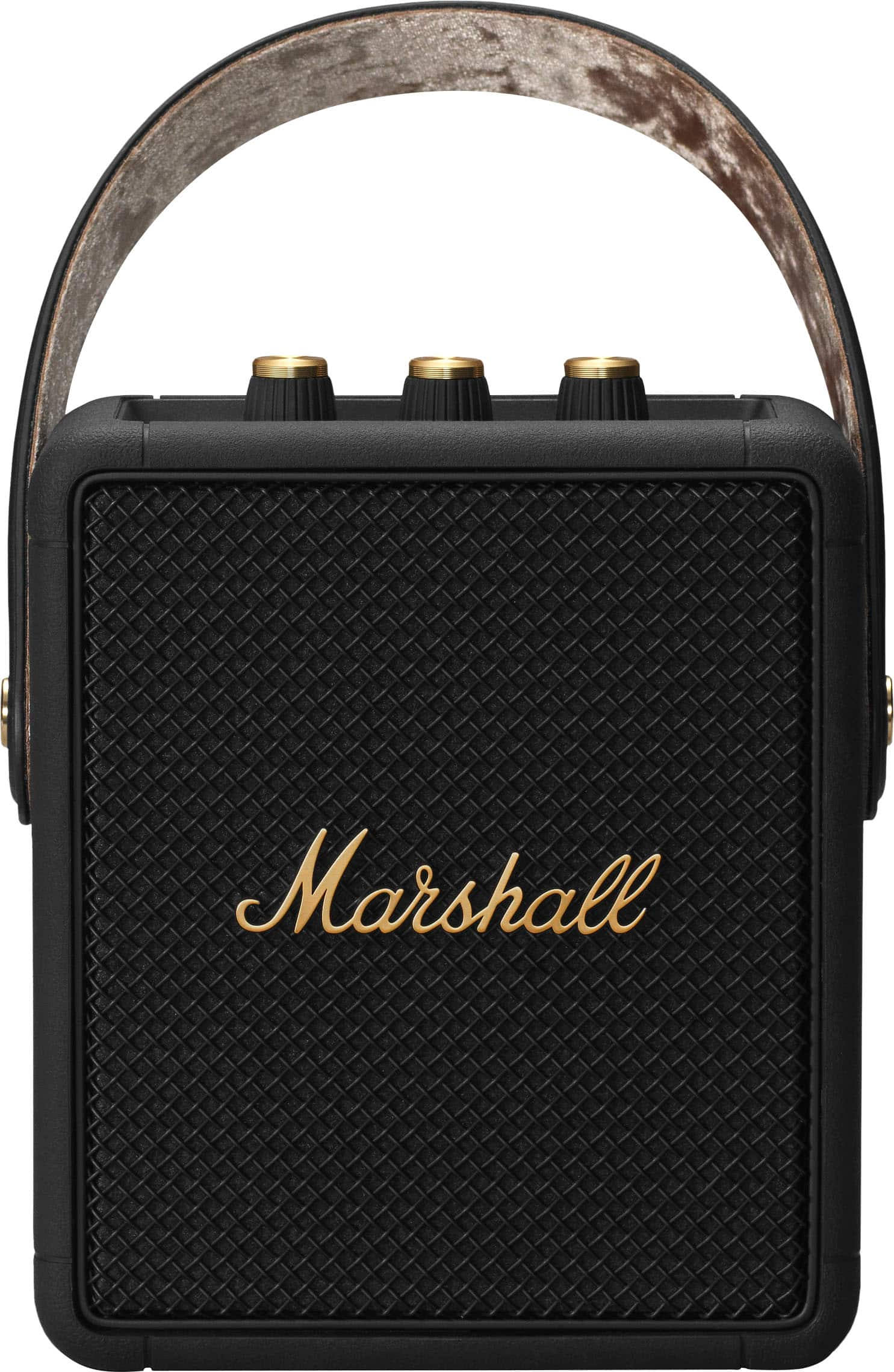
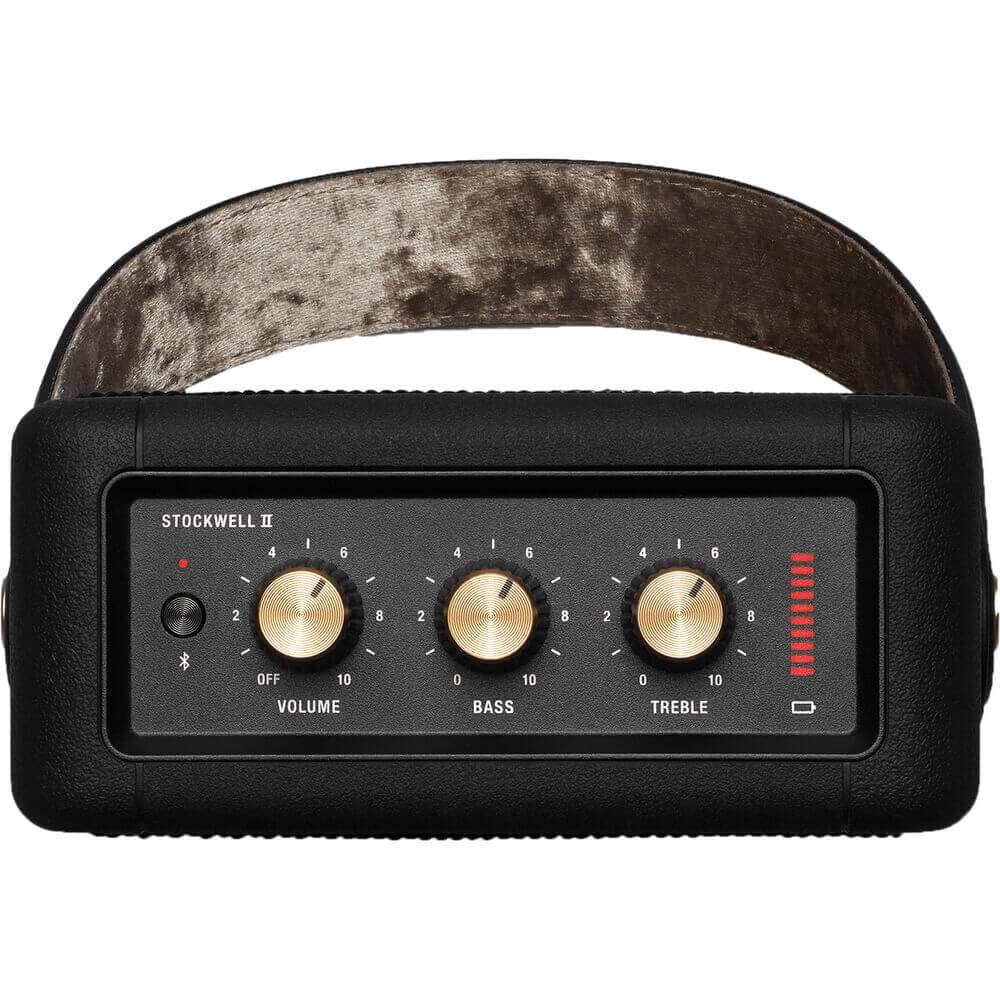
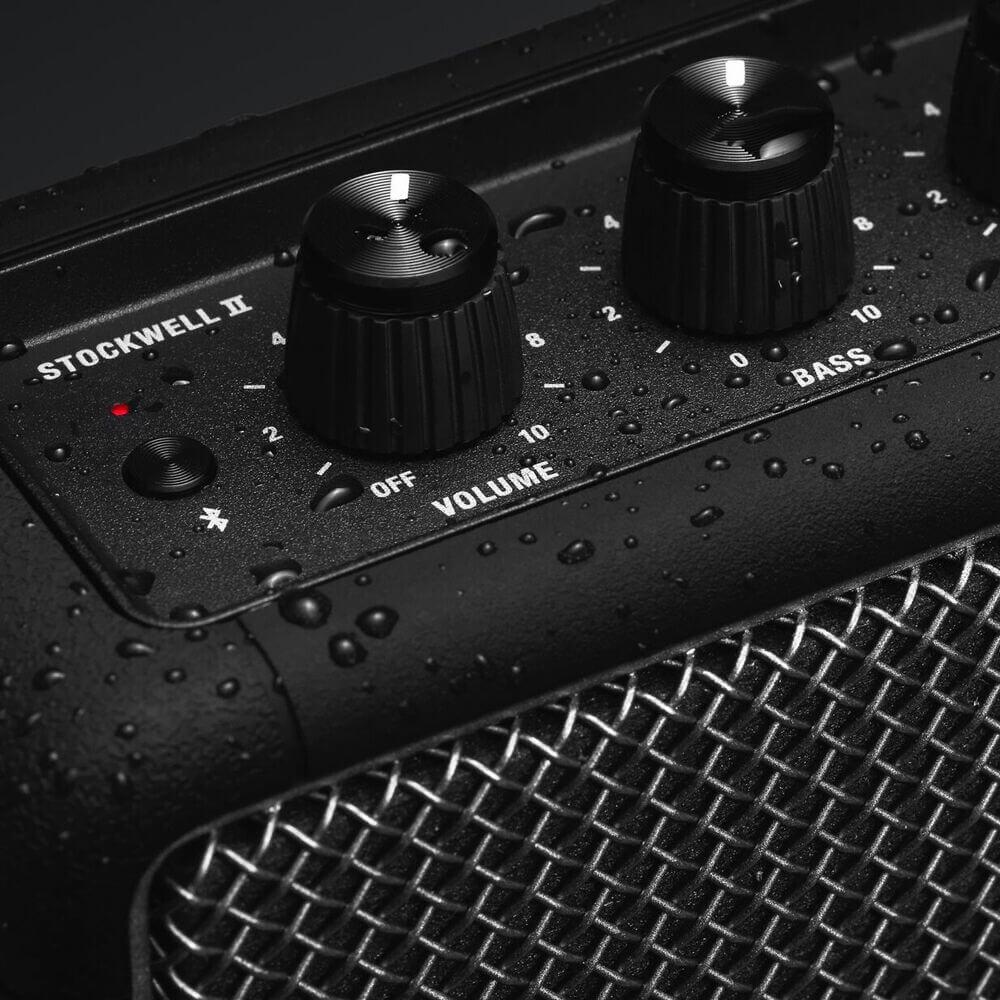
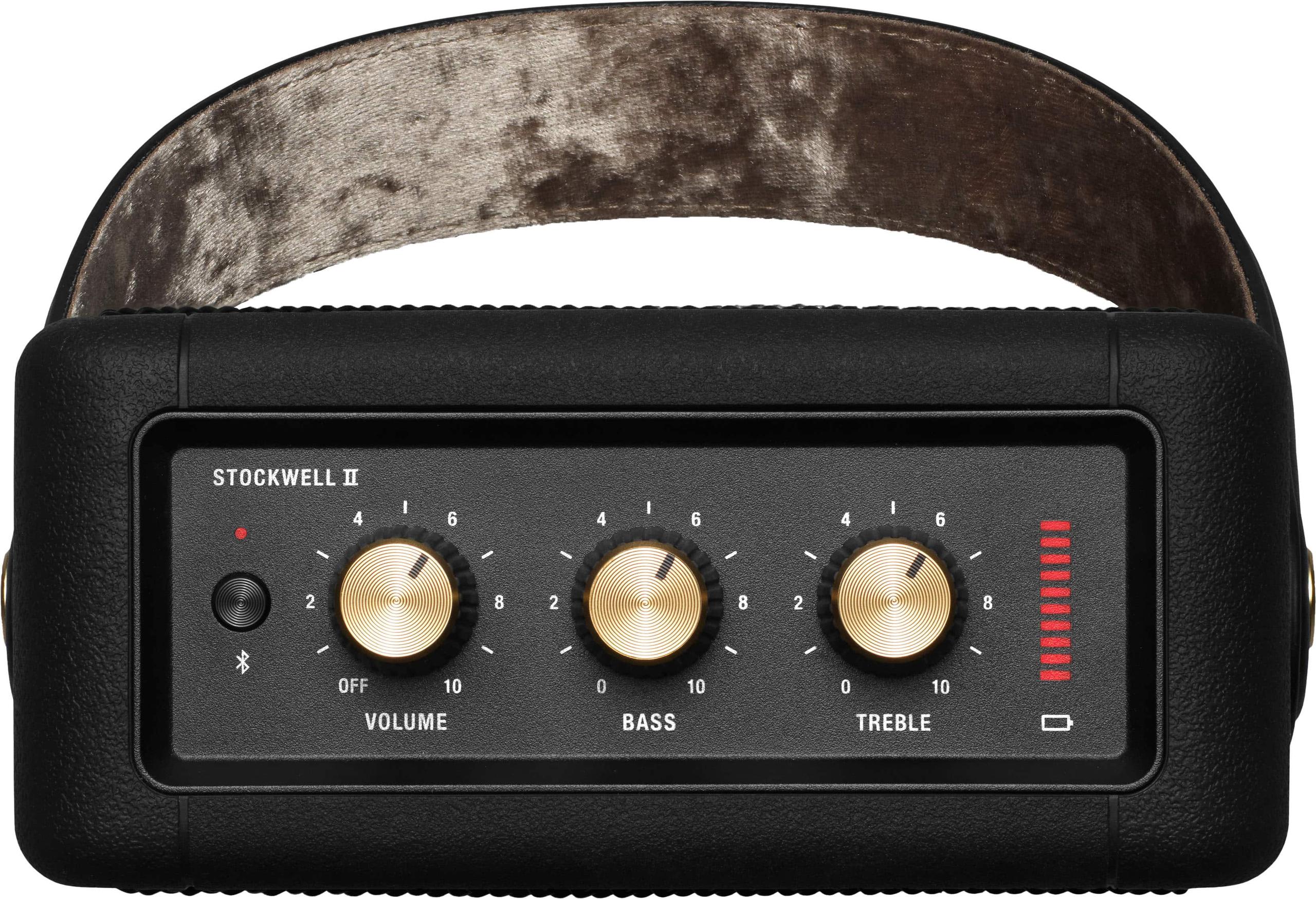
Most importantly, the Marshall Stockwell II includes physical bass and treble controls. These analog knobs let you adjust the sound signature in real-time without fumbling with smartphone apps. Want more bass for hip-hop? Twist the knob. Need clearer vocals for podcasts? Reduce the bass, boost the treble. This hands-on control proves invaluable in practice.
The sound character tends toward warmth and musicality. Where the Ranger prioritizes impact, the Marshall emphasizes balance. Acoustic guitar sounds natural, vocals remain intelligible, and electronic music maintains its dynamics without becoming harsh. This makes it excellent for extended listening sessions where fatigue becomes a concern.
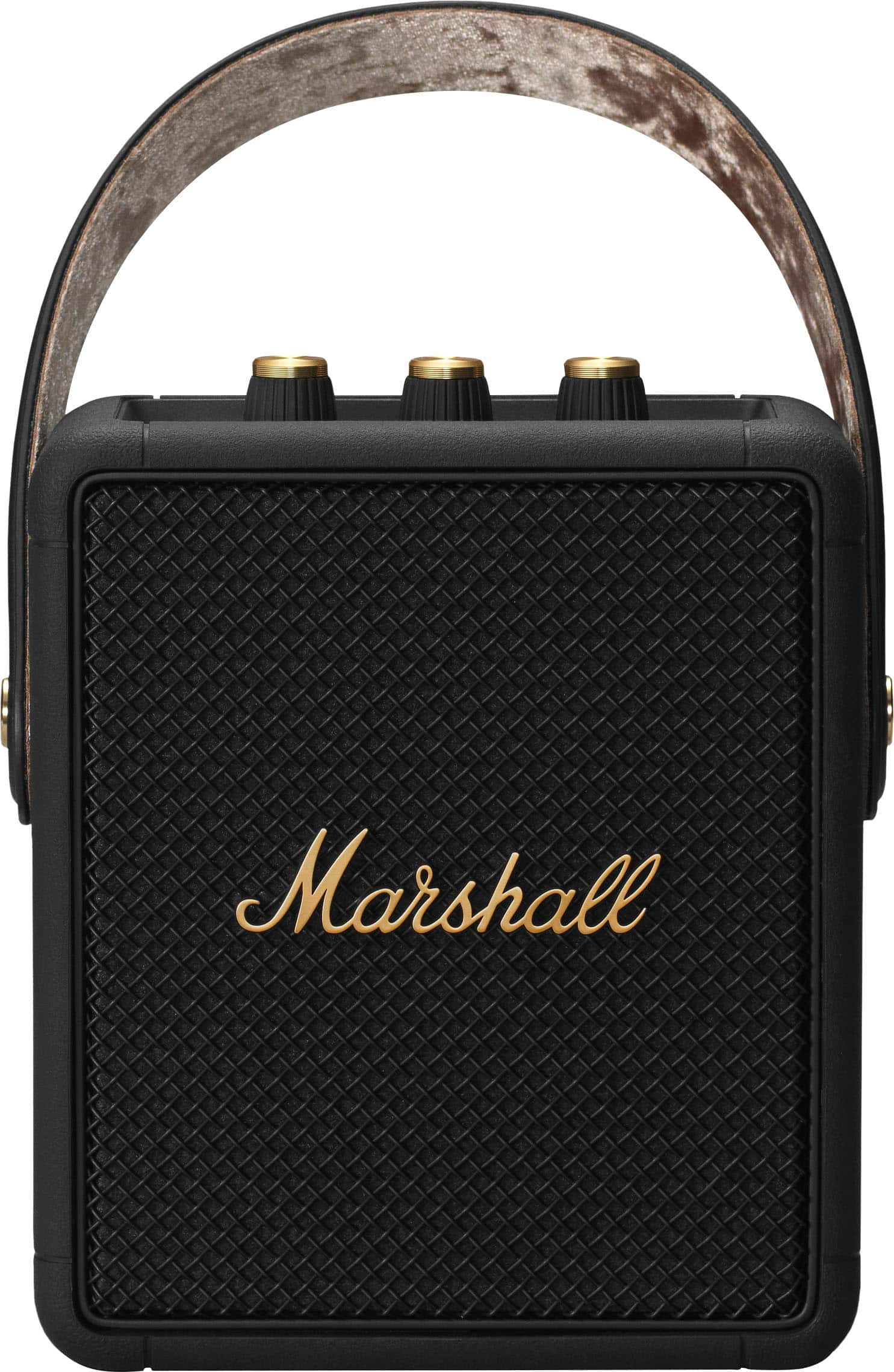
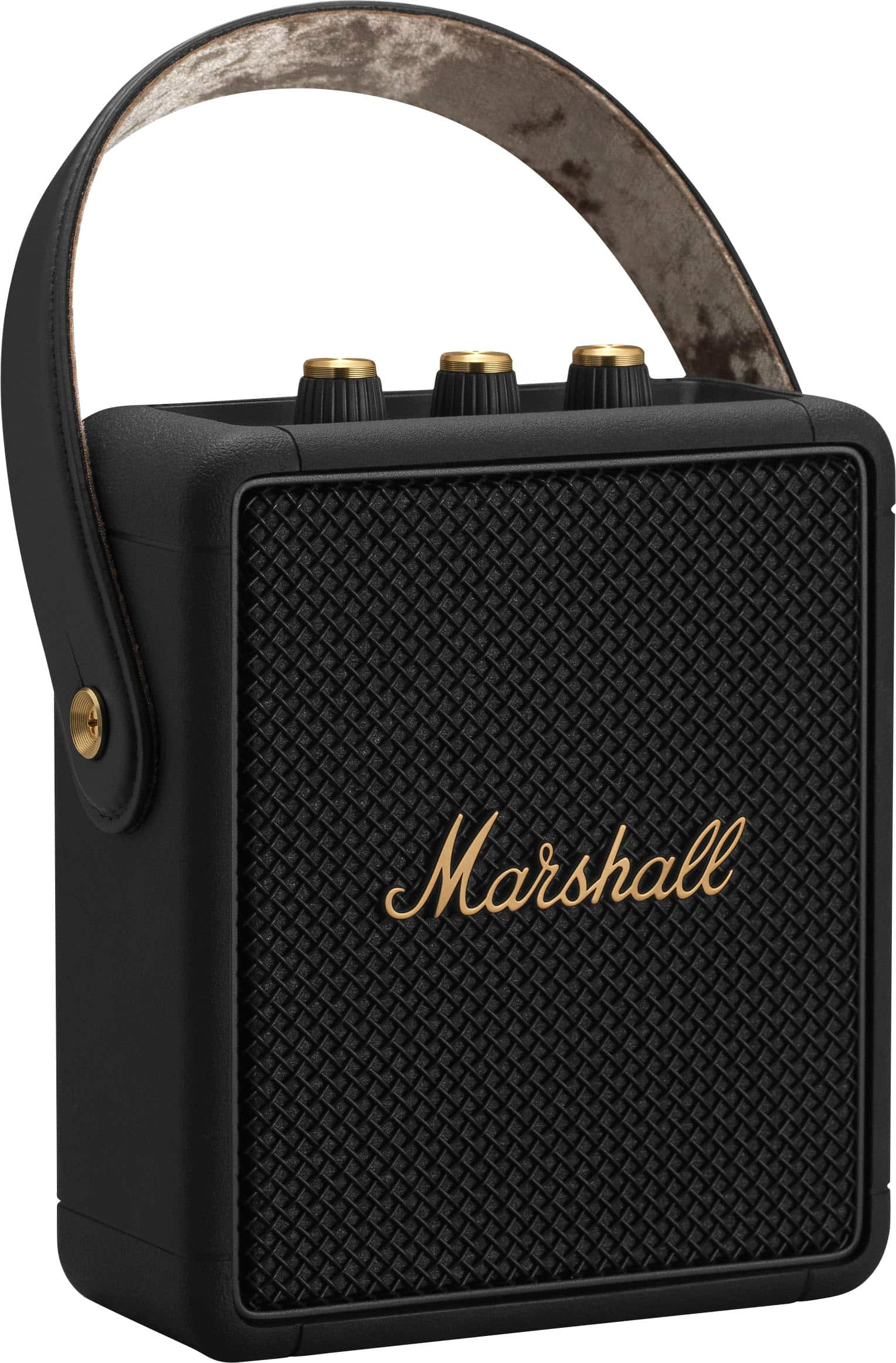
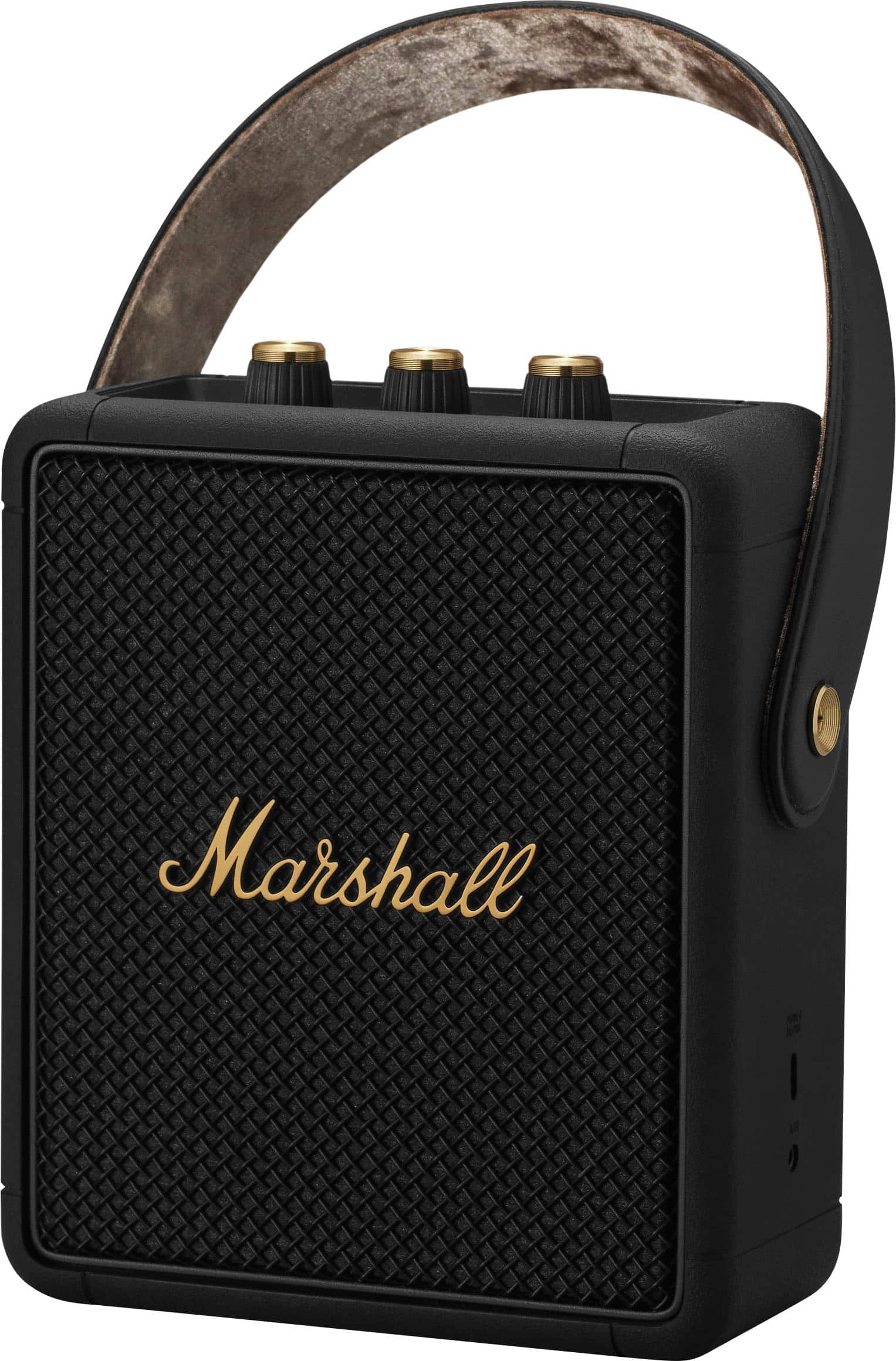
Weighing 3.04 pounds, the Marshall Stockwell II carries more heft than the Ranger but distributes it better. The rectangular design with integrated carrying handle feels more like traditional luggage – intuitive to grab and carry.
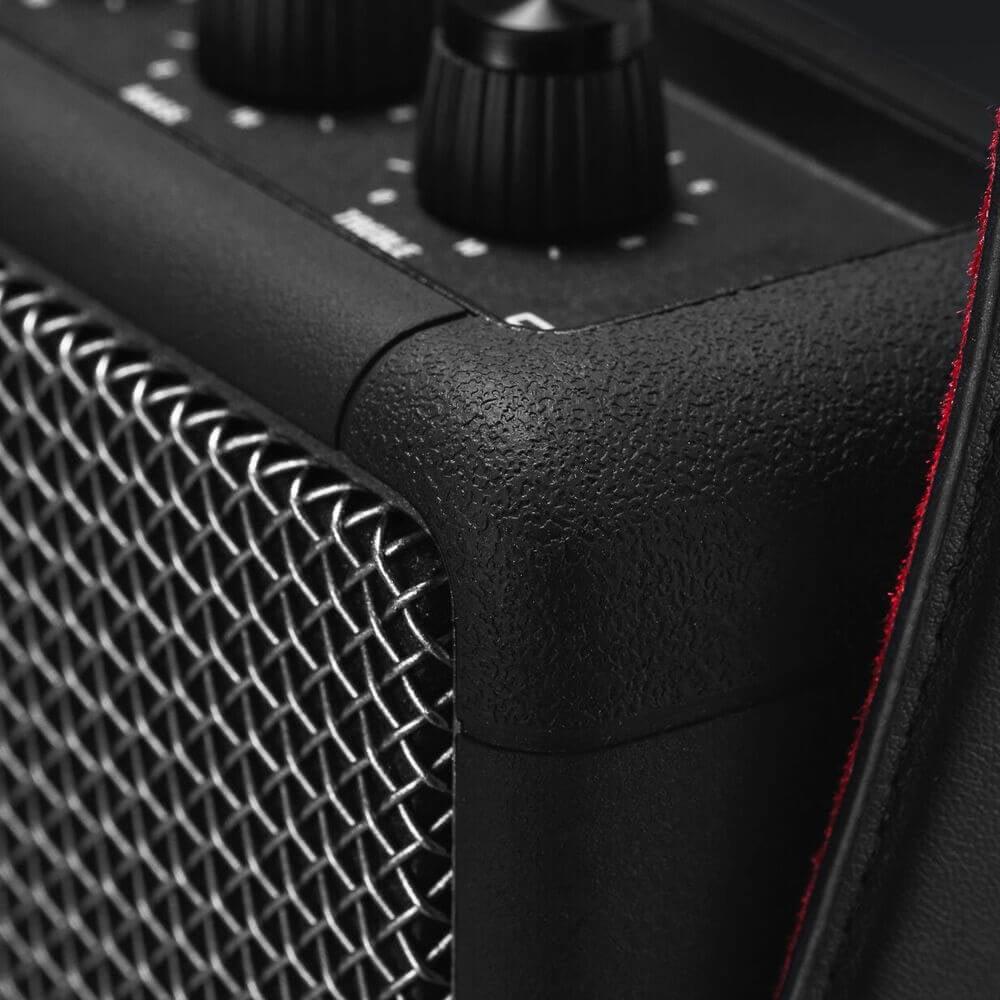
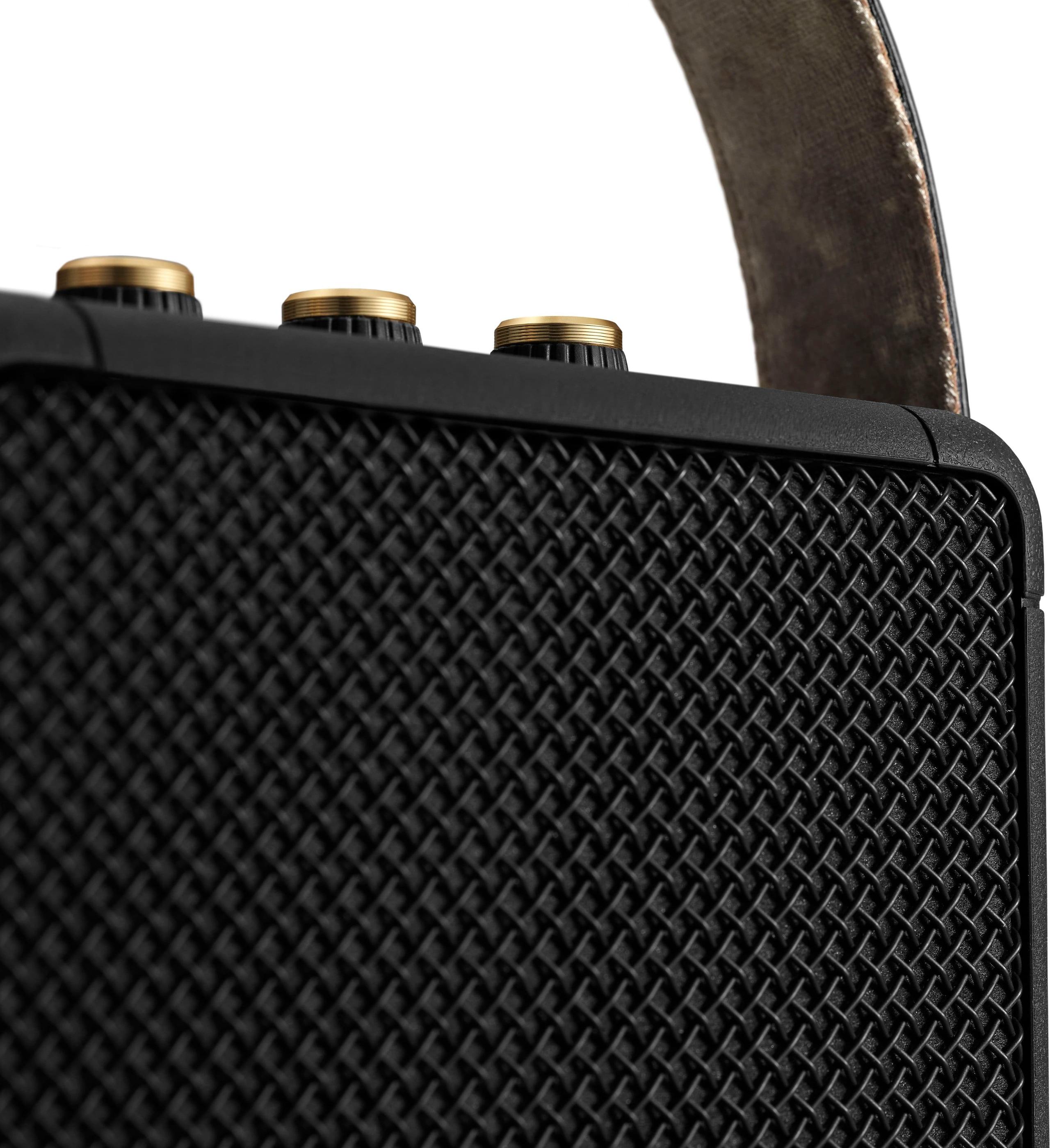
The IPX4 splash resistance protects against rain and poolside splashes but won't survive submersion. This limits truly adventurous use but covers most lifestyle scenarios. The silicone exterior provides good grip and minor impact protection, though nothing approaching the Ranger's military-grade construction.
What the Marshall lacks in ruggedness, it compensates with thoughtful design touches. The control knobs operate smoothly and provide tactile feedback. The battery indicator gives clear status updates. The detachable carry strap offers hands-free transport options.
Bluetooth 5.0 in the Marshall Stockwell II provides solid performance, though the 30-foot range falls short of the Ranger's 100-foot capability. The practical difference matters less than the stability – both speakers maintain reliable connections in normal use.
The multi-host functionality lets you pair two devices simultaneously and switch between them seamlessly. This proves handy when multiple people want to share DJ duties at a gathering. The 3.5mm auxiliary input provides wired connectivity for devices without Bluetooth or when you want to preserve battery life.
Unlike the Ranger's multi-speaker capabilities, the Marshall Stockwell II operates independently. There's no party mode or stereo pairing – it's designed as a complete audio solution rather than part of a larger system.
The Marshall Stockwell II excels in battery endurance, delivering up to 20 hours of playback – nearly double the Ranger's capacity. This marathon performance makes it ideal for all-day events, long trips, or situations where charging opportunities are limited.
The quick-charge feature provides six hours of playback from just 20 minutes of charging. When you're rushing out the door, this rapid top-up capability proves incredibly convenient. Full charging takes around 5 hours, reasonable for overnight charging between uses.
For maximum output, the Turtlebox Ranger wins decisively. The 105-decibel capability means it can fill large outdoor spaces and compete with wind, waves, and crowd noise. Pool parties, beach gatherings, and tailgating scenarios favor the Ranger's raw power.
The Marshall Stockwell II reaches respectable volumes but can't match the Ranger's room-filling capabilities. In quiet environments or small groups, this limitation rarely matters. But when you need to project sound across a campsite or over conversation, the Marshall feels underpowered.
For critical listening and extended sessions, the Marshall Stockwell II provides superior refinement. The wider frequency response, stereo imaging, and physical EQ controls create a more engaging musical experience. If you plan to use the speaker for hours at a time, the Marshall's balanced approach reduces fatigue.
The Turtlebox Ranger prioritizes impact over accuracy. This works brilliantly for energetic music and outdoor settings where subtle details get lost anyway. But for acoustic music, podcasts, or quiet evening listening, the aggressive tuning can become wearing.
This isn't a contest – the Turtlebox Ranger operates in conditions that would destroy the Marshall. Beach trips, pool parties, construction sites, camping in questionable weather – the Ranger handles scenarios where the Marshall shouldn't venture.
The Marshall Stockwell II's IPX4 rating covers casual outdoor use and indoor environments. It's perfectly suited for backyard barbecues, hotel rooms, and office spaces. But true adventure use requires the Ranger's military-grade protection.
The Marshall Stockwell II's 20-hour runtime wins for extended use without charging access. Festival camping, long flights, or all-day outdoor events favor the Marshall's endurance. The quick-charge capability also provides more flexible power management.
The Turtlebox Ranger's USB-C passthrough charging adds utility beyond pure audio. When your phone dies during a camping trip, the speaker becomes a lifeline. This dual functionality partially offsets the shorter runtime.
Neither speaker targets home theater applications, but both offer indoor utility. The Marshall Stockwell II works well as a TV speaker upgrade in small rooms or bedrooms. Its balanced sound signature and physical volume control make it suitable for dialogue-heavy content.
The Turtlebox Ranger's aggressive tuning and maximum volume capability make it less ideal for home theater use. However, it excels as a workshop or garage speaker where durability matters more than refinement.
For serious home theater applications, both speakers serve better as temporary solutions rather than permanent installations. Their portable nature means compromised placement options and limited connectivity compared to dedicated home audio equipment.
At the time of writing, both speakers command premium pricing in the portable audio market, typically retailing in similar price ranges. This makes the value comparison straightforward – you're choosing between different approaches to portable audio rather than different price tiers.
The Turtlebox Ranger's value proposition centers on uncompromising durability and maximum output. For users who genuinely need bulletproof construction and room-filling volume, the premium pricing reflects specialized engineering. The magnetic mounting, Party Mode capabilities, and USB-C passthrough charging add utility beyond basic audio playback.
The Marshall Stockwell II justifies its pricing through sound quality, battery life, and brand heritage. Marshall's amplifier expertise translates into refined audio reproduction that many users prefer for extended listening. The 20-hour battery life and quick-charge capability provide practical advantages for many use cases.
Choose the Turtlebox Ranger if:
Choose the Marshall Stockwell II if:
These speakers represent fundamentally different philosophies. The Turtlebox Ranger prioritizes survival and performance in extreme conditions, while the Marshall Stockwell II focuses on sound quality and user experience in normal environments.
Neither speaker succeeds at everything, but both excel in their intended domains. The Ranger delivers adventure-proof audio for users who genuinely need unbreakable equipment. The Marshall provides refined portable sound for users who prioritize listening quality and convenience features.
Your choice should reflect your primary use case. If you honestly need a speaker that survives being dropped in saltwater while delivering concert-level volume, the Turtlebox Ranger justifies its specialized design. If you want great-sounding portable audio with marathon battery life for everyday use, the Marshall Stockwell II provides time-tested reliability.
Both represent solid investments in their respective categories, with the caveat that you should buy for your actual needs rather than imagined adventure scenarios. The best portable speaker is the one you'll actually use regularly, whether that's poolside or trailside.
| Turtlebox Ranger | Marshall Stockwell II |
|---|---|
| Maximum Volume Output - Critical for outdoor gatherings and noisy environments | |
| 105 dB (extremely loud, fills large outdoor spaces) | 20W total (adequate for small groups, struggles outdoors) |
| Waterproof Rating - Determines where you can safely use the speaker | |
| IP67 (fully submersible up to 3 feet, dust-proof) | IPX4 (splash-resistant only, no submersion protection) |
| Battery Life - How long you can listen before recharging | |
| 12+ hours typical use (5 hours at max volume) | Up to 20 hours (nearly double the runtime) |
| Weight & Portability - Affects whether you'll actually carry it | |
| 2.4 lbs, cylindrical design with magnetic mounts | 3.04 lbs, rectangular with detachable carrying handle |
| Sound Customization - How much control you have over audio quality | |
| Digital tuning only, optimized for outdoor clarity | Physical bass/treble knobs for real-time adjustment |
| Bluetooth Technology - Affects connection stability and range | |
| Bluetooth 5.4 with 100-foot range (latest standard) | Bluetooth 5.0 with 30-foot range (older but reliable) |
| Multi-Speaker Capabilities - Expanding your audio setup | |
| Party Mode (infinite pairing), TWS stereo pairing | None (single speaker operation only) |
| Charging Features - Additional utility beyond playing music | |
| USB-C passthrough to charge other devices | Standard charging only, quick-charge capability |
| Durability Construction - How much abuse it can handle | |
| Military-grade: crush-proof, drop-proof, saltwater resistant | Consumer-grade: splash protection, impact bumpers |
| Audio Inputs - Connection flexibility | |
| Bluetooth only | Bluetooth + 3.5mm wired input |
| Frequency Response - Range of sound reproduction | |
| Not specified (optimized for outdoor impact) | 60Hz - 20kHz (full audible spectrum covered) |
| Quick Charge Time - How fast you can get back to listening | |
| Standard USB-C charging speed | 20 minutes = 6 hours playback (excellent for quick top-ups) |
The Turtlebox Ranger is significantly louder, reaching 105 decibels compared to the Marshall Stockwell II's 20-watt output. This makes the Turtlebox Ranger better for large outdoor gatherings, while the Marshall is more suitable for small groups and indoor use.
The Turtlebox Ranger offers superior water protection with its IP67 rating, allowing full submersion up to 3 feet for 30 minutes. The Marshall Stockwell II has IPX4 splash resistance, protecting against light water exposure but not submersion.
The Marshall Stockwell II provides longer battery life with up to 20 hours of playback, nearly double the Turtlebox Ranger's 12+ hours. However, the Ranger can charge other devices through its USB-C port, adding extra utility.
The Marshall Stockwell II generally offers better sound quality for music listening with its balanced frequency response (60Hz-20kHz), physical EQ controls, and stereo configuration. The Turtlebox Ranger prioritizes volume and outdoor clarity over audiophile sound quality.
Yes, the Turtlebox Ranger features Party Mode for connecting unlimited compatible speakers and TWS mode for stereo pairing. The Marshall Stockwell II doesn't support multi-speaker connections but can pair with two devices simultaneously for easy source switching.
The Turtlebox Ranger is far more durable with military-grade construction, crush-proof housing, and resistance to drops, dust, and saltwater. The Marshall Stockwell II offers basic splash protection suitable for casual outdoor use but isn't designed for extreme conditions.
The Turtlebox Ranger is lighter at 2.4 pounds versus the Marshall Stockwell II at 3.04 pounds. However, the Marshall's rectangular design with integrated handle may feel more comfortable to carry for some users.
Neither speaker is designed for home theater, but the Marshall Stockwell II works better indoors with its balanced sound and physical volume control. The Turtlebox Ranger's aggressive outdoor tuning makes it less suitable for dialogue-heavy content or quiet listening.
The Marshall Stockwell II offers superior quick-charging with 6 hours of playback from just 20 minutes of charging. The Turtlebox Ranger uses standard USB-C charging but can serve as a power bank to charge your phone or other devices.
The Turtlebox Ranger uses newer Bluetooth 5.4 technology with 100-foot range, offering better connection stability and lower power consumption. The Marshall Stockwell II uses Bluetooth 5.0 with a 30-foot range, which is adequate for most situations.
The Marshall Stockwell II provides physical bass and treble knobs for real-time sound adjustment without using apps. The Turtlebox Ranger has fixed digital tuning optimized for outdoor use with no user-adjustable EQ controls.
Value depends on your needs: choose the Turtlebox Ranger if you need maximum durability, loudness, and multi-speaker capabilities for outdoor adventures. Pick the Marshall Stockwell II if you prioritize sound quality, longer battery life, and traditional portability for everyday use.
We've done our best to create useful and informative comparisons to help you decide what product to buy. Our research uses advanced automated methods to create this comparison and perfection is not possible - please contact us for corrections or questions. These are the sites we've researched in the creation of this article: fieldandstream.com - tylerstx.com - comparisontabl.es - gearjunkie.com - rogerssportinggoods.com - youtube.com - armorsound.com - simmonssportinggoods.com - turtleboxaudio.com - outdoorhub.com - backpackeroutdoors.com - youtube.com - tennesseevalleyoutsider.com - turtleboxaudio.com - mrfc.com - linecutterz.com - russells.com - turtleboxaudio.com - flyfishfood.com - bestbuy.com - stuff.tv - idownloadblog.com - stereoguide.com - kendallgiles.com - termagoods.com - aplaze.com - manua.ls - youtube.com - sg.tcacoustic.asia - marshall.com - youtube.com

Privacy Policy
Terms and Conditions - Affiliate Policy
Home Security
© Copyright 2008-2026.
11816 Inwood Rd #1211, Dallas, TX 75244