


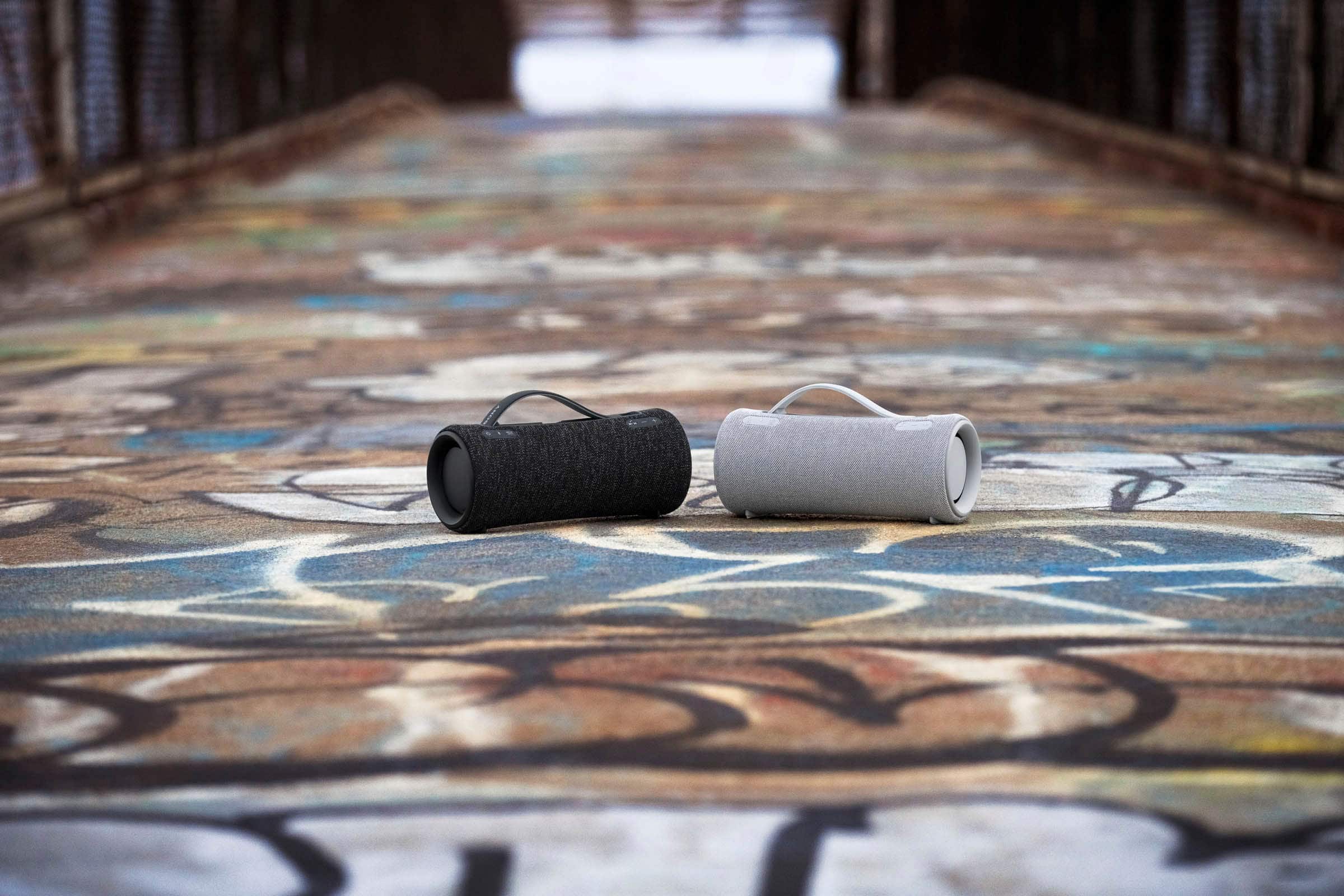
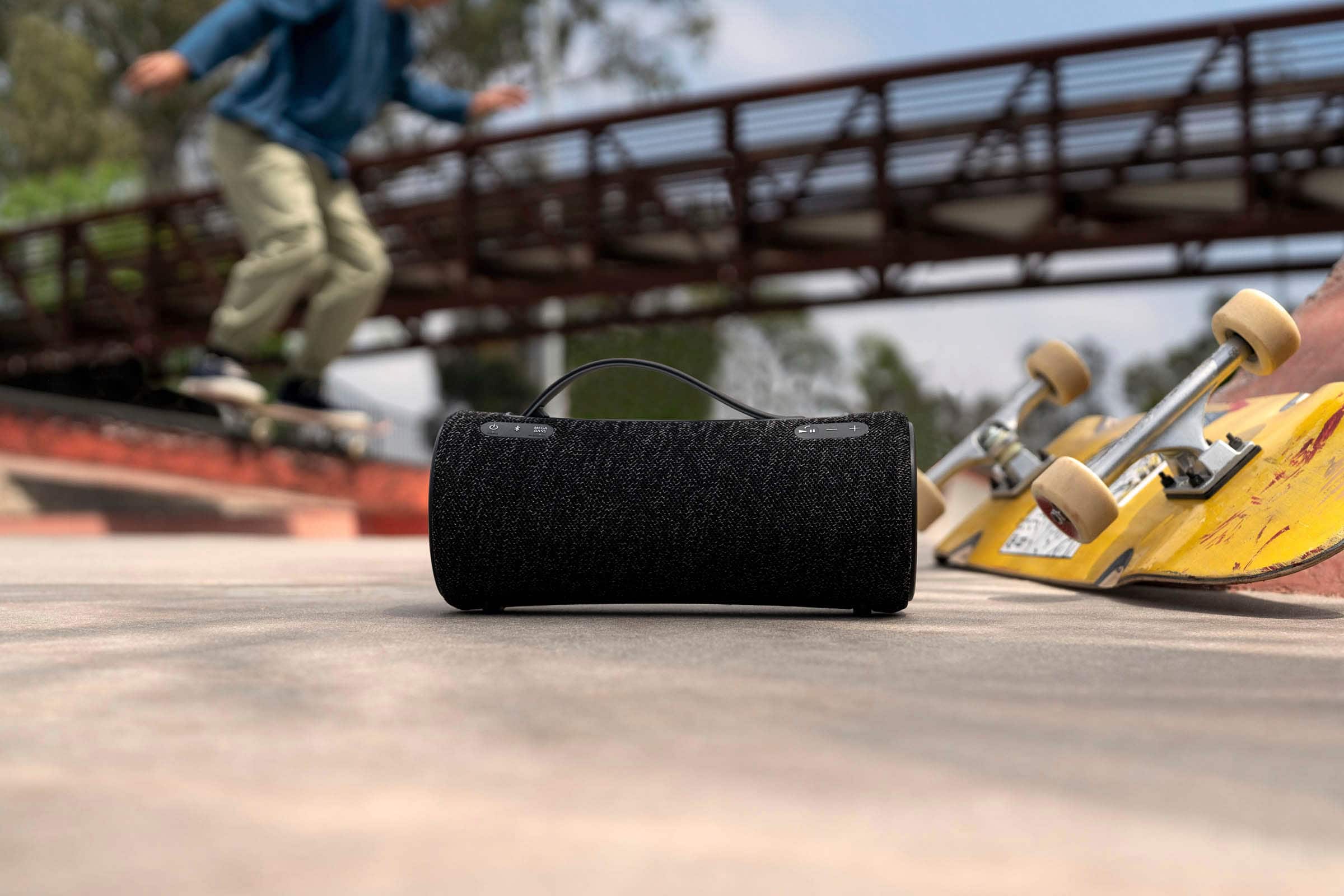
The portable Bluetooth speaker market has split into two distinct philosophies over the past few years. On one side, you have ultra-rugged speakers built like tanks for extreme outdoor use. On the other, premium lifestyle speakers packed with smart features and audiophile-grade components. The Turtlebox Ranger and Sony XG300 represent these two approaches perfectly—and choosing between them depends entirely on how you plan to use your speaker.
Released in 2025, the Turtlebox Ranger arrived as the brand's answer to users wanting Turtlebox's legendary durability in a truly portable package. Meanwhile, the Sony XG300 launched in 2022 as Sony's premium mid-size offering, featuring their latest X-Balanced Speaker technology and comprehensive app integration. At the time of writing, these speakers sit in different price tiers, with the Ranger positioned as the more affordable option despite its specialized construction.
Before diving into specifics, it's crucial to understand what separates rugged outdoor speakers from feature-rich lifestyle models. Rugged speakers prioritize survival above all else—they're built to withstand drops, water submersion, extreme temperatures, and the kind of abuse that would destroy most electronics. The trade-off? They typically offer fewer smart features, weighs more per feature, and focus on raw volume over nuanced audio processing.
Lifestyle speakers take the opposite approach. They assume you'll use them in relatively controlled environments—your backyard, the beach, maybe a camping trip with actual facilities. This allows manufacturers to include premium drivers (the components that actually make sound), advanced audio processing chips, and smartphone app integration that would be pointless if the speaker couldn't survive long enough to use them.
The key insight? Neither approach is inherently better. Your choice should match your actual usage patterns, not what you think you might do someday.
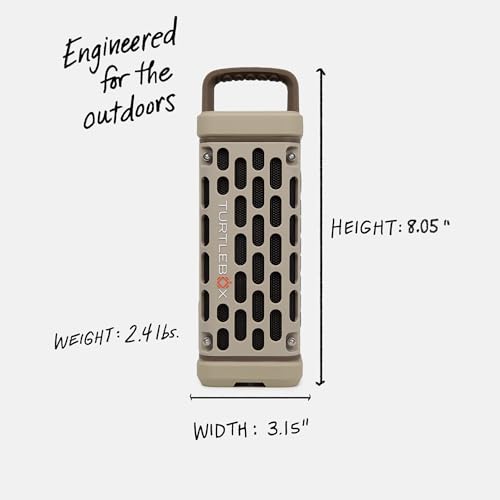
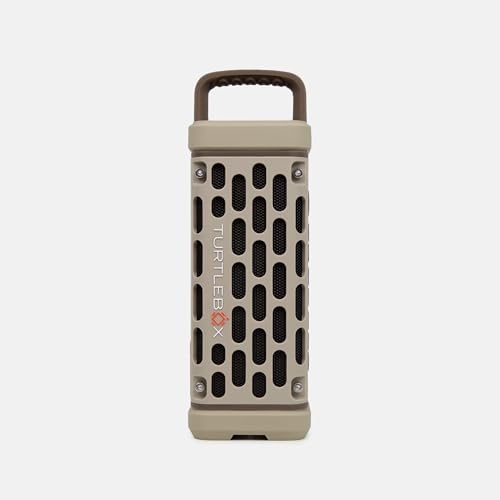
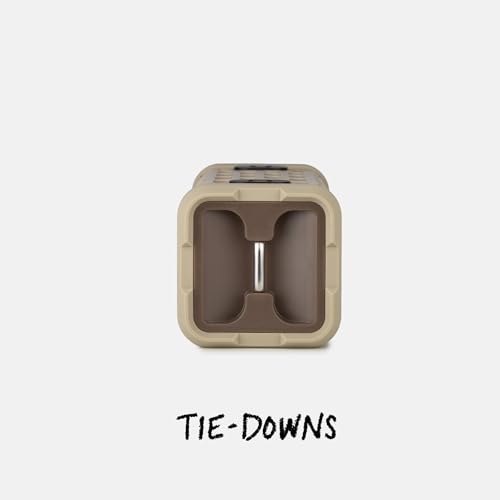
The Turtlebox Ranger embodies the "built like a tank" philosophy in its most refined form. At just 2.4 pounds and measuring roughly the size of a large water bottle, it packs incredible durability into a surprisingly compact package. The housing uses ABS plastic—the same material used in hard-shell luggage—reinforced with stainless steel hardware and rubber bumpers. This isn't marketing speak; ABS plastic is genuinely crush-resistant and maintains its properties across extreme temperature ranges.
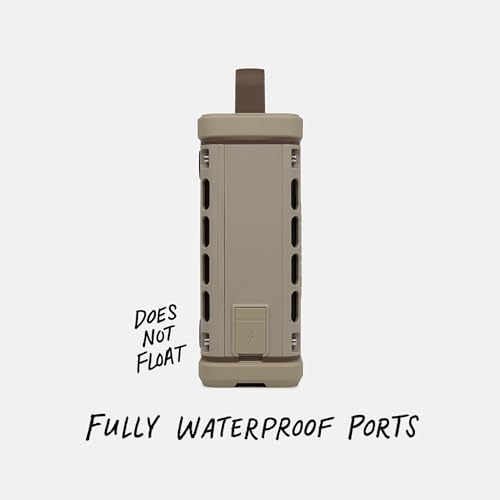
What makes the Turtlebox Ranger unique is its IP67 waterproof rating, which means it can survive complete submersion in up to three feet of water for 30 minutes. More importantly for real-world use, it's genuinely dustproof and can handle being dropped repeatedly without damage. The inclusion of a built-in breather valve allows the speaker to equalize pressure during temperature changes without compromising waterproofing—a detail that prevents internal condensation in extreme conditions.
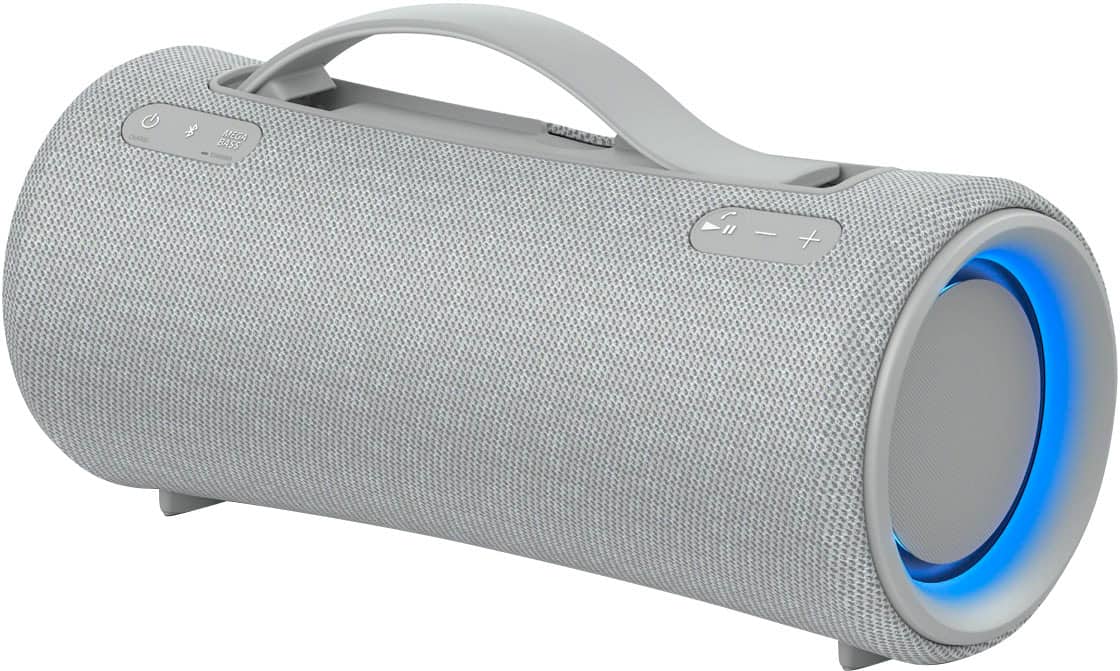
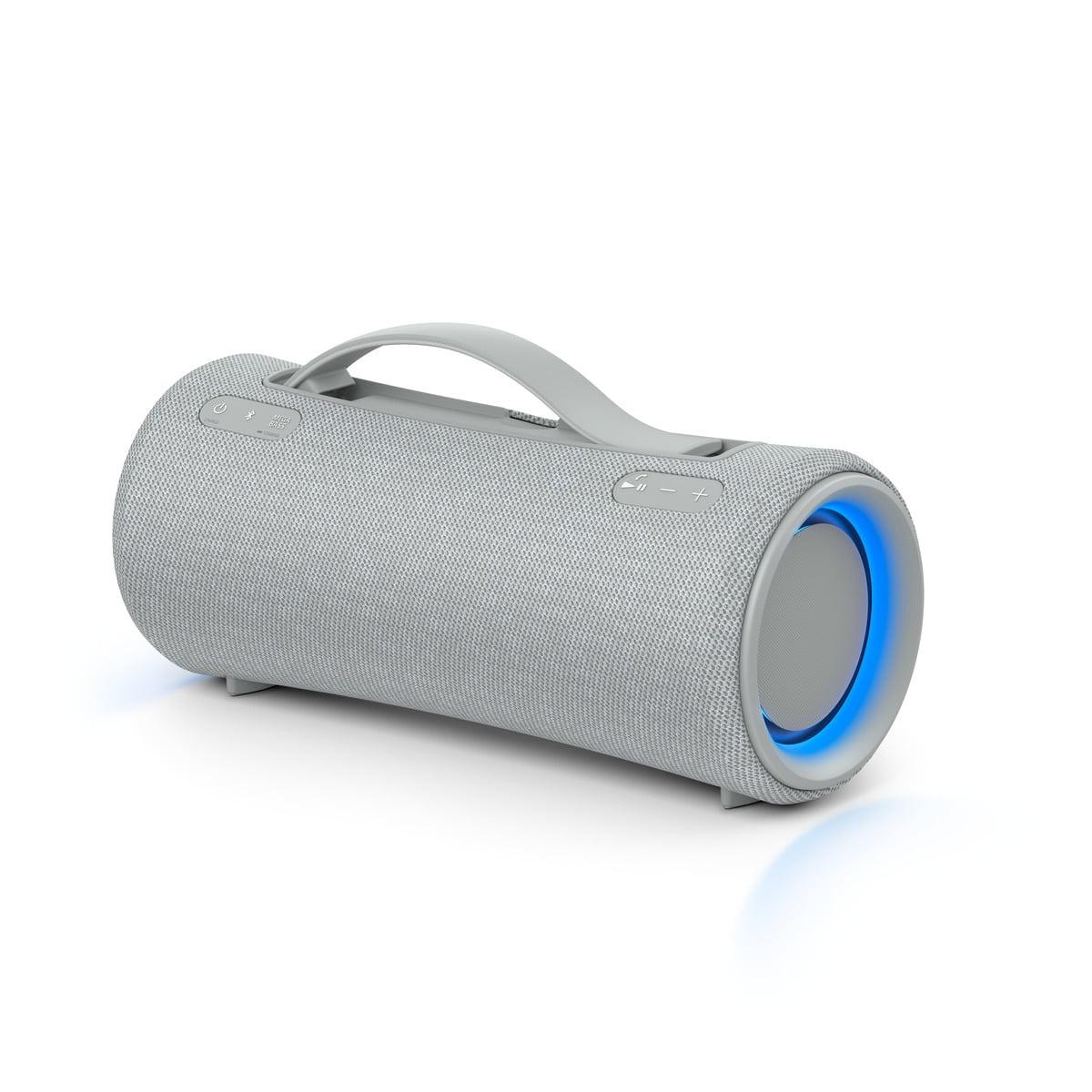
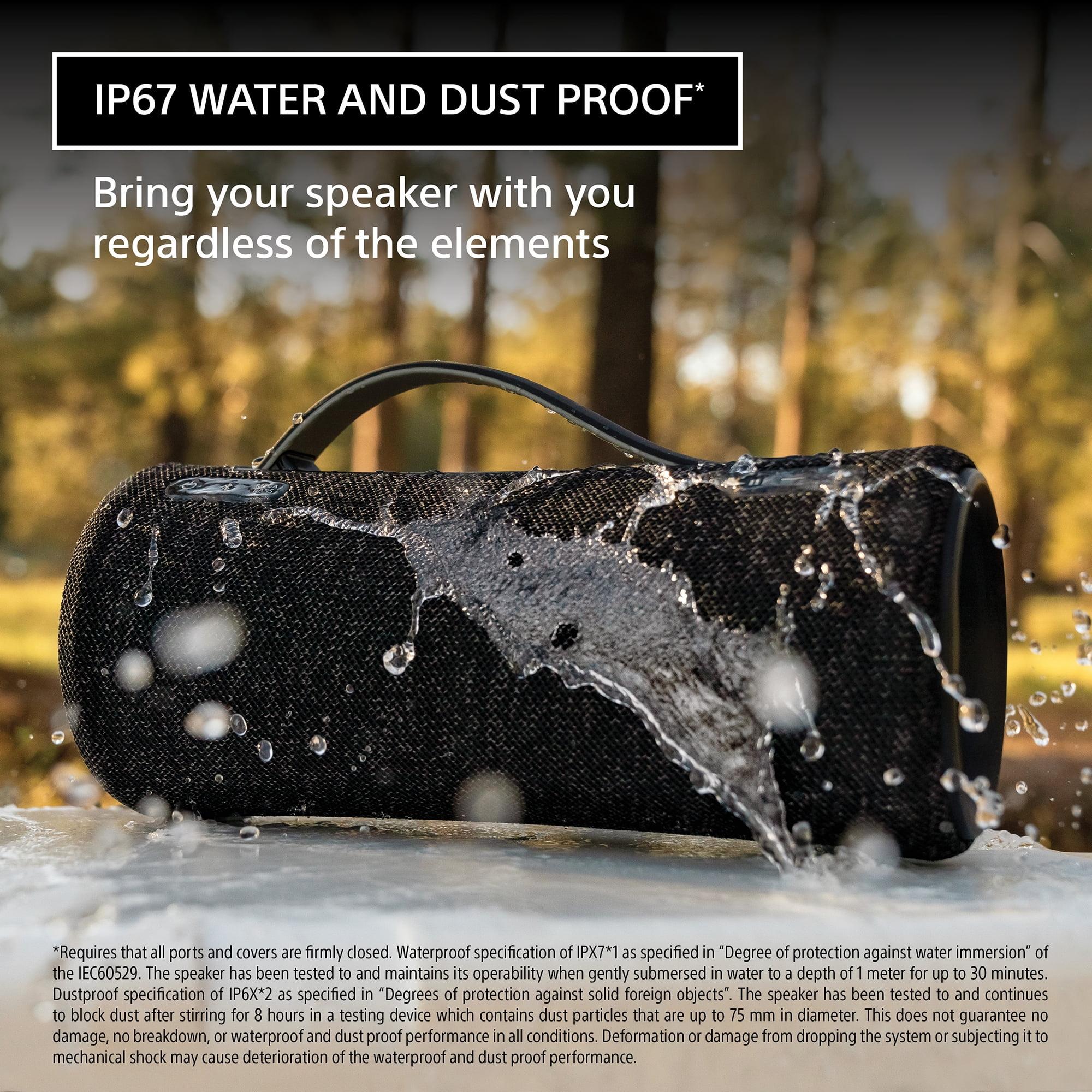
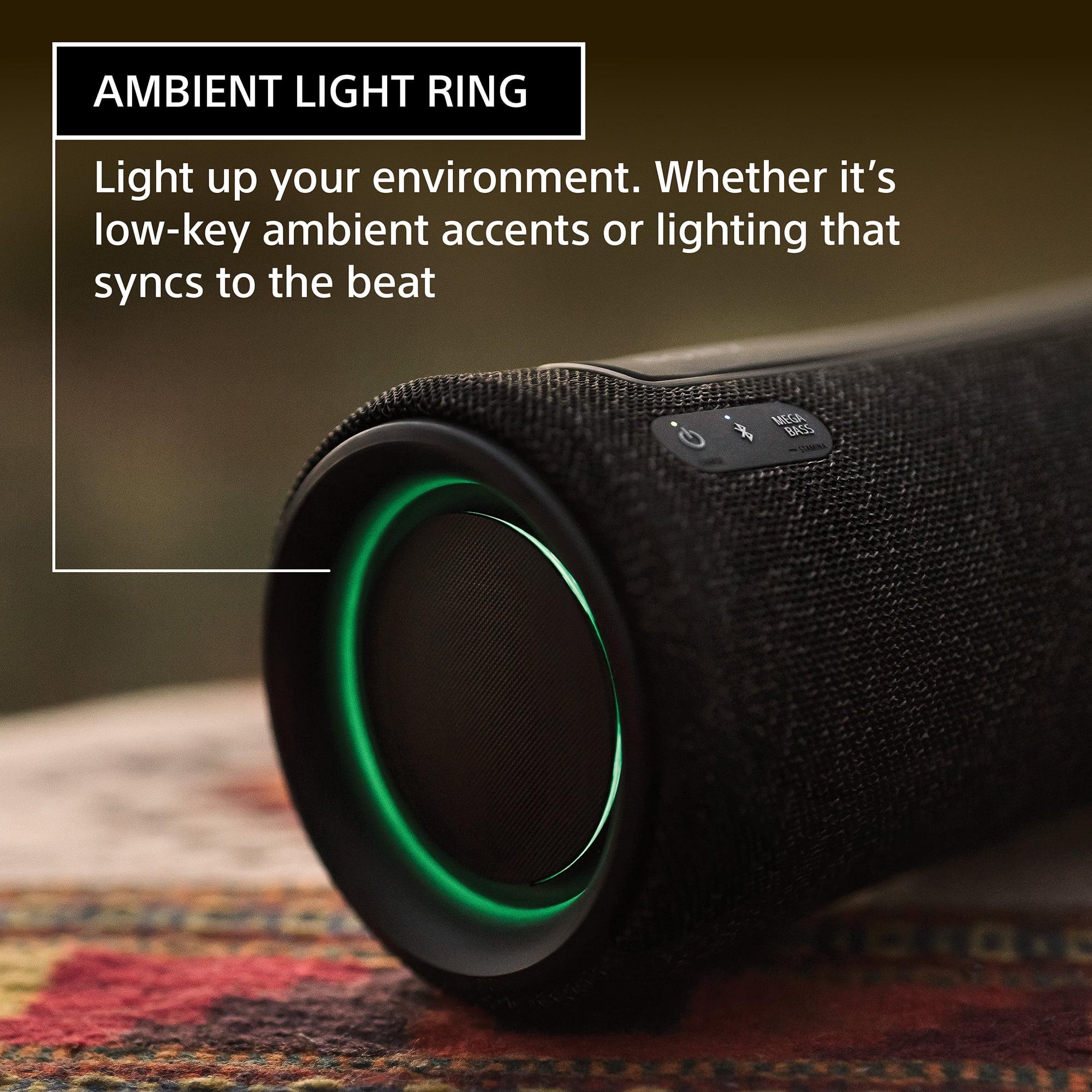
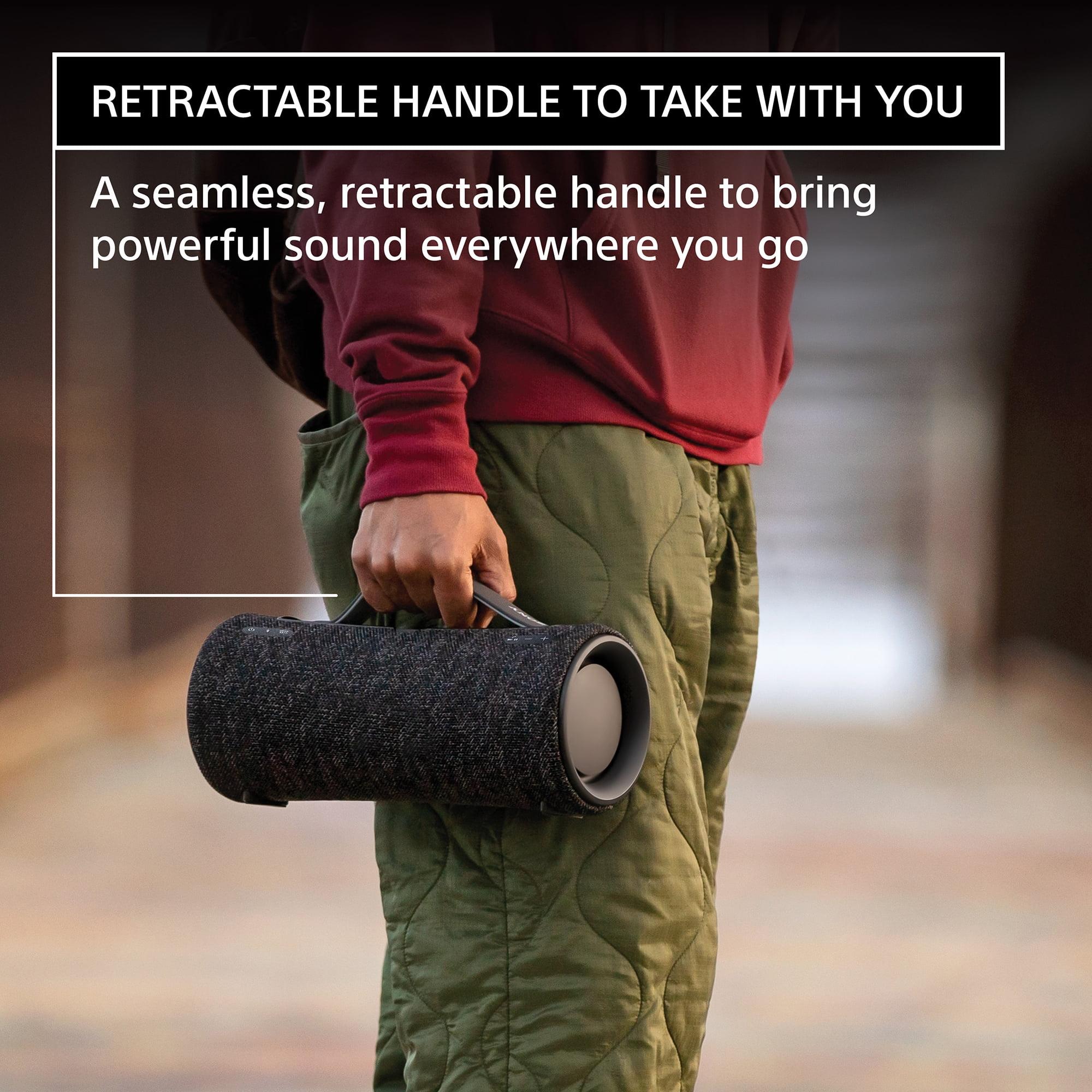
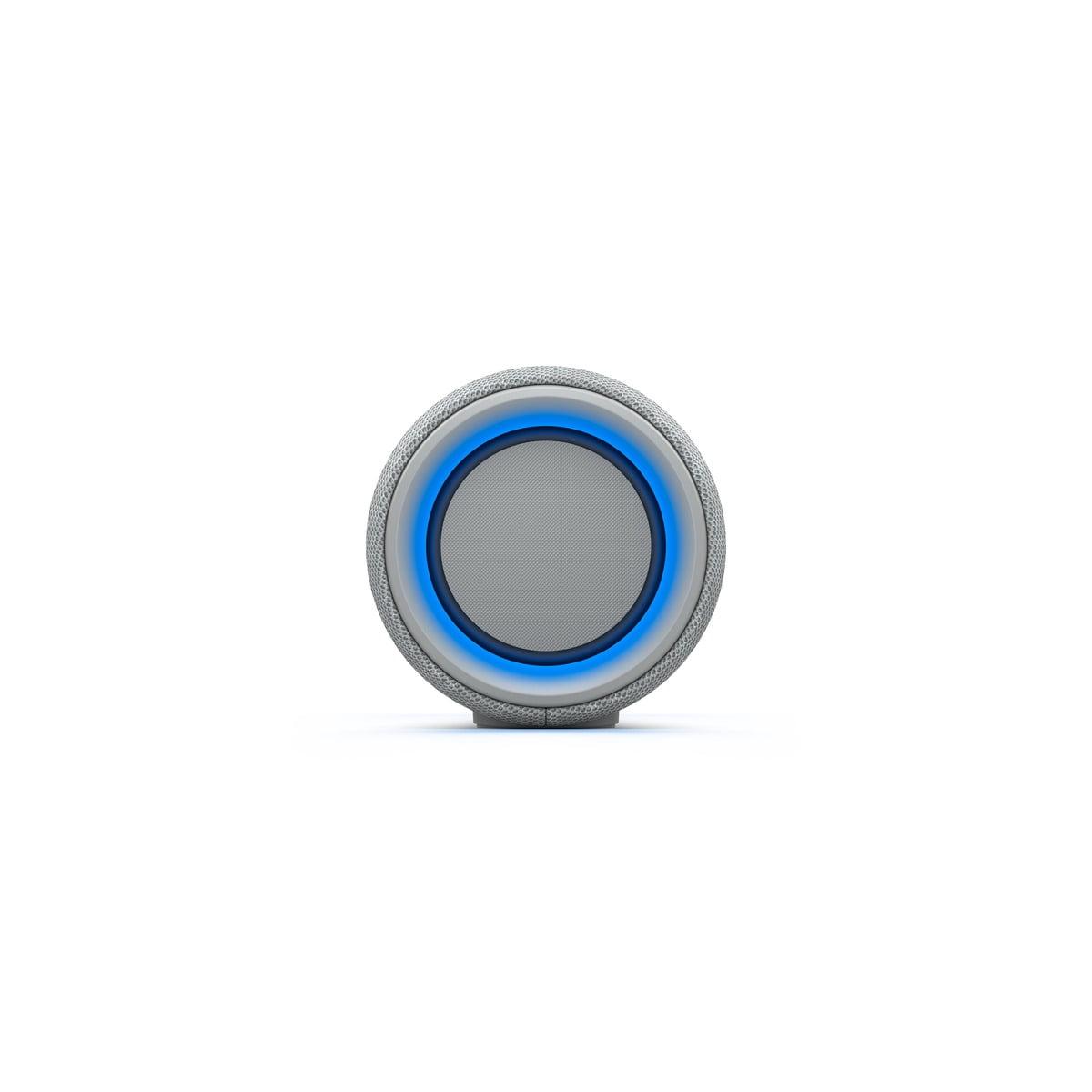
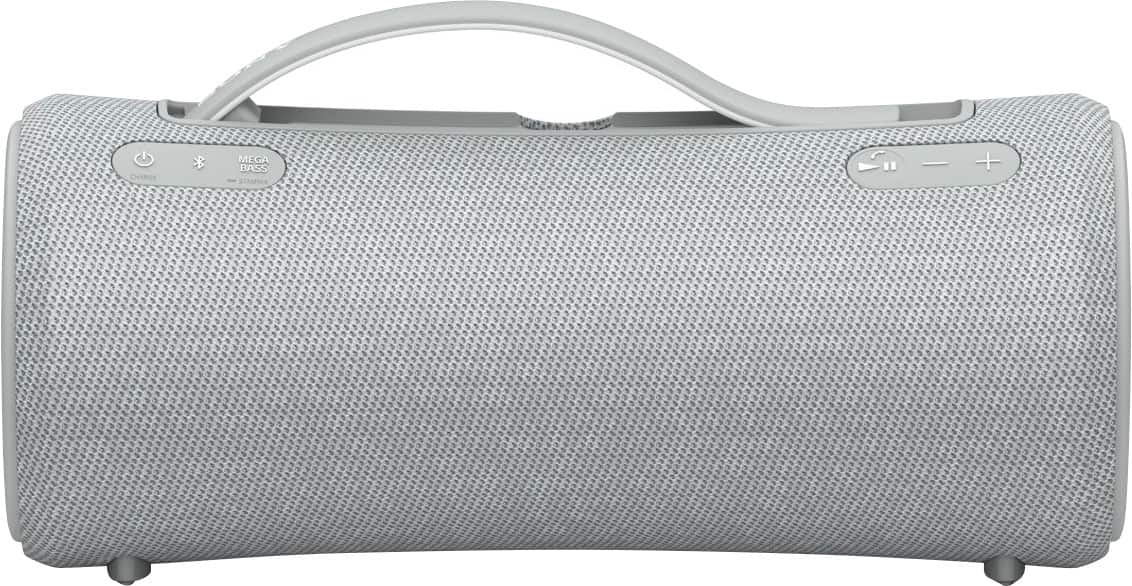
The Sony XG300, while still IP67 rated, takes a more conventional approach to durability. It's built well enough for poolside parties and beach trips, but it's not designed to survive being run over by an ATV or dropped off a cliff. Instead, Sony invested in premium aesthetics and user experience features like a retractable carrying handle and customizable LED lighting that pulses with your music.
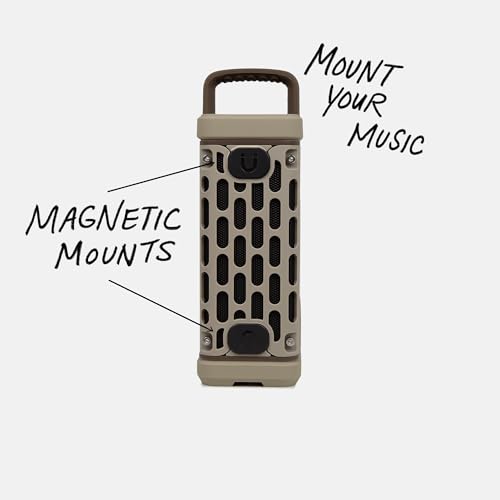
One detail worth noting: the Turtlebox Ranger includes dual magnetic mounts on its sides, allowing it to stick securely to any metal surface. This might sound gimmicky, but it's incredibly practical for mounting to truck toolboxes, boat railings, or workshop equipment. The Sony XG300 lacks this feature entirely, relying on its larger, more stable base for placement.
Here's where things get interesting from a technical standpoint. The Turtlebox Ranger uses two 2-inch waterproof woofers (the drivers responsible for bass and midrange frequencies) powered by a Class D digital amplifier with custom DSP tuning. Class D amplifiers are highly efficient, meaning they produce less heat and drain less battery while still delivering substantial power. The DSP (Digital Signal Processing) tuning is specifically calibrated for outdoor use, emphasizing clarity and volume over audiophile-grade tonal accuracy.
The result? The Turtlebox Ranger can hit 105 decibels without noticeable distortion—that's genuinely loud enough to overcome wind, conversation, and ambient noise in outdoor settings. For context, 105 dB is roughly equivalent to a motorcycle engine at close range. User reports consistently mention being able to place the speaker 50+ feet away and still hear music clearly, something that matters immensely for outdoor gatherings.
The Sony XG300 takes a fundamentally different approach with its X-Balanced Speaker Unit technology. Instead of traditional round drivers, Sony uses non-circular diaphragms that can move more air without distortion. The speaker features dedicated 20mm tweeters for high frequencies and larger 61mm x 68mm woofers for bass, plus passive radiators that enhance low-frequency response without requiring additional power.
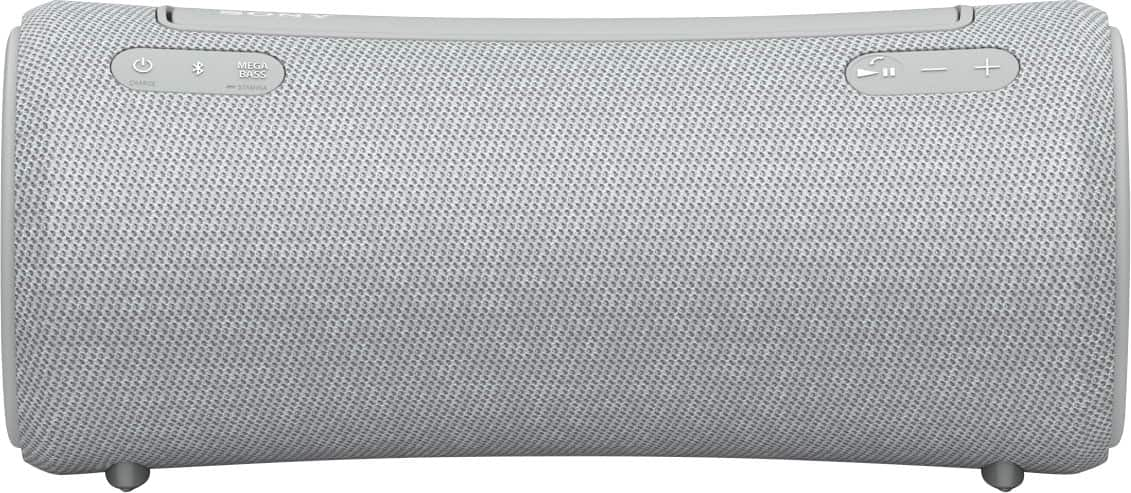
This driver configuration, combined with Sony's advanced audio processing, delivers more balanced sound across the entire frequency spectrum. The Sony XG300 includes multiple sound modes: MEGA BASS for enhanced low-end, LIVE SOUND for simulated concert hall acoustics, and ClearAudio+ for automatically optimized sound based on music type. You can further customize the sound through the Sony Music Center app with a full custom equalizer.
The audio quality difference is noticeable. The Sony XG300 produces more detailed midrange (where vocals live), cleaner high frequencies, and better-controlled bass. However, the Turtlebox Ranger gets significantly louder and maintains clarity better in noisy environments. If you're primarily listening indoors or in quiet outdoor settings, the Sony's refinement wins. For actual outdoor adventures where ambient noise is high, the Turtlebox's volume advantage becomes crucial.
Battery performance reveals another fundamental difference in design priorities. The Sony XG300 delivers up to 25 hours of continuous playback—genuinely impressive for any speaker, let alone one with premium drivers and LED lighting. Sony achieves this through a larger battery system and highly efficient power management. The quick-charge feature is particularly practical: just 10 minutes of charging provides over an hour of playback.
The Turtlebox Ranger uses a smaller 25.2 Wh battery that delivers 12+ hours at moderate volume or about 5 hours at maximum output. This might seem disappointing until you consider the size difference. The Turtlebox Ranger weighs less than half what the Sony does, making the battery life reasonable for its ultra-portable design.
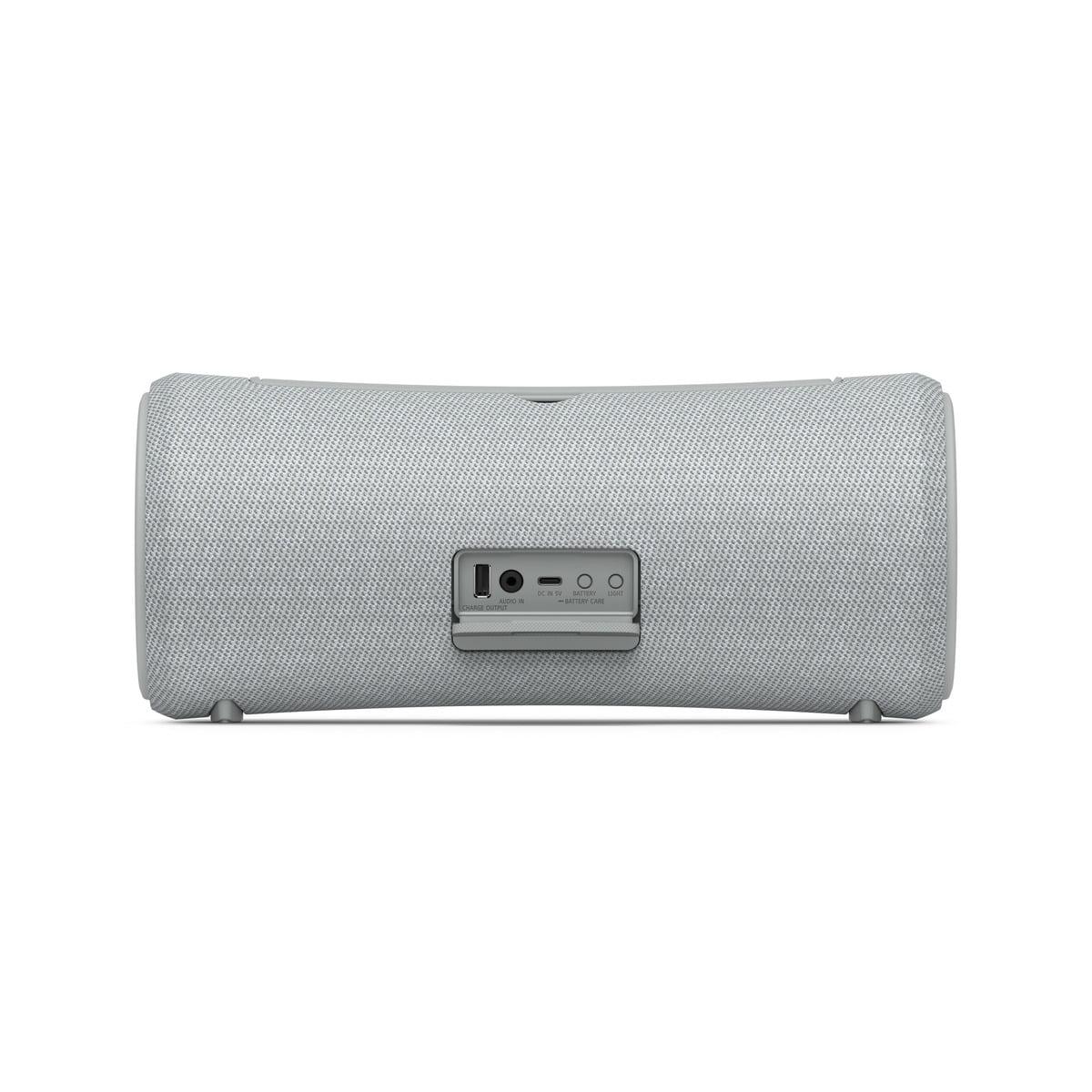
Both speakers can charge external devices through their USB ports, but they use different approaches. The Sony XG300 includes a dedicated USB-A output port designed specifically for device charging. The Turtlebox Ranger uses its USB-C port for both charging the speaker and outputting power, requiring you to choose one function at a time.
Bluetooth technology has evolved rapidly, and these speakers showcase different generations of the standard. The Turtlebox Ranger uses Bluetooth 5.4, the latest available standard that offers improved connection stability and slightly better range (up to 100 feet in ideal conditions). More importantly, it maintains strong connections in RF-noisy environments—useful when you're surrounded by other Bluetooth devices, Wi-Fi networks, or electronic equipment.
The Sony XG300 uses Bluetooth 5.2 but compensates with multipoint technology, allowing simultaneous connection to two devices. This means you can stream music from your phone while remaining connected to your laptop for video call audio—a genuinely useful feature for work-from-anywhere scenarios.
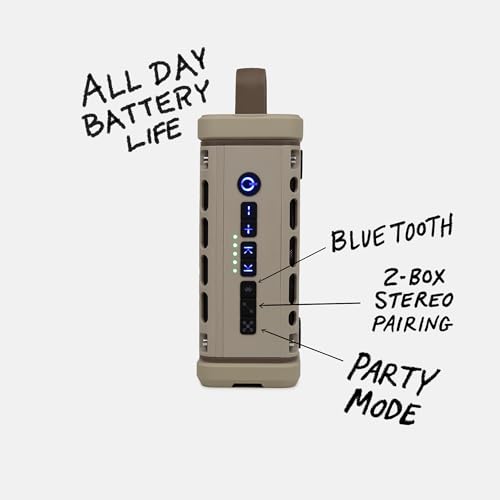
Both speakers support multi-speaker pairing, but with different approaches. The Turtlebox Ranger offers "Party Mode" that can theoretically connect unlimited speakers for synchronized playback, plus "True Wireless Stereo" mode for proper left/right channel separation when using two units. However, it can't pair with older Turtlebox models, limiting compatibility within the brand's ecosystem.
The Sony XG300 supports Party Connect (up to 100 speakers) and stereo pairing through Sony's Music Center app. The app integration is comprehensive, offering custom EQ, sound effects, lighting control, and even party games that sync with music. If you enjoy tweaking settings and personalizing your audio experience, Sony's approach is far superior.
Understanding how these speakers perform in actual use reveals their true strengths and limitations. For outdoor activities like hiking, camping, or jobsite use, the Turtlebox Ranger excels. Its magnetic mounting system proves surprisingly versatile—users report mounting it to truck toolboxes, boat railings, cooler handles, and workshop equipment. The compact size means it fits easily in backpacks without dominating your pack's weight budget.
The durability advantage becomes clear in harsh conditions. While the Sony XG300 can handle splashes and light rain, the Turtlebox Ranger shrugs off submersion, dust storms, and temperature extremes that would concern most electronic devices. This isn't theoretical; user reports include speakers surviving construction sites, kayaking trips, and desert camping without issues.
For home use, backyard parties, and more civilized outdoor activities, the Sony XG300 offers a more refined experience. The 25-hour battery life means it can handle weekend events without recharging. The LED lighting adds ambiance that many users genuinely appreciate. The superior audio processing becomes more noticeable when you're not fighting wind and ambient noise.
Interestingly, the Sony XG300 works well as a home theater enhancement for smaller spaces. The LIVE SOUND mode creates a convincing surround effect when positioned correctly, and the ability to pair multiple units means you can create a proper stereo or even multi-room setup through the app.
At the time of writing, these speakers occupy different price tiers, with the Turtlebox Ranger positioned as the more affordable option despite its specialized construction. This pricing makes sense when you consider the target markets: outdoor enthusiasts and professionals who need reliability above all else versus general consumers who want premium features and long battery life.
The Turtlebox Ranger offers exceptional value if extreme durability matches your needs. The magnetic mounting system alone provides functionality that competing rugged speakers lack. However, you're paying a size premium—other speakers in its price range often offer more features or longer battery life, but none match its combination of compactness and durability.
The Sony XG300 justifies its higher price through comprehensive features, premium audio processing, and industry-leading battery life. The X-Balanced speaker technology and advanced DSP processing represent genuine technological advantages over cheaper alternatives. However, you're paying for versatility and refinement that may exceed your actual needs if you primarily use speakers in challenging outdoor conditions.
The decision between these speakers should align with your honest assessment of how you'll actually use them. Choose the Turtlebox Ranger if you need maximum portability for genuine outdoor adventures, work in harsh environments, or value the unique magnetic mounting system. Its compact size and extreme durability make it ideal for backpacking, jobsites, water sports, and any situation where gear failure isn't acceptable.
The Sony XG300 makes more sense for users who want one premium speaker for multiple scenarios: home listening, backyard entertaining, beach trips, and camping at established facilities. The superior battery life, comprehensive app integration, and refined audio processing provide better value if you primarily use speakers in relatively controlled environments.
Consider your typical listening environment critically. If you often deal with wind, ambient noise, or need to place your speaker far from listeners, the Turtlebox Ranger's volume advantage outweighs the Sony's audio refinement. If you listen in quieter settings where you can appreciate tonal balance and detail, Sony's approach delivers superior results.
Both speakers represent excellent execution of their respective design philosophies. The Turtlebox Ranger succeeds as a specialized tool for extreme conditions, while the Sony XG300 excels as a versatile lifestyle speaker. Your choice should reflect which approach better matches your real-world needs rather than aspirational use cases you might never encounter.
The key insight? Don't buy durability you don't need, but don't underestimate the peace of mind that comes from gear that simply won't break. Similarly, don't pay for features you won't use, but consider how much convenience and enjoyment comprehensive app integration might add to your listening experience. Both speakers deliver on their promises—the question is which promise matters more to you.
| Turtlebox Ranger Portable Bluetooth Speaker | Sony XG300 MEGA BASS Portable Bluetooth Speaker |
|---|---|
| Weight & Size - Critical for portability and carrying comfort | |
| 2.4 lbs, 8.05" x 3.15" x 3.15" (ultra-compact) | 6.6 lbs, 12.52" x 5.43" x 5.35" (nearly 3x heavier) |
| Maximum Volume Output - Essential for outdoor use and large gatherings | |
| 105 dB (extremely loud, cuts through ambient noise) | Not specified (loud but more refined for balanced listening) |
| Battery Life - Determines how long you can play without charging | |
| 12+ hours typical, 5+ hours at max volume | Up to 25 hours (industry-leading for this category) |
| Waterproof Rating - Protection level for outdoor activities | |
| IP67 submersible up to 3 feet for 30 minutes | IP67 dust and waterproof (standard protection) |
| Durability Features - Important for harsh environments and accidents | |
| Drop-proof, crush-proof, temperature extremes, saltwater resistant | Standard outdoor durability, not designed for extreme abuse |
| Audio Drivers - Determines sound quality and frequency response | |
| 2x 2" waterproof woofers, passive radiator | 2x 20mm tweeters, 2x 61mm x 68mm woofers, passive radiators |
| Bluetooth Version - Affects connection stability and range | |
| 5.4 (latest standard, 100-foot range) | 5.2 with multipoint (connects to 2 devices simultaneously) |
| Special Mounting Options - Unique placement and attachment features | |
| Dual magnetic mounts for metal surfaces | Retractable handle, stable base design |
| Audio Processing & Customization - Sound enhancement and personalization | |
| Basic DSP tuning optimized for outdoor use | X-Balanced speakers, MEGA BASS, custom EQ, multiple sound modes |
| Multi-Speaker Pairing - Ability to connect multiple units for bigger sound | |
| Party Mode (unlimited), True Wireless Stereo | Party Connect (up to 100 speakers), Stereo Pair |
| Smart Features & App Integration - Modern conveniences and controls | |
| Touch controls, basic pairing modes | Sony Music Center app, custom EQ, LED lighting control, hands-free calls |
| Charging Capabilities - Power management for you and your devices | |
| USB-C passthrough charging for devices | USB-A port (5V 1.5A) plus quick charge (10 min = 70 min playback) |
| Best Use Cases - Where each speaker excels most | |
| Extreme outdoor activities, jobsites, water sports, backpacking | Home entertainment, long parties, beach trips, multi-device setups |
The Turtlebox Ranger is significantly better for outdoor activities. It's built to withstand extreme conditions with drop-proof, crush-proof construction and can be submerged up to 3 feet underwater. The Turtlebox Ranger also features magnetic mounting for attachment to metal surfaces like coolers or vehicles, making it ideal for camping, hiking, and water sports.
The Sony XG300 delivers superior sound quality with dedicated tweeters, larger woofers, and X-Balanced Speaker technology that reduces distortion. It offers custom EQ settings, multiple sound modes, and support for high-quality LDAC audio codecs. However, the Turtlebox Ranger gets much louder at 105 dB, making it better for noisy outdoor environments.
The Sony XG300 has significantly better battery life, offering up to 25 hours of continuous playbook compared to the Turtlebox Ranger's 12+ hours at moderate volume. The Sony also features quick charging that provides 70 minutes of playback from just a 10-minute charge.
The Turtlebox Ranger is much more portable, weighing only 2.4 pounds compared to the Sony XG300's 6.6 pounds. The Turtlebox is also significantly smaller and includes magnetic mounting options, making it easier to carry and attach during outdoor adventures.
The Sony XG300 supports multipoint Bluetooth, allowing simultaneous connection to two devices so you can easily switch between your phone and laptop. The Turtlebox Ranger uses newer Bluetooth 5.4 for better stability but connects to one device at a time.
Both speakers support multi-speaker pairing, but the Sony XG300 is generally better for parties due to its 25-hour battery life, customizable LED lighting, and superior indoor sound quality. The Sony XG300 can connect up to 100 speakers through Party Connect mode for massive gatherings.
Both the Turtlebox Ranger and Sony XG300 have IP67 waterproof ratings. However, the Turtlebox Ranger offers superior water protection, being fully submersible up to 3 feet for 30 minutes and designed for harsh marine environments including saltwater exposure.
The Turtlebox Ranger gets significantly louder with a maximum output of 105 dB, making it excellent for outdoor use where you need to overcome wind and ambient noise. The Sony XG300 focuses more on balanced sound quality rather than pure volume output.
The Sony XG300 offers comprehensive app integration through Sony Music Center and Fiestable apps, providing custom EQ, lighting control, and party features. The Turtlebox Ranger has basic touch controls but no dedicated smartphone app for customization.
The Turtlebox Ranger is far more durable, featuring crush-proof ABS housing, stainless steel hardware, and construction designed to survive drops, extreme temperatures, and harsh environments. While the Sony XG300 is well-built for normal outdoor use, it's not designed for extreme abuse.
Both speakers can charge external devices through USB ports. The Turtlebox Ranger uses USB-C passthrough charging, while the Sony XG300 has a dedicated USB-A output port for device charging without interrupting the speaker's own charging.
The Turtlebox Ranger offers better value if you need extreme durability and portability for outdoor adventures. The Sony XG300 provides better value for users wanting premium sound quality, long battery life, and smart features for home and casual outdoor use. Your choice depends on whether you prioritize ruggedness or features.
We've done our best to create useful and informative comparisons to help you decide what product to buy. Our research uses advanced automated methods to create this comparison and perfection is not possible - please contact us for corrections or questions. These are the sites we've researched in the creation of this article: fieldandstream.com - tylerstx.com - comparisontabl.es - gearjunkie.com - rogerssportinggoods.com - youtube.com - armorsound.com - simmonssportinggoods.com - turtleboxaudio.com - outdoorhub.com - backpackeroutdoors.com - youtube.com - tennesseevalleyoutsider.com - turtleboxaudio.com - mrfc.com - linecutterz.com - russells.com - turtleboxaudio.com - flyfishfood.com - bestbuy.com - youtube.com - sony.ca - youtube.com - electronics.sony.com - sony.com - abt.com - helpguide.sony.net - bhphotovideo.com - rtings.com - thesonyshop.ca - helpguide.sony.net

Privacy Policy
Terms and Conditions - Affiliate Policy
Home Security
© Copyright 2008-2026.
11816 Inwood Rd #1211, Dallas, TX 75244