


When you're shopping for a portable Bluetooth speaker in 2025, you'll quickly discover that not all speakers are created equal. The market has evolved dramatically over the past few years, splitting into distinct categories that serve very different needs. Today, we're comparing two speakers that perfectly illustrate this divide: the Turtlebox Ranger and the Bose SoundLink Revolve II.
These speakers represent fundamentally different philosophies. The Turtlebox Ranger, released in 2025, embodies the "adventure-first" approach with military-grade durability. The Bose SoundLink Revolve II, which hit the market in 2021, focuses on delivering sophisticated 360-degree audio that works equally well in your living room or backyard.
Before diving into specifics, it's worth understanding what matters most in portable speakers today. The technology has advanced significantly since the early days of tinny, underpowered Bluetooth speakers. Modern units must balance several key factors:
Audio quality remains paramount – you want clear highs, present mids, and adequate bass without distortion at higher volumes. Durability varies wildly depending on intended use, from basic splash resistance to full submersion capability. Battery life has improved across the board, with most quality speakers now offering 10+ hours of playback. Connectivity features have exploded in complexity, including multi-speaker pairing, voice assistant integration, and smartphone apps for customization.
The most important consideration is matching the speaker to your primary use case. A speaker optimized for extreme outdoor conditions will make different compromises than one designed for versatile indoor/outdoor use.
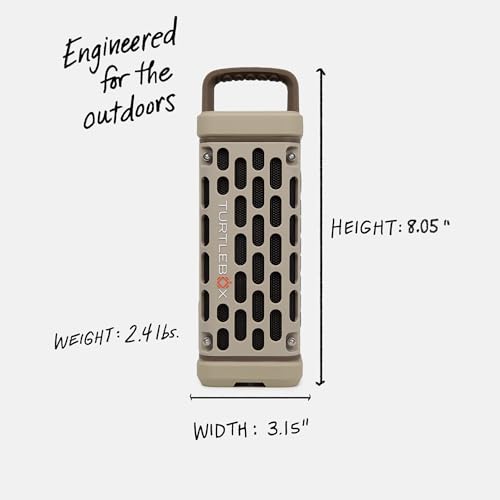
The Turtlebox Ranger represents the latest evolution in ultra-rugged portable audio. Released in early 2025, it incorporates lessons learned from Turtlebox's larger, 10-pound Gen 2 speaker, distilling that extreme durability into a more portable 2.4-pound package.
Don't let the Turtlebox Ranger's rugged appearance fool you – this speaker delivers surprisingly sophisticated audio. The dual 2-inch waterproof drivers are powered by a Class D digital amplifier with enhanced DSP tuning. For the uninitiated, Class D amplifiers are highly efficient, generating less heat while delivering more power than traditional designs – crucial for battery-powered devices.
The real secret sauce is the passive 2×4-inch bass radiator. Unlike active drivers that require power, passive radiators use the air movement from the main drivers to enhance bass response. This clever engineering allows the Turtlebox Ranger to deliver surprisingly deep bass from its compact form factor.
At 105 decibels maximum output, the Turtlebox Ranger can genuinely fill large outdoor spaces with sound. To put this in perspective, 105 dB is roughly equivalent to a motorcycle at 25 feet – loud enough to compete with wind, waves, or construction noise. More importantly, our research into user reviews reveals the speaker maintains clarity even at maximum volume, avoiding the harsh distortion that plagues many portable speakers when pushed hard.
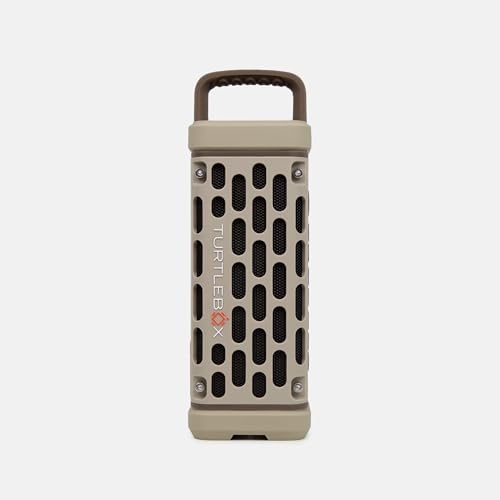
The vertical pillar design isn't just for looks – it optimizes omnidirectional sound dispersion. Sound waves radiate outward in all directions, creating more even coverage than traditional forward-firing speakers. However, this design has a quirk: performance suffers when the speaker is laid on its side, as the sound becomes more directional.
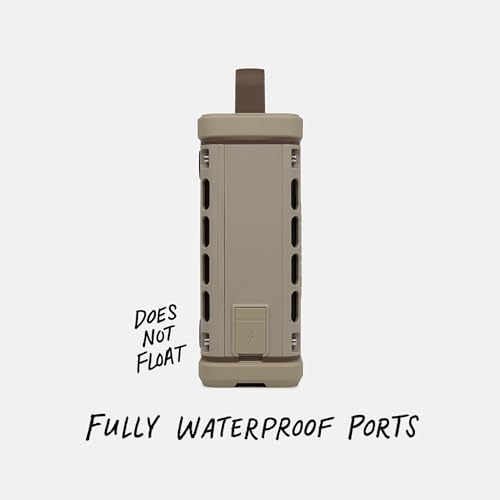
The Turtlebox Ranger's IP67 waterproof rating deserves explanation. The "IP" stands for Ingress Protection, with the first digit (6) indicating complete dust protection and the second digit (7) meaning protection against temporary submersion up to 3 feet for 30 minutes. This goes far beyond the splash resistance of most "waterproof" speakers.
The construction combines ABS crush-proof housing with stainless steel hardware and strategic rubber bumpers. ABS (Acrylonitrile Butadiene Styrene) is the same impact-resistant plastic used in automotive parts and protective gear. The stainless steel components resist corrosion from saltwater exposure, while silicone seals maintain waterproofing across temperature extremes.
One unique feature is the integrated breather system, which maintains performance across extended temperature ranges. This prevents internal pressure changes from affecting audio quality or compromising seals – a detail that separates truly engineered products from basic consumer electronics.
Interestingly, despite its waterproof rating, the Turtlebox Ranger doesn't float. This trade-off prioritizes durability over buoyancy, as floating speakers typically require internal air chambers that compromise ruggedness.
The Turtlebox Ranger uses Bluetooth 5.4, the latest standard offering improved range (up to 100 feet), better power efficiency, and enhanced audio quality. The jump from earlier Bluetooth versions is significant – 5.4 provides more stable connections and reduced latency compared to the 4.1 standard used in many existing speakers.
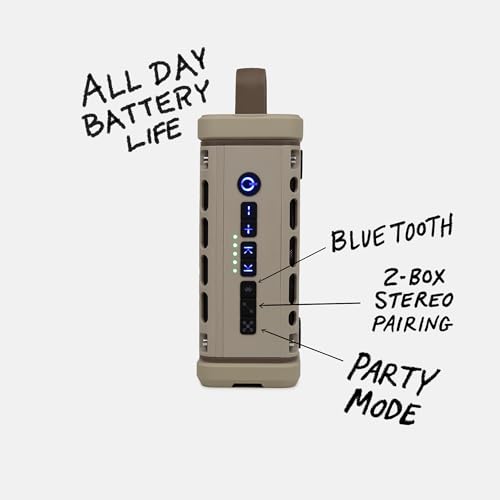
Two standout features set the Turtlebox Ranger apart: Party Mode and True Wireless Stereo (TWS). Party Mode allows unlimited speaker pairing for expansive sound coverage – imagine linking six speakers around a large campsite for immersive audio. TWS enables classic left/right stereo separation when pairing two Rangers, creating a genuine stereo soundscape rather than just louder mono audio.
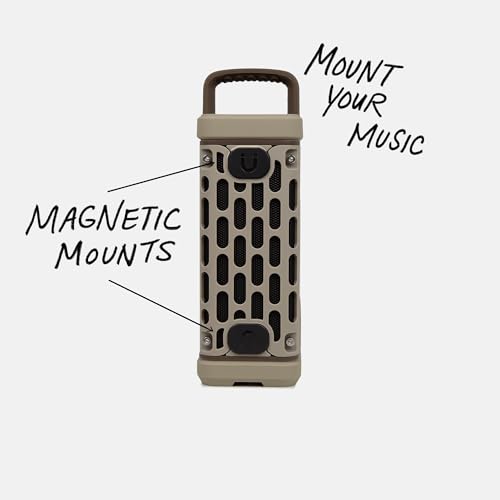
The magnetic mounting system is brilliant in its simplicity. Powerful magnets on the speaker's side allow secure attachment to vehicles, coolers, metal railings, or equipment racks. This seemingly minor feature proves invaluable for activities like tailgating, boating, or working where stable placement matters.
Notably absent are smartphone apps and voice assistant integration. This isn't an oversight – it's a deliberate design choice prioritizing reliability and simplicity over smart features that can fail in harsh conditions.
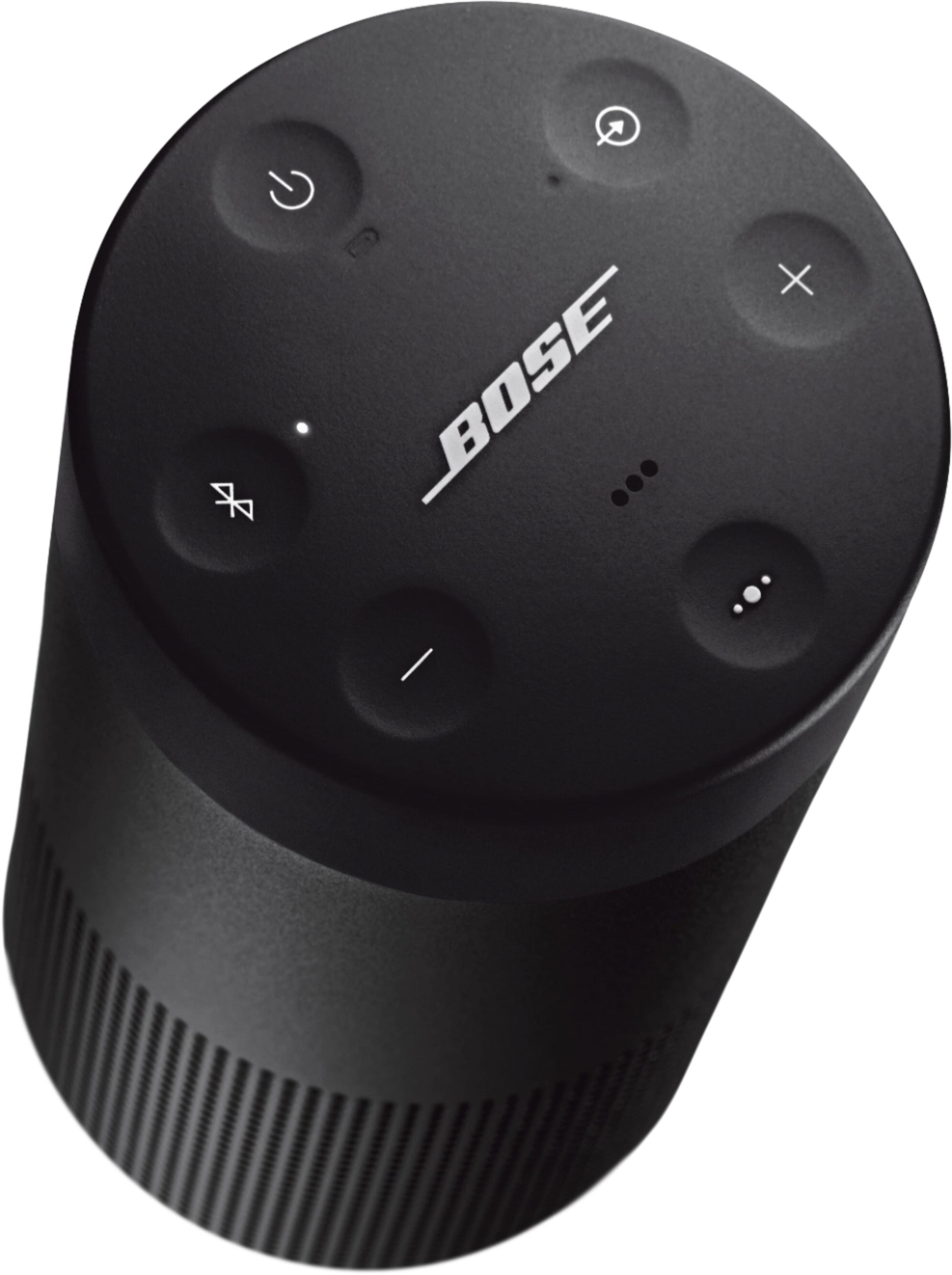
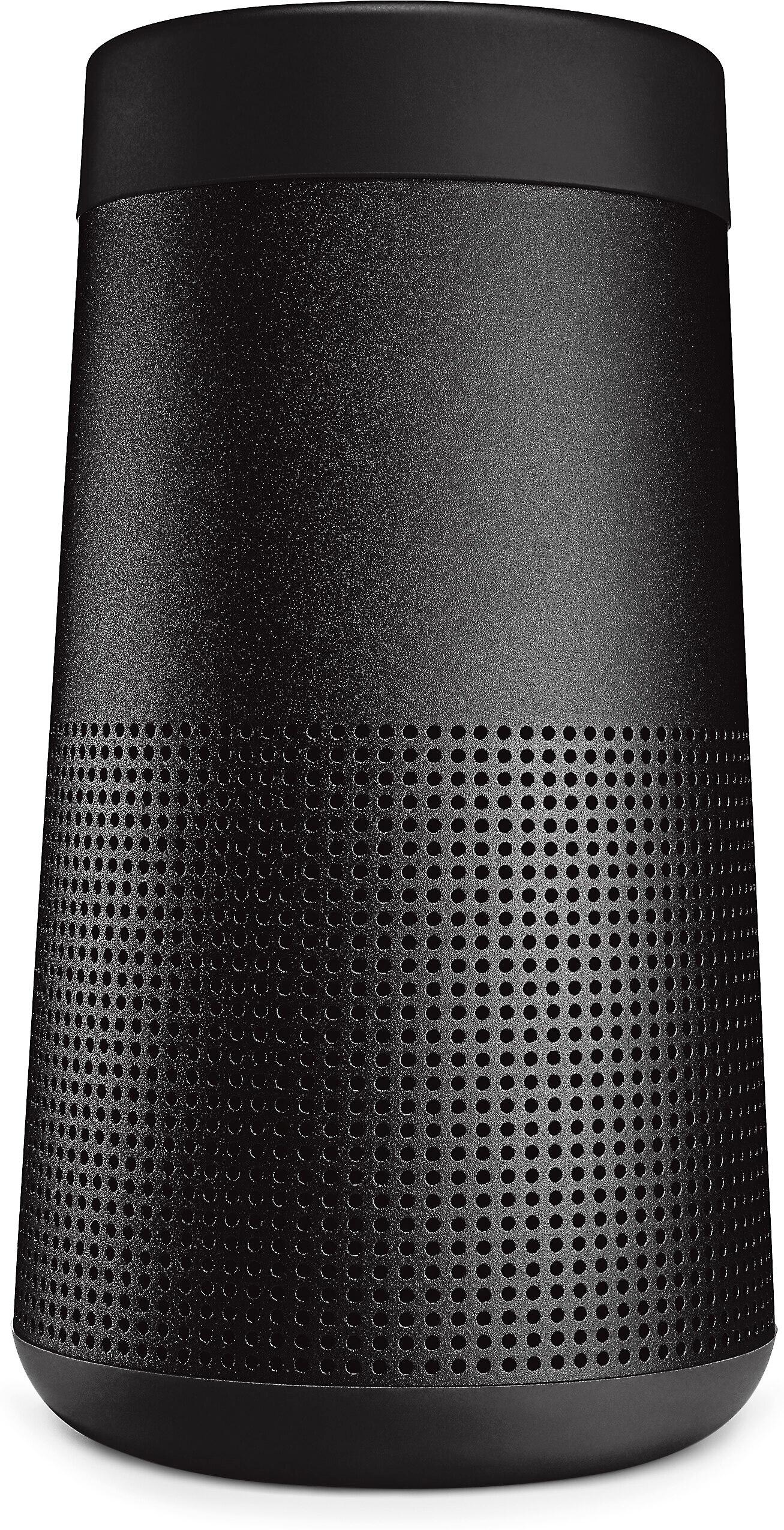
Released in 2021, the Bose SoundLink Revolve II represents Bose's refined approach to portable audio. While newer speaker technologies have emerged since 2021, Bose's audio engineering remains highly competitive, and the company has continued optimizing performance through firmware updates.
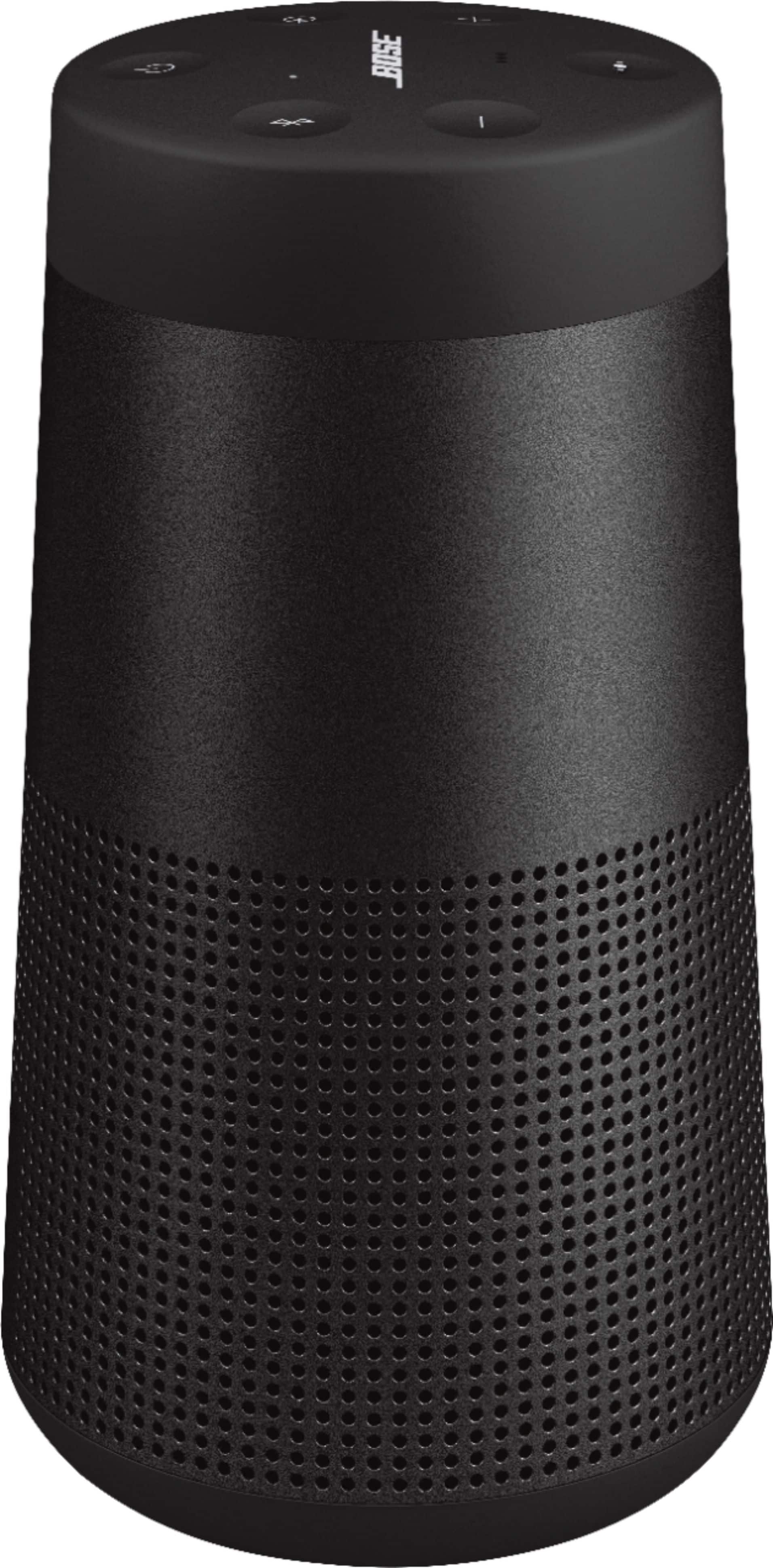
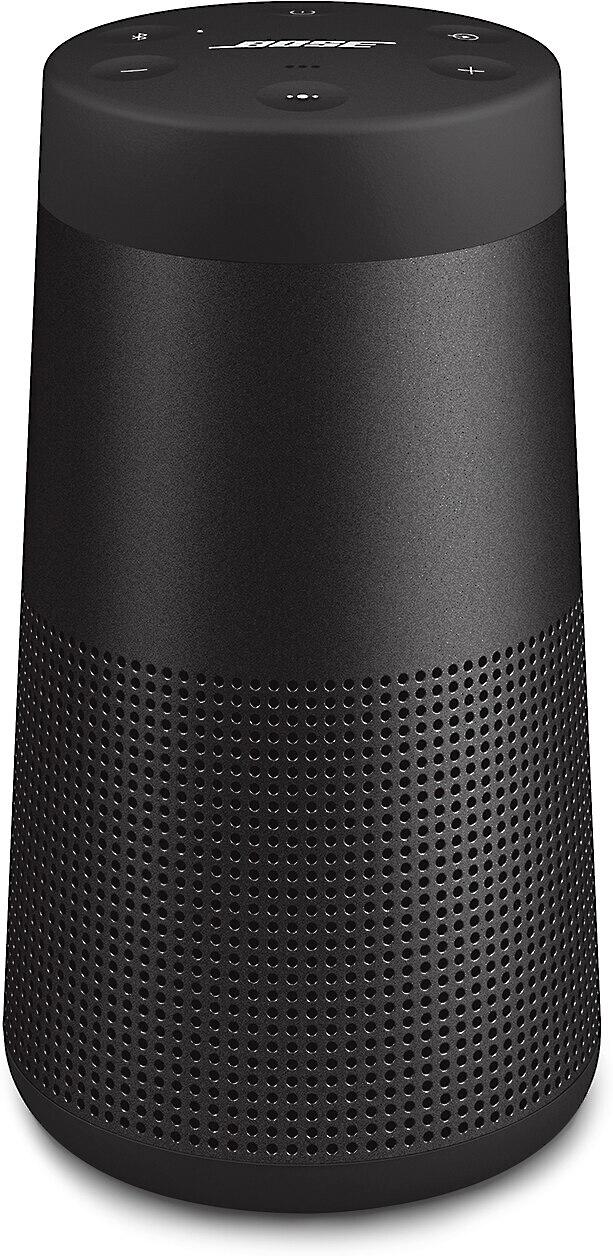
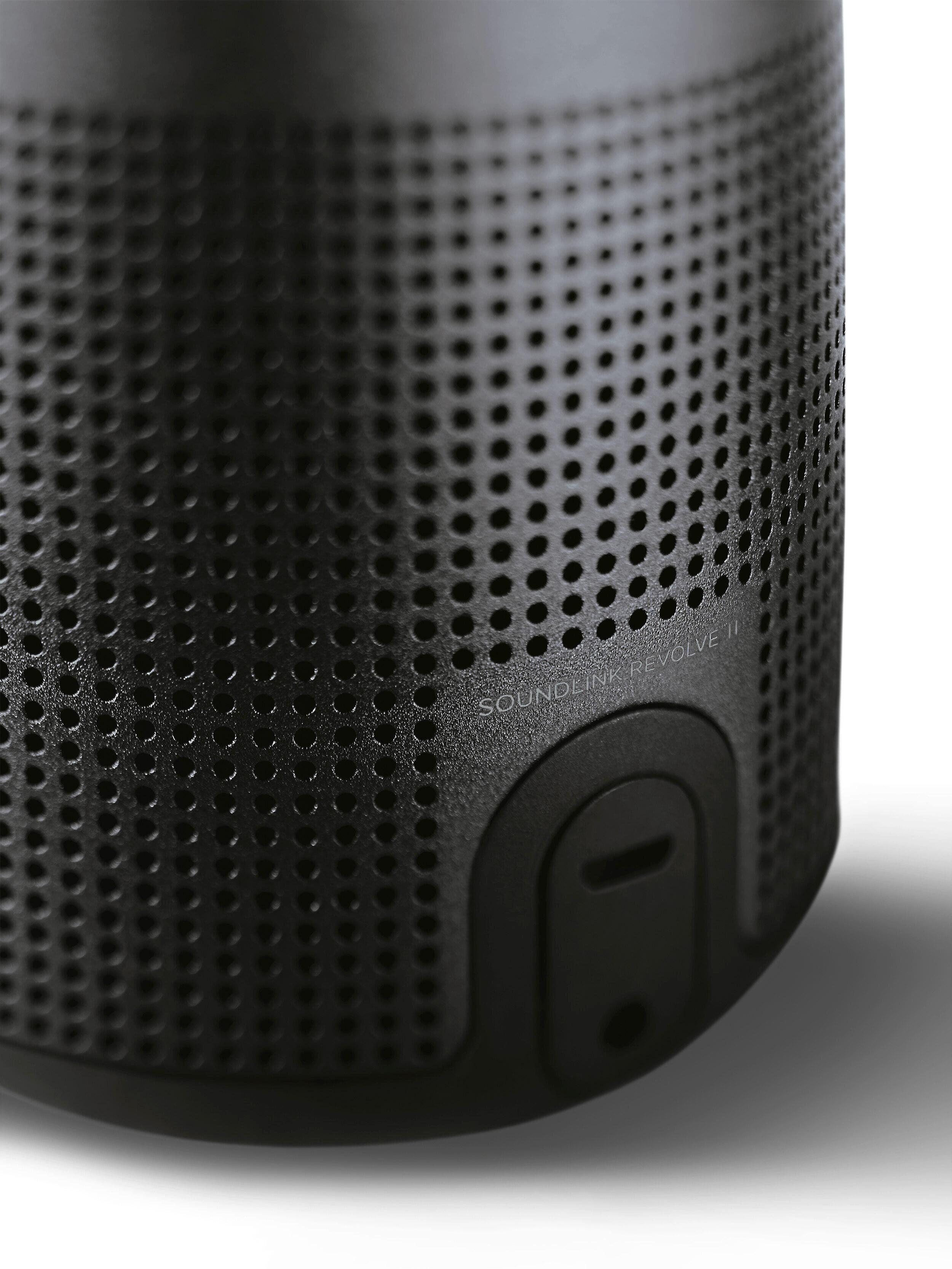
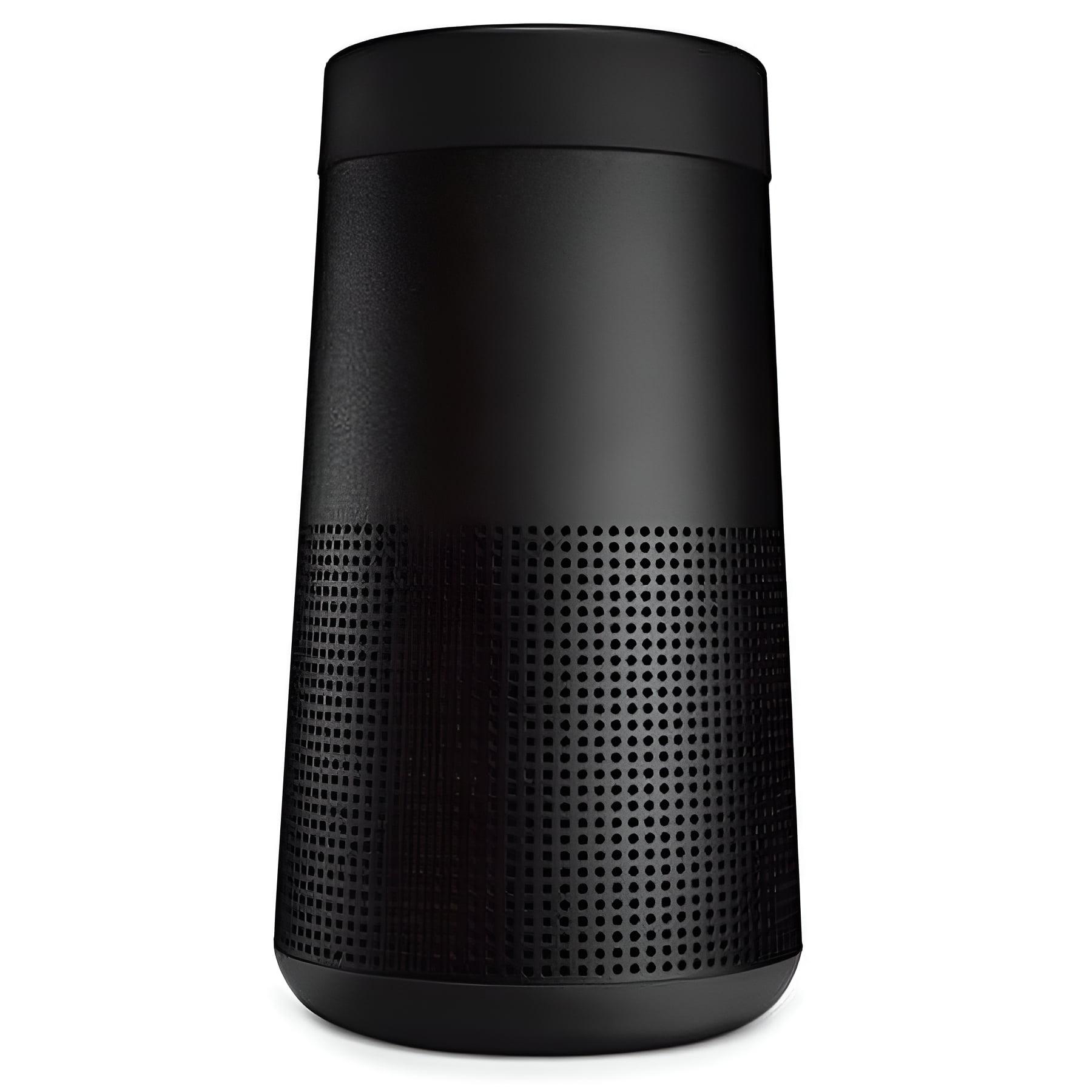
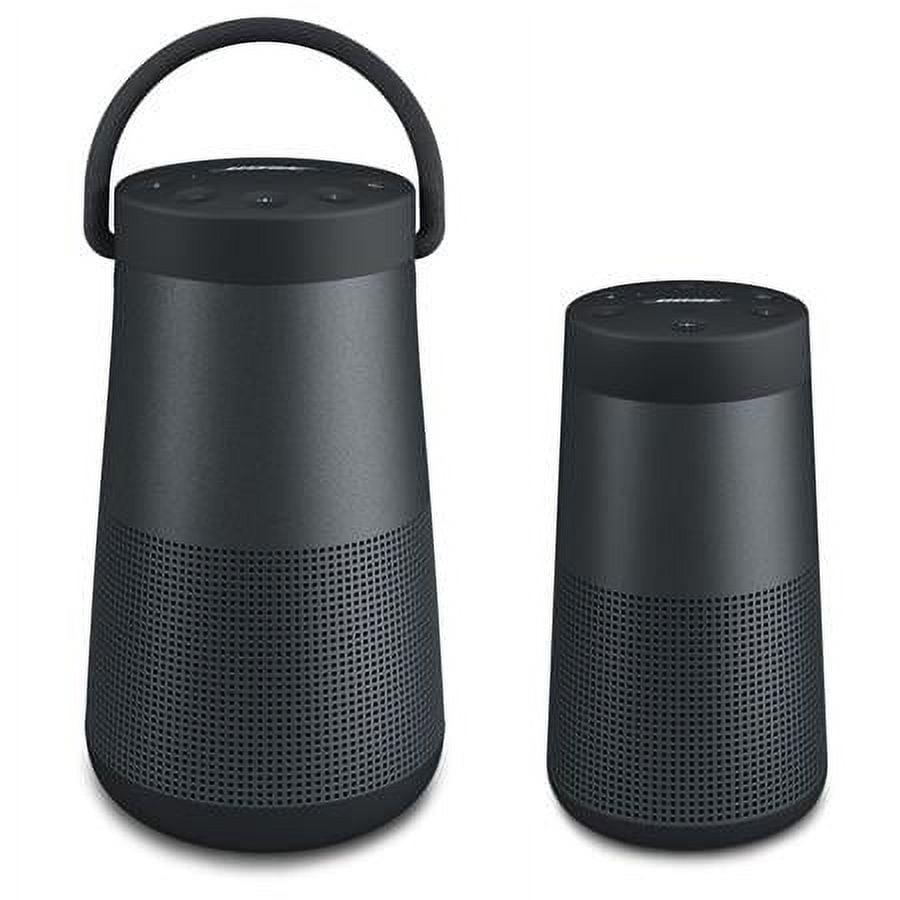
The Bose SoundLink Revolve II's cylindrical design isn't just aesthetic – it's core to the audio strategy. True 360-degree sound means consistent audio quality regardless of your position relative to the speaker. Traditional forward-firing speakers create "sweet spots" where audio sounds best, but the Bose design eliminates these positional preferences.
This omnidirectional approach works particularly well indoors, where sound reflects off walls to create an immersive listening environment. Place the Bose SoundLink Revolve II in the center of a room, and everyone enjoys the same audio experience. Position it near a wall, and reflections enhance the sense of spaciousness.
However, our analysis of professional reviews reveals some audio compromises. While the mid-range reproduction is excellent – vocals and lead instruments sound clear and present – bass extension is limited. The speaker struggles with bass-heavy genres like hip-hop or electronic music, lacking the low-end punch that many listeners expect from modern music.
The tonal balance also shifts with volume levels. At moderate volumes, the Bose SoundLink Revolve II delivers well-balanced sound suitable for various music genres. Push it to maximum volume, and the tonal balance becomes midrange-focused, with compressed dynamics that reduce audio quality.
The Bose SoundLink Revolve II uses Bluetooth 4.1 with a 30-foot range – less advanced than the Turtlebox Ranger's Bluetooth 5.4, but still reliable for most applications. The inclusion of a 3.5mm auxiliary input adds versatility for connecting non-Bluetooth devices like older music players or computers.
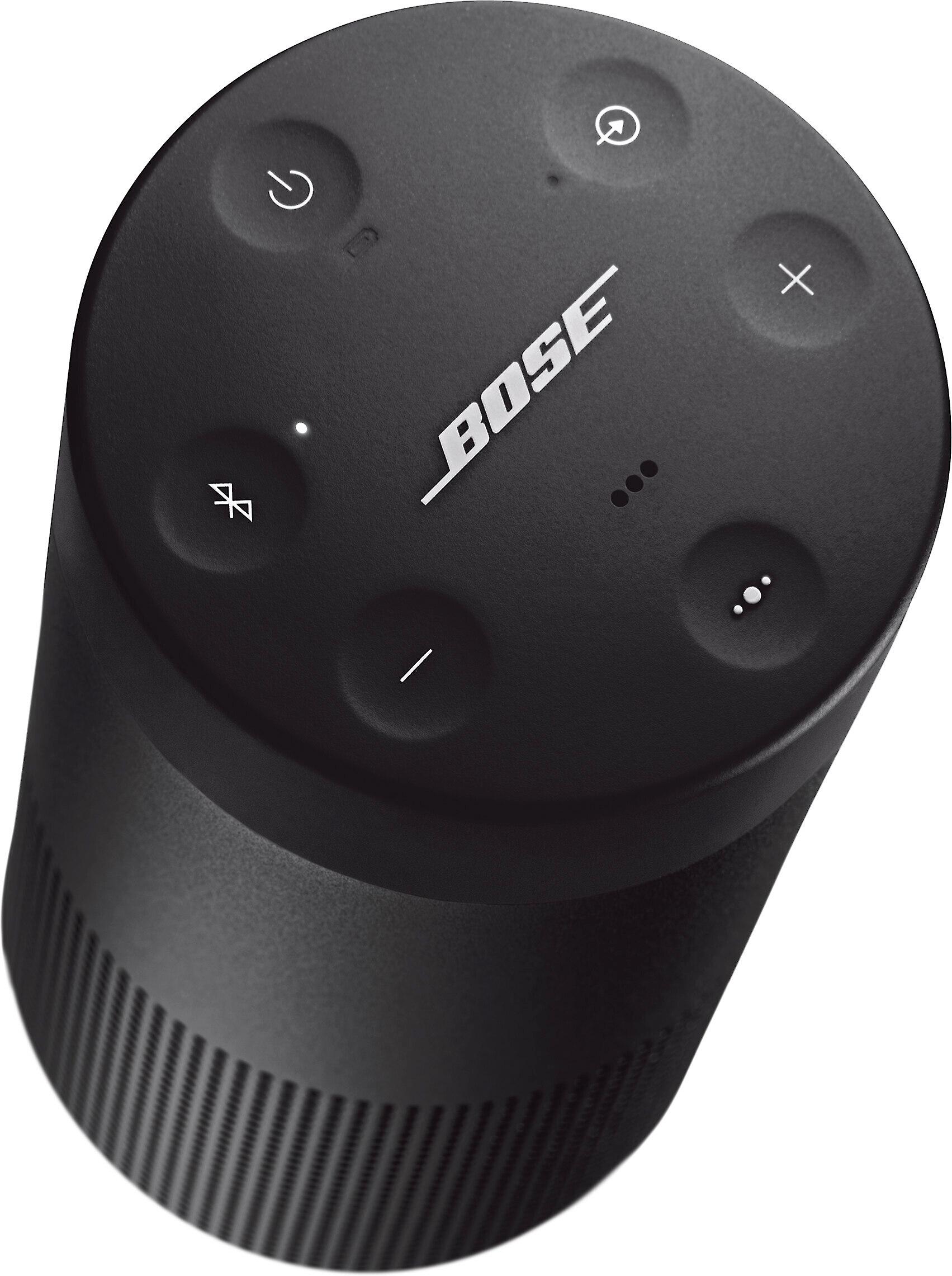
Voice assistant integration represents a significant advantage for smart home users. The multi-function button provides access to Siri or Google Assistant, enabling hands-free control for calls, messages, or smart home commands. This integration feels natural and responsive, unlike the clunky implementations found in some competing speakers.
The Bose Connect app offers audio customization options absent from the Turtlebox Ranger. Users can adjust EQ settings, manage device connections, and access firmware updates. However, user reviews consistently mention app lag and connectivity issues that detract from the experience.
Party Mode compatibility with other Bose speakers creates expansion possibilities, though the ecosystem is more limited than the Turtlebox Ranger's unlimited pairing capability.
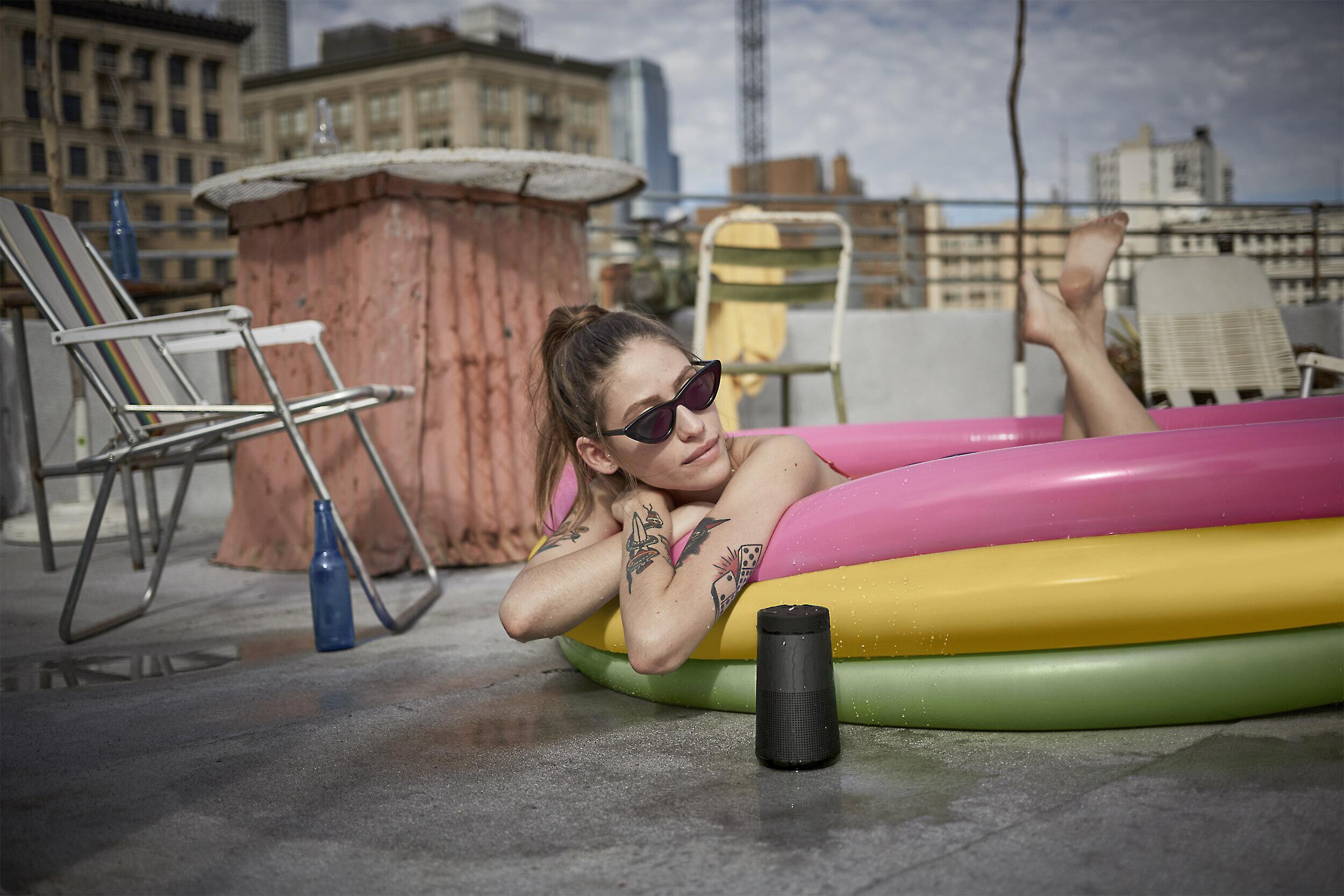
The Bose SoundLink Revolve II's IP55 rating provides splash resistance but falls short of full waterproofing. The first digit (5) indicates limited dust protection, while the second digit (5) means protection against water jets from any direction – suitable for poolside use but not submersion.
The aluminum body with soft bumpers creates a premium feel while providing reasonable protection against drops and impacts. However, this construction prioritizes aesthetics and indoor use over extreme durability. The grab handle adds convenience but also creates a potential failure point under rough handling.
When comparing audio performance, these speakers excel in different areas. The Turtlebox Ranger delivers superior volume output and bass response, making it ideal for outdoor environments where ambient noise competes with your music. The enhanced bass from the passive radiator provides the low-end punch that makes music feel full and engaging.
The Bose SoundLink Revolve II counters with more refined midrange reproduction and consistent 360-degree coverage. For acoustic music, jazz, or vocal-heavy content, the Bose's balanced approach often sounds more natural and detailed.
Volume capability represents a clear win for the Turtlebox Ranger. At 105 dB maximum output, it can fill large outdoor spaces while maintaining clarity. The Bose SoundLink Revolve II, while adequate for most situations, reaches its limits more quickly and exhibits compression artifacts at maximum volume.
Both speakers offer respectable battery life, but with different strengths. The Turtlebox Ranger's 25.2 Wh battery provides 12+ hours of typical playback, with user reports of weeks between charges during moderate use. The USB-C charging represents modern convenience, and the passthrough capability to charge external devices adds practical value.
The Bose SoundLink Revolve II's 13-hour battery life is competitive, though the micro-USB charging feels outdated in 2025. The lack of device charging capability limits its utility during extended outdoor adventures.
This comparison isn't close. The Turtlebox Ranger's IP67 rating, crush-proof construction, and extreme weather capability position it for genuinely harsh conditions. Construction sites, marine environments, and adventure sports are all within its comfort zone.
The Bose SoundLink Revolve II's IP55 rating and aluminum construction provide adequate protection for normal use but aren't designed for extreme conditions. It's a speaker for controlled environments rather than true outdoor adventures.
Extreme outdoor adventures represent the Turtlebox Ranger's natural habitat. Camping trips where gear gets dropped, dusty, and potentially soaked benefit from its bombproof construction. The magnetic mounting becomes invaluable for securing the speaker to vehicles, boats, or equipment racks.
Construction and work environments where durability matters more than smart features appreciate the Turtlebox Ranger's approach. Touch controls work even with gloves, and the speaker withstands the abuse of active work sites.
Marine environments particularly benefit from the full waterproof rating and corrosion-resistant materials. While the speaker doesn't float, its submersible capability means accidental drops overboard aren't catastrophic.
Large outdoor gatherings where volume matters leverage the speaker's 105 dB output. The Party Mode pairing capability allows expansion for truly massive events.
Home audio applications where the 360-degree sound creates room-filling coverage without positioning constraints. The refined audio quality suits extended listening sessions in controlled environments.
Smart home integration users who value voice assistant access and app-based customization find the Bose ecosystem compelling. The ability to integrate with existing Bose speakers adds long-term value.
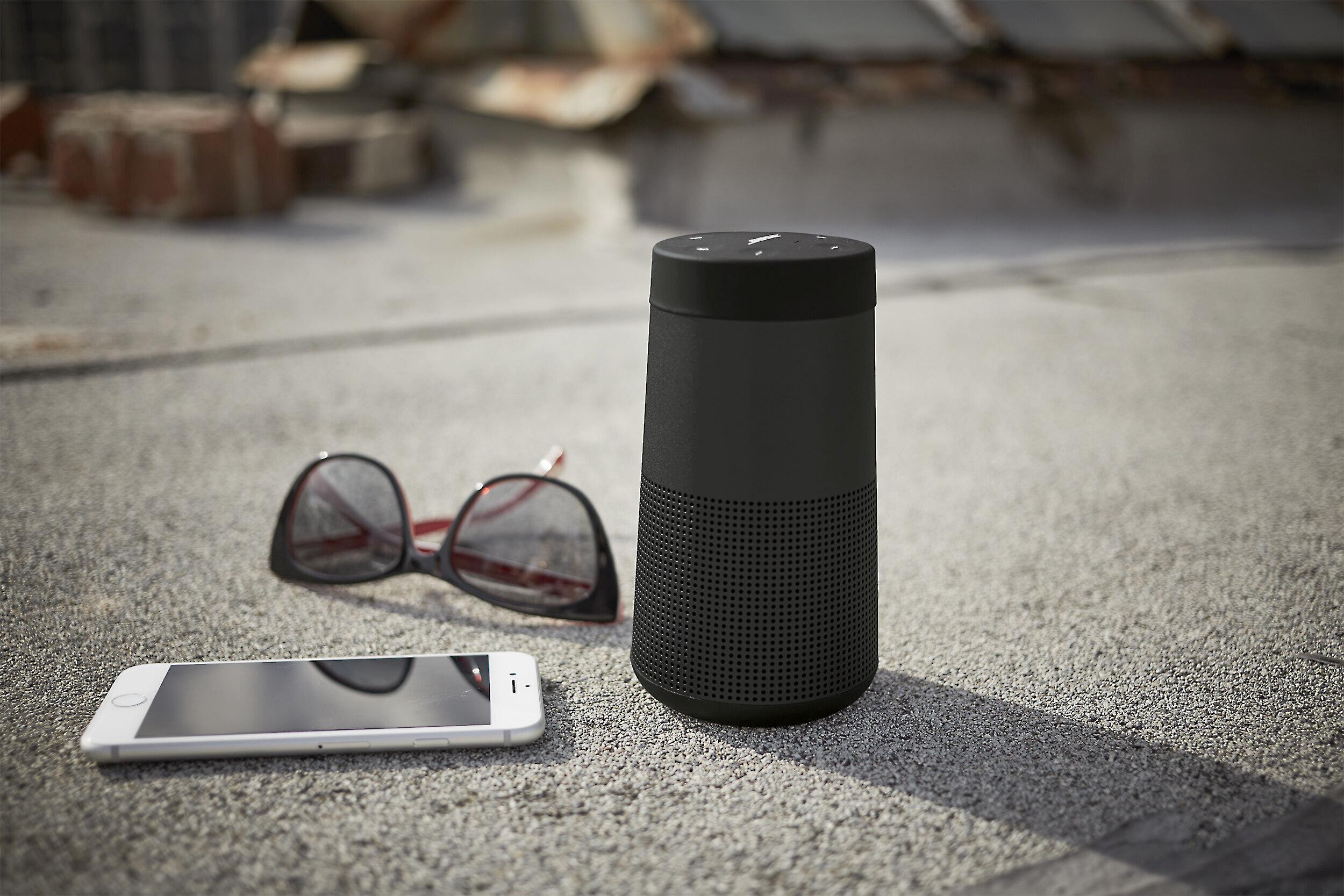
Versatile indoor/outdoor use where moderate durability meets most needs. Pool parties, backyard gatherings, and casual outdoor use all fall within its capabilities.
Audio quality priorities where refined sound reproduction matters more than maximum volume. Classical music, jazz, and acoustic content often sound more natural through the Bose's balanced approach.
Neither speaker is designed as a primary home theater solution, but both offer interesting supplementary applications. The Bose SoundLink Revolve II's 360-degree design works well as ambient audio for casual movie watching, particularly in smaller spaces where traditional surround sound systems aren't practical.
The Turtlebox Ranger's TWS capability creates genuine stereo separation when using two units, though the investment required makes dedicated home theater speakers more cost-effective for stationary use.
At the time of writing, both speakers command premium pricing that reflects their respective engineering priorities. The Turtlebox Ranger costs more but delivers specialized extreme durability that justifies the investment for appropriate use cases. It's expensive, but consider it insurance against replacement costs in harsh environments.
The Bose SoundLink Revolve II pricing reflects brand premium and sophisticated audio engineering. For users who need its specific feature set – 360-degree sound, smart integration, versatile use – the value proposition holds. However, alternatives exist at lower price points that deliver comparable audio quality without the Bose brand premium.
After extensive research and analysis, the choice between these speakers comes down to your primary use case and priorities.
Choose the Turtlebox Ranger if you need maximum durability and outdoor capability. Construction workers, outdoor enthusiasts, marine users, and anyone who regularly subjects gear to harsh conditions will appreciate its bombproof construction. The magnetic mounting, extreme weather capability, and superior volume output justify the premium pricing for appropriate applications.
Choose the Bose SoundLink Revolve II if you want versatile, refined audio with smart features. Home users who occasionally venture outdoors, smart home enthusiasts, and listeners who prioritize audio quality over ruggedness will prefer its balanced approach. The 360-degree sound and voice assistant integration create genuine utility for many users.
Neither speaker is objectively superior – they're optimized for different priorities. The Turtlebox Ranger prioritizes survival over sophistication, while the Bose SoundLink Revolve II emphasizes refinement over ruggedness. Understanding your primary use case makes the choice clear.
For most users, the Bose SoundLink Revolve II offers better versatility and value. But for those who genuinely need extreme durability, the Turtlebox Ranger delivers uncompromising performance that justifies its specialized design and premium pricing.
| Turtlebox Ranger Portable Bluetooth Speaker | Bose SoundLink Revolve II Bluetooth Speaker |
|---|---|
| Maximum Volume Output - Critical for outdoor use and competing with ambient noise | |
| 105 dB (extremely loud, fills large outdoor spaces) | Not specified (moderate output, sufficient for indoor/casual outdoor use) |
| Water Resistance Rating - Determines usability in wet conditions | |
| IP67 (fully submersible up to 3 feet for 30 minutes) | IP55 (splash-resistant only, not submersible) |
| Durability Construction - Important for rough handling and extreme conditions | |
| Drop-proof, crush-proof, dust-proof with ABS housing | Aluminum body with soft bumpers, moderate protection |
| Audio Design Philosophy - Affects sound quality and room coverage | |
| Dual 2" drivers with passive bass radiator (punchy, loud sound) | True 360-degree cylindrical design (consistent coverage, balanced sound) |
| Battery Life - Determines usage time between charges | |
| 12+ hours typical use, up to 20+ hours at lower volumes | 13 hours continuous playbook |
| Bluetooth Technology - Impacts connection range and stability | |
| Bluetooth 5.4 with 100-foot range (latest standard) | Bluetooth 4.1 with 30-foot range (older but reliable) |
| Multi-Speaker Pairing - Enables expanded sound systems | |
| Party Mode (unlimited speakers) + TWS stereo pairing | Party Mode with compatible Bose speakers only |
| Smart Features - Voice control and app integration | |
| None (prioritizes simplicity and reliability) | Siri/Google Assistant access, Bose Connect app, built-in speakerphone |
| Charging Technology - Convenience and device compatibility | |
| USB-C with passthrough charging for external devices | Micro-USB charging (no device charging capability) |
| Unique Mounting Options - Special placement capabilities | |
| Magnetic side mounts for metal surfaces | Grab handle for carrying and hanging |
| Weight and Portability - Balance between features and portability | |
| 2.4 pounds, 8.05" x 3.15" x 3.15" (compact but substantial) | 1.45 pounds, 6" x 3.2" x 3.2" (lighter and more portable) |
| Audio Inputs - Connection flexibility beyond Bluetooth | |
| Bluetooth only (wireless-focused design) | Bluetooth + 3.5mm aux input (wired backup option) |
The Turtlebox Ranger is significantly better for outdoor use. It features IP67 waterproof rating (fully submersible), crush-proof construction, and 105 dB maximum output that can compete with wind and ambient noise. The Bose SoundLink Revolve II has only IP55 splash resistance and isn't designed for extreme outdoor conditions.
The Turtlebox Ranger delivers louder, bass-heavy sound with 105 dB output and a passive bass radiator for punchy low-end. The Bose SoundLink Revolve II offers more balanced, refined audio with true 360-degree sound coverage and clearer midrange reproduction, making it better for indoor listening and vocal-heavy music.
Both speakers offer similar battery performance. The Turtlebox Ranger provides 12+ hours of typical use (up to 20+ hours at lower volumes), while the Bose SoundLink Revolve II delivers 13 hours of continuous playback. The Turtlebox Ranger has the advantage of USB-C charging and can charge external devices.
Yes, both support multi-speaker pairing but differently. The Turtlebox Ranger offers Party Mode for unlimited speaker connections and True Wireless Stereo pairing for genuine left/right stereo sound. The Bose SoundLink Revolve II has Party Mode but only works with other compatible Bose speakers.
The Turtlebox Ranger is far more durable with IP67 waterproof rating, drop-proof and crush-proof construction designed for extreme conditions. The Bose SoundLink Revolve II has IP55 splash resistance and aluminum construction suitable for light outdoor use but not extreme conditions.
Only the Bose SoundLink Revolve II supports voice assistants, offering access to Siri and Google Assistant through its multi-function button. The Turtlebox Ranger deliberately omits smart features, focusing on reliability and simplicity for outdoor use.
The Bose SoundLink Revolve II is better suited for home use with its 360-degree sound design that provides consistent coverage regardless of placement, refined audio quality, and smart home integration. The Turtlebox Ranger is designed primarily for outdoor adventures.
The Turtlebox Ranger offers superior connectivity with Bluetooth 5.4 and up to 100-foot range. The Bose SoundLink Revolve II uses older Bluetooth 4.1 technology with a 30-foot range, though this is adequate for most indoor applications.
The Bose SoundLink Revolve II includes a built-in speakerphone for hands-free calls. The Turtlebox Ranger does not have speakerphone functionality, focusing instead on music playback and durability features.
Value depends on your needs. The Turtlebox Ranger offers better value for outdoor enthusiasts who need extreme durability and loud output. The Bose SoundLink Revolve II provides better value for general users wanting versatile indoor/outdoor performance with smart features.
Yes, the Turtlebox Ranger features unique magnetic side mounts that securely attach to metal surfaces like vehicles, coolers, or equipment racks. The Bose SoundLink Revolve II includes a grab handle for carrying and hanging but no magnetic mounting capability.
For large outdoor parties, choose the Turtlebox Ranger for its 105 dB output and unlimited Party Mode pairing. For indoor gatherings or smaller outdoor events, the Bose SoundLink Revolve II excels with its 360-degree sound coverage that ensures everyone hears consistent audio quality regardless of position.
We've done our best to create useful and informative comparisons to help you decide what product to buy. Our research uses advanced automated methods to create this comparison and perfection is not possible - please contact us for corrections or questions. These are the sites we've researched in the creation of this article: fieldandstream.com - tylerstx.com - comparisontabl.es - gearjunkie.com - rogerssportinggoods.com - youtube.com - armorsound.com - simmonssportinggoods.com - turtleboxaudio.com - outdoorhub.com - backpackeroutdoors.com - youtube.com - tennesseevalleyoutsider.com - turtleboxaudio.com - mrfc.com - linecutterz.com - russells.com - turtleboxaudio.com - flyfishfood.com - dxomark.com - bose.com - youtube.com - rtings.com - consumerreports.org - soundguys.com - boselatam.com - boselatam.com - bose.com - adorama.com - leedsworldrefill.com - bose.com - bestbuy.com

Privacy Policy
Terms and Conditions - Affiliate Policy
Home Security
© Copyright 2008-2026.
11816 Inwood Rd #1211, Dallas, TX 75244