



When it comes to portable Bluetooth speakers, the choice isn't just about sound quality anymore—it's about understanding what role you want that speaker to play in your life. The Turtlebox Ranger and JBL Clip 5 represent two dramatically different philosophies in portable audio, each excelling in scenarios where the other might struggle.
The portable speaker market has exploded over the past decade, evolving from basic battery-powered boxes to sophisticated audio systems that can withstand extreme conditions while delivering surprisingly good sound. At the heart of every purchasing decision lies a fundamental trade-off: do you prioritize convenience and portability, or do you lean toward maximum performance and durability?
This trade-off matters because physics still rules audio. Larger drivers (the components that actually produce sound) generally produce better bass and can get louder without distortion. Bigger batteries last longer. More robust construction survives harsh treatment. But all of these improvements add weight and size, which directly conflicts with portability.
The Turtlebox Ranger and JBL Clip 5 sit at opposite ends of this spectrum, making them perfect case studies for understanding what matters most in your specific situation.
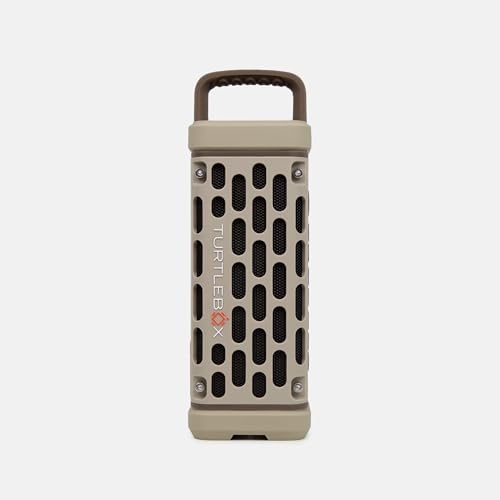
Released in 2025, the Turtlebox Ranger represents the latest evolution in rugged outdoor audio. Turtlebox Audio has built its reputation on creating speakers that can survive conditions that would destroy typical electronics—we're talking saltwater exposure, construction site dust, and drops that would send your smartphone to the repair shop.
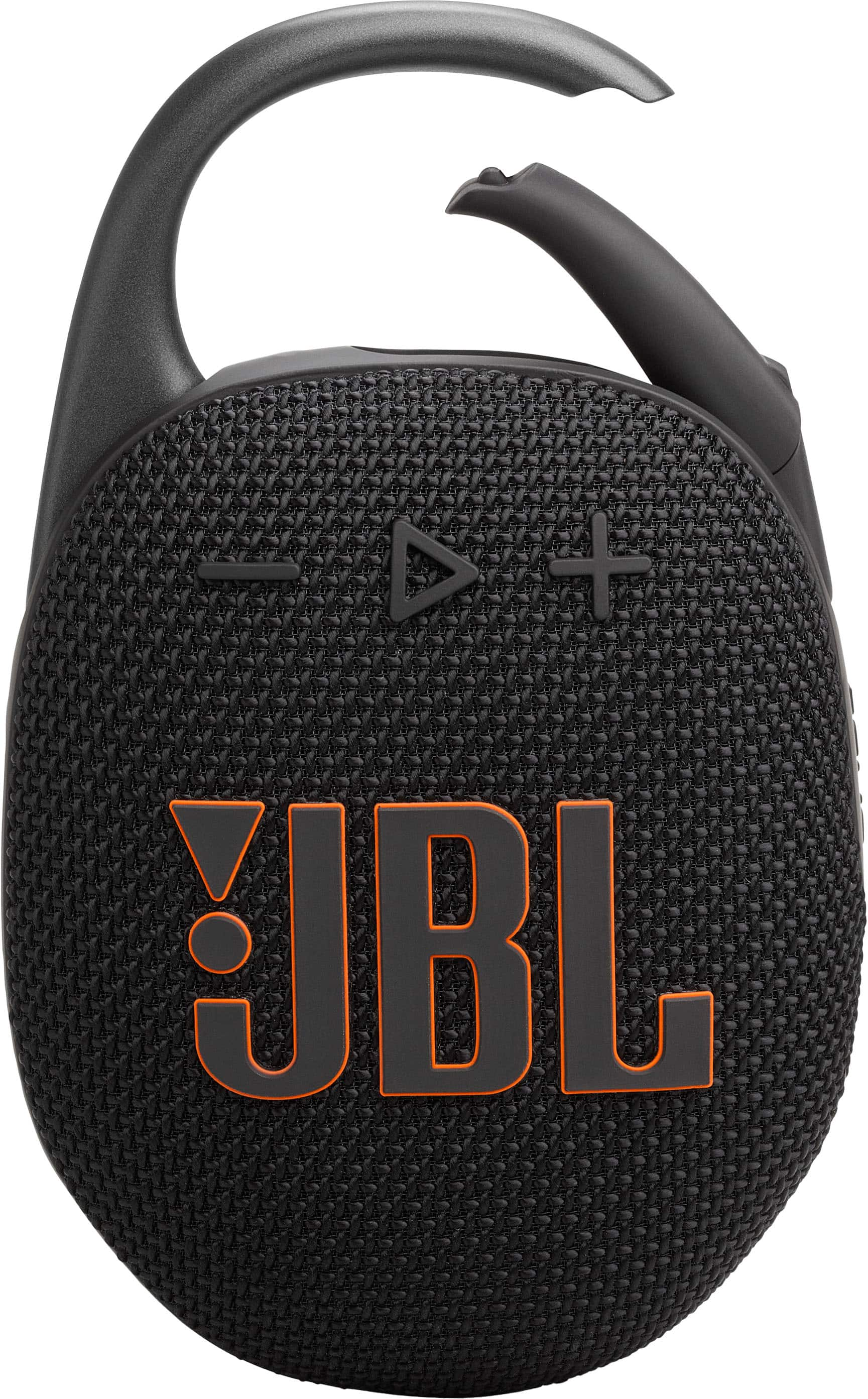
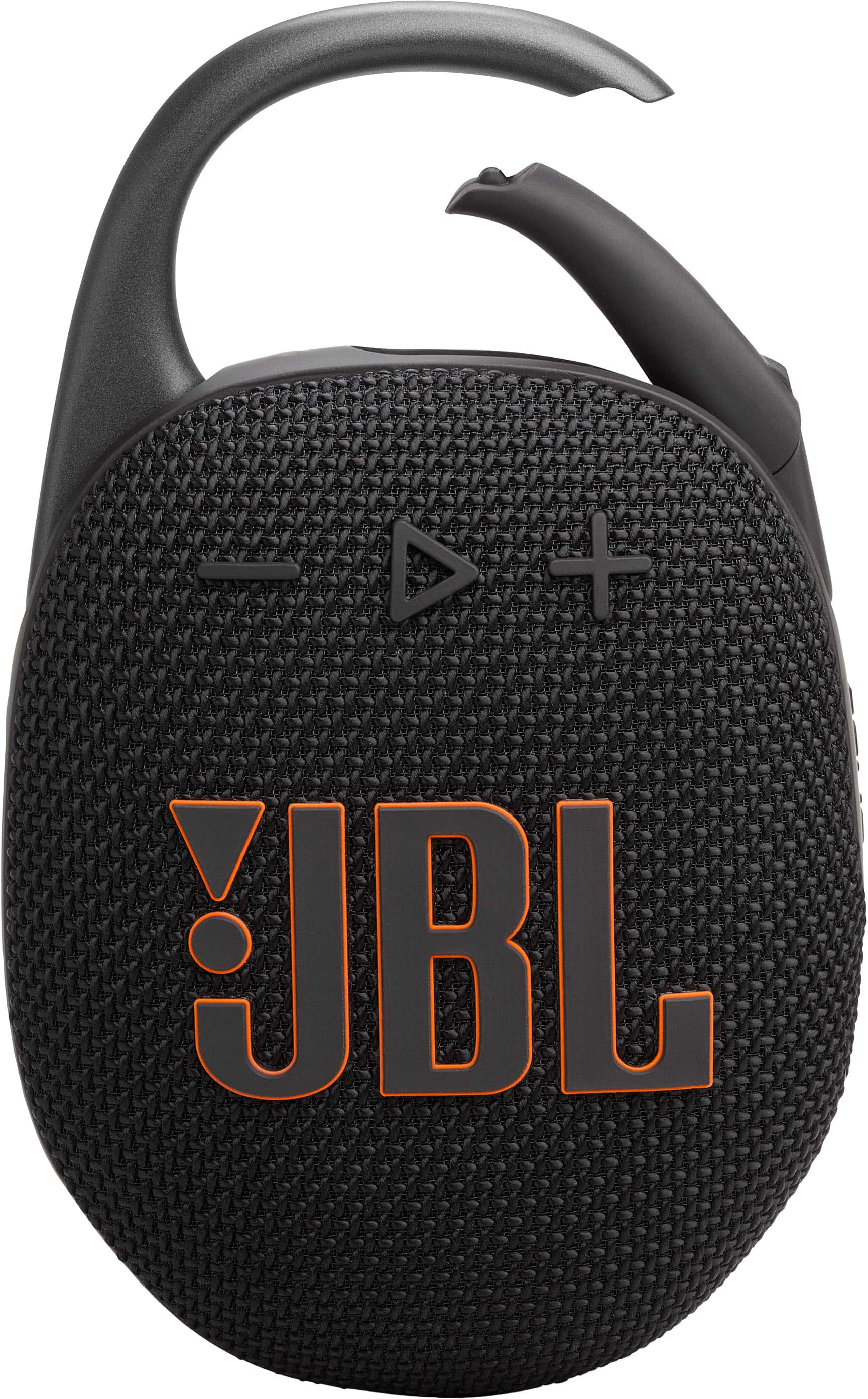
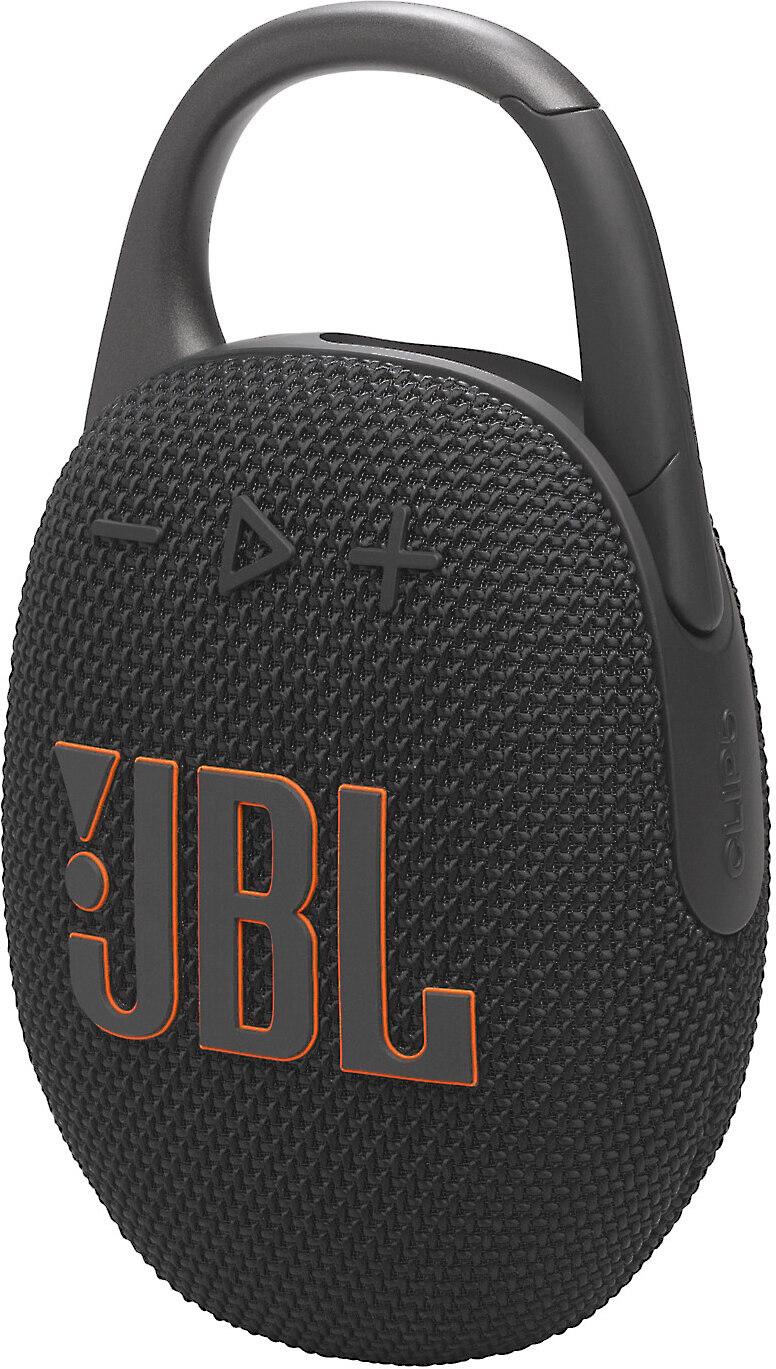
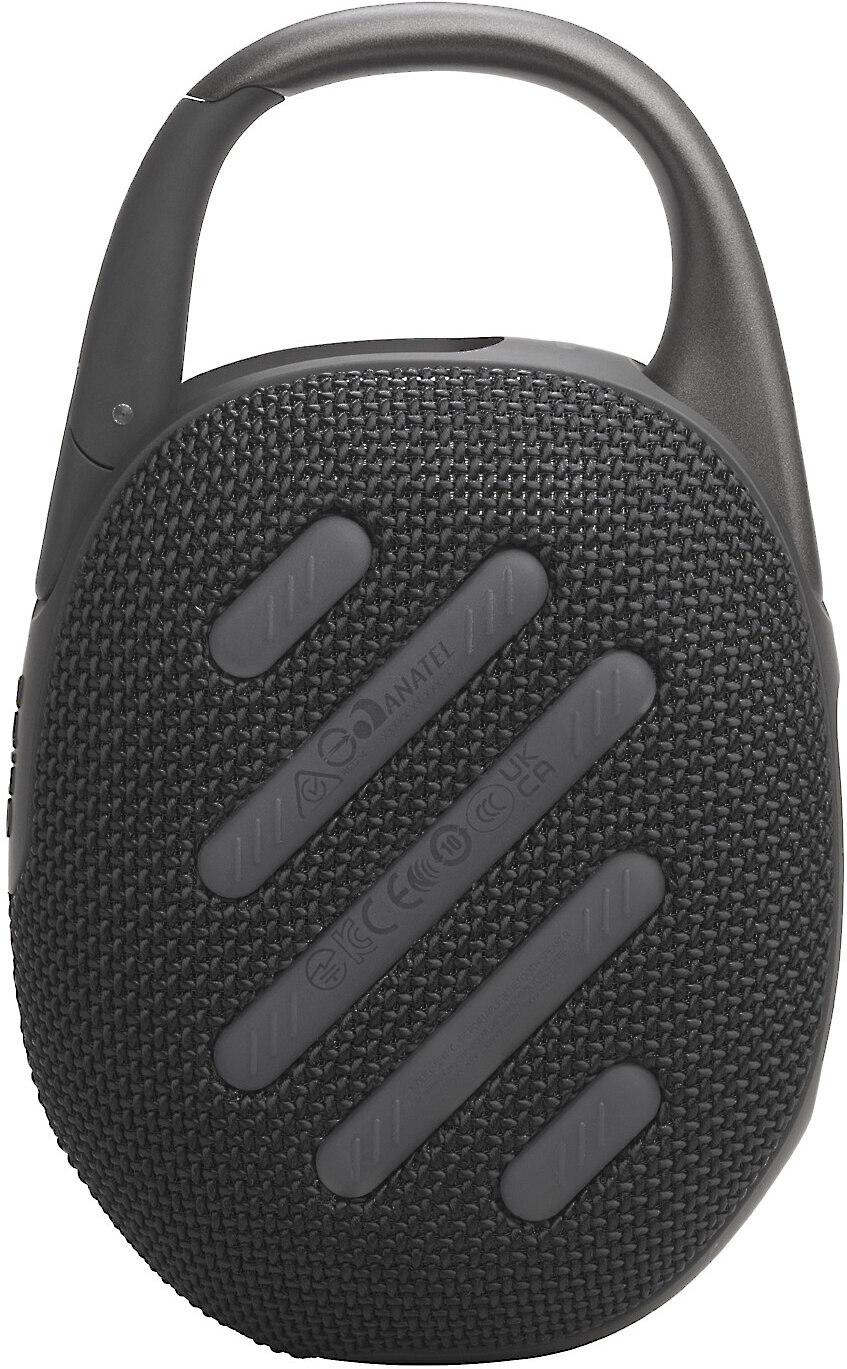
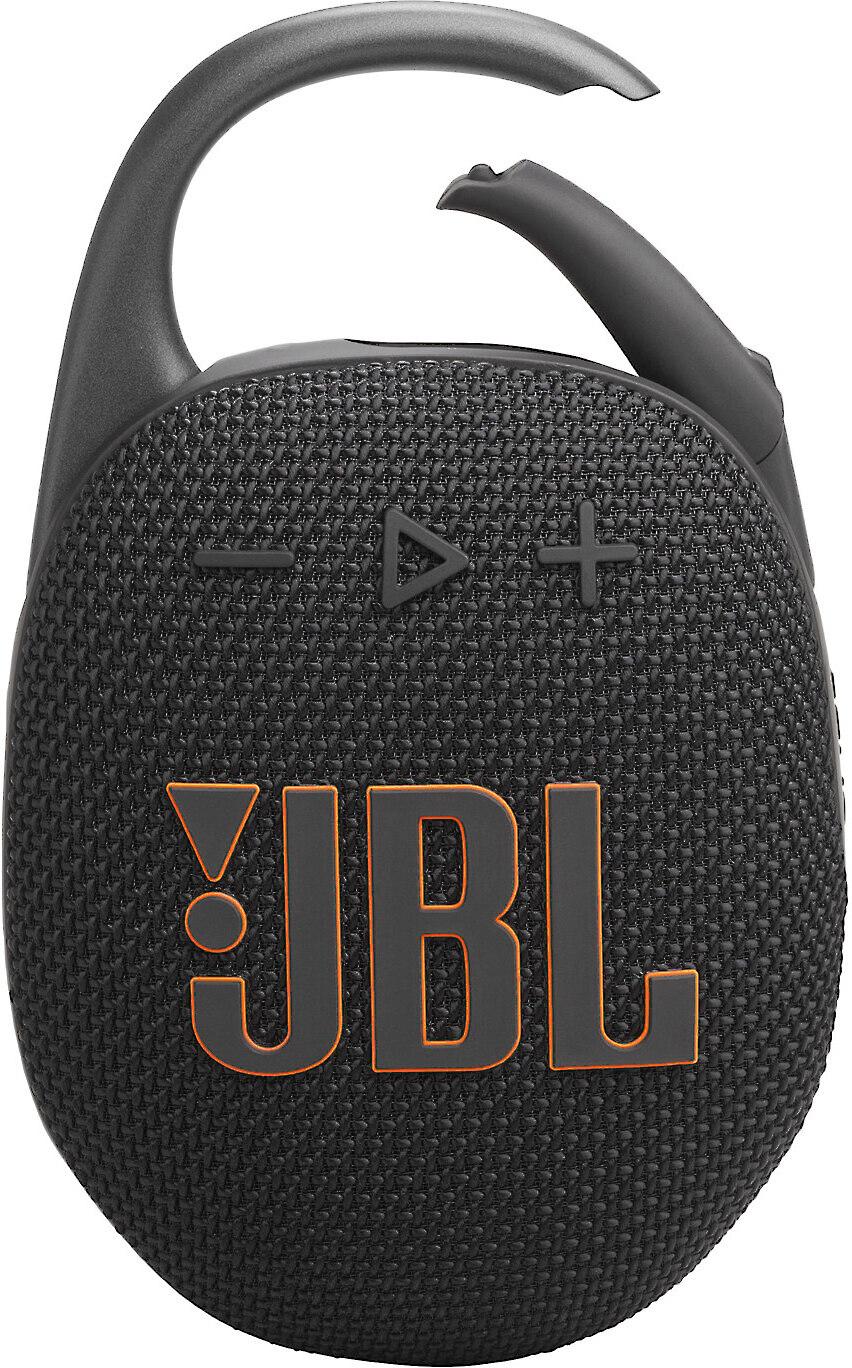
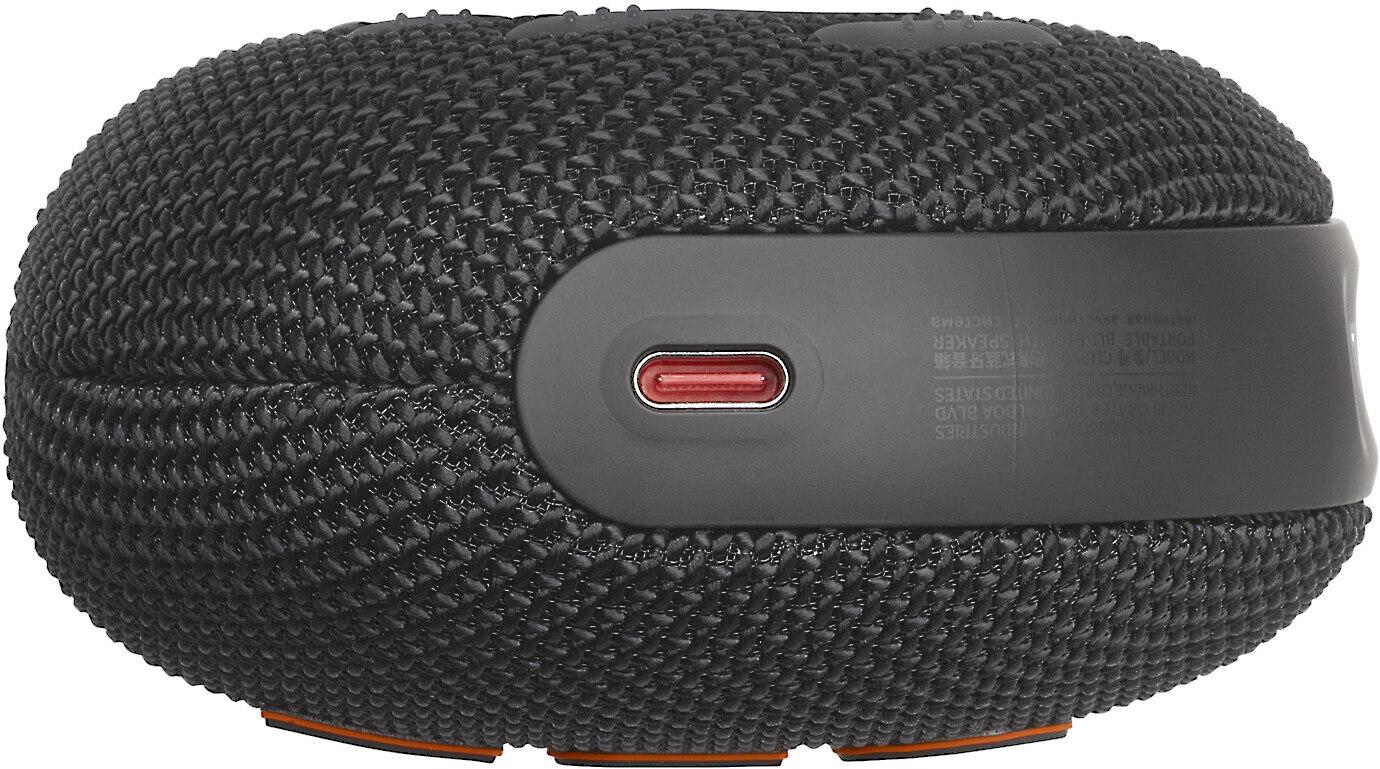
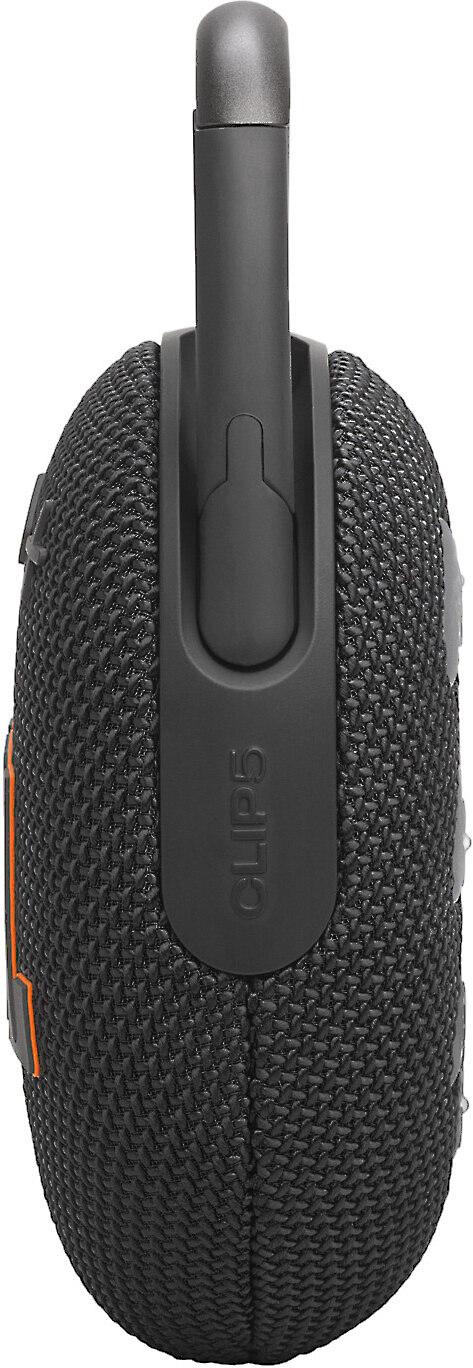
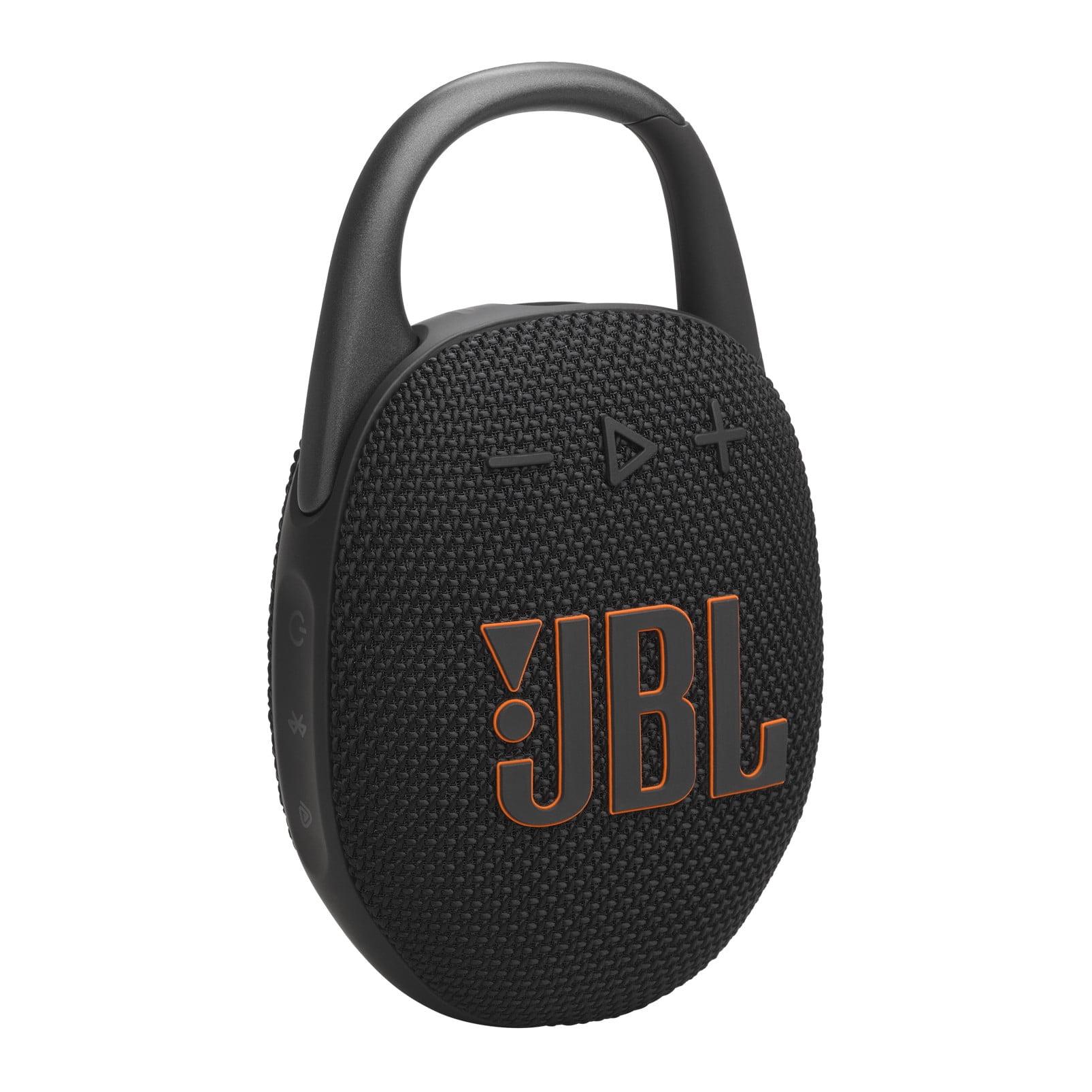
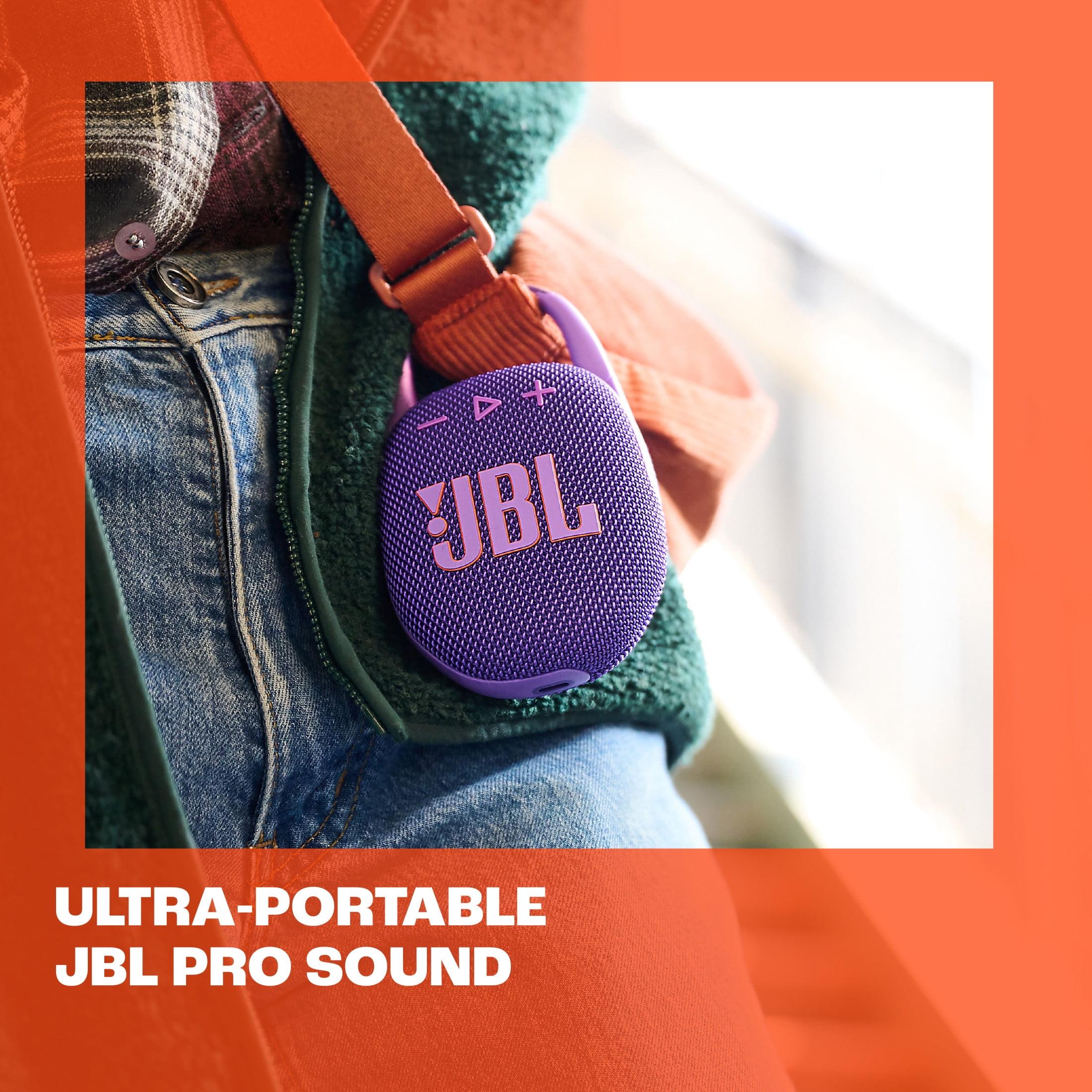
The JBL Clip 5, launched in 2024, takes the opposite approach. JBL recognized that sometimes you don't need earth-shaking volume; you need a speaker that disappears into your daily routine. With its integrated carabiner (a metal clip originally designed for rock climbing), the Clip 5 can attach to virtually anything, making it as easy to carry as your keys.
The most dramatic difference between these speakers becomes apparent the moment you turn them up. The Turtlebox Ranger can reach 105 decibels—loud enough to clearly hear music over wind, waves, or construction noise. To put this in perspective, 105 dB is roughly equivalent to a motorcycle at close range or a chainsaw. This isn't just about showing off; it's about being heard in challenging environments where lesser speakers get drowned out.
This volume capability comes from the Ranger's dual 2-inch woofers powered by a Class D digital amplifier. Class D amplifiers are highly efficient, converting more electrical energy into sound rather than heat, which is crucial for battery-powered devices. The enhanced DSP (Digital Signal Processing) tuning means the speaker's computer brain optimizes the audio signal in real-time, preventing distortion even at high volumes.
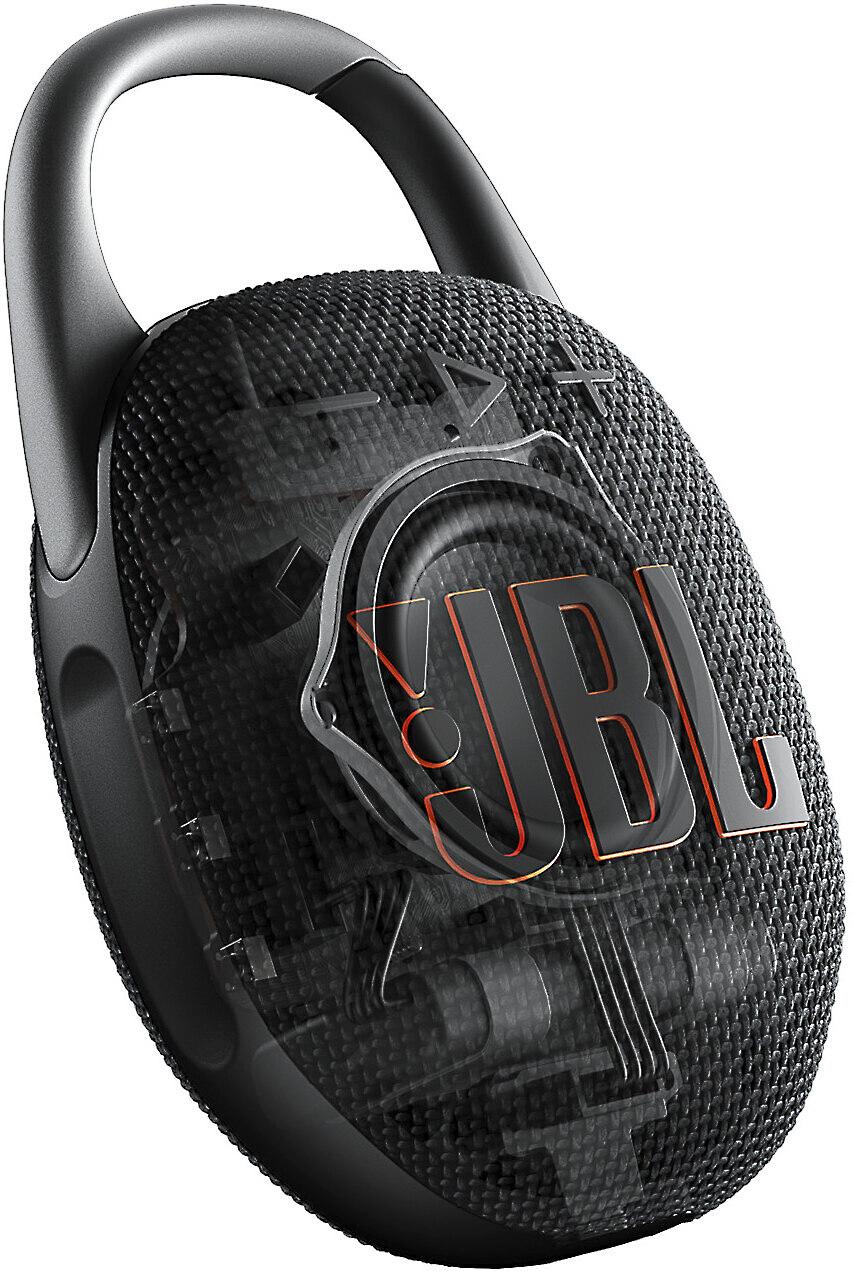
The JBL Clip 5, weighing less than two-thirds of a pound, obviously can't match this raw power. However, our research into user and expert reviews consistently shows surprise at how much sound JBL extracts from such a tiny package. The frequency response range of 95 Hz to 20 kHz covers most of what human ears can detect, and the integration of a passive radiator (a component that moves with the air pressure created by the main driver) helps produce bass that shouldn't be possible from something this small.
Beyond sheer volume lies the question of how these speakers actually sound. The Turtlebox Ranger delivers true stereo sound through its dual-driver setup, meaning you get proper left and right channel separation. This creates a wider soundstage—the perception that instruments and vocals are positioned across a space rather than coming from a single point.
Professional reviews consistently praise the Ranger's ability to maintain clarity even at maximum volume, something that's notoriously difficult for portable speakers. The passive 2×4-inch bass radiator provides low-end response that gives music weight and impact, making everything from hip-hop beats to rock guitar riffs feel substantial.
The JBL Clip 5 can't compete on raw audio quality, but it excels within its constraints. The customizable 5-band EQ available through JBL's app lets you tune the sound to your preferences or compensate for acoustic environments. Want more bass for workout music? Boost the lower frequencies. Need clearer vocals for podcasts? Adjust the midrange accordingly.
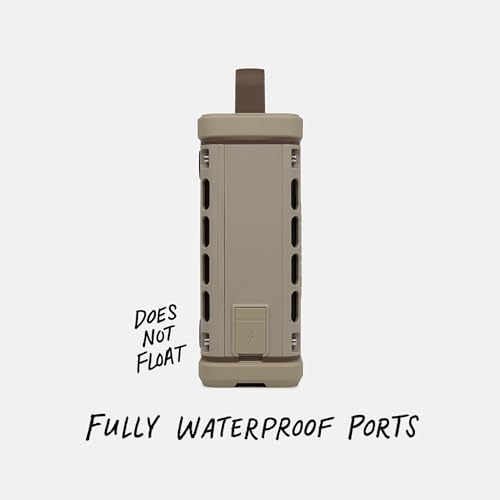
The Turtlebox Ranger treats durability as its primary selling point, and the engineering reflects this priority. The IP67 rating means it's completely dust-tight and can survive submersion in up to three feet of water for 30 minutes. More importantly, it's designed for both fresh and saltwater environments—a crucial distinction since salt water is far more corrosive than fresh water.
The construction goes beyond basic water resistance. The ABS crush-proof housing with stainless steel hardware and rubber bumpers means this speaker can literally be thrown around without damage. We've seen reports of the Ranger surviving drops from vehicle roofs, being buried in sand, and enduring temperature swings that would shut down most electronics.
One unique feature is the built-in breather valve, which allows the speaker to equalize air pressure during temperature changes without compromising water resistance. This might seem like a minor detail, but it prevents the internal stress that can crack housings when a cold speaker is brought into a warm environment.
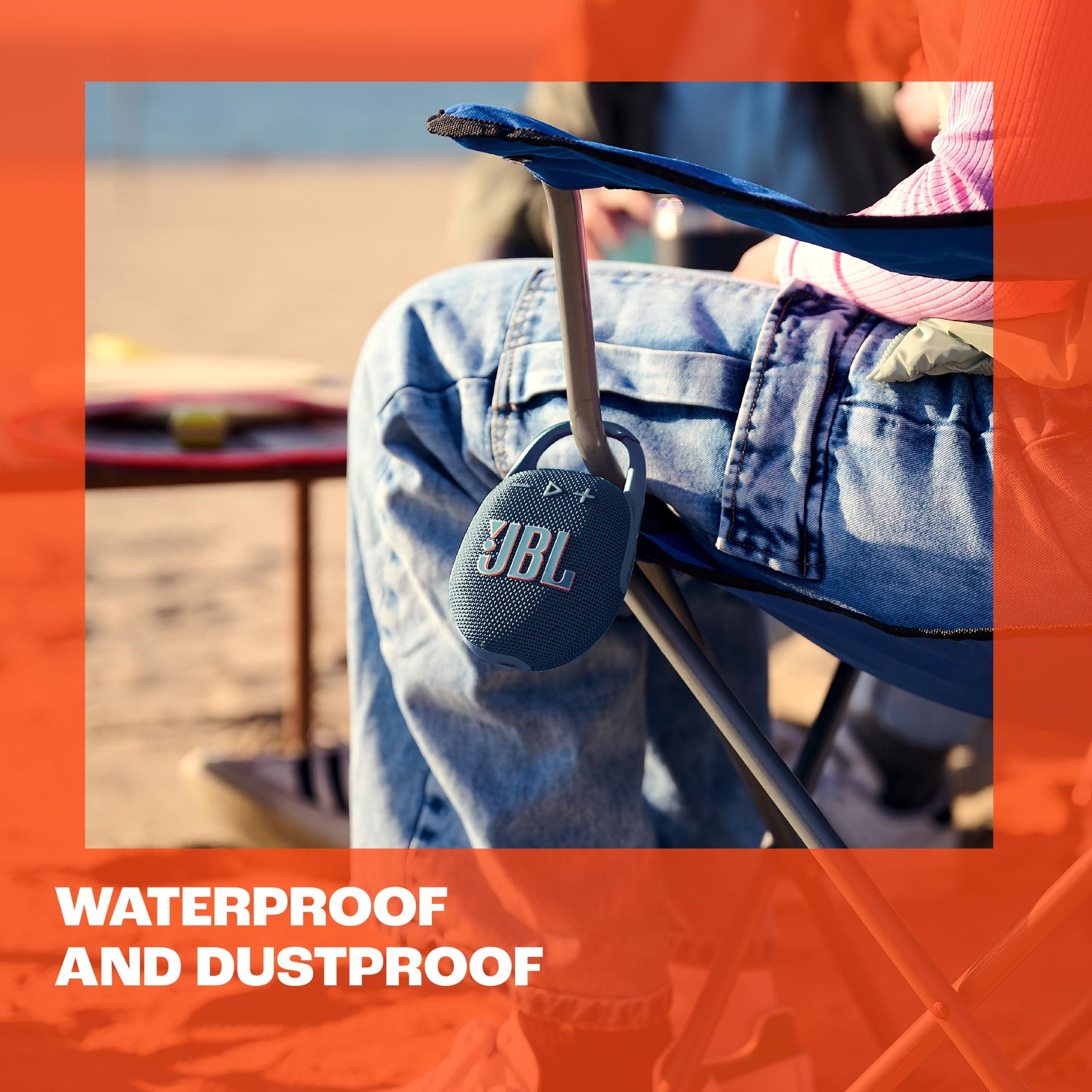
The JBL Clip 5 also carries an IP67 rating, proving that small doesn't mean fragile. However, its durability is more about surviving everyday accidents than extreme abuse. The lightweight construction actually works in its favor here—less mass means less impact force when dropped, reducing the likelihood of damage.
The integrated carabiner is surprisingly robust, designed to support the speaker's weight while clipped to moving objects like backpacks or belt loops. However, you wouldn't want to use it for actual climbing or load-bearing applications beyond the speaker itself.
The JBL Clip 5 essentially disappears into your daily routine. At less than 0.63 pounds and roughly the size of a large smartphone, it clips onto virtually anything without affecting your mobility. The carabiner isn't an afterthought—it's wide enough to accommodate thick straps, sturdy enough for active use, and positioned so the speaker can hang naturally without muffling the sound.
This convenience factor can't be overstated. A speaker you actually carry is infinitely more useful than one that gets left behind because it's too bulky or heavy. The Clip 5 excels as a personal audio companion, perfect for individual listening or sharing music with a few friends.
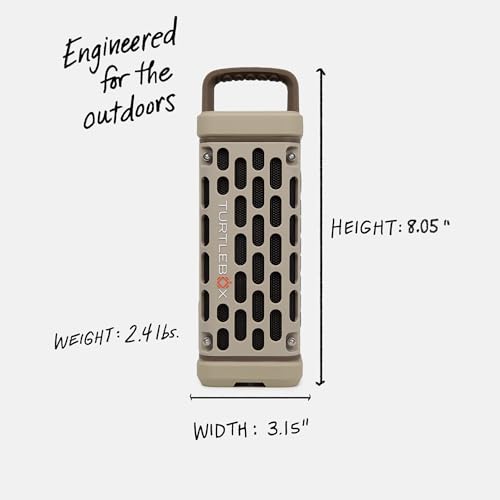
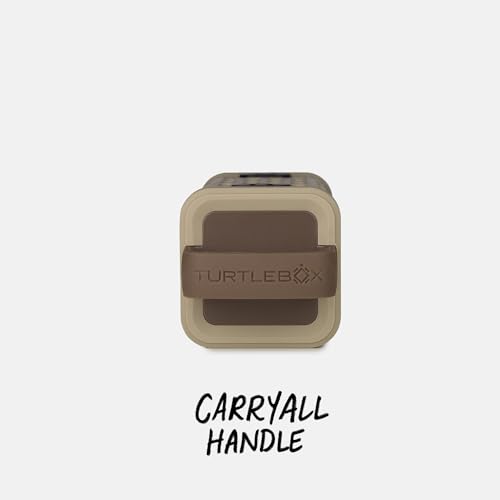
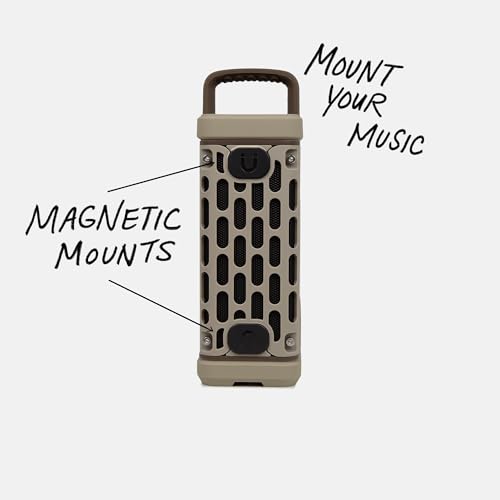
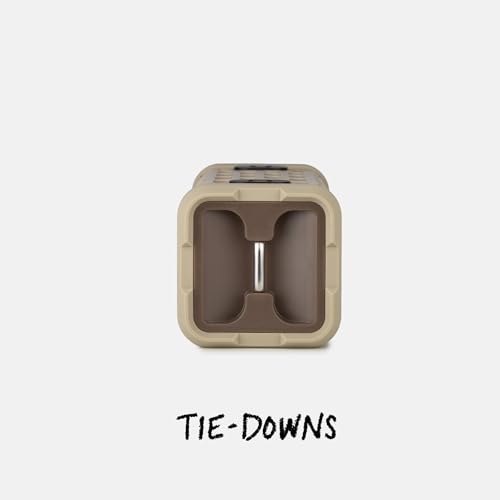
The Turtlebox Ranger weighs 2.4 pounds and measures over 8 inches tall—definitely more substantial but still quite portable compared to home audio equipment. The real innovation lies in its mounting options. Dual powerful magnets let it attach securely to metal surfaces like vehicle roofs, coolers, or work equipment. Stainless steel tie-down points and rubber bumpers provide additional mounting and stabilization options.
This isn't just about convenience; it's about functionality. Being able to securely mount a speaker opens up use cases impossible with traditional designs. You can attach it to a truck bed for a tailgate party, stick it to a boat's metal railing, or mount it on construction equipment without worrying about vibration or movement knocking it loose.
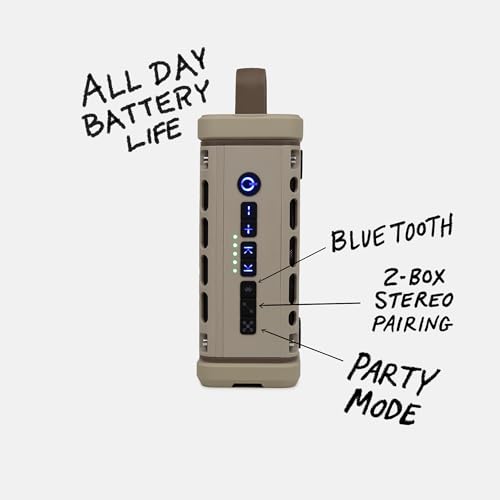
Both speakers offer impressive battery life, though they achieve it differently. The Turtlebox Ranger provides 12+ hours at moderate volume levels, dropping to about 5 hours when pushed to maximum output. This makes sense—more volume requires more power, and the Ranger's ability to get truly loud means it can drain its 25.2 Wh battery quickly when you're using its full capabilities.
The Ranger's USB-C port does double duty, charging the speaker and functioning as a power bank to charge your devices. This feature proves invaluable during extended outdoor adventures where power sources are scarce.
The JBL Clip 5 matches the Ranger's 12-hour battery life at moderate volumes, with the option to extend this to 15 hours using Playtime Boost mode. Given its smaller size and lower power output, this efficiency is impressive. The 3-hour charging time beats the Ranger's 4.5-hour charge cycle, making it more practical for daily use where quick top-ups between uses are preferred over marathon listening sessions.
The Turtlebox Ranger uses Bluetooth 5.4, the latest standard that provides improved range (up to 100 feet), better connection stability, and lower power consumption. More interesting are the multi-speaker features: Party Mode allows unlimited Ranger speakers to be paired together for larger sound coverage, while True Wireless Stereo (TWS) mode lets two Rangers create a proper left-right stereo setup.
These aren't gimmicky features—they solve real problems. Party Mode makes sense for events where you need to cover a large area, while TWS creates a genuine stereo experience that's noticeably better than single-speaker audio.
The JBL Clip 5 supports Bluetooth 5.3 and includes multipoint connection, allowing simultaneous connection to two devices. This proves surprisingly useful—you can stay connected to both your phone and laptop, seamlessly switching between personal music and work calls.
The Auracast support represents JBL's bet on future wireless audio standards, potentially allowing connection to public Auracast broadcasts in airports, gyms, or other venues. The JBL Portable app integration provides not just EQ customization but also firmware updates and additional features over time.
The Turtlebox Ranger shines when conditions get tough. Beach trips where sand and saltwater threaten electronics, camping where weather can change rapidly, boating where spray and humidity are constant concerns—these scenarios favor the Ranger's overbuilt design. The magnetic mounting system proves particularly valuable for vehicle-based adventures, securely attaching to truck beds, roof racks, or trailer tongues.
Professional users also gravitate toward the Ranger. Construction sites, landscaping crews, and outdoor workers need audio that can survive the job environment while providing enough volume to overcome ambient noise.
The JBL Clip 5 excels as a constant companion. Commuting to work, exercising in the park, studying in the library (at low volumes, obviously), or hanging out in small groups—these scenarios favor convenience over maximum performance. The ability to clip it anywhere means it's always accessible but never in the way.
For travelers, the Clip 5's size and weight advantages become crucial. Every ounce matters when you're living out of a suitcase, and the integrated carabiner means one less thing to pack separately.
Neither speaker is designed for serious home theater use, though they can serve as temporary solutions. The Turtlebox Ranger has enough volume and stereo separation to provide background audio for casual movie watching, especially in smaller rooms. The True Wireless Stereo mode with two Rangers could create a basic surround experience, though dedicated home theater speakers would be more appropriate for serious viewing.
The JBL Clip 5 works better for personal viewing on tablets or laptops rather than room-filling home theater audio. Its clarity makes dialogue intelligible, and the compact size means it won't dominate your living space, but don't expect cinema-quality sound.
At the time of writing, these speakers occupy different price categories, reflecting their different approaches to portable audio. The Turtlebox Ranger commands a premium price for its extreme durability and high output capabilities. You're paying for engineering that ensures the speaker survives conditions that would destroy cheaper alternatives, plus audio performance that rivals much larger systems.
The JBL Clip 5 offers exceptional value in the ultra-portable category. JBL's established reputation, proven reliability, and feature set provide strong bang-for-buck at a much more accessible price point. The lower replacement cost also makes it less stressful to use in situations where damage is possible.
Choose the Turtlebox Ranger if your lifestyle demands maximum durability and performance. If you frequently find yourself in challenging environments where other speakers fail, if you need room-filling volume for outdoor gatherings, or if mounting versatility matters for your activities, the Ranger justifies its premium positioning. It's also the clear choice if you're using speakers professionally where reliability and output are non-negotiable.
The JBL Clip 5 makes sense when portability trumps everything else. If you want a speaker that disappears into your daily routine, if you prioritize convenience over maximum performance, or if budget considerations are important, the Clip 5 delivers remarkable capability in an incredibly convenient package.
The truth is, many audio enthusiasts end up owning speakers like both of these, using each for different situations. The Turtlebox Ranger handles the demanding scenarios while the JBL Clip 5 covers daily convenience. There's no shame in acknowledging that different tools work better for different jobs—and in the diverse world of portable audio, having the right speaker for the situation makes all the difference.
| Turtlebox Ranger | JBL Clip 5 |
|---|---|
| Maximum Volume - Critical for outdoor use and noisy environments | |
| 105 dB (extremely loud, cuts through wind and ambient noise) | Not specified (adequate for personal/small group listening) |
| Weight & Portability - Determines daily carry convenience | |
| 2.4 lbs (substantial but manageable for serious outdoor use) | 0.63 lbs (ultra-lightweight, disappears in your bag) |
| Durability Rating - Protection against water, dust, and drops | |
| IP67 + crush-proof, drop-proof (extreme outdoor conditions) | IP67 (standard water/dust protection for typical use) |
| Battery Life - Playtime between charges | |
| 12+ hours moderate / 5 hours max volume | 12-15 hours (with Playtime Boost feature) |
| Audio Configuration - Affects sound quality and stereo imaging | |
| Dual 2" drivers + passive radiator (true stereo sound) | Single driver + passive radiator (mono with good bass for size) |
| Bluetooth Version - Connection stability and range | |
| 5.4 with 100-foot range (latest standard, excellent range) | 5.3 with standard range (current standard, reliable) |
| Mounting Options - Versatility for different use scenarios | |
| Magnetic mounts + tie-down points (vehicles, metal surfaces) | Integrated carabiner (clips to backpacks, belts, gear) |
| Multi-Speaker Features - Expanding your sound system | |
| Party Mode (unlimited pairing) + TWS stereo | Auracast pairing with other JBL speakers |
| Charging Features - Power management and device charging | |
| USB-C + power bank functionality (charges your devices) | USB-C charging only (3-hour charge time) |
| Size Dimensions - Physical footprint and storage requirements | |
| 8.05" × 3.15" × 3.15" (compact but substantial presence) | 3.4" × 5.3" × 1.8" (fits in large pocket) |
| Water Resistance Depth - Real-world water protection capability | |
| Submersible 3 feet for 30 minutes (fresh/saltwater rated) | Submersible 1 meter for 30 minutes (standard protection) |
| Sound Customization - Ability to tune audio to your preferences | |
| Enhanced DSP tuning (optimized by manufacturer) | 5-band customizable EQ via JBL app (user adjustable) |
The Turtlebox Ranger is significantly better for serious outdoor adventures. It delivers 105 dB of volume that can cut through wind and ambient noise, plus it's built to survive extreme conditions with crush-proof housing and saltwater resistance. The JBL Clip 5 works fine for casual outdoor use like picnics or walking, but lacks the volume and ruggedness needed for challenging environments like beaches, construction sites, or boating.
The fundamental difference is their design philosophy: the Turtlebox Ranger prioritizes maximum performance and extreme durability in a still-portable package, while the JBL Clip 5 focuses on ultra-portability and everyday convenience. The Ranger weighs 2.4 pounds and delivers room-filling sound, whereas the Clip 5 weighs just 0.63 pounds and clips to your gear for constant companionship.
The Turtlebox Ranger gets much louder with its 105 dB maximum output - loud enough for large outdoor gatherings or noisy work environments. The JBL Clip 5 produces impressive sound for its tiny size but is designed for personal listening or small groups rather than filling large spaces with sound.
Yes, both carry IP67 waterproof ratings, but the Turtlebox Ranger offers superior water protection. It can be submerged up to 3 feet for 30 minutes and is specifically designed for both fresh and saltwater environments. The JBL Clip 5 meets standard IP67 requirements but isn't built for extended water exposure or harsh marine conditions.
Both speakers offer similar battery life at moderate volumes - around 12 hours for each. However, the Turtlebox Ranger drops to about 5 hours at maximum volume due to its high power output, while the JBL Clip 5 can extend to 15 hours with its Playtime Boost feature and charges faster in just 3 hours.
The JBL Clip 5 supports multipoint connection, allowing simultaneous pairing with two devices like your phone and laptop. The Turtlebox Ranger focuses on multi-speaker connectivity instead, offering Party Mode for unlimited speaker pairing and True Wireless Stereo mode for proper left-right channel separation with two Rangers.
The JBL Clip 5 wins for travel portability. At 0.63 pounds with an integrated carabiner, it clips to luggage or gear without taking up pack space. The Turtlebox Ranger at 2.4 pounds is still portable but requires dedicated bag space and is better suited for car camping or activities where maximum performance justifies the extra weight.
Neither speaker includes a built-in microphone for hands-free calling. Both the Turtlebox Ranger and JBL Clip 5 are designed purely for music playback rather than speakerphone functionality, so you'll need to use your phone's microphone for calls while using these speakers for audio output.
The Turtlebox Ranger delivers superior overall sound quality with its dual 2-inch drivers, passive bass radiator, and true stereo separation. It maintains clarity even at high volumes and provides substantial bass response. The JBL Clip 5 offers impressive sound quality relative to its tiny size and includes app-based EQ customization, but can't match the Ranger's audio performance.
The Turtlebox Ranger offers more mounting versatility with powerful magnets for metal surfaces, stainless steel tie-down points, and rubber bumpers for stability. The JBL Clip 5 features an integrated carabiner that clips to backpacks, belts, or gear - simpler but effective for personal use scenarios.
Value depends on your needs. The JBL Clip 5 offers exceptional value for ultra-portable convenience and everyday use, with lower replacement cost concerns. The Turtlebox Ranger justifies its premium positioning if you need maximum durability and performance - it's built to survive conditions that would destroy cheaper speakers while delivering professional-grade audio output.
Both work for casual home use but aren't designed as primary home audio systems. The Turtlebox Ranger has enough volume and stereo separation for background music or casual TV watching, especially with two units in True Wireless Stereo mode. The JBL Clip 5 works better for personal listening on devices rather than room-filling home audio, though its compact size won't dominate your living space.
We've done our best to create useful and informative comparisons to help you decide what product to buy. Our research uses advanced automated methods to create this comparison and perfection is not possible - please contact us for corrections or questions. These are the sites we've researched in the creation of this article: fieldandstream.com - tylerstx.com - comparisontabl.es - gearjunkie.com - rogerssportinggoods.com - youtube.com - armorsound.com - simmonssportinggoods.com - turtleboxaudio.com - outdoorhub.com - backpackeroutdoors.com - youtube.com - tennesseevalleyoutsider.com - turtleboxaudio.com - mrfc.com - linecutterz.com - russells.com - turtleboxaudio.com - flyfishfood.com - howtogeek.com - soundguys.com - youtube.com - rtings.com - gymcaddy.net - jbl.com - mm.jbl.com - soundguys.com - th.jbl.com - hu.harmanaudio.com

Privacy Policy
Terms and Conditions - Affiliate Policy
Home Security
© Copyright 2008-2026.
11816 Inwood Rd #1211, Dallas, TX 75244