


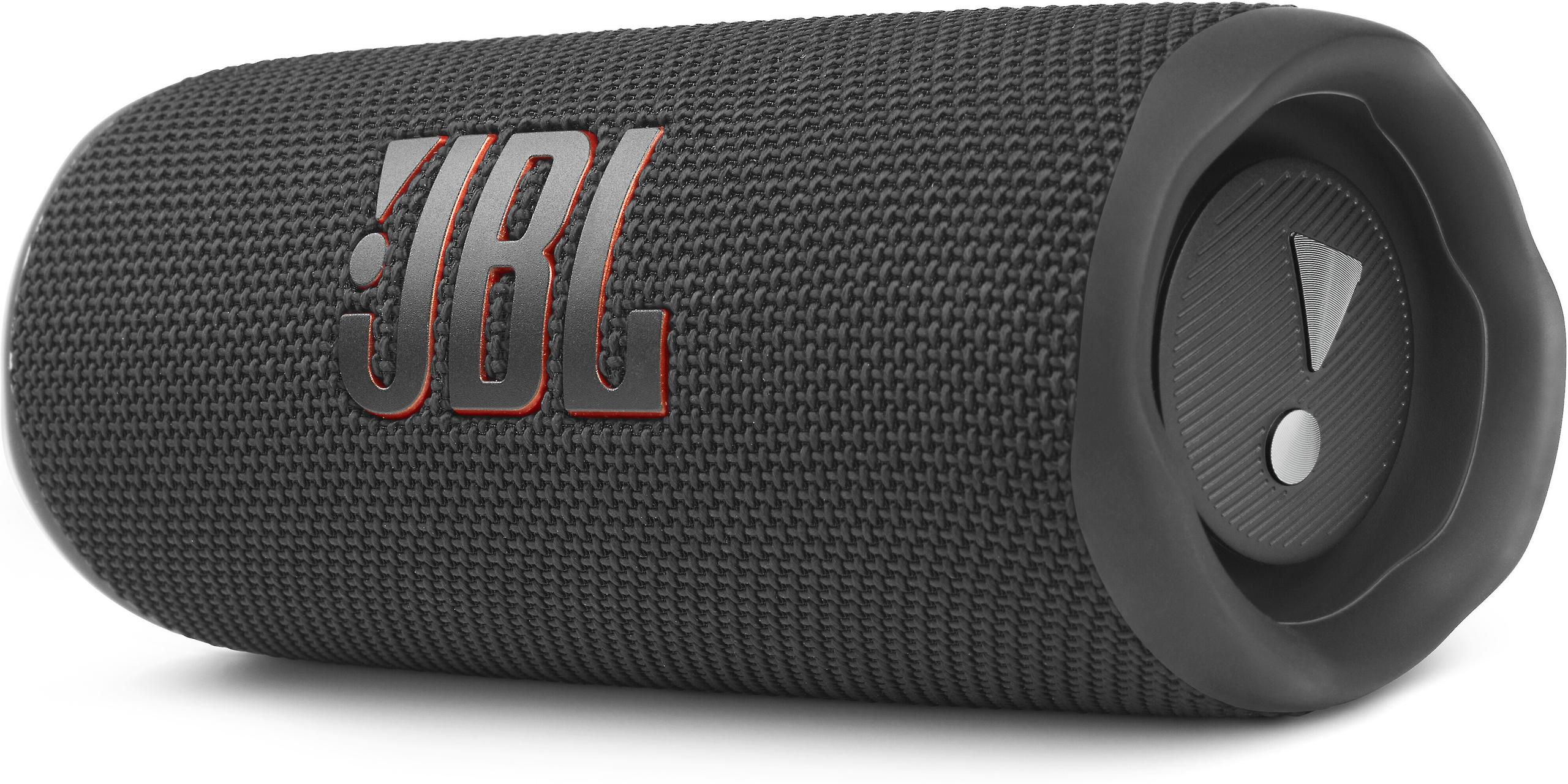
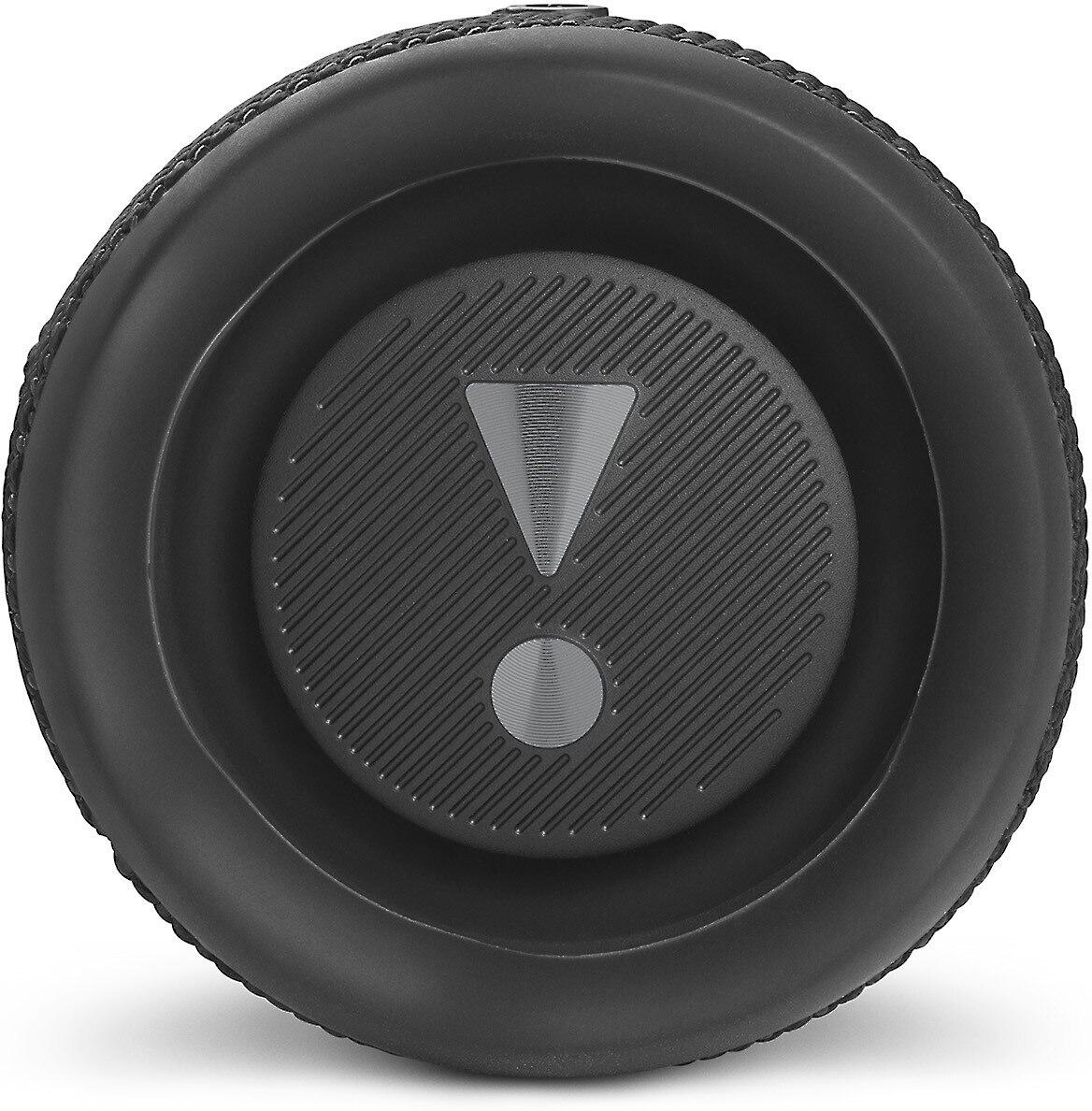
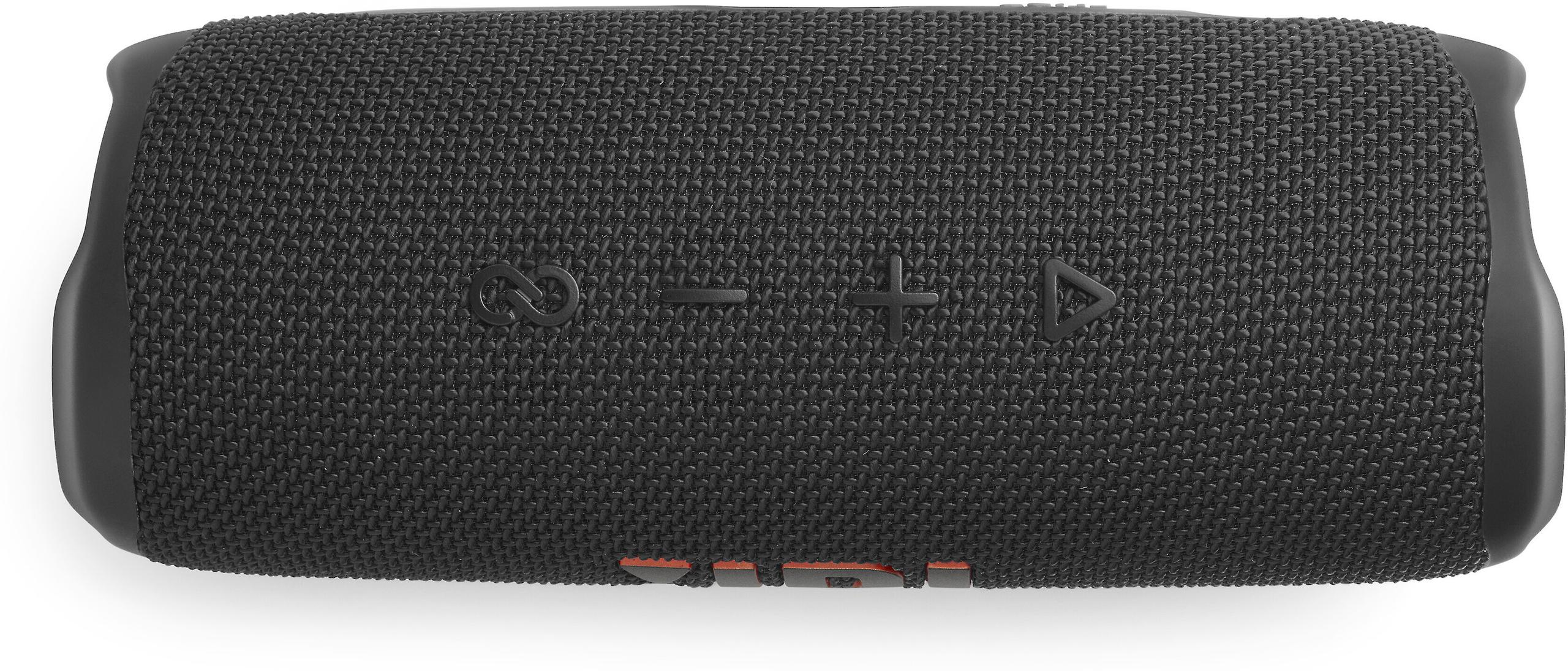
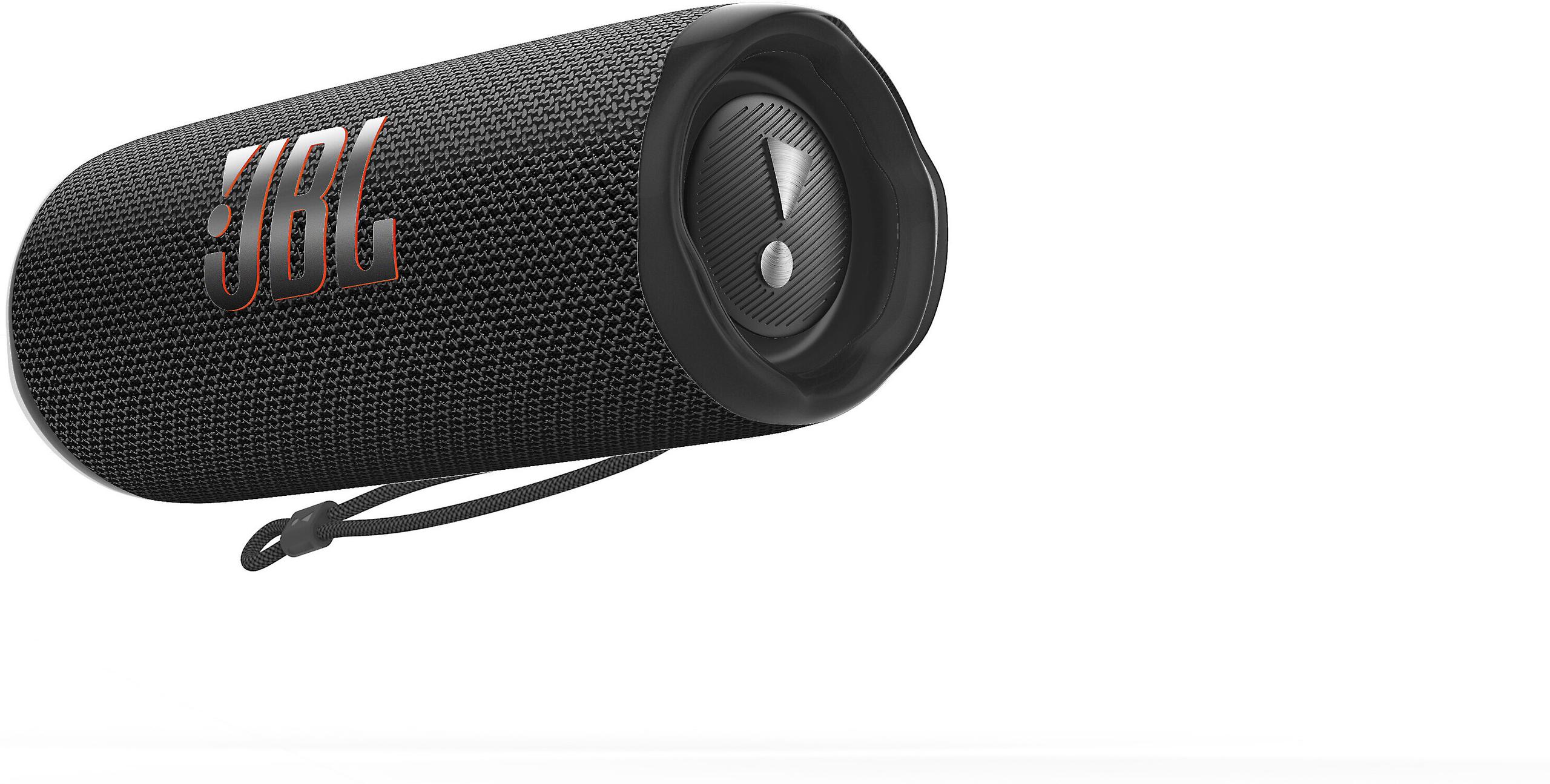
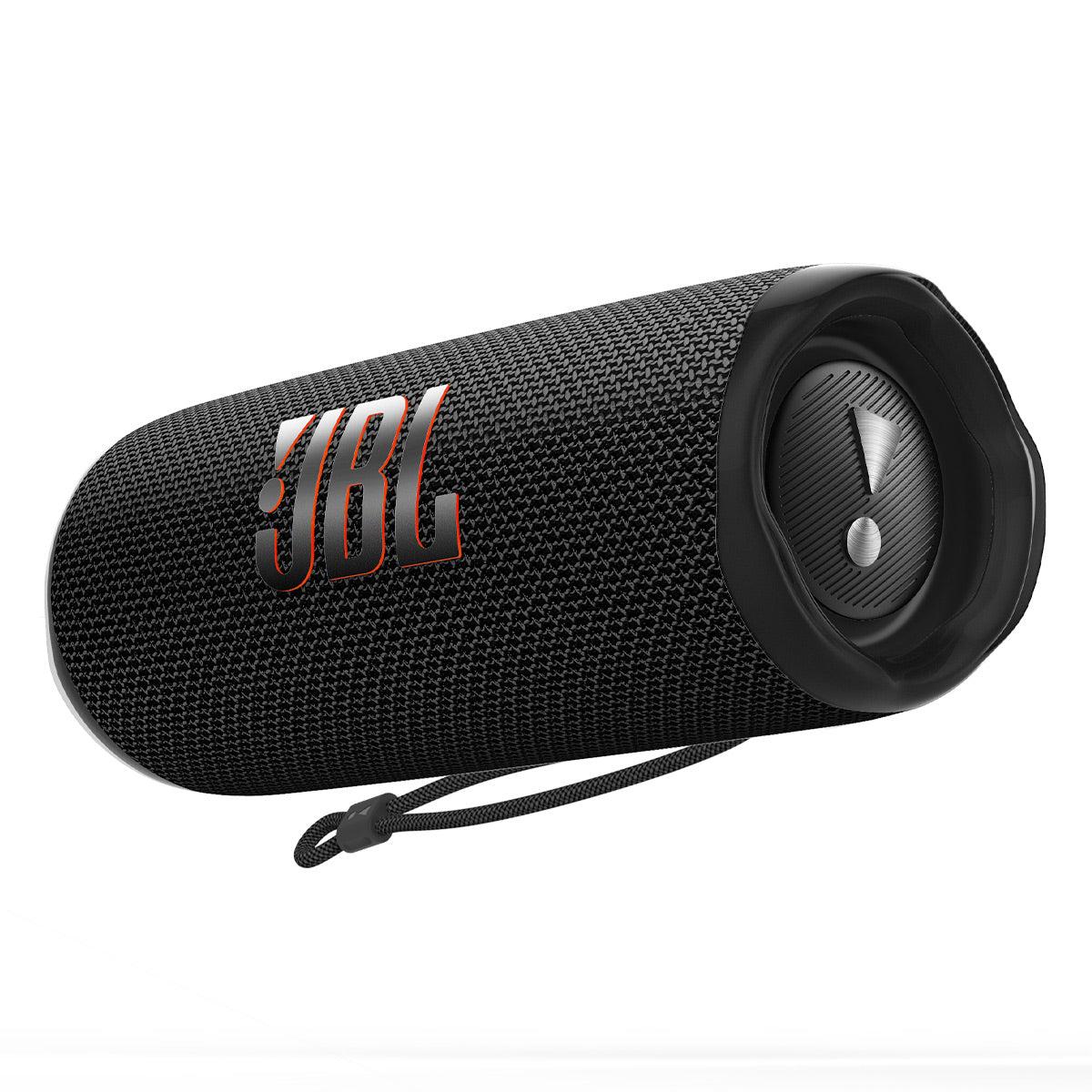
When it comes to portable Bluetooth speakers, the market has split into two distinct camps: ultra-rugged speakers built for extreme conditions and mainstream options that balance features, portability, and price. The Turtlebox Ranger and JBL Flip 6 perfectly represent these different philosophies, making them an interesting comparison for anyone trying to decide what matters most in their next speaker purchase.
At the time of writing, these speakers occupy very different price brackets, with the Turtlebox Ranger commanding a significant premium over the JBL Flip 6. But is that extra cost justified? And more importantly, which approach better serves your actual needs? Let's dive deep into what makes each speaker tick.
The portable Bluetooth speaker category has matured dramatically over the past few years. What started as simple wireless audio devices has evolved into specialized tools designed for specific use cases. The key considerations that really matter when choosing a portable speaker include durability versus portability trade-offs, actual audio performance within size constraints, battery life for real-world use, connectivity features, and overall value for your specific needs.
The Turtlebox Ranger, released in 2025, represents the newest generation of ultra-rugged outdoor speakers. It incorporates lessons learned from years of user feedback on previous Turtlebox models, adding features like stereo audio and magnetic mounting that users specifically requested. Meanwhile, the JBL Flip 6, launched in 2022, refined JBL's proven formula with improvements like a dedicated tweeter and better app integration.
The technology gap between 2022 and 2025 might seem small, but it's significant in the rapidly evolving Bluetooth speaker world. The Turtlebox Ranger benefits from newer Bluetooth 5.4 technology, improved battery chemistry, and more advanced digital signal processing (DSP) – the computer brain that optimizes how audio signals are processed and delivered to the speakers.
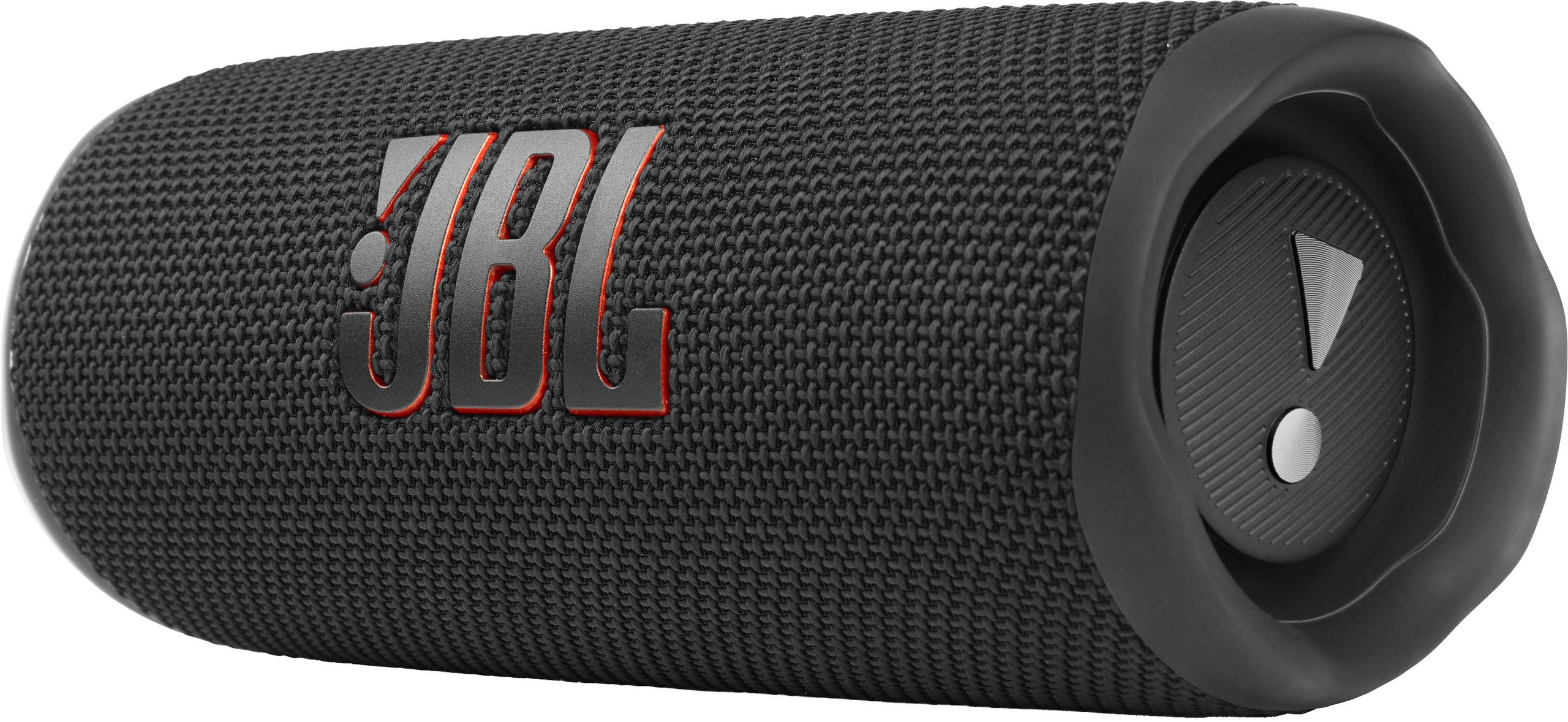
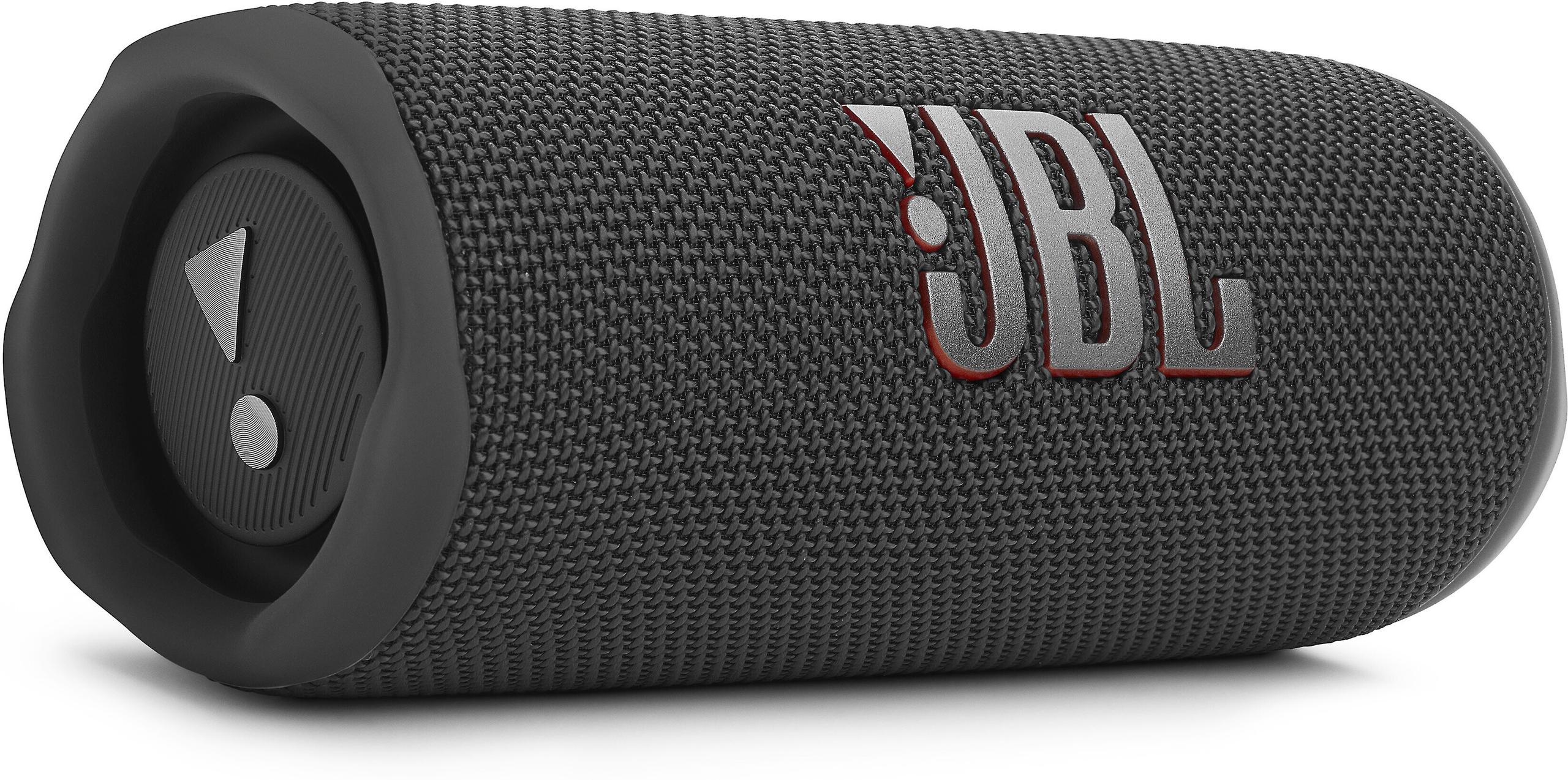
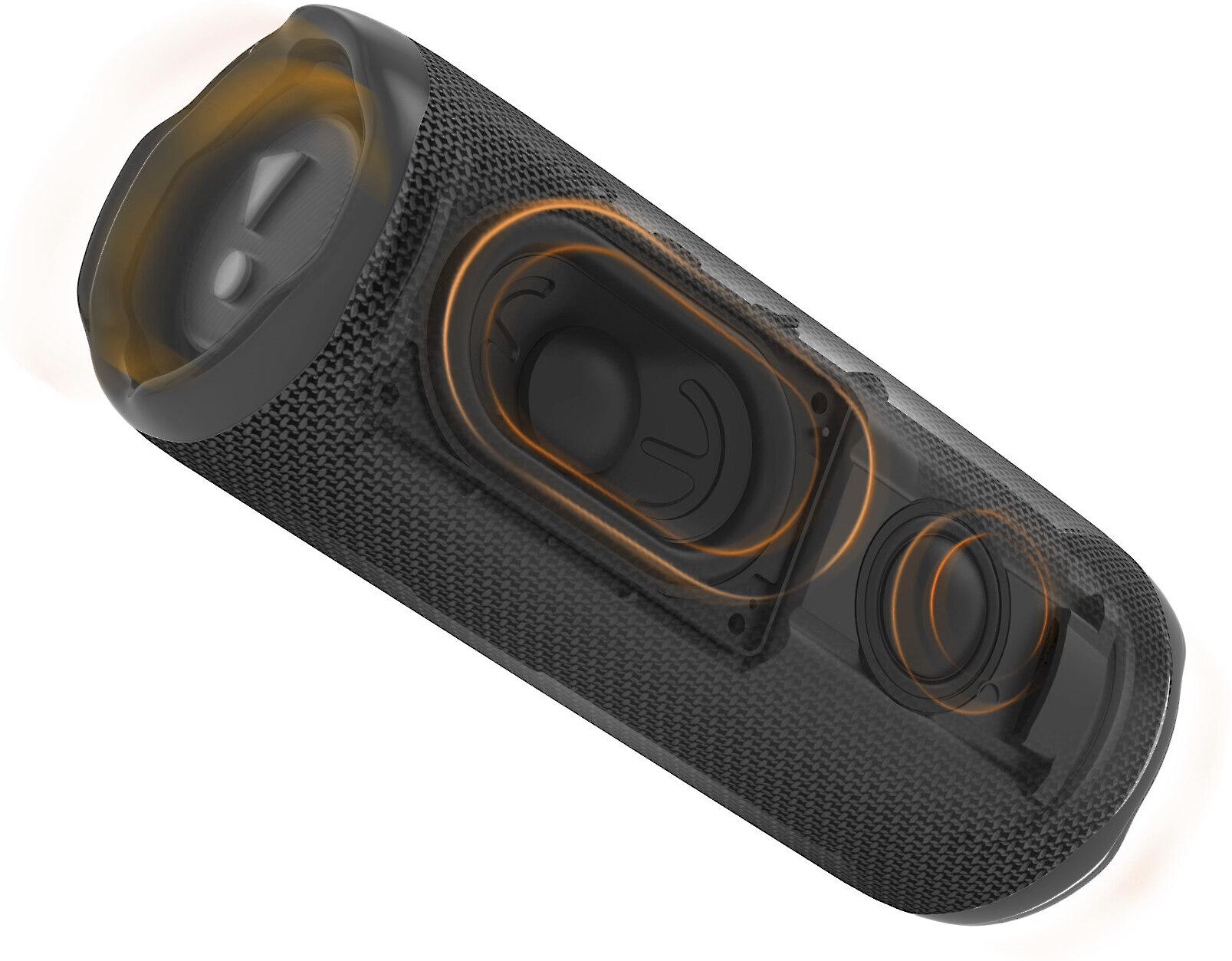
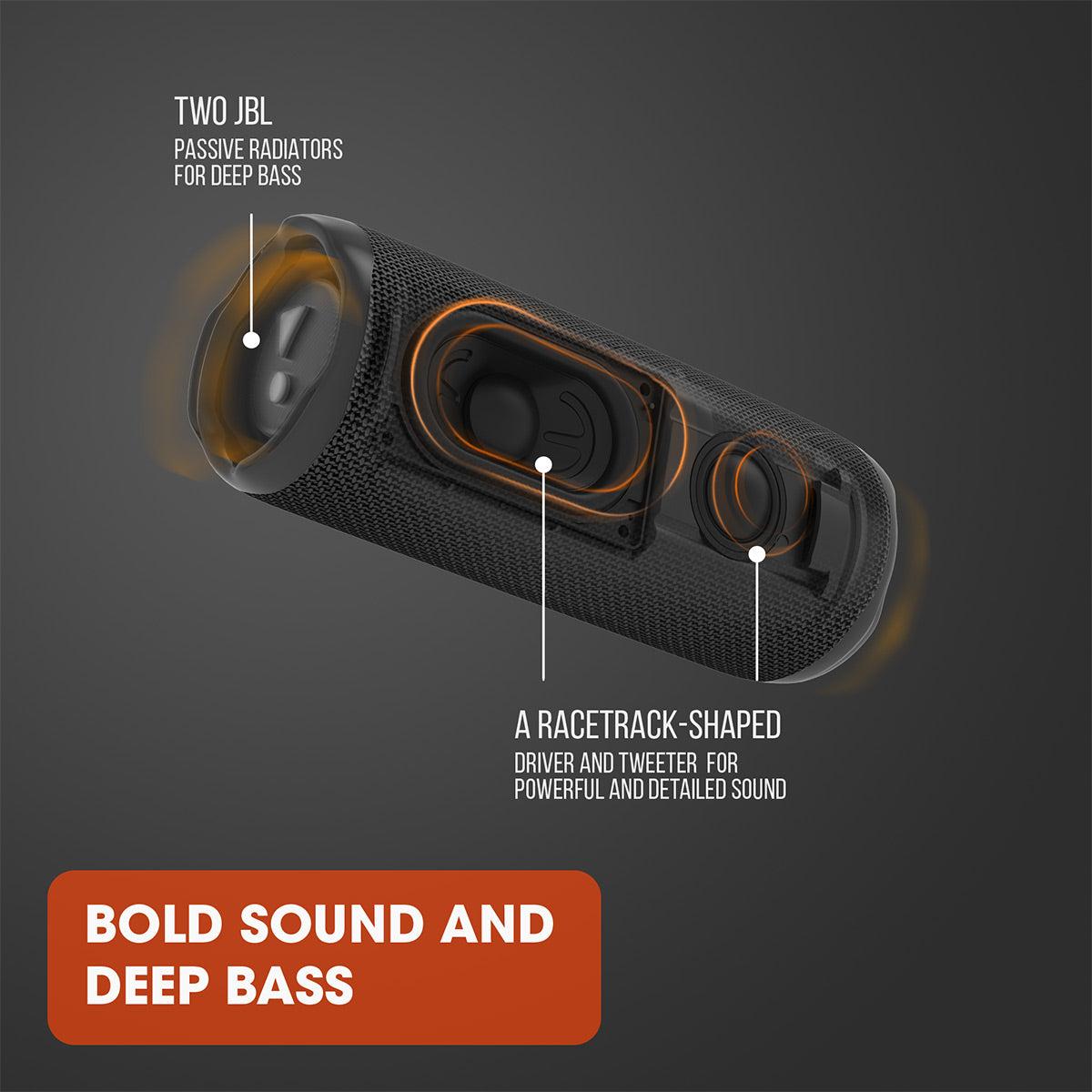
Here's where things get technically interesting. The JBL Flip 6 uses what's called a 2-way speaker system, meaning it has separate drivers (the actual speakers inside) for different frequency ranges. It pairs a larger woofer (1.75" x 3") with a dedicated 0.6" tweeter. This separation allows the tweeter to handle high frequencies like cymbals and vocal clarity, while the woofer focuses on mid-range and bass frequencies.
The Turtlebox Ranger, on the other hand, uses dual 2" woofers in a stereo configuration. Instead of separating frequencies between different drivers, it relies on advanced DSP tuning to optimize the sound from each woofer. The trade-off here is fascinating: the JBL Flip 6 can potentially deliver more precise high-frequency detail, but the Turtlebox Ranger offers true stereo separation – meaning you get distinct left and right channels like you would with a proper stereo system.
In practice, this means the JBL Flip 6 might sound more detailed when listening to complex music with lots of instrumental layers, while the Turtlebox Ranger provides a wider soundstage that makes music feel more immersive. If you're someone who notices the difference between mono and stereo audio, the Turtlebox Ranger has a clear advantage here.
This is where the Turtlebox Ranger really flexes its muscles. With a maximum output of 105 decibels, it's significantly louder than the JBL Flip 6's 30W RMS power rating. To put this in perspective, 105 dB is loud enough to be heard clearly over wind, waves, and background noise in outdoor environments. That's approaching the volume level of a lawn mower or motorcycle.
The JBL Flip 6, while quieter on paper, still delivers impressive volume for its size. The difference becomes most apparent when you're trying to fill large outdoor spaces or compete with ambient noise. For backyard gatherings or beach trips, either speaker will work fine. But for job sites, boat decks, or camping with large groups, the Turtlebox Ranger's extra volume makes a real difference.
Both speakers punch above their weight in bass performance, but they achieve it differently. The JBL Flip 6 uses dual passive radiators – these are like speakers without magnets that vibrate in response to the main driver's movement, amplifying bass frequencies. JBL's parent company, Harman, has decades of experience tuning these systems, and it shows in the Flip 6's well-balanced low-end response.
The Turtlebox Ranger also uses passive radiators (2×4" units), but combines them with more powerful amplification and DSP processing. The result is bass that can be felt as well as heard, even at moderate volumes. Based on our research into user feedback, the Turtlebox Ranger tends to satisfy bass-heavy music listeners more effectively, though some users note that the bass can occasionally overwhelm vocals at maximum volume.
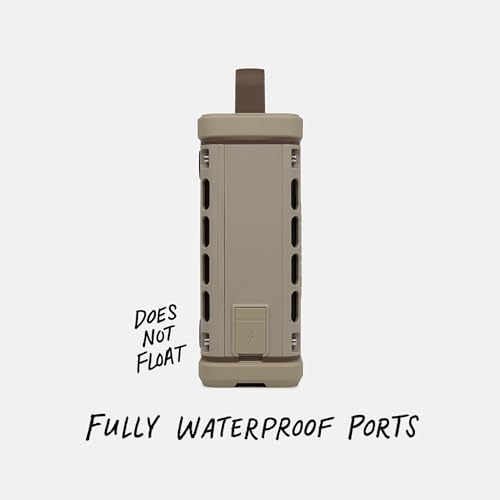
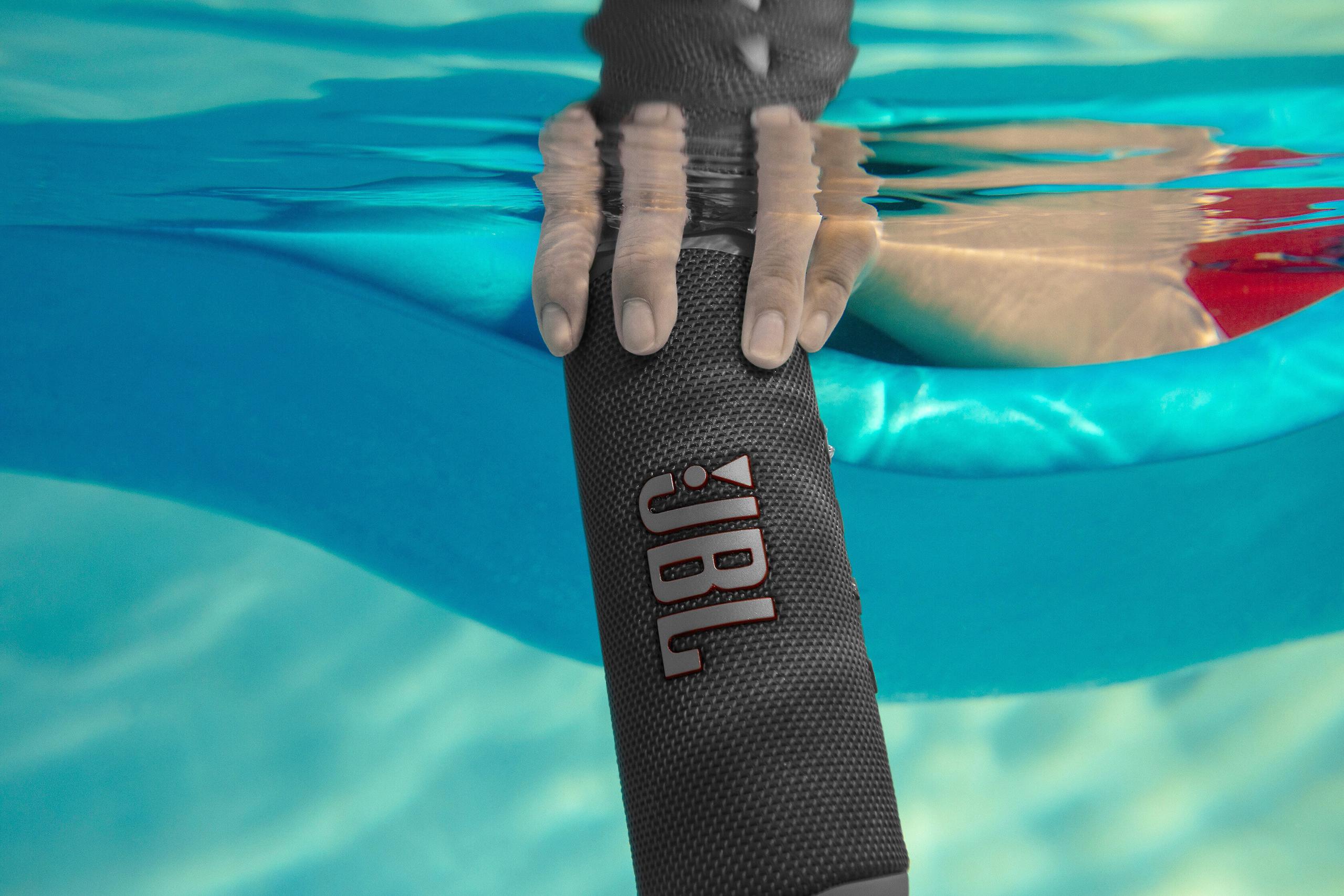
Both speakers carry an IP67 rating, but understanding what this means is crucial. The "6" means complete protection against dust – no particles can enter the enclosure. The "7" means the speaker can be submerged in up to 1 meter (about 3 feet) of water for 30 minutes without damage.
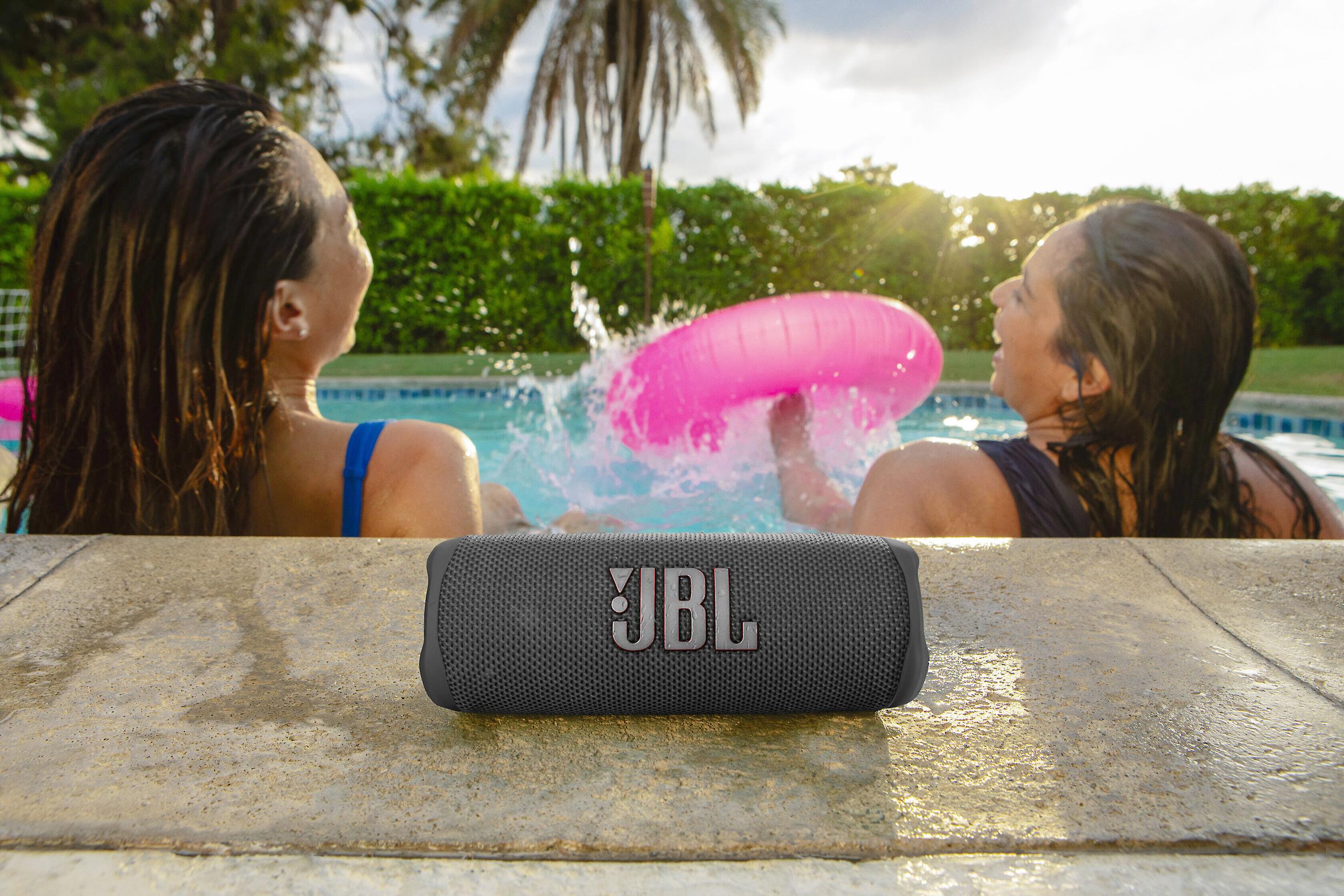
However, IP67 is just the baseline for both speakers. The real differences lie in their additional protection features. The JBL Flip 6 meets this standard through careful sealing and quality construction – it's genuinely waterproof and will survive accidental drops into pools or getting caught in rain.
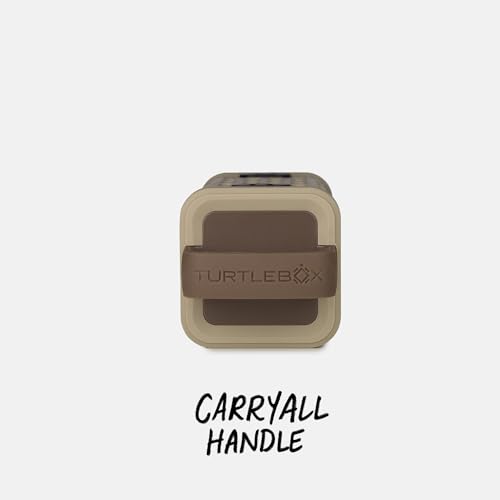
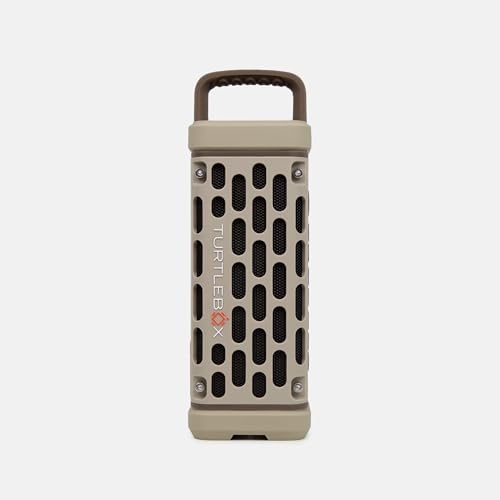
The Turtlebox Ranger goes several steps further with crush-proof, drop-proof, and dust-proof construction beyond the IP67 standard. Its ABS (Acrylonitrile Butadiene Styrene) housing is the same type of plastic used in protective cases and automotive parts, designed to withstand impacts that would destroy most electronics. The stainless steel hardware and rubber bumpers add another layer of protection.
Here's where your intended use case becomes critical. If you're taking a speaker to the beach, both will handle sand, saltwater spray, and the occasional splash equally well. But if you're working on a construction site, going on multi-day camping trips, or need something that can survive being dropped from a truck tailgate onto concrete, the Turtlebox Ranger is engineered for that abuse.
One interesting difference: the JBL Flip 6 floats, while the Turtlebox Ranger does not. This might seem like a disadvantage, but it reflects different design priorities. Floating speakers need to be lightweight and have specific weight distribution, which can compromise other aspects of ruggedness. The Turtlebox Ranger prioritizes maximum protection over flotation.
Battery life specifications can be misleading because they're usually tested at moderate volumes with specific types of audio content. Both speakers claim around 12 hours of battery life, but their real-world performance varies significantly based on how you use them.
The JBL Flip 6 delivers more consistent battery performance across different volume levels. Its 17.28 Wh battery and efficient amplification mean you can expect close to the advertised 12 hours even at moderate-to-high volumes. This consistency makes it more predictable for planning day trips or events.
The Turtlebox Ranger has a larger 25.2 Wh battery, but its high-power amplification means battery life varies dramatically with volume. At moderate levels, you might get 12-15 hours, but crank it to maximum volume and you're looking at closer to 5 hours. This is the trade-off for having significantly more power available when you need it.
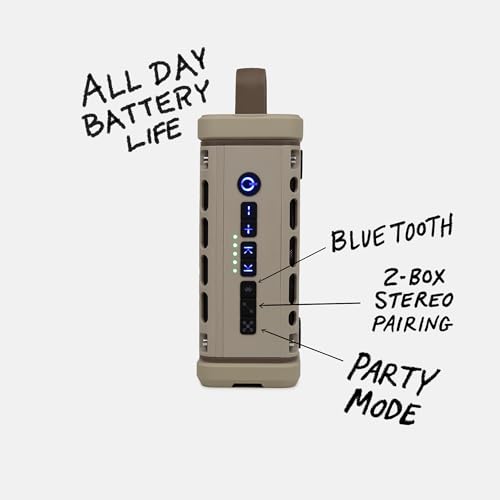
Here's where the Turtlebox Ranger offers something unique: USB-C passthrough charging that lets you use the speaker as a power bank for other devices. This feature transforms the speaker from just an audio device into a portable power station for your phone, GPS device, or action camera during extended outdoor adventures.
The JBL Flip 6 focuses on faster charging for itself, reaching full capacity in just 2.5 hours compared to the Ranger's longer charging time. If you're someone who frequently forgets to charge devices overnight, the JBL Flip 6's quick charging might be more valuable than the Ranger's power bank feature.
The Turtlebox Ranger uses the newer Bluetooth 5.4 standard, while the JBL Flip 6 uses Bluetooth 5.1. In practical terms, this translates to more reliable connections and better range for the Ranger – up to 100 feet versus the Flip 6's more standard range.
Bluetooth 5.4 also includes improvements in power efficiency and connection stability, which becomes particularly important when you're using the speaker outdoors where there might be more interference from other devices or environmental factors.
Both speakers offer multi-speaker pairing, but with different approaches and capabilities. The JBL Flip 6 uses JBL's PartyBoost system, which works with other compatible JBL speakers. This creates a more traditional multi-room or multi-speaker setup where all speakers play the same audio in sync.
The Turtlebox Ranger offers two distinct pairing modes: Party Mode for unlimited speaker pairing (similar to PartyBoost) and True Wireless Stereo (TWS) mode for creating proper left/right stereo separation with two Rangers. The TWS feature is particularly appealing if you want to create a more serious stereo setup for outdoor listening.
This is one area where the JBL Flip 6 has a clear advantage. The JBL Portable app provides EQ customization, firmware updates, and management of multiple speakers in your setup. You can adjust bass and treble levels, create custom sound profiles for different music genres, and even locate your speaker if you misplace it.
The Turtlebox Ranger takes a more minimalist approach with no companion app. All controls are handled through simple touch controls on the speaker itself. This philosophy appeals to users who prefer devices that work without smartphone dependency, but it means less customization flexibility.
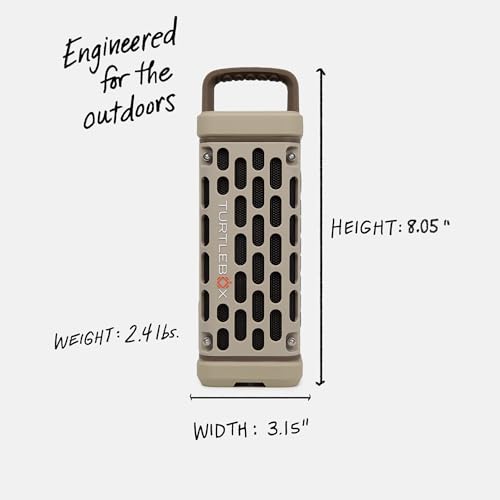
At 2.4 pounds, the Turtlebox Ranger is nearly twice as heavy as the 1.21-pound JBL Flip 6. This weight difference becomes significant during extended carrying, hiking, or travel. The Flip 6's cylindrical design also fits more easily into backpacks and travel bags.
However, the Ranger's additional weight comes with benefits beyond just ruggedness. The added mass helps with bass response and overall stability when playing at high volumes – lighter speakers tend to vibrate or move around more when producing powerful bass.
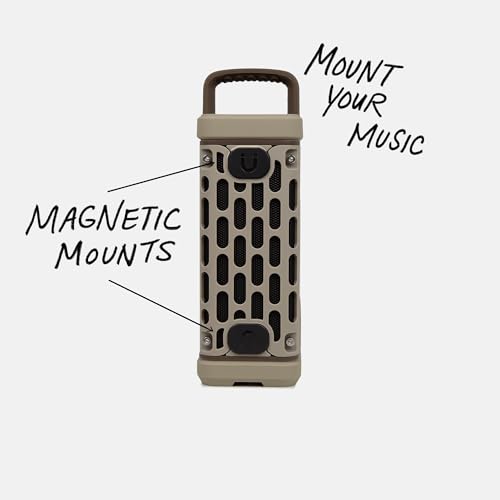
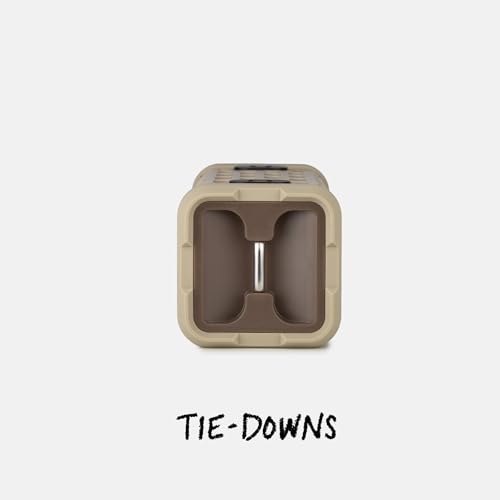
The Turtlebox Ranger includes dual powerful magnets on its sides, enabling secure attachment to metal surfaces like vehicle tailgates, coolers, or equipment racks. This magnetic mounting system opens up placement options that simply aren't possible with traditional speakers. Combined with stainless steel tie-down points, you can secure the Ranger in locations and situations where other speakers would fall or get damaged.
This mounting versatility makes the Ranger particularly appealing for specific use cases like boat trips, RV camping, or job sites where you need hands-free audio that stays put regardless of vibration or movement.
At the time of writing, the Turtlebox Ranger commands a significant price premium over the JBL Flip 6 – nearly double the cost. This premium reflects the specialized engineering, materials, and manufacturing processes required for extreme durability, as well as unique features like magnetic mounting and power bank functionality.
The question becomes whether these specialized features justify the additional cost for your specific use case. If you're primarily using a speaker for backyard entertaining, beach trips, or indoor listening, the JBL Flip 6 delivers excellent performance at a much more accessible price point.
However, if your activities regularly involve harsh environments, extreme weather, or situations where equipment failure isn't just inconvenient but potentially problematic, the Ranger's premium construction begins to make economic sense. One speaker that survives years of abuse is more cost-effective than replacing multiple cheaper speakers.
The JBL Flip 6 benefits from JBL's established service network, wide availability of accessories, and proven track record for reliability. If something goes wrong, parts and service are generally easier to find, and the lower initial investment means replacement is less painful if necessary.
The Turtlebox Ranger, being a newer product from a smaller company, carries more risk in terms of long-term support and parts availability. However, its robust construction suggests it's less likely to need service in the first place, and Turtlebox has built a reputation for standing behind their products in extreme-use scenarios.
While both speakers are designed primarily for portable use, they can serve as supplementary audio for home entertainment in different ways. The JBL Flip 6's balanced frequency response and app-based EQ customization make it suitable as a bedroom or office speaker for casual music listening or video calls.
The Turtlebox Ranger's stereo capability and higher output make it more suitable for situations where you need to fill larger indoor spaces or want more serious audio quality. Its magnetic mounting could even be useful for temporarily attaching to metal furniture or appliances for optimal positioning.
However, neither speaker is really designed to compete with dedicated home theater systems or bookshelf speakers in indoor environments. They're best viewed as portable solutions that can pull double duty indoors when needed.
You work or play in genuinely harsh environments where equipment takes real abuse. Construction workers, outdoor guides, boat owners, and serious campers who need audio that won't quit when conditions get tough. The magnetic mounting and power bank features solve real problems in these scenarios, and the stereo audio provides a more immersive listening experience during downtime.
You're willing to pay a premium for specialized capabilities that directly address your specific needs, and you value maximum volume output for large outdoor spaces or noisy environments.
You want excellent portable audio performance without paying for extreme-duty features you don't need. Beach-goers, casual campers, travelers, and anyone who needs reliable indoor/outdoor versatility will appreciate the Flip 6's lighter weight, longer consistent battery life, and app customization options.
You prefer proven mainstream products with established support networks, or you need a floating speaker for water activities where that capability matters.
Both speakers excel in their intended roles, but they're designed for fundamentally different users and use cases. The JBL Flip 6 represents the sweet spot of portable audio – balancing performance, features, portability, and price for the broadest range of users. It's the speaker most people should buy.
The Turtlebox Ranger is a specialized tool for users who need uncompromising durability and maximum performance in challenging environments. It's not just a speaker; it's outdoor survival gear that happens to play music exceptionally well.
Your choice should align with how extreme your actual use cases are versus the premium you're willing to pay for specialized capabilities. If you're honest about your needs and activities, the right choice becomes clear: mainstream versatility or extreme-duty performance, each excellent in its own domain.
| Turtlebox Ranger | JBL Flip 6 |
|---|---|
| Audio Configuration - Determines sound quality and stereo separation | |
| True stereo (2.0) with dual 2" woofers | Mono output with dedicated tweeter system |
| Maximum Volume Output - Critical for outdoor use and large spaces | |
| 105 dB (significantly louder, cuts through noise) | 30W RMS (adequate for most situations) |
| Weight and Portability - Affects how often you'll actually take it places | |
| 2.4 lbs (heavier but more stable) | 1.21 lbs (much easier to carry around) |
| Durability Rating - Shows how much abuse it can handle | |
| IP67 + crush-proof, drop-proof housing | IP67 waterproof standard (reliable but not extreme-duty) |
| Battery Life - Real-world runtime varies significantly by volume | |
| 12+ hours normal / 5 hours max volume | Consistent 12 hours across volume levels |
| Bluetooth Technology - Affects connection reliability and range | |
| Bluetooth 5.4 with 100-foot range | Bluetooth 5.1 with standard range |
| Multi-Speaker Pairing - Expands your system capabilities | |
| Party Mode (infinite) + True Wireless Stereo | PartyBoost with established JBL ecosystem |
| Unique Features - Specialized capabilities that justify price differences | |
| Magnetic mounting + USB-C powerbank function | JBL Portable app + floating design |
| Water Behavior - Important for pool and lake activities | |
| Sinks (but extremely crush-resistant underwater) | Floats (easier to retrieve if dropped) |
| Price Positioning - Value proposition for different user needs | |
| Premium pricing for specialized rugged performance | Mainstream pricing for proven versatility |
The Turtlebox Ranger is significantly louder, reaching 105 dB maximum output compared to the JBL Flip 6's 30W RMS power rating. This makes the Ranger better for large outdoor spaces, job sites, or anywhere you need to compete with background noise like wind or waves.
Yes, both the Turtlebox Ranger and JBL Flip 6 have IP67 waterproof ratings, meaning they can be submerged in up to 3 feet of water for 30 minutes. However, the JBL Flip 6 floats while the Turtlebox Ranger sinks, which could matter for pool or lake use.
Sound quality depends on your priorities. The JBL Flip 6 has a dedicated tweeter for clearer high frequencies and more detailed audio, while the Turtlebox Ranger offers true stereo sound with left and right channel separation. The Ranger also delivers more powerful bass due to its larger passive radiators.
Both speakers claim around 12 hours of battery life, but performance varies. The JBL Flip 6 provides consistent runtime across different volumes, while the Turtlebox Ranger can last 12+ hours at normal volume but drops to about 5 hours at maximum volume due to its high-power amplification.
Yes, both support multi-speaker pairing but with different systems. The JBL Flip 6 uses PartyBoost to connect with other compatible JBL speakers, while the Turtlebox Ranger offers Party Mode for unlimited speaker pairing plus True Wireless Stereo mode for proper left/right stereo separation with two Rangers.
The JBL Flip 6 is much more portable at 1.21 pounds compared to the Turtlebox Ranger's 2.4 pounds. The Flip 6 is also more compact and fits easier in backpacks or luggage, making it better for travel, hiking, or casual carrying.
Both work well outdoors, but for different scenarios. The Turtlebox Ranger excels in extreme conditions like construction sites, boat decks, or camping where maximum durability and volume are needed. The JBL Flip 6 is perfect for beach trips, pool parties, and general outdoor use where standard waterproofing is sufficient.
Only the Turtlebox Ranger can charge other devices through its USB-C port, functioning as a power bank for phones, GPS devices, or cameras during extended outdoor adventures. The JBL Flip 6 only charges itself and focuses on faster 2.5-hour charging times instead.
The JBL Flip 6 has a significant advantage here with the JBL Portable app that provides EQ customization, firmware updates, and speaker management features. The Turtlebox Ranger has no companion app and relies on simple touch controls, appealing to users who prefer device independence.
The Turtlebox Ranger features dual powerful magnets for attaching to metal surfaces like vehicles, coolers, or equipment, plus stainless steel tie-down points for secure mounting. The JBL Flip 6 has standard placement options only, relying on its lightweight design and rubber feet for stability.
The Turtlebox Ranger is built for extreme durability with crush-proof ABS housing, stainless steel hardware, and protection beyond the standard IP67 rating. It's designed for job sites and harsh conditions. The JBL Flip 6 offers reliable durability for normal outdoor use but isn't engineered for extreme abuse like the Ranger.
For most users, the JBL Flip 6 offers better value with its lower price point, proven reliability, lighter weight, and balanced feature set that works well for both indoor and outdoor use. The Turtlebox Ranger justifies its higher cost only if you specifically need extreme durability, maximum volume, or unique features like magnetic mounting and power bank functionality.
We've done our best to create useful and informative comparisons to help you decide what product to buy. Our research uses advanced automated methods to create this comparison and perfection is not possible - please contact us for corrections or questions. These are the sites we've researched in the creation of this article: fieldandstream.com - tylerstx.com - comparisontabl.es - gearjunkie.com - rogerssportinggoods.com - youtube.com - armorsound.com - simmonssportinggoods.com - turtleboxaudio.com - outdoorhub.com - backpackeroutdoors.com - youtube.com - tennesseevalleyoutsider.com - turtleboxaudio.com - mrfc.com - linecutterz.com - russells.com - turtleboxaudio.com - flyfishfood.com - techradar.com - phonearena.com - youtube.com - tomsguide.com - outeraudio.com - wcucampusstore.com - jbl.com.sg - pcrichard.com - kh.jbl.com - musicarts.com - jbl.com - cnet.com - youtube.com

Privacy Policy
Terms and Conditions - Affiliate Policy
Home Security
© Copyright 2008-2026.
11816 Inwood Rd #1211, Dallas, TX 75244