





When you need a Bluetooth speaker that can handle more than just poolside parties, you're looking at a specialized category of portable audio gear. Rugged Bluetooth speakers aren't just regular speakers with a rubber case slapped on—they're engineered from the ground up to survive drops, water submersion, dust storms, and the kind of abuse that would destroy your typical home speaker in minutes.
The question isn't whether these speakers are tougher than standard models (they absolutely are), but rather which approach to ruggedness and performance best matches your needs. Today we're comparing two very different philosophies in portable rugged audio: the Turtlebox Ranger, which prioritizes extreme durability and maximum volume output, and the Marshall Middleton, which balances outdoor toughness with refined audio quality and versatility.
Before diving into specifics, it's worth understanding what makes a speaker "rugged" beyond just weatherproofing. True rugged speakers incorporate several engineering approaches that standard portable speakers skip entirely.
IP ratings (Ingress Protection ratings) tell you exactly how well a device handles dust and water. An IP67 rating—which both our speakers share—means they're completely dust-tight and can survive submersion in up to 3 feet of water for 30 minutes. But IP67 doesn't tell you about drop resistance, crush resistance, or how well the speaker handles temperature extremes.
Sound projection becomes critical in outdoor environments where you're competing with wind, waves, traffic, or other ambient noise. This is where rugged speakers often differ dramatically from indoor-focused models. Some prioritize maximum decibel output (how loud they can get), while others focus on sound dispersion (how evenly the audio spreads in all directions).
The Turtlebox Ranger, released in 2024, represents the "maximum durability" school of thought. Meanwhile, the Marshall Middleton, which hit the market around the same time, takes a more balanced approach that doesn't sacrifice audio refinement for toughness.
The most fundamental difference between these speakers lies in their approach to audio reproduction, and this affects everything from how they sound indoors to how well they perform at outdoor gatherings.
The Turtlebox Ranger delivers an impressive 105 decibels of maximum output—that's roughly equivalent to standing near a chainsaw or motorcycle. This isn't just about being loud for the sake of it; it's about cutting through environmental noise that would drown out lesser speakers.
The Ranger uses dual 2-inch waterproof drivers powered by a Class D digital amplifier with enhanced DSP (Digital Signal Processing) tuning. Class D amplifiers are highly efficient, converting more electrical energy into sound rather than heat, which is crucial for battery-powered speakers. The DSP tuning essentially means the speaker's computer brain adjusts the audio signal to optimize performance for outdoor use, emphasizing frequencies that travel well and maintaining clarity even at high volumes.
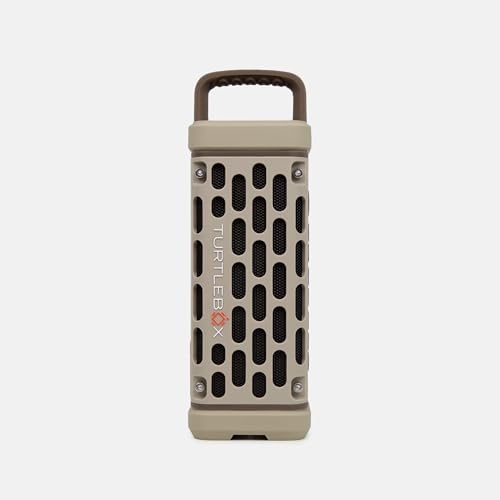
What makes the Ranger unique is its vertical "pillar" design. Unlike traditional rectangular speakers that project sound primarily forward, the Ranger's cylindrical shape with drivers positioned around its circumference creates 360-degree sound dispersion. This means you get more even audio coverage whether you're sitting directly in front of it or off to the side.
The trade-off? The Ranger's sound signature is heavily optimized for outdoor projection. It emphasizes bass frequencies and mid-range clarity—perfect for cutting through wind and ambient noise, but potentially overwhelming in quiet indoor settings. Think of it like a megaphone: incredibly effective for its intended purpose, but not necessarily what you'd choose for delicate acoustic music in your living room.
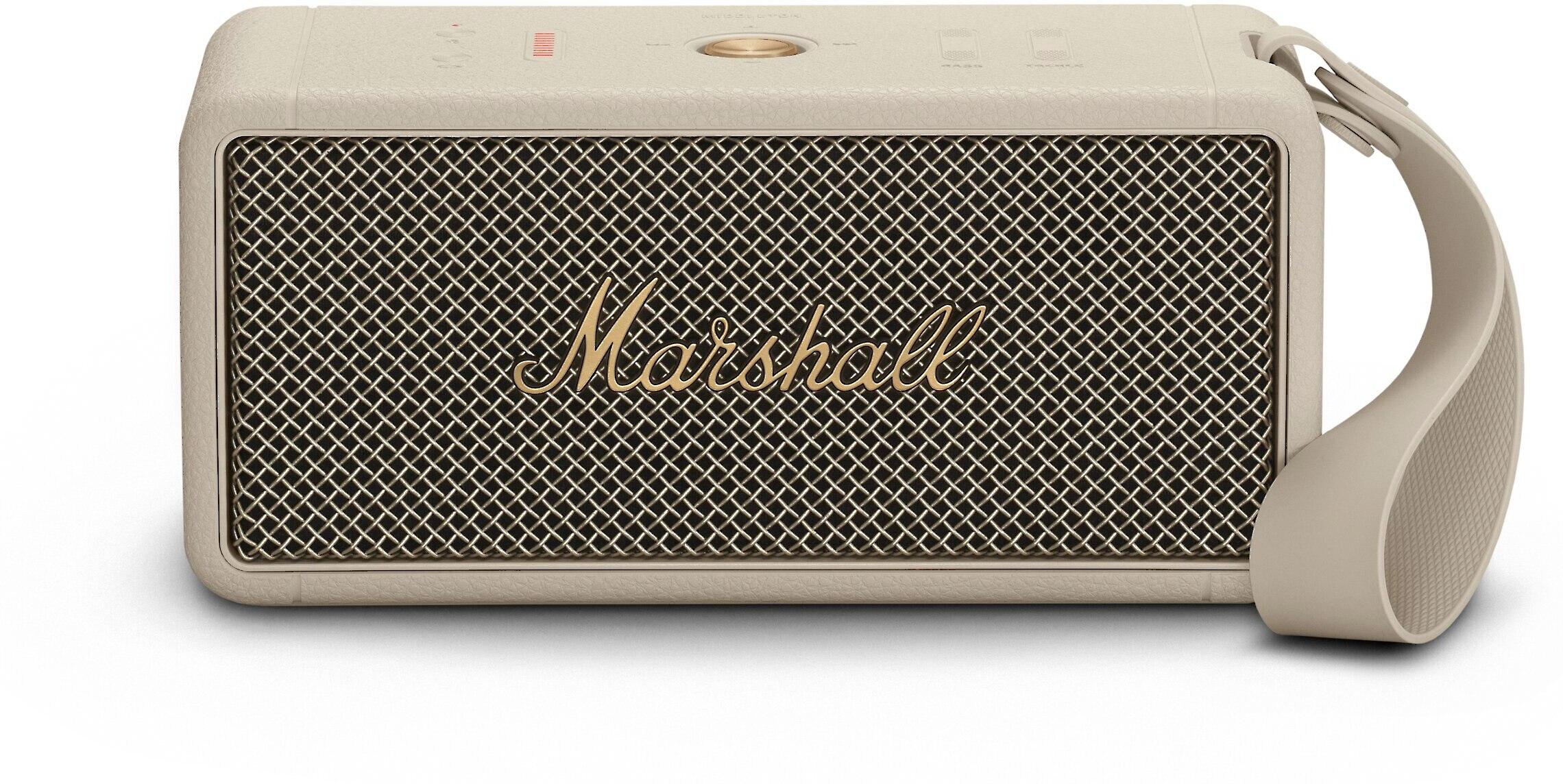
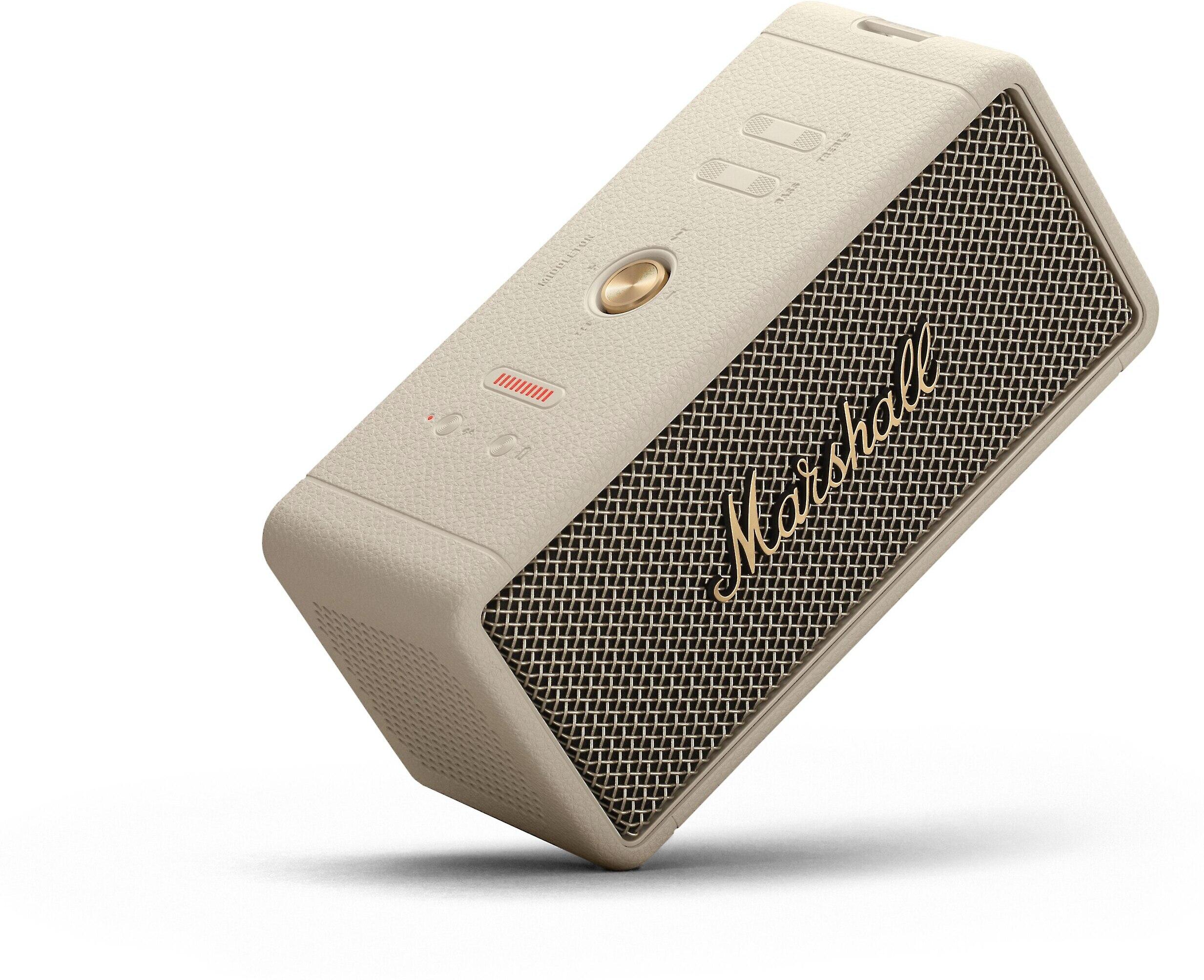
The Marshall Middleton takes a fundamentally different approach, leveraging Marshall's decades of experience in guitar amplifiers and studio monitors. With 60 watts of total power spread across a 2-way driver system—dual 3-inch woofers and dual 0.625-inch dome tweeters—it prioritizes balanced frequency response over maximum volume.
2-way driver systems separate audio frequencies, sending low frequencies to larger woofers and high frequencies to smaller tweeters. This allows each driver to specialize in what it does best, typically resulting in clearer, more accurate sound reproduction compared to full-range drivers that try to handle everything.
Marshall's "True Stereophonic" technology is more than marketing speak—it actively processes stereo recordings to create a wider, more immersive soundstage. The Dynamic Loudness feature automatically adjusts the tonal balance as you change volume, ensuring that bass and treble remain proportional whether you're listening quietly or cranking it up.
The Middleton also includes physical bass and treble controls on top of the speaker, plus app-based EQ adjustment through Marshall's Bluetooth app. This level of user control is unusual in rugged speakers, where simplicity typically wins over customization.
When evaluating these speakers' audio performance, several key metrics stand out based on our research of professional reviews and user feedback:
Maximum SPL (Sound Pressure Level) measures how loud a speaker can get before distortion becomes unacceptable. The Turtlebox Ranger's 105 dB rating significantly exceeds the Marshall Middleton's output, making it better suited for large gatherings or noisy environments.
Frequency response range tells you how well a speaker reproduces different pitches. The Middleton's 50-20,000 Hz range covers the full spectrum of human hearing, while the Ranger focuses more on mid-bass and midrange frequencies that project well outdoors.
Total Harmonic Distortion (THD) at various volume levels indicates how clean the sound remains as you turn it up. Reviews consistently praise both speakers for maintaining clarity at high volumes, but the Ranger's DSP tuning specifically targets distortion reduction at maximum output.
Both speakers earn IP67 ratings, but their approaches to durability reveal different philosophies about how and where they'll be used.
The Turtlebox Ranger doesn't just meet IP67 standards—it exceeds them with what Turtlebox calls "100% drop, crush, and dust-proof" construction. The ABS (Acrylonitrile Butadiene Styrene) crush-proof housing is the same material used in protective cases for sensitive electronics and musical instruments.
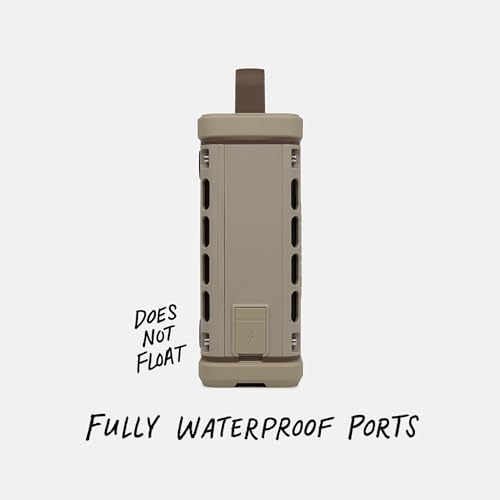
More importantly, the Ranger includes features specifically designed for maritime and construction environments. The stainless steel hardware resists corrosion from saltwater exposure, while silicone components prevent salt buildup that could affect long-term reliability. A built-in breather valve allows the speaker to equalize pressure during temperature changes without compromising water resistance.
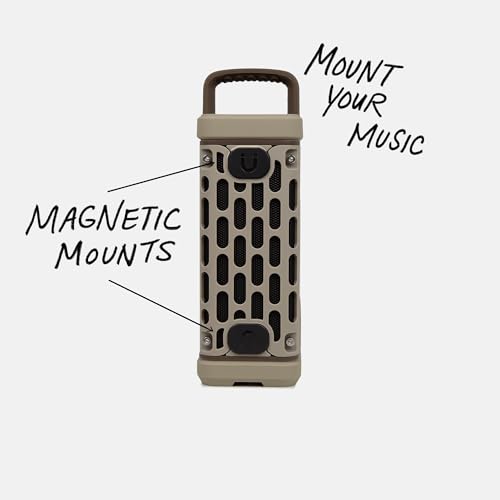
The magnetic mounting system represents perhaps the most practical innovation here. Powerful magnets built into the speaker's sides allow secure attachment to metal surfaces like vehicle hoods, tool boxes, or boat railings. This isn't just convenient—it's essential for environments where setting a speaker down isn't always an option.
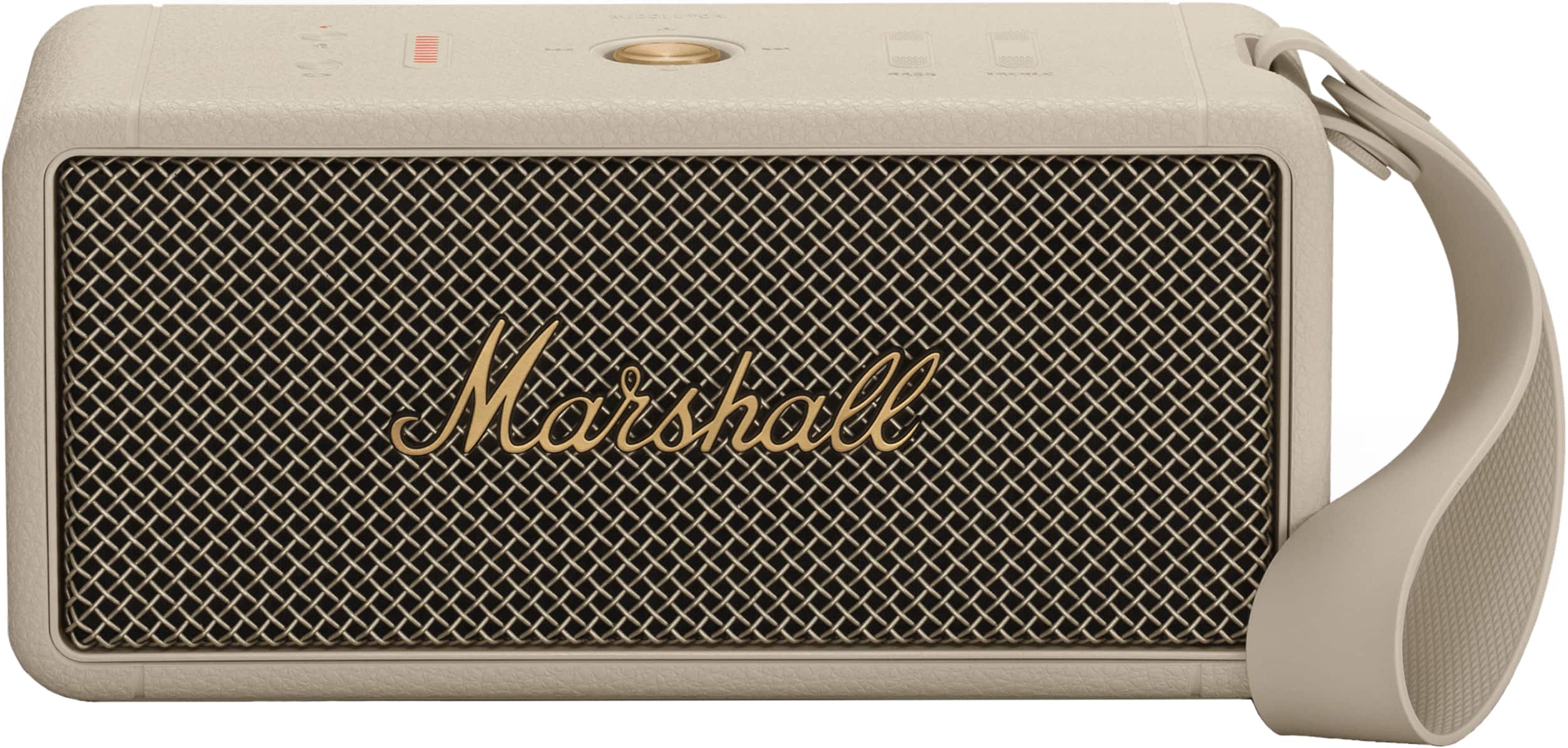
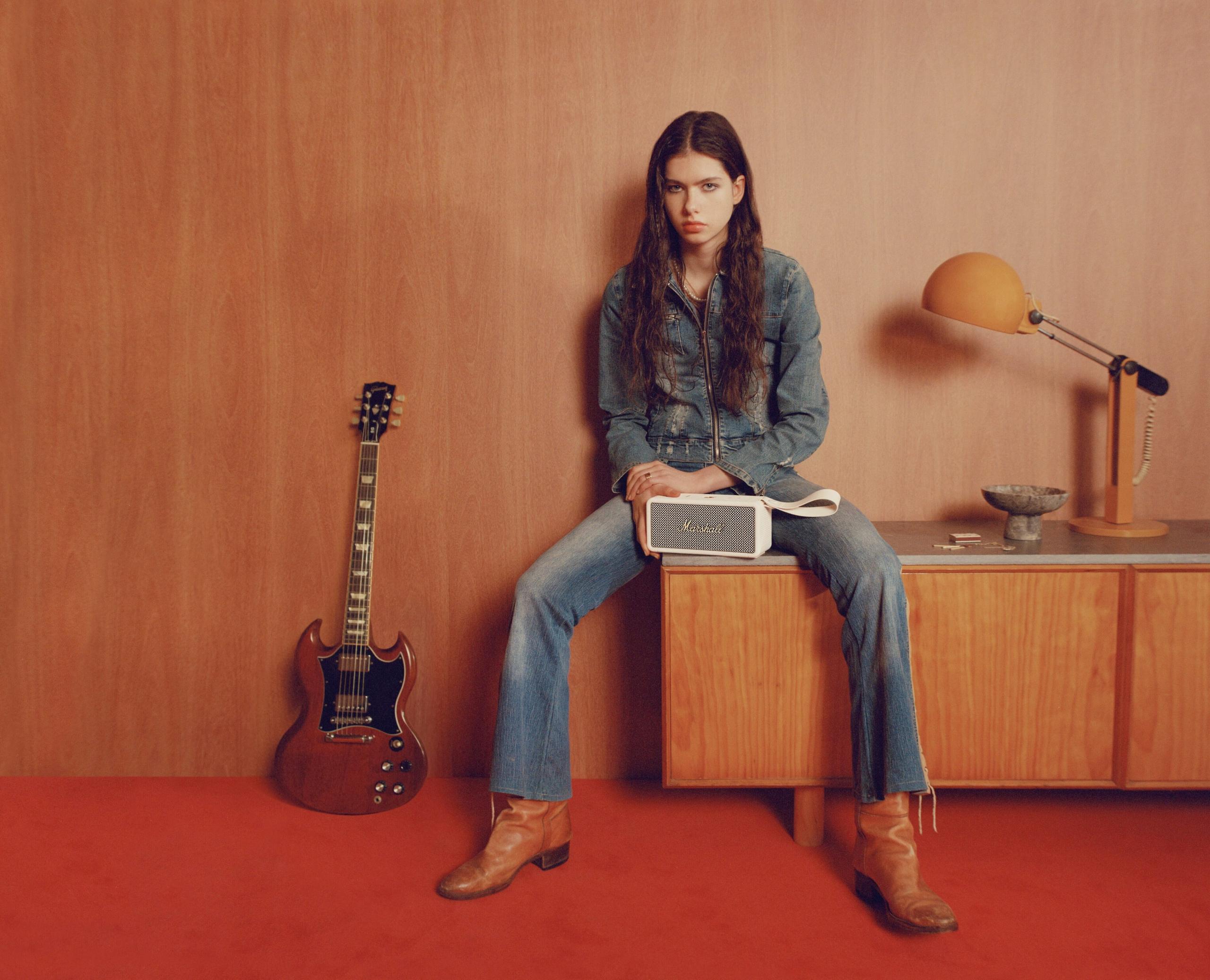
The Marshall Middleton achieves IP67 rating through robust but more conventional means. Its construction prioritizes long-term reliability and aesthetics over extreme impact resistance. The classic Marshall amplifier styling isn't just about looks—the familiar control layout and solid build quality reflect decades of experience building gear for professional musicians.
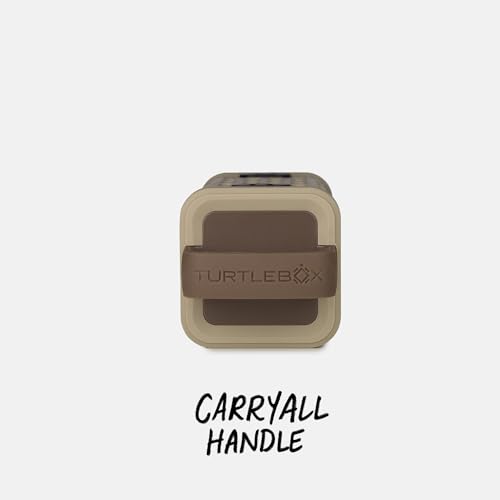
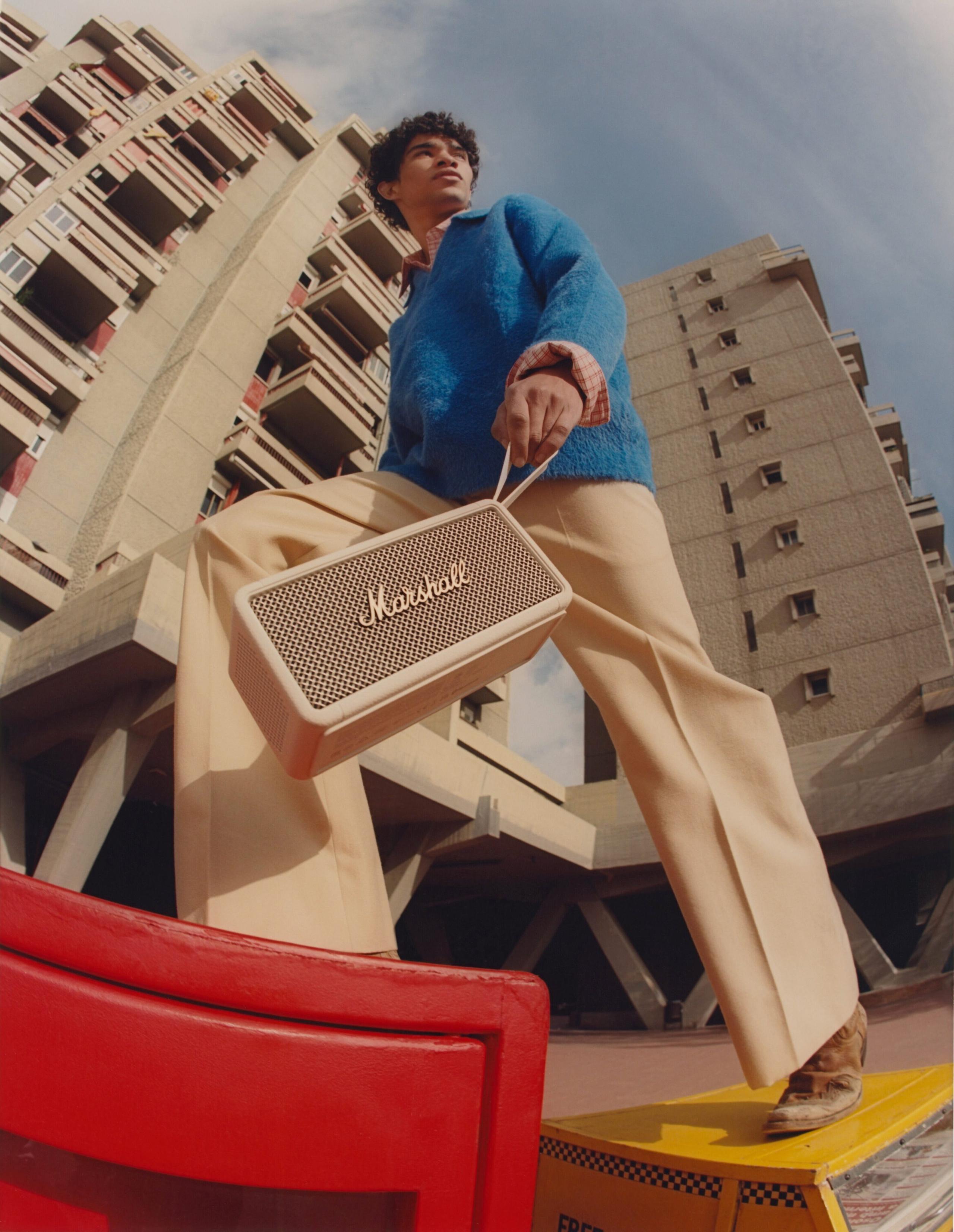
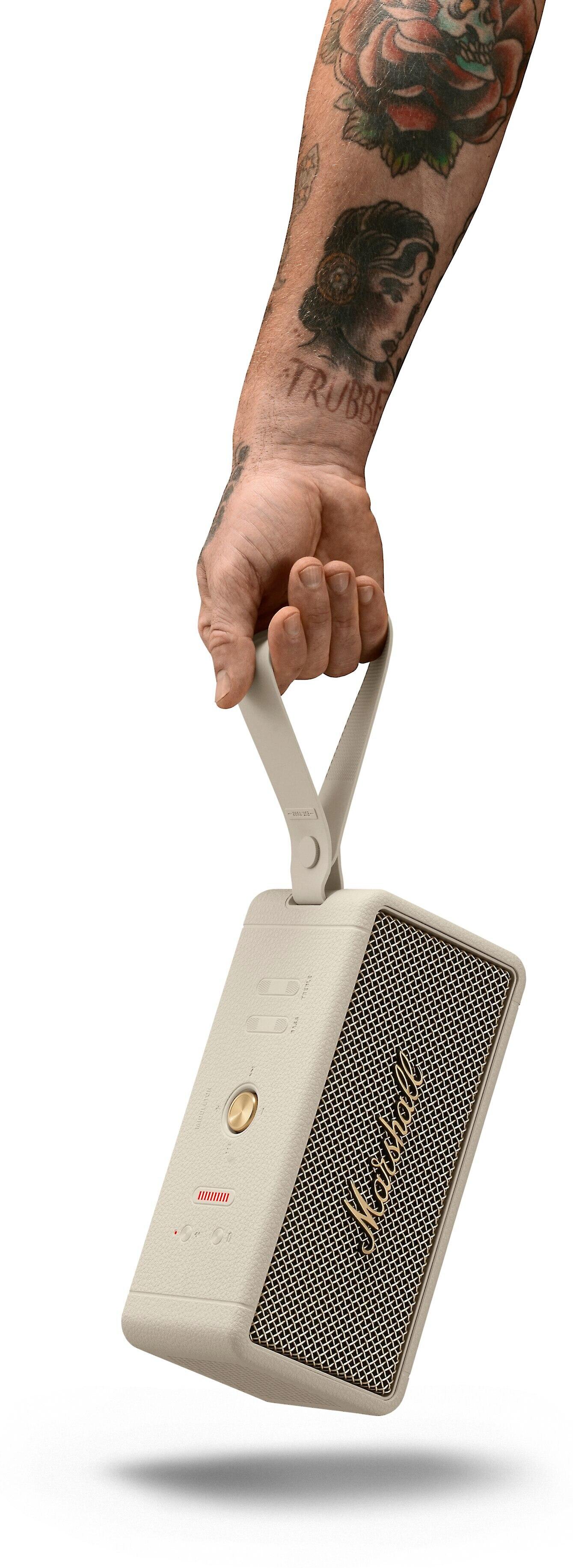
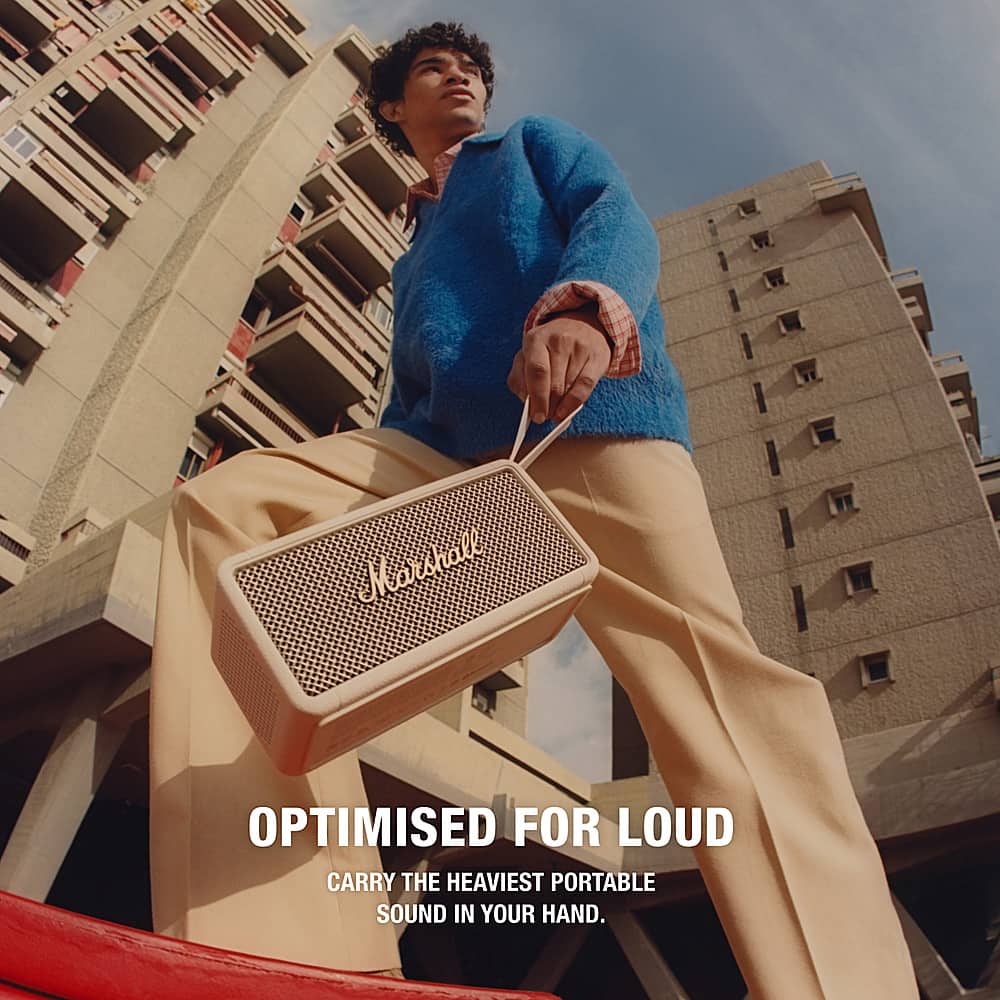
While the Middleton can certainly handle drops and weather exposure, it's designed more for camping trips and backyard barbecues than construction sites or offshore fishing. The detachable carrying strap and refined control interfaces suggest users who value convenience and aesthetics alongside durability.
Both speakers deliver excellent battery performance, but with different priorities that reflect their intended use cases.
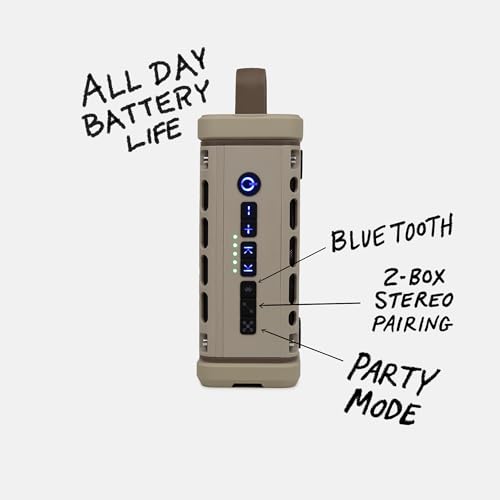
The Turtlebox Ranger uses a 25.2 Wh lithium-ion battery that provides up to 25+ hours of playback at moderate volumes, dropping to around 12 hours at higher volumes. More significantly, it includes USB-C passthrough charging, meaning you can use the speaker as a power bank to charge phones, tablets, or other USB devices—crucial for extended outdoor adventures.
The Marshall Middleton matches this with up to 20 hours of battery life and includes power bank functionality as well. However, it adds a quick-charge feature that provides 2 hours of playback from just 20 minutes of charging—perfect for those "forgot to charge it" moments before heading out.
Both speakers use USB-C charging, which is becoming standard for portable audio gear and eliminates the need to carry multiple cable types.
Where these speakers really differentiate themselves is in their multi-device capabilities. The Turtlebox Ranger supports unlimited speaker pairing through its "Party Mode"—you can connect as many Rangers as you want to create a distributed sound system for large outdoor events. The True Wireless Stereo (TWS) mode allows pairing two Rangers for dedicated left/right channel separation.
The Marshall Middleton offers "Stack Mode" for connecting multiple speakers, though not unlimited like the Ranger. However, it includes dual device pairing, letting you connect two phones or tablets simultaneously and switch between them seamlessly—useful for parties where multiple people want to share music.
The Ranger uses Bluetooth 5.4, the latest version available at time of writing, with a claimed 100-foot range. Bluetooth 5.4 includes improvements in connection stability, lower latency, and better power efficiency compared to earlier versions.
The Middleton uses Bluetooth 5.1, which is still current-generation technology with excellent performance characteristics. Both speakers maintain stable connections in typical outdoor environments, though the Ranger's newer Bluetooth version provides a slight edge in crowded RF environments.
This is where the speakers' different philosophies become most apparent. The Turtlebox Ranger keeps things simple with touch controls for basic playback functions and speaker pairing modes. No microphone, no AUX input, no app—just Bluetooth audio optimized for rugged use.
The Marshall Middleton offers significantly more connectivity options: a 3.5mm AUX input for wired connections, the Marshall Bluetooth app for remote control and EQ adjustment, and a multi-directional control knob that provides tactile feedback even with gloves on.
For users who want to connect non-Bluetooth devices or prefer wired connections for zero-latency audio (important for video watching), the Middleton's AUX input is essential. The app control also allows fine-tuning that the Ranger simply doesn't offer.
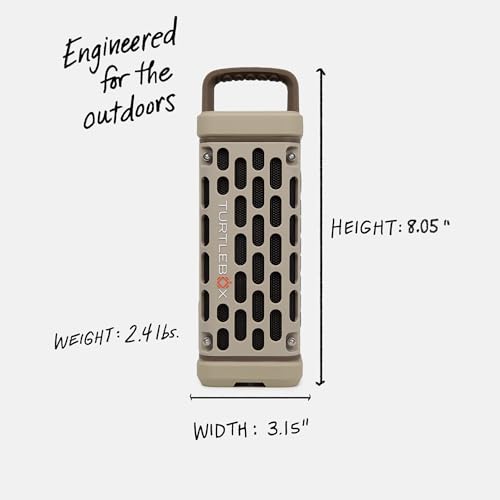
Despite being in the same category, these speakers have dramatically different approaches to portability. The Turtlebox Ranger weighs 2.4 pounds and measures roughly 8 inches tall with a 3-inch diameter—compact enough to fit in most backpacks while still delivering serious audio power.
The Marshall Middleton weighs 4 pounds and uses a more traditional rectangular form factor. While this provides stability on flat surfaces and potentially better stereo separation, it's significantly heavier for hiking or extended carrying.
The weight difference becomes critical for backcountry use or any situation where every ounce matters. However, the Middleton's extra weight comes from more drivers and internal components that contribute to its more refined sound quality.
At time of writing, both speakers occupy similar price points in the premium rugged speaker category, making the value comparison more about features and intended use than raw cost considerations.
The Turtlebox Ranger represents exceptional value for users who prioritize extreme durability and maximum volume output. The magnetic mounting system, unlimited speaker pairing, and crush-proof construction aren't available from other manufacturers at this price point.
The Marshall Middleton offers better value for users wanting one speaker that performs well in multiple environments. The brand heritage, refined audio quality, multiple input options, and app control justify the investment for users who don't need extreme ruggedness but want premium performance.
While both speakers are designed for outdoor use, they perform differently in indoor environments, including potential home theater applications.
The Turtlebox Ranger's 360-degree sound dispersion and bass-heavy tuning work well for filling rooms with sound, but the outdoor-optimized frequency response may seem overwhelming in smaller spaces. It's better suited for basements, garages, or other spaces where maximum volume and projection are desired.
The Marshall Middleton translates much better to indoor use thanks to its balanced frequency response and user-adjustable EQ. The stereo imaging and Dynamic Loudness features make it viable as a secondary audio system for smaller rooms or as a portable upgrade from TV speakers.
For home theater use specifically, both speakers lack the precise imaging and wide frequency response of dedicated home audio equipment, but the Middleton's more neutral sound signature makes it the better choice for movie watching or casual indoor listening.
The Turtlebox Ranger is purpose-built for users who need audio gear that survives alongside other professional equipment. It's the speaker for fishing guides, construction crews, overlanding enthusiasts, and anyone whose definition of "outdoor use" includes conditions that would destroy conventional speakers.
The Marshall Middleton appeals to users who want premium audio performance with outdoor capability, rather than extreme ruggedness with acceptable audio. It's ideal for musicians, audiophiles, and casual outdoor enthusiasts who don't want to compromise sound quality for toughness.
Both speakers excel in their intended roles, but they're designed for fundamentally different users and use cases. The Turtlebox Ranger pushes the boundaries of what's possible in portable rugged audio—maximum durability, volume, and outdoor optimization in the smallest package possible. The Marshall Middleton brings high-end audio engineering to the outdoor speaker category without sacrificing the versatility that most users actually need.
Your choice ultimately depends on honest assessment of how and where you'll actually use the speaker. If your adventures regularly involve conditions that would challenge professional outdoor equipment, the Ranger's extreme engineering makes sense. If you want premium audio performance that happens to be tough enough for outdoor use, the Middleton's balanced approach offers better long-term satisfaction.
Both speakers represent significant advances in portable audio technology compared to options available just a few years ago, proving that you no longer have to choose between durability and sound quality—just different balances of each.
| Turtlebox Ranger | Marshall Middleton |
|---|---|
| Maximum Volume Output - Critical for outdoor use and noisy environments | |
| 105 dB (extremely loud, cuts through ambient noise) | 60W total power (good volume but less projection) |
| Weight and Portability - Key factor for hiking and extended carrying | |
| 2.4 lbs (significantly lighter for backpacking) | 4 lbs (heavier but more stable placement) |
| Durability Construction - Determines survival in harsh conditions | |
| Military-grade: crush-proof, saltwater resistant, magnetic mounts | IP67 waterproof with premium build quality |
| Battery Life - Essential for extended outdoor adventures | |
| 12-25+ hours depending on volume, USB-C power bank | Up to 20 hours, power bank function, quick-charge feature |
| Sound Dispersion Design - Affects audio coverage and listening experience | |
| 360-degree cylindrical design (even coverage all around) | Traditional stereo with True Stereophonic technology |
| Bluetooth Technology - Impacts connection stability and range | |
| Bluetooth 5.4 with 100-foot range (latest standard) | Bluetooth 5.1 with standard range (still current-gen) |
| Multi-Speaker Pairing - Important for larger gatherings | |
| Unlimited Party Mode pairing, True Wireless Stereo | Stack Mode pairing, dual device connectivity |
| Input Options - Determines device compatibility and flexibility | |
| Bluetooth only (simplified, rugged-focused) | Bluetooth + 3.5mm AUX input (more versatile) |
| User Controls and Customization - Affects ease of use and sound tuning | |
| Touch controls, no app (weatherproof simplicity) | Physical controls + Marshall app with EQ adjustment |
| Form Factor - Impacts where and how you can use the speaker | |
| Vertical pillar 8" x 3" (compact, magnetic mounting) | Rectangular 9" x 4.3" x 3.75" (traditional placement) |
| Audio Optimization - Determines best use scenarios | |
| Outdoor-tuned for projection and bass (less refined indoors) | Balanced hi-fi sound suitable for indoor and outdoor use |
The Turtlebox Ranger is significantly louder, delivering 105 dB maximum output compared to the Marshall Middleton's 60W power output. The Turtlebox Ranger is specifically designed for outdoor environments where you need to cut through ambient noise like wind, waves, or crowds.
The Turtlebox Ranger weighs 2.4 pounds, making it much lighter than the Marshall Middleton at 4 pounds. This 1.6-pound difference is significant for hiking, camping, or any situation where you're carrying the speaker for extended periods.
Yes, both the Turtlebox Ranger and Marshall Middleton have IP67 waterproof ratings, meaning they can be submerged up to 3 feet deep for 30 minutes. However, the Turtlebox Ranger goes further with additional crush-proof and saltwater-resistant construction.
Both offer excellent battery life, with the Turtlebox Ranger providing 12-25+ hours depending on volume levels, while the Marshall Middleton delivers up to 20 hours. The Marshall Middleton includes a quick-charge feature for 2 hours of playback from just 20 minutes of charging.
Yes, both support multi-speaker pairing but differently. The Turtlebox Ranger offers unlimited Party Mode pairing with other Turtlebox speakers, while the Marshall Middleton uses Stack Mode for connecting multiple Marshall speakers together.
The Marshall Middleton is better suited for indoor use thanks to its balanced frequency response, True Stereophonic technology, and adjustable bass/treble controls. The Turtlebox Ranger is optimized for outdoor projection and may sound overwhelming in smaller indoor spaces.
The Marshall Middleton includes a 3.5mm AUX input for connecting non-Bluetooth devices like older phones or MP3 players. The Turtlebox Ranger only supports Bluetooth connectivity, keeping the design simple and weatherproof.
The Turtlebox Ranger offers superior extreme durability with military-grade construction, crush-proof housing, and magnetic mounting capabilities. While the Marshall Middleton is rugged with IP67 rating, it's designed more for general outdoor use rather than extreme conditions.
Only the Marshall Middleton offers app control through the Marshall Bluetooth app, allowing EQ adjustments and multi-speaker management. The Turtlebox Ranger uses simple touch controls without app integration, prioritizing weatherproof reliability.
The Turtlebox Ranger is better for backcountry activities due to its lighter weight (2.4 lbs), longer battery life potential, extreme durability, and 360-degree sound dispersion. The Marshall Middleton is heavier but offers more refined audio quality for car camping or established campsites.
The Turtlebox Ranger uses the latest Bluetooth 5.4 with 100-foot range and focuses on speaker-to-speaker connectivity. The Marshall Middleton uses Bluetooth 5.1 with dual device pairing, allowing you to connect two phones simultaneously and switch between them.
Value depends on your needs: the Turtlebox Ranger offers exceptional value for extreme outdoor use with unmatched durability and volume output. The Marshall Middleton provides better value for versatile use with premium audio quality, multiple inputs, and both indoor/outdoor capability.
We've done our best to create useful and informative comparisons to help you decide what product to buy. Our research uses advanced automated methods to create this comparison and perfection is not possible - please contact us for corrections or questions. These are the sites we've researched in the creation of this article: fieldandstream.com - tylerstx.com - comparisontabl.es - gearjunkie.com - rogerssportinggoods.com - youtube.com - armorsound.com - simmonssportinggoods.com - turtleboxaudio.com - outdoorhub.com - backpackeroutdoors.com - youtube.com - tennesseevalleyoutsider.com - turtleboxaudio.com - mrfc.com - linecutterz.com - russells.com - turtleboxaudio.com - flyfishfood.com - t3.com - whatsthebest.co.uk - youtube.com - techradar.com - timesofindia.indiatimes.com - crutchfield.com - bestbuy.com - camelcamelcamel.com - marshall.com - marshall.com - crutchfield.com - corporatespecialties.com - rtings.com - itworld.com.my

Privacy Policy
Terms and Conditions - Affiliate Policy
Home Security
© Copyright 2008-2026.
11816 Inwood Rd #1211, Dallas, TX 75244