

When shopping for a portable Bluetooth speaker, you're essentially choosing between two very different philosophies. Do you need a rugged companion that can survive anything you throw at it, or would you rather have solid performance that doesn't break the bank? The Turtlebox Ranger and Anker Soundcore 2 represent these opposing approaches perfectly, and understanding their differences will help you make the right choice for your needs.
Before diving into specifics, let's talk about what actually matters in a portable speaker. At the core, you're looking for good sound quality – clear vocals, balanced frequencies, and enough bass to make your music enjoyable. But portable speakers need to do more than just sound good in a quiet room.
Volume capacity becomes crucial when you're outdoors, competing with wind, conversation, or background noise. A speaker might sound fantastic at low levels but fall apart when you crank it up for a backyard party. Battery life determines whether your speaker will last through that camping trip or beach day. And durability – well, that's where things get really interesting.
The water resistance ratings you see (like IPX5 or IP67) tell a specific story. The first digit represents dust protection, the second represents water protection. An IPX5 rating means your speaker can handle water sprayed from any direction, while IP67 means it can be completely submerged in water up to three feet deep for 30 minutes. These aren't just marketing numbers – they represent real-world scenarios where your speaker might end up.
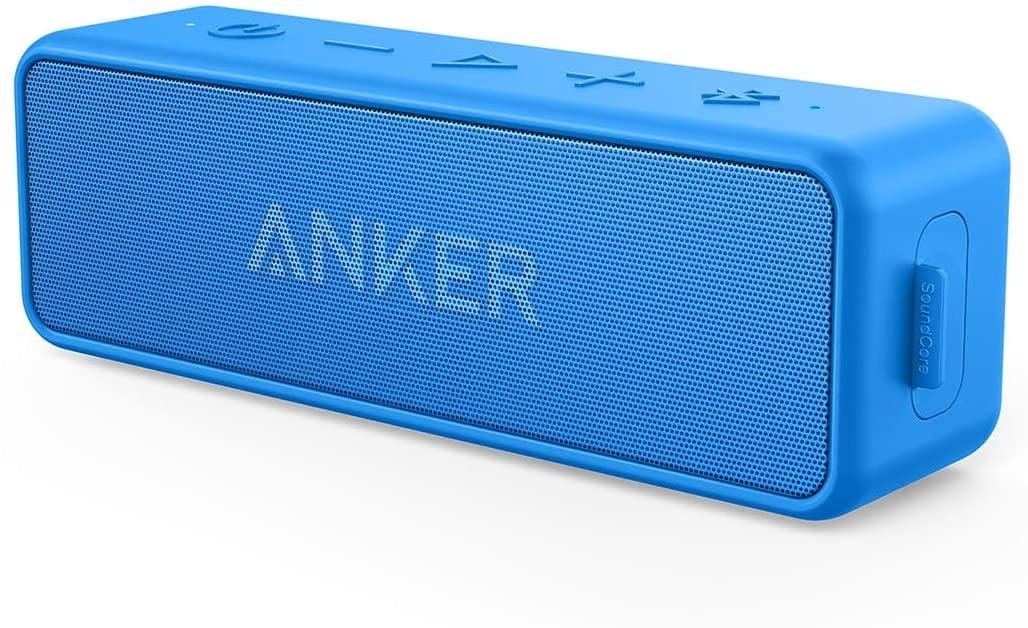
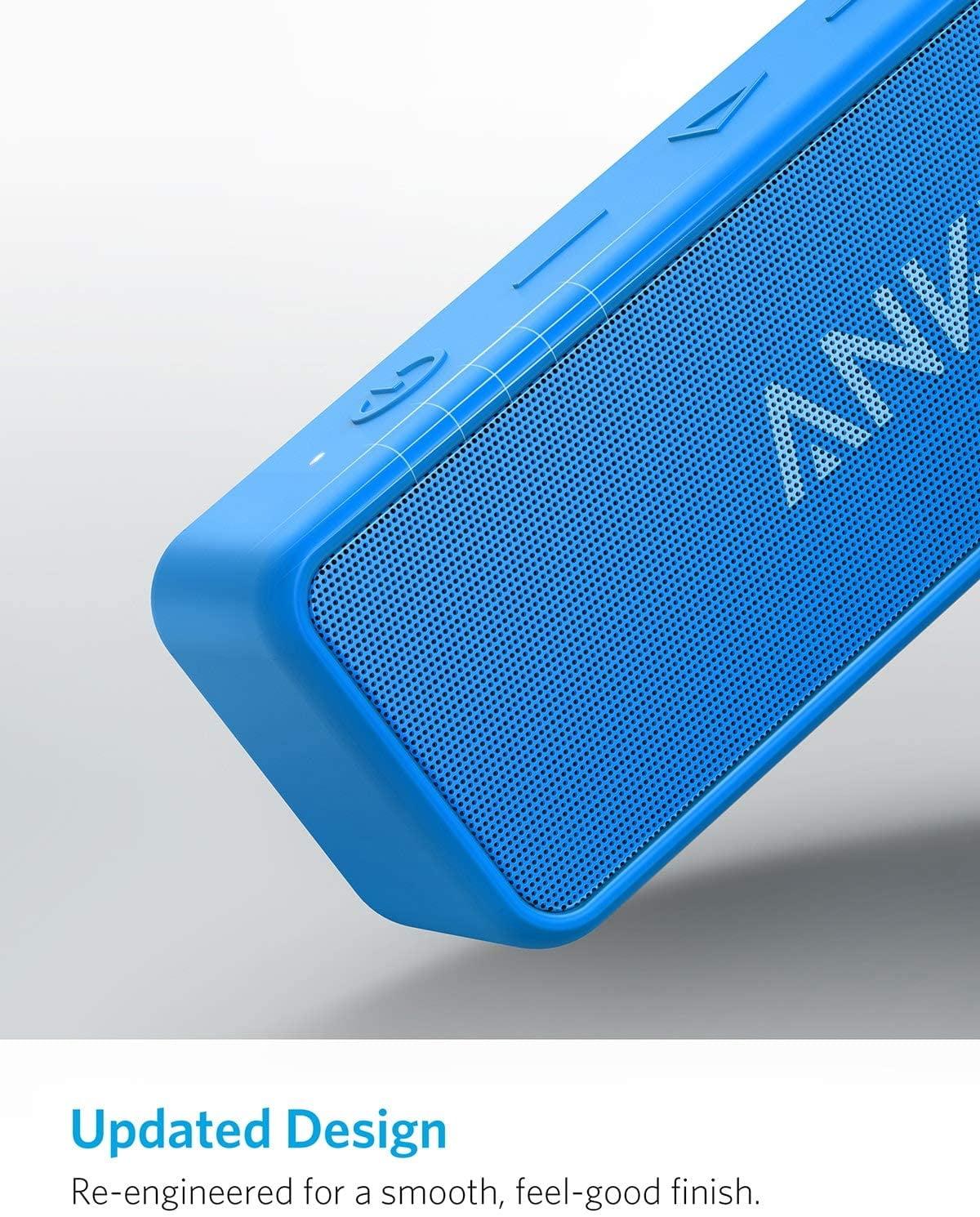
The Anker Soundcore 2 launched in 2017 and quickly became a budget favorite, proving that you didn't need to spend big money for decent portable audio. Its success came from focusing on the essentials: reliable connectivity, impressive battery life, and balanced sound quality at a price that wouldn't make your wallet weep.
The Turtlebox Ranger, released in 2025, takes a completely different approach. It's designed for people who need their gear to work in extreme conditions – think construction workers, boat owners, or serious outdoor enthusiasts who don't want to baby their equipment. Since 2017, we've seen significant improvements in Bluetooth technology (the Ranger uses Bluetooth 5.4 compared to the Soundcore 2's Bluetooth 4.2), battery efficiency, and driver design, all of which the newer Turtlebox incorporates.
Here's where things get fascinating from a technical standpoint. The Turtlebox Ranger cranks out 105 decibels of sound – that's approaching the volume of a motorcycle or chainsaw. To put this in perspective, every 10 decibel increase represents roughly a doubling of perceived loudness to your ears. The Anker Soundcore 2 tops out around 85-90 decibels, which is more like heavy city traffic.
But raw volume isn't everything. What matters more is how clean that sound remains as you turn things up. The Ranger uses a Class D digital amplifier with enhanced DSP (Digital Signal Processing) tuning. Class D amplifiers are incredibly efficient – they convert more of your battery power into actual sound rather than heat, which is why the Ranger can get so loud without draining its battery instantly. The DSP tuning means the speaker actively adjusts the audio signal to prevent distortion and maintain clarity even at maximum volume.
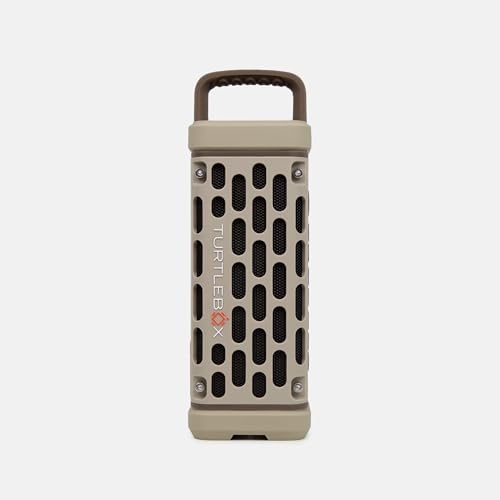
The driver configuration tells another important story. The Turtlebox Ranger uses two 2-inch waterproof drivers plus a passive 4-inch bass radiator. A passive radiator is essentially a speaker cone without a magnet – it moves in response to the air pressure created by the active drivers, effectively extending the bass response without requiring additional power or electronics. This is why the Ranger can produce substantial bass despite its compact size.
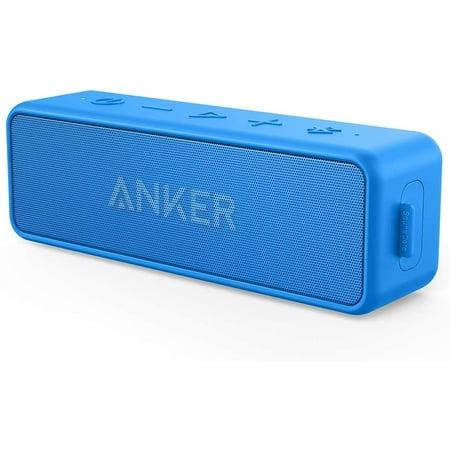
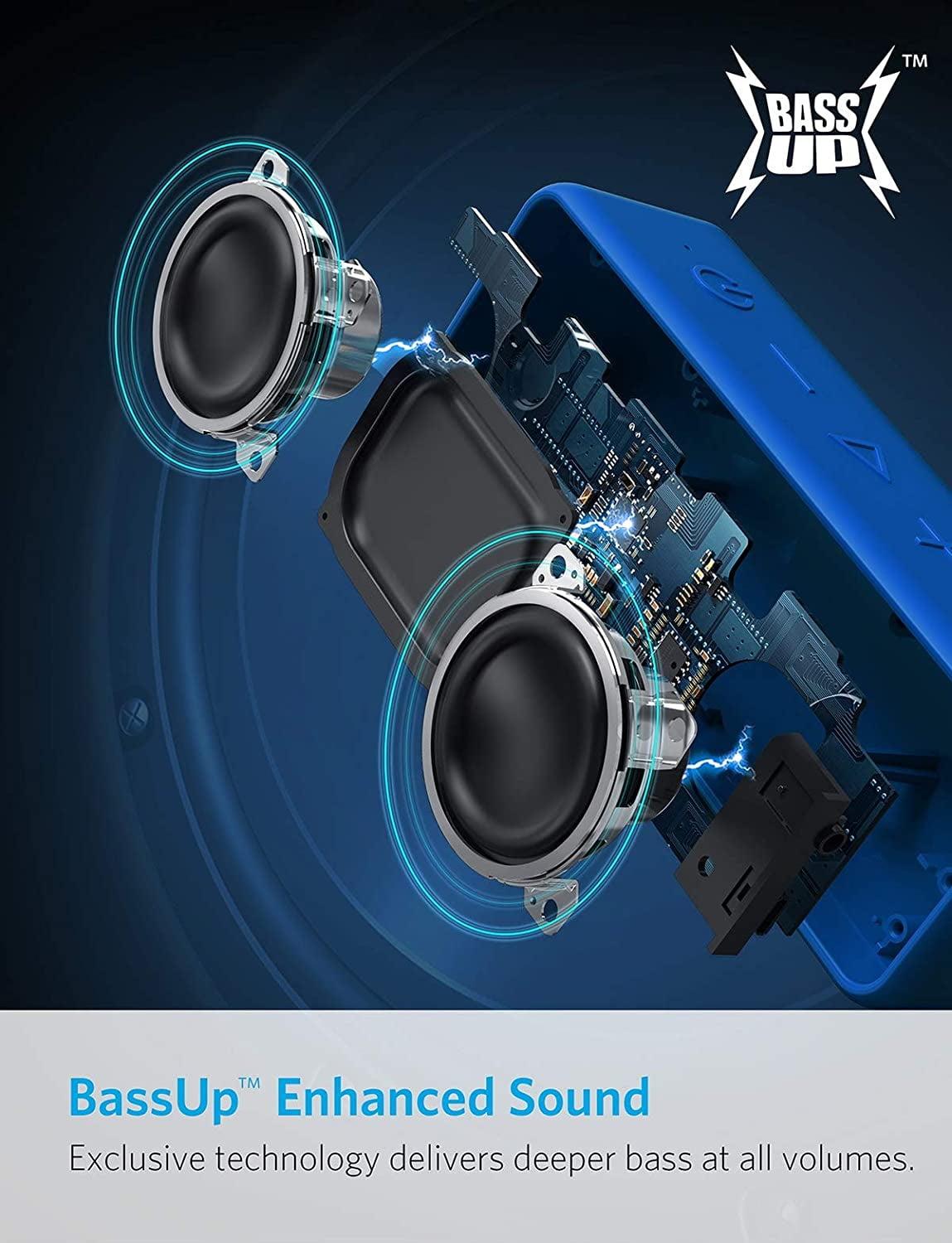
The Anker Soundcore 2 takes a different approach with its BassUp technology and spiral bass port. The spiral port is a cleverly designed tube that allows air to move in and out of the speaker enclosure, tuned to specific frequencies to enhance bass response. It's less sophisticated than a passive radiator but still effective for its price point.
From our research into professional reviews and user feedback, the sound quality difference is significant but serves different purposes. The Ranger delivers reference-quality audio that works for critical listening, while the Soundcore 2 provides crowd-pleasing sound that's perfectly adequate for casual listening. If you're using either speaker in a home theater setup as a secondary or portable option, the Ranger's superior clarity and volume make it more versatile for movie dialogue and dynamic sound effects.
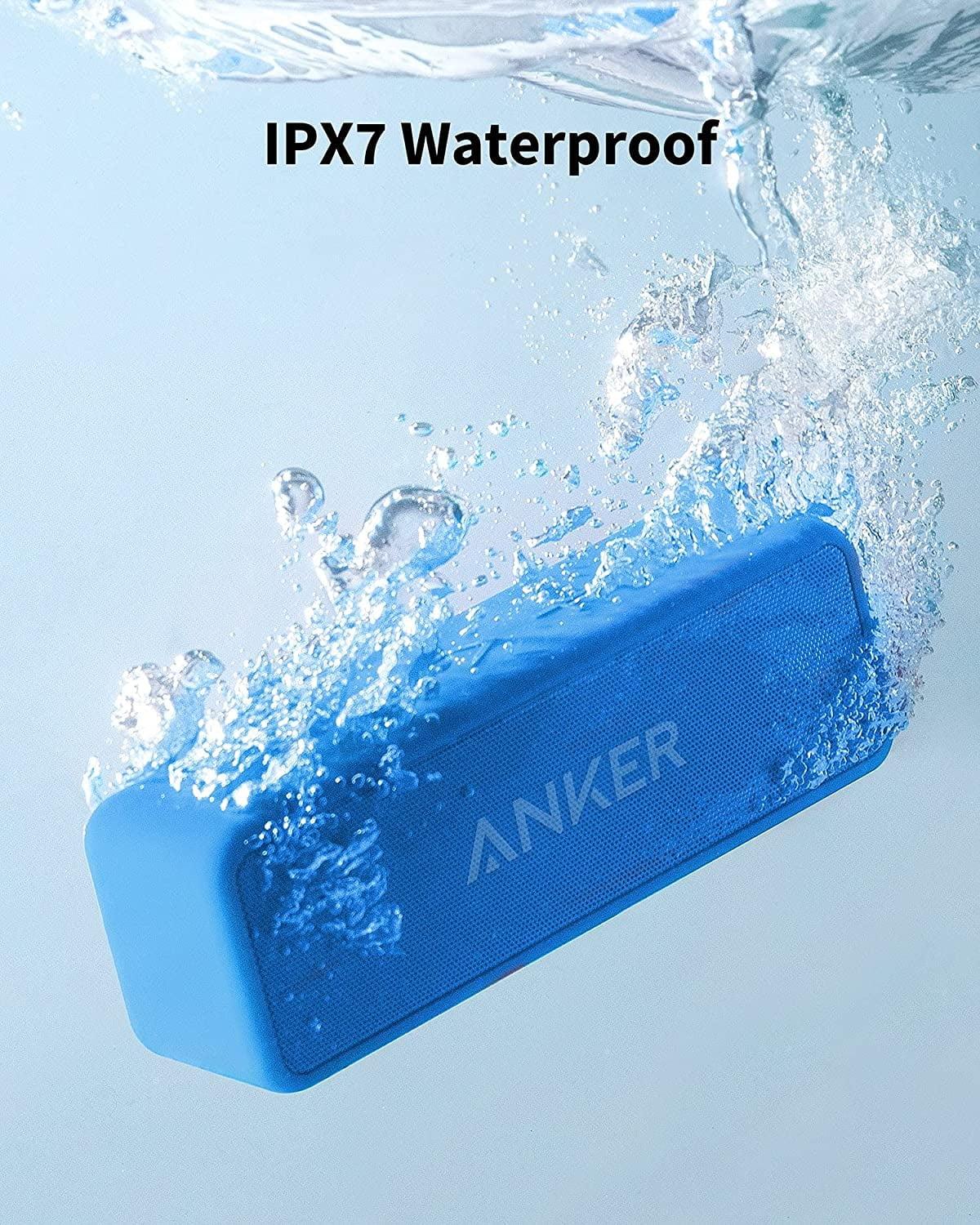
This is where the philosophical difference between these speakers becomes most apparent. The Anker Soundcore 2 features IPX5 water resistance, which means it can handle splashes, rain, and the occasional spill. You can use it poolside without worry, but you wouldn't want to drop it in the water.
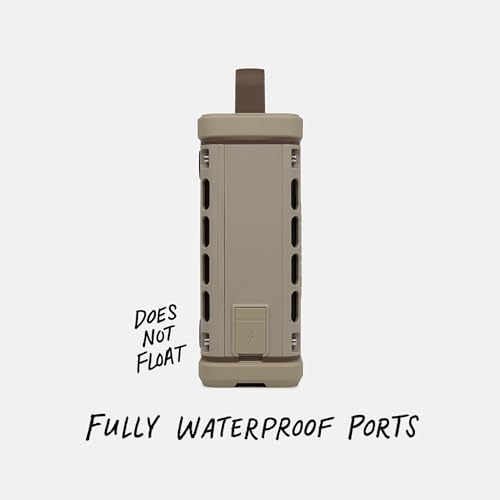
The Turtlebox Ranger, however, boasts IP67 protection – it's completely submersible up to three feet for 30 minutes and doesn't mind being buried in sand or mud. But here's what's really interesting: it also claims to be drop-proof, crush-proof, and dust-proof. The housing uses ABS plastic (Acrylonitrile Butadiene Styrene) – the same tough material used in LEGO blocks and motorcycle helmets – reinforced with stainless steel hardware and rubber bumpers.
The Ranger includes a built-in "breather" that helps it perform consistently across temperature extremes. This is crucial because rapid temperature changes can create pressure differentials that damage sensitive electronics. It's the kind of detail that separates products designed for harsh environments from those built for typical consumer use.
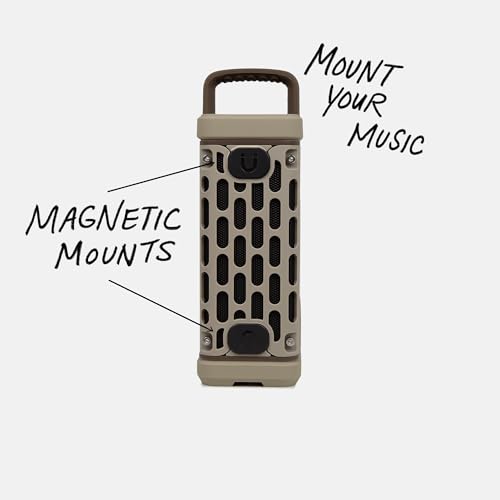
One unique feature worth highlighting is the Ranger's magnetic mounting system. Powerful magnets built into the sides let you stick it to metal surfaces like truck toolboxes, boat railings, or steel construction equipment. This might seem like a small thing, but it's incredibly practical when you're working with your hands and need your speaker to stay put.
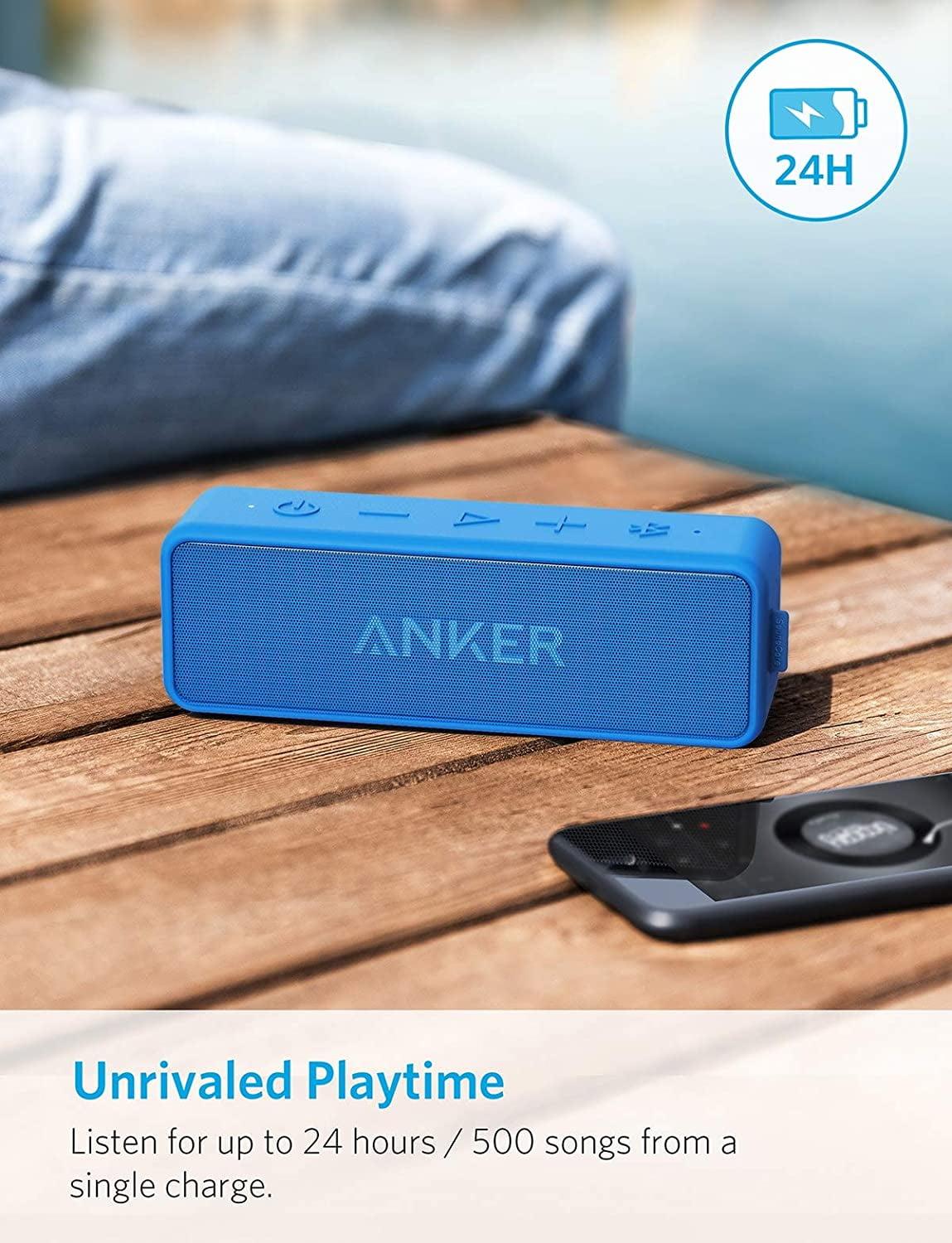
Battery life represents another fascinating technical divide. The Anker Soundcore 2 packs a massive 5200mAh battery that delivers up to 24 hours of playback at moderate volumes. That's genuinely impressive – you could listen for an entire weekend camping trip without needing to recharge.
The Turtlebox Ranger uses a smaller 25.2 Wh lithium-ion battery but includes some clever features. The "Wh" (watt-hour) rating tells you the actual energy capacity, and 25.2 Wh is roughly equivalent to a 3400mAh battery at typical voltages. So why does it only last 12+ hours compared to the Soundcore 2's 24 hours? Because it's pushing significantly more power to achieve that 105-decibel output.
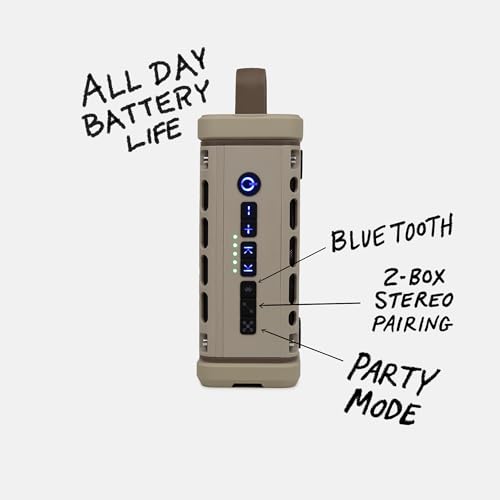
But here's where it gets interesting: the Ranger's USB-C port works both ways. It can charge your phone or other devices, essentially functioning as a power bank. This feature becomes valuable during extended outdoor trips where you need to keep multiple devices charged.
The charging technology also differs significantly. The Soundcore 2 uses older microUSB charging, while the Ranger uses USB-C. USB-C charges faster and the cables are more durable, plus you're more likely to have USB-C cables for your other devices in 2025.
Bluetooth technology has improved dramatically since 2017. The Anker Soundcore 2 uses Bluetooth 4.2, which was perfectly adequate when it launched but feels dated now. It provides a reliable 66-foot range and solid connection stability, but lacks modern conveniences.
The Turtlebox Ranger leverages Bluetooth 5.4, the latest standard at the time of writing. This brings several advantages: longer range (up to 100 feet), better battery efficiency, and more stable connections in crowded RF environments. If you've ever had your Bluetooth speaker cut out in a busy area with lots of wireless devices, you'll appreciate this improvement.
The Ranger also includes Party Mode, which allows you to pair unlimited compatible Turtlebox speakers together for a larger soundstage. True Wireless Stereo (TWS) mode lets you pair two Rangers for genuine left-right stereo separation. These features make the Ranger more scalable for larger gatherings or more immersive listening experiences.
However, the Soundcore 2 includes some practical features the Ranger lacks: a built-in microphone for hands-free calls and a 3.5mm AUX input for wired connections. Sometimes the simple approach wins – if your phone's battery dies, you can still play music through the AUX port.
At the time of writing, these speakers exist in completely different price tiers. The Anker Soundcore 2 typically costs about one-fifth the price of the Turtlebox Ranger, making direct value comparisons somewhat unfair. It's like comparing a reliable Honda Civic to a specialized off-road vehicle – both serve their purposes well.
The Soundcore 2's value proposition is straightforward: you get 90% of what most people need from a portable speaker at a fraction of the cost of premium alternatives. The 24-hour battery life alone makes it exceptional value for casual users, students, or anyone who wants reliable audio without the premium price tag.
The Ranger justifies its higher cost through specialized capabilities most users will never need. If you're using your speaker in demanding environments, that IP67 rating and crush-proof construction could save you from buying replacement speakers repeatedly. The superior audio quality and volume capability make it suitable for professional applications where the Soundcore 2 simply wouldn't cut it.
While neither speaker is designed as a primary home theater solution, both can serve useful secondary roles. The Turtlebox Ranger works well as a portable option for patio movie nights or as a bathroom speaker that won't mind shower steam. Its superior audio quality means dialogue remains clear, and its volume capability can fill larger outdoor spaces effectively.
The Anker Soundcore 2 makes more sense as a bedroom or office speaker where its long battery life means you won't constantly hunt for charging cables. Its balanced sound profile works well for background music during daily activities.
After extensive research into professional reviews and user experiences, here's how to think about this decision:
Choose the Anker Soundcore 2 if you want a reliable, long-lasting speaker for normal use. It's perfect for students, casual listeners, or anyone who needs background music without fuss. The 24-hour battery life is genuinely impressive, and the sound quality exceeds expectations for its price range. If you're primarily using it indoors or in gentle outdoor conditions, it's hard to beat the value.
Choose the Turtlebox Ranger if you need a speaker that works as hard as you do. It's designed for boat owners who don't want to worry about spray, construction workers who need clear communication in noisy environments, or outdoor enthusiasts who don't want to baby their gear. The magnetic mounting alone makes it worth considering for workshop or garage use.
The performance difference is significant but contextual. In a quiet room at moderate volumes, both speakers are perfectly enjoyable. But push them to their limits or expose them to harsh conditions, and the Ranger's advantages become overwhelming.
These speakers represent two successful but fundamentally different approaches to portable audio. The Anker Soundcore 2 proves that good engineering can deliver excellent results at budget prices, while the Turtlebox Ranger demonstrates what happens when you prioritize performance and durability above cost concerns.
Your choice should align with your actual needs rather than theoretical scenarios. If you're honest about how you'll use your speaker, the right choice becomes clear. Most people will be perfectly happy with the Soundcore 2's combination of performance and value. But if you genuinely need the Ranger's specialized capabilities, its higher cost becomes an investment rather than an expense.
The best portable speaker is ultimately the one that fits your lifestyle, budget, and performance requirements. Both of these options excel in their respective categories – you just need to decide which category matches your needs.
| Turtlebox Ranger Portable Bluetooth Speaker | Anker Soundcore 2 Portable Bluetooth Speaker |
|---|---|
| Maximum Volume - Critical for outdoor use and noisy environments | |
| 105 dB (extremely loud, suitable for large gatherings) | ~85-90 dB (adequate for personal/small group listening) |
| Water Resistance - Determines safe usage scenarios | |
| IP67 (fully submersible up to 3 feet for 30 minutes) | IPX5 (splash-resistant, handles rain and spills) |
| Battery Life - How long you can listen without charging | |
| 12+ hours typical use (5 hours at max volume) | Up to 24 hours (exceptional endurance for extended trips) |
| Bluetooth Version - Affects range, stability, and battery efficiency | |
| Bluetooth 5.4 (latest standard, 100ft range, better connectivity) | Bluetooth 4.2 (reliable but older, 66ft range) |
| Audio Drivers - Determines sound quality and bass response | |
| Dual 2" waterproof drivers + passive 4" bass radiator | Dual 1.5" full-range drivers + passive radiator |
| Durability Features - Protection beyond water resistance | |
| Drop-proof, crush-proof, dust-proof with ABS housing | Standard build quality with rubberized finish |
| Weight & Portability - Affects ease of transport | |
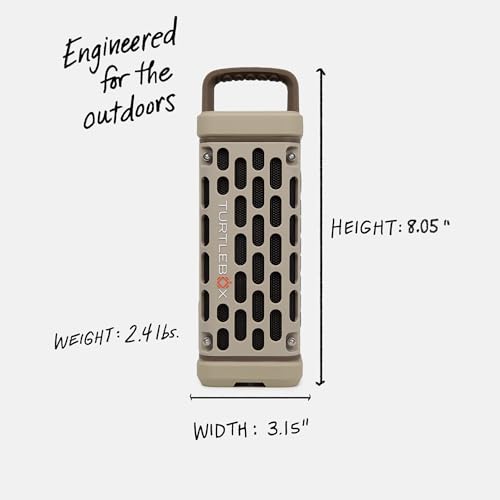
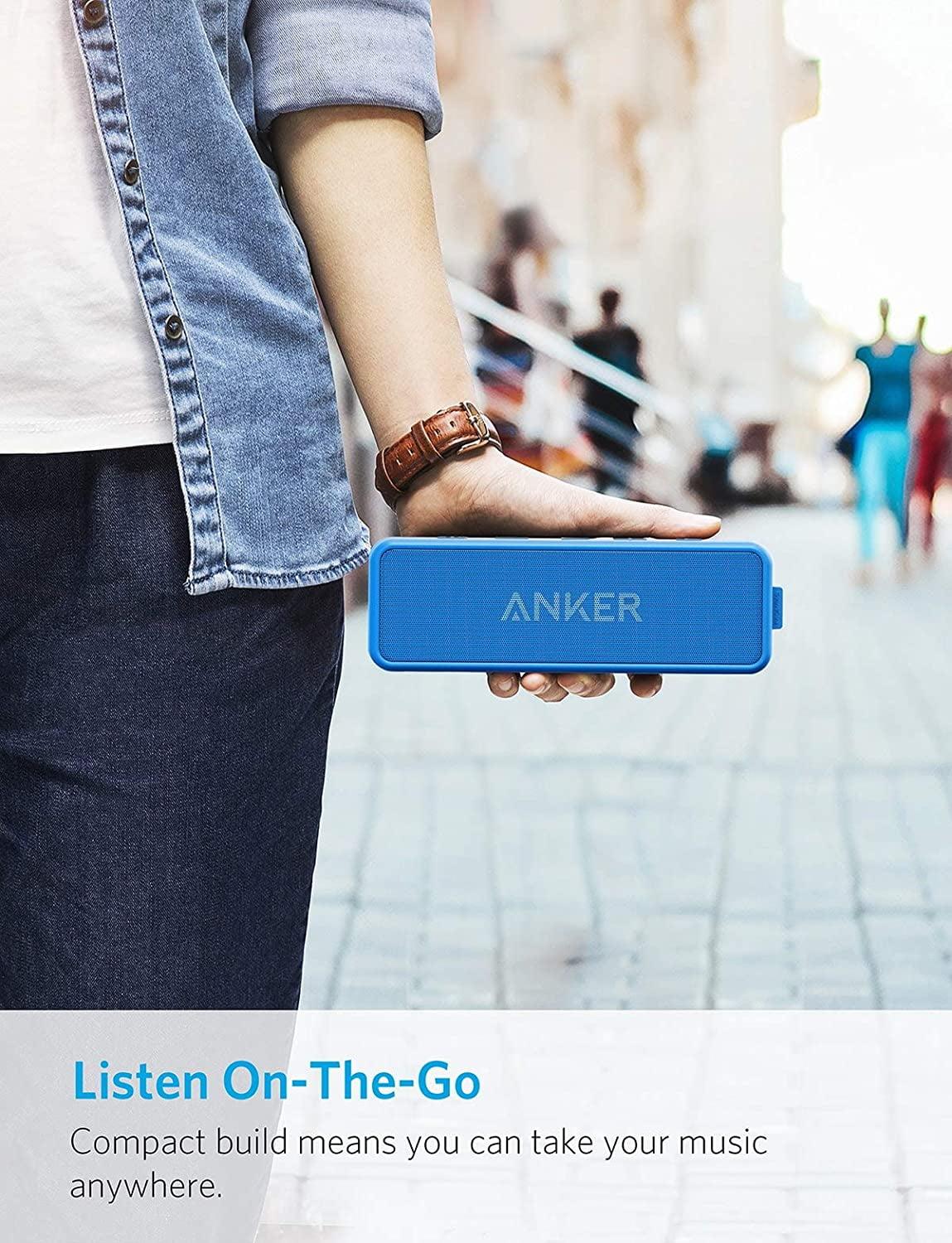
| 2.4 lbs (compact but substantial feel) | 11.2 oz (lightweight and ultra-portable) |
| Charging & Power Features - Modern convenience factors | |
| USB-C charging + power bank function for devices | MicroUSB charging (older standard) |
| Multi-Speaker Features - Expandability for larger setups | |
| Party Mode (infinite pairing) + True Wireless Stereo | No multi-speaker pairing capabilities |
| Additional Connectivity - Backup connection options | |
| Bluetooth only with magnetic mounting | AUX input + built-in microphone for calls |
| Target Use Case - Who benefits most from each design | |
| Extreme outdoor use, professional applications, loud environments | Budget-conscious users, casual listening, extended battery needs |
The Turtlebox Ranger is significantly louder, producing up to 105 decibels compared to the Anker Soundcore 2's maximum output of around 85-90 decibels. This makes the Ranger much better suited for outdoor gatherings, large rooms, or noisy environments where you need to compete with background sound.
The Anker Soundcore 2 offers superior battery endurance with up to 24 hours of playback, while the Turtlebox Ranger provides 12+ hours of typical use (or about 5 hours at maximum volume). If long listening sessions without charging are your priority, the Soundcore 2 is the clear winner.
The Turtlebox Ranger has an IP67 rating, meaning it can be fully submerged in up to 3 feet of water for 30 minutes. The Anker Soundcore 2 has an IPX5 rating, which protects against water sprays and splashes but shouldn't be submerged. For pool parties or marine use, the Ranger offers significantly better protection.
The Turtlebox Ranger delivers superior audio quality with dual 2-inch waterproof drivers and a passive 4-inch bass radiator, producing cleaner sound at all volume levels. The Anker Soundcore 2 offers good sound quality for its price range with BassUp technology, but can't match the Ranger's clarity and bass depth, especially at higher volumes.
The Anker Soundcore 2 provides exceptional value for budget-conscious buyers, offering solid performance and 24-hour battery life at a fraction of the cost. The Turtlebox Ranger justifies its premium pricing through extreme durability, superior audio quality, and specialized features, making it better value for users who need rugged performance.
The Turtlebox Ranger features advanced connectivity with Party Mode for pairing unlimited compatible speakers and True Wireless Stereo mode for dual-speaker setups. The Anker Soundcore 2 doesn't support multi-speaker pairing but includes practical features like AUX input and a built-in microphone for hands-free calls.
The Anker Soundcore 2 is more portable at just 11.2 ounces, making it ideal for backpacking or daily carry. The Turtlebox Ranger weighs 2.4 pounds but includes unique magnetic mounting capabilities and a more compact vertical design. Choose the Soundcore 2 for lightweight portability or the Ranger for versatile mounting options.
The Turtlebox Ranger uses the latest Bluetooth 5.4 technology with up to 100-foot range and better stability in crowded wireless environments. The Anker Soundcore 2 uses older Bluetooth 4.2 with a 66-foot range, which is still reliable but lacks the advanced features and efficiency of the newer standard.
The Turtlebox Ranger excels in outdoor scenarios with its IP67 waterproofing, crush-proof construction, magnetic mounting, and extremely loud 105dB output that cuts through wind and ambient noise. The Anker Soundcore 2 works well for casual outdoor use like picnics or poolside listening but isn't designed for extreme conditions.
Neither speaker is designed as a primary home theater solution, but the Turtlebox Ranger works better as a secondary speaker for patio movie nights or bathroom use due to its superior audio clarity and volume. The Anker Soundcore 2 is excellent for bedroom or office background music where its 24-hour battery life means less frequent charging.
The Turtlebox Ranger uses modern USB-C charging and can also function as a power bank to charge your devices. The Anker Soundcore 2 uses older microUSB charging, which is slower and requires carrying an additional cable type. The Ranger's USB-C port offers more convenience and faster charging speeds.
The Turtlebox Ranger is engineered for extreme durability with drop-proof, crush-proof, and dust-proof construction using ABS housing and stainless steel hardware. The Anker Soundcore 2 has solid build quality with a rubberized finish but is designed for normal consumer use rather than harsh environments. Choose the Ranger if your speaker will face tough conditions.
We've done our best to create useful and informative comparisons to help you decide what product to buy. Our research uses advanced automated methods to create this comparison and perfection is not possible - please contact us for corrections or questions. These are the sites we've researched in the creation of this article: fieldandstream.com - tylerstx.com - comparisontabl.es - gearjunkie.com - rogerssportinggoods.com - youtube.com - armorsound.com - simmonssportinggoods.com - turtleboxaudio.com - outdoorhub.com - backpackeroutdoors.com - youtube.com - tennesseevalleyoutsider.com - turtleboxaudio.com - mrfc.com - linecutterz.com - russells.com - turtleboxaudio.com - flyfishfood.com - community.anker.com - forums.androidcentral.com - community.anker.com - youtube.com - community.anker.com - community.anker.com - wirelessplace.com - cnet.com - youtube.com - walmart.com - us.ankerwork.com - support.soundcore.com

Privacy Policy
Terms and Conditions - Affiliate Policy
Home Security
© Copyright 2008-2026.
11816 Inwood Rd #1211, Dallas, TX 75244