

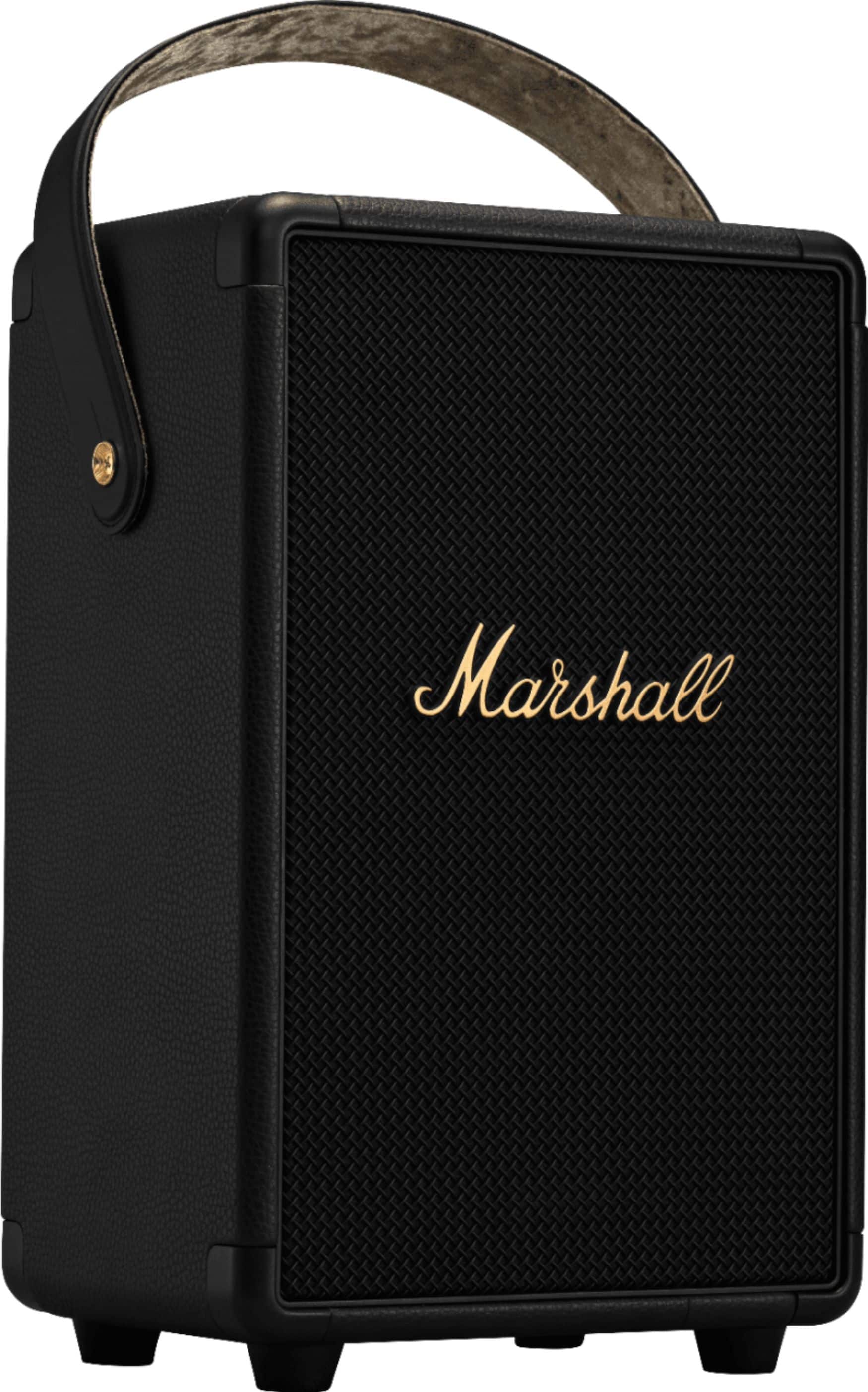
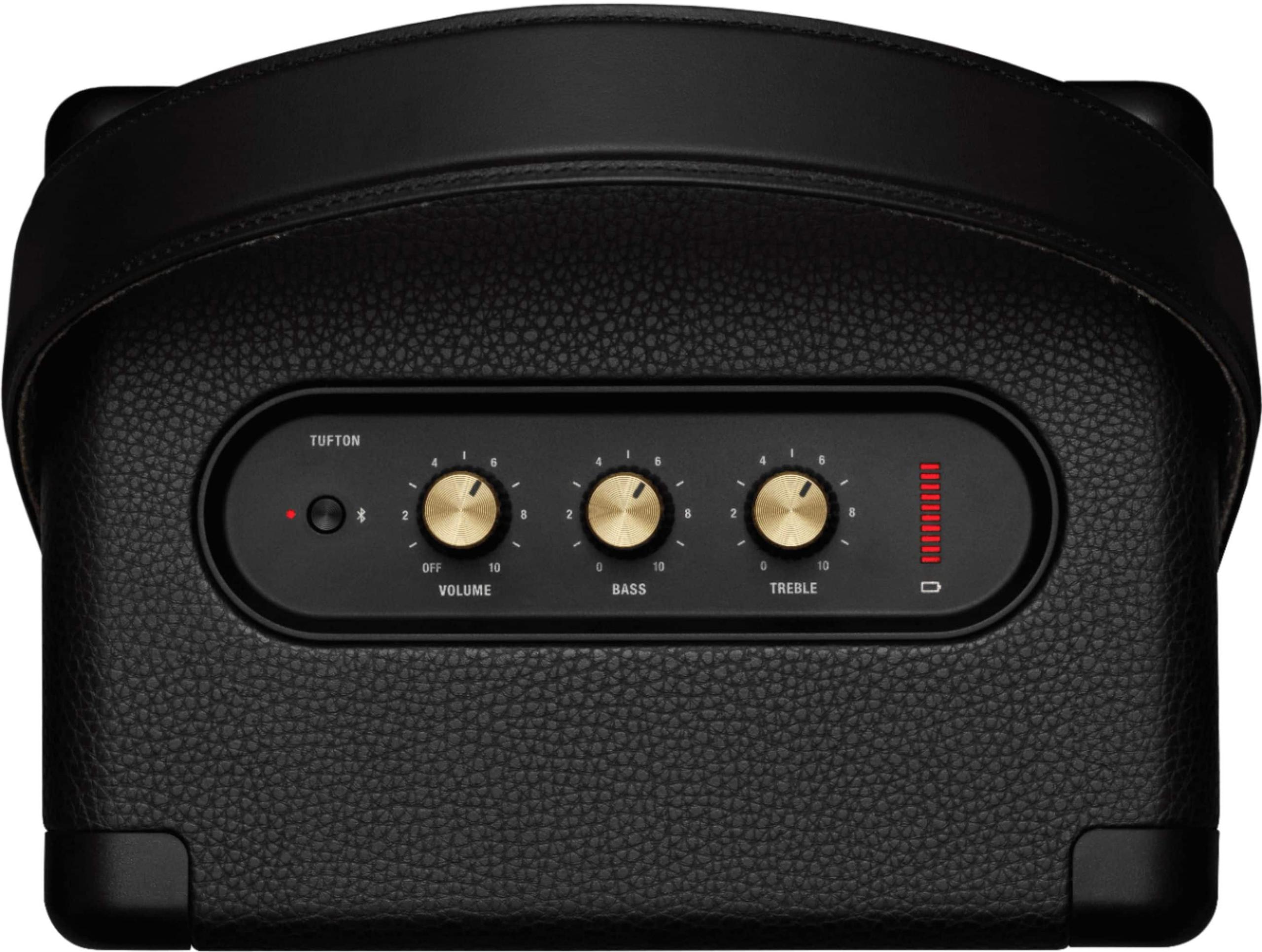
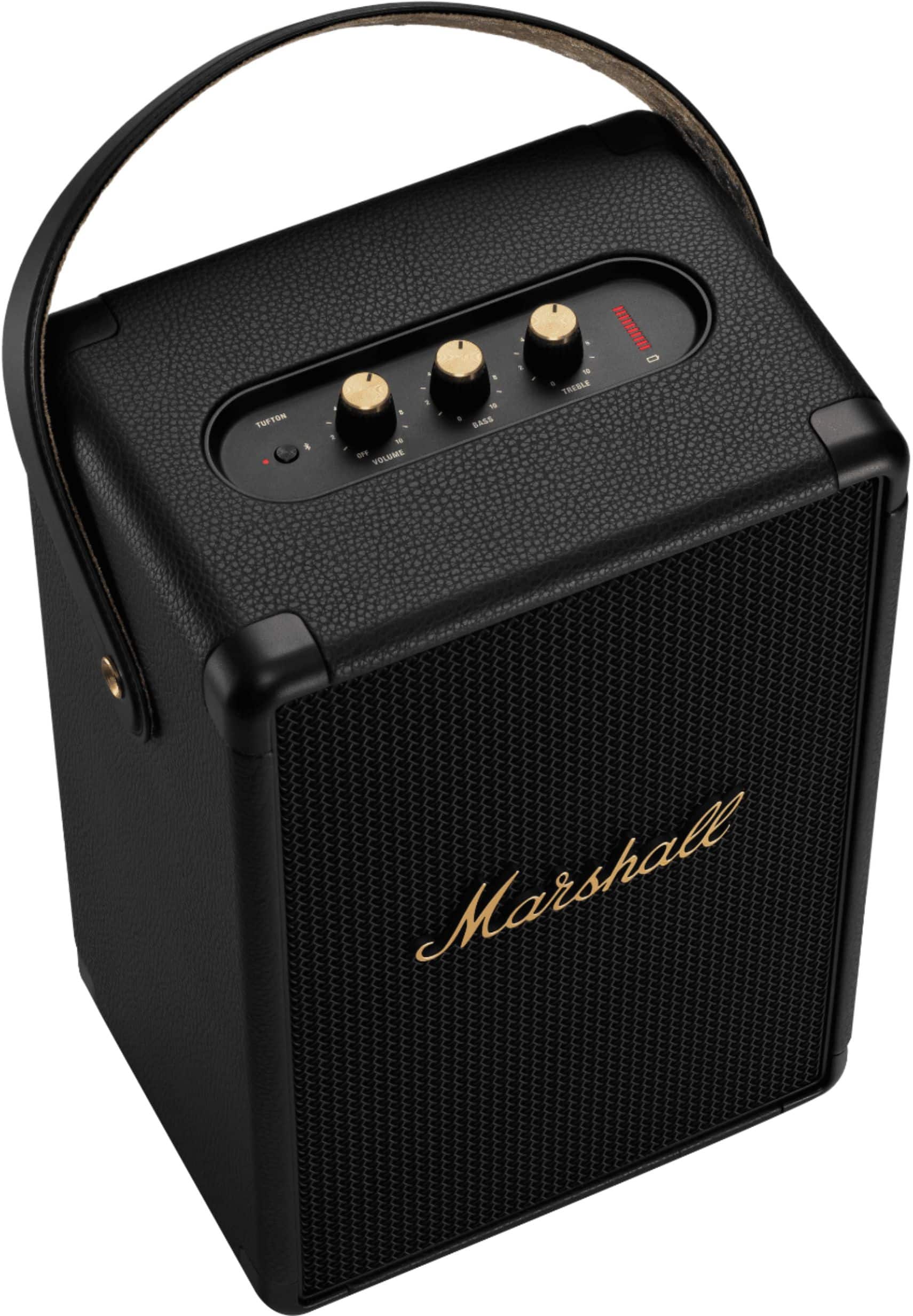
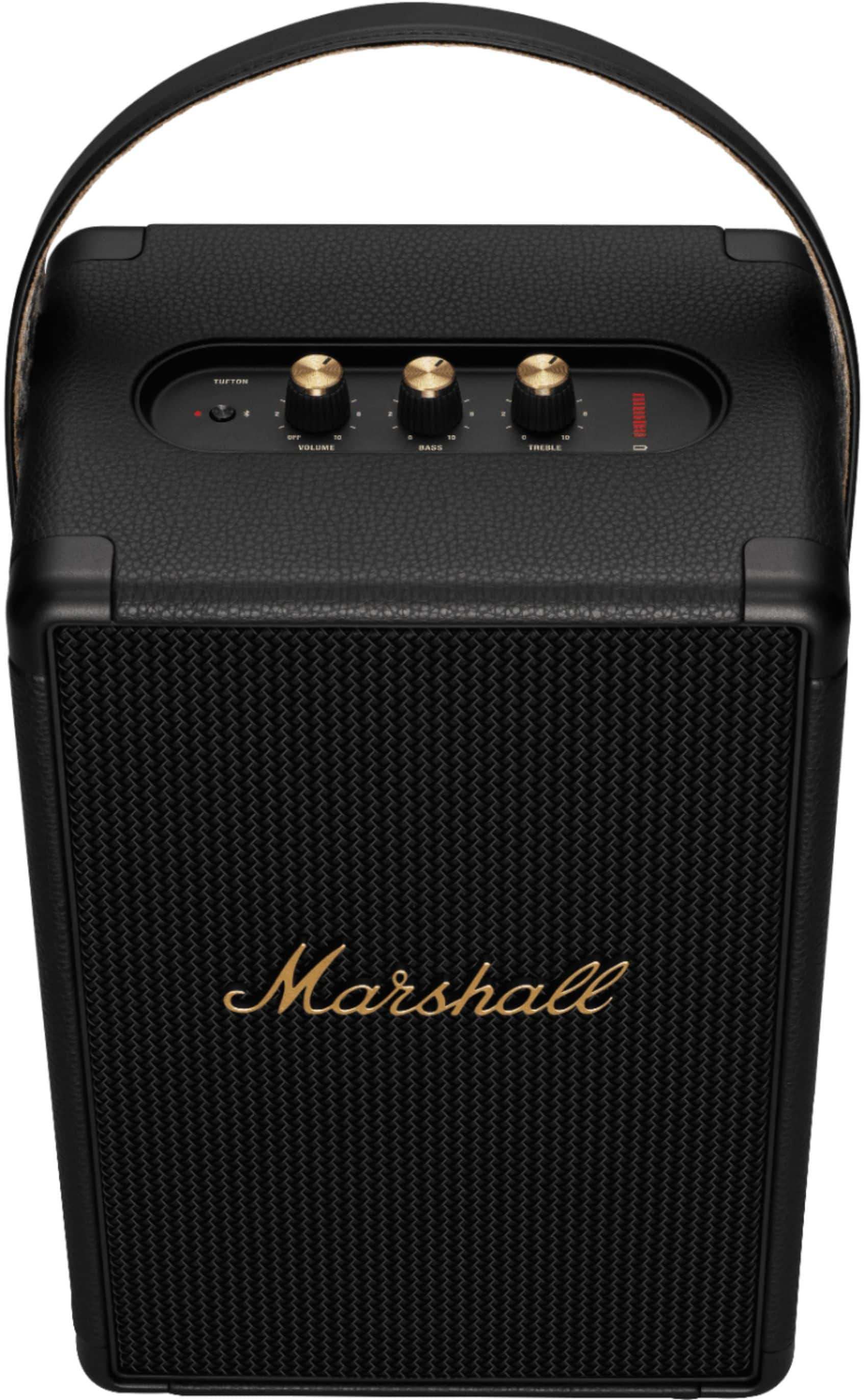
When it comes to portable Bluetooth speakers, the market has split into two distinct camps: those built for extreme durability and genuine portability, and those prioritizing premium audio quality with moderate mobility. The Turtlebox Ranger and Marshall Tufton perfectly exemplify this divide, offering completely different solutions to the challenge of taking great sound anywhere.
Understanding which approach fits your lifestyle isn't just about comparing specs—it's about recognizing how you actually use speakers and what compromises you're willing to make. At the time of writing, these speakers sit in different price tiers, with the Marshall Tufton commanding a premium position while the Turtlebox Ranger offers aggressive value in the mid-range segment.
The portable speaker landscape has transformed dramatically since both speakers launched. The Marshall Tufton arrived in 2019 during an era when manufacturers were still figuring out how to balance portability with power, while the Turtlebox Ranger launched in 2025 with the benefit of years of technological refinement and user feedback.
This timing difference is crucial. The Ranger incorporates Bluetooth 5.4—the latest wireless standard offering improved range, lower latency, and better power efficiency compared to the Tufton's Bluetooth 5.0. More importantly, the Ranger was designed after manufacturers learned what users actually want from "rugged" speakers: true waterproof protection rather than mere splash resistance, magnetic mounting systems for versatile placement, and the ability to actually throw the speaker in a backpack without worrying about weight.
The fundamental difference between these speakers lies in their core design priorities. The Marshall Tufton follows the traditional approach of scaling up a home speaker for outdoor use—bigger drivers, more power, longer battery life. At 10.8 pounds, it's essentially a portable home theater speaker that happens to have a battery.
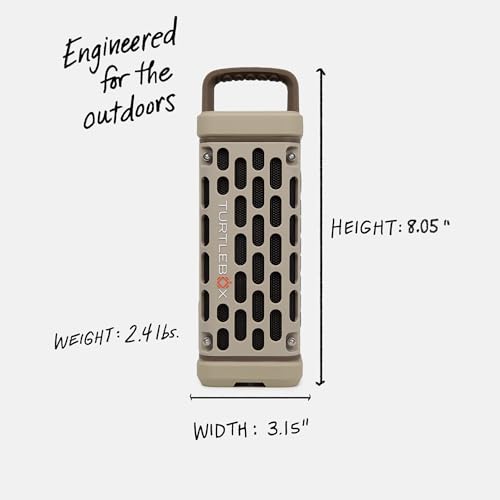
The Turtlebox Ranger, conversely, was designed from the ground up for true portability. At just 2.4 pounds, it weighs less than one-fourth of the Tufton while still delivering impressive volume levels. This weight difference isn't just about convenience—it fundamentally changes how and where you can use the speaker.
Both speakers excel at getting loud, but they achieve it through different means. The Marshall Tufton uses brute force: an 80-watt amplifier pushing a sophisticated three-way driver system featuring a 5.25-inch woofer, dual 2-inch drivers, and a 16mm tweeter. This configuration produces a frequency response spanning 40Hz to 20kHz, covering the full range of human hearing with remarkable accuracy.
The Turtlebox Ranger takes a more efficient approach, reaching 105 decibels through a Class D digital amplifier with enhanced DSP tuning. Class D amplifiers are significantly more power-efficient than traditional designs, converting more battery power into actual sound rather than heat. The DSP (Digital Signal Processing) tuning means the speaker actively adjusts its output to optimize clarity at different volumes—crucial for outdoor use where ambient noise varies dramatically.
The Tufton's larger 5.25-inch woofer naturally produces deeper, more authoritative bass. In controlled listening environments, this translates to a richer, more immersive experience, particularly for genres like electronic music, hip-hop, or action movie soundtracks. The speaker's weight actually helps here—mass dampens unwanted vibrations that can muddy bass response.
However, the Ranger's passive 2×4-inch bass radiator creates surprisingly substantial low-end for its size. Bass radiators work like speakers without voice coils, moving air in response to the main drivers to enhance low-frequency output without requiring additional power. This design is particularly clever in a portable speaker because it maximizes bass impact while maintaining efficiency.
Here's where real-world usage diverges from laboratory measurements. The Marshall Tufton sounds incredible in your living room or on a covered patio, but outdoor acoustics are unforgiving. Wind, ambient noise, and the lack of reflective surfaces all conspire to diminish audio quality.
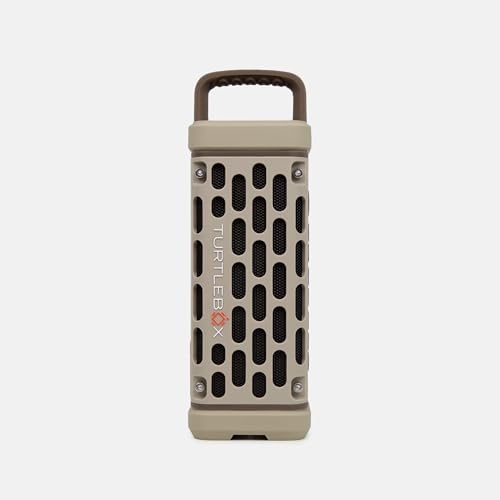
The Turtlebox Ranger was specifically tuned for these harsh conditions. Its vertical, pillar-like design promotes 360-degree sound dispersion, meaning you don't have to position it perfectly to get good audio. The enhanced DSP continuously adjusts for optimal clarity, which becomes essential when competing with crashing waves, wind, or construction site noise.
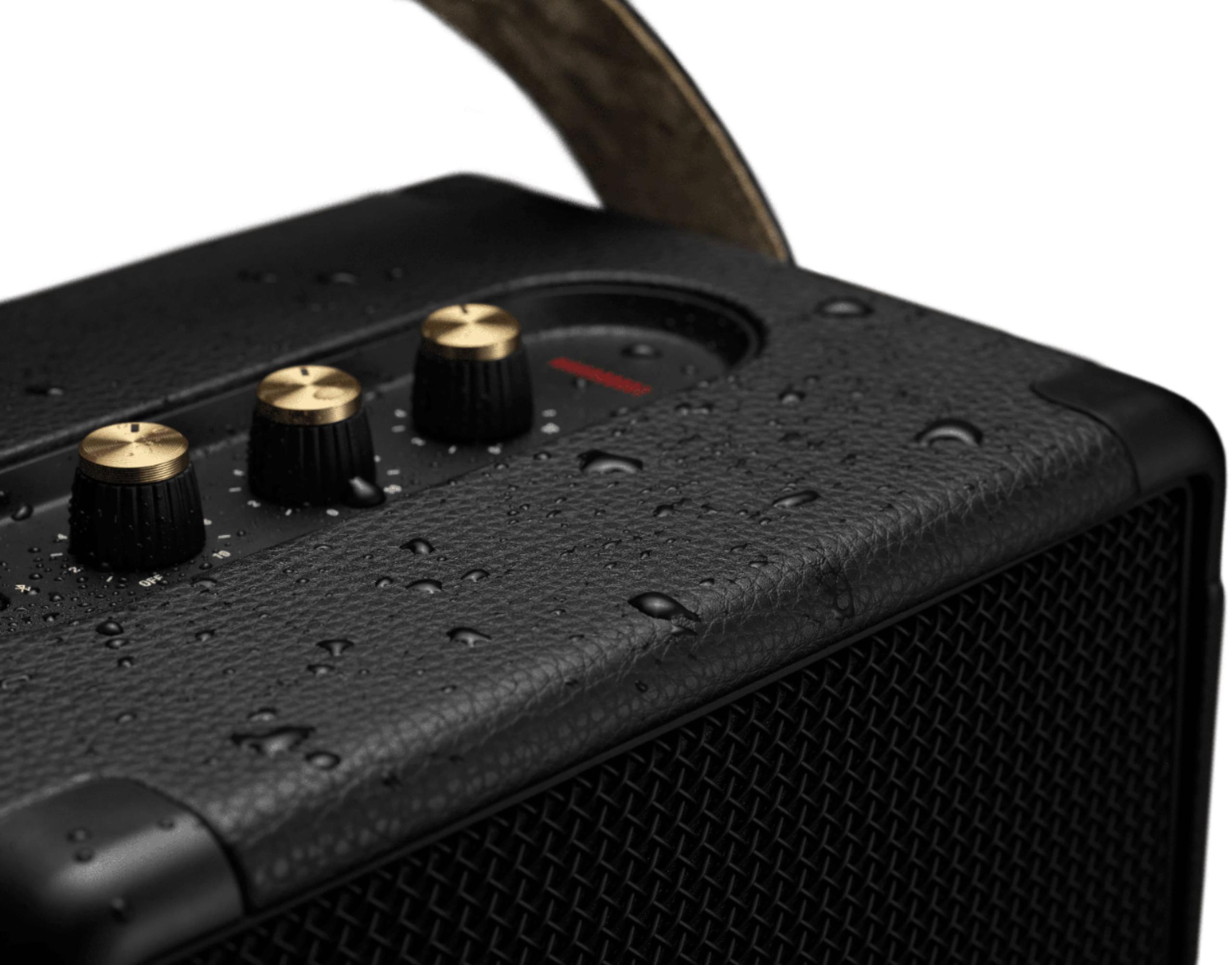
The most critical difference between these speakers lies in their relationship with water. The Marshall Tufton's IPX2 rating means it can handle light rain or accidental splashes—think of it as protection against a spilled drink, not a day at the beach.
IPX2 specifically means protection against water droplets falling at a 15-degree angle from vertical. This is barely better than no protection at all for real outdoor use. If you're poolside, camping, or on a boat, the Tufton becomes a liability rather than an asset.
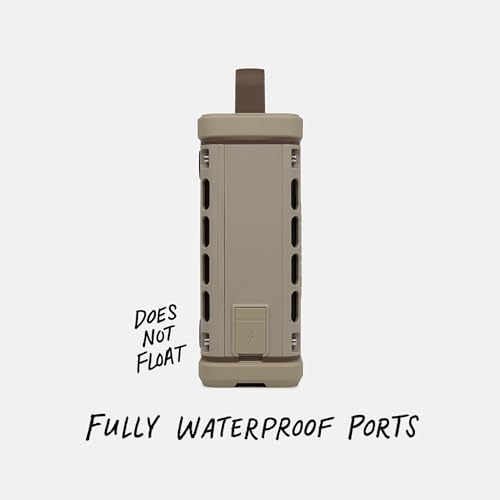
The Ranger's IP67 rating represents military-grade protection. The "6" means completely dust-tight—no particle ingress whatsoever. The "7" means submersible in up to 3 feet of water for 30 minutes. This isn't just shower-proof; it's genuinely waterproof. Users report retrieving their Rangers from swimming pools, lake beds, and even saltwater environments without damage.
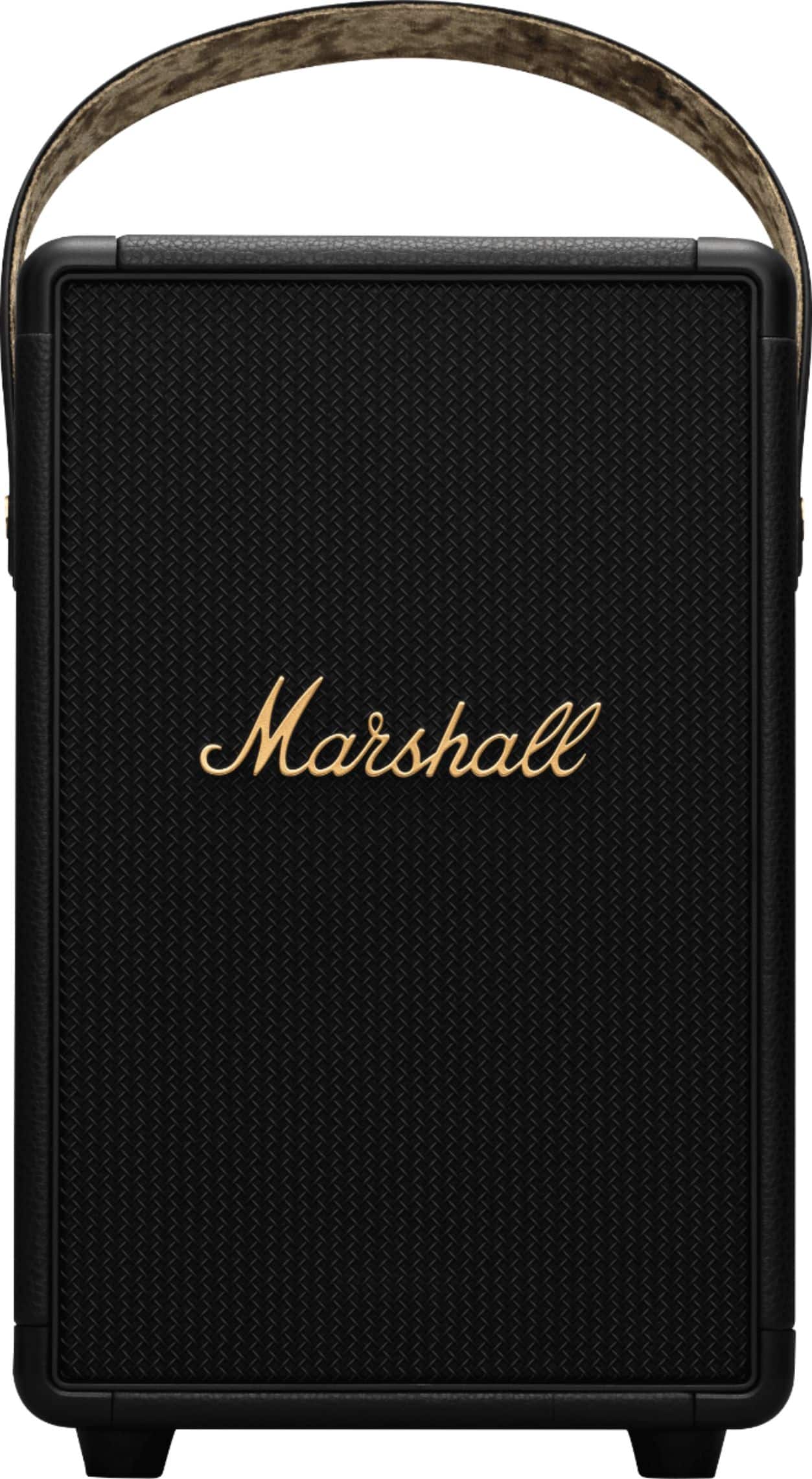
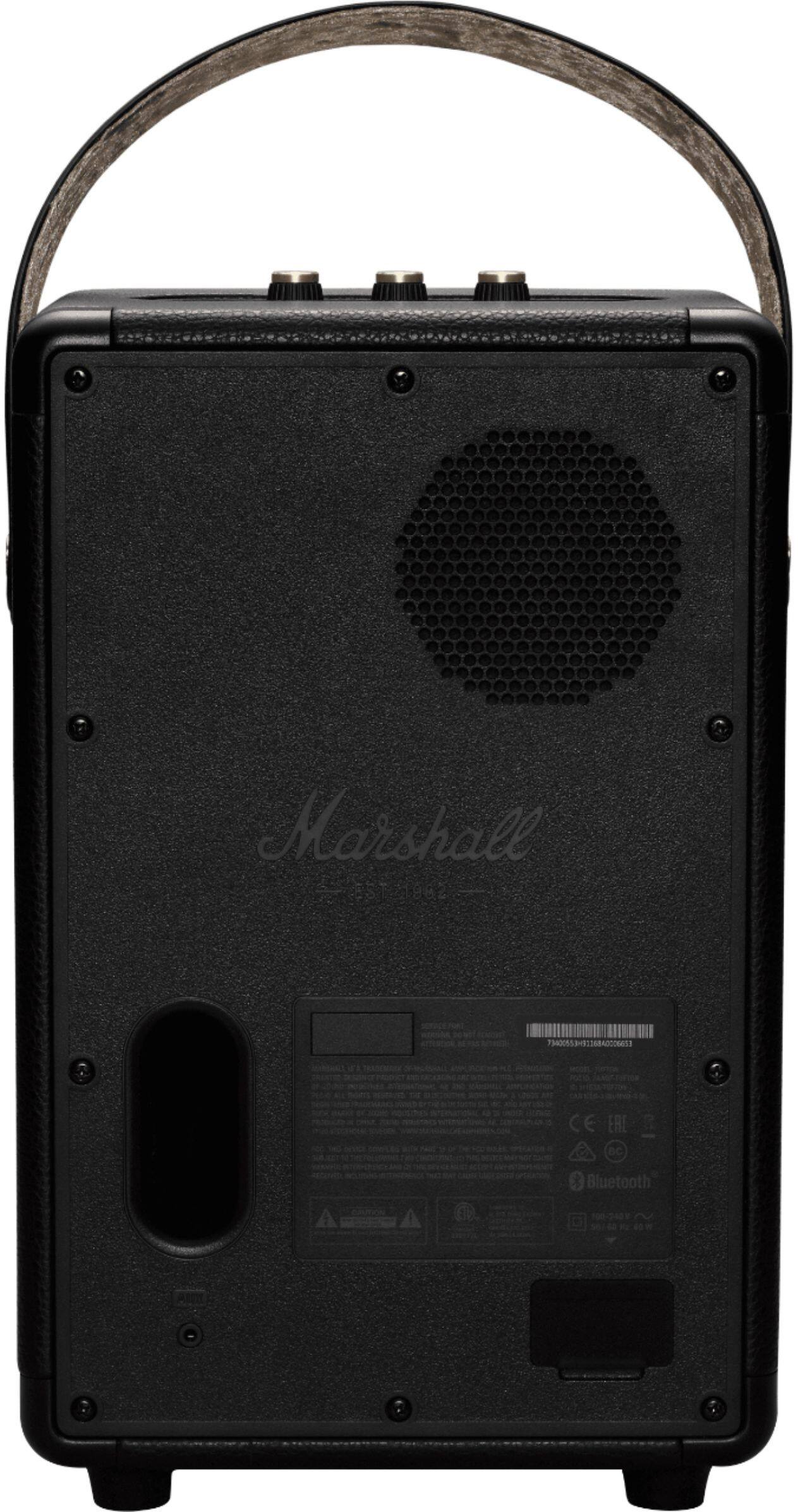
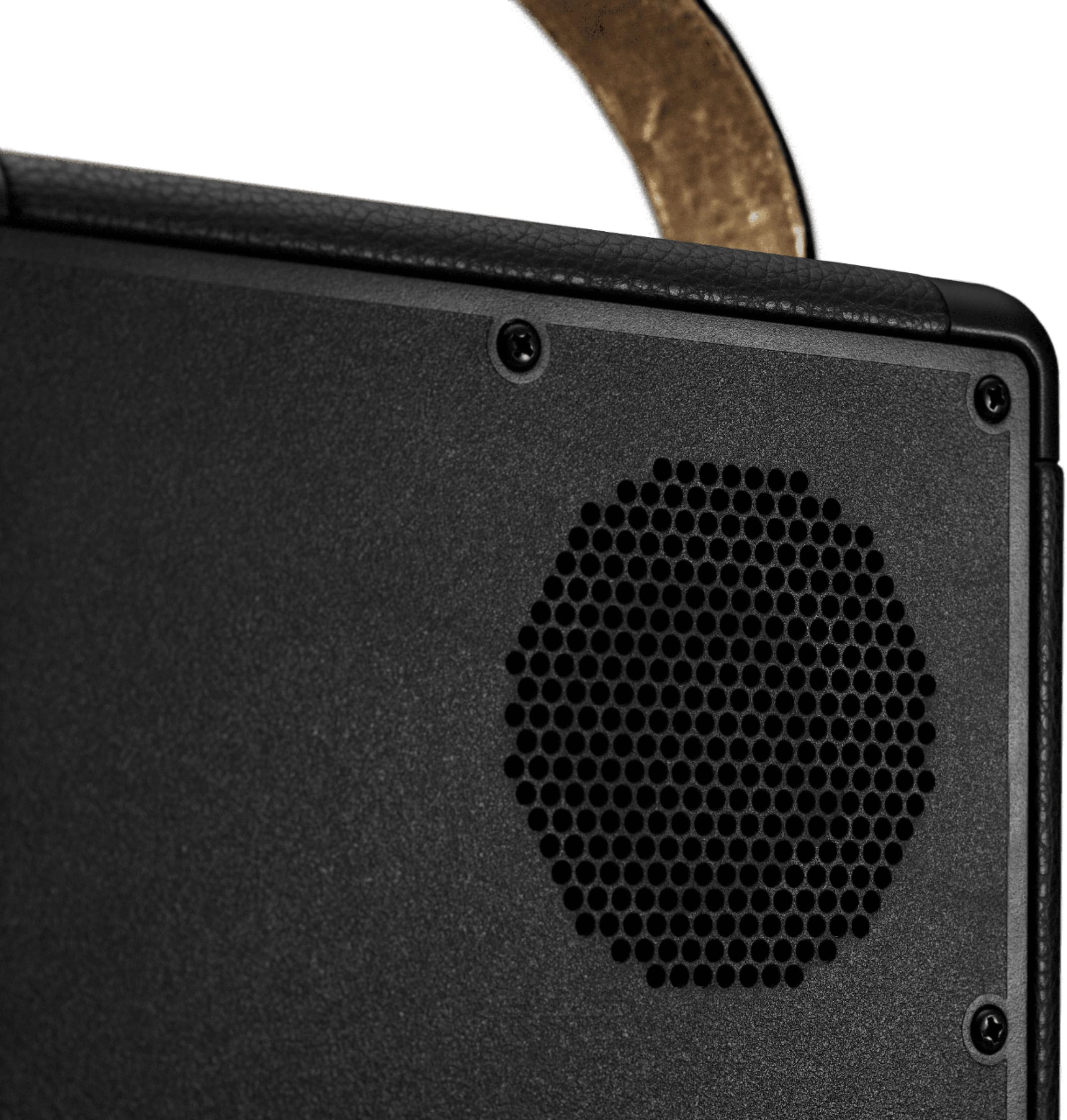
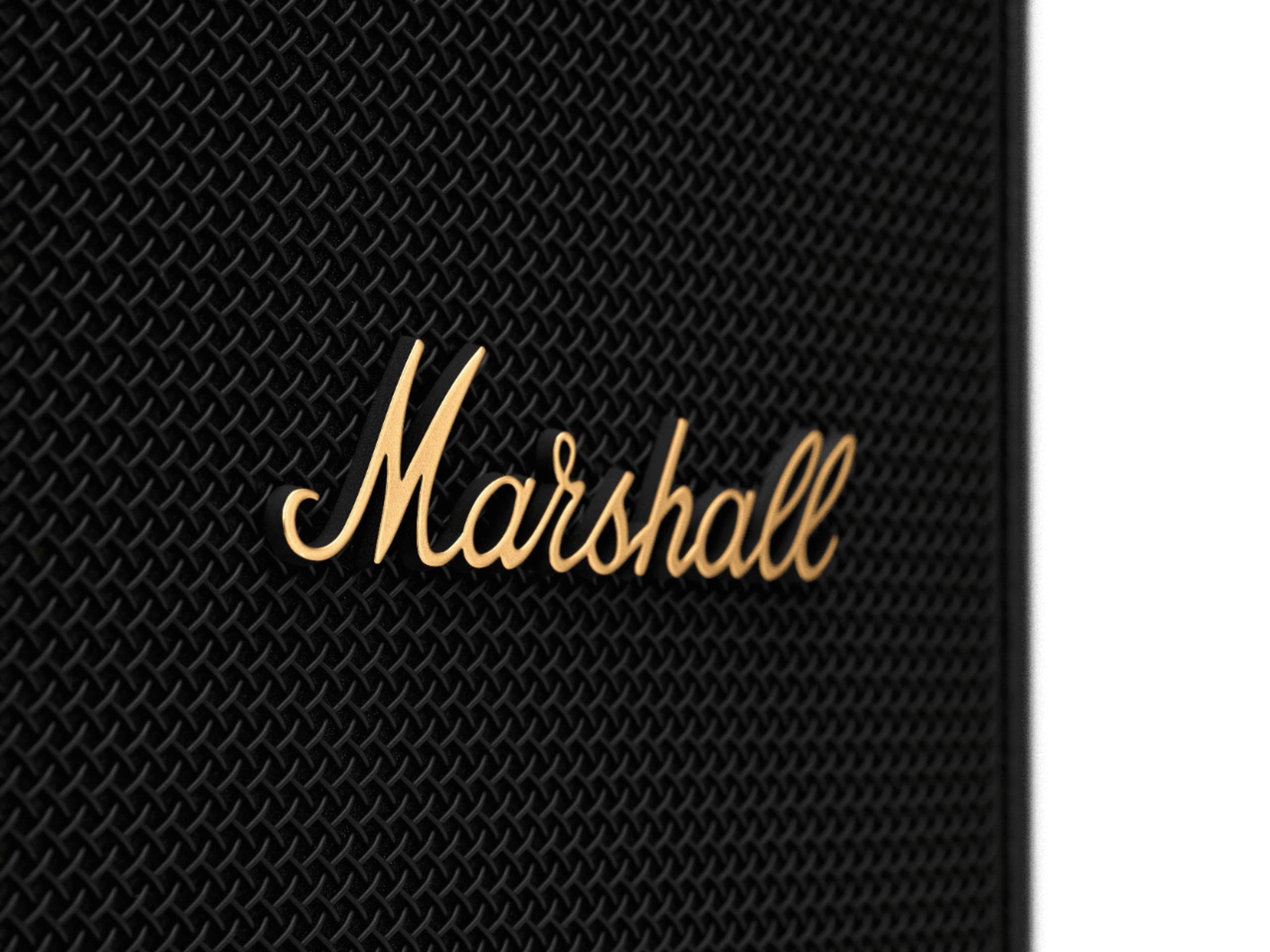
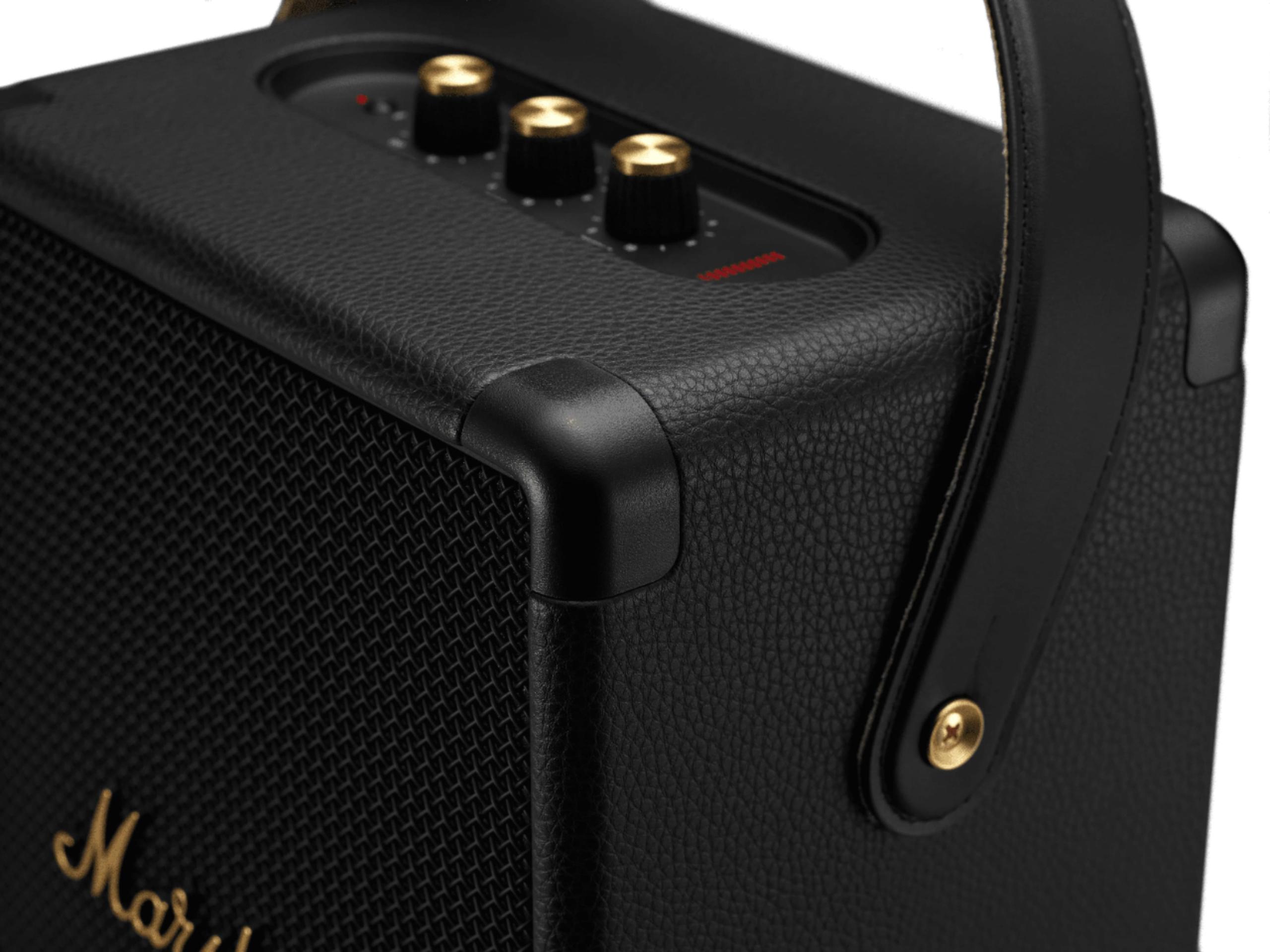
The Marshall Tufton uses premium materials—metal grilles, quality plastics, and robust internal components—but they're optimized for controlled environments. The speaker looks and feels expensive because it is, but that premium construction wasn't designed to survive being dropped on concrete or buried in sand.
The Turtlebox Ranger employs what the company calls "ABS crush-proof housing" with stainless steel hardware and rubber bumpers. ABS (Acrylonitrile Butadiene Styrene) is the same plastic used in automotive dashboards and protective equipment—chosen for impact resistance rather than aesthetics. The stainless steel components resist corrosion, crucial for marine environments, while rubber bumpers absorb shock from drops.
The Marshall Tufton dominates on raw battery capacity, delivering up to 20 hours of playback from its 56.17 Wh battery. This substantial capacity comes from the speaker's size—there's simply more room for battery cells. The Tufton also includes quick charging, providing 4 hours of playback from just 20 minutes of charging.
The Ranger's smaller 25.2 Wh battery provides 12+ hours of playback, but the real innovation lies in its USB-C passthrough charging capability. This means the speaker can charge your phone or other devices, essentially functioning as a portable power bank. For extended outdoor adventures, this dual functionality becomes incredibly valuable.
Battery life specifications assume moderate volume levels, typically around 50-60% of maximum output. At maximum volume, the Tufton drops to approximately 6 hours, while the Ranger provides about 5 hours. However, the Ranger's superior outdoor tuning means you often don't need maximum volume to achieve the same perceived loudness in outdoor environments.
The Tufton's AC charging requirement also creates practical limitations. You need to plan charging sessions around access to wall outlets, while the Ranger's USB-C charging works with car adapters, portable power banks, or any USB charging source.
The technology gap between Bluetooth 5.0 (Tufton) and 5.4 (Ranger) might seem minor, but it's significant in practice. Bluetooth 5.4 offers extended range—up to 100 feet for the Ranger compared to approximately 30 feet for the Tufton. This extended range is particularly valuable outdoors where you might want to keep your phone protected while the speaker handles the elements.
Bluetooth 5.4 also provides better power efficiency and improved stability in environments with wireless interference. If you've ever experienced audio dropouts in crowded areas with lots of Wi-Fi networks, you'll appreciate the Ranger's more robust connection.
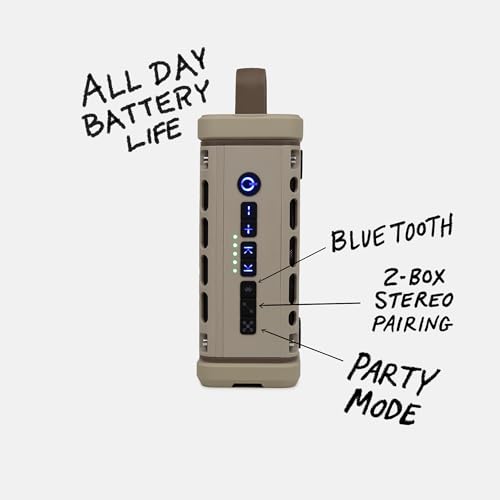
The Turtlebox Ranger includes two innovative features that significantly expand its versatility. Party Mode allows infinite pairing with other Rangers and compatible Turtlebox speakers, creating a distributed sound system perfect for large gatherings or events. True Wireless Stereo (TWS) enables two Rangers to function as dedicated left and right channels, creating genuine stereo separation.
These features transform the Ranger from a single speaker into a scalable audio system. Start with one for personal use, add a second for stereo sound, then expand to multiple units for parties or large spaces.
The Marshall Tufton offers multi-host functionality, allowing simultaneous pairing with two devices. While useful, this feature pales in comparison to the Ranger's system-building capabilities.
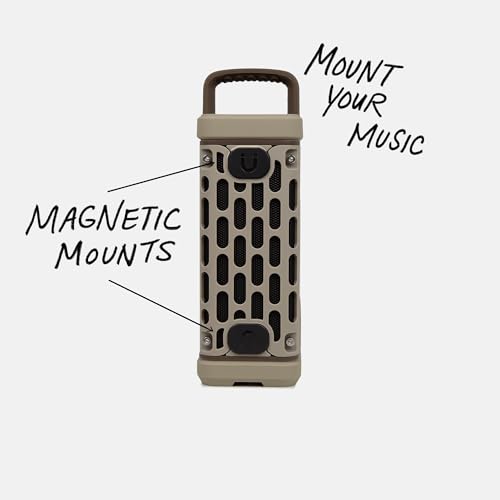
The Ranger's magnetic side mounts represent a genuinely useful innovation often overlooked in speaker comparisons. These powerful magnets allow secure attachment to metal surfaces—coolers, vehicle panels, tool boxes, or marine equipment. This seemingly simple feature solves countless real-world placement challenges.
However, the magnets do collect metal debris in sandy or dusty environments, requiring occasional cleaning to maintain effectiveness.
The Ranger's enhanced DSP tuning continuously monitors and adjusts audio output based on volume level and environmental conditions. At low volumes, the processing emphasizes clarity and vocal intelligibility. At high volumes, it focuses on preventing distortion while maintaining punch.
This adaptive approach contrasts with the Tufton's traditional analog EQ controls, which provide manual bass and treble adjustment. Both approaches have merit—the Tufton offers hands-on control for audiophiles, while the Ranger provides automatic optimization for varying conditions.
At the time of writing, the Marshall Tufton commands a significant premium over the Turtlebox Ranger, reflecting their different market positioning. The Tufton justifies its higher price through superior driver quality, longer battery life, and premium brand heritage. You're paying for acoustic engineering and the Marshall name.
The Ranger offers exceptional value for its price point, delivering professional-grade durability, advanced wireless features, and impressive audio performance in a genuinely portable package. The price-to-durability ratio is particularly compelling for users who need bombproof reliability.
Consider ownership beyond initial purchase price. The Marshall Tufton's premium construction and established brand support suggest good longevity in controlled environments. However, a single water damage incident could total the speaker, making it effectively worthless for many outdoor activities.
The Ranger's extreme durability reduces replacement risk significantly. Users report years of abuse without failure, making the lower upfront cost even more attractive over time.
Neither speaker truly excels in home theater applications, but they serve different supplemental roles. The Marshall Tufton can function as a quality music speaker for spaces where running speaker wire isn't practical, though its mono output limits surround sound integration.
The Ranger's TWS capability allows two units to create a genuine stereo pair, potentially useful for outdoor movie nights or secondary room installations. However, both speakers lack the sophisticated processing and multi-channel capabilities expected in modern home theater systems.
You prioritize genuine portability and need a speaker that can survive anything you throw at it. The Ranger excels for camping, boating, construction sites, beach trips, or any scenario where gear takes abuse. Its magnetic mounting, device charging capability, and infinite pairing features add practical value beyond basic audio reproduction.
The Ranger also makes sense for budget-conscious buyers who want maximum durability for their dollar, or anyone who values modern wireless features like extended Bluetooth range and system expandability.
Audio quality is your primary concern and you're willing to accept limited portability for superior sound. The Tufton shines for backyard entertaining, covered patios, hotel rooms, or any controlled environment where its weight isn't prohibitive.
You should also consider the Tufton if you're a Marshall brand enthusiast who appreciates the iconic aesthetic, or if you need the longest possible battery life for extended listening sessions.
These speakers represent fundamentally different philosophies rather than direct competitors. The Turtlebox Ranger redefines what portable means, creating a speaker you can truly take anywhere without worry. The Marshall Tufton delivers premium audio quality with moderate portability, excelling in controlled environments where its superior drivers can shine.
Your choice should align with how you actually use speakers rather than theoretical preferences. If you frequently find yourself in challenging environments or prioritize true portability, the Ranger offers unmatched versatility and durability. If you primarily listen in controlled environments and prioritize audio fidelity above all else, the Tufton justifies its premium positioning through superior acoustic engineering.
Both speakers excel within their intended use cases, making the decision less about which is "better" and more about which philosophy matches your lifestyle and priorities.
| Turtlebox Ranger | Marshall Tufton |
|---|---|
| Weight - Critical for true portability and outdoor adventures | |
| 2.4 pounds (easily carried hiking/camping) | 10.8 pounds (better for stationary/short transport) |
| Water Resistance - Determines outdoor versatility | |
| IP67 waterproof (submersible 3 feet, handles saltwater) | IPX2 splash-resistant (light rain only, avoid pools/beaches) |
| Maximum Volume - Essential for outdoor environments | |
| 105 decibels (cuts through wind and ambient noise) | 80 watts power (excellent for controlled environments) |
| Battery Life - Balance of capacity vs efficiency | |
| 12+ hours (includes USB-C device charging capability) | 20 hours (longest in category but no device charging) |
| Bluetooth Technology - Affects range and connection stability | |
| Bluetooth 5.4 with 100-foot range (latest standard) | Bluetooth 5.0 with 30-foot range (older but reliable) |
| Durability Construction - Determines lifespan in harsh conditions | |
| Drop/crush/dust-proof ABS housing with steel hardware | Premium materials optimized for controlled environments |
| Audio Configuration - Affects sound quality and stereo capability | |
| 2.0 stereo with TWS pairing and infinite Party Mode | 3-way driver system with physical EQ controls |
| Mounting Options - Practical placement flexibility | |
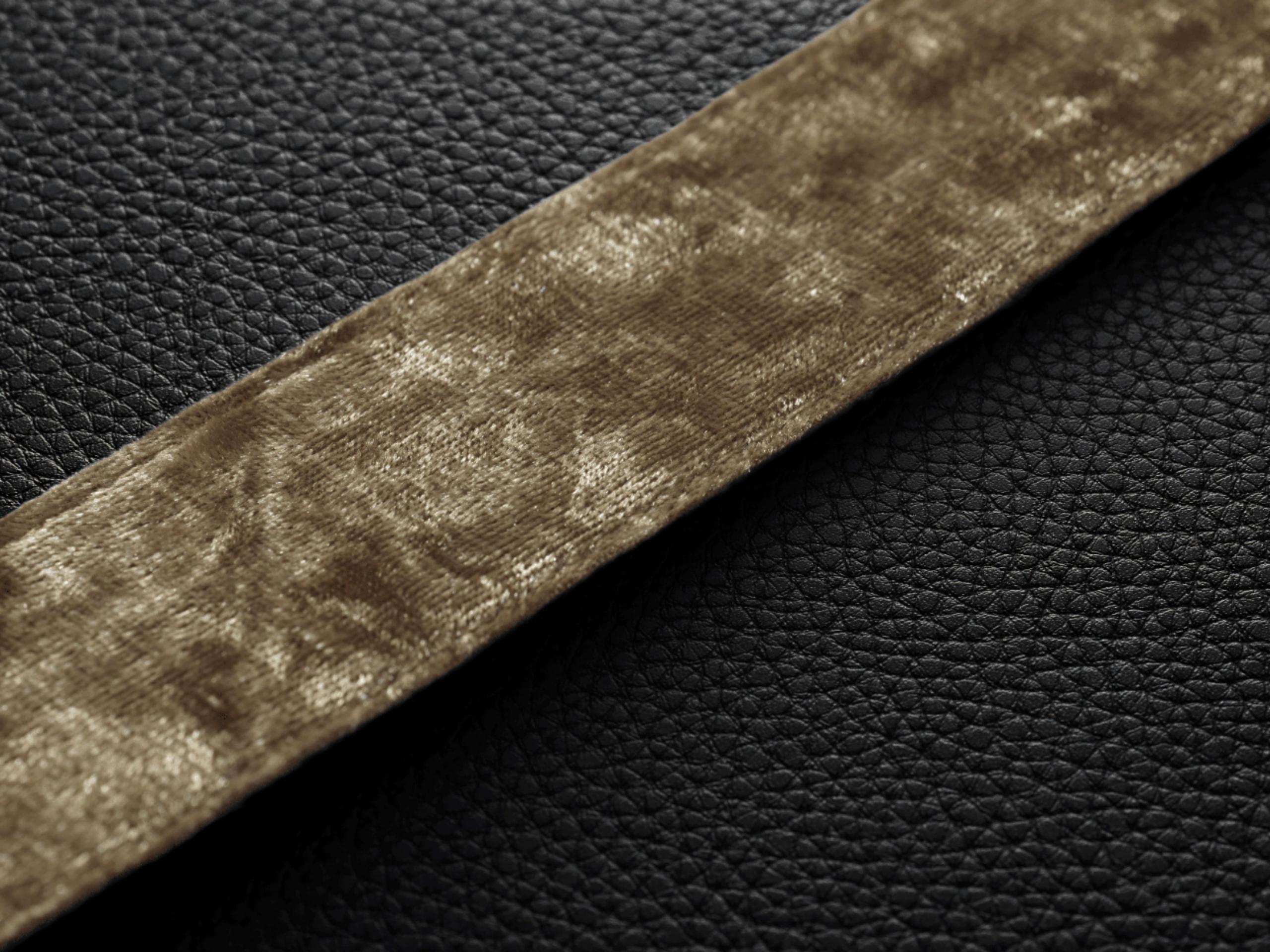
| Magnetic side mounts for metal surface attachment | Guitar-style carry strap for transport |
| Price Category - Value proposition comparison | |
| Mid-range pricing with extreme durability focus | Premium pricing with audiophile-grade components |
| Charging Method - Convenience and compatibility | |
| USB-C (works with car/portable chargers) | AC wall power required (limits charging locations) |
The Turtlebox Ranger is significantly better for outdoor use due to its IP67 waterproof rating, which means it can be submerged in up to 3 feet of water for 30 minutes. It's also drop-proof, crush-proof, and dust-proof. The Marshall Tufton only has IPX2 splash resistance, making it unsuitable for beaches, pools, or rainy conditions.
The Turtlebox Ranger weighs just 2.4 pounds compared to the Marshall Tufton's 10.8 pounds. This makes the Ranger four times lighter and genuinely portable for hiking, camping, or travel, while the Tufton is better suited for stationary use or short-distance transport.
The Turtlebox Ranger reaches 105 decibels maximum output, while the Marshall Tufton produces 80 watts of power. Both get very loud, but the Ranger's design is specifically optimized for cutting through outdoor ambient noise like wind and waves.
The Marshall Tufton offers up to 20 hours of battery life, which is longer than the Turtlebox Ranger's 12+ hours. However, the Ranger can charge other devices through its USB-C port, making it more versatile for extended outdoor trips.
The Marshall Tufton generally has superior sound quality with its 3-way driver system featuring a 5.25-inch woofer and dedicated tweeters. The Turtlebox Ranger prioritizes durability and outdoor performance over audiophile-grade sound reproduction.
The Marshall Tufton can pair with two devices simultaneously for easy switching. The Turtlebox Ranger features Party Mode for connecting unlimited speakers together and True Wireless Stereo for pairing two Rangers in left/right stereo configuration.
The Turtlebox Ranger offers better value if you need extreme durability and portability, while the Marshall Tufton provides better value for premium audio quality and longer battery life. Your choice depends on whether you prioritize ruggedness or sound fidelity.
The Turtlebox Ranger uses newer Bluetooth 5.4 technology with up to 100-foot range, while the Marshall Tufton uses Bluetooth 5.0 with approximately 30-foot range. The Ranger's newer technology provides better connection stability and extended range.
The Turtlebox Ranger is the clear winner for water-based activities due to its complete waterproof protection. The Marshall Tufton should be kept away from pools and beaches due to its limited IPX2 splash resistance.
Both speakers work well indoors, but serve different purposes. The Marshall Tufton excels for indoor listening with superior audio quality and longer battery life. The Turtlebox Ranger works indoors but is designed primarily for harsh outdoor conditions where other speakers would fail.
Both have excellent build quality but for different purposes. The Marshall Tufton uses premium materials and traditional audio engineering for controlled environments. The Turtlebox Ranger uses military-grade materials designed to survive extreme abuse, making it virtually indestructible.
The Turtlebox Ranger is specifically designed for camping, construction sites, and other harsh environments with its crush-proof housing and magnetic mounting system. The Marshall Tufton is too heavy and lacks adequate protection for these demanding use cases.
We've done our best to create useful and informative comparisons to help you decide what product to buy. Our research uses advanced automated methods to create this comparison and perfection is not possible - please contact us for corrections or questions. These are the sites we've researched in the creation of this article: fieldandstream.com - tylerstx.com - comparisontabl.es - gearjunkie.com - rogerssportinggoods.com - youtube.com - armorsound.com - simmonssportinggoods.com - turtleboxaudio.com - outdoorhub.com - backpackeroutdoors.com - youtube.com - tennesseevalleyoutsider.com - turtleboxaudio.com - mrfc.com - linecutterz.com - russells.com - turtleboxaudio.com - flyfishfood.com - techradar.com - youtube.com - youtube.com - bestbuy.com - trustedreviews.com - crutchfield.com - eriksonconsumer.com - youtube.com - runbazaar.com - marshall.com

Privacy Policy
Terms and Conditions - Affiliate Policy
Home Security
© Copyright 2008-2026.
11816 Inwood Rd #1211, Dallas, TX 75244