


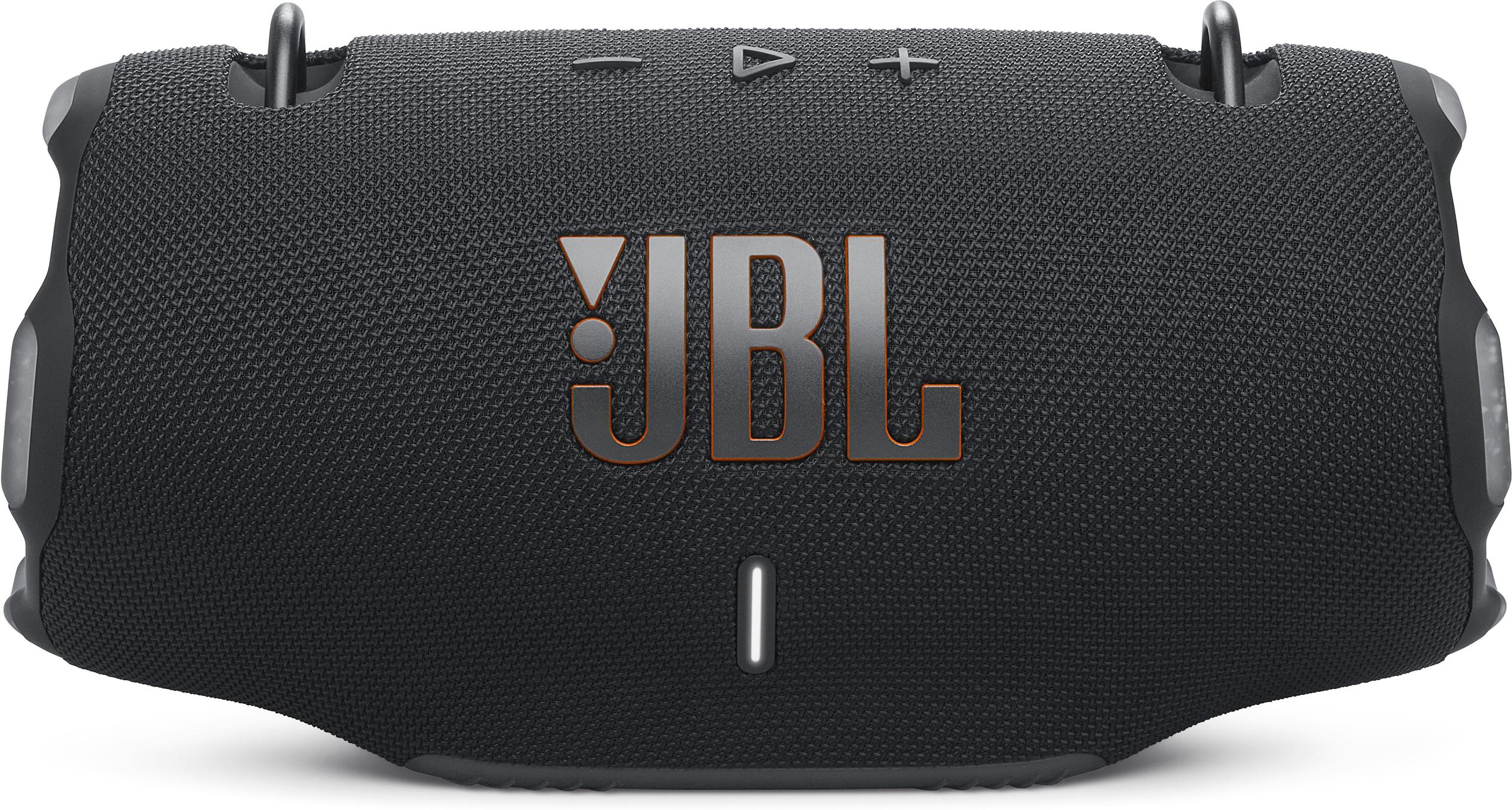

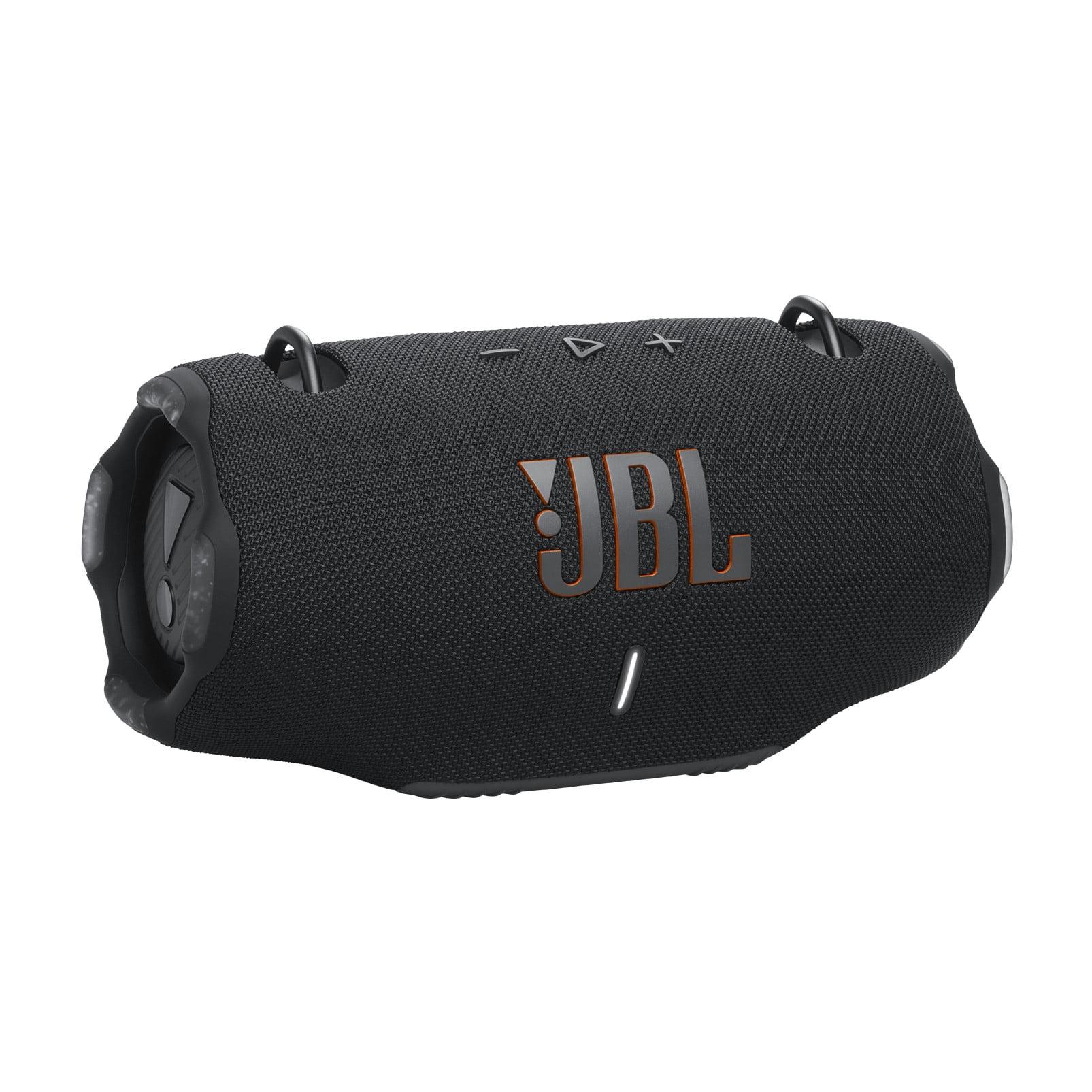
When you're shopping for a portable Bluetooth speaker that can handle the outdoors, you'll quickly realize there are two very different approaches to getting great sound in tough conditions. Some speakers prioritize being as loud as possible in the smallest package, while others focus on lasting all day with premium features. The Turtlebox Ranger and JBL Xtreme 4 represent these competing philosophies perfectly.
Both speakers launched recently—the JBL Xtreme 4 in 2024 and the Turtlebox Ranger in 2025—but they tackle outdoor audio from completely different angles. Understanding these differences is crucial because choosing the wrong one could leave you disappointed during your next adventure.
Before diving into specifics, it's worth understanding what separates rugged outdoor speakers from regular Bluetooth speakers you might use at home. These speakers need to survive water, dust, drops, and extreme temperatures while still delivering clear, loud audio that can compete with wind, waves, or construction noise.
The main challenge is balancing competing priorities. Making a speaker waterproof means sealing it up, which can muffle sound. Making it loud requires bigger drivers and amplifiers, which need more battery power. Making it durable often means making it heavier. The best rugged speakers find clever ways to minimize these trade-offs.
Two key technical specifications help determine how well a speaker handles these challenges: IP ratings and decibel output. IP67 rating (which both speakers have) means they're completely dust-proof and can survive being dunked in water up to three feet deep for 30 minutes. Decibel output tells you how loud the speaker can get—every 10 dB increase roughly doubles perceived volume to your ears.
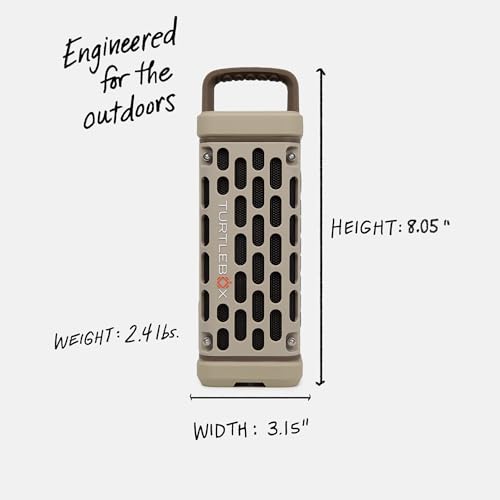
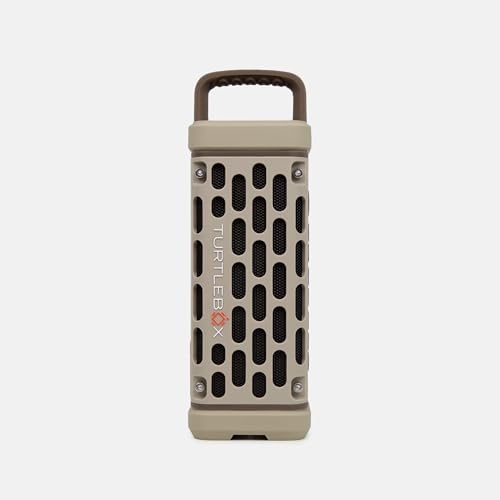
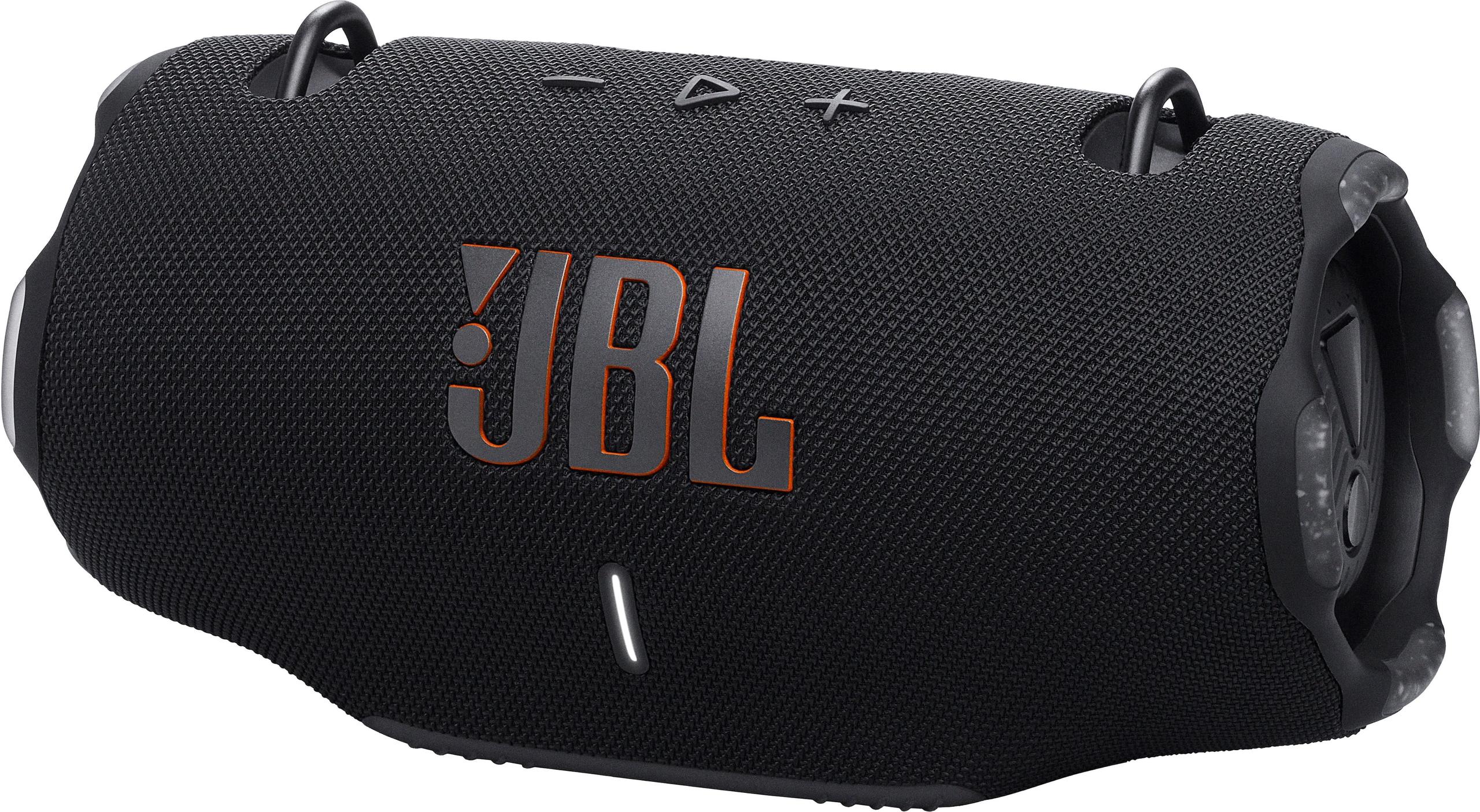
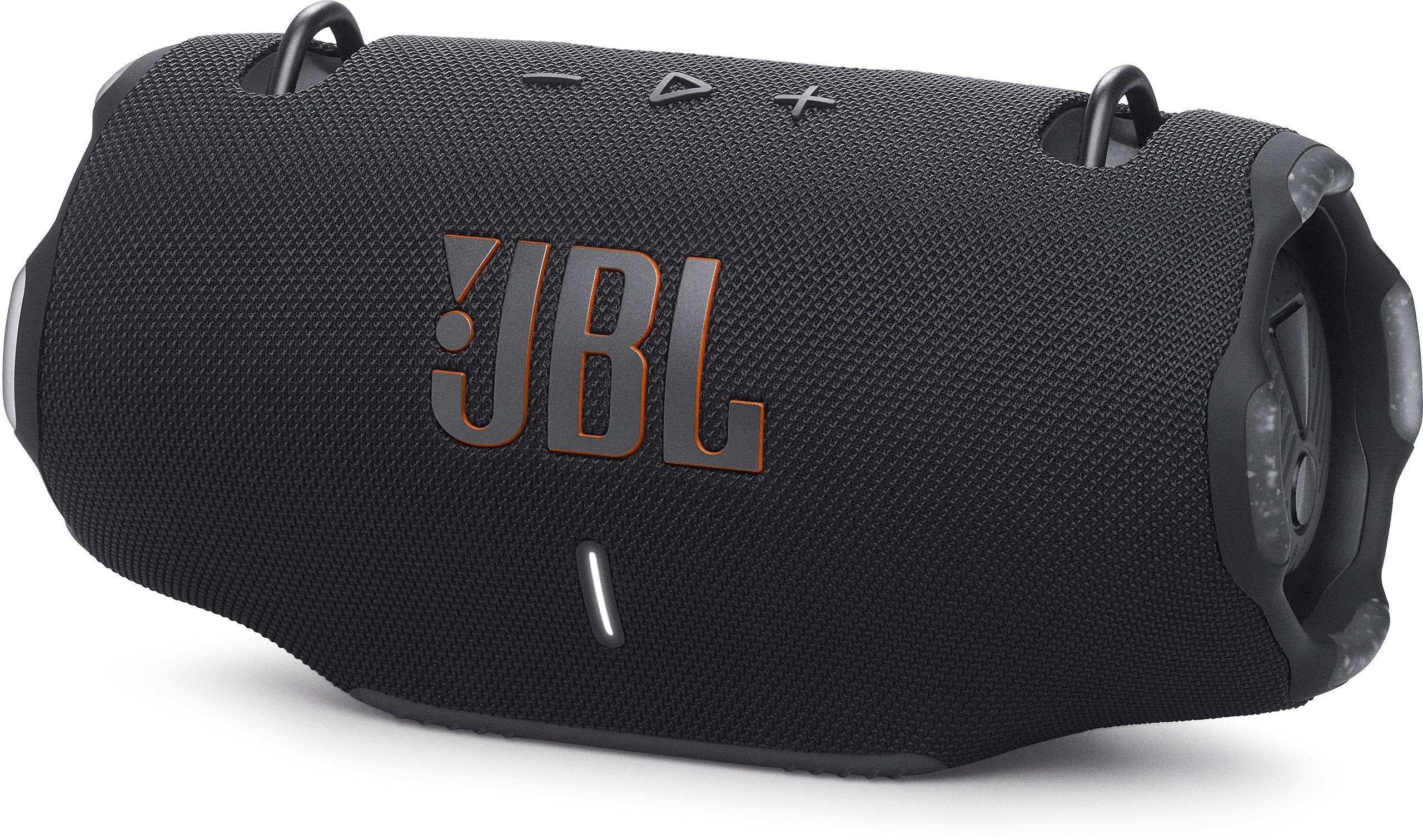
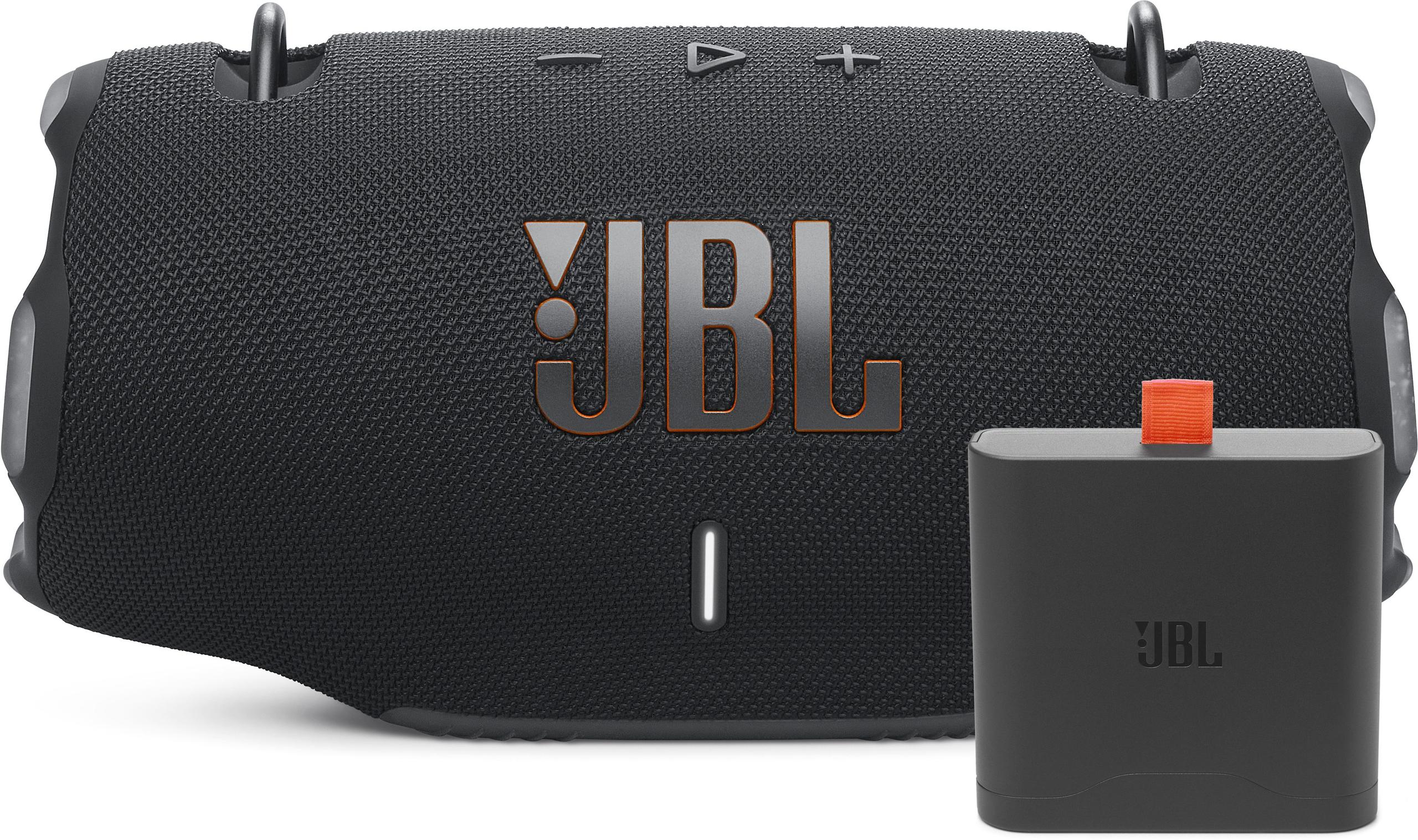
The most obvious difference between these speakers is size. The Turtlebox Ranger weighs just 2.4 pounds and measures about 8 inches tall by 3 inches wide—roughly the size of a large water bottle. The JBL Xtreme 4, at 4.6 pounds and nearly 12 inches wide, is almost twice as heavy and significantly bulkier.
This size difference matters more than you might think. When you're hiking to a remote campsite or biking to the beach, every ounce counts. The Ranger slips easily into a backpack's side pocket, while the Xtreme 4 requires dedicated packing space. However, that extra size in the JBL allows for larger drivers and a massive battery that we'll discuss later.
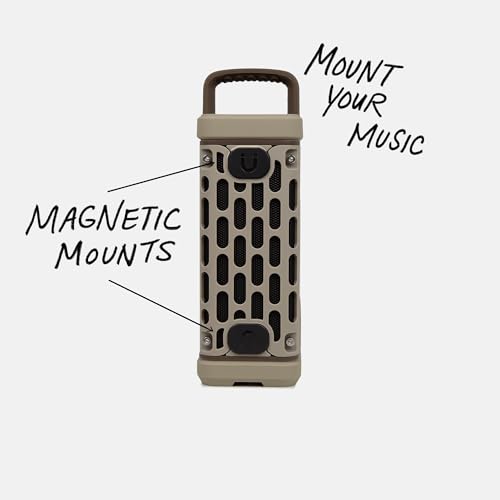
The Ranger includes a unique feature that partially compensates for being smaller: powerful magnets built into its sides. These let you stick it securely to metal surfaces like your car, cooler, or even a toolbox on a construction site. It's surprisingly useful—you can attach it to your truck's tailgate during a tailgate party or stick it to a metal fence post while working in the yard.
Here's where things get really interesting. The Turtlebox Ranger can hit 105 decibels, which is genuinely impressive for something so small. To put this in perspective, that's about as loud as a chainsaw or jackhammer from several feet away. Most portable speakers this size max out around 85-90 dB, so the Ranger is in a completely different league for raw volume.
This loudness comes from its specialized design. The Ranger uses two 2-inch waterproof drivers powered by a Class D amplifier with enhanced DSP tuning. DSP (Digital Signal Processing) is like having a tiny computer inside that optimizes the sound in real-time, preventing distortion even at maximum volume. It also includes a passive bass radiator—essentially a drum-like membrane that vibrates to create deeper bass without requiring additional power.
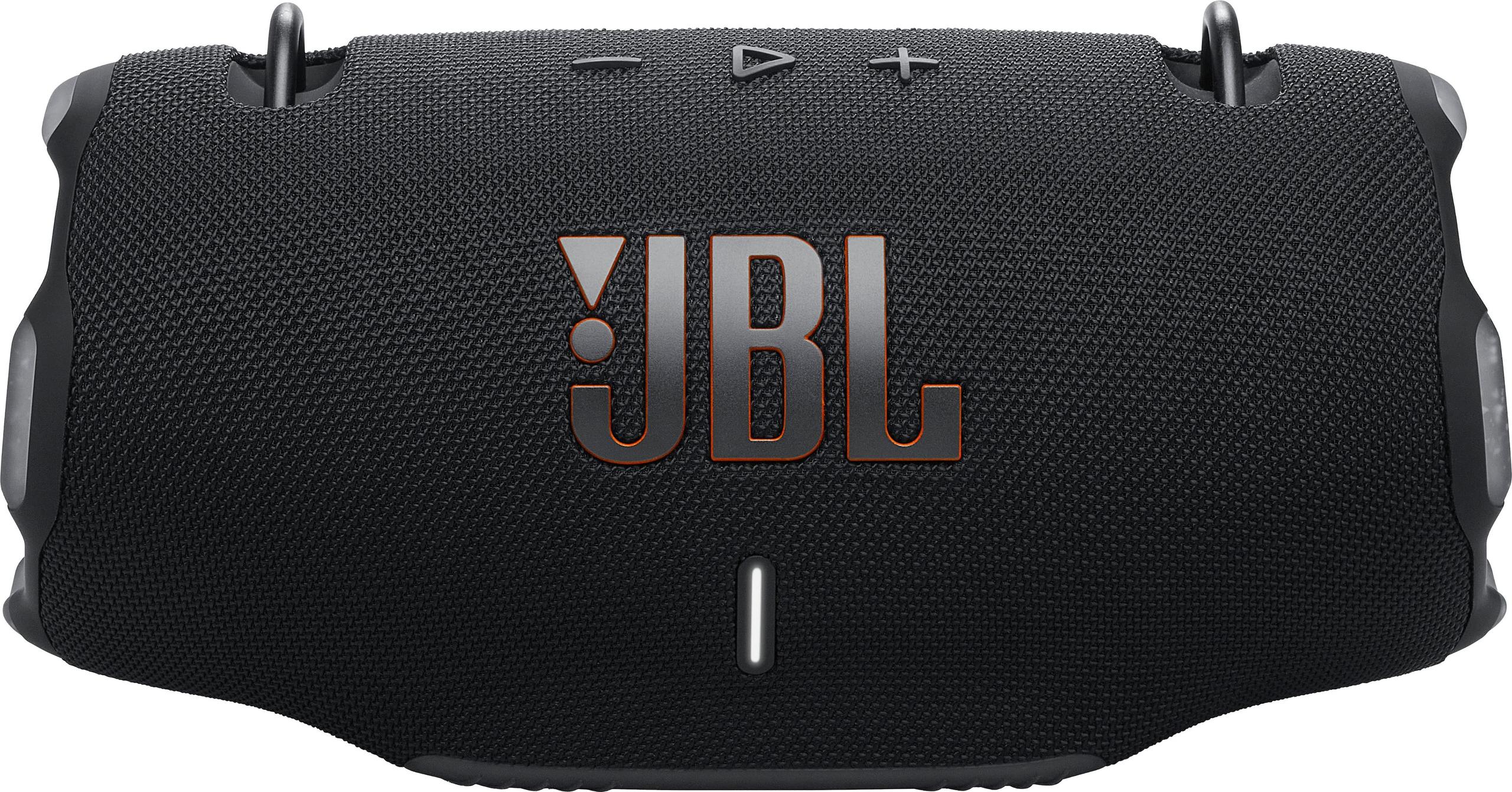
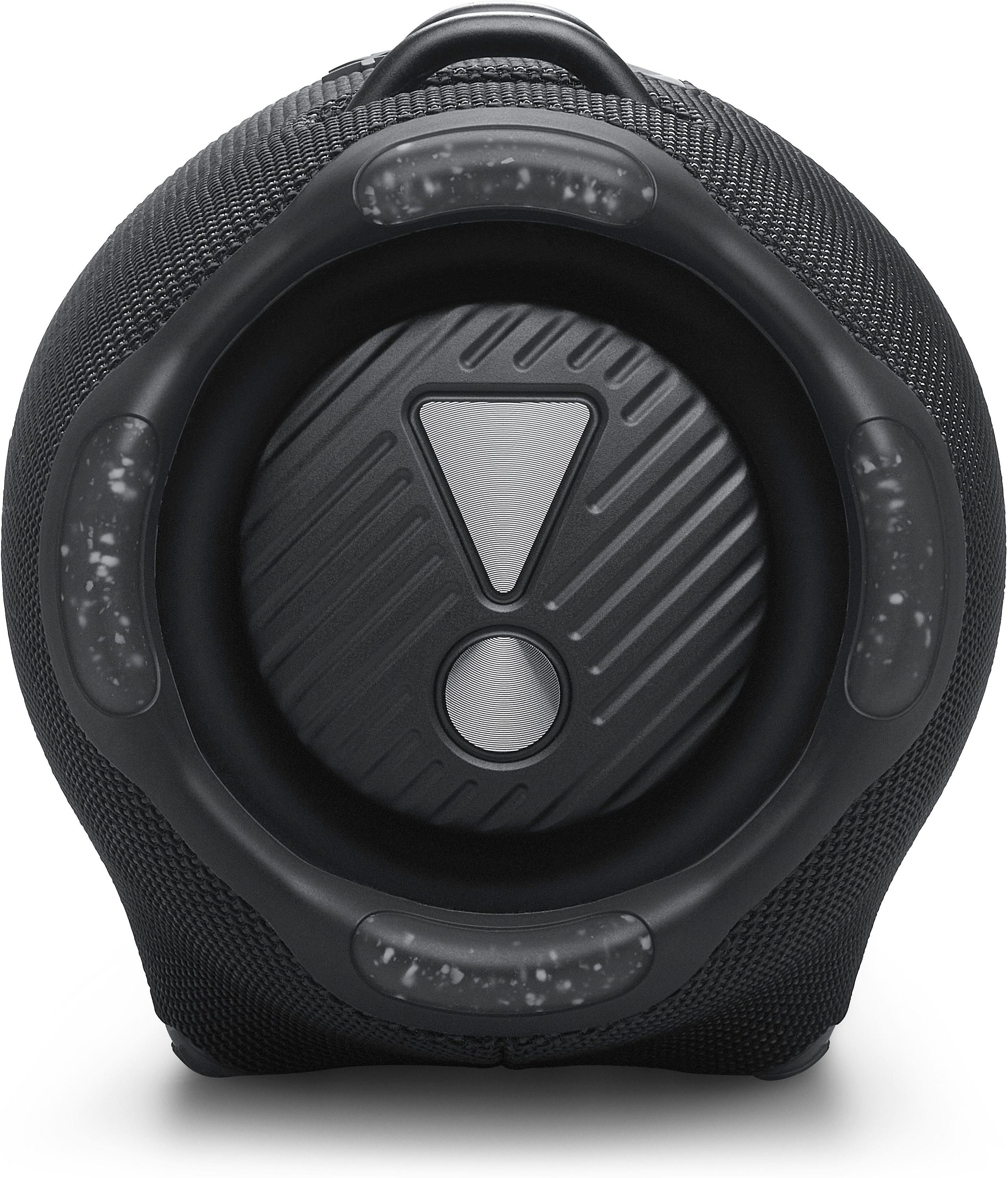
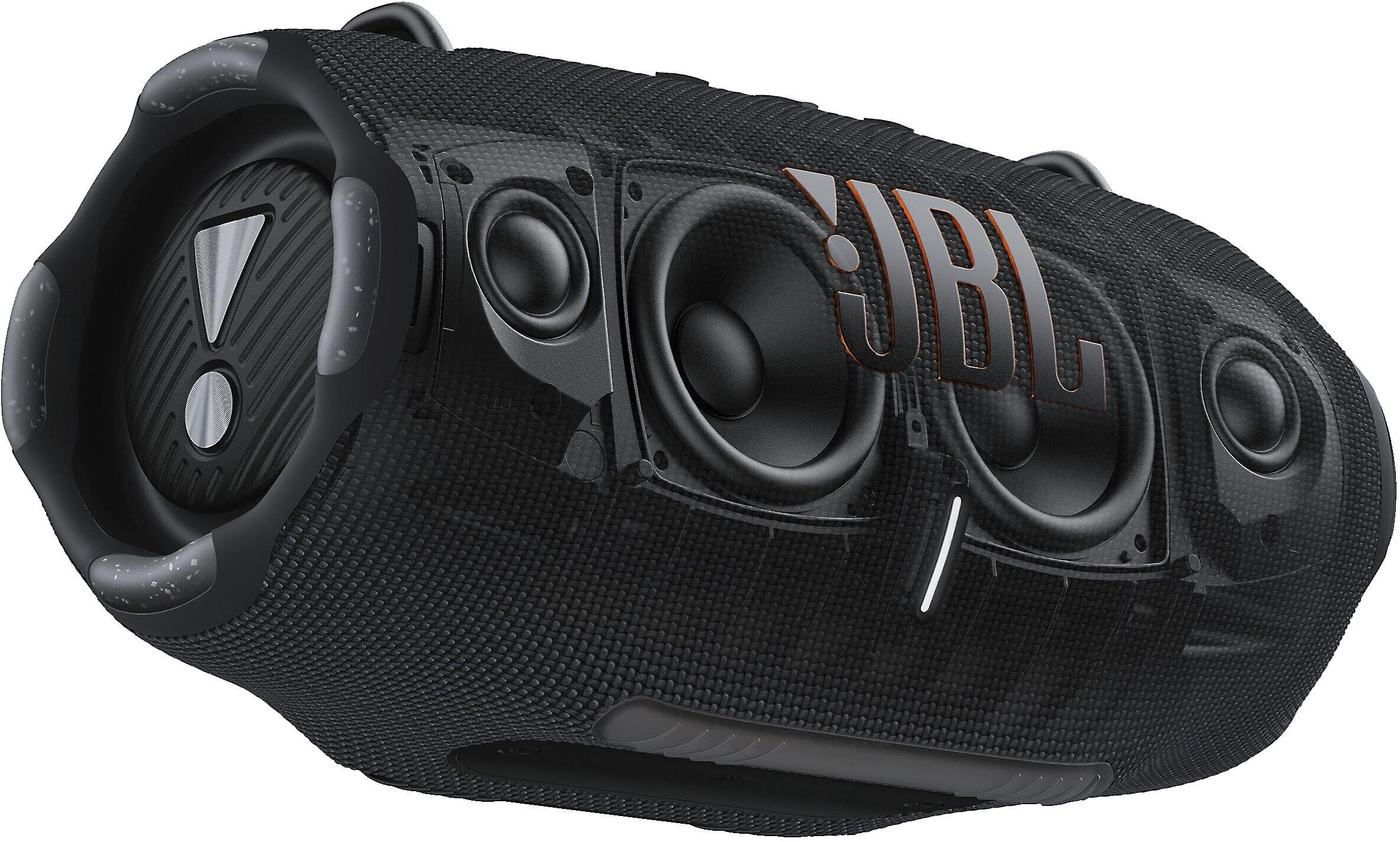
The JBL Xtreme 4 takes a more sophisticated approach to audio. Instead of just two main drivers, it uses four separate drivers: two 2.75-inch woofers for bass and mid-range, plus two dedicated 0.75-inch tweeters for high frequencies. This separation means clearer vocals, crisper cymbals, and better overall balance across different types of music.
In our research of professional reviews and user feedback, the difference becomes clear in real-world use. The Ranger excels when you need to overpower environmental noise—think windy beaches, construction sites, or crowded outdoor events. The Xtreme 4 shines when audio quality matters as much as volume, like during quieter camping evenings or backyard gatherings where you want to actually enjoy the music rather than just hear it over everything else.
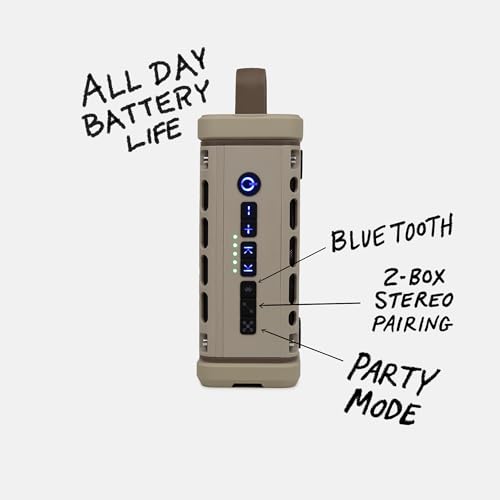
This is where the JBL Xtreme 4 completely dominates. Its 68 Wh battery provides up to 24 hours of playback, while the Ranger's 25.2 Wh battery lasts about 12 hours at moderate volume or just 5 hours when cranked to maximum.
These numbers reveal a fundamental design philosophy difference. The Ranger is built for situations where you need maximum impact for shorter periods—think day trips, work sites, or events where you can recharge overnight. The Xtreme 4 is designed for extended adventures where charging isn't convenient, like multi-day camping trips or week-long festivals.
The Xtreme 4 also functions as a more capable power bank. Its USB-C port can output 22W, enough to fast-charge most smartphones or slowly charge tablets. The Ranger can also charge devices through its USB-C port, but at lower power levels better suited for emergency top-ups rather than primary charging.
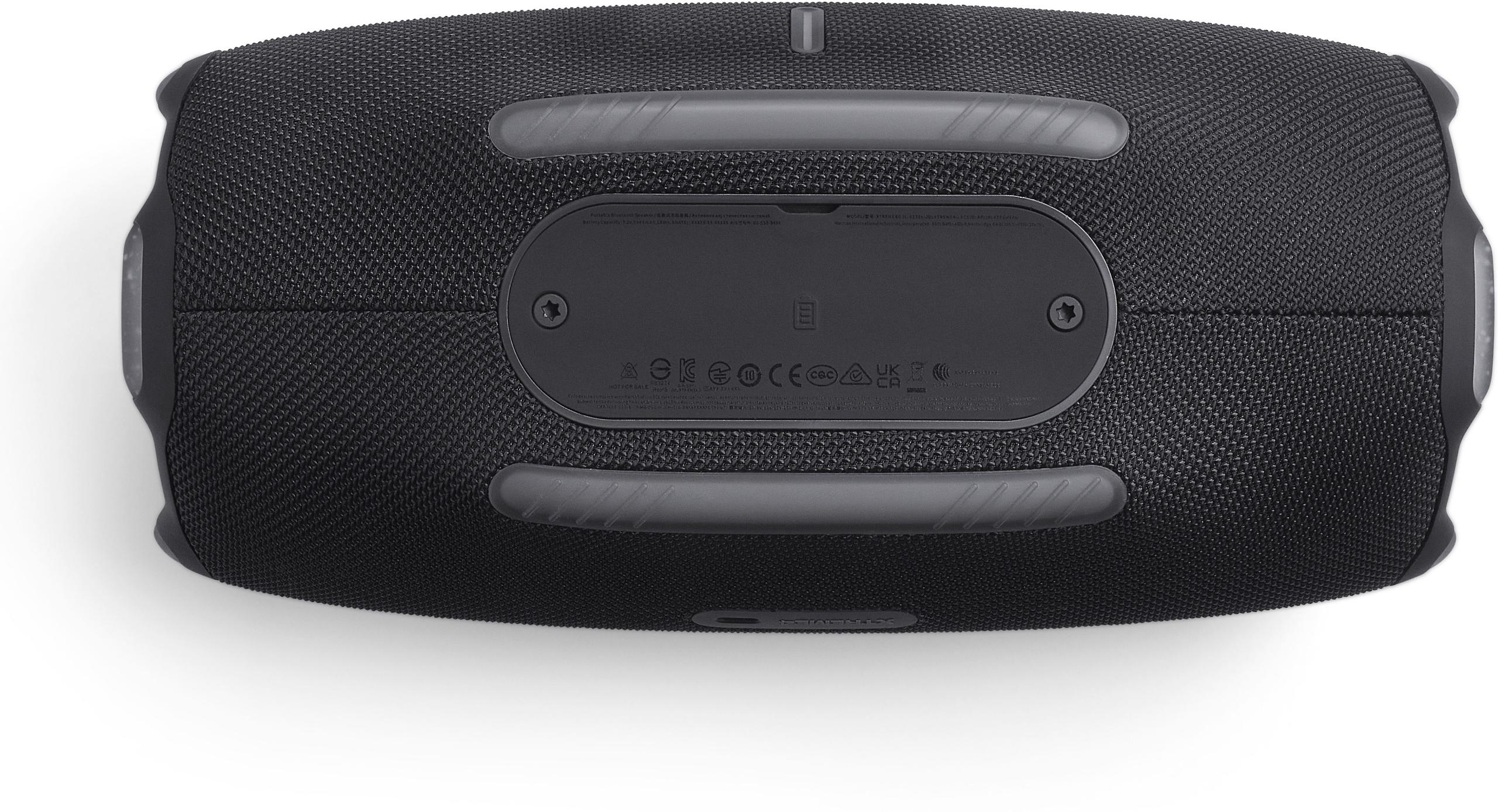
An interesting feature of the Xtreme 4 is its swappable battery system. You can buy additional batteries and hot-swap them for virtually unlimited runtime—perfect for events or situations where downtime isn't an option.
Both speakers support connecting multiple units for bigger sound, but they use different approaches. The Ranger features "Party Mode" that can connect unlimited speakers together, creating a distributed sound system perfect for large outdoor gatherings. It also supports True Wireless Stereo (TWS), where two speakers create proper left and right stereo channels.
The Xtreme 4 uses JBL's Auracast technology, which connects with other compatible JBL speakers. While you can't connect as many speakers as with the Ranger, JBL's ecosystem is much larger, meaning you're more likely to find compatible speakers among friends or at events.
From a technical standpoint, the Ranger has a slight edge with Bluetooth 5.4 (the latest version as of 2025) compared to the Xtreme 4's Bluetooth 5.3. In practice, this means slightly better connection stability and range, though both maintain solid connections up to about 100 feet in open areas.
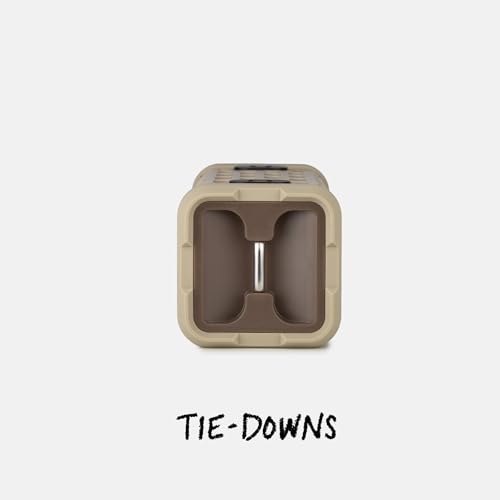
Both speakers meet IP67 standards, but their construction approaches differ significantly. The Ranger uses an ABS crush-proof housing with stainless steel hardware and rubber bumpers. It's designed to survive drops, impacts, and extreme conditions that would damage most electronics. The speaker even includes a specialized breather that helps maintain performance across temperature extremes—important for use in hot desert conditions or cold mountain environments.
The JBL Xtreme 4 focuses more on environmental protection than impact resistance. Its rubber bumpers and reinforced construction can handle normal outdoor abuse, but it's not designed for the extreme conditions that the Ranger targets.
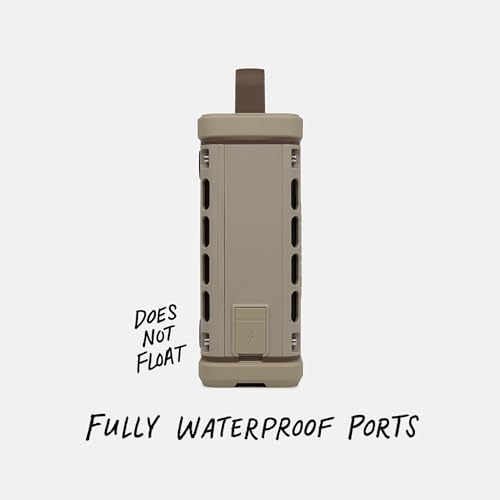
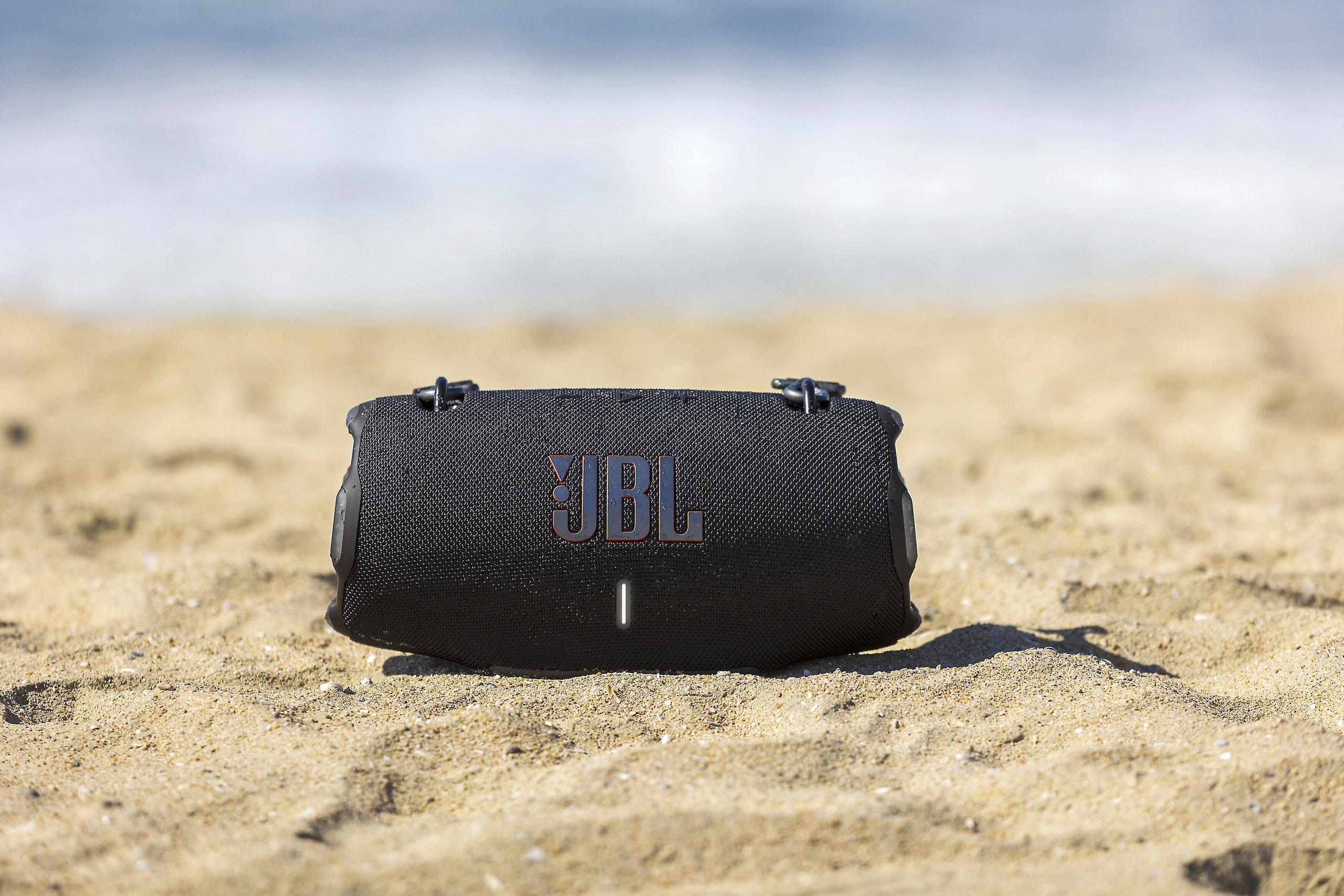
Neither speaker floats, which is worth noting if you plan to use them around water. However, both can survive brief submersion and should be fine if knocked into a pool or stream.
The JBL Xtreme 4 offers significantly more smart features through the JBL Portable app. The app includes AI Sound Boost, which analyzes your music and optimizes the EQ settings automatically. There's also PlayTime Boost, which can extend battery life by optimizing performance based on your volume preferences.
The Ranger takes a simpler approach with touch-sensitive controls built into the speaker itself. No app is required—you control everything from the speaker's surface. This philosophy appeals to users who prefer straightforward operation without depending on smartphone apps that might not work in areas with poor cell coverage.
At the time of writing, these speakers occupy different price tiers, with the Ranger positioned as a premium compact option and the Xtreme 4 as a flagship model with correspondingly higher pricing. The value equation depends heavily on your priorities.
The Ranger offers exceptional value if maximum volume and portability are your primary needs. You're paying for specialized engineering that delivers professional-level loudness in an ultra-compact package—something that typically costs significantly more from other brands.
The Xtreme 4 represents better value for users who want an all-around excellent speaker that happens to be rugged. The longer battery life alone could justify the price premium for many users, and the additional features like dedicated tweeters and app integration add value for audio enthusiasts.
While both speakers are designed for outdoor use, they can certainly work indoors. The Xtreme 4 is actually quite good for home theater use, especially in smaller rooms. Its dedicated tweeters provide clear dialogue, and you can pair two units for proper stereo separation. The large size that hurts its portability actually helps with indoor performance by allowing for better bass response.
The Ranger is less ideal for home theater use due to its specialized outdoor-focused tuning, but it works well for background music or as a secondary speaker in workshops, garages, or other spaces where durability matters more than audiophile-quality sound.
After extensive research and evaluation of expert reviews and user feedback, here's my assessment of who should choose each speaker:
Choose the Turtlebox Ranger if you:
Choose the JBL Xtreme 4 if you:
Both speakers excel at their intended purposes, but they serve fundamentally different users. The Turtlebox Ranger is the choice for active outdoor enthusiasts who need maximum performance in minimum space. It's specialized tool for specific situations where its unique combination of volume, portability, and mounting options provides real advantages.
The JBL Xtreme 4 is the better choice for most people looking for a rugged speaker that can handle extended outdoor use while providing premium audio quality. Its longer battery life and superior sound quality make it more versatile for various situations.
In my opinion, the decision comes down to a simple question: do you need a speaker that travels light and plays loud (Ranger), or one that lasts long and sounds great (Xtreme 4)? Both approaches have merit, but understanding which philosophy matches your needs will lead you to the right choice for your adventures.
| Turtlebox Ranger | JBL Xtreme 4 |
|---|---|
| Maximum Volume Output - Critical for noisy outdoor environments | |
| 105 dB (exceptionally loud for size) | 100W RMS AC/70W RMS battery (loud but not specified in dB) |
| Weight & Portability - Determines how easily you can carry it | |
| 2.4 lbs (ultra-portable for backpacking) | 4.6 lbs (nearly twice as heavy, limits mobility) |
| Battery Life - How long you can play without charging | |
| 5 hours at max volume, 12+ hours moderate | 24 hours typical use (game-changing for extended trips) |
| Driver Configuration - Affects sound quality and frequency response | |
| 2× 2" woofers + passive radiator (bass-focused) | 2× 2.75" woofers + 2× 0.75" tweeters (balanced with dedicated highs) |
| Bluetooth Version - Impacts connection stability and range | |
| 5.4 (latest standard, best performance) | 5.3 (one generation behind but still excellent) |
| Dimensions - How much space it takes in your gear | |
| 8.05" × 3.15" × 3.15" (fits in bottle holder) | 11.69" × 5.87" × 5.55" (requires dedicated packing space) |
| Multi-Speaker Pairing - Ability to connect multiple units | |
| Party Mode (unlimited speakers) + TWS stereo | Auracast + stereo pairing (broader JBL ecosystem compatibility) |
| Unique Features - Standout capabilities that set each apart | |
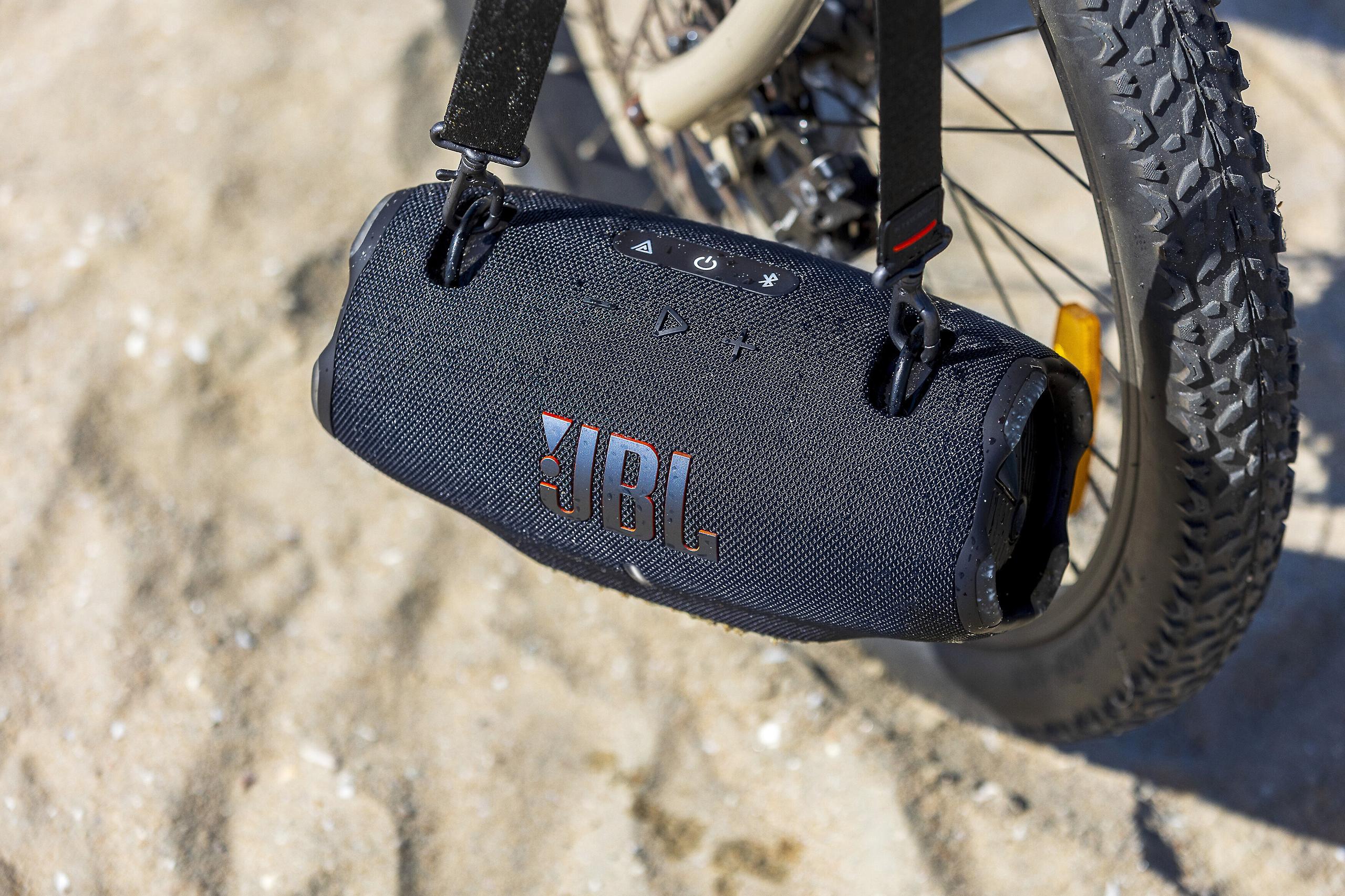
| Magnetic mounting + crush-proof construction | 22W power bank + swappable batteries + shoulder strap |
| Battery Capacity - Raw power storage for extended use | |
| 25.2 Wh (compact but limited for long sessions) | 68 Wh (2.7× larger, enables all-day use) |
| Smart Features - App integration and advanced controls | |
| Touch controls only (no app dependency) | JBL Xtreme 4 Portable app with AI Sound Boost and customization |
| Durability Focus - Type of protection emphasized | |
| Extreme impact resistance (crush-proof, drop-proof) | Standard IP67 with environmental protection focus |
| Charging Port Function - Device charging capability | |
| USB-C passthrough (basic power bank) | USB-C 22W output (fast-charges smartphones) |
The Turtlebox Ranger is significantly louder, reaching 105 decibels compared to the JBL Xtreme 4's unspecified maximum volume. This makes the Ranger ideal for noisy outdoor environments where you need to overpower wind, waves, or construction noise.
The Turtlebox Ranger weighs just 2.4 pounds, making it extremely portable for hiking and backpacking. The JBL Xtreme 4 weighs 4.6 pounds—nearly twice as heavy—but includes a shoulder strap to help with carrying during longer trips.
The JBL Xtreme 4 dominates with 24 hours of playback time, while the Turtlebox Ranger provides 12+ hours at moderate volume or just 5 hours at maximum volume. For extended camping trips or festivals, the Xtreme 4 is the clear winner.
Yes, both the Turtlebox Ranger and JBL Xtreme 4 have IP67 waterproof ratings, meaning they can survive being submerged in up to 3 feet of water for 30 minutes. However, neither speaker floats if dropped in water.
The JBL Xtreme 4 offers superior audio quality with dedicated tweeters for clearer highs and better frequency separation. The Turtlebox Ranger focuses more on maximum volume and bass response, making it better for overcoming outdoor noise than audiophile listening.
Both speakers support multi-speaker pairing but use different systems. The Turtlebox Ranger uses Party Mode to connect unlimited speakers, while the JBL Xtreme 4 uses Auracast technology to connect with other compatible JBL speakers in their ecosystem.
The Turtlebox Ranger is significantly more portable at 2.4 pounds and compact bottle-sized dimensions. It easily fits in backpack side pockets, while the JBL Xtreme 4 requires dedicated packing space due to its larger 11.69-inch width.
Both speakers can charge devices, but the JBL Xtreme 4 is more capable with 22W USB-C output for fast-charging smartphones. The Turtlebox Ranger offers basic USB-C passthrough charging suitable for emergency device top-ups.
The Turtlebox Ranger excels in work environments with its 105-decibel output, crush-proof construction, and magnetic mounting system that attaches to metal surfaces like toolboxes or vehicles. The JBL Xtreme 4 lacks these specialized work-site features.
The Turtlebox Ranger uses the latest Bluetooth 5.4 for optimal connection stability and 100-foot range. The JBL Xtreme 4 uses Bluetooth 5.3, which is still excellent but one generation behind. Both maintain reliable connections in outdoor environments.
Value depends on your priorities. The Turtlebox Ranger offers exceptional value for maximum volume and portability in outdoor scenarios. The JBL Xtreme 4 provides better overall value for users wanting all-day battery life, superior audio quality, and comprehensive features.
While both are designed for outdoor use, the JBL Xtreme 4 works well for indoor listening and smaller room home theater setups thanks to its dedicated tweeters and balanced sound. The Turtlebox Ranger is less ideal indoors due to its outdoor-optimized tuning but works well in garages or workshops.
We've done our best to create useful and informative comparisons to help you decide what product to buy. Our research uses advanced automated methods to create this comparison and perfection is not possible - please contact us for corrections or questions. These are the sites we've researched in the creation of this article: fieldandstream.com - tylerstx.com - comparisontabl.es - gearjunkie.com - rogerssportinggoods.com - youtube.com - armorsound.com - simmonssportinggoods.com - turtleboxaudio.com - outdoorhub.com - backpackeroutdoors.com - youtube.com - tennesseevalleyoutsider.com - turtleboxaudio.com - mrfc.com - linecutterz.com - russells.com - turtleboxaudio.com - flyfishfood.com - bestbuy.com - pcrichard.com - digitaltrends.com - youtube.com - tomsguide.com - jbl.com - kh.jbl.com - harmanaudio.com - ro.harmanaudio.com - otza.com - audiolab.com - youtube.com - bhphotovideo.com

Privacy Policy
Terms and Conditions - Affiliate Policy
Home Security
© Copyright 2008-2026.
11816 Inwood Rd #1211, Dallas, TX 75244