

When you're shopping for a portable Bluetooth speaker, you're entering a surprisingly complex world. On the surface, these devices all do the same basic thing—play music wirelessly from your phone. But dig deeper, and you'll find speakers designed for vastly different purposes, from delicate indoor listening to surviving hurricane conditions on a fishing boat.
The Turtlebox Ranger and JBL Flip 5 represent two completely different philosophies in portable audio. One is built like a tank for extreme conditions, while the other prioritizes everyday usability and value. Understanding which approach fits your lifestyle will save you from buyer's remorse and ensure you get the performance you actually need.
The portable speaker market has exploded over the past decade, driven by our increasingly mobile lifestyles and the universal adoption of smartphones. At the time of writing, you'll find speakers ranging from ultra-compact models that fit in your pocket to boom box-sized units that can soundtrack a beach party.
The key considerations when choosing come down to six main factors: sound quality, durability, battery life, connectivity features, portability, and value. But here's where it gets interesting—these factors often compete with each other. A speaker built to survive being dropped off a cliff probably won't be as sleek as one designed for your coffee table. A unit with earth-shaking bass likely won't fit in your backpack easily.
Sound quality itself breaks down into several components. Volume output (measured in decibels or watts) determines how loud your speaker can get. Frequency response describes the range of sounds it can reproduce, from deep bass notes to crispy highs. Dynamic range refers to the difference between the quietest and loudest sounds it can handle without distortion. Finally, soundstage—how well the speaker creates a sense of space and instrument separation—separates good speakers from great ones.
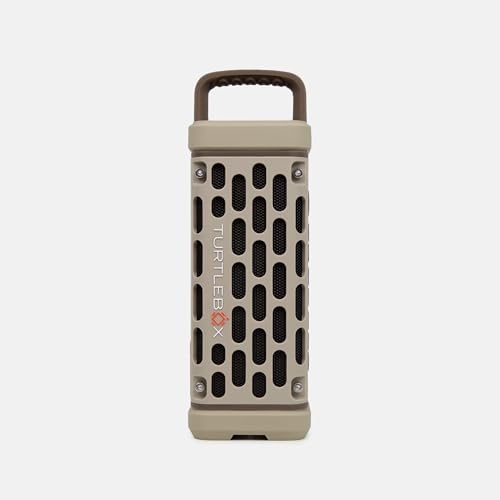
The Turtlebox Ranger launched in 2025 as the company's answer to users who wanted Turtlebox's legendary durability in a more portable package. At the time of writing, it represents the premium end of rugged speakers, with pricing that reflects its specialized engineering.
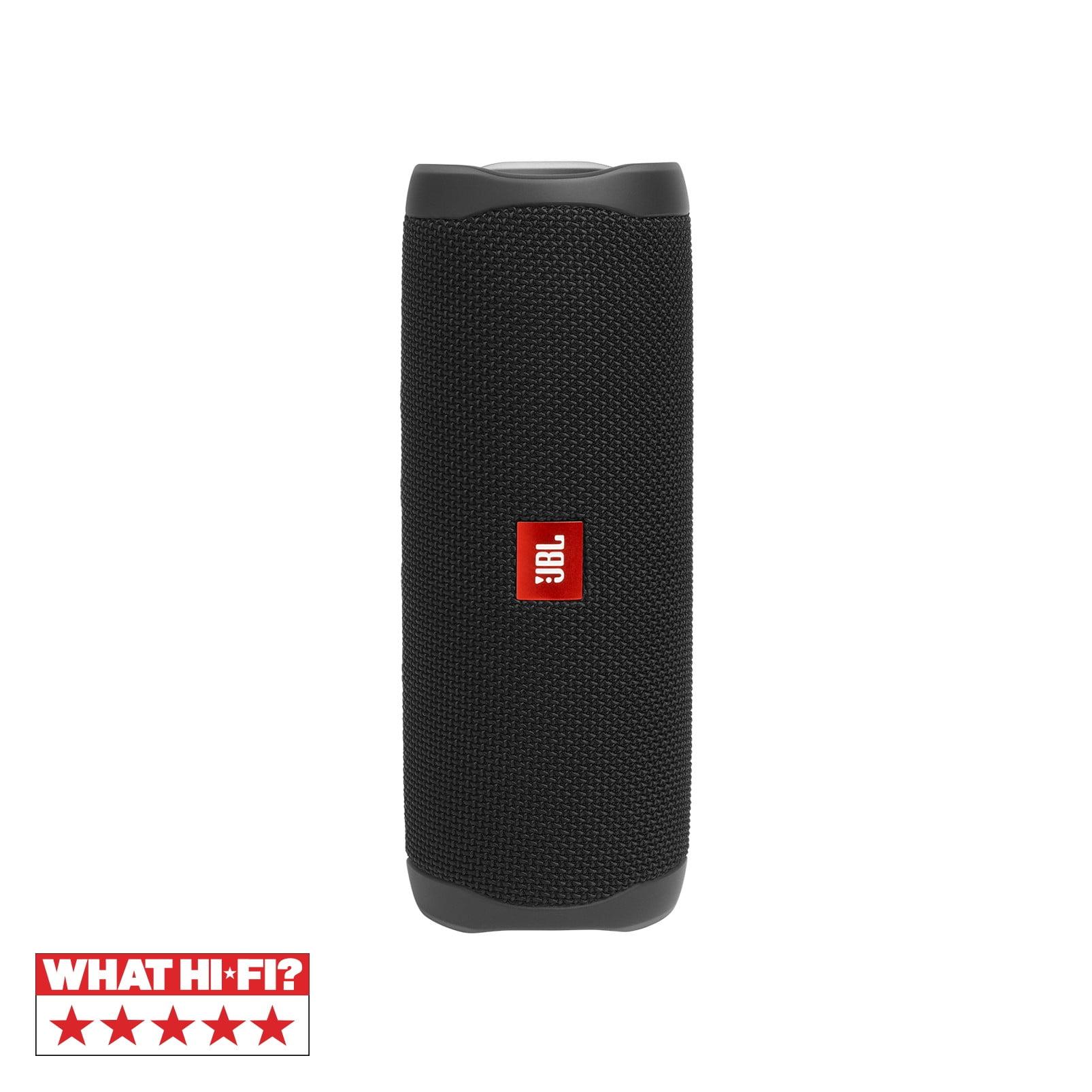
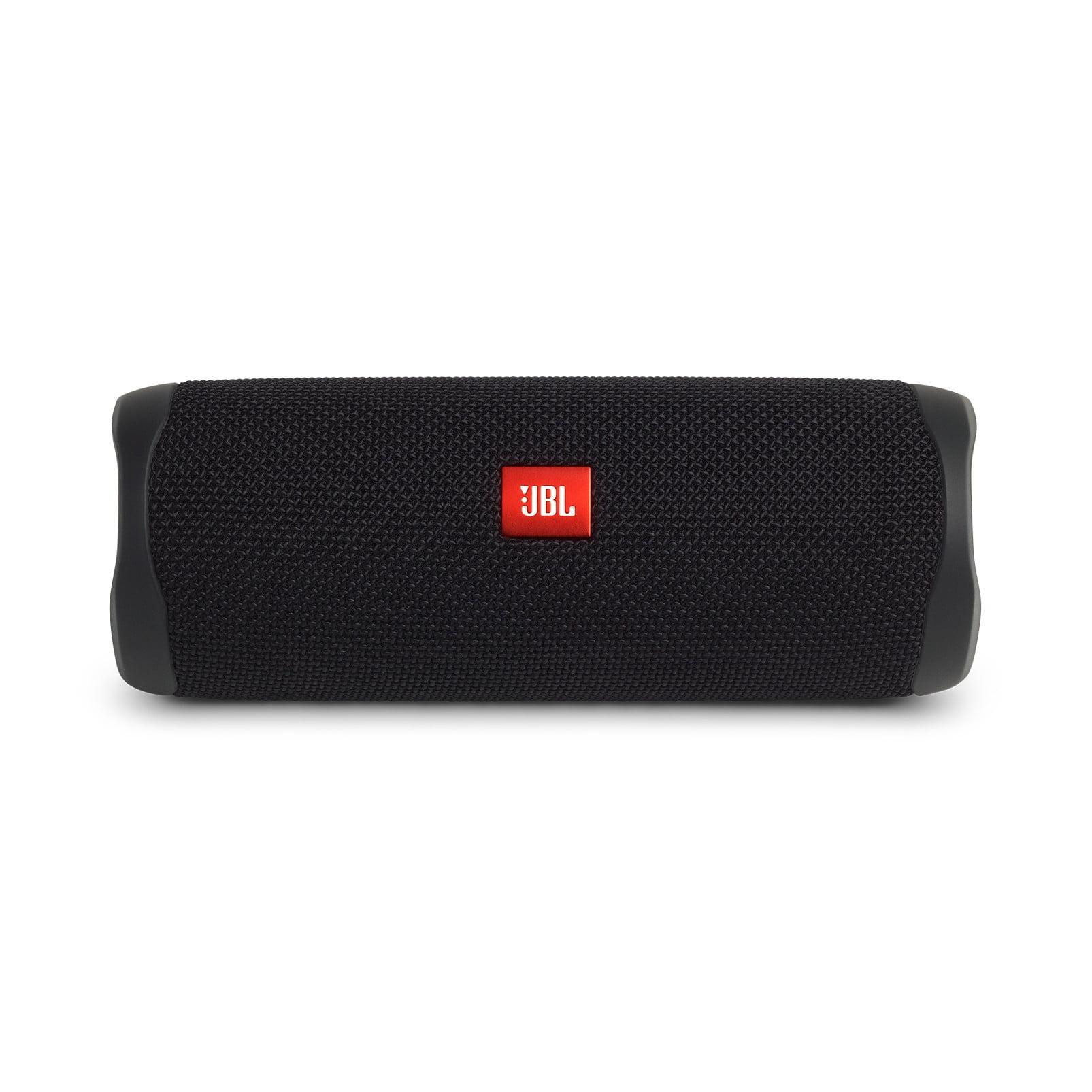
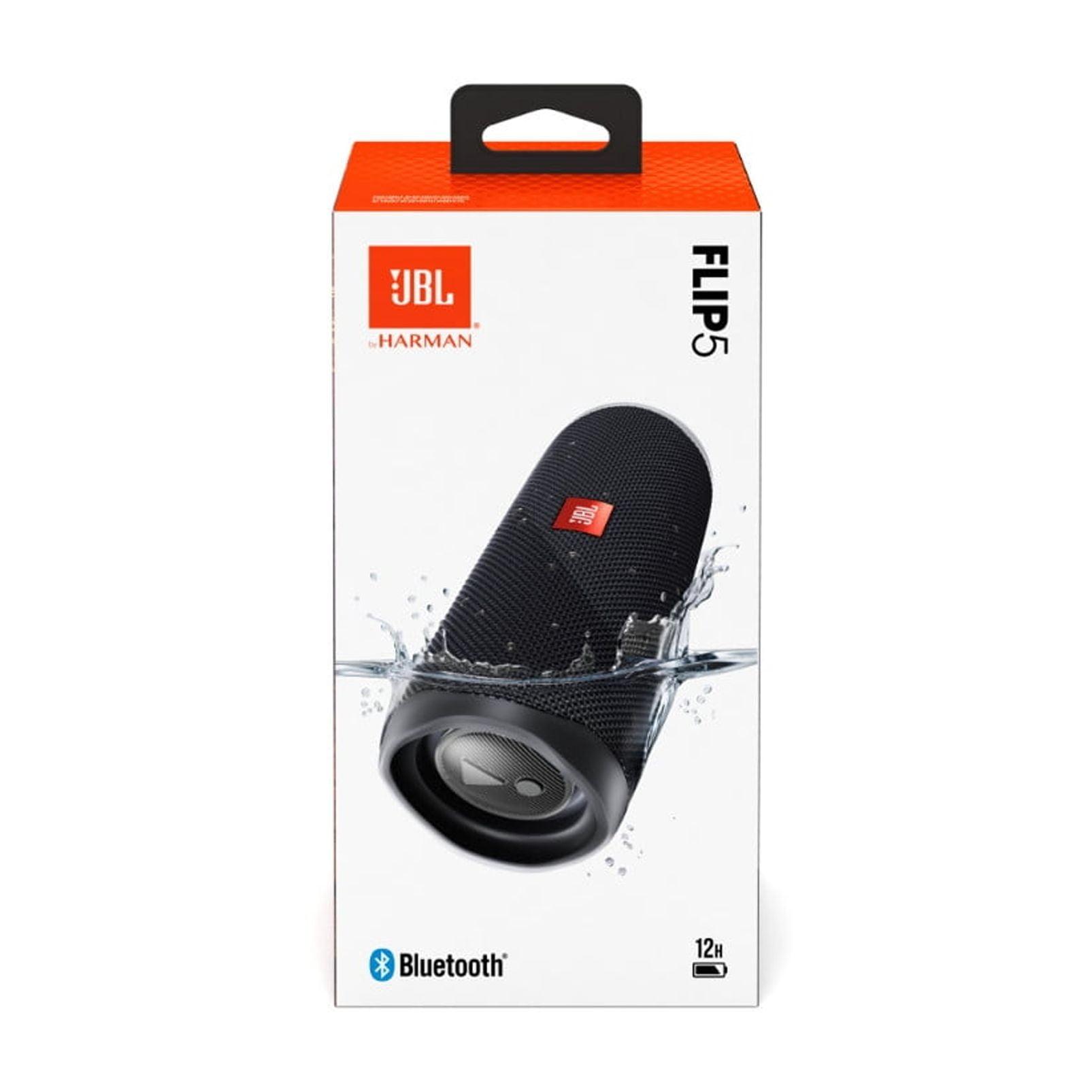
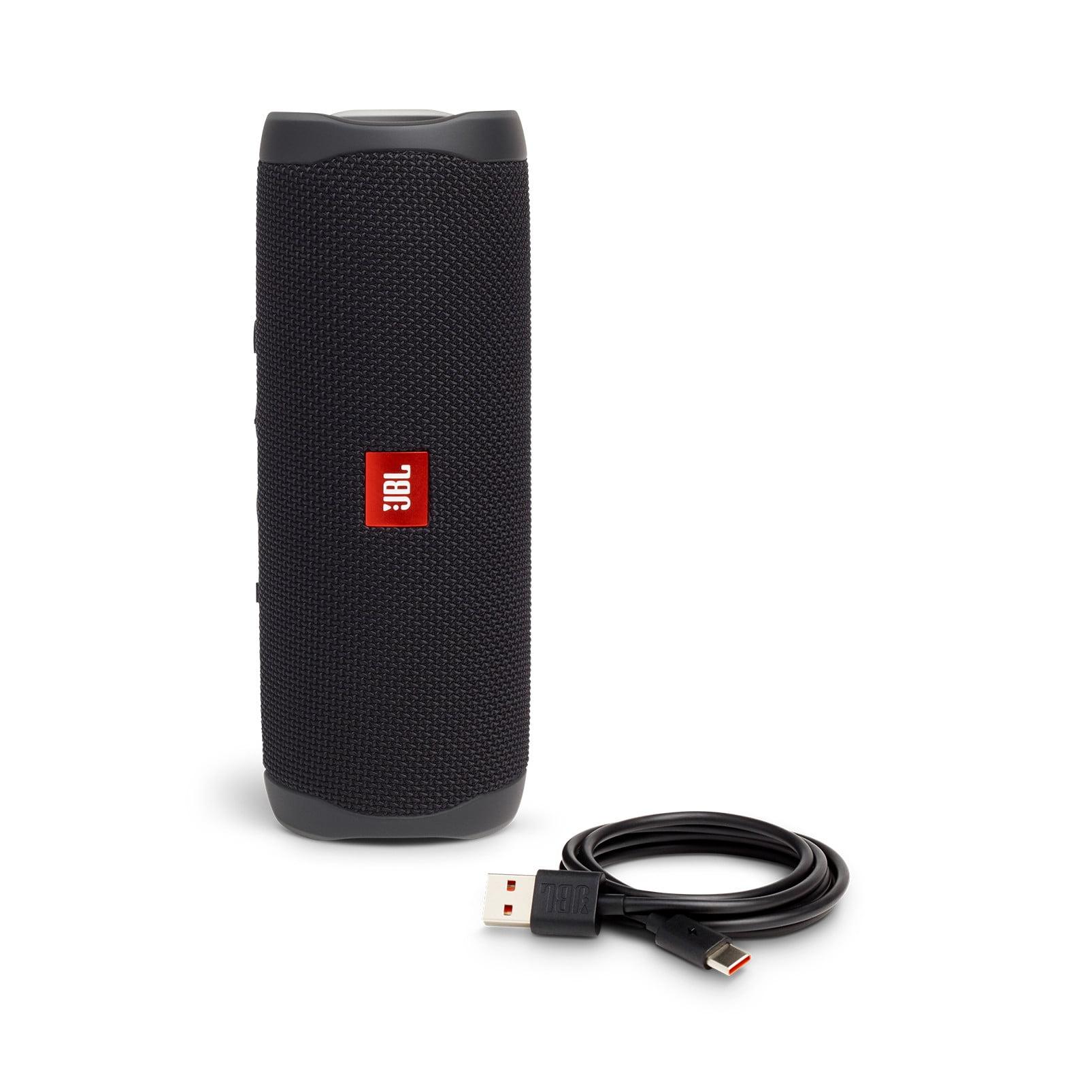
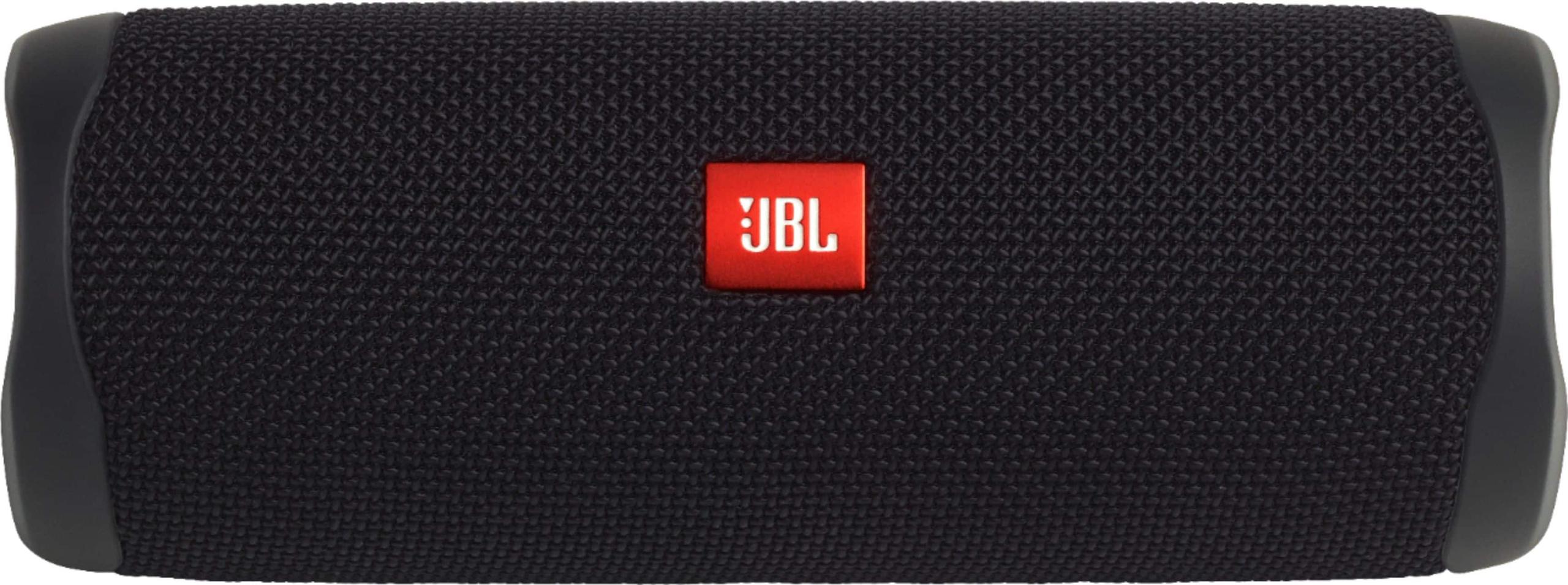
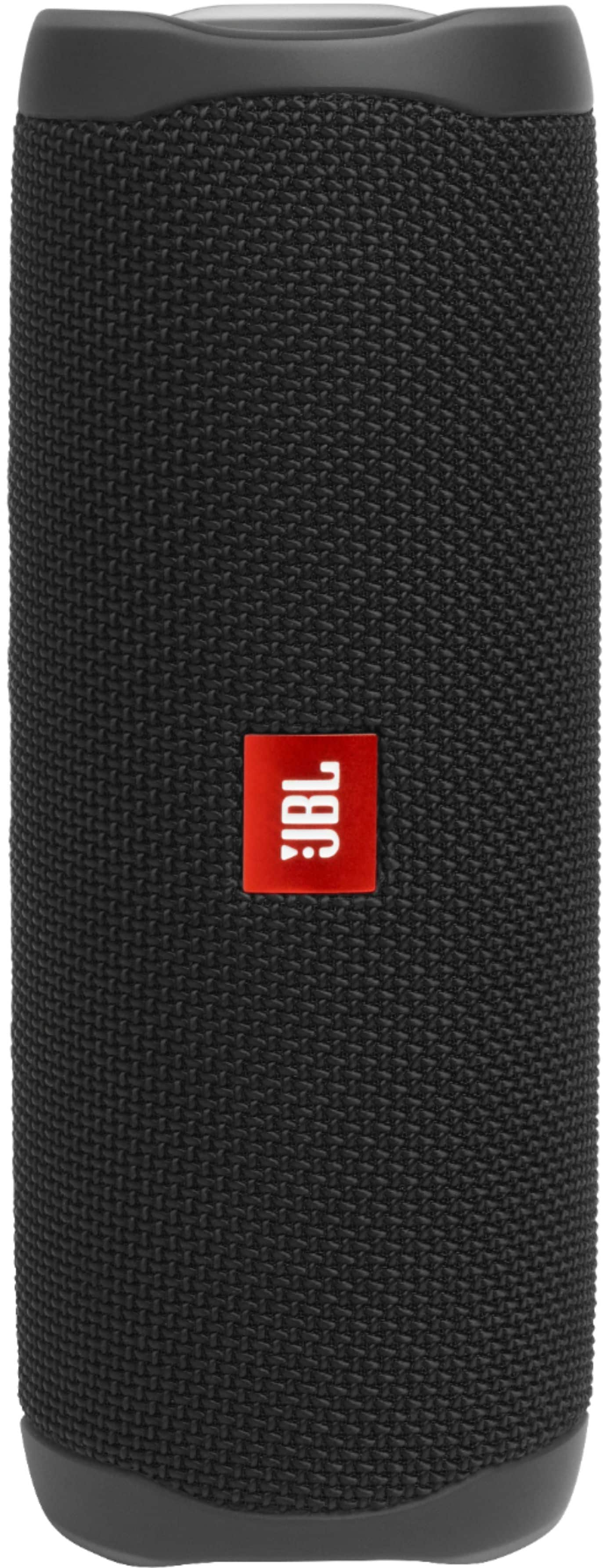
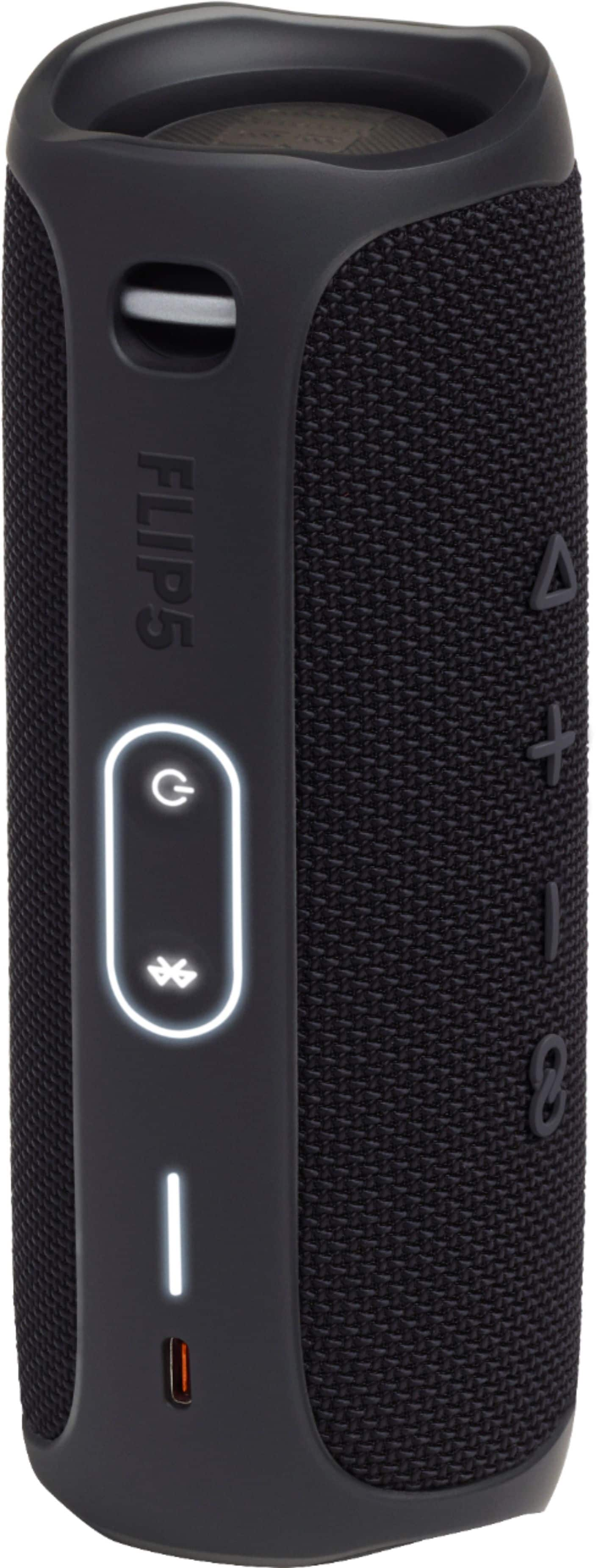
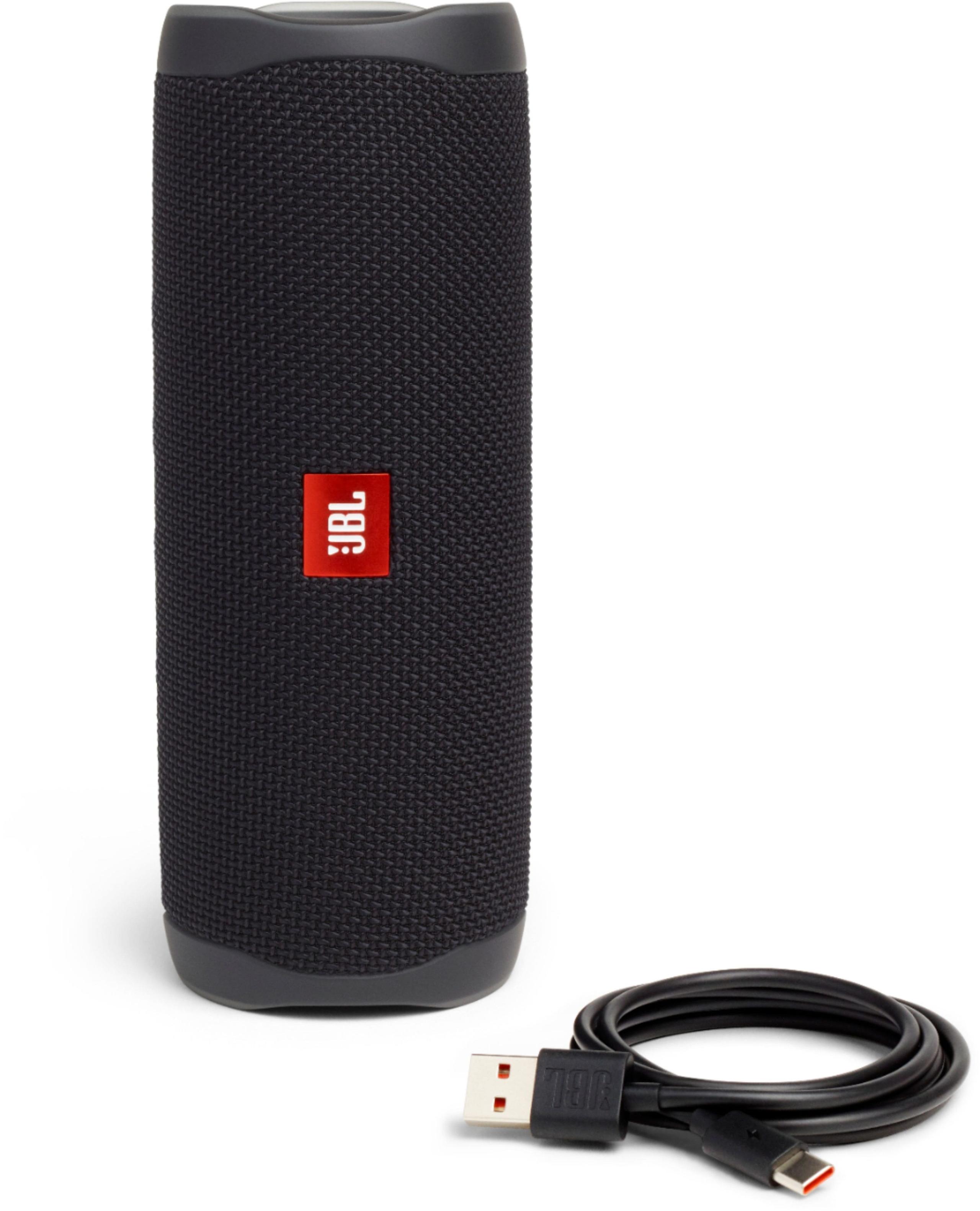
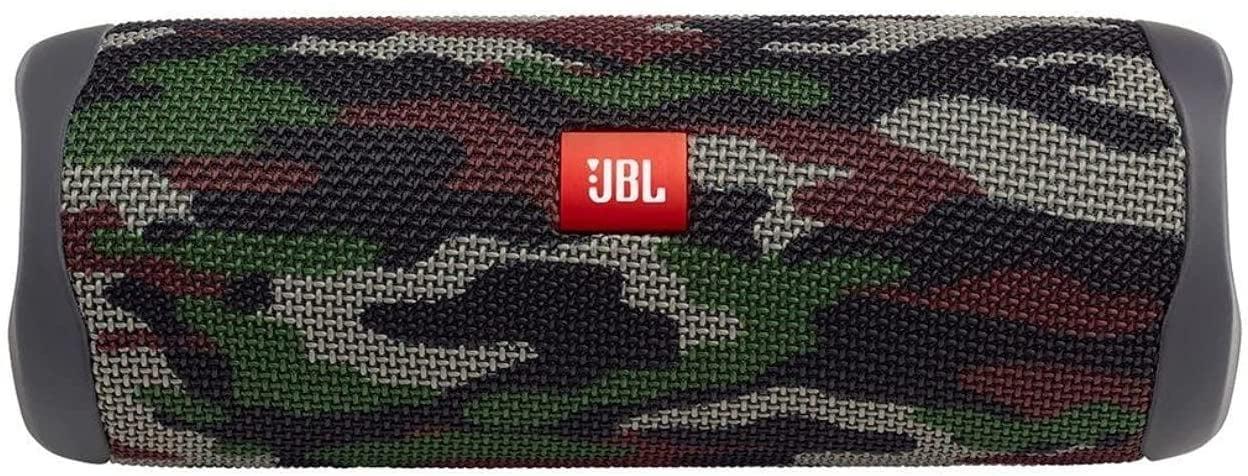
The JBL Flip 5 hit the market in 2019, building on JBL's decades of audio expertise. It's positioned as a mainstream portable speaker that balances features, performance, and affordability. Since its release, it's become one of the most popular speakers in its category, offering solid value for everyday users.
The technological improvements since 2019 are worth noting. Bluetooth has evolved significantly, with version 5.4 (found in the Ranger) offering better range, lower power consumption, and more stable connections compared to the 4.2 standard in the Flip 5. Battery technology has also advanced, with more efficient power management extending playtime.
When it comes to pure audio performance, these speakers take fundamentally different approaches. The Turtlebox Ranger is engineered for maximum impact in challenging environments. Its 105-decibel maximum output is genuinely impressive—that's loud enough to be heard clearly over wind, waves, or construction noise. For context, normal conversation happens around 60 decibels, while a lawn mower produces about 90 decibels.
The Ranger's dual 2-inch drivers work together to create true stereo sound, meaning you get distinct left and right channels like you would from a proper home stereo system. This is paired with a passive bass radiator—essentially a speaker cone without the motor that moves in response to the active drivers, enhancing low-frequency response. The result is surprisingly full sound for such a compact unit.
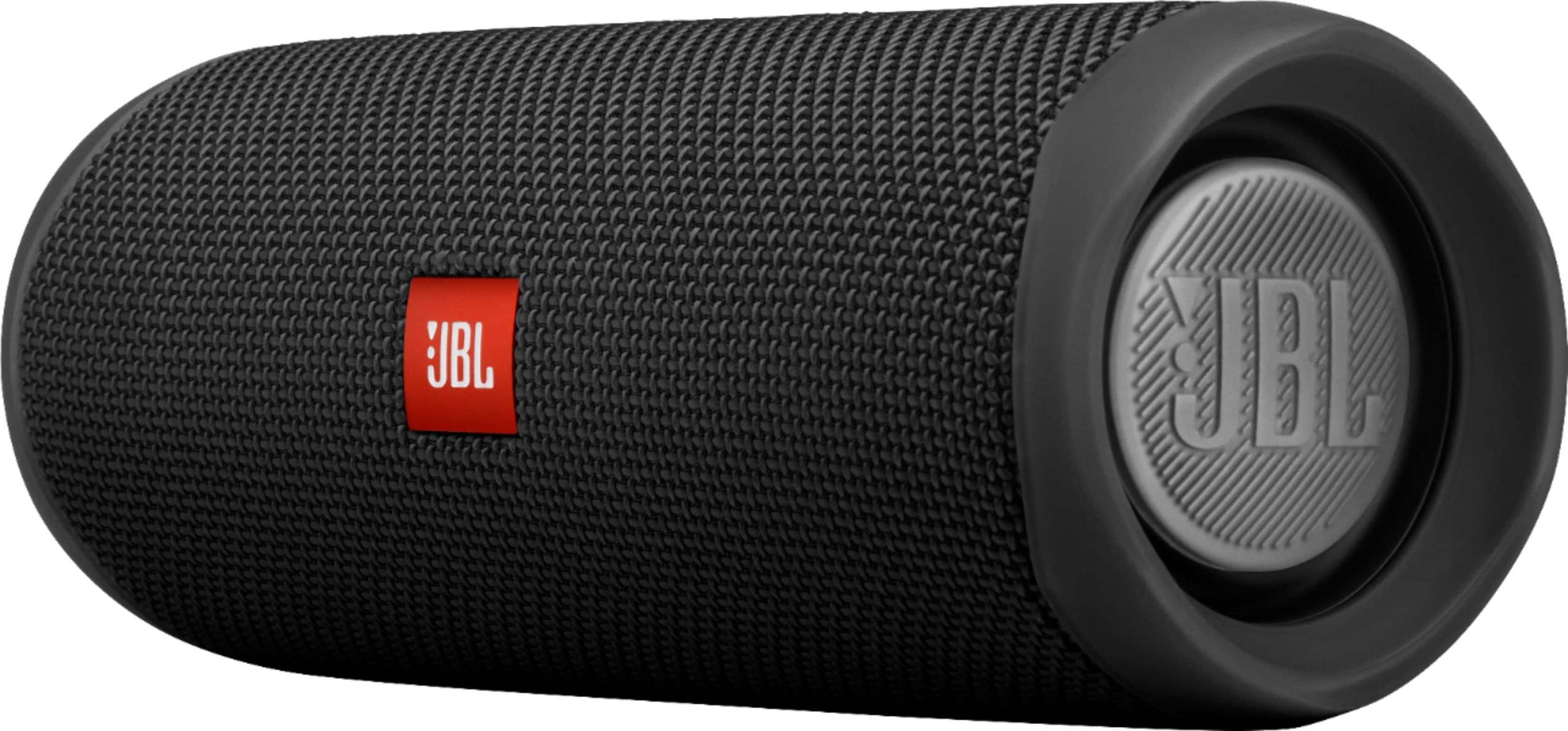
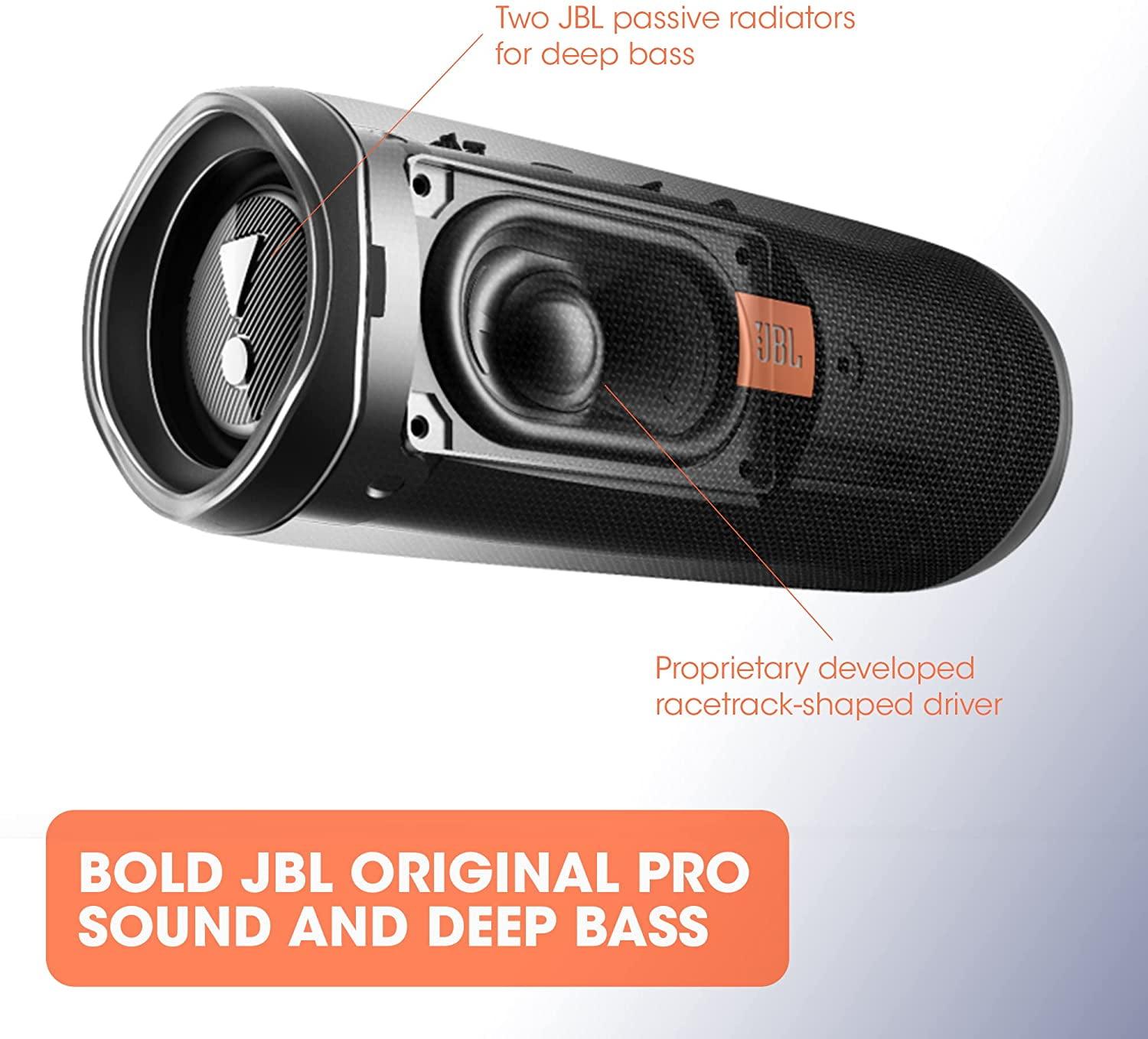
The JBL Flip 5 takes a more traditional approach with its single racetrack-shaped driver. This oval design allows JBL to fit a larger driver surface area into the cylindrical form factor than a round driver would allow. The result is better bass response than you'd expect from such a small speaker. JBL's decades of acoustic engineering show in the tuning—the frequency response from 65 Hz to 20 kHz covers almost the entire range of human hearing.
Where these differences matter most is in your intended use. The Ranger excels when you need to fill large outdoor spaces or compete with ambient noise. Its 360-degree sound dispersion, achieved through its vertical tower design, means everyone around a campfire gets good sound regardless of where they're sitting. The Flip 5 is optimized for closer listening—perfect for a hotel room, backyard gathering, or desktop use.
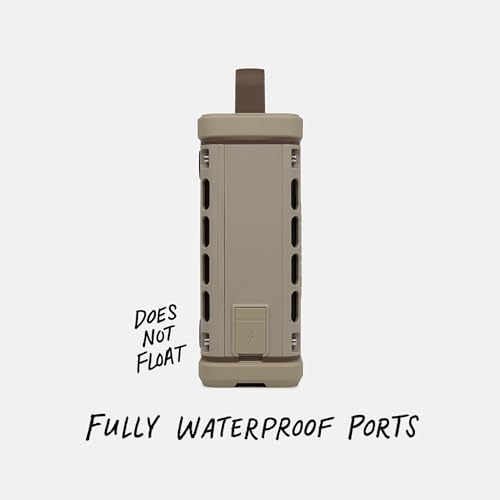
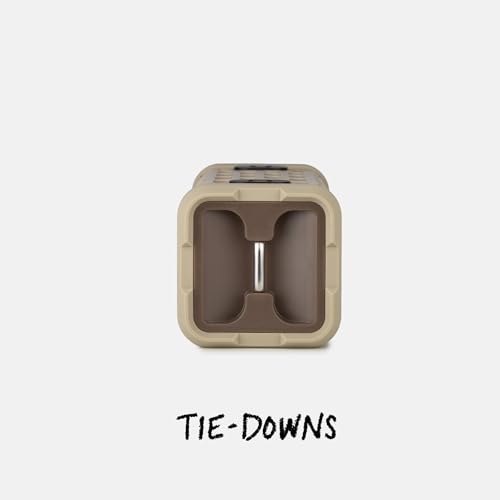
This is where the philosophical differences become most apparent. The Turtlebox Ranger is engineered like military equipment. Its IP67 rating means it's completely dust-tight and can survive being submerged in up to three feet of water for 30 minutes. But the real story is in the construction details: ABS crush-proof housing (the same plastic used in motorcycle helmets), stainless steel hardware that won't corrode in saltwater, and rubber bumpers that absorb impact energy.
The Ranger also includes a built-in breather that allows for pressure equalization during temperature changes—a feature you'd typically find in professional outdoor equipment. This prevents internal components from being damaged when moving between extreme temperatures, like bringing the speaker from an air-conditioned house to a hot car.
The JBL Flip 5 offers solid protection for normal use with its IPX7 waterproof rating. This means it can handle being splashed or briefly submerged, making it safe for poolside use or caught in rain. The fabric and rubber construction feels premium and should survive typical drops and bumps.
However, there's a crucial difference in philosophy. The Flip 5 is designed to be replaceable—it's affordable enough that if something catastrophic happens, you can buy another one. The Ranger is designed to be irreplaceable, built to survive conditions that would destroy most electronics.
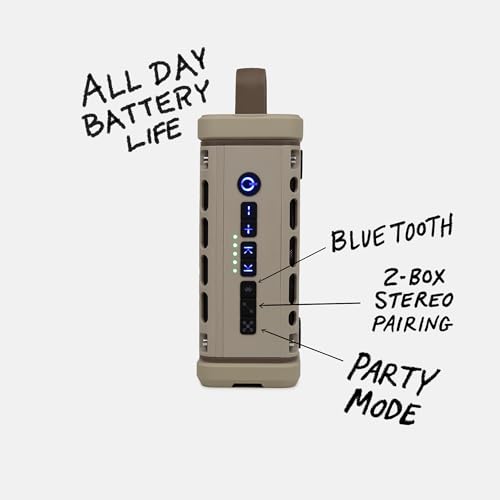
Both speakers offer all-day battery life, but through different approaches. The Turtlebox Ranger packs a 25.2 watt-hour battery that delivers over 12 hours at moderate volumes. More importantly for its target audience, it maintains 5 hours of playback even at maximum volume—crucial when you need the speaker to fill a large outdoor space.
The Ranger also functions as a power bank through its USB-C port, letting you charge phones or other devices. This dual-purpose design makes sense for extended outdoor adventures where every piece of gear needs to earn its space in your pack.
The JBL Flip 5 achieves its 12-hour rating through efficiency rather than brute force. Its smaller drivers and more conservative power management mean the battery lasts longer during typical use. The 2.5-hour charge time is notably faster than the Ranger's 4.5-hour charging cycle.
The Turtlebox Ranger leverages Bluetooth 5.4, the latest standard available at the time of writing. This provides several advantages: connection range up to 100 feet (compared to the typical 30-33 feet), lower power consumption, and better resistance to interference. In practical terms, this means your phone can be much farther away before the connection drops, and you'll experience fewer audio dropouts in crowded wireless environments.
The Ranger's Party Mode technology allows unlimited speaker pairing—you can connect dozens of compatible Turtlebox speakers for massive outdoor sound systems. The True Wireless Stereo (TWS) mode lets two Ranger speakers create dedicated left and right channels, essentially turning them into a wireless stereo system.
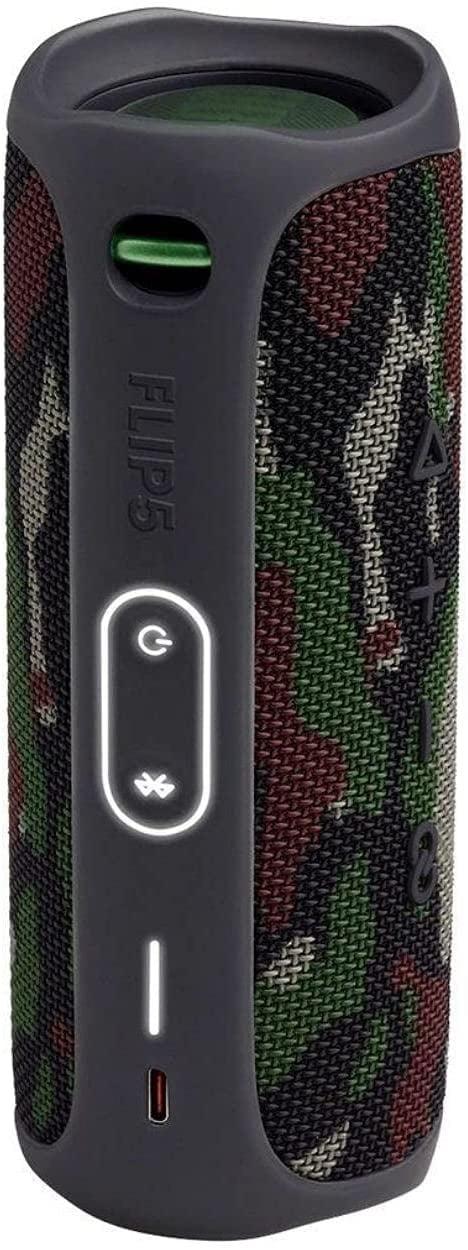
The JBL Flip 5 uses the older but proven Bluetooth 4.2 standard. While it doesn't offer the same range or efficiency as newer versions, it's incredibly reliable and compatible with virtually every smartphone and tablet ever made. JBL's PartyBoost feature allows pairing with other compatible JBL speakers, though not to the same unlimited extent as the Ranger.
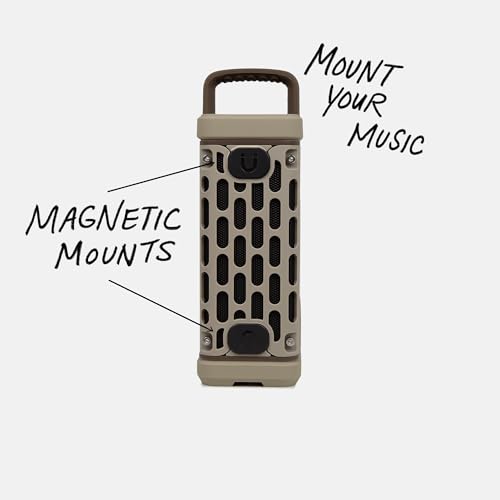
The Turtlebox Ranger includes some genuinely innovative features that solve real-world problems. The magnetic mounting system uses powerful magnets built into the speaker's side, allowing it to stick securely to metal surfaces like car hoods, coolers, or tool boxes. This eliminates the need for separate mounting hardware and provides incredibly stable placement.
The touch controls are designed to work with wet or gloved hands—important when you're using the speaker in challenging conditions. The control layout is simple and intuitive, reducing the learning curve when you're trying to adjust volume in less-than-ideal circumstances.
The JBL Flip 5 focuses on user-friendly features like the JBL Portable app, which provides a three-band equalizer for customizing sound. This lets users boost bass for hip-hop, enhance mids for podcasts, or brighten treble for classical music. The app also handles firmware updates, ensuring the speaker stays current with the latest features and bug fixes.
Neither speaker is designed as a primary home theater solution, but they can serve useful roles. The Turtlebox Ranger's stereo sound and high volume output make it suitable as outdoor movie audio or for extending your home theater experience to patios and decks. Its magnetic mounting could attach it to metal furniture or fixtures for optimal positioning.
The JBL Flip 5 works better as a personal listening device or for small room audio. Its balanced sound signature makes it pleasant for extended listening, though it lacks the power to fill larger spaces effectively.
Based on extensive research into user experiences and expert reviews, clear patterns emerge about when each speaker excels. The Turtlebox Ranger consistently receives praise from users in demanding environments—construction workers, boat owners, and serious outdoor enthusiasts report that it continues working in conditions that disable other speakers.
However, the same reviews note that the Ranger's aggressive sound tuning can be fatiguing during extended indoor listening sessions. Its optimization for outdoor use means it can sound harsh in acoustically reflective environments like hard-walled rooms.
The JBL Flip 5 earns consistent praise for its versatility and value. Users appreciate its balanced sound signature and reliable performance across various music genres. The main criticism centers on its limited volume output—it's simply not loud enough for large gatherings or noisy environments.
At the time of writing, the Turtlebox Ranger commands a significant premium over the JBL Flip 5—roughly 2.5 times the cost. This pricing reflects its specialized engineering and extreme durability features, but it's important to consider whether you'll actually use these capabilities.
The Ranger makes financial sense if you regularly expose speakers to harsh conditions, need maximum volume output, or value long-term durability over initial cost. Its build quality suggests it could outlast several cheaper speakers, potentially offering better lifetime value for heavy users.
The JBL Flip 5 represents exceptional mainstream value, offering solid performance at an accessible price point. Its lower cost makes it practically disposable—if it breaks or gets lost, replacement won't break the bank. For most users who primarily listen indoors or in mild outdoor conditions, it provides all the features they'll actually use.
The decision ultimately comes down to matching the speaker to your actual usage patterns rather than aspirational ones. Choose the Turtlebox Ranger if you genuinely need extreme durability—if you work in construction, spend serious time on boats, do frequent camping in harsh conditions, or need a speaker that can soundtrack large outdoor gatherings. Its magnetic mounting and power bank features add genuine utility for these scenarios.
The Ranger also makes sense if you plan to build a multi-speaker outdoor system using Party Mode, or if maximum volume output is a priority. Just be prepared for the premium pricing and consider whether you'll actually use the extreme durability features.
Choose the JBL Flip 5 for almost everything else. It's the better choice for daily portability, balanced indoor/outdoor use, budget-conscious buyers, or anyone who values proven reliability over specialized features. Its ecosystem integration with other JBL products and wide color selection are bonuses for many users.
The Flip 5 is particularly appealing if you're new to portable speakers or unsure about your needs. Its lower cost makes it a safe choice for exploring how you actually use portable audio before potentially upgrading to something more specialized.
Both speakers succeed in their intended roles, but those roles are dramatically different. The Turtlebox Ranger is specialized equipment for serious outdoor use and extreme conditions, while the JBL Flip 5 is a versatile tool for everyday life. Neither is objectively better—they're optimized for different priorities and budgets.
The key insight is being honest about your actual usage patterns. Most people overestimate how often they'll use extreme durability features while underestimating how important everyday usability and value become over time. Choose based on where and how you'll actually use the speaker most often, not the most dramatic scenario you can imagine.
| Turtlebox Ranger Portable Bluetooth Speaker | JBL Flip 5 Portable Speaker |
|---|---|
| Maximum Volume Output - Critical for outdoor use and large spaces | |
| 105 decibels (loud enough for construction sites and large gatherings) | 20W output (~85 decibels, suitable for close-range listening) |
| Audio Configuration - Affects sound quality and stereo imaging | |
| True 2.0 stereo with dual 2" drivers plus passive bass radiator | Single racetrack-shaped driver (mono sound) |
| Water/Dust Protection - Essential for outdoor durability | |
| IP67 (submersible to 3 feet, fully dustproof, extreme conditions) | IPX7 (waterproof for splashes and brief submersion) |
| Build Construction - Determines long-term survival | |
| ABS crush-proof housing, stainless steel hardware, military-grade | Fabric and rubber construction, consumer-grade durability |
| Weight and Portability - Affects daily carry convenience | |
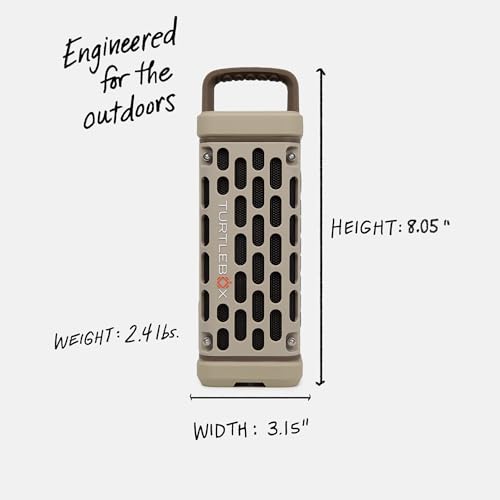
| 2.4 lbs (8.05" x 3.15" x 3.15") - compact but substantial | 1.2 lbs (7.12" x 2.91" x 2.71") - ultra-portable |
| Battery Life - Important for extended use | |
| 12+ hours moderate / 5 hours max volume | Up to 12 hours typical use |
| Charging Time - Affects downtime between uses | |
| 4.5 hours (USB-C with device charging capability) | 2.5 hours (USB-C) |
| Bluetooth Technology - Impacts connection quality and range | |
| Version 5.4, 100-foot range, latest connectivity standard | Version 4.2, ~33-foot range, proven reliability |
| Multi-Speaker Pairing - For creating larger sound systems | |
| Party Mode (unlimited Turtlebox speakers) + TWS stereo pairing | JBL PartyBoost (multiple JBL speakers) |
| Unique Features - Specialized capabilities | |
| Magnetic mounting, power bank function, extreme temperature breather | JBL app with EQ, 11 color options, established ecosystem |
| Target Use Case - Who each speaker serves best | |
| Extreme outdoor use, professional jobsites, marine environments | Everyday portability, balanced indoor/outdoor, mainstream users |
| Value Positioning - Price-to-performance consideration | |
| Premium pricing for specialized extreme durability | Excellent mainstream value, accessible pricing |
The Turtlebox Ranger is significantly louder, producing up to 105 decibels compared to the JBL Flip 5's 20W output (approximately 85 decibels). The Ranger can fill large outdoor spaces and compete with wind or ambient noise, while the Flip 5 is better suited for close-range listening in smaller areas.
The Turtlebox Ranger offers superior durability with IP67 rating (submersible to 3 feet), crush-proof ABS housing, and stainless steel hardware designed for extreme conditions. The JBL Flip 5 has IPX7 waterproof protection suitable for splashes and brief submersion, with fabric and rubber construction that's durable for everyday use but not extreme conditions.
Both speakers offer similar battery life at moderate volumes - the Turtlebox Ranger provides 12+ hours and the JBL Flip 5 delivers up to 12 hours. However, the Ranger maintains 5 hours of playback even at maximum volume, while the Flip 5 has shorter battery life at higher volumes. The Flip 5 charges faster at 2.5 hours versus 4.5 hours for the Ranger.
Sound quality depends on your preferences and use case. The Turtlebox Ranger offers true stereo sound with dual drivers and is optimized for outdoor environments with powerful bass. The JBL Flip 5 provides balanced audio across its 65Hz-20kHz frequency range with JBL's refined tuning, making it excellent for indoor listening and various music genres.
The Turtlebox Ranger features Party Mode for connecting unlimited compatible Turtlebox speakers and True Wireless Stereo for pairing two units. The JBL Flip 5 supports JBL PartyBoost for connecting multiple JBL speakers. Both use different pairing technologies, so they cannot connect to each other.
The Turtlebox Ranger is specifically designed for extreme outdoor use with its crush-proof construction, magnetic mounting system, and ability to withstand harsh weather conditions including saltwater exposure. The JBL Flip 5 can handle mild outdoor activities but isn't built for extreme conditions or professional outdoor use.
The JBL Flip 5 is more portable at 1.2 pounds and compact cylindrical design, making it ideal for daily carry. The Turtlebox Ranger weighs 2.4 pounds with a taller profile but includes magnetic mounting for hands-free placement on metal surfaces, offering different portability advantages.
Value depends on your needs. The JBL Flip 5 offers excellent mainstream value with balanced features at an accessible price point. The Turtlebox Ranger commands a premium for its extreme durability and specialized features, making it better value for users who need those specific capabilities.
Neither speaker is designed as a primary home theater solution. The Turtlebox Ranger could work for outdoor movie setups due to its high volume and stereo sound, while the JBL Flip 5 is better for personal listening or small room audio enhancement rather than replacing dedicated home theater speakers.
The Turtlebox Ranger uses newer Bluetooth 5.4 technology with up to 100-foot range, offering better connectivity stability and lower power consumption. The JBL Flip 5 uses Bluetooth 4.2 with approximately 33-foot range, which is proven reliable but offers shorter range and older technology.
Only the Turtlebox Ranger can charge external devices through its USB-C port, functioning as a power bank for phones and other gadgets during extended outdoor adventures. The JBL Flip 5 only receives power through its USB-C port and cannot charge other devices.
Choose the Turtlebox Ranger for extreme outdoor use, professional jobsites, marine environments, or when you need maximum volume and durability. Select the JBL Flip 5 for everyday portability, balanced indoor/outdoor use, budget-conscious purchases, or when you want proven mainstream performance with JBL's established audio quality.
We've done our best to create useful and informative comparisons to help you decide what product to buy. Our research uses advanced automated methods to create this comparison and perfection is not possible - please contact us for corrections or questions. These are the sites we've researched in the creation of this article: fieldandstream.com - tylerstx.com - comparisontabl.es - gearjunkie.com - rogerssportinggoods.com - youtube.com - armorsound.com - simmonssportinggoods.com - turtleboxaudio.com - outdoorhub.com - backpackeroutdoors.com - youtube.com - tennesseevalleyoutsider.com - turtleboxaudio.com - mrfc.com - linecutterz.com - russells.com - turtleboxaudio.com - flyfishfood.com - whathifi.com - seriousinsights.net - youtube.com - youtube.com - harmanaudio.com - cdwg.com - gzhls.at - kh.jbl.com - support.jbl.com - mm.jbl.com - bestbuy.com - soundguys.com

Privacy Policy
Terms and Conditions - Affiliate Policy
Home Security
© Copyright 2008-2026.
11816 Inwood Rd #1211, Dallas, TX 75244