

When you're shopping for a portable Bluetooth speaker that can handle the outdoors, you'll quickly discover that "portable" means very different things to different manufacturers. The Turtlebox Ranger and JBL Boombox 3 perfectly illustrate this divide – one prioritizes true portability while the other focuses on delivering serious sound power. Understanding which approach fits your lifestyle will save you from buyer's remorse and help you get the most bang for your buck.
The outdoor speaker market has essentially split into two camps. On one side, you have ultra-portable speakers that weigh under three pounds and can easily slip into a backpack. On the other, you have "portable" speakers that require two hands to carry but deliver sound that rivals your home stereo system.
This split happened because physics is unforgiving – bigger speakers with larger drivers (the components that actually create sound waves) produce more volume and better bass response. Larger batteries provide longer playback time. But all that hardware adds weight and bulk, creating an unavoidable trade-off between portability and performance.
When evaluating outdoor speakers, the most important factors are typically sound output (measured in decibels), frequency response (how well the speaker handles different musical notes from deep bass to high treble), battery life, durability ratings, and of course, how much you're willing to carry around.
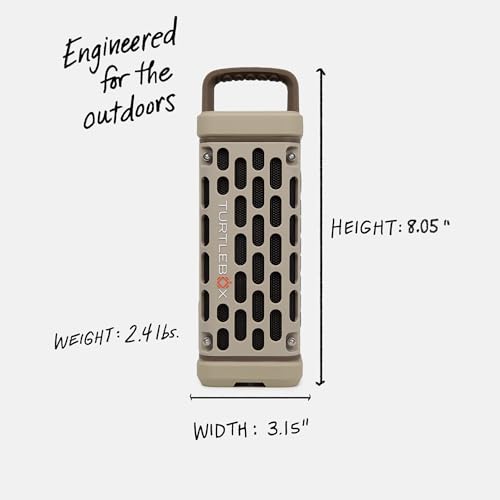
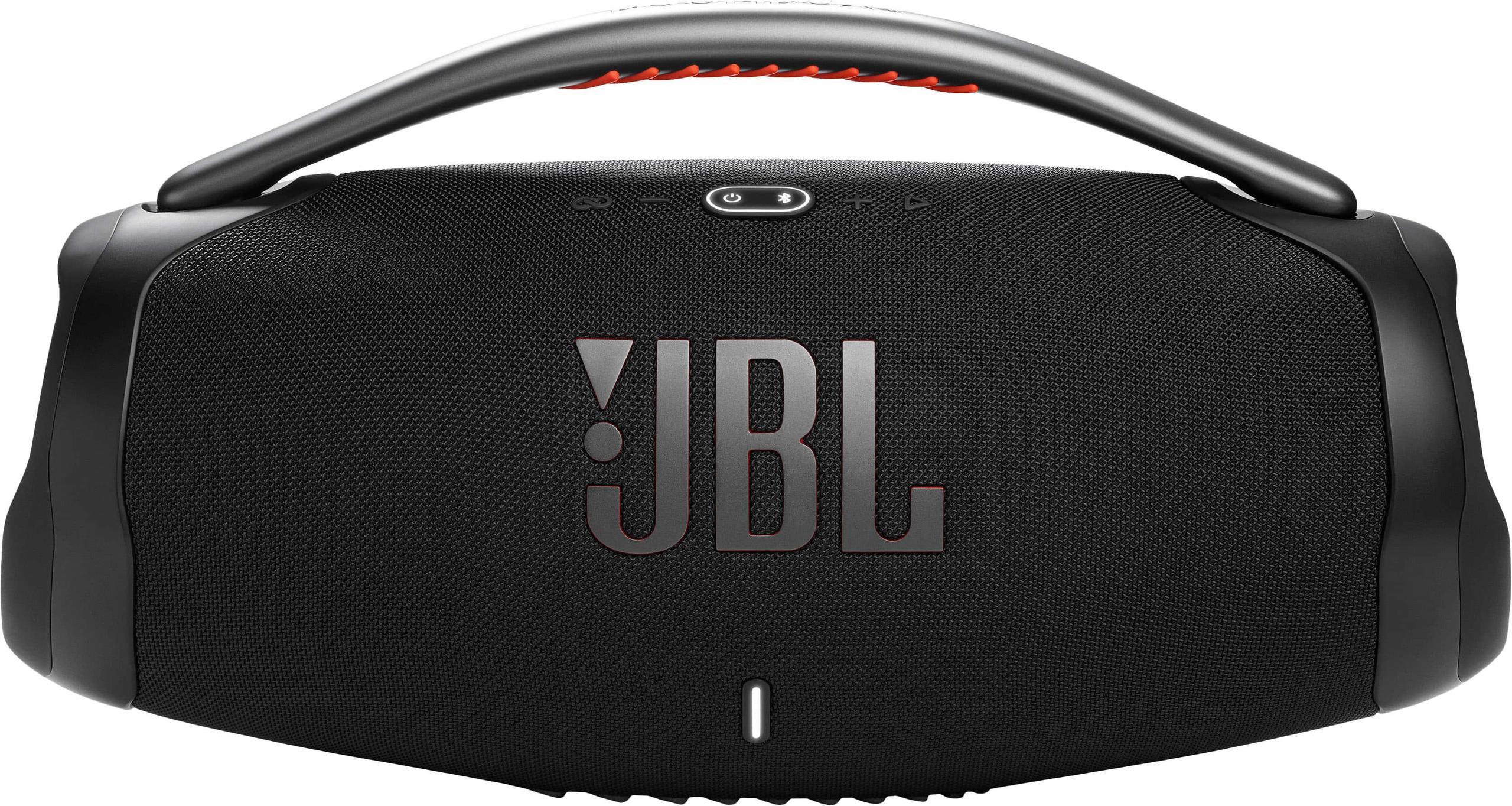
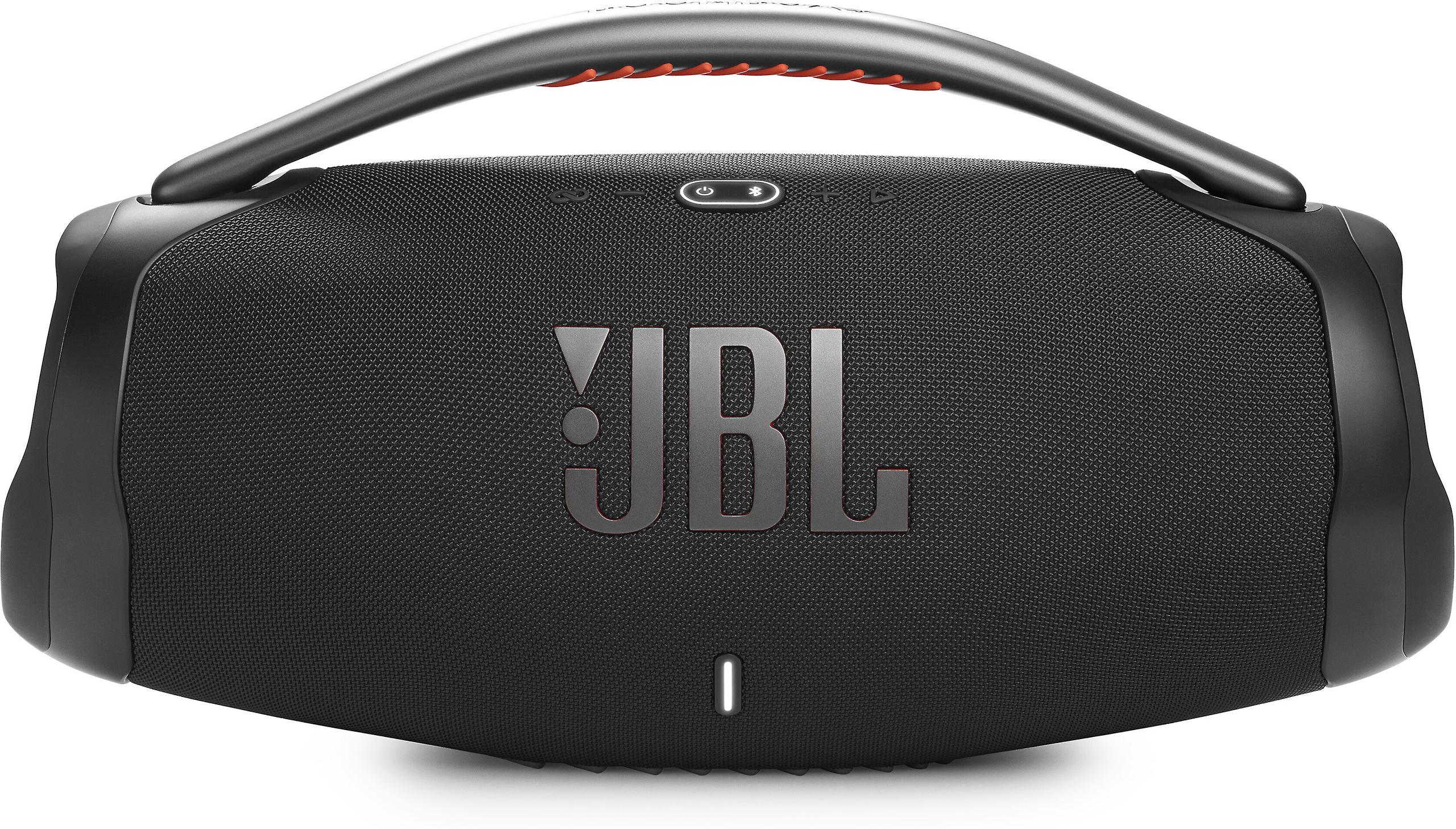
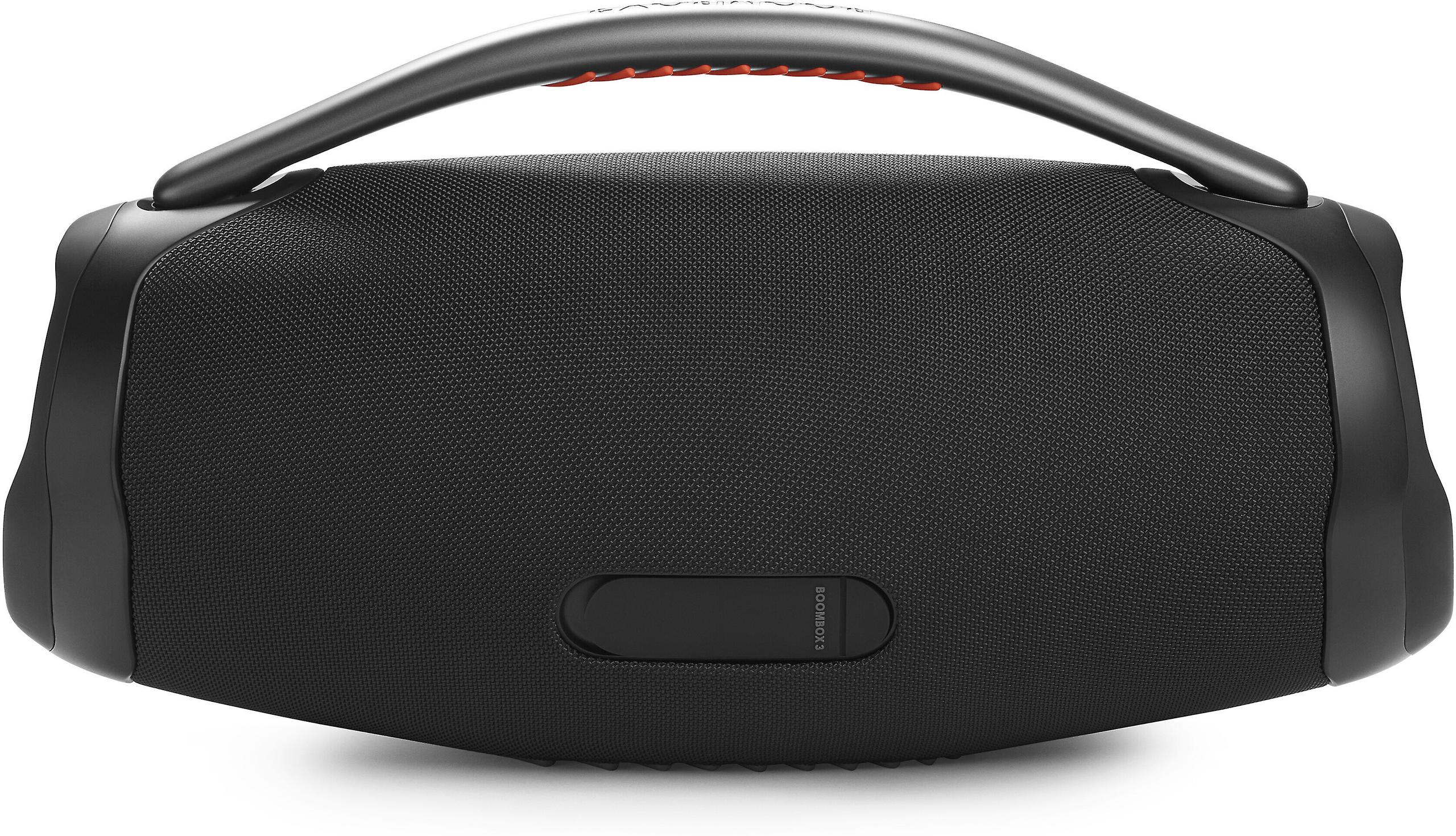
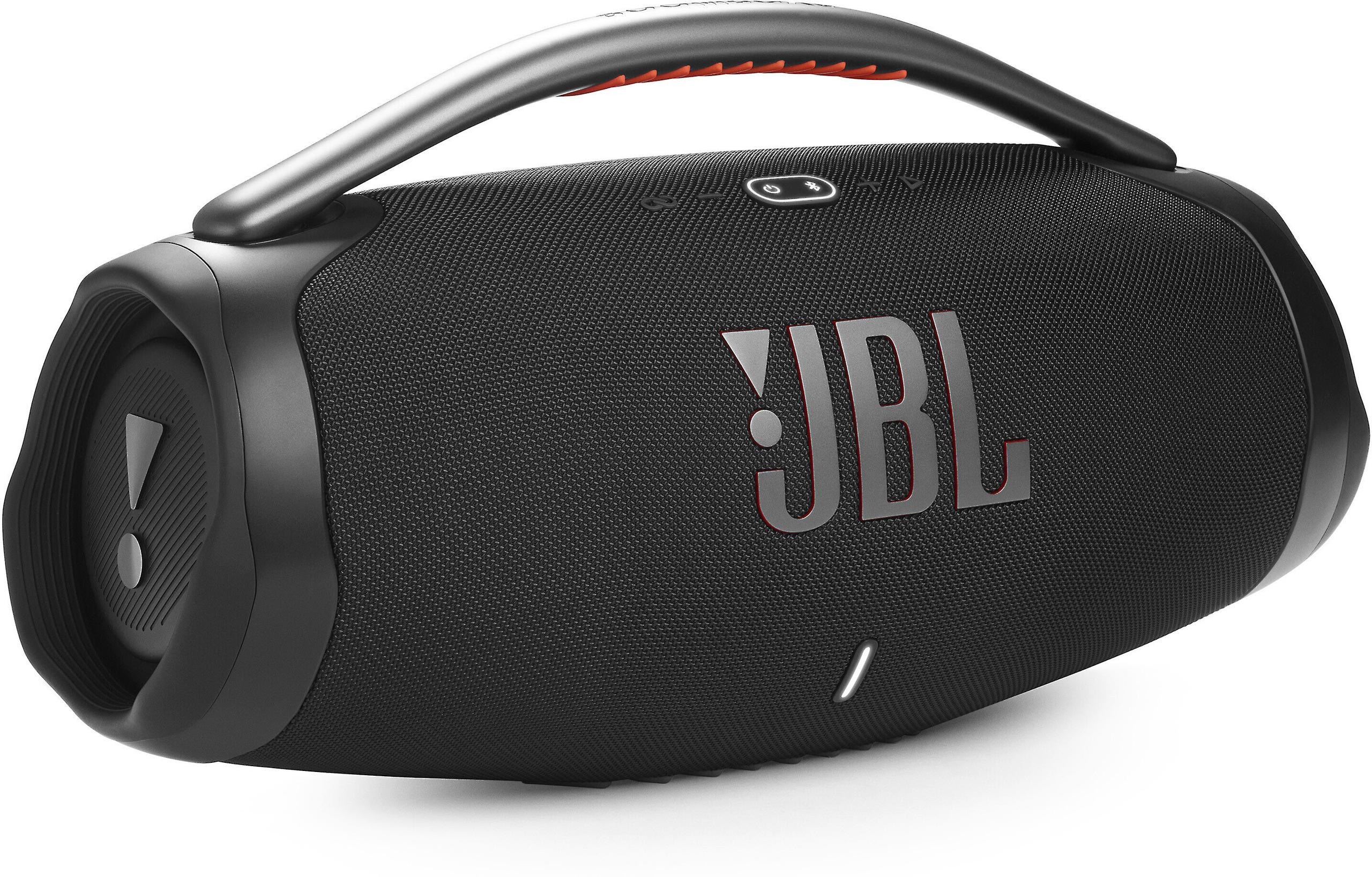
The Turtlebox Ranger, released in 2025, represents the latest thinking in ultra-portable outdoor audio. At just 2.4 pounds, it's designed for people who actually want to carry their speaker significant distances. The JBL Boombox 3, which hit the market in 2022, takes the opposite approach – it weighs nearly 15 pounds but delivers room-filling sound that can compete with much larger home audio systems.
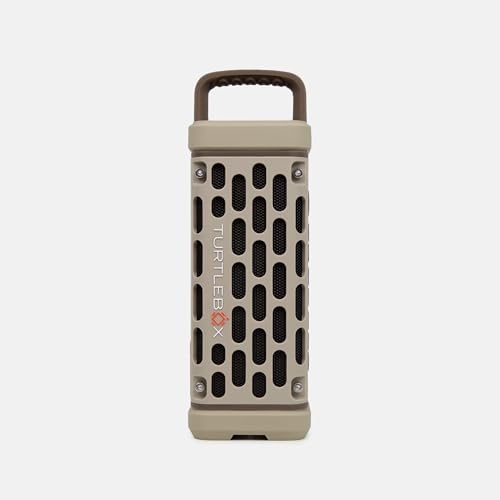
The Turtlebox Ranger looks nothing like a traditional speaker. It's shaped like a tall, narrow cylinder that stands upright, measuring about 8 inches tall and just over 3 inches wide. This unusual design isn't just for show – the vertical orientation allows the speaker to project sound in all directions (called omnidirectional sound dispersion), which works better for outdoor spaces where people might be scattered around rather than sitting directly in front of the speaker.
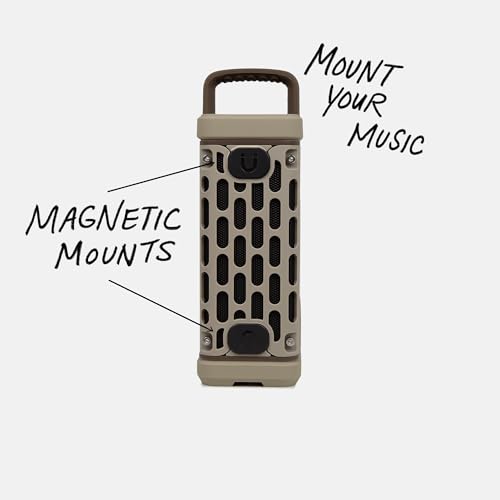
The trade-off with this design is stability. A tall, narrow speaker is more prone to tipping over, especially in windy conditions or if someone accidentally bumps into it. However, Turtlebox addressed this with rubber bumpers on the bottom and innovative magnetic mounting options – powerful magnets on the side allow you to stick the Ranger to metal surfaces like vehicle doors, cooler tops, or even toolboxes.
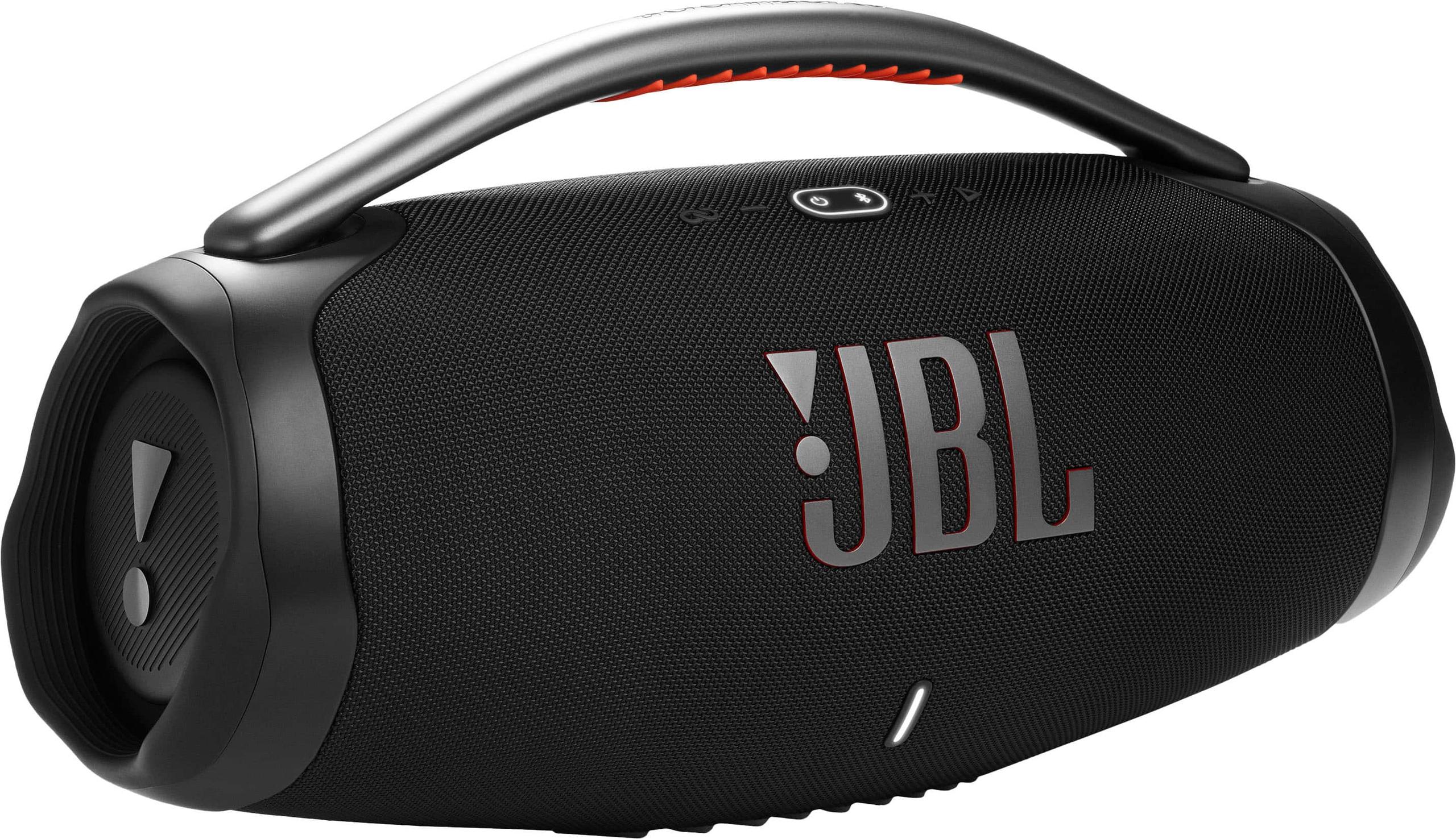
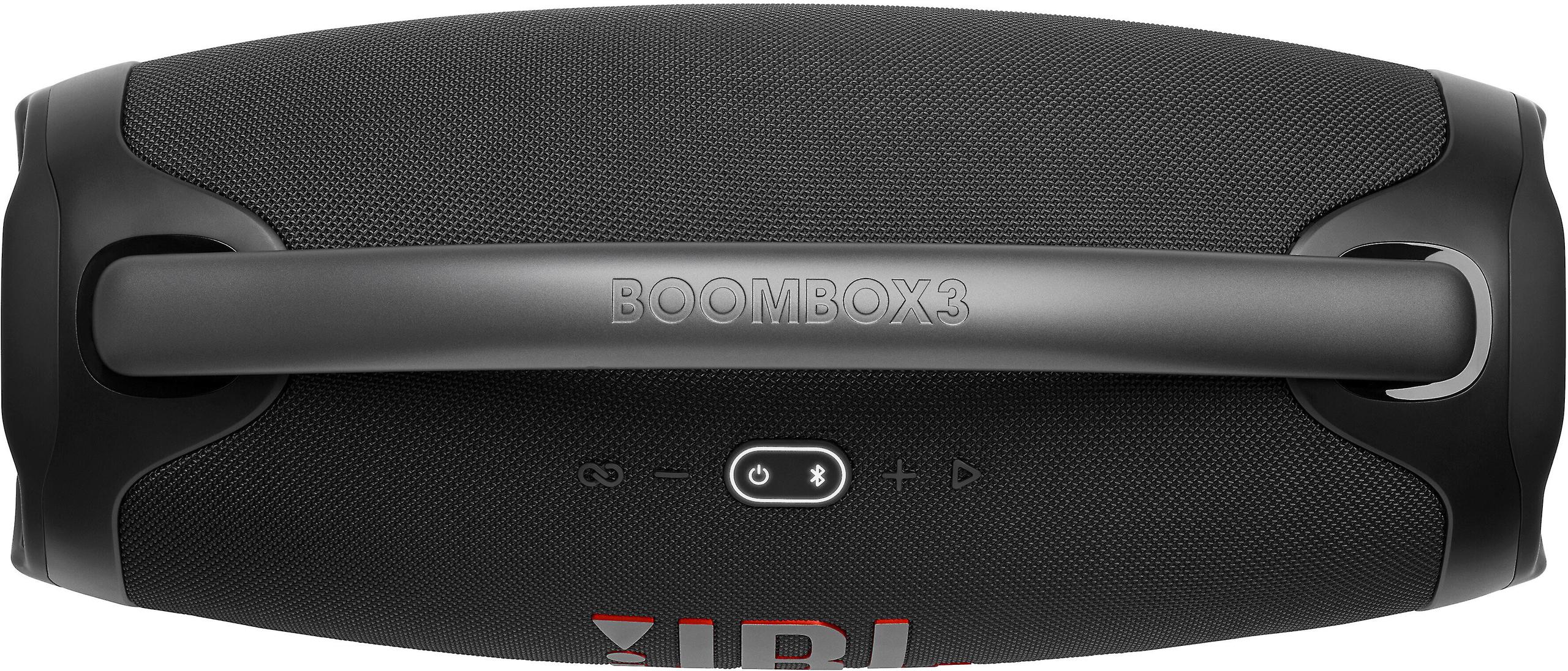
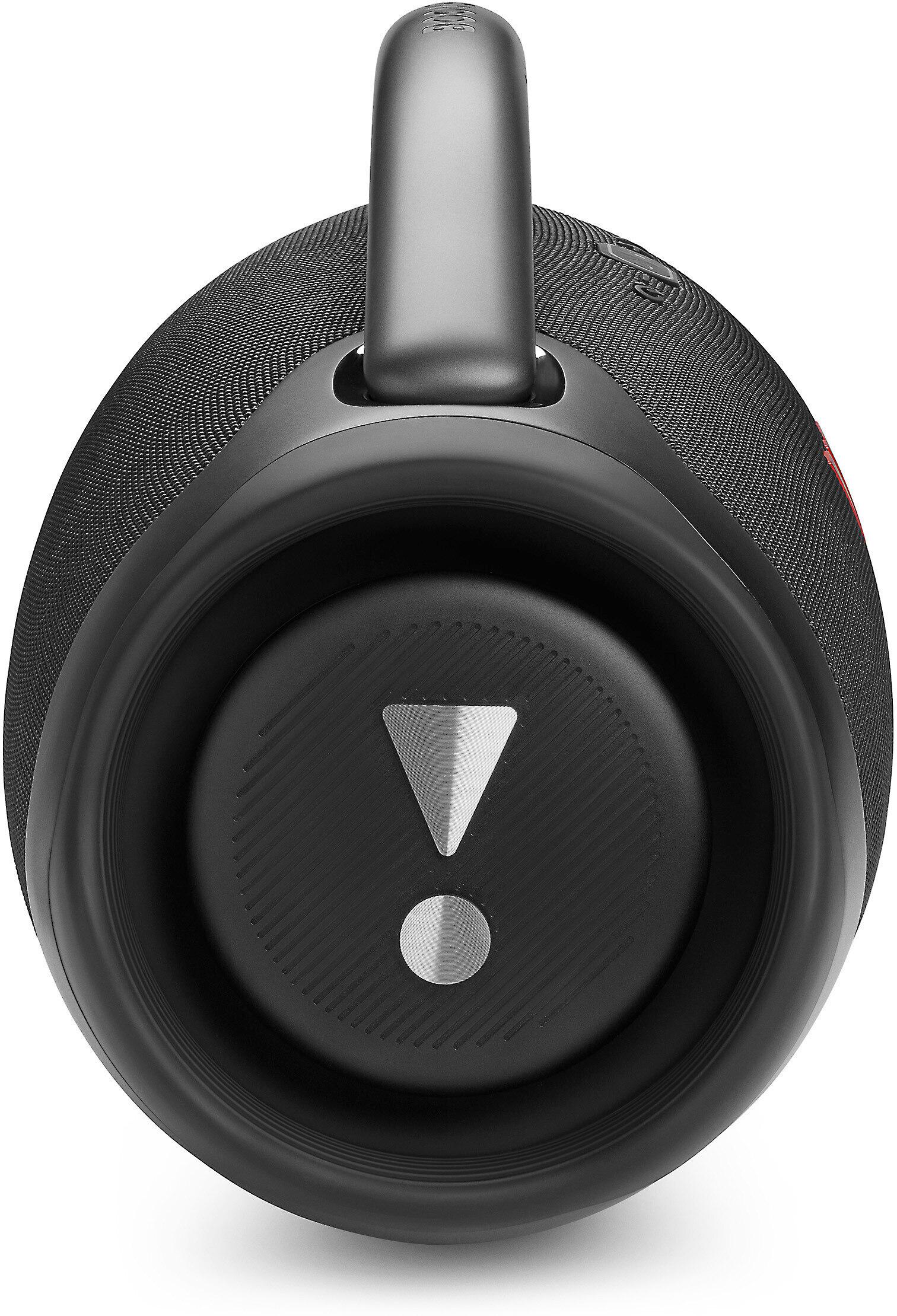
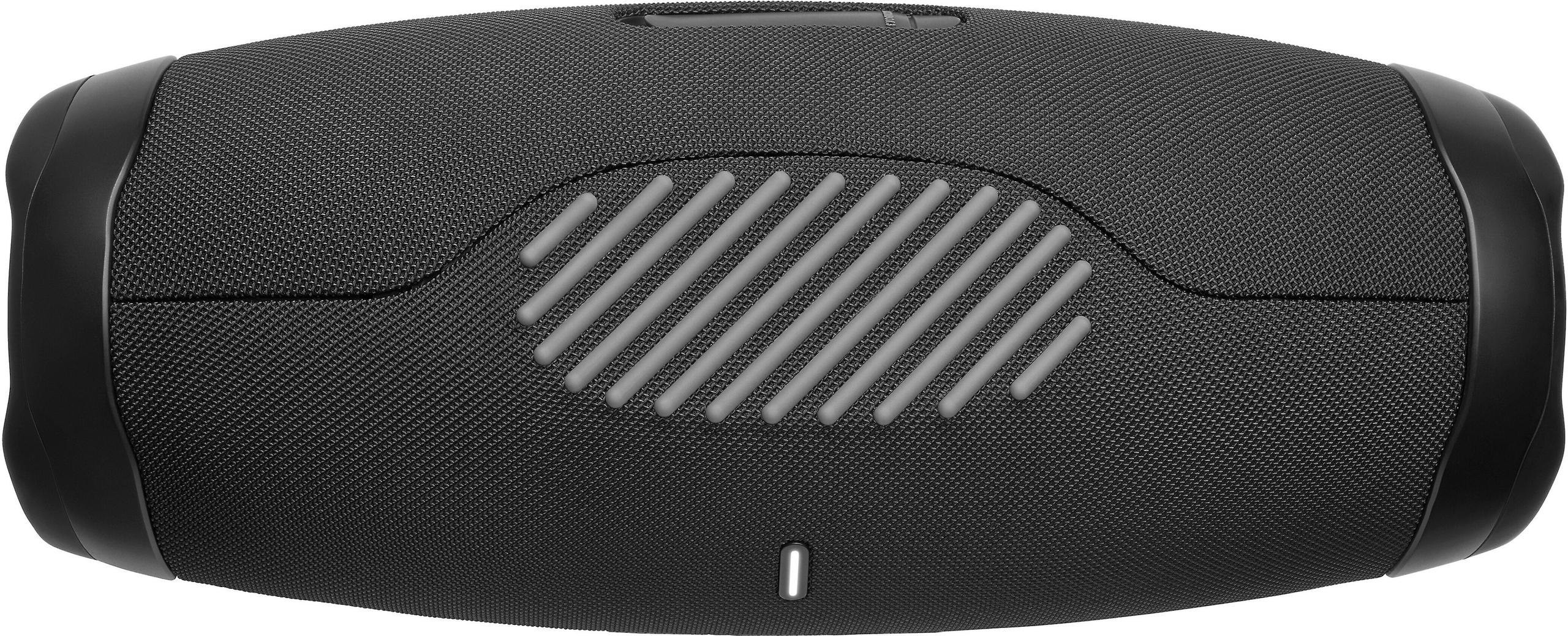
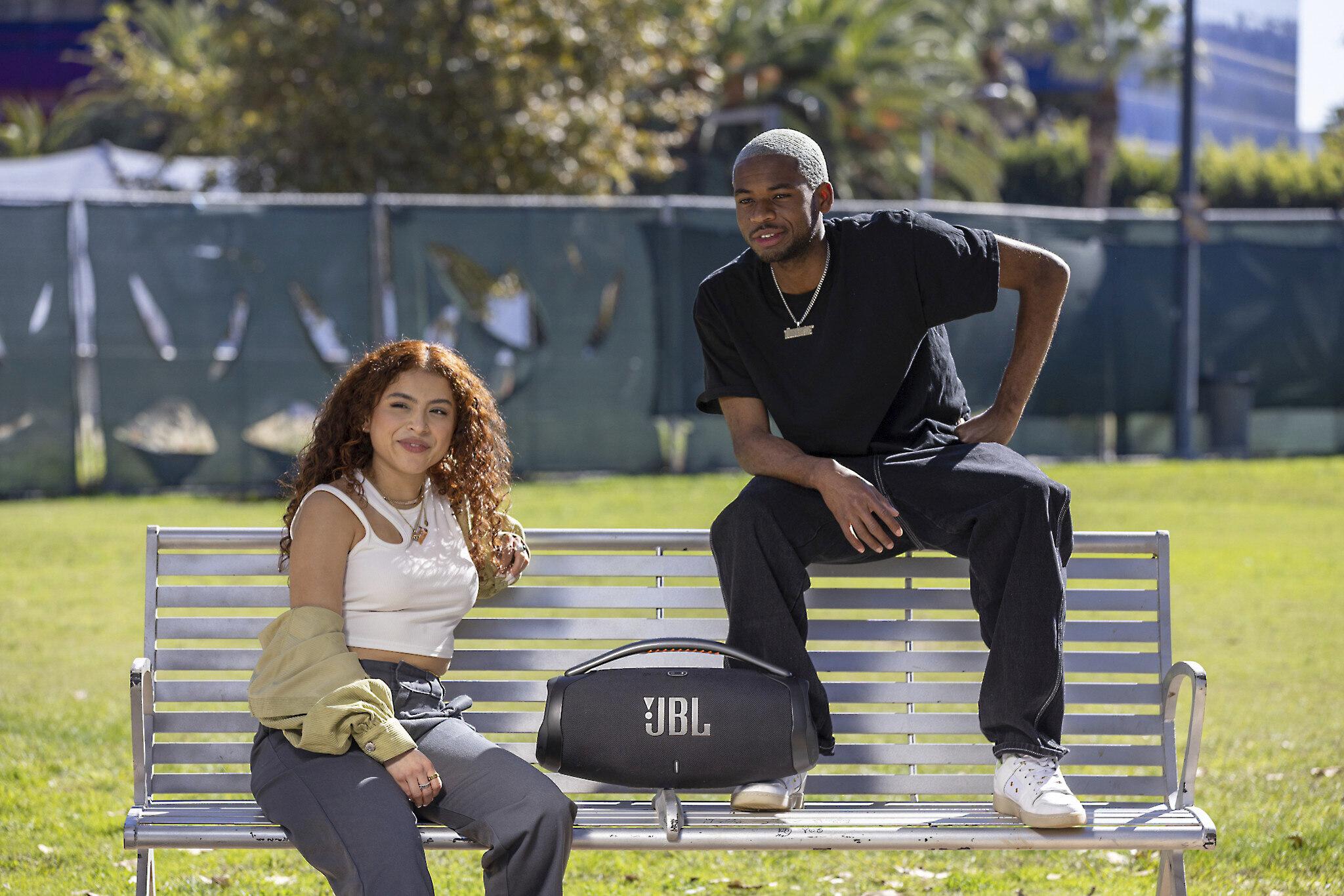
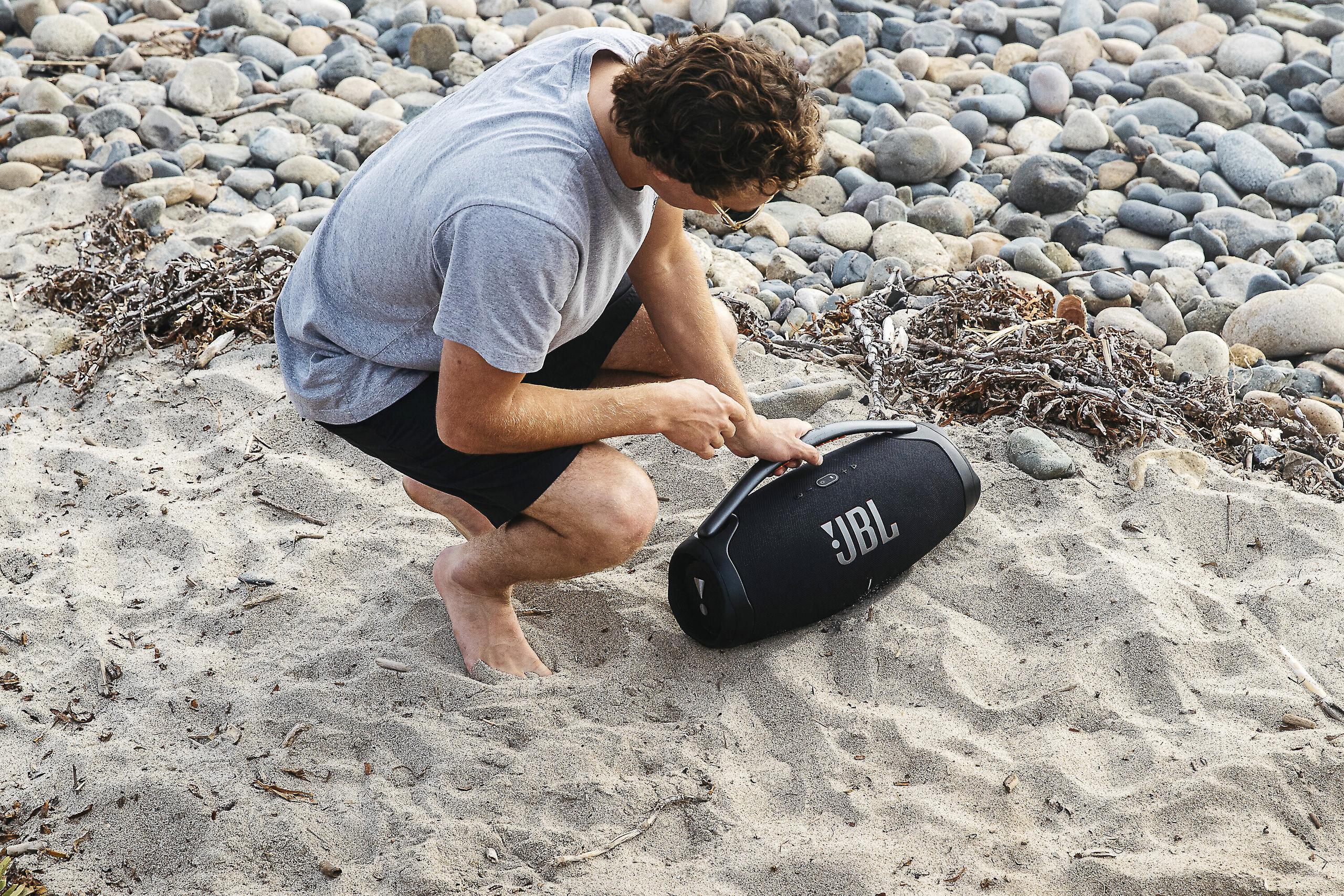
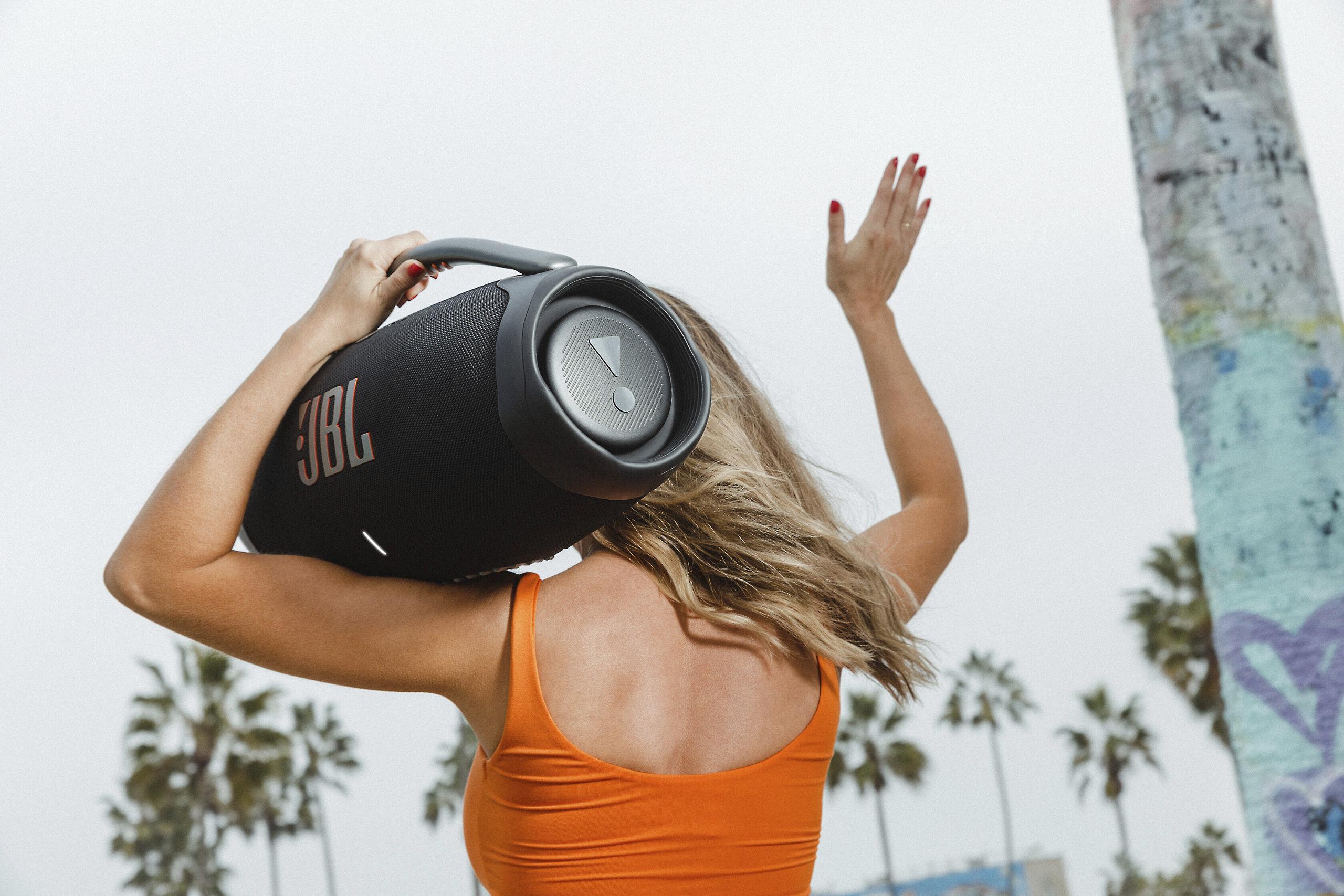
The JBL Boombox 3, in contrast, follows the classic boombox design that's been proven effective for decades. It's wide, relatively low to the ground, and stable. The familiar form factor includes a large, comfortable carrying handle and a design that naturally directs sound forward toward your listening area. This traditional approach means it takes up more space in your gear, but it's much less likely to get knocked over during a party or windy day at the beach.
Here's where the physics of speaker design becomes really important. The JBL Boombox 3 absolutely dominates in raw sound output, and there's no getting around it. With its three-way speaker system (meaning it has dedicated drivers for bass, midrange, and treble frequencies), it can produce up to 180 watts of power when plugged into AC power, dropping to 136 watts when running on battery.
To put this in perspective, 136 watts is more power than most people have in their entire home stereo systems. The Boombox 3 includes a dedicated subwoofer (a speaker designed specifically for deep bass), two midrange drivers, and two tweeters (small speakers that handle high frequencies like cymbals and vocals). This setup allows it to reproduce the full range of musical frequencies with impressive clarity and depth.
The Turtlebox Ranger, by comparison, produces 105 decibels of maximum sound output from its compact 2-inch drivers. While 105 dB is genuinely loud – comparable to a motorcycle engine – it's working with much smaller hardware. The clever engineering here is in the efficiency: the Ranger extracts remarkable volume and clarity from its small drivers, supplemented by passive bass radiators (components that vibrate sympathetically to enhance low-frequency response without requiring additional power).
In practical terms, the JBL Boombox 3 will fill a large patio, overcome crowd noise at a tailgate party, and provide the kind of bass response that gets people moving. The Turtlebox Ranger delivers impressive sound for its size but works best for smaller groups or quieter listening environments.
However, there's an important caveat about the Ranger's performance: its vertical design means you should never lay it on its side. Doing so blocks the downward-firing woofer and significantly reduces both volume and sound quality. This is a limitation worth remembering if you're used to speakers that work equally well in any orientation.
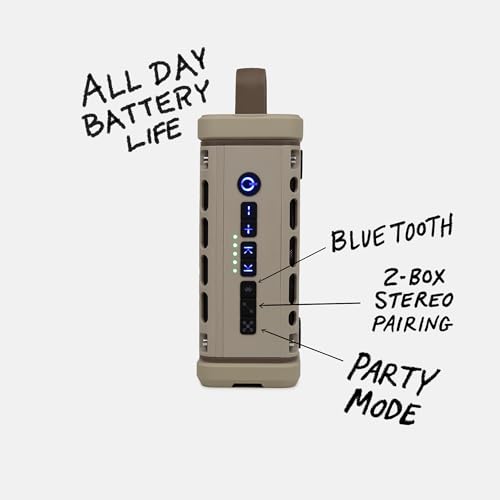
Battery performance tells an interesting story about engineering priorities. The JBL Boombox 3 packs a massive 72.6 watt-hour battery that provides up to 24 hours of playback at moderate volumes. That's genuinely impressive – you could run it continuously for an entire day without plugging it in.
The Turtlebox Ranger has a much smaller 25.2 watt-hour battery, but here's where efficiency becomes important. At moderate volumes, it can run for 12+ hours, and when you consider it weighs six times less than the Boombox 3, the hours-per-pound ratio actually favors the Ranger.
Charging speeds also differ significantly. The Ranger charges completely in 3.5 hours using modern USB-C technology, while the Boombox 3 requires 6.5 hours with AC charging. For people who forget to charge their devices overnight, that difference matters.
Both speakers can charge your phone or other devices, which is incredibly useful during outdoor adventures. The Ranger uses USB-C passthrough charging, while the Boombox 3 has a dedicated USB-A port for device charging.
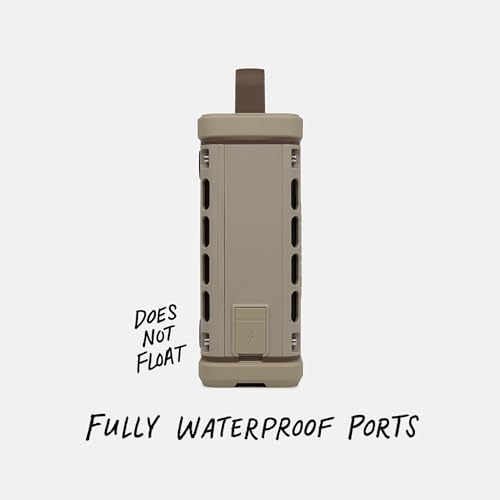
Both speakers earn IP67 waterproof ratings, which means they can be submerged in up to 3 feet of water for 30 minutes without damage. They're also dustproof, which is crucial for beach or desert use where sand can destroy electronics.
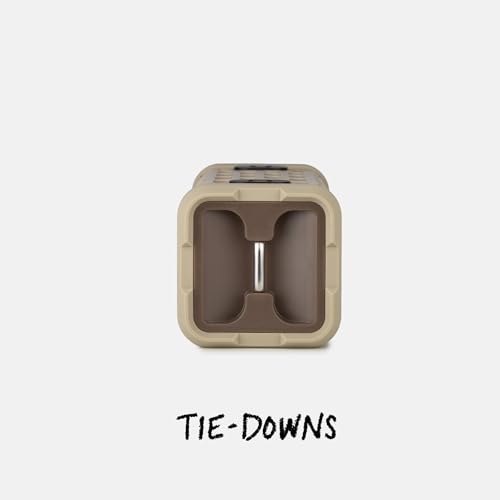
However, their approaches to durability differ based on expected use cases. The Turtlebox Ranger emphasizes drop and crush resistance with its "bombproof" housing design, reinforced with stainless steel hardware. This makes sense for a speaker that might get tossed in a backpack, dropped during a hike, or knocked around in a kayak.
The JBL Boombox 3 focuses more on environmental protection with its sturdy metal handle and reinforced fabric covering. While it can certainly handle outdoor conditions, its larger size and weight make accidental drops less likely but potentially more damaging.
One unique aspect of the Ranger is its magnetic mounting system. While convenient for attaching to metal surfaces, the magnets can collect metal particles from sand or river environments, requiring occasional cleaning to maintain their effectiveness.
The Turtlebox Ranger uses the latest Bluetooth 5.4 standard, which provides faster connection speeds, better range (up to 100 feet), and improved stability compared to older Bluetooth versions. It's a Bluetooth-only device, which keeps things simple but limits your connection options.
The JBL Boombox 3 offers more connectivity variety with Bluetooth 5.3, a 3.5mm auxiliary input for wired connections, and Wi-Fi capabilities that support Spotify Connect, AirPlay, and Chromecast built-in. This means you can stream high-quality audio directly from streaming services without using your phone's Bluetooth, which can improve sound quality and save your phone's battery.
For multi-speaker setups, both offer interesting solutions. The Ranger features Party Mode, which theoretically allows unlimited speaker pairing for larger sound coverage, plus True Wireless Stereo (TWS) mode that creates classic left-right channel separation when you pair two Rangers together. The JBL Boombox 3 uses PartyBoost technology, which works with other JBL speakers to create either stereo sound or synchronized volume expansion.
At the time of writing, these speakers target different price segments, with the Turtlebox Ranger positioned as a mid-range option and the JBL Boombox 3 commanding premium pricing. However, street prices often differ significantly from manufacturer suggested retail prices, especially for established products like the Boombox 3.
The value equation depends heavily on your intended use. For active outdoor pursuits where weight matters – hiking, backpacking, kayaking, or cycling – the Ranger may be your only realistic option regardless of price. There's no point in buying a 15-pound speaker if you'll never actually carry it anywhere.
Conversely, for stationary use cases like patio entertainment, beach parties, or tailgating, the JBL Boombox 3's superior sound output and 24-hour battery life provide exceptional value. You're essentially getting portable sound system performance in a package that, while heavy, remains manageable for occasional transport.
Neither speaker is specifically designed for home theater use, but they can serve as temporary solutions in certain scenarios. The JBL Boombox 3's stereo configuration and powerful bass response make it surprisingly effective for outdoor movie nights or as a temporary sound upgrade for small TVs in bedrooms or dorm rooms. Its 3.5mm auxiliary input allows direct connection to TV audio outputs.
The Turtlebox Ranger's mono output makes it less suitable for home theater applications, though its omnidirectional sound dispersion could work for background music in smaller spaces.
Through extensive research of user reviews and professional evaluations, clear patterns emerge about when each speaker excels.
The Turtlebox Ranger consistently impresses users with its volume-to-weight ratio. Hikers and campers frequently mention being surprised by how much sound comes from such a compact package. The magnetic mounting feature proves particularly popular with vehicle-based adventurers who appreciate being able to stick the speaker to their truck bed, RV exterior, or cooler without worrying about it sliding around.
However, users consistently note that the Ranger's upright design makes it prone to tipping, especially in windy conditions or when placed on uneven surfaces. Some users solve this by using the magnetic mounting even in situations where it's not strictly necessary, simply for the added stability.
The JBL Boombox 3 receives praise for its impressive bass response and ability to maintain sound quality even at high volumes. Users frequently compare its performance favorably to much larger home speakers. The 24-hour battery life proves accurate in real-world testing, with many users reporting they've never actually drained the battery completely during normal use.
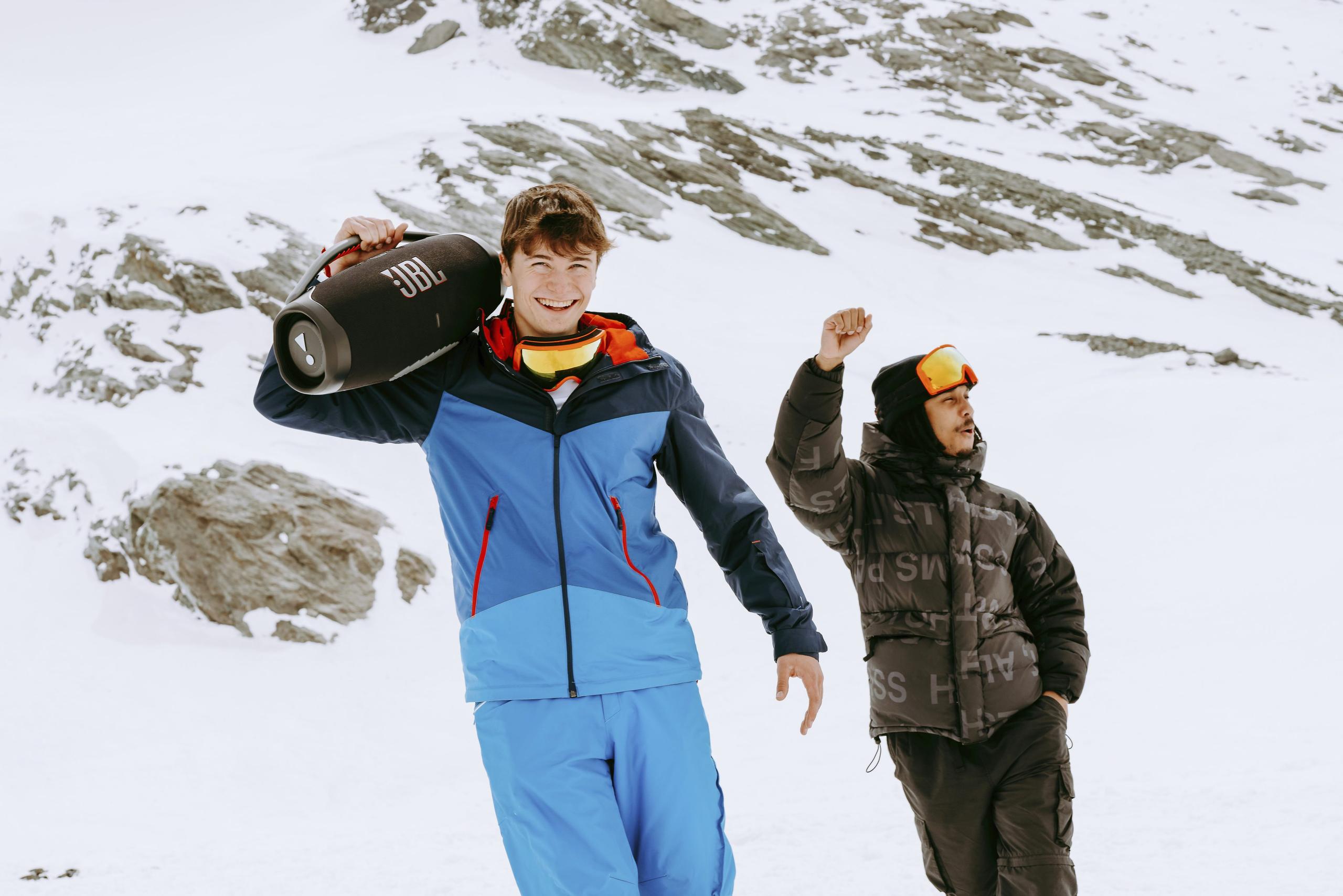
The main complaint about the Boombox 3 is predictably its weight. Users love the sound but consistently mention that 15 pounds becomes burdensome for anything beyond short-distance carrying. This limitation effectively restricts it to car-accessible locations or situations where it can remain stationary.
The Turtlebox Ranger, being the newer product, incorporates several technological advances that weren't available when the JBL Boombox 3 was designed. The Bluetooth 5.4 standard provides measurable improvements in connection reliability and range. The magnetic mounting system, while simple in concept, required significant engineering to ensure the magnets are strong enough to hold securely while not damaging sensitive electronics.
The Boombox 3 represents JBL's refinement of established technologies rather than revolutionary innovation. The three-way speaker configuration has been proven effective for decades, and JBL's implementation focuses on optimizing power efficiency and sound tuning rather than introducing entirely new concepts.
After evaluating both speakers across all performance metrics, the choice comes down to honest assessment of your primary use cases.
Choose the Turtlebox Ranger if portability genuinely matters to your lifestyle. If you regularly hike more than a mile to your camping spot, paddle to remote beaches, or need audio equipment that won't weigh down your adventure gear, the Ranger is likely your only realistic option. Its combination of durability, magnetic mounting, and surprising sound output for its size makes it excellent for active outdoor enthusiasts.
The Ranger also makes sense if you frequently move your speaker between different locations – from truck to boat to campsite – where the magnetic mounting provides genuine convenience and the light weight eliminates the "do I really want to carry this?" hesitation.
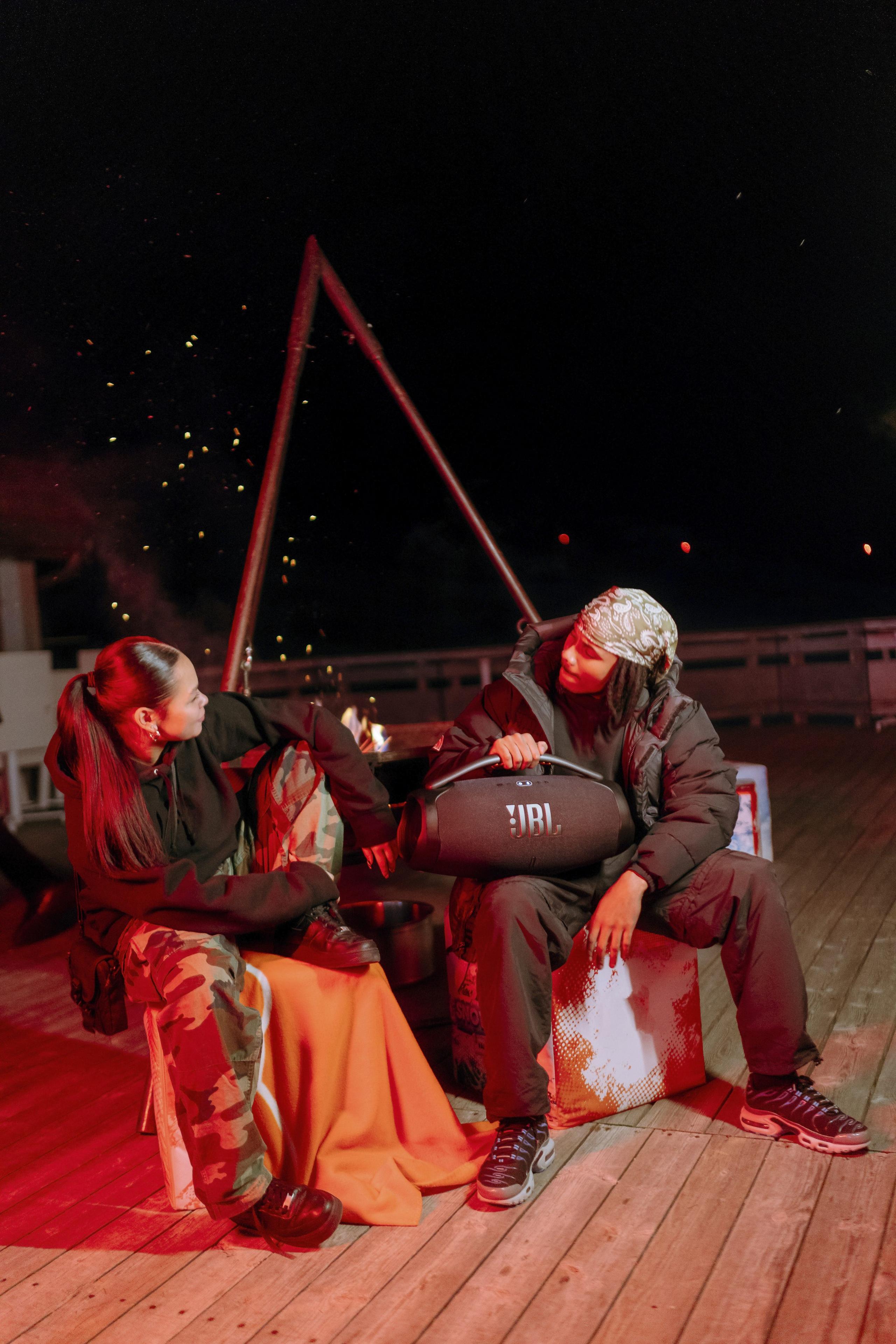
Choose the JBL Boombox 3 if sound quality and volume are your top priorities, and you don't mind the weight limitation. For beach parties, tailgating, large patio gatherings, or any situation where your speaker stays in one location for extended periods, the Boombox 3's superior audio performance and 24-hour battery life provide exceptional value.
The Boombox 3 is also the better choice if you want flexibility in audio sources – its auxiliary input and Wi-Fi streaming capabilities provide options that the Bluetooth-only Ranger simply can't match.
Ultimately, both speakers excel at their intended purposes. The Turtlebox Ranger proves that you don't have to sacrifice sound quality for true portability, while the JBL Boombox 3 demonstrates that "portable" can still deliver serious audio performance. Your choice should reflect honest assessment of whether you'll actually carry your speaker significant distances or if it will primarily live in car-accessible locations.
The wrong choice here leads to a speaker that either sits unused because it's too heavy to bring on adventures, or one that leaves you wishing for more volume when you're trying to entertain a crowd. Take the time to visualize your most common use scenarios, and the right choice becomes clear.
| Turtlebox Ranger | JBL Boombox 3 |
|---|---|
| Weight & Dimensions - Critical for true portability | |
| 2.4 lbs, 8.05" × 3.15" × 3.15" (ultra-portable) | 14.7 lbs, 19.0" × 10.1" × 7.9" (requires two hands) |
| Maximum Sound Output - How loud it gets outdoors | |
| 105 dB (impressive for size, good for small groups) | 180W RMS / 136W battery (room-filling, party-level volume) |
| Speaker Configuration - Affects sound quality and stereo imaging | |
| Mono with 2" drivers + passive bass radiator | Stereo 3-way: subwoofer + 2 midrange + 2 tweeters |
| Battery Life - How long you can play without charging | |
| 12+ hours (25.2 Wh, efficient for its size) | 24 hours (72.6 Wh, all-day listening guaranteed) |
| Charging Time - How quickly you're back to full power | |
| 3.5 hours via USB-C (fast modern charging) | 6.5 hours via AC adapter (slower but larger capacity) |
| Waterproof Rating - Protection for outdoor adventures | |
| IP67 (submersible + drop/crush proof housing) | IP67 (submersible + durable fabric construction) |
| Mounting Options - How you position the speaker | |
| Dual magnetic mounts for metal surfaces | Carry handle only, needs flat stable surface |
| Bluetooth Version - Connection quality and range | |
| 5.4 with 100-foot range (latest standard) | 5.3 with standard range (proven reliability) |
| Additional Connectivity - Beyond basic Bluetooth | |
| Bluetooth only (simple, reliable) | 3.5mm aux + Wi-Fi streaming (Spotify Connect, AirPlay) |
| Multi-Speaker Features - Pairing with additional units | |
| Party Mode (unlimited) + TWS stereo pairing | PartyBoost pairing with JBL app control |
| Device Charging - Powering your phone/devices | |
| USB-C passthrough charging | USB-A powerbank with larger battery reserve |
| Best Use Cases - Where each speaker excels | |
| Hiking, kayaking, active adventures, vehicle mounting | Beach parties, tailgating, patio entertainment, base camp |
The Turtlebox Ranger is clearly superior for hiking and backpacking. At just 2.4 pounds compared to the JBL Boombox 3's 14.7 pounds, the Ranger is the only practical choice for activities where you need to carry your speaker significant distances. The weight difference means the Boombox 3 would add serious bulk to your pack, while the Ranger barely impacts your load.
The JBL Boombox 3 delivers superior sound quality with its 3-way speaker system featuring dedicated subwoofer, midrange, and tweeters. It produces deeper bass, clearer highs, and true stereo sound compared to the Turtlebox Ranger's mono configuration. However, the Ranger offers impressive sound quality for its compact size, making it the better choice when portability matters more than absolute audio performance.
The JBL Boombox 3 offers longer battery life with up to 24 hours of playback, while the Turtlebox Ranger provides 12+ hours of listening time. The Boombox 3 has a much larger 72.6 Wh battery compared to the Ranger's 25.2 Wh capacity. However, when considering efficiency per pound of weight, both speakers perform well for their respective size categories.
Both the Turtlebox Ranger and JBL Boombox 3 feature IP67 waterproof ratings for submersion protection. The Ranger emphasizes drop and crush resistance with its reinforced housing and stainless steel hardware, making it better for active adventures. The Boombox 3 offers solid durability but its larger size makes it more vulnerable to impact damage if dropped.
The JBL Boombox 3 excels at beach parties and tailgating with its powerful 180W output that can overcome crowd noise and fill large outdoor spaces. The Turtlebox Ranger can handle smaller gatherings but may lack the volume needed for larger crowds. For stationary outdoor events where maximum sound output matters, the Boombox 3 is the clear winner.
The Turtlebox Ranger charges significantly faster, reaching full capacity in 3.5 hours via USB-C compared to the JBL Boombox 3's 6.5-hour charging time. The Ranger's modern USB-C charging also makes it more convenient since you can use the same cable for many other devices. Fast charging becomes important when you forget to charge overnight before outdoor adventures.
Neither speaker is designed primarily for home theater, but the JBL Boombox 3 works better for this purpose due to its stereo configuration and 3.5mm auxiliary input for direct TV connection. The Turtlebox Ranger's mono sound makes it less suitable for home theater applications, though it could work for casual background audio in smaller rooms.
The Turtlebox Ranger uses newer Bluetooth 5.4 technology with up to 100-foot range, offering faster pairing and more stable connections. The JBL Boombox 3 features Bluetooth 5.3, which is still excellent but slightly older. However, the Boombox 3 offers more connectivity options overall with Wi-Fi streaming capabilities and auxiliary input that the Ranger lacks.
Yes, both speakers support multi-unit pairing but with different systems. The Turtlebox Ranger offers Party Mode for unlimited speaker connections and True Wireless Stereo for two-speaker setups. The JBL Boombox 3 uses PartyBoost technology that works with other JBL speakers. Neither system is compatible with the other brand's speakers.
Value depends on your priorities. The Turtlebox Ranger offers excellent value for ultra-portable use cases where its light weight and magnetic mounting provide unique benefits. The JBL Boombox 3 provides better value for stationary use where you want maximum sound quality and don't mind the weight penalty. Consider your most common use scenarios when evaluating value.
Both the Turtlebox Ranger and JBL Boombox 3 earn IP67 waterproof ratings, meaning they can be submerged up to 3 feet deep for 30 minutes without damage. They're both excellent for poolside, beach, or rainy weather use. However, neither speaker floats, so be careful around deep water. Both also handle dust and sand exposure well for desert or beach environments.
The choice depends on your camping style. For active camping where you hike to campsites, the Turtlebox Ranger is essential due to its portability and magnetic mounting for vehicles. For RV camping or car camping where weight isn't a concern, the JBL Boombox 3 provides superior sound quality for evening entertainment and has the battery life to run all day without recharging.
We've done our best to create useful and informative comparisons to help you decide what product to buy. Our research uses advanced automated methods to create this comparison and perfection is not possible - please contact us for corrections or questions. These are the sites we've researched in the creation of this article: fieldandstream.com - tylerstx.com - comparisontabl.es - gearjunkie.com - rogerssportinggoods.com - youtube.com - armorsound.com - simmonssportinggoods.com - turtleboxaudio.com - outdoorhub.com - backpackeroutdoors.com - youtube.com - tennesseevalleyoutsider.com - turtleboxaudio.com - mrfc.com - linecutterz.com - russells.com - turtleboxaudio.com - flyfishfood.com - tomsguide.com - sweetwater.com - bestbuy.com - jbl.com - rtings.com - harmanaudio.com - jbl.com - jbl.com - thepowercentre.ca - youtube.com - bhphotovideo.com - krazykileys.ca

Privacy Policy
Terms and Conditions - Affiliate Policy
Home Security
© Copyright 2008-2026.
11816 Inwood Rd #1211, Dallas, TX 75244