

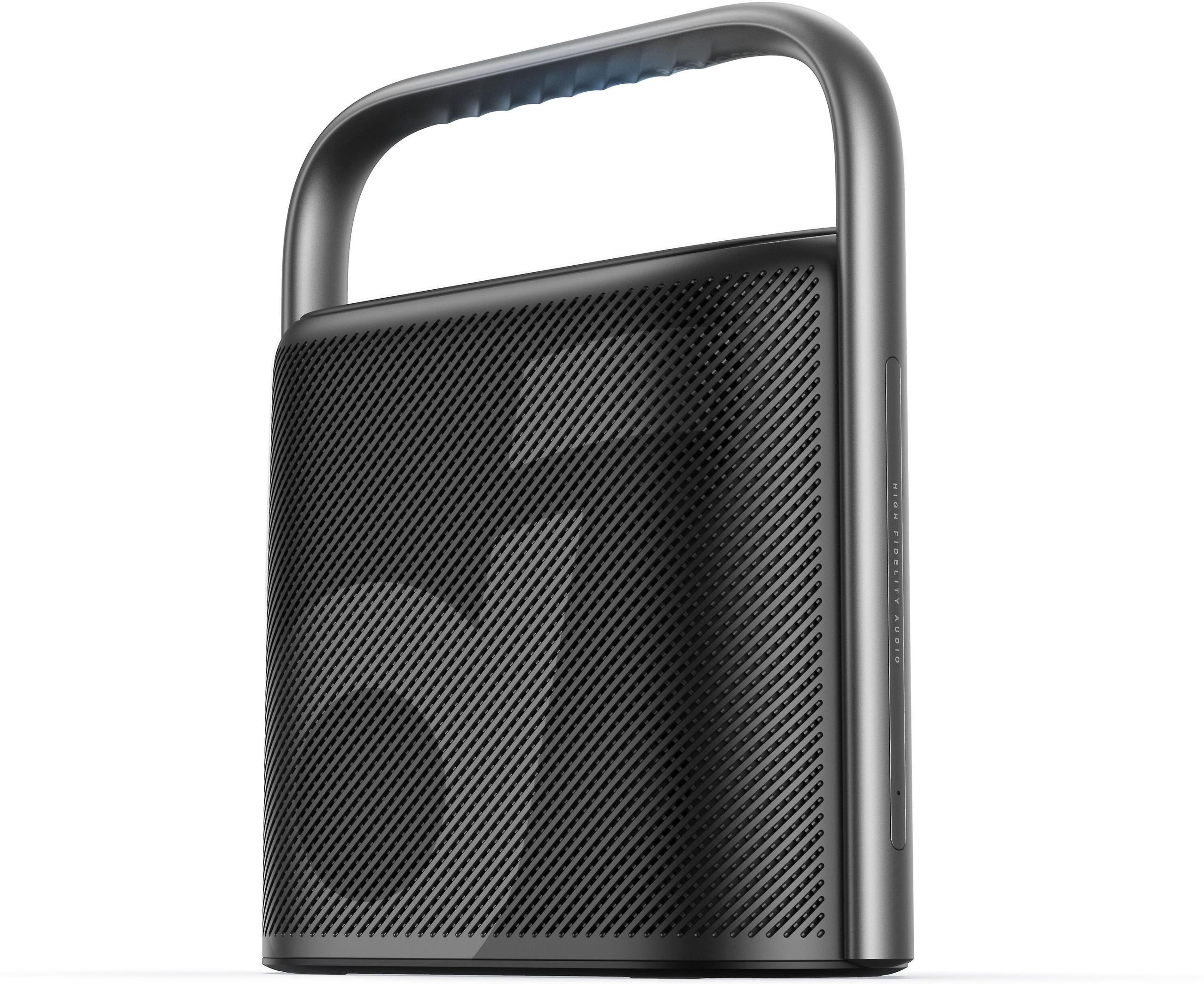
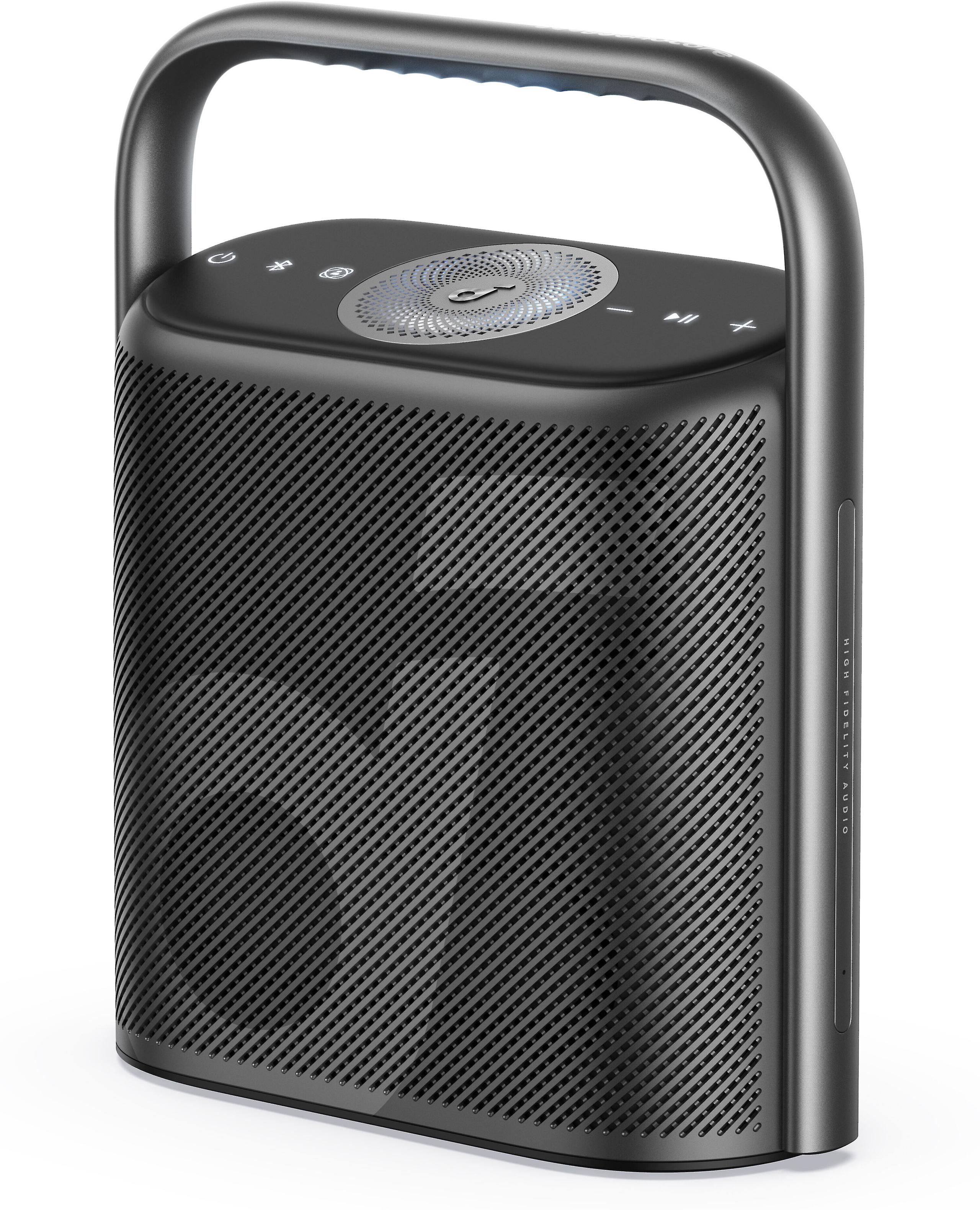
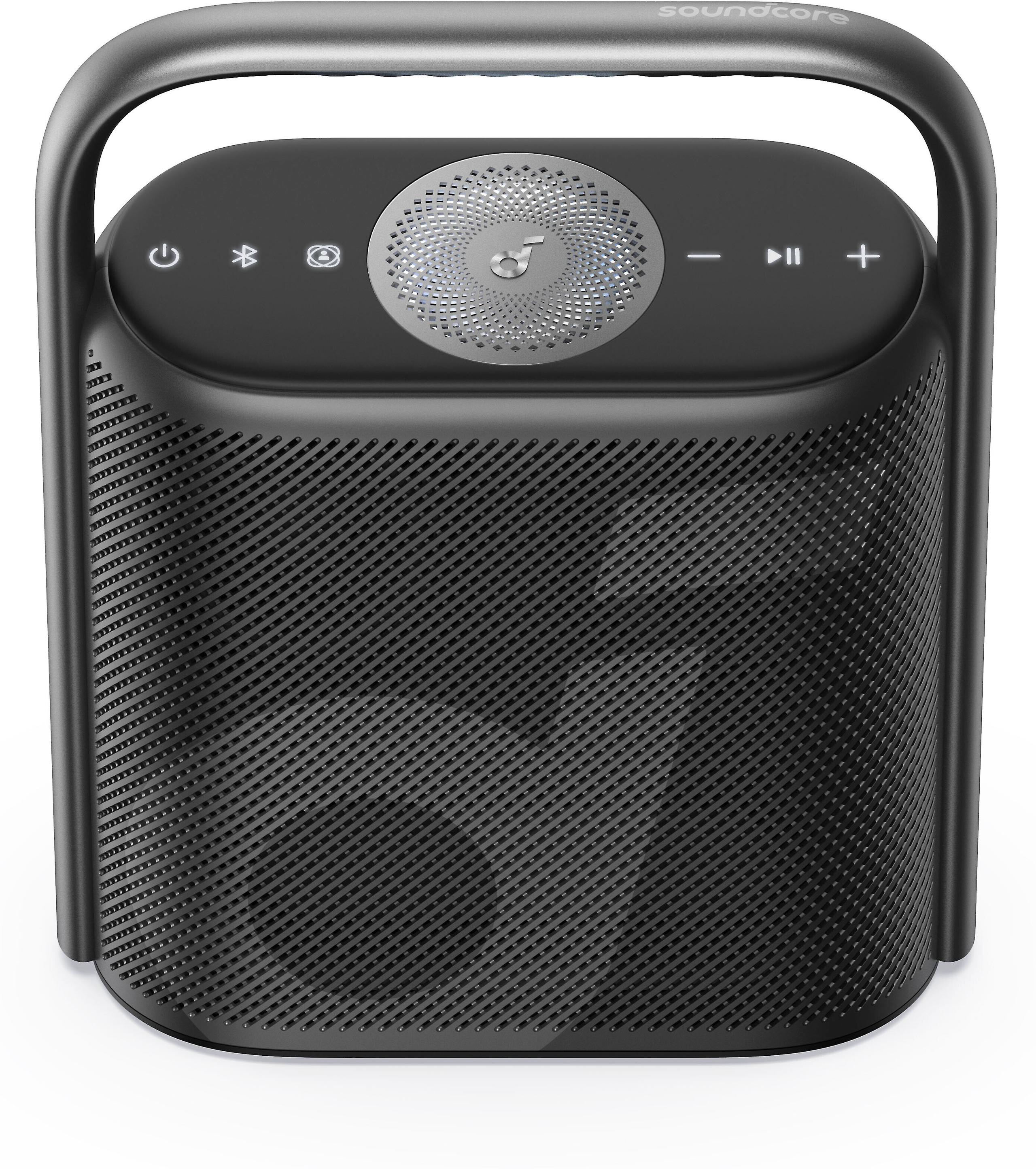
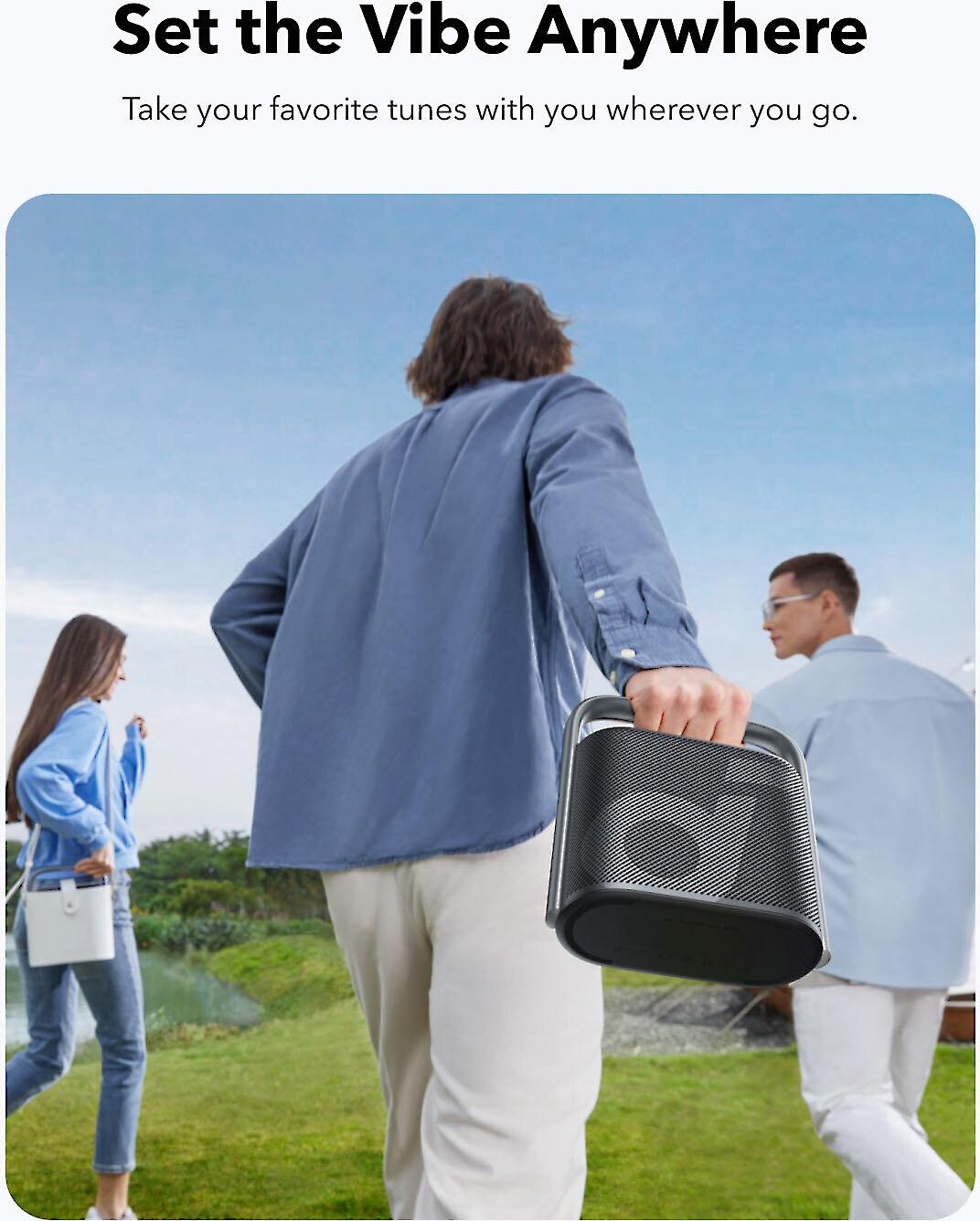
When you're shopping for a portable Bluetooth speaker, the sheer number of options can feel overwhelming. Two speakers that have caught our attention represent completely different approaches to portable audio: the Turtlebox Ranger and the Anker Soundcore Motion X500. Released in 2025 and 2023 respectively, these speakers showcase how the portable audio market has evolved to serve very different user needs.
The portable Bluetooth speaker market has matured significantly over the past few years. What started as simple wireless music players have evolved into sophisticated audio devices with features like spatial audio processing, extreme weatherproofing, and advanced codec support. Understanding what matters most for your specific needs is crucial to making the right choice.
Before diving into these specific models, it's worth understanding what makes a great portable speaker. The most important factors include sound quality (how good the music actually sounds), durability (can it survive your lifestyle), battery life (will it last through your activities), and portability (is it actually convenient to carry around).
Sound quality isn't just about volume – though that matters outdoors. It's about clarity across different frequencies, from deep bass notes to crisp highs. Durability ranges from basic splash resistance to military-grade protection. Battery life varies wildly based on volume levels and features used. Portability involves both size and weight, plus thoughtful design elements like handles or mounting options.
The Turtlebox Ranger and Motion X500 represent two distinct philosophies in this space, making them an interesting comparison despite their different target audiences.
The Turtlebox Ranger takes a straightforward approach to sound: make it loud, clear, and punchy. Its 105-decibel maximum output is genuinely impressive for a speaker this size. To put that in perspective, 105 dB is roughly equivalent to a chainsaw or motorcycle – loud enough to clearly hear your music over wind, waves, or construction noise.
The Ranger achieves this through dual 2-inch waterproof drivers paired with passive bass radiators (these are essentially speakers without magnets that vibrate sympathetically to enhance low-frequency response). The Class D amplifier with enhanced DSP (Digital Signal Processing) tuning means the speaker uses digital technology to optimize the sound signature and prevent distortion even at maximum volume.
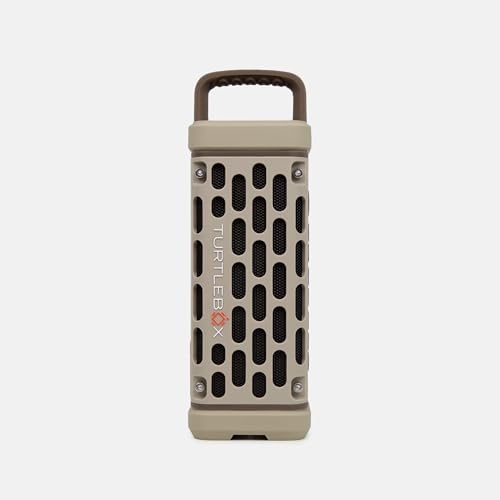
What's particularly clever about the Ranger's design is its vertical, cylindrical shape. Unlike many rectangular speakers that project sound primarily forward, the Turtlebox Ranger's design disperses audio in a 360-degree pattern. This makes it ideal for outdoor gatherings where people are positioned around the speaker rather than directly in front of it.
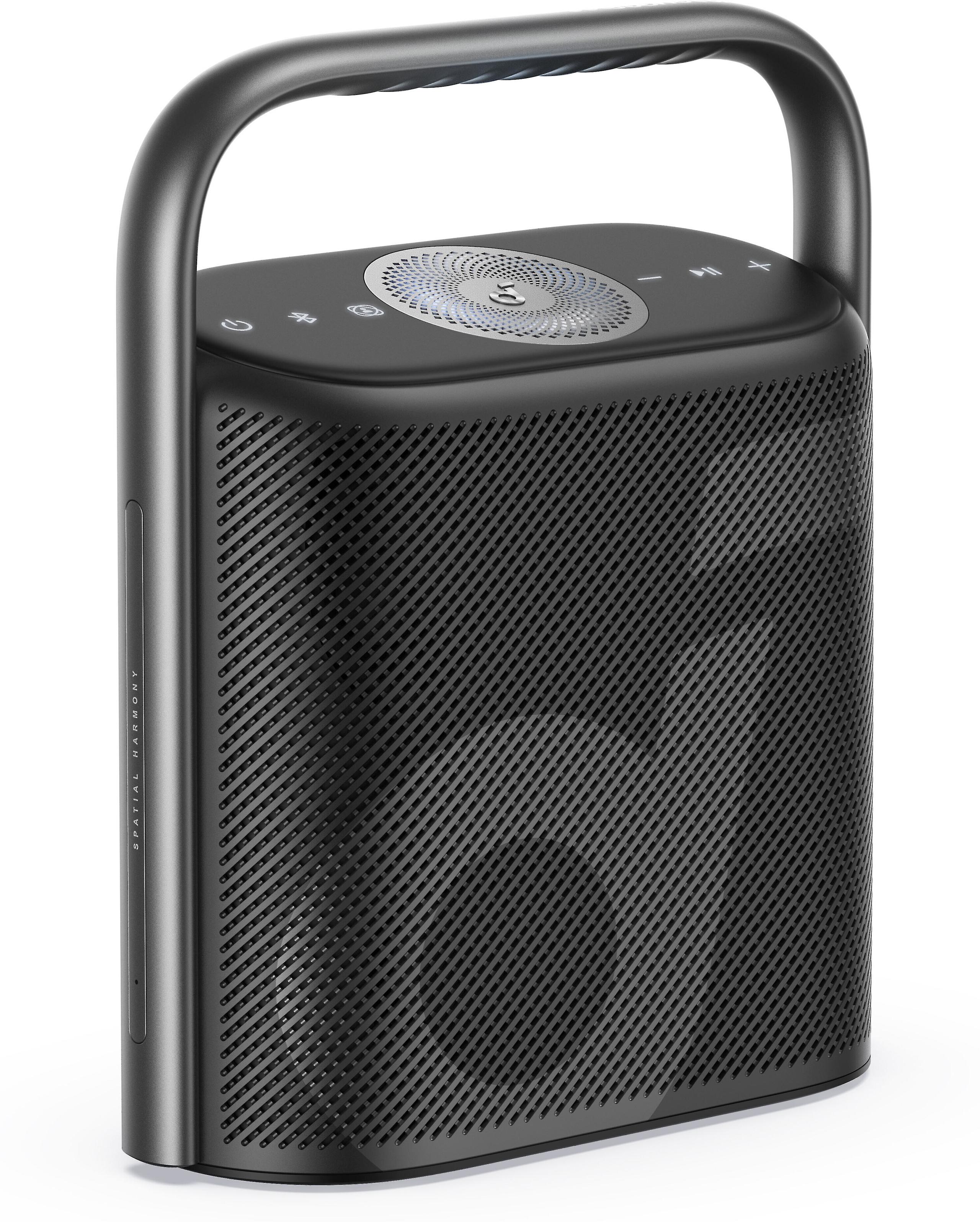
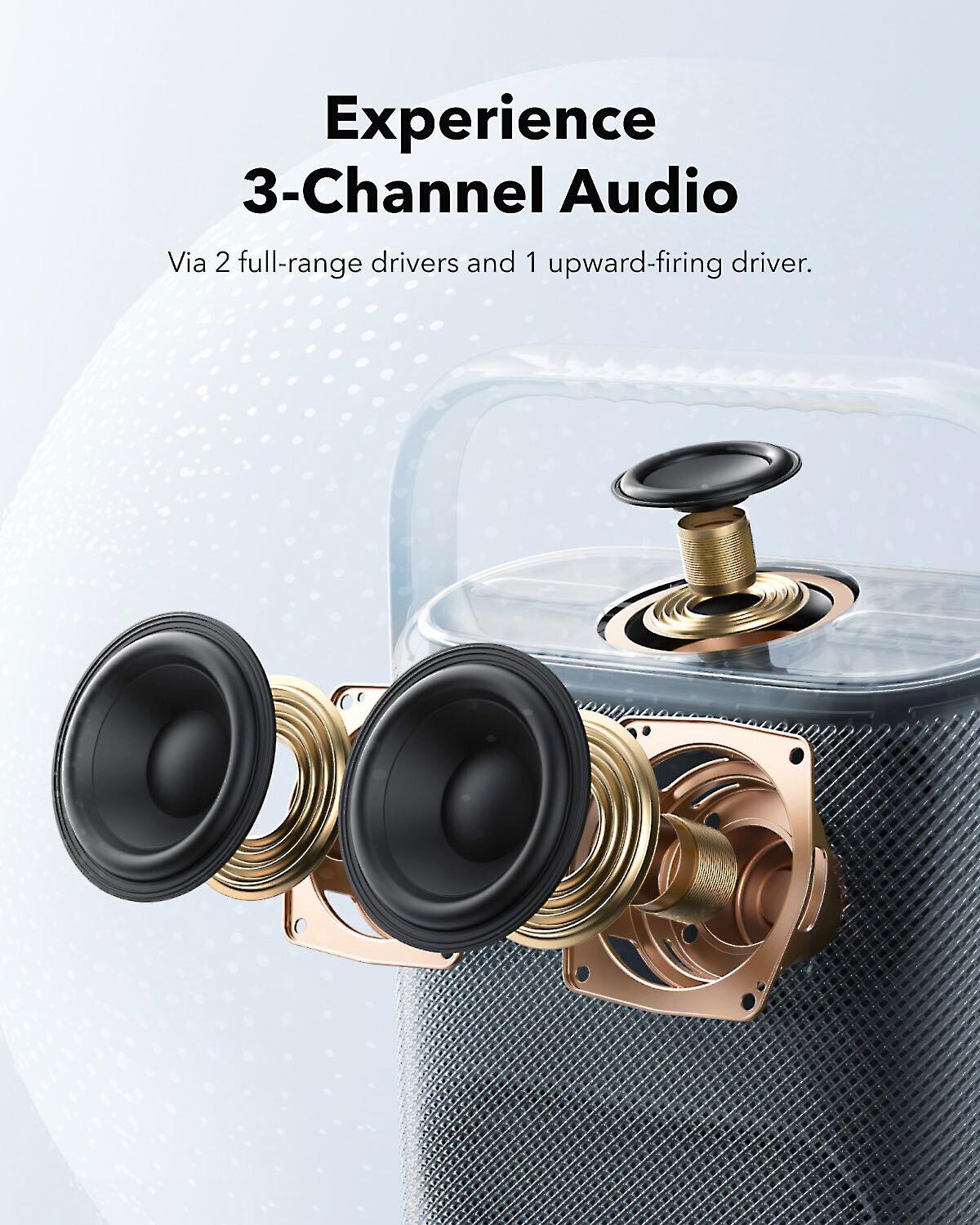
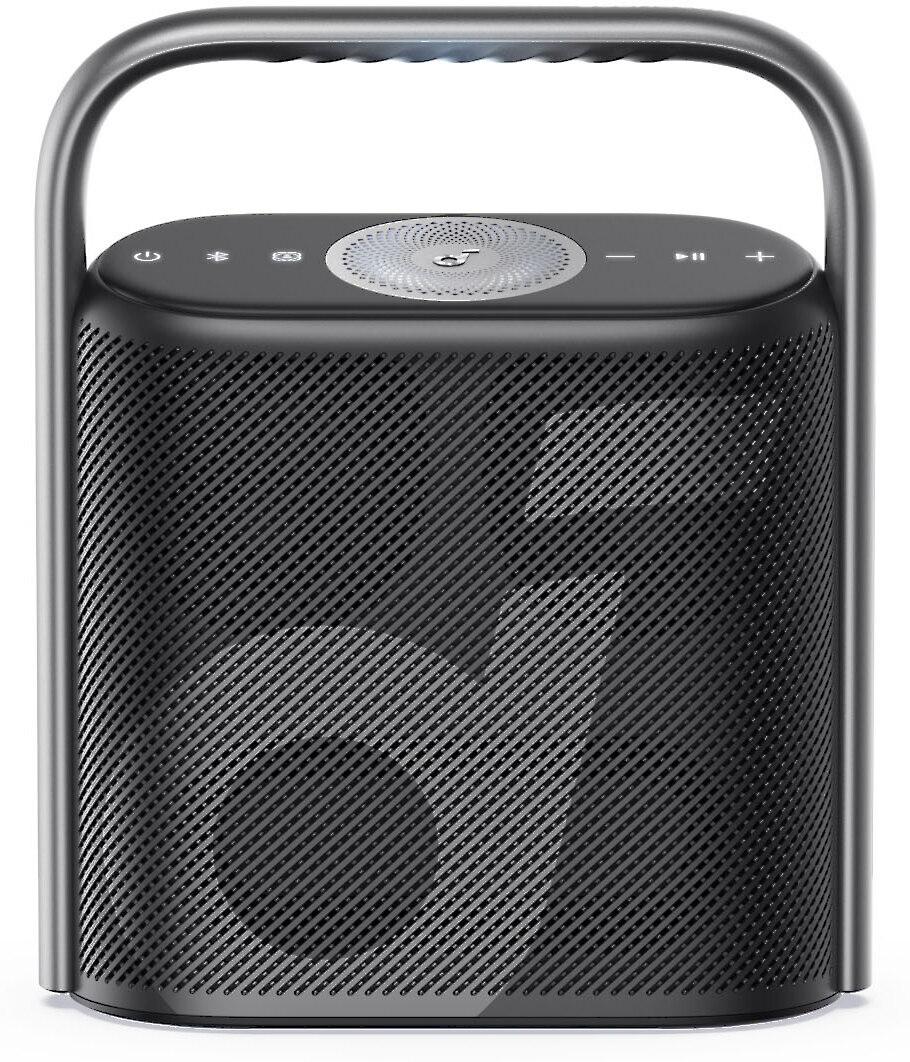
The Anker Soundcore Motion X500 takes a completely different approach with its three-driver configuration. Two 15-watt full-range drivers handle the main audio, while a third 10-watt driver fires upward to create what Anker calls "spatial audio." This upward-firing driver bounces sound off ceilings and surfaces to create a more immersive, room-filling experience.
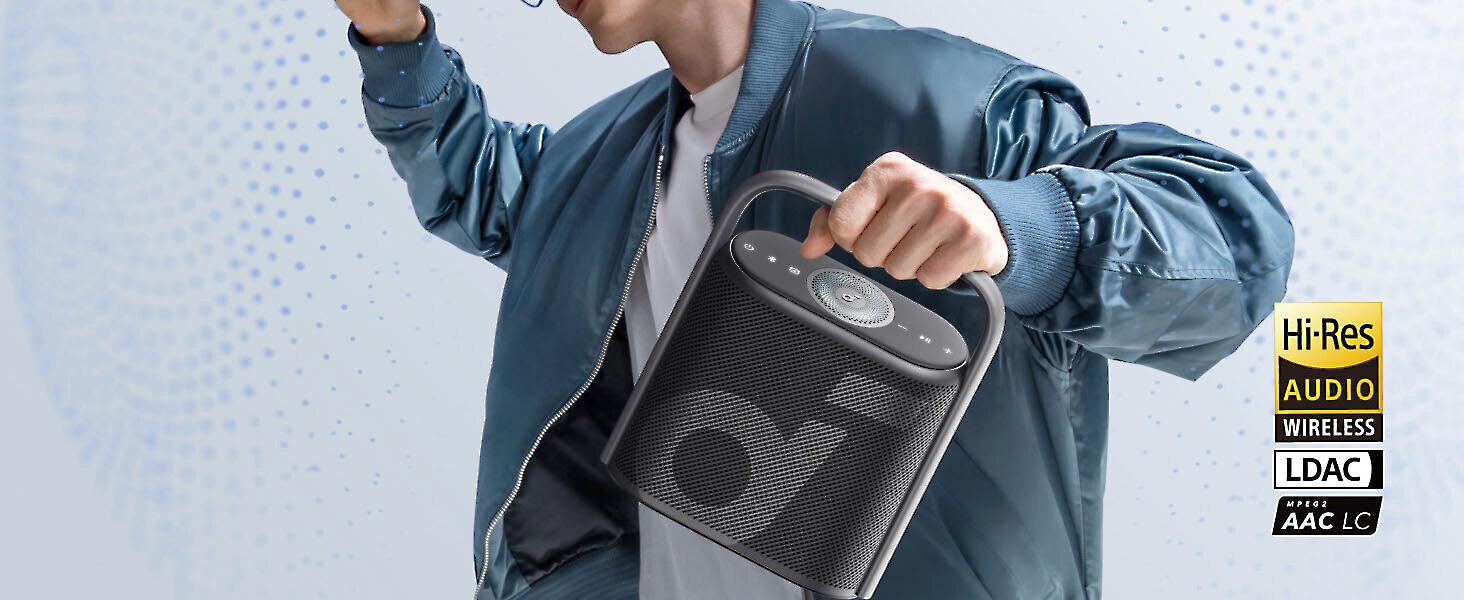
The 40-watt total power output is significantly lower than what the Ranger can push, but raw power isn't everything. The Motion X500 supports LDAC, a high-resolution audio codec developed by Sony that can transmit much more audio data than standard Bluetooth. This means if you're streaming from compatible devices with high-quality music files, you'll hear more detail and nuance.
The Motion X500 also includes multiple EQ presets accessible through physical controls, including "Spatial Dynamic" mode that enhances the low-end response and "Bass Boost" for those who want extra thump. The Soundcore app provides even more granular control with a graphic equalizer, though custom EQ settings disable the spatial audio processing.
For pure volume and outdoor projection, the Turtlebox Ranger wins decisively. Its ability to cut through environmental noise while maintaining clarity is exceptional. However, for indoor listening and situations where audio refinement matters more than raw power, the Motion X500 provides a more sophisticated experience.
The spatial audio feature in the Motion X500 works best in enclosed spaces where sound can bounce off surfaces. In open outdoor areas, this advantage largely disappears, making the Ranger's 360-degree dispersion and higher volume more practical.
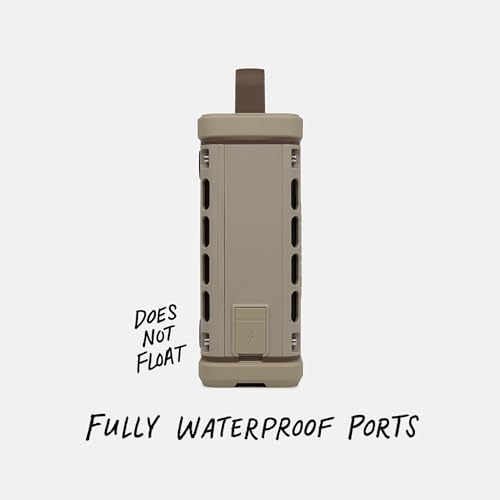
The Turtlebox Ranger is built like a piece of tactical equipment. Its IP67 rating means it's completely dust-tight and can be submerged in up to 3 feet of water for 30 minutes without damage. The "67" designation is important here – the first digit (6) indicates complete dust protection, while the second (7) represents the highest level of water protection for non-submersible devices.
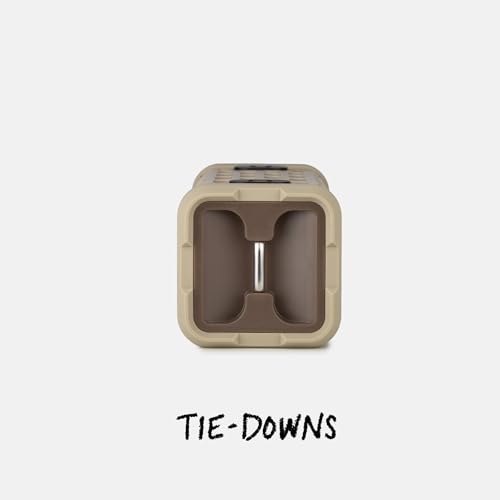
Beyond water resistance, the Ranger is designed to survive drops, impacts, and crushing forces. The ABS plastic housing is reinforced with stainless steel hardware and rubber bumpers. ABS (Acrylonitrile Butadiene Styrene) is the same impact-resistant plastic used in helmets and automotive parts. The stainless steel components resist corrosion from saltwater, making this speaker genuinely suitable for marine environments.
One unique feature is the built-in breather that maintains performance across temperature extremes. This small but important detail prevents condensation buildup that could damage internal electronics when moving between different climates.
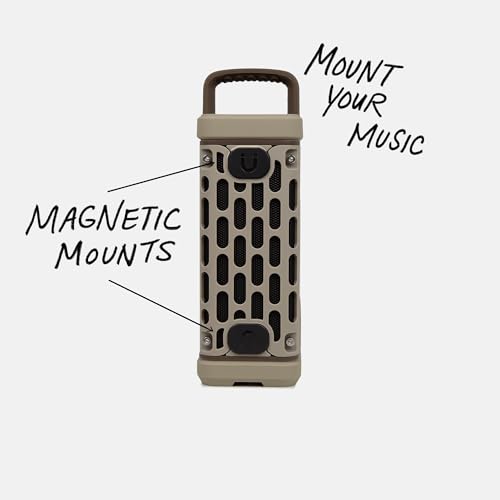
The magnetic mounting system deserves special mention. Powerful neodymium magnets built into the speaker's sides allow it to stick securely to metal surfaces like boat railings, truck tailgates, or toolboxes. This isn't just a convenience feature – it's genuinely useful for hands-free operation in work or adventure scenarios.
The Motion X500 carries an IPX7 rating, which provides excellent water resistance but lacks the dust protection of the Ranger's IP67 rating. The "X" in IPX7 means dust resistance wasn't tested, though the speaker should handle normal outdoor conditions fine.
For most users, IPX7 is perfectly adequate. It means the speaker can handle rain, splashes, and even brief submersion. The build quality feels premium with well-fitted components and attractive materials, but it's clearly designed for more civilized environments than the Turtlebox Ranger.
If you need a speaker for genuinely harsh conditions – construction sites, saltwater environments, extreme outdoor adventures – the Ranger is the clear choice. For typical outdoor use like backyard parties, beach days, or casual camping, the Motion X500's protection level is entirely sufficient while offering better value.
Battery performance in portable speakers depends heavily on usage patterns, volume levels, and which features you're using. Both speakers claim impressive runtime, but real-world performance varies significantly.
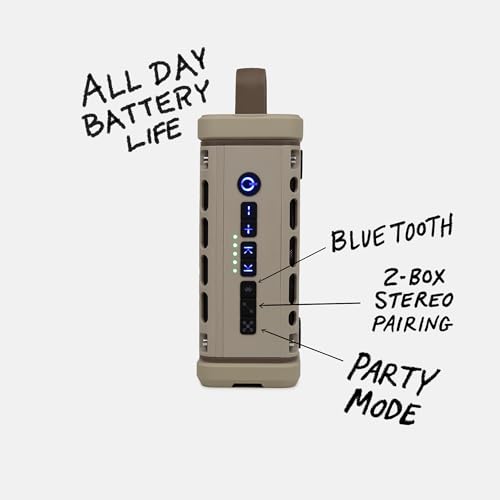
The Turtlebox Ranger houses a 25.2Wh lithium-ion battery that delivers around 12 hours at moderate volumes but drops to about 5 hours when pushed to maximum output. This makes sense given the speaker's high power consumption at peak volumes. What's particularly useful is the USB-C passthrough charging capability – you can charge your phone or other devices directly from the speaker's battery, essentially turning it into a power bank.
The Motion X500 contains a larger 4900mAh battery (roughly 35Wh) that provides 8-12 hours of playback depending on volume and whether spatial audio features are active. The spatial audio processing requires additional power, so you'll see shorter battery life when using these features extensively.
Charging times differ significantly. The Ranger uses the latest USB-C standards for faster charging, while the Motion X500 requires 5-6 hours to fully charge. For users who frequently forget to charge their devices, this could be a meaningful difference.
Both speakers use relatively recent Bluetooth versions, but with different focuses. The Turtlebox Ranger implements Bluetooth 5.4, the newest standard available at the time of writing, which provides improved connection stability and lower latency. The 100-foot range is excellent for outdoor use where you might need to leave your phone at a base camp or dock.
The Ranger's Party Mode feature allows unlimited pairing with other compatible Turtlebox speakers, creating a distributed sound system for large outdoor events. True Wireless Stereo (TWS) mode lets you pair two Rangers for dedicated left and right channel separation, essentially creating a portable stereo system.
The Motion X500 uses Bluetooth 5.3 with support for advanced audio codecs including LDAC and AAC. LDAC is particularly important for Android users with high-quality music libraries, as it can transmit nearly three times more audio data than standard Bluetooth codecs. This results in noticeably better sound quality when streaming high-resolution audio files.
The Soundcore app provides extensive customization options for the Motion X500, including detailed EQ adjustments and the ability to update firmware for new features. The speaker also includes customizable ambient lighting that syncs with your music – a fun feature for indoor use or evening gatherings.
While both are portable speakers, they behave quite differently in home environments. The Motion X500's spatial audio technology really shines indoors, where sound can bounce off ceilings and walls to create an immersive experience. The upward-firing driver creates a sense of height and spaciousness that works well for both music and movie soundtracks.
For casual home theater use, the Motion X500 provides a significant upgrade over TV speakers without the complexity of a full surround sound system. The LDAC support means it can handle high-quality audio from streaming services or Blu-ray players with compatible devices.
The Turtlebox Ranger, while perfectly capable indoors, is somewhat overpowered for most living rooms. Its 360-degree dispersion works well in large, open spaces but may sound less focused in typical home environments. However, if you have a large basement, garage workshop, or outdoor entertainment area, the Ranger's power and durability make it an excellent semi-permanent installation option.
At the time of writing, these speakers occupy different price tiers, with the Motion X500 positioned as a premium mainstream option while the Turtlebox Ranger commands a significant premium for its specialized durability features.
The Motion X500 represents excellent value for users who want advanced audio features without paying audiophile prices. The spatial audio technology, LDAC support, and app-based customization provide features typically found in much more expensive speakers.
The Turtlebox Ranger's higher price reflects its specialized engineering and extreme durability. For users who genuinely need these features – marine professionals, construction workers, serious outdoor enthusiasts – the premium is justified. For casual users, it's probably overkill.
The Ranger excels in scenarios where other speakers simply wouldn't survive. Commercial fishing boats, construction sites, adventure racing, or any situation where equipment takes serious abuse.
The Motion X500 is ideal for users who want a versatile speaker that performs well both indoors and outdoors, with modern features that enhance the listening experience without breaking the bank.
For most people, the Anker Soundcore Motion X500 offers the better overall package. Its combination of spatial audio technology, high-resolution codec support, and reasonable pricing makes it an excellent choice for the majority of portable speaker buyers. The sound quality is refined enough for critical listening, while still providing adequate volume and durability for outdoor use.
Choose the Turtlebox Ranger only if you specifically need its extreme durability features or maximum volume output. It's a specialized tool for demanding environments, and its premium price reflects that positioning. If you're unsure whether you need military-grade durability, you probably don't.
Both speakers represent thoughtful engineering approaches to different user needs. The key is honestly assessing your actual usage patterns and choosing the speaker that best matches your lifestyle and priorities.
| Turtlebox Ranger Portable Bluetooth Speaker | Anker Soundcore Motion X500 Bluetooth Speaker |
|---|---|
| Maximum Volume Output - Critical for outdoor use and noisy environments | |
| 105 dB (loud enough to overcome wind/crowd noise) | 40W total output (adequate for most indoor/outdoor use) |
| Water/Dust Protection - Determines where you can safely use the speaker | |
| IP67 (fully submersible + dustproof, extreme conditions) | IPX7 (water resistant, suitable for typical outdoor use) |
| Driver Configuration - Affects sound quality and dispersion | |
| 2x 2" drivers + passive radiators (360° sound) | 3-driver setup with upward-firing spatial audio |
| Battery Life - Real-world usage time | |
| 12+ hours moderate / 5 hours max volume | 8-12 hours depending on spatial audio usage |
| Bluetooth Version - Affects connection quality and range | |
| Bluetooth 5.4 with 100ft range | Bluetooth 5.3 with LDAC/AAC codec support |
| Durability Features - What abuse it can handle | |
| Drop/crush proof, stainless steel hardware, magnetic mounts | Standard portable speaker durability with premium build |
| Multi-Speaker Pairing - Expandability for larger setups | |
| Unlimited pairing via Party Mode + TWS stereo | TWS pairing only (two speakers max) |
| Audio Codecs - Sound quality for high-res music | |
| Standard Bluetooth codecs | LDAC + AAC (better quality from compatible devices) |
| Special Features - Unique capabilities | |
| Magnetic mounting, device charging via USB-C | Spatial audio, app EQ, ambient lighting |
| Weight & Portability - How easy it is to carry | |
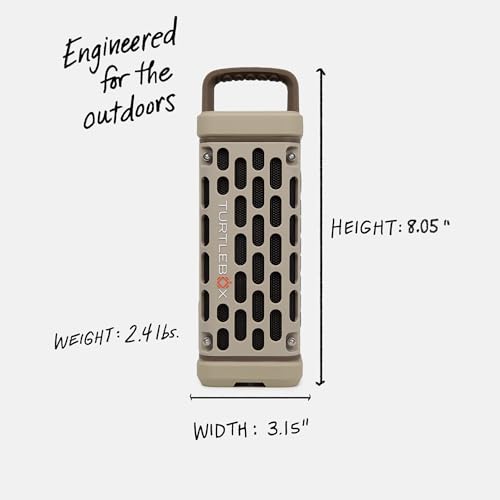
| 2.4 lbs, 8.05" tall (compact but sturdy) | 3.6 lbs, more traditional speaker form factor |
| Best Use Cases - Who should choose each speaker | |
| Extreme outdoors, marine, job sites, maximum durability needed | Home + casual outdoor, spatial audio experience, better value |
The Turtlebox Ranger is significantly better for outdoor use, especially in harsh conditions. It features IP67 waterproofing (fully submersible), 105 dB maximum volume to cut through wind and noise, and extreme durability with drop/crush-proof construction. The Anker Soundcore Motion X500 has IPX7 water resistance suitable for casual outdoor use but isn't built for extreme conditions like the Turtlebox Ranger.
The Turtlebox Ranger prioritizes maximum volume and 360-degree sound dispersion, making it ideal for large outdoor spaces. The Anker Soundcore Motion X500 focuses on audio refinement with spatial audio technology, LDAC codec support, and better indoor sound quality. For raw power, choose the Turtlebox Ranger; for sophisticated audio features, the Motion X500 excels.
Both speakers offer all-day battery life, but with different strengths. The Anker Soundcore Motion X500 provides 8-12 hours depending on features used, while the Turtlebox Ranger delivers 12+ hours at moderate volume but only 5 hours at maximum output. The Turtlebox Ranger also doubles as a power bank to charge your devices via USB-C.
Yes, both support multi-speaker pairing but differently. The Turtlebox Ranger offers unlimited pairing through Party Mode and True Wireless Stereo (TWS) for left/right channel separation. The Anker Soundcore Motion X500 supports TWS pairing with another identical unit. For large multi-speaker setups, the Turtlebox Ranger is more flexible.
The Turtlebox Ranger is dramatically more durable with military-grade construction, stainless steel hardware, and ability to survive drops, crushing, and submersion. It's designed for extreme environments including saltwater use. The Anker Soundcore Motion X500 has good build quality for normal use but can't match the Turtlebox Ranger's extreme durability standards.
The Turtlebox Ranger features magnetic mounting to stick to metal surfaces, device charging capability, and extreme weatherproofing. The Anker Soundcore Motion X500 offers spatial audio with upward-firing drivers, LDAC high-resolution audio support, customizable EQ through the Soundcore app, and ambient lighting effects.
The Anker Soundcore Motion X500 typically offers better value for most users, providing advanced features like spatial audio and LDAC support at a more accessible price point. The Turtlebox Ranger commands a premium for its extreme durability and specialized features, making it worthwhile only if you specifically need military-grade construction.
The Turtlebox Ranger reaches 105 decibels maximum output, loud enough to overcome construction noise or windy outdoor conditions. The Anker Soundcore Motion X500 produces 40 watts total power, which is adequate for most indoor and casual outdoor use but significantly quieter than the Turtlebox Ranger in demanding environments.
The Anker Soundcore Motion X500 is superior for indoor use with its spatial audio technology that bounces sound off ceilings and walls for an immersive experience. It also supports high-quality LDAC streaming and app-based customization. The Turtlebox Ranger works indoors but is somewhat overpowered for typical home environments, though excellent for large spaces like garages.
The Turtlebox Ranger weighs 2.4 pounds with a compact 8-inch tall cylindrical design, making it very portable despite its rugged construction. The Anker Soundcore Motion X500 is heavier at 3.6 pounds with a more traditional speaker form factor. Both are genuinely portable, but the Turtlebox Ranger is slightly more travel-friendly.
The Turtlebox Ranger excels in harsh weather with IP67 rating allowing full submersion up to 3 feet for 30 minutes, plus dust-proof construction and saltwater resistance. The Anker Soundcore Motion X500 has IPX7 water resistance suitable for rain and splashes but isn't designed for submersion or extreme weather like the Turtlebox Ranger.
Choose the Turtlebox Ranger if you need extreme durability, maximum volume, magnetic mounting, or use in harsh environments like marine/construction settings. Select the Anker Soundcore Motion X500 for better overall value, spatial audio features, indoor listening quality, and modern connectivity options like LDAC support. Most users will find the Motion X500 meets their needs while offering better value.
We've done our best to create useful and informative comparisons to help you decide what product to buy. Our research uses advanced automated methods to create this comparison and perfection is not possible - please contact us for corrections or questions. These are the sites we've researched in the creation of this article: fieldandstream.com - tylerstx.com - comparisontabl.es - gearjunkie.com - rogerssportinggoods.com - youtube.com - armorsound.com - simmonssportinggoods.com - turtleboxaudio.com - outdoorhub.com - backpackeroutdoors.com - youtube.com - tennesseevalleyoutsider.com - turtleboxaudio.com - mrfc.com - linecutterz.com - russells.com - turtleboxaudio.com - flyfishfood.com - tomsguide.com - outeraudio.com - gadgetoid.com - soundguys.com - pcgamesn.com - hktvmall.com - elomymelo.com - youtube.com - jopanda.com - shop.menshealth.com - soundphilereview.com

Privacy Policy
Terms and Conditions - Affiliate Policy
Home Security
© Copyright 2008-2026.
11816 Inwood Rd #1211, Dallas, TX 75244