





When it comes to portable Bluetooth speakers, the market has evolved far beyond basic wireless audio. Today's speakers split into distinct categories, each serving different lifestyles and priorities. The Turtlebox Ranger and Marshall Emberton II perfectly illustrate this divide, representing two completely different approaches to portable sound.
Released in early 2025, the Turtlebox Ranger is the newest member of Turtlebox's rugged speaker family, designed for users who need audio gear that can survive anything. The Marshall Emberton II, launched as an evolution of Marshall's popular Emberton line, focuses on refined everyday use with premium aesthetics and exceptional battery life.
Understanding which approach suits your needs requires looking beyond basic specs to understand what these speakers actually do differently—and why those differences matter for your specific use cases.
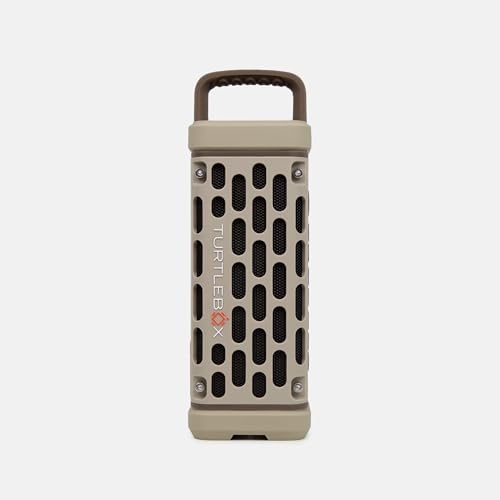
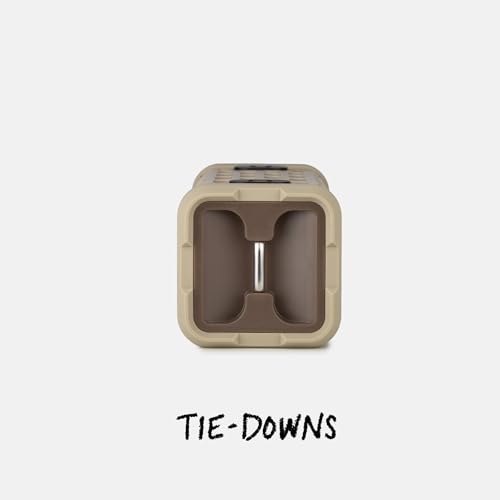
The Turtlebox Ranger follows what I call the "nuclear option" design philosophy. Everything about this speaker screams durability. Its IP67 waterproof rating means it can be completely submerged up to three feet deep for 30 minutes—whether that's freshwater or saltwater. The "drop-proof, crush-proof, and dust-proof" construction isn't marketing speak; this thing is built like a piece of industrial equipment.
What makes this particularly impressive is the engineering required to maintain audio quality while achieving this level of protection. Waterproofing speakers typically requires trade-offs in sound quality, as sealed enclosures can muffle audio or create unwanted resonances. The Ranger's dual 2-inch waterproof drivers and passive bass radiator system manage to deliver surprisingly clear audio despite these constraints.
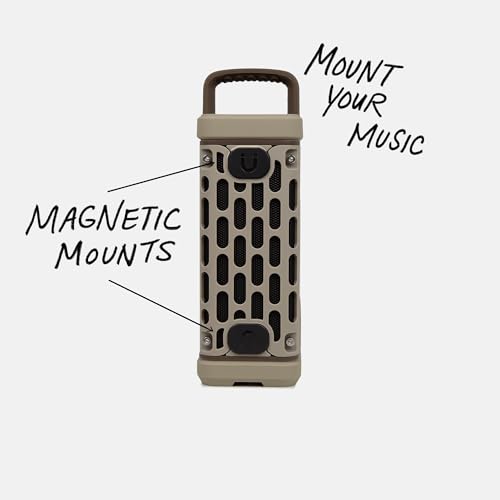
The magnetic mounting system adds a layer of utility that most speakers completely ignore. Those powerful magnets on the sides aren't just a novelty—they transform how you can use the speaker. Whether you're attaching it to your truck's tailgate, a metal cooler, or jobsite equipment, this feature solves real problems that outdoor enthusiasts face.
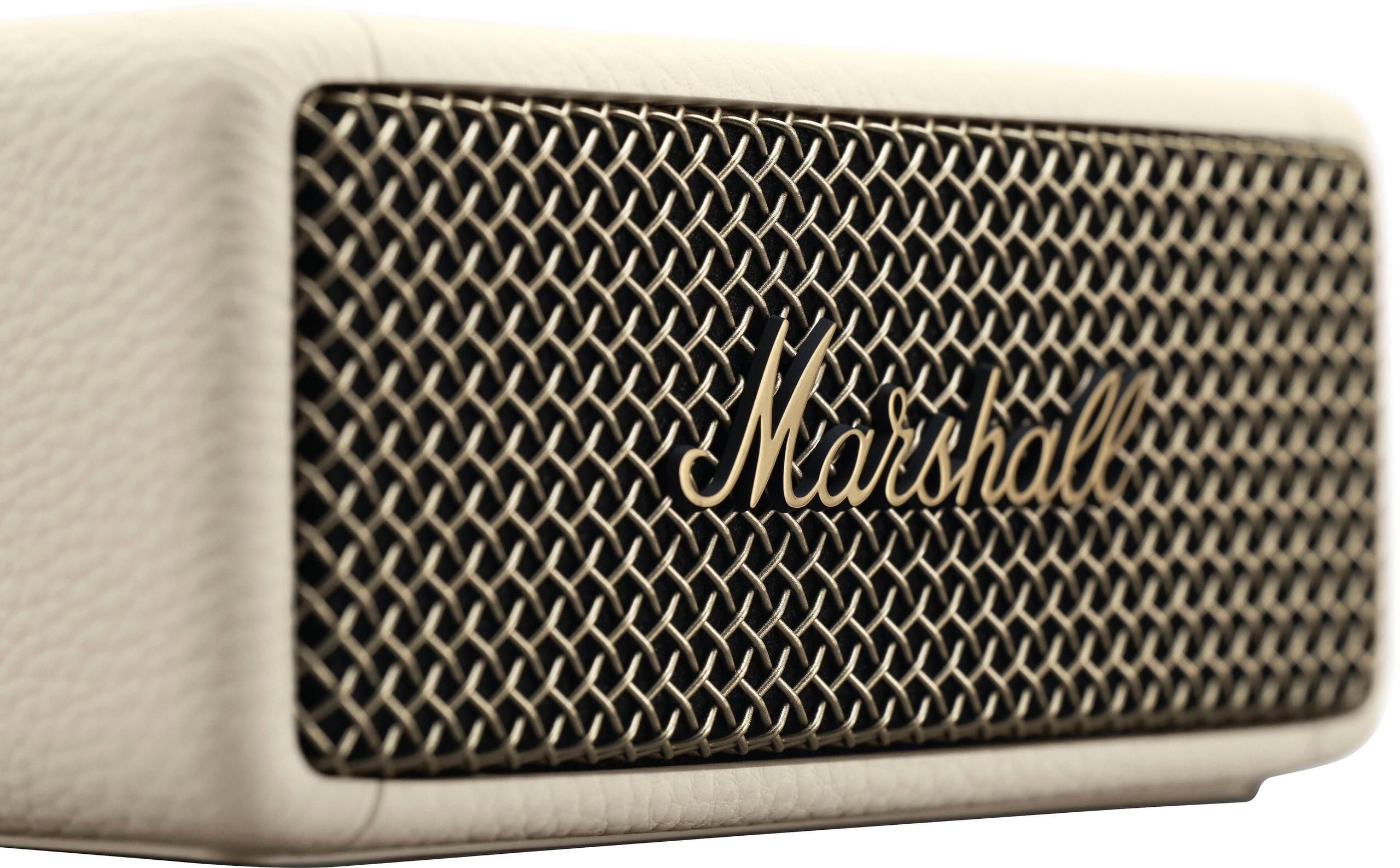
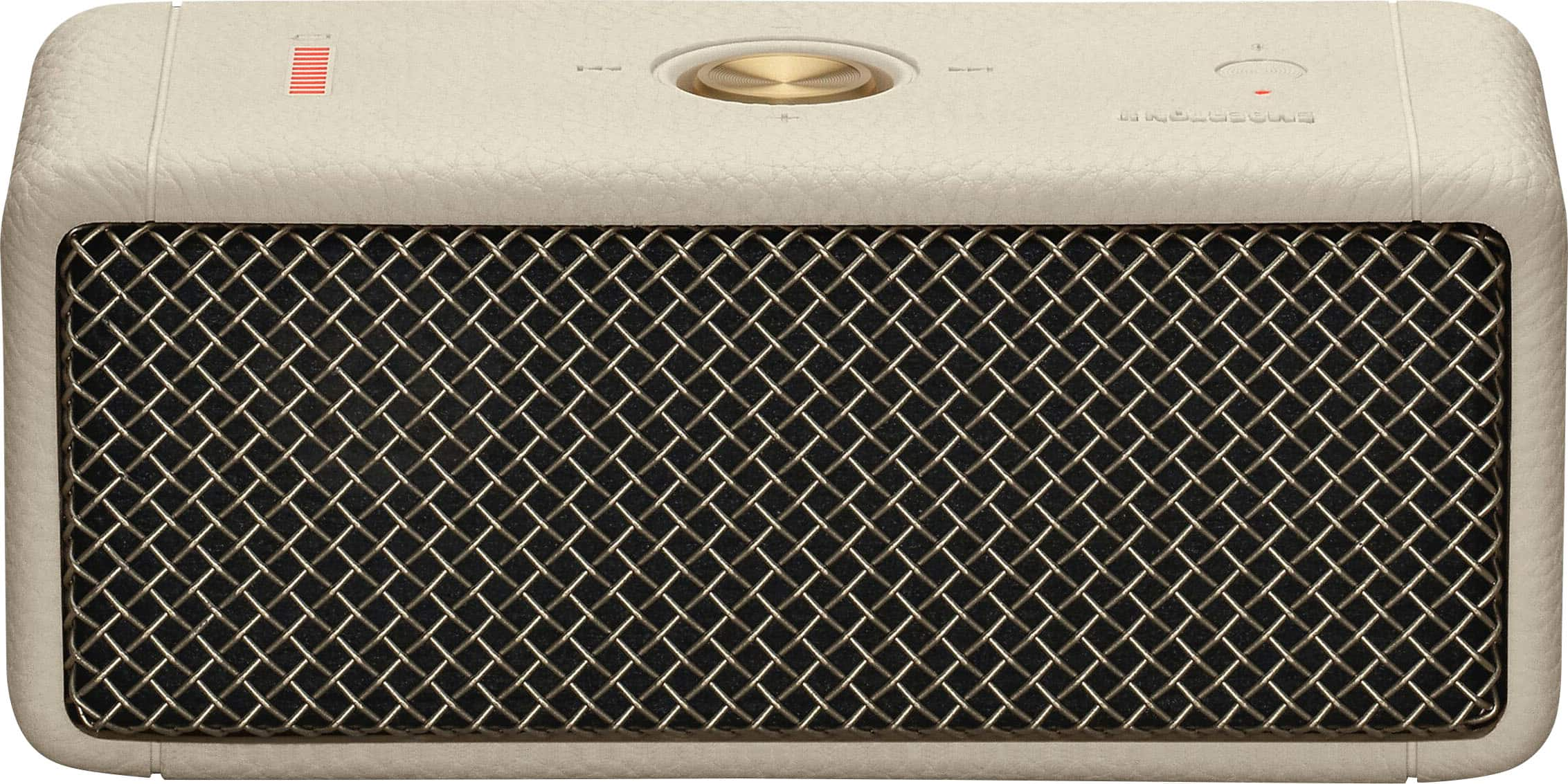
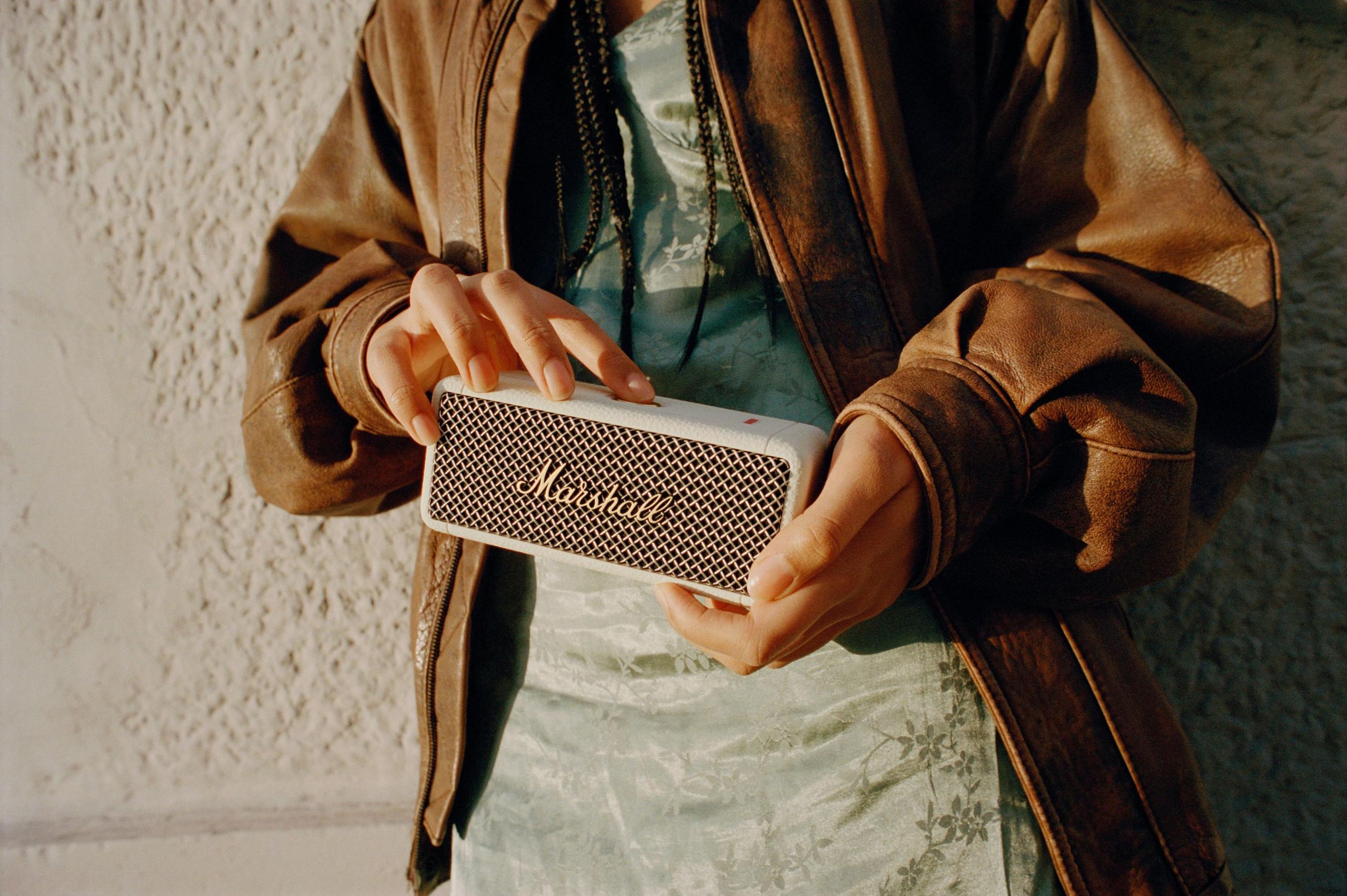
The Marshall Emberton II takes a more sophisticated approach to portability. Rather than building a speaker that can survive a hurricane, Marshall focused on creating something that excels in daily use while still handling reasonable outdoor conditions.
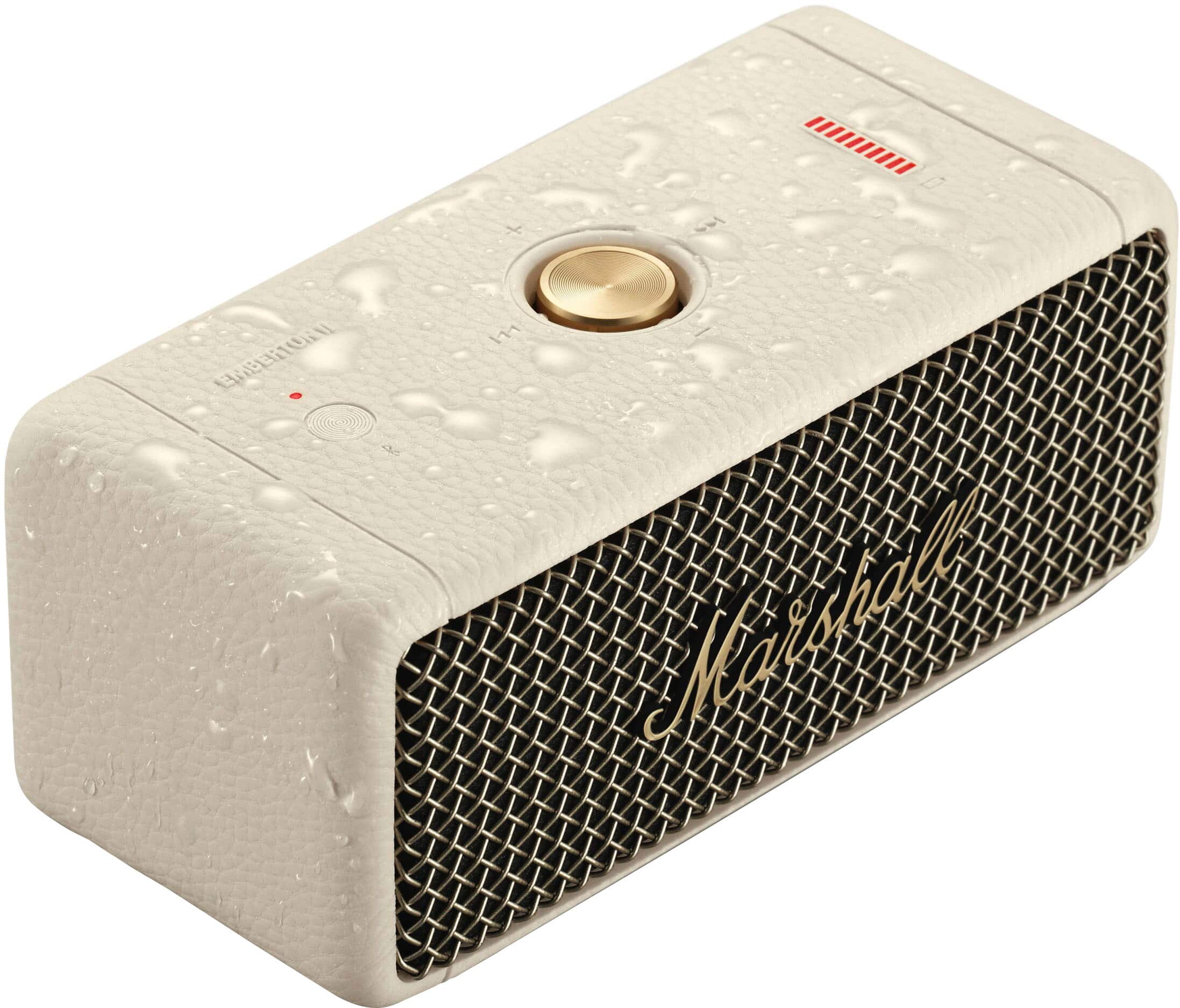
The IP67 rating here serves a different purpose—it's about peace of mind rather than extreme survival. You can use it by the pool, take it camping, or accidentally spill coffee on it without worry. But the real engineering effort went into sound quality and user experience features.
Marshall's True Stereophonic technology is particularly clever. Instead of simply playing the same audio from multiple drivers, it actually processes stereo recordings to create what they call "360-degree sound." This means you get proper stereo imaging no matter where you're positioned relative to the speaker—something that's genuinely useful in real-world listening scenarios.
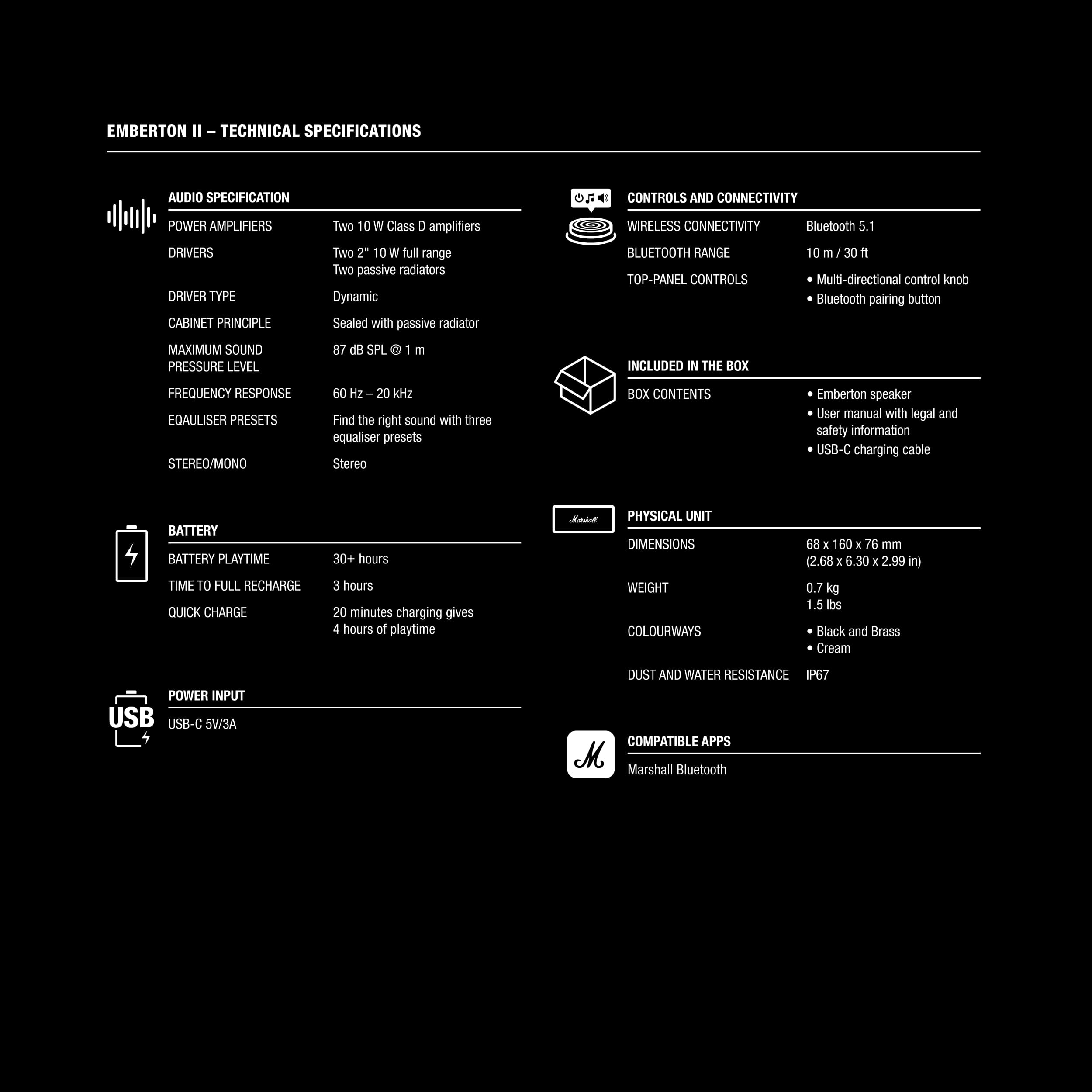
The performance gap between these speakers is dramatic when it comes to maximum output. The Turtlebox Ranger produces 105 decibels of sound pressure level (SPL), while the Marshall Emberton II reaches 87 decibels. To understand why this matters, you need to know that decibels use a logarithmic scale—every 10 dB increase represents roughly double the perceived loudness.
This means the Ranger is approximately four times louder than the Emberton II at maximum output. In practical terms, the Ranger can fill a large outdoor space or cut through significant ambient noise, while the Emberton II is better suited for smaller gatherings or quieter environments.
But maximum volume only tells part of the story. The Ranger's Class D digital amplifier with enhanced DSP (Digital Signal Processing) tuning ensures that even at ear-splitting volumes, the audio remains clear and distortion-free. Class D amplifiers are particularly efficient, converting more electrical energy into sound rather than heat—crucial for battery-powered devices.
Based on our research into user and expert reviews, these speakers have distinctly different sound signatures that reflect their intended uses.
The Turtlebox Ranger delivers what reviewers consistently describe as a "punchy" sound profile with emphasized bass response. The passive 2×4-inch bass radiator works alongside the main drivers to produce low-frequency energy that can be felt as well as heard. This bass emphasis makes sense for outdoor use, where wind and ambient noise can mask subtle audio details.
Expert reviews consistently note that the Ranger maintains clarity even at maximum volume—something that's surprisingly rare among ultra-portable speakers. When you're pushing small drivers hard, distortion typically creeps in, but the Ranger's DSP tuning appears to manage this effectively.
The Marshall Emberton II takes the opposite approach, prioritizing what Marshall calls their signature "balanced" sound. Reviews consistently praise its ability to reproduce acoustic instruments and vocals with accuracy that's more typical of home audio equipment than portable speakers.
This difference becomes particularly important when considering use cases. The Ranger excels when you need audio that can compete with environmental noise—think tailgating, beach parties, or construction sites. The Emberton II shines when you want to actually listen to music rather than just hear it over background noise.
Both speakers offer ways to connect multiple units, but their approaches reveal different philosophies.
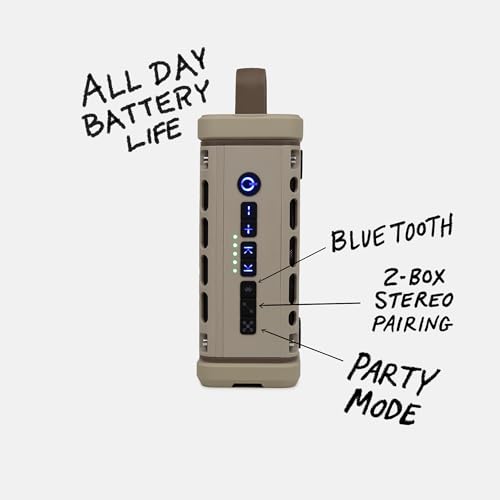
The Turtlebox Ranger's Party Mode allows unlimited pairing with other compatible Turtlebox speakers. This creates what's essentially a distributed sound system—useful for large outdoor gatherings where you need to cover significant area. The True Wireless Stereo (TWS) mode with two Rangers provides proper left/right channel separation, creating genuine stereo imaging.
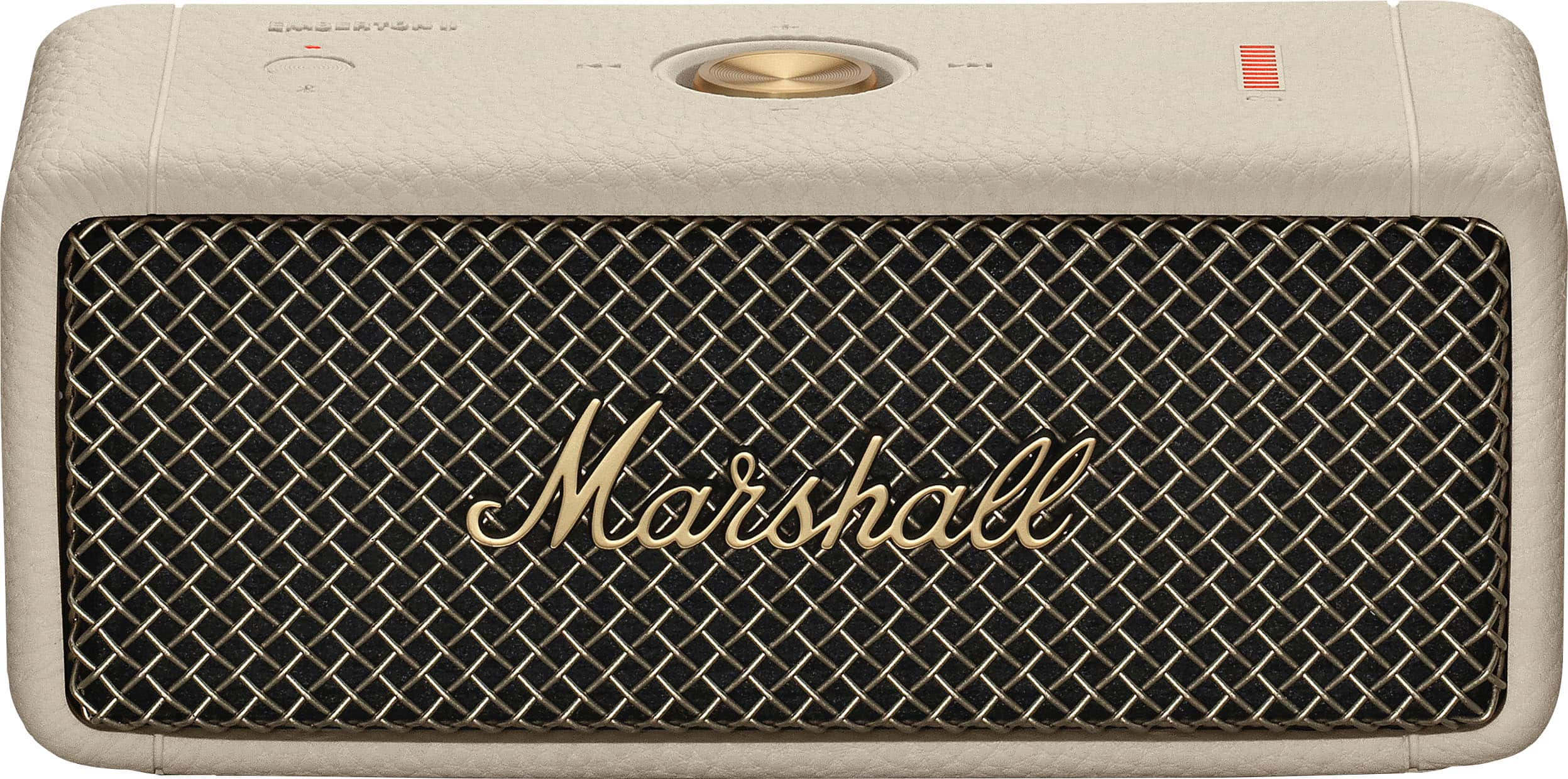
The Marshall Emberton II's Stack Mode is more elegant but limited. You can physically stack multiple Emberton II units and they'll automatically sync for louder output. While this only works with identical units, the implementation is seamless and the aesthetic appeal is undeniable.
This is where the philosophical differences between these speakers become most apparent. The Marshall Emberton II delivers an exceptional 30+ hours of playback time—genuinely impressive for any portable speaker, let alone one this compact.
The Turtlebox Ranger provides 12+ hours of playtime, though this varies significantly with volume levels. At maximum output, expect closer to 5 hours. This difference isn't necessarily a flaw—it reflects the Ranger's focus on high-power output rather than efficiency.
What's particularly useful about the Ranger is its USB-C passthrough charging capability. This means the speaker can function as a power bank for your phone or other devices—genuinely useful for extended outdoor adventures where power access is limited.
The Emberton II's quick-charge feature (20 minutes for 4 hours of playback) partially compensates for its smaller battery by making it easy to top up during brief stops.
The Turtlebox Ranger uses Bluetooth 5.4—the latest available standard at the time of writing. This provides enhanced stability, lower power consumption, and extended range up to 100 feet. For outdoor use, this extended range is genuinely practical.
The Marshall Emberton II's Bluetooth 5.1 represents an upgrade over its predecessor's 5.0 implementation, providing better connectivity stability and lower latency. The 30-foot range is more modest but adequate for typical indoor/outdoor use.
The Ranger's touch controls are intuitive and weatherproof, but touch interfaces can be problematic with wet or gloved hands—common scenarios for outdoor use. The controls are reportedly simple enough that even children can operate them effectively.
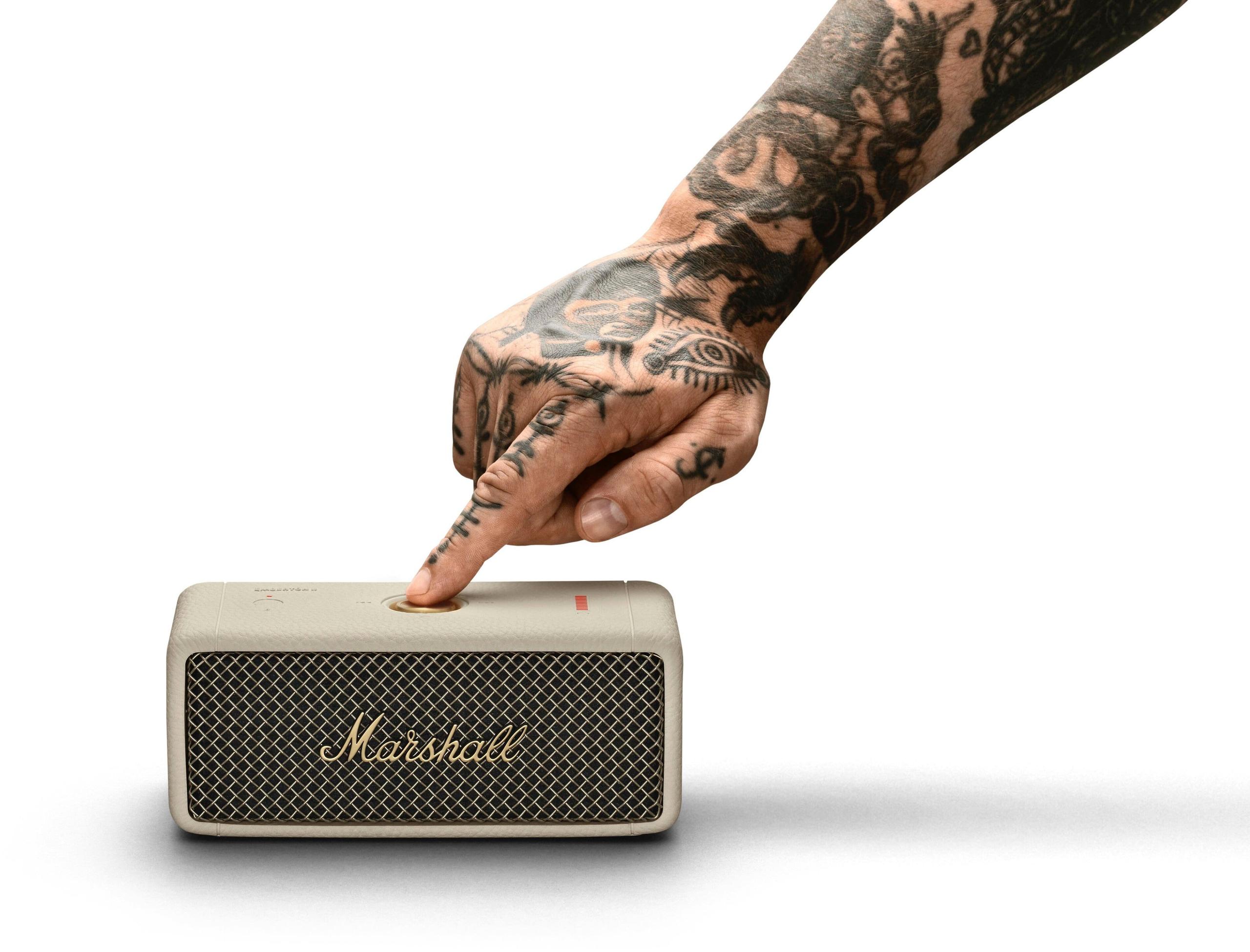
The Emberton II's multi-directional control knob provides tactile feedback that works regardless of conditions. This physical interface approach aligns with Marshall's guitar amplifier heritage and provides more precise control, especially for volume adjustments.
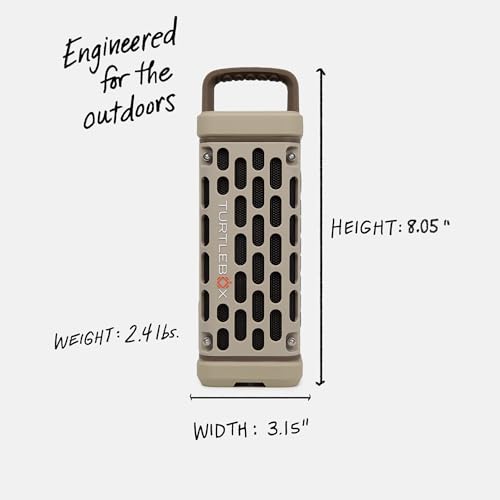
The weight difference between these speakers—2.4 pounds for the Turtlebox Ranger versus 1.5 pounds for the Marshall Emberton II—might seem minor, but it compounds during extended carrying. The Ranger's additional weight comes from its rugged construction and magnetic mounting hardware.
The Ranger's dimensions (8.05" × 3.15" × 3.15") create what reviewers describe as a "substantial" feel, while the Emberton II's more compact profile makes it easier to slip into bags or carry casually.
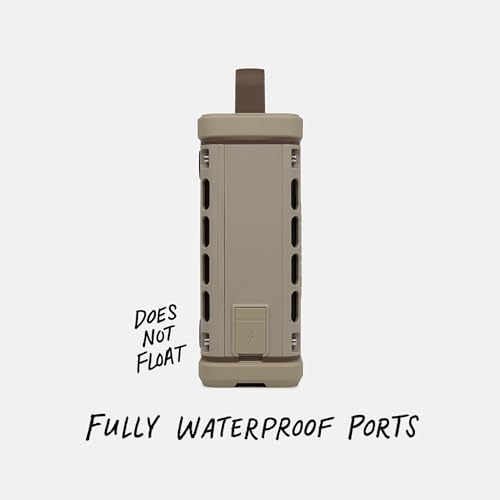
One surprising limitation of the Ranger is that despite its waterproof construction, it doesn't float. This seems like an oversight for a speaker designed for water activities, though the magnetic mounting partially compensates by providing secure attachment options.
At the time of writing, the Turtlebox Ranger commands a premium price that reflects its specialized construction and extreme durability features. The Marshall Emberton II offers more accessible pricing while delivering superior battery life and refined sound quality.
The Ranger's price premium is justified if you need its specific capabilities—extreme durability, magnetic mounting, and maximum output. For users who don't need these features, the premium becomes harder to justify.
The Emberton II provides better value for general portable audio use, offering premium brand recognition, exceptional battery life, and refined sound quality at a more reasonable price point.
Neither speaker is designed primarily for home theater use, but both have relevant applications. The Marshall Emberton II's balanced sound signature and True Stereophonic processing make it reasonable for casual TV viewing or as a bedroom speaker.
The Turtlebox Ranger's high output capability could theoretically work for outdoor movie screenings or patio entertainment, but its bass-heavy tuning isn't ideal for dialog clarity.
For dedicated home theater use, both speakers would serve better as supplementary audio for specific rooms rather than primary systems.
You frequently use audio equipment in genuinely harsh conditions. Marine environments, construction sites, camping in extreme weather, or any scenario where equipment failure isn't just inconvenient—it's costly. The magnetic mounting capability alone can justify the premium for users who need hands-free mounting options.
The Ranger makes particular sense for professionals who need reliable audio in industrial environments, or recreational users whose activities involve significant equipment abuse. If you've ever had a speaker fail during a crucial moment—whether that's a beach party or a jobsite presentation—the Ranger's extreme reliability becomes worth the investment.
Your priority is exceptional daily-use audio with reasonable outdoor capability. The 30-hour battery life fundamentally changes how you use a portable speaker—you can take it on week-long trips without charging equipment, or use it daily for weeks between charges.
The Emberton II excels for users who want premium audio quality for regular listening rather than emergency-volume outdoor use. Its refined sound signature makes it genuinely enjoyable for critical listening—something you can't say about most "rugged" speakers.
These speakers represent fundamentally different approaches to portable audio, making direct comparison somewhat unfair. The Turtlebox Ranger is essentially industrial audio equipment disguised as a consumer product, while the Marshall Emberton II is a premium lifestyle product with robust outdoor capability.
The decision ultimately comes down to your primary use case and whether you need the Ranger's extreme capabilities. For most users, the Emberton II's combination of excellent sound quality, exceptional battery life, and reasonable durability will prove more valuable than the Ranger's specialized features.
However, for users whose activities genuinely demand extreme durability and maximum output, the Ranger's premium pricing becomes reasonable. The key is honestly assessing whether you need a speaker that can survive being dropped off a truck tailgate or if you just want something that sounds great and lasts all day.
Both speakers excel within their intended roles, making this less about finding the "better" speaker and more about matching the right tool to your specific needs and lifestyle.
| Turtlebox Ranger | Marshall Emberton II |
|---|---|
| Maximum Volume Output - Critical for outdoor use and large gatherings | |
| 105 dB (extremely loud, can fill large outdoor spaces) | 87 dB (moderate volume, suitable for intimate settings) |
| Battery Life - Determines how long you can use without charging | |
| 12+ hours (5 hours at max volume) | 30+ hours (exceptional longevity for extended trips) |
| Durability Rating - Protection against water, dust, and drops | |
| IP67 + drop/crush-proof (extreme conditions, submersible) | IP67 (excellent everyday protection, improved from IPX7) |
| Weight - Affects portability for hiking, travel, and daily carry | |
| 2.4 lbs (substantial but manageable) | 1.5 lbs (highly portable, 37% lighter) |
| Bluetooth Version - Impacts connectivity range and stability | |
| Bluetooth 5.4 with 100ft range (latest standard, extended range) | Bluetooth 5.1 with 30ft range (reliable, adequate for most uses) |
| Audio Configuration - Determines sound quality and bass response | |
| Dual 2" woofers + passive 2×4" radiator (bass-heavy, outdoor-tuned) | Dual 2" full-range + dual passive radiators (balanced, refined) |
| Unique Mounting Features - Special capabilities that set each apart | |
| Magnetic mounting system (attaches to metal surfaces) | Stack Mode (physical stacking with wireless sync) |
| Multi-Speaker Pairing - Ability to connect multiple units | |
| Party Mode (unlimited Turtlebox Ranger pairing) + TWS stereo | Stack Mode (multiple Marshall Emberton II units only) |
| Controls - How you operate the speaker in various conditions | |
| Touch controls (weatherproof but challenging with gloves) | Physical control knob (reliable in all conditions, tactile feedback) |
| Quick Charging - How fast you can get back to listening | |
| Standard USB-C charging + device passthrough power | 20 minutes = 4 hours playback (exceptional quick charge) |
| Water Resistance - Real-world protection for different activities | |
| Submersible 3ft for 30min, saltwater resistant | Water and dust resistant for everyday spills and rain |
The Turtlebox Ranger is significantly louder, producing 105 dB compared to the Marshall Emberton II's 87 dB output. This makes the Turtlebox Ranger approximately four times louder and much better suited for large outdoor gatherings, beach parties, or any situation where you need to compete with ambient noise.
The Marshall Emberton II offers exceptional battery life with 30+ hours of playback, compared to the Turtlebox Ranger's 12+ hours. For extended trips or daily use without frequent charging, the Marshall Emberton II is clearly superior, lasting more than twice as long on a single charge.
While both speakers have IP67 ratings, the Turtlebox Ranger is built for extreme conditions with drop-proof, crush-proof construction and can be submerged up to 3 feet for 30 minutes. The Marshall Emberton II offers excellent everyday durability but isn't designed for the harsh treatment that the Turtlebox Ranger can handle.
The Marshall Emberton II provides more balanced, refined sound quality that's better for critical music listening, while the Turtlebox Ranger has a bass-heavy profile optimized for outdoor use. If sound quality is your priority over volume, the Marshall Emberton II is the better choice.
The Marshall Emberton II is more portable, weighing 1.5 pounds compared to the Turtlebox Ranger's 2.4 pounds. The Marshall Emberton II is also more compact and easier to pack for travel, making it better suited for casual carrying and everyday use.
Yes, both speakers support multi-unit pairing but in different ways. The Turtlebox Ranger offers Party Mode for unlimited speaker pairing and True Wireless Stereo with two units. The Marshall Emberton II features Stack Mode, allowing you to physically stack and wirelessly sync multiple Marshall Emberton II units.
The Turtlebox Ranger is specifically designed for outdoor adventures with its extreme durability, magnetic mounting system, and high volume output. While the Marshall Emberton II can handle outdoor use, the Turtlebox Ranger is better suited for harsh camping conditions and marine environments.
The Turtlebox Ranger uses touch controls that are weatherproof but can be challenging with wet or gloved hands. The Marshall Emberton II features a physical multi-directional control knob that provides tactile feedback and works reliably in all conditions, making it easier to operate.
The Marshall Emberton II generally offers better value for most users, providing excellent sound quality, exceptional battery life, and reliable durability at a lower price point. The Turtlebox Ranger commands a premium for its specialized extreme durability features, which may not be necessary for typical use.
The Turtlebox Ranger uses the latest Bluetooth 5.4 with an extended 100-foot range, while the Marshall Emberton II uses Bluetooth 5.1 with a 30-foot range. The Turtlebox Ranger offers superior connectivity for outdoor use where extended range is beneficial.
The Turtlebox Ranger is better for beach and pool environments due to its submersible design, saltwater resistance, and magnetic mounting capabilities. However, it notably doesn't float despite being waterproof. The Marshall Emberton II can handle poolside use but isn't designed for submersion or harsh marine conditions.
For daily home use, the Marshall Emberton II is the better choice with its 30-hour battery life, refined sound quality, compact size, and attractive design. Unless you specifically need the extreme durability of the Turtlebox Ranger, the Marshall Emberton II provides a better everyday listening experience.
We've done our best to create useful and informative comparisons to help you decide what product to buy. Our research uses advanced automated methods to create this comparison and perfection is not possible - please contact us for corrections or questions. These are the sites we've researched in the creation of this article: fieldandstream.com - tylerstx.com - comparisontabl.es - gearjunkie.com - rogerssportinggoods.com - youtube.com - armorsound.com - simmonssportinggoods.com - turtleboxaudio.com - outdoorhub.com - backpackeroutdoors.com - youtube.com - tennesseevalleyoutsider.com - turtleboxaudio.com - mrfc.com - linecutterz.com - russells.com - turtleboxaudio.com - flyfishfood.com - techradar.com - dreamwaveus.com - crutchfield.com - soundguys.com - gadgets360.com - rtings.com - youtube.com - youtube.com - youtube.com - shop.ash-asia.com - crutchfield.com - gadgetstyler.com - youtube.com - avstore.in

Privacy Policy
Terms and Conditions - Affiliate Policy
Home Security
© Copyright 2008-2026.
11816 Inwood Rd #1211, Dallas, TX 75244