

Finding the right portable Bluetooth speaker can feel overwhelming with dozens of options flooding the market. Two speakers that consistently catch attention represent completely different philosophies: the rugged Turtlebox Ranger and the ultra-portable Bose SoundLink Micro. At the time of writing, these speakers sit at opposite ends of both the price spectrum and design approach, making the choice between them particularly interesting.
Released in 2025, the Turtlebox Ranger represents the latest evolution in rugged audio technology, while the Bose SoundLink Micro, which hit the market in 2017, has become a proven favorite for those prioritizing portability. Despite their age difference, both remain highly relevant, though they serve distinctly different audiences.
Before diving into specifics, it's worth understanding what separates good portable speakers from great ones. The most crucial factors include audio quality (how clean and powerful the sound is), durability (whether it survives real-world abuse), battery life (how long it plays without charging), and portability (how easy it is to bring along).
Modern Bluetooth technology has largely solved connectivity issues that plagued earlier speakers, but newer versions like Bluetooth 5.4 still offer advantages over older 4.2 implementations—mainly better range, more stable connections, and lower power consumption. The real differentiators now come down to how manufacturers balance these core features against size and cost constraints.
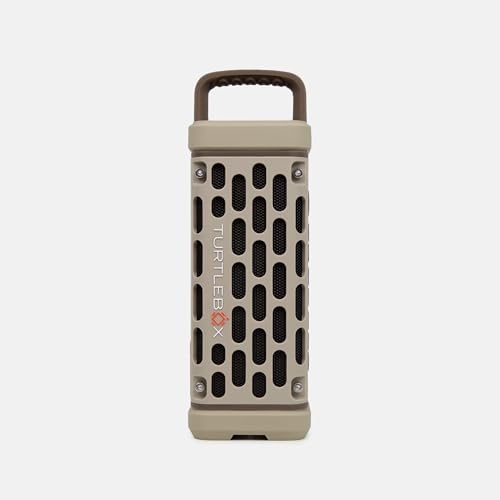
The Turtlebox Ranger and Bose SoundLink Micro couldn't be more different in their approach to portable audio. The Ranger follows the "built like a tank" philosophy, prioritizing maximum durability and volume output even if it means sacrificing some portability. Think of it as the pickup truck of speakers—robust, powerful, and ready for anything.
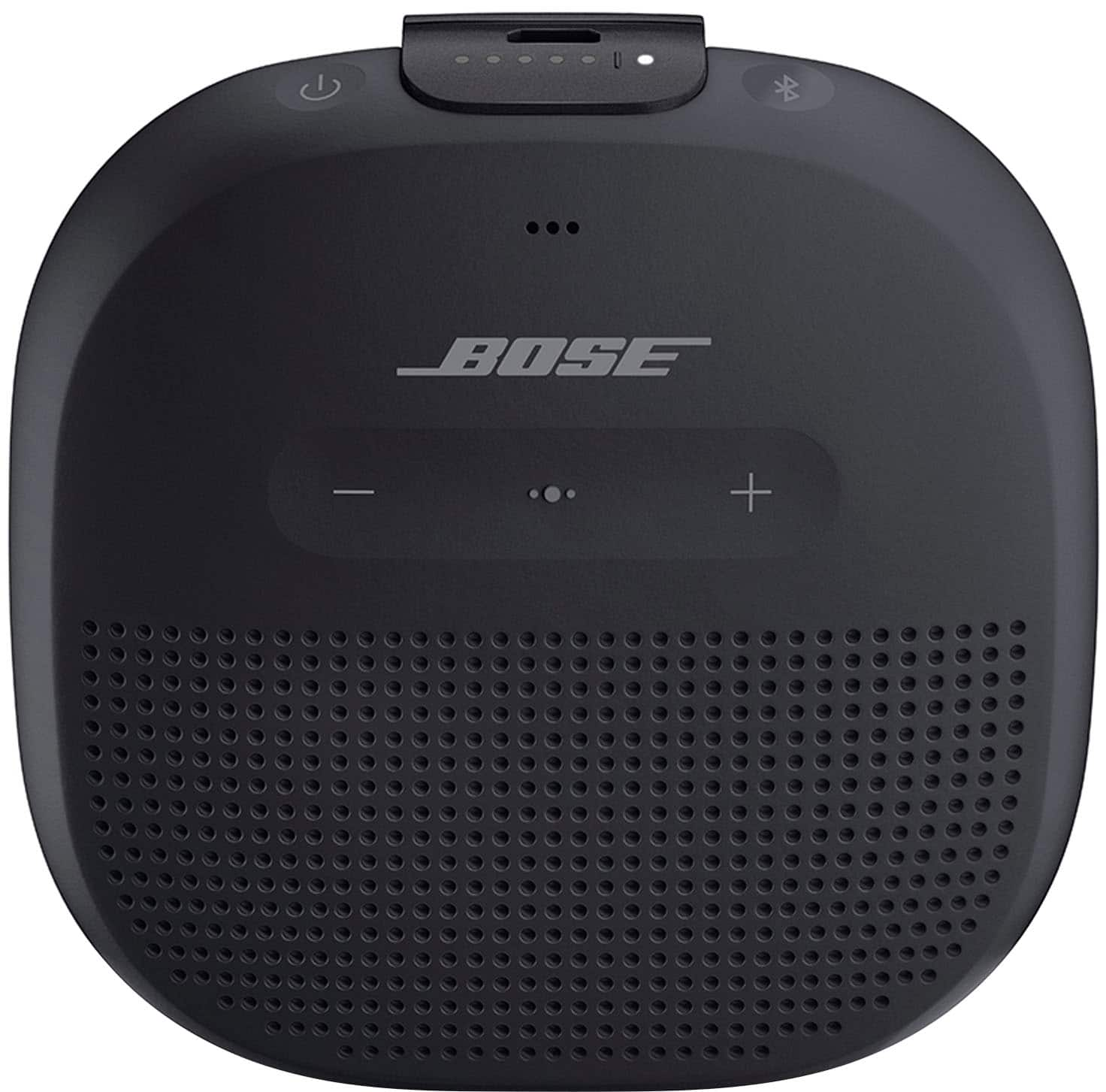
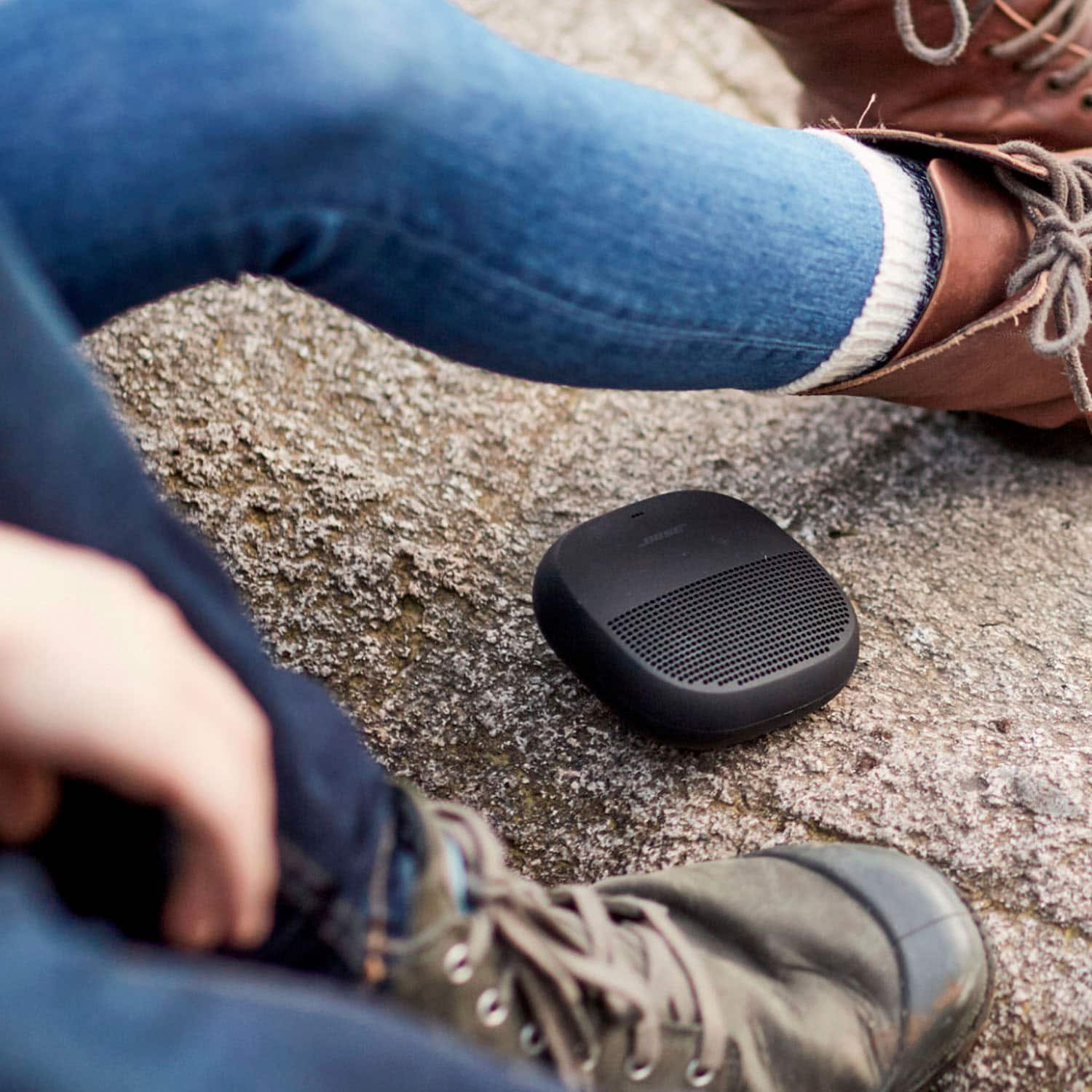
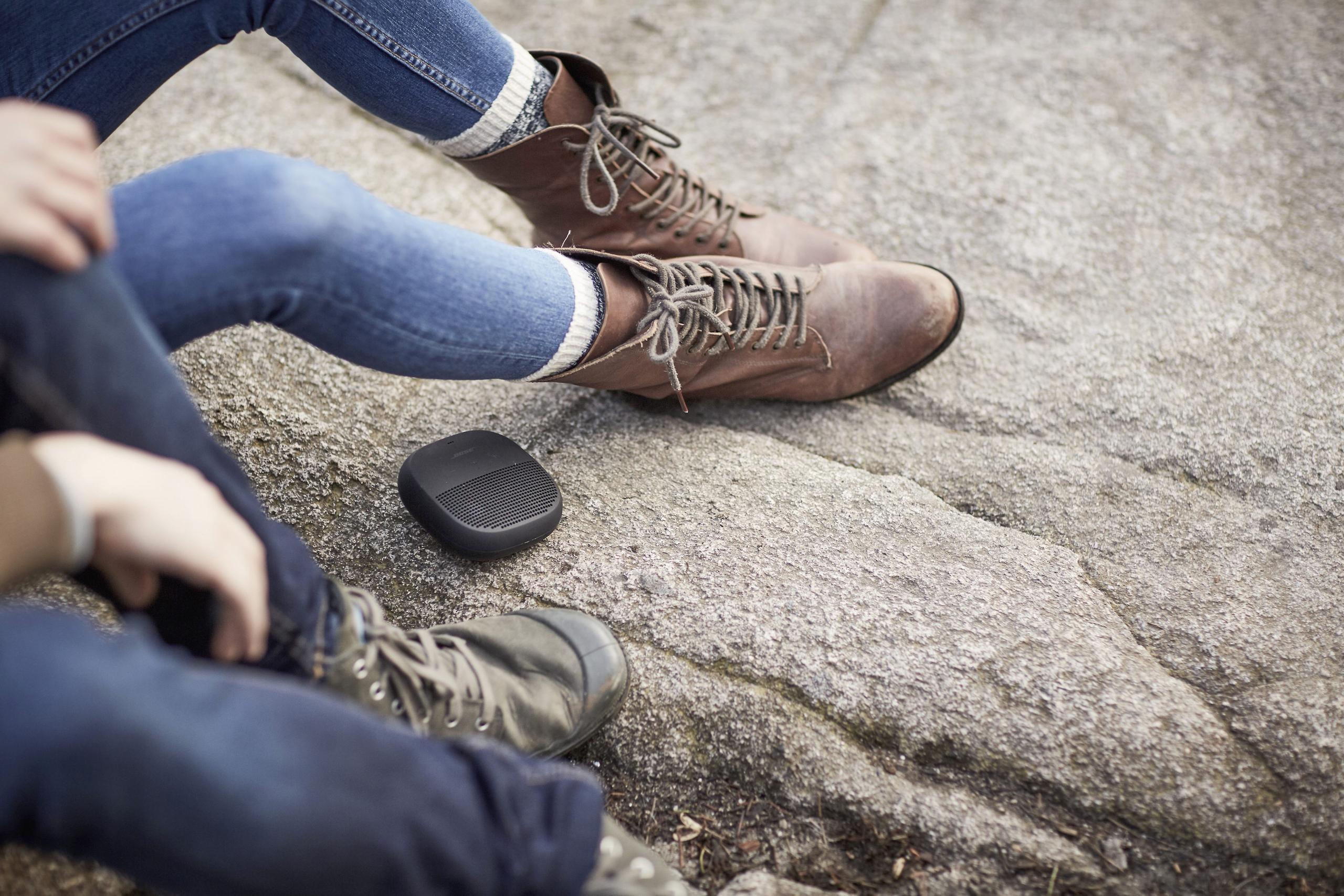
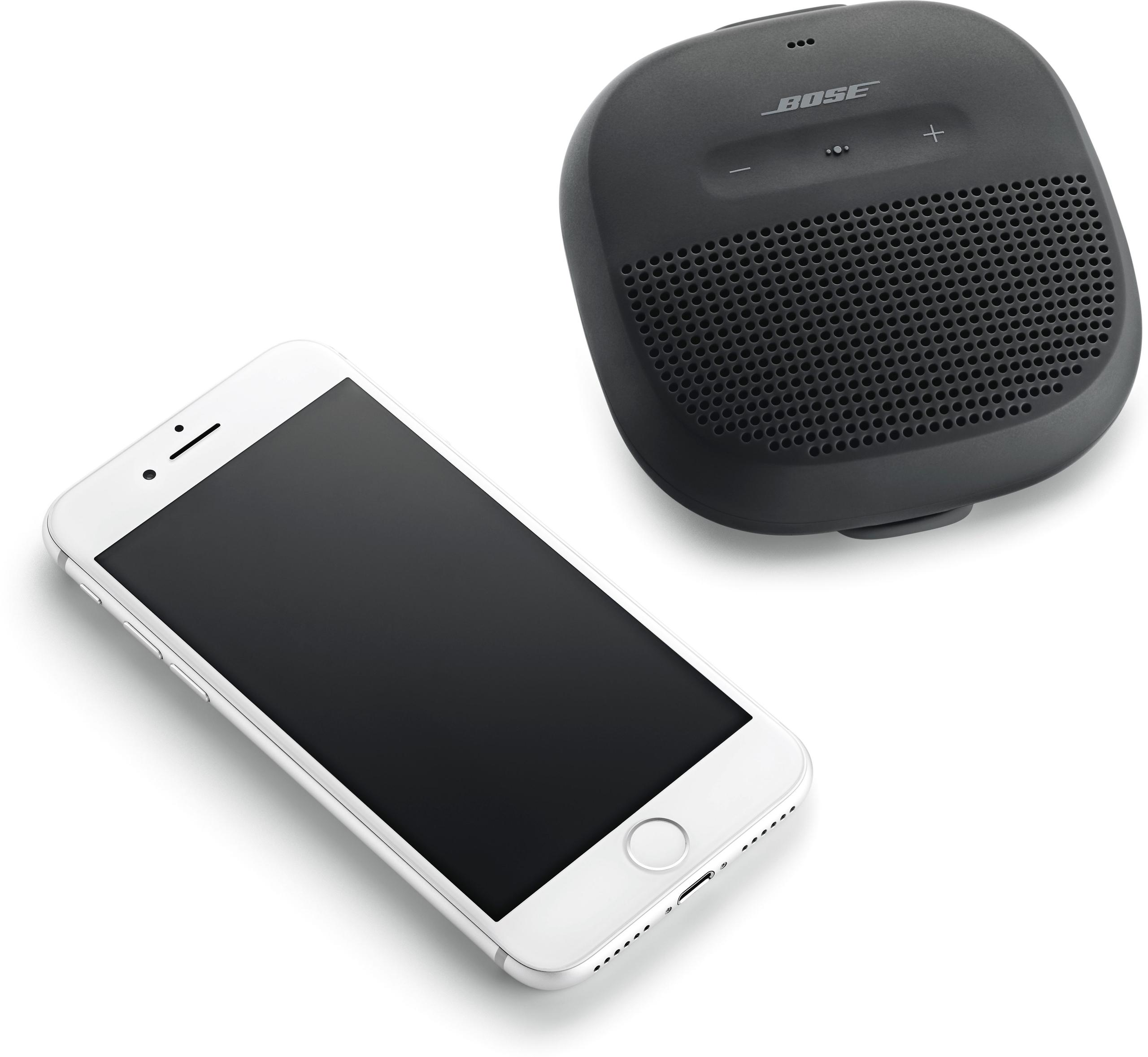
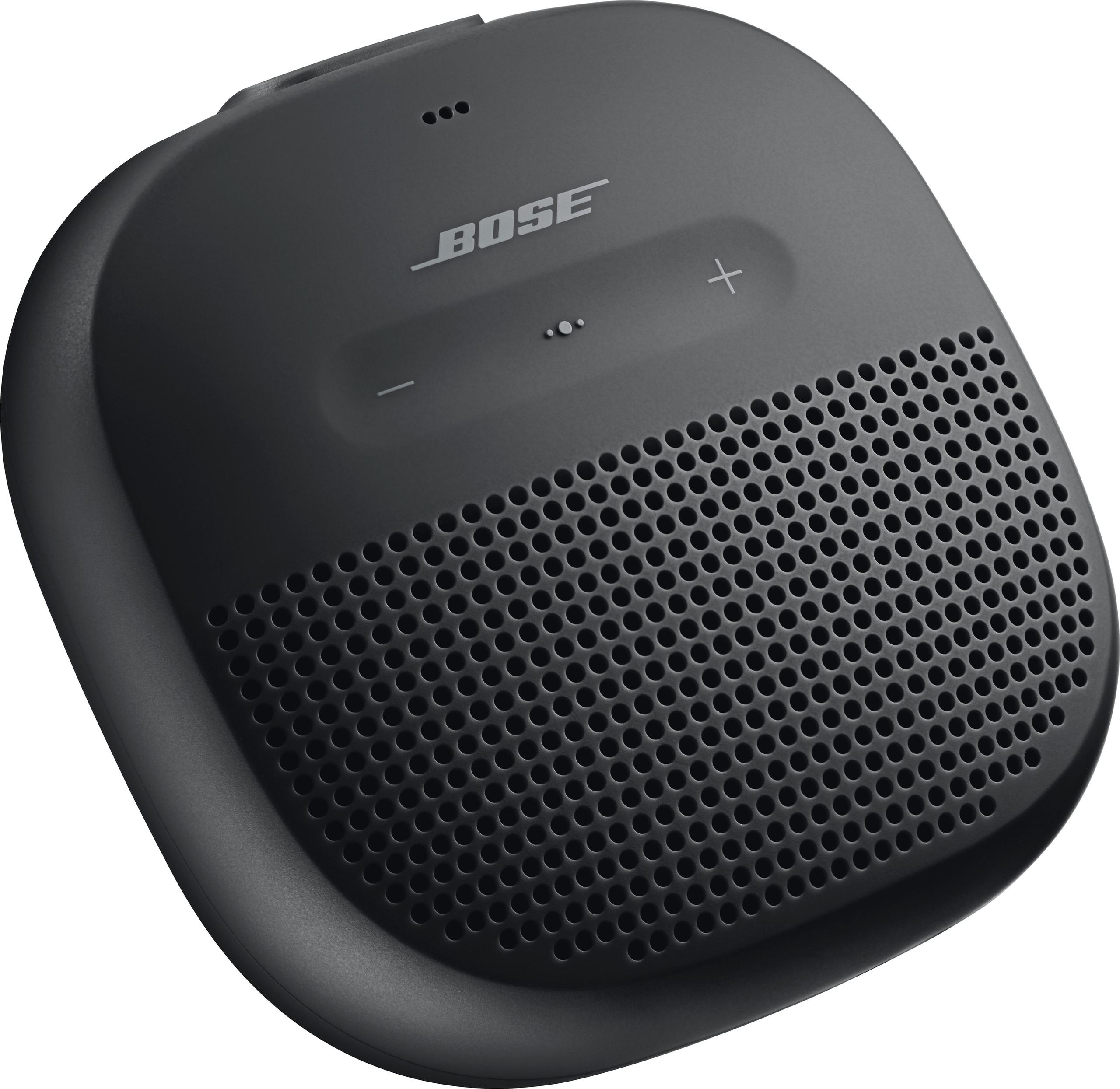
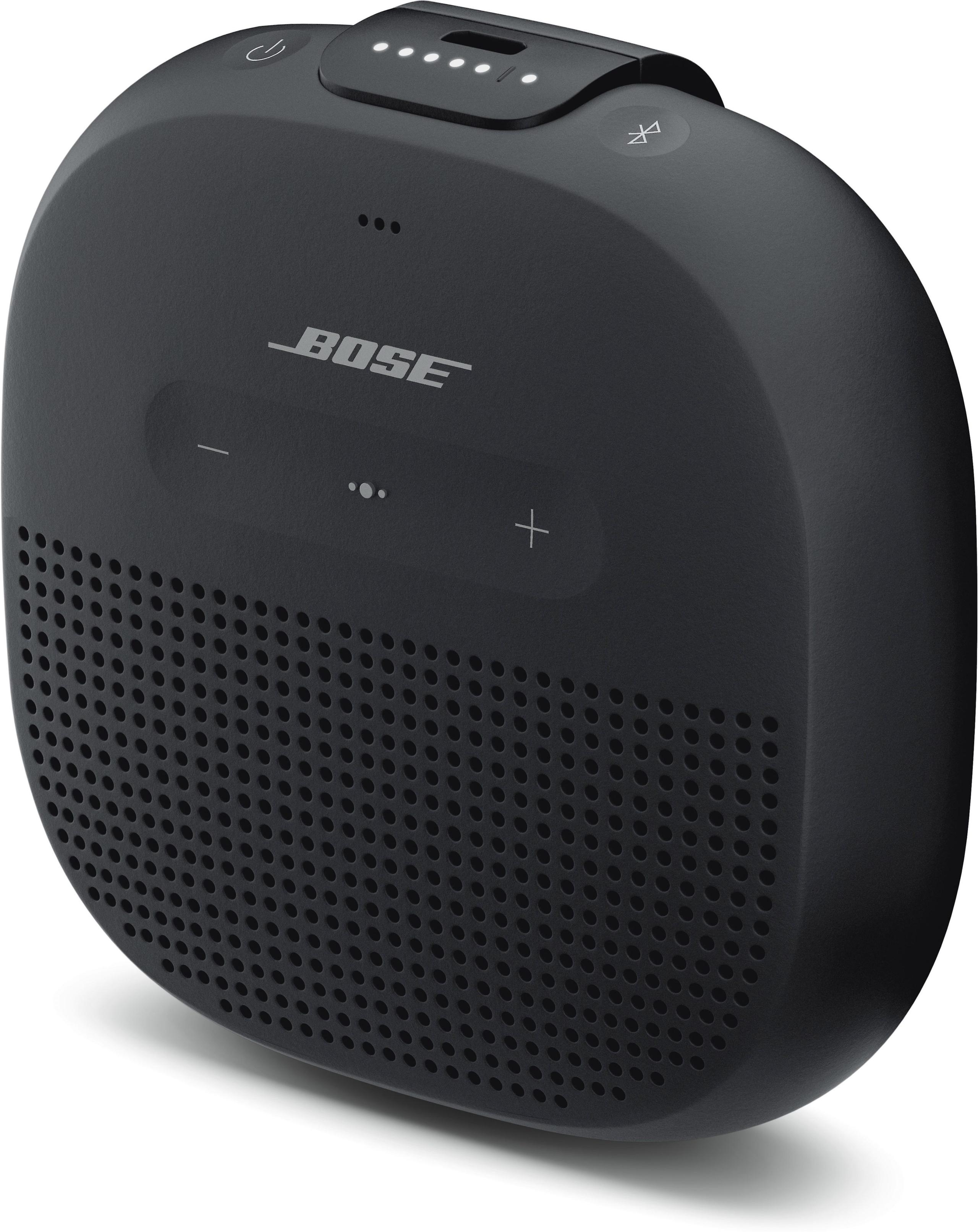
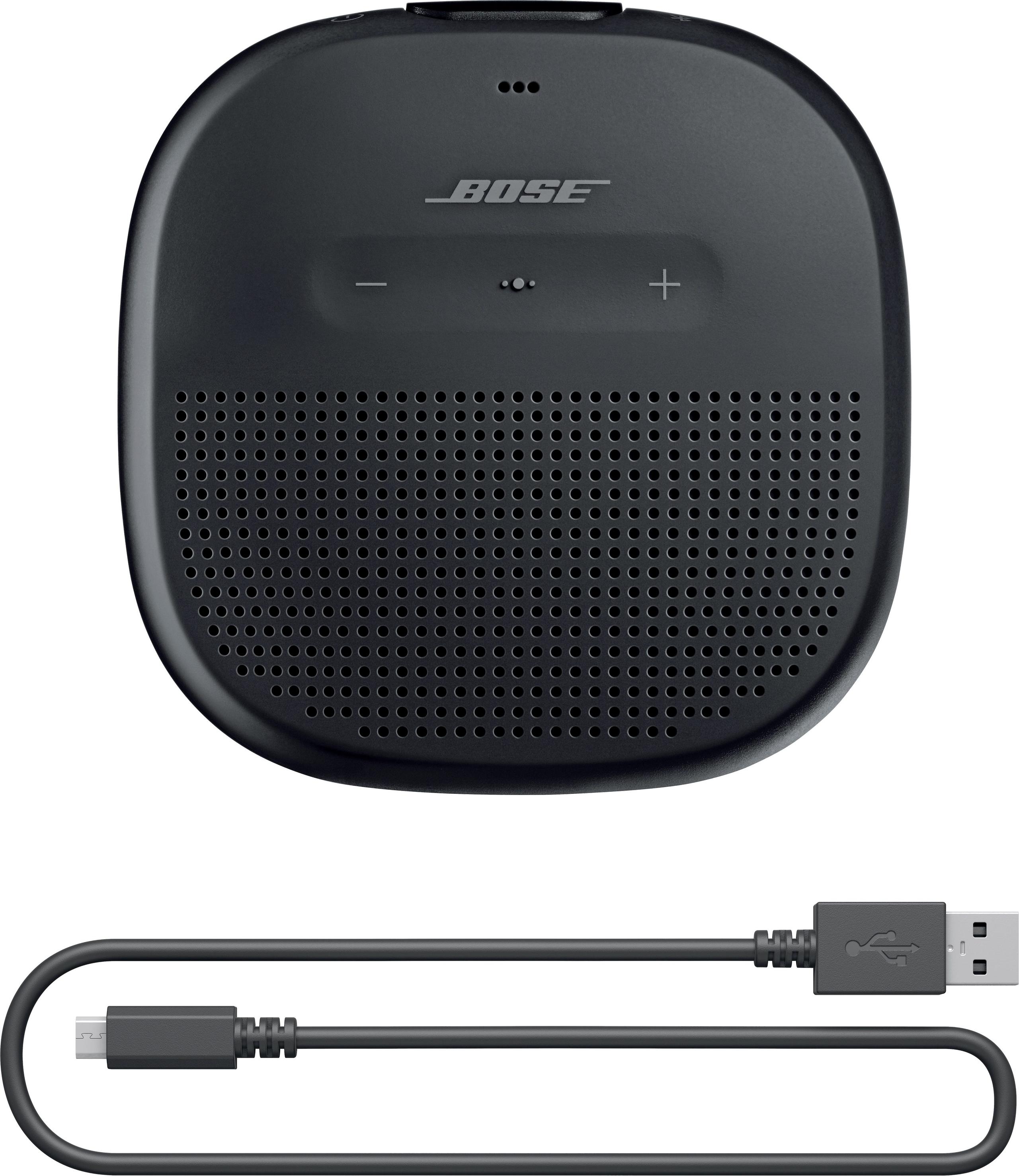
The SoundLink Micro, conversely, embodies the "barely there" approach. At just 0.68 pounds, it's designed to disappear into your bag while still delivering respectable sound quality. It's the ultralight hiking boot of speakers—minimal weight with just enough features to get the job done well.
When it comes to audio performance, these speakers showcase two dramatically different approaches. The Turtlebox Ranger is engineered for situations where being heard is more important than audiophile-grade refinement. Its Class D digital amplifier—a type of efficient amplifier that produces less heat and uses less battery power—pushes 105 decibels through dual 2-inch waterproof drivers.
To put that volume in perspective, 105 dB is roughly equivalent to a motorcycle engine or power tools. This makes the Ranger genuinely useful for outdoor gatherings, construction sites, or anywhere background noise might otherwise drown out your music. The inclusion of a passive bass radiator (a component that enhances low-frequency response without requiring additional power) helps it deliver surprisingly deep bass for its size.
The SoundLink Micro takes a more nuanced approach. Its custom transducer and passive radiators are tuned for balanced sound rather than maximum output. While it can't compete with the Ranger's raw volume, it excels at producing clean, well-balanced audio at moderate listening levels. Based on consensus user feedback, the Micro handles vocals and acoustic instruments particularly well, though it can show strain with bass-heavy electronic music at higher volumes.
For home theater use, neither speaker is designed as a primary solution, but the Ranger's higher output makes it more viable as a temporary substitute when your main system isn't available. Its True Wireless Stereo (TWS) capability—which lets two speakers work together as left and right channels—can create a surprisingly effective stereo setup for casual movie watching.
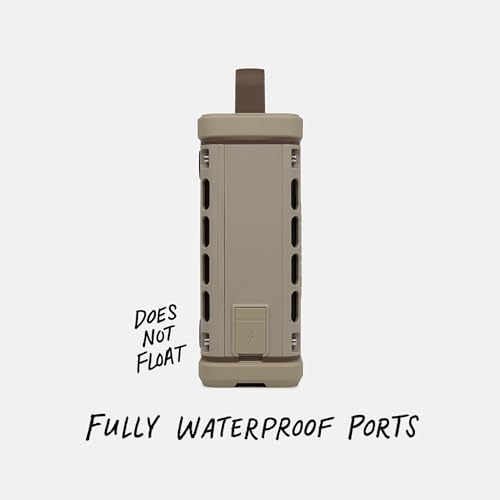
The durability difference between these speakers is perhaps their most significant distinction. The Turtlebox Ranger earned its reputation through genuinely extreme construction. Its IP67 rating means it's completely dustproof and can survive submersion in up to three feet of water for 30 minutes. The ABS crush-proof housing is reinforced with stainless steel hardware and features rubber bumpers designed to absorb impact energy.
This isn't marketing fluff—the Ranger is built to survive scenarios that would destroy typical electronics. Saltwater exposure, dropping from height, extreme temperatures, and equipment vibration are all within its design parameters. The inclusion of a built-in breather helps maintain performance across temperature extremes by preventing internal pressure buildup.
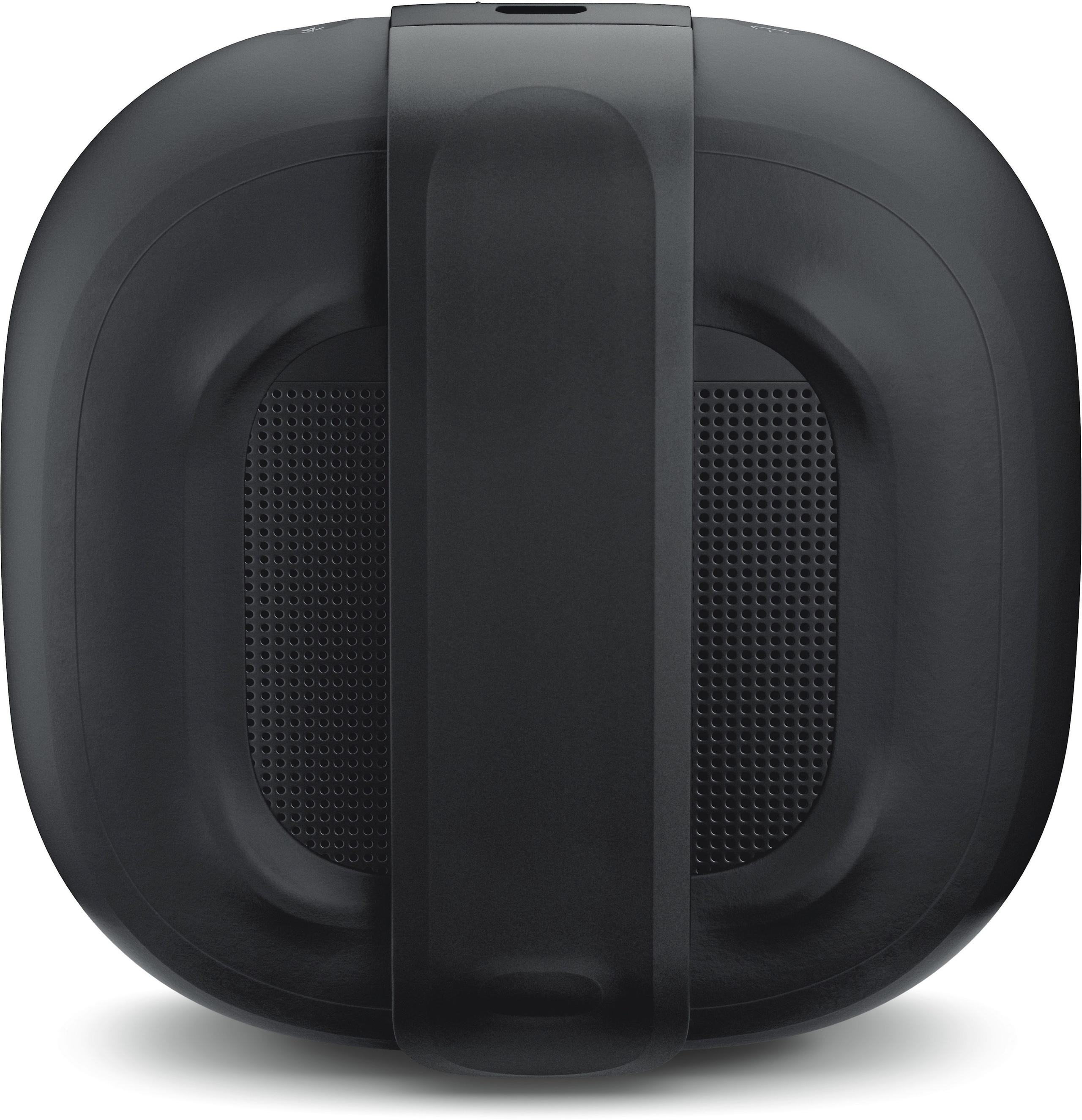
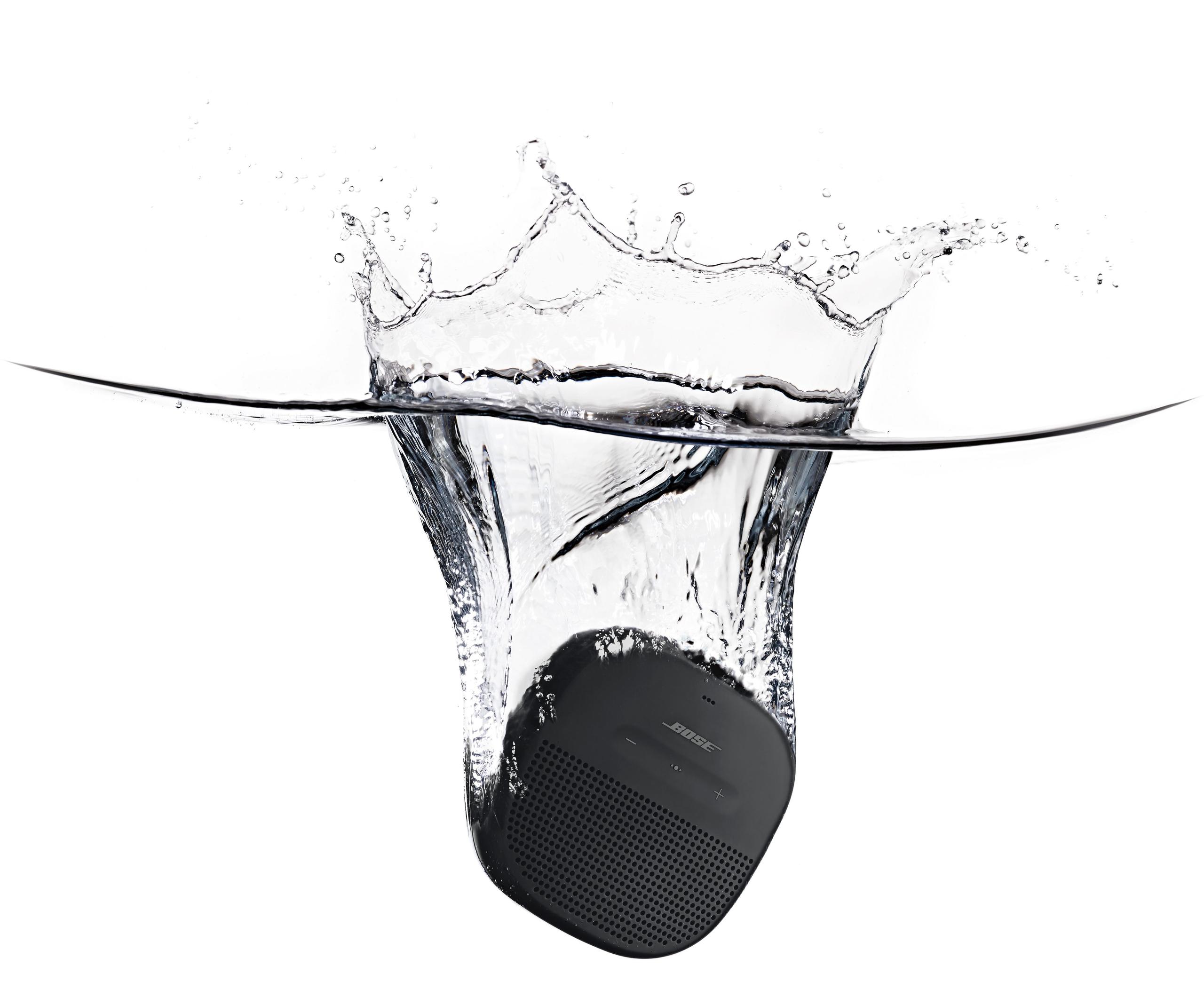
The SoundLink Micro offers respectable durability for everyday use. Its IP67 rating matches the Ranger's water resistance, and the silicone exterior effectively protects against typical drops and bumps. However, it's not designed for the same extreme conditions. Think of it as weather-resistant rather than adventure-proof.
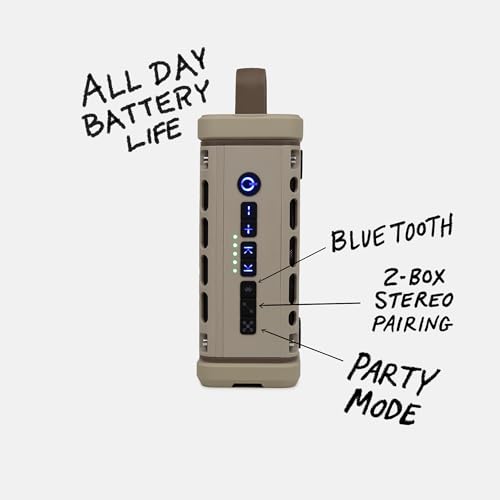
Battery performance reveals another clear winner. The Ranger's 25.2 watt-hour lithium-ion battery delivers genuinely all-day performance, with most users reporting 12-20 hours depending on volume levels. Even at maximum output, it maintains respectable endurance. The USB-C charging port supports modern fast-charging standards and can even charge your phone through passthrough power—essentially turning the speaker into a portable power bank.
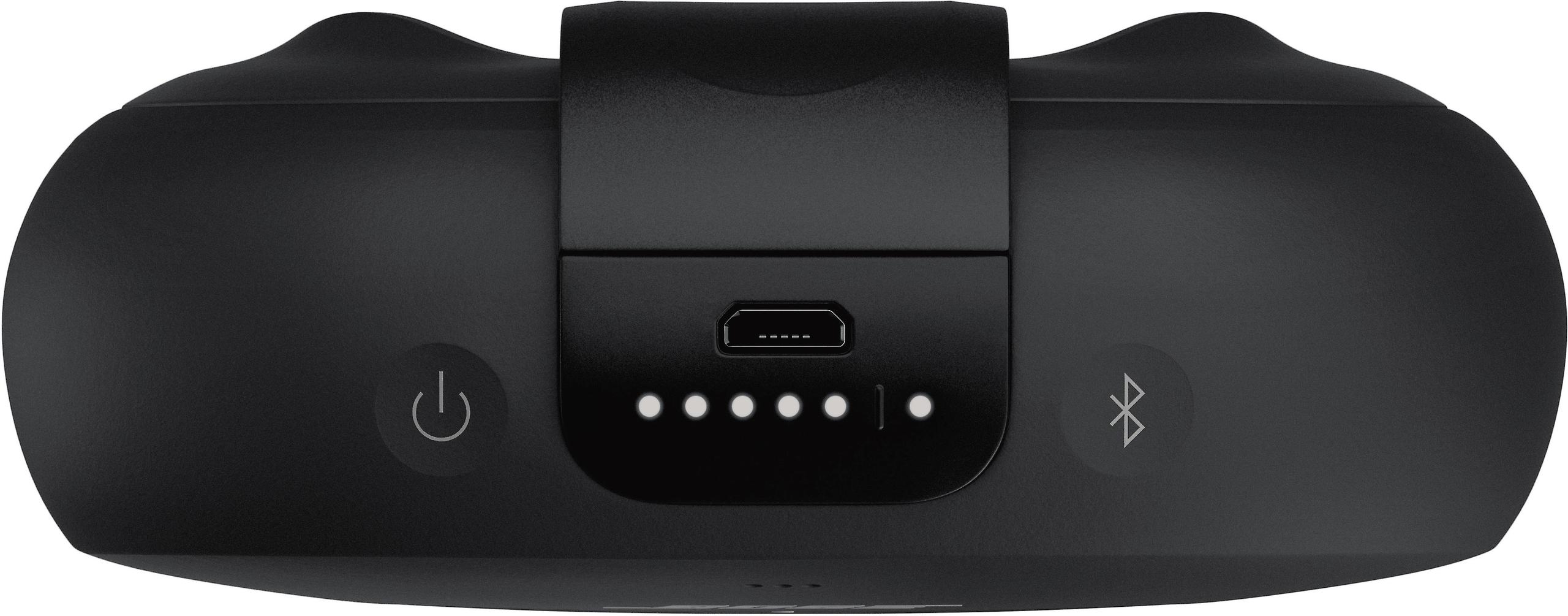
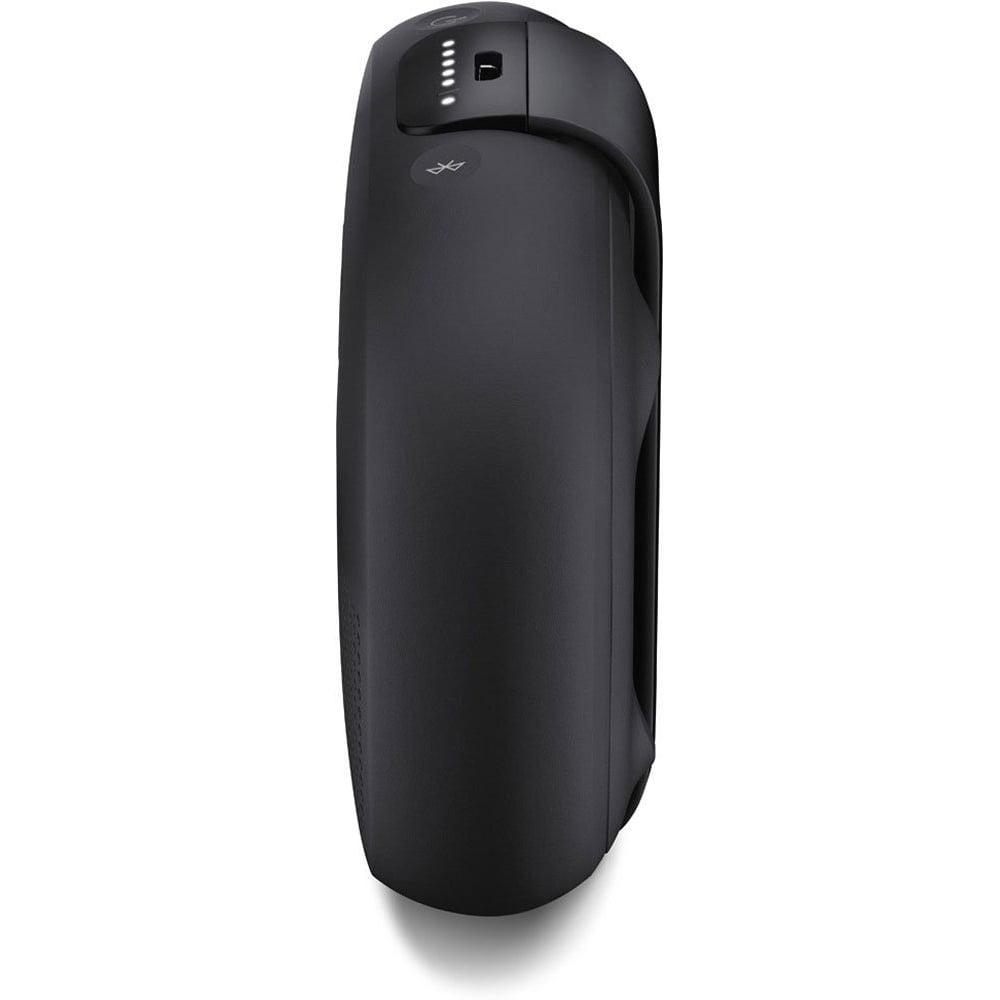
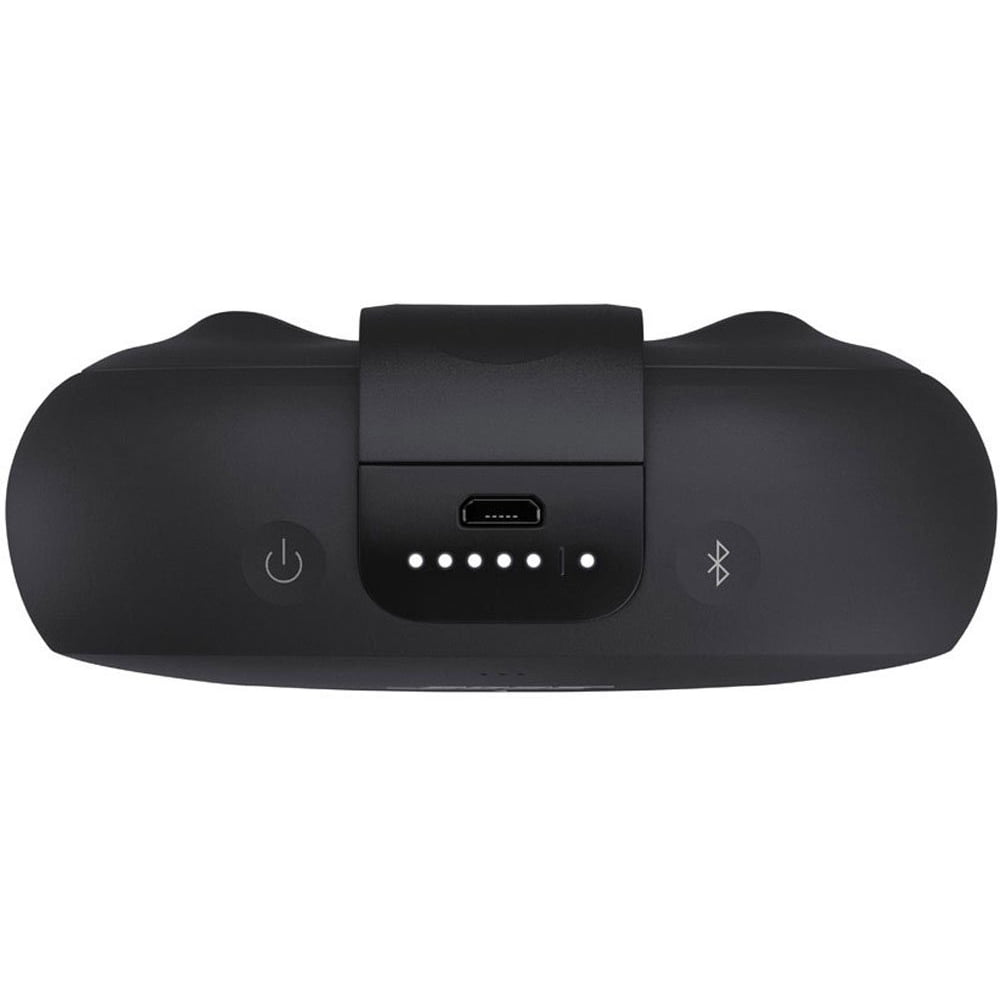
The SoundLink Micro manages about 6 hours of playback, which is reasonable for its size but requires more frequent charging. The older Micro-USB charging port, while still functional, feels dated in 2025 and charges more slowly than modern USB-C implementations.
This battery difference significantly impacts real-world usability. The Ranger works for weekend camping trips or all-day job sites without thinking about power, while the Micro needs daily charging with regular use.
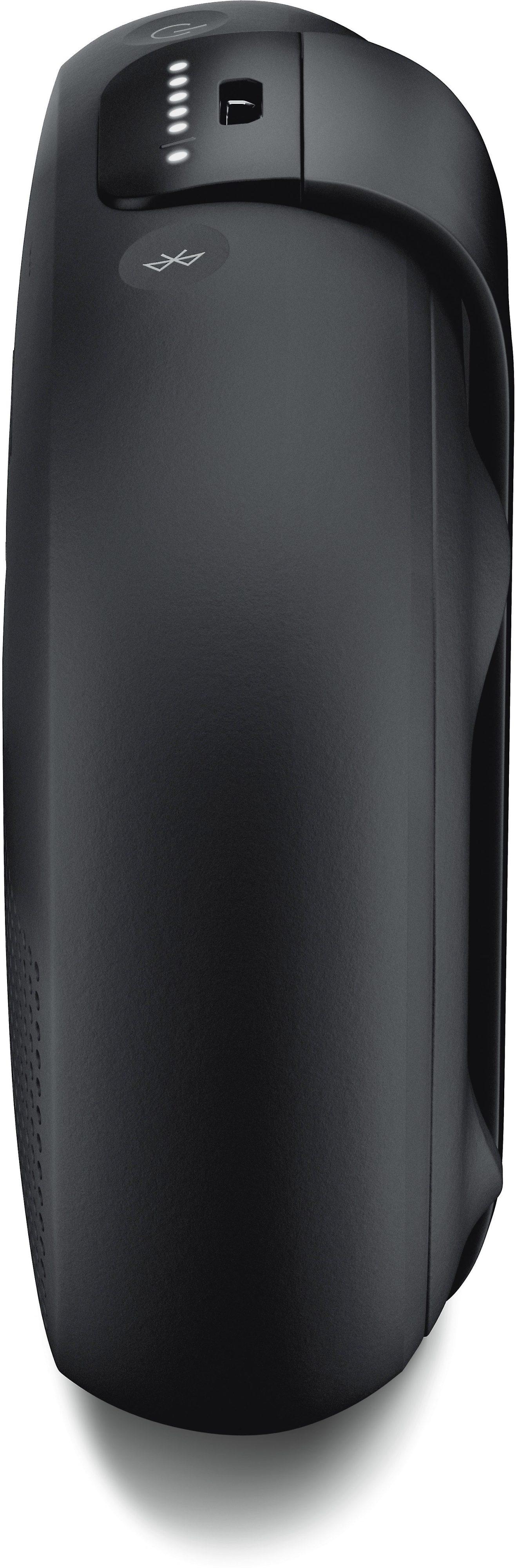
Here's where the SoundLink Micro shines brightest. At 0.68 pounds and small enough to fit in most pockets, it truly lives up to the "portable" promise. The included silicone strap lets you attach it to backpacks, bike handlebars, or camping gear without adding noticeable weight or bulk.
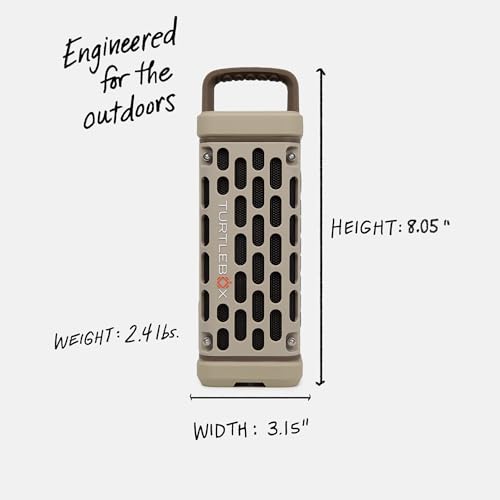
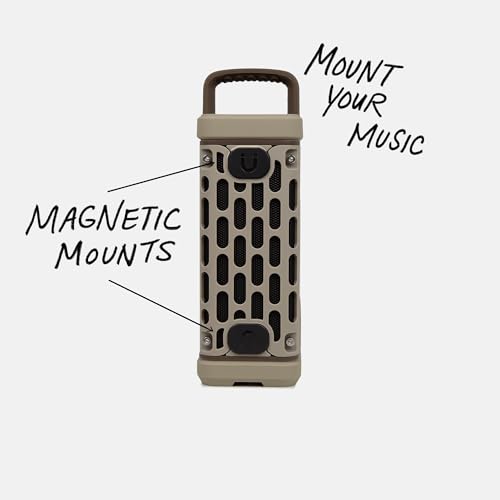
The Ranger, while significantly more compact than earlier Turtlebox models, still weighs 2.4 pounds. That's not heavy by speaker standards, but it's definitely something you'll notice in a backpack. However, the magnetic mounting system partially compensates for this weight penalty—being able to stick it securely to coolers, vehicle frames, or metal equipment creates mounting options that other speakers simply can't match.
Both speakers handle basic Bluetooth connectivity well, but with notable differences. The Ranger's Bluetooth 5.4 implementation offers superior range (100 feet vs. 30 feet) and more stable connections, especially in crowded wireless environments. Its Party Mode allows unlimited speaker pairing—meaning you can connect dozens of compatible Turtlebox speakers for truly massive sound coverage.
The SoundLink Micro includes features the Ranger lacks, particularly a built-in microphone for hands-free calling and voice assistant access. This makes it more versatile for everyday use, letting you take calls or interact with Siri or Google Assistant without reaching for your phone.
At the time of writing, these speakers occupy very different price tiers, with the Ranger commanding a significant premium over the SoundLink Micro. This price difference reflects their different target markets and design priorities.
The Ranger justifies its higher cost through exceptional durability, maximum volume output, and all-day battery life. It's primarily aimed at users who need speakers for challenging environments: outdoor enthusiasts, construction workers, boat owners, and anyone who values reliability over everything else. If you've ever had a speaker die from water damage or impact, the Ranger's premium makes sense.
The SoundLink Micro offers excellent value for casual users who prioritize portability and don't need extreme durability or maximum volume. Its lower price point makes it accessible for students, commuters, and anyone wanting decent wireless audio without major investment.
The eight-year age gap between these speakers reveals interesting technological evolution. The Ranger's Bluetooth 5.4 implementation offers significant advantages over the Micro's 4.2 version, including better range, improved power efficiency, and more reliable connections in crowded wireless environments.
However, the SoundLink Micro has proven its staying power—Bose continues selling it largely unchanged because the original design hit a sweet spot for portable audio. Sometimes the newest technology isn't necessary if the fundamentals are solid.
Choose the Turtlebox Ranger if you need a speaker that can survive anything you throw at it while delivering genuinely loud, clear audio. It's ideal for outdoor adventures, job sites, pool parties, or anywhere durability and volume matter more than absolute portability. The magnetic mounting system alone makes it worth considering for vehicle-based activities or industrial environments.
The SoundLink Micro is the better choice for everyday portability, casual listening, and situations where hands-free calling matters. If you want something that disappears into your bag but still delivers respectable sound quality, it's hard to beat. The lower price point also makes it less stressful to own—you won't worry as much about losing or damaging a less expensive speaker.
For home theater applications, neither is ideal, but the Ranger's higher output and stereo pairing capability make it more viable for temporary use or outdoor movie setups.
These speakers succeed because they don't try to be everything to everyone. The Turtlebox Ranger is unapologetically focused on maximum durability and volume, accepting weight and cost penalties to excel in demanding environments. The Bose SoundLink Micro prioritizes portability and accessibility, delivering solid performance in an ultralight package.
Your choice ultimately depends on your primary use case. If you need a speaker for challenging environments or maximum volume output, the Ranger's premium is justified. If portability and everyday convenience matter most, the SoundLink Micro offers better value and easier living.
Both represent thoughtful engineering solutions to different problems. The key is honestly assessing which problem you actually need solved.
| Turtlebox Ranger | Bose SoundLink Micro |
|---|---|
| Maximum Volume Output - Critical for outdoor use and large gatherings | |
| 105 dB (extremely loud, suitable for noisy environments) | ~85 dB estimated (good for personal/small group listening) |
| Weight and Portability - Determines how easily you'll actually bring it along | |
| 2.4 lbs (manageable but noticeable in backpack) | 0.68 lbs (ultralight, fits in pocket) |
| Battery Life - How long you can play without charging | |
| 12-20+ hours (all-day and multi-day use) | 6 hours (requires daily charging with regular use) |
| Durability Rating - Protection against water, drops, and harsh conditions | |
| IP67 + crush-proof housing (survives extreme conditions) | IP67 water resistance (handles everyday accidents) |
| Bluetooth Version and Range - Affects connection stability and distance | |
| Bluetooth 5.4, 100-foot range (latest tech, very stable) | Bluetooth 4.2, 30-foot range (older but adequate) |
| Charging Port - Convenience and future compatibility | |
| USB-C with device passthrough charging | Micro-USB (older standard, slower charging) |
| Speaker Pairing Features - Ability to connect multiple speakers | |
| Party Mode (unlimited speakers) + TWS stereo pairing | Party/Stereo Mode with compatible Bose speakers only |
| Built-in Microphone - For hands-free calls and voice assistants | |
| None (audio playback only) | Yes (speakerphone and voice assistant access) |
| Unique Mounting Options - Special attachment capabilities | |
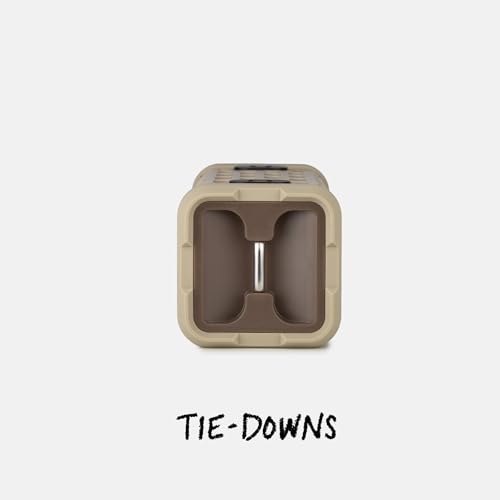
| Magnetic mounts to metal surfaces + tie-down points | Silicone strap for backpack/gear attachment |
| Dimensions (H×W×D) - Physical footprint and storage requirements | |
| 8.05" × 3.15" × 3.15" (tall pillar design) | 3.87" × 3.87" × 1.37" (compact cube design) |
| Water Submersion Capability - How well it handles being dropped in water | |
| Up to 3 feet for 30 minutes (doesn't float) | Up to 3 feet for 30 minutes (doesn't float) |
| Price Category - Investment level and target market | |
| Premium pricing (rugged/professional market) | Budget-friendly (casual consumer market) |
The Turtlebox Ranger is significantly louder, delivering 105 dB maximum output compared to the Bose SoundLink Micro's more moderate volume levels. The Ranger is designed for outdoor use and large gatherings where high volume is essential, while the SoundLink Micro focuses on balanced sound quality for personal listening.
The Turtlebox Ranger offers exceptional battery life with 12-20+ hours of playback, making it ideal for multi-day trips. The Bose SoundLink Micro provides about 6 hours of continuous play, which requires daily charging with regular use. For extended outdoor adventures, the Ranger is the clear winner.
The Bose SoundLink Micro is far more portable, weighing just 0.68 pounds and fitting easily in most pockets. The Turtlebox Ranger weighs 2.4 pounds and has a larger footprint, though it's still manageable for most users. For ultralight travel or daily commuting, the SoundLink Micro is unbeatable.
Both speakers offer IP67 water resistance, but the Turtlebox Ranger provides superior overall durability with crush-proof housing, stainless steel hardware, and extreme-condition construction. The Bose SoundLink Micro handles everyday accidents well but isn't built for harsh outdoor environments like the Ranger.
Yes, both speakers support multi-speaker pairing. The Turtlebox Ranger offers Party Mode for unlimited speaker connections and True Wireless Stereo pairing. The Bose SoundLink Micro can pair with other compatible Bose speakers through their Connect app for party mode or stereo separation.
The Turtlebox Ranger uses newer Bluetooth 5.4 technology with a 100-foot range, offering more stable connections and better performance in crowded wireless environments. The Bose SoundLink Micro uses older Bluetooth 4.2 with a 30-foot range, which is adequate for most situations but less advanced than the Ranger.
Only the Bose SoundLink Micro includes a built-in microphone for speakerphone calls and voice assistant access. The Turtlebox Ranger focuses solely on audio playback without communication features, making the SoundLink Micro better for everyday phone integration.
Value depends on your needs. The Bose SoundLink Micro offers excellent value for casual users wanting portability and balanced sound at a lower price point. The Turtlebox Ranger justifies its higher cost through extreme durability, superior volume, and longer battery life for demanding use cases.
The Turtlebox Ranger uses modern USB-C charging and can even charge other devices through passthrough power. The Bose SoundLink Micro uses older Micro-USB charging, which is slower and less convenient than the Ranger's USB-C implementation.
Neither speaker is designed primarily for home theater use, but the Turtlebox Ranger works better as a temporary solution due to its higher volume output and stereo pairing capability. The Bose SoundLink Micro is better suited for personal listening rather than filling larger indoor spaces.
The Turtlebox Ranger excels for outdoor use with its extreme durability, all-day battery life, magnetic mounting system, and high volume output that cuts through wind and ambient noise. While the SoundLink Micro is more portable, the Ranger is purpose-built for challenging outdoor conditions.
Choose the Turtlebox Ranger if you need maximum durability, high volume output, long battery life, and plan to use it in challenging outdoor environments. Choose the Bose SoundLink Micro if you prioritize ultra-portability, hands-free calling features, and want a more affordable option for casual listening situations.
We've done our best to create useful and informative comparisons to help you decide what product to buy. Our research uses advanced automated methods to create this comparison and perfection is not possible - please contact us for corrections or questions. These are the sites we've researched in the creation of this article: fieldandstream.com - tylerstx.com - comparisontabl.es - gearjunkie.com - rogerssportinggoods.com - youtube.com - armorsound.com - simmonssportinggoods.com - turtleboxaudio.com - outdoorhub.com - backpackeroutdoors.com - youtube.com - tennesseevalleyoutsider.com - turtleboxaudio.com - mrfc.com - linecutterz.com - russells.com - turtleboxaudio.com - flyfishfood.com - rtings.com - mygolfspy.com - youtube.com - cnet.com - bose.com - bose.com - alwayswander.info - target.com - bose.com - bose.com

Privacy Policy
Terms and Conditions - Affiliate Policy
Home Security
© Copyright 2008-2026.
11816 Inwood Rd #1211, Dallas, TX 75244