


When it comes to Bluetooth speakers, there's no one-size-fits-all solution. The Turtlebox Ranger and Marshall Acton III represent two completely different philosophies in wireless audio, each excelling in their respective domains. Released in 2025 and 2022 respectively, these speakers showcase how the Bluetooth audio landscape has evolved to serve distinct user needs.
The fundamental question isn't which speaker is "better" – it's which one fits your lifestyle. Do you need a companion for outdoor adventures, or are you looking to upgrade your home listening experience? Understanding this distinction will save you from buyer's remorse and ensure you get the performance that matters most for how you actually use your speaker.
The Bluetooth speaker market has matured significantly over the past few years, with manufacturers recognizing that portable outdoor speakers and stationary home speakers serve entirely different purposes. This specialization has led to dramatic improvements in both categories.
For portable speakers, the focus has shifted toward extreme durability, longer battery life, and maintaining audio quality in challenging outdoor environments. Modern portable speakers like the Turtlebox Ranger now feature advanced DSP (Digital Signal Processing) – essentially computer algorithms that optimize sound quality in real-time – specifically tuned for outdoor acoustics where wind, ambient noise, and open spaces challenge traditional speaker design.
Home speakers, meanwhile, have embraced customization, aesthetic integration, and advanced wireless connectivity. The Marshall Acton III exemplifies this trend with features like Placement Compensation – technology that adjusts the speaker's output based on where you position it in a room – and Dynamic Loudness, which automatically balances bass and treble as you adjust volume.
When evaluating these speakers, the most critical performance metrics differ dramatically. For portable speakers, maximum volume output (measured in decibels), battery life, and weather resistance top the priority list. Home speakers prioritize stereo imaging (how well they create a sense of space in music), frequency response accuracy (how faithfully they reproduce different musical tones), and integration with smart home ecosystems.
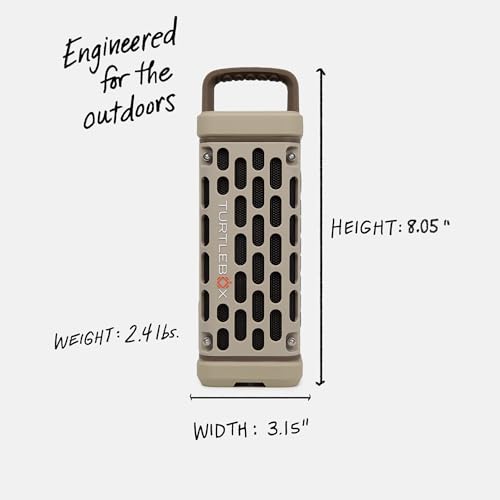
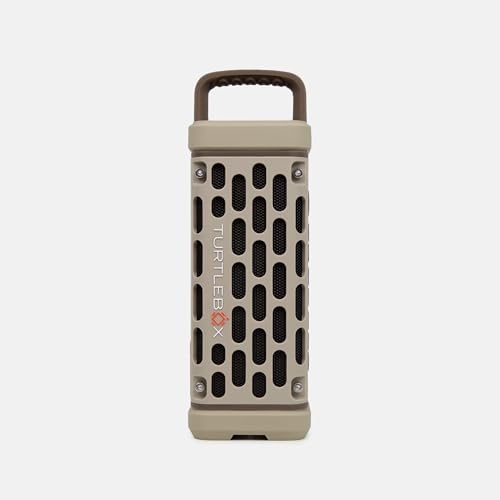
The Turtlebox Ranger launched in 2025 as Turtlebox's answer to users demanding the company's legendary durability in a truly portable package. At 2.4 pounds, it's a fraction of the weight of the original 10-pound Turtlebox Gen 2, yet it maintains the extreme ruggedness that made the brand famous among outdoor enthusiasts and professionals working in harsh environments.
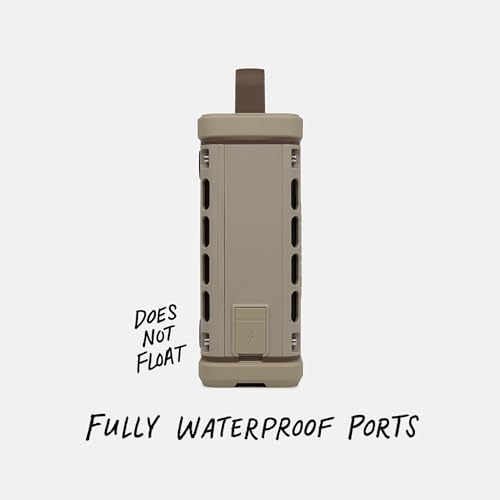
The Ranger's IP67 rating means it's completely dust-proof and can survive being submerged in up to three feet of water for 30 minutes. More importantly for real-world use, this rating indicates the speaker can handle rain, snow, sand, and the inevitable drops that happen during outdoor activities. The IP67 standard requires passing rigorous tests including dust chamber exposure and pressurized water jets from multiple angles.
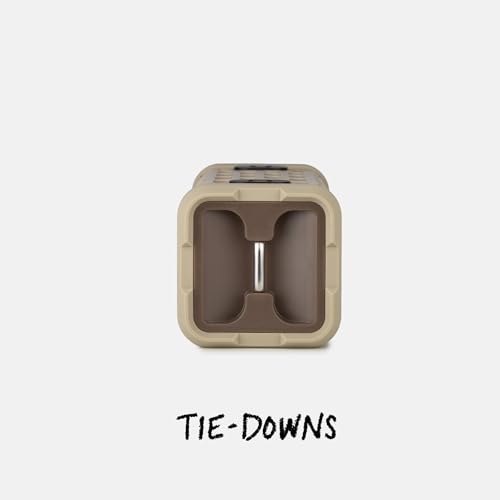
What sets the Turtlebox Ranger apart from typical "rugged" speakers is its construction approach. Instead of simply adding rubber bumpers to a standard speaker design, Turtlebox built the Ranger from the ground up for durability. The housing uses crush-resistant ABS polymer reinforced with strategically placed rubber bumpers and stainless steel mounting hardware. This isn't just marketing – the materials and construction methods typically cost significantly more than standard plastic enclosures.
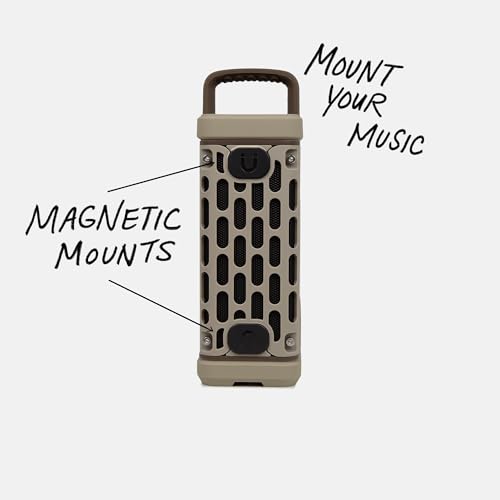
The magnetic mounting system deserves special mention. Dual powerful magnets embedded in the speaker's sides create surprisingly strong attachment to metal surfaces. Whether you're mounting it to a truck tailgate, a cooler, or construction equipment, the magnetic hold is strong enough to withstand vibration and movement while remaining easy to reposition.
Despite its compact dimensions, the Turtlebox Ranger produces an impressive 105 decibels of maximum output. To put this in perspective, normal conversation registers around 60 decibels, while 105 decibels approaches the volume of a chainsaw or motorcycle. This level of output from a 2.4-pound speaker is genuinely remarkable and speaks to the efficiency of its Class D amplification.
Class D amplifiers, sometimes called "digital" amplifiers, switch on and off thousands of times per second to reproduce audio signals. This switching approach generates less heat and uses battery power more efficiently than traditional analog amplifiers, making them ideal for portable applications. The Turtlebox Ranger combines this efficient amplification with enhanced DSP tuning specifically optimized for outdoor environments.
The speaker's dual 2-inch waterproof drivers work in conjunction with passive bass radiators – essentially speaker cones without magnets that vibrate in response to air pressure changes inside the speaker cabinet. This passive radiator design allows for deeper bass response than would be possible with active drivers alone in such a compact enclosure.
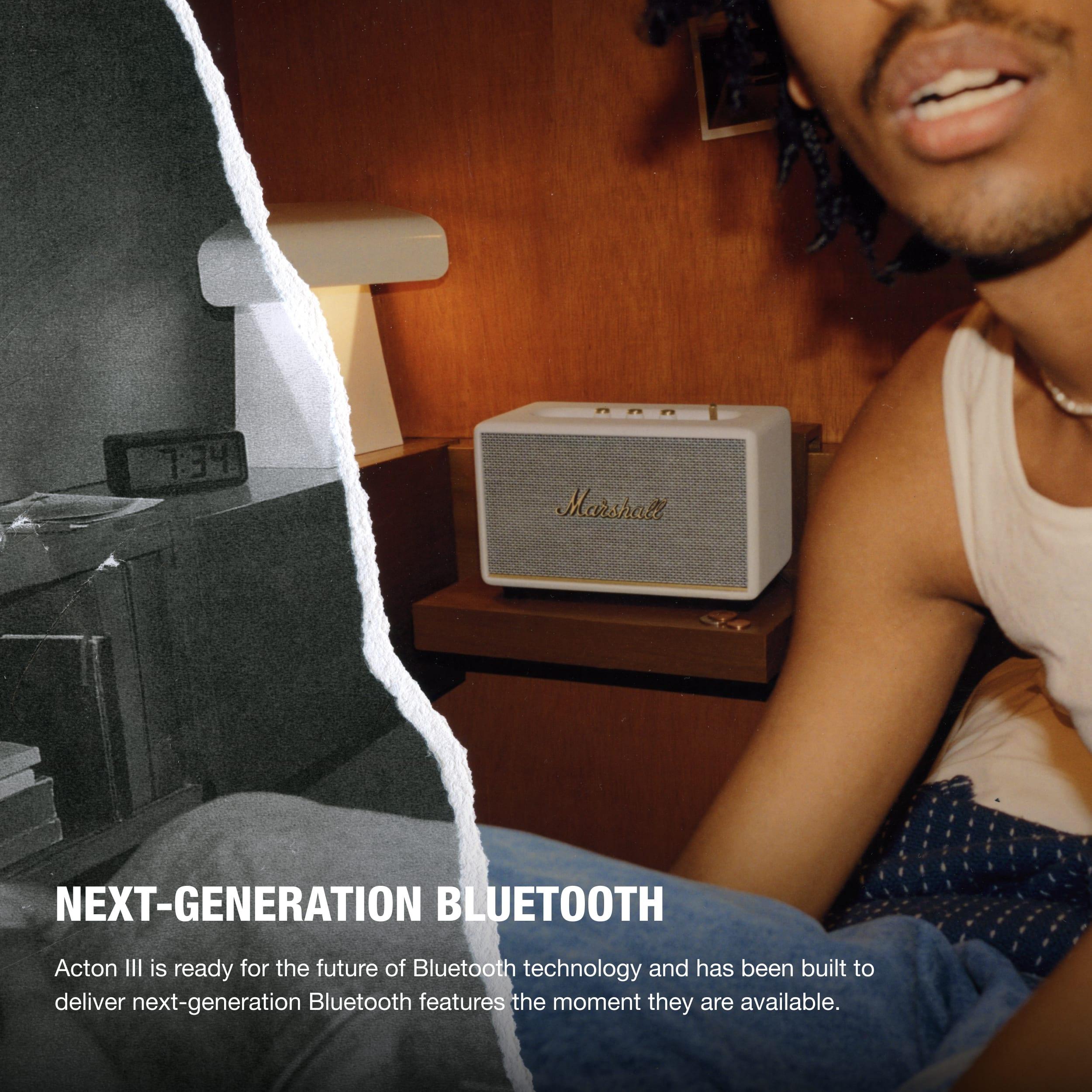
The Ranger's Bluetooth 5.4 connectivity represents the latest wireless standard, offering improved range, better audio sync, and more stable connections compared to older Bluetooth versions. The 100-foot range specification is particularly valuable for outdoor use where you might want to leave your phone at a campsite while the speaker provides audio for activities nearby.
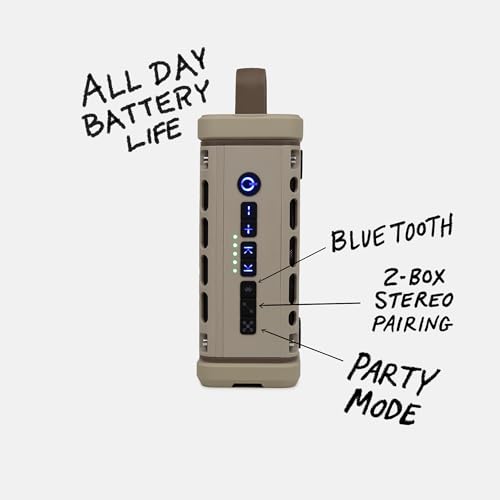
Party Mode functionality allows unlimited pairing with other compatible Turtlebox speakers, creating a distributed audio system perfect for large gatherings. True Wireless Stereo (TWS) mode enables two Turtlebox Rangers to function as dedicated left and right channels, providing genuine stereo separation that single speakers cannot achieve.
The built-in USB-C port serves dual purposes: charging the speaker and acting as a power bank for external devices. With outdoor activities often taking you away from power sources for extended periods, having your speaker double as a phone charger can be genuinely useful.
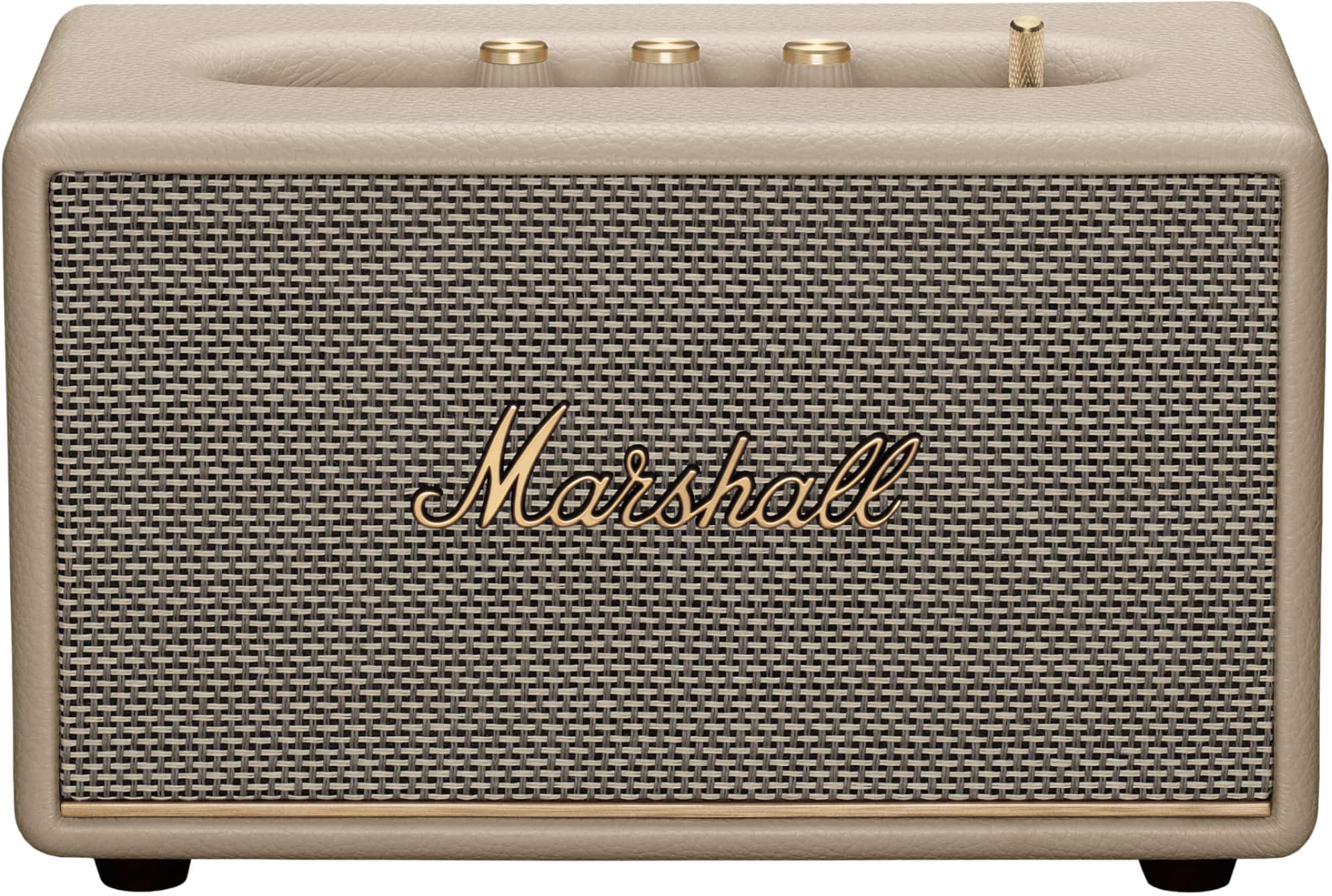
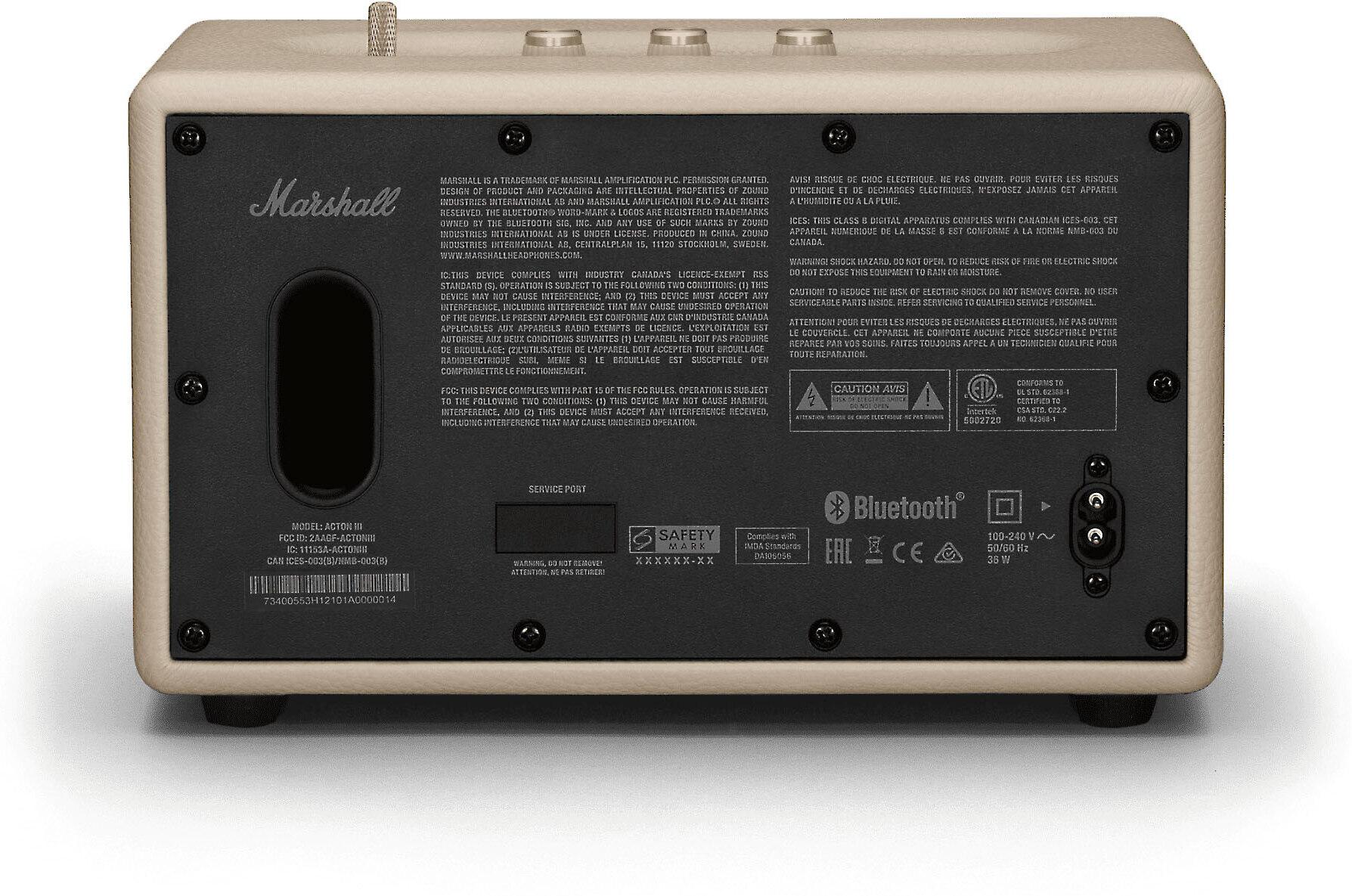
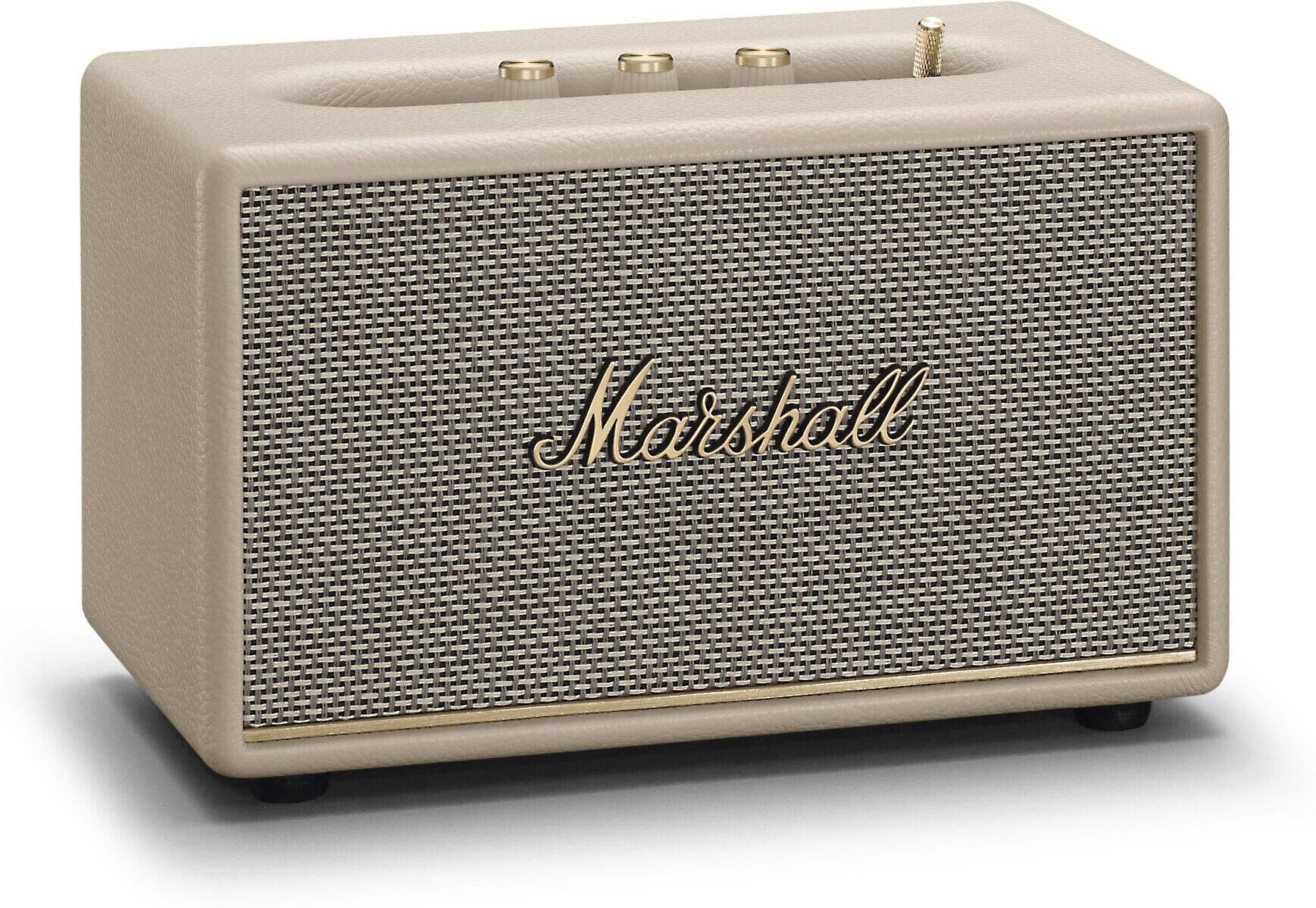
Released in 2022, the Marshall Acton III represents Marshall's continued evolution of their iconic amplifier aesthetic into the home audio space. While Marshall built their reputation on guitar amplifiers used by legendary rock musicians, their speaker division has successfully translated that design language and audio expertise into consumer products.
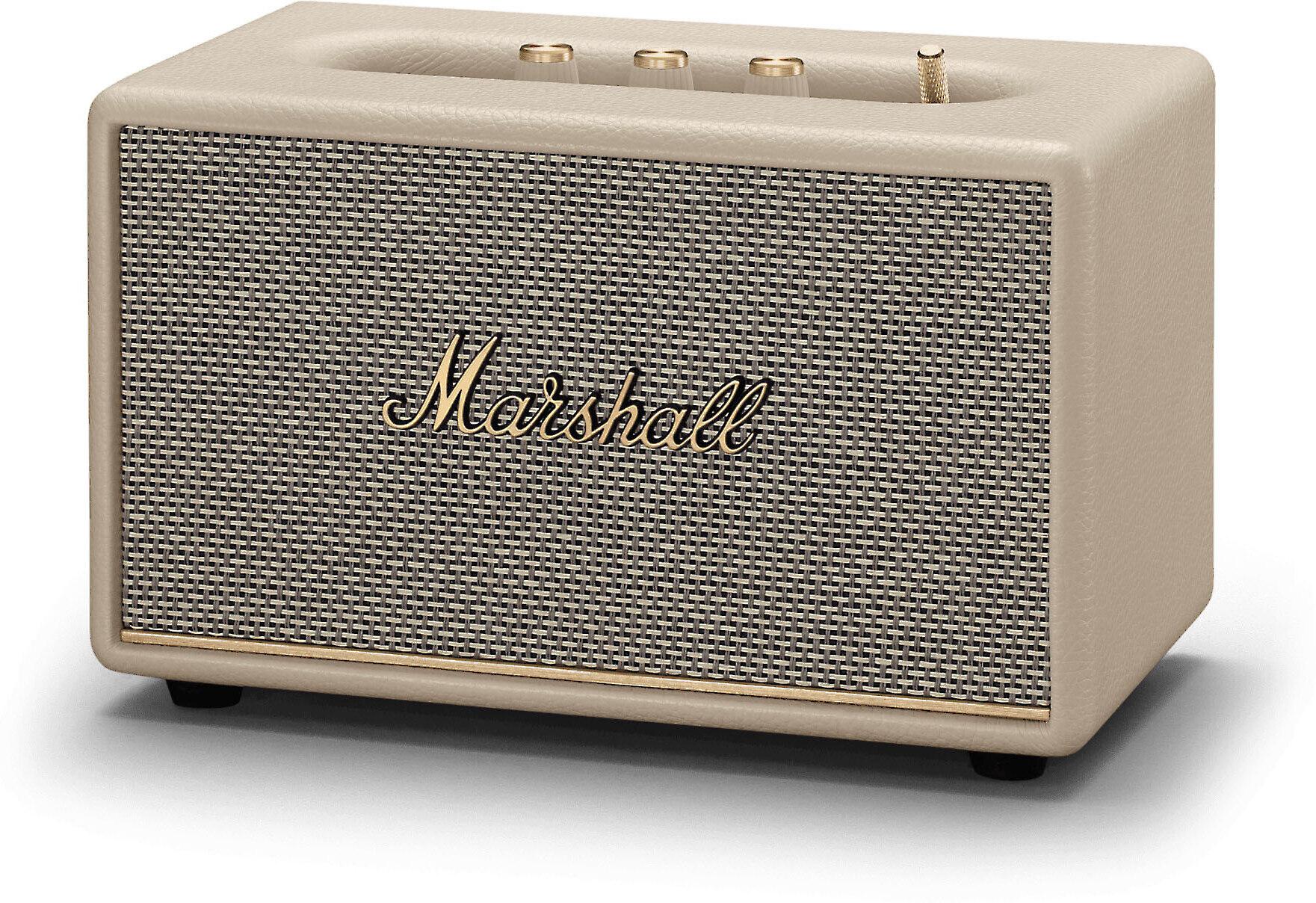
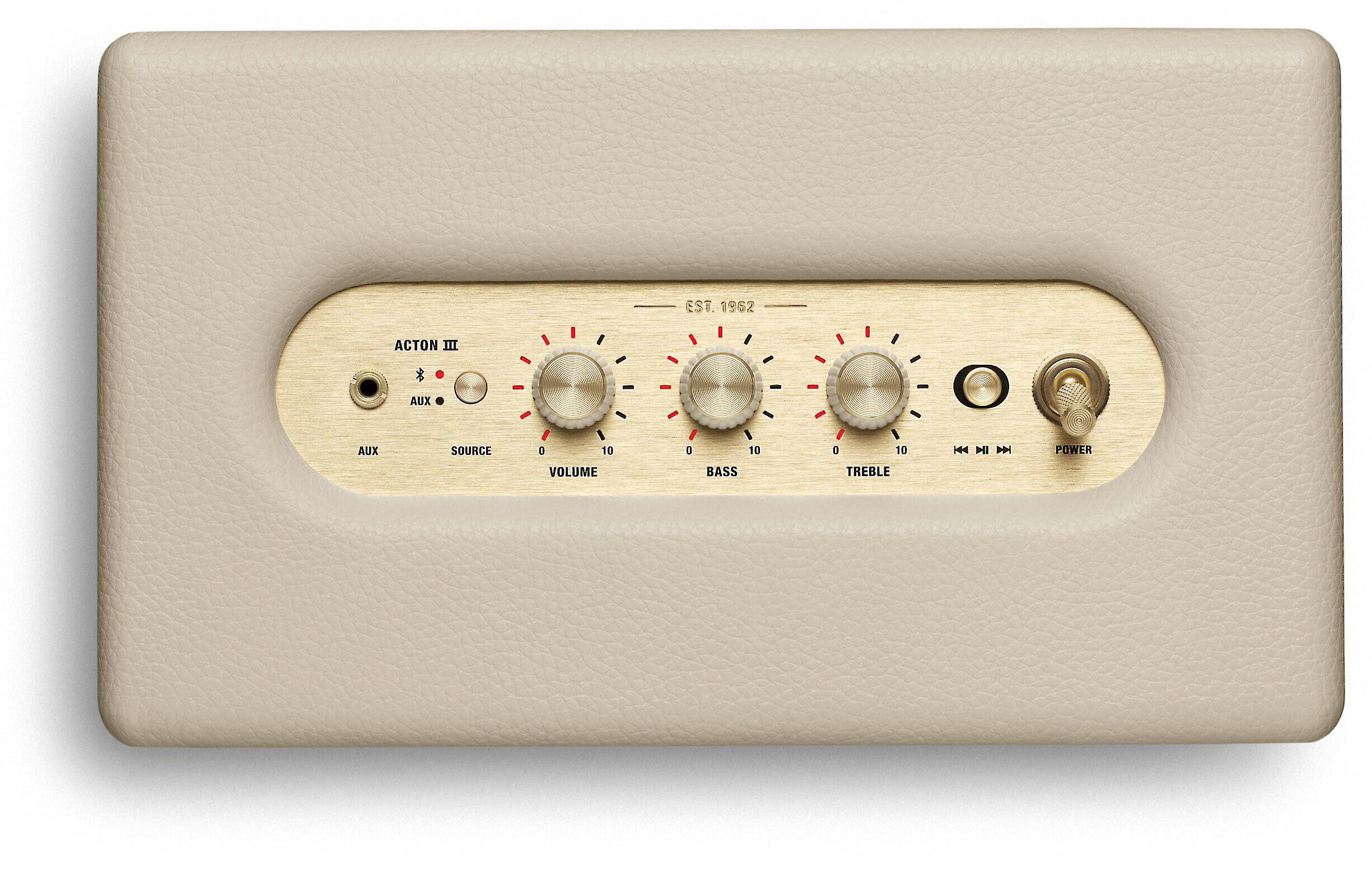
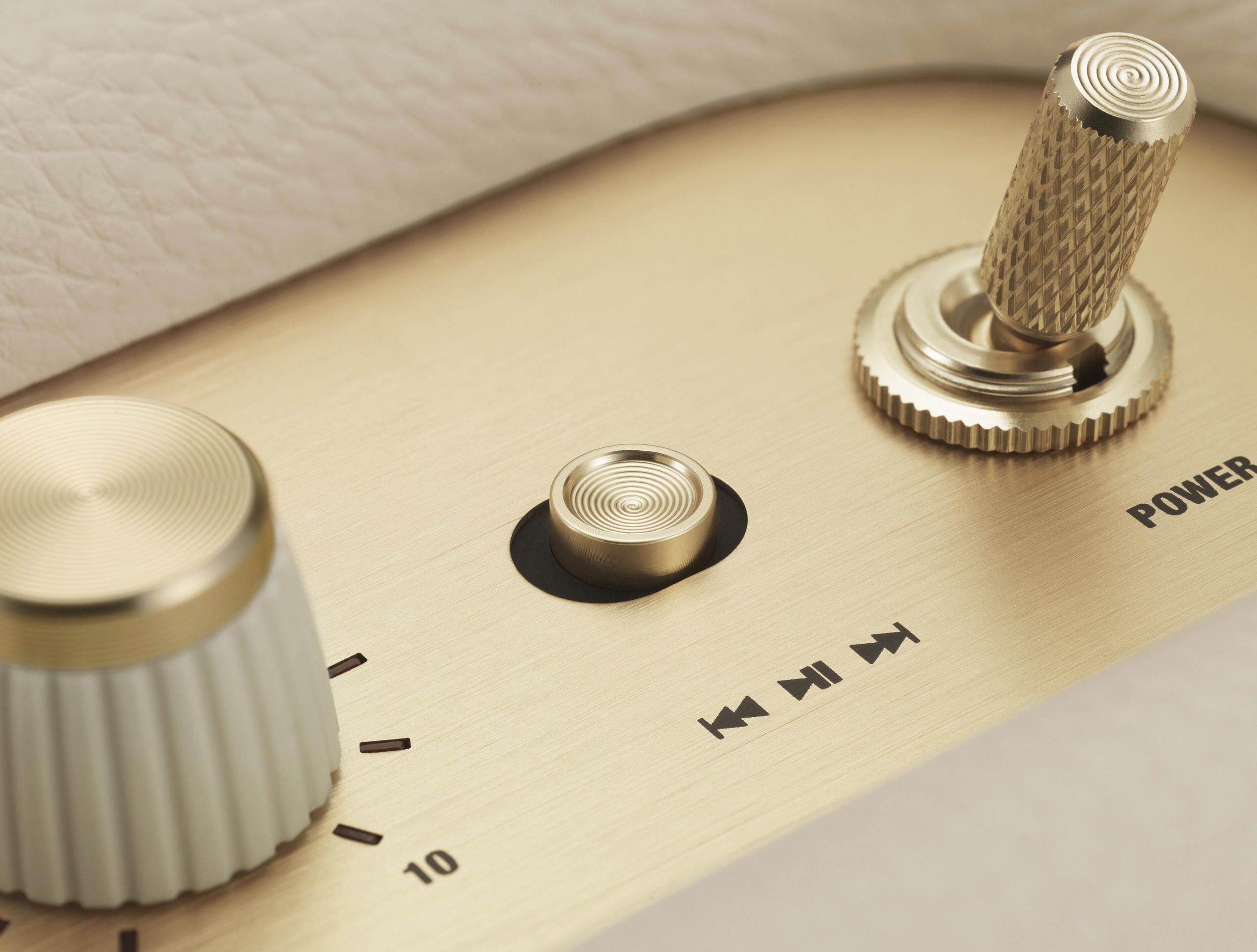
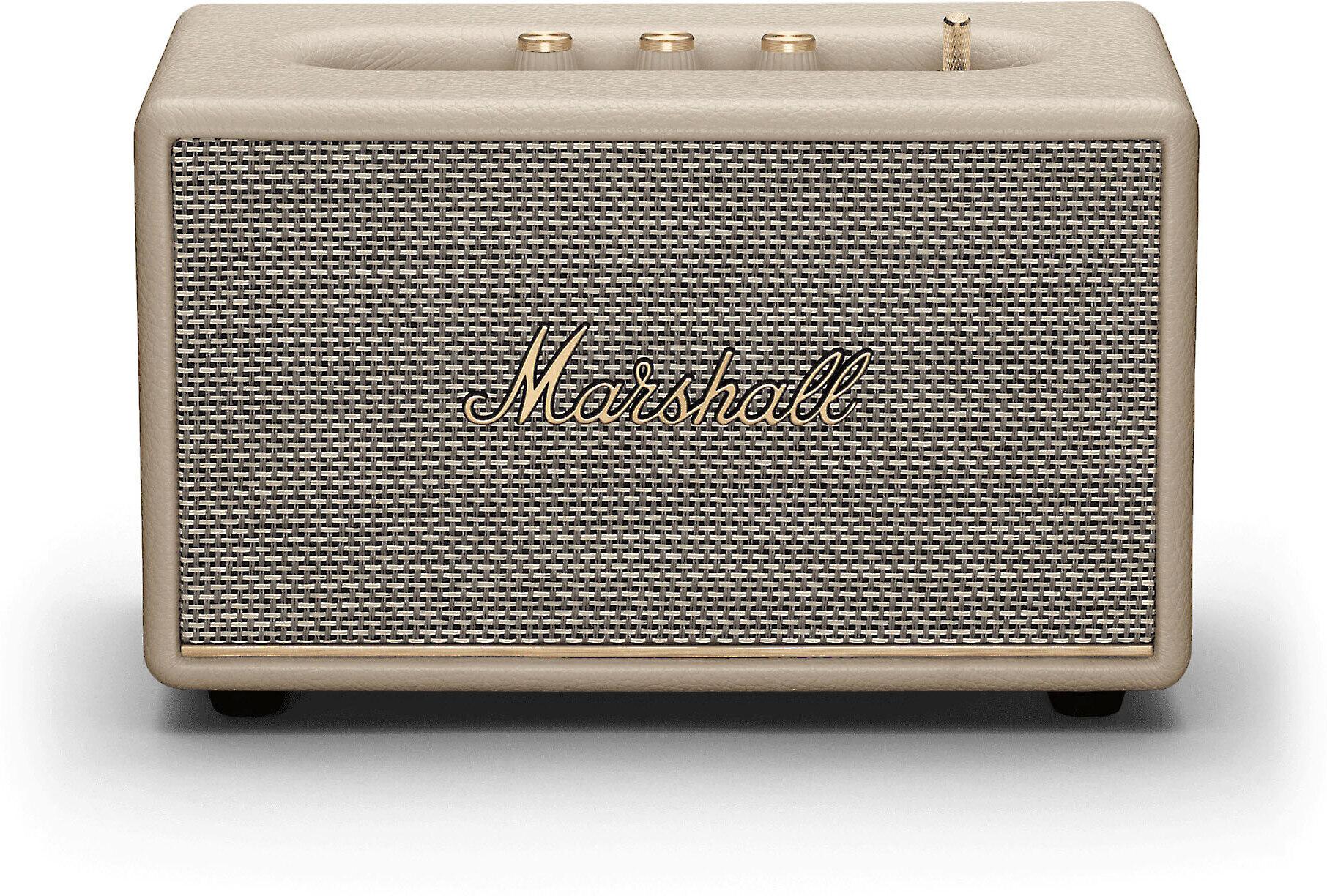
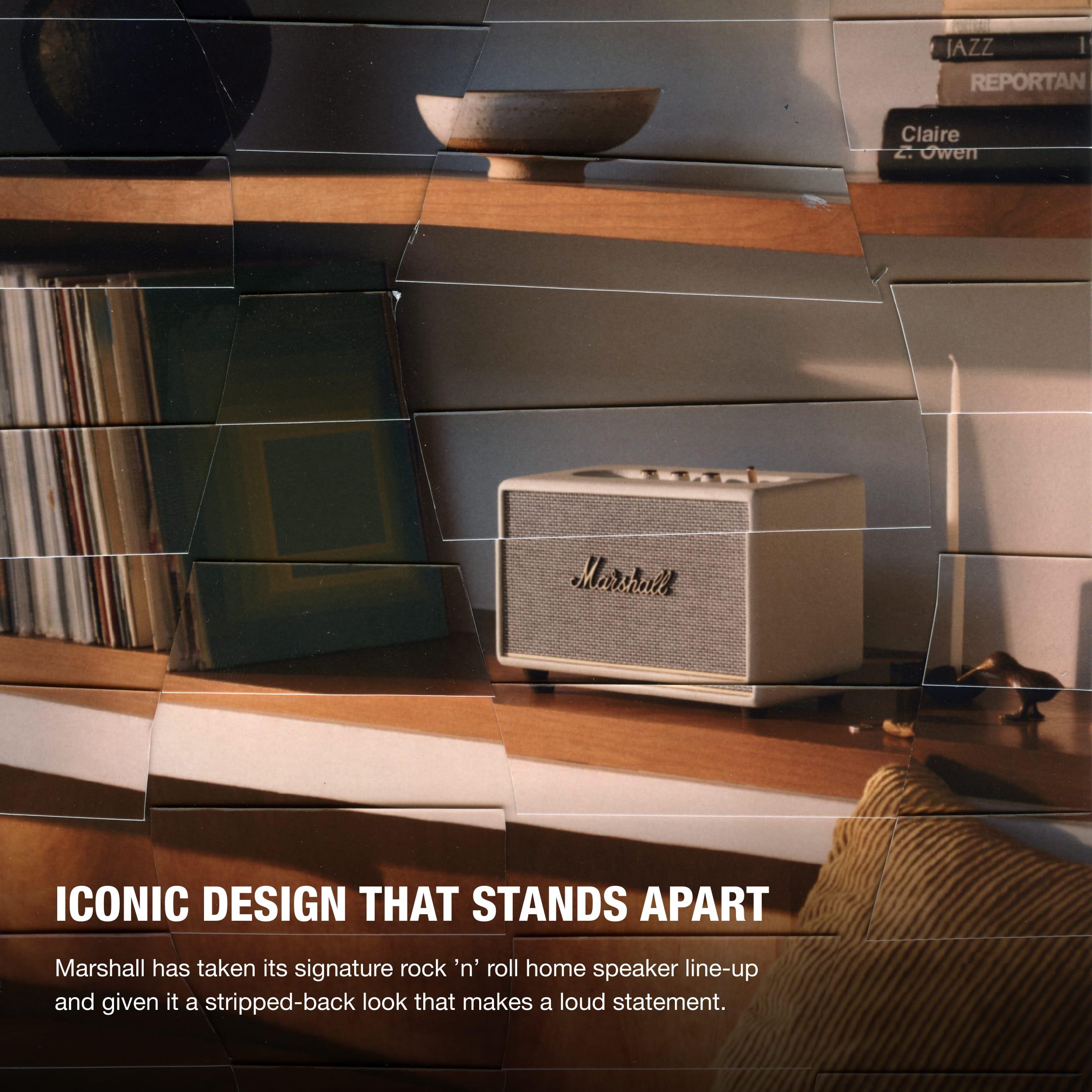
The Marshall Acton III looks like a miniature version of Marshall's classic guitar amplifiers, complete with the distinctive script logo, textured vinyl covering, and brass control knobs. This isn't mere nostalgia – the design serves functional purposes. The brass knobs provide precise, tactile control over bass, treble, and volume without requiring a smartphone app. The upright orientation optimizes the speaker's internal acoustic design while creating visual impact as a room accent.
At 6 pounds, the Acton III feels substantial and well-built. The weight comes from robust internal components and a solid cabinet that minimizes unwanted vibrations. The speaker's dimensions (10.24" x 5.91" x 6.69") make it large enough to house proper drivers while remaining manageable for most surfaces.
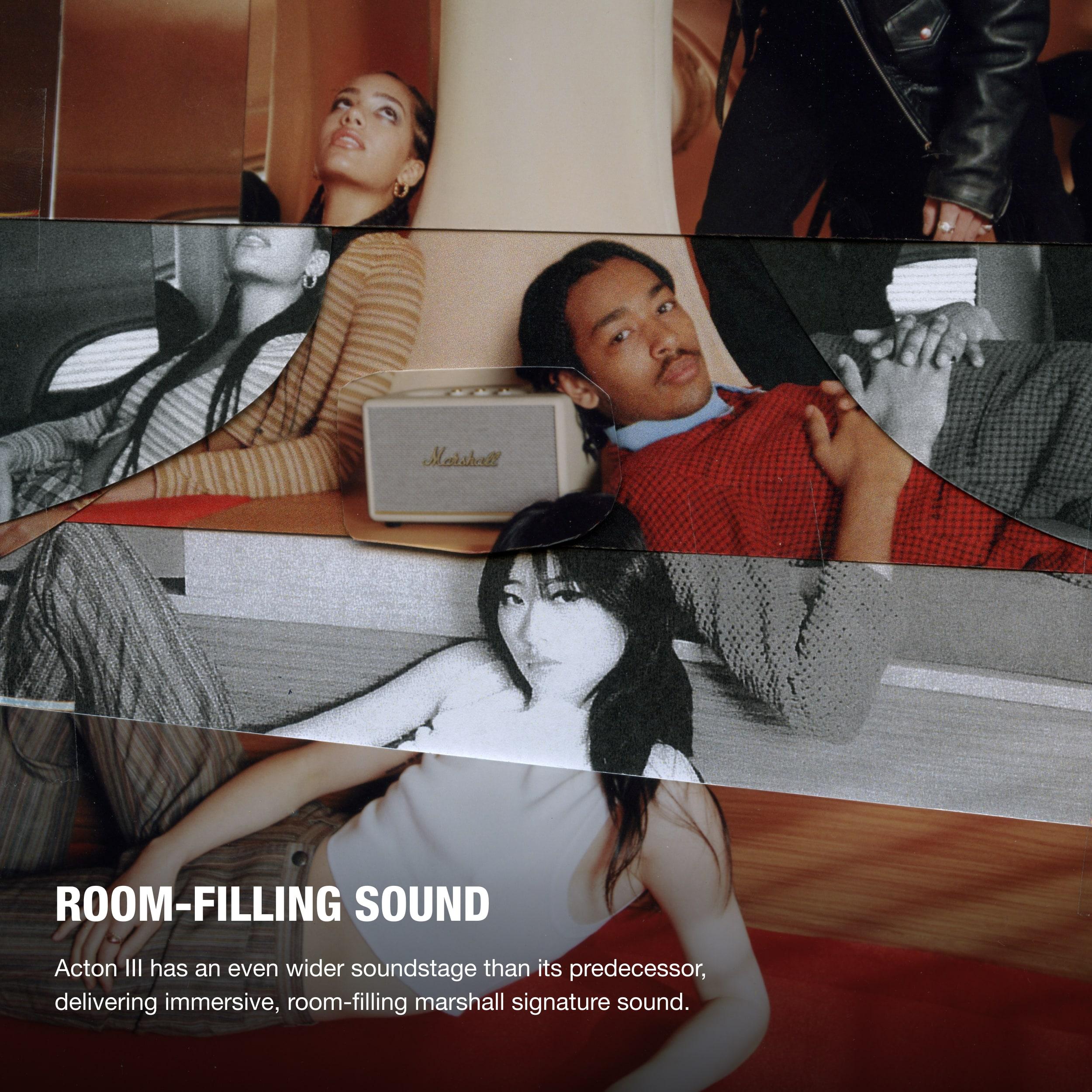
The Marshall Acton III employs a two-way driver design with separate tweeters for high frequencies and a woofer for mid and bass frequencies. The dual 0.75-inch tweeters are angled outward to create a wider stereo soundstage than typical single-driver or coaxial designs. This outward angling helps the speaker fill a room with sound rather than beaming it in a narrow direction.
Dynamic Loudness technology automatically adjusts the tonal balance as volume changes. At lower volumes, human hearing becomes less sensitive to bass and treble frequencies relative to midrange. Dynamic Loudness compensates by boosting these frequencies at low volumes, ensuring music sounds full and balanced whether you're listening at background levels or cranking it up.
Placement Compensation, accessible through the Marshall smartphone app, analyzes the speaker's acoustic environment and adjusts output accordingly. Placing a speaker near a wall typically boosts bass response due to boundary reinforcement, while corner placement can create even more dramatic bass buildup. Placement Compensation helps normalize these effects for more consistent sound regardless of where you position the speaker.
The Acton III's 60-watt total amplification divides into 30 watts for the main woofer and 15 watts each for the dual tweeters. This bi-amplified design allows each driver to receive power specifically optimized for its frequency range, typically resulting in cleaner sound and better dynamic range compared to speakers where all drivers share a single amplifier channel.
The requirement for AC power might seem limiting compared to battery-powered alternatives, but it enables consistent high-power output without concerns about battery degradation or runtime limitations. For home use, the power cord rarely presents practical limitations while ensuring the speaker always performs at peak capability.
The Turtlebox Ranger clearly dominates in maximum volume output. Its 105-decibel capability means it can easily fill large outdoor spaces, overcome wind noise, and provide clear audio even during active, noisy activities. This volume advantage isn't just about being louder – it's about maintaining audio clarity in challenging acoustic environments where competing sounds demand higher output levels.
The Marshall Acton III doesn't specify maximum decibel output, focusing instead on power ratings. Based on our research of user experiences and expert reviews, the Acton III produces ample volume for indoor use but would struggle in outdoor environments where ambient noise and lack of acoustic boundaries reduce apparent loudness.
Sound quality comparisons between these speakers require considering their intended environments. The Turtlebox Ranger prioritizes clarity and punch that cuts through outdoor ambient noise. Reviews consistently praise its ability to maintain definition at maximum volume without the distortion that plagues many portable speakers when pushed to their limits.
The Marshall Acton III takes a different approach, optimizing for the controlled acoustic environment of indoor spaces. Its wider stereo soundstage creates a more immersive listening experience for seated listening, while the comprehensive EQ controls allow fine-tuning for personal preferences and room acoustics.
Neither speaker attempts to be neutral or reference-quality in the audiophile sense. The Ranger emphasizes presence and clarity for outdoor use, while the Acton III embraces Marshall's signature sound character with enhanced bass response and forward midrange that makes vocals and lead instruments prominent in the mix.
The Ranger's Bluetooth 5.4 implementation provides superior range and stability compared to the Acton III's Bluetooth 5.2. More significantly, the Turtlebox Ranger's Party Mode and TWS capabilities enable multi-speaker setups that the Acton III cannot match.
However, the Marshall Acton III offers deeper integration with its dedicated smartphone app, providing EQ customization, Placement Compensation, and other advanced features that enhance the single-speaker experience.
Neither speaker is designed as a home theater solution, but their characteristics make them suitable for different casual viewing scenarios. The Marshall Acton III's stereo design and room-filling capabilities make it a reasonable choice for improving TV audio in bedrooms or smaller spaces where a full soundbar setup isn't practical.
The Turtlebox Ranger could serve outdoor entertainment areas where you might set up a projector for backyard movie nights, but its mono output and optimization for ambient noise environments make it less suitable for dialog clarity in traditional home theater applications.
At the time of writing, the Turtlebox Ranger commands a premium price for a portable speaker but justifies this through its extreme durability and unique feature set. The magnetic mounting, infinite speaker pairing, and genuine ruggedness represent capabilities simply unavailable in conventional portable speakers.
The Marshall Acton III sits in the upper tier of home Bluetooth speakers, competing with offerings from established audio companies. Its price reflects the premium materials, comprehensive app integration, and Marshall's brand heritage. For users prioritizing aesthetics and customization in home environments, the investment aligns with the enhanced experience it provides.
Choose the Turtlebox Ranger if your lifestyle involves regular outdoor activities, travel, or work in challenging environments. Its combination of extreme durability, impressive volume output, and true portability makes it irreplaceable for camping, beach days, construction sites, or any situation where conventional speakers would fail. The ability to pair multiple units creates scalable audio solutions for everything from intimate gatherings to large outdoor events.
The Marshall Acton III excels as a permanent home audio solution where aesthetics matter as much as sound quality. If you want a speaker that enhances your living space while providing customizable, room-filling audio, the Acton III delivers exceptional value. Its comprehensive app integration and physical controls offer the kind of user experience that makes daily interaction genuinely enjoyable.
The fundamental question remains: Do you need audio that travels with you into challenging environments, or do you want to elevate your home listening experience? Answer that honestly, and your choice becomes clear. Both speakers excel in their intended roles – just make sure you're choosing the right role for your lifestyle.
| Turtlebox Ranger | Marshall Acton III |
|---|---|
| Maximum Volume Output - Critical for outdoor use and large spaces | |
| 105 dB (extremely loud, cuts through ambient noise) | 60W total power (good for indoor spaces, dB not specified) |
| Portability & Power Source - Determines where you can use the speaker | |
| 2.4 lbs, 25.2Wh battery (12+ hours playback) | 6 lbs, AC power required (unlimited runtime but stationary) |
| Weather Resistance - Essential for outdoor and harsh environment use | |
| IP67 waterproof (submersible up to 3 feet, dust/drop proof) | No weather protection (indoor use only) |
| Audio Configuration - Affects sound quality and stereo imaging | |
| Mono output with dual 2" drivers + passive radiators | Stereo with dual 0.75" tweeters + 4" woofer |
| Bluetooth Technology - Impacts connection stability and range | |
| Bluetooth 5.4 with 100-foot range | Bluetooth 5.2 with 30-foot range |
| Multi-Speaker Capabilities - For scaling up your audio system | |
| Party Mode (infinite pairing) + TWS stereo pairing | No multi-speaker pairing available |
| Sound Customization - How much you can fine-tune audio | |
| Basic DSP tuning optimized for outdoors | Comprehensive app EQ + physical bass/treble knobs + Dynamic Loudness |
| Mounting Options - Affects placement flexibility | |
| Magnetic side mounts + stainless steel tie-downs | Standard placement on surfaces only |
| Additional Features - Extra functionality beyond basic audio | |
| USB-C device charging (power bank function) | 3.5mm aux input + Marshall smartphone app integration |
| Design Philosophy - Reflects intended use case | |
| Rugged outdoor adventure companion | Premium home audio with classic Marshall aesthetics |
The Turtlebox Ranger is specifically designed for outdoor use with its IP67 waterproof rating, crush-proof construction, and 105 dB maximum volume output that cuts through ambient noise. The Marshall Acton III has no weather protection and is designed exclusively for indoor use, making the Turtlebox Ranger the clear winner for camping, beach days, and outdoor activities.
Only the Turtlebox Ranger offers true portability with its 25.2Wh battery providing 12+ hours of playback. The Marshall Acton III requires constant AC power connection, making it a stationary speaker that must stay near electrical outlets.
The Turtlebox Ranger produces significantly higher volume at 105 decibels maximum output, making it ideal for large outdoor spaces and noisy environments. While the Marshall Acton III delivers 60 watts of power, it's optimized for indoor listening rather than maximum volume.
Neither speaker is designed as a dedicated home theater solution. The Marshall Acton III works better for casual TV viewing in bedrooms or smaller spaces due to its stereo design and room-filling capabilities. The Turtlebox Ranger is primarily designed for outdoor use and wouldn't be ideal for dialog clarity in home theater applications.
The Turtlebox Ranger offers Party Mode for pairing unlimited speakers together and True Wireless Stereo (TWS) for connecting two units in left/right stereo configuration. The Marshall Acton III cannot be paired with other speakers and functions only as a single unit.
Sound quality depends on your environment and preferences. The Marshall Acton III offers superior stereo imaging, comprehensive EQ controls, and Dynamic Loudness technology for refined indoor listening. The Turtlebox Ranger prioritizes clarity and punch that maintains definition at high volumes in outdoor environments.
Only the Turtlebox Ranger is waterproof with an IP67 rating, allowing submersion up to 3 feet for 30 minutes plus complete dust and drop protection. The Marshall Acton III has no water resistance and must be kept away from moisture.
Value depends on your use case. The Turtlebox Ranger offers unique capabilities like extreme durability, portability, and multi-speaker pairing that justify its premium pricing for outdoor enthusiasts. The Marshall Acton III provides excellent value for home users wanting premium aesthetics, extensive customization, and quality indoor audio performance.
The Turtlebox Ranger uses newer Bluetooth 5.4 technology with 100-foot range, ideal for outdoor use where you might be far from your device. The Marshall Acton III features Bluetooth 5.2 with 30-foot range, which is sufficient for home use and offers deep integration with the Marshall smartphone app.
Yes, the Turtlebox Ranger includes USB-C passthrough charging that allows you to charge external devices like smartphones directly from the speaker's battery. The Marshall Acton III does not offer device charging capabilities since it's designed for stationary home use.
For outdoor parties, the Turtlebox Ranger excels with its extreme volume output, ability to pair multiple units together, and weather resistance for poolside or backyard events. For indoor gatherings, the Marshall Acton III provides better stereo sound quality and aesthetic appeal, though it cannot be expanded with additional units like the Turtlebox Ranger.
The Turtlebox Ranger is highly portable at just 2.4 pounds with magnetic mounting options and all-day battery life, making it perfect for travel and outdoor adventures. The Marshall Acton III weighs 6 pounds and requires AC power, making it completely stationary and suitable only for permanent placement in homes or offices.
We've done our best to create useful and informative comparisons to help you decide what product to buy. Our research uses advanced automated methods to create this comparison and perfection is not possible - please contact us for corrections or questions. These are the sites we've researched in the creation of this article: fieldandstream.com - tylerstx.com - comparisontabl.es - gearjunkie.com - rogerssportinggoods.com - youtube.com - armorsound.com - simmonssportinggoods.com - turtleboxaudio.com - outdoorhub.com - backpackeroutdoors.com - youtube.com - tennesseevalleyoutsider.com - turtleboxaudio.com - mrfc.com - linecutterz.com - russells.com - turtleboxaudio.com - flyfishfood.com - bestbuy.com - youtube.com - bestbuy.com - pocket-lint.com - bestbuy.com - crutchfield.com - premiumsound.com.au - marshall.com - 2001audiovideo.com - youtube.com - t3.com - bestbuy.com - youtube.com

Privacy Policy
Terms and Conditions - Affiliate Policy
Home Security
© Copyright 2008-2026.
11816 Inwood Rd #1211, Dallas, TX 75244