


When shopping for a wireless speaker today, you're essentially choosing between two completely different philosophies. Do you want a speaker that can survive being dropped in a lake during a camping trip, or one that seamlessly integrates with your smart home and delivers audiophile-quality sound? The Turtlebox Ranger and Sonos Era 100 represent these opposing approaches perfectly—and understanding their differences will help you make the right choice.
The portable speaker market has evolved dramatically over the past few years. What started as simple Bluetooth boxes has split into specialized categories: rugged outdoor speakers built like tanks, and sophisticated smart speakers that happen to be portable. Both approaches have merit, but they serve vastly different needs and lifestyles.
Today's wireless speakers fall into distinct camps based on their primary use case. Rugged outdoor speakers prioritize durability, weather resistance, and maximum volume output to compete with wind, waves, and outdoor ambient noise. These speakers use robust materials like reinforced plastics, rubber gaskets, and waterproof drivers to survive harsh conditions.
Smart home speakers, on the other hand, focus on audio quality, ecosystem integration, and convenience features like voice control. They typically use premium materials and advanced digital signal processing (DSP)—computer algorithms that optimize sound quality—to deliver refined audio experiences in controlled indoor environments.
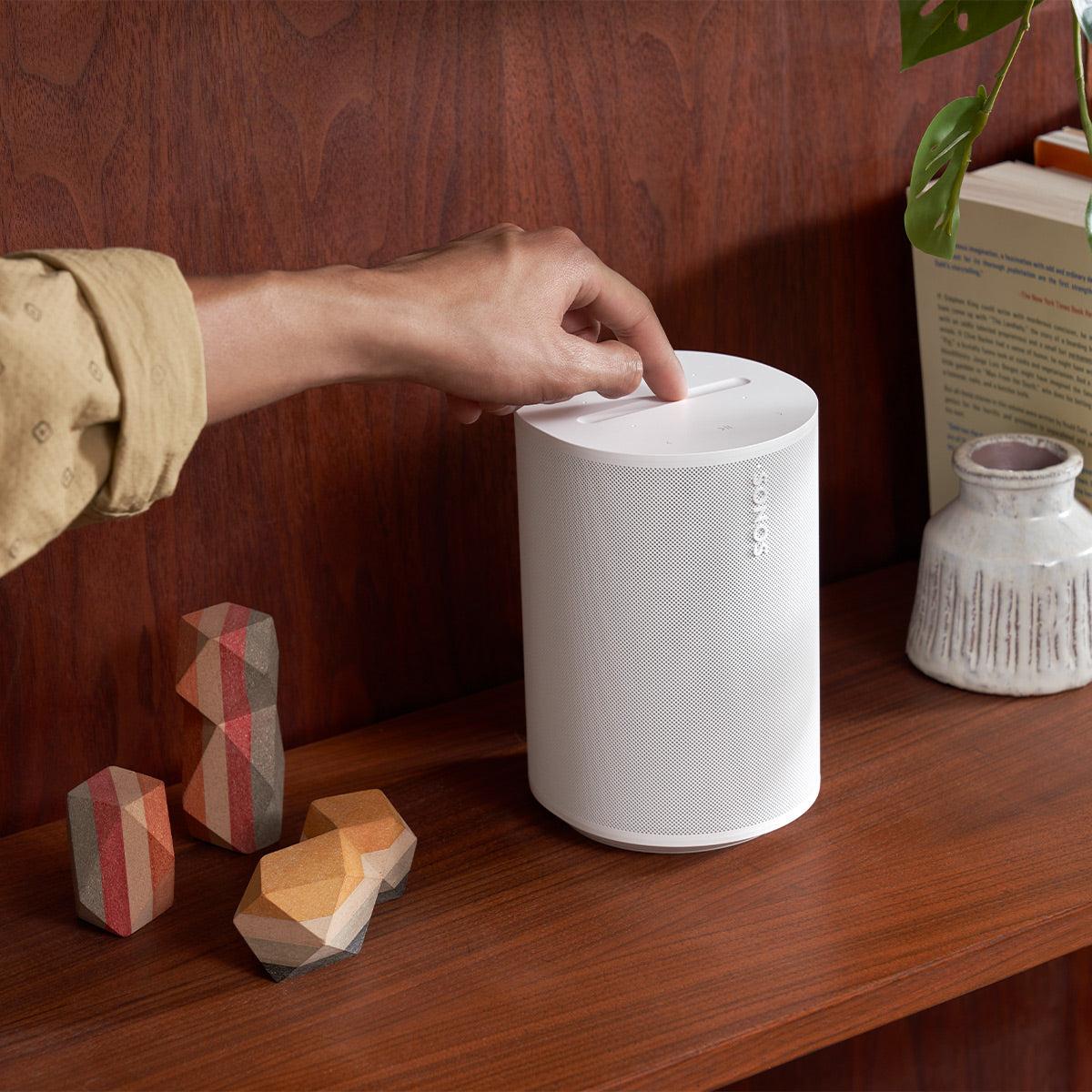
The Turtlebox Ranger, released in 2025, represents the cutting edge of outdoor speaker technology with its IP67 waterproof rating (meaning it can be submerged in up to 3 feet of water for 30 minutes), magnetic mounting system, and party-mode wireless pairing. Meanwhile, the Sonos Era 100, launched in 2023, builds on Sonos's smart home expertise with WiFi 6 connectivity, automatic room tuning, and multi-assistant voice control.
The most fundamental difference between these speakers lies in their audio priorities. The Turtlebox Ranger is engineered to be loud—really loud. Its 105-decibel maximum output easily fills large outdoor spaces and cuts through background noise like wind or conversations. To put this in perspective, 105 dB is roughly equivalent to a chainsaw or motorcycle, making it suitable for beach parties or construction sites where ambient noise would drown out most speakers.
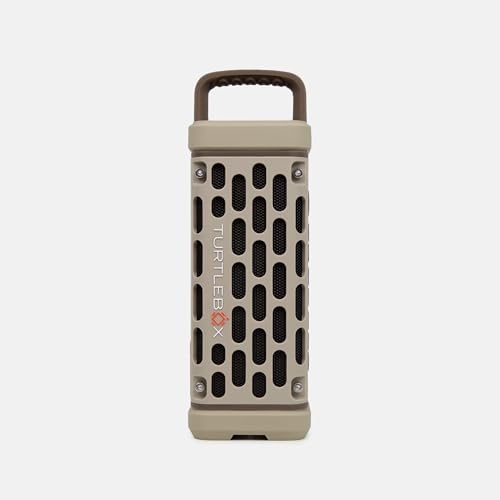
This impressive volume comes from dual 2-inch waterproof drivers powered by a Class D digital amplifier. Class D amplifiers are highly efficient, converting more electrical power into sound rather than heat, which is crucial for battery-powered devices. The Ranger also features a passive 2×4-inch bass radiator—essentially a speaker cone without a magnet that vibrates sympathetically to enhance low-frequency response.
The vertical, pillar-like design of the Ranger distributes sound in all directions, creating what audio engineers call omnidirectional dispersion. This means everyone around the speaker gets relatively equal sound quality, rather than having a sweet spot directly in front.
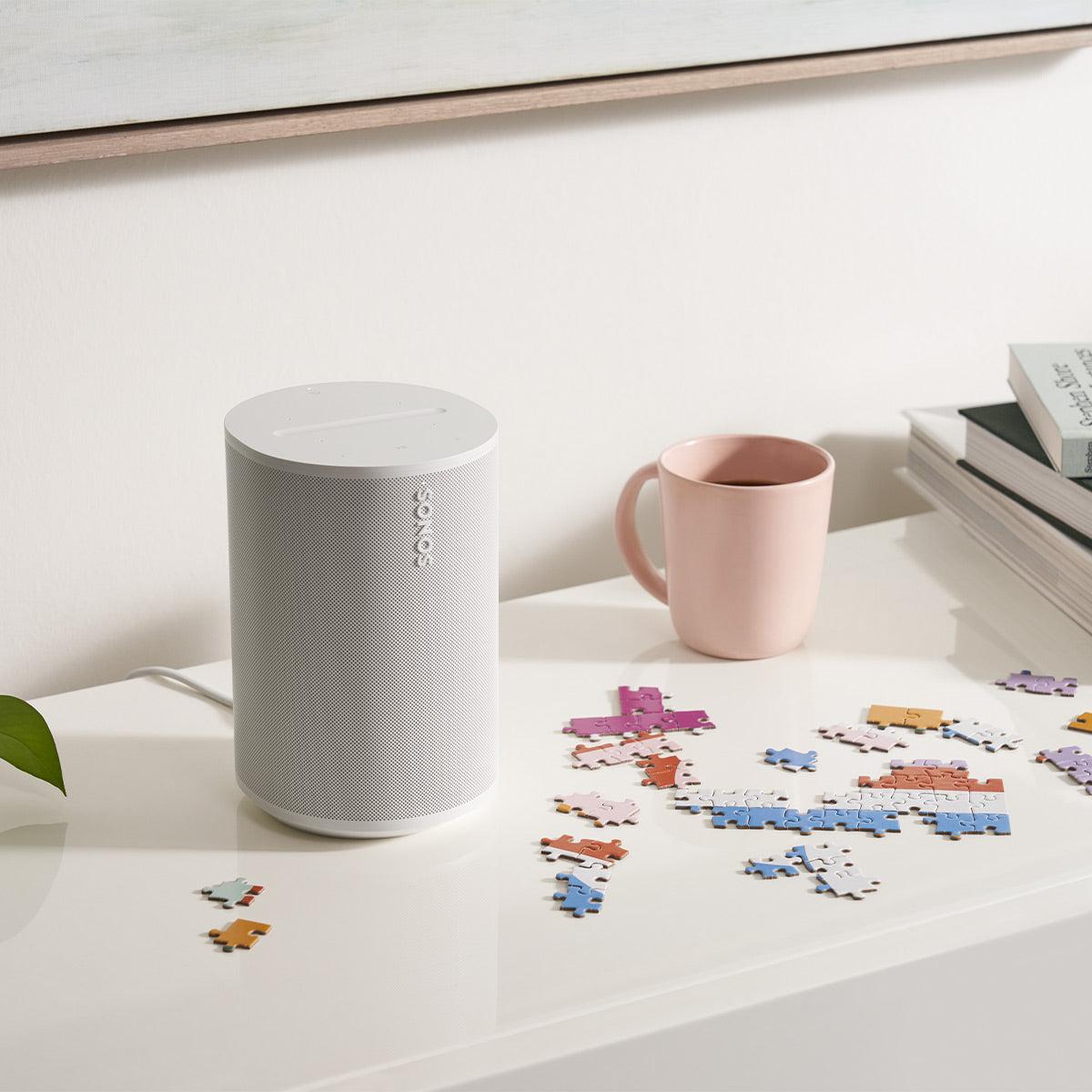
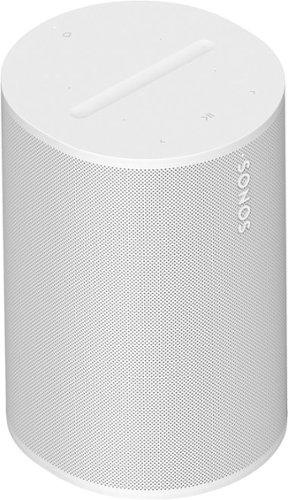
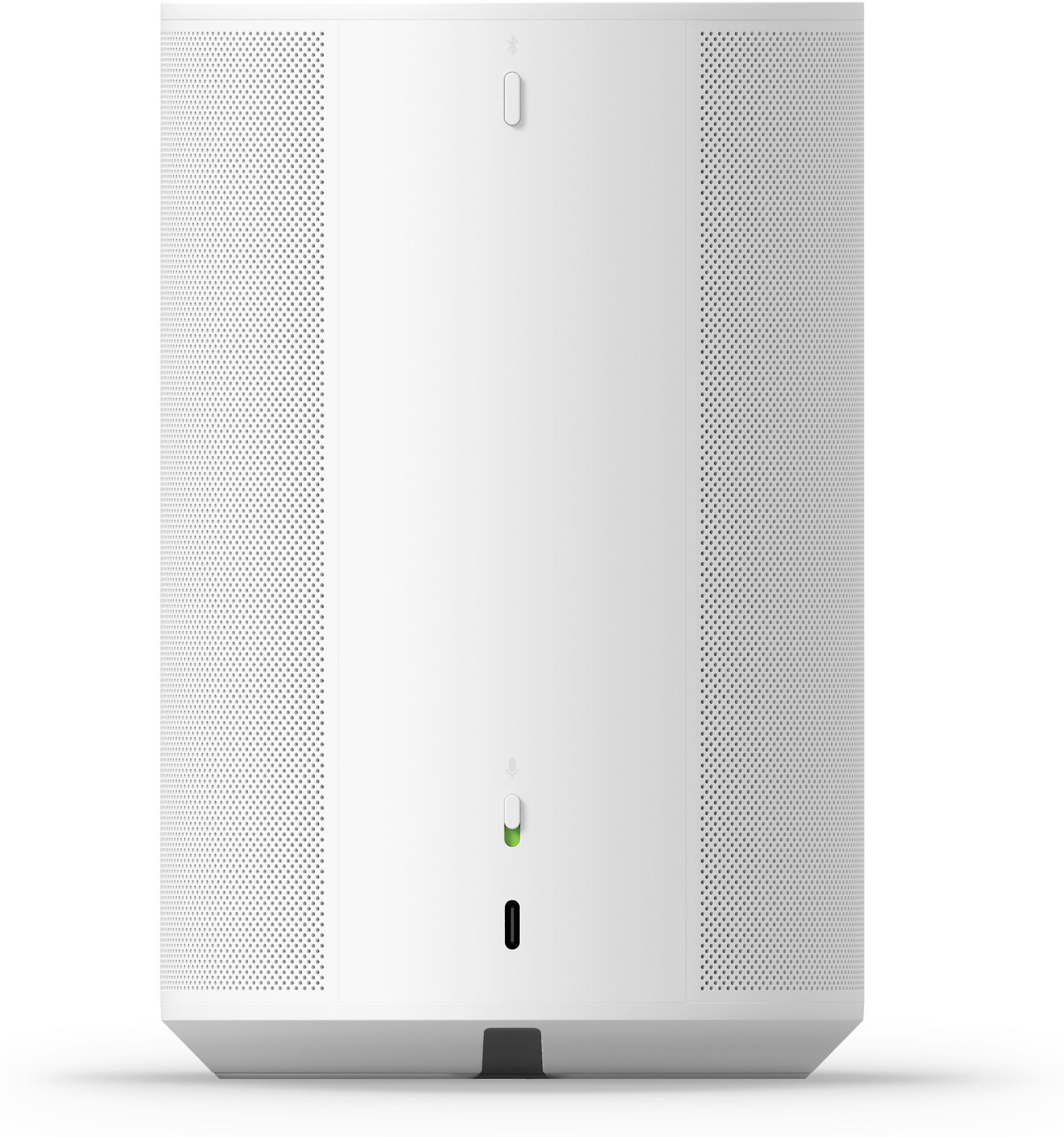
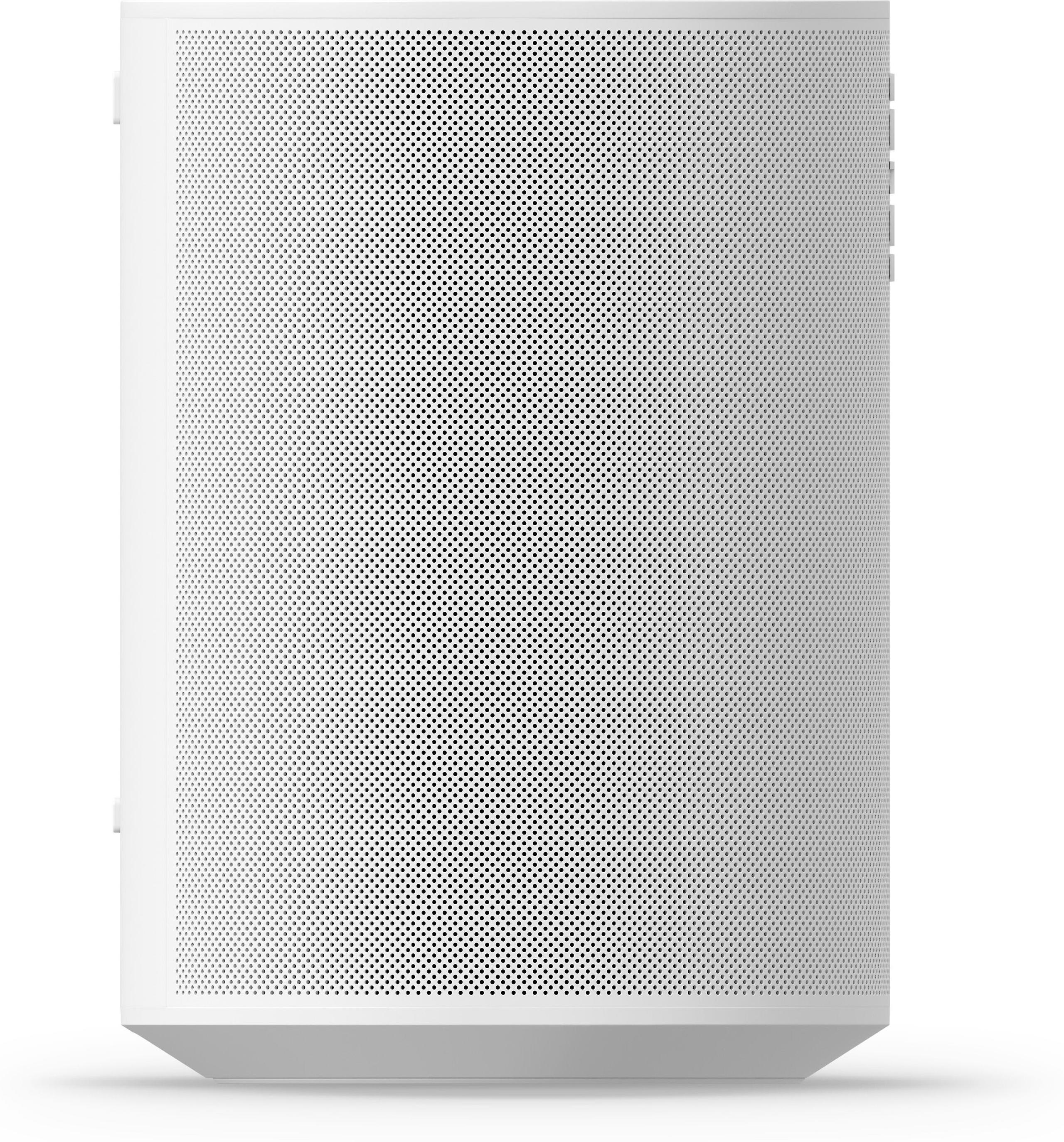
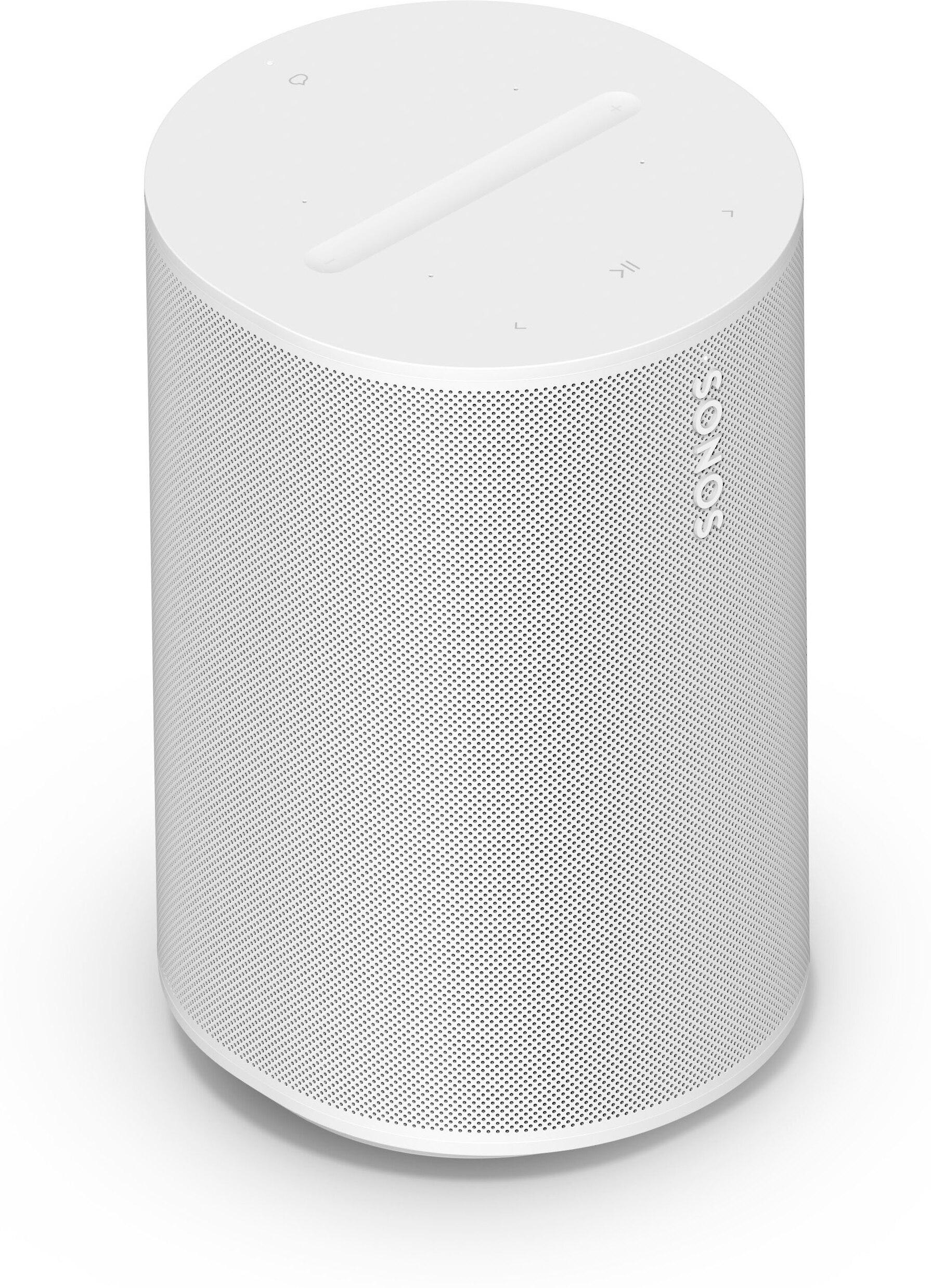
In contrast, the Sonos Era 100 prioritizes audio refinement over raw volume. Its stereo configuration uses two angled tweeters (high-frequency drivers) and one larger woofer (low-frequency driver) to create proper stereo imaging—the ability to distinguish between left and right audio channels for a more immersive listening experience.
What makes the Era 100 special is its Trueplay technology, which uses the speaker's built-in microphones to analyze your room's acoustics and automatically adjust the equalizer settings. Hard surfaces like tile floors create echoes, while soft furnishings absorb sound—Trueplay compensates for these acoustic characteristics to optimize sound quality for your specific environment.
Based on expert reviews and user feedback, the Era 100 delivers noticeably deeper, more controlled bass than its predecessor thanks to a 25% larger woofer. The sound signature is described as balanced and detailed, excelling at reproducing vocals and instruments with clarity that reveals subtle musical nuances.
For pure volume and outdoor performance, the Ranger wins decisively. For detailed, room-optimized indoor listening, the Era 100 takes the crown. Neither approach is inherently better—it depends entirely on where and how you'll use the speaker.
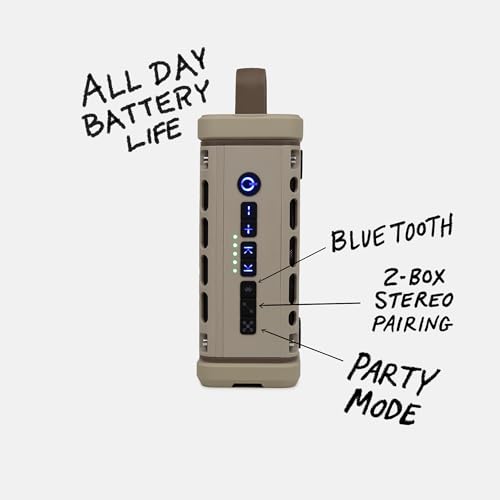
Modern wireless speakers rely on different connection methods, each with distinct advantages. The Turtlebox Ranger uses Bluetooth 5.4, the latest version of this ubiquitous wireless standard. Bluetooth 5.4 offers improved range (up to 100 feet), better power efficiency, and reduced audio latency compared to older versions. The Ranger's Party Mode allows unlimited pairing with other Ranger speakers, creating a distributed sound system perfect for large gatherings.
The speaker also supports True Wireless Stereo (TWS), which splits audio channels between two paired speakers to create proper left-right stereo separation. This is particularly effective outdoors where you can position speakers for optimal coverage.
The Sonos Era 100 takes a more sophisticated approach with multiple connectivity options. WiFi 6, the latest wireless networking standard, provides faster data transfer and better performance in crowded network environments. This allows the speaker to stream music directly from internet services like Spotify or Apple Music without requiring your phone as an intermediary—a significant advantage for battery life and convenience.
Bluetooth 5.0 support means the Era 100 can also connect to any Bluetooth device, while AirPlay 2 integration provides seamless connectivity with Apple devices. The USB-C port supports wired connections through optional adapters.
Where the Era 100 really shines is ecosystem integration. It connects effortlessly with other Sonos speakers for true multi-room audio, allowing you to play the same music throughout your house or different songs in each room. The speaker's far-field microphone array uses beamforming technology—multiple microphones working together to focus on your voice while reducing background noise—for reliable voice control even in noisy environments.
For outdoor adventures and situations where network connectivity is limited, the Ranger's straightforward Bluetooth approach is more reliable. For home use with consistent WiFi and smart home integration needs, the Era 100's sophisticated connectivity options provide significantly more flexibility.
This is where the fundamental difference between these speakers becomes most apparent. The Turtlebox Ranger is built like military equipment, designed to survive conditions that would destroy conventional electronics.
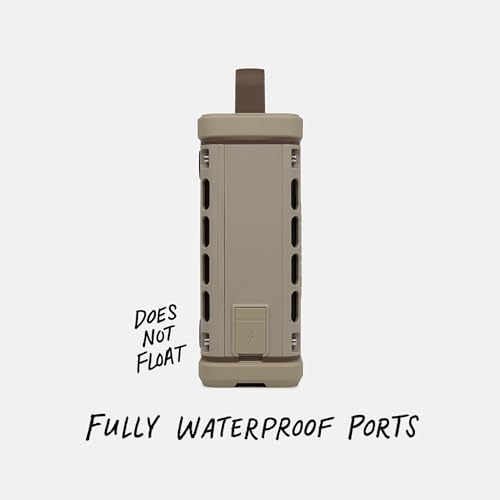
Its IP67 rating means it's completely dustproof and can survive submersion in up to 3 feet of water for 30 minutes. The housing combines ABS plastic—the same durable material used in automotive parts—with rubber bumpers and stainless steel hardware. Silicone gaskets seal all openings, while a built-in breather valve prevents pressure buildup during temperature changes without compromising waterproofing.
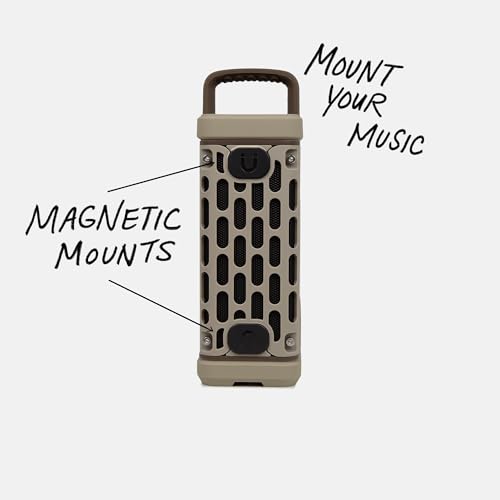
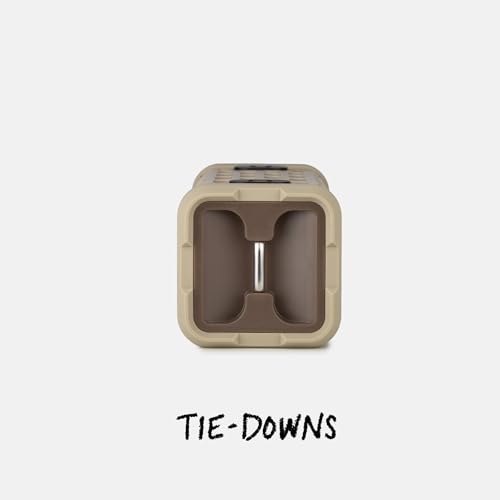
The magnetic mounting system sets the Ranger apart from competitors. Powerful magnets embedded in the speaker's side allow secure attachment to metal surfaces like vehicle hoods, toolboxes, or refrigerators. Combined with stainless steel tie-down points, this provides versatile mounting options for boats, ATVs, or job sites.
Perhaps most importantly, the Ranger is genuinely crush-proof, meaning it can survive being dropped, stepped on, or buried under camping gear without damage. User reviews consistently praise its ability to survive abuse that would destroy other speakers.
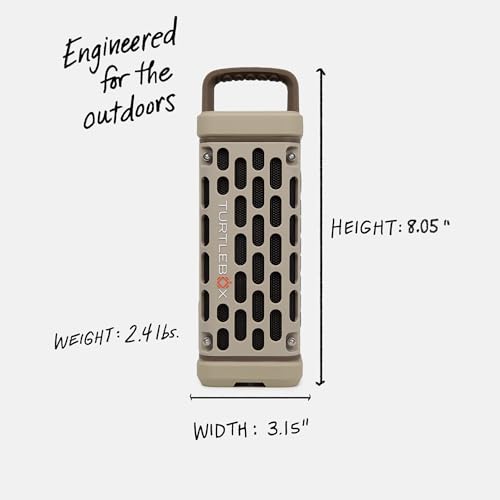
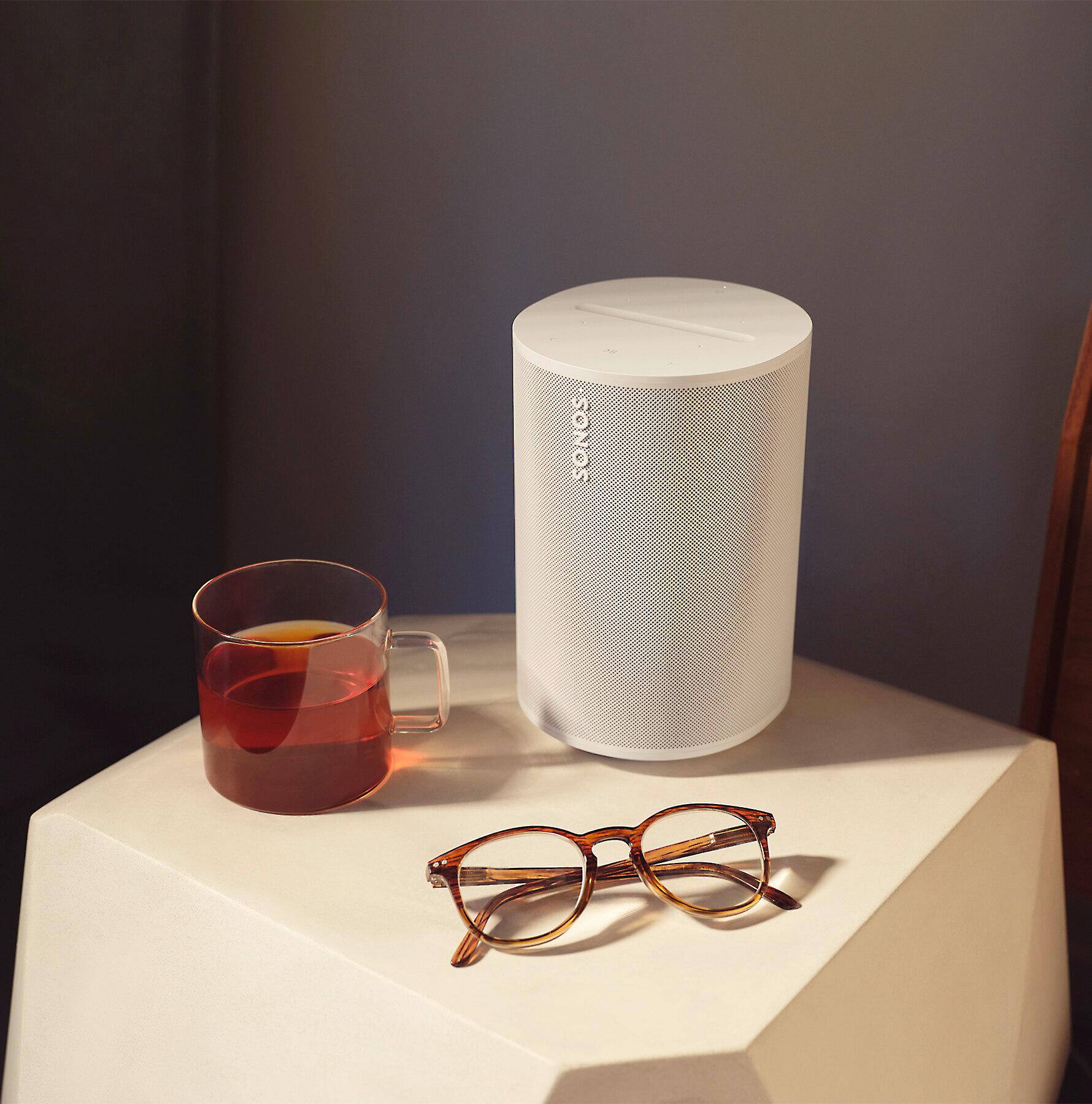
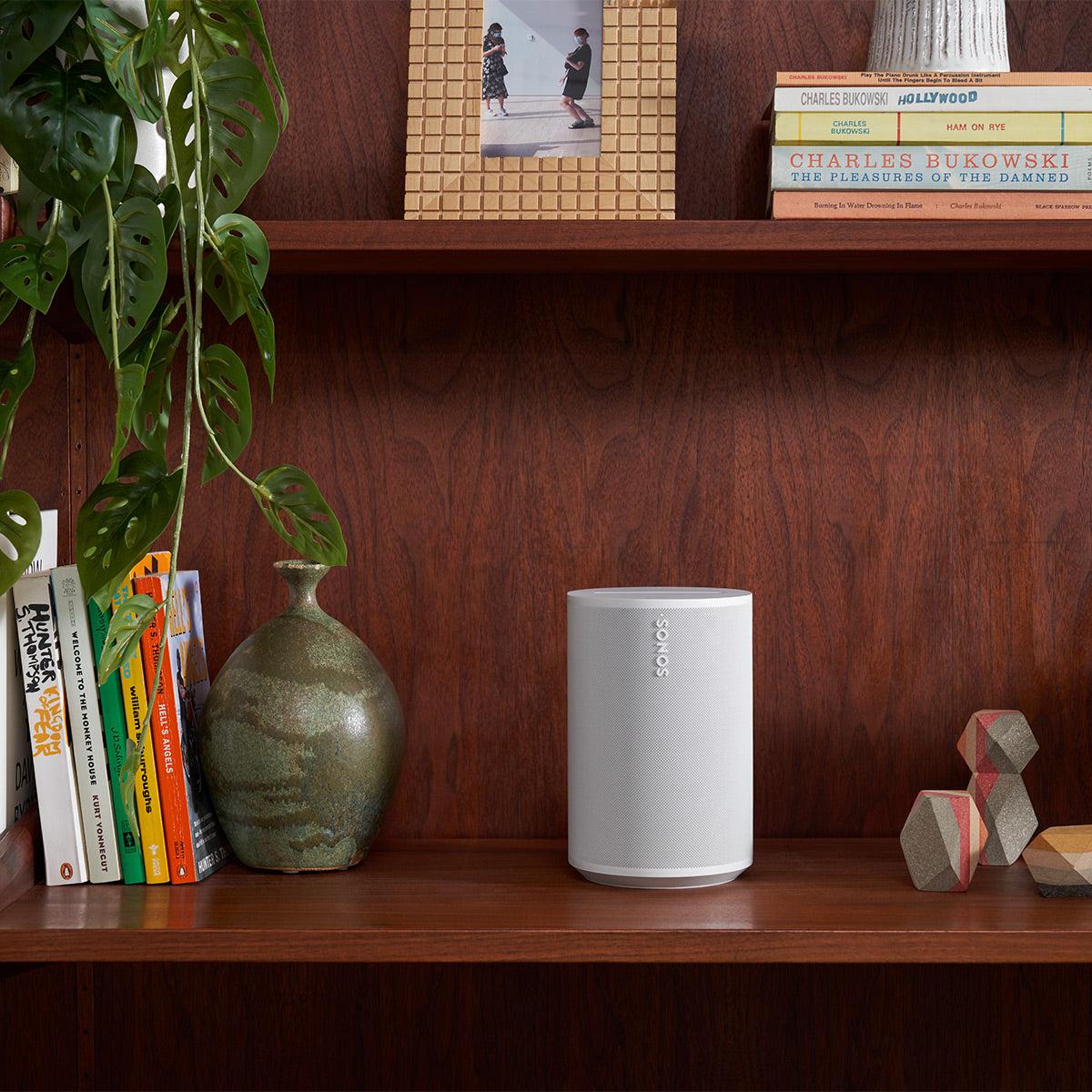
The Sonos Era 100, while well-built, serves a different purpose entirely. Its matte finish and premium materials create an attractive tabletop speaker, but it's only humidity-resistant rather than waterproof. At 4.48 pounds versus the Ranger's 2.4 pounds, it's clearly designed for stationary use rather than adventure portability.
For outdoor enthusiasts, contractors, or anyone whose gear regularly faces harsh conditions, the Ranger's durability is unmatched. For home use, the Era 100's build quality is perfectly adequate and arguably more aesthetically pleasing.
Battery performance reveals another philosophical divide between these speakers. The Turtlebox Ranger prioritizes wireless freedom with its 25.2 watt-hour lithium-ion battery providing 12+ hours of typical use or about 5 hours at maximum volume. More impressively, the USB-C port functions as a power bank, allowing you to charge phones or other devices—invaluable during extended outdoor adventures.
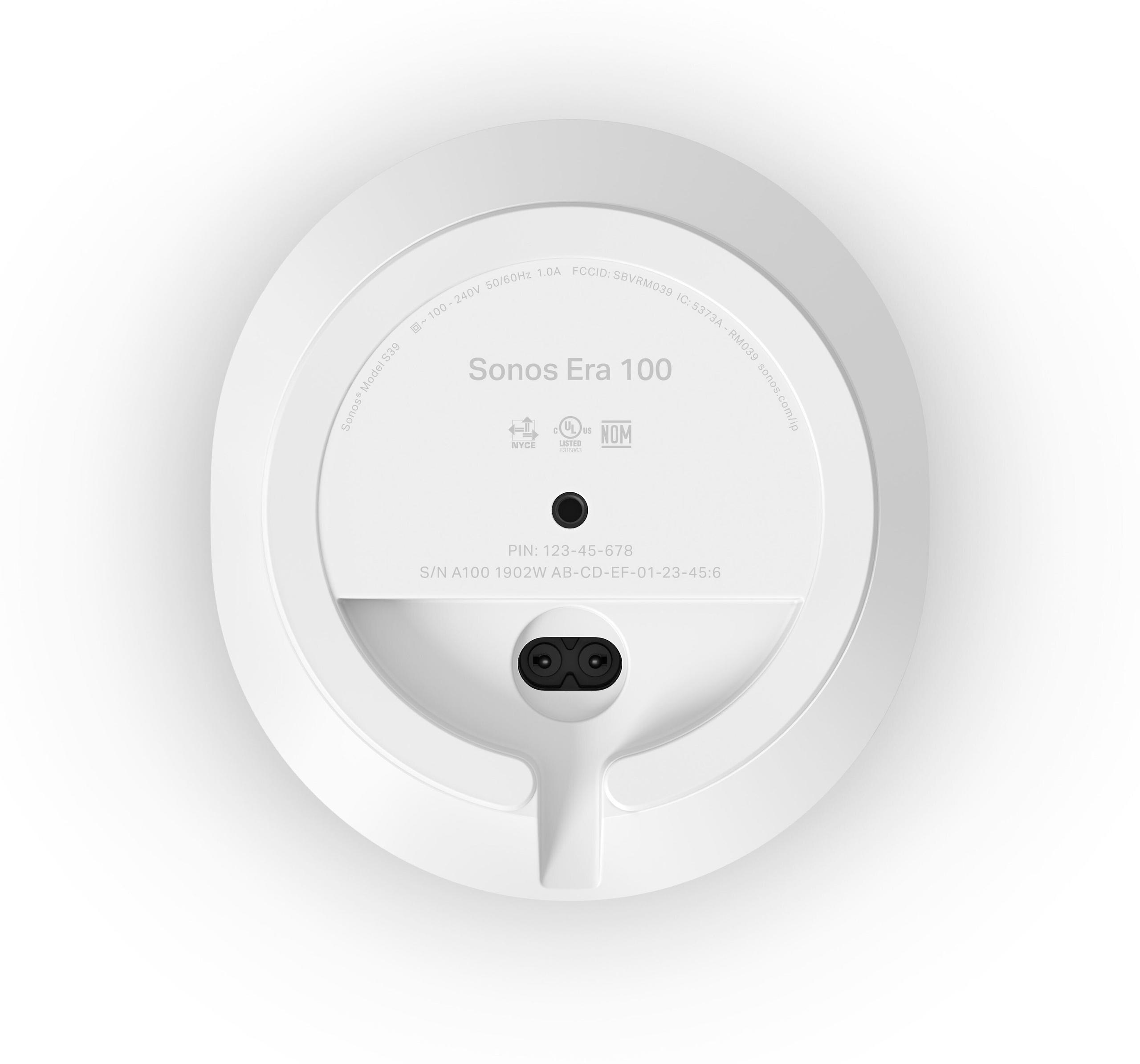
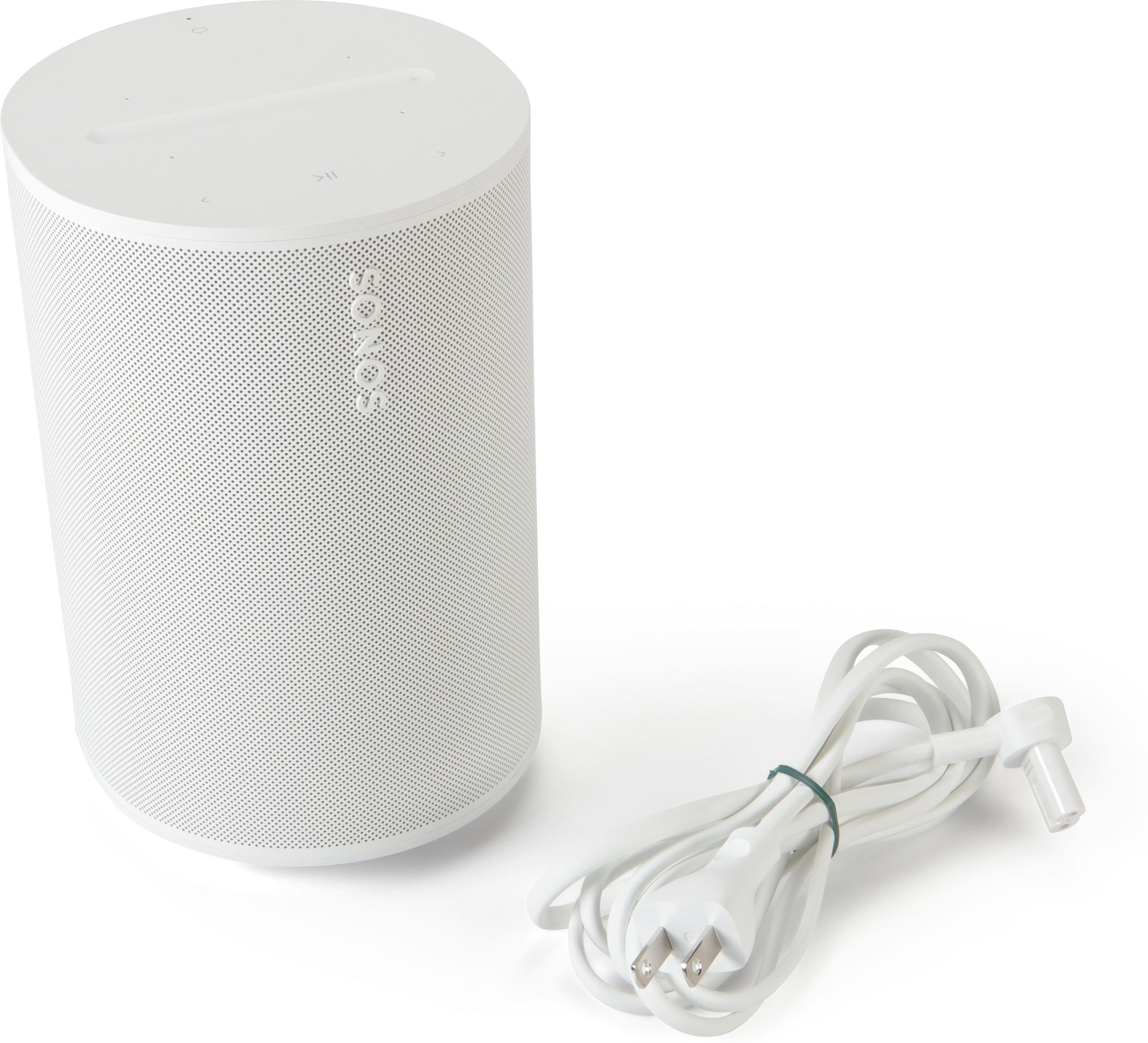
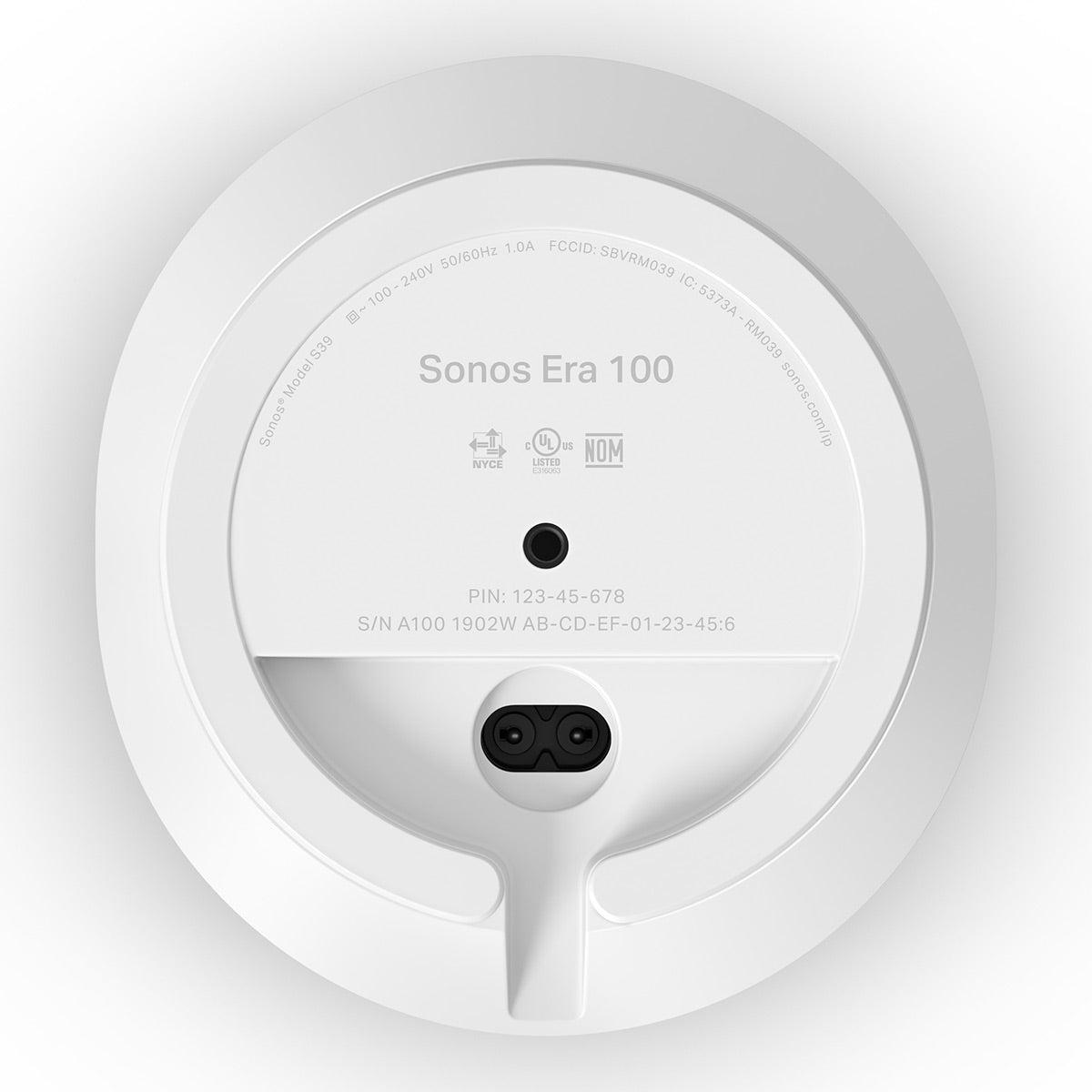
The Sonos Era 100 requires constant AC power, eliminating battery life concerns but limiting placement flexibility. This isn't necessarily a disadvantage for home use, where reliable power access is assumed and eliminates worries about charging or battery degradation over time.
For truly portable use, the Ranger is the clear winner. For home installations where power outlets are readily available, the Era 100's wall-powered approach ensures consistent performance without battery management.
The smart feature comparison highlights each speaker's target audience. The Turtlebox Ranger intentionally keeps things simple with intuitive touch controls for basic playback functions. There's no app dependency, voice control, or complex setup procedures—just turn it on and connect via Bluetooth.
The Sonos Era 100 embraces smart home complexity with comprehensive voice assistant support including Sonos Voice Control, Amazon Alexa, and Apple Siri (though notably lacking Google Assistant due to ongoing legal disputes). The far-field microphone array with advanced beamforming enables reliable voice recognition even in noisy environments.
The Sonos app provides detailed control over equalization, speaker grouping, and streaming service integration. You can adjust bass and treble, create speaker groups for synchronized playback, and access over 100 streaming services directly without phone involvement.
For users who want simple, reliable operation without smart home complexity, the Ranger's approach is refreshing. For those invested in smart home ecosystems and voice control convenience, the Era 100's features are genuinely useful rather than gimmicky.
Neither speaker is primarily designed for home theater use, but they handle it differently. The Sonos Era 100 can serve as rear surround speakers when paired with Sonos soundbars like the Arc or Beam, though this disables Bluetooth and line-in functionality. The automatic Trueplay tuning optimizes performance for your specific room layout.
The Ranger lacks dedicated home theater integration but its True Wireless Stereo capability allows two units to create convincing stereo separation for movie watching. However, its outdoor-optimized sound profile may seem overly bass-heavy in quiet indoor environments.
For serious home theater use, dedicated surround speakers remain the better choice, but the Era 100 offers more integration possibilities within the Sonos ecosystem.
At the time of writing, both speakers occupy similar price ranges in the premium portable speaker category, though the Ranger commands a slight premium reflecting its specialized durability features. The value equation depends entirely on your use case.
The Ranger justifies its cost through exceptional build quality, latest-generation Bluetooth technology, unique magnetic mounting, and power bank functionality. If you regularly use speakers outdoors or in harsh environments, the durability alone prevents costly replacements.
The Era 100 delivers value through sophisticated smart home integration, superior indoor audio quality, and ecosystem compatibility. The automatic room tuning and voice control features provide convenience that many users find genuinely valuable.
Neither speaker is cheap, but both deliver premium performance in their respective categories. The key is matching the speaker's strengths to your actual usage patterns.
Choose the Turtlebox Ranger if you prioritize outdoor adventures, need maximum durability, want all-day battery life, or prefer simple operation without smart home complexity. It's ideal for camping, beach trips, job sites, tailgating, or anywhere speakers face harsh conditions. The magnetic mounting and power bank features add practical value for active lifestyles.
Choose the Sonos Era 100 if you focus on indoor listening, want smart home integration, already own Sonos products, or prioritize detailed sound quality with stereo imaging. It excels in kitchens, bedrooms, offices, or anywhere you want convenient voice control and sophisticated audio performance.
The decision ultimately comes down to environment and priorities. The Ranger is an adventure companion built to survive anything you throw at it. The Era 100 is a sophisticated home audio component that happens to be compact enough to move around. Both excel in their intended roles—the key is honestly assessing which role matches your lifestyle and needs.
| Turtlebox Ranger Portable Bluetooth Speaker | Sonos Era 100 Wireless Speaker |
|---|---|
| Maximum Sound Output - Critical for outdoor use and competing with ambient noise | |
| 105 dB (chainsaw-level volume for outdoor environments) | Not specified (optimized for indoor listening quality) |
| Durability Rating - Determines where you can safely use the speaker | |
| IP67 waterproof, drop-proof, crush-proof (survives extreme conditions) | Humidity-resistant only (indoor use recommended) |
| Battery Life - Essential for portable use without power outlets | |
| 12+ hours typical use, 5 hours at max volume | No battery (requires AC power connection) |
| Weight - Affects true portability for travel and adventures | |
| 2.4 lbs (easy to carry anywhere) | 4.48 lbs (designed for stationary placement) |
| Wireless Connectivity - Determines compatibility and connection reliability | |
| Bluetooth 5.4 only (100-foot range, simple pairing) | WiFi 6, Bluetooth 5.0, AirPlay 2 (multiple connection options) |
| Smart Features - Voice control and home automation integration | |
| Touch controls only (no voice assistants or apps required) | Alexa, Siri, Sonos Voice Control with far-field microphones |
| Audio Configuration - Affects sound quality and stereo imaging | |
| Dual 2" drivers + passive bass radiator (omnidirectional outdoor sound) | Stereo with angled tweeters + larger woofer (directional indoor sound) |
| Multi-Speaker Pairing - Ability to connect multiple units for larger sound | |
| Party Mode (infinite Ranger pairing) + TWS stereo | Sonos multi-room ecosystem integration |
| Special Features - Unique capabilities that differentiate each speaker | |
| Magnetic mounting + USB-C power bank function | Trueplay room tuning + direct streaming service access |
| Ideal Environment - Where each speaker performs best | |
| Outdoors, job sites, water activities, extreme conditions | Home, office, controlled indoor environments |
The Turtlebox Ranger is significantly better for outdoor use with its IP67 waterproof rating, drop-proof construction, and 105 dB maximum volume designed to compete with wind and ambient noise. The Sonos Era 100 is only humidity-resistant and designed for indoor environments.
Yes, the Turtlebox Ranger works entirely through Bluetooth 5.4 without requiring internet or WiFi connectivity. The Sonos Era 100 can connect via Bluetooth but requires WiFi for its advanced features like voice control, room tuning, and direct streaming service access.
The Turtlebox Ranger offers 12+ hours of battery life and can charge other devices through its USB-C port. The Sonos Era 100 has no battery and requires constant AC power connection, making it unsuitable for truly portable use.
For outdoor listening and maximum volume, the Turtlebox Ranger excels with its powerful drivers and bass radiator. For indoor music appreciation with detailed sound quality and stereo separation, the Sonos Era 100 provides superior audio refinement with automatic room tuning.
No, only the Sonos Era 100 supports voice control through Amazon Alexa, Apple Siri, and Sonos Voice Control. The Turtlebox Ranger uses simple touch controls without voice assistant integration.
The Turtlebox Ranger is extremely durable with waterproof, drop-proof, and crush-proof construction designed for extreme conditions. The Sonos Era 100 has quality indoor construction but cannot withstand outdoor exposure or rough handling.
Yes, both support multi-speaker setups but differently. The Turtlebox Ranger uses Party Mode for unlimited speaker pairing and True Wireless Stereo for two-speaker setups. The Sonos Era 100 integrates with the broader Sonos multi-room ecosystem for whole-home audio.
The Sonos Era 100 works better for home theater, serving as rear surround speakers when paired with Sonos soundbars and benefiting from automatic room tuning. The Turtlebox Ranger can provide stereo separation with two units but lacks dedicated home theater integration.
Value depends on your use case. The Turtlebox Ranger offers excellent value for outdoor enthusiasts needing extreme durability and portability. The Sonos Era 100 provides better value for home users wanting smart features and refined audio quality.
The Turtlebox Ranger features unique magnetic mounting for metal surfaces plus stainless steel tie-down points for versatile placement. The Sonos Era 100 is designed for tabletop placement and lacks specialized mounting options.
The Turtlebox Ranger is ideal for pool parties and beach trips with its waterproof construction, loud outdoor-optimized sound, all-day battery life, and ability to survive sand, water, and drops. The Sonos Era 100 should not be used in these environments.
The Turtlebox Ranger works without any app requirement through simple Bluetooth pairing and touch controls. The Sonos Era 100 can play music via Bluetooth without the app, but requires the Sonos app for advanced features like EQ adjustment, room tuning, and multi-room control.
We've done our best to create useful and informative comparisons to help you decide what product to buy. Our research uses advanced automated methods to create this comparison and perfection is not possible - please contact us for corrections or questions. These are the sites we've researched in the creation of this article: fieldandstream.com - tylerstx.com - comparisontabl.es - gearjunkie.com - rogerssportinggoods.com - youtube.com - armorsound.com - simmonssportinggoods.com - turtleboxaudio.com - outdoorhub.com - backpackeroutdoors.com - youtube.com - tennesseevalleyoutsider.com - turtleboxaudio.com - mrfc.com - linecutterz.com - russells.com - turtleboxaudio.com - flyfishfood.com - goodhousekeeping.com - tomsguide.com - techradar.com - youtube.com - whathifi.com - dxomark.com - rtings.com - abt.com - sonos.com - bhphotovideo.com - sonos.com - sonos.com - audiolab.com - en.community.sonos.com

Privacy Policy
Terms and Conditions - Affiliate Policy
Home Security
© Copyright 2008-2026.
11816 Inwood Rd #1211, Dallas, TX 75244