


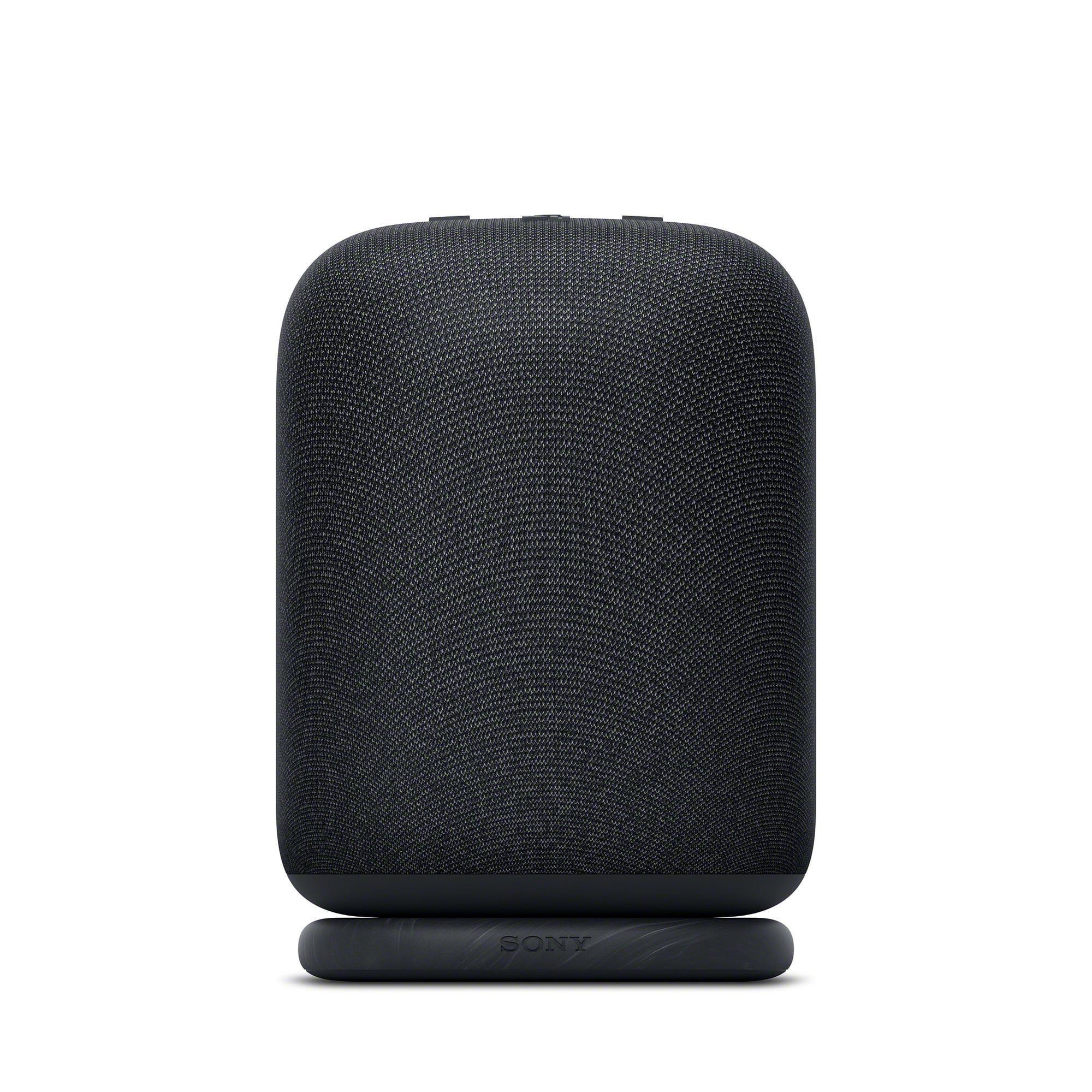


Picking the right portable Bluetooth speaker can feel overwhelming with dozens of options flooding the market. But sometimes, the choice comes down to two fundamentally different approaches to portable audio. The Turtlebox Ranger and Sony LinkBuds Speaker represent opposite ends of the portable speaker spectrum – one built like a tank for extreme conditions, the other designed as an intelligent lifestyle companion.
Before diving into specifics, let's establish what makes a great portable speaker. The core considerations include sound quality (how good it sounds), durability (how much abuse it can handle), battery life (how long it plays), and connectivity (how well it pairs with your devices). But the weight you give each factor depends entirely on how you plan to use your speaker.
The portable speaker market has exploded since Apple removed headphone jacks, pushing everyone toward wireless audio. Today's speakers pack impressive technology into compact packages, from advanced digital signal processing (DSP) – computer chips that fine-tune audio quality – to sophisticated waterproofing that lets you literally submerge some models underwater.
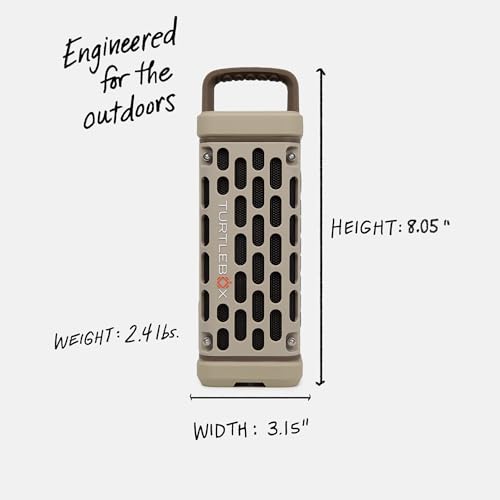
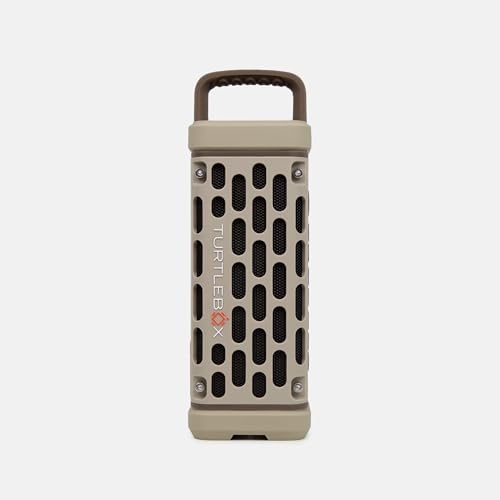
Released in 2025, the Turtlebox Ranger represents the latest evolution in rugged speaker design. Turtlebox made their reputation building speakers tough enough for military and emergency services, and the Ranger brings that battlefield-tested durability to a more portable package. At 2.4 pounds, it's significantly lighter than the company's flagship models while maintaining their legendary toughness.
The Ranger's design philosophy centers on one principle: it should work perfectly no matter what you throw at it. Literally. This speaker can handle submersion, crushing, drops, dust storms, and temperature extremes that would destroy most electronics.
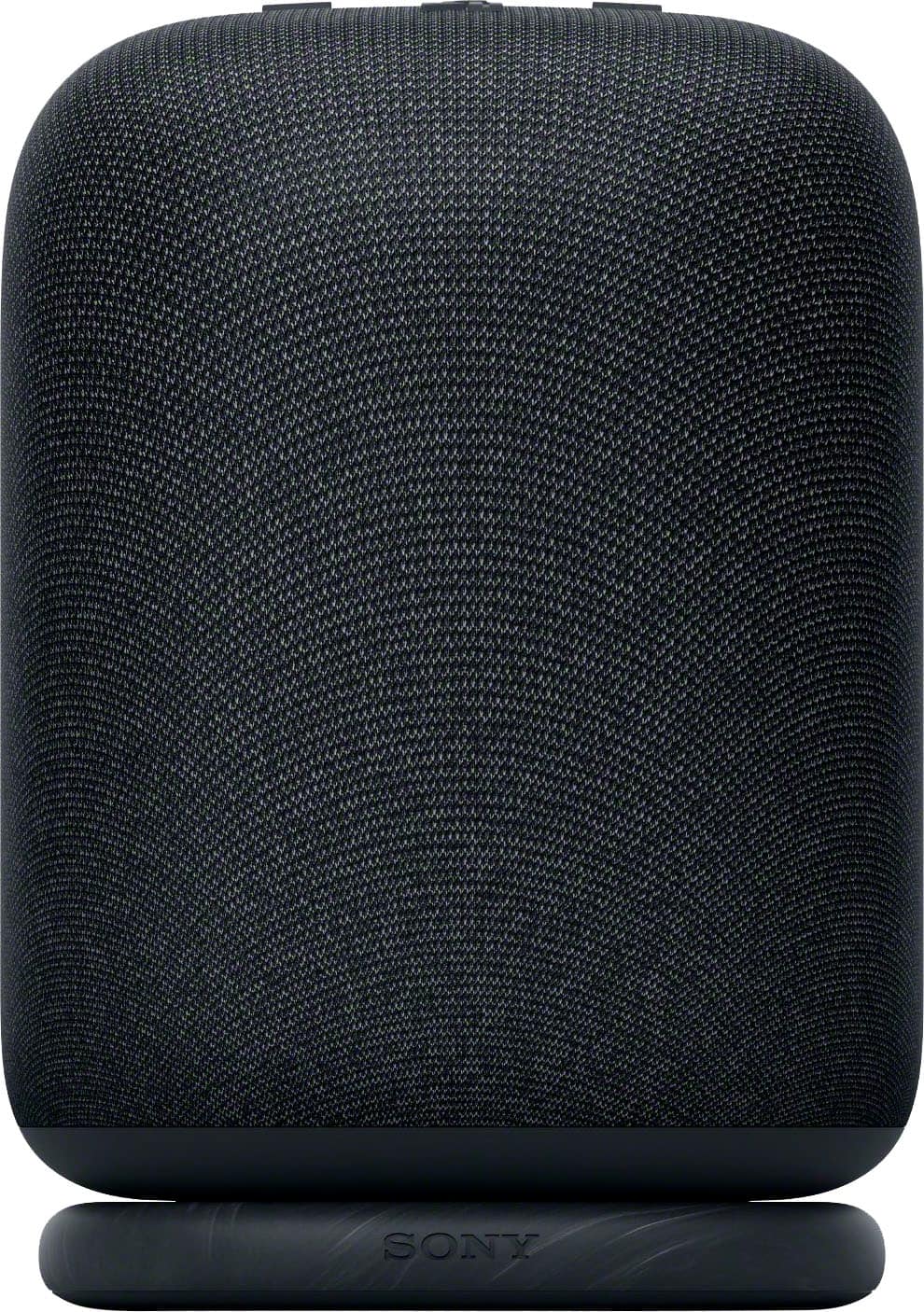
The Sony LinkBuds Speaker, part of Sony's 2024 LinkBuds ecosystem, takes a completely different approach. Instead of focusing on ruggedness, Sony prioritized intelligence, battery life, and seamless integration with their broader audio ecosystem. Weighing just over a pound, it's designed for users who want their speaker to be smart, not just loud.
This speaker excels at understanding your daily routine and adapting to it, while delivering surprisingly good sound quality for its compact size and reasonable price point.
Sound quality differences between these speakers reveal their distinct target audiences clearly.
The Turtlebox Ranger delivers an impressive 105 decibels of maximum sound output – that's loud enough to be heard clearly at a crowded beach party or construction site. To put this in perspective, normal conversation happens around 60 dB, while a lawnmower runs about 90 dB. The Ranger's Class D digital amplifier (a highly efficient type that generates less heat and uses less battery) powers dual 2-inch waterproof drivers, creating sound that can compete with much larger speakers.
This power comes from smart engineering. The passive 2×4" bass radiator – essentially a speaker cone without a magnet that vibrates in response to air pressure from the main drivers – helps extend low-frequency response despite the compact size. When our research reviewed consensus expert opinions, the consistent theme was surprise at how much bass the Ranger produces for its dimensions.
The Sony LinkBuds Speaker, by comparison, prioritizes clarity over raw volume. Its two-way speaker system includes a dedicated tweeter (the small driver that handles high frequencies) and an X-Balanced woofer (Sony's rectangular driver design that increases surface area for better bass). While it can't match the Ranger's maximum volume, it delivers more detailed sound at moderate listening levels.
Where the Sony LinkBuds Speaker shines is in its balanced sound signature. Expert reviews consistently praise its ability to separate instruments in complex music – you can clearly distinguish between guitar, bass, and vocals rather than hearing a muddy mix. The Sound Diffusion Processor uses digital signal processing to create a wider soundstage, making music feel more spacious despite the compact mono output.
The Turtlebox Ranger, meanwhile, focuses on cutting through ambient noise. Its enhanced DSP tuning emphasizes frequencies that remain audible in windy, noisy outdoor environments. While it may not have the Sony's delicate touch with acoustic guitar recordings, it ensures your music stays clear when competing with waves, wind, or power tools.
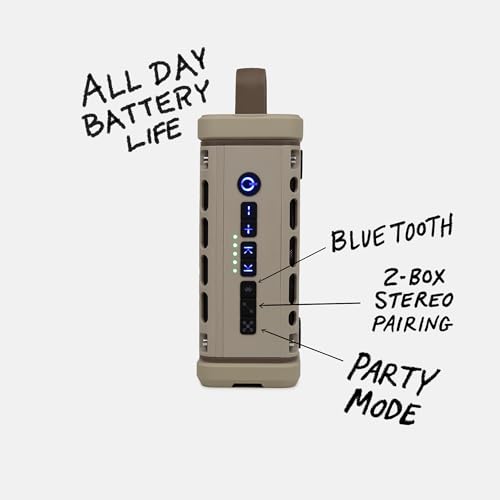
Here's where things get interesting. The Turtlebox Ranger supports True Wireless Stereo (TWS), allowing you to pair two units for genuine left-right stereo separation. Even more impressive is Party Mode, which can link unlimited Ranger speakers wirelessly – imagine having dozens of speakers scattered around a large outdoor event, all playing in perfect sync.
The Sony LinkBuds Speaker also supports stereo pairing with another identical unit, but its killer feature is the 360-degree sound dispersion. Unlike directional speakers that sound best when you're directly in front, the LinkBuds Speaker provides consistent audio quality from any angle. This makes it perfect for desktop use or small gatherings where people are sitting around the speaker rather than in front of it.
The durability comparison isn't even close – it's like comparing a military Humvee to a Smart car.
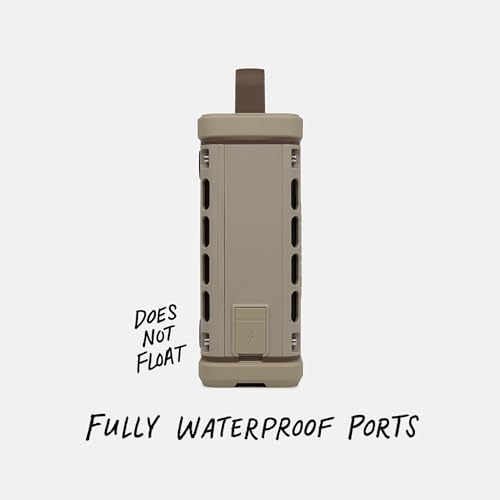
The Turtlebox Ranger carries an IP67 rating, which sounds technical but translates to serious real-world protection. The "6" means it's completely dust-tight – no particles can get inside even during a sandstorm. The "7" means it can survive submersion in up to 3 feet of water for 30 minutes. Importantly, this includes both fresh and saltwater, making it genuinely suitable for beach and marine use.
But the ratings only tell part of the story. The Ranger's ABS crush-proof housing can handle being stepped on, dropped from significant heights, or crushed under camping gear. Stainless steel hardware resists corrosion, while rubber bumpers protect vulnerable areas during impacts. The speaker even includes a pressure breather that maintains performance across extreme temperature ranges – crucial for reliability in desert heat or mountain cold.
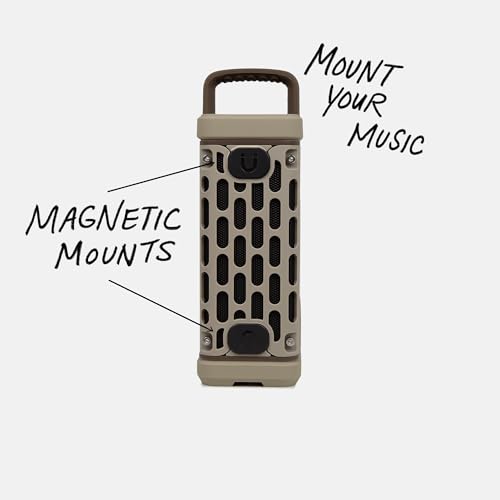
One unique feature is the dual magnetic mounting system. Powerful magnets on the speaker's sides let you attach it securely to metal surfaces like truck tailgates, coolers, or construction equipment. This isn't just convenient – it's a safety feature that prevents the speaker from becoming a projectile in moving vehicles.
The Sony LinkBuds Speaker carries an IPX4 rating, which provides splash resistance but nothing more. This is adequate for kitchen use or light rain, but it's not designed for submersion or serious outdoor abuse. The fabric exterior, while attractive and comfortable to carry, could potentially tear with rough handling.
This isn't necessarily a weakness – it's a conscious design choice that prioritizes weight savings and aesthetics over ruggedness. For users who primarily use speakers indoors or in controlled environments, the lighter construction makes more sense.
Battery performance reveals another stark difference in priorities.
The Sony LinkBuds Speaker delivers an outstanding 25 hours of continuous playback at moderate volumes. This isn't marketing exaggeration – consistent expert testing confirms this exceptional endurance. The quick charging feature provides 70 minutes of playback from just 10 minutes of charging, making it practically impossible to be caught with a dead speaker.
The included charging dock adds convenience, turning the speaker into a permanent desktop audio solution that's always ready to grab and go. For users who hate managing battery levels, this extended runtime eliminates range anxiety entirely.
The Turtlebox Ranger manages 12+ hours at normal volumes, but this drops to around 5 hours when pushing maximum volume levels. This makes sense given the power requirements of generating 105 dB output. The 25.2 wh lithium-ion battery is smaller than Sony's, but the Ranger includes a unique feature – USB-C passthrough charging that lets you charge your phone or other devices directly from the speaker's battery.
This turns the Ranger into an emergency power bank during extended outdoor adventures, though it will reduce playback time accordingly.
The Sony LinkBuds Speaker represents the future of smart audio devices. Auto Switch technology seamlessly transfers audio between compatible Sony LinkBuds earbuds and the speaker – answer a call on your earbuds, then hang up and have music automatically resume on the speaker. This level of integration feels magical when it works and requires no user intervention.
The Sound Connect app provides detailed customization with a 6-band equalizer and Clear Bass slider, though expert reviews note these adjustments are less powerful than Sony's premium speaker offerings. The Quick Access button provides one-touch access to Spotify, Amazon Music, or other streaming services without touching your phone.
Auto Play takes smart features further by learning your routine. Set it to automatically play energizing music when your alarm goes off, or relaxing sounds at bedtime. While these features might seem gimmicky, they create a more integrated lifestyle experience for users invested in the Sony ecosystem.
The Turtlebox Ranger focuses on connectivity range and multi-speaker capabilities rather than smart features. Bluetooth 5.4 provides reliable connection up to 100 feet – important when your speaker is mounted on a boat or vehicle while your phone stays nearby.
The real magic happens with multiple speakers. Party Mode can link hundreds of Rangers wirelessly, creating a distributed sound system perfect for large outdoor events. True Wireless Stereo allows two speakers to function as dedicated left and right channels, providing genuine stereo separation that significantly improves musical immersion.
However, the Ranger lacks the app-based customization and smart integration features that make the Sony feel more sophisticated for daily use.
Neither speaker is designed as a primary home theater solution, but they serve different supplementary roles.
The Sony LinkBuds Speaker works well as a bedroom or kitchen TV companion thanks to its clear dialogue reproduction and 360-degree sound dispersion. The long battery life means it can sit on a nightstand indefinitely, ready for late-night TV watching without waking others. Its compact size won't clutter small spaces.
The Turtlebox Ranger could serve as an outdoor entertainment speaker for patio movie nights, where its weather resistance and high volume output become advantages. Multiple Rangers in Party Mode could create an interesting distributed surround sound experience for large outdoor viewing areas.
For serious home theater use, both speakers lack the dynamic range, frequency response, and directional control that dedicated home theater speakers provide.
At the time of writing, these speakers occupy different price tiers that reflect their distinct philosophies.
The Turtlebox Ranger commands a premium price that reflects its specialized engineering and military-grade construction. You're paying for the confidence that this speaker will work reliably in conditions that would destroy cheaper alternatives. For users who regularly expose gear to harsh environments – whether through work, hobbies, or lifestyle – this premium represents insurance rather than extravagance.
The value proposition makes most sense for outdoor enthusiasts, professionals working in tough conditions, or anyone who has destroyed cheaper speakers through normal use. If you've ever had a speaker fail due to water damage, drops, or dust, the Ranger's higher upfront cost could save money long-term.
The Sony LinkBuds Speaker offers compelling value through its combination of exceptional battery life, smart features, and reasonable pricing. The 25-hour runtime alone provides more practical utility than many competitors, while the ecosystem integration adds genuine convenience for Sony users.
This speaker makes sense for budget-conscious buyers who want premium features without premium pricing, or anyone prioritizing intelligence and battery life over maximum volume or ruggedness.
You need a speaker that survives real-world abuse. This includes outdoor workers, camping enthusiasts, boaters, or anyone who has broken speakers through normal outdoor use. The Ranger excels when you need maximum volume to overcome ambient noise, whether from wind, water, or machinery.
The magnetic mounting system makes it perfect for vehicle-based activities – RV trips, truck camping, or marine use where you need secure attachment. If you regularly host large outdoor gatherings, the Party Mode capability to link multiple speakers creates impressive distributed sound systems.
You prioritize convenience, battery life, and smart features over extreme durability. This speaker excels for office workers, students, or home users who want reliable audio without the bulk and cost of rugged construction. The 25-hour battery life makes it perfect for people who hate charging devices frequently.
Sony LinkBuds earbud owners get the most value through ecosystem integration features like Auto Switch. The compact size and light weight make it ideal for frequent travelers or anyone with limited space.
These speakers solve different problems for different users. The Turtlebox Ranger answers the question: "What if I need audio that works no matter what?" It's engineered for reliability in extreme conditions, delivering powerful sound when and where other speakers fail.
The Sony LinkBuds Speaker tackles a different challenge: "How can my speaker integrate seamlessly into my daily routine?" It prioritizes intelligence, battery life, and user convenience over raw power or ruggedness.
Neither approach is inherently better – they're optimized for different use cases and user priorities. The key is honestly assessing how you'll actually use your speaker. If your audio adventures involve beaches, construction sites, or backcountry camping, the Ranger's premium for durability makes sense. If you want a smart, efficient speaker for home and office use with exceptional battery life, the Sony delivers more features per dollar.
The decision ultimately comes down to whether you need a speaker that survives everything you can throw at it, or one that anticipates what you need before you ask for it.
| Turtlebox Ranger Portable Bluetooth Speaker | Sony LinkBuds Wireless Portable Speaker |
|---|---|
| Maximum Volume Output - Critical for outdoor use and noisy environments | |
| 105 dB (loud enough for beach parties and construction sites) | Lower output optimized for indoor/personal listening |
| Water Resistance - Determines where you can safely use the speaker | |
| IP67 (fully submersible up to 3 feet for 30 minutes) | IPX4 (basic splash resistance only) |
| Durability Rating - Protection against drops, dust, and crushing | |
| 100% drop, crush, and dust-proof with stainless steel hardware | Basic build quality with fabric exterior |
| Battery Life - How long you can listen without charging | |
| 12+ hours typical use (5 hours at maximum volume) | 25 hours continuous playback (exceptional endurance) |
| Weight - Affects portability for daily carry | |
| 2.4 pounds (substantial but portable) | 1.15 pounds (highly portable) |
| Multi-Speaker Capability - For larger gatherings or stereo sound | |
| Party Mode links 100+ speakers; True Wireless Stereo pairing | Basic stereo pairing with second unit only |
| Smart Features - App integration and automated functions | |
| Basic touch controls and Bluetooth connectivity | Auto Switch, Quick Access, Auto Play scheduling, 6-band EQ |
| Mounting Options - Versatility for different placement needs | |
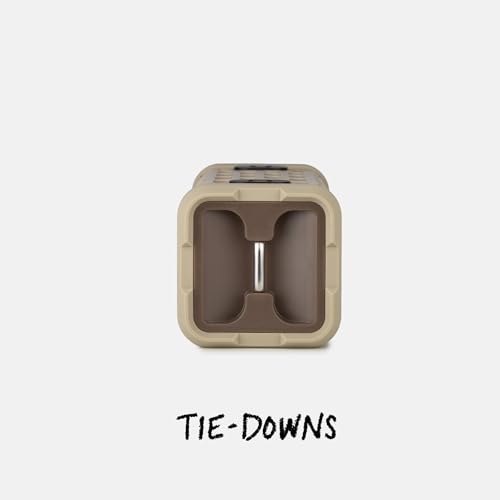
| Dual magnetic mounts for metal surfaces plus tie-downs | Carrying strap and desktop charging dock |
| Bluetooth Range - Connection distance from your device | |
| Up to 100 feet with Bluetooth 5.4 | Standard range with Bluetooth 5.2 |
| Sound Profile - Tonal character and audio quality focus | |
| Powerful, cuts through ambient noise, enhanced bass | Balanced, detailed instrument separation, 360-degree dispersion |
| Charging Features - Power options and convenience | |
| USB-C with passthrough charging for external devices | USB-C with convenient desktop charging dock |
| Target Use Cases - Where each speaker excels most | |
| Outdoor adventures, job sites, marine use, large gatherings | Home office, indoor entertainment, Sony ecosystem integration |
The Turtlebox Ranger is significantly better for outdoor use. It features IP67 waterproof rating (fully submersible), 100% drop and crush-proof construction, and 105 dB maximum volume that cuts through wind and ambient noise. The Sony LinkBuds Speaker only has IPX4 splash resistance and isn't designed for rugged outdoor conditions.
The Turtlebox Ranger prioritizes raw power and volume with 105 dB output and enhanced bass for outdoor environments. The Sony LinkBuds Speaker focuses on balanced audio with superior instrument separation, clearer vocals, and 360-degree sound dispersion that works better for indoor listening at moderate volumes.
The Sony LinkBuds Speaker offers exceptional 25-hour battery life, more than double the Turtlebox Ranger's 12+ hours of typical use. However, the Turtlebox Ranger includes USB-C passthrough charging to power your devices, while the Sony includes a convenient charging dock.
Both support multi-speaker pairing, but differently. The Turtlebox Ranger features Party Mode for linking unlimited speakers and True Wireless Stereo pairing. The Sony LinkBuds Speaker supports basic stereo pairing and includes Auto Switch technology for seamless connection between Sony LinkBuds earbuds and the speaker.
The Sony LinkBuds Speaker is more portable at just 1.15 pounds with a compact design and included carrying strap. The Turtlebox Ranger weighs 2.4 pounds and is bulkier, though it includes magnetic mounting options for secure attachment during transport.
Neither is designed as a primary home theater speaker. The Sony LinkBuds Speaker works better as a TV companion for bedrooms or kitchens due to its clear dialogue reproduction and 360-degree sound. The Turtlebox Ranger could work for outdoor movie nights where weather resistance is needed.
Value depends on your needs. The Sony LinkBuds Speaker offers more features per dollar with 25-hour battery life, smart app integration, and reasonable pricing. The Turtlebox Ranger commands a premium for its extreme durability and maximum volume output, making it worthwhile for users who need rugged construction.
The Sony LinkBuds Speaker excels in smart features with Auto Switch between devices, Quick Access buttons for streaming services, Auto Play scheduling, and 6-band EQ customization through the app. The Turtlebox Ranger focuses on basic touch controls and multi-speaker connectivity rather than smart integration.
The Turtlebox Ranger is designed for water activities with IP67 rating allowing submersion up to 3 feet for 30 minutes, plus saltwater resistance. The Sony LinkBuds Speaker only has IPX4 splash resistance and isn't suitable for water sports or pool use.
The Turtlebox Ranger features dual powerful magnets for secure attachment to metal surfaces like vehicles or equipment, plus stainless steel tie-downs. The Sony LinkBuds Speaker includes a carrying strap and desktop charging dock but lacks secure mounting systems for active use.
The Turtlebox Ranger excels at large gatherings with 105 dB maximum volume and Party Mode that can link hundreds of speakers for distributed sound. The Sony LinkBuds Speaker works better for intimate gatherings where its balanced sound and 360-degree dispersion provide consistent audio quality from any angle.
There's a massive durability gap. The Turtlebox Ranger offers military-grade construction with crush-proof housing, stainless steel hardware, and extreme weather resistance. The Sony LinkBuds Speaker has basic build quality with fabric exterior suitable for normal indoor use but vulnerable to rough handling or extreme conditions.
We've done our best to create useful and informative comparisons to help you decide what product to buy. Our research uses advanced automated methods to create this comparison and perfection is not possible - please contact us for corrections or questions. These are the sites we've researched in the creation of this article: fieldandstream.com - tylerstx.com - comparisontabl.es - gearjunkie.com - rogerssportinggoods.com - youtube.com - armorsound.com - simmonssportinggoods.com - turtleboxaudio.com - outdoorhub.com - backpackeroutdoors.com - youtube.com - tennesseevalleyoutsider.com - turtleboxaudio.com - mrfc.com - linecutterz.com - russells.com - turtleboxaudio.com - flyfishfood.com - tomsguide.com - helpguide.sony.net - hometechnologyreview.com - rtings.com - electronics.sony.com - hometechnologyreview.com - whathifi.com - sony.com - whathifi.com - soundguys.com - youtube.com - youtube.com - techradar.com - bestbuy.com - youtube.com - youtube.com - versus.com - rtings.com - sony.com - center.lv - youtube.com - youtube.com - sony.com - walmart.com - youtube.com - sony.com

Privacy Policy
Terms and Conditions - Affiliate Policy
Home Security
© Copyright 2008-2026.
11816 Inwood Rd #1211, Dallas, TX 75244