

When shopping for a wireless speaker in 2025, you'll quickly discover that not all speakers are created equal—or even designed for the same purpose. The Turtlebox Ranger and Sonos Era 300 perfectly illustrate this point. While both deliver excellent audio wirelessly, they represent completely different philosophies about where, how, and why you'd want to listen to music.
The Turtlebox Ranger, released in 2025, is what happens when engineers ask "What if we built a speaker that could survive a hurricane?" Meanwhile, the Sonos Era 300, launched in 2023, answers the question "What if we could make music sound three-dimensional in your living room?" Understanding these fundamental differences is crucial to making the right choice for your needs.
The speaker market has evolved into distinct categories, each serving specific needs. Portable Bluetooth speakers prioritize durability, battery life, and the ability to deliver clear sound in challenging outdoor environments. Premium home speakers focus on audio fidelity, smart features, and creating an immersive listening experience within your home's controlled environment.
This isn't just about indoor versus outdoor use—it's about completely different approaches to audio engineering. Portable speakers must balance power consumption with output, pack drivers efficiently into compact, rugged enclosures, and often sacrifice some audio refinement for the sake of reliability and volume. Premium home speakers, with consistent AC power and controlled environments, can dedicate their engineering entirely to sound quality and advanced features.
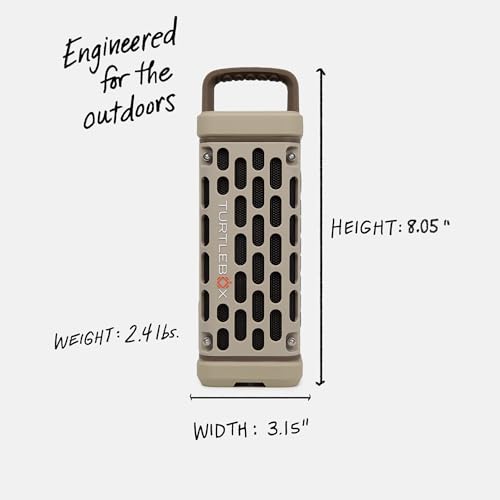
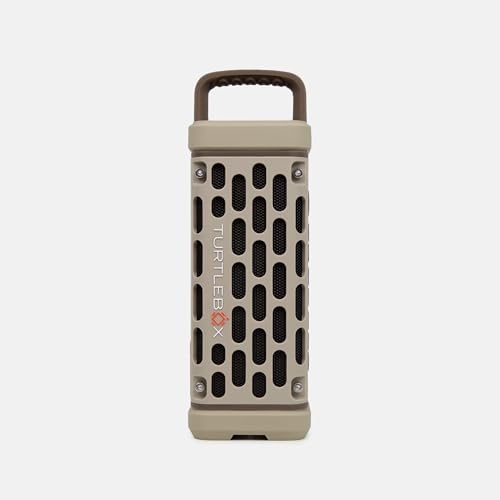
The Turtlebox Ranger represents the culmination of five years of user feedback on the original Turtlebox speakers. Released in early 2025, it addresses the main complaint about earlier models: they were too big and heavy for true portability. At 2.4 pounds and measuring roughly the size of a large water bottle, the Ranger delivers what the company calls "bombproof audio" in a package you can actually carry on a hike.
The engineering choices here are fascinating. The Ranger uses two 2-inch waterproof drivers in a vertical orientation, powered by a Class D digital amplifier with enhanced DSP tuning (Digital Signal Processing—essentially software that optimizes how the audio signals are processed before reaching your ears). This configuration, while unconventional, allows for 360-degree sound dispersion while maintaining stereo separation. The vertical design isn't just aesthetic; it's acoustically optimized for outdoor environments where sound needs to travel further and cut through ambient noise.
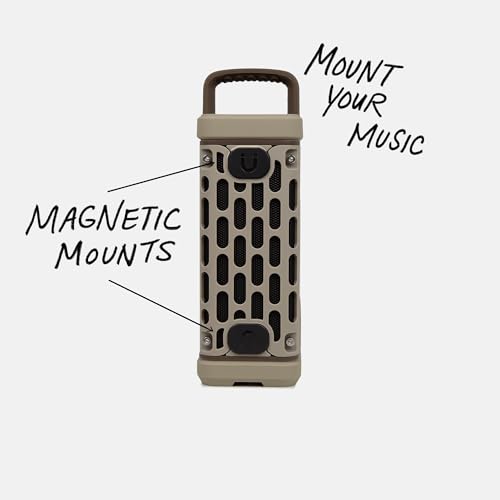
Perhaps most ingeniously, Turtlebox embedded powerful magnets into the Ranger's sides. This means you can stick it to your car, a metal cooler, construction equipment, or any ferrous surface. It's a simple feature that dramatically expands where and how you can use the speaker—something you don't fully appreciate until you're trying to find a stable surface at a beach or campsite.
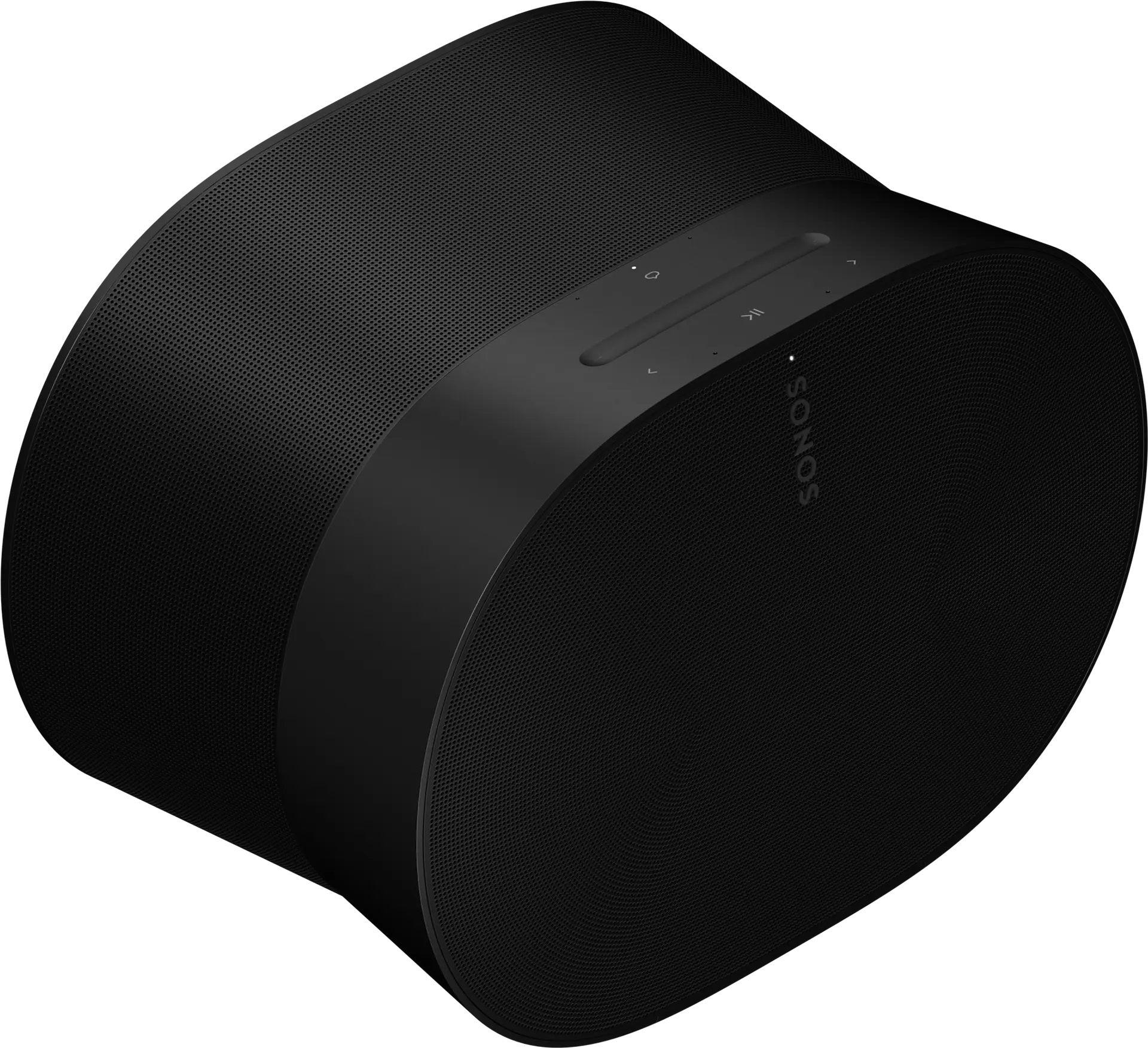
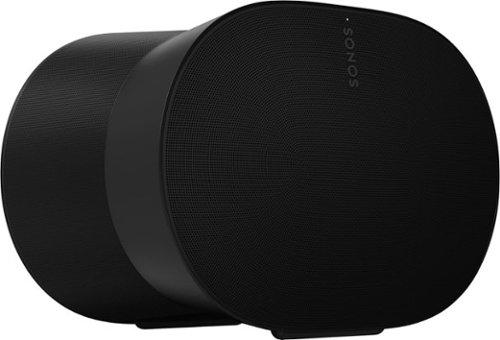
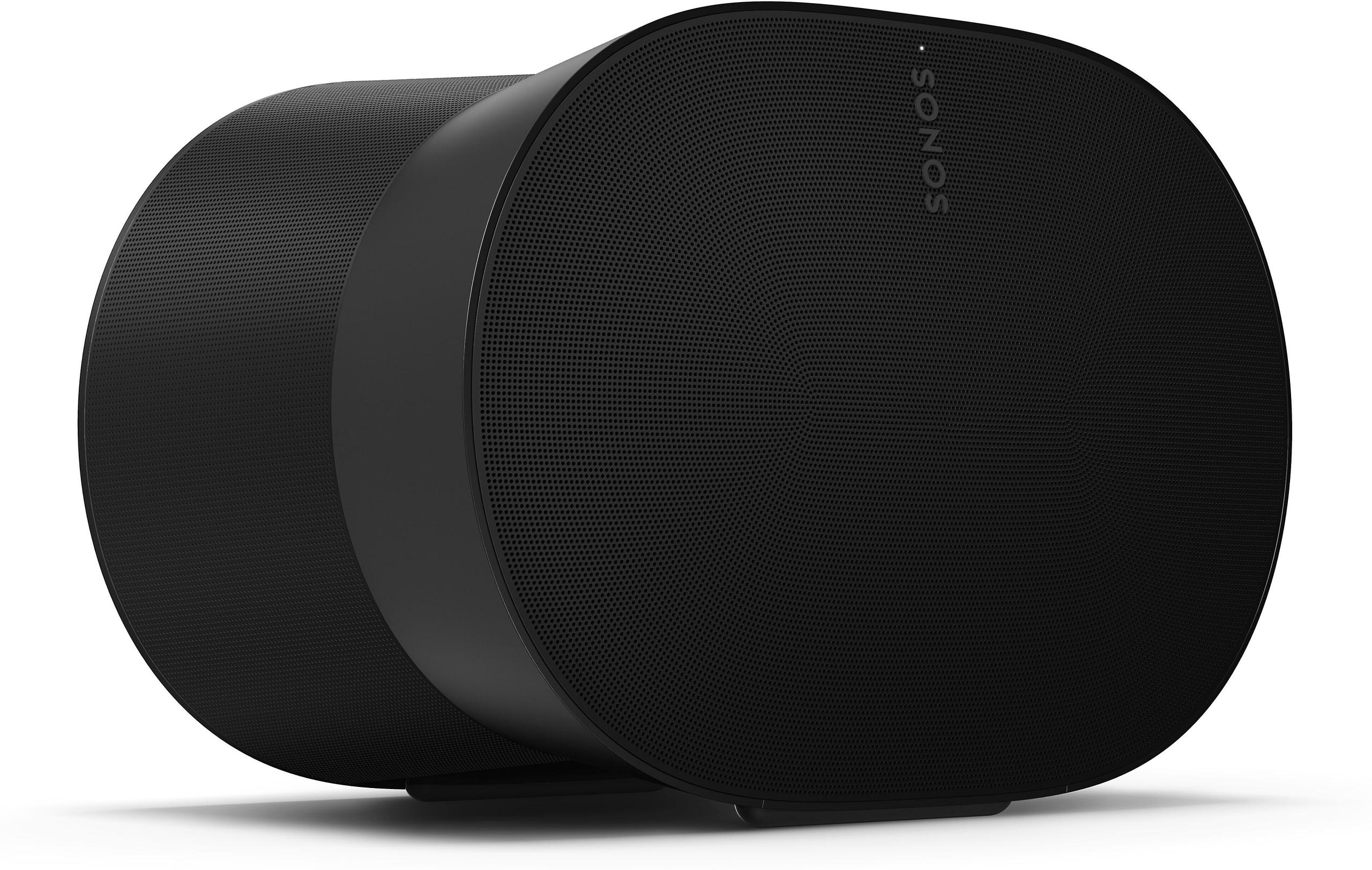
The Sonos Era 300, launched in March 2023, marked Sonos's entry into spatial audio—a technology that creates the illusion of sound coming from above, beside, and around you, rather than just from the speaker itself. This isn't just marketing speak; the Era 300 was the first all-in-one consumer speaker to properly implement Dolby Atmos, a surround sound format originally designed for movie theaters.
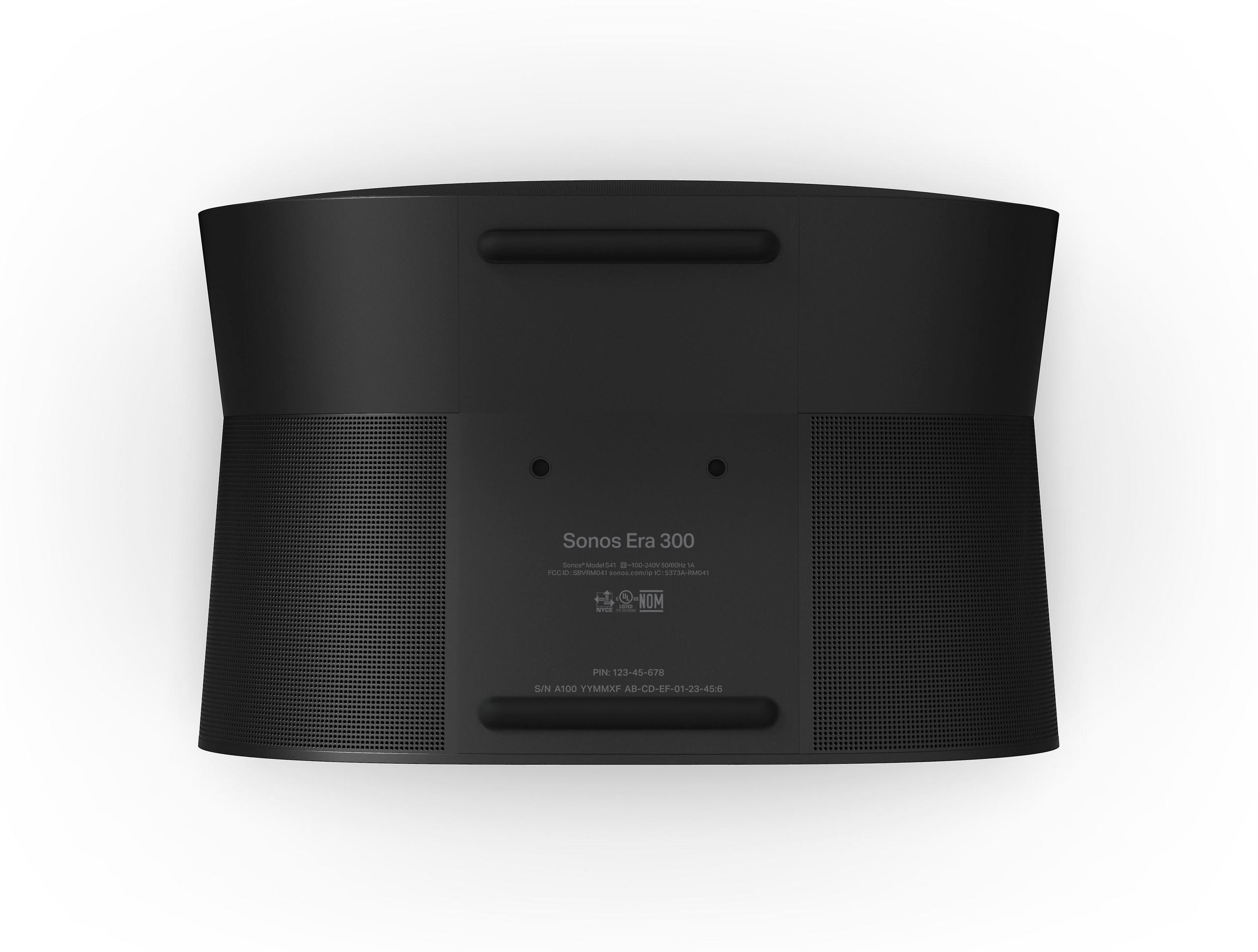
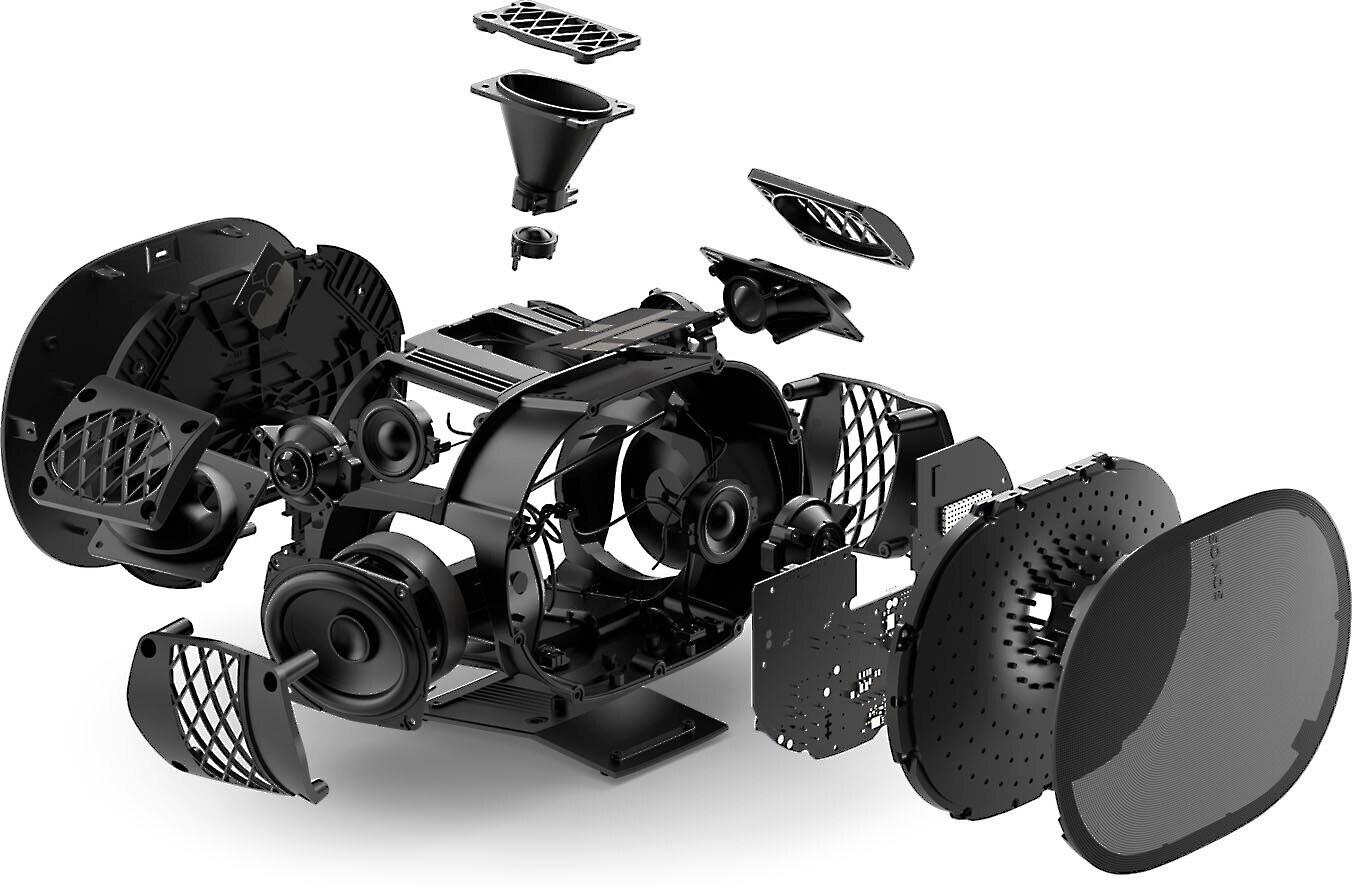
The Era 300's six-driver array is precisely engineered: four tweeters (high-frequency drivers) positioned to fire upward, sideways, and forward, plus two side-firing woofers (low-frequency drivers). This seemingly complex arrangement creates what acoustics engineers call a "height layer" in your music. When listening to properly mixed tracks, you'll hear drums that seem to float above the speaker, vocals that appear to come from a precise point in space, and instrumental details that emerge from specific locations around the room.
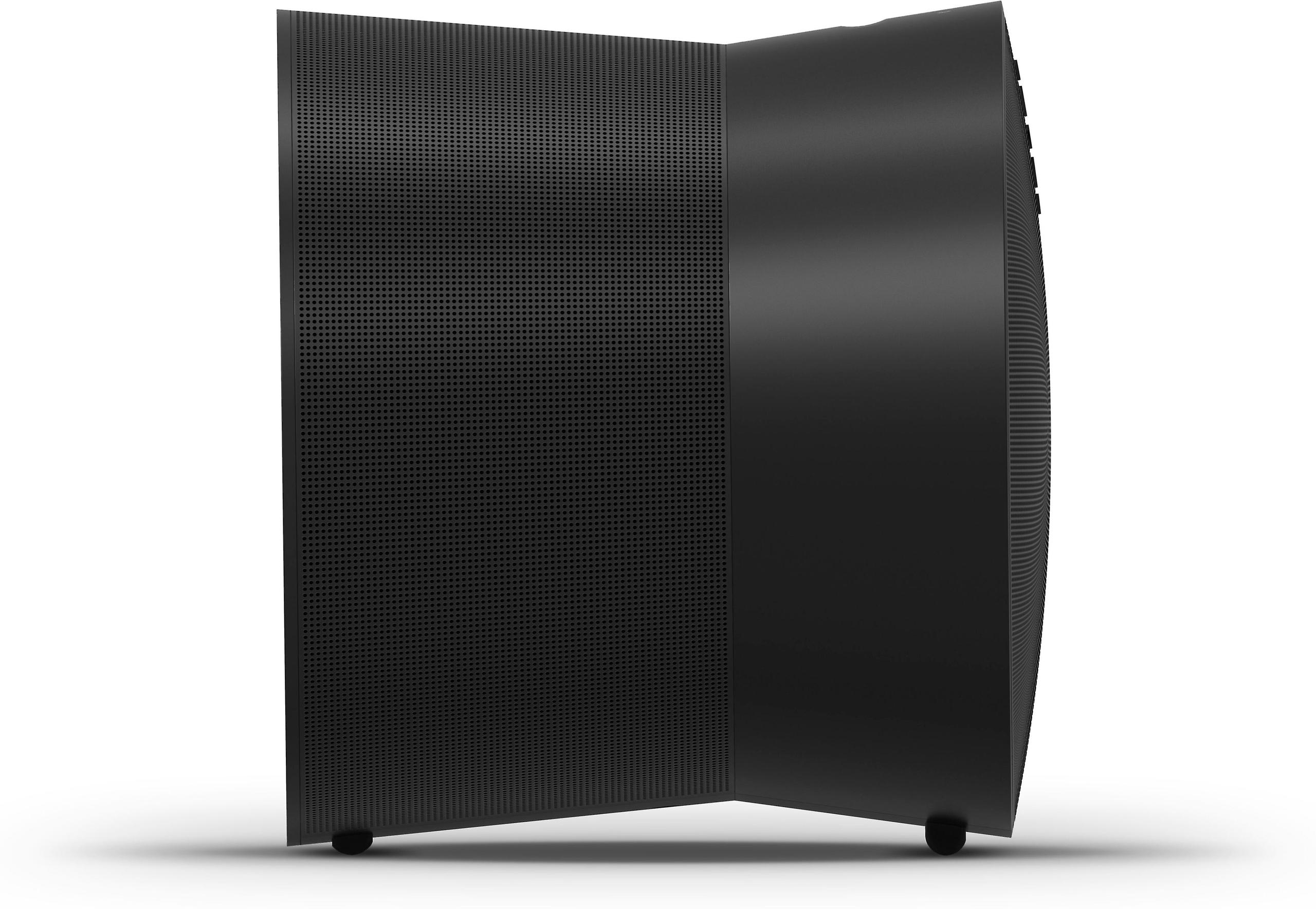
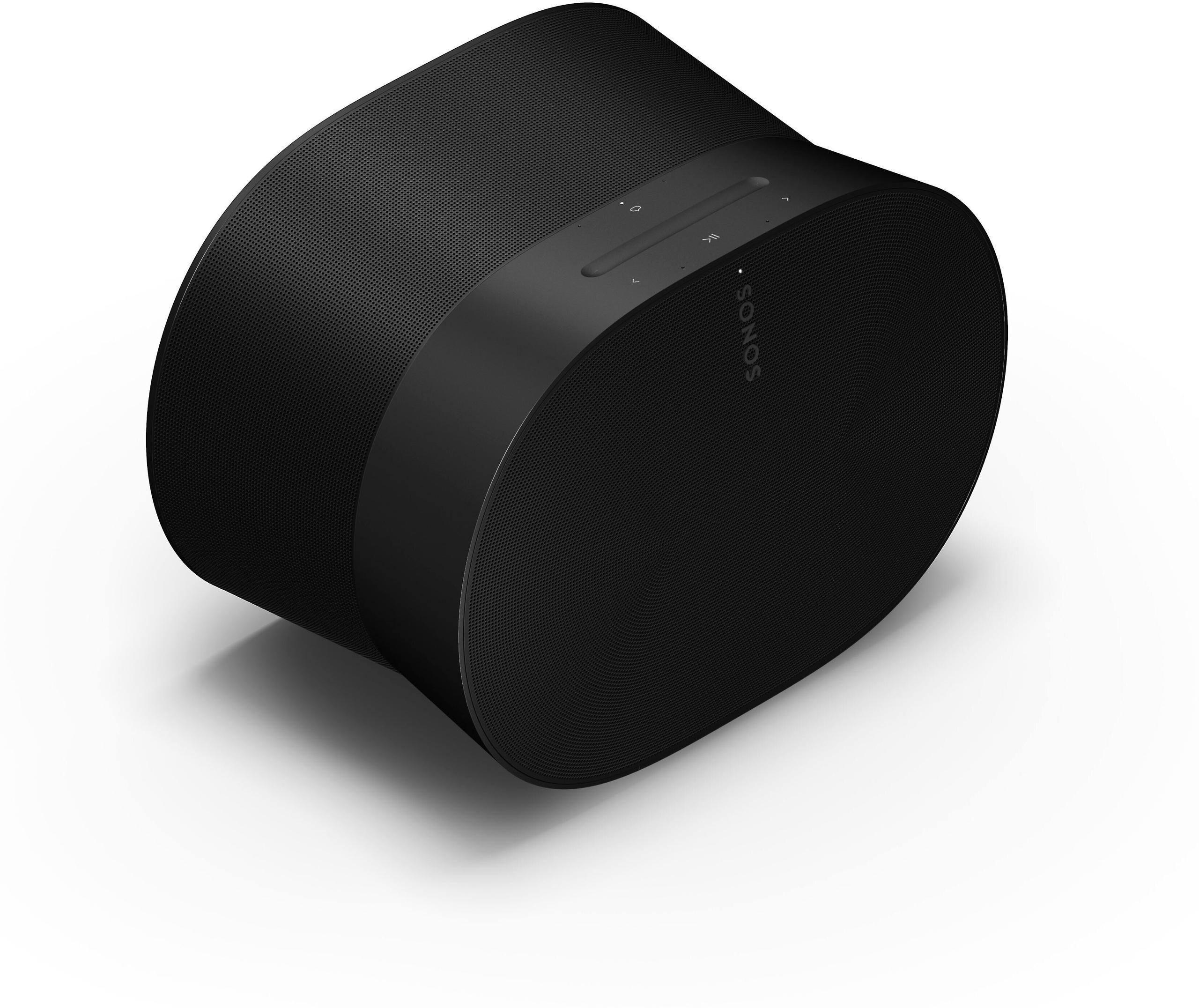
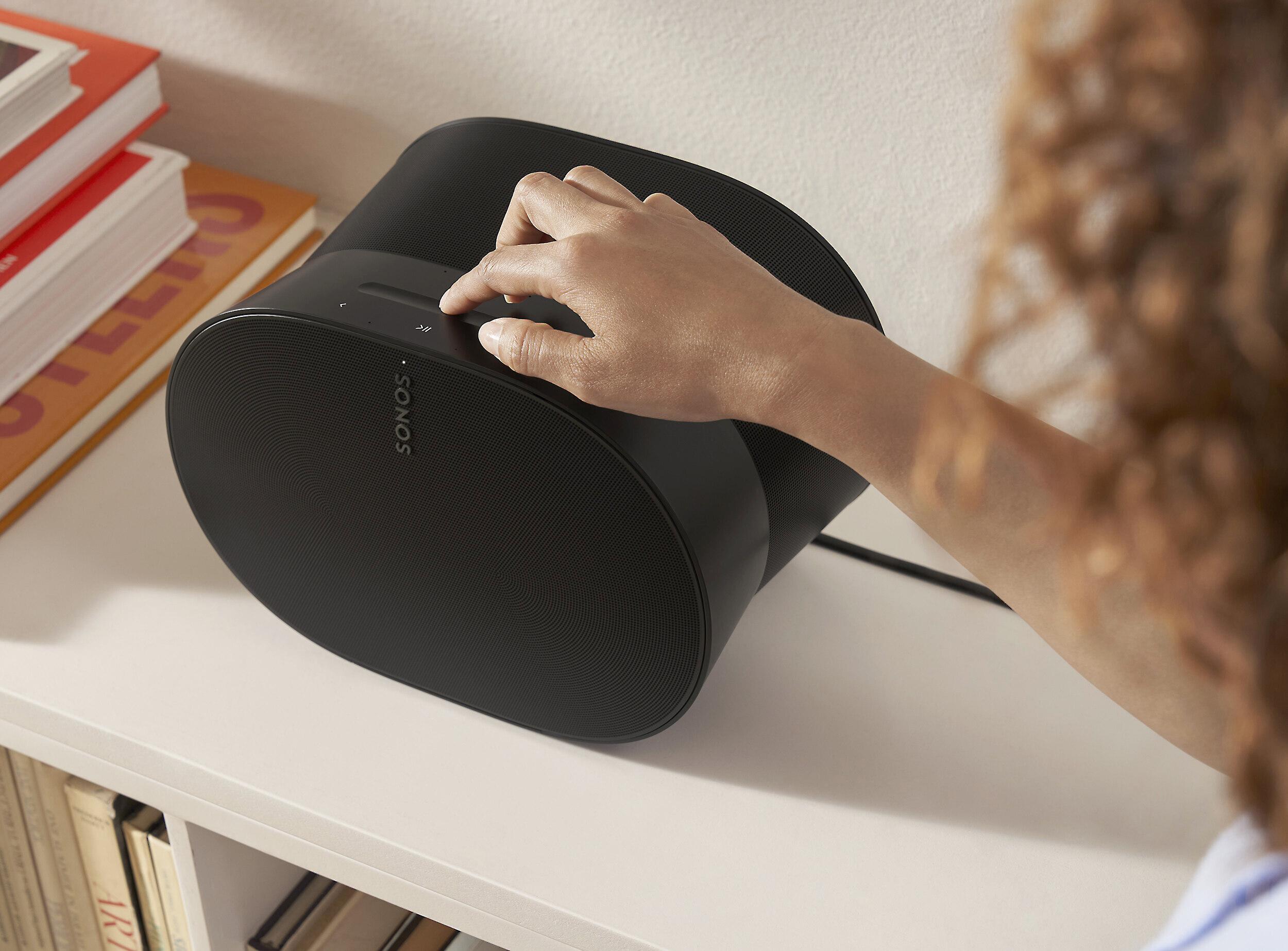
The hourglass shape isn't just stylish—it's acoustically purposeful. The curved surfaces help eliminate internal reflections that can muddy sound, while the narrowed middle section allows the upward-firing driver to project freely without interference from the other drivers.
The most dramatic difference between these speakers is their approach to volume and power. The Turtlebox Ranger can produce up to 105 decibels—loud enough to clearly hear music over wind, waves, or construction noise. For context, 105 dB is roughly equivalent to standing next to a motorcycle or being in the front row at a rock concert. This level of output from a 2.4-pound speaker is genuinely impressive and speaks to sophisticated amplifier design and driver engineering.
The Sonos Era 300 takes a completely different approach. Rather than chasing maximum volume, it focuses on creating a detailed, nuanced soundstage at moderate listening levels. While it can certainly fill a room with sound, it's designed for environments where you can appreciate subtle details—the breath between vocal phrases, the ambient reverb in a recording studio, or the precise placement of instruments in a jazz ensemble.
In our research across professional reviews and user feedback, the consensus is clear: if you need to overpower background noise or fill a large outdoor space, the Ranger wins handily. If you want to hear every detail in your favorite album while relaxing at home, the Era 300 is in a different league entirely.
The Turtlebox Ranger delivers what audio engineers call a "forward" sound signature—enhanced midrange and upper bass frequencies that help vocals and instruments cut through noise. This isn't an accident; outdoor environments absorb high frequencies and scatter sound, so portable speakers compensate by boosting these ranges. The result is music that sounds punchy and clear even in challenging acoustic environments.
The Sonos Era 300 aims for what's called a "neutral" frequency response—reproducing audio as close to the original recording as possible. Its six-driver system allows for precise control over different frequency ranges, with dedicated drivers handling specific parts of the audio spectrum. The upward-firing tweeter specifically handles spatial audio cues, creating those "floating" sounds that make Dolby Atmos content so compelling.
Professional audio reviewers consistently note that the Era 300 excels at instrument separation—the ability to distinguish individual elements in complex music. You can follow a bass line while simultaneously tracking guitar parts and vocal harmonies, something that's much more difficult with speakers that prioritize volume over precision.
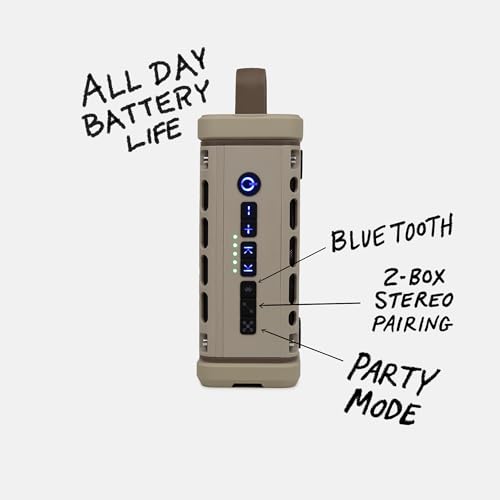
Here's where the fundamental differences become most apparent. The Turtlebox Ranger operates entirely on battery power, using a 25.2 watt-hour lithium-ion battery that delivers all-day performance at reasonable volumes or about five hours at maximum output. This battery capacity represents significant advancement over earlier portable speakers, which often lasted only 2-3 hours at high volumes.
The Ranger also includes USB-C passthrough charging, meaning you can charge your phone or other devices directly from the speaker's battery. This feature transforms the speaker from just an audio device into a portable power bank—invaluable during camping trips or extended outdoor activities.
The Sonos Era 300 requires constant AC power, which limits its placement to areas near electrical outlets but eliminates battery-related compromises. This always-on power enables features that would quickly drain a battery: constant Wi-Fi connectivity, voice processing, and the computational power needed for real-time spatial audio processing.
The Turtlebox Ranger embraces simplicity with Bluetooth 5.4 connectivity and a 100-foot range. Bluetooth 5.4 is significant because it offers improved power efficiency and better connection stability compared to older versions—crucial for outdoor use where interference from other devices or terrain can disrupt connections.
The Ranger's Party Mode allows unlimited speaker pairing, meaning you can connect dozens of Rangers together for large gatherings. True Wireless Stereo (TWS) mode lets two Rangers function as left and right channels for proper stereo separation. These features work without apps, complex setup, or Wi-Fi networks—you simply press buttons and they connect.
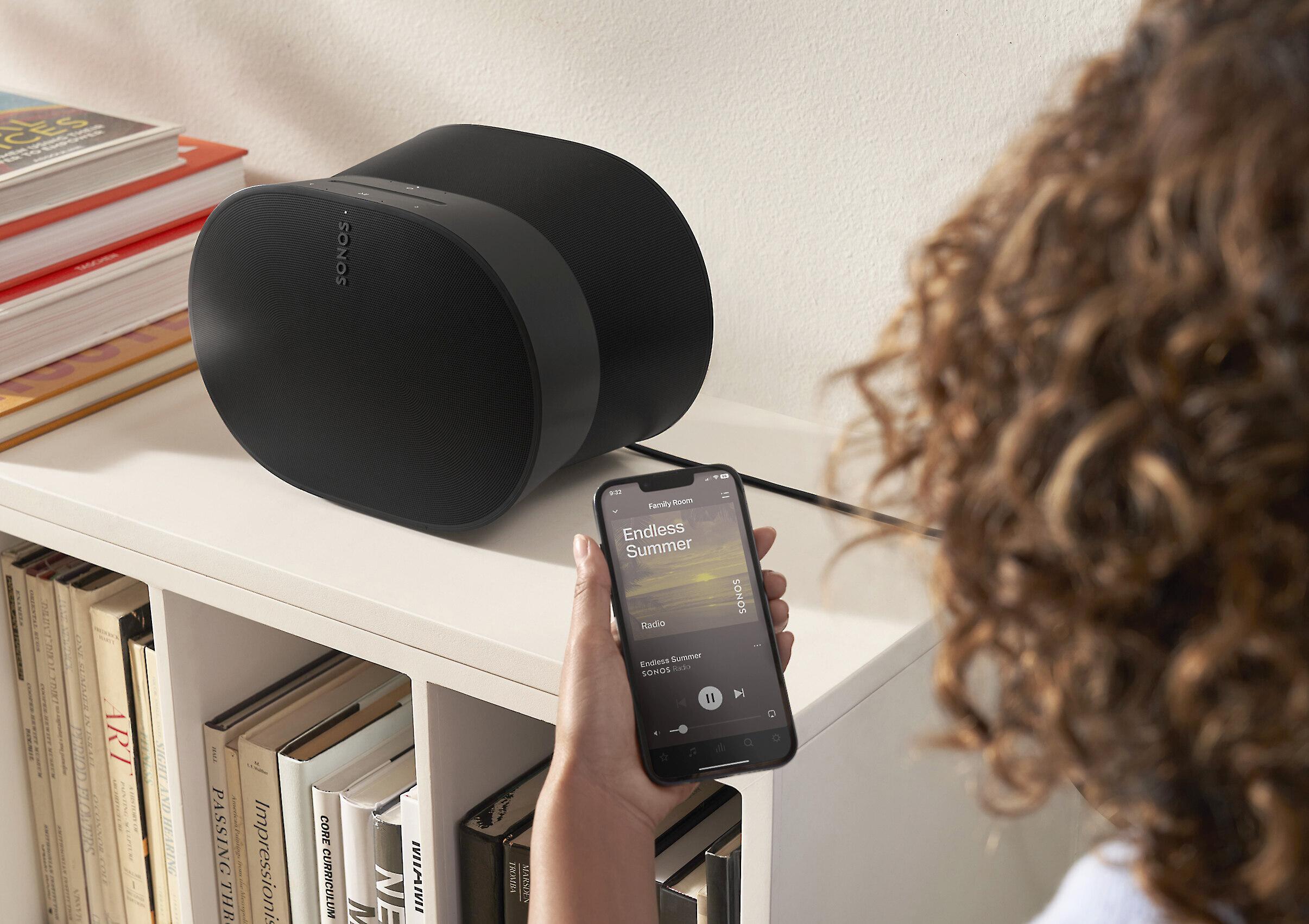
The Sonos Era 300 represents the opposite approach: deep integration with smart home ecosystems and streaming services. It connects to your home Wi-Fi network and becomes part of Sonos's multi-room audio system, allowing you to play synchronized music throughout your home or different songs in different rooms.
Voice control through Amazon Alexa or Sonos's own voice assistant means you can control playback, adjust volume, or request specific songs without touching your phone. Apple AirPlay 2 support provides high-quality wireless streaming from iOS devices, while the Sonos app offers access to dozens of streaming services and sophisticated equalizer controls.
The Era 300's Trueplay technology uses the built-in microphones to analyze your room's acoustics and automatically adjust the speaker's output for optimal sound. This room correction happens automatically and can dramatically improve audio quality, especially in challenging spaces with hard surfaces or unusual layouts.
The Turtlebox Ranger achieves an IP67 waterproof rating, meaning it can survive complete submersion in up to three feet of water for 30 minutes. More importantly for daily use, it's completely dustproof and can handle drops, impacts, and extreme temperatures. The housing uses ABS plastic reinforced with stainless steel hardware and rubber bumpers.
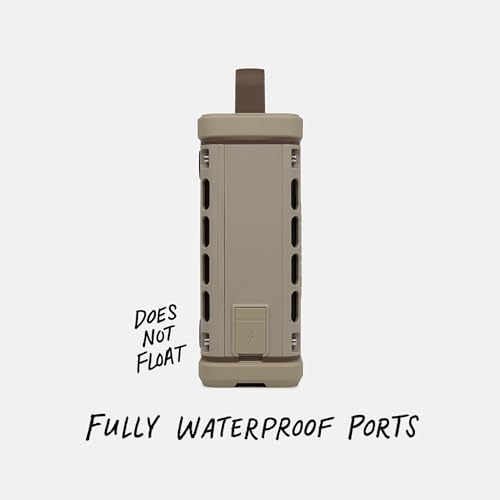
However, there's an important limitation: unlike some other Turtlebox models, the Ranger doesn't float. If you drop it in deep water, it's gone. This design choice likely reflects the need to pack dense components (battery, drivers, magnets) into a compact form factor.
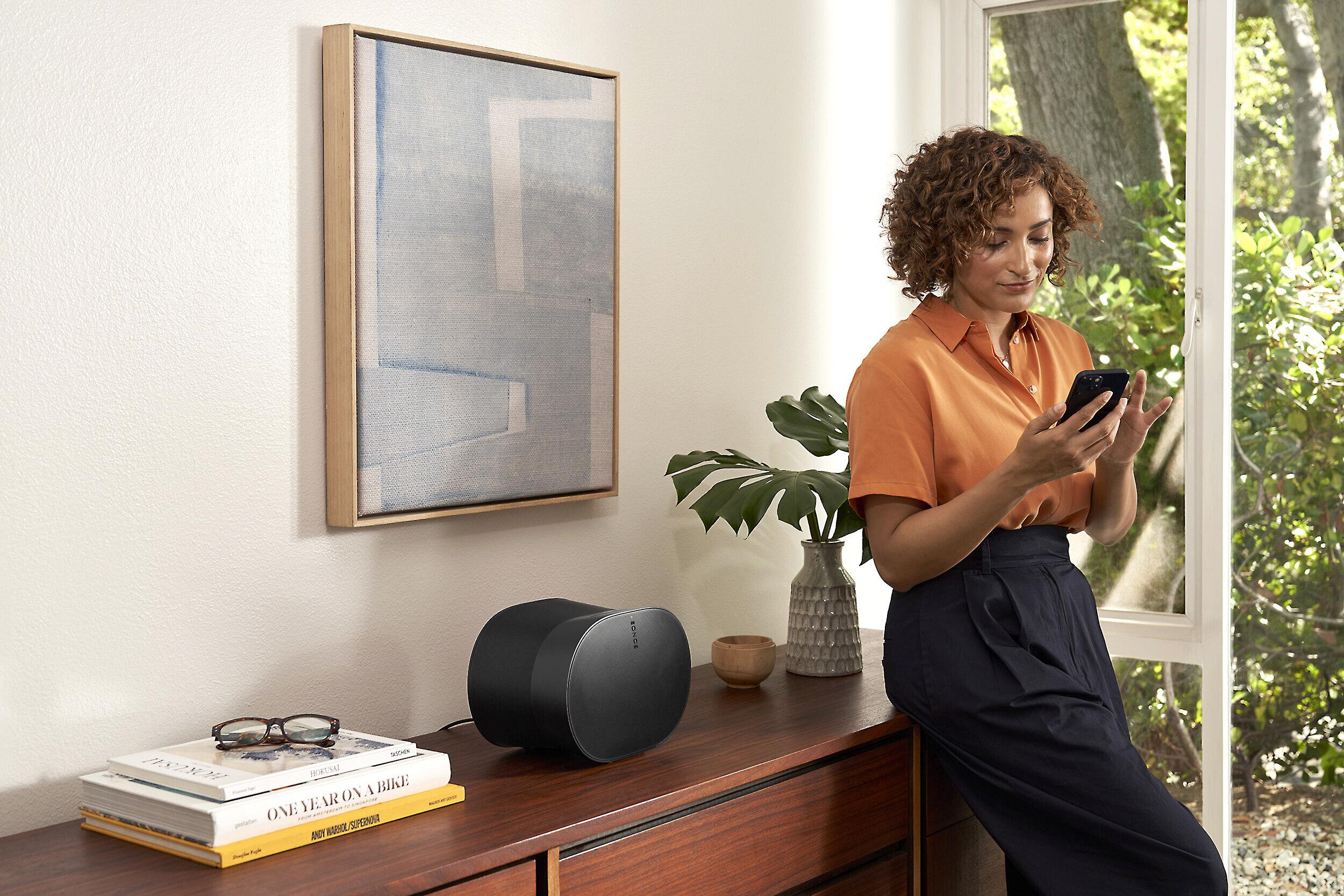
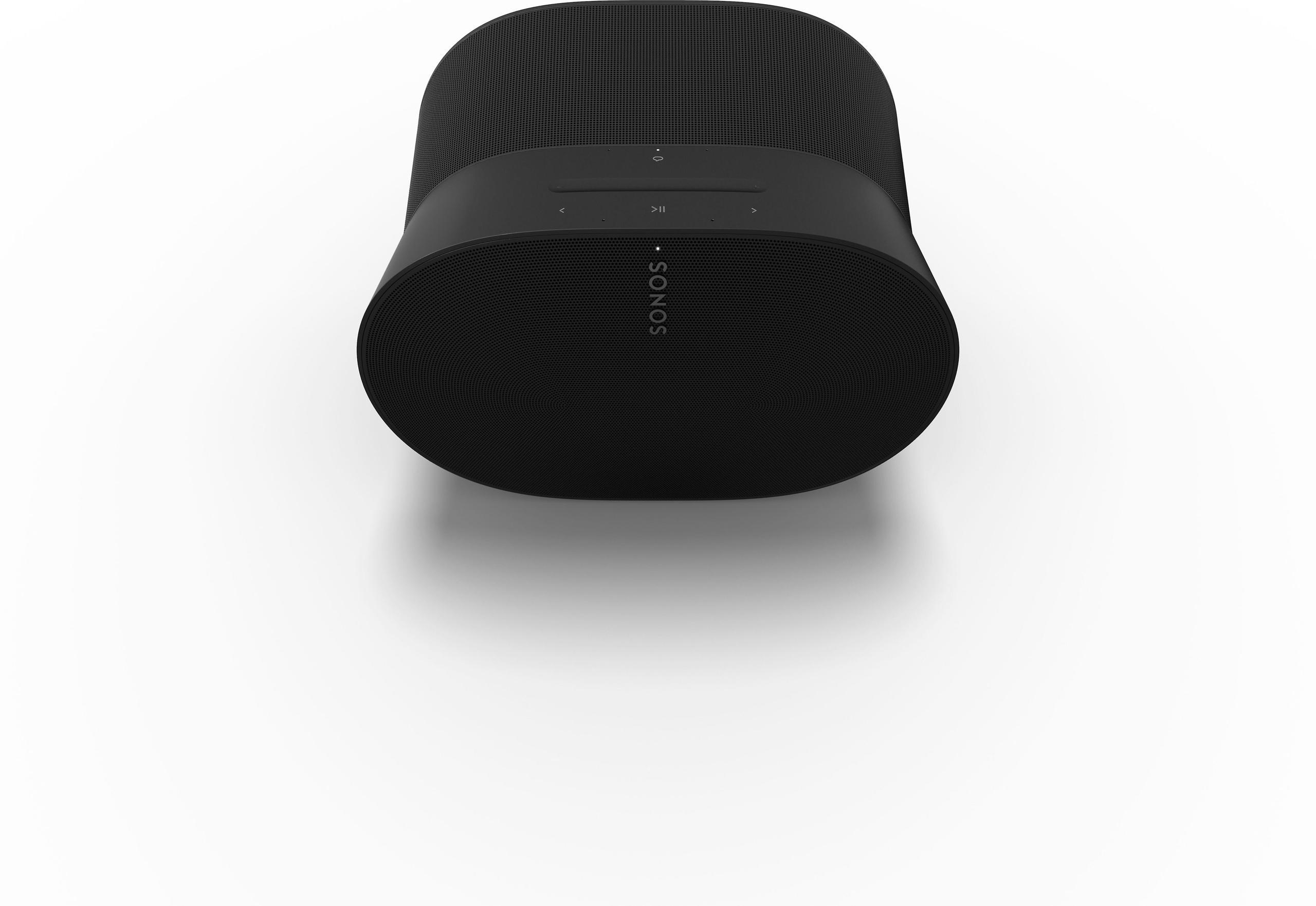
The Sonos Era 300 uses premium materials and precise manufacturing, but it's designed for indoor use only. The capacitive touch controls and fabric-wrapped exterior prioritize aesthetics and user experience over ruggedness. It's well-built within its intended environment but would quickly fail in outdoor conditions that the Ranger considers routine.
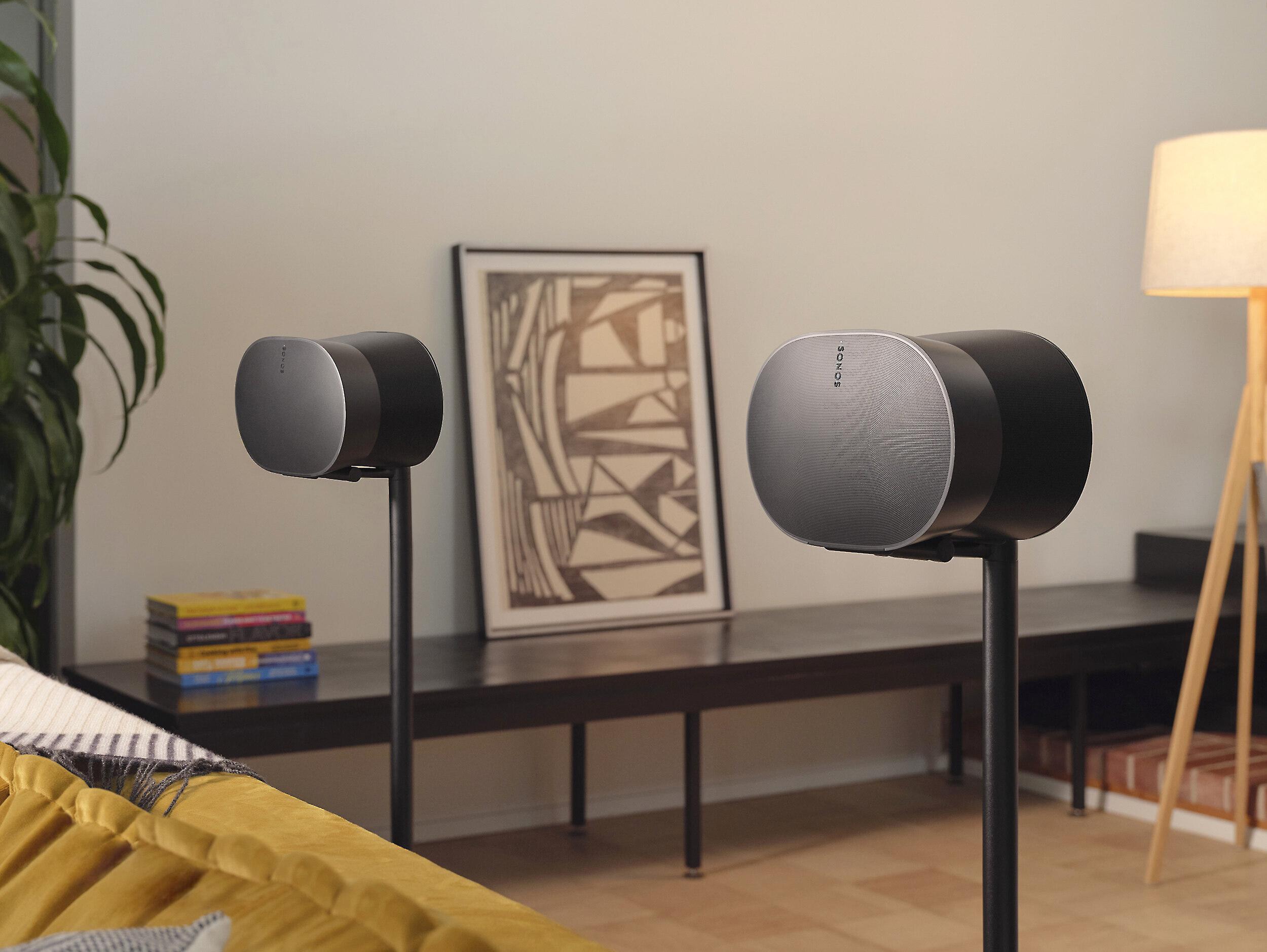
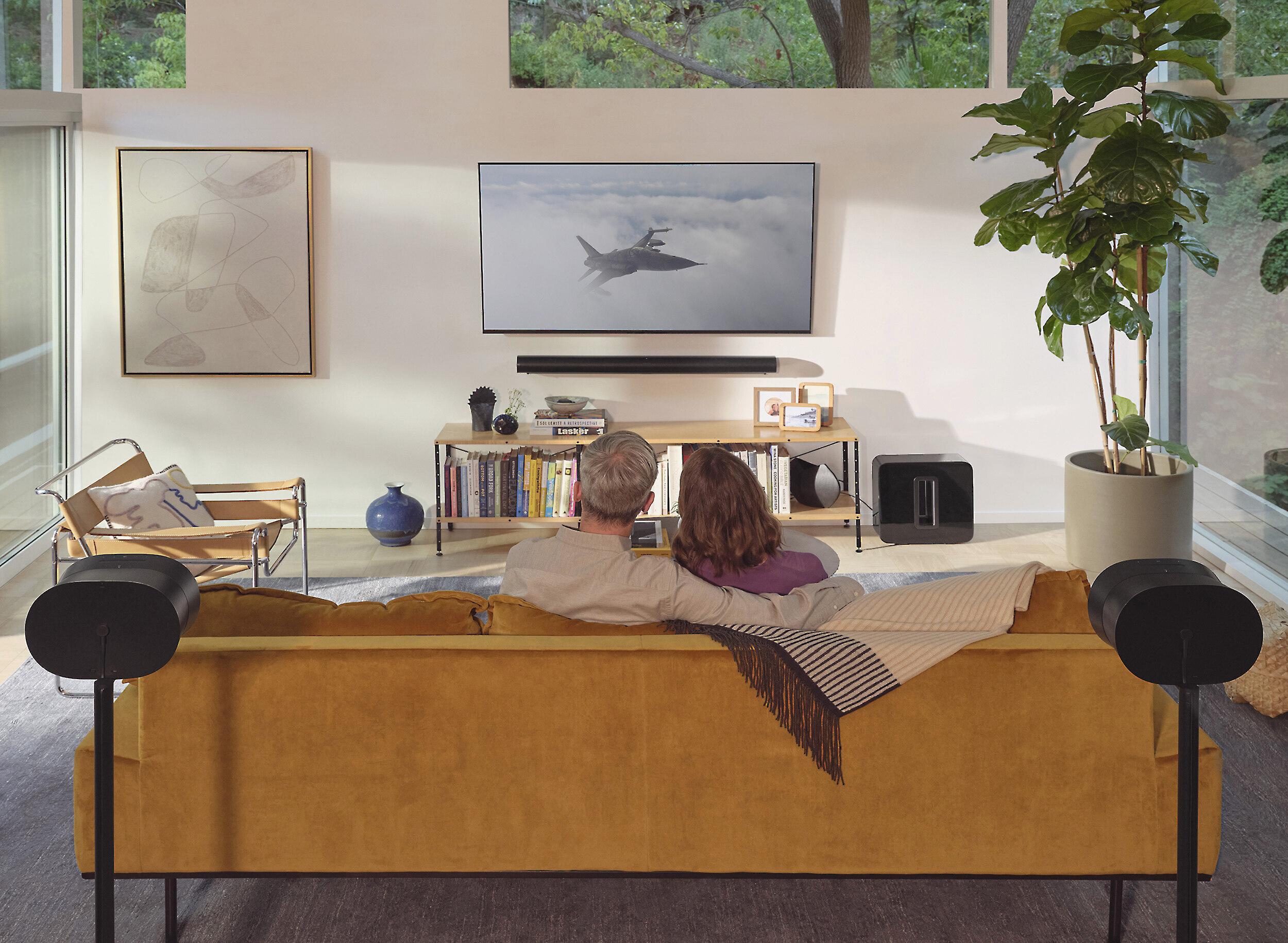
For home theater applications, the Sonos Era 300 offers unique capabilities that the Turtlebox Ranger simply cannot match. When paired with a Sonos Arc or Beam soundbar, two Era 300s can serve as rear surround speakers, creating a true Dolby Atmos surround sound system. This configuration provides height channels that most home theater setups lack, making movie soundtracks more immersive.
The spatial audio capabilities really shine with properly mixed content. Movies with Dolby Atmos soundtracks can place sounds precisely in three-dimensional space—helicopters flying overhead, rain falling from above, or ambient sounds that seem to come from beside or behind you.
The Turtlebox Ranger, being a portable Bluetooth speaker, can't integrate with home theater systems in meaningful ways. It's designed for standalone use, though you could theoretically use two Rangers in TWS mode for stereo TV audio if you don't mind the limitations of Bluetooth latency (audio lag).
At the time of writing, these speakers occupy different price tiers that reflect their distinct target markets. The Turtlebox Ranger commands a premium price for the portable speaker category, reflecting its rugged construction and powerful audio output. When you consider the engineering required to make a speaker this loud, durable, and compact, the pricing becomes more justifiable.
The Sonos Era 300 sits in the premium home speaker category, where its spatial audio capabilities and smart features justify the higher cost. However, the Era 300's value proposition becomes stronger when viewed as part of a larger Sonos ecosystem rather than as a standalone speaker.
Choose the Turtlebox Ranger if you:
Choose the Sonos Era 300 if you:
The decision ultimately comes down to your primary use case. These speakers excel in their intended environments but would struggle if forced into each other's roles. The Turtlebox Ranger brings concert-level volume and battlefield durability to outdoor adventures, while the Sonos Era 300 transforms your living room into an acoustic playground with cutting-edge spatial audio technology.
Both represent excellent engineering and thoughtful design—they're just solving completely different problems. Choose based on where and how you actually listen to music, not where you think you might someday.
| Turtlebox Ranger Portable Bluetooth Speaker | Sonos Era 300 Speaker |
|---|---|
| Audio Output - Maximum volume capability for different environments | |
| 105 dB maximum (extremely loud, cuts through outdoor noise) | ~85 dB estimated (optimized for indoor listening quality) |
| Driver Configuration - How sound is produced and dispersed | |
| 2× 2" waterproof woofers + passive radiator (stereo, 360° dispersion) | 6 drivers: 4 tweeters + 2 woofers (spatial audio with height channels) |
| Power Source - Battery life vs. consistent performance | |
| 25.2 Wh battery: 12+ hours normal use, 5 hours max volume | AC powered only (no battery, requires wall outlet) |
| Durability Rating - Protection against elements and damage | |
| IP67 waterproof, drop/crush/dust-proof (extreme outdoor use) | Indoor only, premium materials but not weatherized |
| Connectivity Options - How you connect and control your music | |
| Bluetooth 5.4 only, 100ft range, simple pairing | Wi-Fi 6 + Bluetooth 5.3, Apple AirPlay 2, voice control |
| Smart Features - Integration with home systems and services | |
| Party Mode pairing, USB-C passthrough charging | Multi-room audio, Trueplay room correction, streaming service integration |
| Spatial Audio Support - 3D sound experience | |
| Standard stereo only (TWS mode with 2 speakers) | Full Dolby Atmos with height channels and 3D positioning |
| Mounting Options - Placement flexibility | |
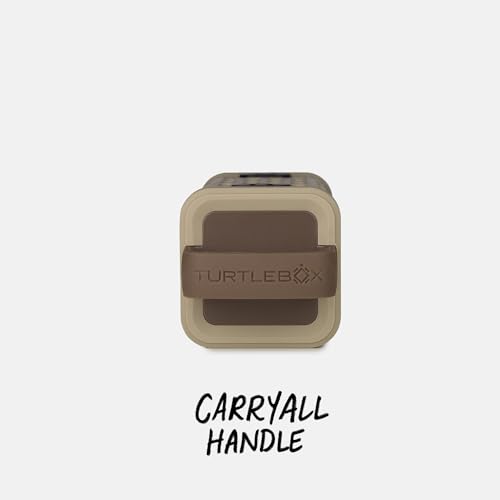
| Built-in magnets for metal surface attachment, carry handle | Table/shelf placement only, capacitive touch controls |
| Weight and Portability - How easy it is to move around | |
| 2.4 lbs, compact cylinder design (true portability) | 9.85 lbs, stationary home speaker (room-to-room movement only) |
| Multi-Speaker Setup - Expanding your audio system | |
| Infinite Turtlebox Ranger pairing, no app required | Full Sonos Era 300 ecosystem integration, app-controlled |
| Home Theater Integration - Surround sound capabilities | |
| Basic Bluetooth audio only (not designed for home theater) | Rear surround speakers for Sonos Arc/Beam, full Dolby Atmos |
The Turtlebox Ranger is specifically designed for outdoor use with IP67 waterproof rating, drop-proof construction, and 105 dB maximum volume that cuts through wind and ambient noise. The Sonos Era 300 is an indoor-only speaker that would be damaged by weather exposure and lacks the volume needed for outdoor environments.
The Sonos Era 300 excels in home theater applications, functioning as rear surround speakers with Sonos Arc or Beam soundbars to create full Dolby Atmos surround sound. The Turtlebox Ranger is not designed for home theater integration and only offers basic Bluetooth audio connectivity.
For pure audio fidelity and detail, the Sonos Era 300 delivers superior sound quality with its six-driver spatial audio system and room correction technology. The Turtlebox Ranger prioritizes volume and clarity in challenging environments over audiophile-level sound reproduction.
The Turtlebox Ranger uses Bluetooth 5.4 exclusively with 100-foot range and works without any network connection. The Sonos Era 300 primarily uses Wi-Fi for multi-room audio and streaming services, though it also supports Bluetooth 5.3 and Apple AirPlay 2.
The Turtlebox Ranger is highly portable at 2.4 pounds with built-in battery lasting 12+ hours, designed for camping, travel, and outdoor activities. The Sonos Era 300 weighs 9.85 pounds, requires AC power, and is intended as a stationary home speaker.
Both speakers support multi-speaker setups but differently. The Turtlebox Ranger offers Party Mode for infinite speaker pairing and True Wireless Stereo with two units. The Sonos Era 300 integrates into the comprehensive Sonos multi-room ecosystem for whole-home audio.
The Turtlebox Ranger is significantly more durable with waterproof, dustproof, drop-proof, and crush-proof construction designed for extreme conditions. The Sonos Era 300 uses premium materials but is designed for indoor use only and would not survive outdoor conditions.
The Sonos Era 300 includes built-in voice control with Amazon Alexa and Sonos Voice Control, plus smart home integration. The Turtlebox Ranger has no voice control features and focuses on simple button controls and Bluetooth connectivity.
The Turtlebox Ranger produces significantly higher volume at 105 dB maximum output, designed to overpower outdoor noise and fill large spaces. The Sonos Era 300 is optimized for indoor listening levels and detailed sound reproduction rather than maximum volume.
The Turtlebox Ranger includes USB-C passthrough charging that lets you charge phones and other devices from its battery. The Sonos Era 300 requires wall power and cannot charge external devices.
The Turtlebox Ranger is ideal for pool parties and beach trips with its waterproof construction, magnetic mounting system, loud output, and battery power. The Sonos Era 300 cannot be used outdoors and requires electrical outlets.
The Sonos Era 300 directly accesses dozens of streaming services through Wi-Fi and the Sonos app, including Spotify, Apple Music, and Amazon Music. The Turtlebox Ranger plays audio from any Bluetooth device but doesn't directly connect to streaming services.
We've done our best to create useful and informative comparisons to help you decide what product to buy. Our research uses advanced automated methods to create this comparison and perfection is not possible - please contact us for corrections or questions. These are the sites we've researched in the creation of this article: fieldandstream.com - tylerstx.com - comparisontabl.es - gearjunkie.com - rogerssportinggoods.com - youtube.com - armorsound.com - simmonssportinggoods.com - turtleboxaudio.com - outdoorhub.com - backpackeroutdoors.com - youtube.com - tennesseevalleyoutsider.com - turtleboxaudio.com - mrfc.com - linecutterz.com - russells.com - turtleboxaudio.com - flyfishfood.com - rtings.com - notebookcheck.net - audiosciencereview.com - whathifi.com - digitaltrends.com - sonos.com - sonos.com - youtube.com - soundguys.com - schaeferstv.com - en.community.sonos.com - bestbuy.com - youtube.com - sonos.com

Privacy Policy
Terms and Conditions - Affiliate Policy
Home Security
© Copyright 2008-2026.
11816 Inwood Rd #1211, Dallas, TX 75244