

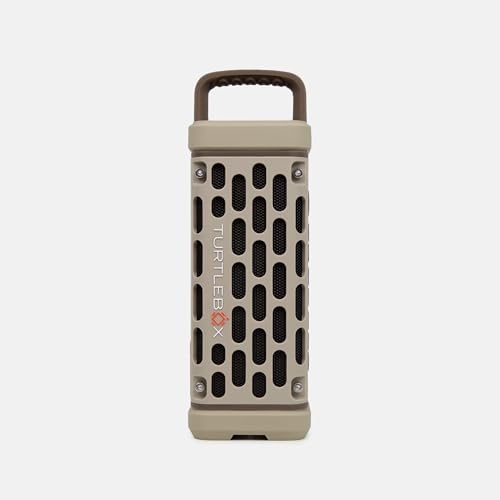
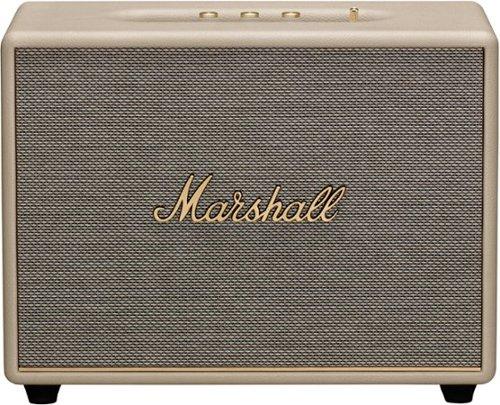
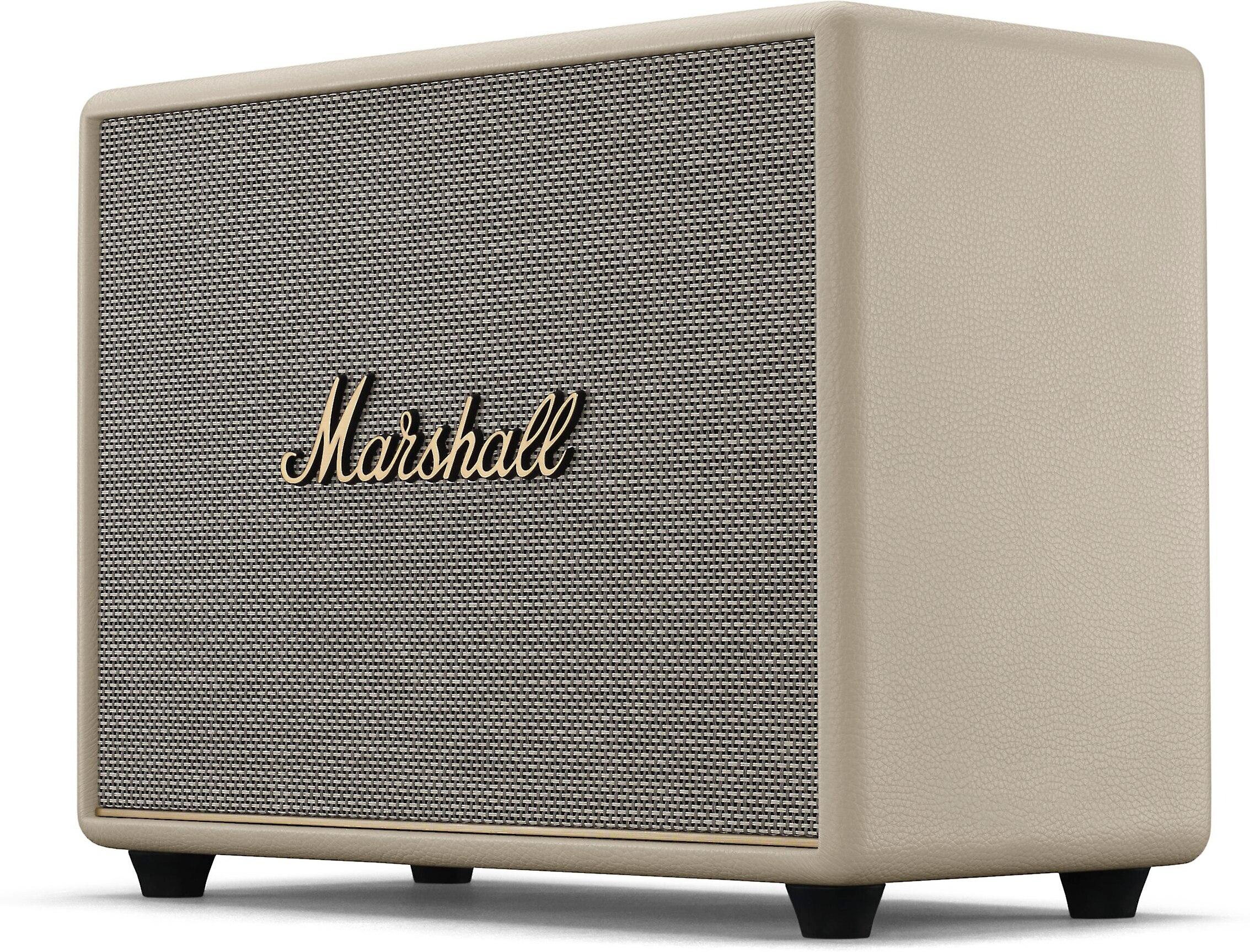
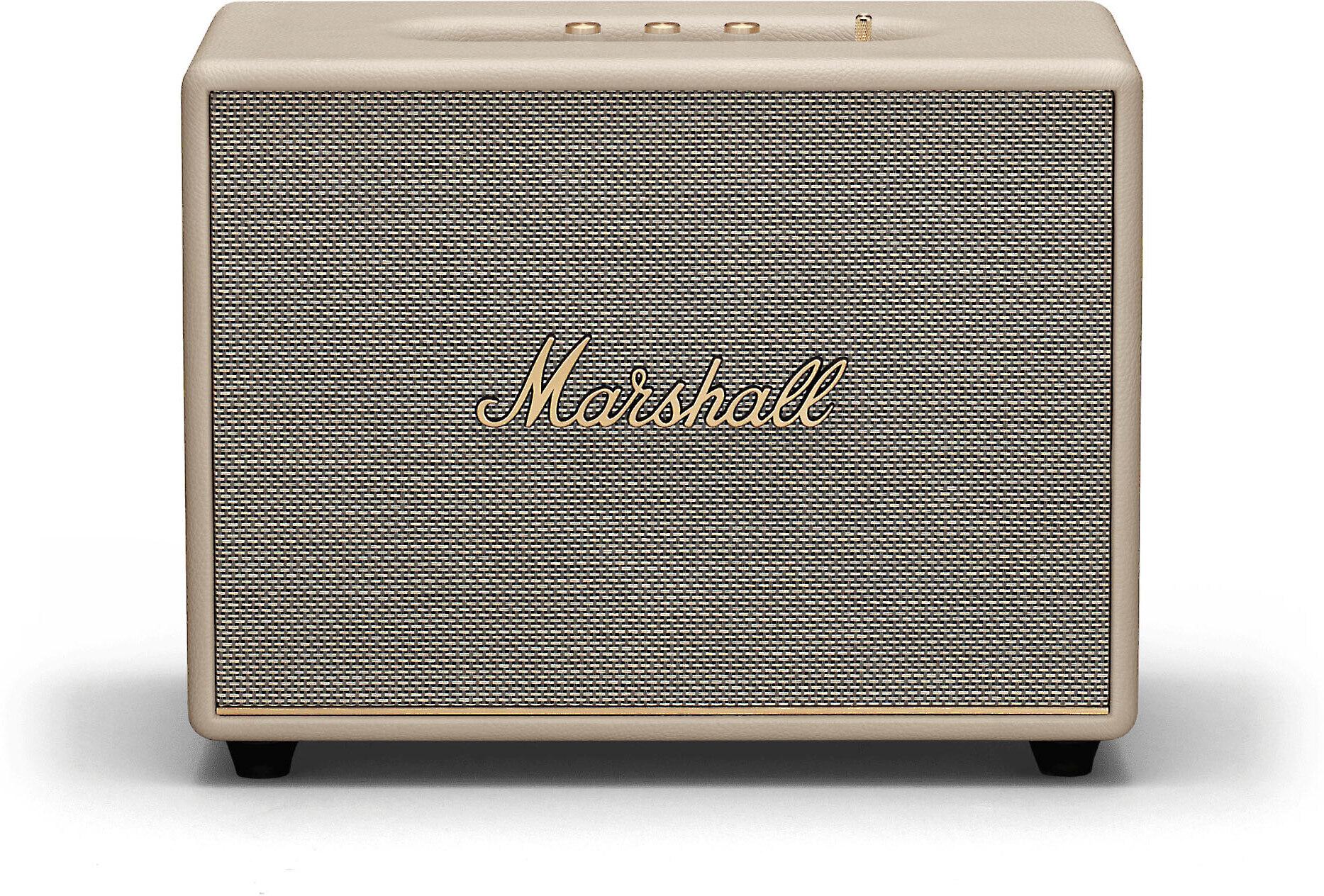
When you're shopping for a Bluetooth speaker today, you're not just choosing between different brands—you're choosing between entirely different philosophies of what a speaker should be. On one side, you have rugged portable speakers like the Turtlebox Ranger that treat durability as their primary mission. On the other side, premium home audio speakers like the Marshall Woburn III prioritize sound quality and sophisticated features above all else.
This fundamental split in the speaker market reflects how we actually use audio devices in 2025. Some of us need speakers that can handle beach sand, construction sites, and camping trips without missing a beat. Others want a centerpiece for their living room that delivers audiophile-quality sound and seamlessly integrates with modern home entertainment systems. Understanding which camp you're in will save you from buying the wrong speaker for your needs.
The Bluetooth speaker market has evolved dramatically over the past decade. Early Bluetooth speakers from the 2010s were mostly about basic wireless convenience—the sound quality was mediocre, and durability was an afterthought. But as the technology matured, manufacturers began specializing in distinct directions.
Portable outdoor speakers emerged as their own category around 2018-2020, driven by companies that recognized active lifestyles needed truly rugged audio solutions. These speakers use techniques like waterproof driver cones, sealed enclosures with IP ratings (Ingress Protection ratings that measure resistance to dust and water), and reinforced housings that can survive impacts.
Premium home speakers, meanwhile, have embraced technologies like DSP (Digital Signal Processing) to optimize sound, multiple driver configurations for better frequency separation, and smart features that automatically adjust audio based on room acoustics. The Marshall Woburn III, released in 2023, represents this evolution with features like placement compensation that actually analyzes your room's reflective surfaces.
The key insight here is that these aren't just different price points of the same thing—they're solving fundamentally different problems. One prioritizes survival in harsh conditions; the other prioritizes sonic excellence in controlled environments.
The Turtlebox Ranger, launched in early 2025, exemplifies how outdoor speakers approach audio differently. When you're listening to music at a beach or tailgate party, you're fighting wind noise, conversations, and ambient sound that can easily reach 70-80 decibels. In these environments, pure volume output matters more than subtle detail retrieval.
The Ranger's 105-decibel maximum output might not sound impressive compared to home speakers, but consider that it achieves this through just two 2-inch waterproof drivers and a passive radiator (a type of driver without a magnet that resonates with the main drivers to enhance bass response). This is genuinely impressive engineering—waterproof drivers typically sacrifice efficiency because the waterproofing materials dampen their movement.
The speaker's Class D digital amplifier with enhanced DSP tuning is specifically designed to maintain clarity at high volumes. Class D amplifiers are more efficient than traditional designs, generating less heat while providing consistent power—crucial for battery-powered operation. The DSP tuning likely emphasizes midrange frequencies where vocals live, ensuring speech and lyrics remain intelligible even in noisy environments.
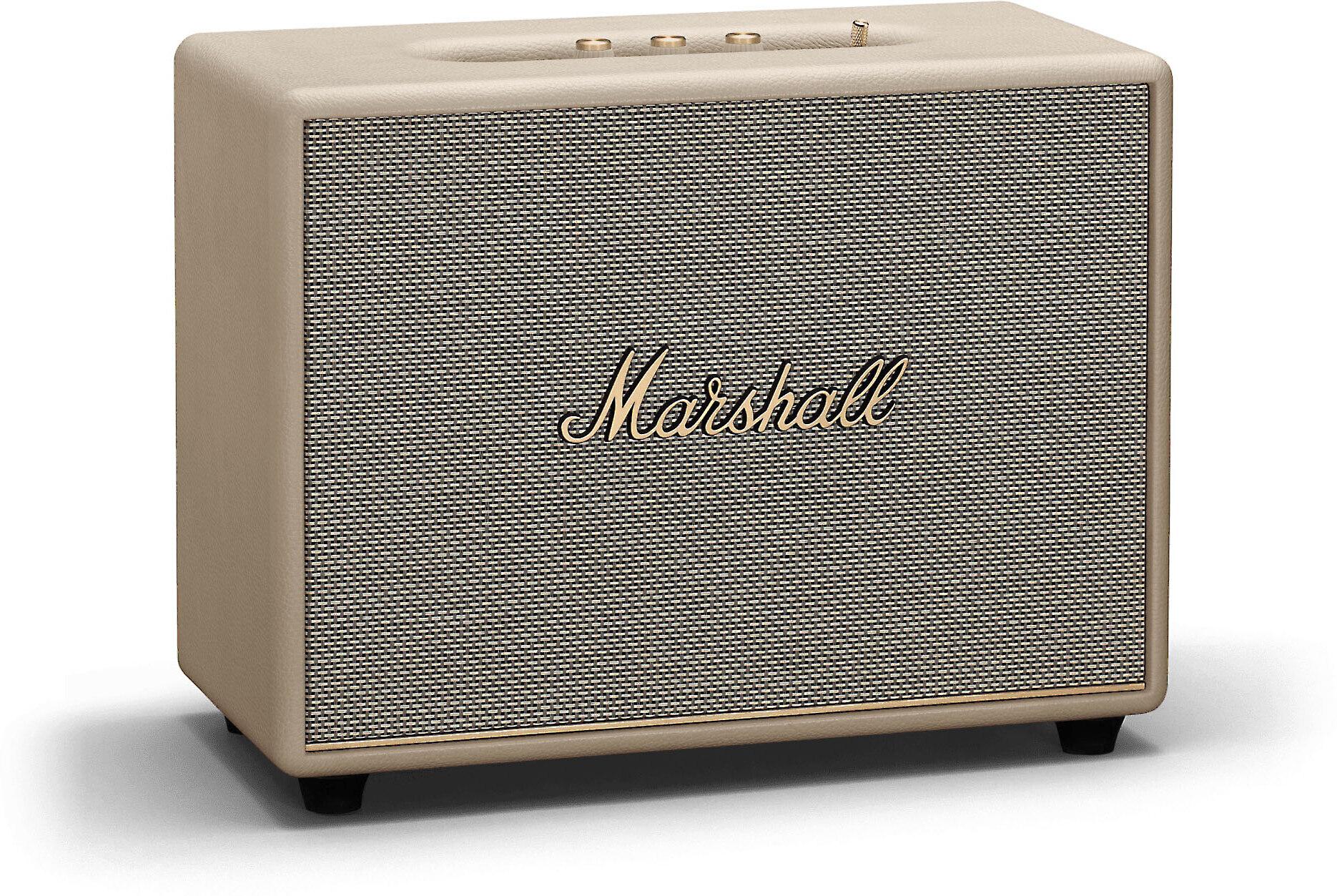
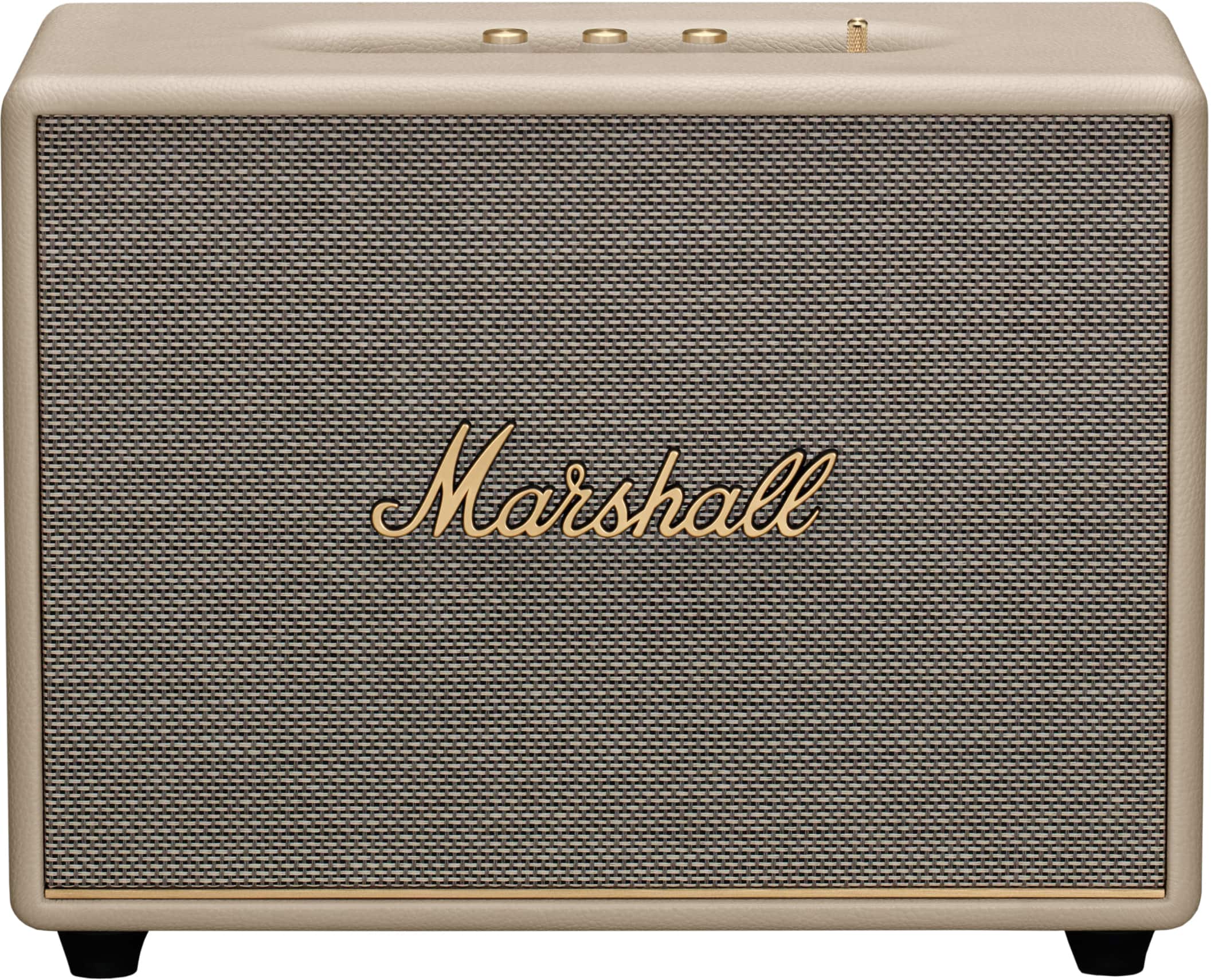
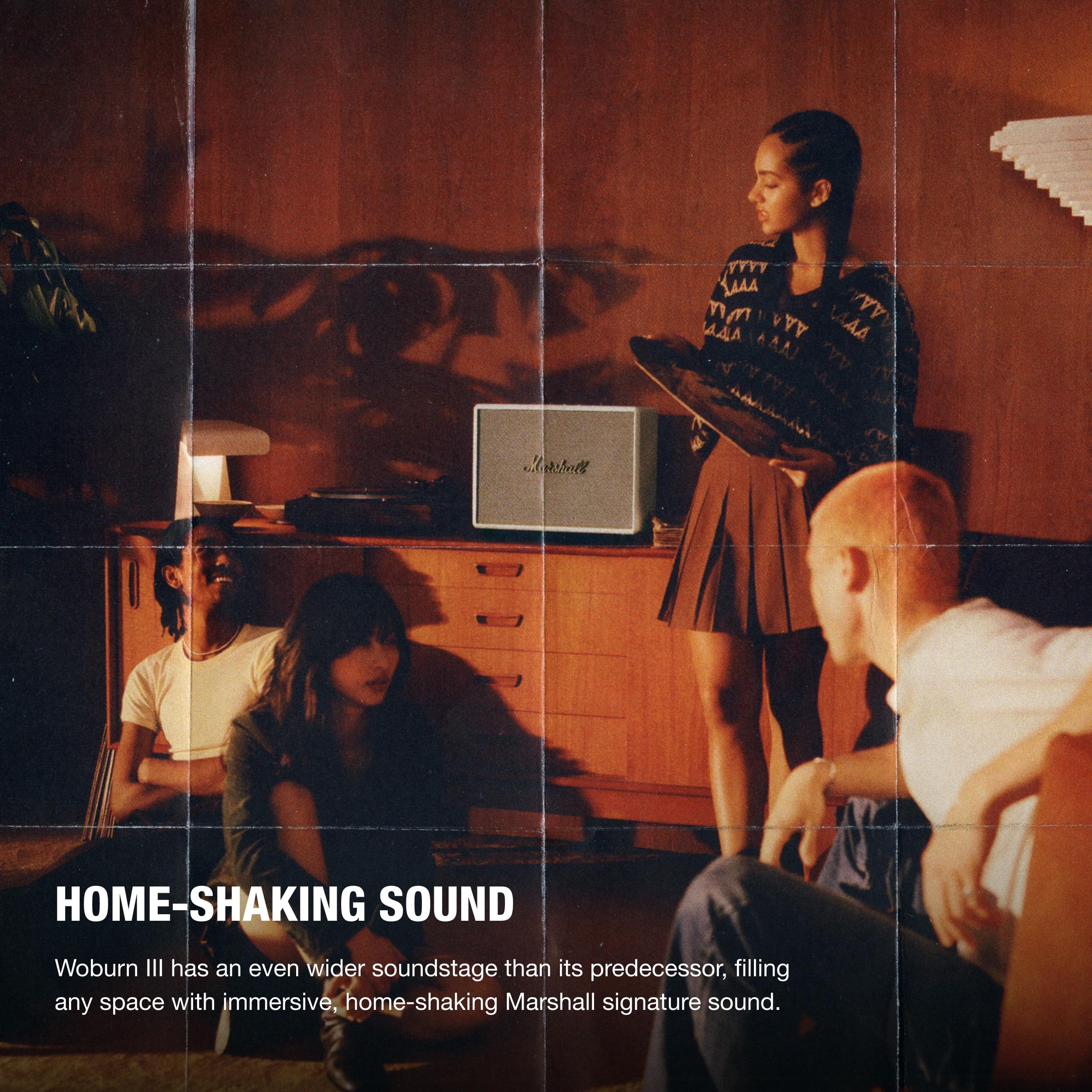
The Marshall Woburn III takes a completely different approach with its three-way driver system. This means dedicated drivers handle specific frequency ranges: dual 0.75-inch dome tweeters for highs, dual 2-inch midrange drivers for vocals and instruments, and a 6-inch woofer for bass. This specialization allows each driver to operate in its optimal range without compromise.
With 150 watts of total system power and a frequency response from 35Hz to 20,000Hz, the Woburn III can reproduce the full spectrum of human hearing. That deep bass extension down to 35Hz means you'll actually feel kick drums and bass lines in your chest—something the compact Turtlebox Ranger simply cannot match despite its impressive engineering.
The Woburn III's Dynamic Loudness feature automatically adjusts the tonal balance as volume changes. This addresses a fundamental issue with human hearing: at lower volumes, we perceive less bass and treble relative to midrange frequencies. The speaker compensates for this psychoacoustic effect, ensuring music sounds balanced whether you're listening quietly in the evening or cranking it up for a party.
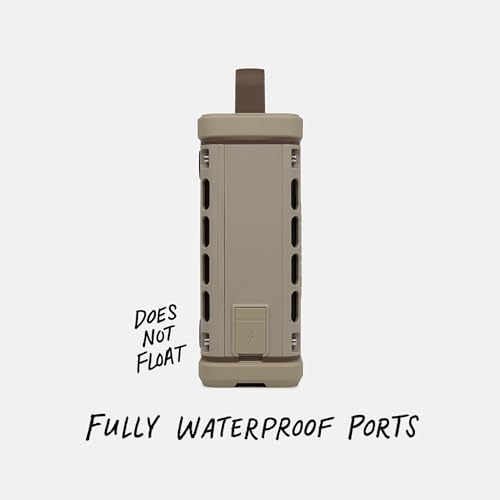
The Turtlebox Ranger's IP67 rating deserves explanation because it represents serious engineering commitment. The "6" means it's completely dust-tight—no particles can enter the enclosure. The "7" means it can survive submersion up to 3 feet for 30 minutes. This isn't just splash-resistant; this is "accidentally dropped in a lake" survivable.
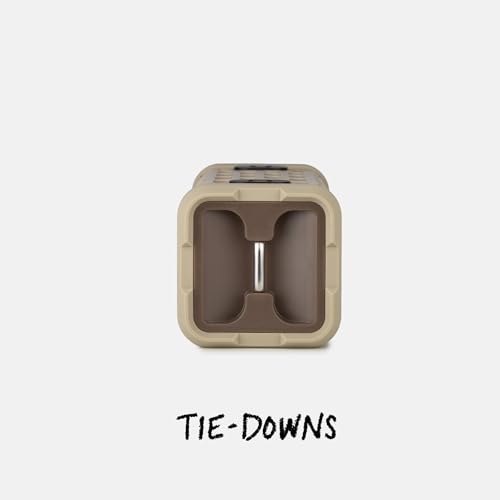
But the Ranger goes beyond basic waterproofing. Its ABS (Acrylonitrile Butadiene Styrene) housing is the same plastic used in protective cases for sensitive equipment, combined with rubber bumpers that absorb impact energy. The stainless steel hardware resists corrosion from saltwater—a detail that matters if you boat or live near the ocean.
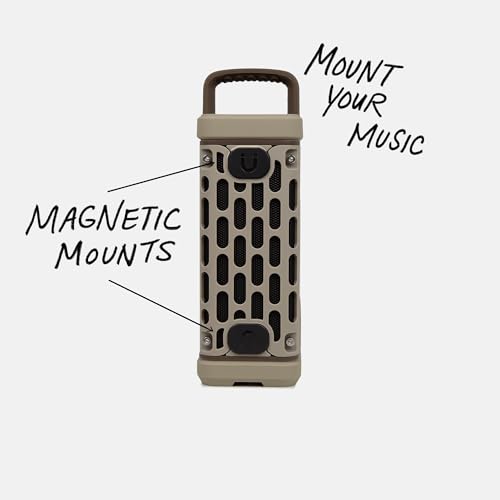
The magnetic mounting system uses neodymium magnets powerful enough to secure the 2.4-pound speaker to metal surfaces even during vibration. This isn't a gimmick; it's genuinely useful for mounting to vehicle roof racks, toolboxes, or boat railings where traditional placement isn't practical.
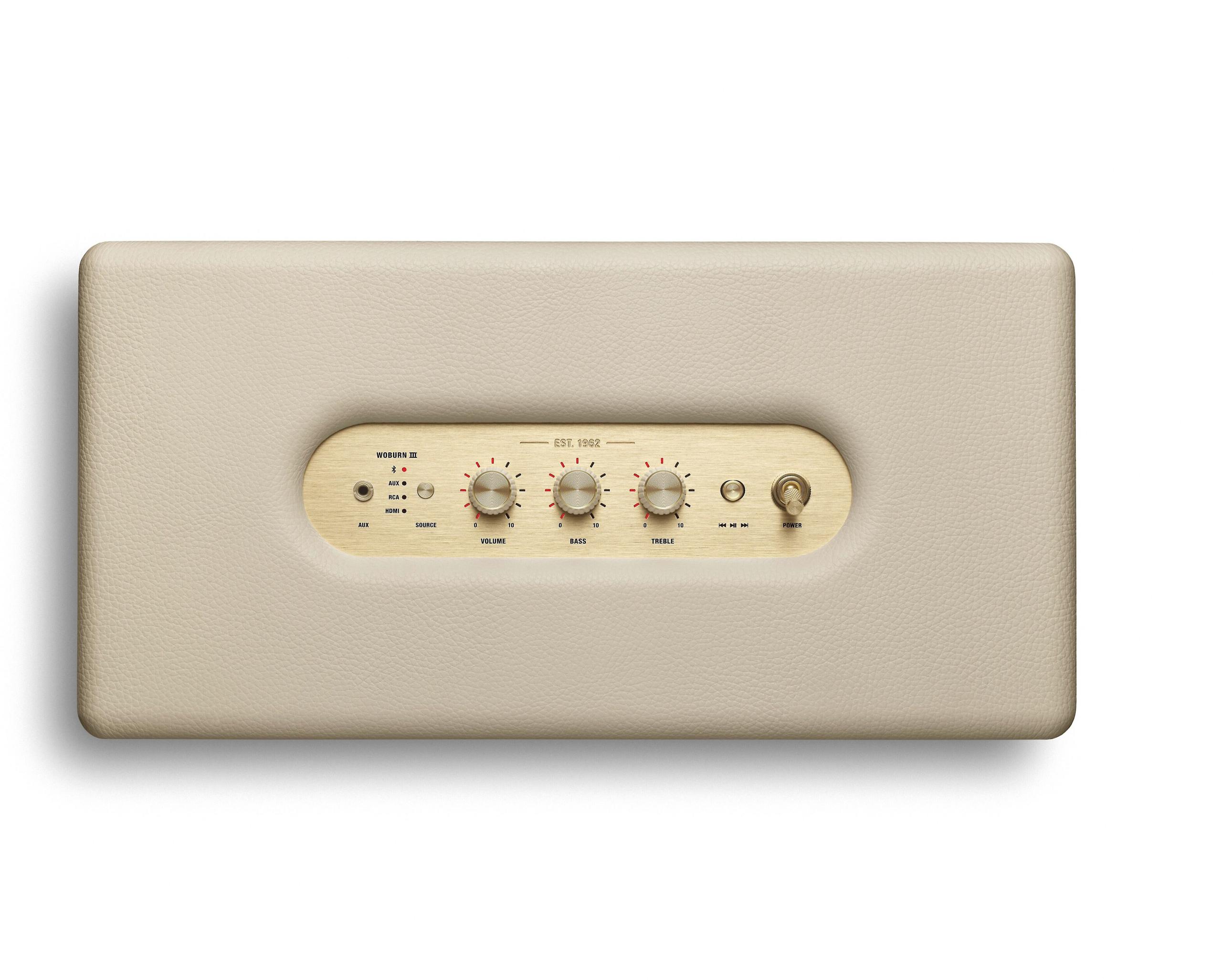
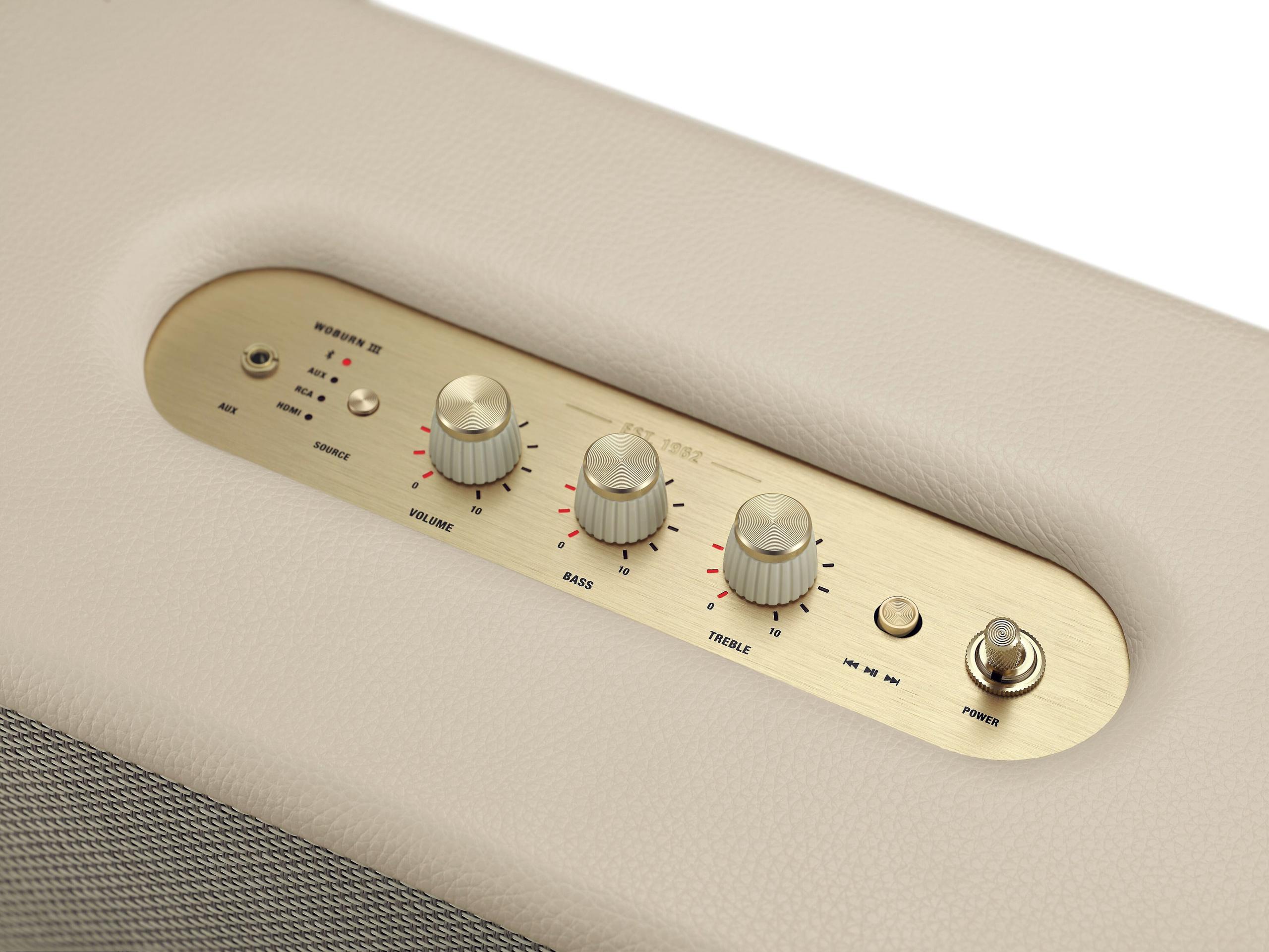
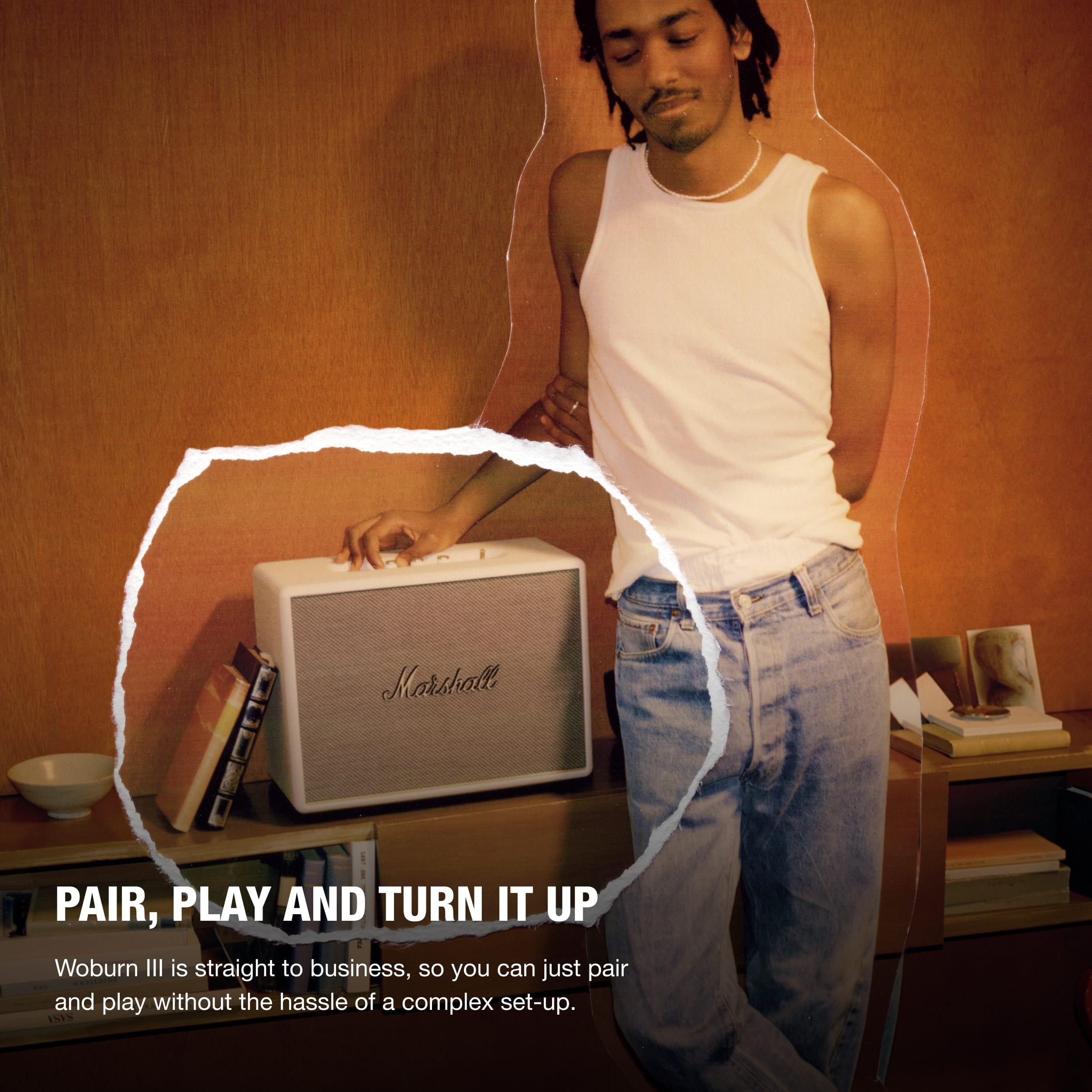
The Marshall Woburn III prioritizes different aspects of build quality. At 16.42 pounds, it's built like furniture—meant to occupy a permanent spot in your room. The classic Marshall amplifier aesthetic isn't just nostalgic styling; it reflects the company's heritage of building guitar amplifiers that have shaped rock music for decades.
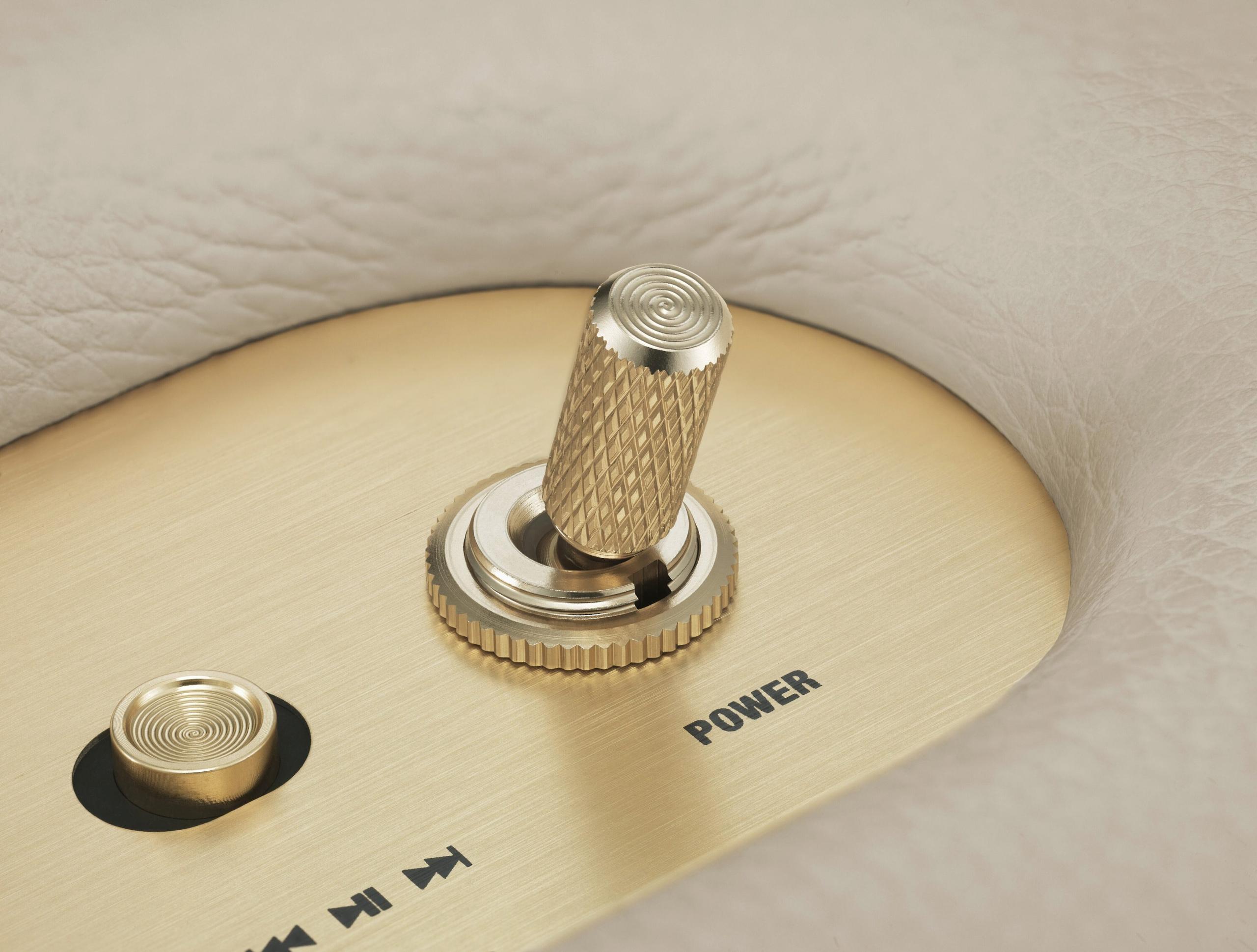
The speaker's use of 70% recycled materials and vegan components reflects modern environmental consciousness without compromising performance. The brass control knobs provide tactile feedback that app-based controls can't match—there's something satisfying about physically adjusting bass and treble that connects you to the music in a visceral way.
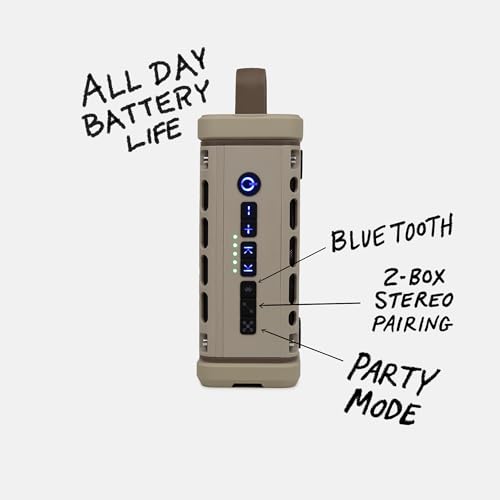
The Turtlebox Ranger's Bluetooth 5.4 implementation includes some genuinely innovative features. Party Mode allows unlimited speaker pairing—not just connecting two speakers for stereo, but creating large arrays of synchronized speakers. This transforms a single portable speaker into a potential whole-venue sound system.
True Wireless Stereo (TWS) mode goes beyond basic pairing by creating dedicated left and right channels between two Rangers. Most portable speakers operate in mono, but this creates genuine stereo separation that dramatically improves the listening experience for music mixed with distinct left/right channel information.
The 100-foot wireless range exceeds most competitors and reflects Bluetooth 5.4's improved efficiency and range capabilities. This matters more than you might think—it means you can leave your phone charging inside while the speaker provides music on your deck or patio.
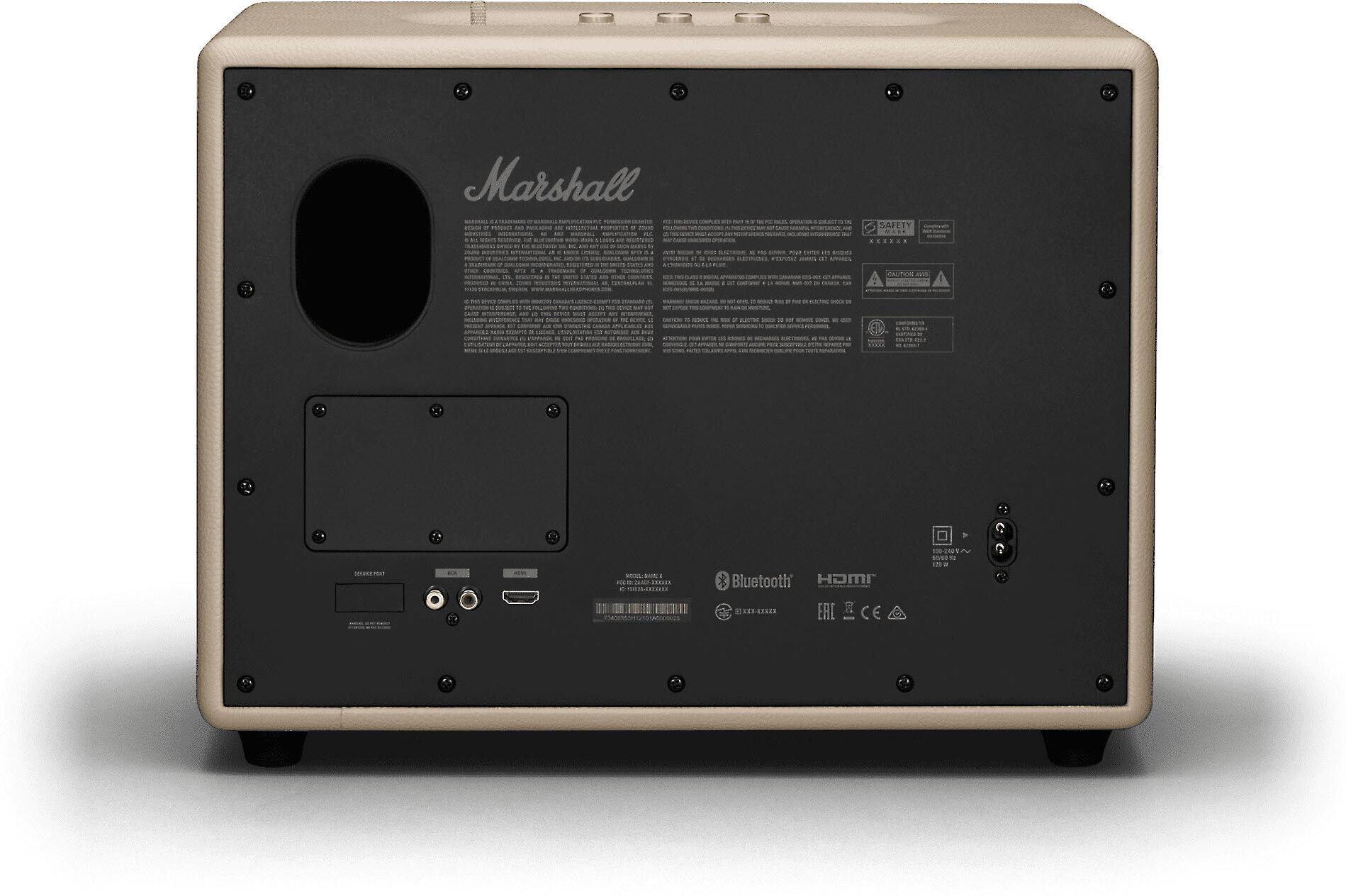
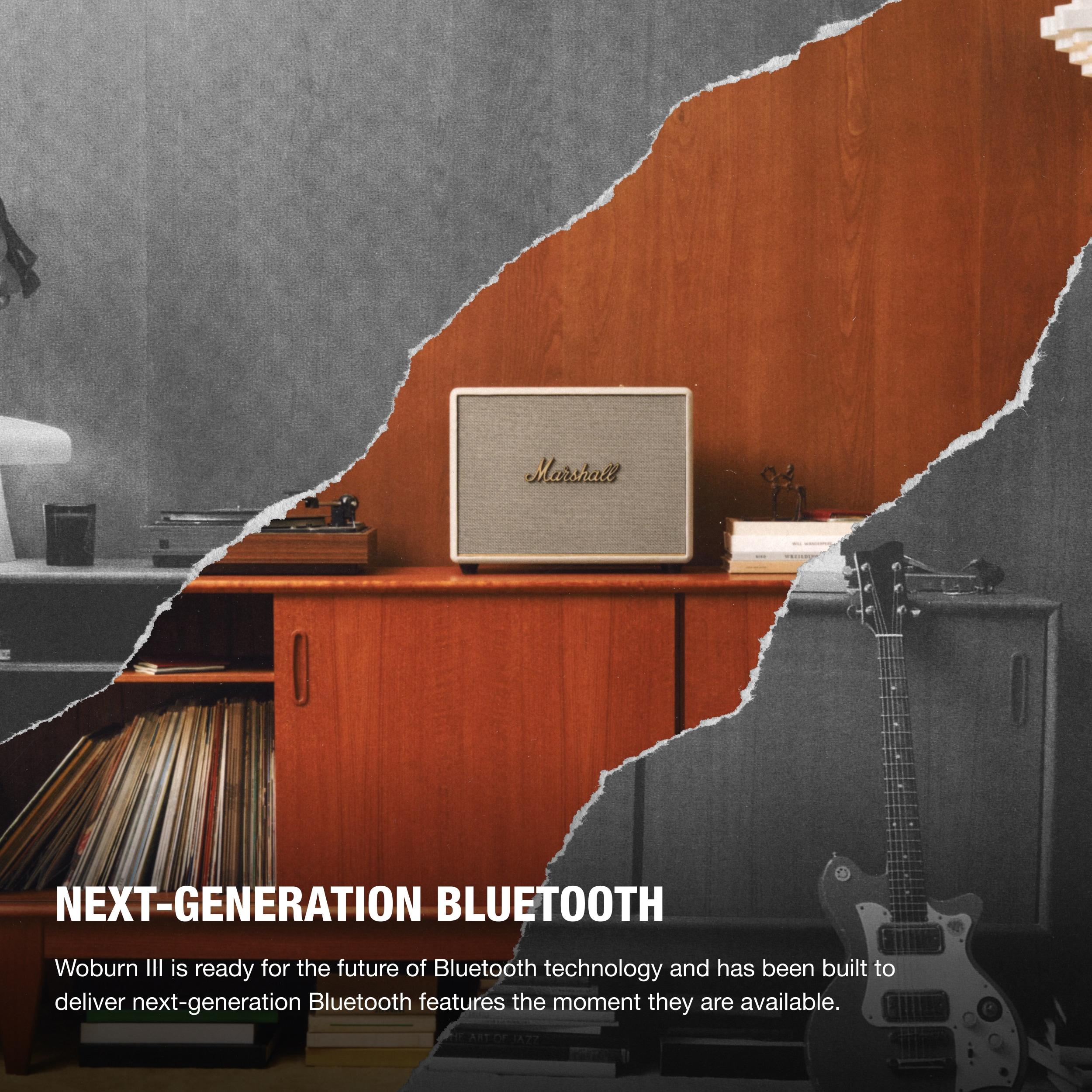
The Marshall Woburn III's HDMI ARC (Audio Return Channel) support represents a significant advantage for home theater use. This single cable connection to your TV handles both audio from the TV's apps and can improve the sound quality of streaming services, cable, and gaming consoles. The support for 24-bit/96kHz audio means it can handle high-resolution audio formats without quality loss.
Multipoint connection allows simultaneous pairing with two devices—your TV and your phone, for example. This eliminates the need to constantly re-pair devices when switching between sources. The placement compensation feature uses the Marshall Bluetooth app to optimize sound based on whether the speaker is near walls, in a corner, or in open space. This addresses real acoustic challenges that affect how speakers sound in different positions.
The Turtlebox Ranger's 25.2Wh battery provides up to 20+ hours of playback, though this varies significantly with volume levels. At maximum output, expect closer to 5-6 hours—still impressive for such a powerful portable speaker. The USB-C port's bidirectional power capability means the speaker can charge your phone, essentially functioning as a backup power bank during extended outdoor adventures.
The Marshall Woburn III requires AC power, which limits placement options but eliminates battery anxiety. For a primary home speaker, this trade-off makes sense—consistent power delivery enables the 150-watt output that would quickly drain any reasonable battery.
If you're considering either speaker for home theater use, the Marshall Woburn III clearly wins this comparison. The HDMI ARC connection provides seamless integration with modern TVs, automatically switching to TV audio when you turn on the television. The Night Mode feature compresses the dynamic range, making quiet dialogue more audible while preventing loud explosions from waking the neighbors—a genuinely useful feature for apartment living.
The three-way driver system excels at reproducing dialogue clarity, which is often the weakness of TV speakers and soundbars. Movie soundtracks benefit from the extended bass response and stereo imaging that creates a more immersive experience.
The Turtlebox Ranger could work for casual TV watching if connected via Bluetooth, but its mono output and outdoor-optimized tuning won't match a dedicated home speaker's performance.
At the time of writing, these speakers occupy different price tiers that reflect their specialized engineering. The Turtlebox Ranger represents excellent value in the rugged portable category, offering features typically found in speakers costing significantly more. The magnetic mounting, unlimited pairing capability, and genuinely waterproof construction justify its premium over basic portable speakers.
The Marshall Woburn III competes in the premium home audio space where its pricing reflects the three-way driver system, multiple input options, and Marshall brand heritage. Compared to traditional hi-fi speakers requiring separate amplification, it offers good value for an all-in-one solution.
The Turtlebox Ranger makes sense for people whose lifestyle demands ruggedness. If you camp, boat, work construction, or frequently host outdoor gatherings, this speaker will reliably provide good sound in conditions that would damage conventional speakers.
The Marshall Woburn III suits people who view their speaker as furniture—a permanent addition to their living space that prioritizes performance over portability. If you're building a home audio system or replacing inadequate TV speakers, this approach makes more sense.
These speakers represent two successful but incompatible approaches to audio. The Turtlebox Ranger sacrifices some audio refinement for extraordinary durability and portability. The Marshall Woburn III sacrifices portability for superior sound quality and home integration features.
Neither speaker is trying to be everything to everyone, and that focus makes them both excellent at their intended purposes. The key is honestly assessing how you actually use speakers rather than how you imagine you might use them.
If your speaker will spend most of its life in your living room, choose based on sound quality and features. If it needs to survive your actual lifestyle—whether that's weekend camping trips or daily construction work—prioritize durability and portability. The worst decision is compromising on your primary use case to gain flexibility you'll rarely use.
The Turtlebox Ranger and Marshall Woburn III prove that specialized engineering beats jack-of-all-trades approaches. Choose the one that matches your real-world needs, and you'll be significantly happier with the results.
| Turtlebox Ranger | Marshall Woburn III |
|---|---|
| Speaker Type - Determines where and how you'll use it | |
| Rugged portable outdoor speaker | Premium stationary home audio speaker |
| Sound Output - Maximum volume capability | |
| 105 dB (impressive for portable size) | 150 watts total power (room-filling volume) |
| Driver Configuration - Affects sound quality and frequency range | |
| Dual 2" waterproof drivers + passive radiator | 3-way system: 6" woofer, dual 2" midrange, dual 0.75" tweeters |
| Durability Rating - Critical for outdoor/harsh environment use | |
| IP67 waterproof, drop/crush/dust proof | Standard home speaker construction |
| Weight & Portability - Determines mobility | |
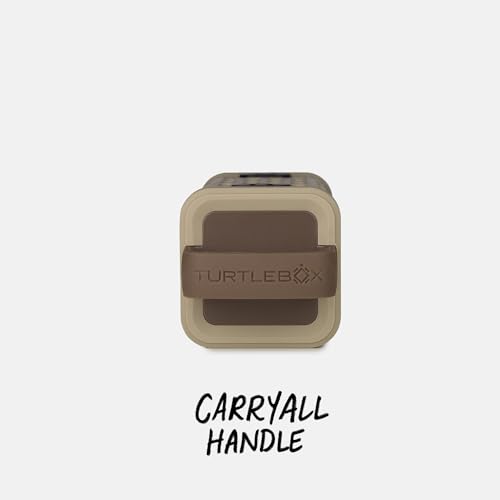
| 2.4 lbs, ultra-portable with handle | 16.42 lbs, designed for permanent placement |
| Power Source - Battery vs wall power trade-offs | |
| 25.2Wh battery (12+ hours), USB-C charging | AC powered only (unlimited runtime) |
| Bluetooth Technology - Connection quality and range | |
| Bluetooth 5.4, 100ft range, Party Mode pairing | Bluetooth 5.2, multipoint connection |
| Input Options - Source flexibility beyond phone | |
| Bluetooth only, USB-C passthrough charging | Bluetooth, HDMI ARC, RCA inputs |
| Unique Features - Standout capabilities | |
| Magnetic mounting, unlimited speaker pairing, waterproof | Dynamic Loudness, Placement Compensation, Marshall app |
| Best Use Cases - Where each excels | |
| Outdoor adventures, job sites, pool parties, camping | Home listening, TV audio, permanent room setup |
| Frequency Response - Full audio spectrum capability | |
| Optimized for outdoor clarity (specific range not specified) | 35Hz-20,000Hz (full human hearing range) |
| Smart Features - App control and optimization | |
| Touch controls, True Wireless Stereo pairing | Marshall app with EQ, Night Mode, room optimization |
The Turtlebox Ranger is specifically designed for outdoor use with IP67 waterproof rating, drop-proof construction, and magnetic mounting. The Marshall Woburn III is a home speaker that lacks weatherproofing and portability features needed for outdoor activities.
The Marshall Woburn III excels for home theater with HDMI ARC connectivity, Night Mode for dialogue clarity, and room-filling 150-watt output. The Turtlebox Ranger can connect via Bluetooth but lacks the power and features optimized for TV audio enhancement.
The Marshall Woburn III delivers superior sound quality with its three-way driver system, 35Hz-20,000Hz frequency response, and 150 watts of power. The Turtlebox Ranger prioritizes durability and portability over pure audio fidelity, though it sounds impressive for its rugged design.
The Turtlebox Ranger offers 12+ hours of battery life with its 25.2Wh lithium-ion battery and can charge external devices via USB-C. The Marshall Woburn III requires AC power and has no battery option.
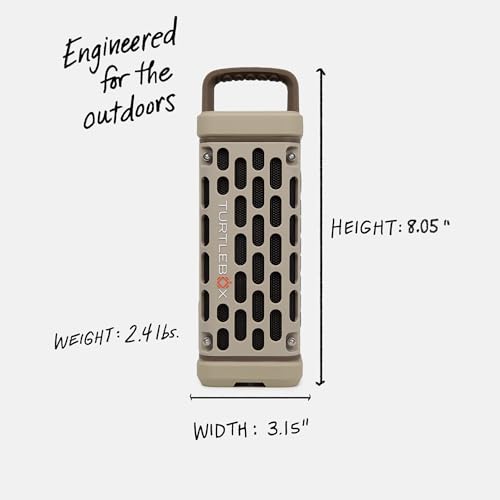
The Turtlebox Ranger weighs just 2.4 pounds and measures 8 inches tall, making it highly portable with a built-in handle. The Marshall Woburn III weighs over 16 pounds and is designed as a stationary home speaker.
The Turtlebox Ranger features Party Mode for unlimited speaker pairing and True Wireless Stereo for left/right channel separation. The Marshall Woburn III doesn't support multi-speaker pairing but offers multipoint Bluetooth for connecting two devices simultaneously.
Value depends on use case: the Turtlebox Ranger offers excellent value for rugged portability and outdoor durability features. The Marshall Woburn III provides good value for premium home audio with multiple inputs and sophisticated sound processing.
The Marshall Woburn III offers Bluetooth 5.2, HDMI ARC, and RCA inputs for maximum source flexibility. The Turtlebox Ranger focuses on Bluetooth 5.4 connectivity with 100-foot range and USB-C for charging.
The Turtlebox Ranger is fully waterproof with IP67 rating, surviving submersion up to 3 feet for 30 minutes. The Marshall Woburn III is not waterproof and designed for dry indoor environments only.
For outdoor parties, the Turtlebox Ranger excels with weatherproof construction, magnetic mounting, and Party Mode for connecting multiple speakers. For indoor parties, the Marshall Woburn III provides more powerful room-filling sound and better bass response.
The Turtlebox Ranger offers up to 100 feet of Bluetooth 5.4 range, ideal for outdoor use. The Marshall Woburn III uses Bluetooth 5.2 with standard range but adds multipoint connection for simultaneous device pairing.
The Marshall Woburn III is purpose-built for home use with AC power, multiple inputs, room optimization features, and premium sound quality. The Turtlebox Ranger can work for home use but is overbuilt for indoor environments where its rugged features aren't needed.
We've done our best to create useful and informative comparisons to help you decide what product to buy. Our research uses advanced automated methods to create this comparison and perfection is not possible - please contact us for corrections or questions. These are the sites we've researched in the creation of this article: fieldandstream.com - tylerstx.com - comparisontabl.es - gearjunkie.com - rogerssportinggoods.com - youtube.com - armorsound.com - simmonssportinggoods.com - turtleboxaudio.com - outdoorhub.com - backpackeroutdoors.com - youtube.com - tennesseevalleyoutsider.com - turtleboxaudio.com - mrfc.com - linecutterz.com - russells.com - turtleboxaudio.com - flyfishfood.com - bestbuy.com - crutchfield.com - rtings.com - idownloadblog.com - digit.in - crutchfield.com - epicrewards.com.ph - ione.com.kh - youtube.com - onward.ph - economictimes.indiatimes.com

Privacy Policy
Terms and Conditions - Affiliate Policy
Home Security
© Copyright 2008-2026.
11816 Inwood Rd #1211, Dallas, TX 75244