


Finding the right portable Bluetooth speaker isn't just about sound quality anymore—it's about matching performance to your lifestyle. Whether you're planning beach trips, backyard gatherings, or need reliable audio for work environments, the speaker you choose can make or break your experience.
At the time of writing, two speakers stand out in the portable audio landscape: the rugged Turtlebox Ranger and the versatile Sony XE200. These aren't just different brands—they represent fundamentally different approaches to portable audio. The Ranger, released in 2025, embodies extreme durability and power, while the XE200 focuses on balanced performance and smart features at a more accessible price point.
Before diving into specifics, it's crucial to understand that not all portable speakers are created equal. The market has evolved significantly since Bluetooth audio became mainstream around 2010. Today's speakers fall into distinct categories: ultra-portable options that prioritize convenience, rugged outdoor models built for harsh conditions, and premium lifestyle speakers that blend aesthetics with performance.
The most important factors when evaluating any portable speaker are audio performance (how good it sounds), durability (how well it survives daily use), battery life (how long it plays), and connectivity features (how well it pairs and stays connected). Understanding these basics helps you identify what matters most for your specific needs.
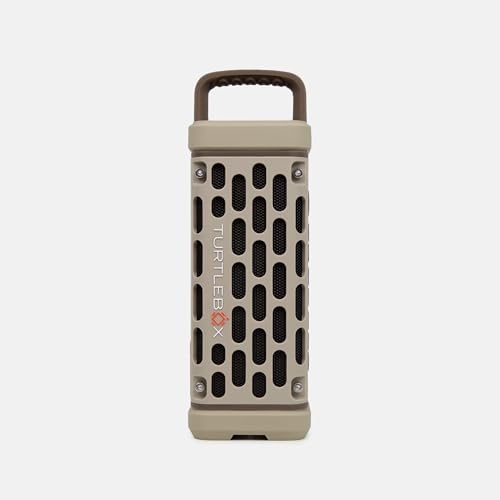
The Turtlebox Ranger represents a "purpose-built" approach—designed specifically for users who need maximum durability and volume output. Think construction workers, boat owners, or camping enthusiasts who regularly expose their gear to harsh conditions. At the time of writing, it commands a premium price but delivers specialized capabilities that justify the cost for its target audience.
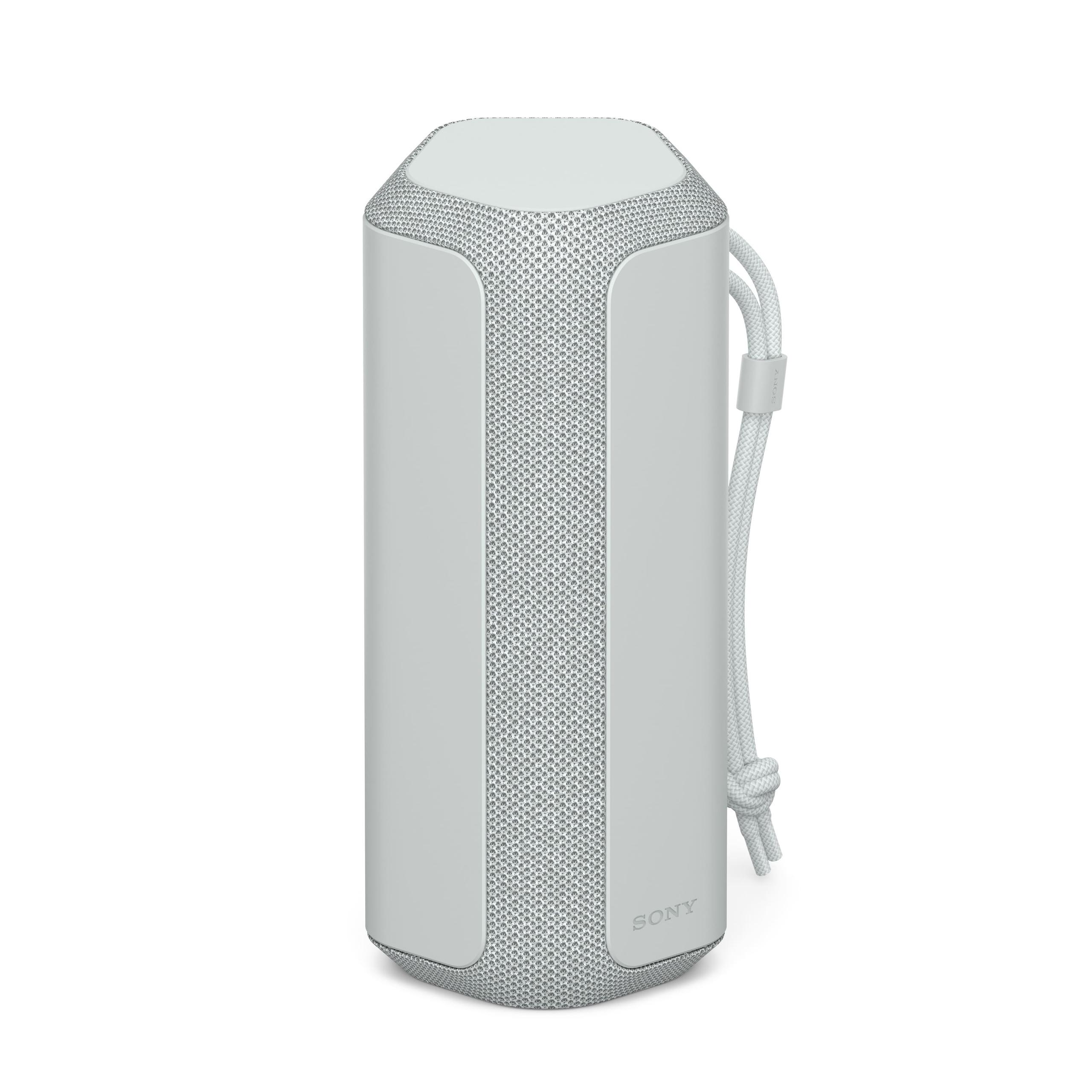
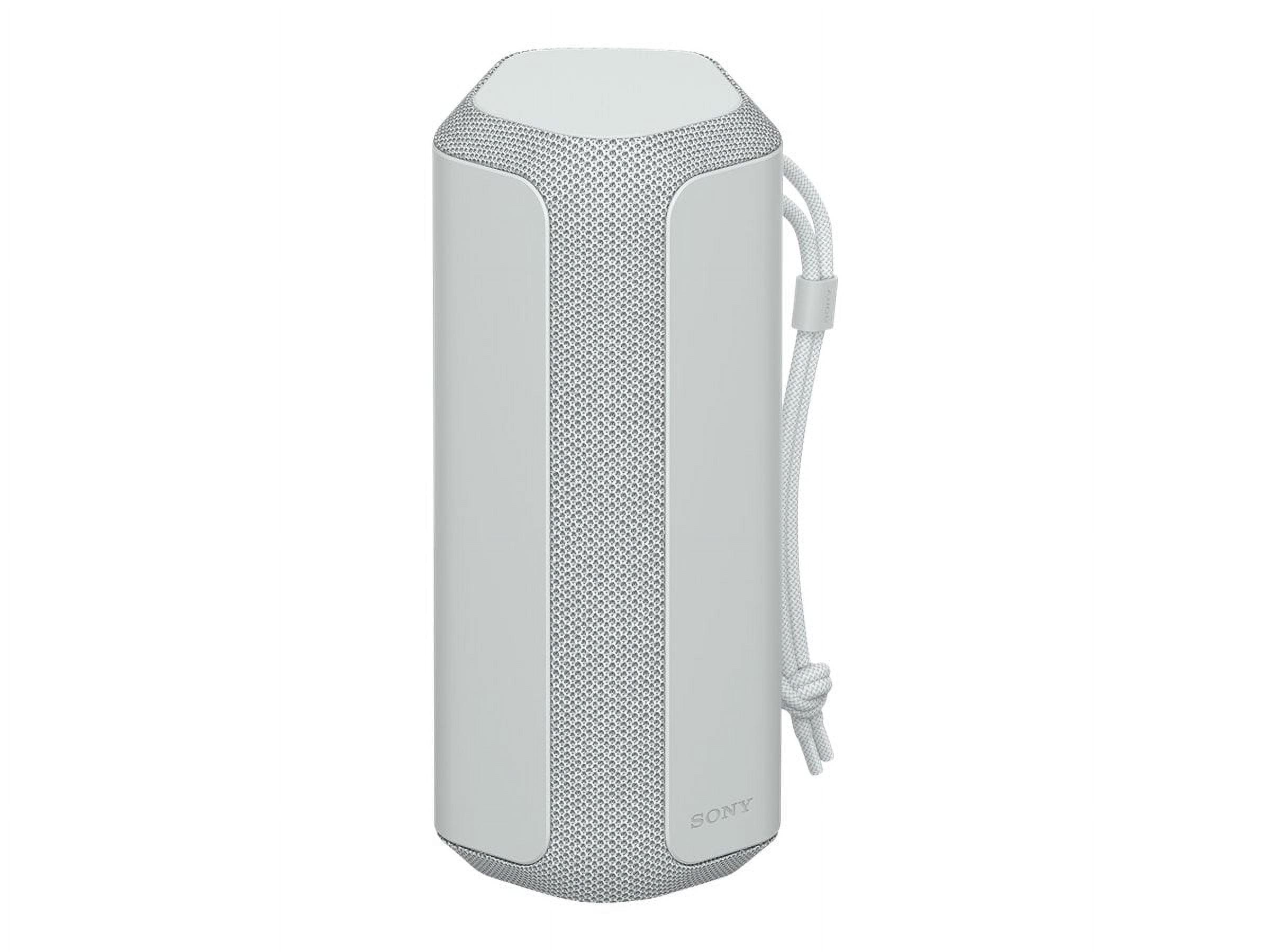
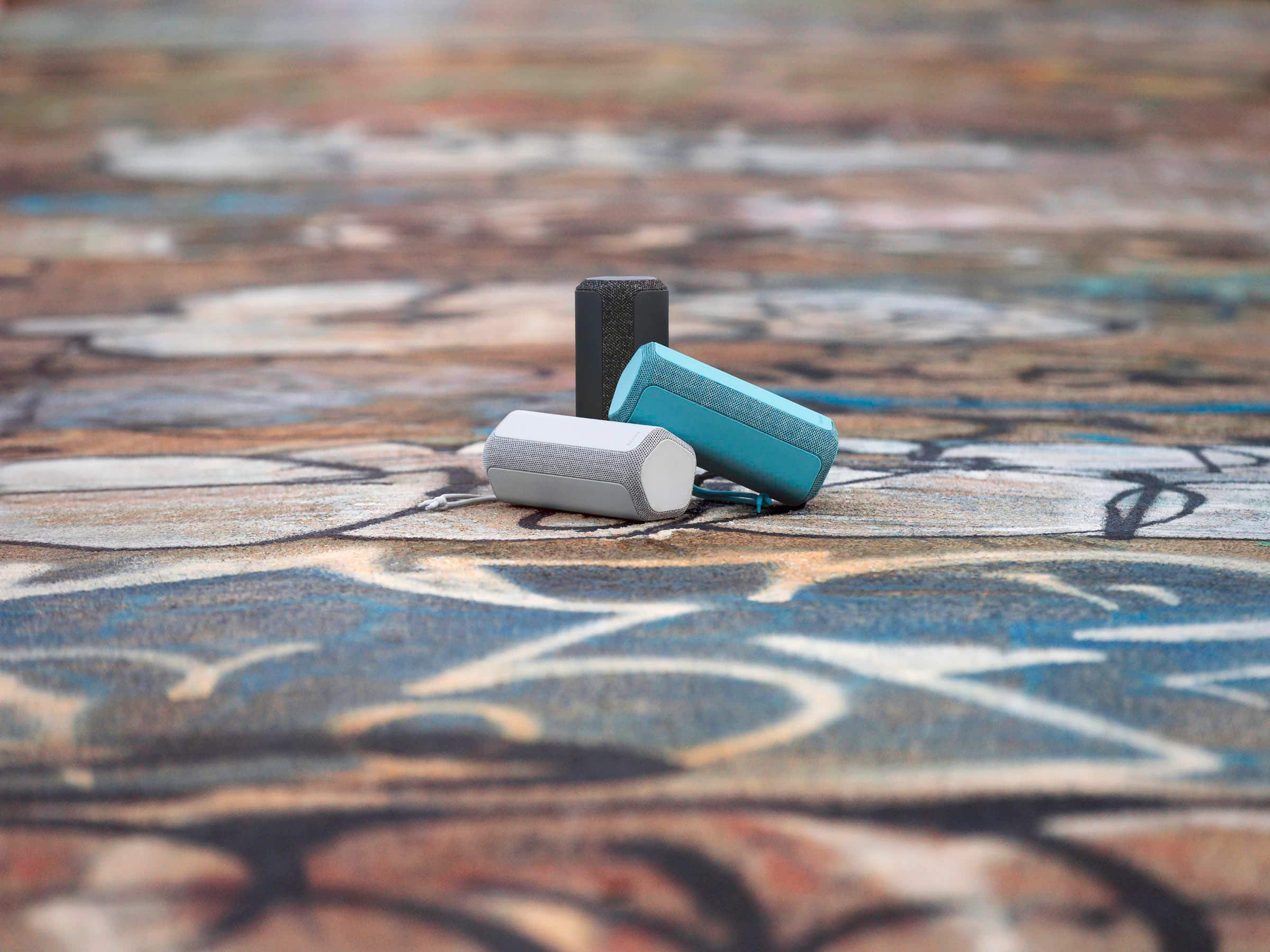
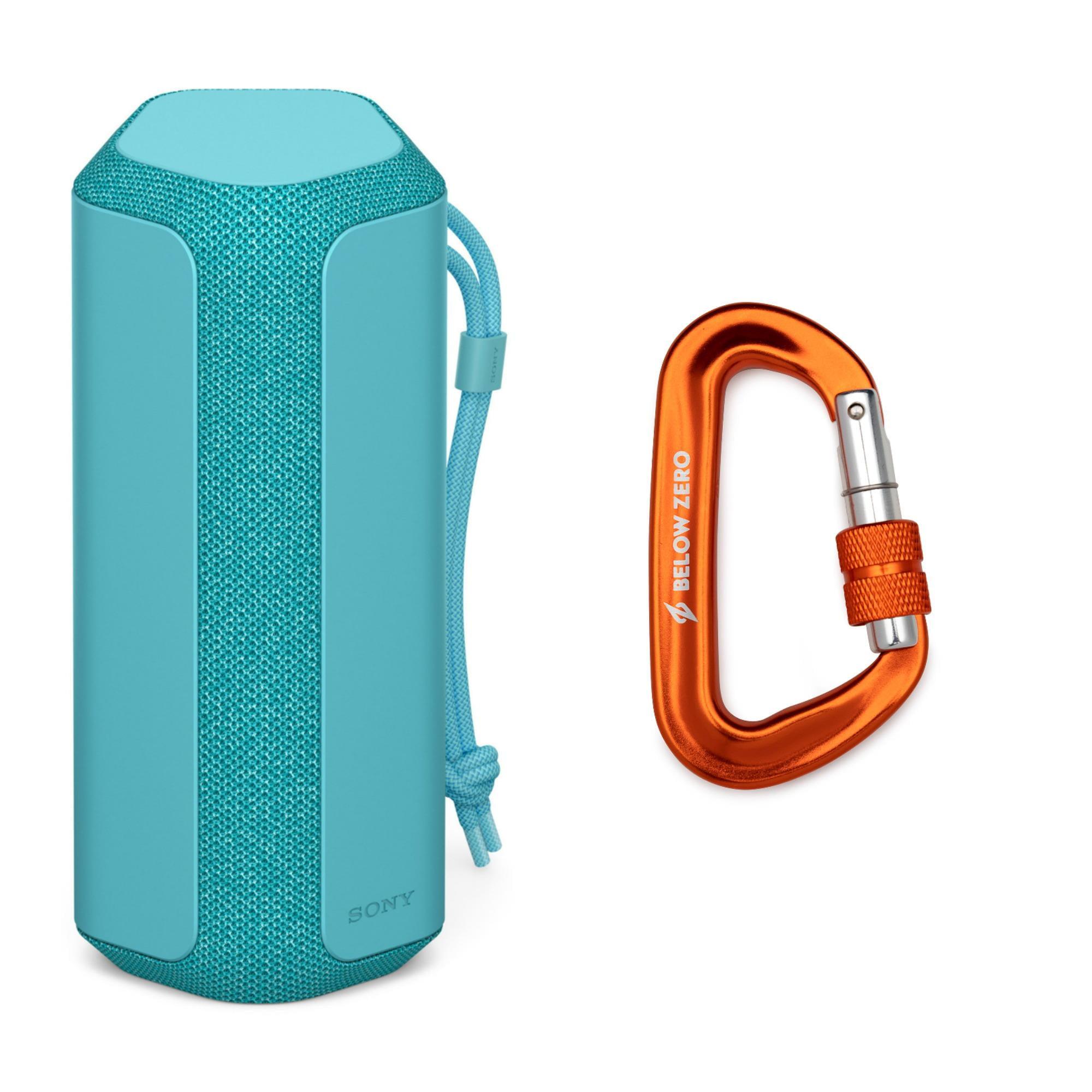
The Sony XE200, launched in 2022, takes a different approach entirely. Sony engineered this speaker for broad appeal, focusing on delivering solid performance across multiple use cases without breaking the bank. It's the kind of speaker that works equally well at a picnic, in your home office, or by the pool.
Here's where the Turtlebox Ranger truly shines. Its 105-decibel maximum output isn't just a number—it represents genuinely impressive loudness that can fill large outdoor spaces or compete with background noise in demanding environments. To put this in perspective, normal conversation happens around 60 decibels, while a lawn mower produces about 90 decibels. The Ranger's output means you can clearly hear your music even in noisy environments like construction sites or windy beaches.
The secret lies in its Class D digital amplifier with enhanced DSP tuning. DSP (Digital Signal Processing) is essentially a computer chip that optimizes the audio signal in real-time, adjusting frequencies and power distribution to prevent distortion even at maximum volume. This technology, once reserved for professional audio equipment, has trickled down to premium portable speakers in recent years.
The Sony XE200 takes a more restrained approach to volume, focusing instead on balanced sound reproduction. While it won't match the Ranger's raw output, it delivers clean, distortion-free audio at levels suitable for most indoor and casual outdoor use. For home environments or small gatherings, this difference becomes less critical.
Both speakers employ different strategies to achieve good sound quality. The Turtlebox Ranger uses dual 2-inch waterproof drivers paired with a passive 2×4-inch bass radiator. The bass radiator is essentially a speaker cone without a magnet—it moves in response to air pressure changes created by the main drivers, enhancing bass response without requiring additional power or electronics.
Sony takes a different approach with their X-Balanced Speaker Units in the XE200. These use a non-circular diaphragm design that maximizes the speaker cone's surface area within the compact housing. Combined with their Line-Shaped Diffuser—a specially designed acoustic element that spreads sound more evenly—the XE200 creates a wider soundstage despite its smaller size.
From our research into user and expert reviews, the consensus suggests the Turtlebox Ranger delivers more impactful, punchy sound with better bass response, while the Sony XE200 offers more refined midrange clarity and better instrument separation at moderate volumes. The choice between them depends largely on your listening preferences and volume requirements.
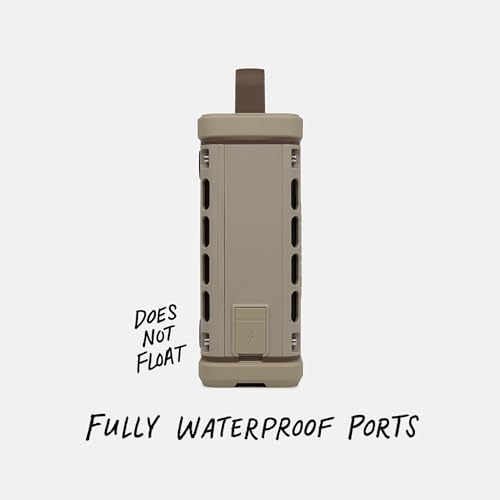
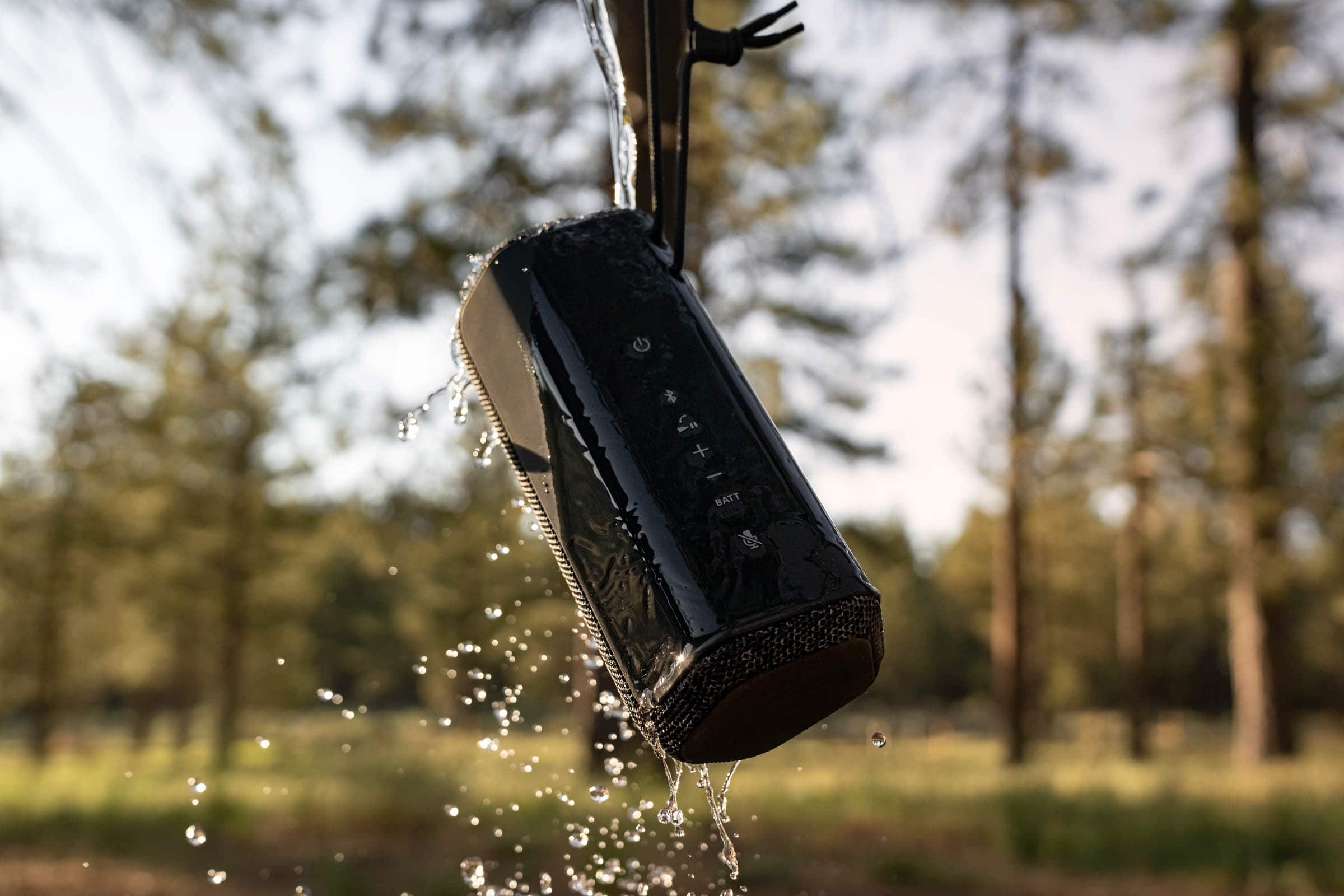
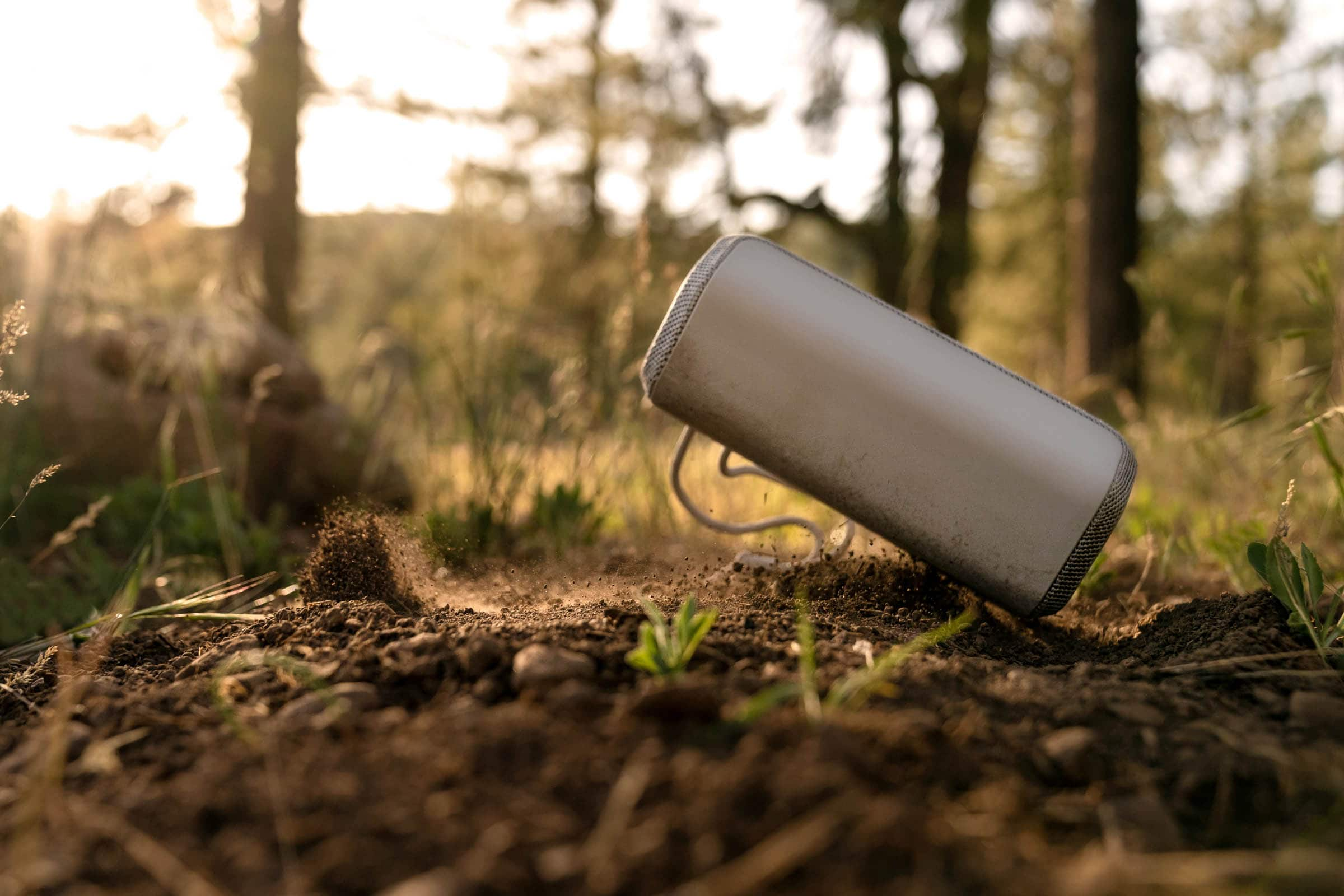
Both speakers carry an IP67 rating, but the reality of their durability differs significantly. IP67 means they're completely dust-tight and can survive immersion in up to 3 feet of water for 30 minutes. However, the Turtlebox Ranger goes well beyond these basic requirements.
The Ranger's construction includes an ABS (Acrylonitrile Butadiene Styrene) crush-proof housing reinforced with stainless steel hardware and rubber bumpers. ABS is the same impact-resistant plastic used in automotive parts and safety helmets. More importantly, Turtlebox designed the Ranger specifically for saltwater environments—a critical consideration for boaters and beach-goers that many manufacturers overlook.
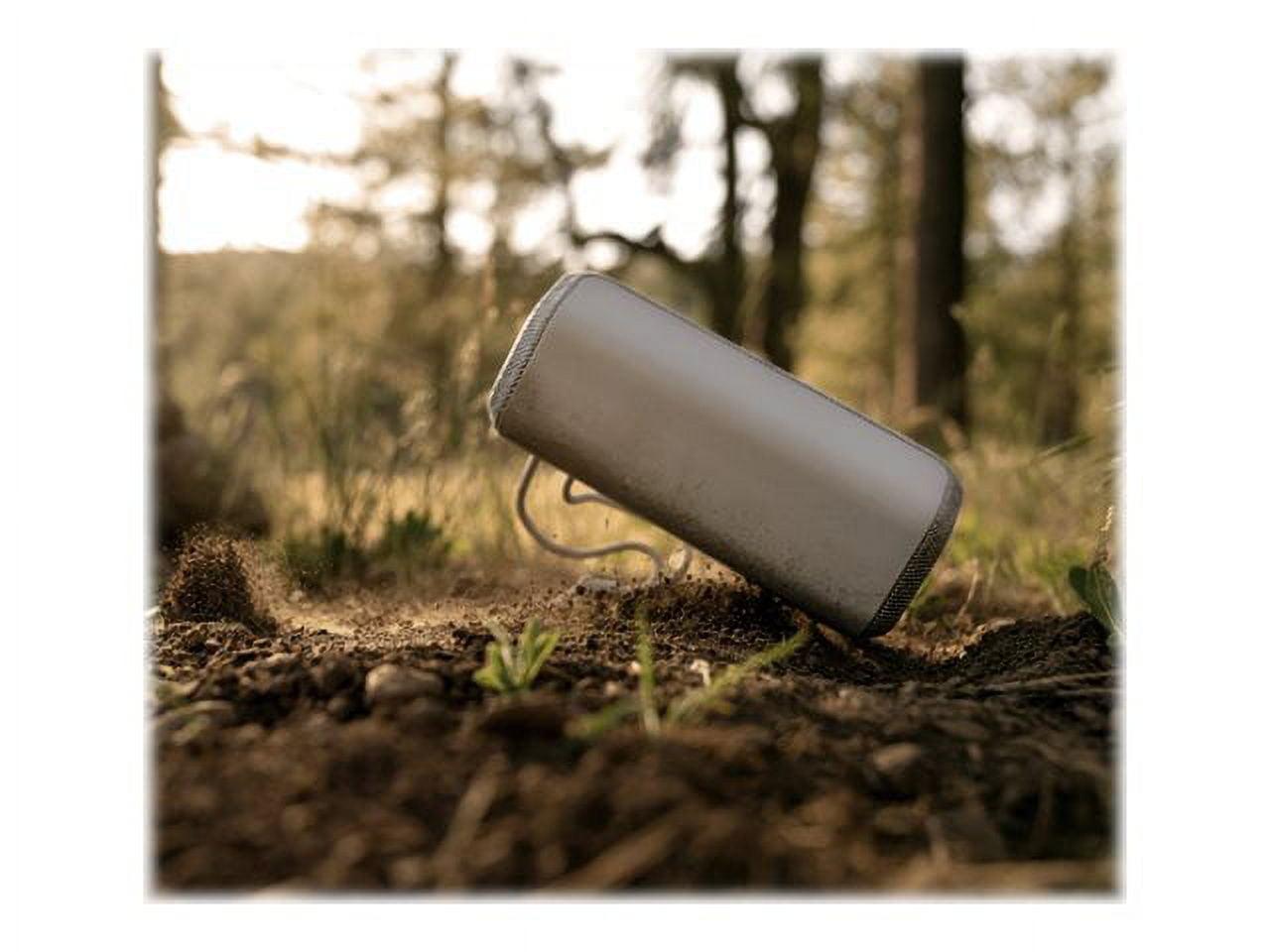
The Sony XE200 meets the IP67 standard admirably for general use but wasn't engineered for extreme conditions. It'll handle rain, splashes, and accidental drops just fine, but it's not designed to be repeatedly dunked in saltwater or survive serious impacts.
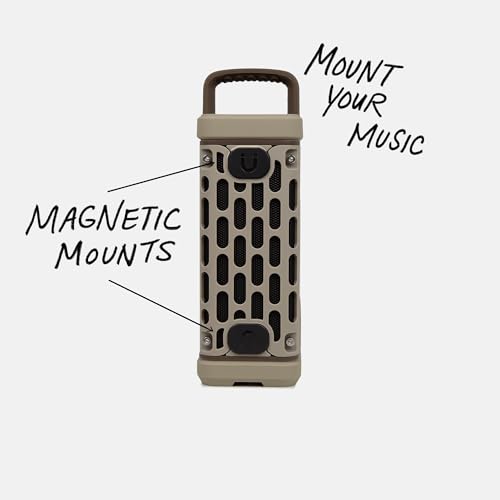
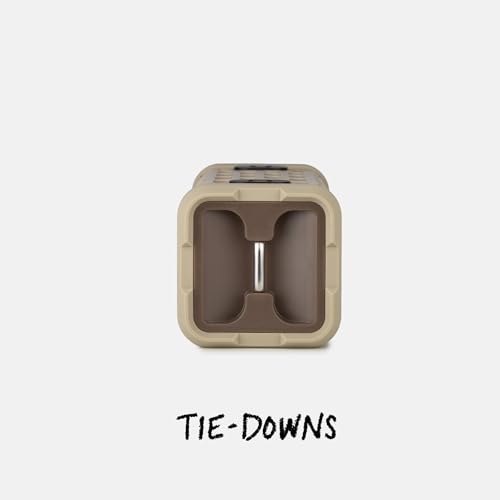
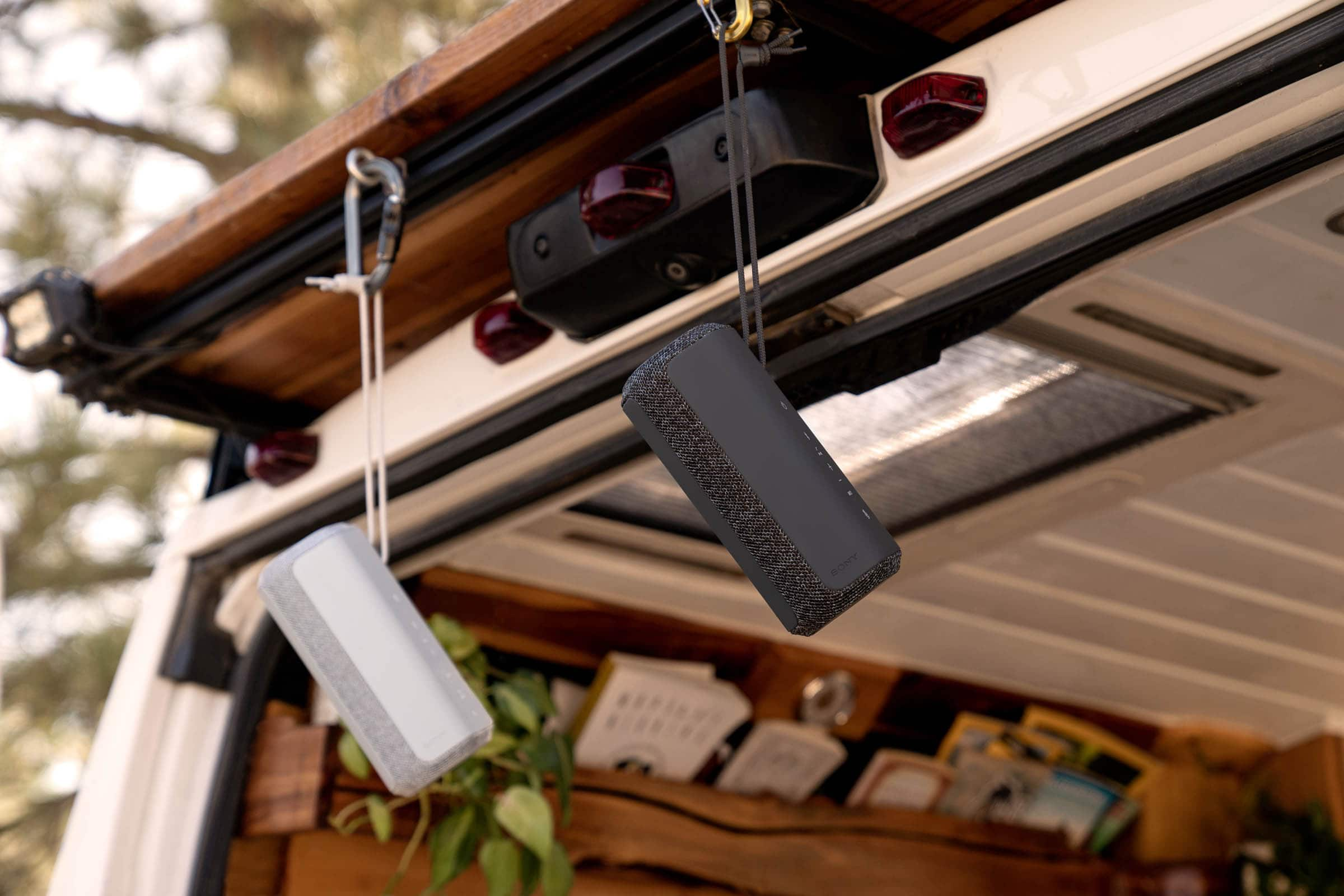
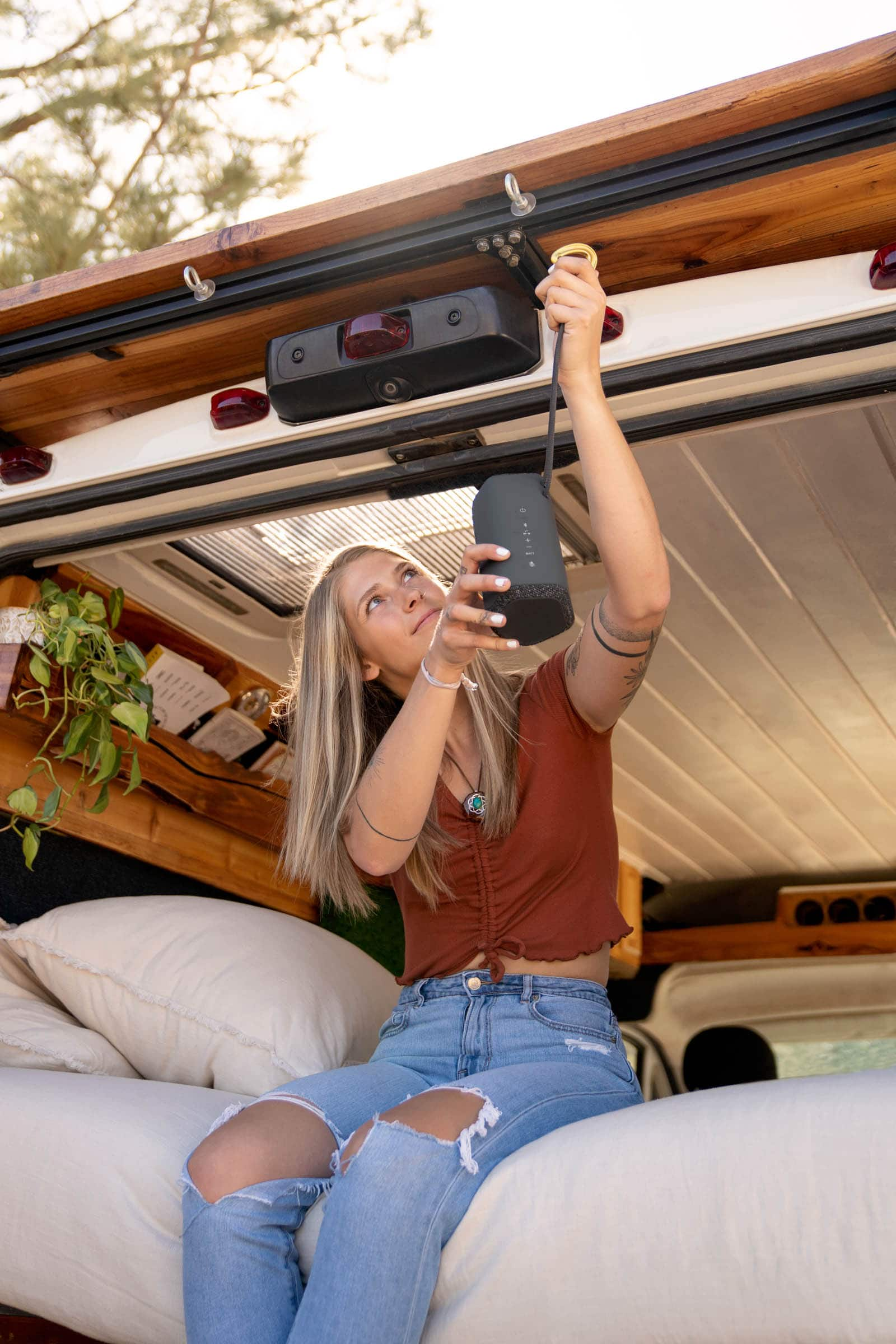
The durability difference becomes most apparent in real-world abuse scenarios. The Turtlebox Ranger includes features like a built-in breather that maintains performance across extreme temperature ranges—crucial for speakers left in hot cars or used in freezing conditions. Its stainless steel tie-down points and magnetic mounting system aren't just convenient features; they're engineered attachment points that won't fail under stress.
Based on user feedback we've analyzed, the Ranger consistently survives drops, impacts, and harsh treatment that would damage conventional speakers. The Sony XE200, while durable for normal use, isn't intended for this level of abuse.
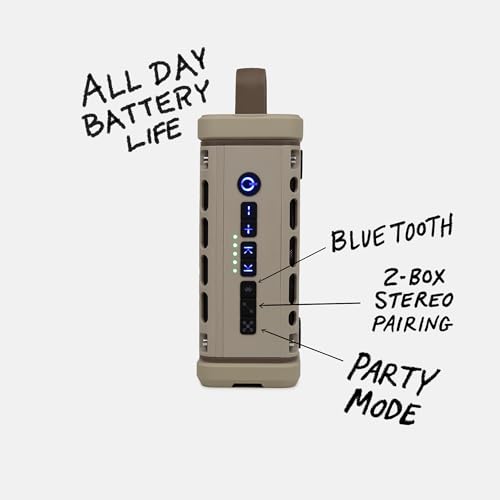
Battery life represents one area where the Sony XE200 clearly outperforms the Turtlebox Ranger. Sony's 16-hour rating reflects significant improvements in power efficiency that the company has developed since 2020. More impressively, the XE200's quick-charge technology delivers 70 minutes of playback from just 10 minutes of charging—a feature that proves invaluable for spontaneous outings.
The Turtlebox Ranger prioritizes power output over efficiency, resulting in shorter battery life, especially at high volumes. However, it includes USB-C passthrough charging, allowing you to charge your phone or other devices directly from the speaker's battery. This feature effectively turns the Ranger into a portable power bank—useful for extended outdoor adventures where electrical outlets are scarce.
The Turtlebox Ranger incorporates Bluetooth 5.4, the latest version available at the time of writing. Bluetooth technology has improved dramatically since version 4.0 became standard around 2012. Version 5.4 offers better range, more stable connections, and improved power efficiency compared to earlier versions. The Ranger's 100-foot range represents real-world performance that exceeds most competitors.
The Sony XE200 uses Bluetooth 5.2, which is still current technology offering excellent performance. The practical difference between 5.2 and 5.4 is minimal for most users, though the Ranger's slightly better range might matter in large outdoor spaces.
Here's where Sony's expertise really shows. The XE200 supports LDAC, Sony's proprietary high-resolution audio codec that can transmit up to three times more data than standard Bluetooth audio. If you're using an Android device and have high-quality music files, LDAC delivers noticeably better sound quality than standard SBC or even AAC codecs.
The Turtlebox Ranger doesn't specify codec support beyond standard Bluetooth audio, focusing instead on raw performance and durability over audiophile features.
Both speakers offer interesting multi-speaker features, but with different approaches. The Turtlebox Ranger features "Party Mode," which can wirelessly link over 100 Turtlebox speakers for massive sound coverage. It also offers True Wireless Stereo (TWS) pairing, allowing two Rangers to function as separate left and right channels for genuine stereo separation.
Sony's XE200 includes Party Connect for linking multiple Sony speakers and standard stereo pairing. While functional, Sony's system doesn't match Turtlebox's scalability for large events.
The Sony XE200 clearly wins in the convenience category. Its built-in microphone supports hands-free calling with echo cancellation—technology that filters out background noise and prevents the annoying feedback that plagued early Bluetooth speakers with microphones. The speaker also supports voice assistants like Google Assistant and Amazon Alexa, turning it into a smart home device when paired with your phone.
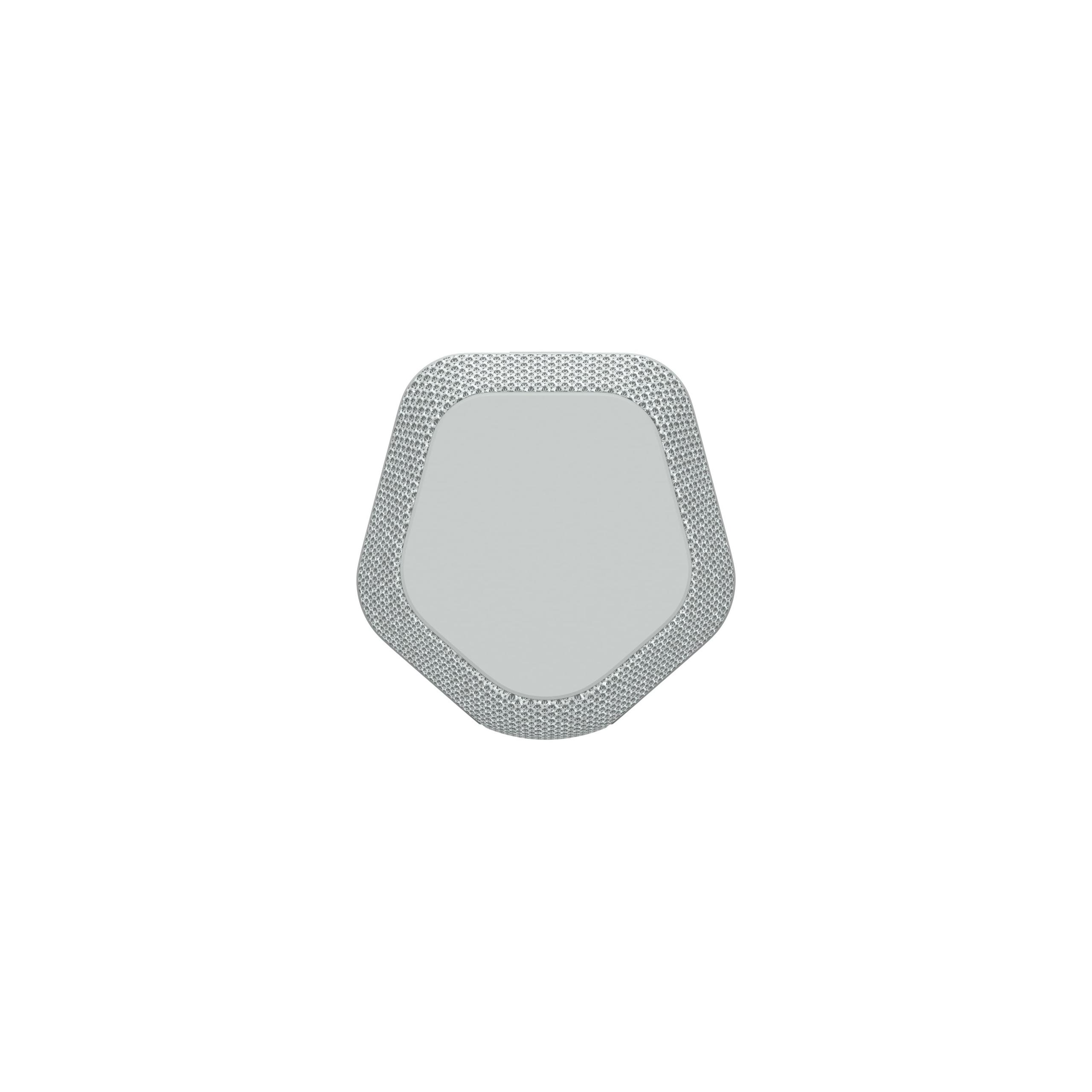
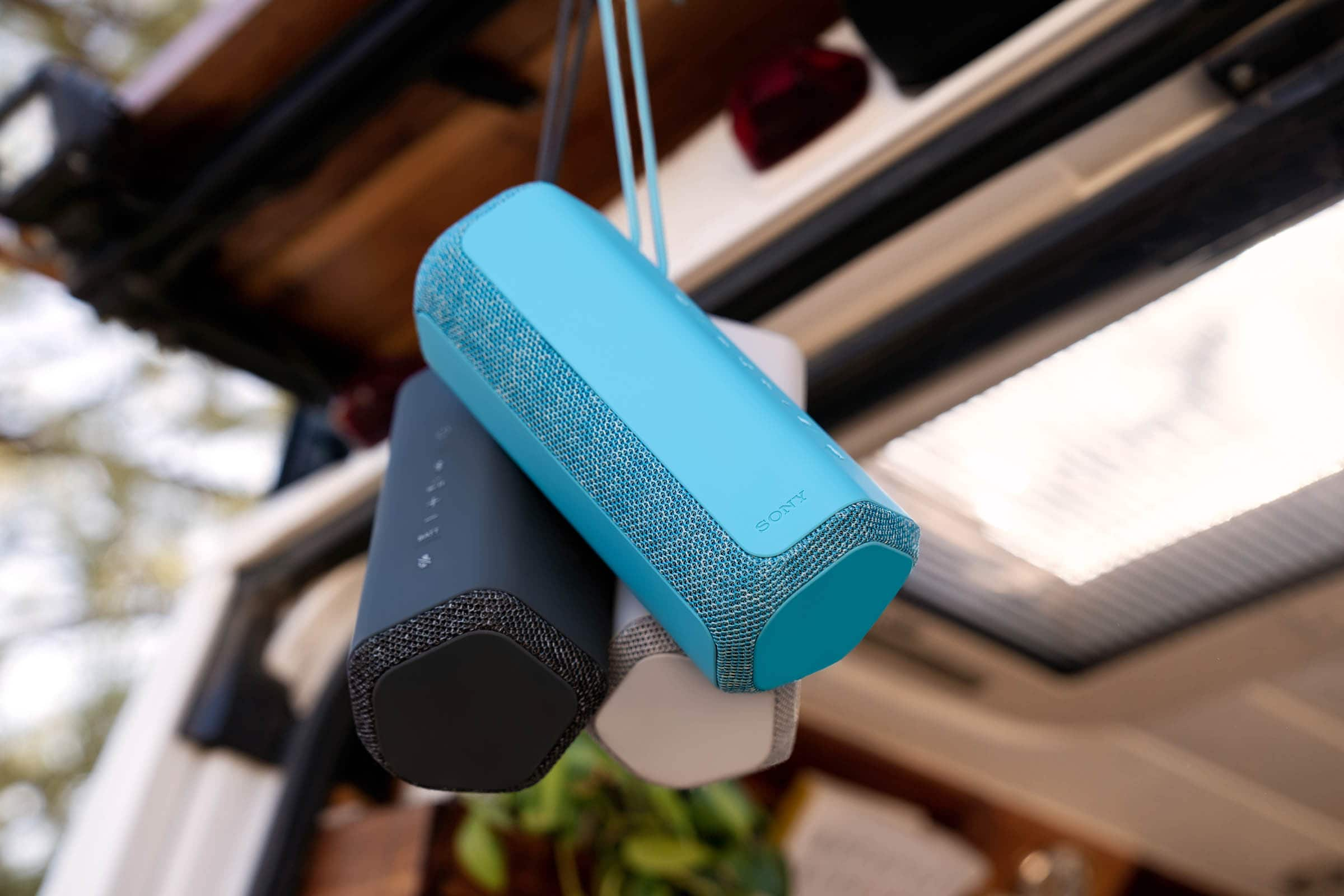
The XE200's pentagonal tube shape isn't just aesthetic—it allows the speaker to function as a smartphone stand, perfect for video calls or watching content. The Sony Music Center app provides EQ controls, battery monitoring, and easy access to multi-speaker features.
The Turtlebox Ranger deliberately omits these features, focusing purely on audio performance and durability. There's no microphone, no voice assistant support, and no dedicated app. This isn't an oversight—it's a design choice that reduces complexity and potential failure points in harsh environments.
While both speakers are designed for portability, they handle indoor use differently. The Sony XE200 works well as a supplementary speaker for smaller rooms, offering decent dialogue clarity for casual TV watching and good background music performance. Its balanced sound signature doesn't overwhelm smaller spaces.
The Turtlebox Ranger might actually be too powerful for many indoor applications. Its volume capabilities and punchy sound signature are optimized for outdoor use and large spaces. In smaller rooms, you'd rarely use its full capabilities, making the premium price harder to justify.
For true home theater applications, neither speaker is ideal—dedicated soundbars or bookshelf speakers will always provide better performance for serious movie watching.
Work in demanding environments where equipment regularly faces abuse. Construction workers, marina staff, and outdoor professionals need gear that survives daily punishment. The Turtlebox Ranger's extreme durability justifies its premium price in these scenarios.
Regularly host large outdoor gatherings where maximum volume matters. Pool parties, tailgating events, and beach gatherings often require speakers that can project sound over long distances and compete with ambient noise.
Engage in serious outdoor adventures like extended camping trips, boating, or overlanding. The Ranger's magnetic mounting system, device charging capability, and saltwater resistance provide practical benefits that cheaper speakers can't match.
Value specialized performance over broad functionality. If you need a speaker primarily for demanding outdoor use and don't care about smart features or indoor versatility, the Ranger's focused design makes sense.
Want versatile performance across multiple scenarios. The XE200 handles home use, office calls, casual outdoor activities, and travel equally well. Its balanced feature set suits users who need one speaker for everything.
Prioritize value and practical features. The XE200's longer battery life, quick charging, built-in microphone, and smart features deliver more functionality per dollar spent.
Appreciate audio quality refinement. Sony's LDAC support and balanced sound signature appeal to users who prioritize listening experience over raw volume output.
Need a speaker primarily for indoor and light outdoor use. If your main activities include home listening, video calls, and casual picnics, the XE200's capabilities align perfectly with these needs.
These speakers represent different philosophies entirely. The Turtlebox Ranger is a specialized tool designed for extreme conditions and maximum performance, commanding a premium price for its focused capabilities. It's the speaker equivalent of a professional-grade power tool—overkill for casual use but essential when you actually need its capabilities.
The Sony XE200 embodies thoughtful engineering for broad appeal. It delivers solid performance across multiple use cases without excelling dramatically in any single area. For most users, this balanced approach provides better overall value.
At the time of writing, the price difference reflects their target markets. The Ranger costs significantly more but delivers specialized performance that justifies the premium for users who actually need its extreme capabilities. The XE200 offers excellent value for general consumers who want reliable performance without paying for features they'll rarely use.
Your decision ultimately comes down to honest assessment of your actual usage patterns. If you regularly subject your gear to harsh conditions or need maximum volume output, the Turtlebox Ranger makes financial sense despite its higher price. If you want a reliable, versatile speaker that handles most situations well, the Sony XE200 delivers better overall value for the majority of users.
Both speakers succeed in their intended roles—choosing between them is really about choosing which role better matches your lifestyle and priorities.
| Turtlebox Ranger | Sony XE200 |
|---|---|
| Maximum Volume Output - Critical for outdoor use and large gatherings | |
| 105 dB (extremely loud, can fill large outdoor spaces) | Standard portable speaker volume (adequate for most indoor/outdoor use) |
| Build Durability - Determines lifespan in harsh conditions | |
| 100% drop, crush, and dust-proof with ABS housing and stainless steel hardware | IP67 water/dust resistant, suitable for general outdoor use |
| Weight & Portability - Affects ease of transport | |
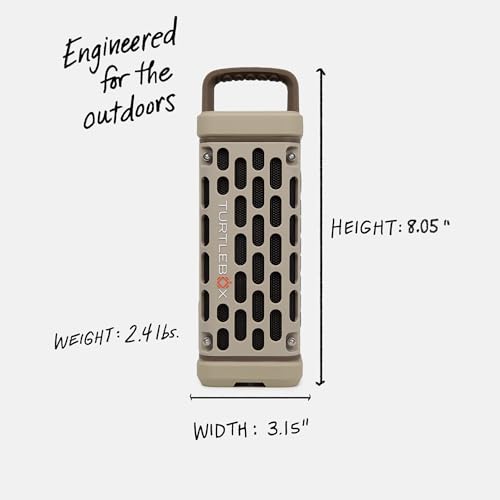
| 2.4 lbs (heavier but manageable for most users) | 1.76 lbs (33% lighter, easier for extended carrying) |
| Battery Life - How long you can play without charging | |
| 12+ hours typical use, 5 hours at maximum volume | 16 hours rated playtime (longest in class) |
| Charging Features - Convenience for daily use | |
| USB-C with device passthrough charging (can charge your phone) | Quick charging: 10 min charge = 70 min playback |
| Bluetooth Technology - Connection quality and range | |
| Bluetooth 5.4 with 100-foot range (latest technology) | Bluetooth 5.2 with ~98-foot range (still current) |
| Audio Quality Approach - Sound characteristics | |
| Punchy, powerful sound with strong bass and minimal distortion at high volumes | Balanced sound with good midrange clarity and instrument separation |
| Smart Features - Modern conveniences | |
| None (focused on durability and power only) | Built-in microphone, hands-free calling, voice assistant support |
| Multi-Speaker Pairing - Expandability for events | |
| Party Mode links 100+ Turtlebox speakers, True Wireless Stereo pairing | Standard stereo pairing and Party Connect up to 100 Sony speakers |
| Special Features - Unique capabilities | |
| Magnetic mounting system, saltwater resistance, extreme temperature performance | LDAC high-res audio codec support, pentagonal design doubles as phone stand |
| Target Use Case - Who benefits most | |
| Extreme outdoor conditions, professional environments, maximum volume needs | Versatile home/office/casual outdoor use, balanced performance priorities |
| Value Proposition - Cost vs benefits | |
| Premium price justified for specialized durability and power requirements | Excellent overall value with comprehensive features at accessible price point |
The Turtlebox Ranger is significantly louder, reaching 105 decibels maximum output compared to the Sony XE200's standard portable speaker volume. The Turtlebox Ranger can easily fill large outdoor spaces and compete with background noise, while the Sony XE200 is better suited for moderate indoor and casual outdoor listening.
The Sony XE200 offers superior battery life with 16 hours of rated playtime, compared to the Turtlebox Ranger's 12+ hours typical use (or 5 hours at maximum volume). Additionally, the Sony XE200 features quick charging that provides 70 minutes of playback from just 10 minutes of charging.
Yes, both the Turtlebox Ranger and Sony XE200 feature IP67 waterproof ratings, meaning they can survive submersion in up to 3 feet of water for 30 minutes. However, the Turtlebox Ranger is specifically designed for extreme conditions including saltwater exposure, making it more suitable for marine environments.
The Sony XE200 is more portable, weighing only 1.76 pounds compared to the Turtlebox Ranger's 2.4 pounds. The Sony XE200 also features a unique pentagonal design that doubles as a phone stand, making it more versatile for travel and hotel room use.
Only the Sony XE200 supports hands-free calling with its built-in microphone and echo cancellation technology. The Turtlebox Ranger deliberately omits microphone features to focus on durability and audio performance, making the Sony XE200 the better choice for work calls and video conferences.
Sound quality depends on your preferences: the Turtlebox Ranger delivers more powerful, punchy sound with stronger bass response and minimal distortion at high volumes. The Sony XE200 offers more balanced sound with better midrange clarity and instrument separation, plus support for Sony's LDAC high-resolution audio codec on Android devices.
Both speakers support multi-speaker pairing, but with different capabilities. The Turtlebox Ranger features Party Mode that can link over 100 Turtlebox speakers and True Wireless Stereo pairing for genuine left/right separation. The Sony XE200 offers standard stereo pairing and Party Connect for linking multiple Sony speakers.
The Turtlebox Ranger is significantly more durable, featuring 100% drop, crush, and dust-proof construction with ABS housing and stainless steel hardware. While the Sony XE200 meets IP67 standards for general outdoor use, the Turtlebox Ranger is engineered for extreme conditions including construction sites, boating, and harsh weather.
Neither speaker is ideal for serious home theater use, but the Sony XE200 works better for casual TV watching with decent dialogue clarity in smaller rooms. The Turtlebox Ranger may be too powerful for indoor use, as its volume capabilities are optimized for outdoor environments and large spaces.
The Sony XE200 provides better overall value for most users, offering balanced performance, longer battery life, smart features, and versatility at a more accessible price point. The Turtlebox Ranger justifies its premium pricing only if you specifically need its extreme durability and maximum volume capabilities.
Only the Turtlebox Ranger can charge external devices through its USB-C passthrough charging feature, effectively functioning as a portable power bank. The Sony XE200 uses USB-C for charging the speaker itself but cannot charge other devices.
For beach and pool parties, the Turtlebox Ranger is the better choice due to its maximum volume output, saltwater resistance, magnetic mounting system, and ability to project sound over long distances. The Sony XE200 works fine for smaller gatherings but may struggle with volume in large outdoor spaces with ambient noise.
We've done our best to create useful and informative comparisons to help you decide what product to buy. Our research uses advanced automated methods to create this comparison and perfection is not possible - please contact us for corrections or questions. These are the sites we've researched in the creation of this article: fieldandstream.com - tylerstx.com - comparisontabl.es - gearjunkie.com - rogerssportinggoods.com - youtube.com - armorsound.com - simmonssportinggoods.com - turtleboxaudio.com - outdoorhub.com - backpackeroutdoors.com - youtube.com - tennesseevalleyoutsider.com - turtleboxaudio.com - mrfc.com - linecutterz.com - russells.com - turtleboxaudio.com - flyfishfood.com - sony.com - gymcaddy.net - sony.co.uk - bestbuy.com - sony.com - bhphotovideo.com - youtube.com - sony.com - helpguide.sony.net - soundguys.com - sony.com - sonylatvija.com

Privacy Policy
Terms and Conditions - Affiliate Policy
Home Security
© Copyright 2008-2026.
11816 Inwood Rd #1211, Dallas, TX 75244