







When it comes to premium wireless speakers, choosing between the $249 Sonos Era 100 and $579 Marshall Woburn III isn't just about price - it's about understanding what you really need from a speaker system. Let's dive into how these two very different approaches to home audio stack up.
The wireless speaker market has evolved dramatically in recent years. We've moved beyond simple Bluetooth speakers to sophisticated audio systems that combine streaming, smart features, and high-fidelity sound. Released in March 2023, the Era 100 represents Sonos's latest evolution of their popular One speaker, while the Woburn III from September 2022 continues Marshall's tradition of bringing their iconic guitar amp styling to home audio.
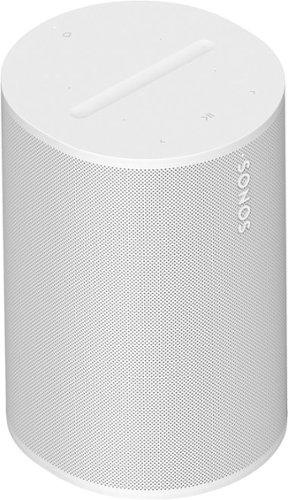
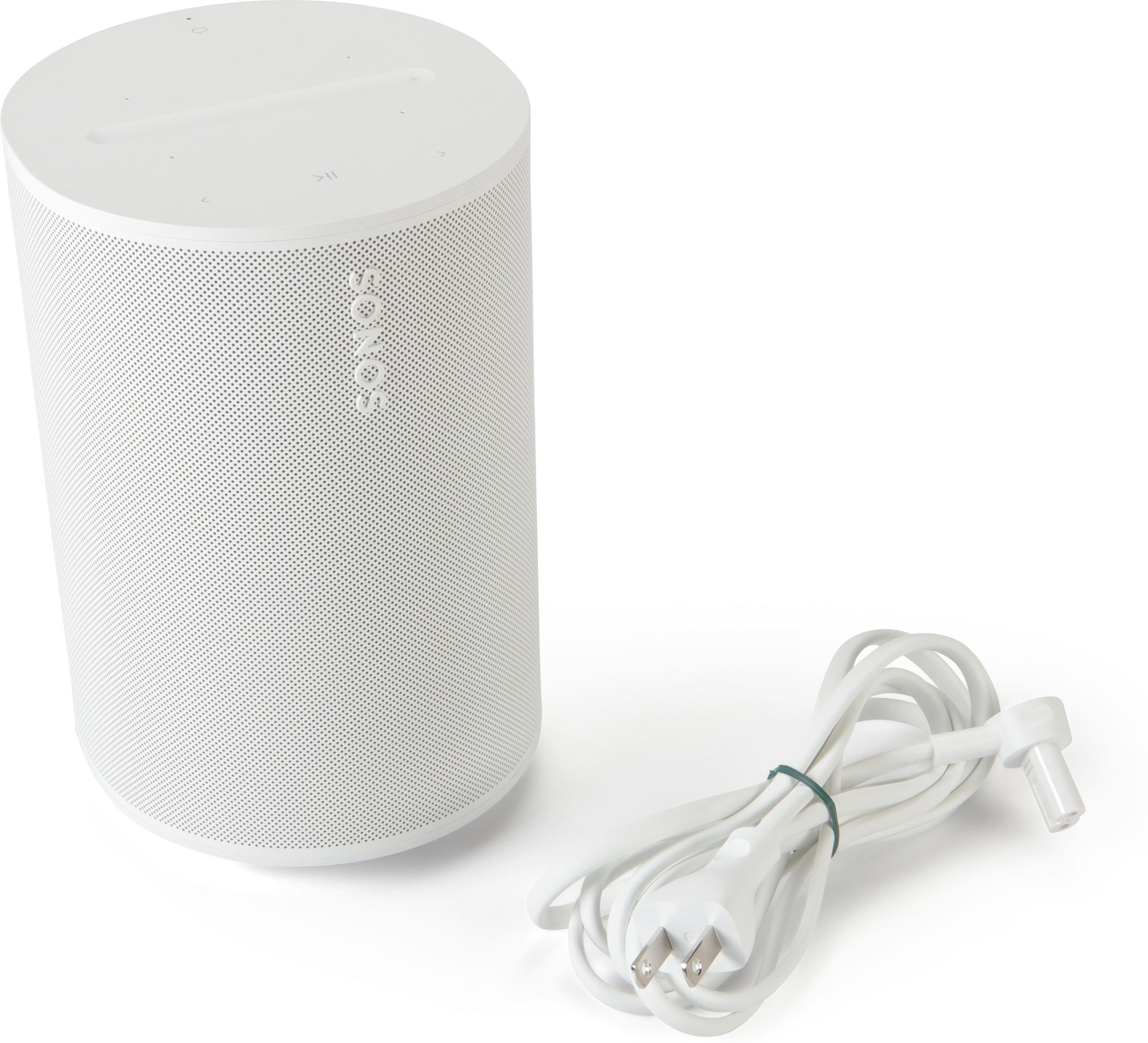
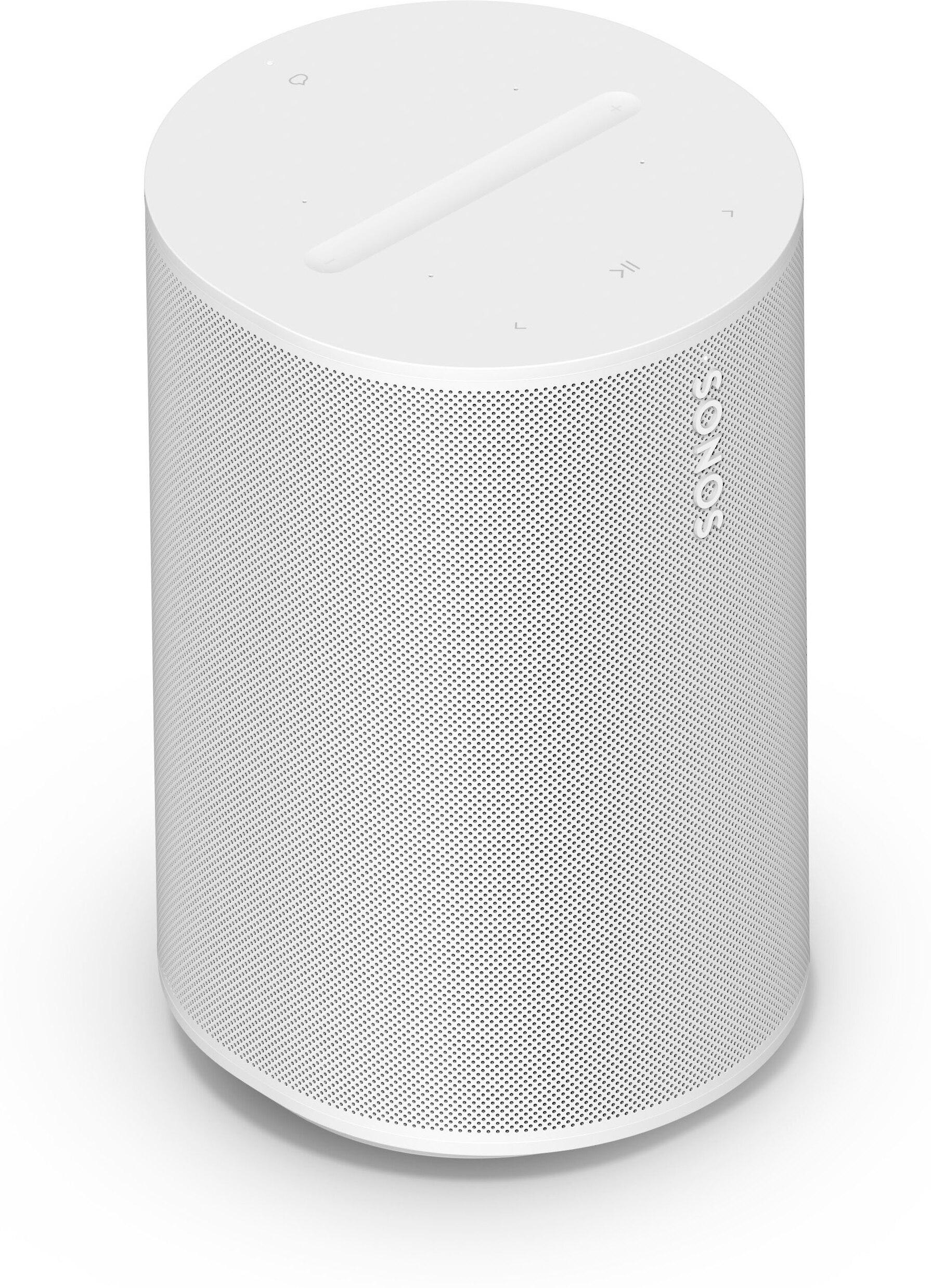
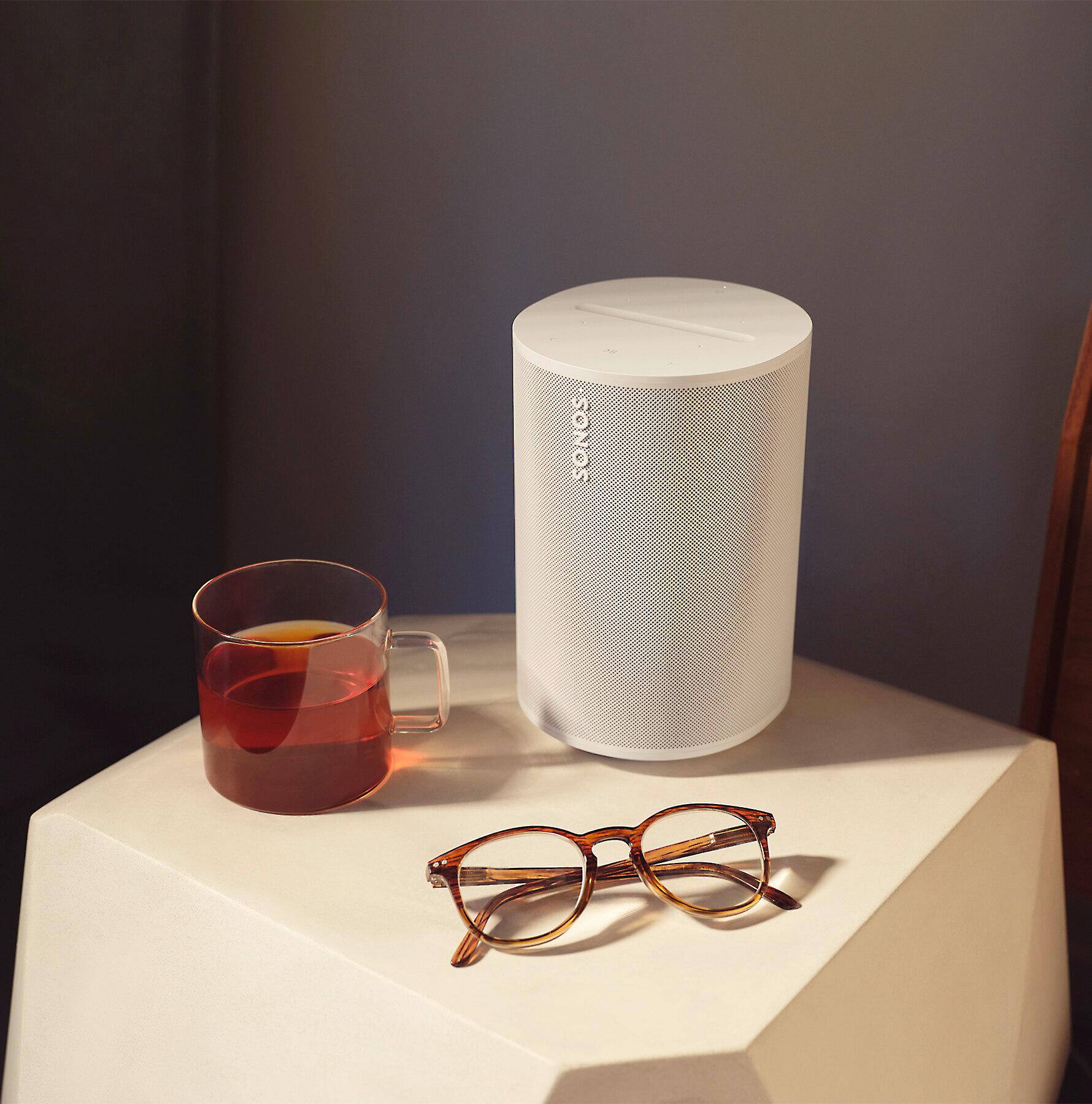
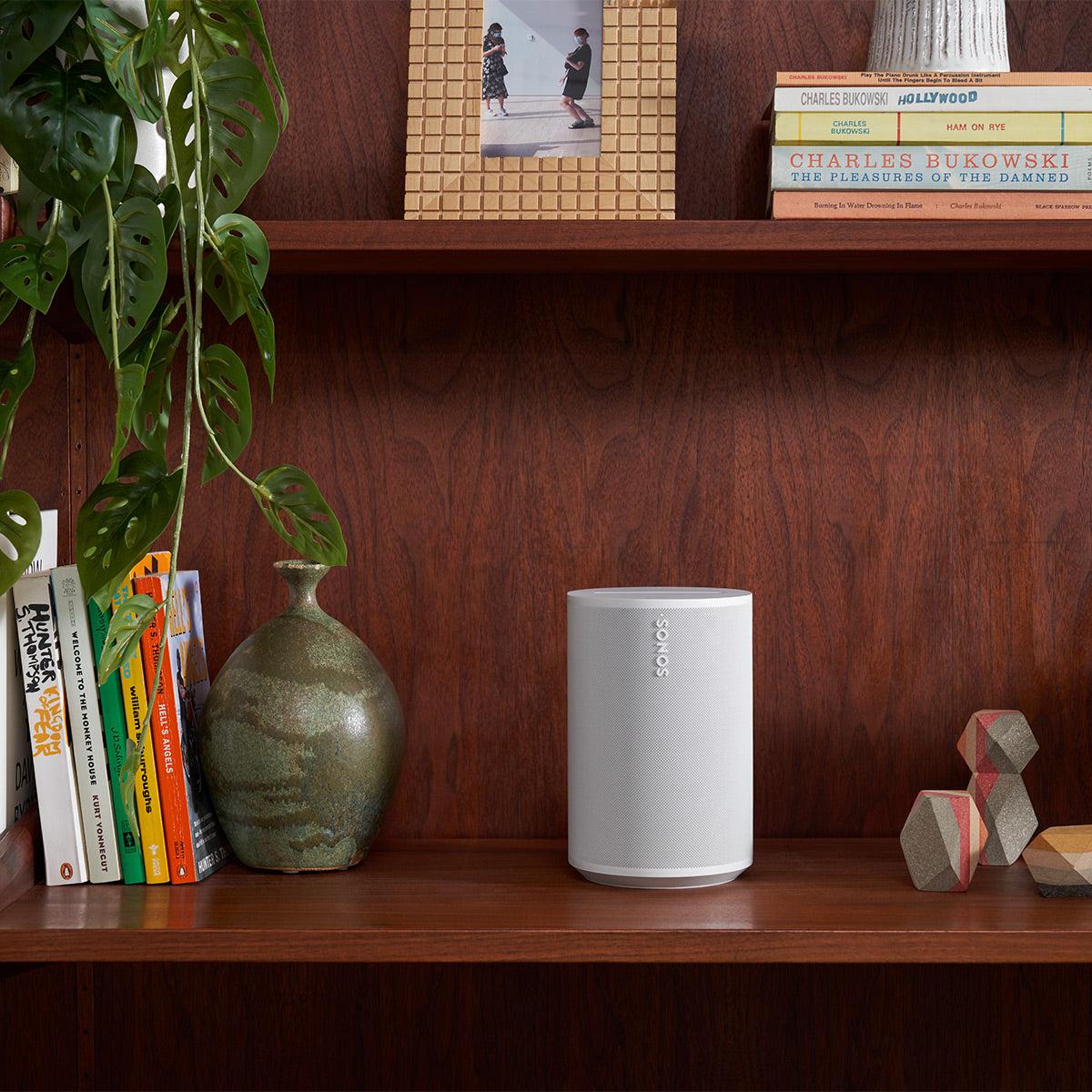
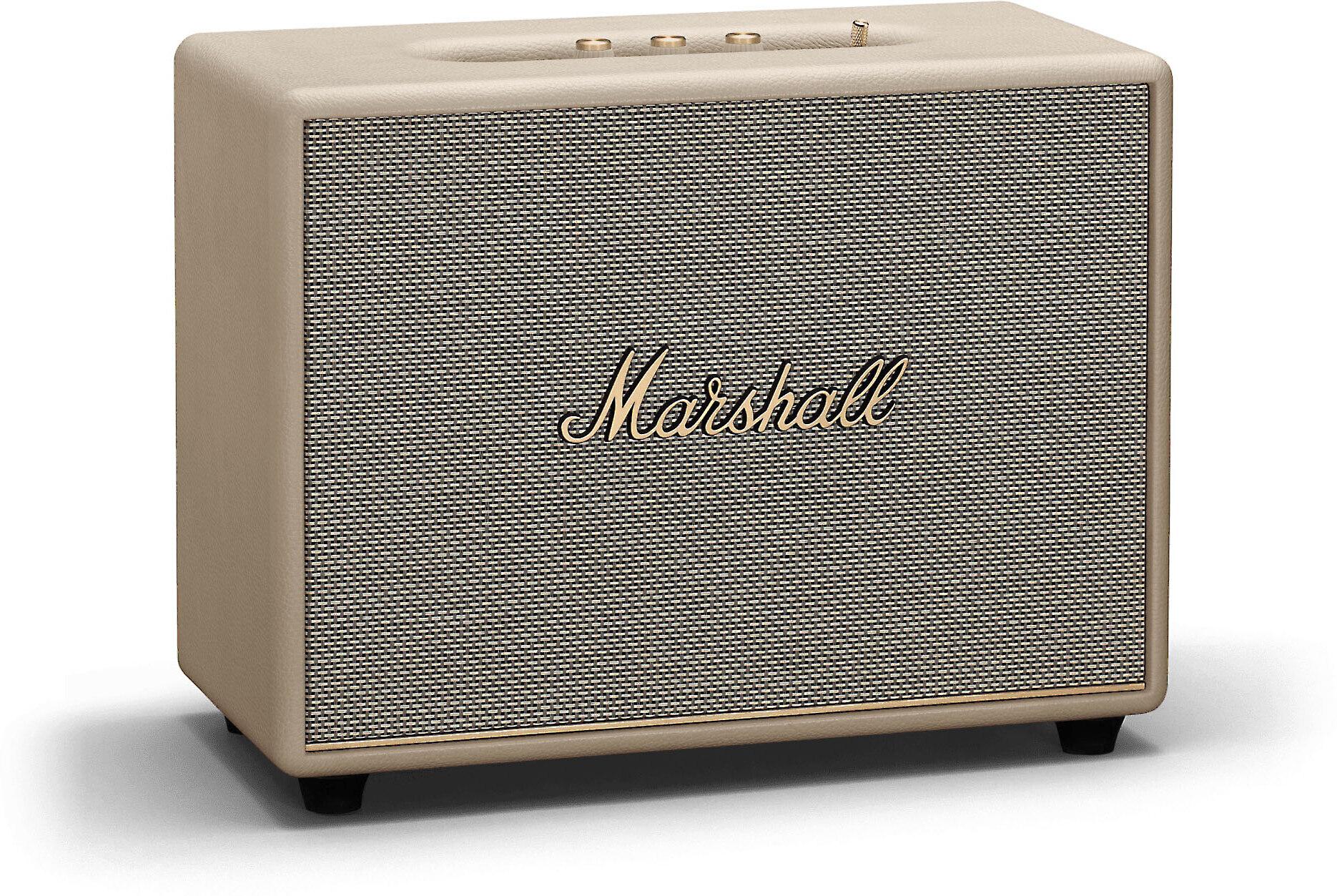
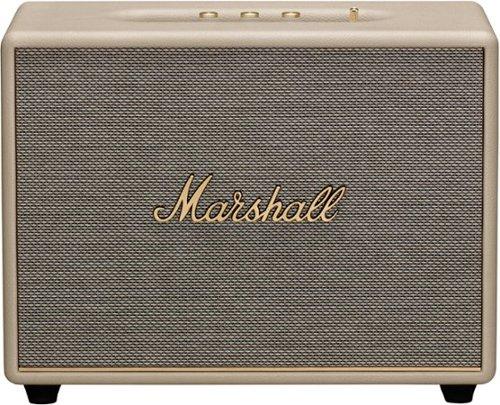
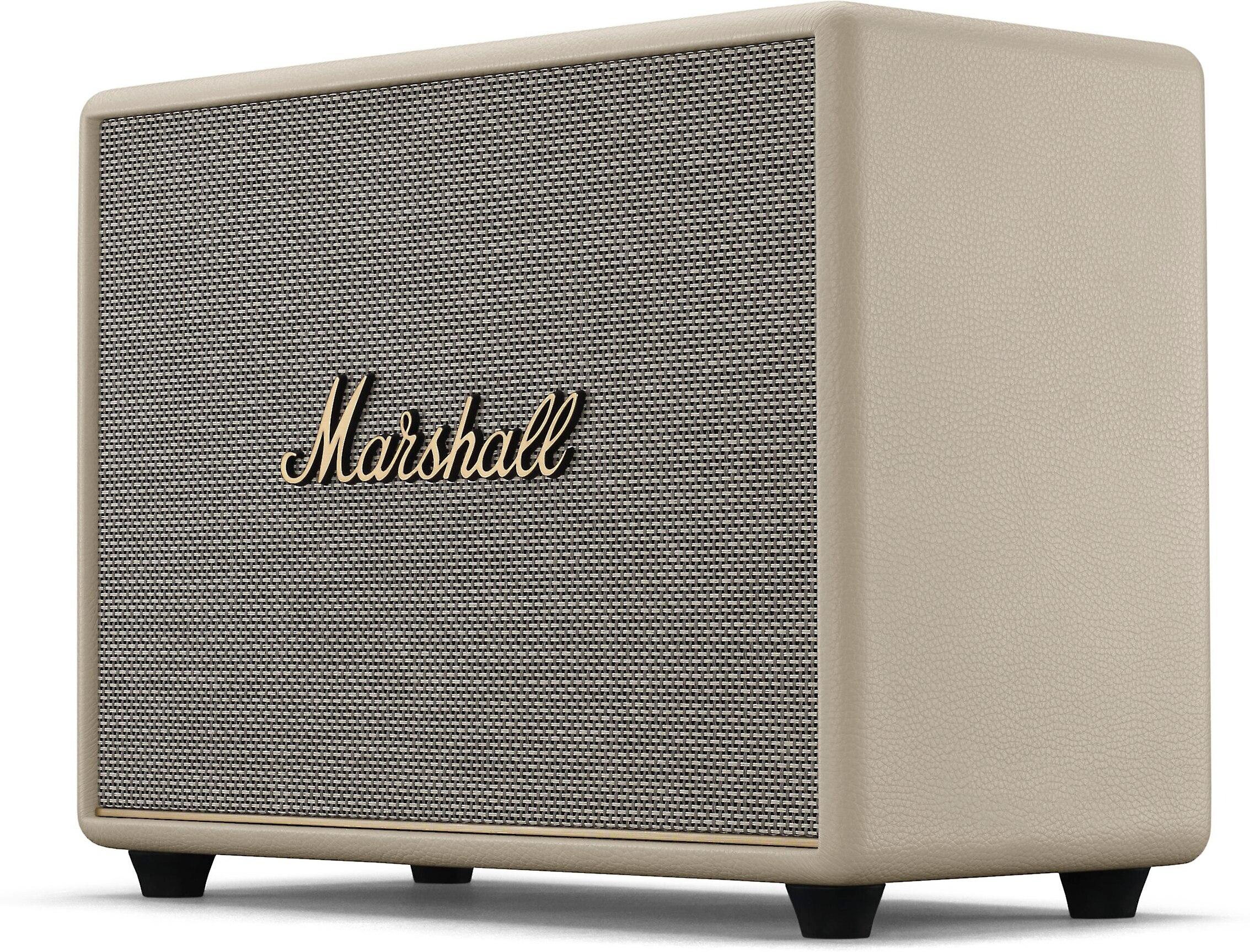
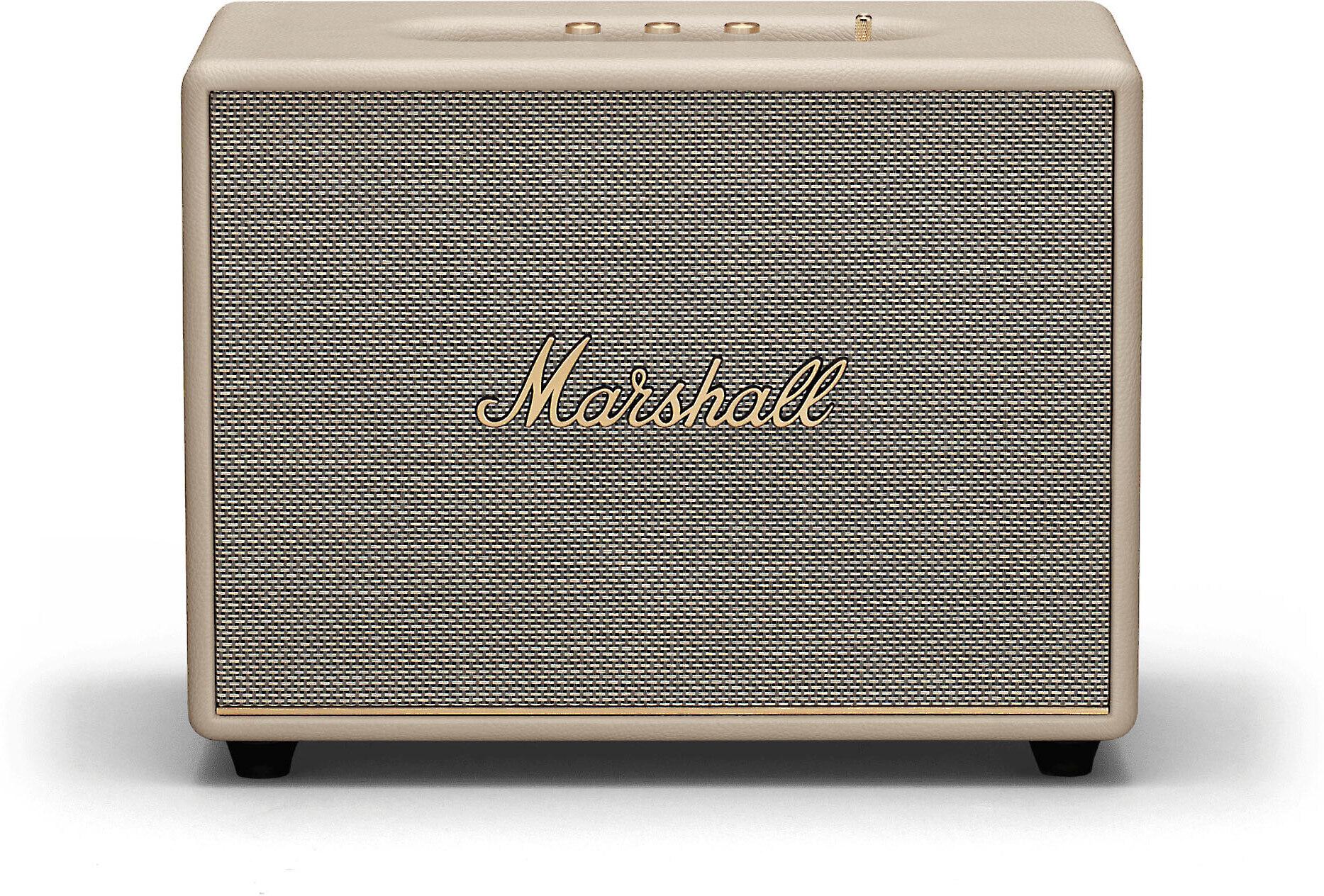
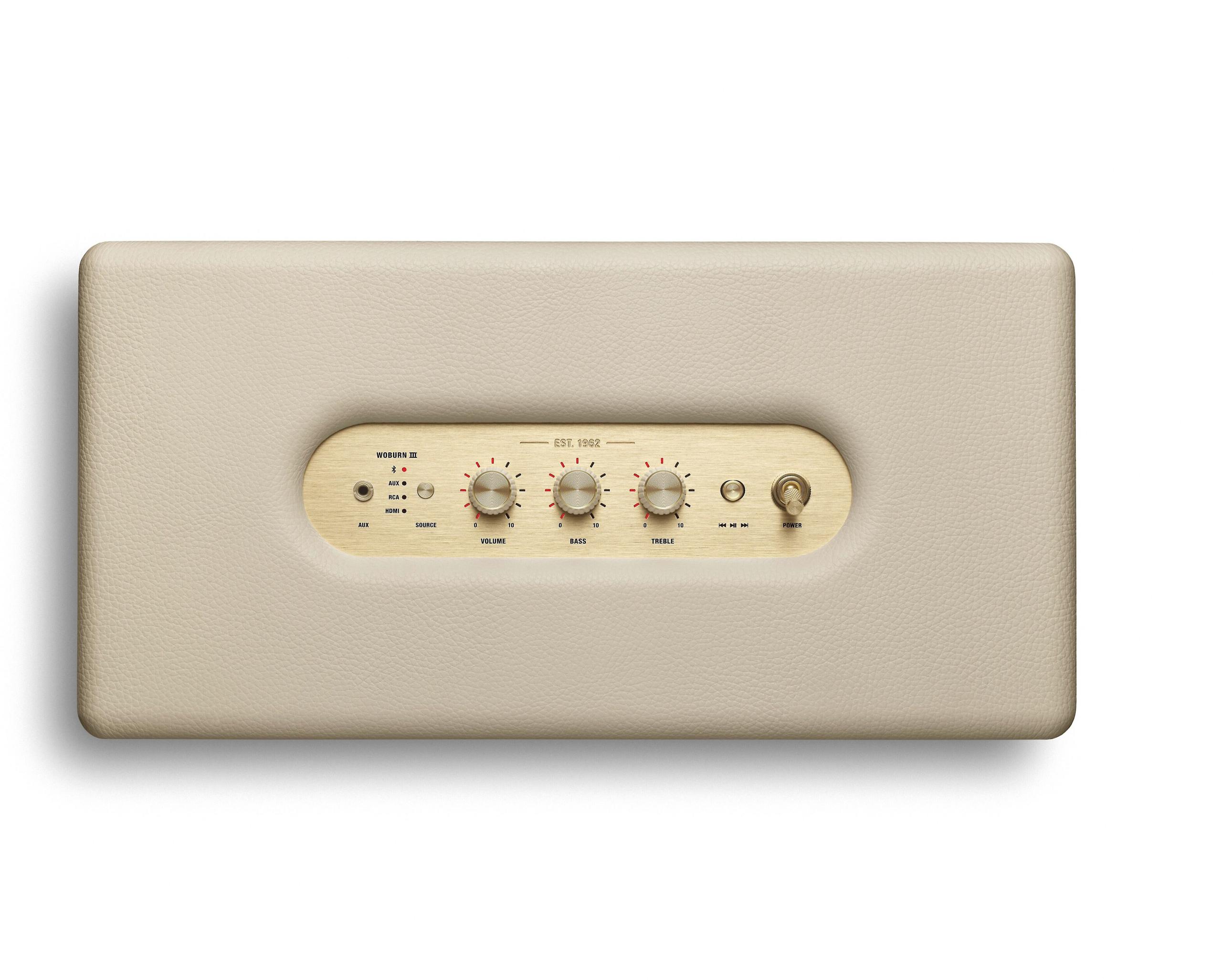
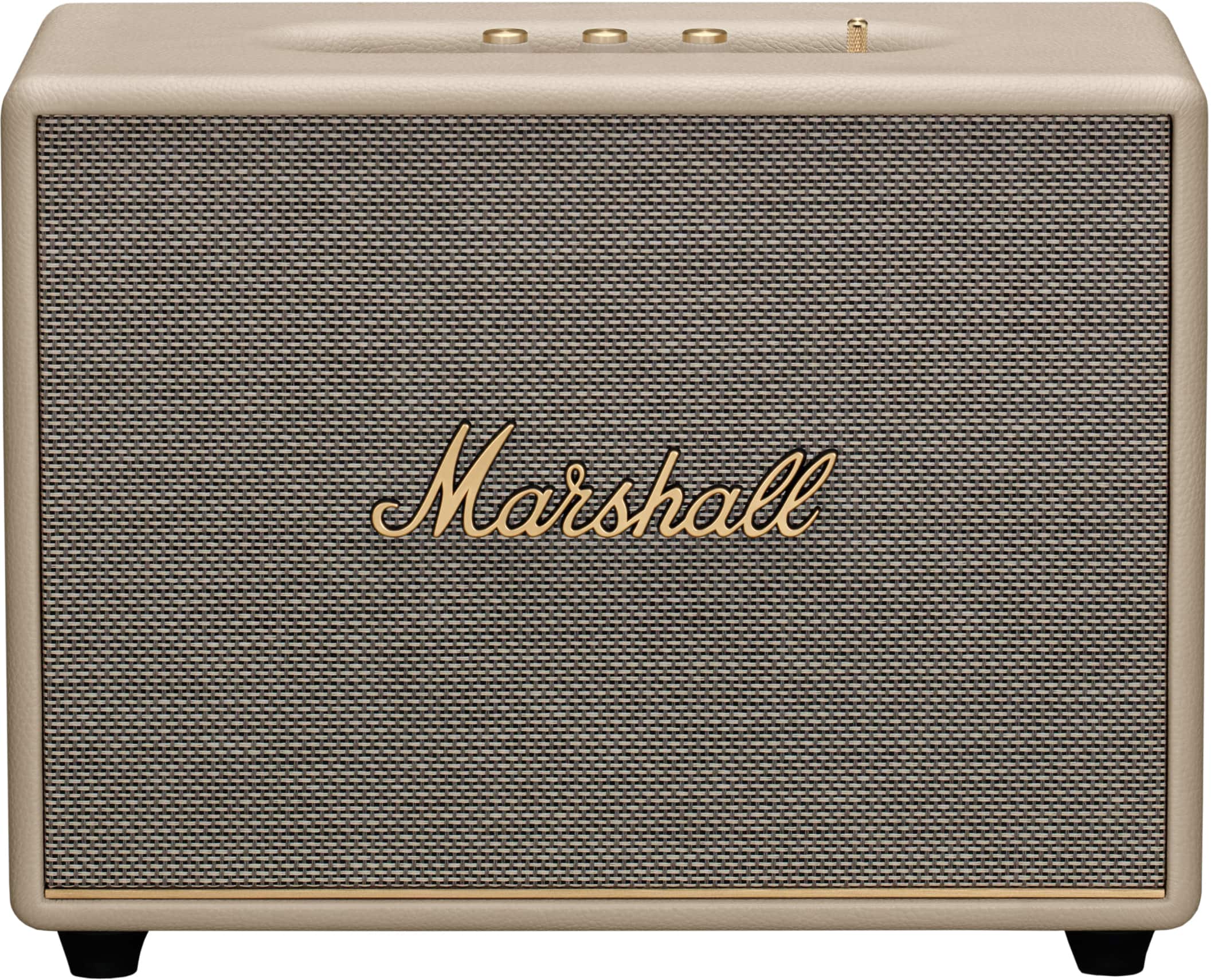
The physical differences between these speakers tell you a lot about their intended use. The Era 100's compact 6.3 x 4.7-inch footprint makes it incredibly versatile - it'll fit on a bookshelf, kitchen counter, or bedside table without dominating the space. In contrast, the Woburn III demands attention with its substantial 15.7 x 12.5-inch presence, making it more of a centerpiece than a background player.
This size difference isn't just about aesthetics - it fundamentally affects how each speaker performs. The Woburn III's larger cabinet allows for bigger drivers and more air movement, which translates to deeper bass and higher maximum volume levels. However, the Era 100's more compact size enables better placement options for optimal stereo imaging in smaller spaces.
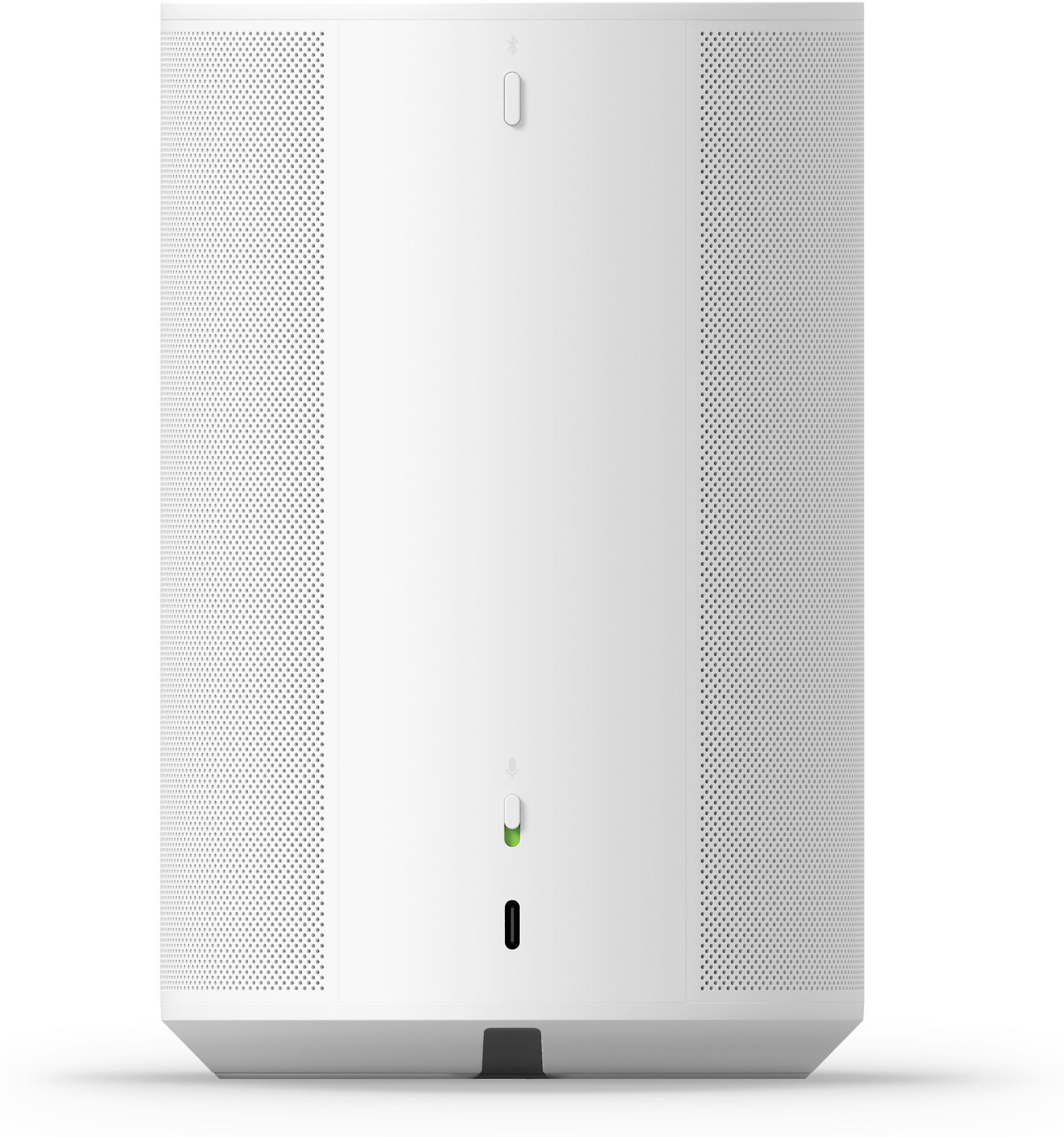
The Era 100 uses a clever three-driver system with two angled tweeters (the speakers that handle high frequencies) and a larger midwoofer. This configuration creates impressive stereo separation for a single speaker, something its predecessor, the Sonos One, couldn't achieve. The 25% larger woofer delivers noticeably improved bass response, though it can't match the depth of larger speakers.
The Woburn III takes a more traditional approach with its three-way design: a 6-inch woofer, two 2-inch midrange drivers, and two 0.75-inch tweeters. With 150 watts of total power, it can fill even large rooms with ease. The frequency response extends down to 35Hz, meaning you'll feel the bass in ways the Era 100 simply can't match.
Sonos has always excelled at software integration, and the Era 100 continues this tradition. It offers:
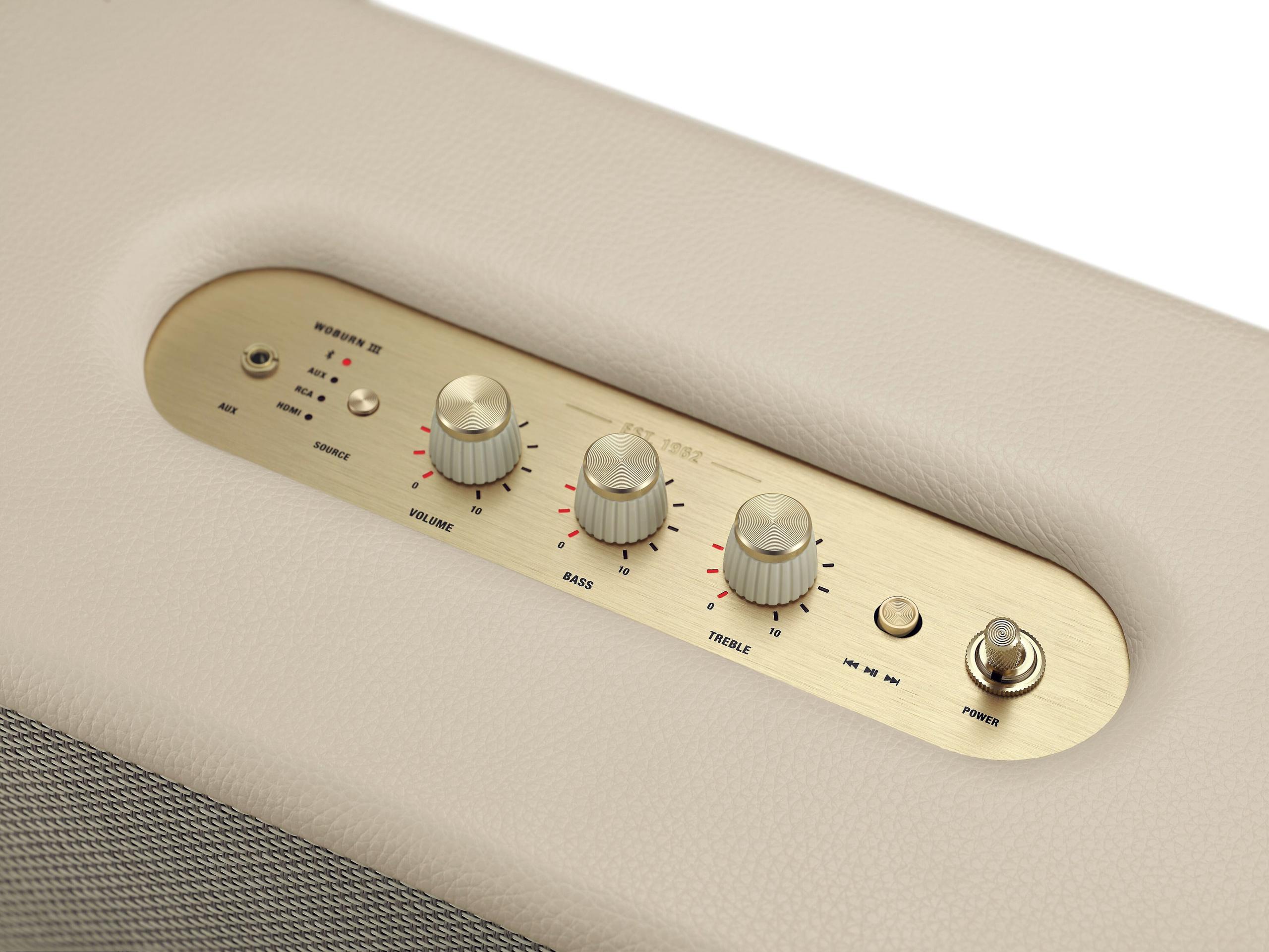
Marshall takes a more straightforward approach:
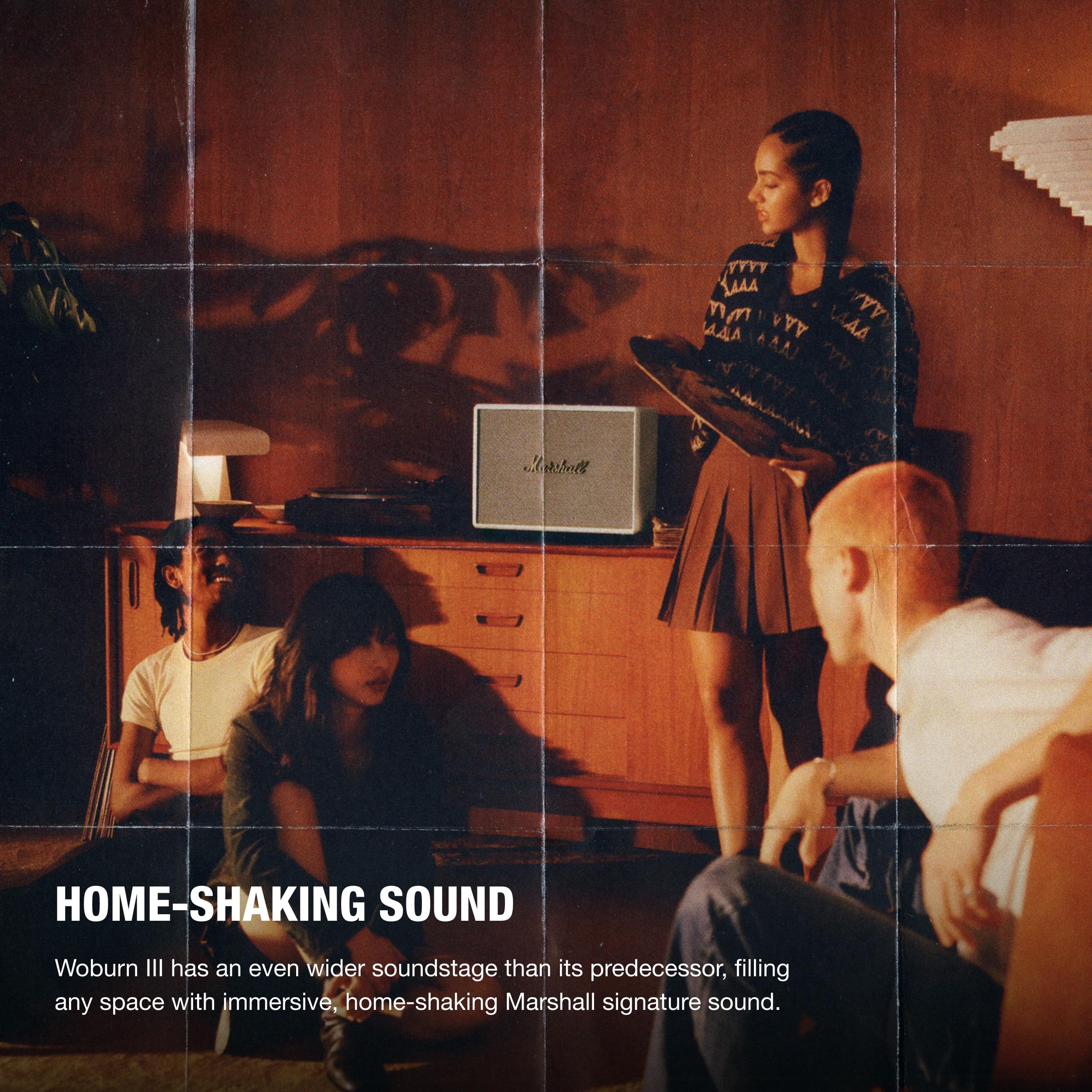
Having spent time with both speakers, the differences become clear in daily use. The Era 100 excels at creating an impressively wide soundstage from a small package. Its ability to fill a medium-sized room with detailed, balanced sound is remarkable, especially given its size.
The Woburn III, however, is in a different league when it comes to raw power and bass response. Music genres that depend on low-frequency impact - like electronic, hip-hop, or orchestral pieces - benefit significantly from its larger drivers and more powerful amplification.
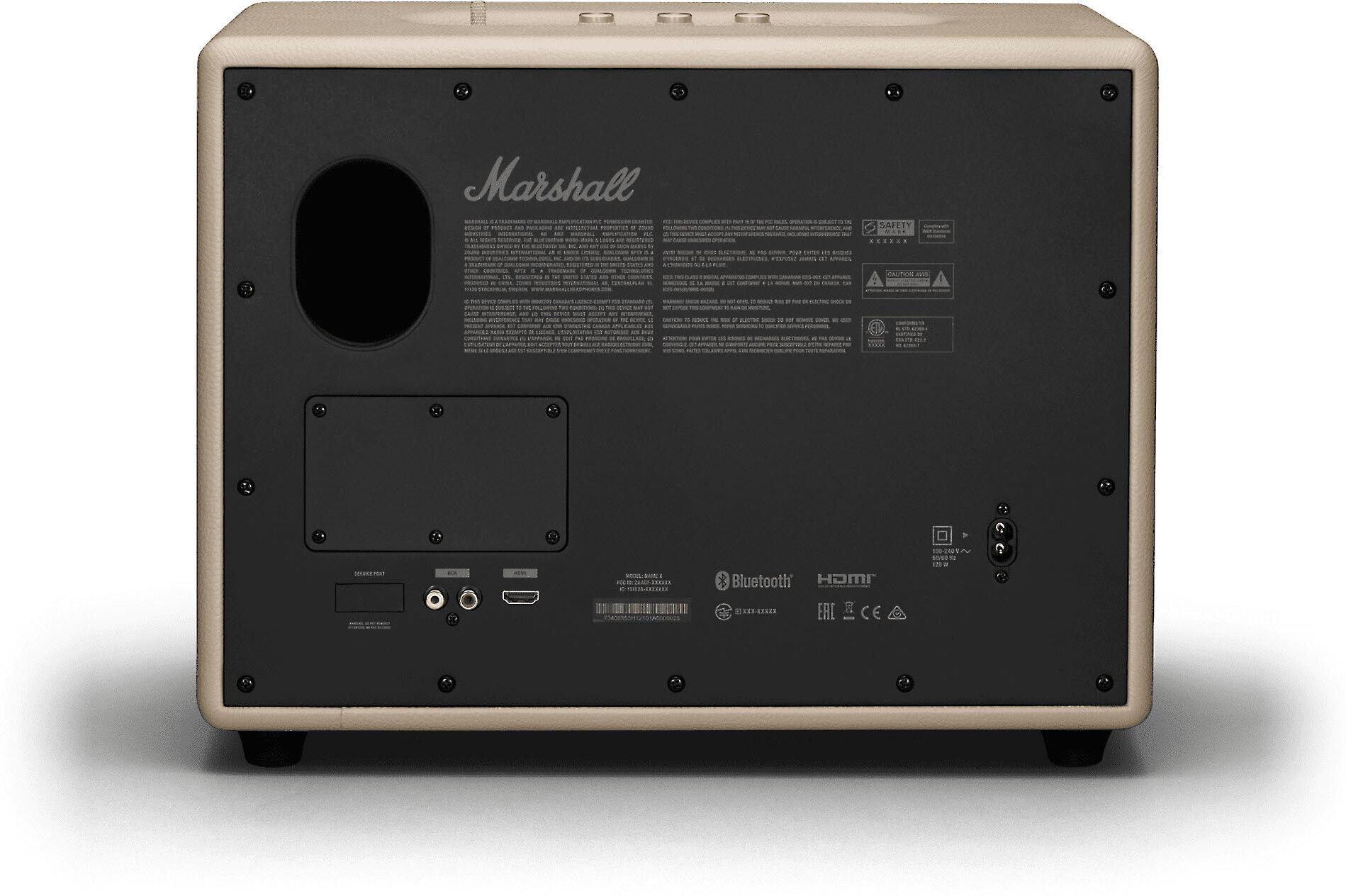
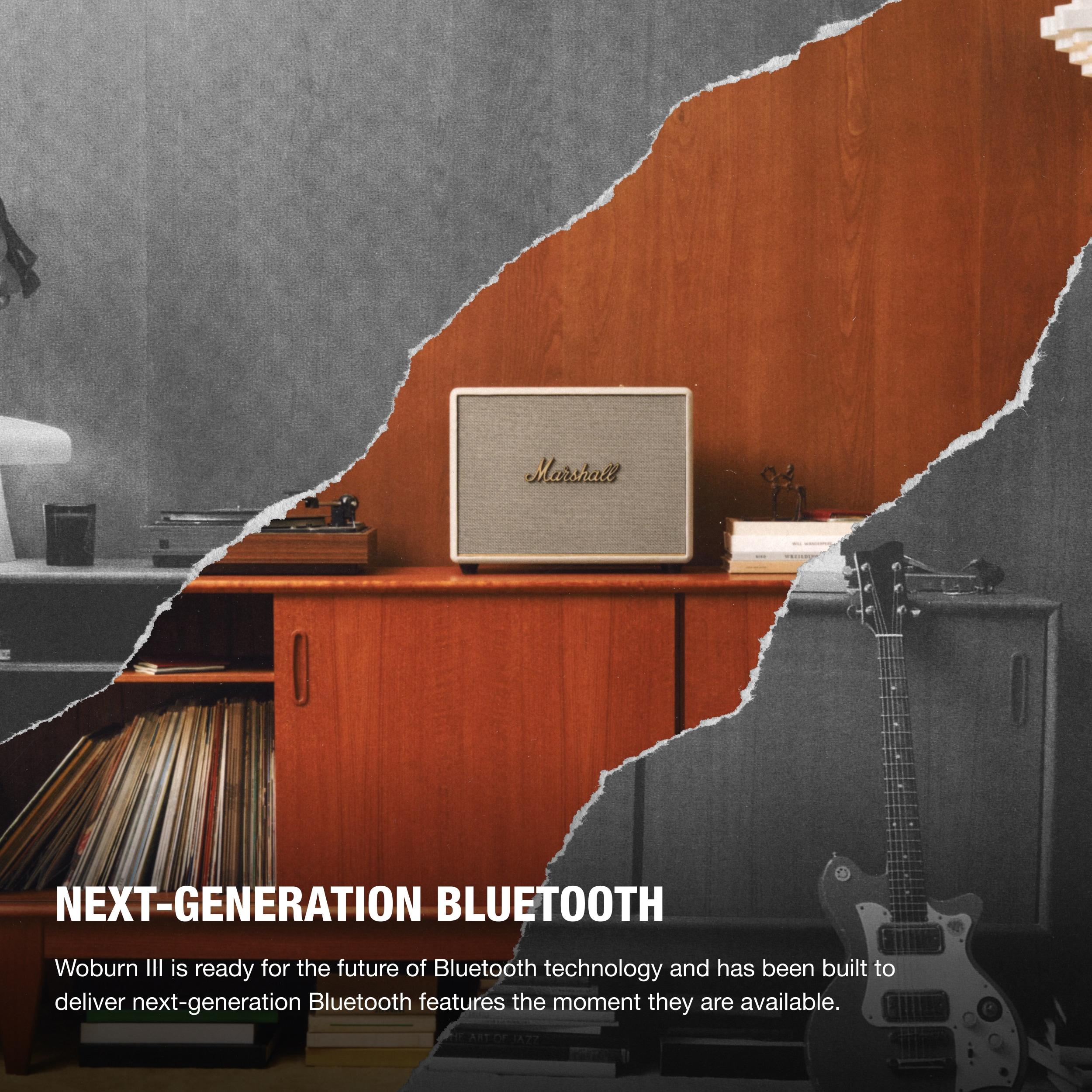
For home theater use, these speakers take very different approaches. The Woburn III includes HDMI ARC, making it a viable TV speaker that can handle both movies and music with authority. Its stronger bass performance means you won't necessarily need a separate subwoofer for movie watching.
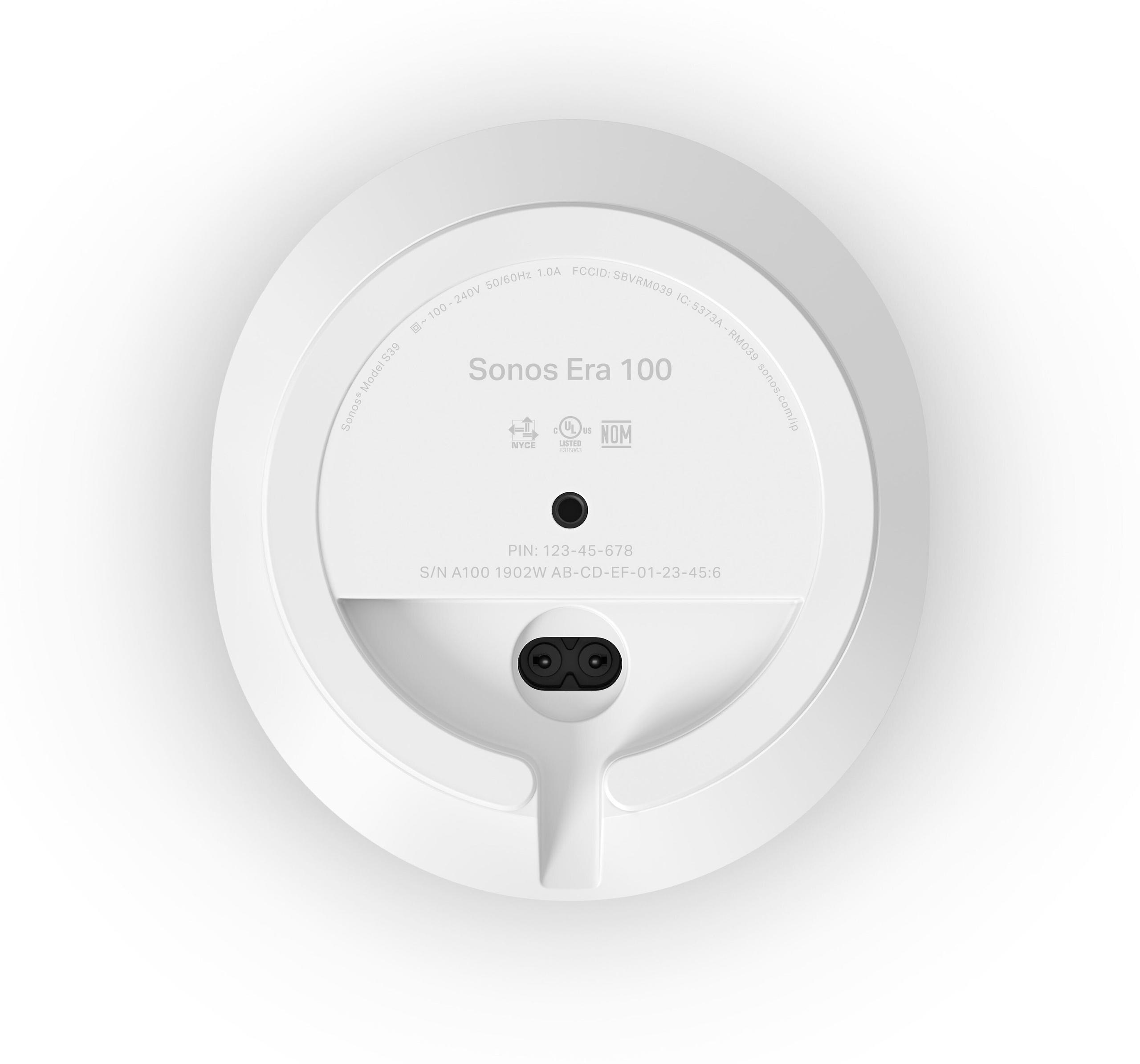
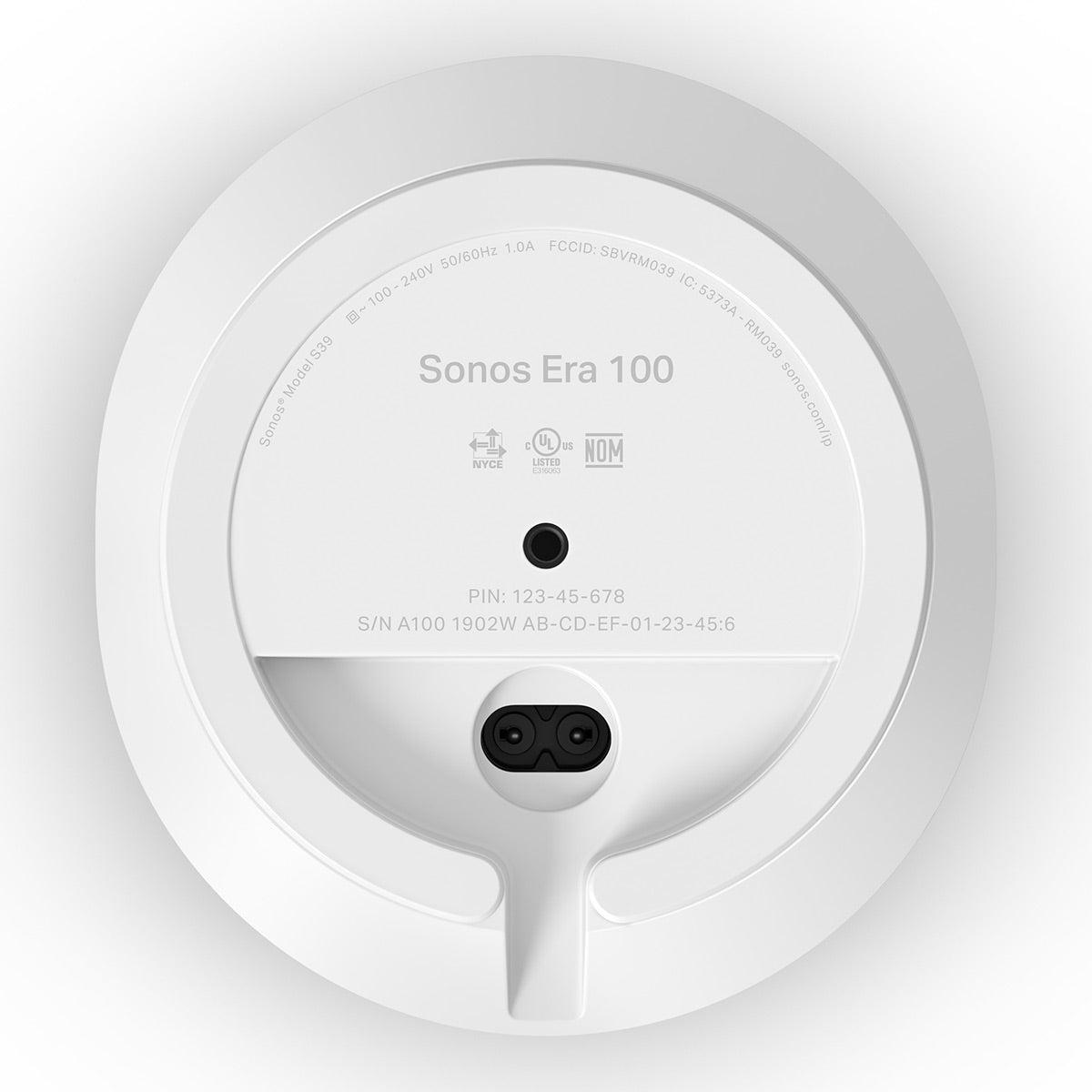
The Era 100 can be used with a TV through its USB-C input (with an optional adapter), but it's really designed to shine as part of a larger Sonos system. Two Era 100s can be paired as rear surrounds with a Sonos Arc or Beam soundbar, creating a genuine surround sound system.
At $249, the Era 100 represents solid value, especially considering its versatility and smart features. The sound quality improvements over the previous Sonos One justify the slight price increase, and its multi-room capabilities add significant long-term value.
The Woburn III's $579 price tag requires more justification. You're paying for superior sound quality, more powerful amplification, and premium build quality. However, the lack of smart features and multi-room capabilities might make this price harder to swallow for some users.
Choose the Era 100 if you:
Choose the Woburn III if you:
Both speakers excel at what they're designed to do, but they serve different purposes. The Era 100 is the more practical, versatile choice for most users, while the Woburn III is the better pick for audiophiles and those who prioritize maximum sound quality over smart features.
The tech world moves quickly, but both of these speakers represent current state-of-the-art in their respective approaches to wireless audio. The Era 100's recent release means it has the latest connectivity options, while the Woburn III's slightly older but more powerful hardware delivers a more traditional high-end audio experience.
| Sonos Era 100 | Marshall Woburn III |
|---|---|
| Price - Core value consideration | |
| $249 - More accessible price point | $579 - Premium pricing |
| Size - Impacts placement flexibility and sound capabilities | |
| 6.3" x 4.7" x 4.7" (Compact, fits anywhere) | 15.7" x 12.5" x 9" (Requires dedicated space) |
| Audio Power - Determines room-filling capability | |
| Unspecified wattage, suited for small-medium rooms | 150W total (90W woofer, 60W for tweeters/midrange) |
| Driver Configuration - Affects sound quality and separation | |
| Two tweeters + one midwoofer (improved stereo) | Three-way: 6" woofer, 2x2" midrange, 2x0.75" tweeters |
| Bass Response - Important for music enjoyment | |
| Improved over Sonos One but limited by size | Extends to 35Hz for deep, room-filling bass |
| Connectivity Options - Flexibility for different sources | |
| WiFi 6, Bluetooth 5.0, USB-C (adapter needed) | Bluetooth 5.2, HDMI ARC, RCA, 3.5mm aux |
| Smart Features - Convenience and integration | |
| Voice control, AirPlay 2, Sonos app ecosystem | Basic app control, no voice features |
| Multi-room Capability - Whole-home audio potential | |
| Full Sonos ecosystem integration | No multi-room capabilities |
| TV Integration - Home theater use | |
| Requires adapter, can be used as surrounds | Direct HDMI ARC connection |
| Room Correction - Optimizes sound for space | |
| Trueplay tuning (iOS and Android) | Basic placement compensation |
| Build Quality - Durability and aesthetics | |
| Modern, minimalist design, humidity resistant | Classic Marshall aesthetic, premium materials |
| Weight - Installation considerations | |
| 4.4 lbs (easily movable) | 16.4 lbs (meant to stay in place) |
The $249 Sonos Era 100 is better for smart features and multi-room audio, while the $579 Marshall Woburn III offers superior sound quality and power. The Era 100 provides better overall value, while the Woburn III excels in pure audio performance.
The Sonos Era 100 costs $249, while the Marshall Woburn III is priced at $579, making it $330 more expensive.
The Marshall Woburn III connects directly to TVs via HDMI ARC. The Era 100 requires an optional adapter for TV connection but can be paired with Sonos soundbars as surrounds.
The Marshall Woburn III has significantly better bass response, reaching down to 35Hz with its 6" woofer. The Era 100 has good bass for its size but can't match the Woburn's depth.
The Sonos Era 100 fully supports multi-room audio through the Sonos ecosystem. The Woburn III is a standalone speaker with no multi-room capabilities.
The Sonos Era 100 is ideal for small spaces due to its compact size. The Marshall Woburn III requires more space and is better suited for larger rooms.
The Era 100 supports Amazon Alexa and Sonos Voice Control. The Woburn III does not have voice control capabilities.
The Marshall Woburn III is more powerful with 150 watts total output. The Era 100 is designed for smaller spaces with lower power requirements.
Both speakers support Bluetooth connectivity. The Era 100 also offers WiFi and AirPlay 2, while the Woburn III adds traditional RCA and aux inputs.
Both are well-built, but the Woburn III features more premium materials. The Era 100 is humidity-resistant and more portable.
Neither speaker is designed for outdoor use, though the Era 100 is more portable and humidity-resistant. The Woburn III is meant for indoor use only.
The Sonos Era 100 offers more streaming options through its app and WiFi connectivity. The Marshall Woburn III relies primarily on Bluetooth streaming but offers higher quality audio playback.
We've done our best to create useful and informative comparisons to help you decide what product to buy. Our research uses advanced automated methods to create this comparison and perfection is not possible - please contact us for corrections or questions. These are the sites we've researched in the creation of this article: goodhousekeeping.com - tomsguide.com - techradar.com - youtube.com - whathifi.com - dxomark.com - rtings.com - abt.com - sonos.com - bhphotovideo.com - sonos.com - sonos.com - audiolab.com - en.community.sonos.com - bestbuy.com - crutchfield.com - rtings.com - idownloadblog.com - digit.in - crutchfield.com - epicrewards.com.ph - ione.com.kh - youtube.com - onward.ph - economictimes.indiatimes.com

Privacy Policy
Terms and Conditions - Affiliate Policy
Home Security
© Copyright 2008-2026.
11816 Inwood Rd #1211, Dallas, TX 75244