

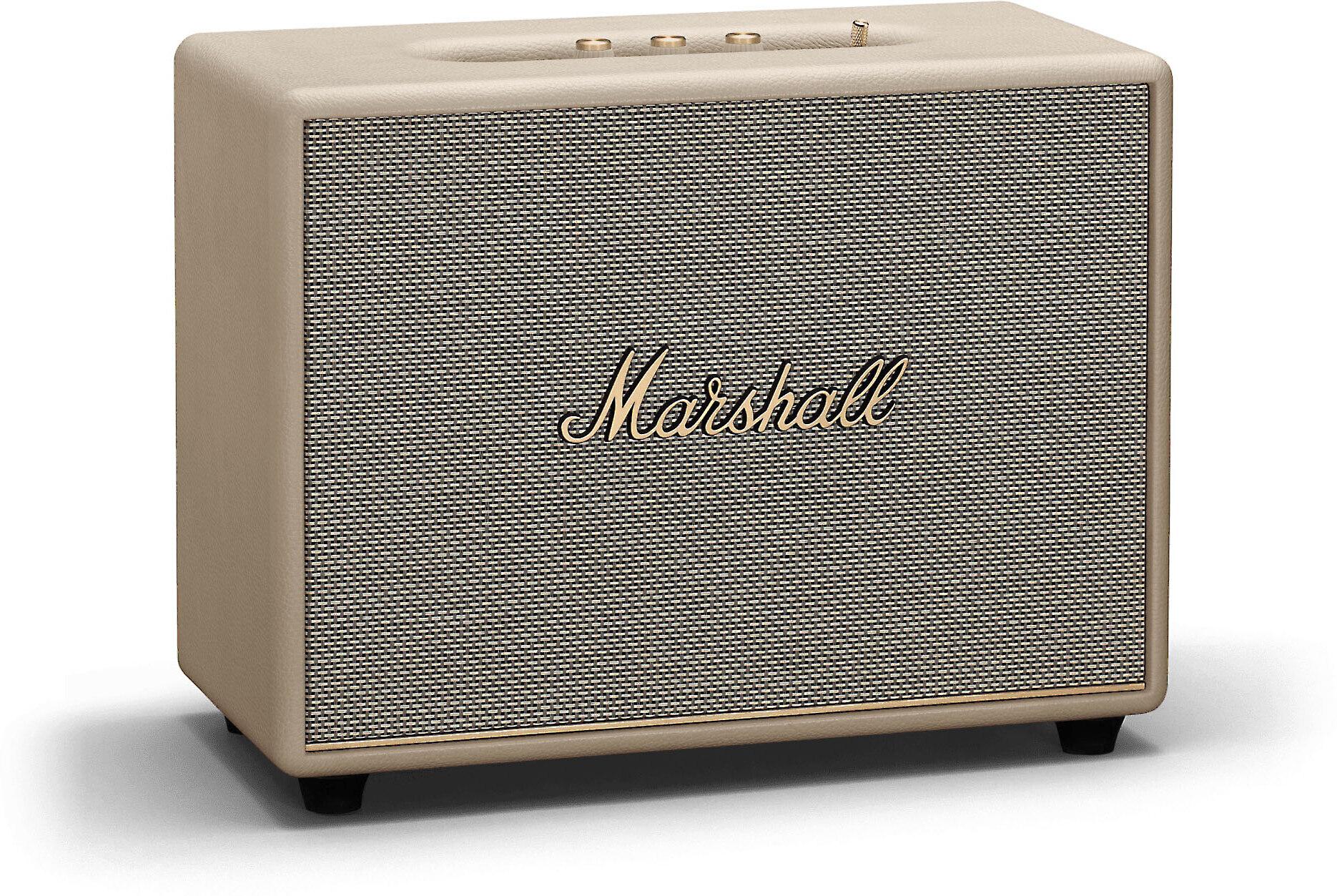
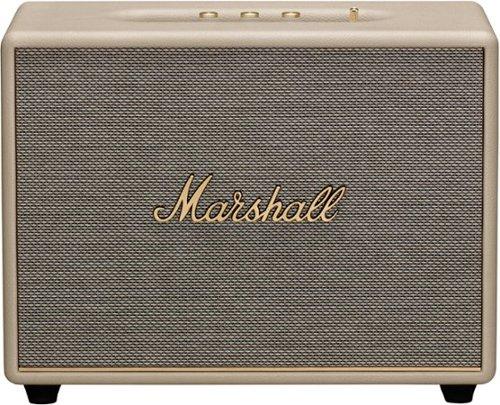
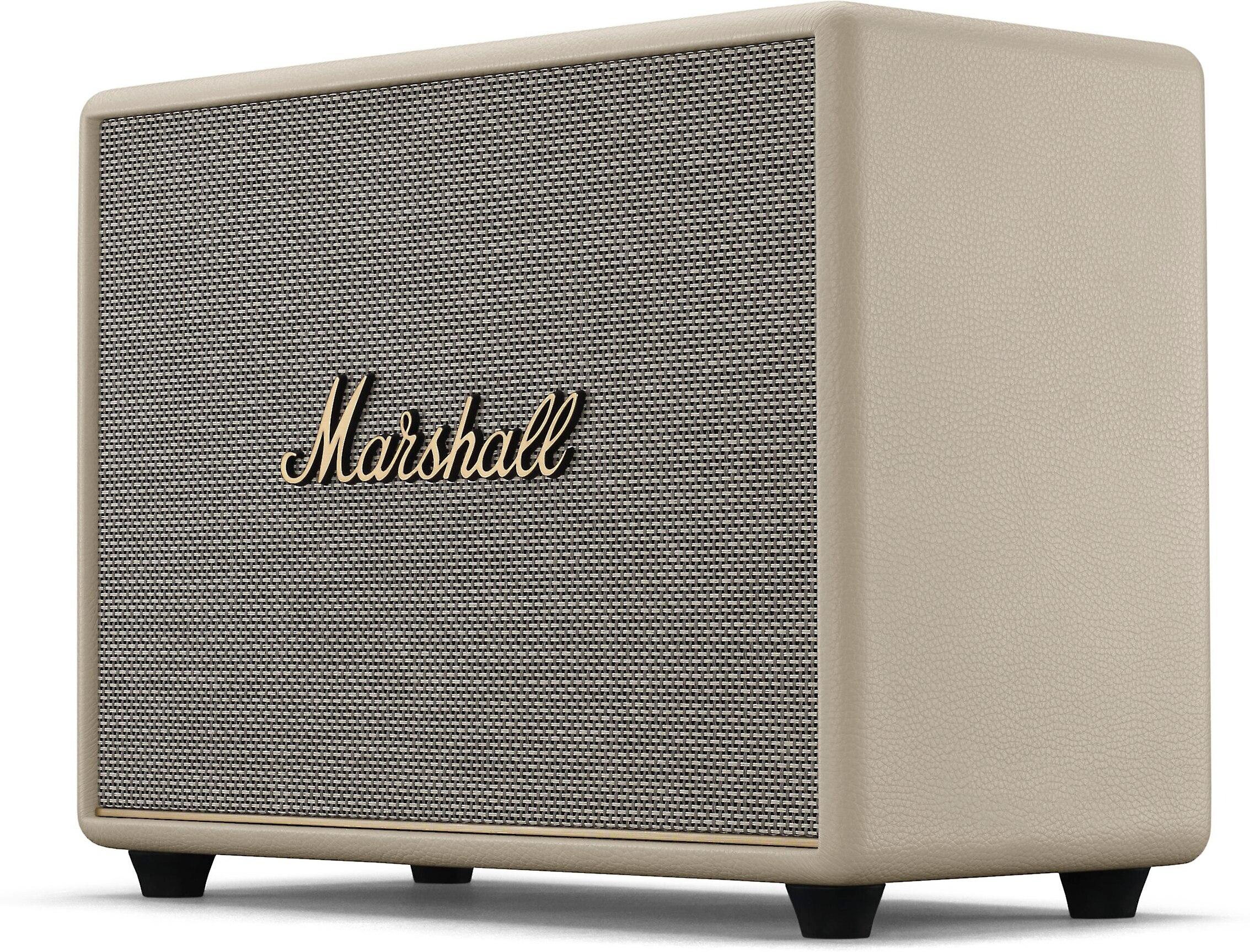
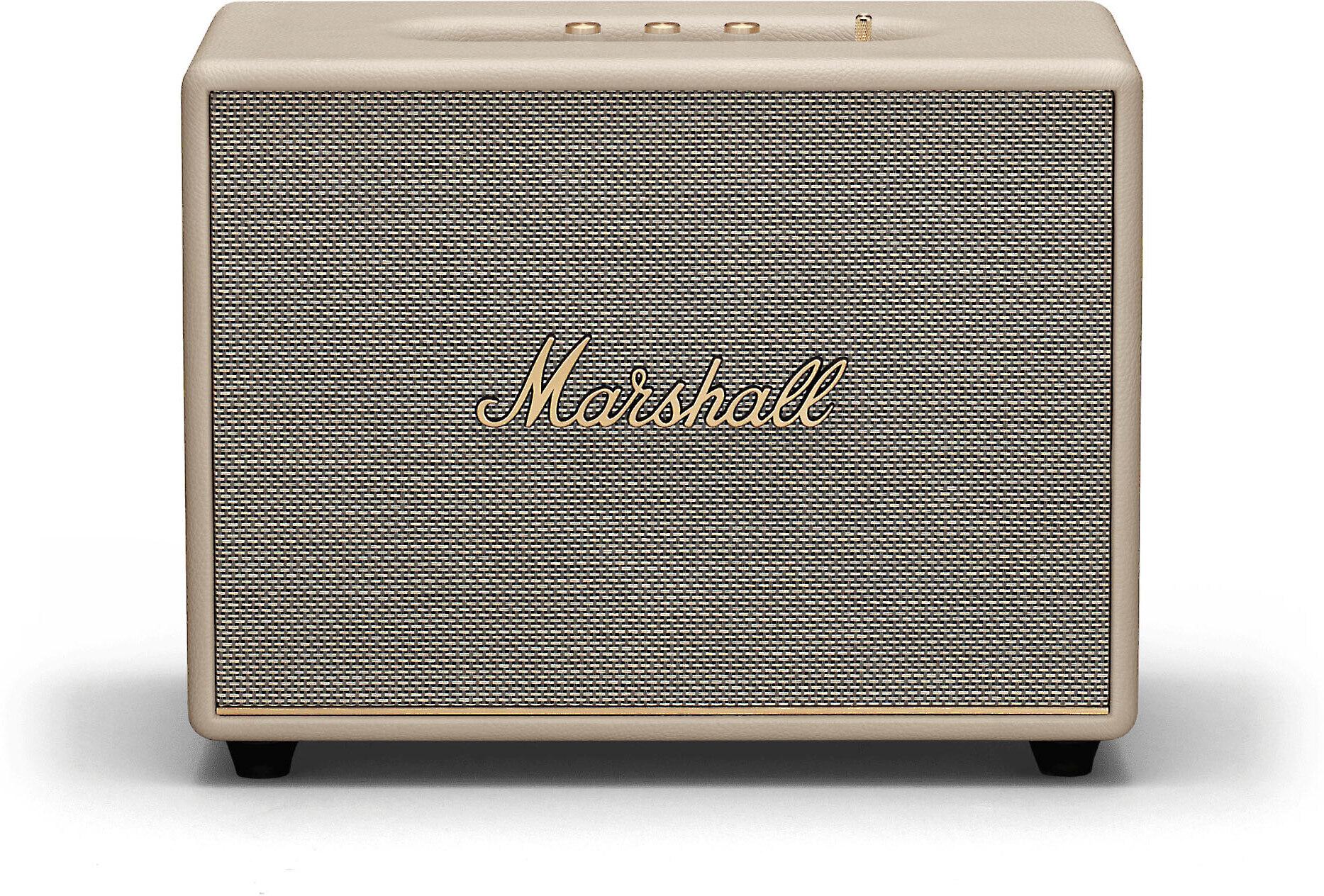
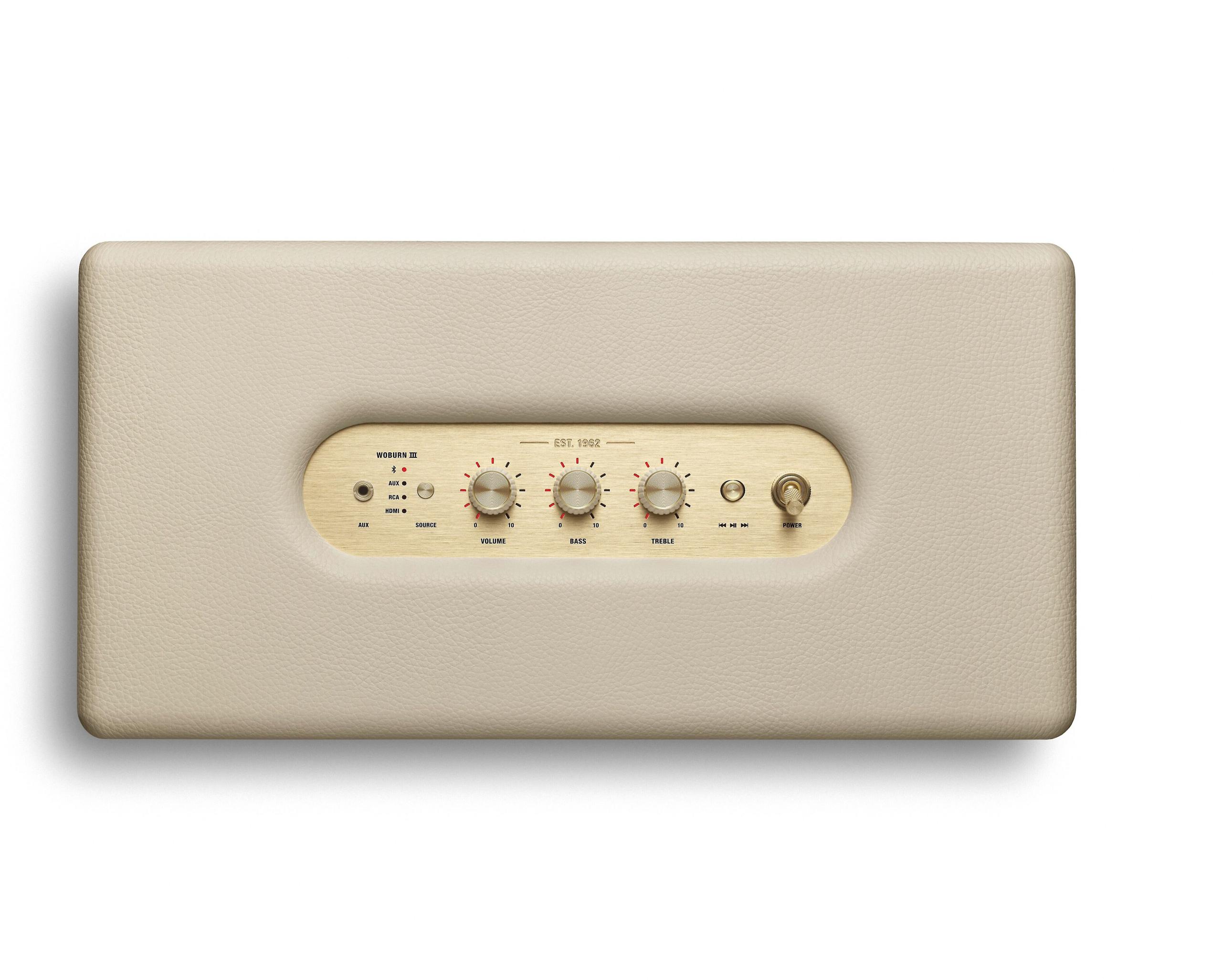
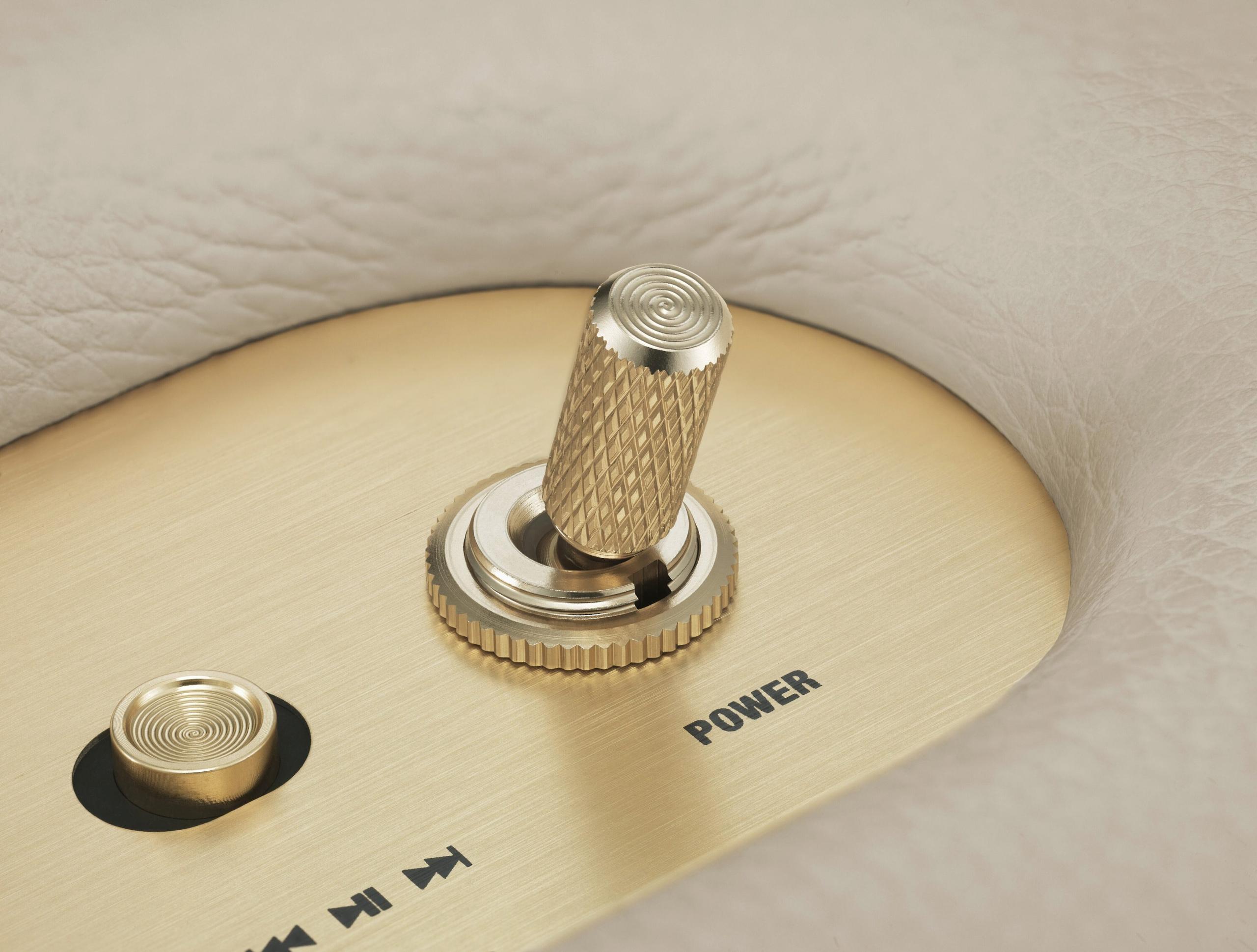
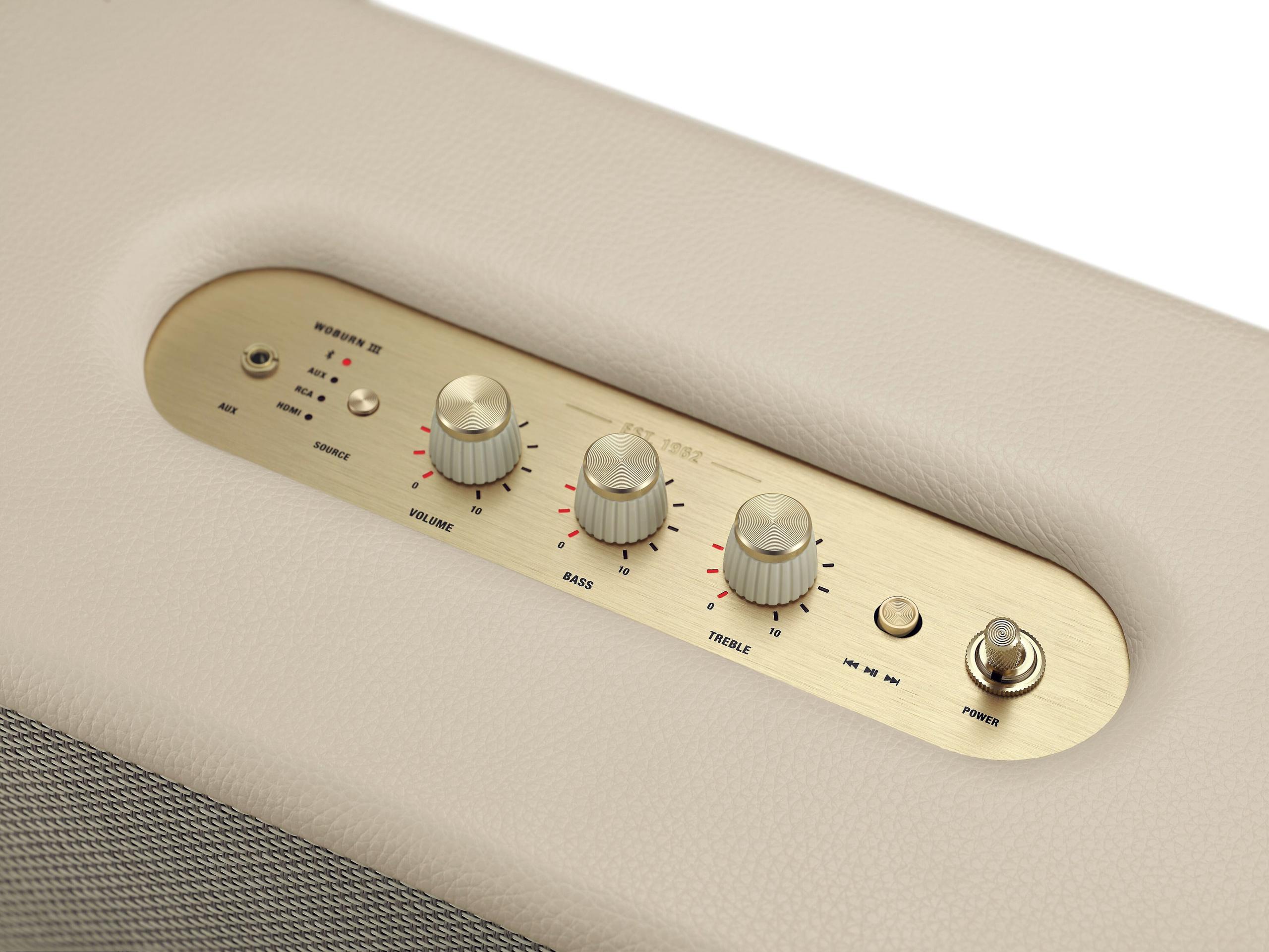
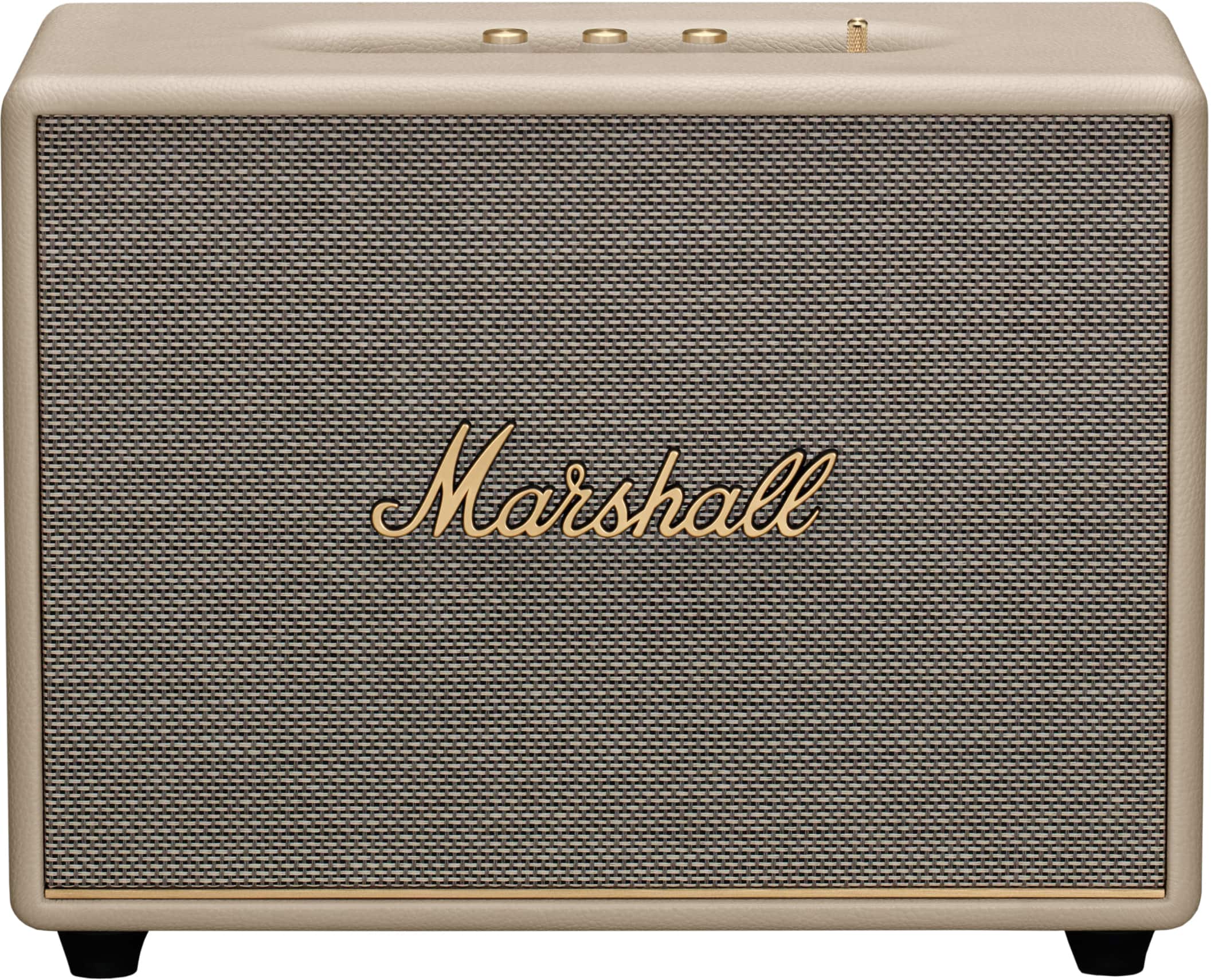
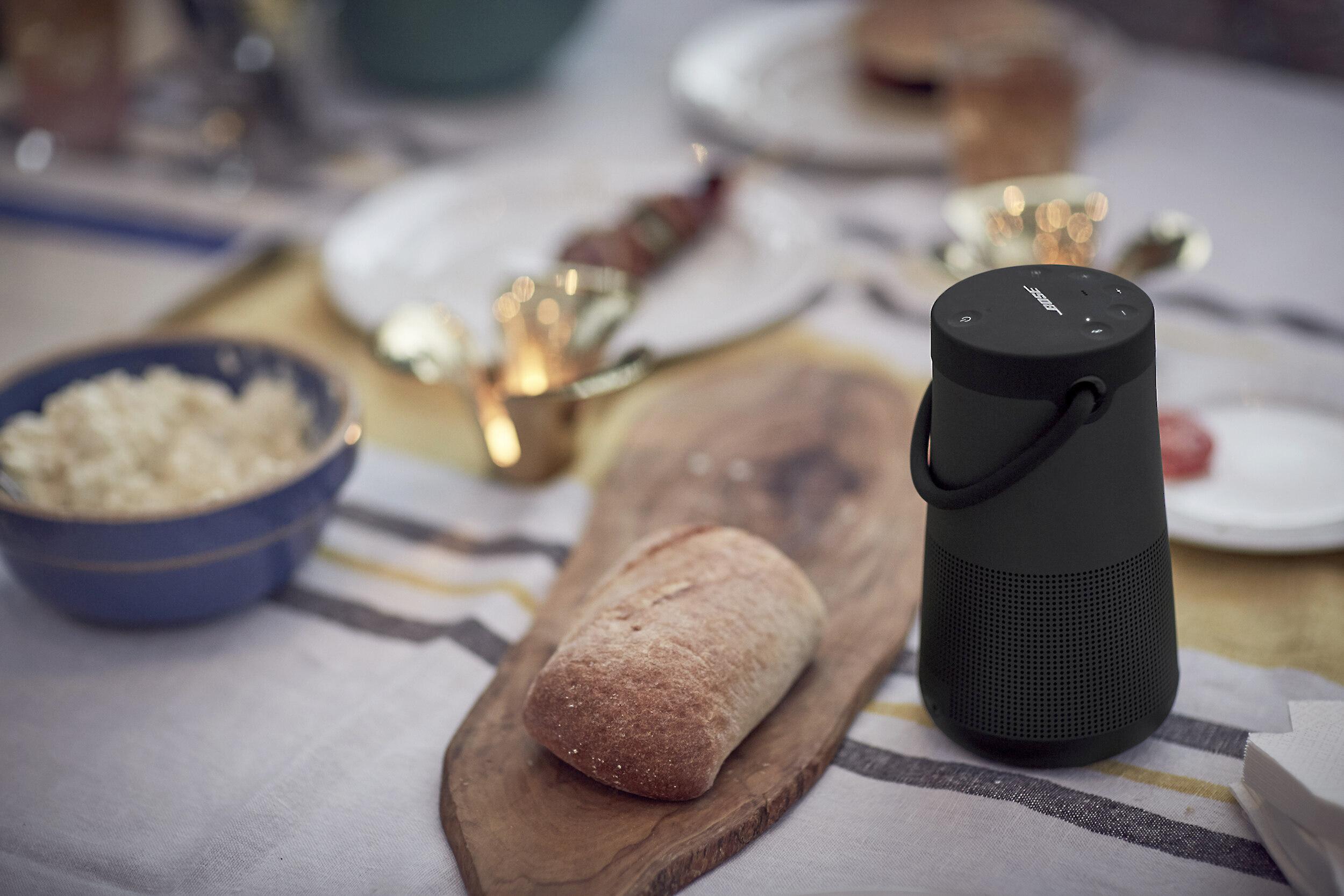

When it comes to premium Bluetooth speakers in 2024, we're seeing a fascinating divide between powerful home audio solutions and versatile portable options. Let's dive deep into two excellent but very different approaches - the $579 Marshall Woburn III and the $229 Bose SoundLink Revolve+ II.
Today's Bluetooth speakers need to balance sound quality, connectivity, and usefulness in our increasingly wireless world. The Marshall Woburn III and Bose Revolve+ II represent two distinct philosophies in solving this challenge.
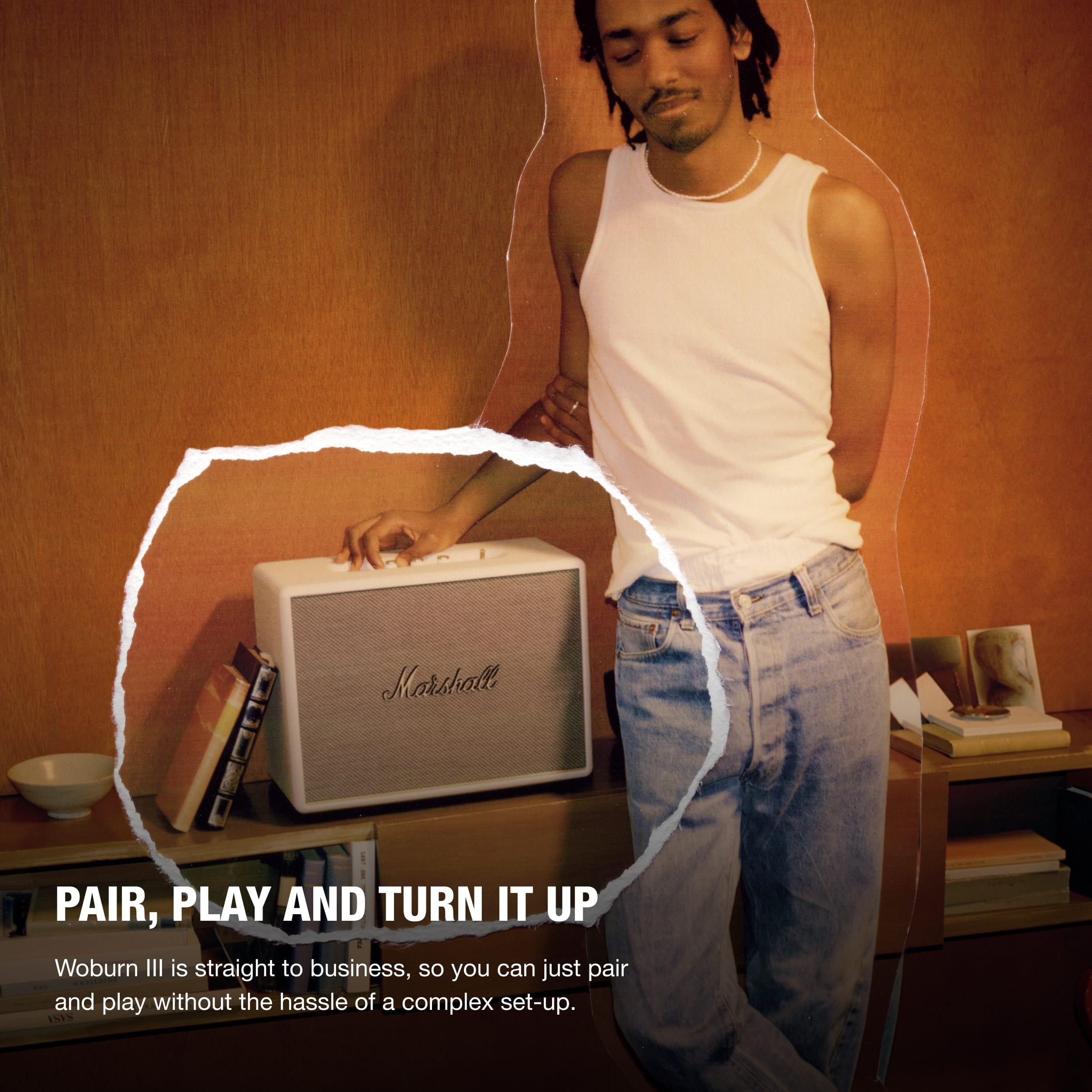
The Marshall Woburn III, released in 2022, builds on Marshall's legacy of professional audio equipment. It's essentially a modernized version of a traditional home speaker, incorporating features like HDMI ARC and advanced digital signal processing. At 16.4 pounds, it's meant to be placed and left in position.
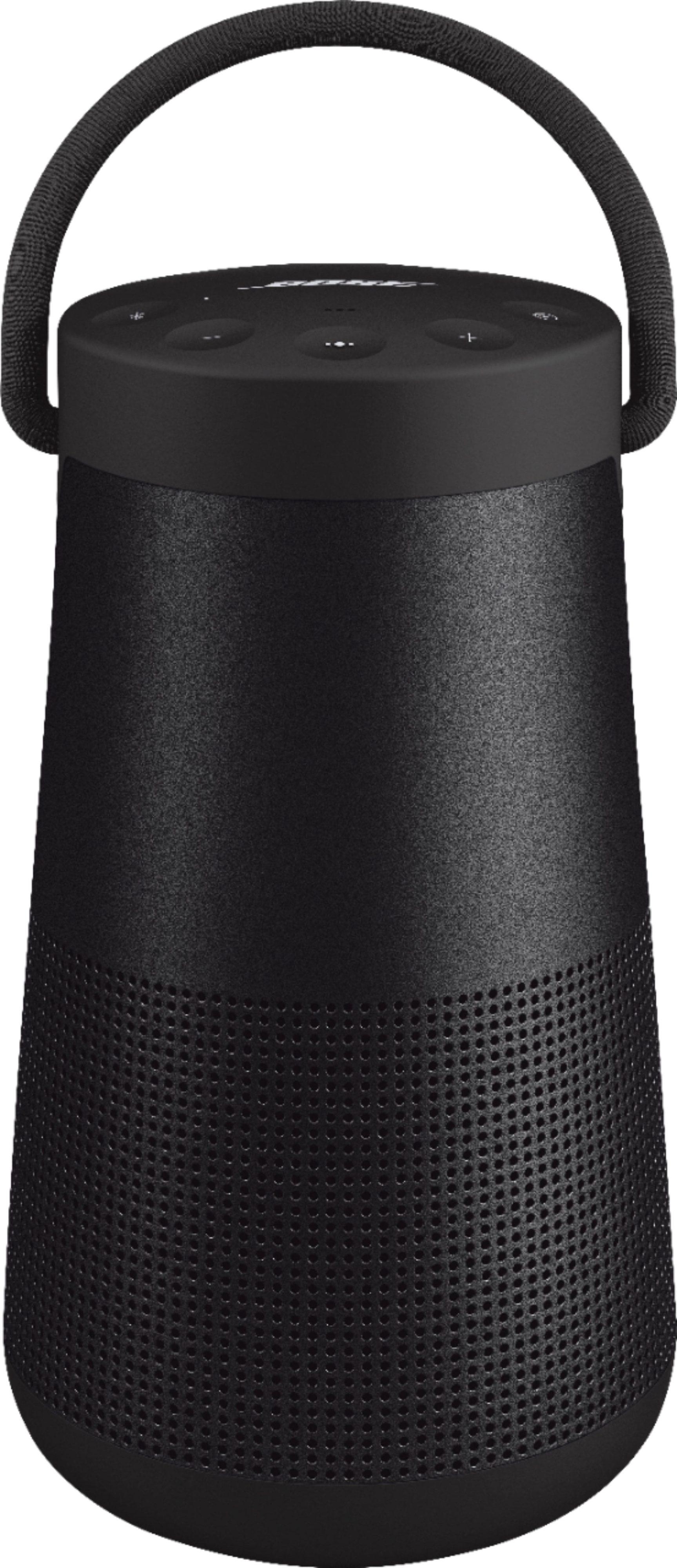
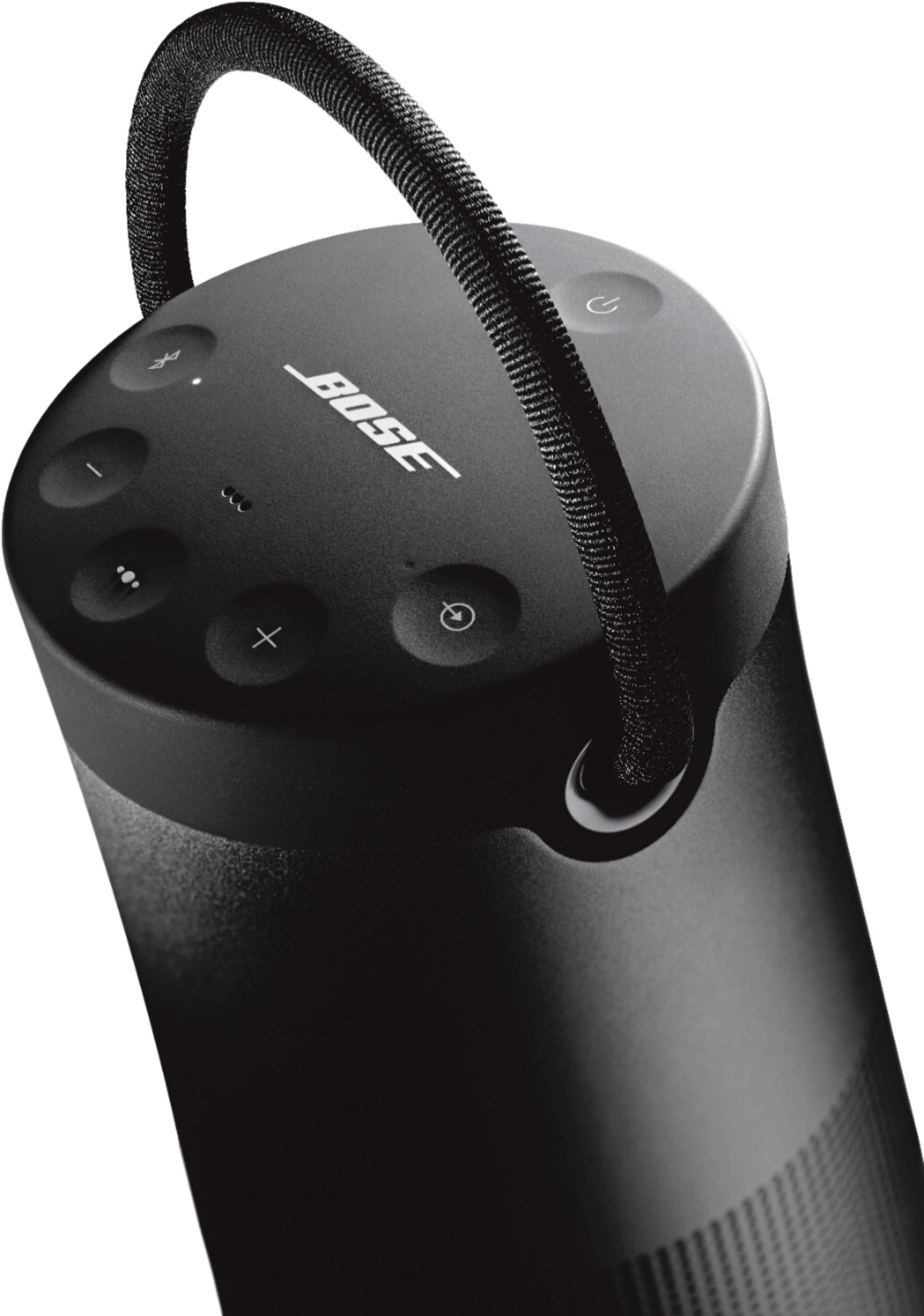
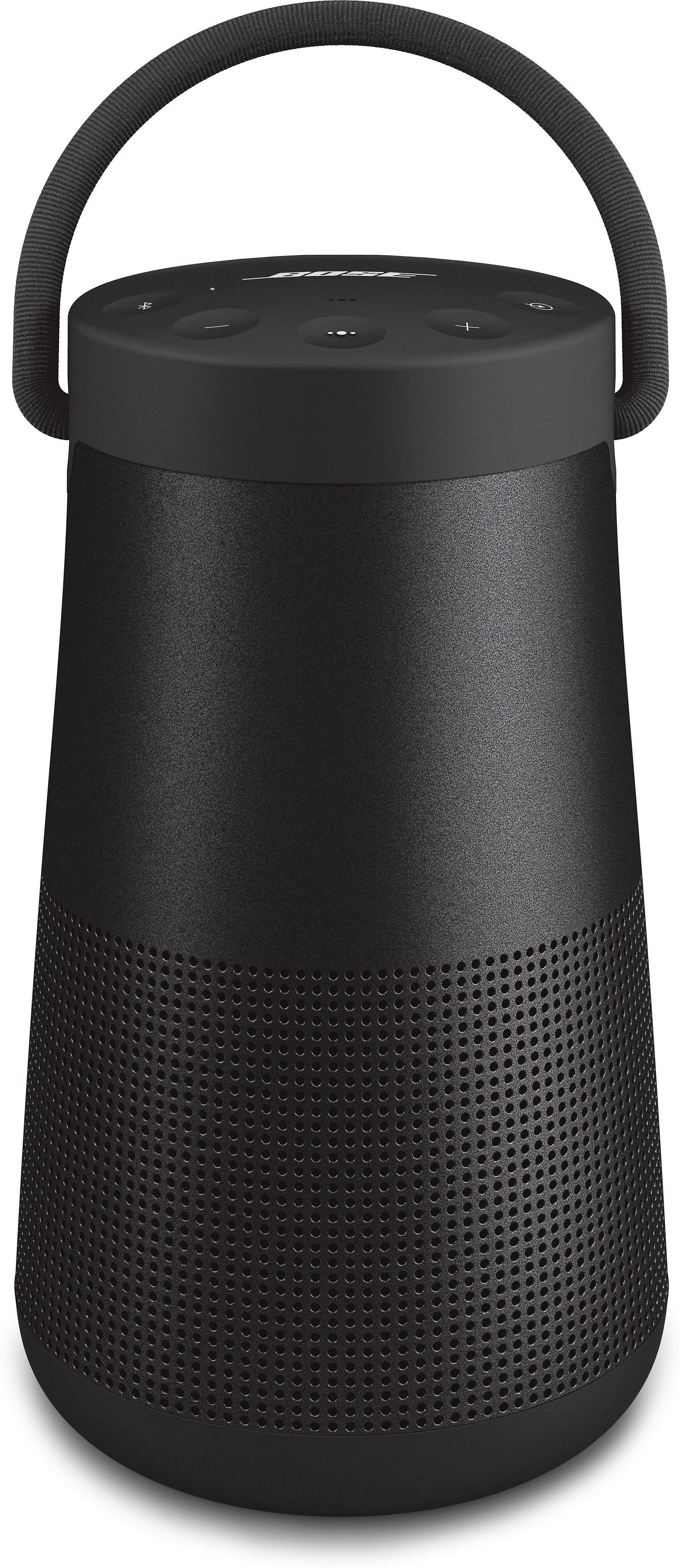
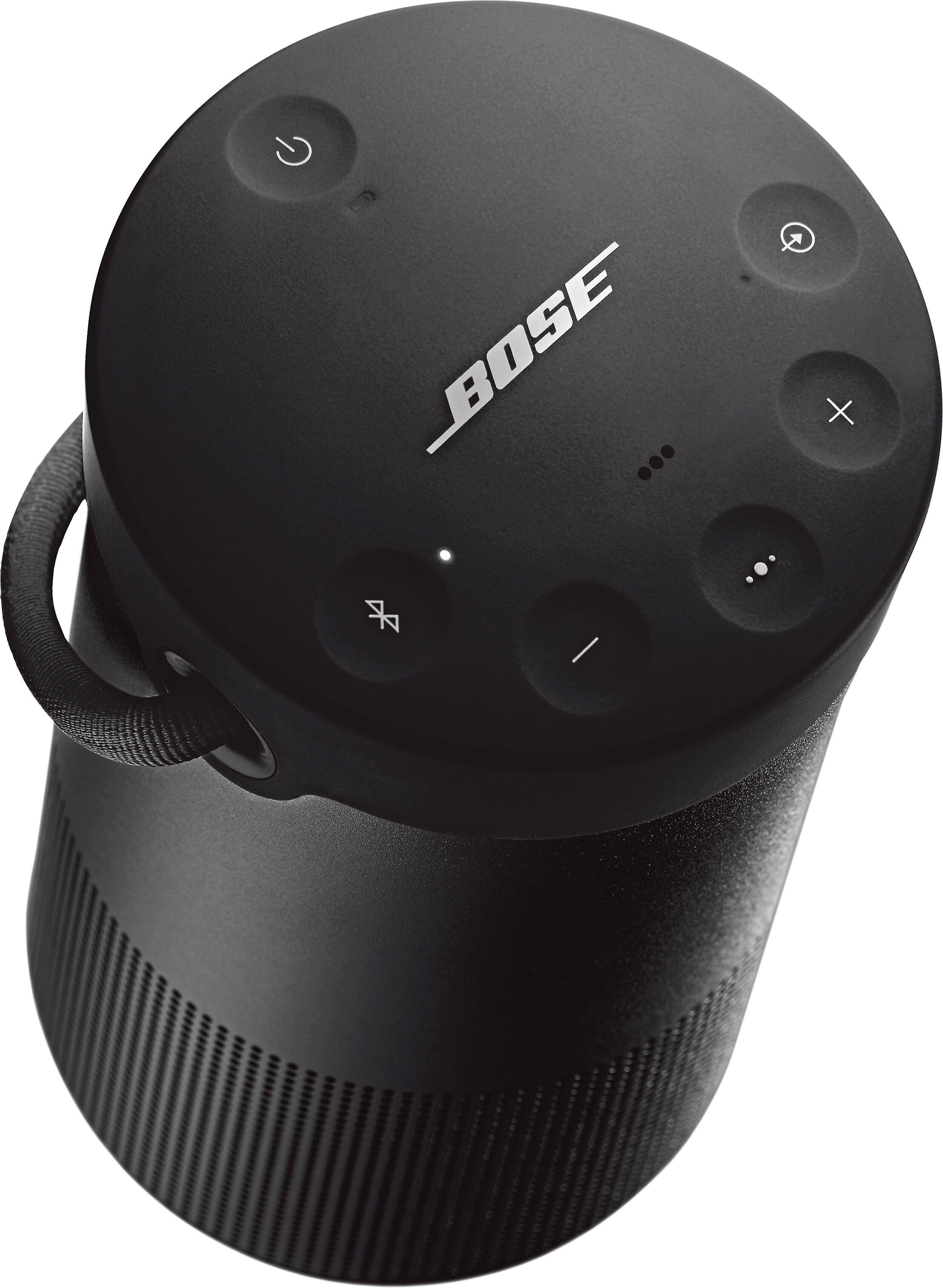
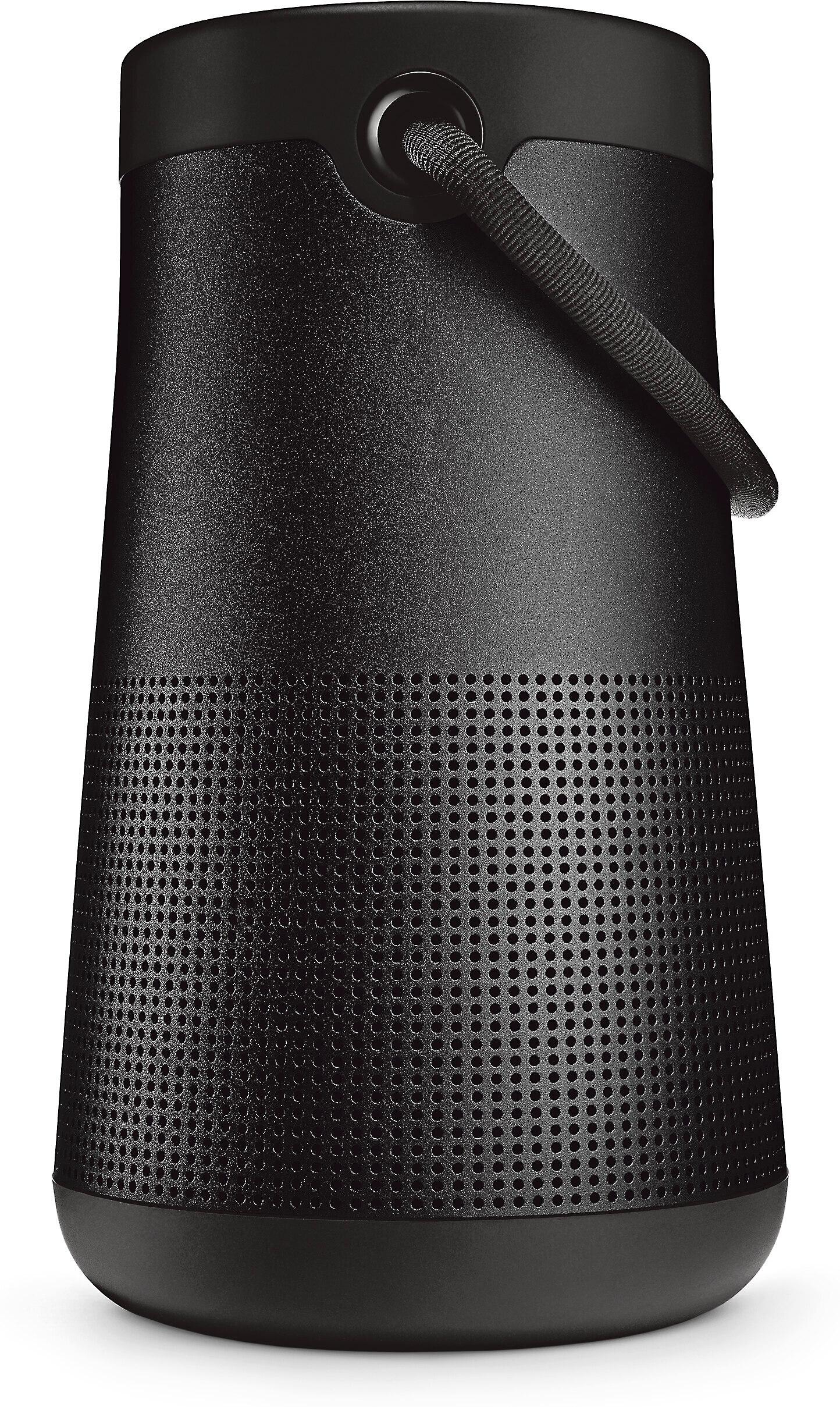
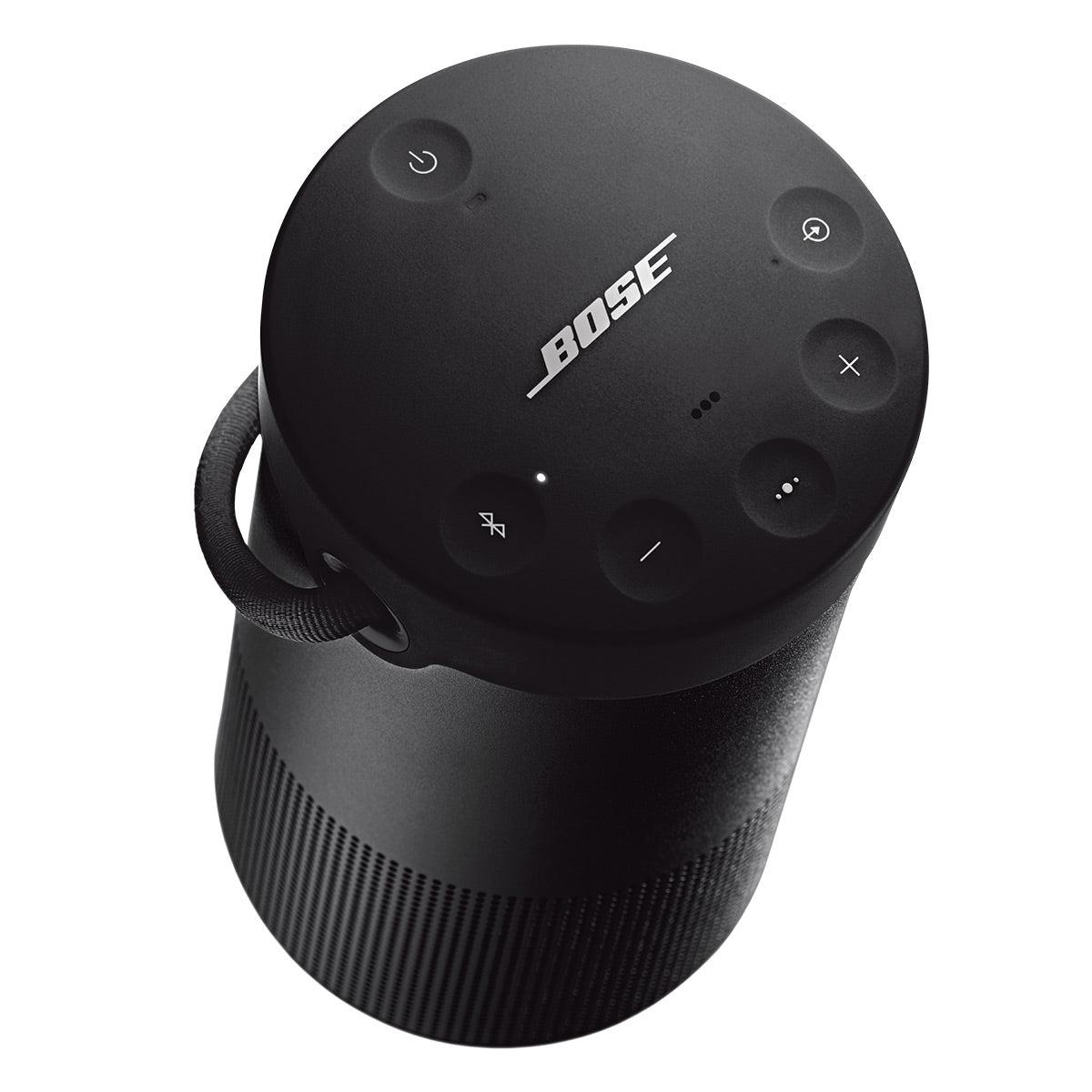
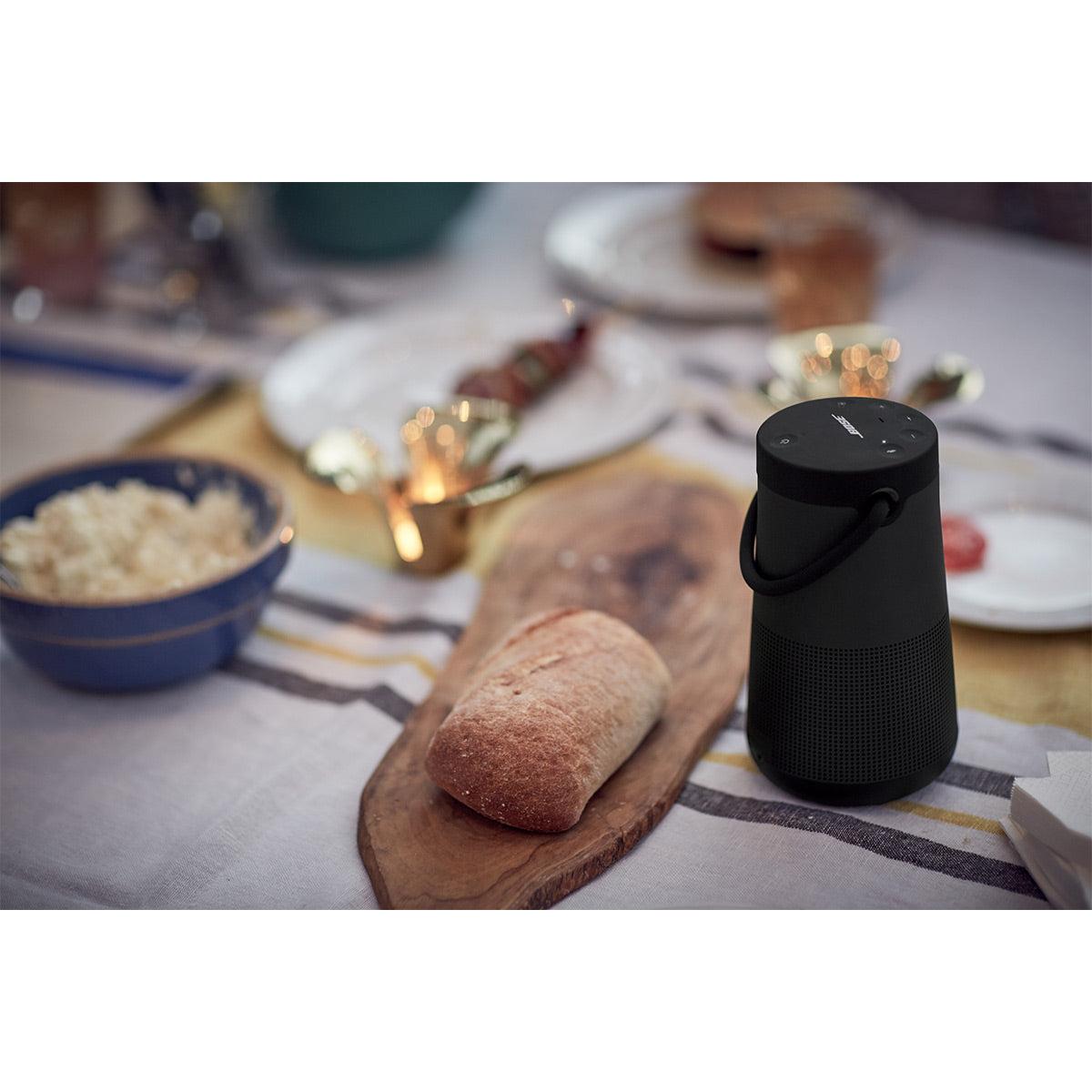
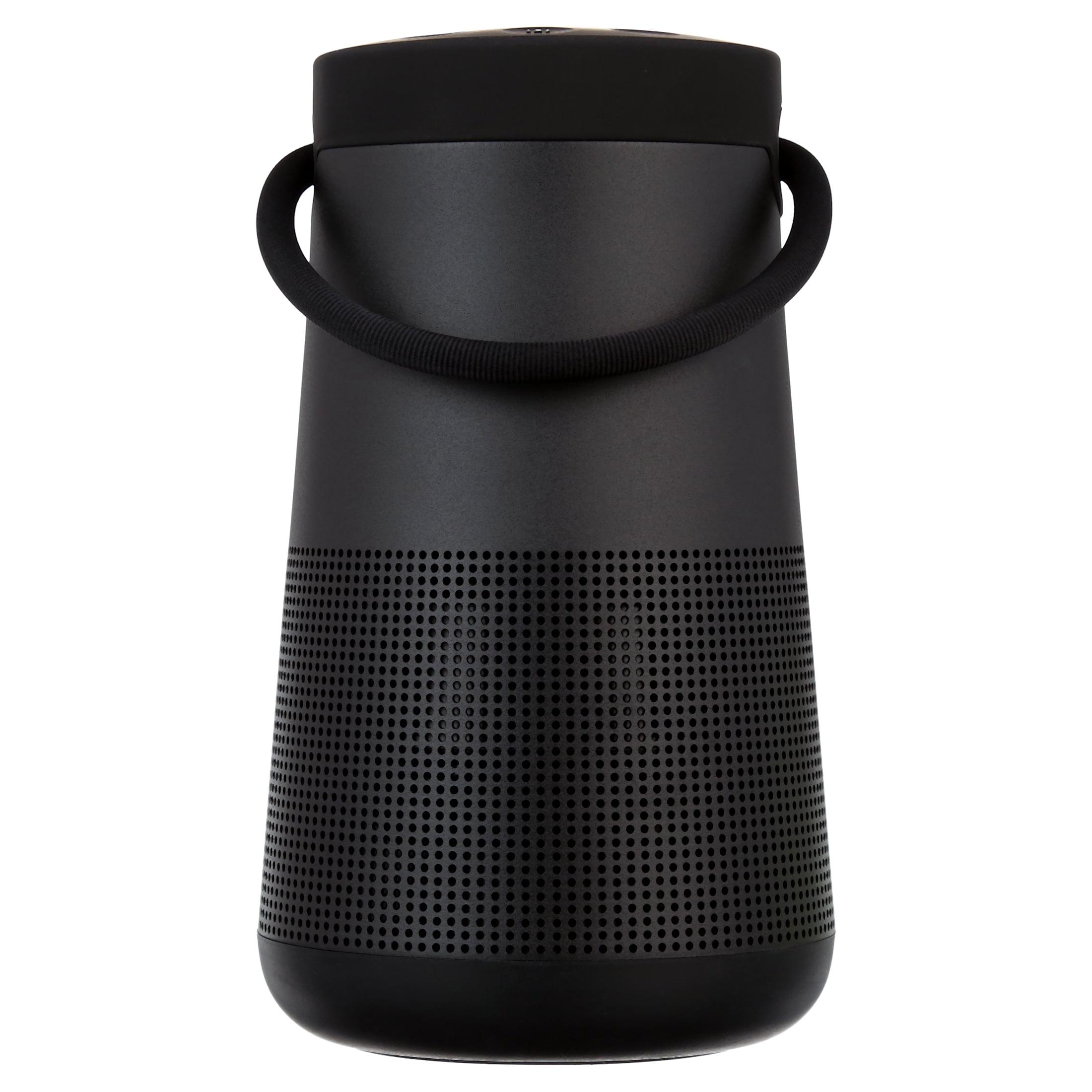
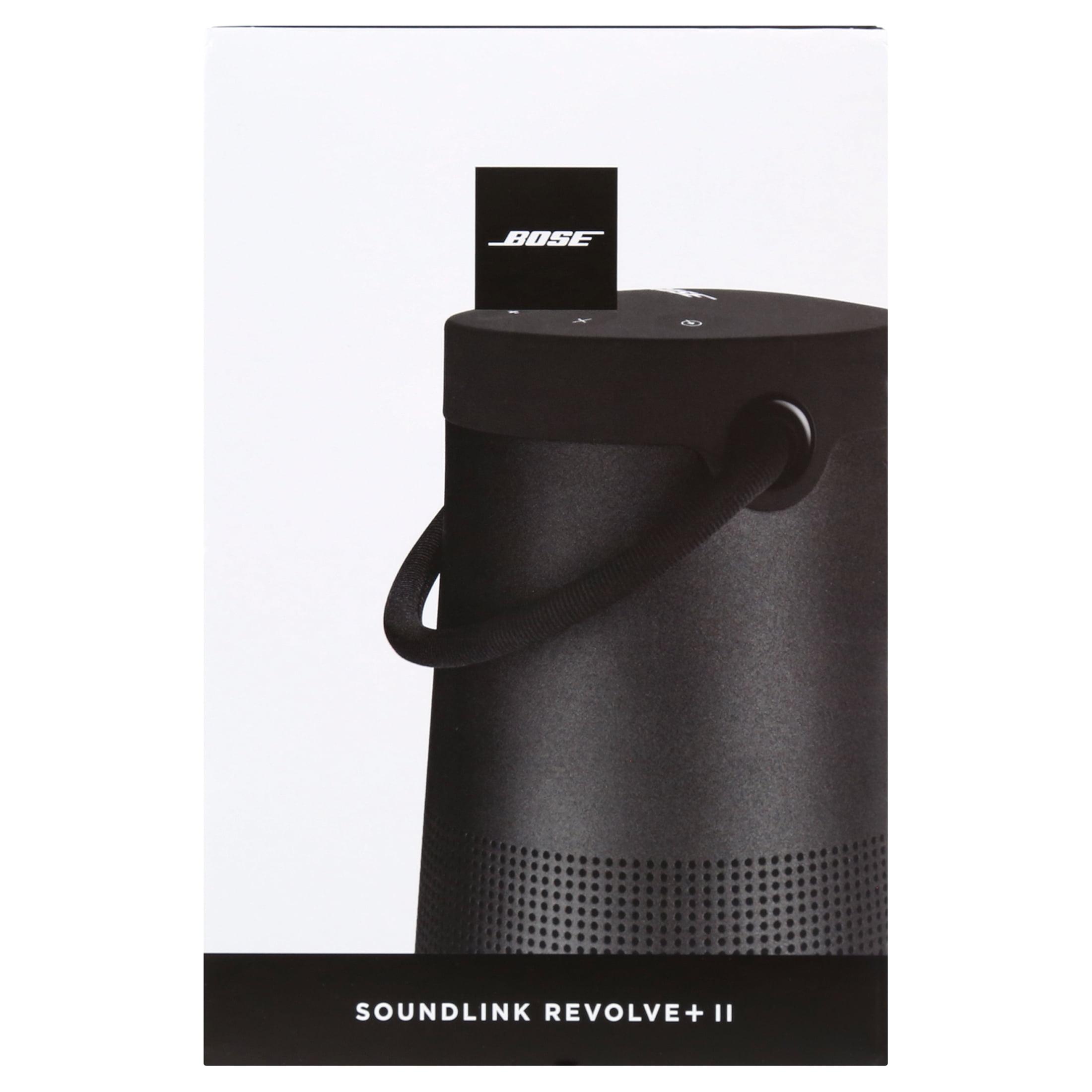
The Bose Revolve+ II, introduced in 2021, takes a different approach. Its cylindrical design enables 360-degree sound projection, while maintaining portability at just 4.1 pounds. This represents Bose's evolution of their portable speaker technology, with improvements in battery life and durability over the original Revolve+.
The Woburn III's three-way speaker system (meaning separate drivers for high, mid, and low frequencies) delivers impressive audio performance. The system includes:
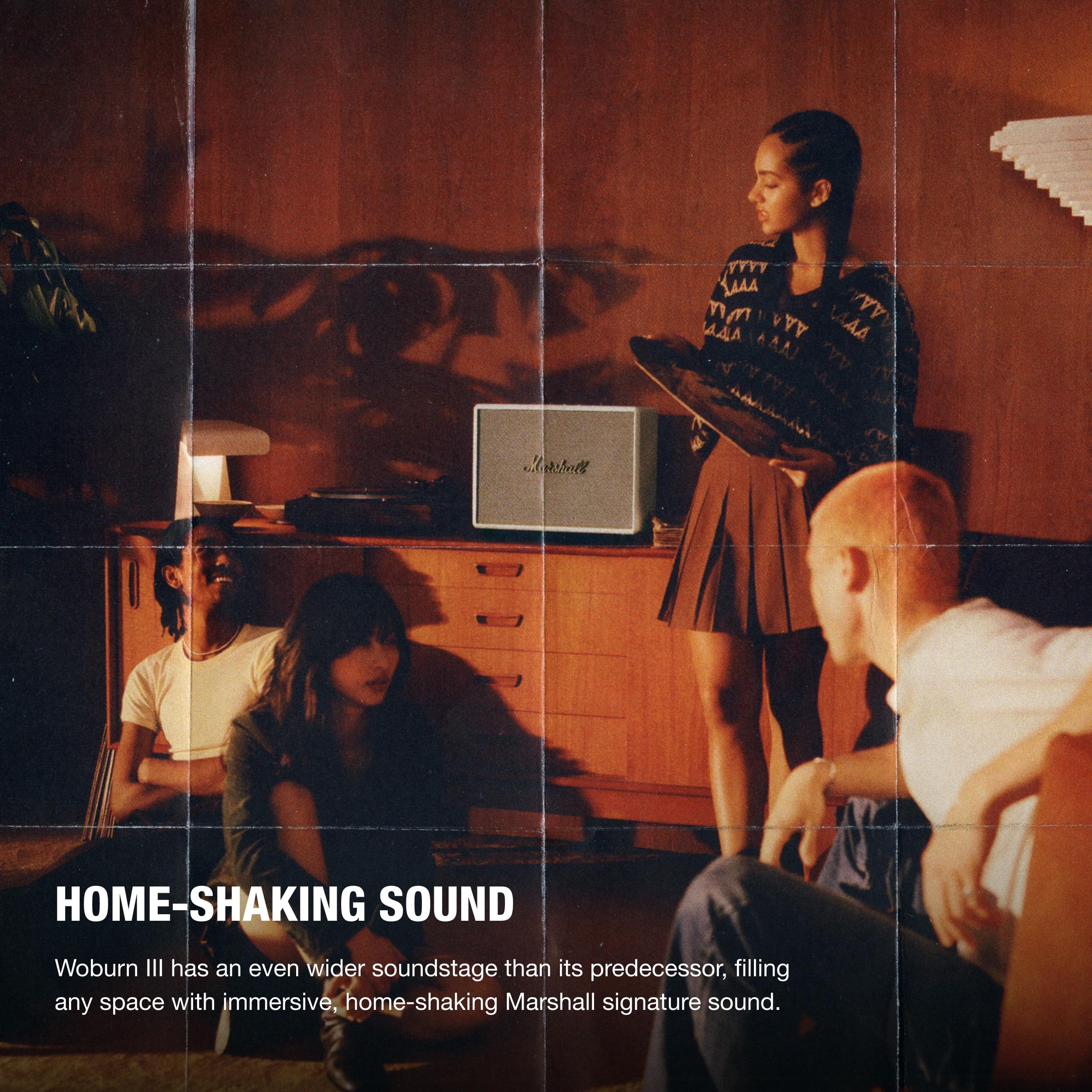
This configuration allows the speaker to handle complex music with clarity and separation. The bass response is particularly noteworthy - you can feel the impact of kick drums and bass lines in a way that's rare for Bluetooth speakers.
The Revolve+ II uses a single full-range driver with dual passive radiators (which help enhance bass response without requiring additional power). While it can't match the raw power of the Woburn III, it offers:
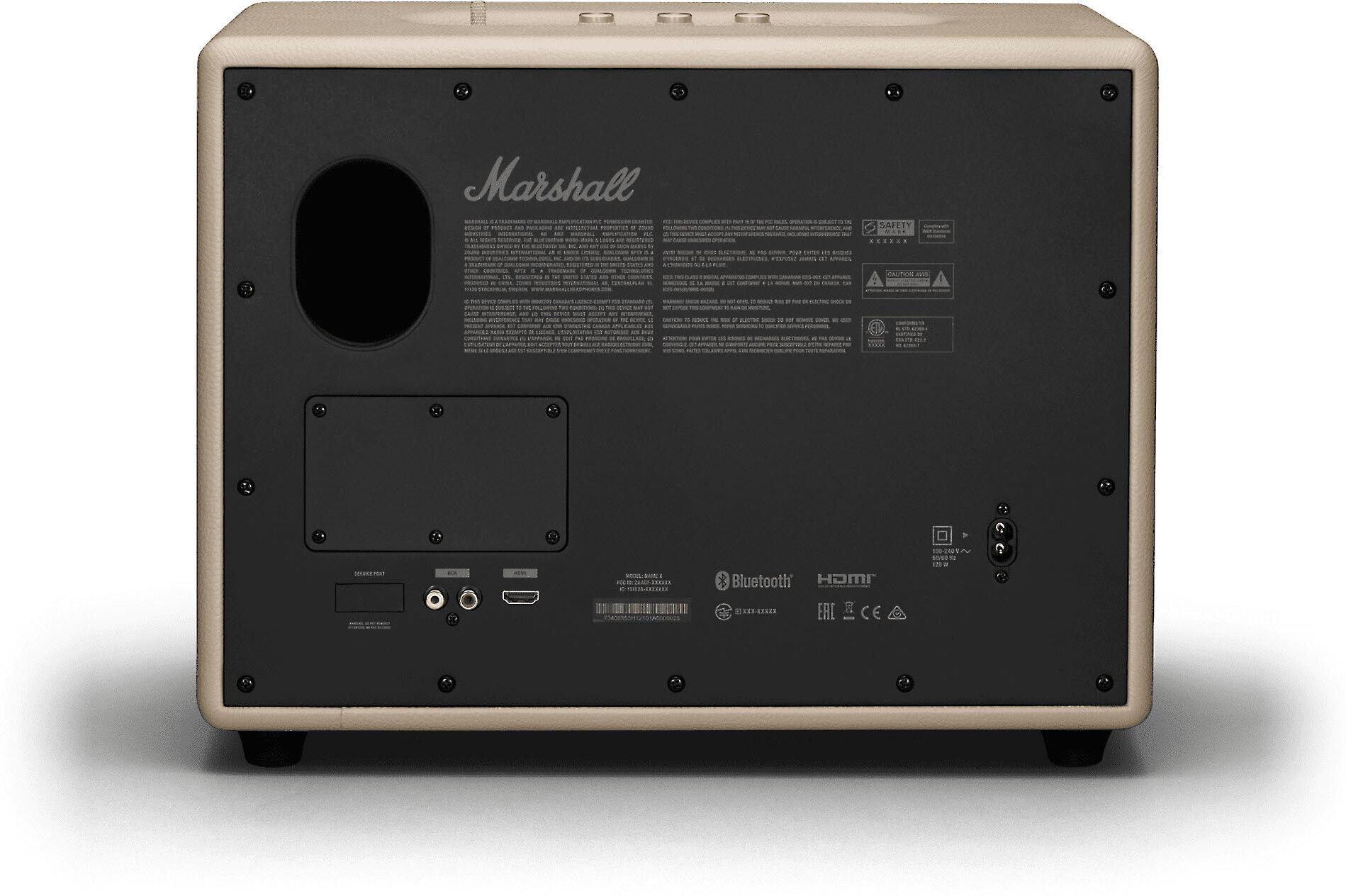
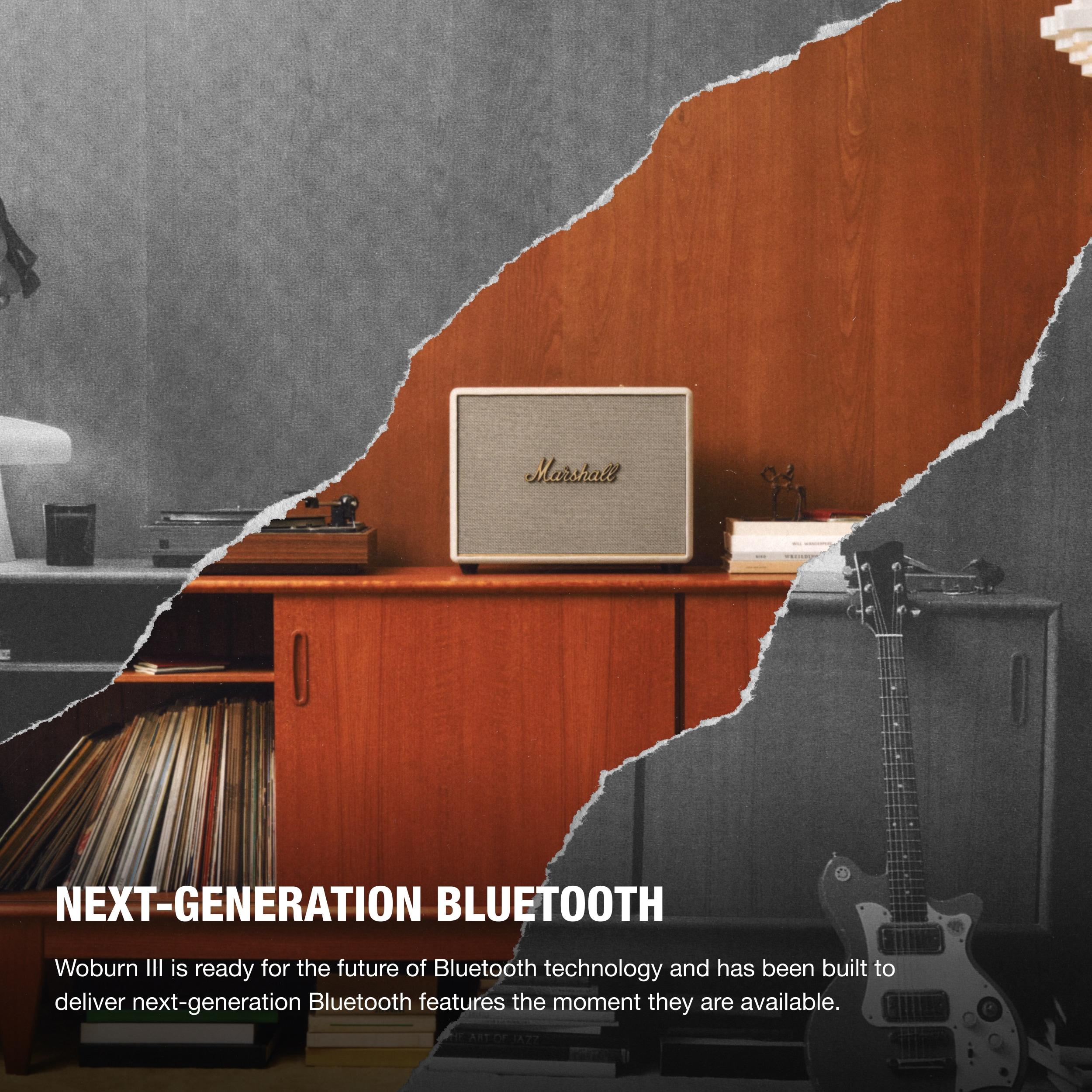
The Woburn III shines in its connectivity options:
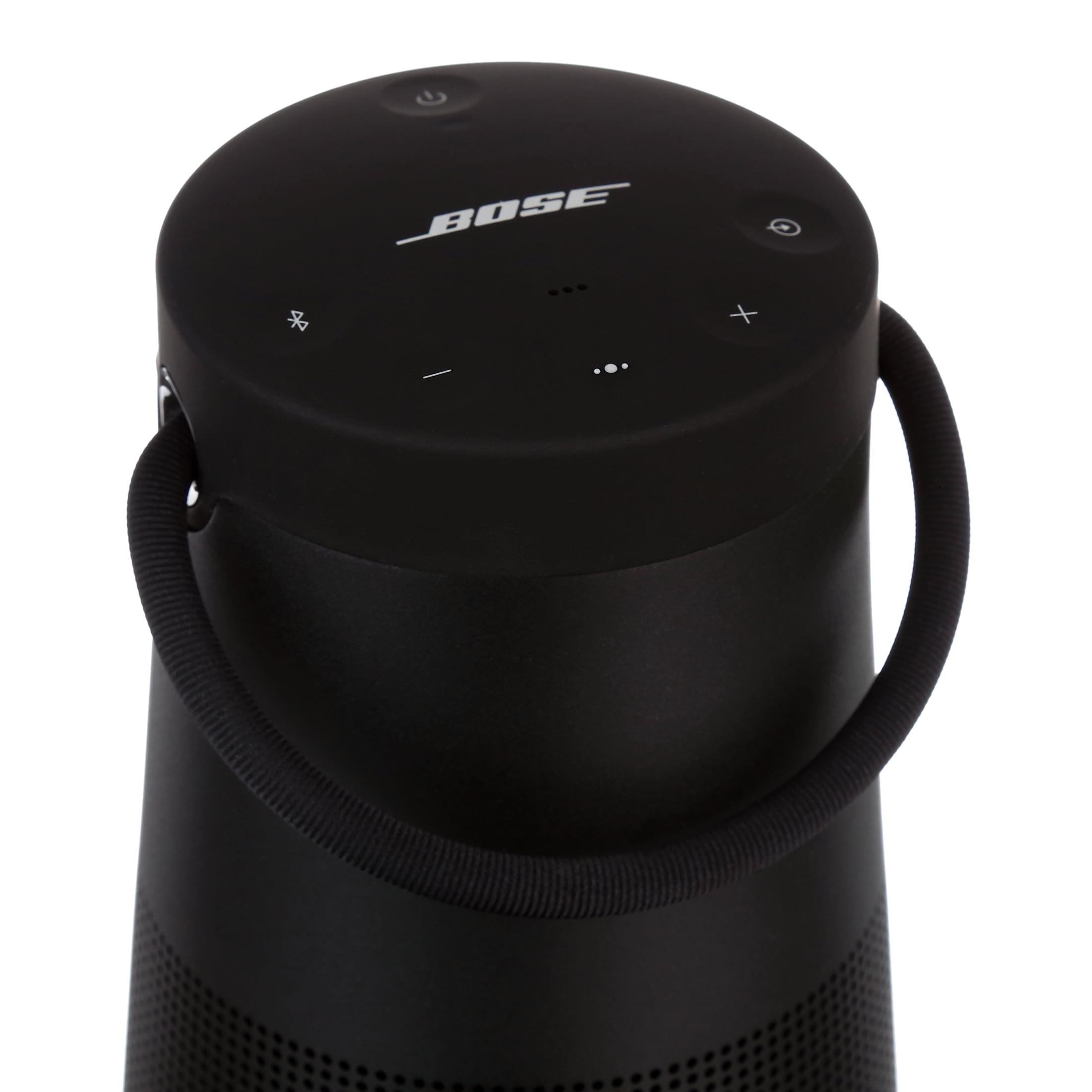
The Revolve+ II focuses on versatility:
The Marshall Woburn III's HDMI ARC support makes it an excellent TV speaker. It can automatically turn on with your TV and be controlled by your TV remote. The dedicated subwoofer provides impact for movies and games that portable speakers simply can't match.
The Bose Revolve+ II excels in adaptability. Its water resistance and battery life make it perfect for:
The Marshall Woburn III at $579 represents a significant investment, but it's competing more with traditional home audio systems than portable speakers. For the sound quality and features offered, it's reasonably priced compared to similar home audio solutions.
The Bose Revolve+ II at $229 offers excellent value for those needing portability. Its durability and versatility justify the premium over basic Bluetooth speakers.
Choose the Marshall Woburn III if:
Choose the Bose Revolve+ II if:
Both speakers represent different but valid approaches to modern audio needs. The Marshall's focus on sound quality and home integration versus Bose's emphasis on portability and versatility shows how diverse the premium speaker market has become.
The Marshall Woburn III and Bose Revolve+ II will likely influence future speaker designs in their respective categories. Marshall's implementation of room compensation and Bose's 360-degree sound approach are technologies we'll probably see refined further in coming years.
Remember, the "best" choice depends entirely on your specific needs and how you plan to use the speaker. Consider your primary use case carefully when making your decision.
| Marshall Woburn III | Bose SoundLink Revolve+ II |
|---|---|
| Price - Initial Investment | |
| $579 (premium home audio price point) | $229 (mid-range portable speaker price) |
| Power Output - Impacts maximum volume and audio clarity | |
| 150W total (90W woofer, 30W per tweeter) | Not specified by manufacturer, estimated 30W |
| Frequency Response - Determines bass depth and overall sound range | |
| 35Hz-20kHz (deep bass capability) | 60Hz-20kHz (limited low-end response) |
| Size & Weight - Affects placement options and portability | |
| 15.75" x 12.48" x 7.99", 16.42 lbs (stationary) | 7.25" x 4.13" x 4.13", 4.13 lbs (highly portable) |
| Driver Configuration - Impacts sound quality and clarity | |
| Three-way system: 6" woofer, two 2" midrange, two 3/4" tweeters | Single full-range driver with dual passive radiators |
| Connectivity Options - Flexibility for different audio sources | |
| Bluetooth 5.2, HDMI ARC, RCA, 3.5mm aux | Bluetooth 4.2, NFC pairing, 3.5mm aux |
| Battery Life - Important for portable use | |
| None (AC power only) | 17 hours per charge |
| Water Resistance - Outdoor usability | |
| None | IP55 rated (water and dust resistant) |
| Special Features - Added functionality | |
| Dynamic Loudness, Placement Compensation, HDMI ARC for TV | 360° sound, speakerphone, multi-speaker pairing |
| App Support - Control and customization | |
| Marshall Bluetooth App with EQ and placement settings | Bose Connect App with basic controls |
| Primary Use Case - Target audience | |
| Premium home audio solution, TV integration | Portable indoor/outdoor use, travel |
The Marshall Woburn III is significantly better for dedicated home use due to its powerful 150W output, superior bass response, and HDMI ARC connection for TV integration. The Bose Revolve+ II is designed primarily for portable use.
The Marshall Woburn III costs $579, while the Bose SoundLink Revolve+ II is $229. The price difference reflects their different purposes - the Marshall is a premium home speaker, while the Bose is a portable solution.
The Marshall Woburn III has HDMI ARC connectivity specifically for TV use, making it a proper TV audio solution. The Bose Revolve+ II can only connect to TVs via auxiliary cable or Bluetooth, which may cause audio delay.
The Marshall Woburn III delivers superior sound quality with its three-way speaker system and deeper bass response (35Hz-20kHz). The Bose Revolve+ II offers good sound for its size but can't match the Marshall's audio performance.
The Bose Revolve+ II is designed for outdoor use with IP55 water resistance and 17-hour battery life. The Marshall Woburn III requires AC power and isn't weather-resistant, making it indoor-only.
The Bose Revolve+ II at 4.13 lbs with built-in handle is highly portable. The Marshall Woburn III weighs 16.42 lbs and requires constant power, making it a stationary speaker.
Both speakers support multiple device pairing. The Marshall Woburn III uses Bluetooth 5.2 for better connection quality, while the Bose Revolve+ II offers Bluetooth 4.2 with NFC pairing.
The Marshall Woburn III delivers significantly better bass with its 6-inch woofer and 35Hz low-end response. The Bose Revolve+ II has more limited bass capability, reaching only to 60Hz.
Yes, both have companion apps. The Marshall Bluetooth App offers advanced EQ and placement settings, while the Bose Connect App provides basic controls and updates.
The Bose Revolve+ II can pair with another Revolve+ for stereo sound. The Marshall Woburn III doesn't support speaker pairing but delivers stereo sound from its single unit.
For home parties, the Marshall Woburn III offers superior volume and sound quality. For outdoor events, the Bose Revolve+ II is better due to its portability and water resistance.
Both the Marshall Woburn III and Bose Revolve+ II come with one-year limited warranties, covering manufacturing defects and hardware issues.
We've done our best to create useful and informative comparisons to help you decide what product to buy. Our research uses advanced automated methods to create this comparison and perfection is not possible - please contact us for corrections or questions. These are the sites we've researched in the creation of this article: bestbuy.com - crutchfield.com - rtings.com - idownloadblog.com - digit.in - crutchfield.com - epicrewards.com.ph - ione.com.kh - youtube.com - onward.ph - economictimes.indiatimes.com - rtings.com - dxomark.com - youtube.com - bestbuy.com - techradar.com - bhphotovideo.com - boselatam.com - nfm.com - bose.com - support.bose.com - bose.com - abt.com - bose.com

Privacy Policy
Terms and Conditions - Affiliate Policy
Home Security
© Copyright 2008-2026.
11816 Inwood Rd #1211, Dallas, TX 75244