

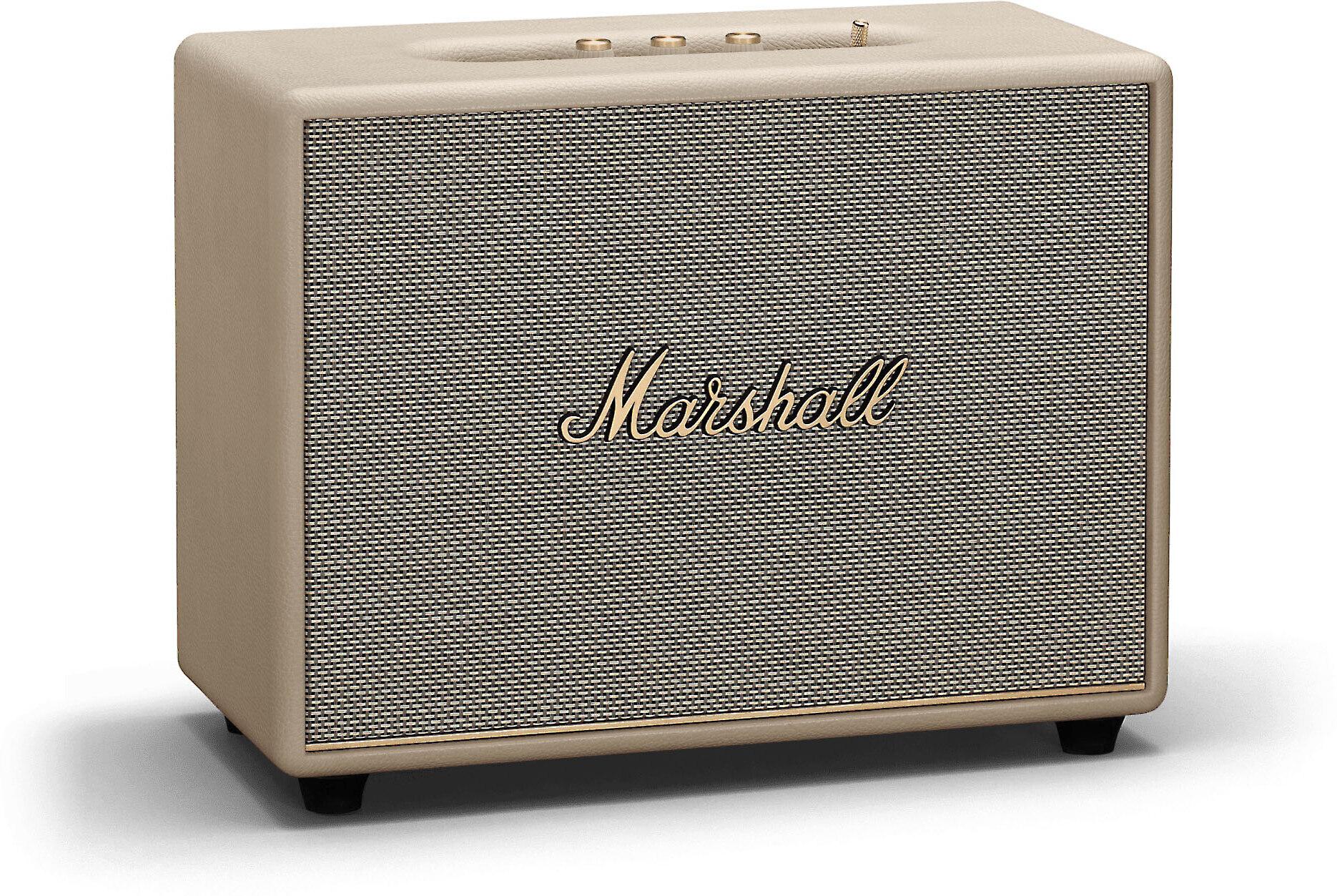
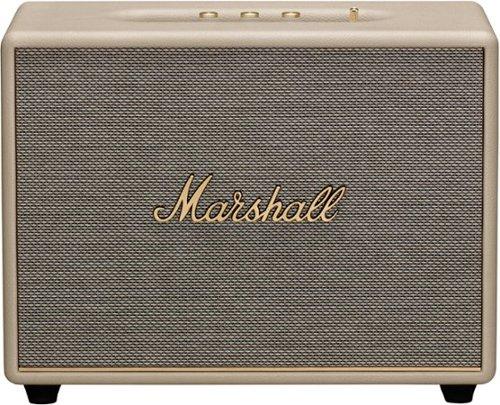
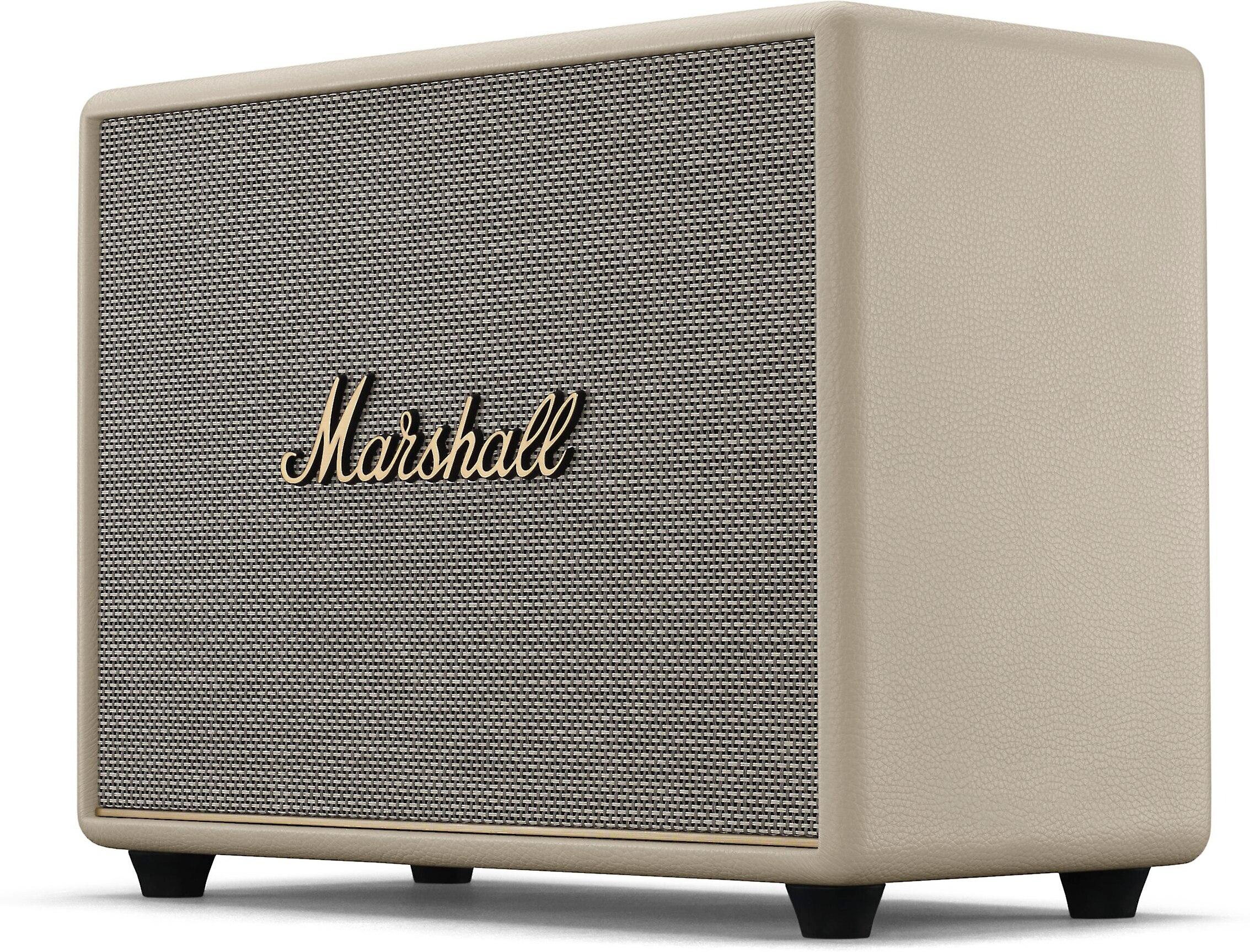
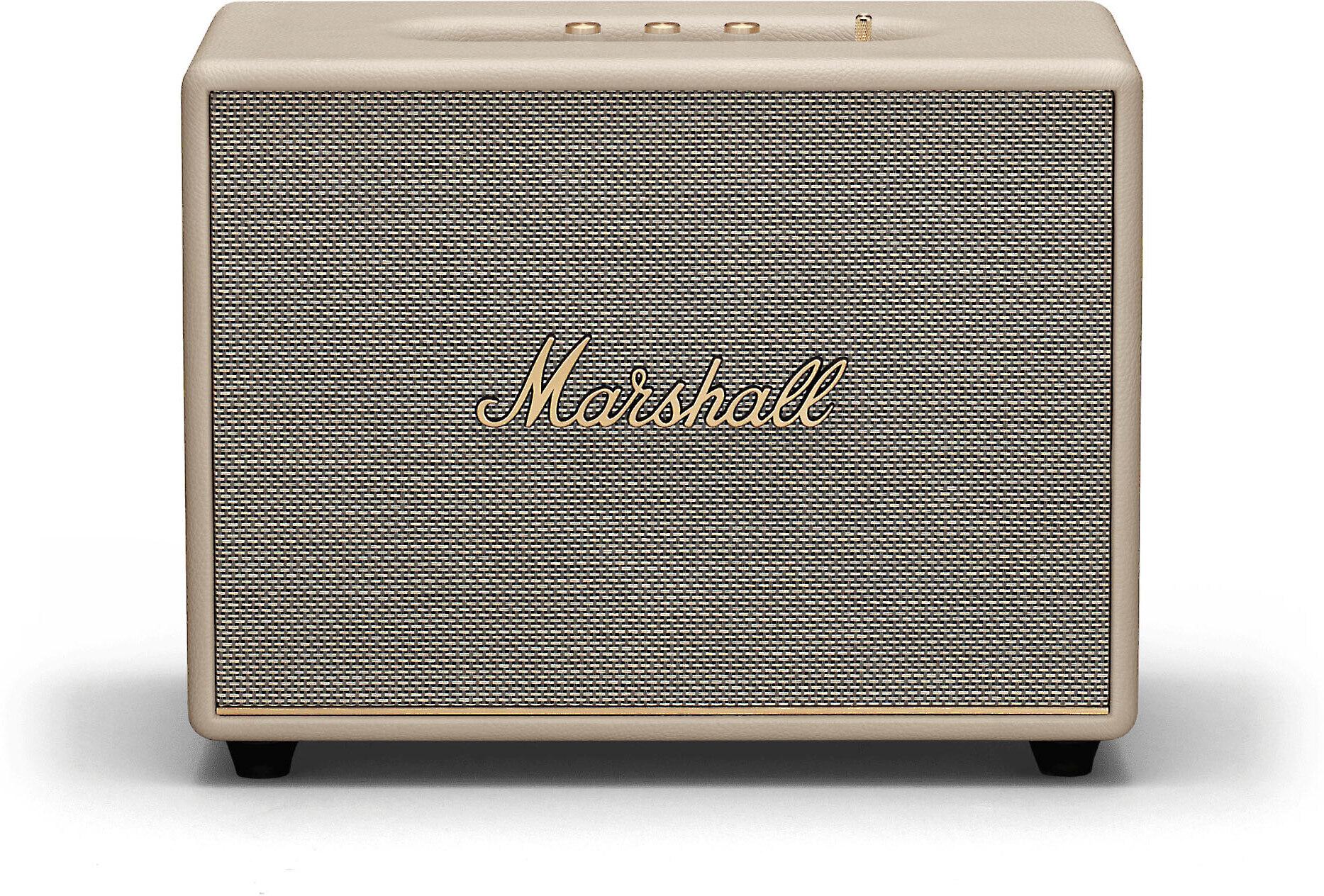
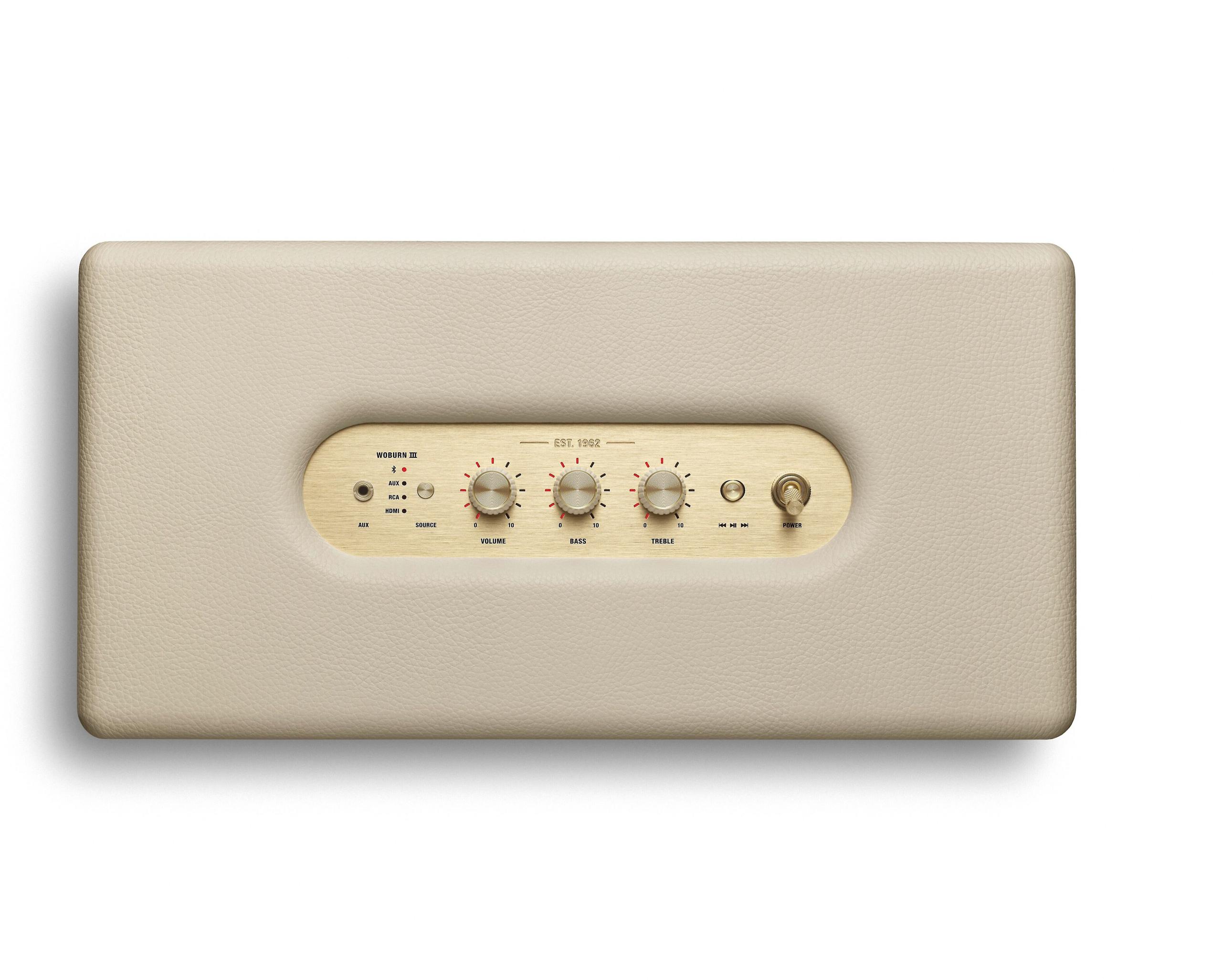
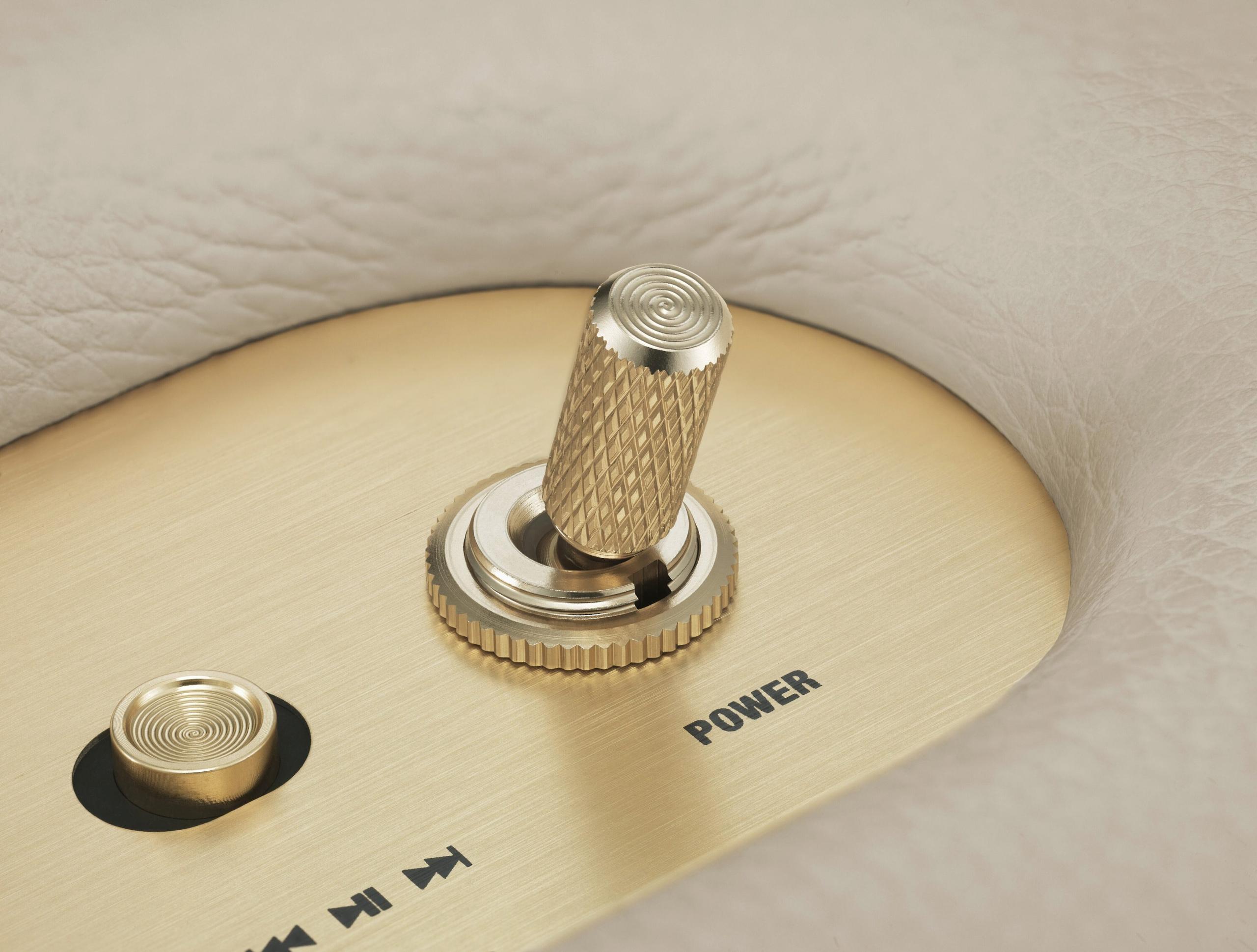
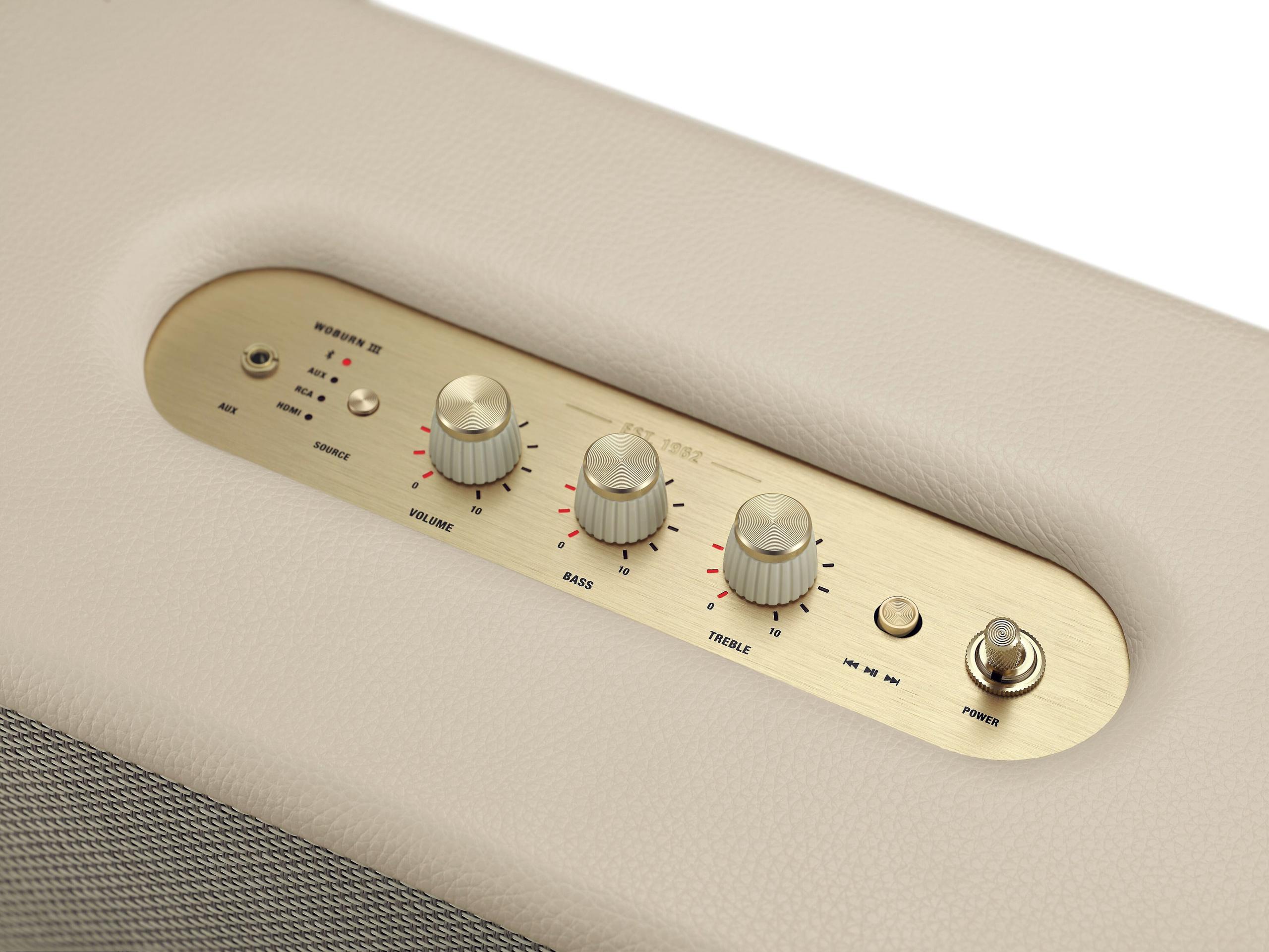
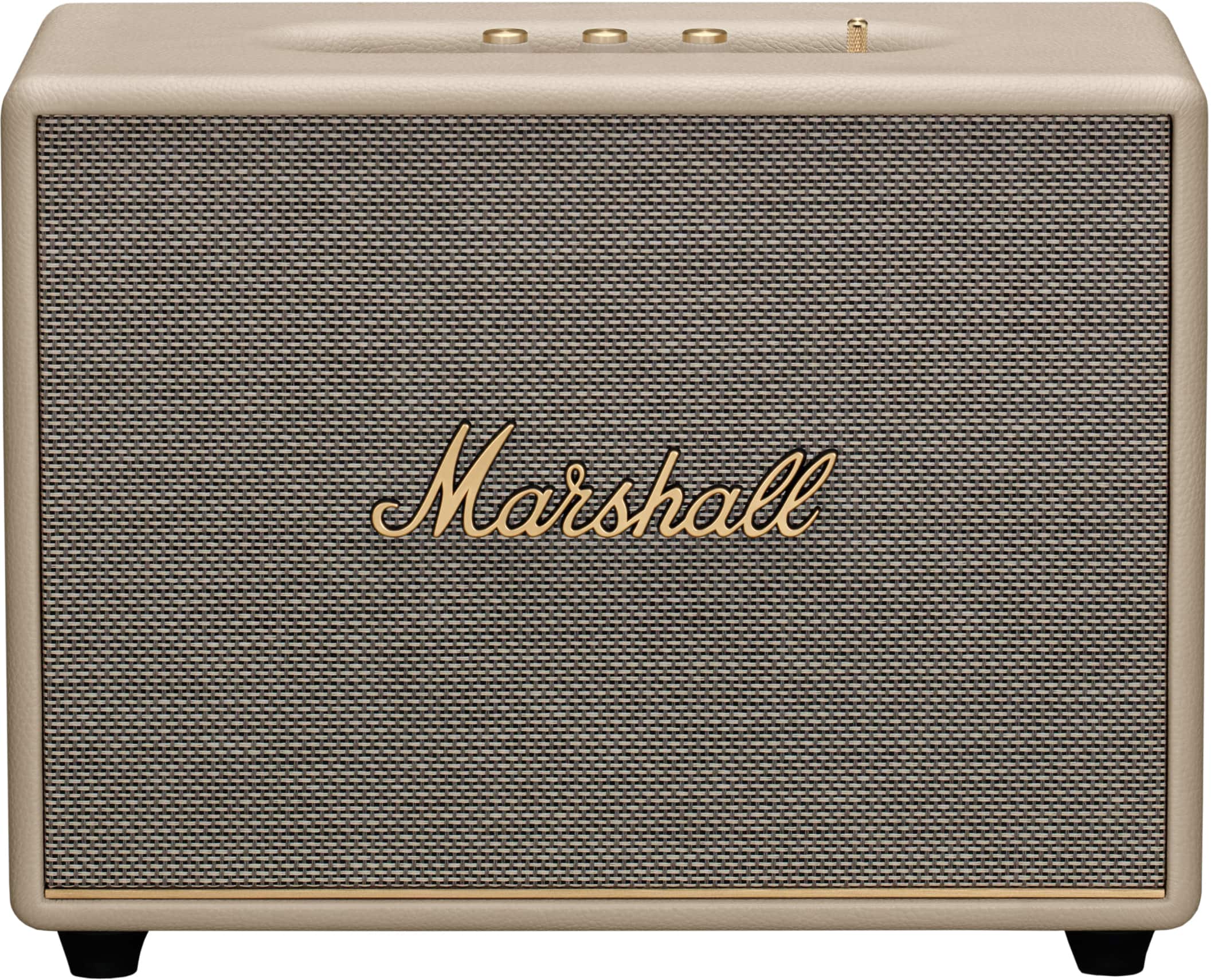
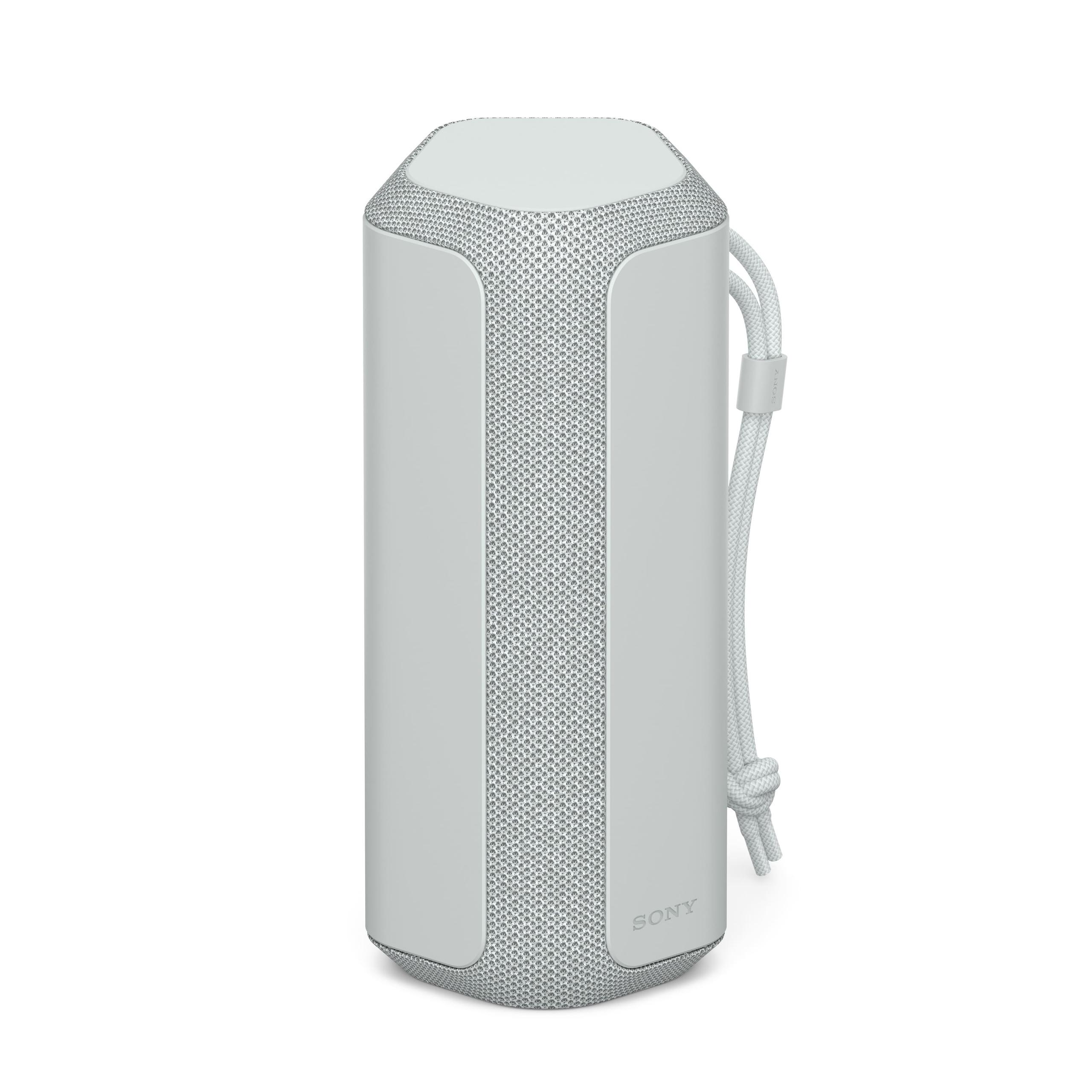
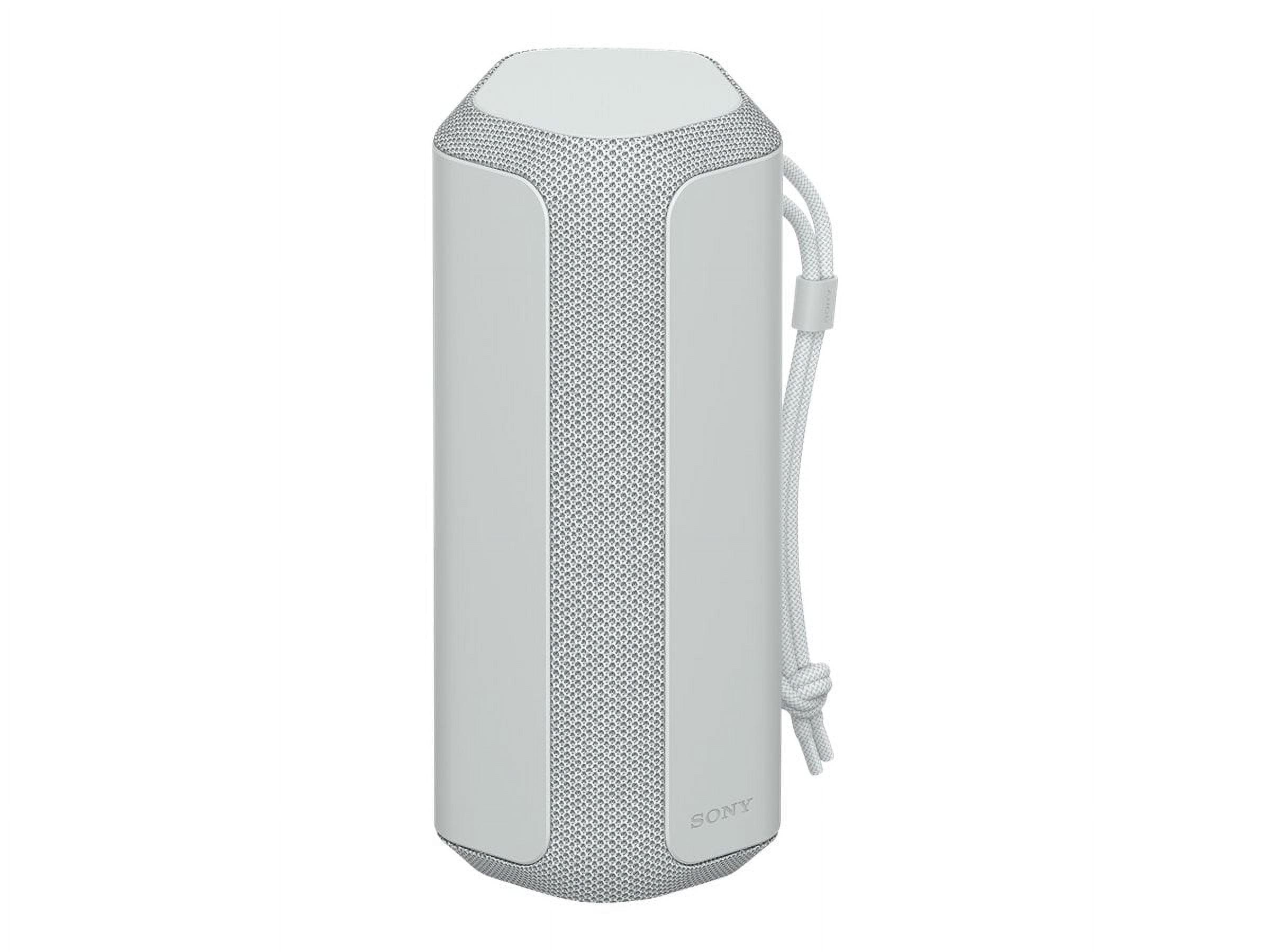



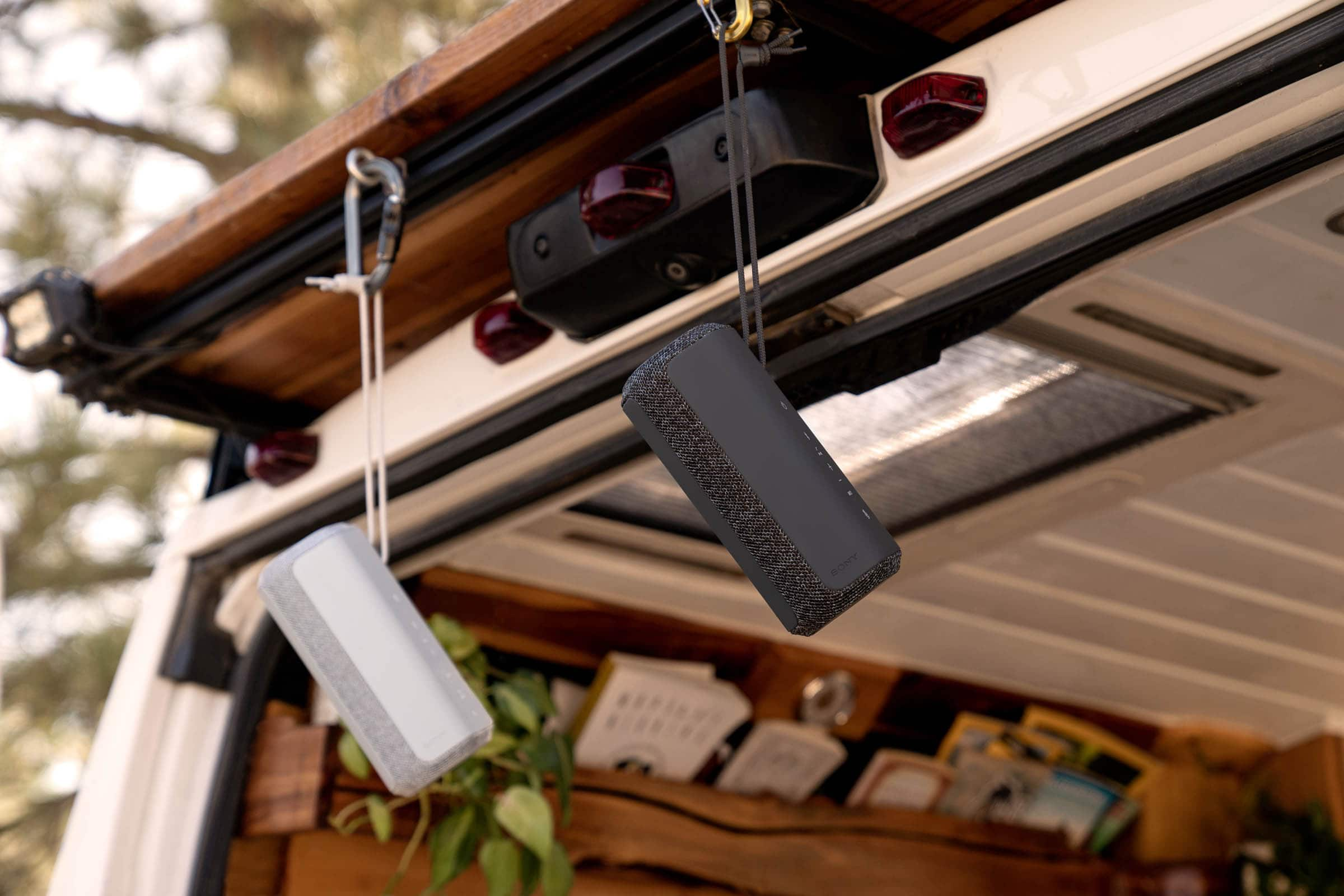
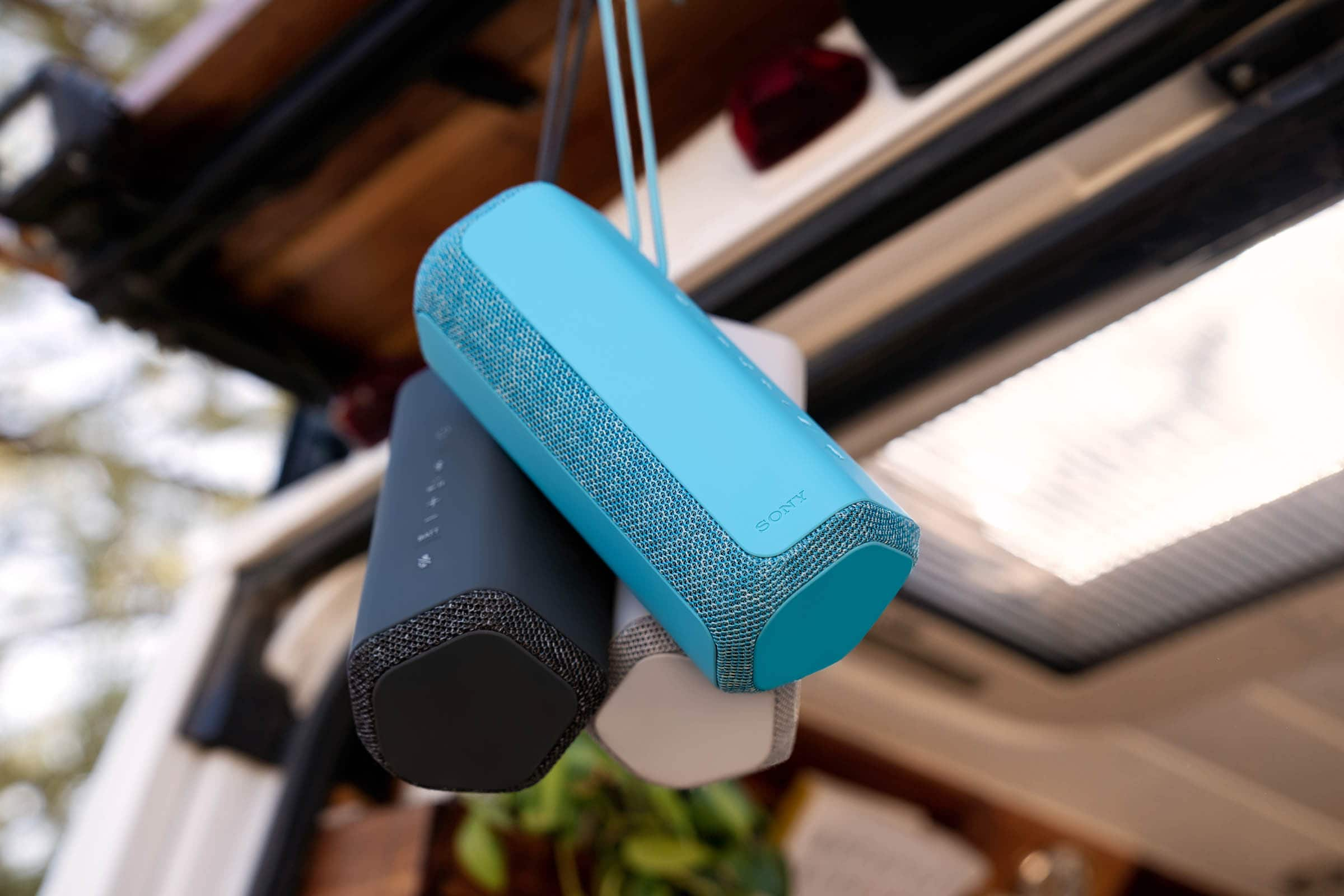

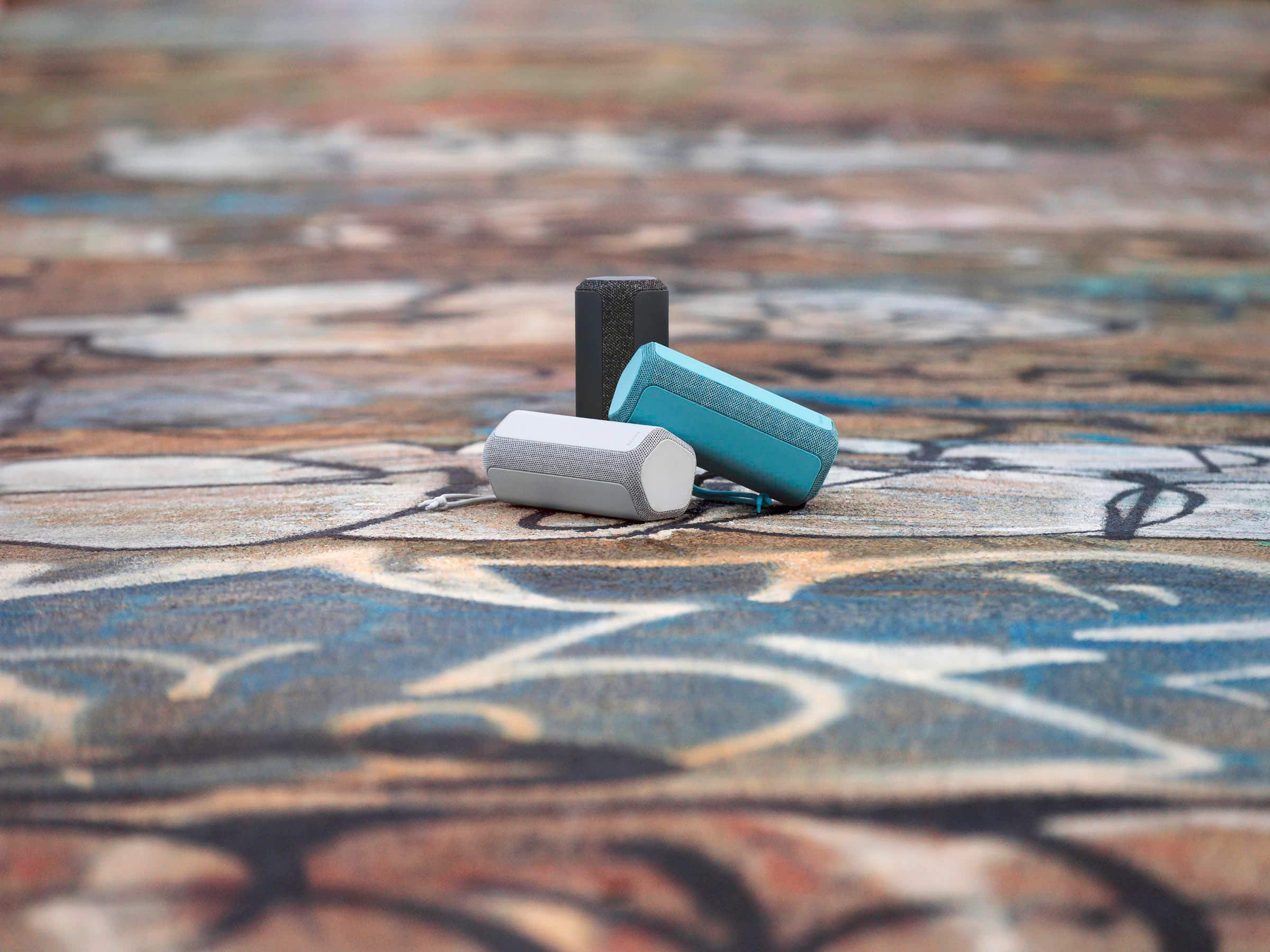
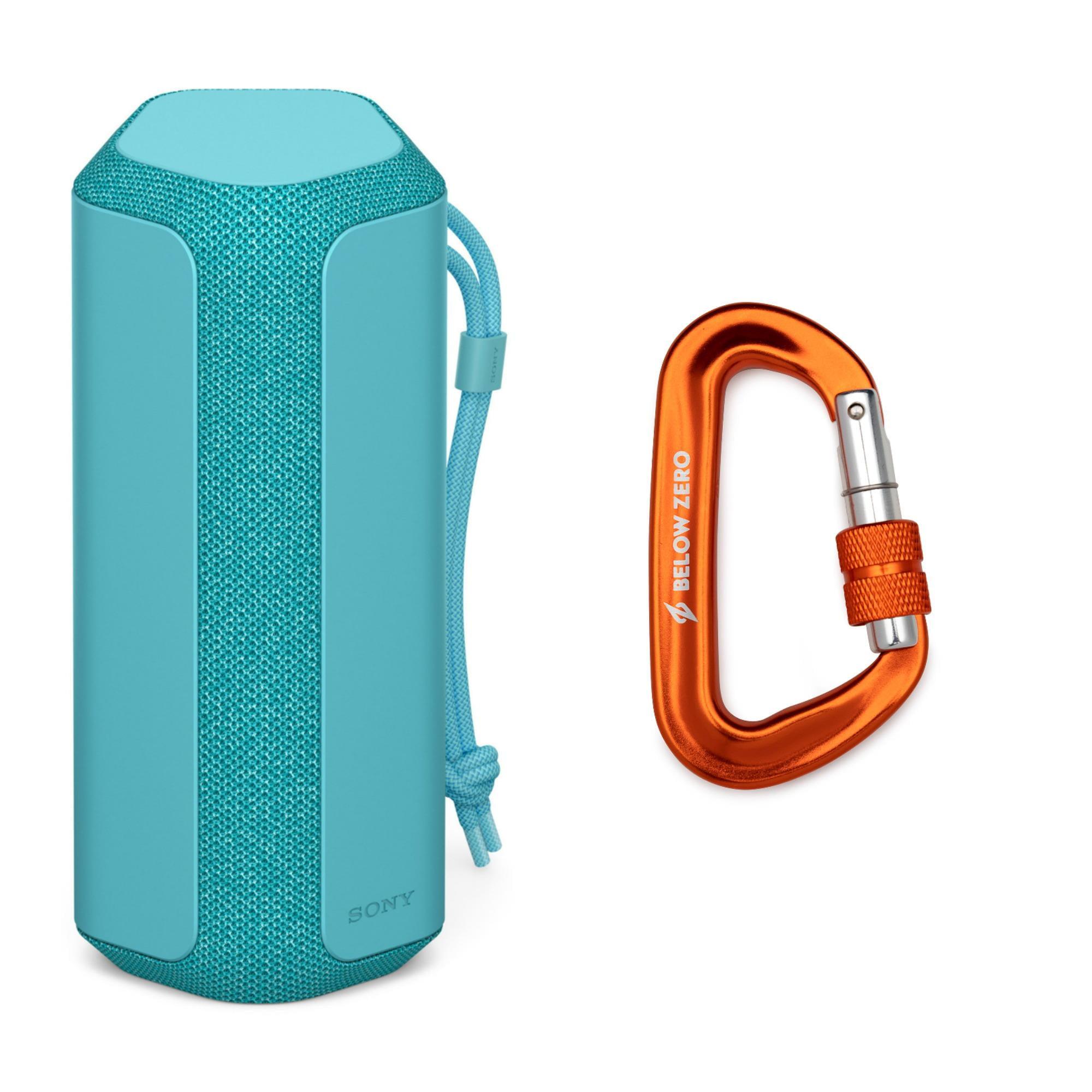
When it comes to wireless audio, few choices are more fundamental than deciding between a premium home speaker and a portable option. Let's dive deep into comparing the Marshall Woburn III ($579.99) and Sony XE200 ($129.99), two very different approaches to delivering your favorite music.
Bluetooth speakers have evolved dramatically in recent years, splitting into distinct categories that serve different needs. Since their 2022 releases (Marshall in September, Sony in July), both speakers have earned reputations in their respective segments. The technology has matured significantly, with Bluetooth 5.2 offering improved range and stability compared to older versions.
The key distinction isn't just about size or price - it's about purpose. Are you creating a permanent audio solution for your home, or do you need something that travels with you? Let's break down how these two approaches differ.
The Marshall Woburn III represents a modern take on home audio, packing serious hardware into its retro-styled frame. Its three-way speaker system (meaning separate drivers for bass, midrange, and treble) delivers sound quality that rivals traditional stereo systems:
This configuration allows each frequency range to be handled by specialized drivers, resulting in clearer, more detailed sound. The speaker's "Dynamic Loudness" feature automatically adjusts frequency balance at different volumes - something especially noticeable when listening at lower levels late at night.
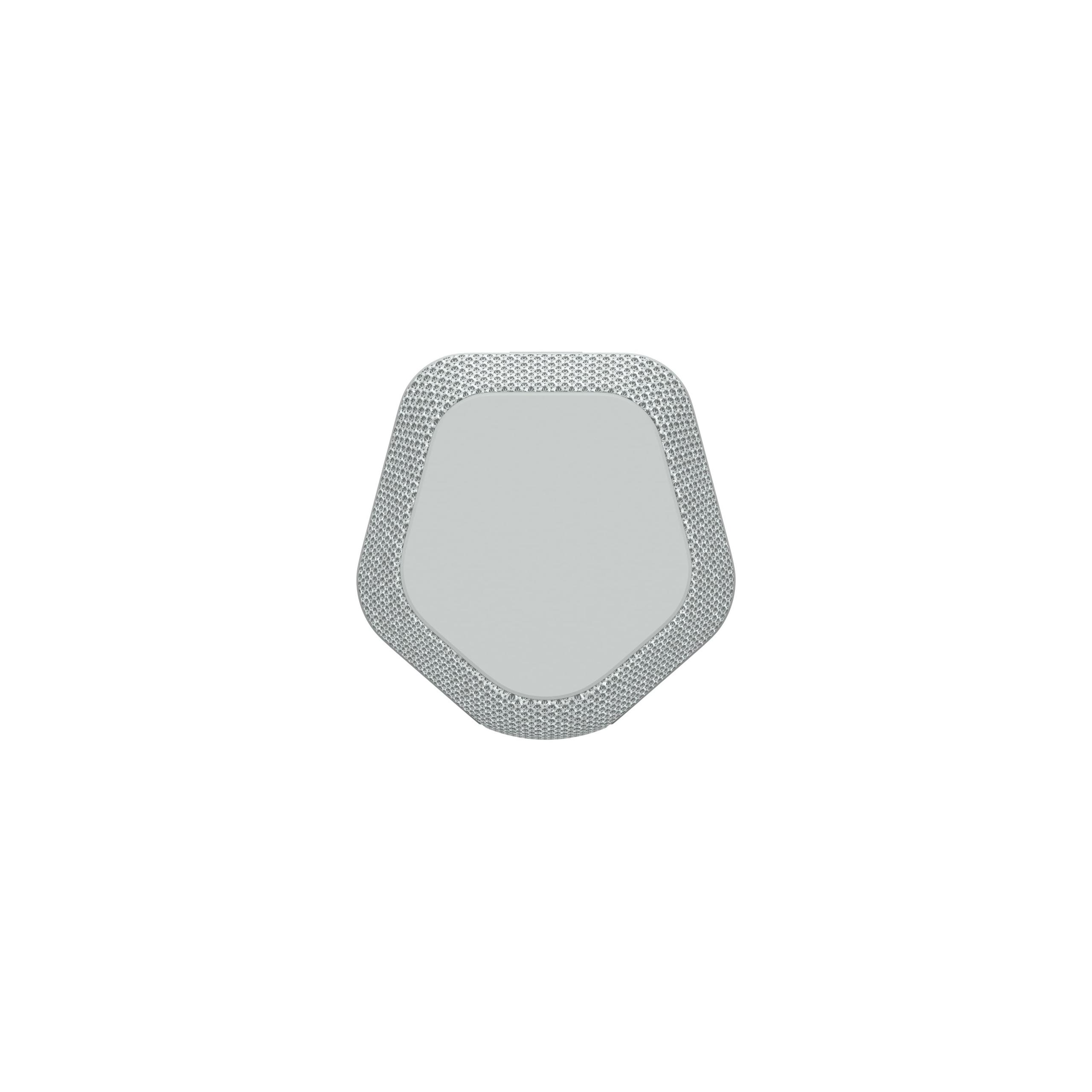
The Sony XE200 takes a different approach, focusing on balanced sound that works in varied environments. Its Line-Shape Diffuser technology (which spreads sound wider than traditional speakers) helps it sound bigger than its size suggests. While it can't match the Woburn's raw power, it offers impressive clarity for its size through:
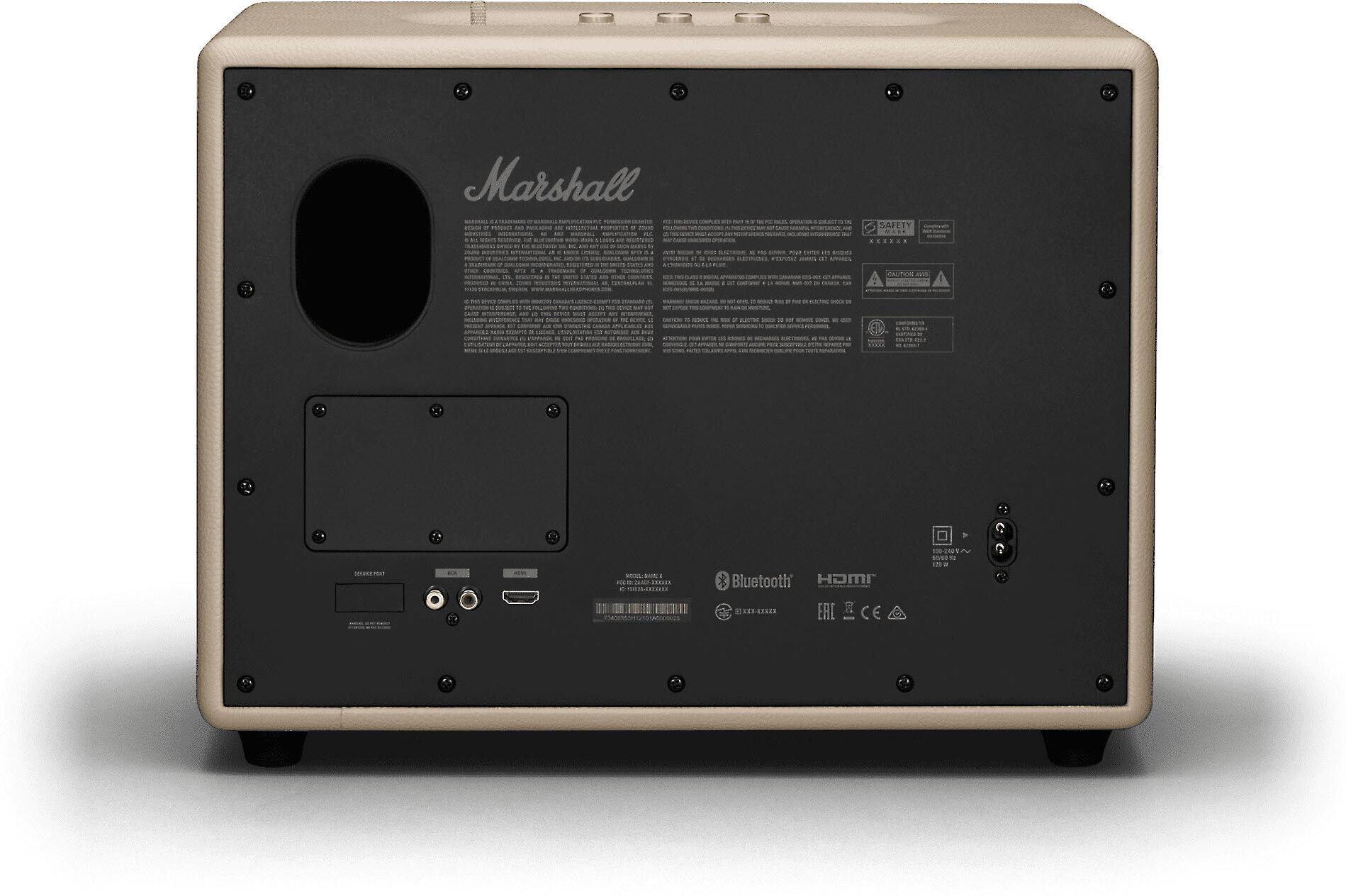
The Woburn III shines in home theater applications thanks to its HDMI ARC support. This means it can seamlessly connect to your TV, automatically turning on and off with it, while handling audio from all your connected devices. The speaker's placement compensation feature adjusts its sound based on nearby walls and surfaces - particularly useful in less-than-ideal room layouts.
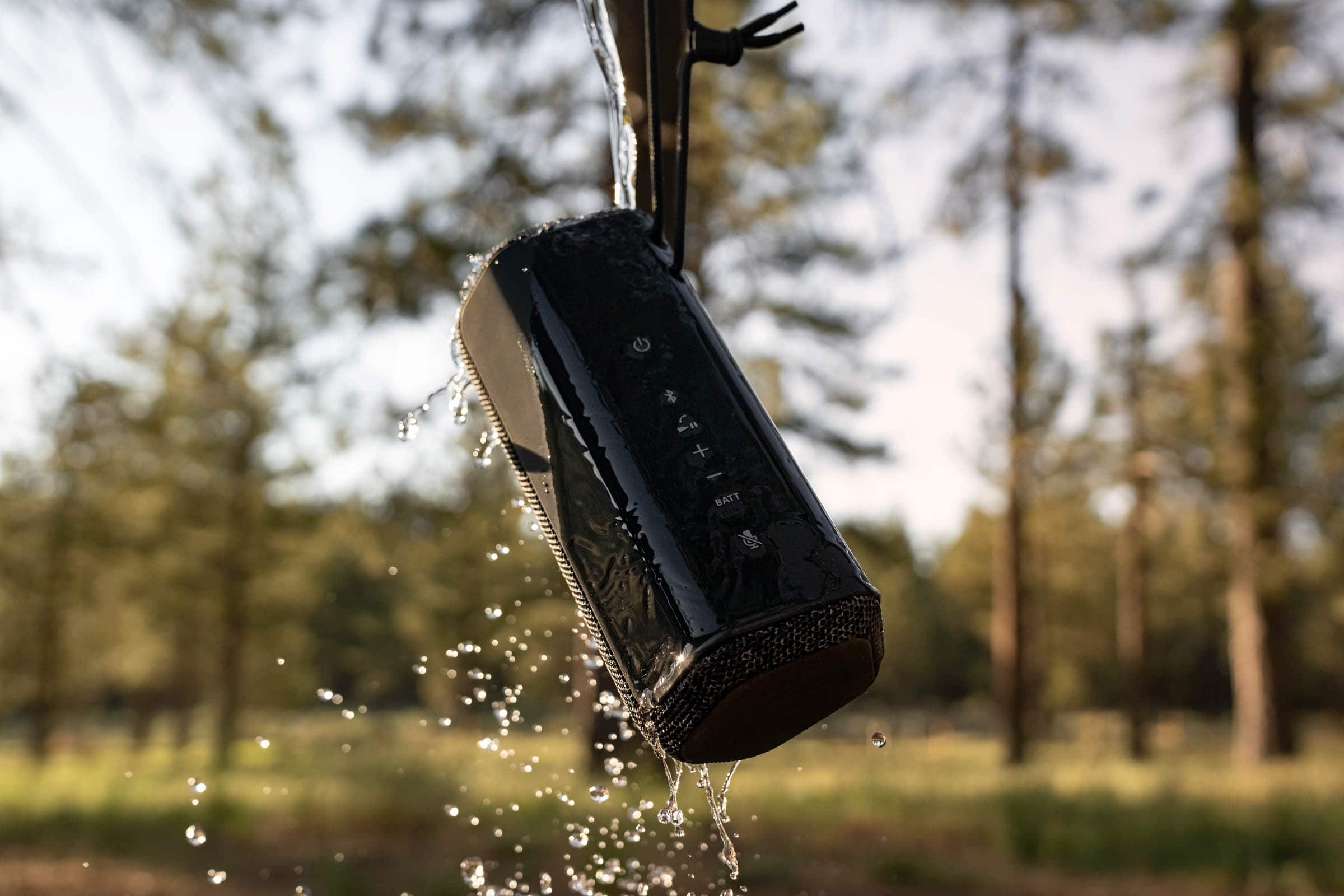
The XE200's IP67 rating means it's fully dustproof and can handle submersion in water up to 1 meter deep for 30 minutes. This level of protection, combined with its shock-resistant design, makes it ideal for:
Both speakers feature Bluetooth 5.2, but implement it differently:
The Woburn III requires constant AC power, reflecting its role as a permanent home audio solution. In contrast, the XE200 offers 16 hours of battery life and includes quick-charging capability - 10 minutes of charging provides 70 minutes of playback.
At $579.99, the Woburn III represents a significant investment, but compares favorably to traditional home audio systems when considering:
The XE200's $129.99 price point delivers excellent value through:
Consider these key questions:
Choose the Marshall Woburn III if:
Choose the Sony XE200 if:
Both speakers excel in their intended roles - the challenge is matching those roles to your specific needs. The Woburn III delivers premium home audio with modern conveniences, while the XE200 offers remarkable versatility in a portable package. Your choice ultimately depends on how you plan to use your speaker most often.
Remember: the best speaker is the one that fits your lifestyle and use cases, not necessarily the one with the highest price tag or most impressive specs.
| Marshall Woburn III ($579.99) | Sony XE200 ($129.99) |
|---|---|
| Power Output - Determines volume capability and room size coverage | |
| 150W total (90W woofer, 30W midrange, 30W tweeters) | 20W (estimated) with dual passive radiators |
| Speaker Configuration - Impacts sound quality and clarity | |
| 3-way system: 6" woofer, 2x 2" midrange, 2x 0.75" tweeters | Full-range drivers with Line-Shape Diffuser technology |
| Size & Weight - Affects placement and portability | |
| 15.75" x 12.5" x 9" / 16.42 lbs (stationary) | 8.19" x 3.54" x 3.7" / 1.76 lbs (highly portable) |
| Durability Rating - Important for versatile usage | |
| Not rated (indoor use only) | IP67 (waterproof, dustproof) |
| Battery Life - Critical for mobile use | |
| AC power only (not portable) | 16 hours, 70min playback from 10min charge |
| Connectivity Options - Flexibility for different sources | |
| Bluetooth 5.2, HDMI ARC, RCA, 3.5mm aux | Bluetooth 5.2, USB-C charging only |
| Special Features - Adds value beyond basic audio | |
| Dynamic Loudness, room compensation, app control | Party Connect, stereo pair, shock resistant |
| Frequency Response - Range of sound reproduction | |
| 35Hz - 20kHz (deep bass capability) | 20Hz - 20kHz (theoretical range) |
| Use Case Optimization - Where each speaker performs best | |
| Premium home audio, TV integration, permanent setup | Outdoor events, travel, portable convenience |
| Value Proposition - Price vs. capability assessment | |
| Premium price but replaces full stereo system | Excellent value for portable durability and features |
The Marshall Woburn III ($579.99) is significantly better for home use with its powerful 150W system and permanent setup. The Sony XE200 ($129.99) is designed primarily for portable use and doesn't match the Woburn's room-filling sound capability.
The Marshall Woburn III works excellently with TVs thanks to its HDMI ARC connection, which allows seamless TV control and superior audio quality. The Sony XE200 doesn't have TV-specific connections.
The Marshall Woburn III delivers superior sound quality with its three-way speaker system and dedicated bass, midrange, and treble drivers. The Sony XE200 offers good sound for its size but can't match the Woburn's audio performance.
The Sony XE200 is specifically designed for outdoor use with IP67 water/dust resistance and portable design. The Marshall Woburn III is not weather-resistant and requires AC power, making it unsuitable for outdoor use.
The Sony XE200 offers 16 hours of battery life with quick charging capabilities. The Marshall Woburn III doesn't have a battery and requires constant AC power.
The Marshall Woburn III supports connecting two Bluetooth devices simultaneously. The Sony XE200 can connect to one device but can link with other compatible Sony speakers for party mode.
The Marshall Woburn III produces significantly stronger bass with its 6-inch woofer and 90W amplification. The Sony XE200 uses passive radiators for bass but can't match the Woburn's low-end performance.
For indoor parties, the Marshall Woburn III provides better sound quality and volume. For outdoor parties, the Sony XE200 is more practical with its portability and water resistance.
The Marshall Woburn III works well as a home theater speaker with HDMI ARC connection and superior sound quality. The Sony XE200 isn't designed for home theater use.
The Sony XE200 offers better value for portable use at $129.99. The Marshall Woburn III at $579.99 is more expensive but justifies its price for premium home audio needs.
Both speakers connect via Bluetooth, but the Marshall Woburn III also offers wired connections through RCA and 3.5mm aux inputs. The Sony XE200 only connects through Bluetooth.
The Marshall Woburn III offers more connectivity options and firmware updates through its app. The Sony XE200 is more limited in connections but includes modern features like LDAC codec support.
We've done our best to create useful and informative comparisons to help you decide what product to buy. Our research uses advanced automated methods to create this comparison and perfection is not possible - please contact us for corrections or questions. These are the sites we've researched in the creation of this article: bestbuy.com - crutchfield.com - rtings.com - idownloadblog.com - digit.in - crutchfield.com - epicrewards.com.ph - ione.com.kh - youtube.com - onward.ph - economictimes.indiatimes.com - sony.com - gymcaddy.net - sony.co.uk - bestbuy.com - sony.com - bhphotovideo.com - youtube.com - sony.com - helpguide.sony.net - soundguys.com - sony.com - sonylatvija.com

Privacy Policy
Terms and Conditions - Affiliate Policy
Home Security
© Copyright 2008-2026.
11816 Inwood Rd #1211, Dallas, TX 75244