


When you're shopping for a Bluetooth speaker in 2025, you're essentially choosing between two completely different philosophies. Do you want something you can take anywhere, or do you want maximum sound quality for your home? The Monster Shock Plus S21 and Marshall Woburn III perfectly illustrate this divide – and understanding their differences will help you make the right choice for your lifestyle.
Bluetooth speakers have evolved dramatically since their early days of tinny, underpowered sound. Today's market splits into distinct categories, each serving specific needs. On one side, you have portable speakers that prioritize convenience, durability, and battery life. On the other, you have premium home speakers that sacrifice mobility for serious audio performance.
The most important considerations when choosing between these approaches include power output (measured in watts), driver configuration (the actual speakers inside), connectivity options, and whether you need battery power or can plug into wall power. Understanding these factors will help you cut through marketing claims and focus on what actually matters for your situation.
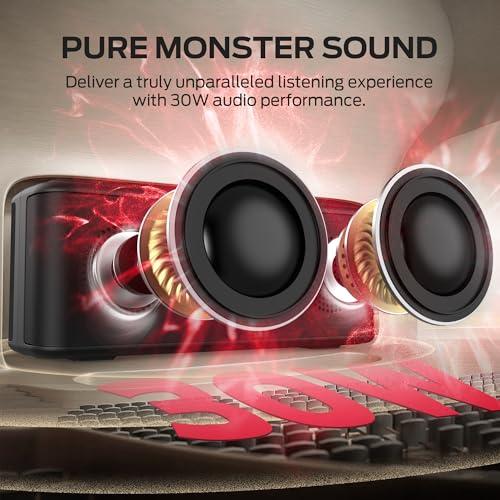
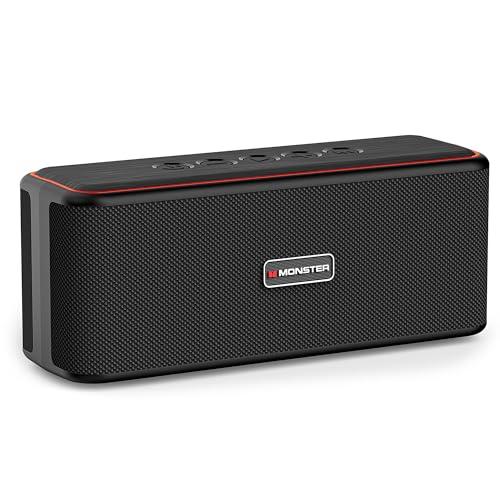
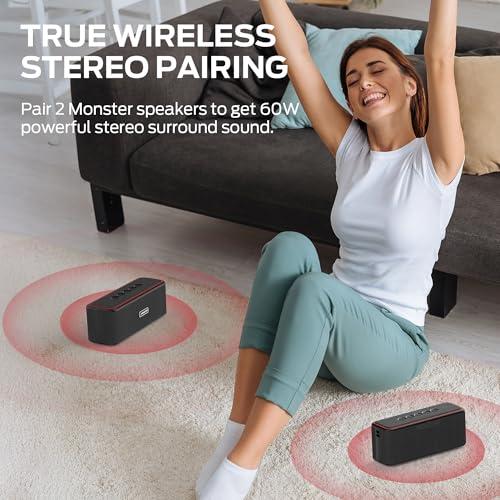
Released in 2024, the Monster Shock Plus S21 represents the latest generation of portable Bluetooth speakers. It's built around a 30-watt stereo configuration that can double to 60 watts when you pair two speakers together using True Wireless Stereo (TWS) – essentially creating a left and right speaker setup wirelessly.
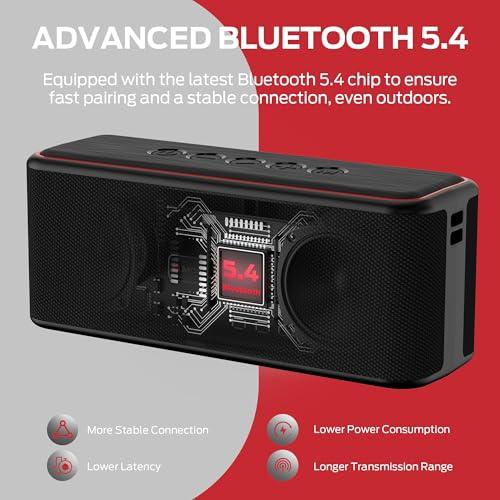
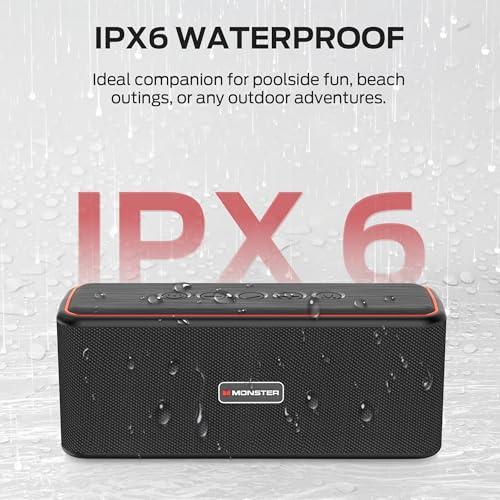
What makes this speaker particularly interesting is its Bluetooth 5.4 connectivity. This newer standard offers faster pairing, more stable connections, and better power efficiency compared to older Bluetooth versions. The speaker also includes IPX6 water resistance, which means it can handle heavy splashing and rain but shouldn't be fully submerged.
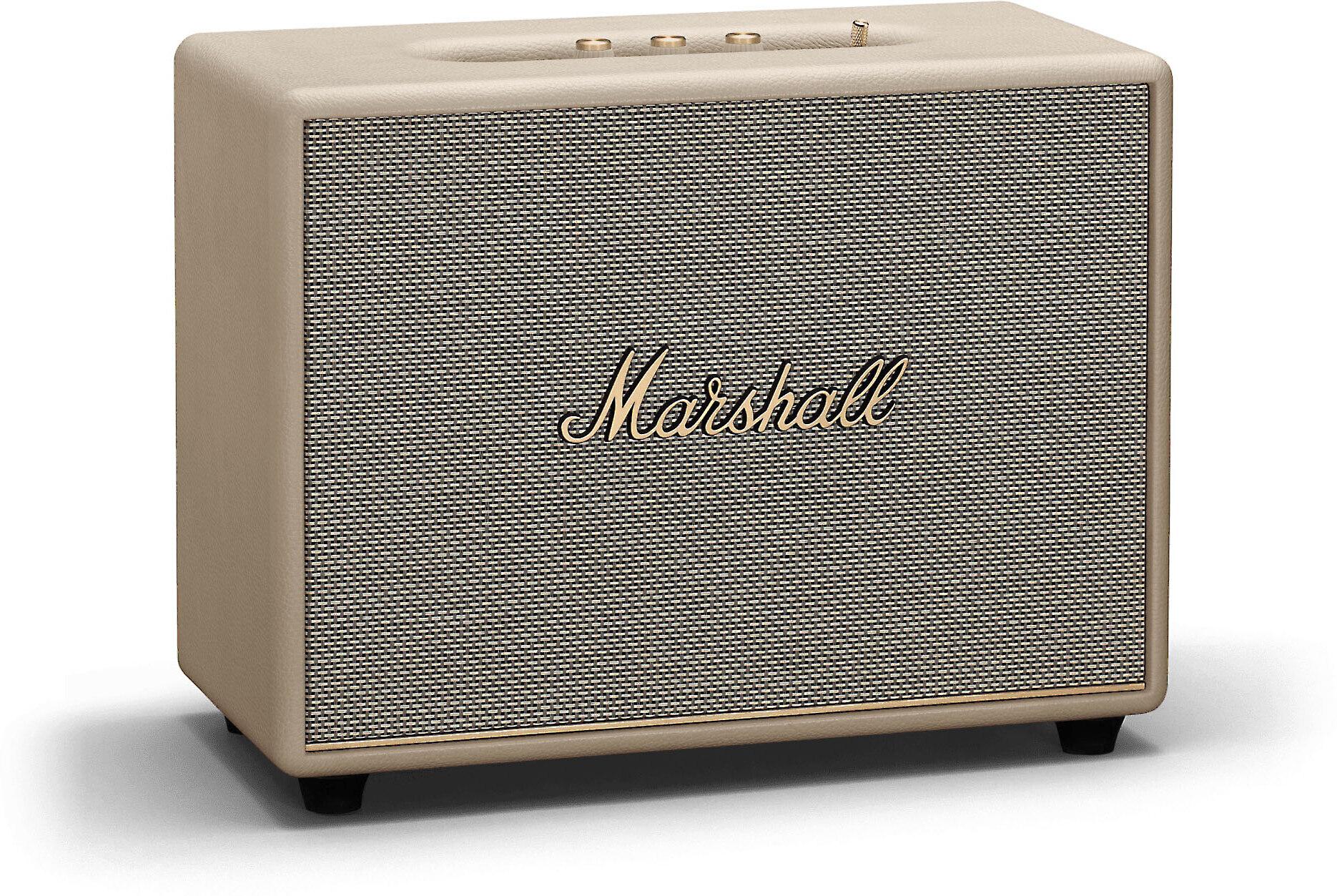
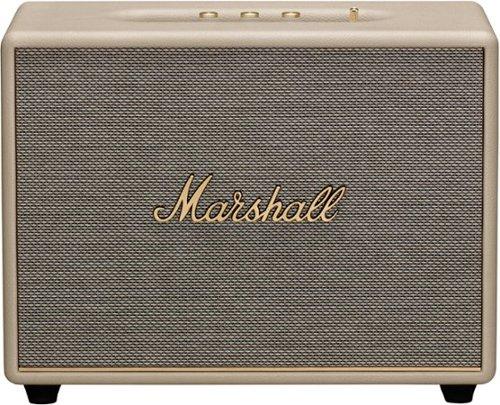
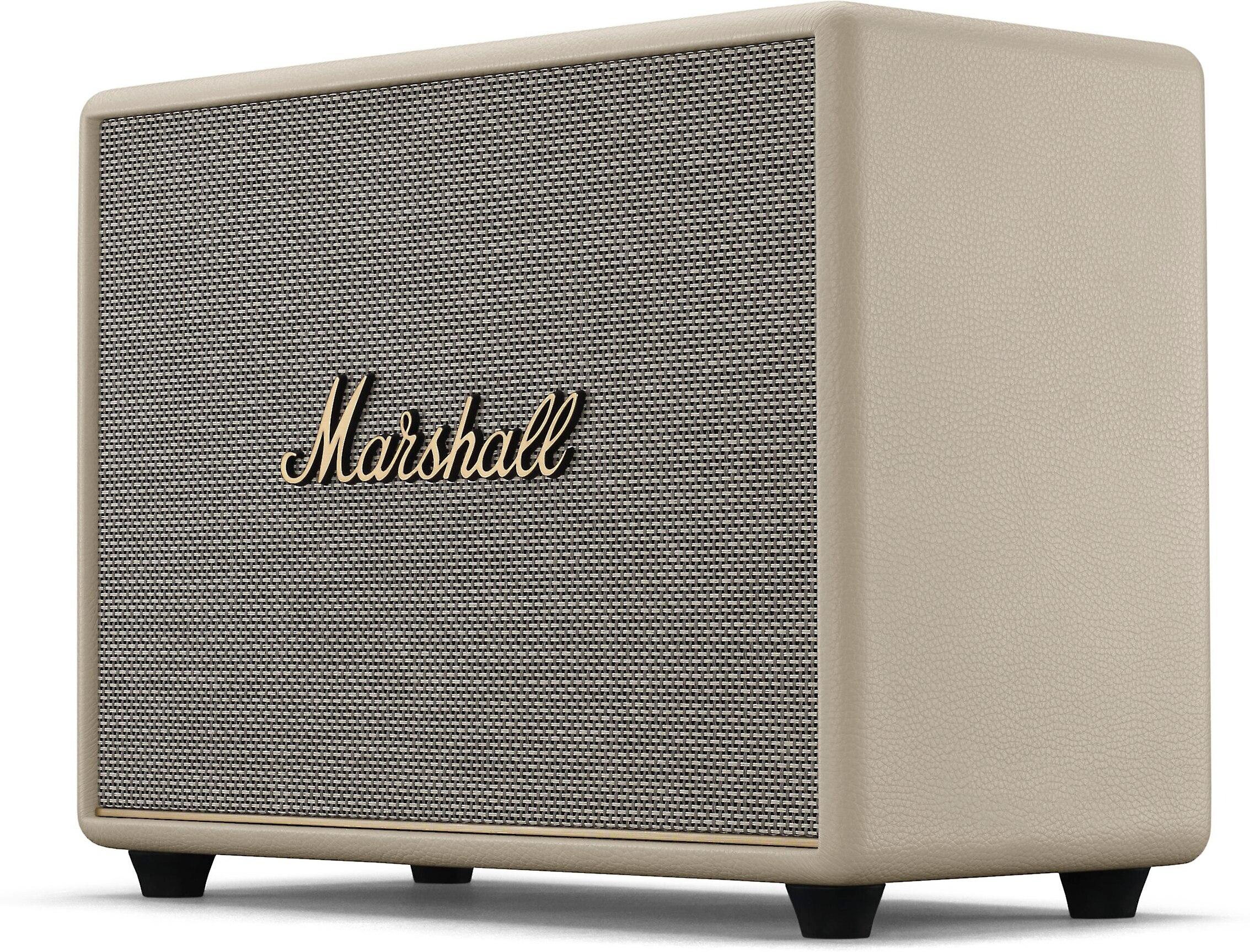
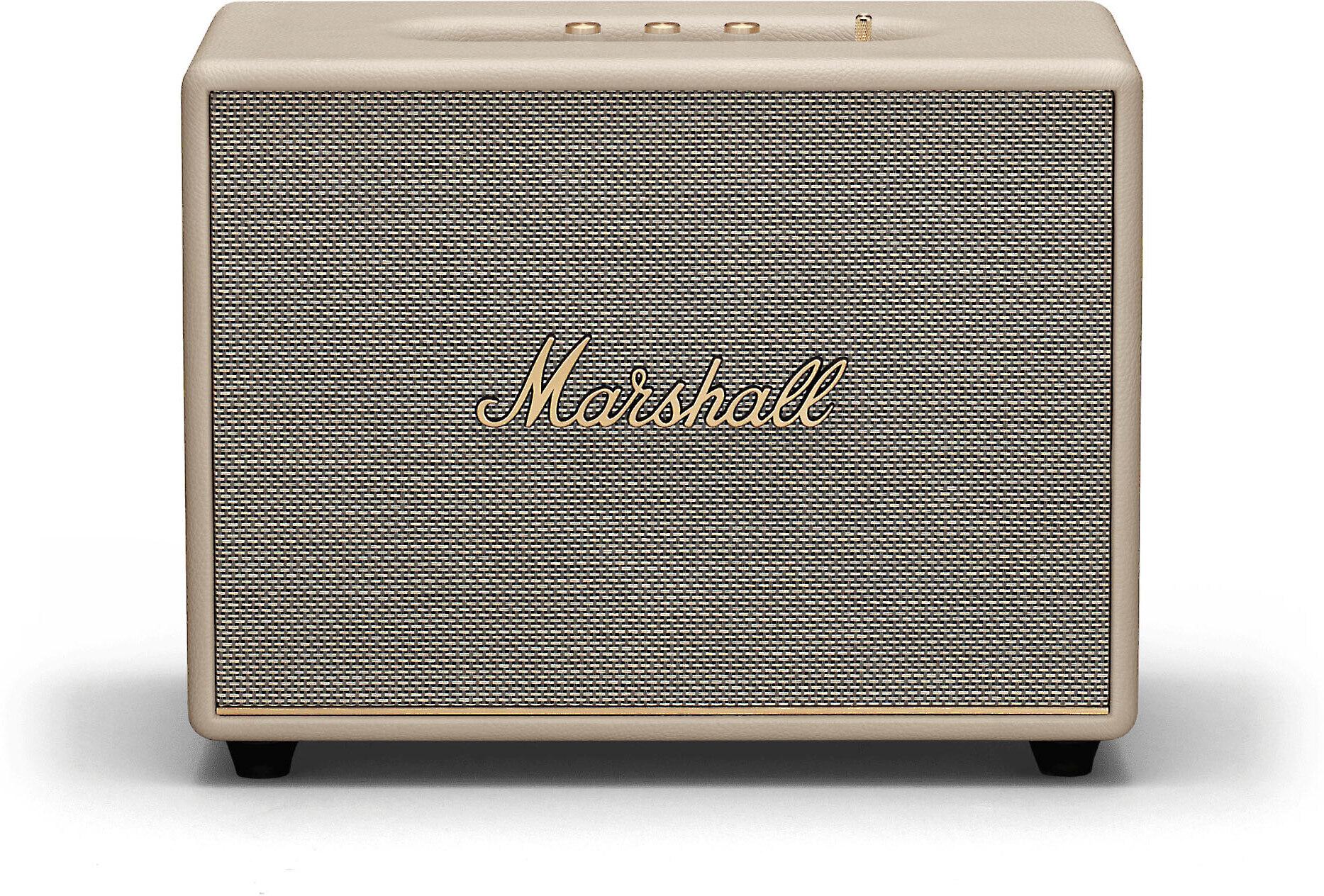
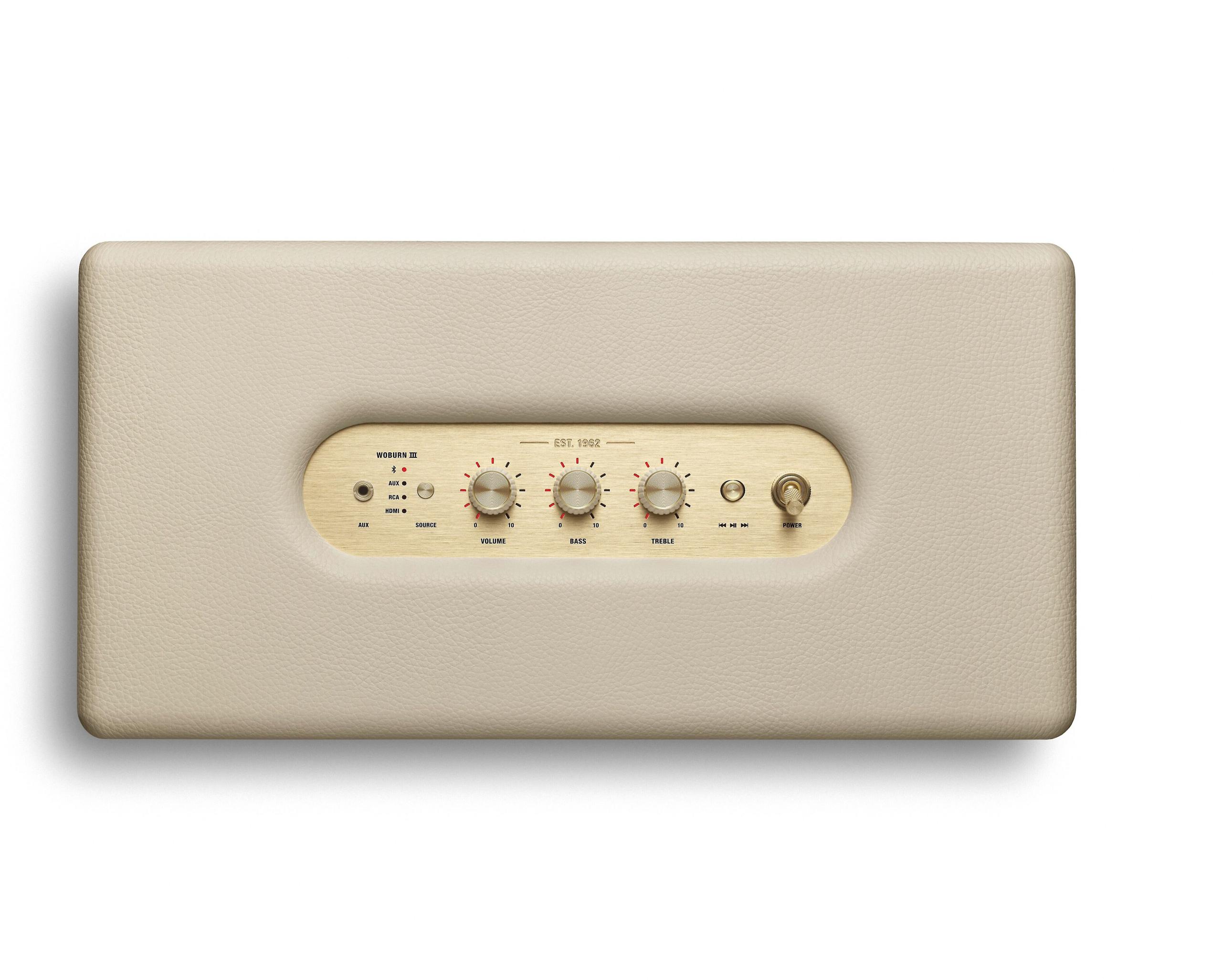
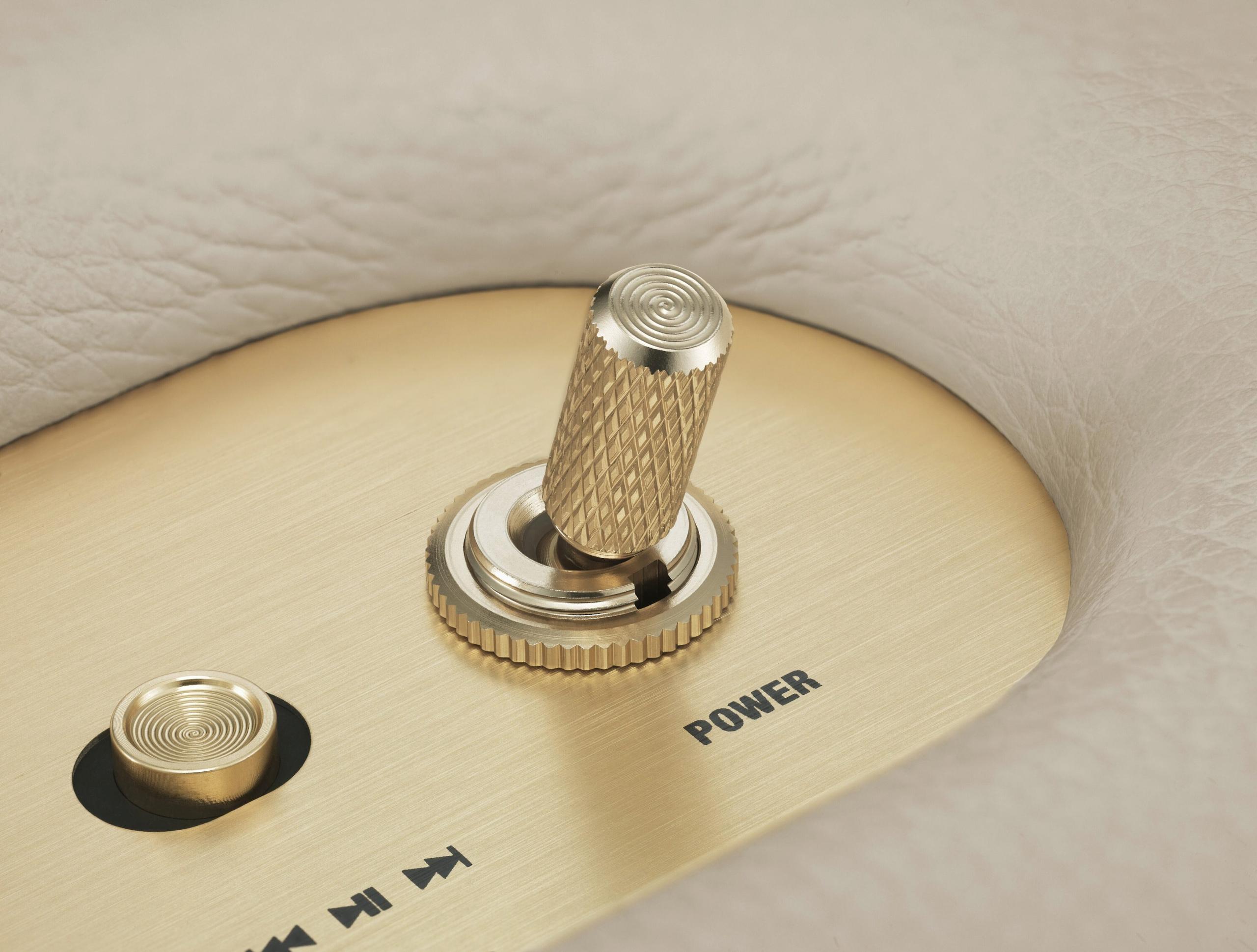
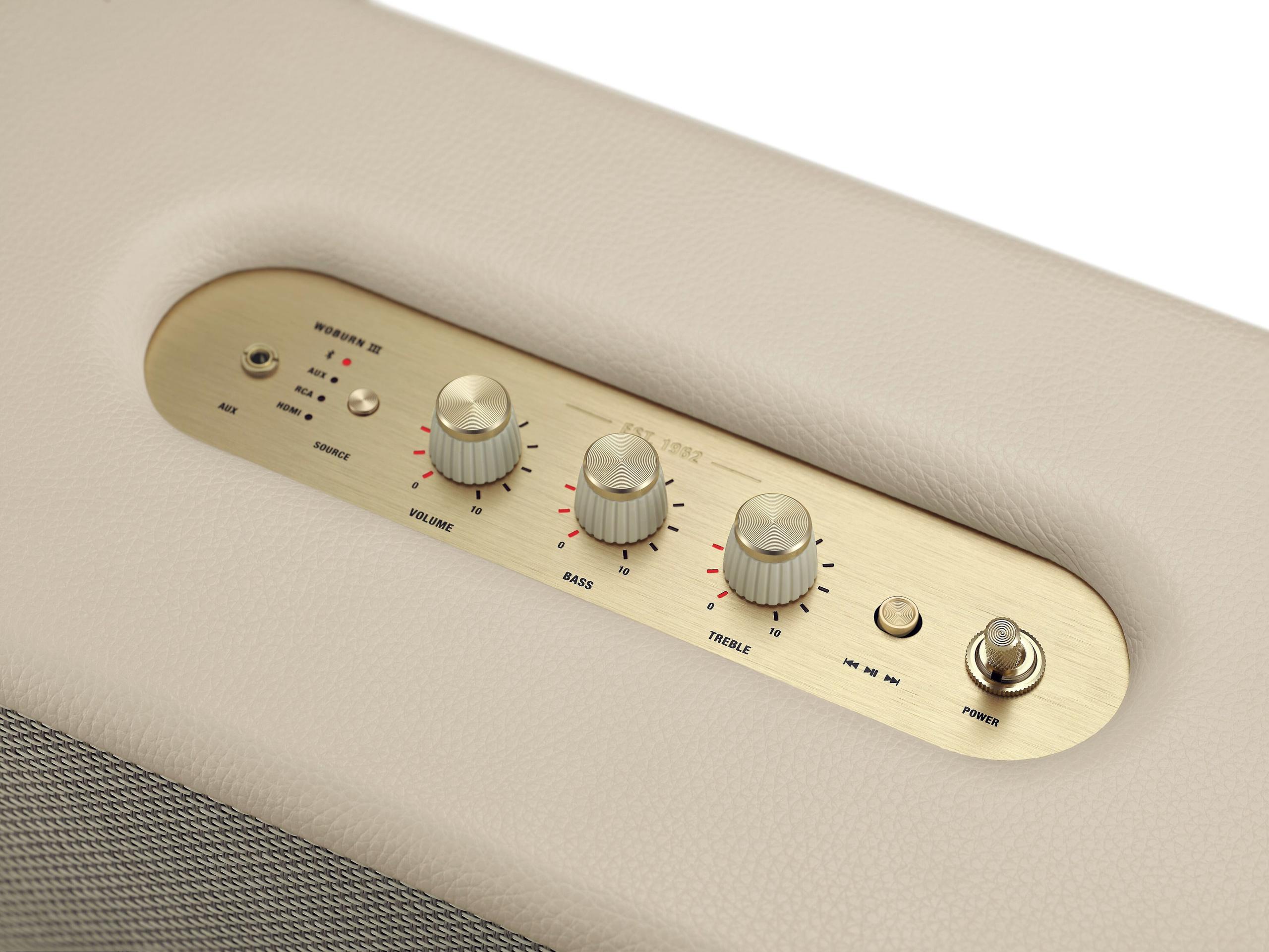
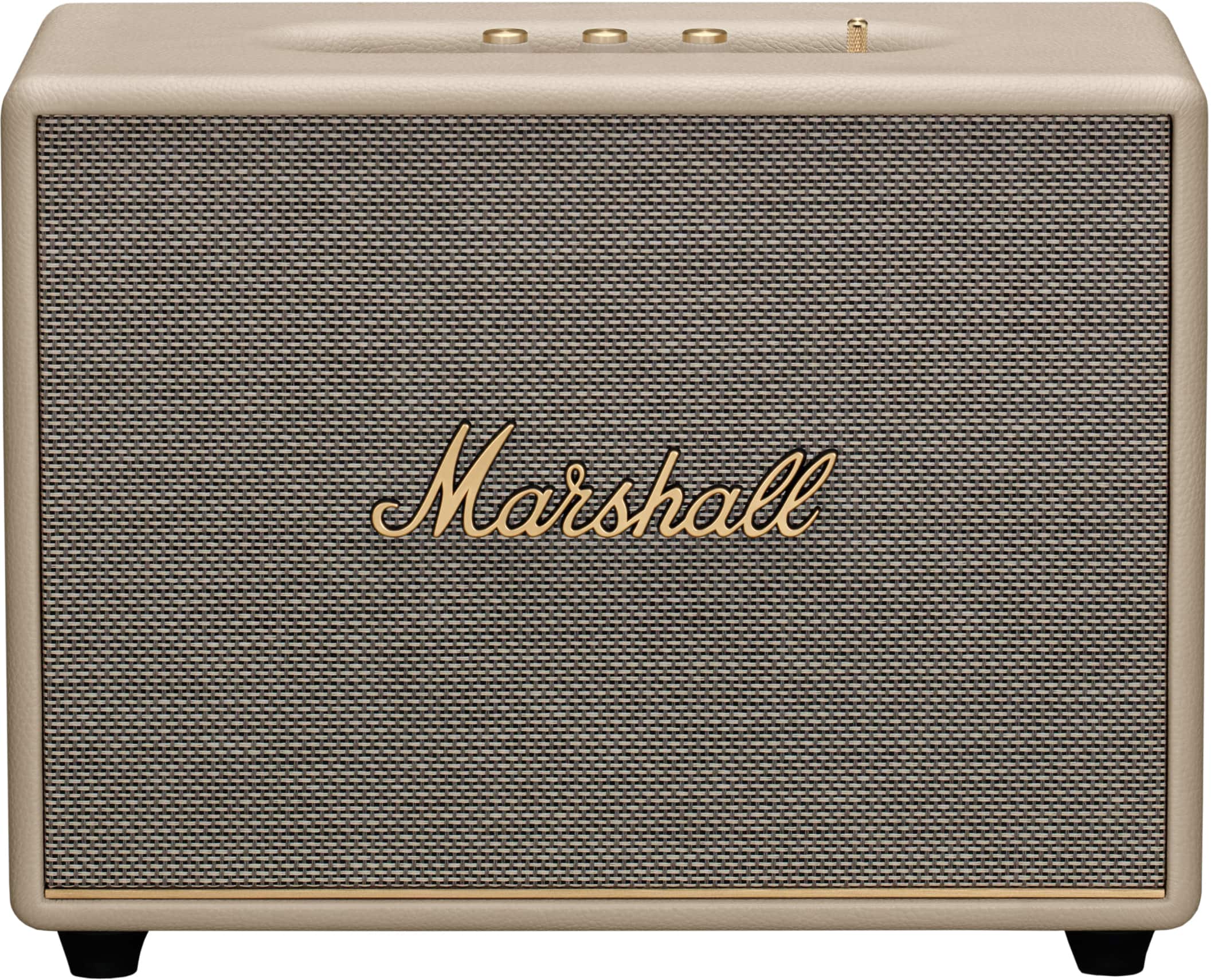
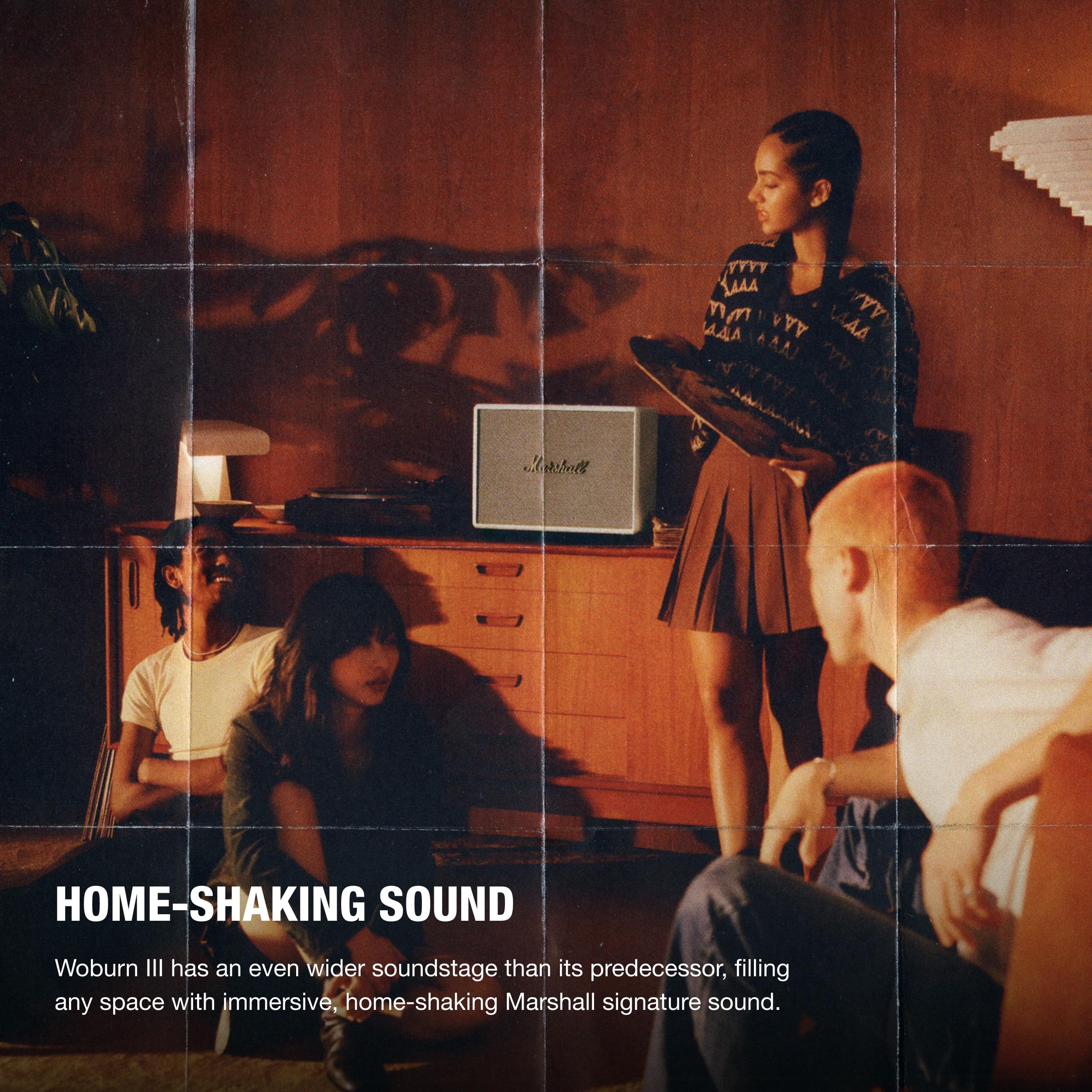
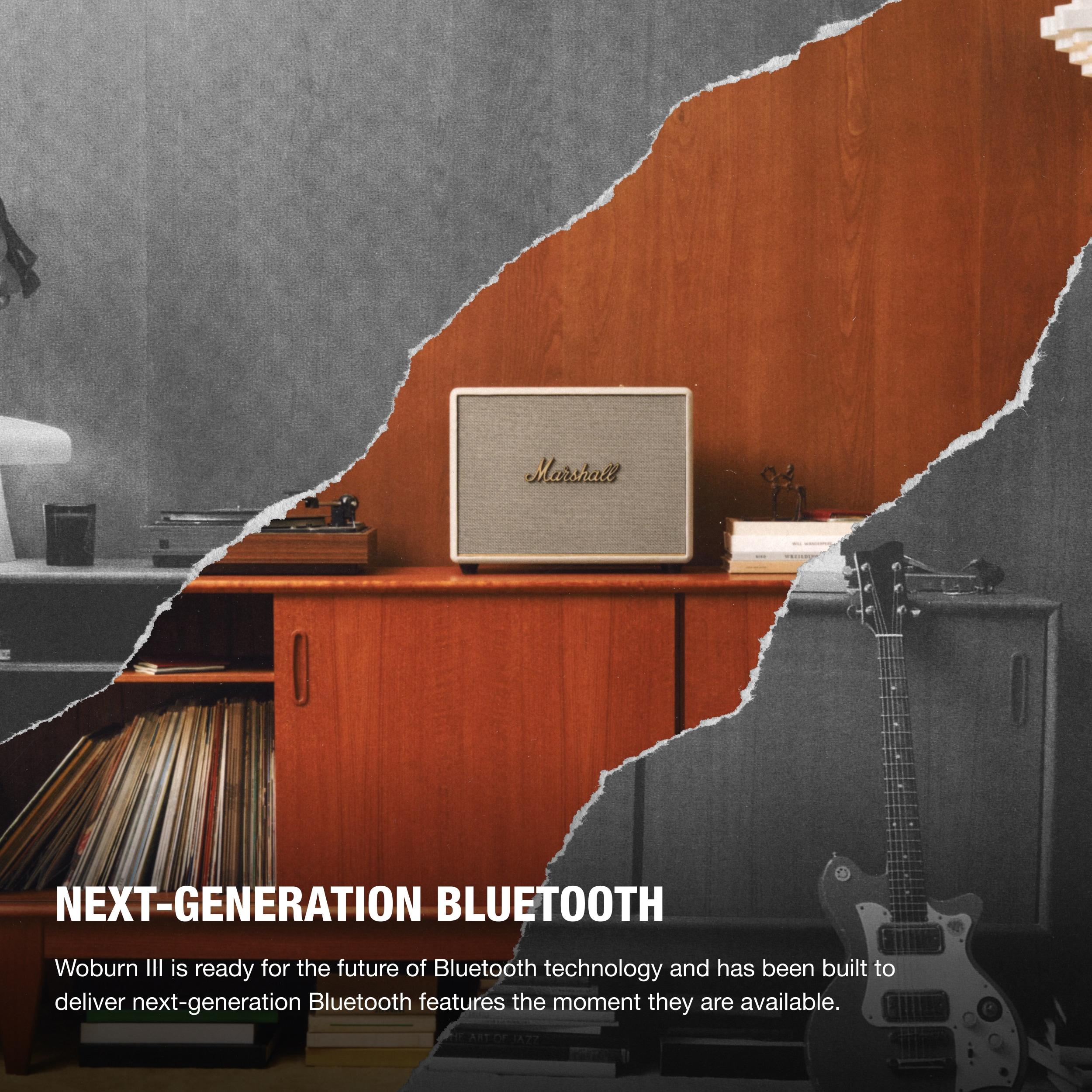
The Marshall Woburn III, released in 2023, takes a completely different approach. This 150-watt powerhouse requires wall power and focuses entirely on delivering room-filling sound with Marshall's signature vintage amplifier aesthetic. It's built around a three-way driver system – meaning it has separate speakers (called drivers) handling different frequency ranges for more precise sound reproduction.
The Woburn III includes advanced features like Dynamic Loudness, which automatically adjusts the sound's tonal balance as you change volume levels, and placement compensation that adapts the audio based on where you position the speaker in your room.
When it comes to raw power, the Marshall Woburn III absolutely dominates with 150 watts compared to the Monster S21's 30 watts. But watts aren't everything – it's how those watts are used that matters.
The Marshall uses a sophisticated three-way driver arrangement: a 6-inch woofer handles deep bass frequencies, two 2-inch midrange drivers manage vocals and instruments, and two 3/4-inch tweeters produce crisp highs. This separation allows each driver to specialize in its frequency range, resulting in cleaner, more detailed sound reproduction.
The Monster S21, being a compact portable speaker, uses standard dynamic drivers in a stereo configuration. While it can't match the Marshall's separation and detail, it delivers surprisingly good performance for its size class. The key difference is scale – the Monster works well for personal listening or small groups, while the Marshall can fill large living rooms with authoritative sound.
Based on user reviews and expert analysis, the Marshall Woburn III achieves maximum sound pressure levels of 100.5 dB at one meter – that's approaching concert volume levels. The Monster S21 reaches impressive volume for its size but simply can't compete in terms of room-filling capability.
Sound quality depends on several factors beyond just power. Frequency response – how well a speaker reproduces different pitches from deep bass to bright treble – is crucial. The Marshall Woburn III covers 35-20,000 Hz, which encompasses almost the entire range of human hearing with particular strength in bass reproduction.
The Marshall's Dynamic Loudness feature addresses a common problem: speakers often sound thin at low volumes and boomy at high volumes. This technology automatically adjusts the tonal balance, ensuring your music sounds full and balanced whether you're listening quietly at night or cranking it up for a party.
User consensus from extensive review research shows the Marshall consistently delivers what reviewers describe as "jaw-dropping sound" with exceptional bass articulation. The three-way driver system creates genuine stereo imaging – you can actually hear instruments positioned in space across the soundstage, something that's nearly impossible with smaller portable speakers.
The Monster S21 holds its own in the portable category with what Monster calls Pure Sound Technology. While technical details are limited, user feedback suggests it maintains clarity even at maximum volume – a common failure point for budget speakers. The sound signature appears balanced for its class, though it can't match the depth and sophistication of a much larger, more powerful system.
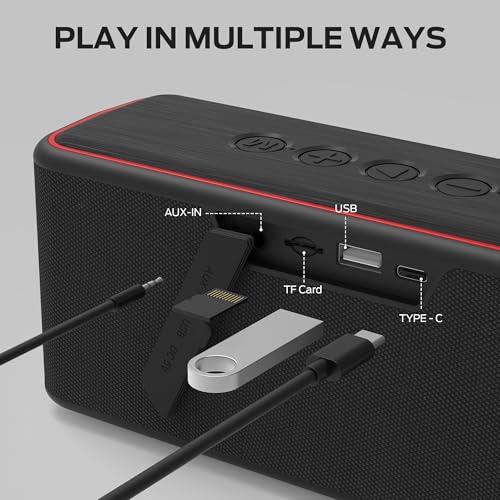
Here's where things get interesting. The Monster S21 actually has newer Bluetooth technology (5.4 vs. 5.2), offering faster pairing and potentially better connection stability. It also includes multiple input options: AUX, USB, and TF card slots, plus TWS pairing capability.
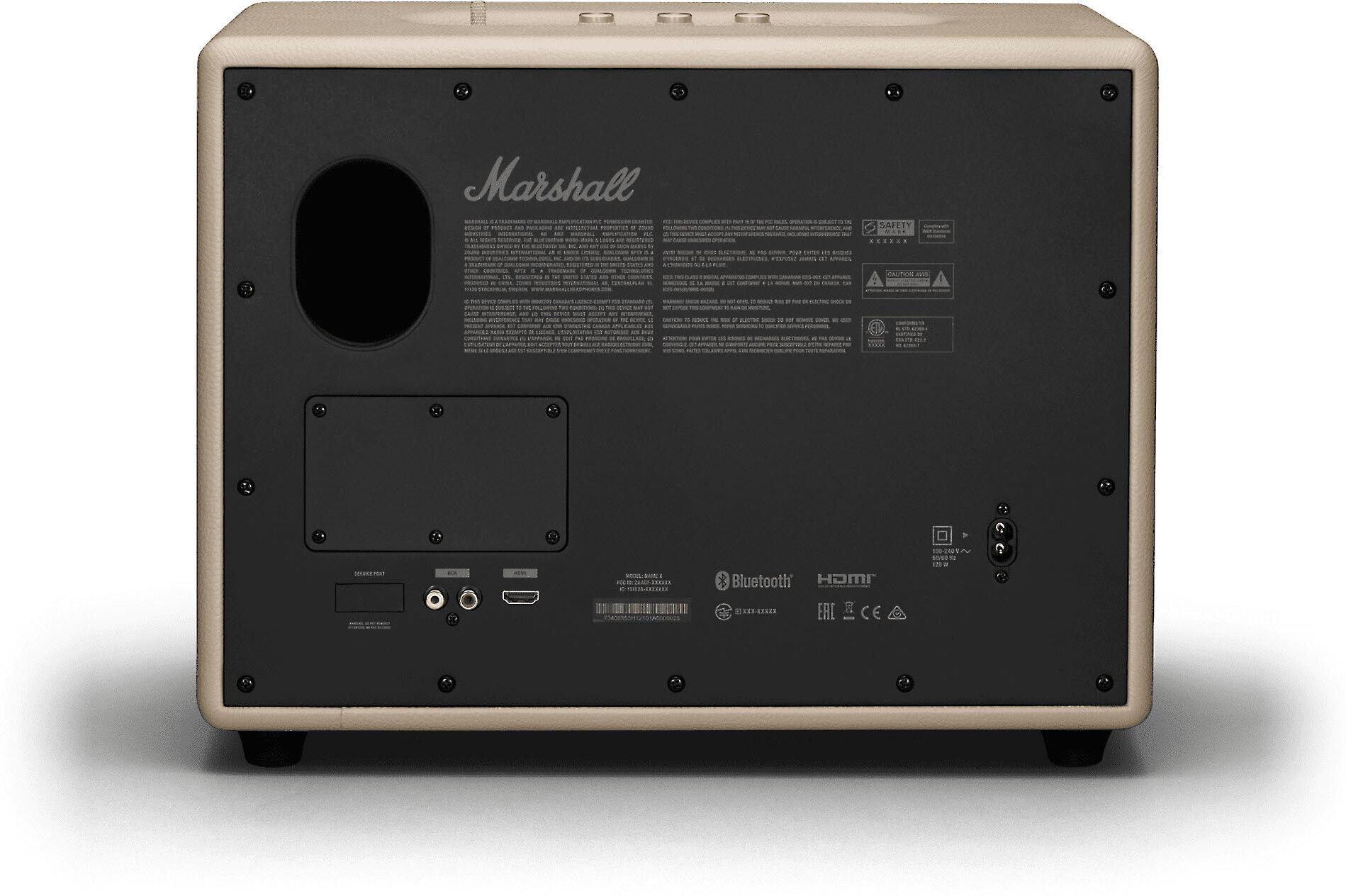
The Marshall Woburn III takes a different approach with more professional connectivity. Its HDMI ARC (Audio Return Channel) connection is particularly valuable – this allows the speaker to connect directly to your TV and automatically switch on when you start watching, essentially turning it into a premium soundbar. The RCA inputs accommodate turntables or other analog sources, while the 3.5mm auxiliary input handles standard connections.
The Marshall's multipoint Bluetooth connection lets you pair two devices simultaneously – useful if you want both your phone and laptop connected without constantly re-pairing. However, some users note the lack of high-resolution Bluetooth codecs like aptX or LDAC, though this is less critical for most listeners.
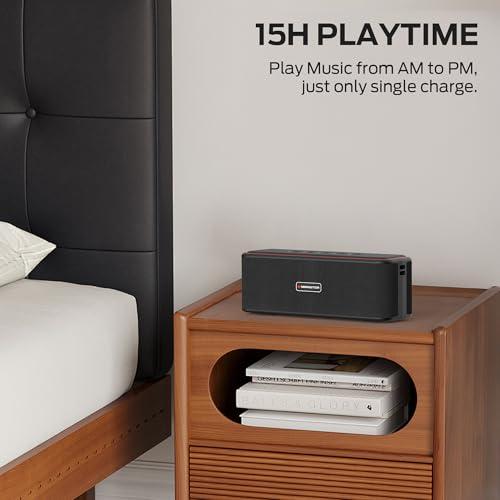
This is where the fundamental difference becomes crystal clear. The Monster S21 weighs about 2 pounds and offers 15 hours of battery life with a 2-hour charging time via USB-C. Its IPX6 water resistance means you can confidently take it to the beach, on camping trips, or use it by the pool without worry.
The Marshall Woburn III weighs over 16 pounds, requires wall power, and has no water resistance rating. It's designed to be a permanent fixture in your home audio setup.
Based on extensive user feedback research, the Monster S21 excels in situations like:
The Marshall Woburn III shines in different scenarios:
At the time of writing, these speakers sit in completely different price brackets, with the Monster S21 positioned as a budget-friendly option while the Marshall Woburn III commands premium pricing typical of high-end home audio equipment.
The Monster offers exceptional value in the portable speaker category. When you consider its feature set – modern Bluetooth connectivity, water resistance, long battery life, and TWS pairing capability – it delivers significantly more functionality than many competitors at similar price points.
The Marshall justifies its premium pricing through superior audio performance, premium build quality, and advanced features like placement compensation and Dynamic Loudness. For serious music listeners, the price-per-performance ratio makes sense when compared to other high-end home audio options.
If you're considering either speaker for home theater use, the Marshall Woburn III is the clear choice. Its HDMI ARC connection provides seamless TV integration – the speaker automatically turns on when you start watching and adjusts volume with your TV remote. The 150-watt output and sophisticated driver configuration deliver dialogue clarity and immersive sound effects that dramatically improve the TV viewing experience.
The Monster S21 can connect to TVs via Bluetooth or auxiliary cable, but it lacks the power and connectivity features needed for serious home theater use. It's better suited as a supplementary speaker for casual TV watching in smaller rooms.
The Monster S21, released in 2024, benefits from the latest Bluetooth 5.4 standard, which offers improved connection reliability and power efficiency. This newer technology should provide better longevity as more devices adopt the standard.
The Marshall Woburn III, while using slightly older Bluetooth 5.2, includes over-the-air update capability through Marshall's app. This means the speaker can receive firmware updates to improve performance and add features over time – something relatively rare in the speaker market.
Both speakers should remain relevant for years, but they serve such different purposes that obsolescence isn't a major concern for either.
You prioritize flexibility and mobility above all else. This speaker makes sense if you frequently move between locations, enjoy outdoor activities, or need a reliable audio companion that doesn't tie you to power outlets. It's also the obvious choice if budget is a primary concern – you get impressive functionality without the premium price tag.
The Monster particularly appeals to younger users, students, and anyone with an active lifestyle who values the freedom to take their music anywhere. If your primary use cases involve travel, outdoor gatherings, or casual listening in various locations, the convenience factor outweighs any audio quality compromises.
Sound quality is your top priority and you're establishing a permanent home audio system. This speaker justifies its premium price through superior performance that approaches dedicated hi-fi systems. It's the right choice if you have a dedicated listening space, want to significantly upgrade your TV's audio, or simply demand the best possible sound reproduction.
The Marshall appeals to audio enthusiasts, home theater builders, and anyone who views their audio system as both a functional device and a piece of furniture. If you're willing to sacrifice portability for maximum performance and have the budget for premium audio equipment, the Woburn III delivers exceptional value within its category.
These speakers represent two valid but completely different approaches to Bluetooth audio. The Monster Shock Plus S21 excels as a versatile, affordable companion that adapts to your lifestyle, while the Marshall Woburn III dominates as a premium home audio centerpiece that prioritizes maximum sound quality.
Your choice should align with your primary use case: mobility and value versus maximum performance and home integration. Both speakers succeed brilliantly within their intended markets, making this decision more about understanding your priorities than finding an objectively "better" product.
In my opinion, most people underestimate how much they'll value portability until they have it, making the Monster a smart choice for first-time speaker buyers. However, serious music lovers and home theater enthusiasts will find the Marshall's superior performance worth every penny of its premium pricing.
| Monster Shock Plus S21 | Marshall Woburn III |
|---|---|
| Power Output - Determines maximum volume and room-filling capability | |
| 30W (60W with TWS pairing) - Good for personal/small group listening | 150W - Powerful enough to fill large rooms with authoritative sound |
| Portability - Whether you can take it anywhere or it's home-only | |
| Fully portable with 15-hour battery life | AC power required - stationary home speaker only |
| Water Resistance - Protection for outdoor and accidental exposure | |
| IPX6 rated - handles splashes, rain, and poolside use | None - indoor use only |
| Driver Configuration - Affects sound quality and detail | |
| Standard dynamic drivers in stereo setup | Three-way system: 6" woofer + dual tweeters + dual midrange drivers |
| Bluetooth Version - Connection stability and features | |
| 5.4 (latest standard with faster pairing) | 5.2 (slightly older but still modern) |
| Connectivity Options - How many ways you can connect audio sources | |
| Bluetooth, AUX, USB, TF card | Bluetooth, HDMI ARC, RCA, 3.5mm AUX |
| Advanced Audio Features - Technology that optimizes sound quality | |
| TWS pairing for stereo expansion | Dynamic Loudness, placement compensation, physical EQ controls |
| Weight and Size - Affects portability and presence | |
| 2 lbs, compact desktop size | 16.4 lbs, substantial furniture-sized presence |
| Home Theater Integration - Seamless TV audio enhancement | |
| Basic Bluetooth/AUX connection to TV | HDMI ARC with automatic switching and remote control |
| Target Use Case - Who this speaker is designed for | |
| Travel, outdoor activities, budget-conscious buyers | Audiophiles, home theater setups, premium listening rooms |
| Frequency Response - Range of sounds the speaker can reproduce | |
| Not specified (typical portable range) | 35-20,000 Hz (covers nearly full human hearing range) |
| Special Features - Unique capabilities that set each apart | |
| Hands-free calling microphone, latest Bluetooth tech | Vintage Marshall amp styling, over-the-air firmware updates |
The Monster Shock Plus S21 is significantly better for outdoor use. It features IPX6 water resistance that protects against rain and splashes, plus a 15-hour battery that eliminates the need for power outlets. The Marshall Woburn III requires wall power and has no water protection, making it unsuitable for outdoor activities.
Yes, but the Marshall Woburn III is far superior for TV use. It includes HDMI ARC connectivity that automatically turns on with your TV and can be controlled by your TV remote. The Monster Shock Plus S21 can connect via Bluetooth or auxiliary cable but lacks the power and seamless integration needed for serious home theater use.
The Marshall Woburn III gets much louder with 150 watts of power compared to the Monster Shock Plus S21's 30 watts. The Marshall can fill large rooms with authoritative sound, while the Monster is better suited for personal listening or small gatherings.
The Monster Shock Plus S21 runs on battery power for up to 15 hours and charges via USB-C, making it completely portable. The Marshall Woburn III requires AC power and must stay plugged into a wall outlet at all times.
The Marshall Woburn III has significantly better sound quality due to its three-way driver system with separate woofer, midrange, and tweeters, plus 150 watts of power. The Monster Shock Plus S21 delivers good sound for its portable size but cannot match the Marshall's audio fidelity and detail.
Yes, the Monster Shock Plus S21 supports True Wireless Stereo (TWS) pairing to connect two speakers for 60 watts of stereo sound. The Marshall Woburn III doesn't support speaker pairing but already delivers sophisticated stereo sound from its multiple internal drivers.
This depends on your needs. The Monster Shock Plus S21 offers excellent value for portable use with modern features at a budget-friendly price. The Marshall Woburn III commands premium pricing but delivers exceptional audio performance that justifies the cost for serious listening and home theater applications.
Both speakers connect via Bluetooth, but the Monster Shock Plus S21 uses the newer Bluetooth 5.4 standard for faster pairing and more stable connections. The Marshall Woburn III uses Bluetooth 5.2 and supports multipoint connection, allowing you to pair two devices simultaneously.
The Marshall Woburn III is purpose-built for living room use with its powerful 150-watt output, premium aesthetics, and multiple connectivity options including HDMI ARC for TV integration. The Monster Shock Plus S21 works for casual living room use but lacks the power to fill larger spaces effectively.
Only the Monster Shock Plus S21 is suitable for travel due to its compact 2-pound design, battery power, and water resistance. The Marshall Woburn III weighs over 16 pounds and requires wall power, making it impractical for travel use.
The Monster Shock Plus S21 includes a built-in microphone for hands-free calling and basic voice input. The Marshall Woburn III can receive voice commands through connected devices but doesn't have built-in voice assistant integration.
For most first-time buyers, the Monster Shock Plus S21 is the better choice due to its versatility, portability, and affordable pricing. However, if you specifically want a premium home audio system and have the budget, the Marshall Woburn III delivers superior sound quality for dedicated listening spaces.
We've done our best to create useful and informative comparisons to help you decide what product to buy. Our research uses advanced automated methods to create this comparison and perfection is not possible - please contact us for corrections or questions. These are the sites we've researched in the creation of this article: shopabunda.com - manuals.plus - popsci.com - armorsound.com - manuals.plus - youtube.com - shopstaff.net - thestreet.com - rtings.com - youtube.com - businessinsider.com - youtube.com - youtube.com - mensjournal.com - ratebud.ai - youtube.com - ebay.com - monsterstore.com - newegg.com - angelenaspensacola.com - bestbuy.com - crutchfield.com - rtings.com - idownloadblog.com - digit.in - crutchfield.com - epicrewards.com.ph - ione.com.kh - youtube.com - onward.ph - economictimes.indiatimes.com

Privacy Policy
Terms and Conditions - Affiliate Policy
Home Security
© Copyright 2008-2026.
11816 Inwood Rd #1211, Dallas, TX 75244