

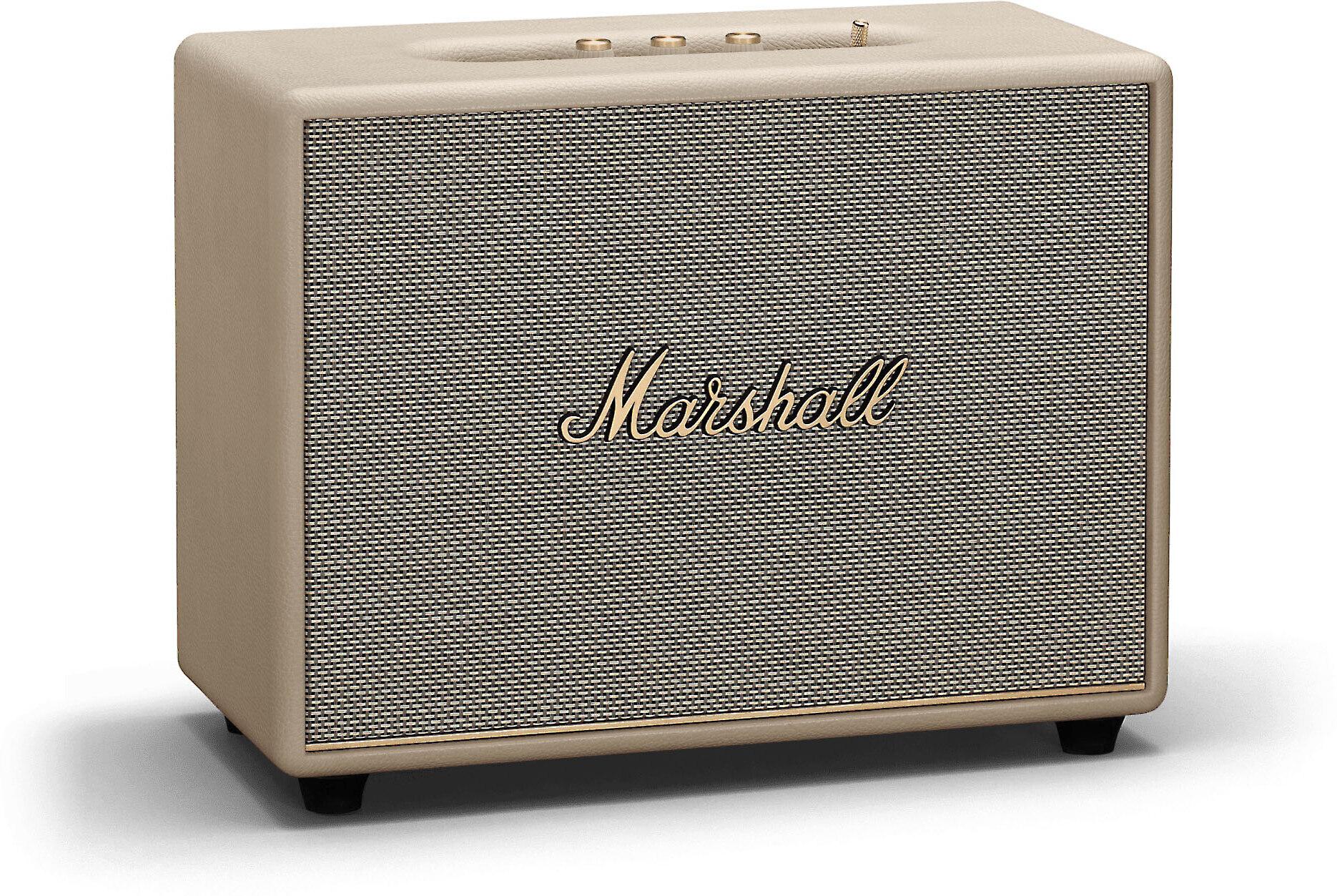
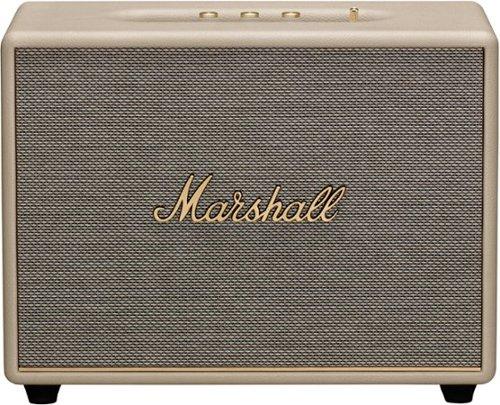
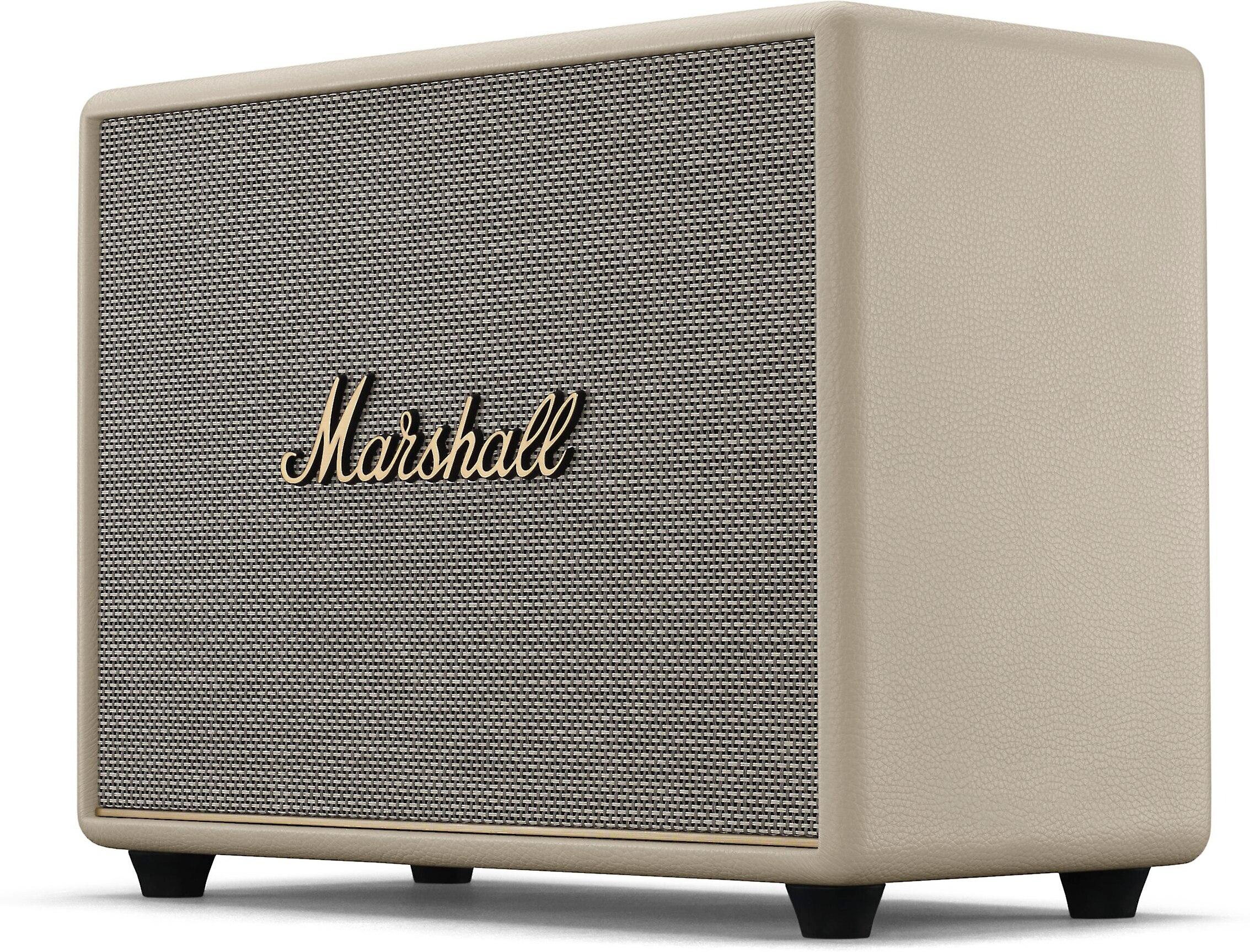
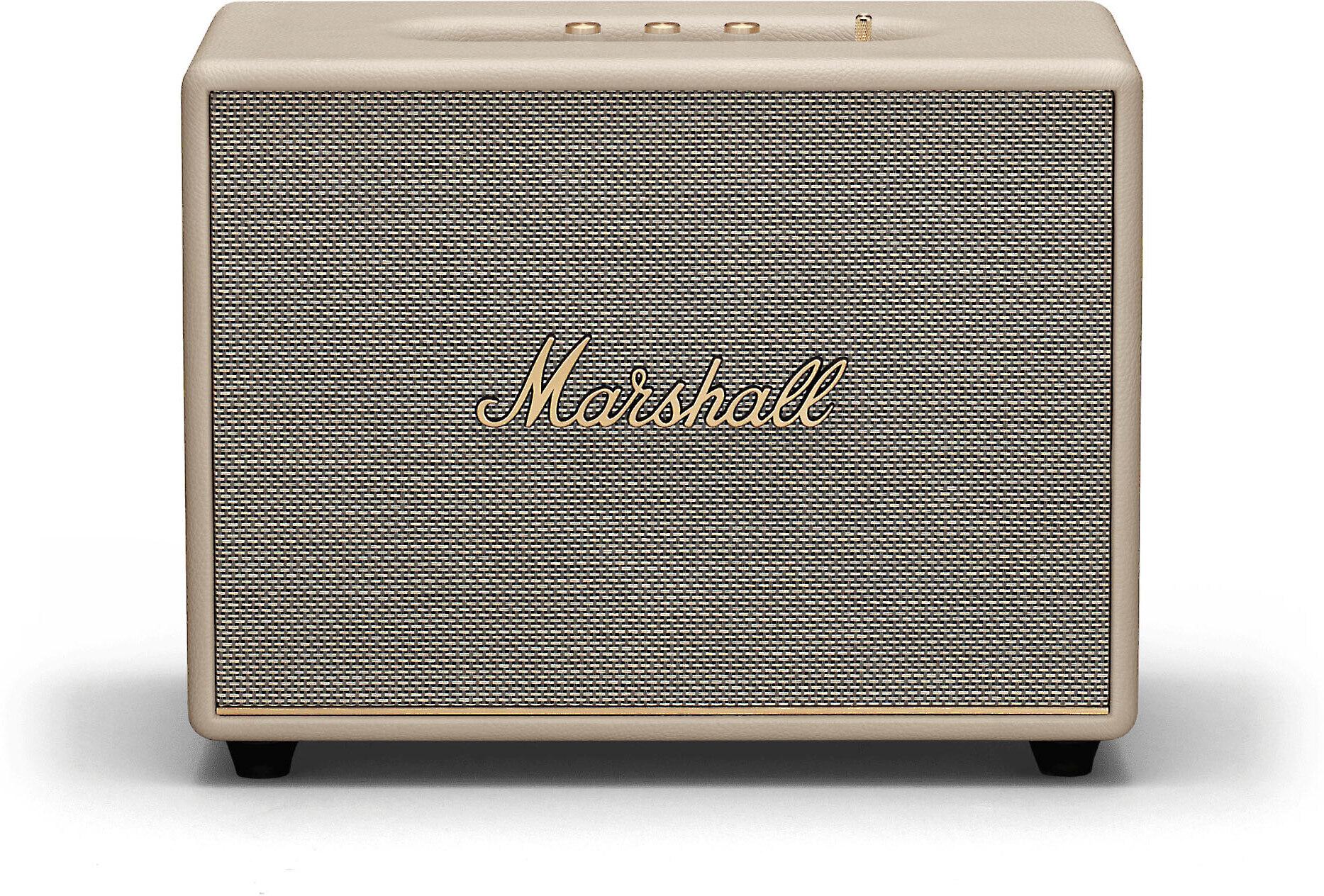
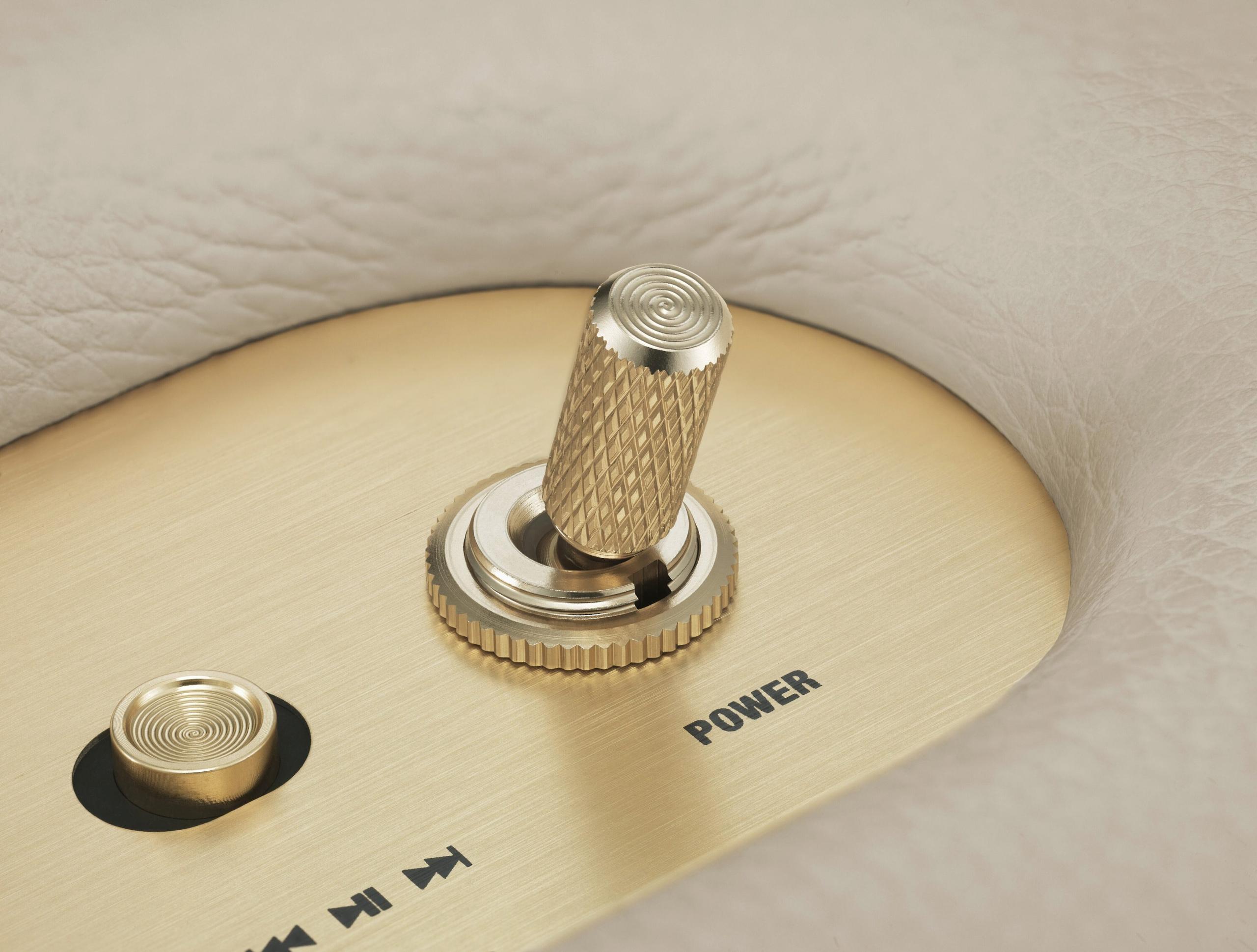
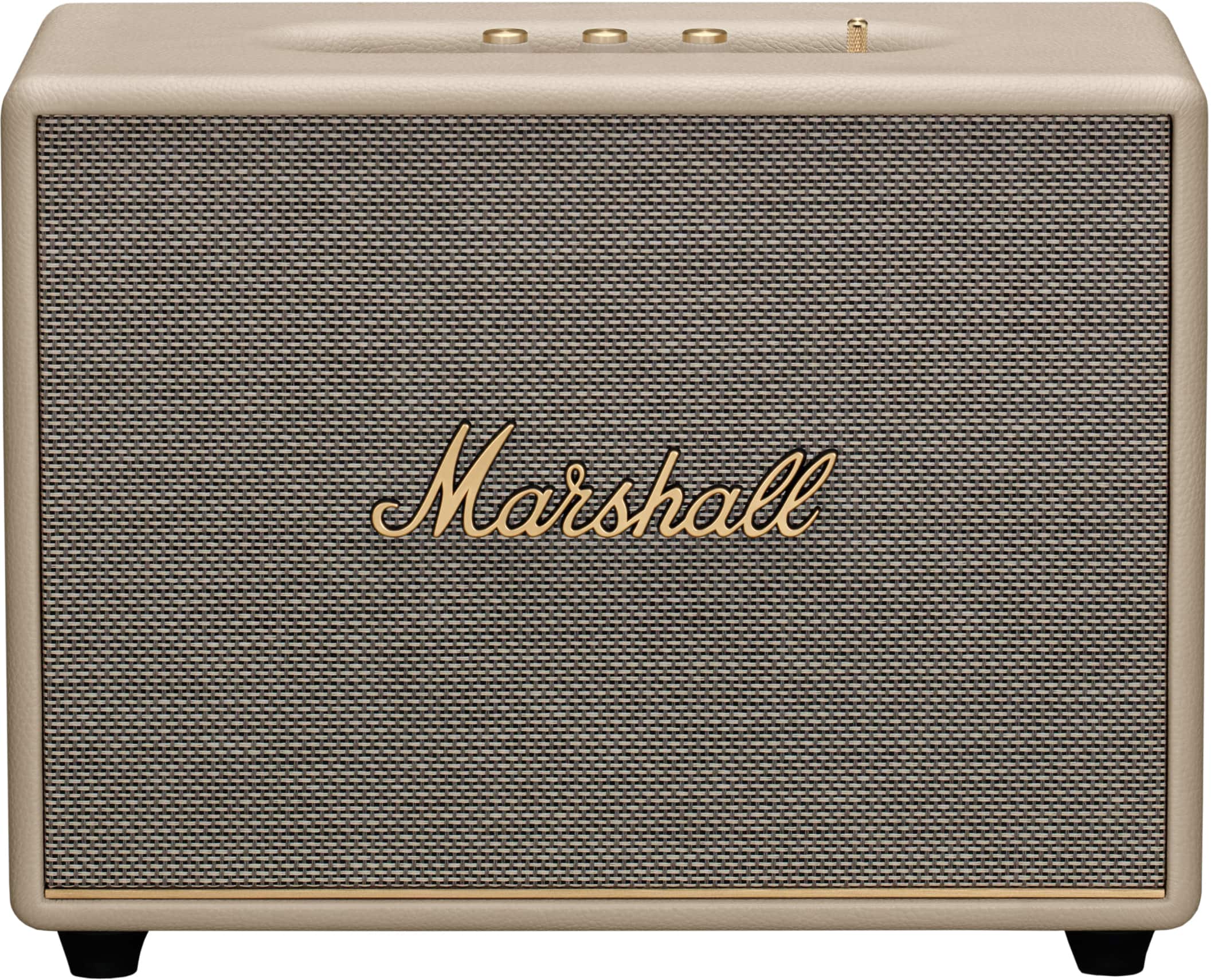
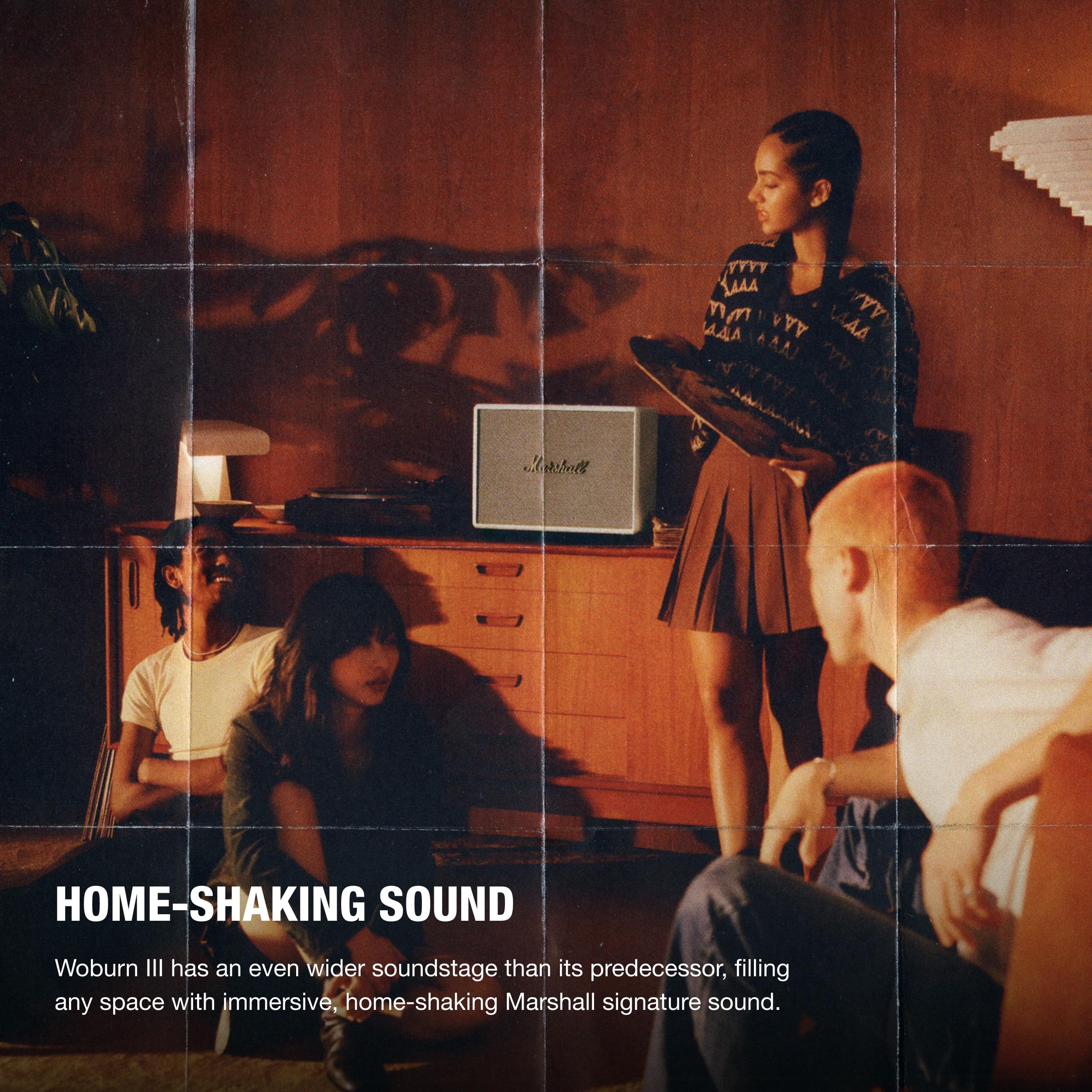

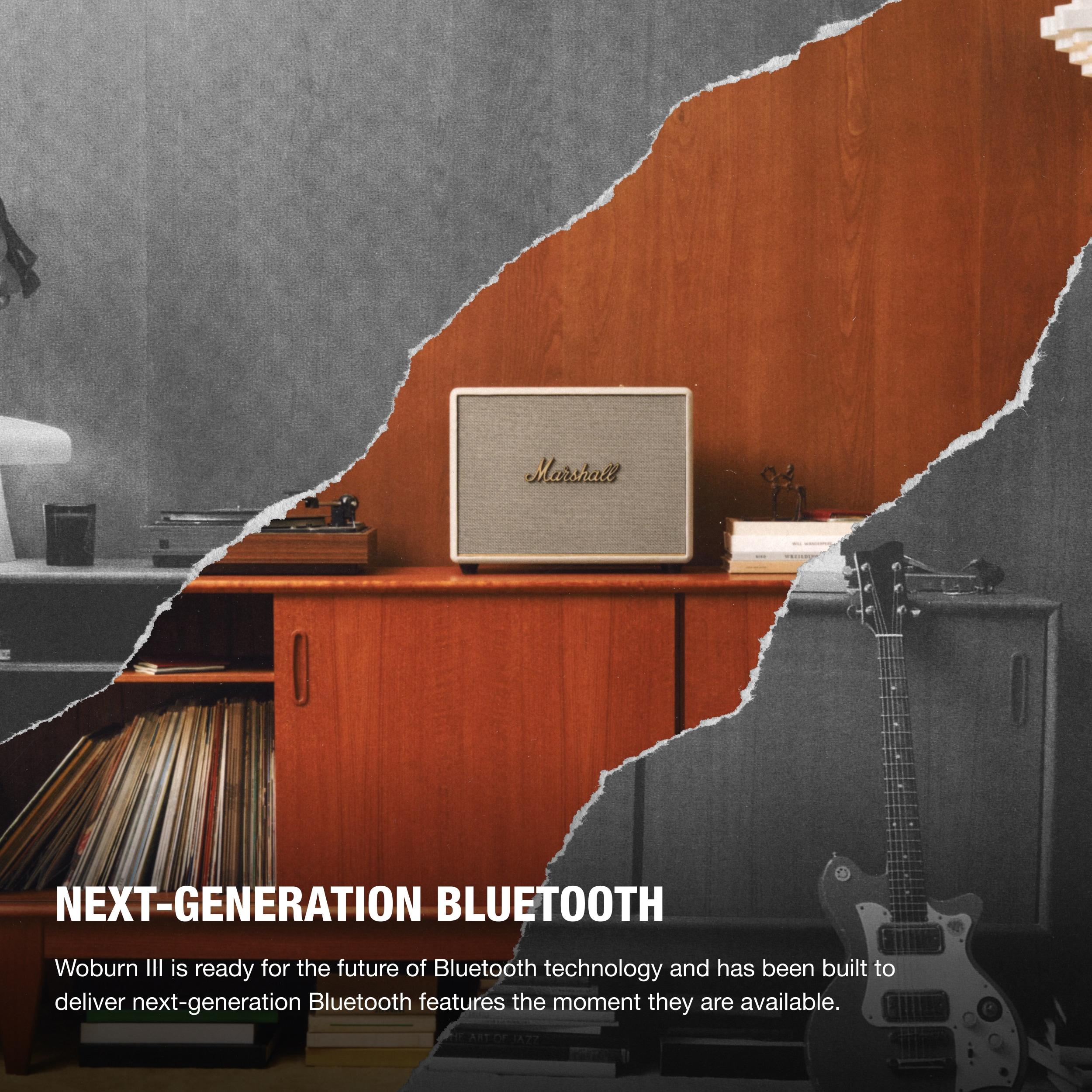
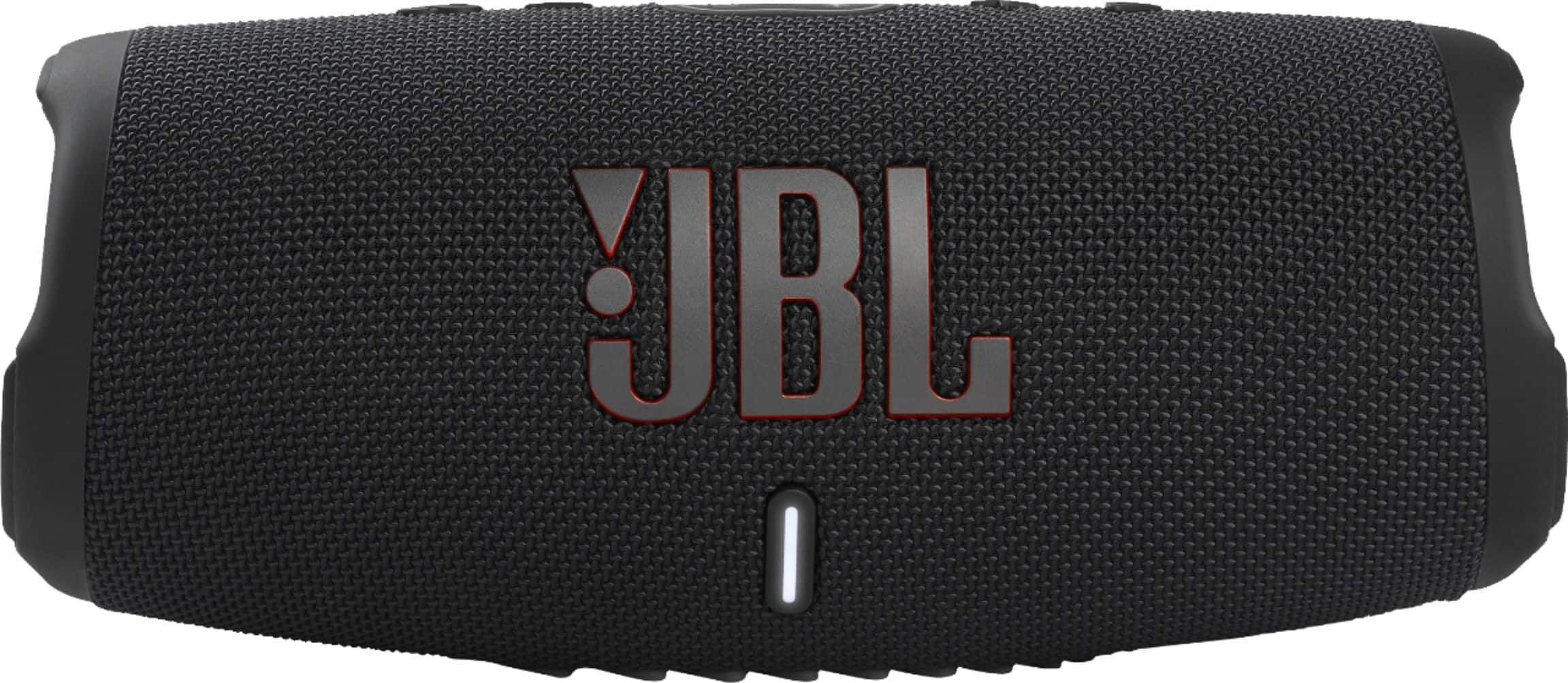
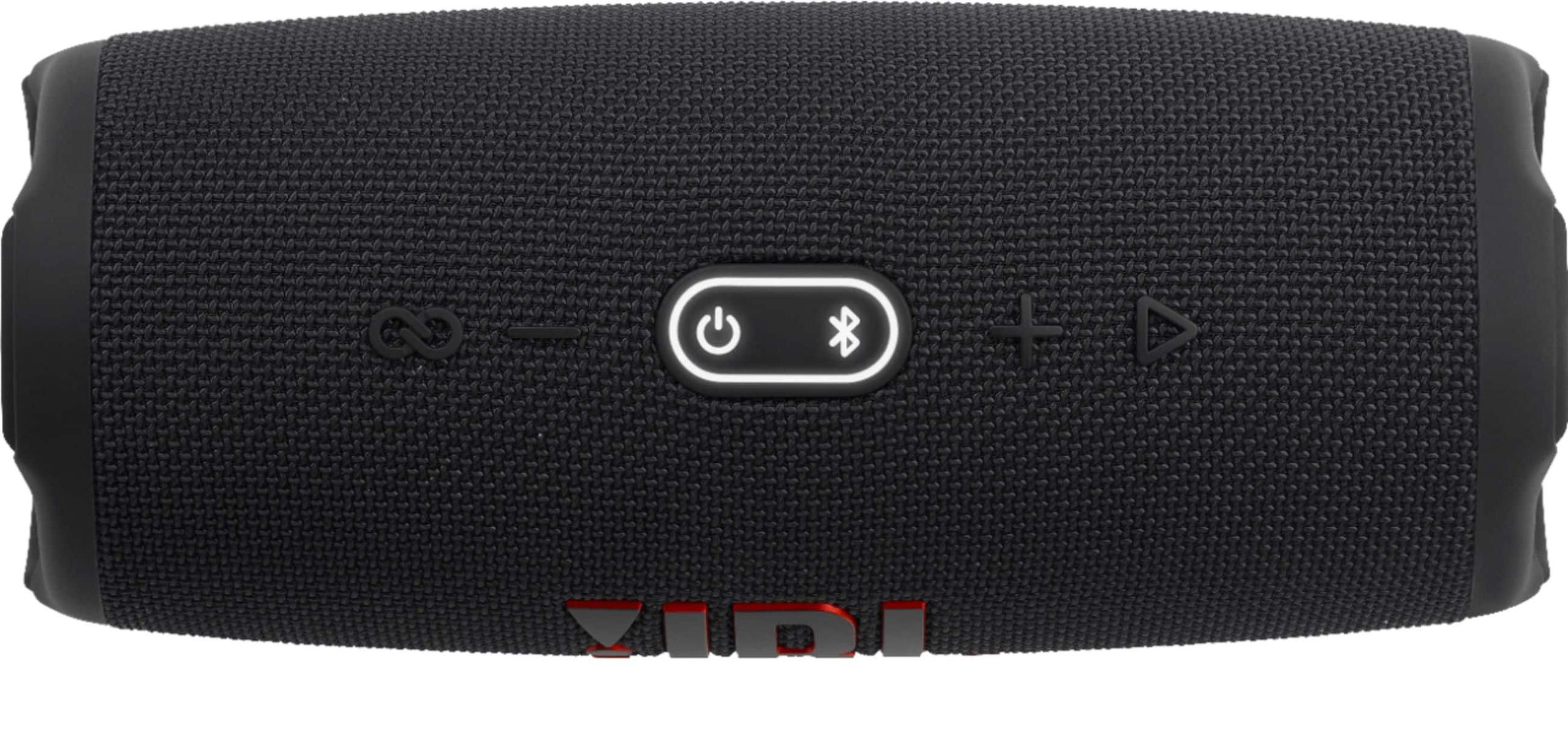
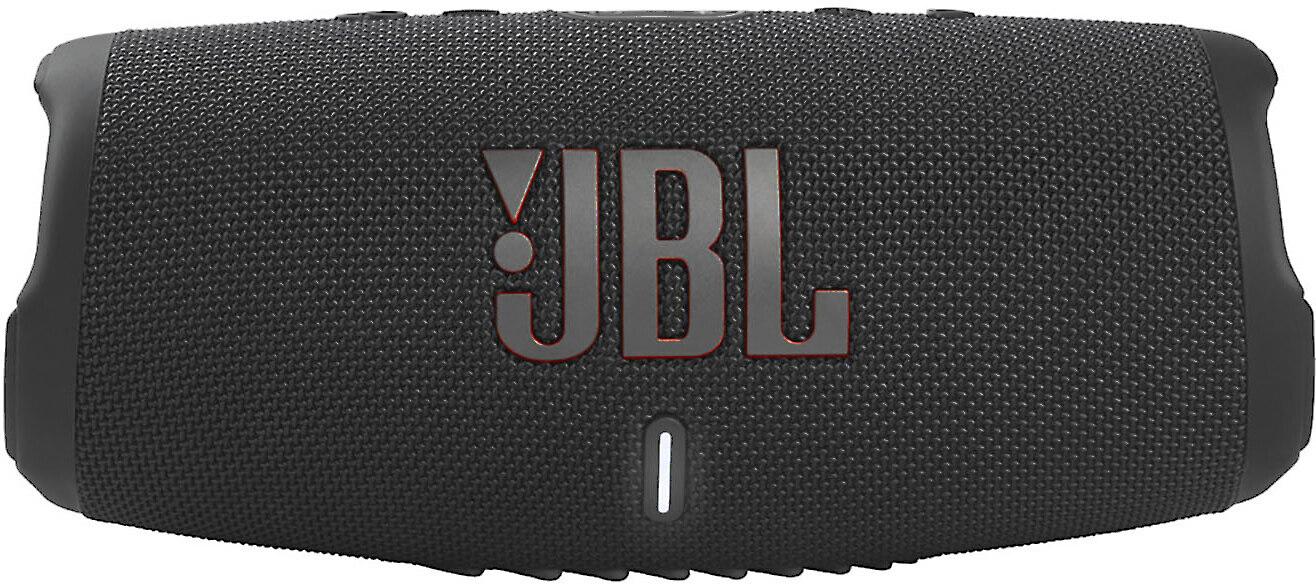
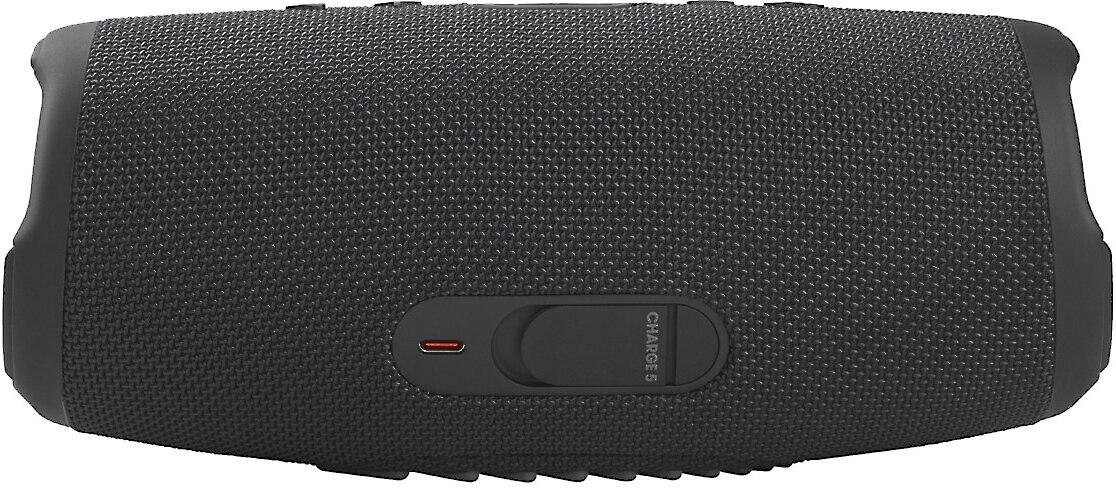
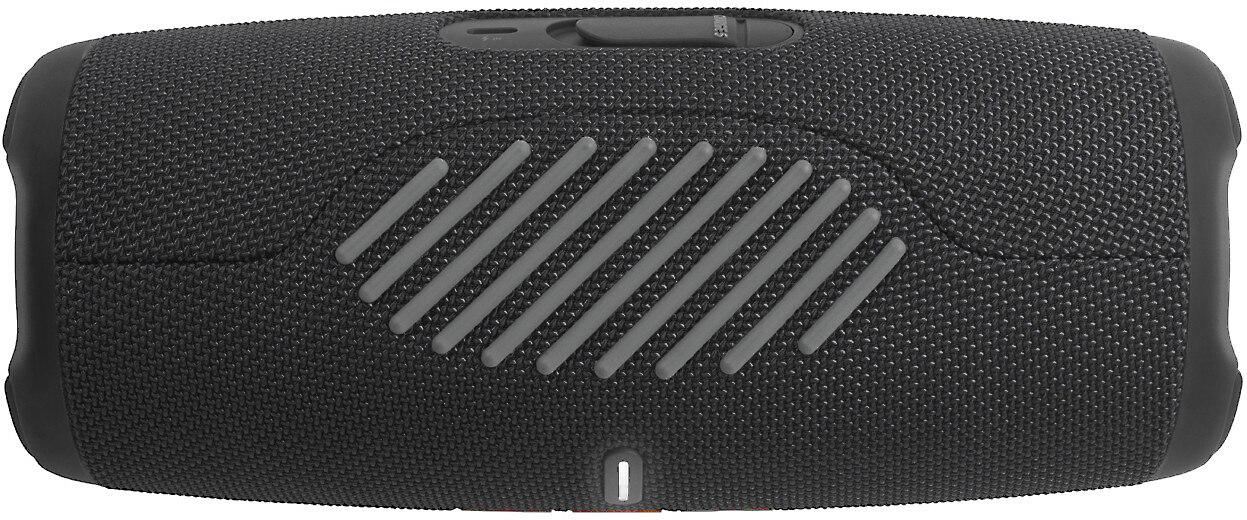
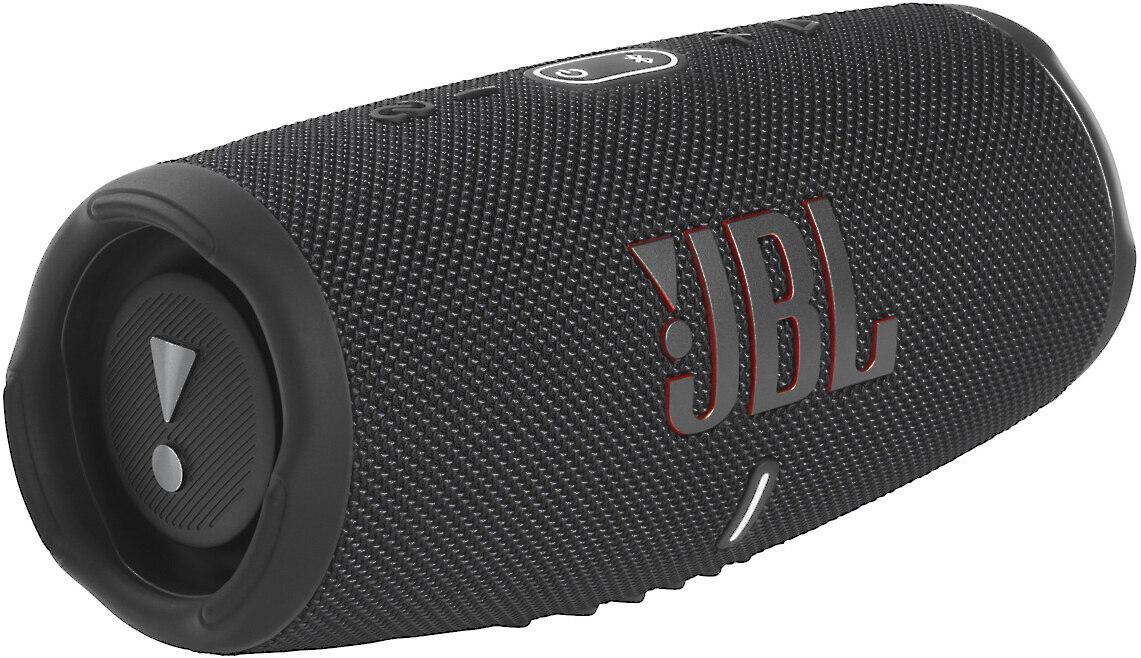
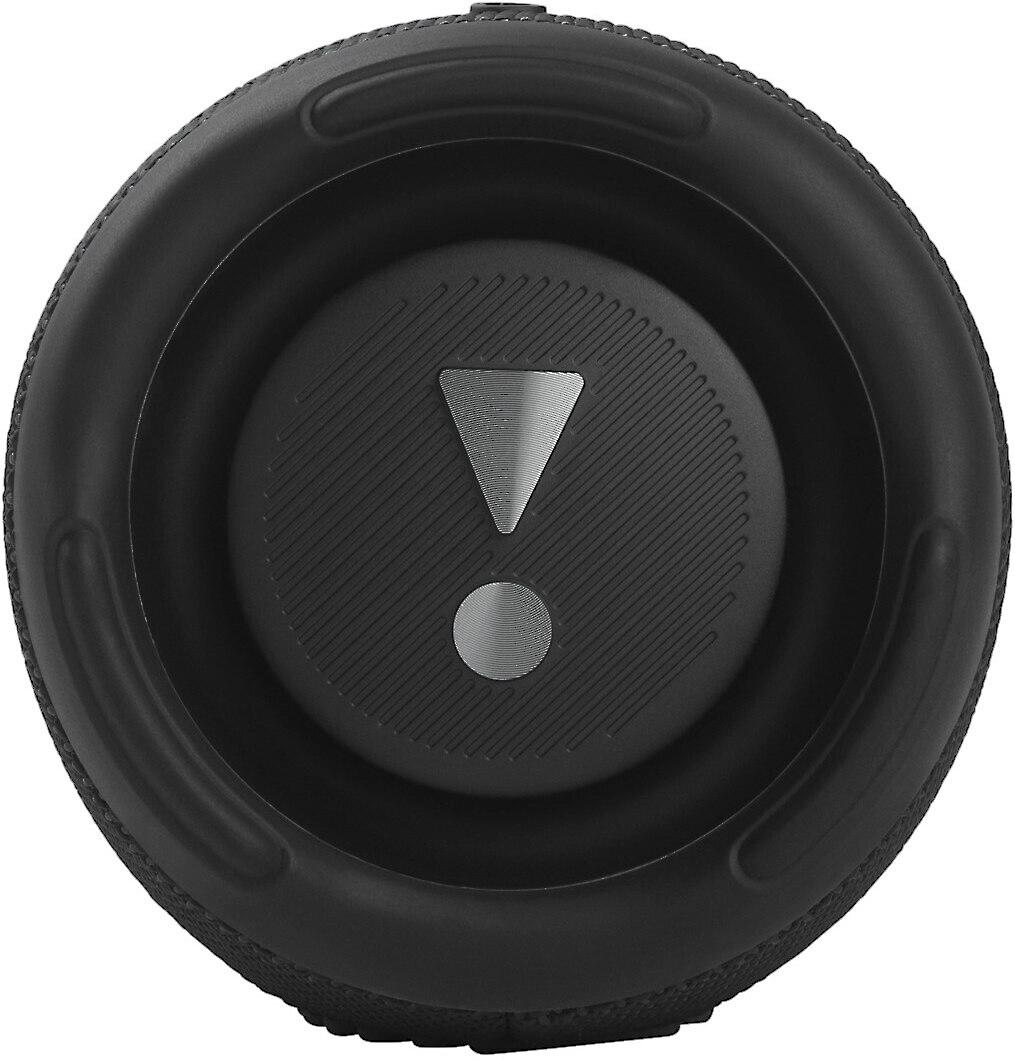
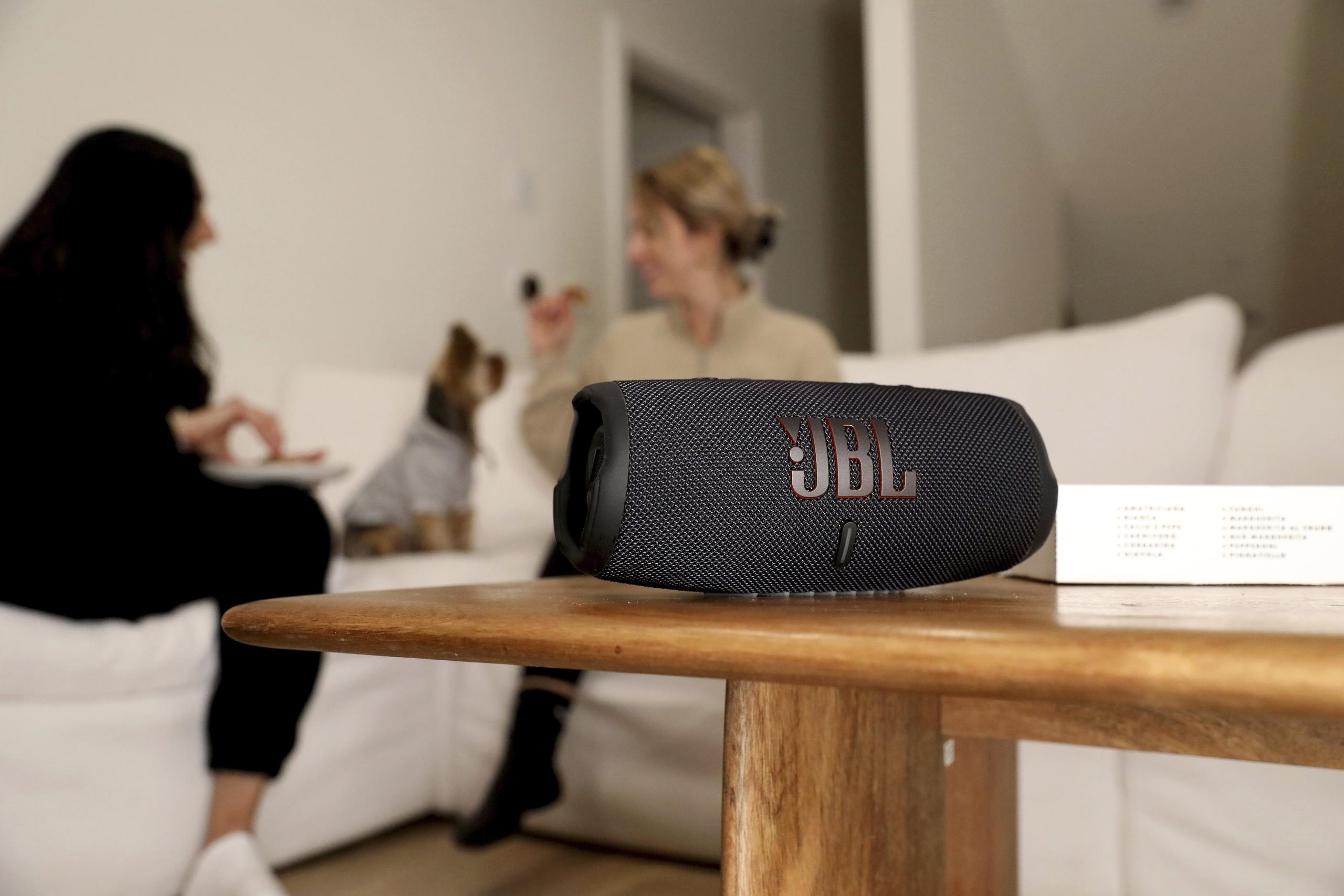

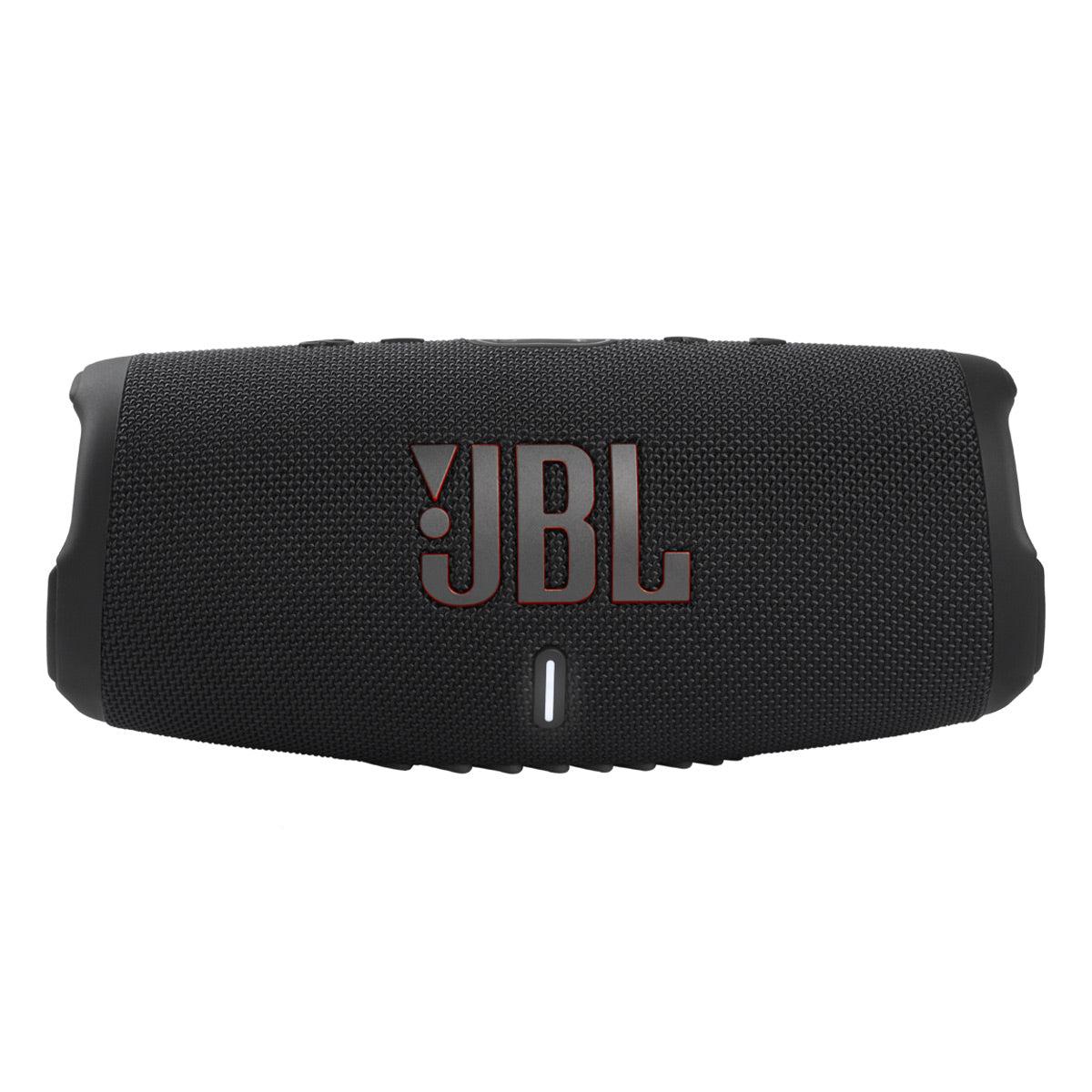
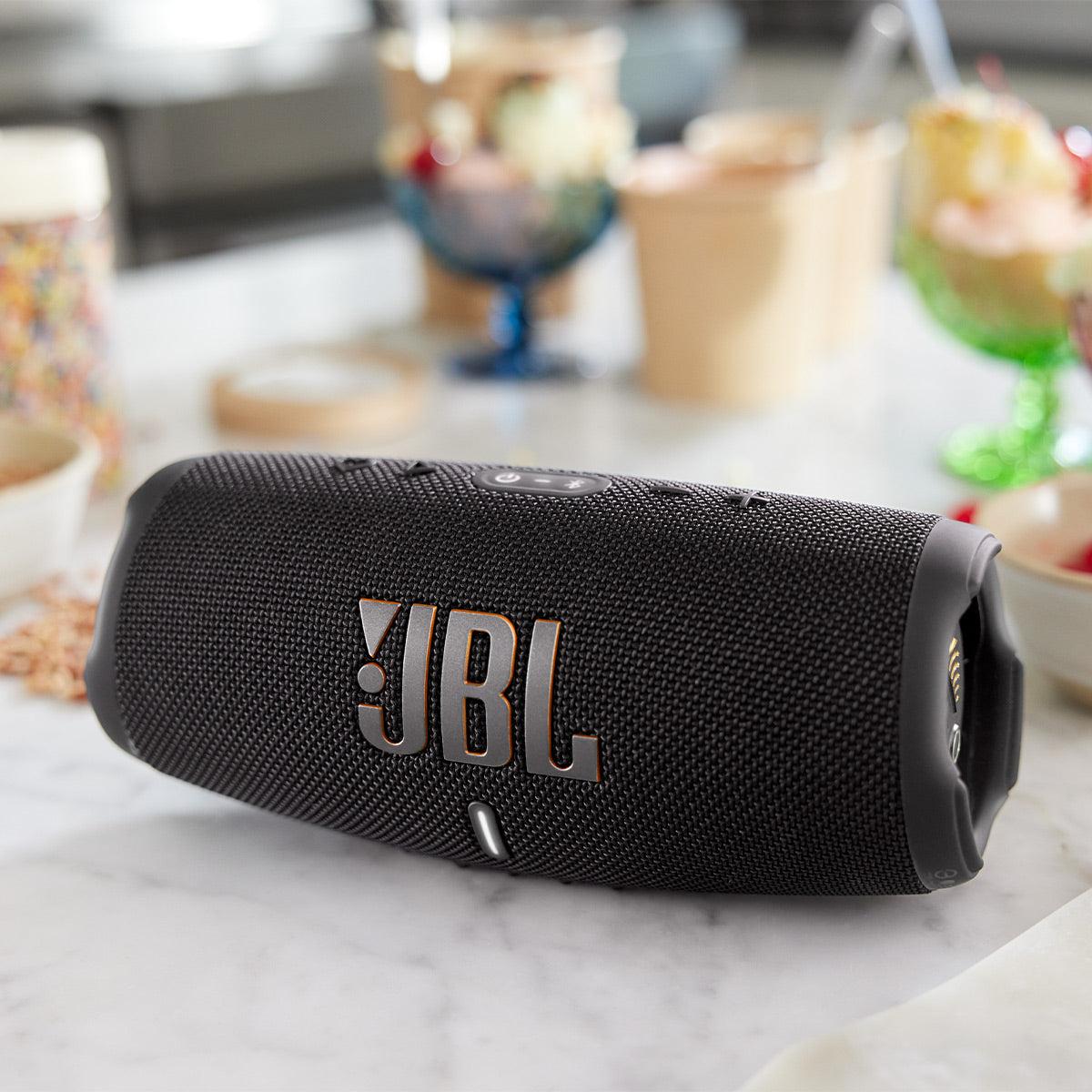
When it comes to Bluetooth speakers in 2024, we're seeing an interesting divide between premium home audio solutions and versatile portable options. The Marshall Woburn III ($579.99) and JBL Charge 5 ($179.99) perfectly illustrate this split, offering dramatically different approaches to delivering your favorite music.
Today's Bluetooth speakers have evolved far beyond simple wireless playback devices. They now integrate sophisticated audio processing, multiple connectivity options, and in some cases, serve as complete home audio solutions. The key is understanding which features matter most for your specific needs.
The technology has matured significantly, with both speakers featuring advanced Bluetooth versions (5.2 for the Woburn III, 5.1 for the Charge 5) that provide more stable connections and better audio quality than older generations. These newer Bluetooth versions also handle multiple device connections more elegantly, a feature that's become increasingly important as we juggle various audio sources.
The Marshall Woburn III approaches sound reproduction with a sophisticated three-way driver system - think of it as having specialized speakers for high, mid, and low frequencies. This separation allows each frequency range to be reproduced with better clarity and precision. The 6-inch woofer (for bass), paired with two 2-inch midrange drivers and two 3/4-inch tweeters (for high frequencies), creates an impressive soundstage that can easily fill large rooms.
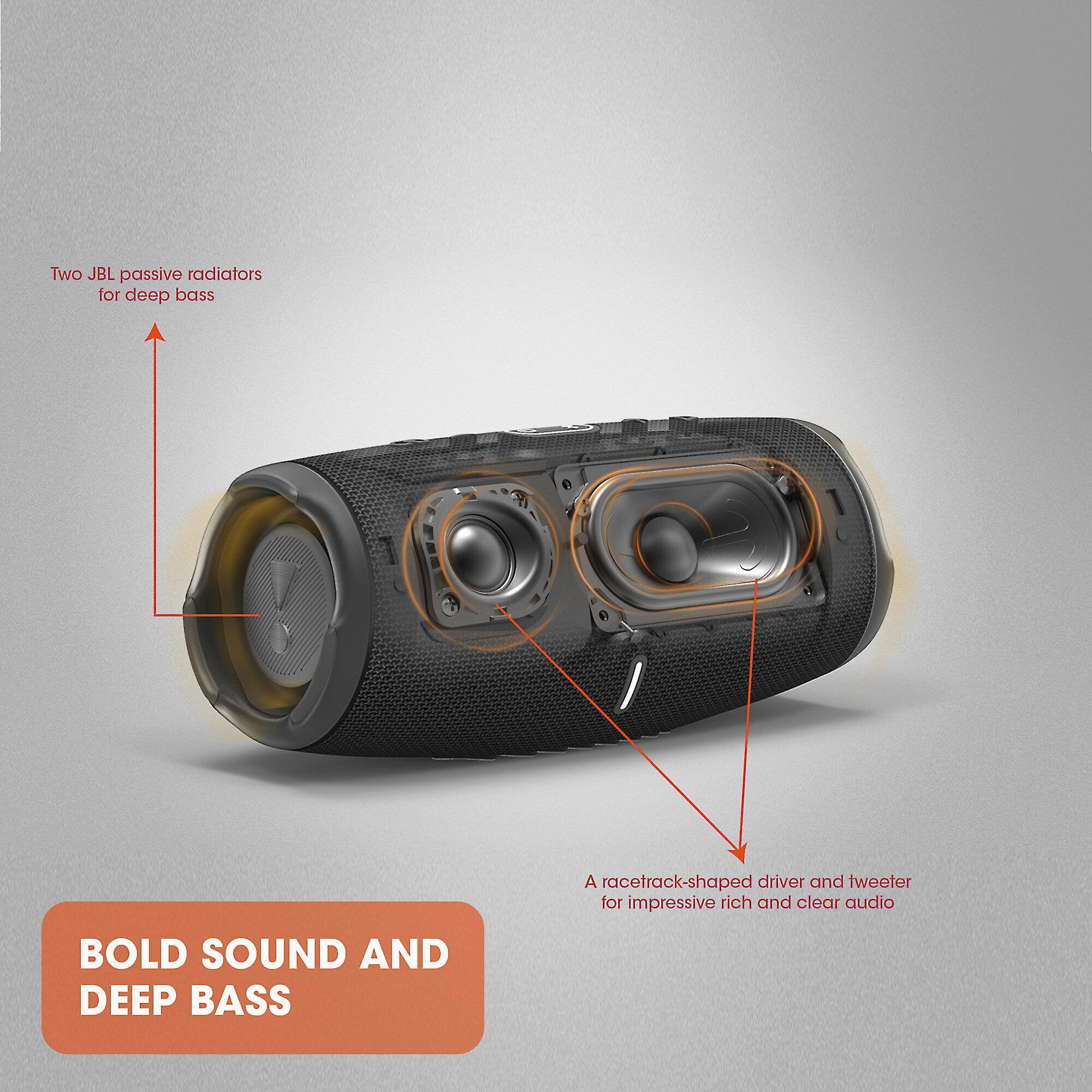
In contrast, the JBL Charge 5 uses a more compact two-way system with a 52mm woofer and 20mm tweeter. While this might seem less impressive on paper, JBL has optimized this configuration for outdoor and portable use, where different acoustic challenges come into play.
The Woburn III really shines in home environments, especially when playing music that benefits from its powerful bass response and clear separation between frequency ranges. Classical music, for instance, sounds remarkably detailed, with distinct placement of different instruments in the soundstage. Modern genres like electronic and hip-hop benefit from the speaker's ability to produce deep, controlled bass without overwhelming the mid-range frequencies.
The Charge 5 takes a different approach, focusing on clarity and projection in varied environments. Its sound signature is more focused on maintaining clarity at different volumes rather than delivering the deepest bass or most subtle details. This makes it particularly effective for outdoor gatherings where atmospheric conditions and background noise can impact sound quality.
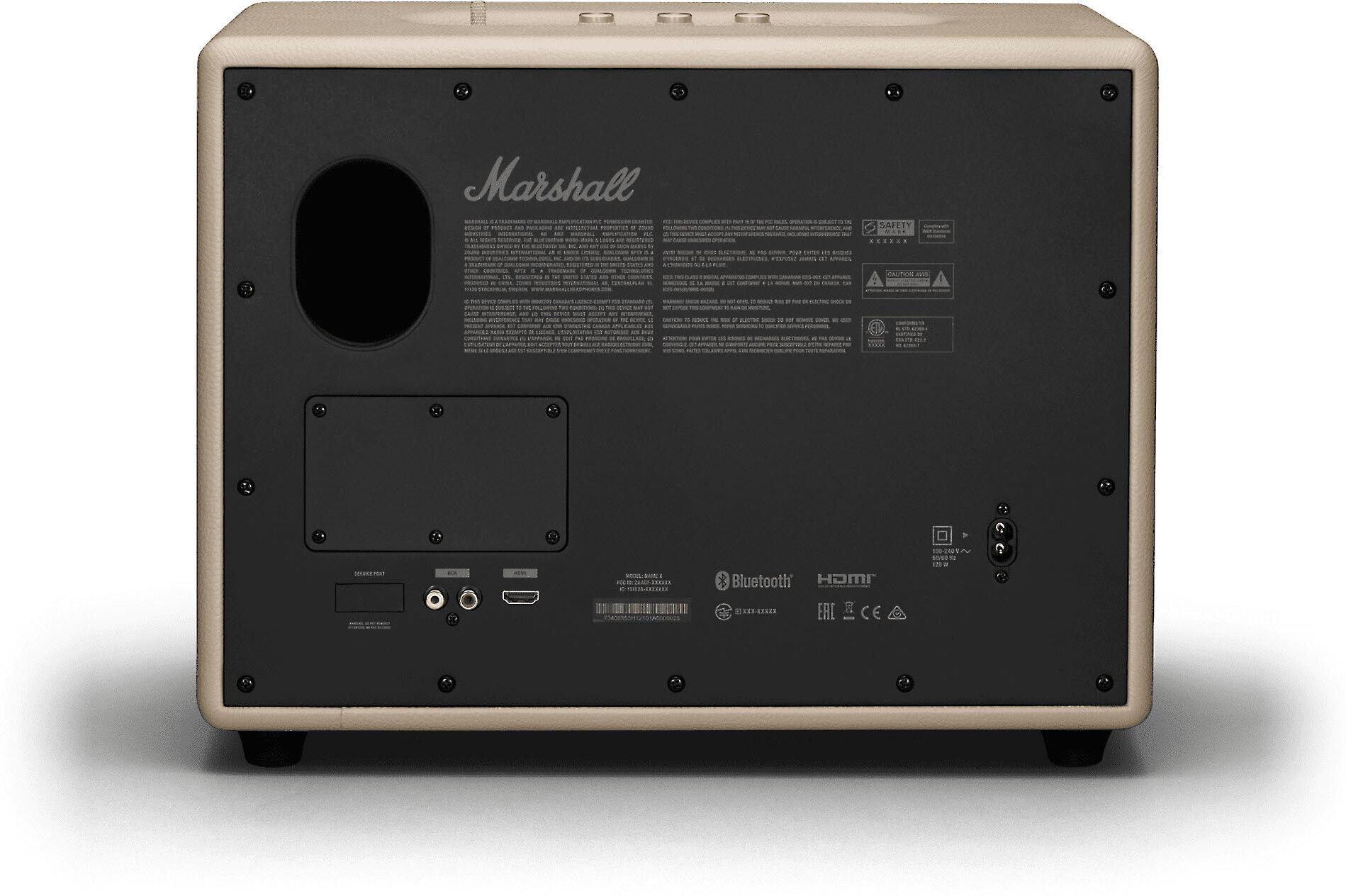
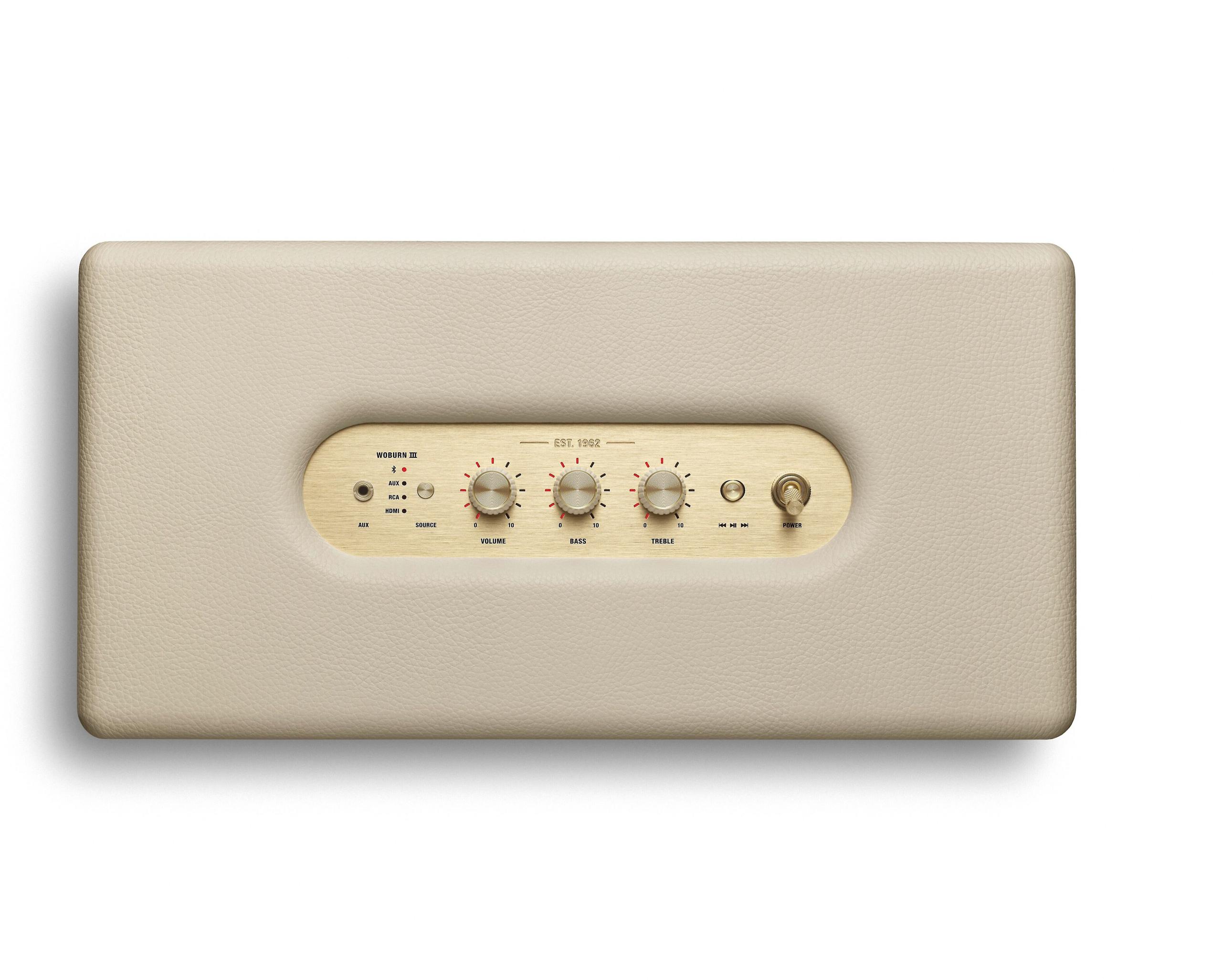
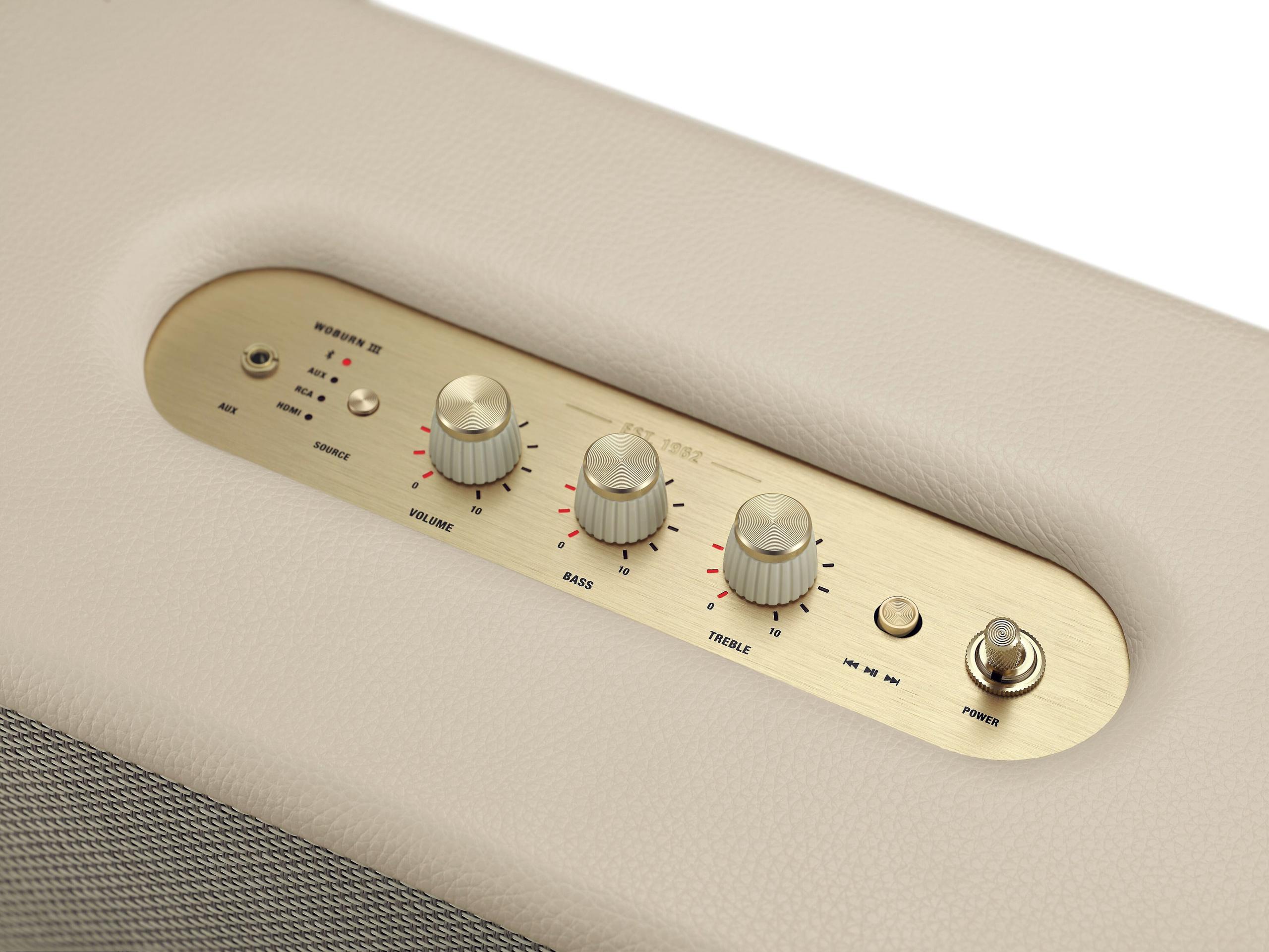
One of the Woburn III's standout features is its HDMI ARC support, which allows it to integrate seamlessly with modern TVs. This connection means the speaker can automatically turn on with your TV and be controlled by your TV remote - a convenience that shouldn't be underestimated in daily use. The speaker also includes RCA inputs, making it compatible with turntables and other traditional audio equipment.
The Charge 5 focuses solely on Bluetooth connectivity, which makes sense given its portable nature. While this means it can't serve as a dedicated TV speaker, it does include JBL's PartyBoost feature, allowing you to connect multiple compatible speakers for wider sound coverage - perfect for outdoor events or larger spaces.
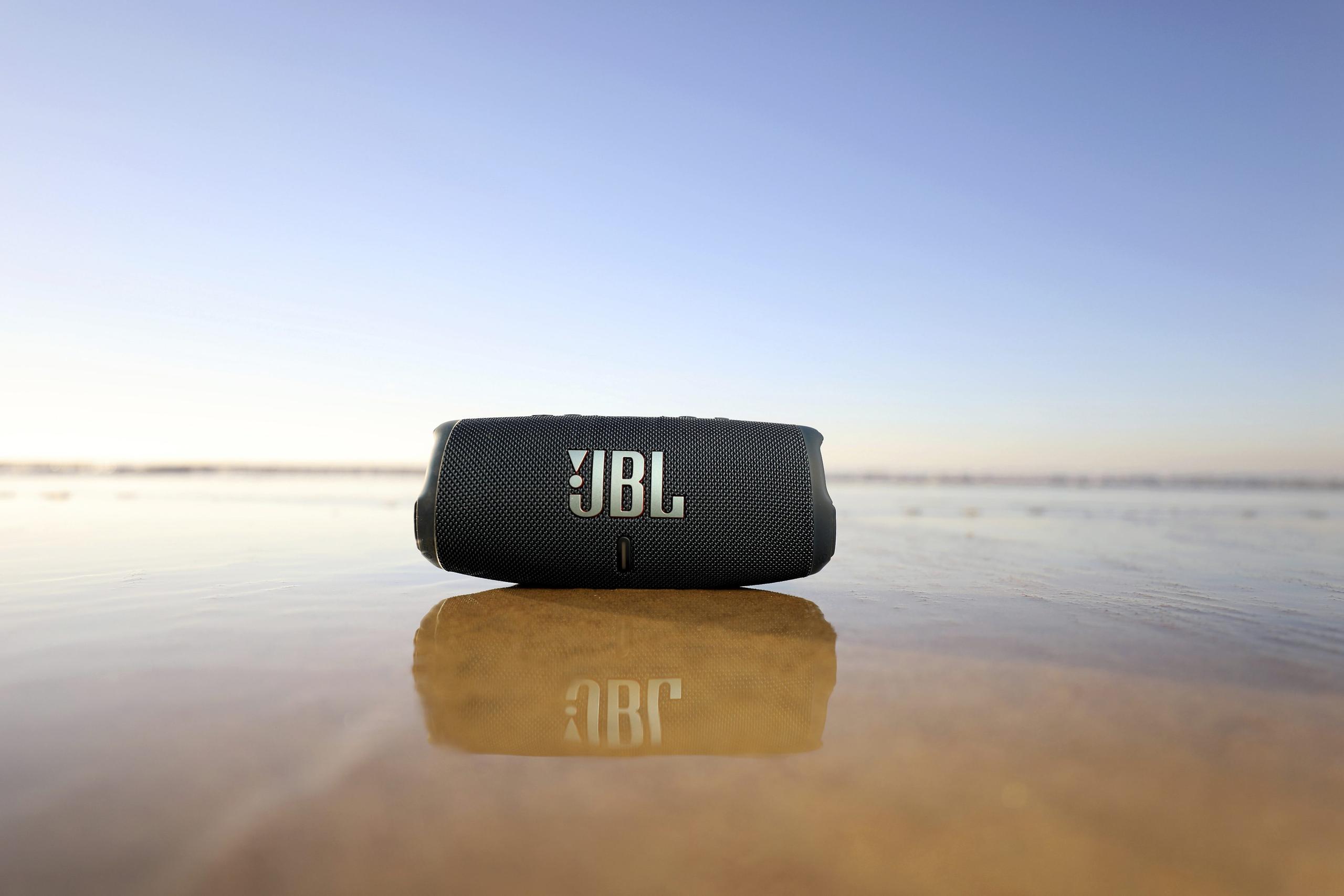
The durability difference between these speakers reflects their intended uses. The Charge 5's IP67 rating means it's fully protected against dust and can be submerged in water up to 1 meter deep for 30 minutes. This level of protection makes it genuinely worry-free for pool parties or beach trips.
The Woburn III, while solidly built, is designed for indoor use only. However, it does include some clever environmental adaptations, like automatic placement compensation that adjusts the sound based on nearby walls and surfaces.
When considering the significant price difference between the Marshall Woburn III and JBL Charge 5, it's important to think about long-term value rather than just initial cost.
The Woburn III represents a investment in home audio that can serve as both a music system and TV speaker. Its ability to receive over-the-air updates also means it can potentially gain new features over time. The build quality and power suggest it should last many years as a central piece of home entertainment.
The Charge 5's value proposition is different - it's about versatility and portability rather than ultimate sound quality. Its durability and battery life make it a reliable companion for various activities, and its more modest price point reflects this different focus.
Since its release in summer 2022, the Woburn III has received several firmware updates improving its smart features and sound processing. The speaker's Dynamic Loudness feature, which automatically adjusts frequency balance at different volumes, has been particularly well-received.
The Charge 5, released in early 2021, improved upon its predecessor with better dust resistance and refined sound quality. JBL has continued to update its companion app, adding features and improving stability.
Consider these key factors when choosing between these speakers:
The Marshall Woburn III is the clear choice if you're looking for a premium home audio solution that can serve as both a powerful music speaker and TV sound system. Its superior sound quality and integration options make it a worthy investment for those prioritizing audio performance.
Choose the JBL Charge 5 if you need a speaker that can travel with you, handle outdoor conditions, and still deliver good sound quality. Its combination of durability, portability, and sound performance makes it an excellent value for active users.
Both speakers excel in their intended roles, making the final decision more about matching your specific needs rather than choosing an absolute "better" option.
| Marshall Woburn III ($579.99) | JBL Charge 5 ($179.99) |
|---|---|
| Size & Weight - Impacts placement flexibility and portability | |
| 15.7" x 12.5" x 9" / 16.42 lbs (stationary home use) | 8.7" x 3.76" x 3.67" / 2.11 lbs (highly portable) |
| Sound System - Determines audio quality and capabilities | |
| Three-way: 6" woofer, 2x 2" midrange, 2x 0.75" tweeters | Two-way: 52mm woofer, 20mm tweeter |
| Power Output - Affects maximum volume and sound quality | |
| 150W total (90W woofer, 30W midrange, 30W tweeters) | 40W total (30W woofer, 10W tweeter) |
| Connectivity Options - Important for device compatibility | |
| Bluetooth 5.2, HDMI ARC, RCA, 3.5mm aux | Bluetooth 5.1, USB-C charging only |
| Special Features - Adds functionality beyond basic audio | |
| Dynamic loudness, placement compensation, night mode, app control | PartyBoost speaker linking, powerbank function |
| Environmental Protection - Determines where you can use it | |
| Indoor use only, no water resistance | IP67 waterproof and dustproof |
| Power Source - Affects placement and usage flexibility | |
| AC power only (must be plugged in) | 27Wh battery (20 hours playback) |
| Frequency Response - Indicates bass depth and treble extension | |
| 35Hz - 20kHz (deeper bass, fuller range) | 60Hz - 20kHz (less bass extension) |
| Maximum Volume - Important for larger spaces | |
| 100.5 dB @ 1m (room-filling volume) | 90 dB @ 1m (good for outdoor use) |
| Primary Use Case - Helps determine best fit for needs | |
| Premium home audio and home theater integration | Portable outdoor and travel audio |
The Marshall Woburn III ($579.99) is significantly better for home use, offering room-filling sound, HDMI connectivity for TV audio, and superior bass response. The Charge 5 is designed primarily for portable use.
The JBL Charge 5 ($179.99) is specifically designed for outdoor use with IP67 waterproofing. The Woburn III is not weather-resistant and must remain indoors.
The Marshall Woburn III offers superior sound quality with its three-way speaker system and 150W power output. However, the Charge 5 provides excellent sound for its size and portable nature.
The JBL Charge 5 offers 20 hours of playback on a single charge. The Marshall Woburn III requires constant AC power and has no battery option.
The Marshall Woburn III connects directly to TVs via HDMI ARC. The Charge 5 can only connect to TVs via Bluetooth, which may cause audio delay.
For indoor parties, the Woburn III provides better sound. For outdoor events, the JBL Charge 5 is ideal with its waterproofing and portable design.
The Marshall Woburn III costs $579.99, while the JBL Charge 5 is $179.99 - a $400 difference reflecting their different capabilities and use cases.
The JBL Charge 5 offers PartyBoost to connect multiple compatible JBL speakers. The Woburn III doesn't currently support multi-speaker connections.
The Marshall Woburn III delivers significantly stronger bass with its 6-inch woofer and 35Hz low-end response, compared to the Charge 5's more modest bass capabilities.
The JBL Charge 5 includes a USB powerbank feature to charge devices. The Woburn III doesn't offer device charging.
Both speakers offer reliable Bluetooth streaming, but the Woburn III's Bluetooth 5.2 provides slightly better connectivity than the Charge 5's Bluetooth 5.1.
The Marshall Woburn III is ideal for apartments with its room optimization features and night mode, while the JBL Charge 5 is better if you need a speaker that can move between rooms or outdoors.
We've done our best to create useful and informative comparisons to help you decide what product to buy. Our research uses advanced automated methods to create this comparison and perfection is not possible - please contact us for corrections or questions. These are the sites we've researched in the creation of this article: bestbuy.com - crutchfield.com - rtings.com - idownloadblog.com - digit.in - crutchfield.com - epicrewards.com.ph - ione.com.kh - youtube.com - onward.ph - economictimes.indiatimes.com - techradar.com - outeraudio.com - youtube.com - soundguys.com - howtogeek.com - jbl.com - abt.com - youtube.com - harmanaudio.com - homedepot.com - bhphotovideo.com - dxomark.com

Privacy Policy
Terms and Conditions - Affiliate Policy
Home Security
© Copyright 2008-2026.
11816 Inwood Rd #1211, Dallas, TX 75244