

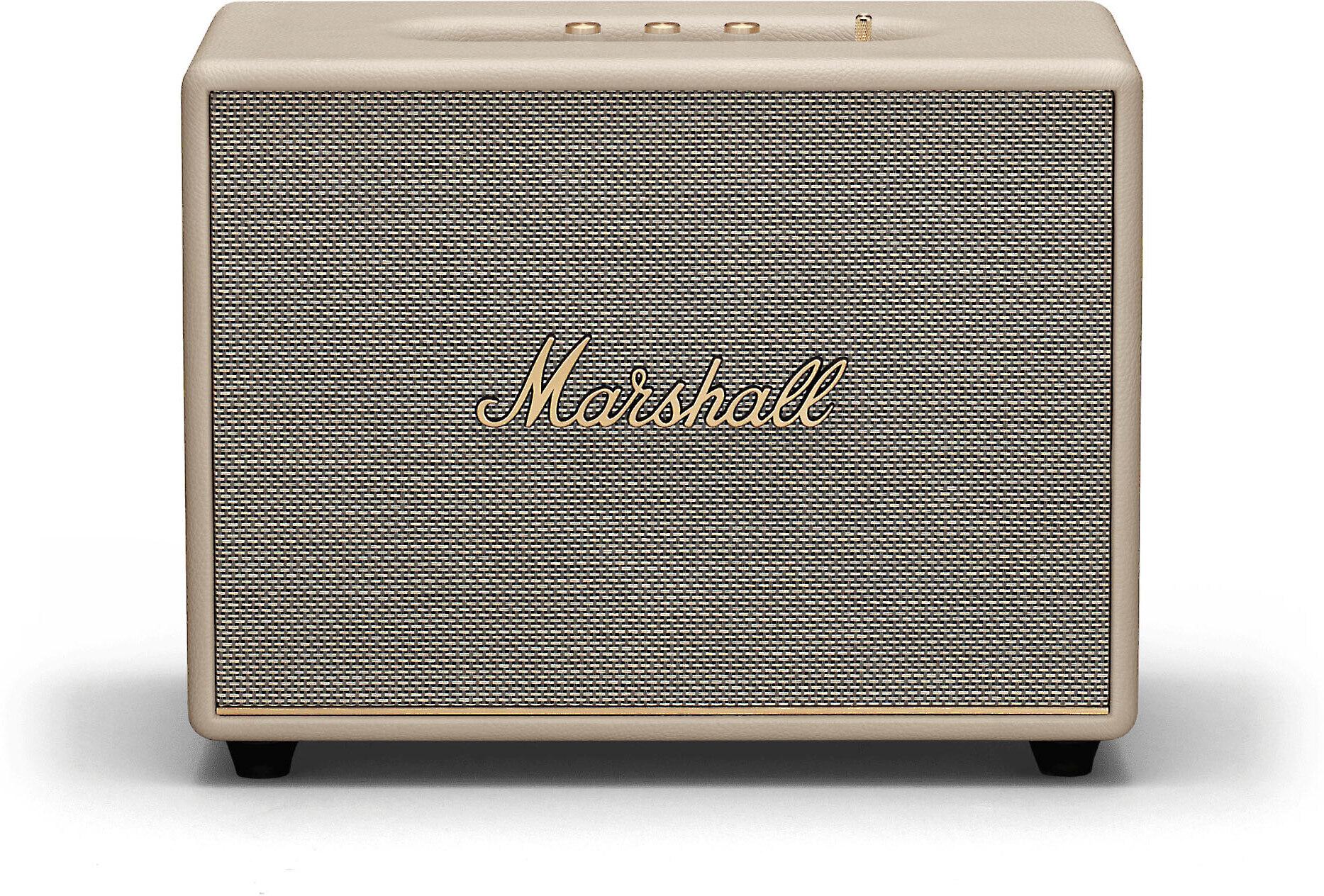
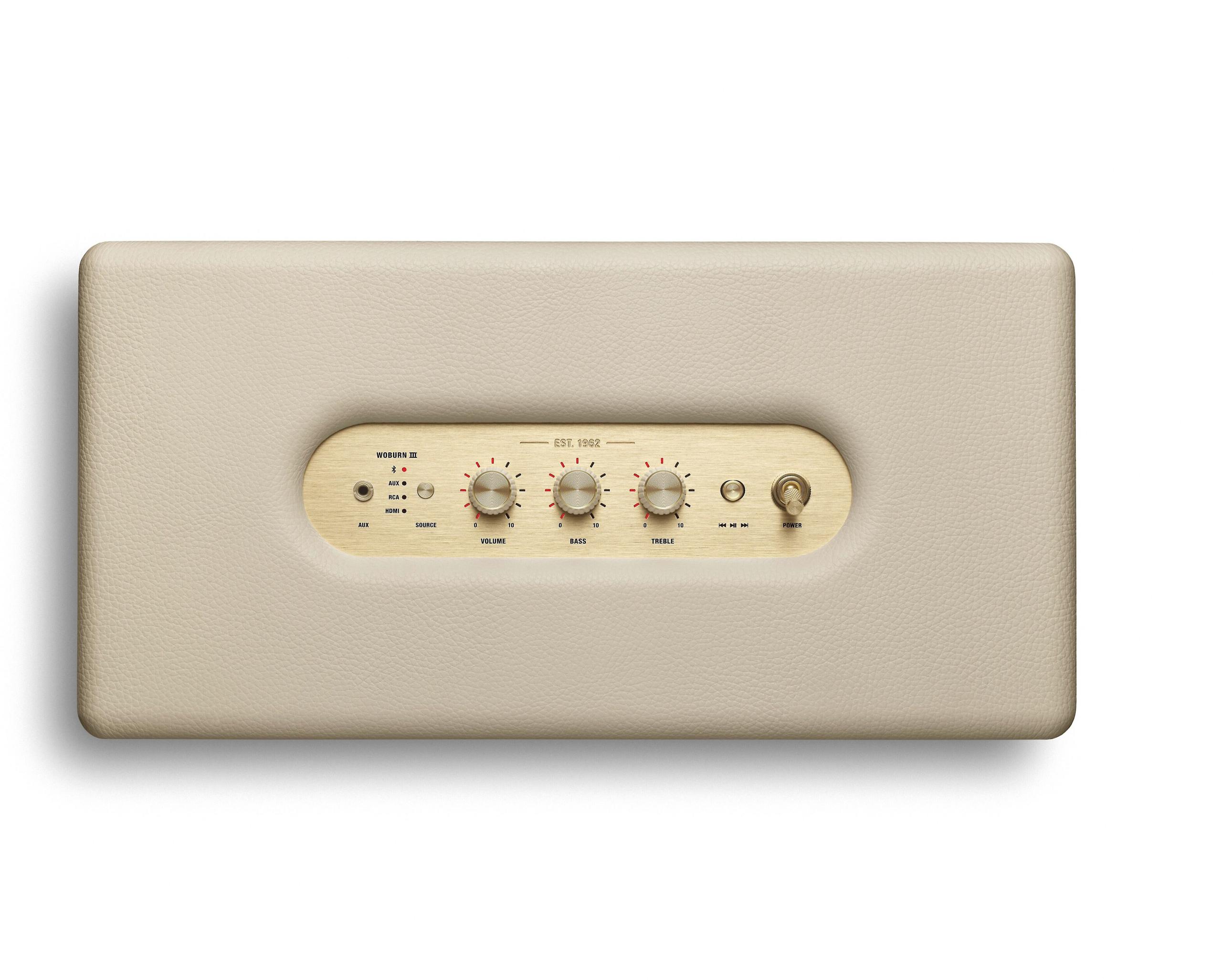
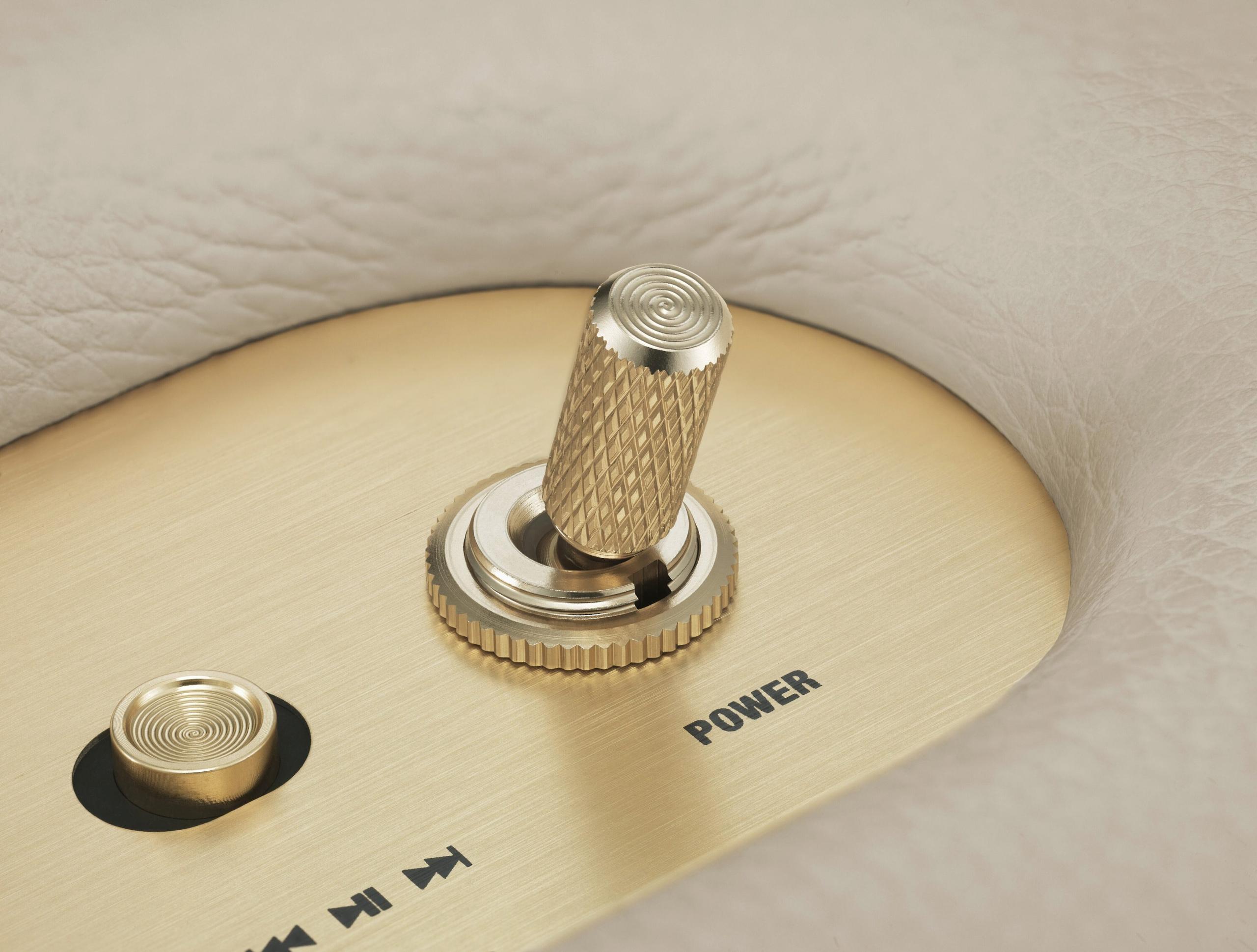
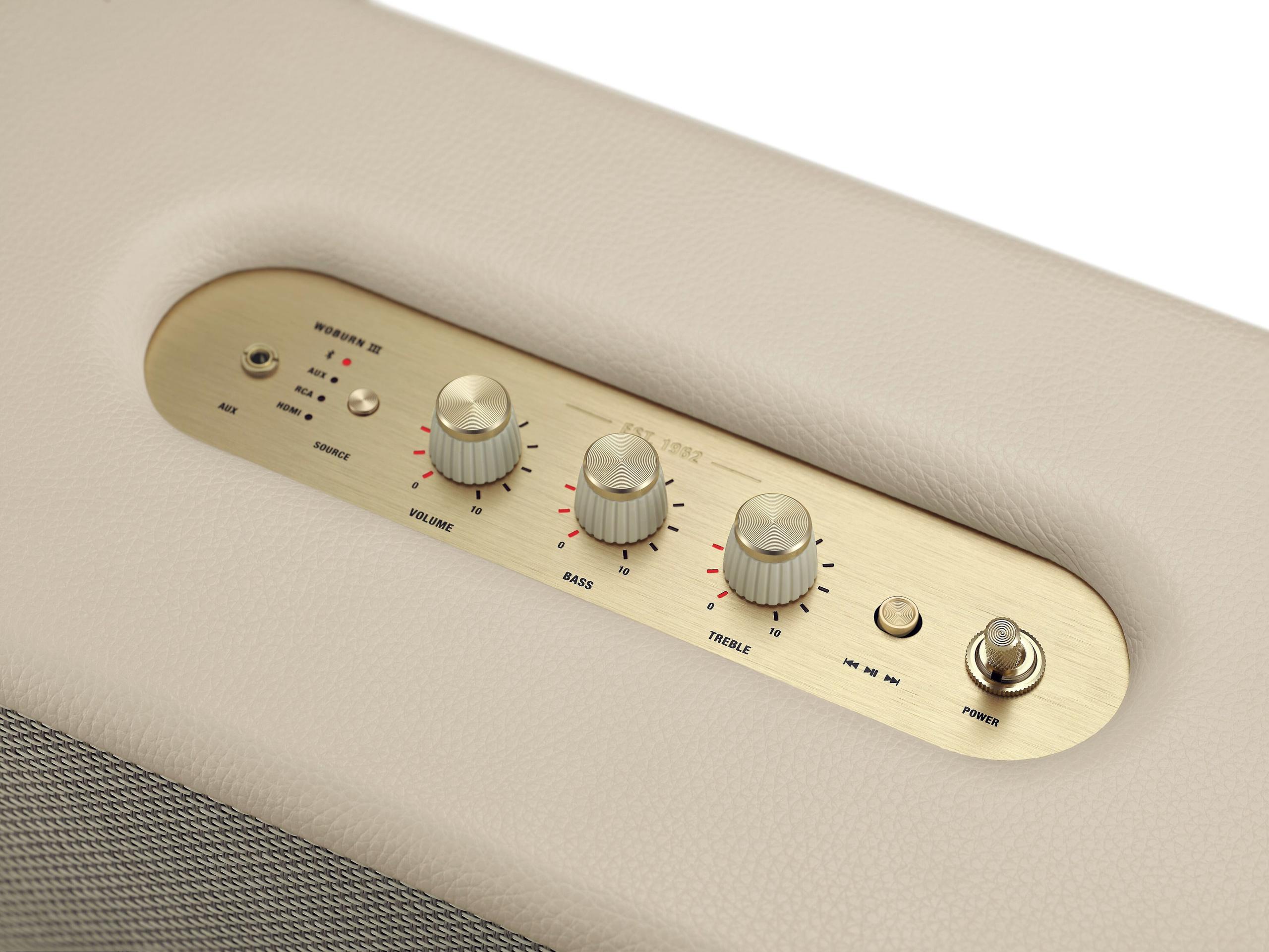
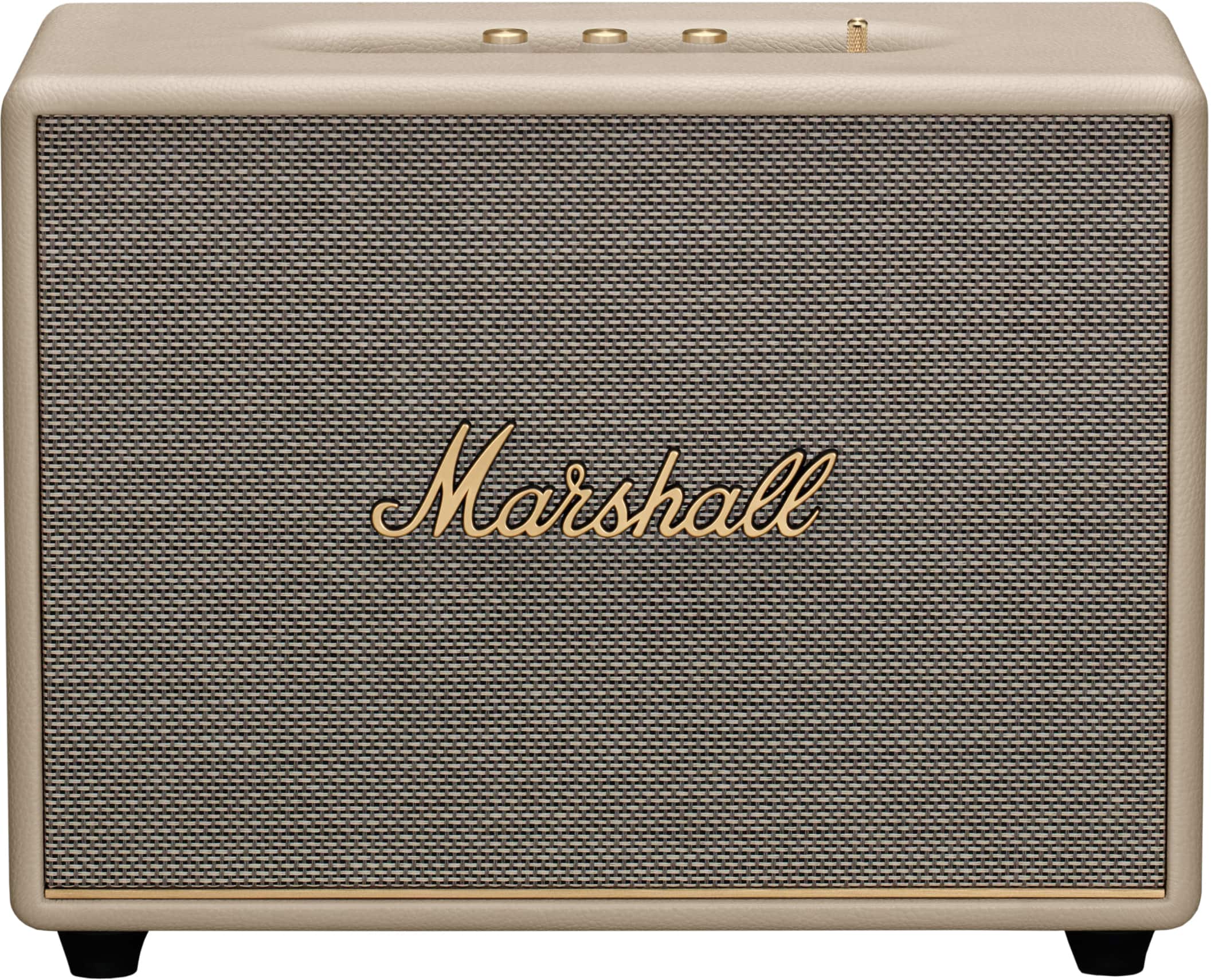




When it comes to Bluetooth speakers, we're looking at two very different approaches with the Marshall Woburn III ($579.99) and the JBL Clip 4 ($33.20). Released in summer 2022 and late 2020 respectively, these speakers represent opposite ends of the Bluetooth audio spectrum. Let's dive into what makes each unique and who they're best for.
Bluetooth speakers have evolved significantly over the past decade. They now range from tiny portable units that fit in your pocket to substantial home audio solutions that can serve as primary sound systems. While they all share the basic function of playing audio wirelessly, the use cases and performance characteristics vary dramatically.
The fundamental decision comes down to how you'll use the speaker. Are you looking for something to power your living room entertainment, or do you need a rugged companion for your outdoor adventures? This primary use case should drive your decision more than any other factor.
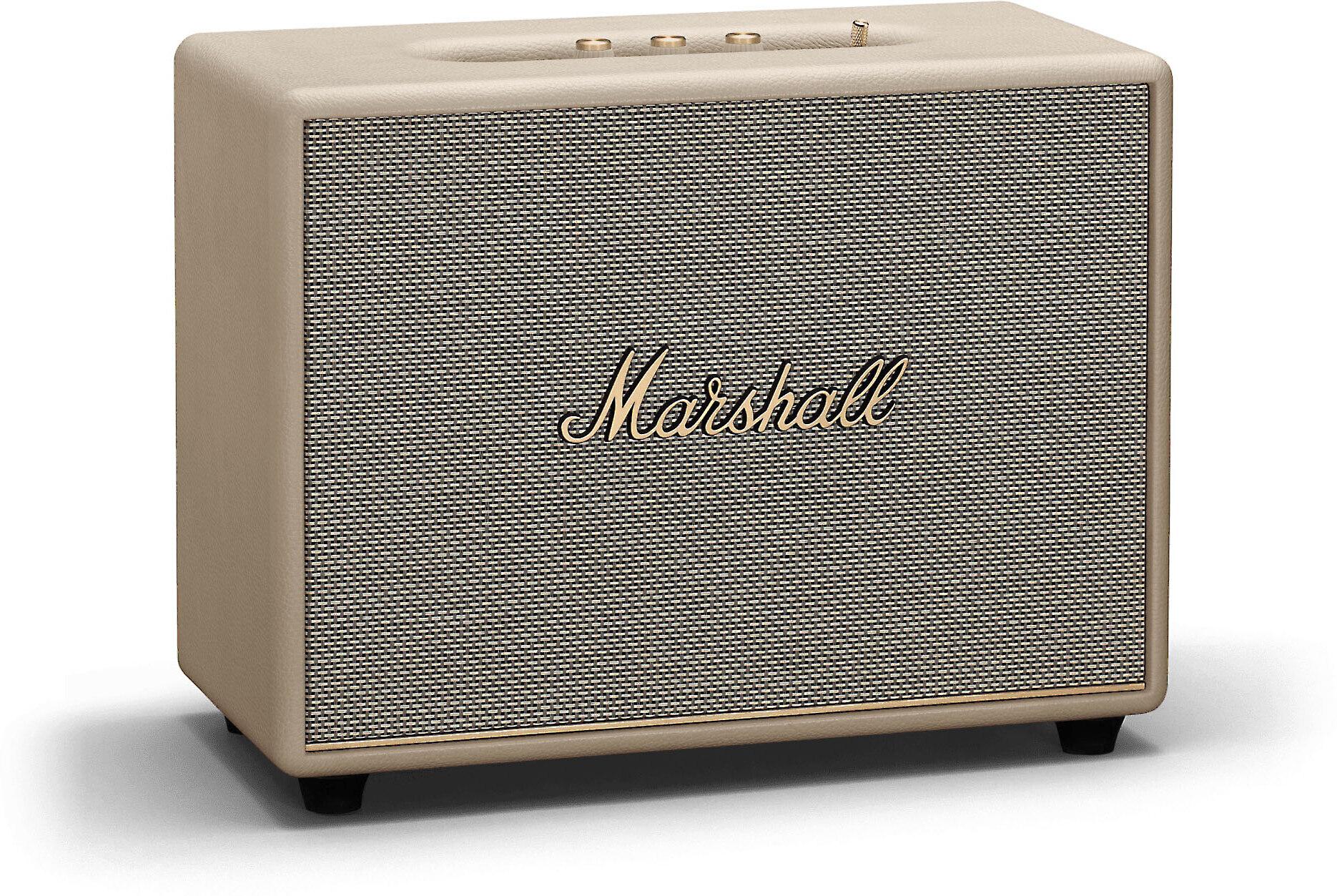
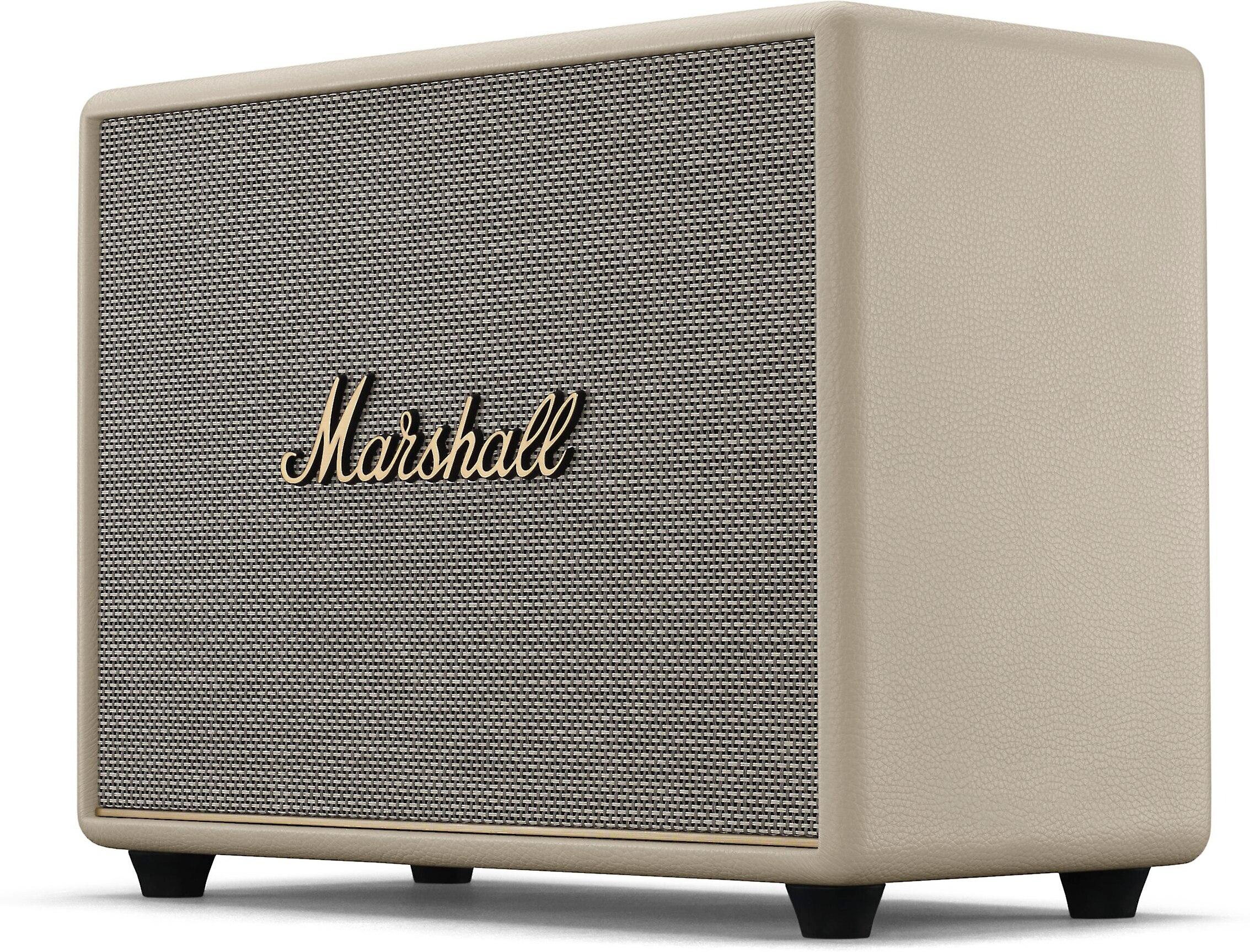
The Marshall Woburn III brings serious audio firepower with its 150-watt system, featuring a three-way speaker design (meaning separate drivers handle low, mid, and high frequencies). This approach results in clearer, more detailed sound across the frequency spectrum. The 6-inch woofer handles the low end, while two 2-inch midrange drivers and two 0.75-inch tweeters manage the middle and high frequencies respectively.
In contrast, the JBL Clip 4 utilizes a single driver with 5 watts of power. While JBL has done an impressive job tuning this small speaker, physics simply limits what's possible in such a compact form factor. The Clip 4's frequency response starts at 100Hz, meaning you'll miss the deepest bass notes, while the Woburn III extends down to 35Hz, delivering those room-shaking low frequencies.
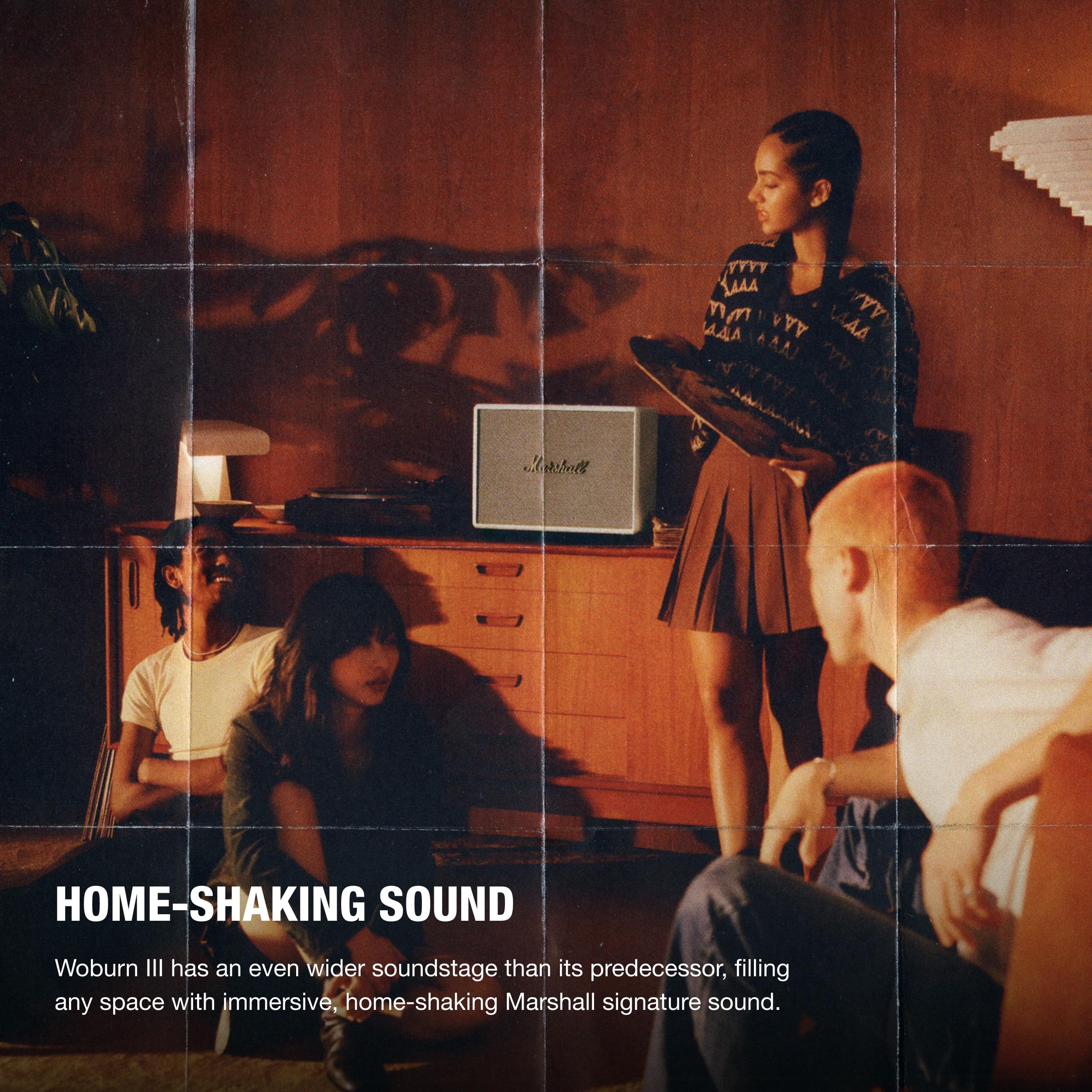
The Woburn III's power and driver configuration allow it to fill large rooms with ease. Its waveguide design (special chambers that help direct sound) spreads audio wider than traditional speakers, creating an immersive listening experience. The speaker's Dynamic Loudness feature automatically adjusts frequency balance at different volumes, ensuring music sounds full even at lower levels.
The Clip 4, while not designed for room-filling sound, excels in near-field listening - when you're close to the speaker. It's perfect for personal listening or small group settings outdoors, but don't expect it to power your next house party.
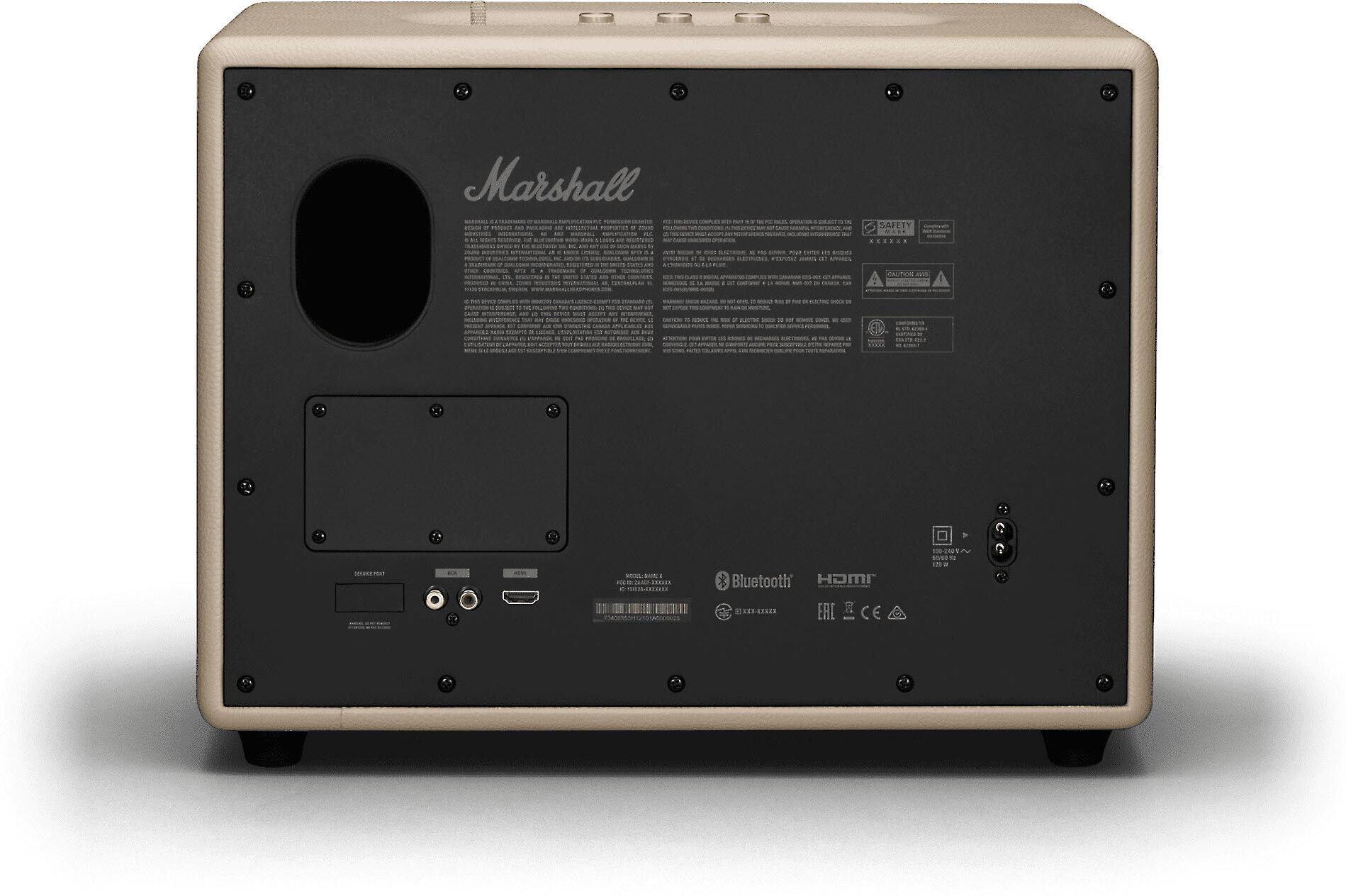
If you're considering either speaker for TV use, the Woburn III has a clear advantage with its HDMI-ARC support. This feature lets you connect the speaker directly to your TV and control everything with your TV remote. The speaker can handle high-resolution audio up to 24-bit/96kHz through this connection, meaning you'll get excellent sound quality for movies and shows.
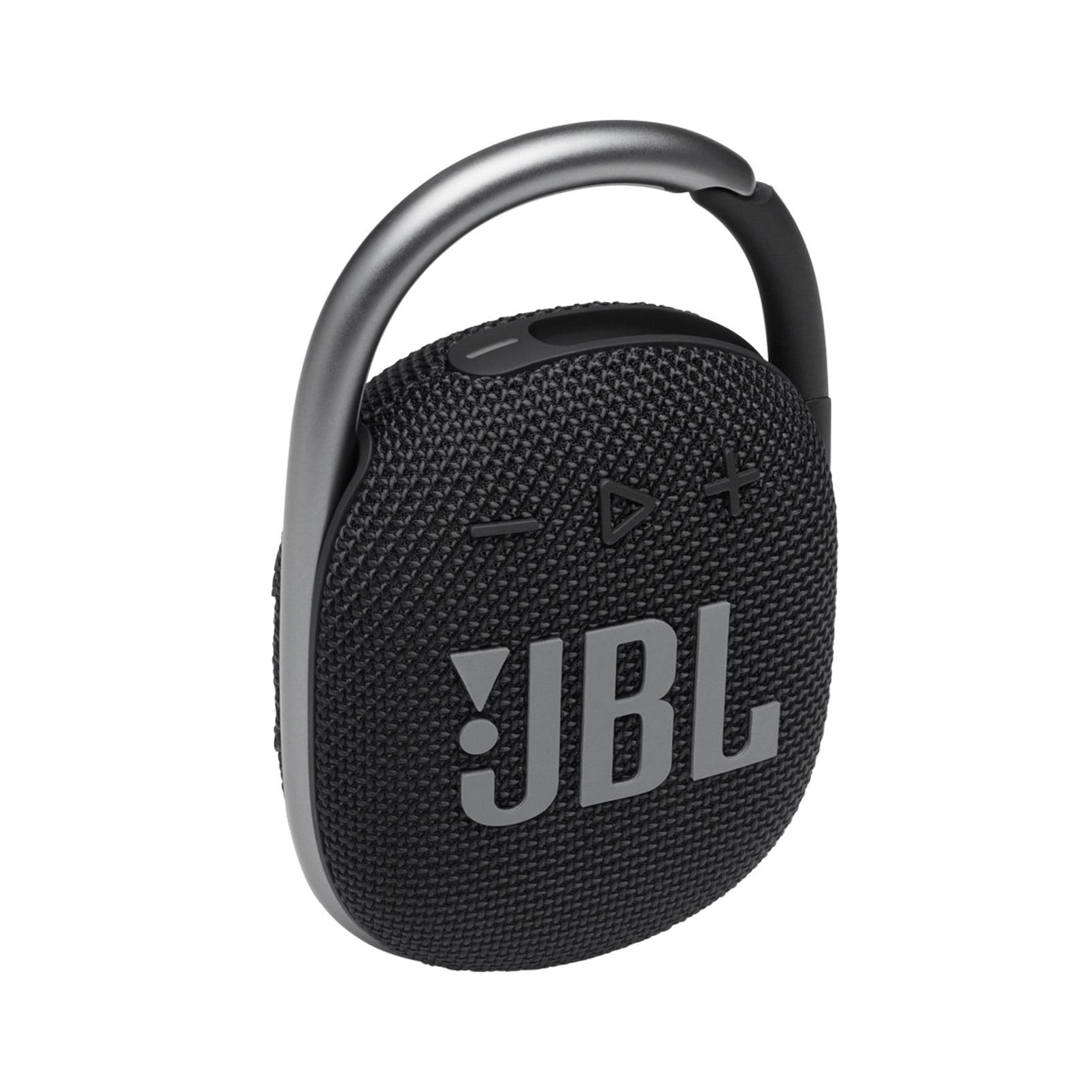
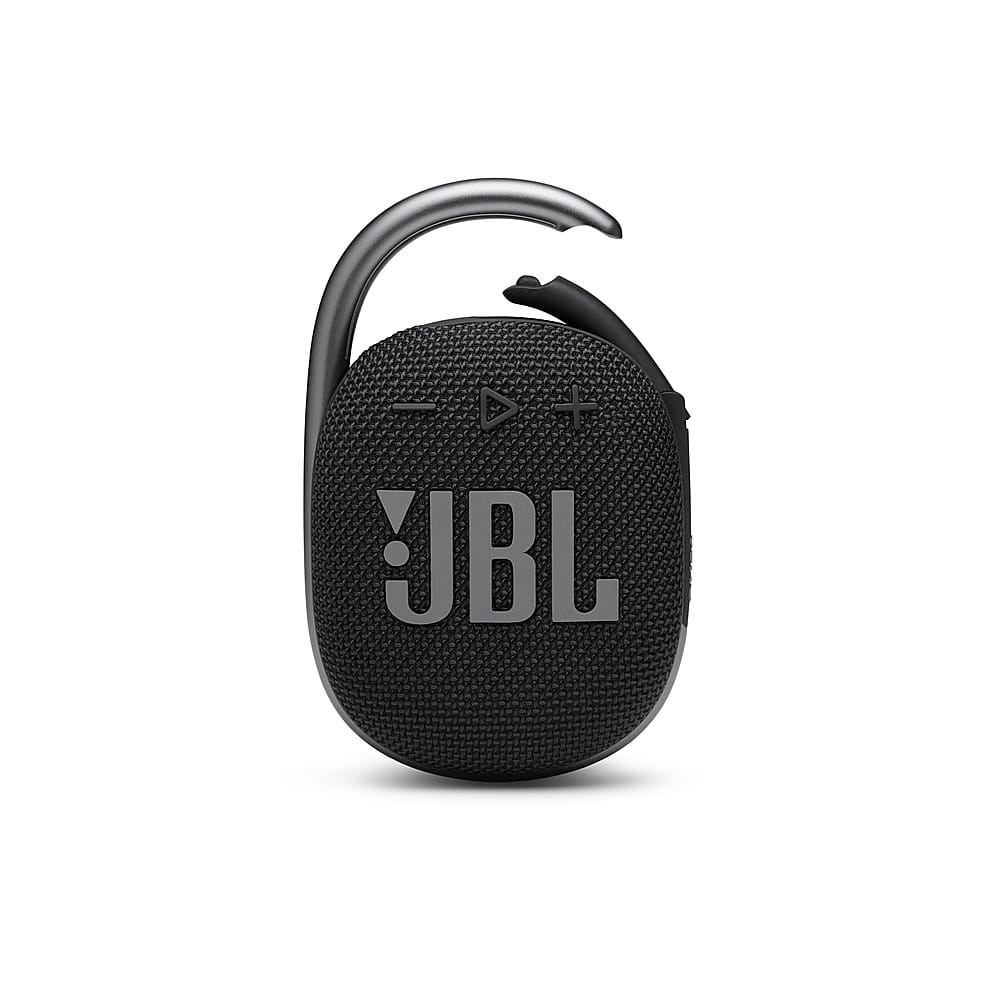
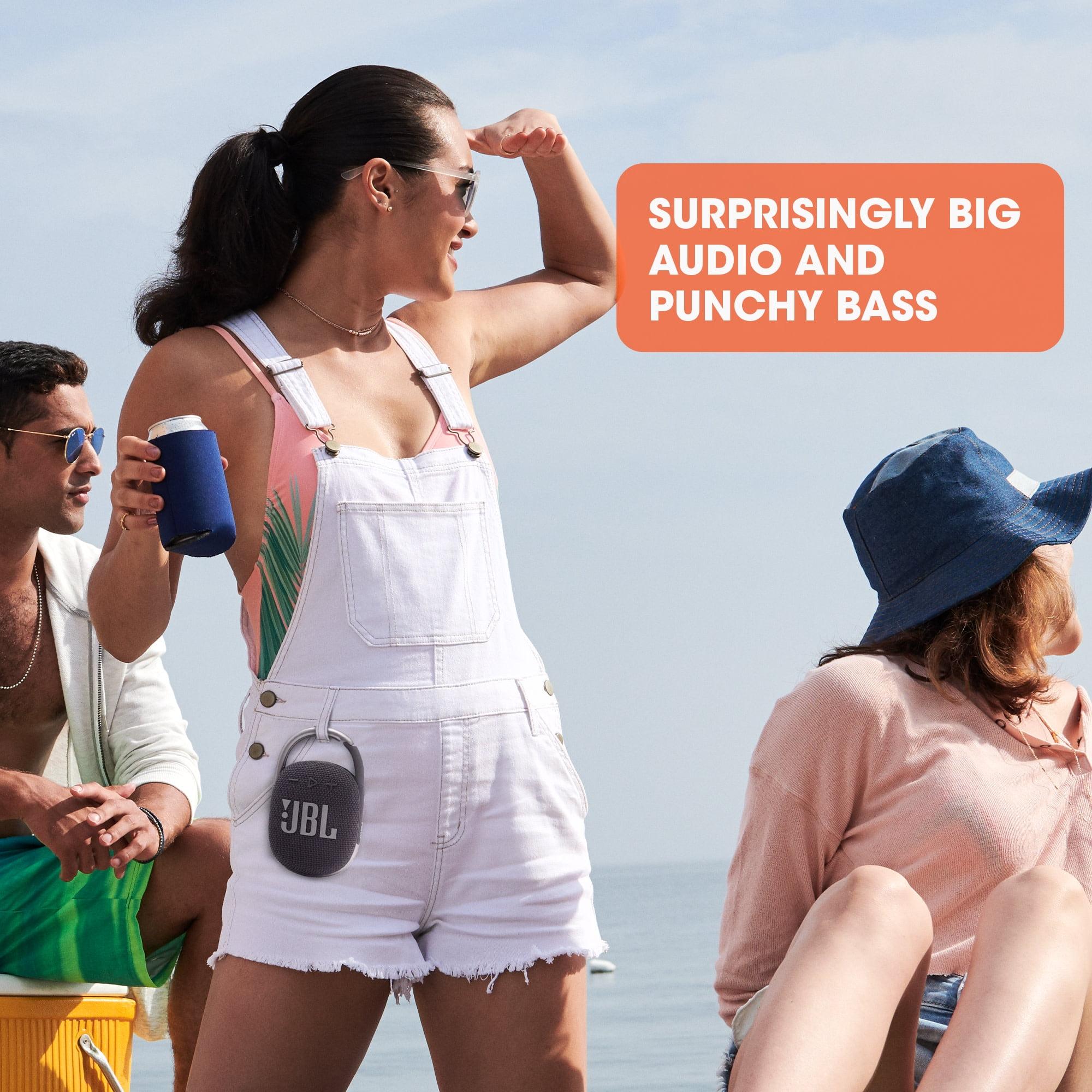
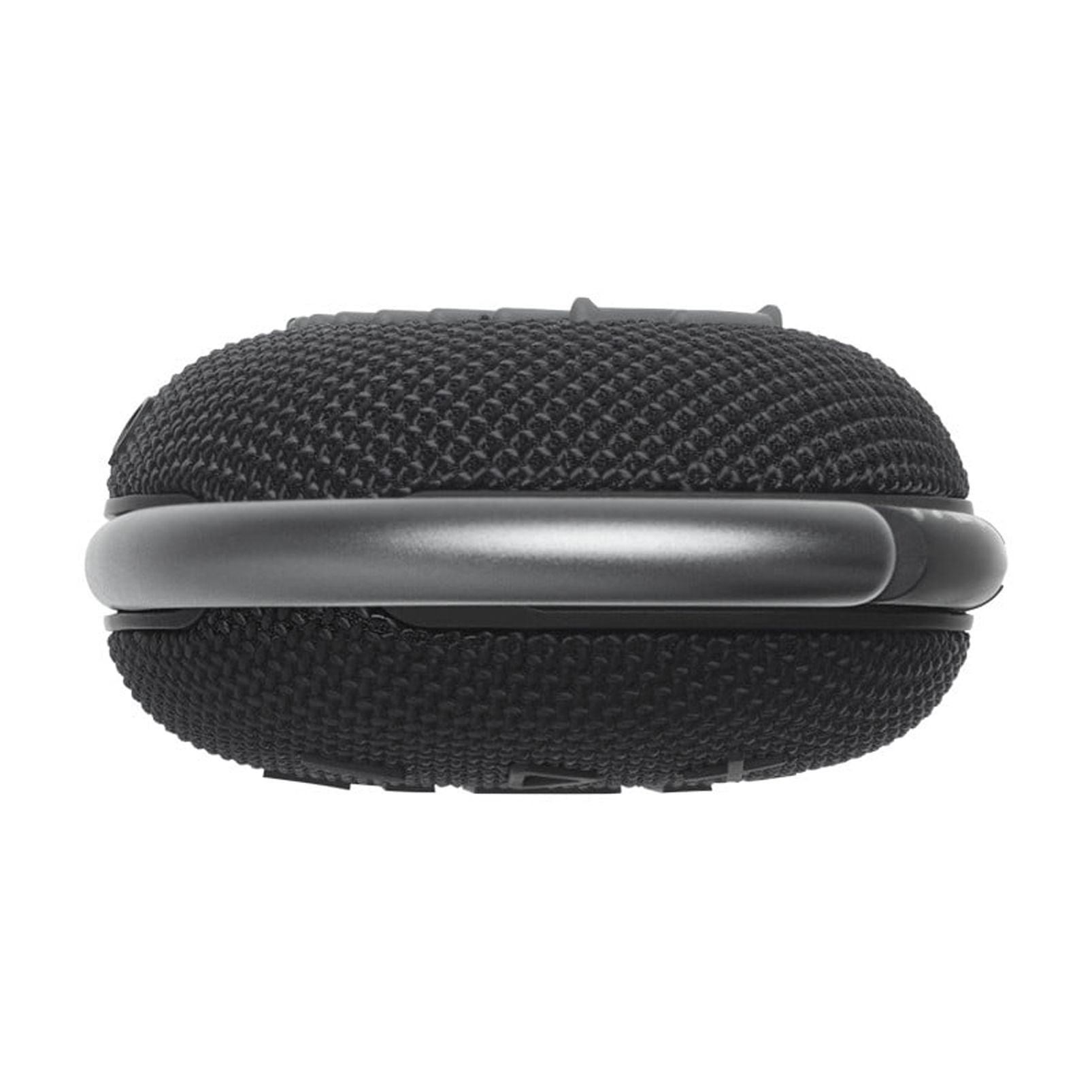
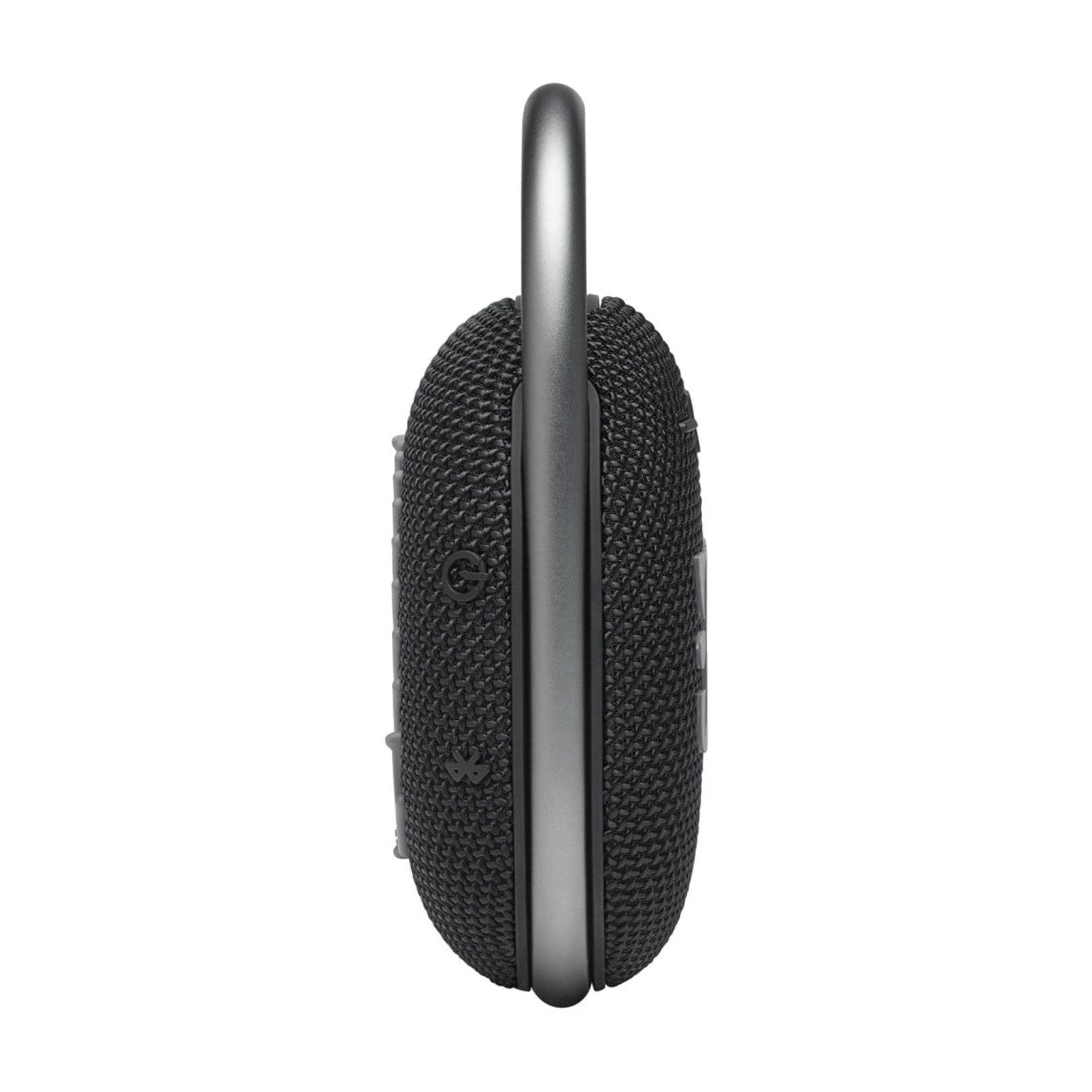
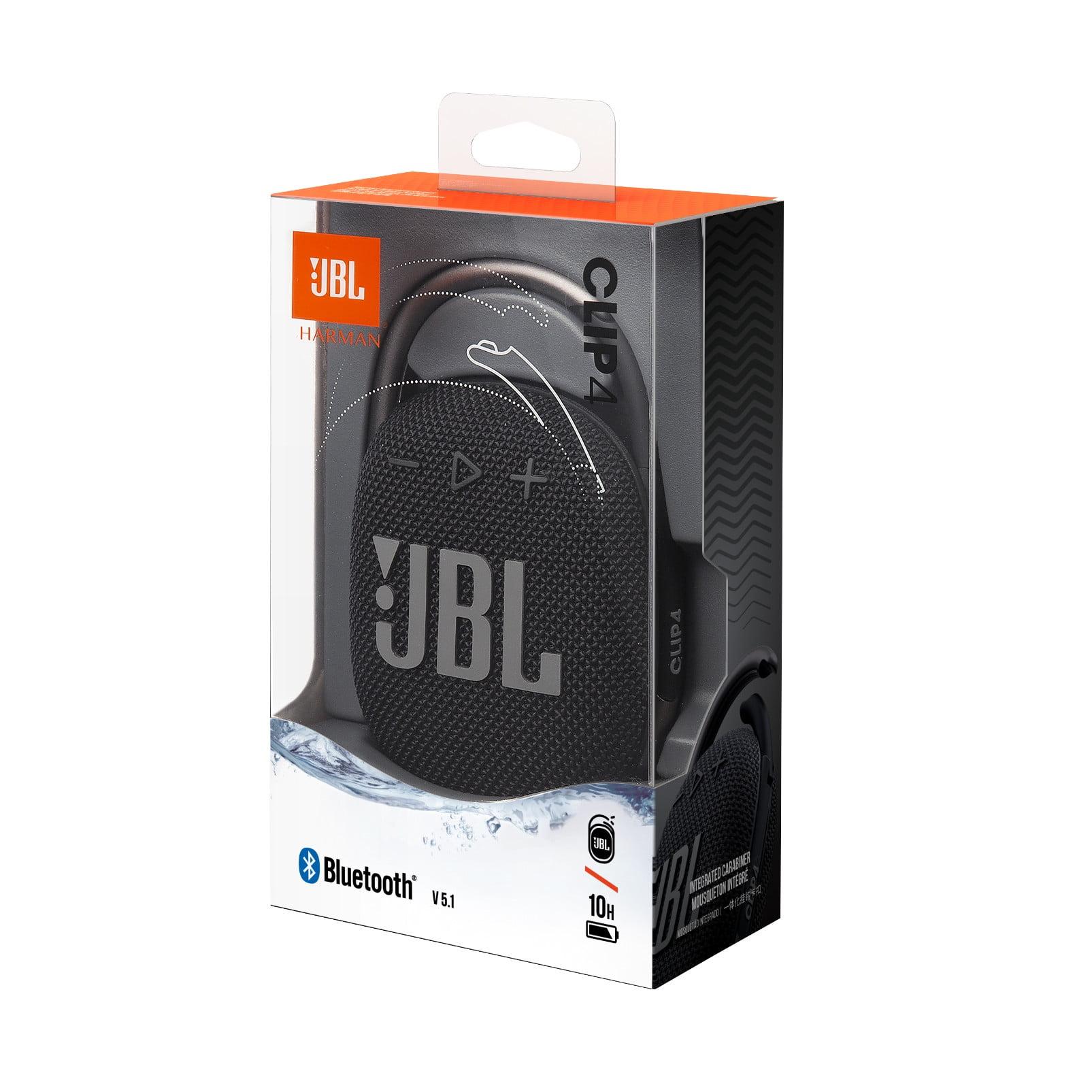
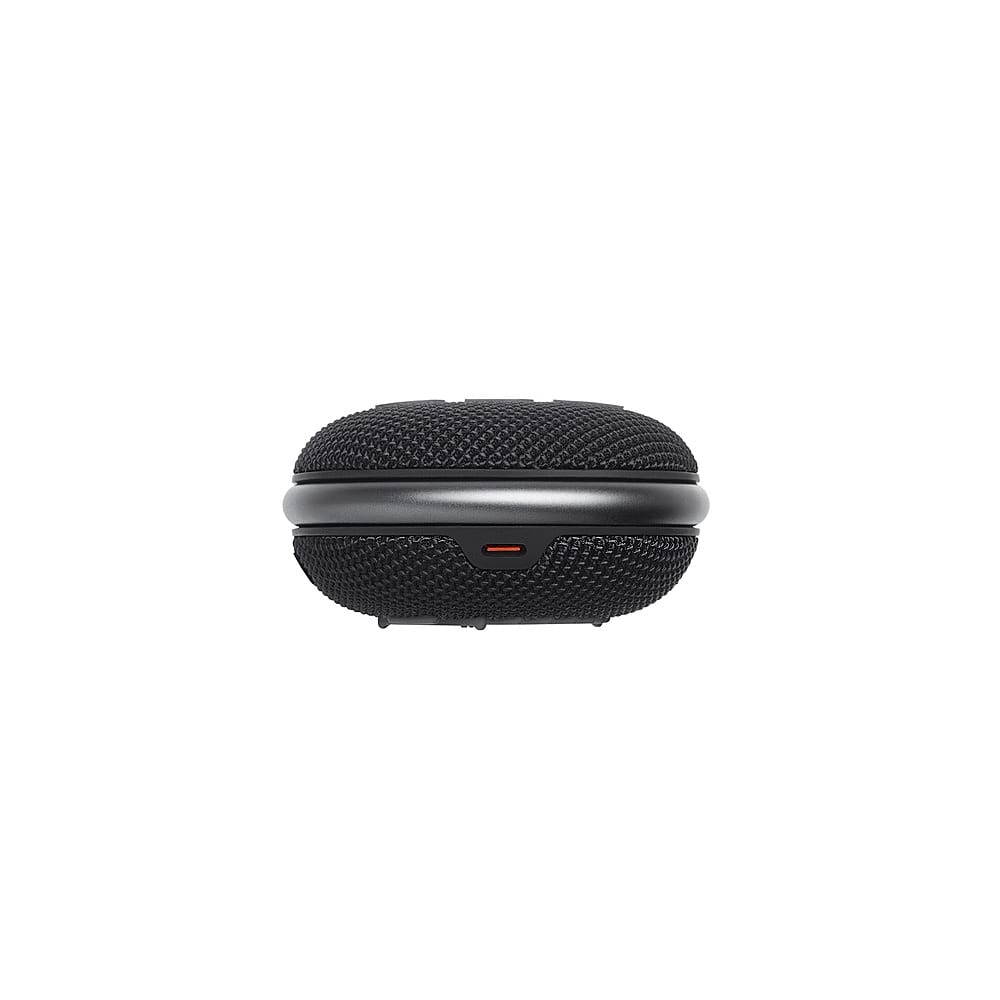
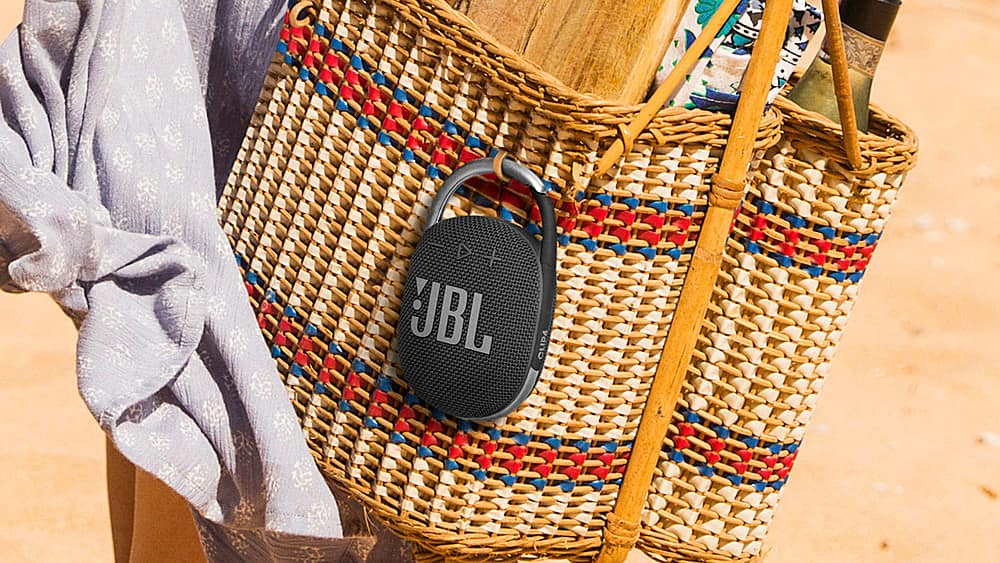
The Clip 4's brilliant design includes an integrated carabiner that's actually part of the speaker's frame, not just an add-on. At just over half a pound, you can clip it to a backpack or belt loop and forget it's there. The IP67 rating means it's both dustproof and can be submerged in water up to 1 meter deep for 30 minutes - perfect for pool parties or beach days.
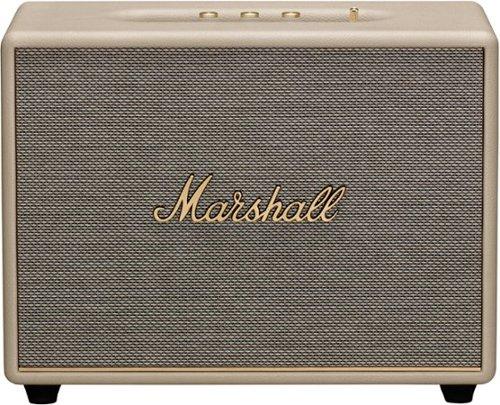
The Woburn III, weighing in at 16.42 pounds, is clearly designed to stay put. It's a piece of home audio furniture, with classic Marshall amp styling that makes it as much a statement piece as a speaker. While it's well-built, it's not designed for outdoor use or frequent moving.
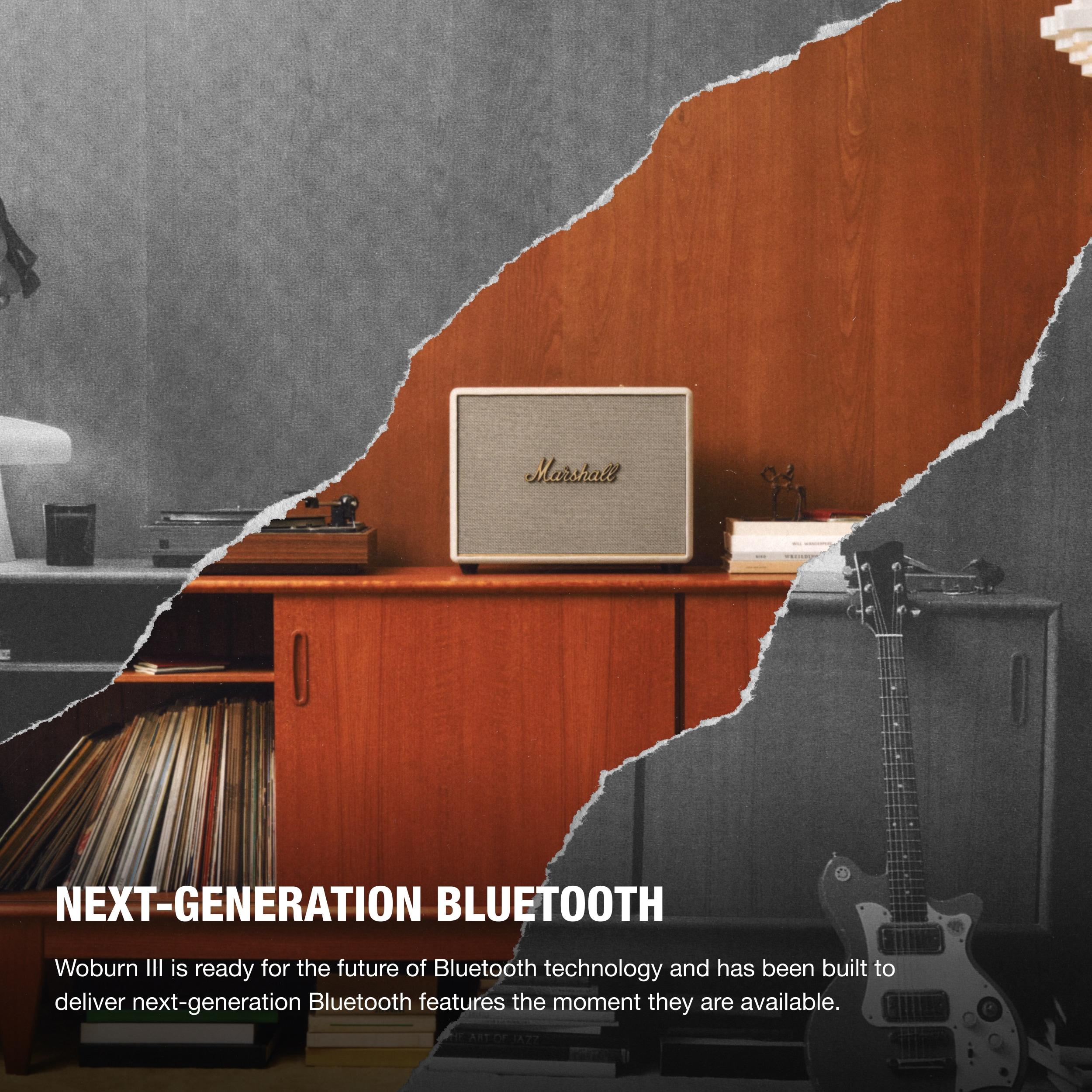
Here's where we see more of the Woburn III's versatility shine. Beyond Bluetooth 5.2, it offers:
The Clip 4 keeps it simple with just Bluetooth 5.1 connectivity. While this might seem limiting, it aligns with the speaker's portable nature and helps maintain its water resistance.
The Marshall Woburn III represents a significant investment at $579.99, but it's competing with traditional home audio systems that often cost much more. Its ability to serve as both a music system and TV speaker adds to its value proposition. The sound quality and power rival some entry-level home theater receivers and speaker combinations.
The JBL Clip 4 at $33.20 (current sale price) delivers impressive value for its intended use. While you can find cheaper portable speakers, few match its combination of sound quality, durability, and thoughtful design features.
Consider these key factors when making your choice:
For the Marshall Woburn III:
For the JBL Clip 4:
Remember, these aren't competing products so much as different tools for different jobs. The best choice depends entirely on your specific needs and use cases.
Both products have seen meaningful improvements over their predecessors. The Woburn III added HDMI-ARC support and improved its driver design for better sound dispersion, while the Clip 4 enhanced its durability and simplified its design compared to the Clip 3.
In my experience, having both types of speakers makes sense for many people - a quality home system for daily use and a portable option for travel and outdoor activities. But if you must choose one, let your primary use case guide your decision rather than trying to find a compromise that might disappoint in both scenarios.
| Marshall Woburn III ($579.99) | JBL Clip 4 ($33.20) |
|---|---|
| Power Output - Determines volume capability and sound fullness | |
| 150W total (90W woofer, 2x15W mid, 2x15W tweeter) | 5W single driver |
| Size - Consider your space and portability needs | |
| 15.75" x 12.5" x 9" (16.42 lbs) | 3.4" x 5.3" x 1.8" (0.53 lbs) |
| Frequency Response - Range of sound reproduction | |
| 35Hz - 20kHz (full bass extension) | 100Hz - 20kHz (limited bass) |
| Connectivity Options - Flexibility for different sources | |
| Bluetooth 5.2, HDMI ARC, RCA, 3.5mm | Bluetooth 5.1 only |
| Environmental Rating - Durability and use cases | |
| Indoor use only | IP67 waterproof/dustproof |
| Battery Life - Portable usage time | |
| AC powered only | 10 hours playback |
| Sound Features - Audio enhancement capabilities | |
| Dynamic loudness, placement compensation, night mode | Standard EQ |
| Driver Configuration - Impact on sound quality | |
| 3-way system: 6" woofer, 2x2" mid, 2x0.75" tweeters | Single full-range driver |
| Special Features - Additional functionality | |
| TV connection via HDMI, multi-device pairing, app control | Integrated carabiner, ultra-portable design |
| Primary Use Case - Best suited for | |
| Home audio system, TV sound enhancement | Portable audio, outdoor activities, travel |
The Marshall Woburn III ($579.99) is a powerful home audio speaker, while the JBL Clip 4 ($33.20) is an ultra-portable outdoor speaker. They serve completely different purposes, with the Woburn III focusing on room-filling sound and the Clip 4 on portability.
The Marshall Woburn III has significantly better sound quality with its 150W system and three-way speaker design. The JBL Clip 4 has good sound for its size but can't compete with the larger speaker's audio capabilities.
The Marshall Woburn III has HDMI-ARC connection for TV use, making it a good TV speaker option. The JBL Clip 4 can only connect via Bluetooth, which isn't ideal for TV viewing due to potential audio delay.
The JBL Clip 4 is specifically designed for outdoor use with IP67 waterproofing and a rugged design. The Marshall Woburn III is not suitable for outdoor use.
The JBL Clip 4 offers 10 hours of battery life. The Marshall Woburn III doesn't have a battery - it requires constant AC power.
The Marshall Woburn III is better for indoor parties with its powerful sound system. The JBL Clip 4 is better for small outdoor gatherings or personal listening.
The Marshall Woburn III supports connecting two Bluetooth devices simultaneously. The JBL Clip 4 can only connect to one device at a time.
The Marshall Woburn III has significantly better bass response, reaching down to 35Hz with its 6-inch woofer. The JBL Clip 4's small size limits its bass capabilities, starting at 100Hz.
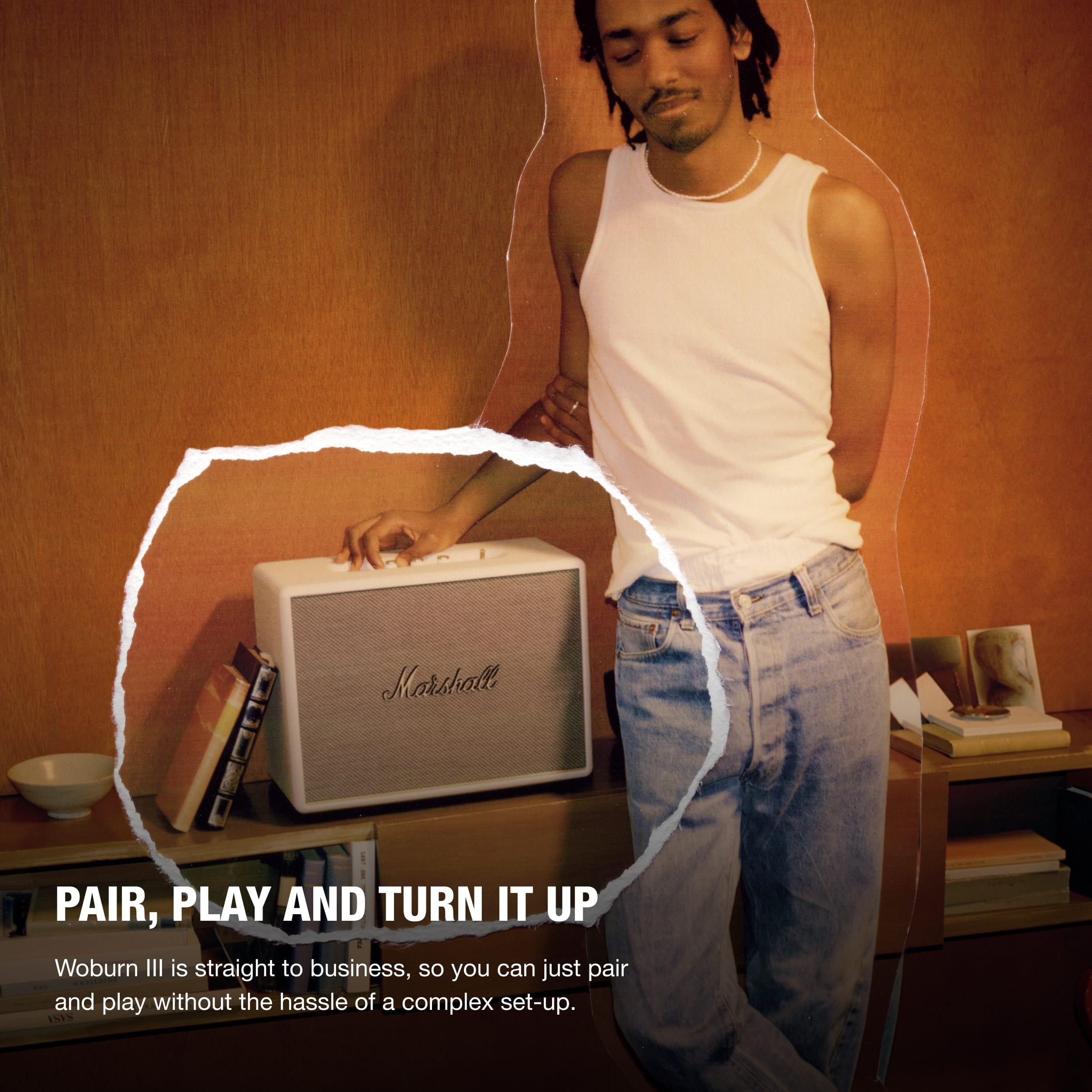
Both speakers are simple to set up. The JBL Clip 4 just needs Bluetooth pairing, while the Marshall Woburn III requires placement consideration and optional app setup for advanced features.
It depends on your needs - the JBL Clip 4 offers excellent value for portable use, while the Marshall Woburn III justifies its higher price through superior sound quality and versatility.
The JBL Clip 4 is perfect for traveling with its lightweight design and carabiner clip. The Marshall Woburn III is not designed for travel use.
For primary home audio use, the Marshall Woburn III is the better choice with its superior sound quality and connectivity options. The JBL Clip 4 is better as a supplementary portable speaker.
We've done our best to create useful and informative comparisons to help you decide what product to buy. Our research uses advanced automated methods to create this comparison and perfection is not possible - please contact us for corrections or questions. These are the sites we've researched in the creation of this article: bestbuy.com - crutchfield.com - rtings.com - idownloadblog.com - digit.in - crutchfield.com - epicrewards.com.ph - ione.com.kh - youtube.com - onward.ph - economictimes.indiatimes.com - youtube.com - outeraudio.com - jbl.com - rtings.com - youtube.com - jbl.com - harmanaudio.com - youtube.com - ggelectronics.com - greentoe.com - soundstagexperience.com

Privacy Policy
Terms and Conditions - Affiliate Policy
Home Security
© Copyright 2008-2026.
11816 Inwood Rd #1211, Dallas, TX 75244