

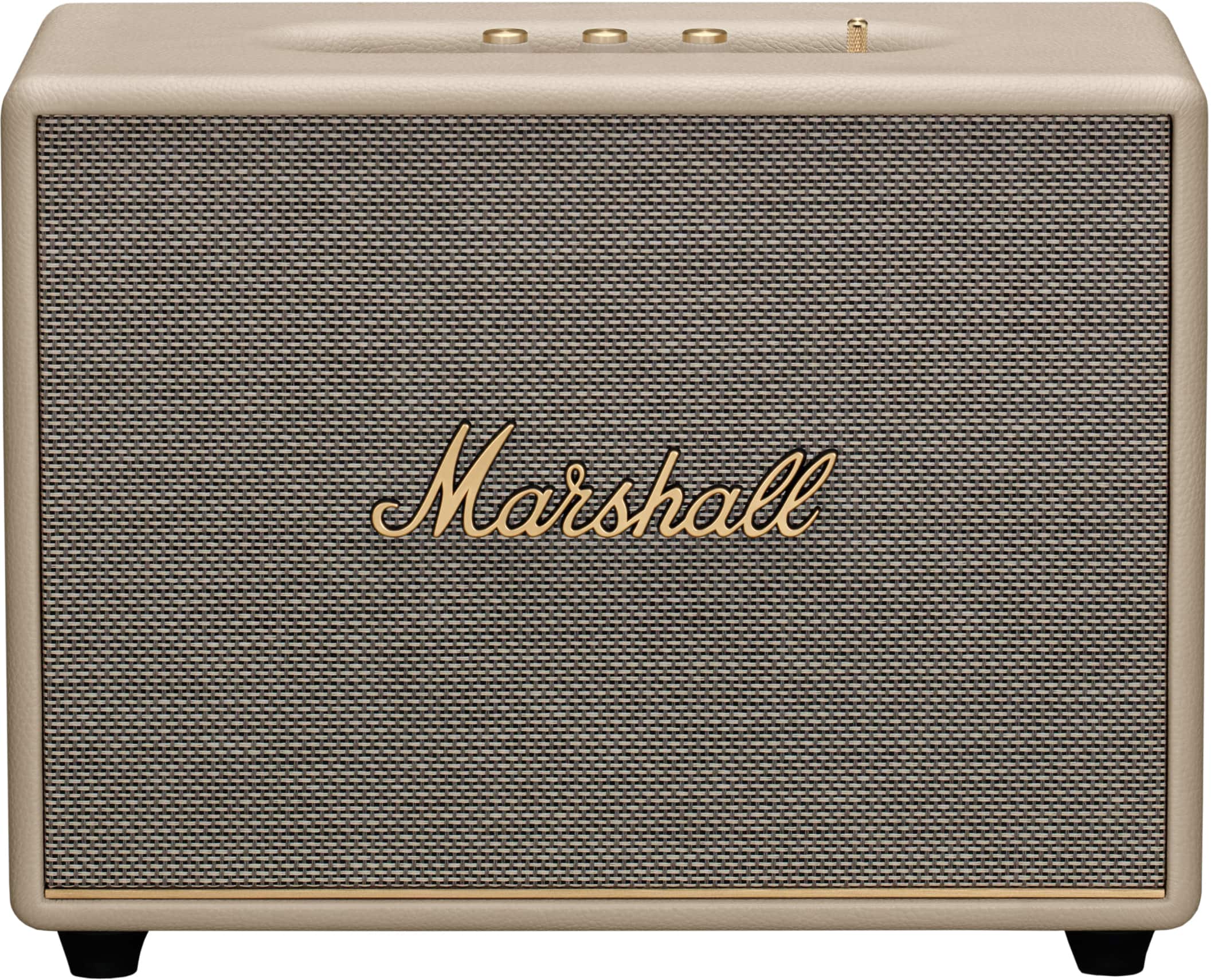

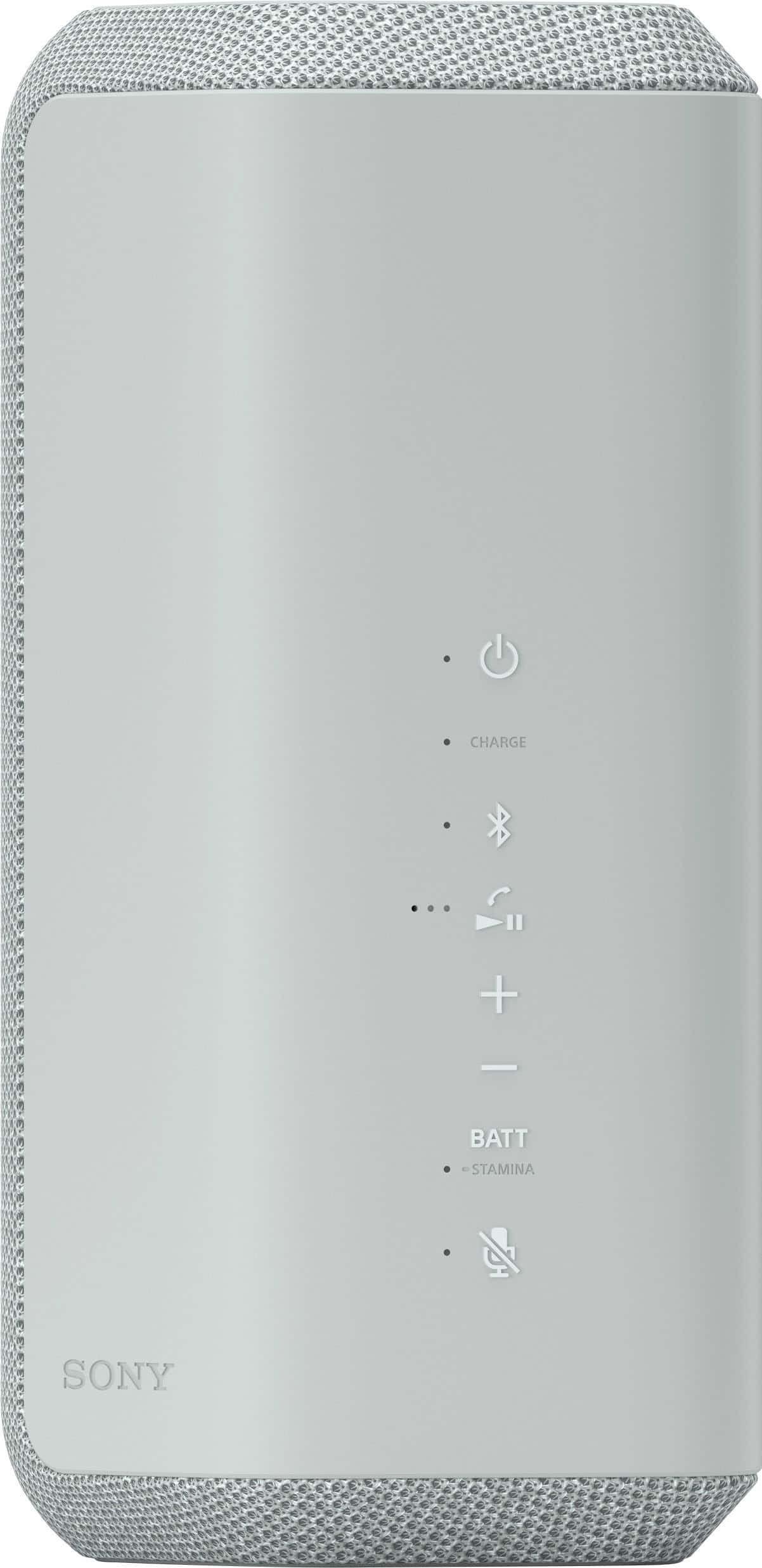
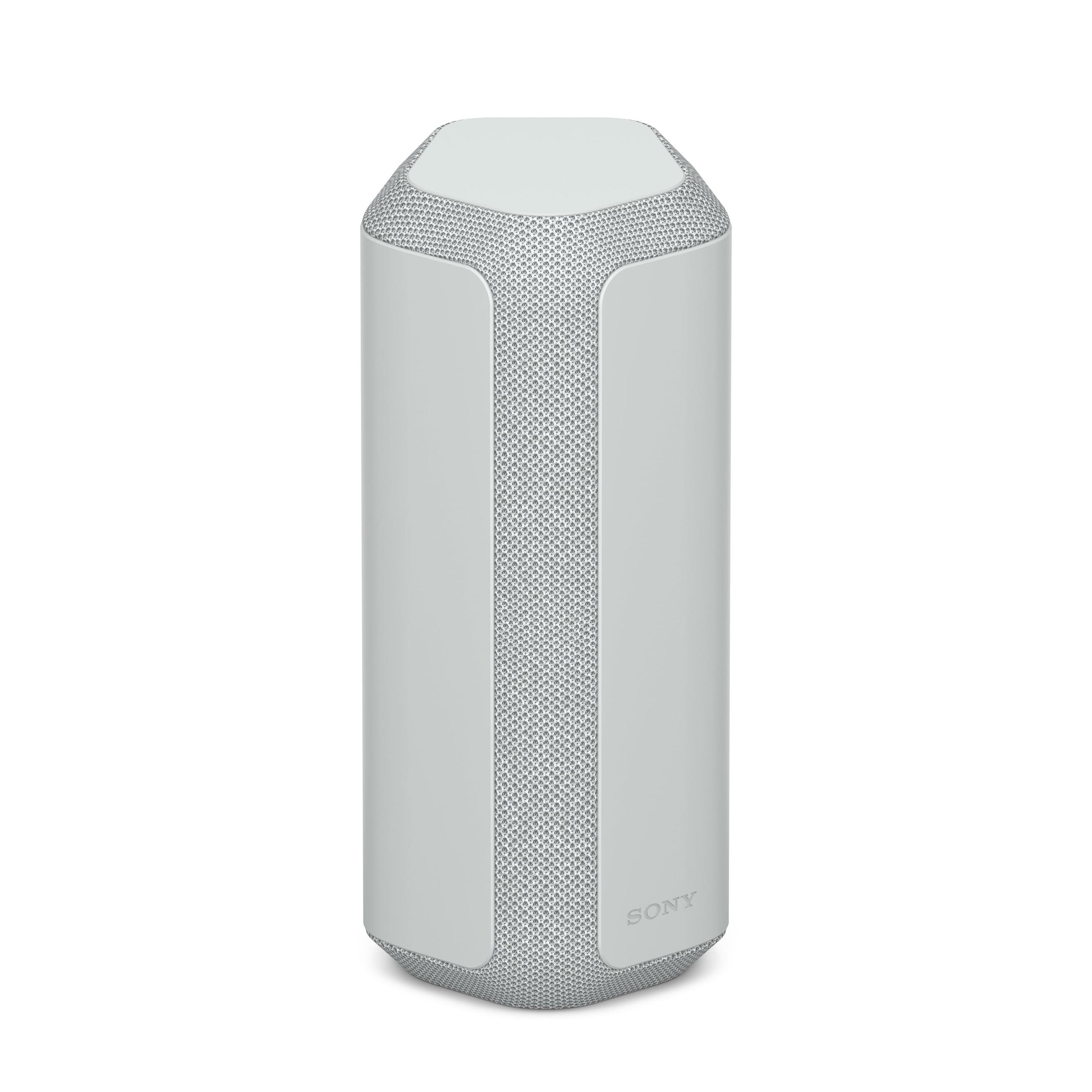




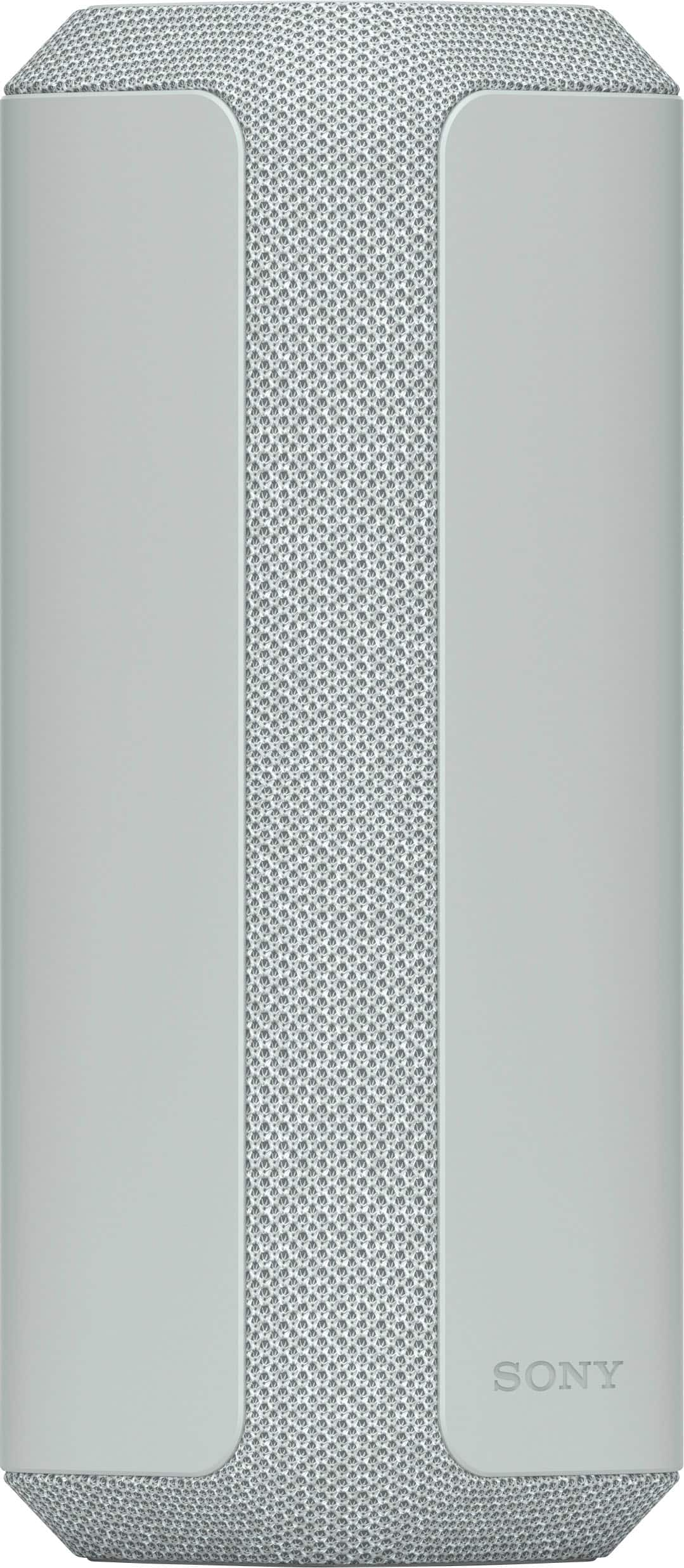
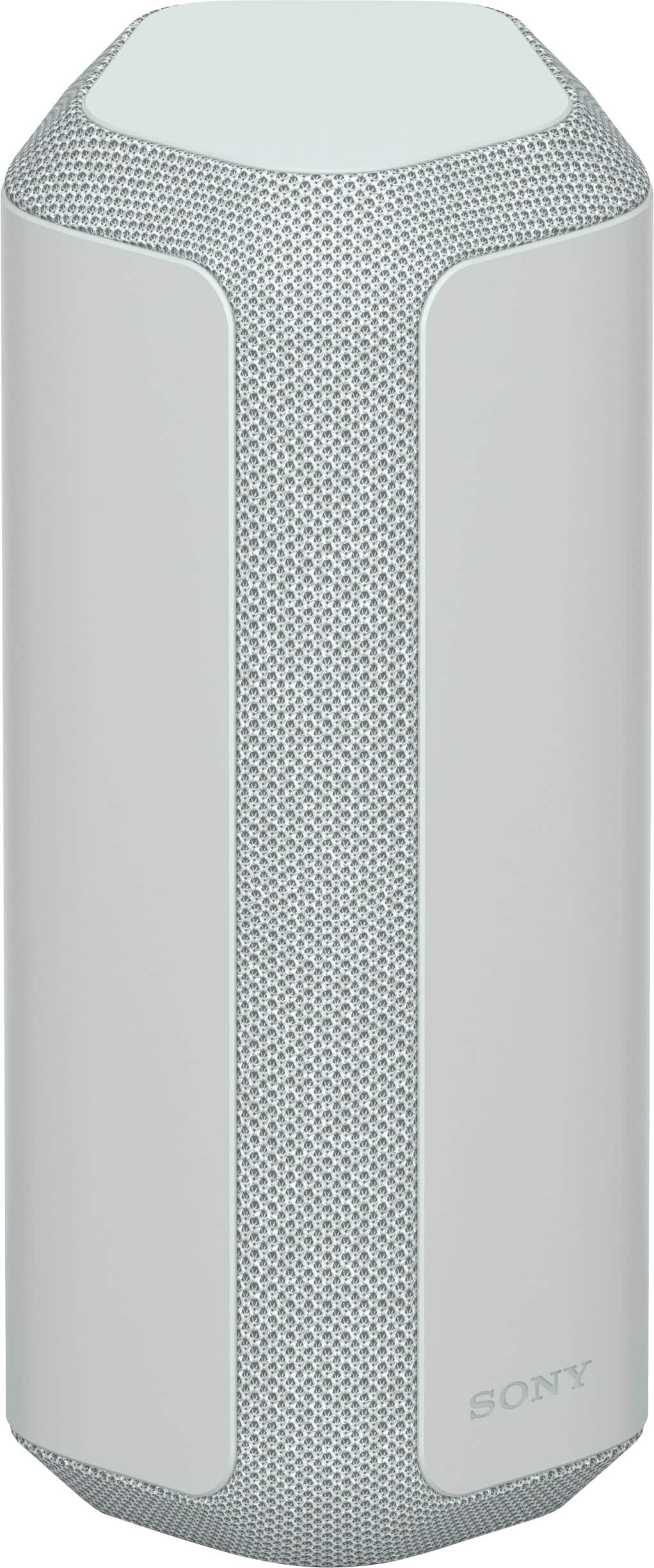
When it comes to Bluetooth speakers in 2024, the market has evolved into distinct categories that serve different needs. Let's compare two excellent but very different options: the high-end Marshall Woburn III ($579) and the portable Sony XE300 ($199).
Bluetooth speakers have come a long way from simple portable units with mediocre sound. Today's premium models rival traditional hi-fi systems, while portable speakers pack impressive technology into rugged, weather-resistant designs.
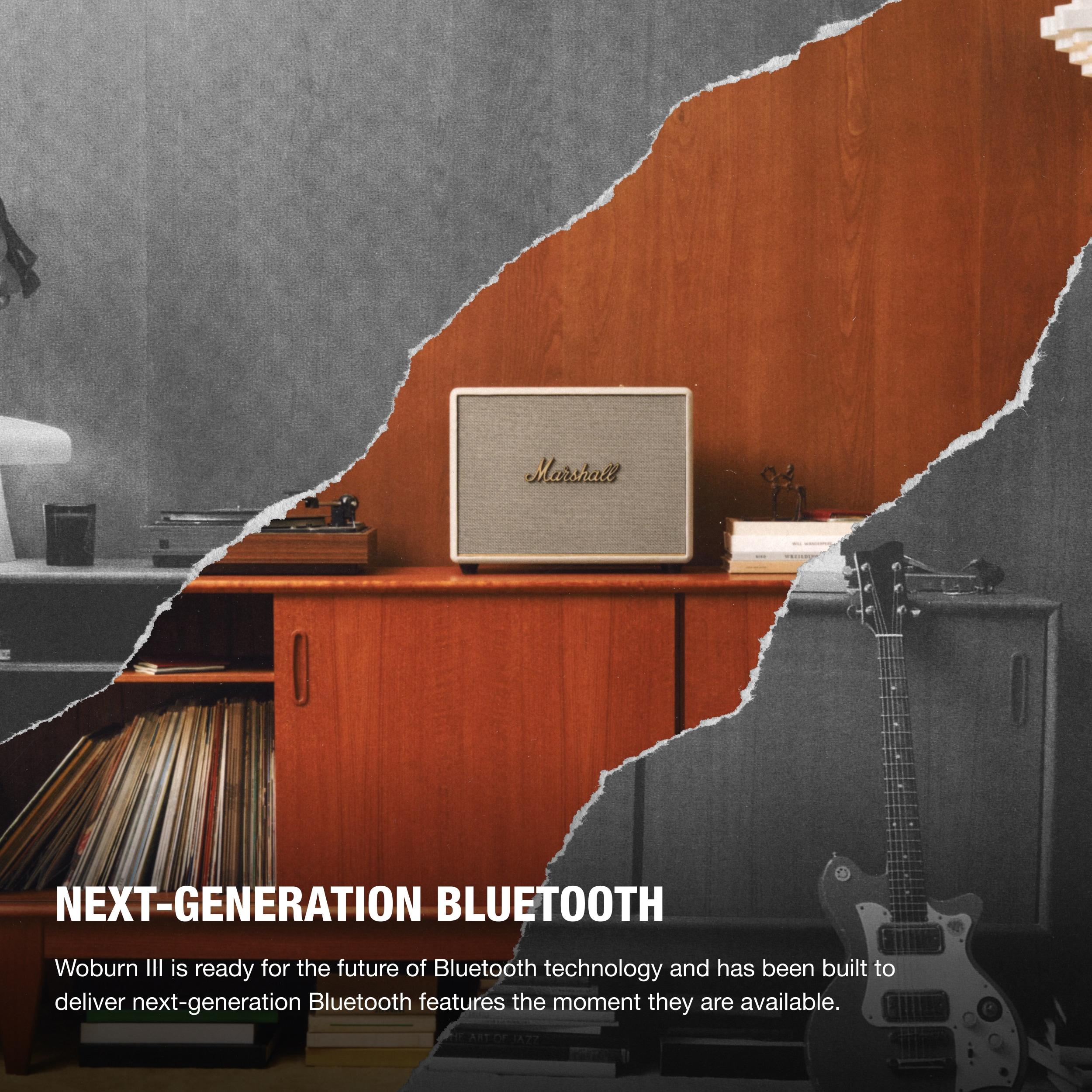
The Marshall Woburn III, released in June 2022, represents the latest generation of premium home Bluetooth speakers. Meanwhile, the Sony XE300, launched in August 2022, showcases modern portable speaker innovation. Both incorporate recent advances in Bluetooth 5.2 technology, which provides more stable connections and better audio quality than older versions.
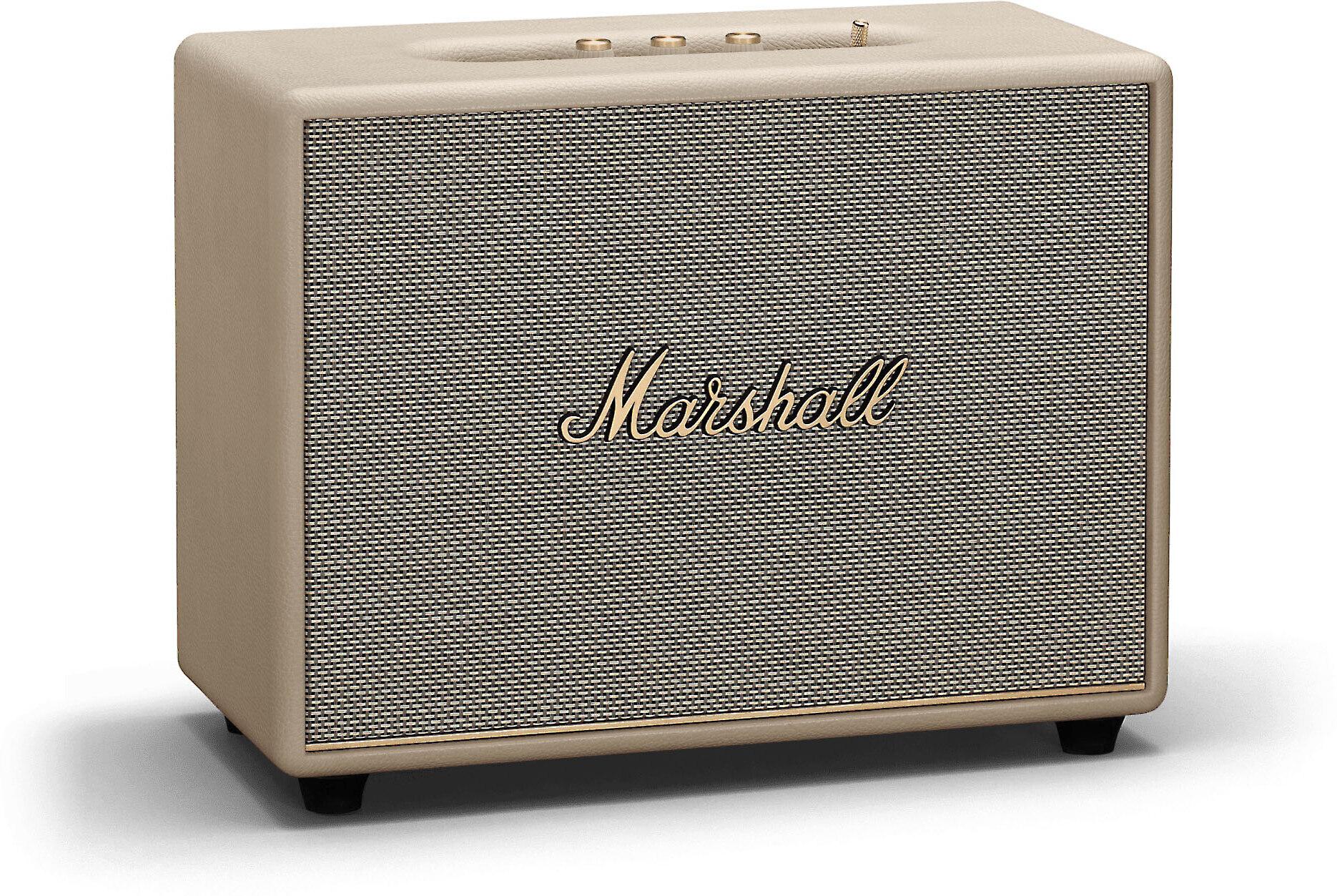
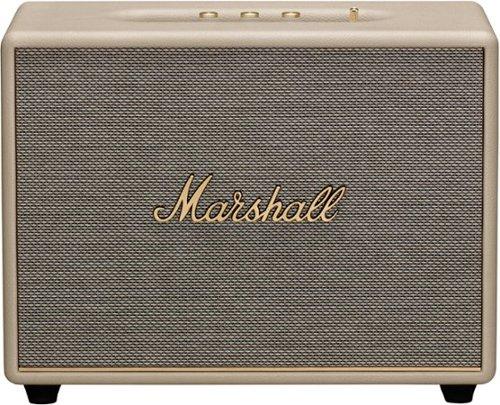
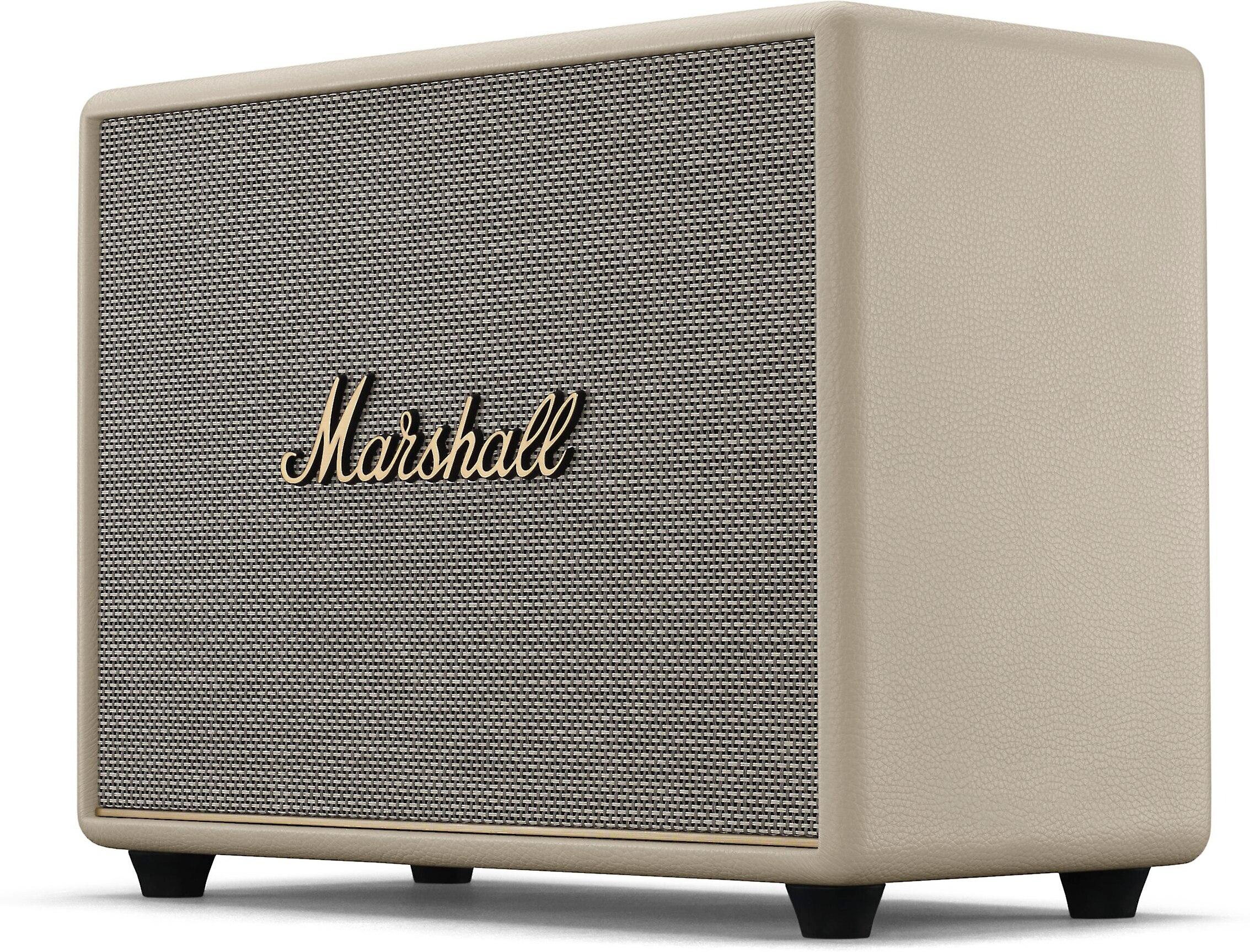
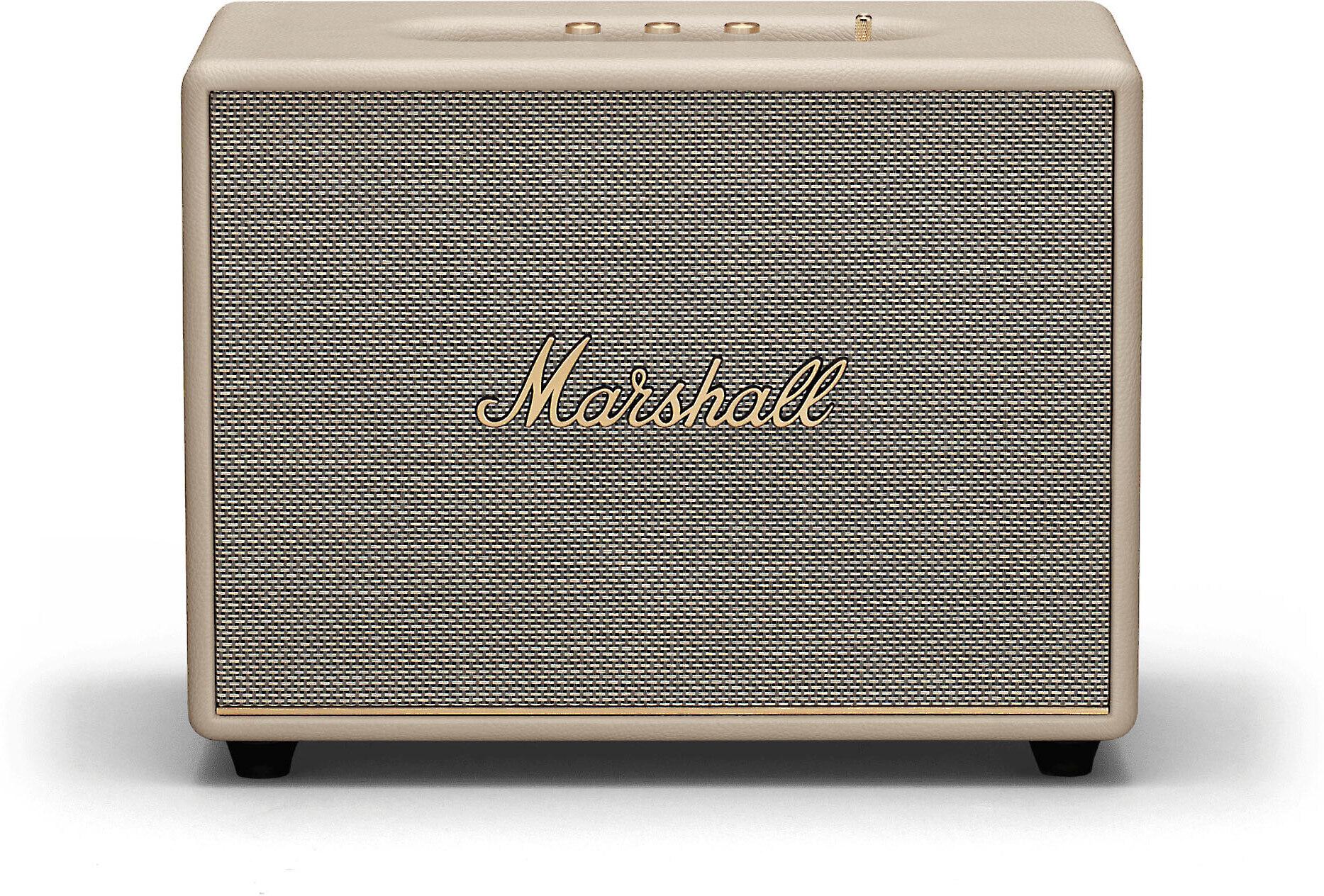
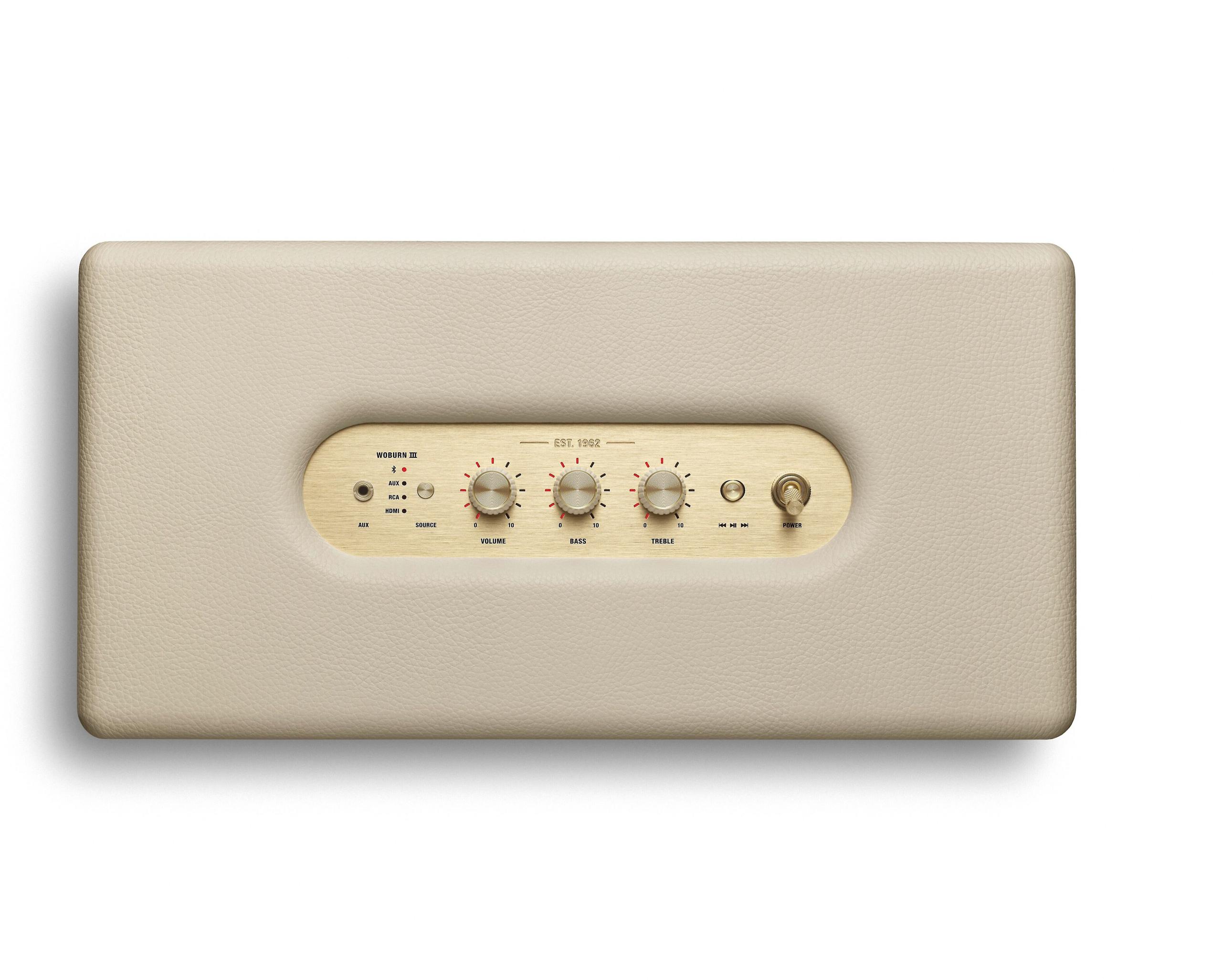
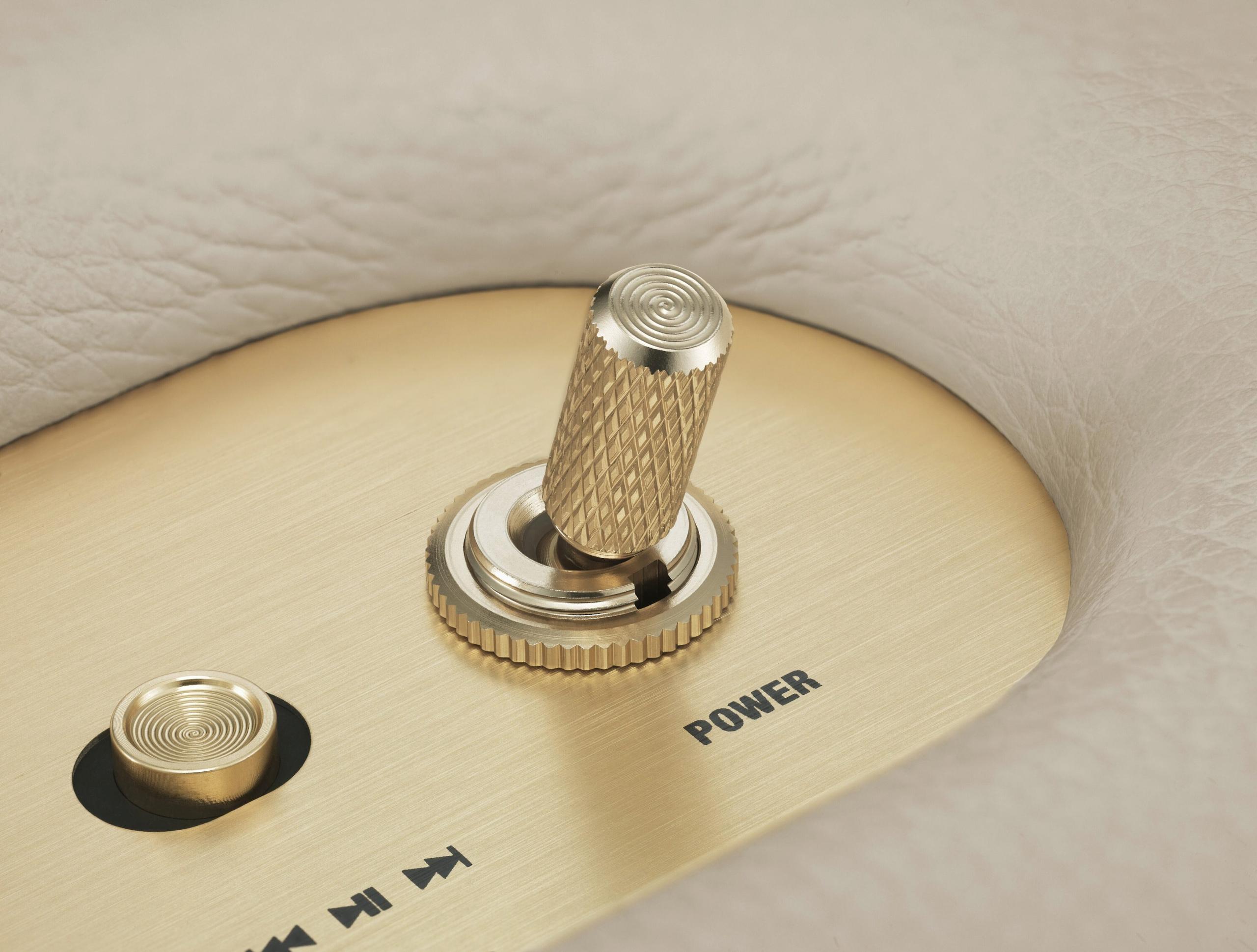
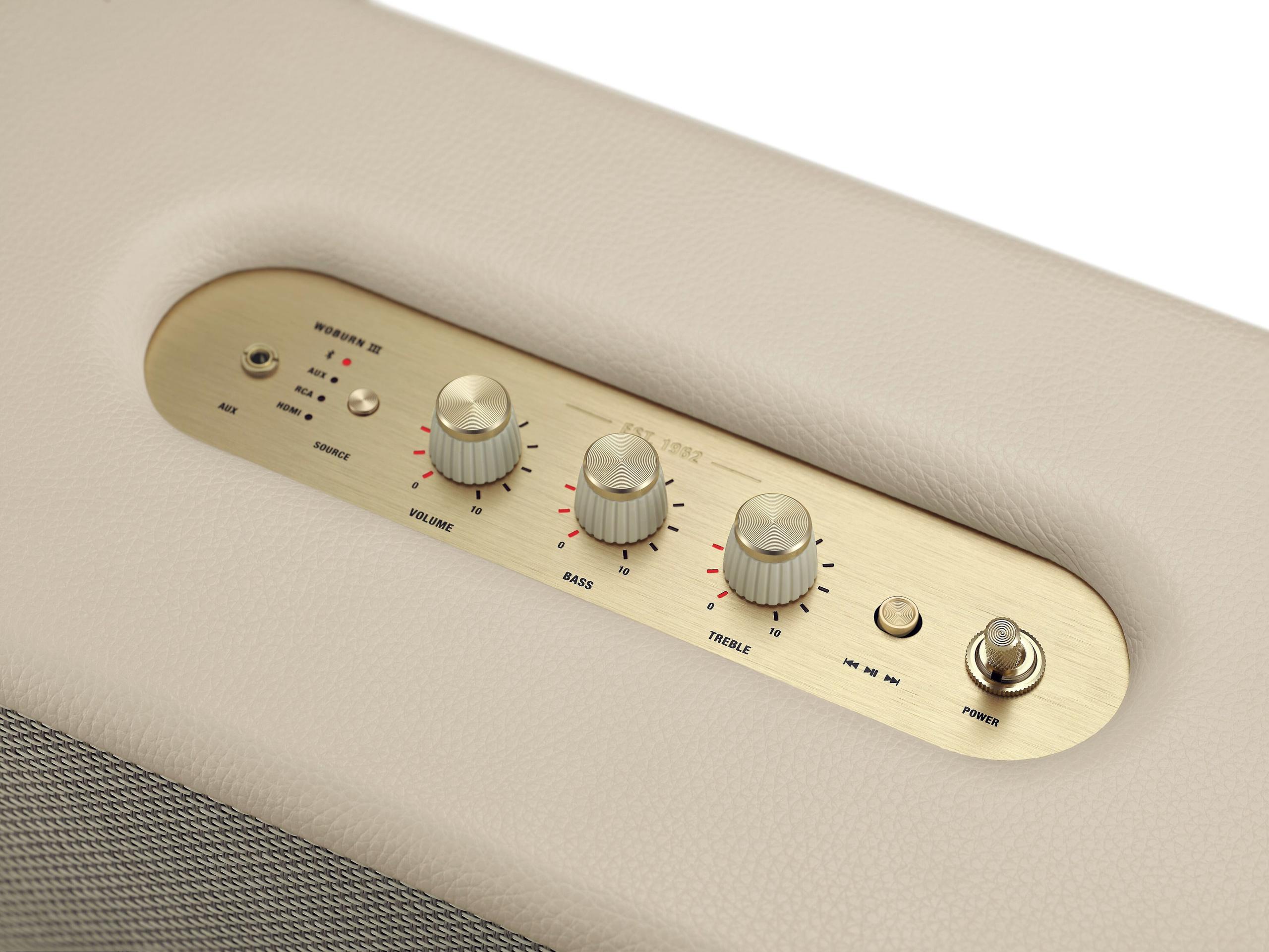
The Marshall Woburn III takes its design cues from classic guitar amplifiers, with a substantial wooden cabinet wrapped in textured vinyl and topped with brass control knobs. It's meant to be a centerpiece in your room, both visually and sonically. At 16.42 pounds, it's clearly designed as a permanent fixture.
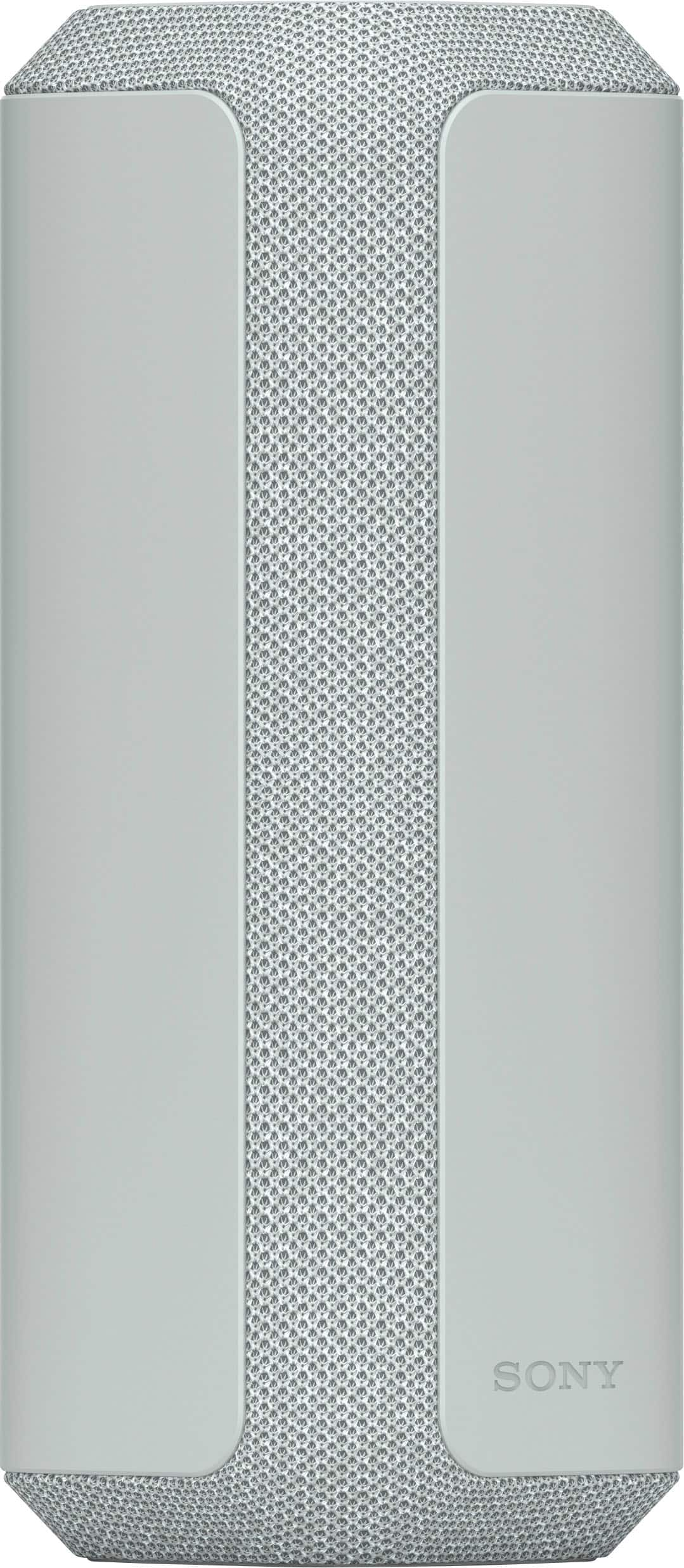
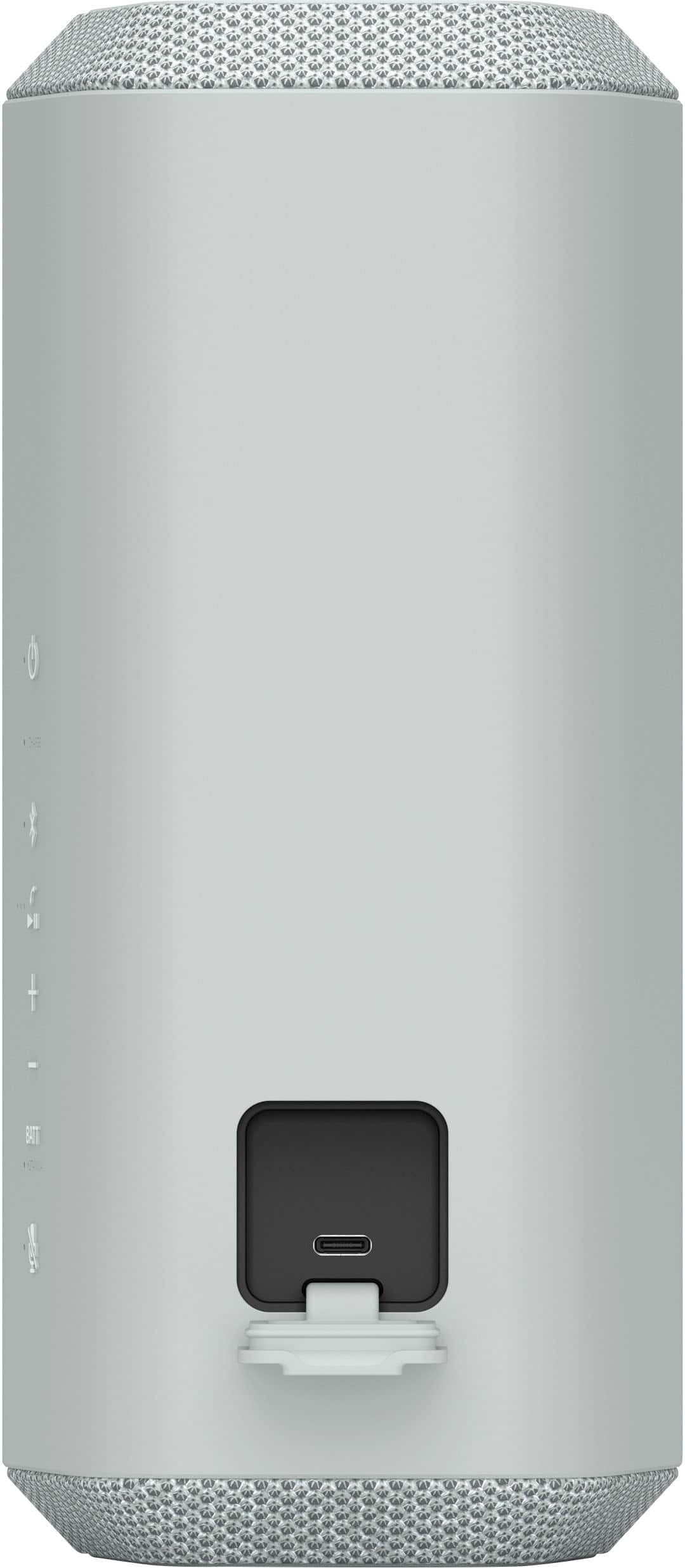
The Sony XE300 embraces a completely different approach with its modern, cylindrical design focused on portability and durability. The rugged exterior includes full IP67 water and dust protection (meaning it can survive being submerged in 1 meter of water for 30 minutes), making it ideal for outdoor use.
The Woburn III employs a true three-way speaker design - something rarely found in Bluetooth speakers. This means it has dedicated drivers for high, mid, and low frequencies:
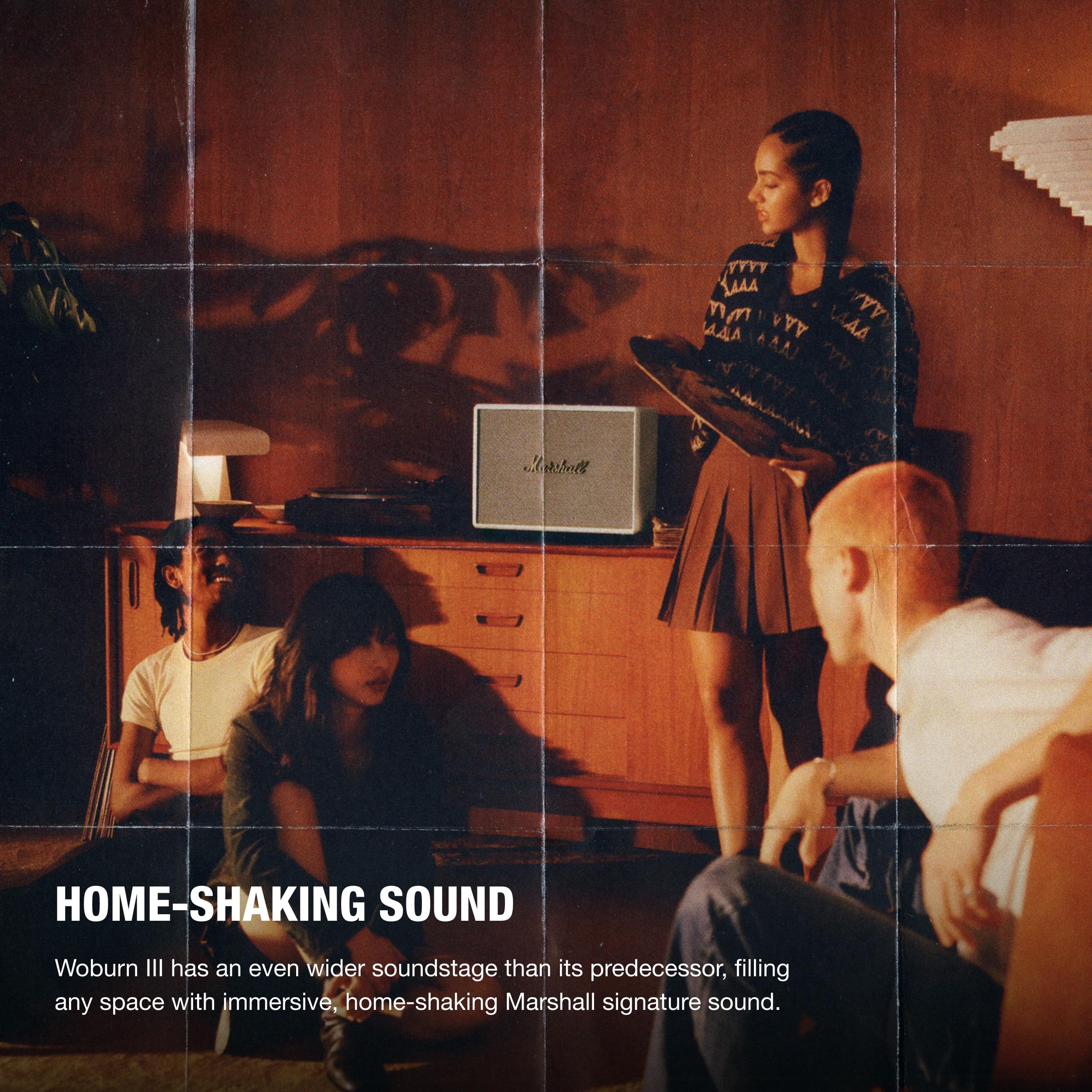
With 150 watts of total power, it can easily fill large rooms with sound. The frequency response extends down to 35Hz, allowing you to feel deep bass notes that smaller speakers simply can't reproduce. The speaker's "Dynamic Loudness" feature automatically adjusts frequency balance at different volumes, ensuring the sound remains full even at lower levels.
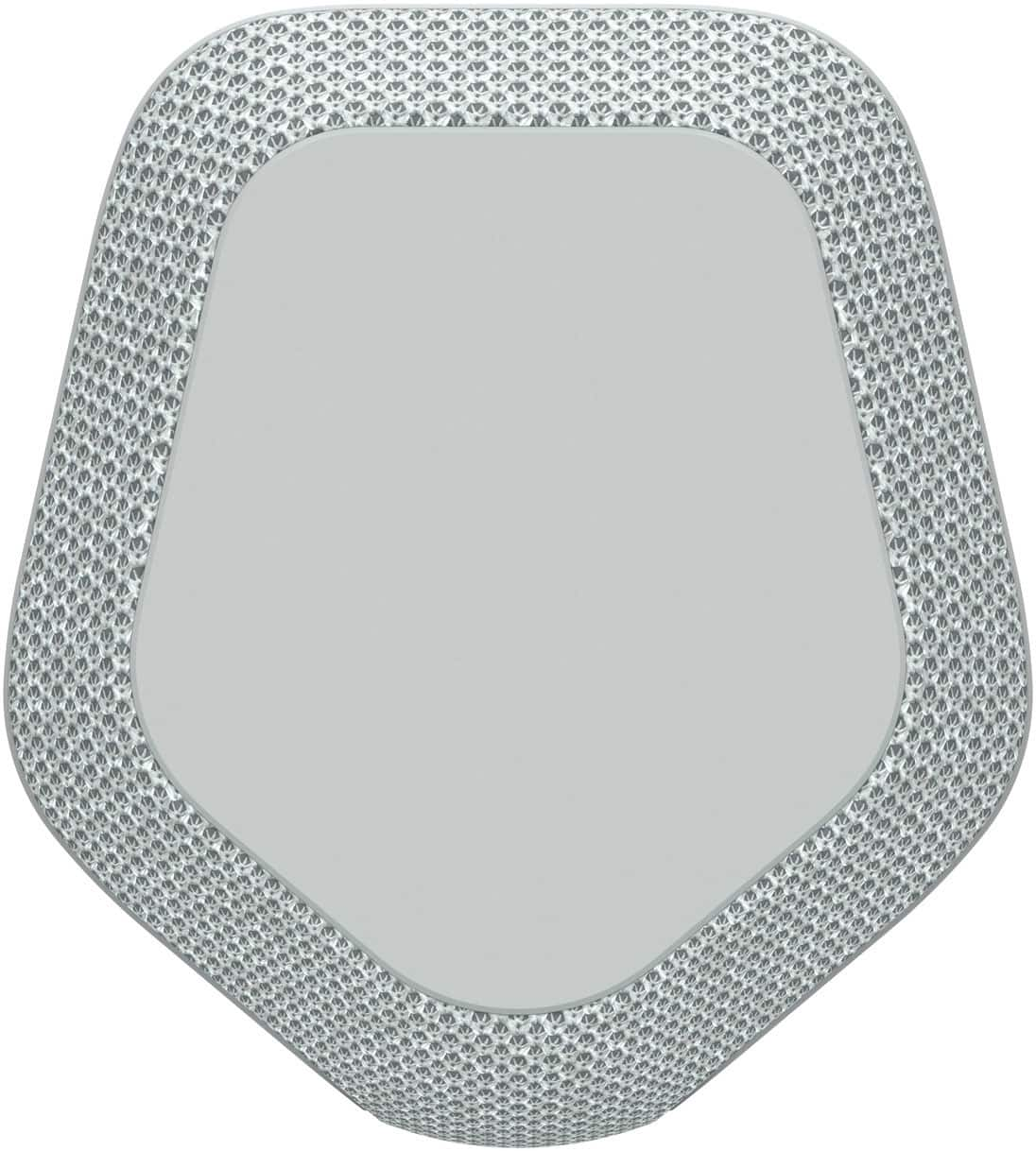
Sony takes a different approach with their X-Balanced Speaker Unit technology. Instead of a traditional round speaker cone, they use a non-circular design that maximizes the diaphragm area while minimizing distortion. The Line-Shape Diffuser (essentially a specially designed waveguide) helps spread sound more evenly across a wider area.
While it can't match the raw power or bass extension of the Woburn III, the XE300 produces impressive sound for its size. The dual passive radiators (unpowered speakers that move in response to air pressure from the main driver) help enhance bass response without requiring additional amplification.
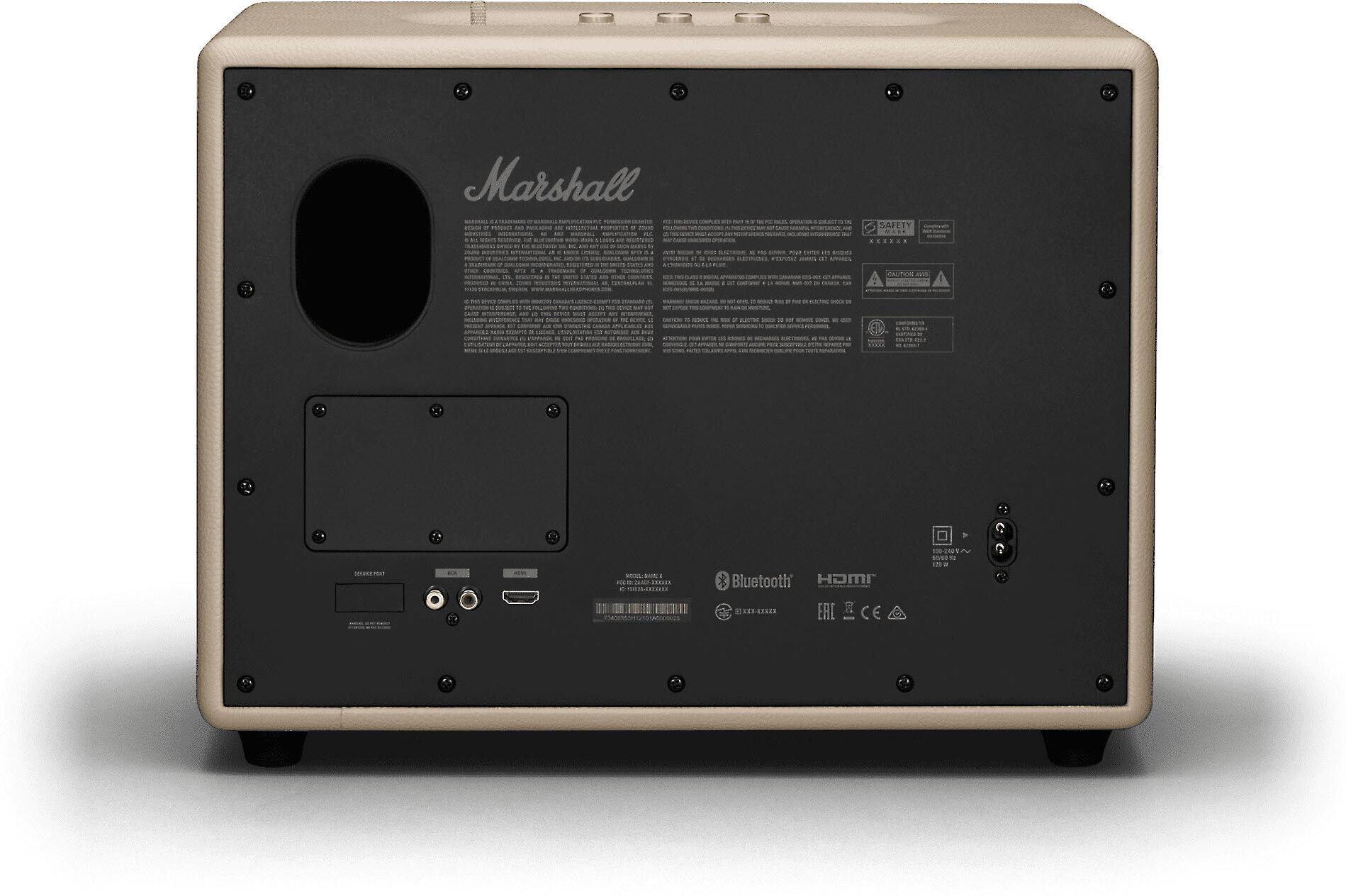
The Woburn III shines in a home setting with its multiple input options:
The HDMI ARC connection is particularly valuable for home theater use, allowing the speaker to seamlessly integrate with your TV and automatically turn on and off with it. The inclusion of "Night Mode" reduces dynamic range to avoid disturbing others while maintaining dialogue clarity.
The XE300 focuses on wireless connectivity:
Having spent time with both speakers, their strengths become clear in different scenarios. The Marshall Woburn III excels as a primary audio system, capable of replacing traditional stereo setups while adding modern connectivity. Its sound quality justifies the premium price if you're looking for a serious home audio solution.
The Sony XE300 impresses with its versatility and value proposition. While it can't match the Woburn's raw power, it delivers excellent sound quality for its size and price point. The ability to take it anywhere - from backyard parties to beach outings - adds significant practical value.
Consider choosing the Marshall Woburn III if:
The Sony XE300 makes more sense if:
Both speakers show thoughtful technical innovation. The Marshall's placement compensation feature automatically adjusts sound based on nearby walls and surfaces, while Sony's Line-Shape Diffuser technology provides more consistent sound coverage than traditional portable speakers.
Both support firmware updates through their respective apps, helping ensure longevity as new features and improvements become available. For example, Sony has promised future LE Audio support through updates, which will bring improved sound quality and battery life for compatible devices.
While the Marshall costs nearly three times as much as the Sony, the price difference makes sense when you consider their different roles. The Woburn III competes with traditional hi-fi systems that often cost much more, while offering modern features and simplified setup. The XE300 delivers premium portable audio at a mid-range price point, making it an excellent value for its category.
The choice between these speakers ultimately comes down to your primary use case rather than absolute performance. The Marshall Woburn III is a superior audio device for home use, while the Sony XE300 offers remarkable flexibility and performance for portable applications. Both represent excellent choices within their respective categories, delivering on their design goals and providing good value for their intended purposes.
| Marshall Woburn III ($579) | Sony XE300 ($199) |
|---|---|
| Power Output - Determines maximum volume and sound quality | |
| 150W total (90W woofer, 2x15W mids, 2x15W tweeters) | Not specified, significantly lower than Woburn III |
| Speaker Configuration - Affects sound separation and clarity | |
| 3-way system: 6" woofer, 2x2" mids, 2x0.75" tweeters | Single X-Balanced driver with dual passive radiators |
| Frequency Response - Range of bass to treble reproduction | |
| 35Hz - 20kHz (deeper bass extension) | Not specified, likely 50Hz - 20kHz |
| Connectivity Options - Flexibility for different audio sources | |
| HDMI ARC, Bluetooth 5.2, RCA, 3.5mm aux | Bluetooth 5.2, USB-C (charging only) |
| Portability & Design - Consider placement and use case | |
| 16.42 lbs, AC powered, stationary design | 2.43 lbs, 24-hour battery, fully portable |
| Durability Rating - Important for portable use | |
| No water/dust resistance | IP67 water/dust proof |
| Smart Features - Added functionality | |
| Dynamic loudness, placement compensation, night mode | Multi-speaker pairing, LDAC codec support |
| Primary Use Case - Where each excels | |
| Home audio system, TV sound enhancement | Portable audio, outdoor use, travel |
| App Control - Customization options | |
| Marshall app with EQ, firmware updates | Sony Music Center app with EQ, sound modes |
| Value Proposition - Price vs. capabilities | |
| Premium pricing, superior audio quality | Mid-range pricing, excellent portability value |
The Marshall Woburn III is significantly better for home use with its powerful 150W output, HDMI ARC connection for TV, and room-filling sound. The Sony XE300 is designed primarily for portable use and doesn't match the Woburn's home audio capabilities.
The Marshall Woburn III delivers superior sound quality with its three-way speaker system and 150W output. While the Sony XE300 sounds good for its size, it can't match the Woburn's audio performance, especially in bass response and overall volume.
The Sony XE300 is specifically designed for outdoor use with IP67 water/dust resistance and battery power. The Marshall Woburn III is not weather-resistant and requires AC power, making it unsuitable for outdoor use.
The Marshall Woburn III is excellent for TV sound, featuring HDMI ARC connection and a dedicated night mode for TV viewing. The Sony XE300 can connect to TVs via Bluetooth but isn't optimized for this use.
The Sony XE300 offers 24 hours of battery life with quick charging capability. The Marshall Woburn III doesn't have a battery and requires constant AC power.
The Sony XE300 at 2.43 lbs is highly portable with a compact design. The Marshall Woburn III weighs 16.42 lbs and is designed as a stationary speaker.
Both the Marshall Woburn III and Sony XE300 support Bluetooth multipoint connection, allowing two devices to be connected at once.
The Marshall Woburn III offers more connection options including HDMI ARC, RCA, 3.5mm aux, and Bluetooth. The Sony XE300 primarily relies on Bluetooth connectivity.
The Marshall Woburn III at $579 is worth it if you need superior home audio quality and TV integration. The Sony XE300 at $199 offers better value if portability is important.
The Sony XE300 can be paired with compatible Sony speakers for stereo or party modes. The Marshall Woburn III doesn't support speaker pairing.
The Marshall Woburn III produces significantly deeper bass with its 6" woofer and 35Hz low-end response. The Sony XE300 uses passive radiators for bass but can't match the Woburn's low-end performance.
Both speakers offer app control - the Marshall Woburn III through the Marshall app and the Sony XE300 through the Sony Music Center app, both providing EQ adjustment and additional features.
We've done our best to create useful and informative comparisons to help you decide what product to buy. Our research uses advanced automated methods to create this comparison and perfection is not possible - please contact us for corrections or questions. These are the sites we've researched in the creation of this article: bestbuy.com - crutchfield.com - rtings.com - idownloadblog.com - digit.in - crutchfield.com - epicrewards.com.ph - ione.com.kh - youtube.com - onward.ph - economictimes.indiatimes.com - bestbuy.com - sony.co.uk - soundguys.com - bestbuy.com - cgmagonline.com - sony.com - sony.com - bestbuy.com - sony.com - electronics.sony.com - helpguide.sony.net

Privacy Policy
Terms and Conditions - Affiliate Policy
Home Security
© Copyright 2008-2026.
11816 Inwood Rd #1211, Dallas, TX 75244