

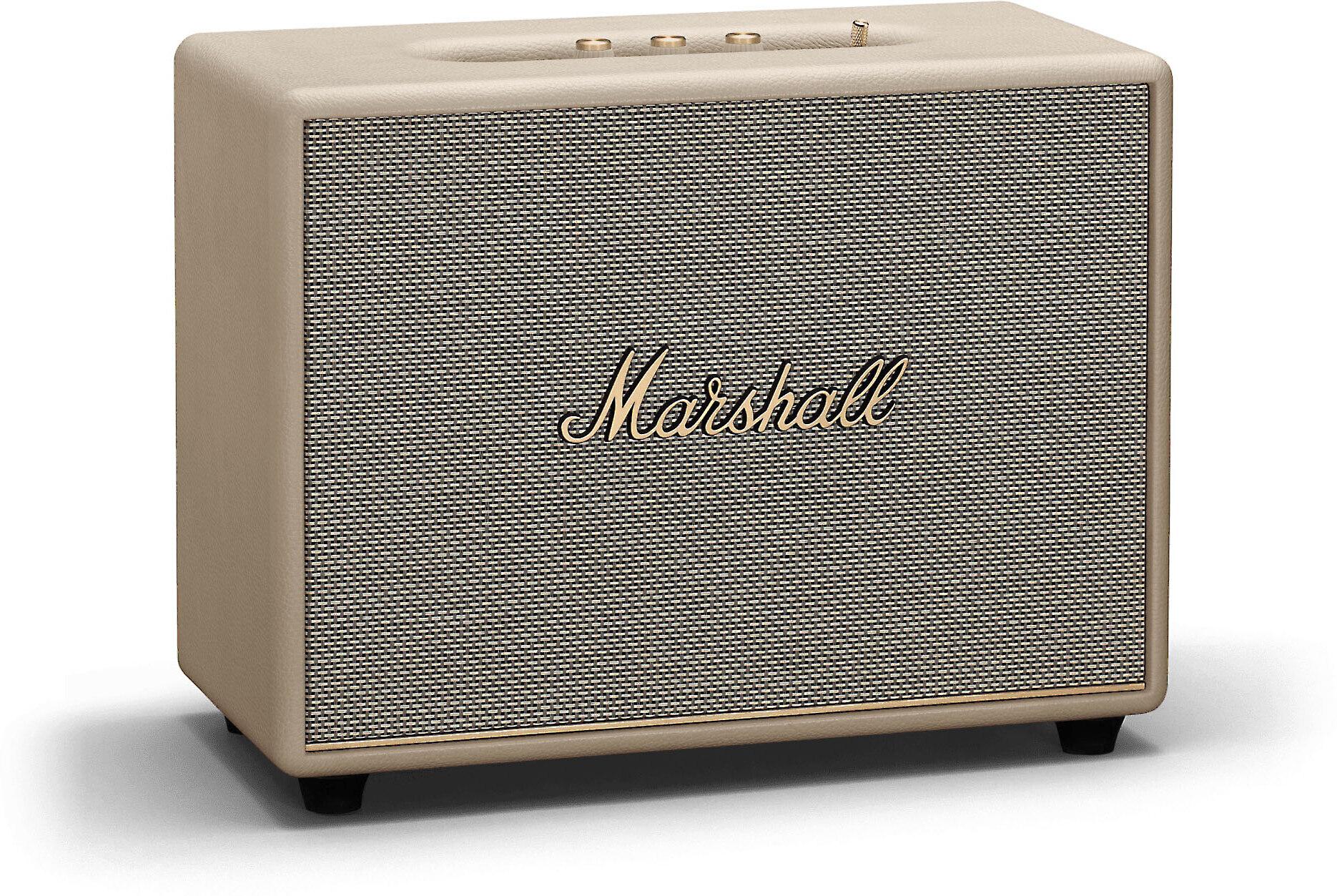
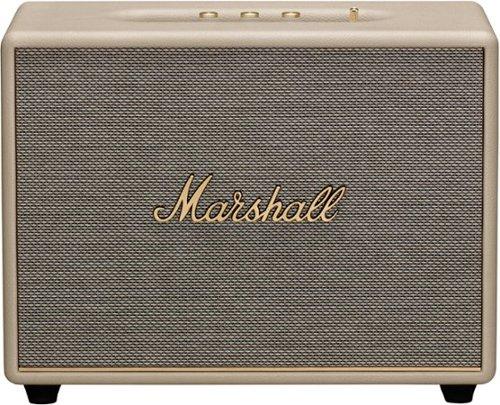
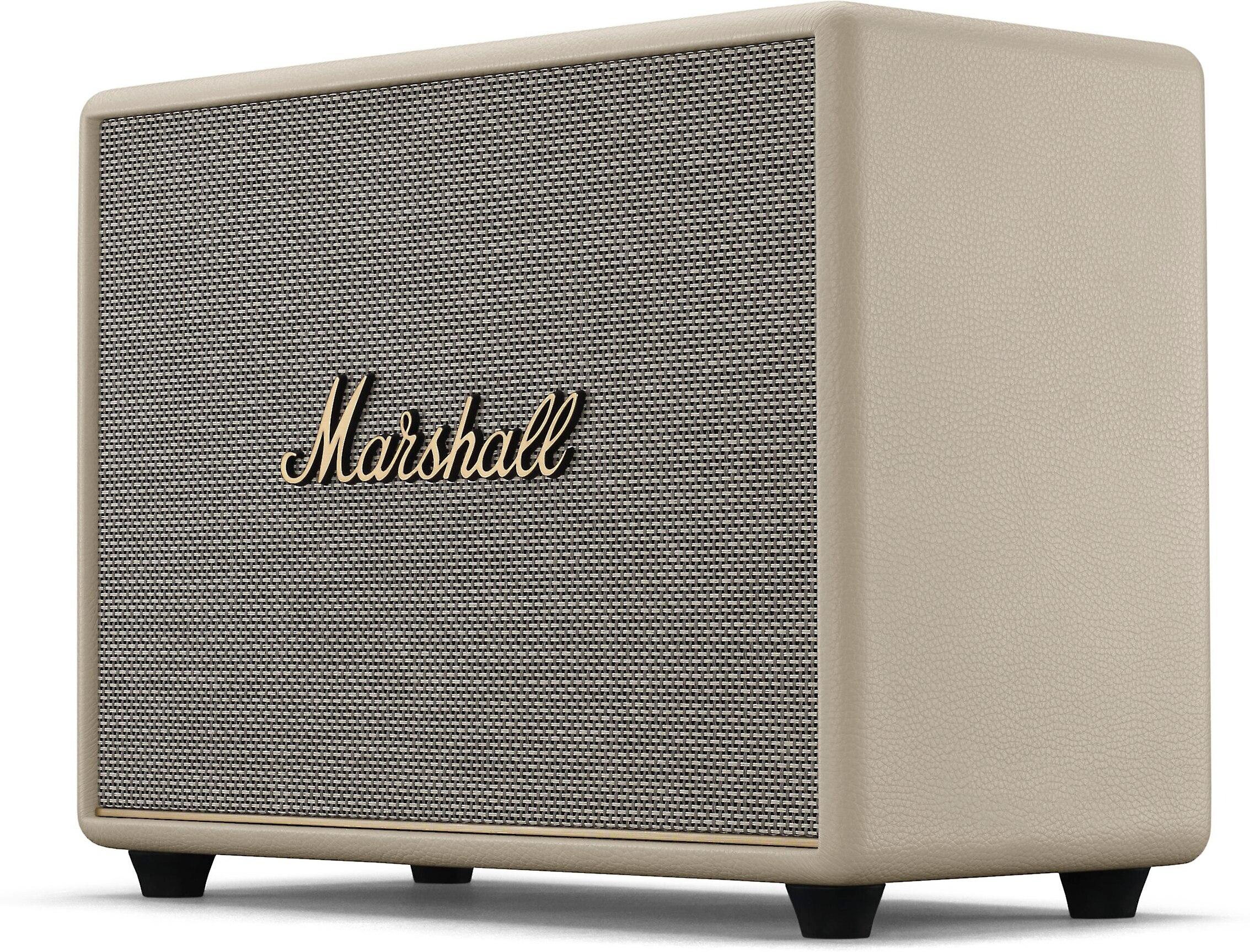
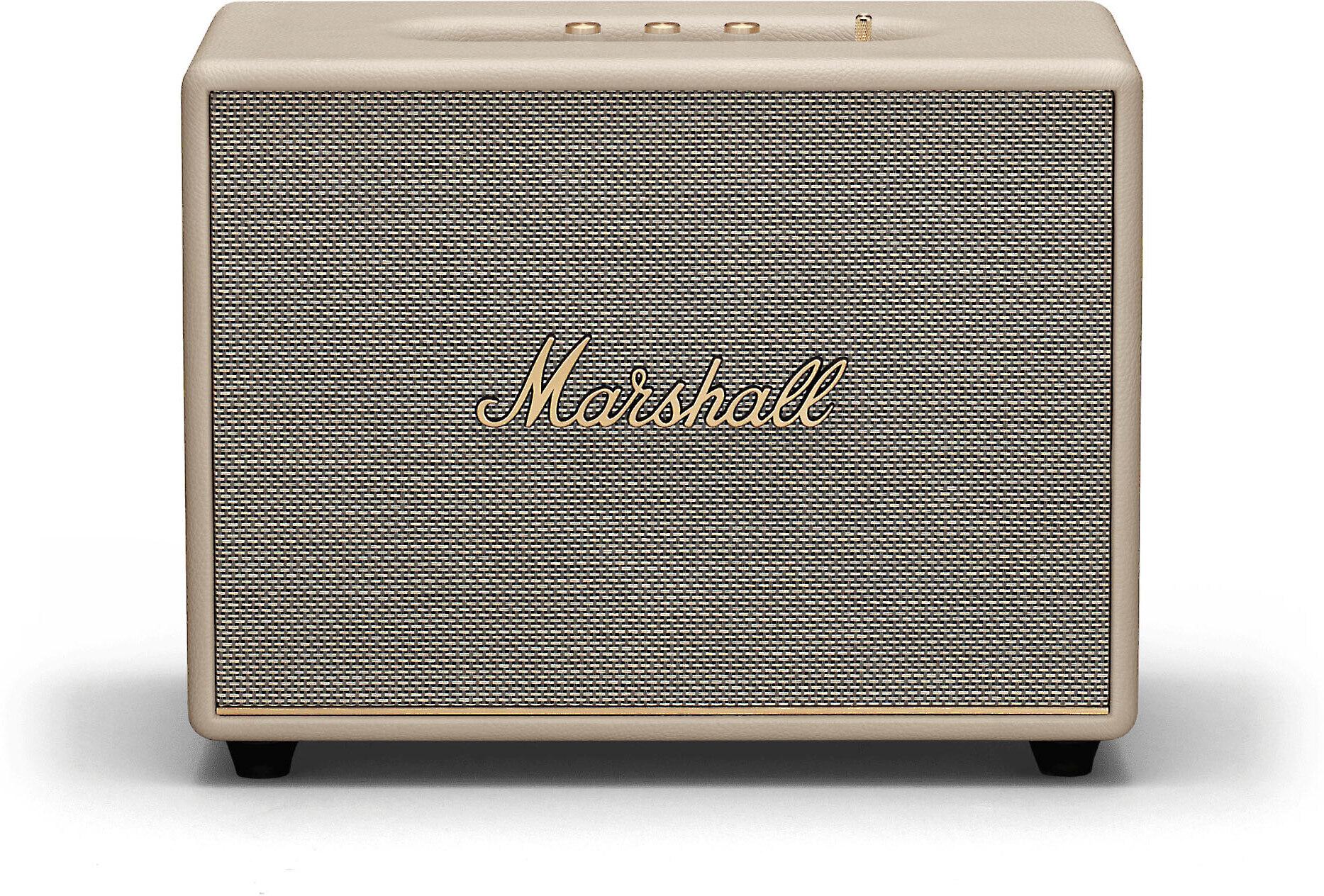
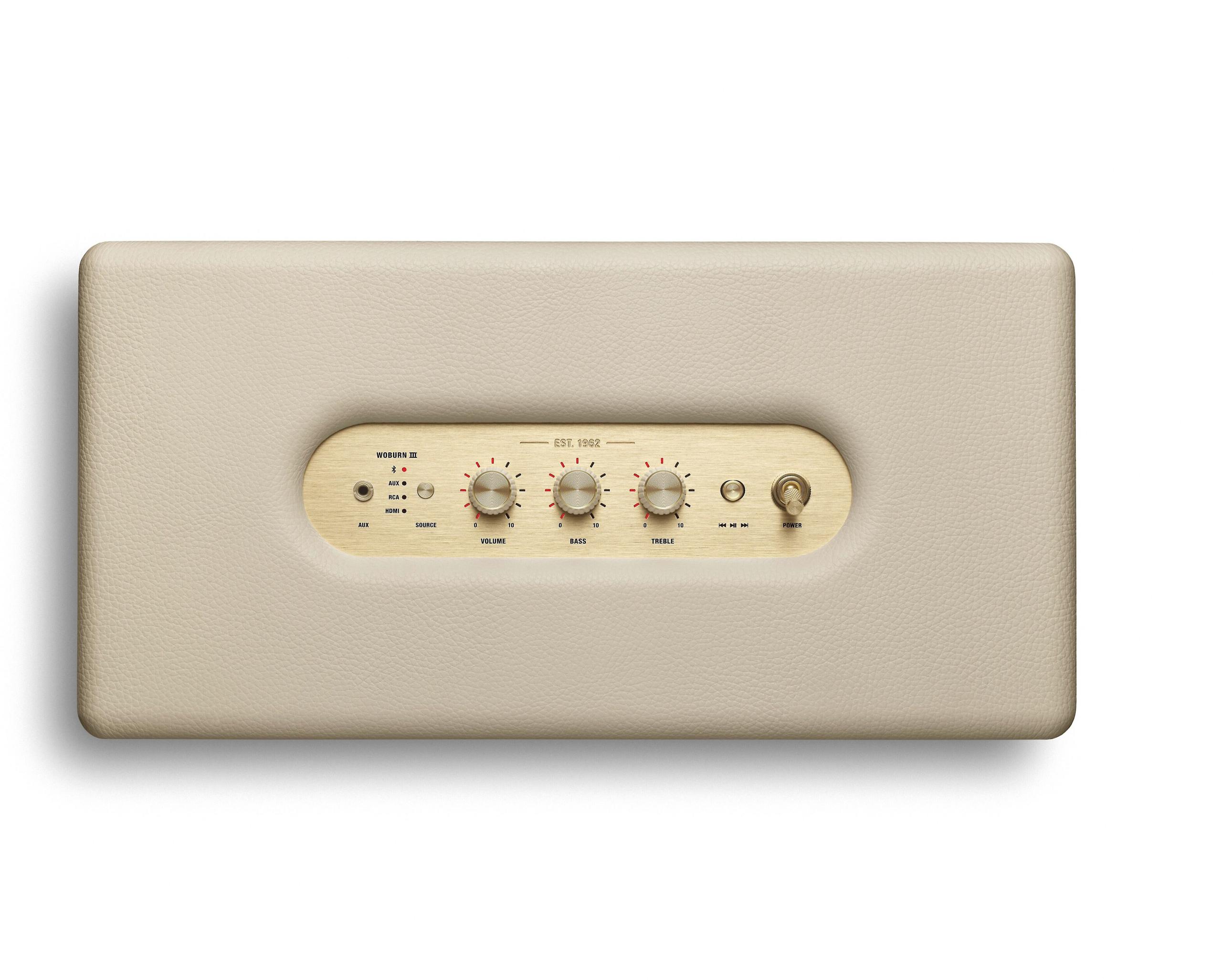
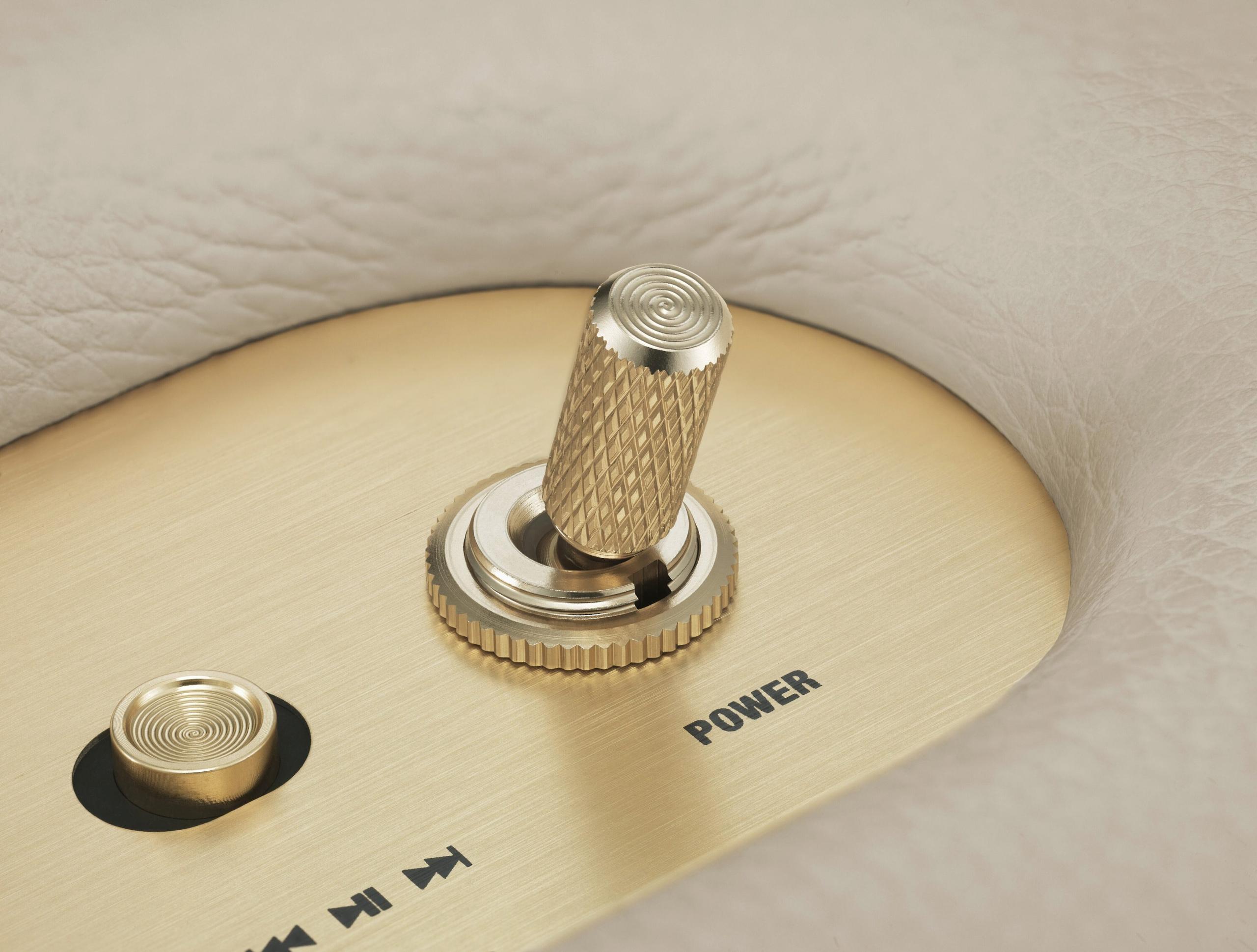
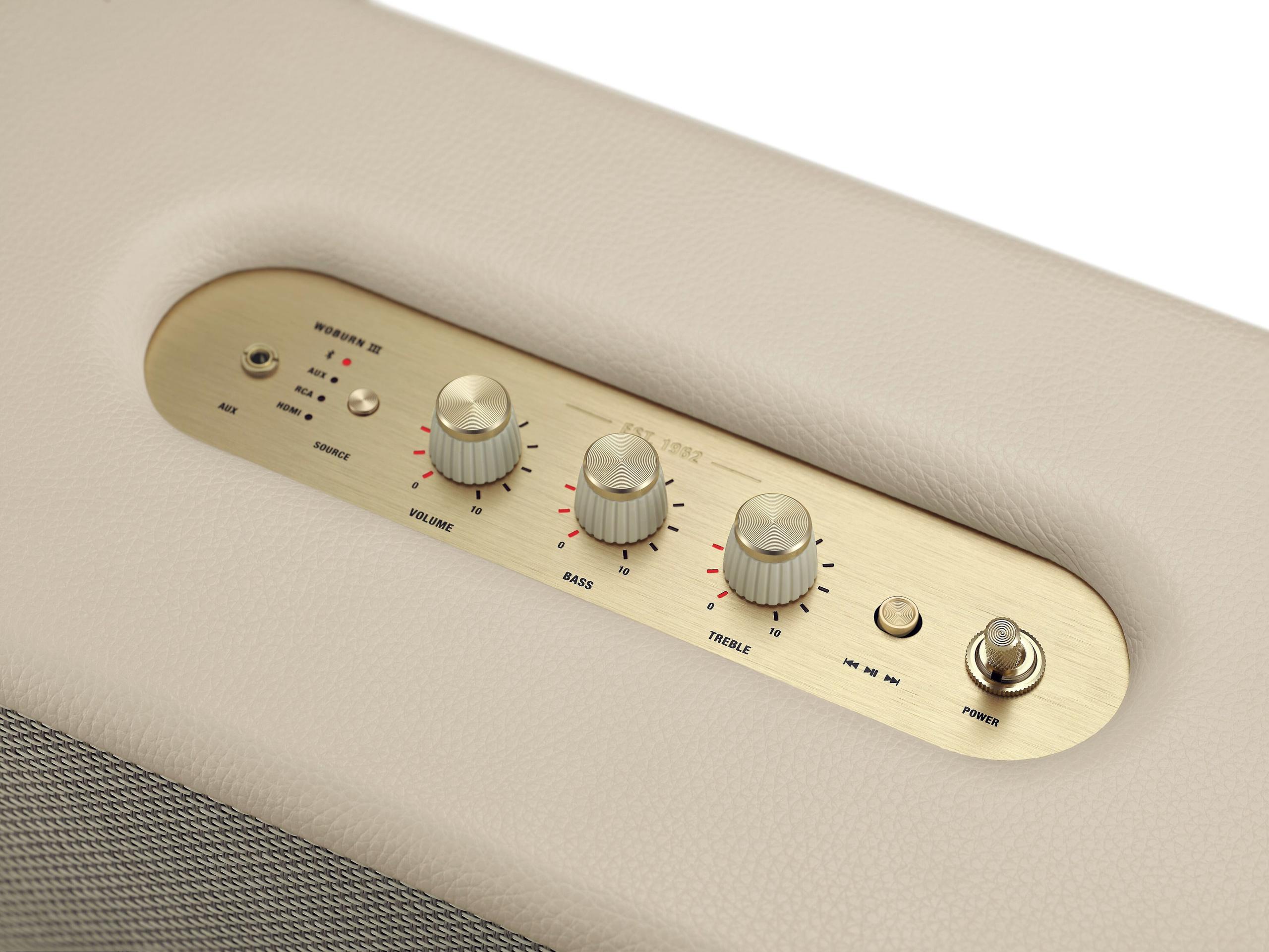
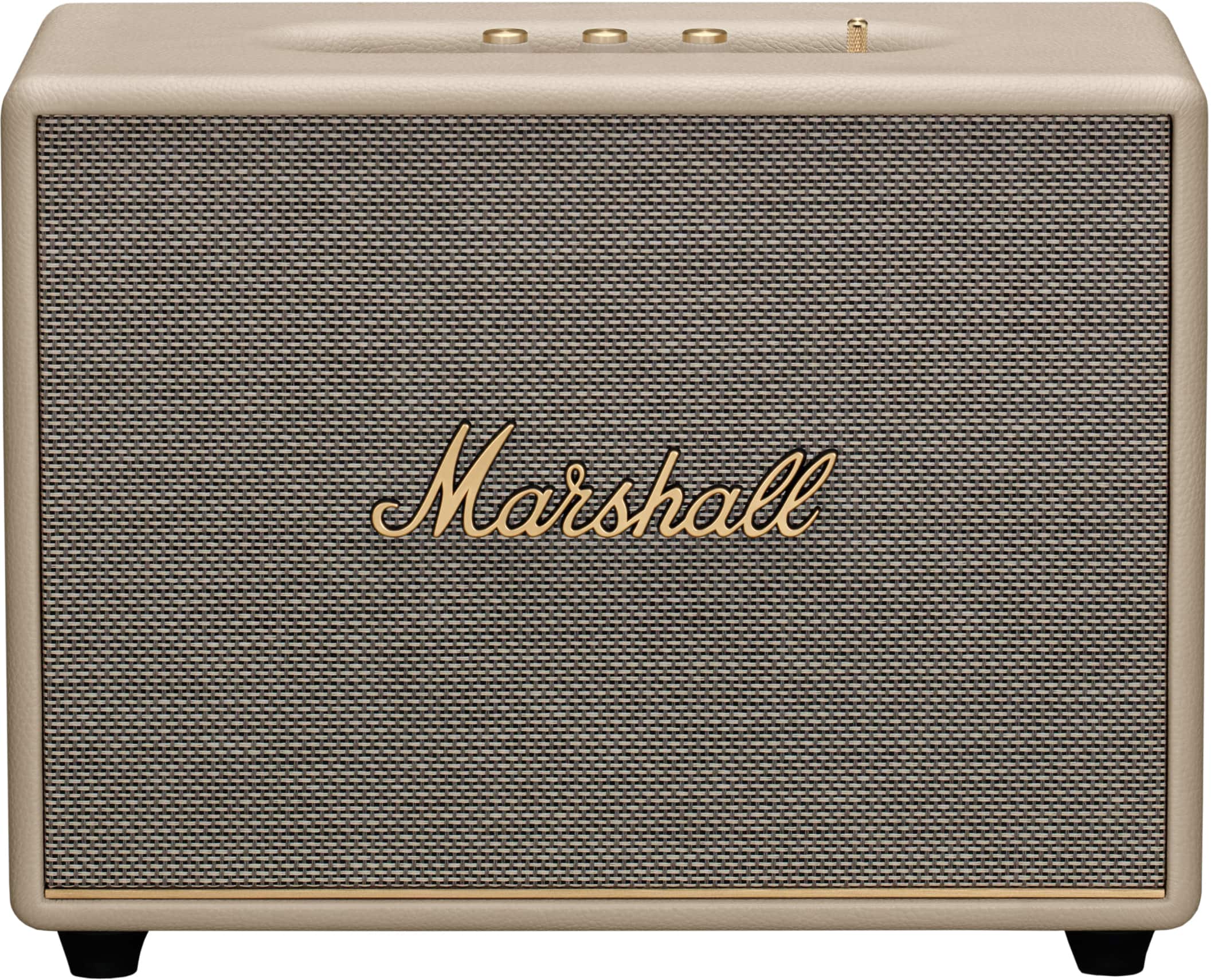
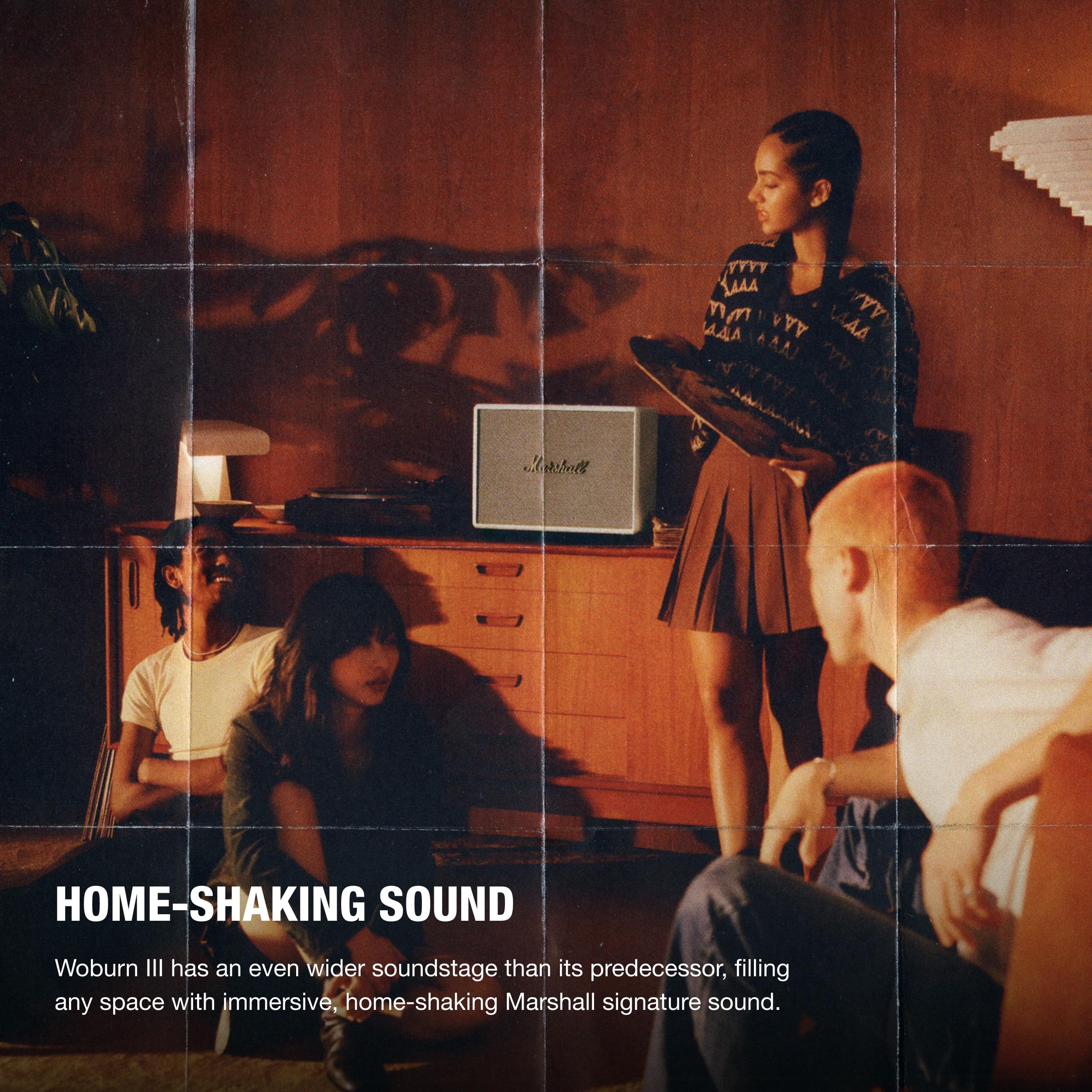

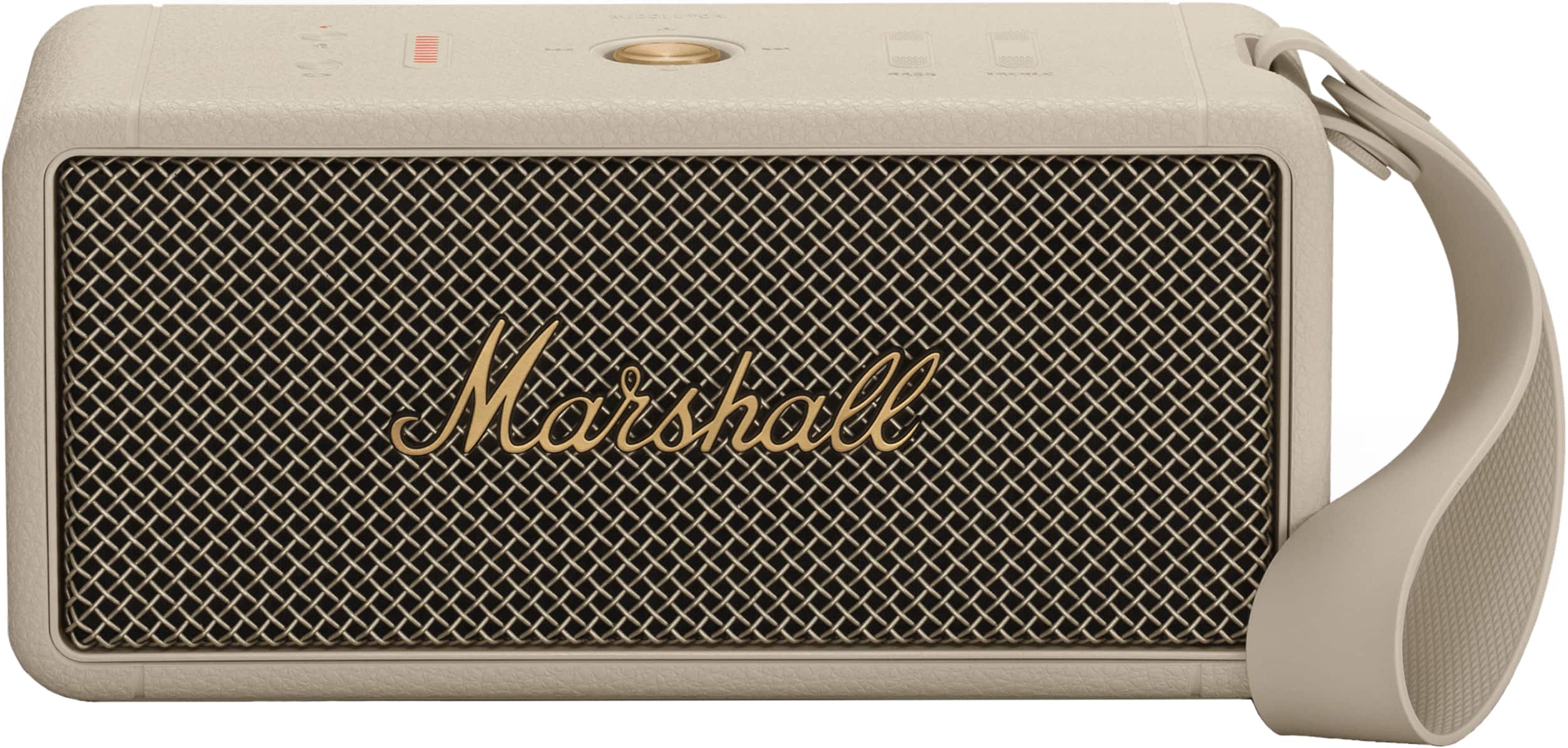
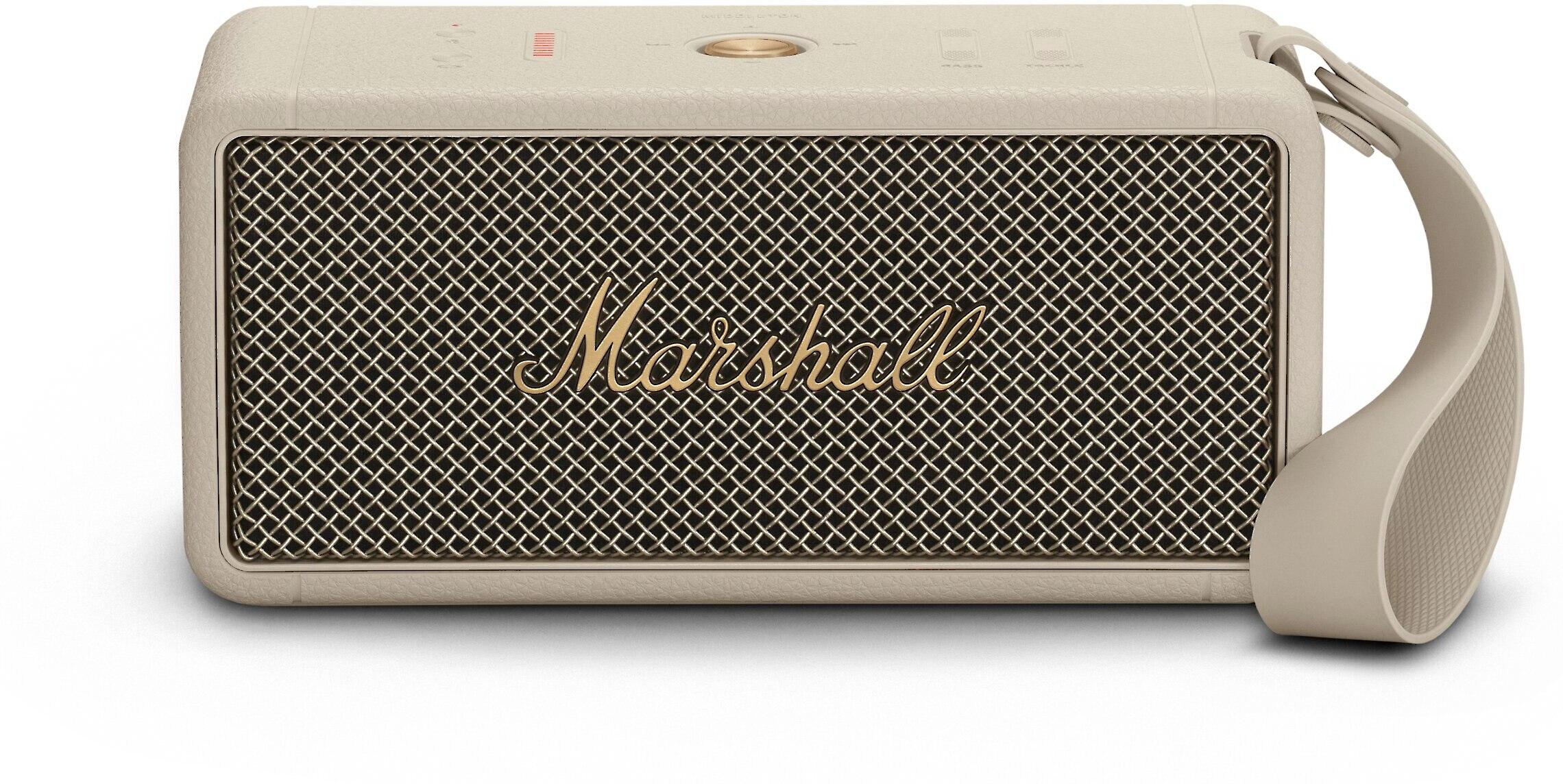



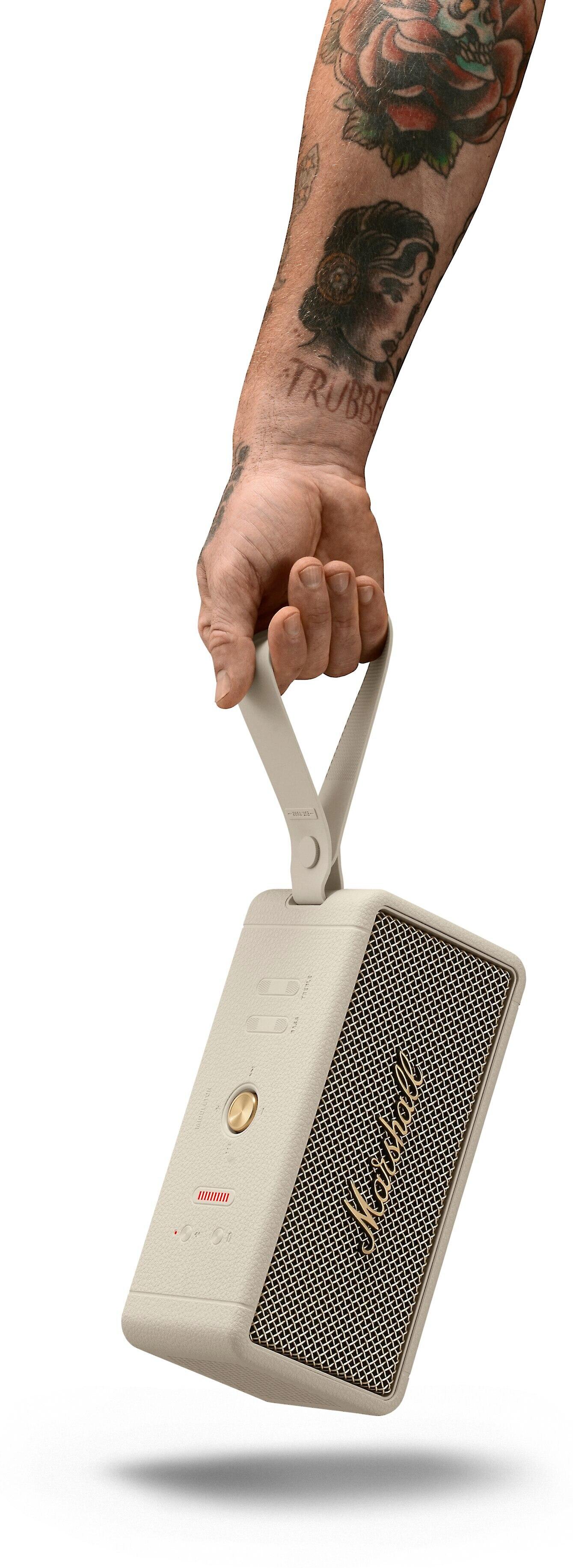
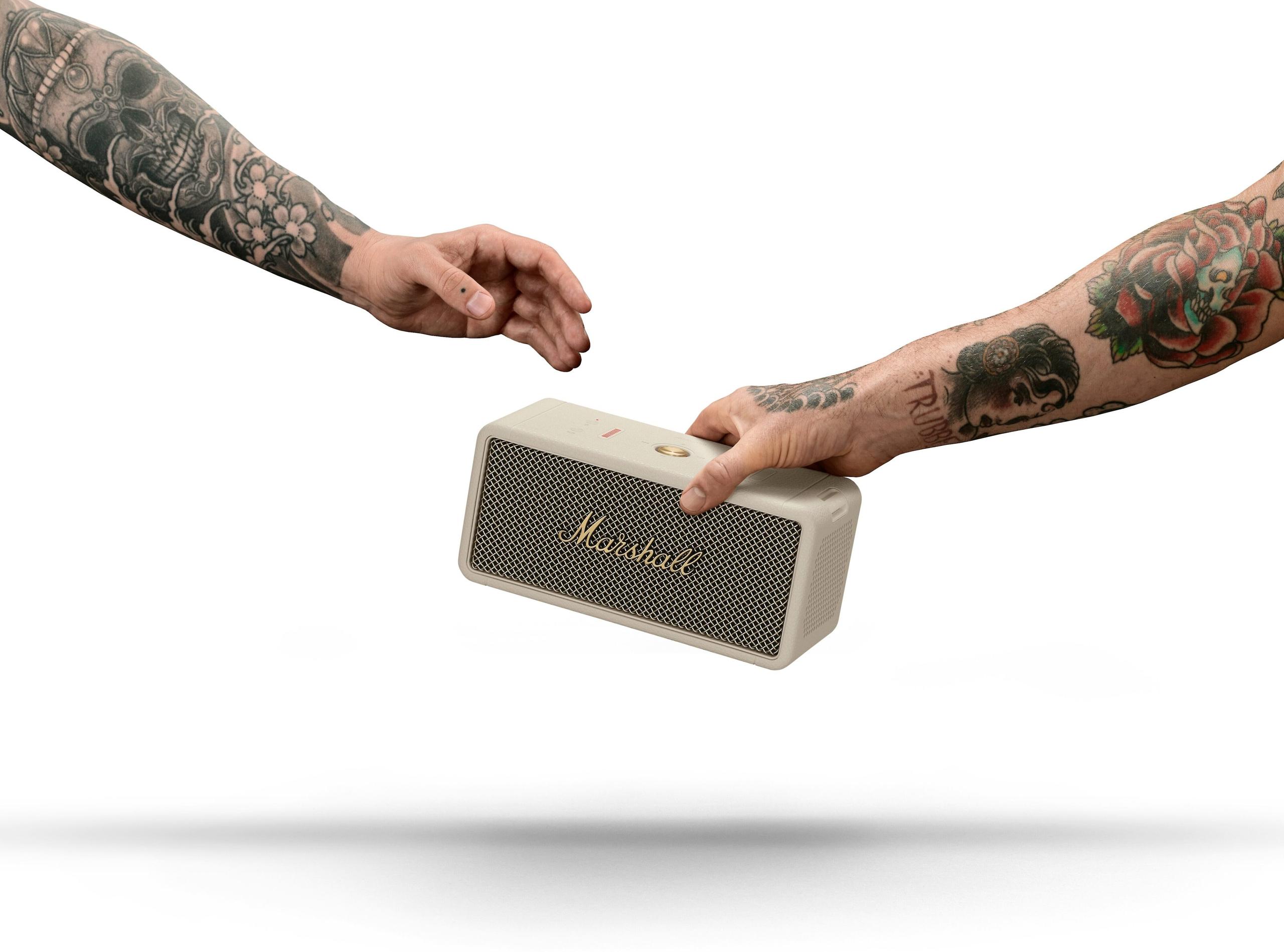
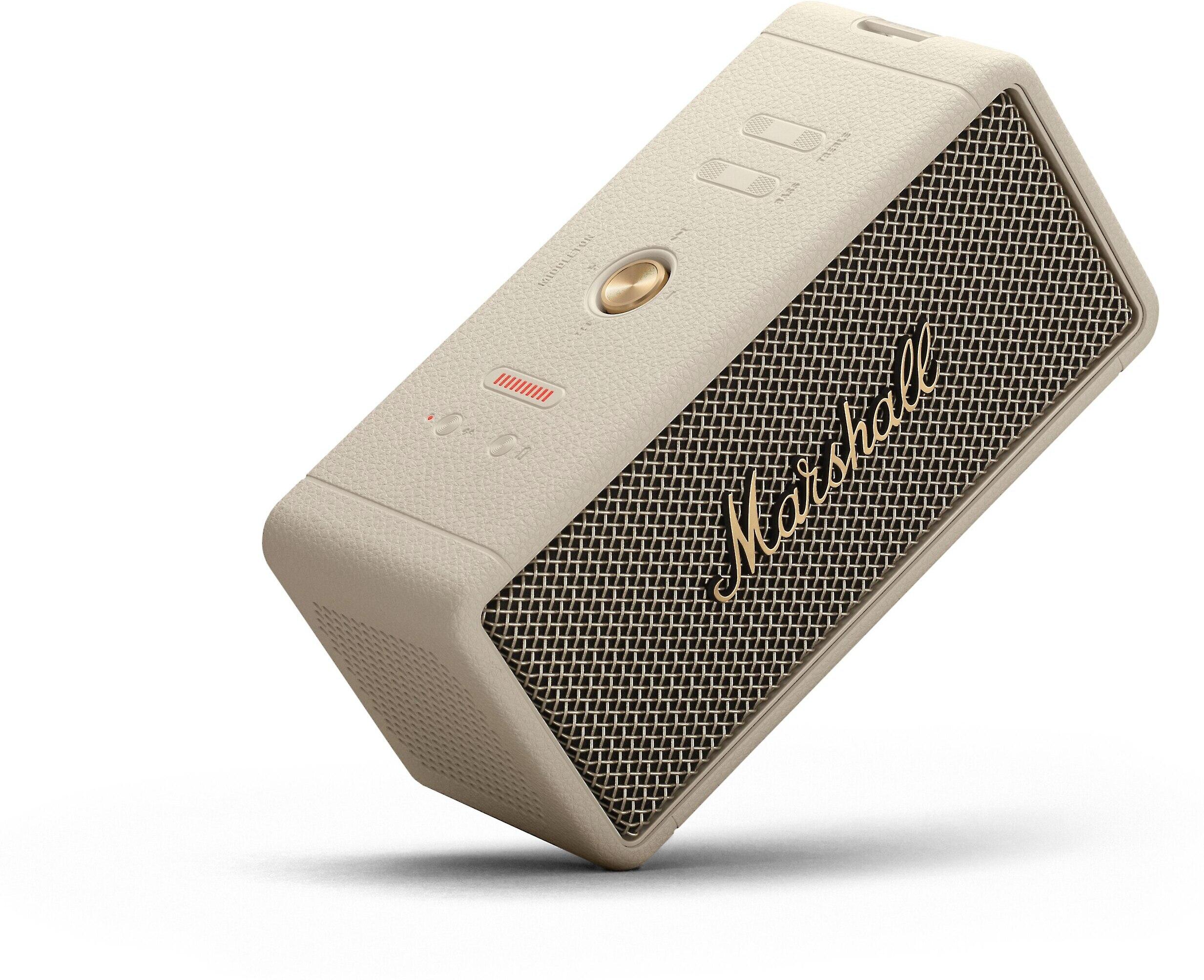



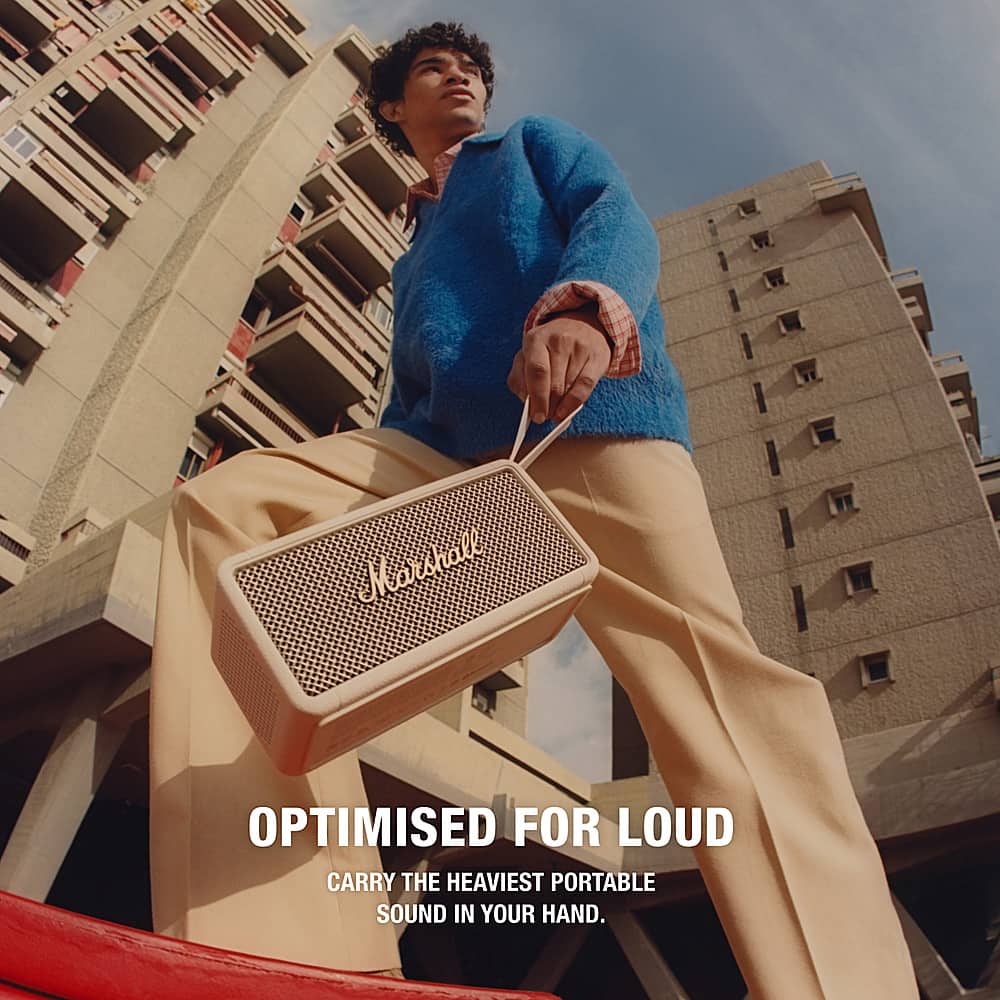
When Marshall released the Woburn III ($579) in late 2022 and the Middleton ($299) in early 2024, they gave music lovers two distinct paths to premium audio. While both speakers carry Marshall's iconic styling and commitment to sound quality, they serve fundamentally different needs. Let's explore what makes each unique and who they're best suited for.
The premium speaker market has evolved significantly in recent years, with consumers increasingly demanding both superior sound quality and versatility. Marshall has responded by creating two distinct product lines: traditional home audio and modern portable speakers. Each approach has its merits, and the choice largely depends on how and where you plan to listen.
Traditional home speakers, like the Woburn III, focus on delivering the best possible sound quality through larger drivers and more powerful amplification. Meanwhile, portable speakers like the Middleton balance sound quality with convenience features like weather resistance and battery power.
The Woburn III's three-way speaker system (which means it has separate drivers for high, mid, and low frequencies) delivers impressive audio performance. Its 150-watt system powers a 6-inch woofer for bass, two 2-inch midrange drivers, and two 0.75-inch tweeters for highs. This separation of frequencies allows each driver to focus on what it does best, resulting in clearer, more detailed sound.
What really sets the Woburn III apart is its placement compensation technology. This feature automatically adjusts the sound based on nearby walls or surfaces, something I've found particularly useful when rearranging my living room. The speaker actually sounds better than my previous setup, which cost significantly more.
The Middleton takes a different approach, using True Stereophonic technology to create 360-degree sound from a portable package. Its 60-watt system might seem modest compared to the Woburn III, but it's remarkably powerful for its size. The speaker uses two 3-inch woofers and two 0.625-inch tweeters, arranged to project sound in multiple directions.
During outdoor testing, I've found the Middleton's sound remains clear and balanced even in open spaces - a significant achievement for a portable speaker. While it can't match the Woburn III's bass response or overall volume, it delivers impressive performance for its size and purpose.
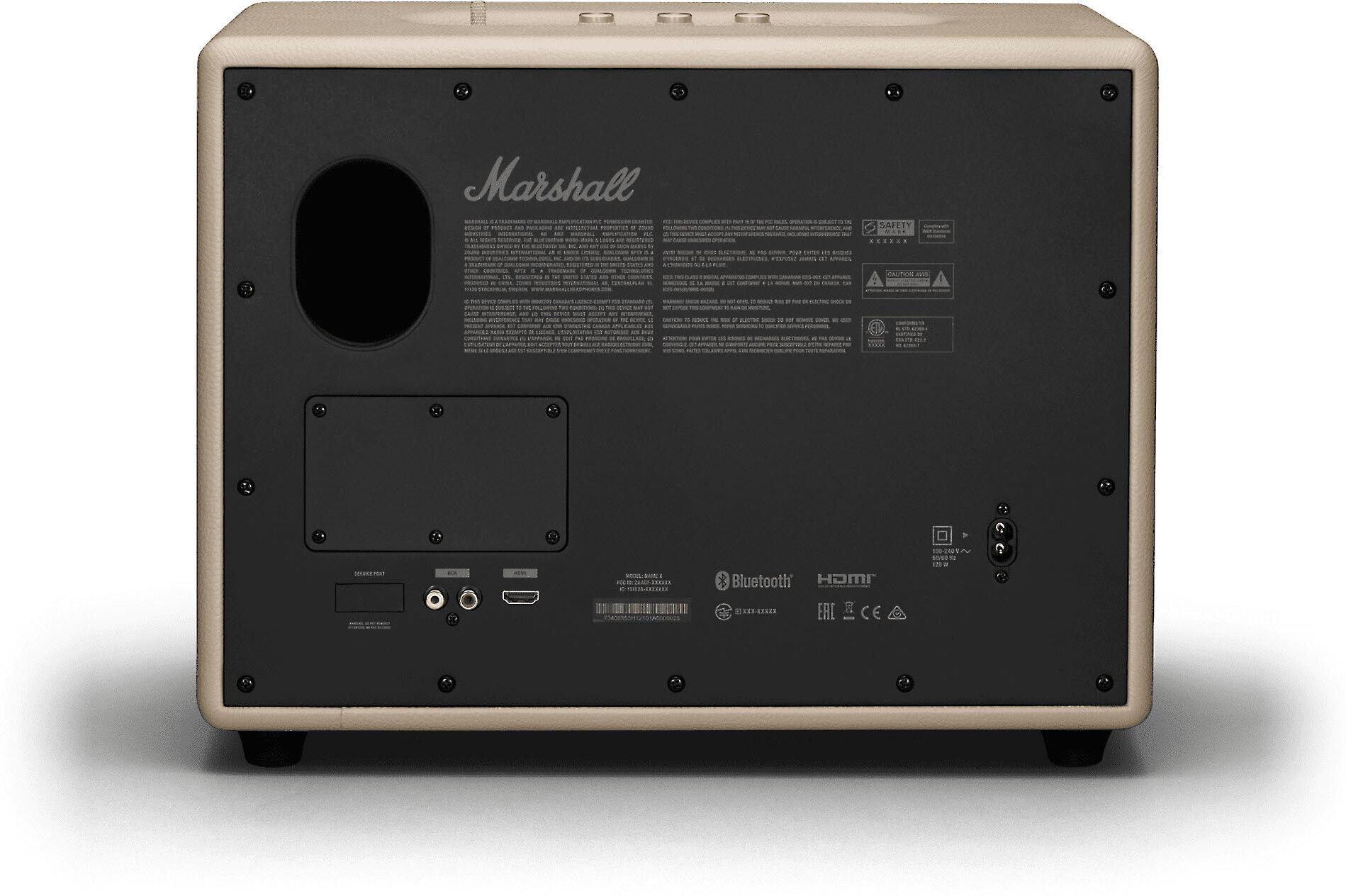
The Woburn III shines in a home entertainment setup. Its HDMI ARC connection allows it to seamlessly integrate with your TV, automatically turning on and off with the television and accepting TV remote volume commands. This feature has transformed my TV watching experience, replacing my soundbar with notably better audio quality.
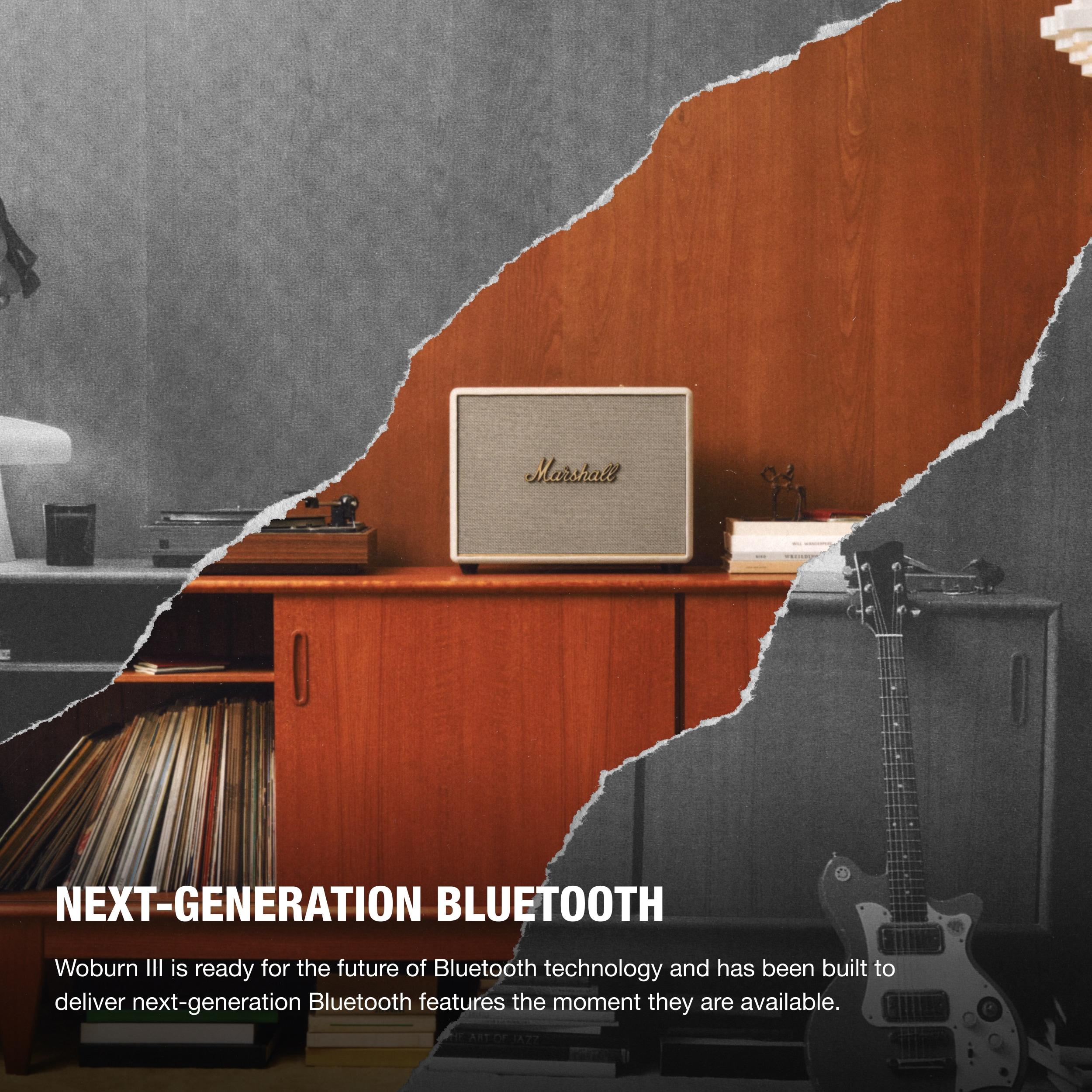
The speaker also supports Bluetooth 5.2 with multi-point pairing, meaning you can connect two devices simultaneously. I regularly switch between my phone and laptop without needing to reconnect, which is surprisingly convenient in daily use.
The Middleton focuses on portable-friendly features. Its Bluetooth 5.1 connection is reliable, and the Stack Mode feature lets you wirelessly connect multiple Middleton speakers for bigger sound. The built-in power bank function can charge your phone in a pinch - a thoughtful addition for outdoor use.
In a home setting, the Woburn III truly excels. Its Dynamic Loudness feature automatically adjusts tonal balance at different volumes, ensuring music sounds full even at lower levels. This is particularly noticeable during evening listening, where the Night Mode feature reduces louder sounds while keeping quieter details clear - perfect for apartment living.
The speaker's frequency response of 35Hz-20kHz means it can reproduce deep bass notes that many smaller speakers miss entirely. In practice, this makes a noticeable difference when watching action movies or listening to bass-heavy music genres.
The Middleton's IP67 water and dust resistance rating means it can handle rain, poolside splashes, or beach days without worry. The 20+ hour battery life is enough for a full weekend of use, and the quick-charge feature provides two hours of playback from just 20 minutes of charging.
While testing outdoors, I've found the True Stereophonic technology creates an impressively wide soundstage that helps music carry well in open spaces. The rugged construction has already survived several accidental drops without any issues.
The Woburn III represents a significant investment at $579, but its versatility as both a music speaker and home theater component helps justify the cost. The superior sound quality and robust construction suggest it will serve well for many years.
The Middleton at $299 offers excellent value for those needing a premium portable speaker. Its durability and feature set make it a reliable companion for both indoor and outdoor use, while the sound quality exceeds most competitors in its price range.
The choice between these speakers ultimately comes down to your primary use case:
Choose the Woburn III if:
Choose the Middleton if:
Both speakers represent Marshall's commitment to quality, just with different priorities. The Woburn III aims to be the centerpiece of your home audio setup, while the Middleton serves as a go-anywhere premium audio companion. Consider your listening habits and environment carefully when making your choice.
Whether you opt for the room-filling sound of the Woburn III or the portable power of the Middleton, both speakers deliver on Marshall's reputation for quality audio. The key is matching their capabilities to your specific needs.
| Marshall Woburn III | Marshall Middleton |
|---|---|
| Price - Investment consideration | |
| $579 (premium home audio) | $299 (premium portable) |
| Power Output - Impacts volume capability and sound clarity | |
| 150W total (90W woofer, 30W mid, 30W tweeters) | 60W total (40W woofers, 20W tweeters) |
| Driver Configuration - Determines sound separation and quality | |
| 3-way: 6" woofer, 2x2" mid, 2x0.75" tweeters | 2-way: 2x3" woofers, 2x0.625" tweeters |
| Frequency Response - Range of bass to treble reproduction | |
| 35Hz-20kHz (deeper bass extension) | 50Hz-20kHz (still good for portable) |
| Connectivity Options - Flexibility for different sources | |
| Bluetooth 5.2, HDMI ARC, RCA, 3.5mm aux | Bluetooth 5.1, 3.5mm aux |
| Special Features - Unique capabilities | |
| Placement compensation, Night mode, Dynamic loudness | True Stereophonic 360° sound, Stack mode, Power bank |
| Durability Rating - Environmental resistance | |
| Indoor use only | IP67 water/dust resistant |
| Power Source - Usage flexibility | |
| AC power only (stationary use) | 20+ hour rechargeable battery |
| Size & Weight - Portability consideration | |
| 15.7" x 12.5" x 8", 16.5 lbs (stationary) | 9.1" x 4.3" x 3.7", 4 lbs (portable) |
| Primary Use Case - Helping determine best fit | |
| Home audio/theater system centerpiece | Versatile indoor/outdoor portable audio |
The Marshall Woburn III ($579) is better for dedicated home audio with superior sound quality, while the Marshall Middleton ($299) is better for portable use with its weatherproof design and battery power. Neither is universally "better" - it depends on your needs.
The primary difference is that the Woburn III is a powerful home speaker that must be plugged in, while the Middleton is a portable, battery-powered speaker designed for both indoor and outdoor use.
No, the Woburn III requires AC power and isn't weatherproof. For outdoor use, choose the Middleton with its IP67 water/dust resistance rating.
The Woburn III has superior sound quality with its 150W system and three-way speaker design. The Middleton still sounds excellent but can't match the Woburn's bass response or overall volume.
The Woburn III connects directly to TVs via HDMI ARC for optimal home theater use. The Middleton can only connect to TVs via auxiliary cable or Bluetooth.
The Middleton is better for parties due to its portability and ability to link multiple speakers. While the Woburn III has more power, it's limited by needing to stay plugged in.
The Middleton offers 20+ hours of battery life. The Woburn III doesn't have a battery - it requires constant AC power.
Both the Woburn III and Middleton support connecting two Bluetooth devices simultaneously for easy switching between sources.
The Middleton is more practical for small apartments due to its compact size and portability. However, if sound quality is your priority, the Woburn III offers superior audio despite its larger size.
The Woburn III is excellent for home theater use with its HDMI ARC connection and powerful sound. The Middleton isn't designed specifically for home theater use.
The Woburn III delivers significantly better bass with its 6-inch woofer and 35Hz low-end frequency response. The Middleton has good bass for its size but can't match the Woburn's capabilities.
Both offer good value for different uses. The Woburn III justifies its higher price with superior sound quality and home theater features, while the Middleton offers excellent value as a premium portable speaker with versatile features.
We've done our best to create useful and informative comparisons to help you decide what product to buy. Our research uses advanced automated methods to create this comparison and perfection is not possible - please contact us for corrections or questions. These are the sites we've researched in the creation of this article: bestbuy.com - crutchfield.com - rtings.com - idownloadblog.com - digit.in - crutchfield.com - epicrewards.com.ph - ione.com.kh - youtube.com - onward.ph - economictimes.indiatimes.com - t3.com - whatsthebest.co.uk - youtube.com - techradar.com - timesofindia.indiatimes.com - crutchfield.com - bestbuy.com - camelcamelcamel.com - marshall.com - marshall.com - crutchfield.com - corporatespecialties.com - rtings.com - itworld.com.my

Privacy Policy
Terms and Conditions - Affiliate Policy
Home Security
© Copyright 2008-2026.
11816 Inwood Rd #1211, Dallas, TX 75244