

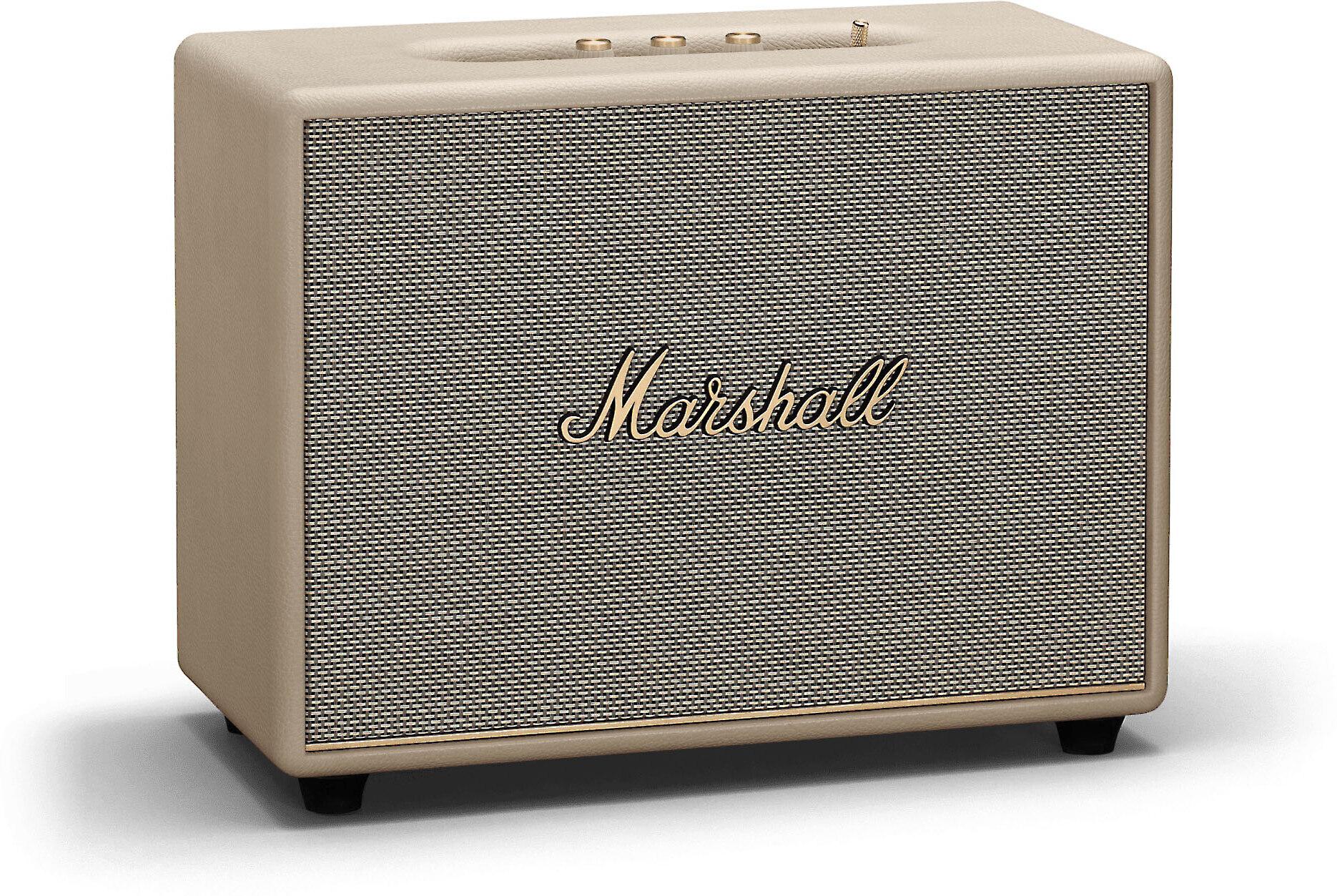
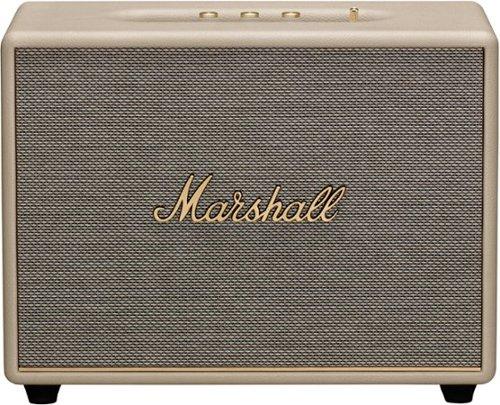
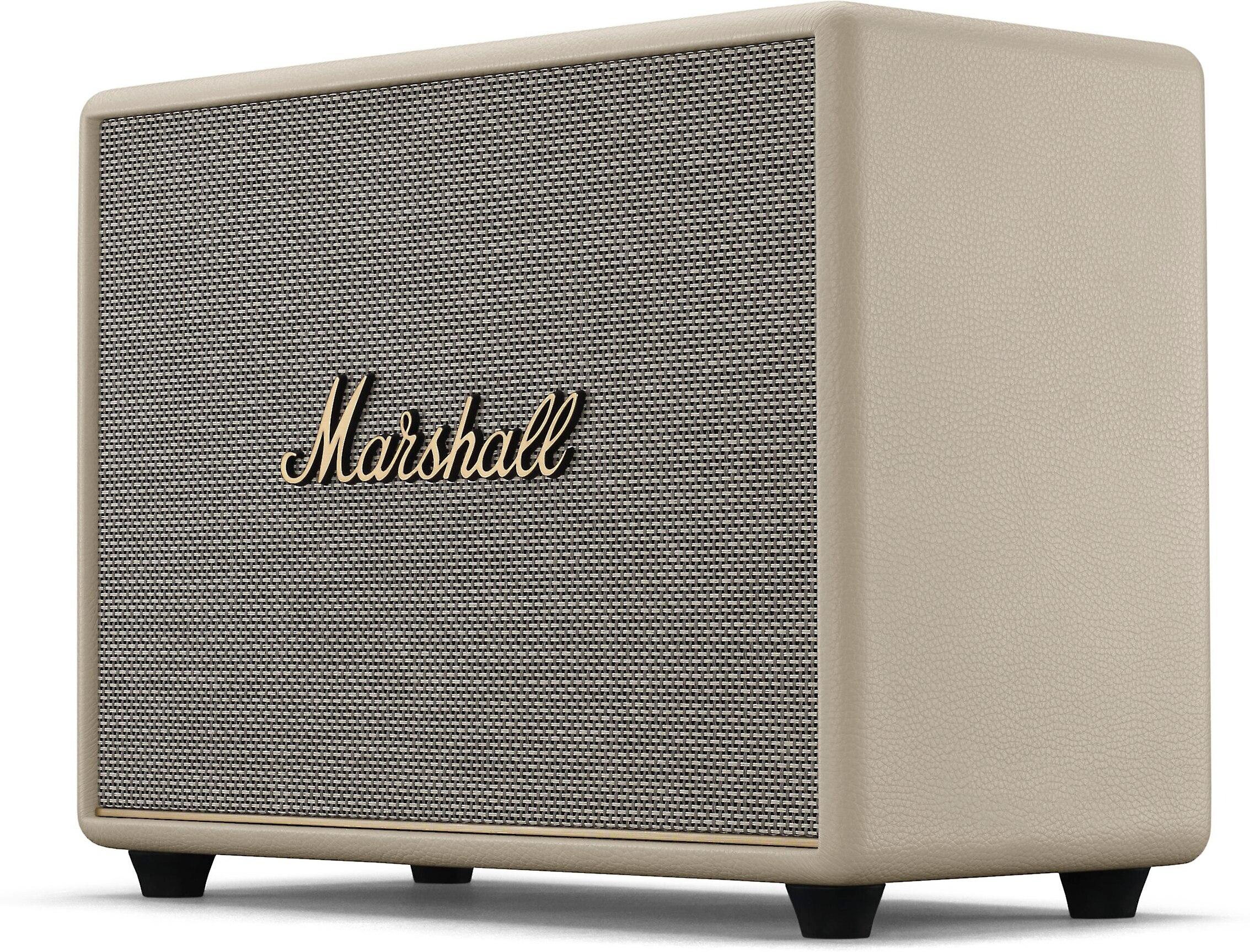
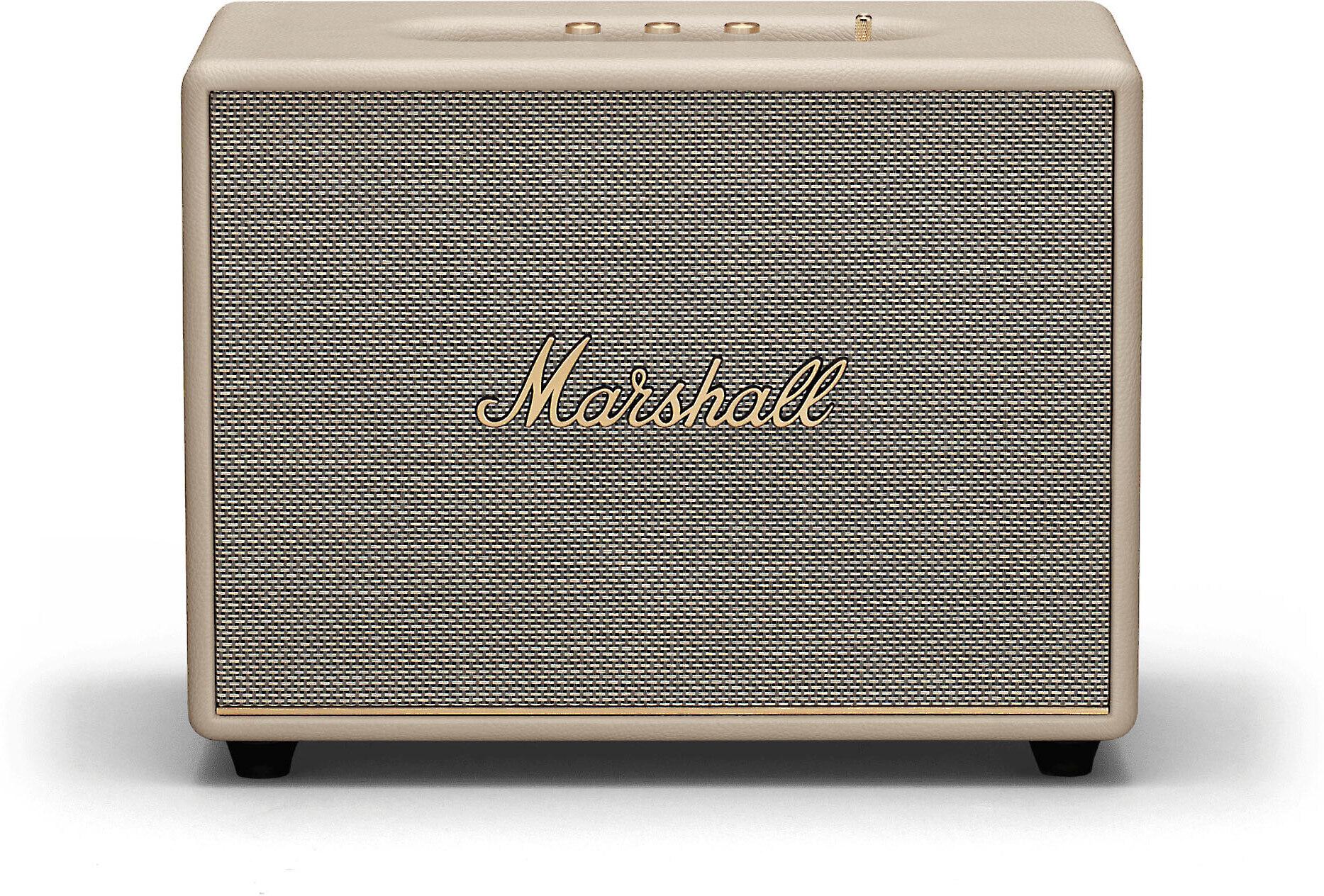
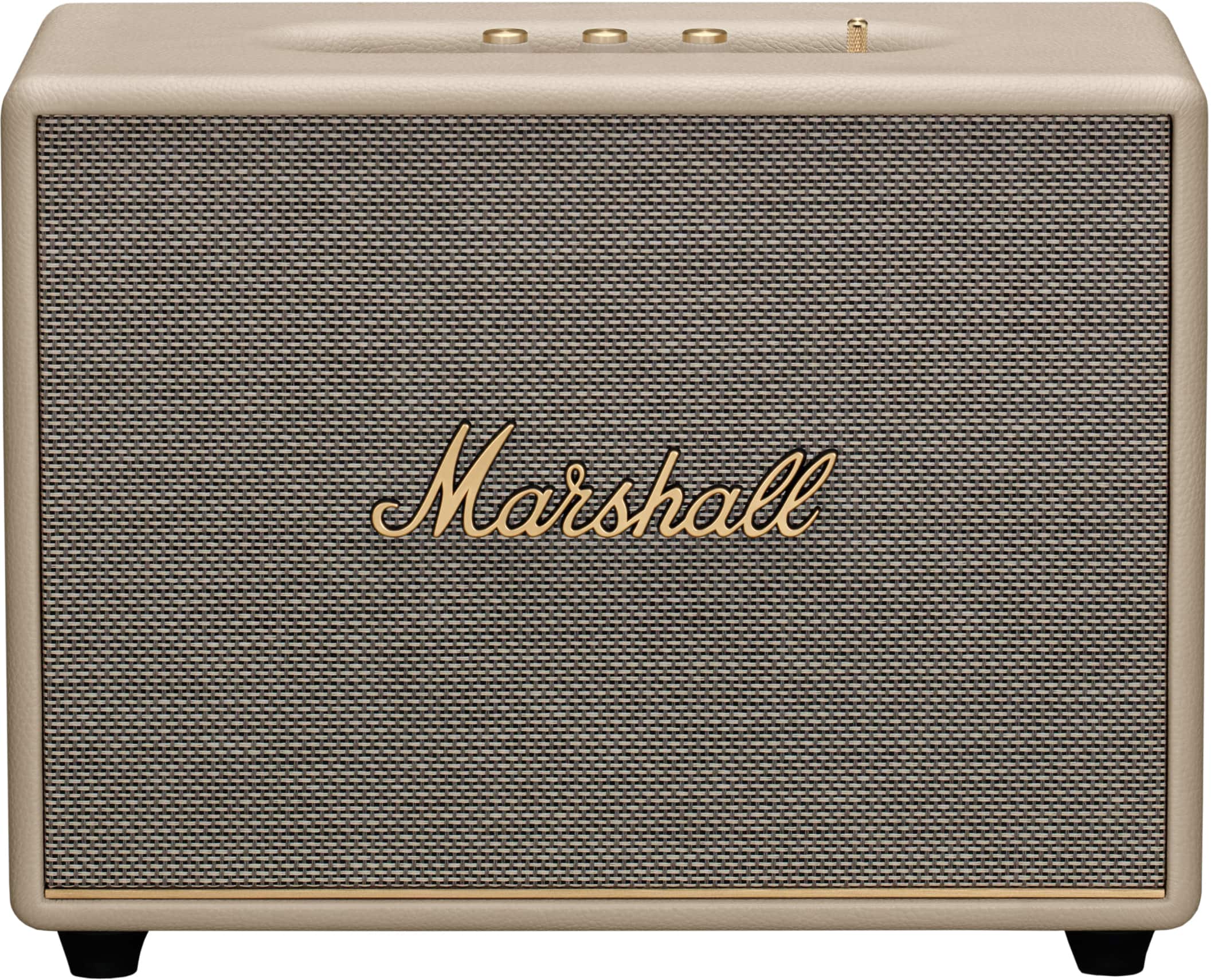

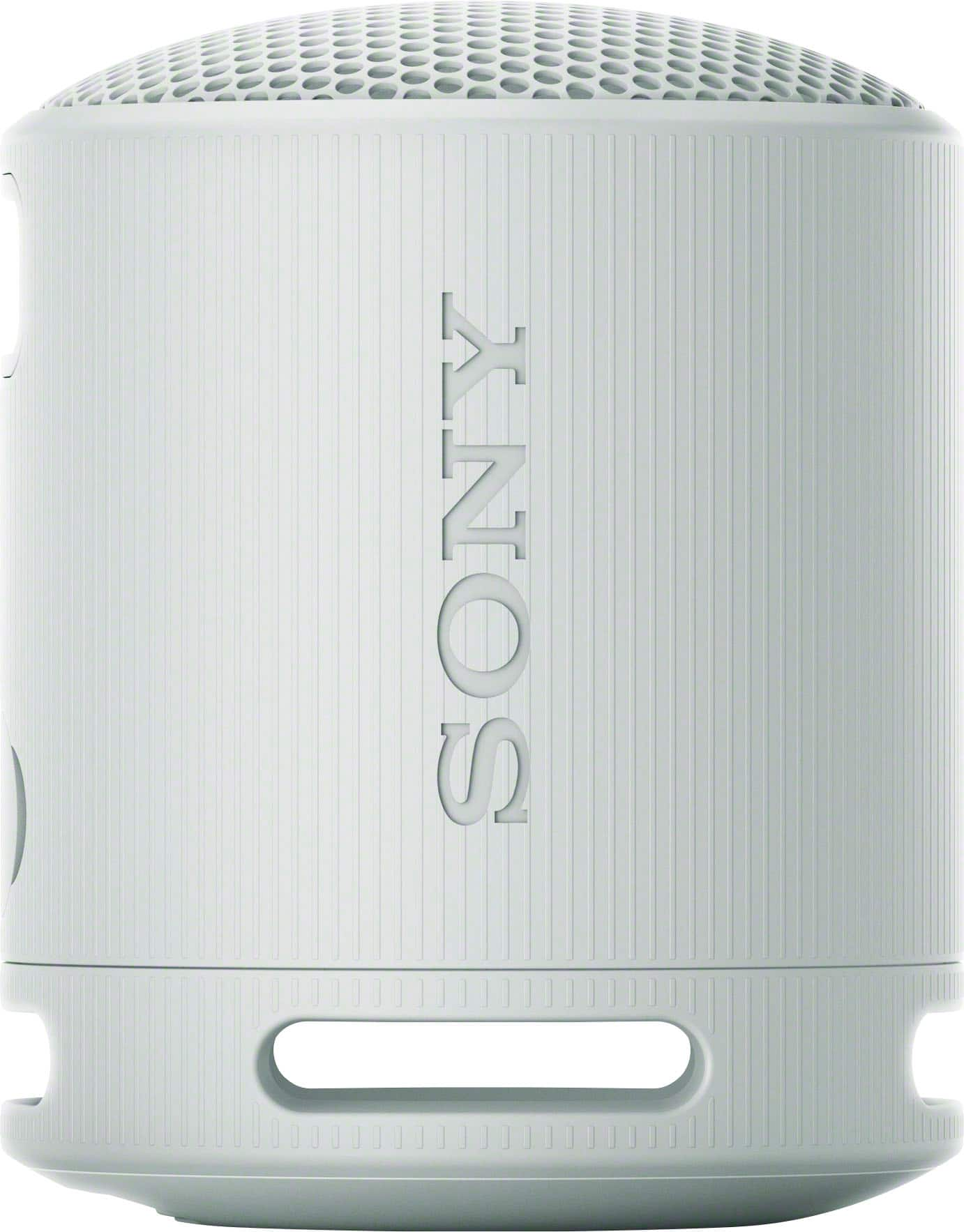


When it comes to wireless audio, the contrast between the Marshall Woburn III ($579.99) and Sony XB100 ($31.99) perfectly illustrates how different two Bluetooth speakers can be. Let's explore what makes each unique and who they're best suited for.
Bluetooth speakers now span an enormous range of sizes and capabilities. From tiny portable units to substantial home audio solutions, the technology has matured to serve nearly every listening scenario. The key is matching the speaker to your primary use case, as this drives every aspect of the design.
Modern Bluetooth speakers benefit from significant advances in both wireless technology and driver design. The latest Bluetooth 5.2/5.3 standards offer improved range, stability, and power efficiency compared to just a few years ago. Meanwhile, speaker engineering has evolved to extract surprising performance from small spaces while also pushing the boundaries of what's possible in larger units.
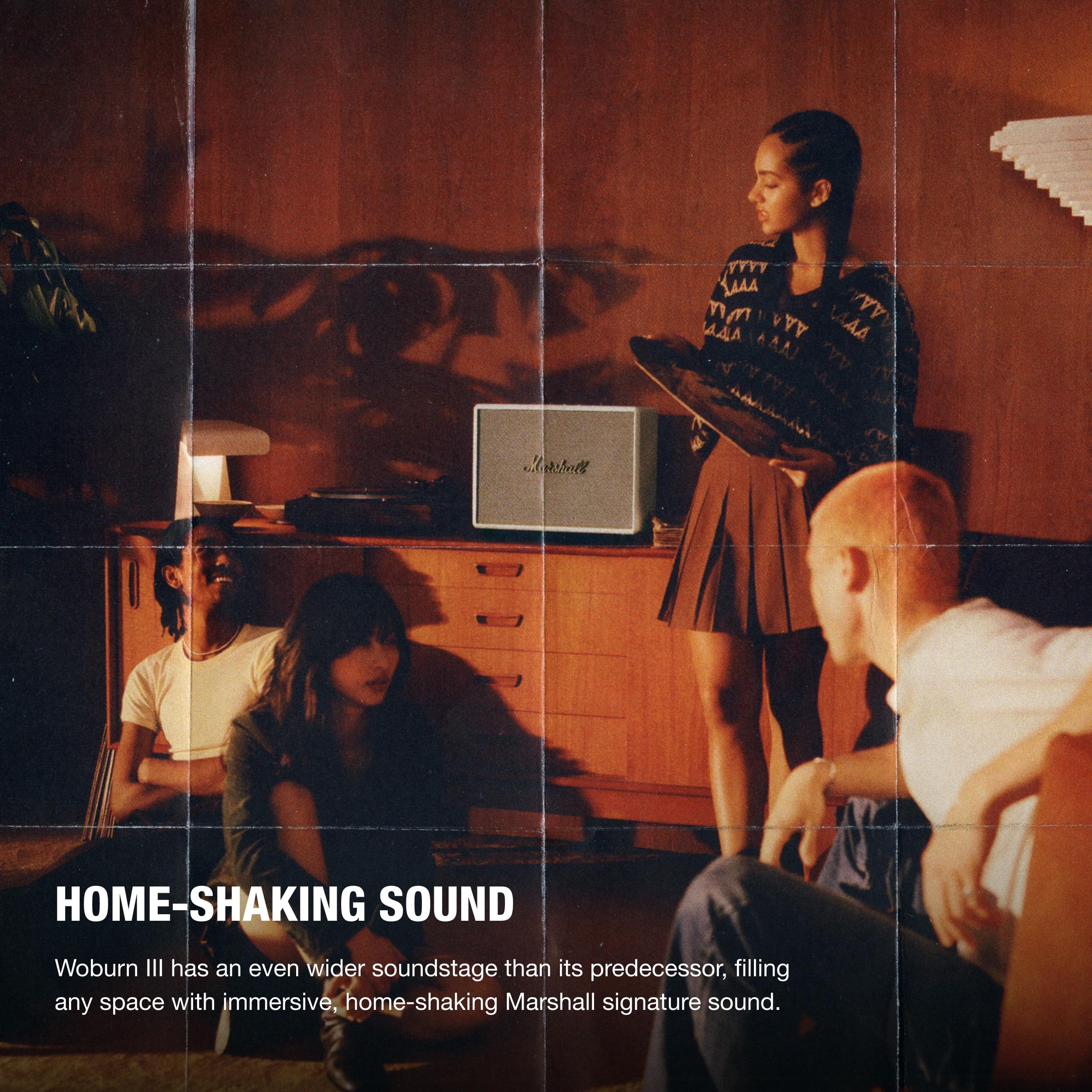
The Marshall Woburn III, released in summer 2022, represents a premium home audio approach. It's designed to be a centerpiece of your listening space, with its retro Marshall amp styling and substantial physical presence. At over 16 pounds, it's meant to find a home and stay there.
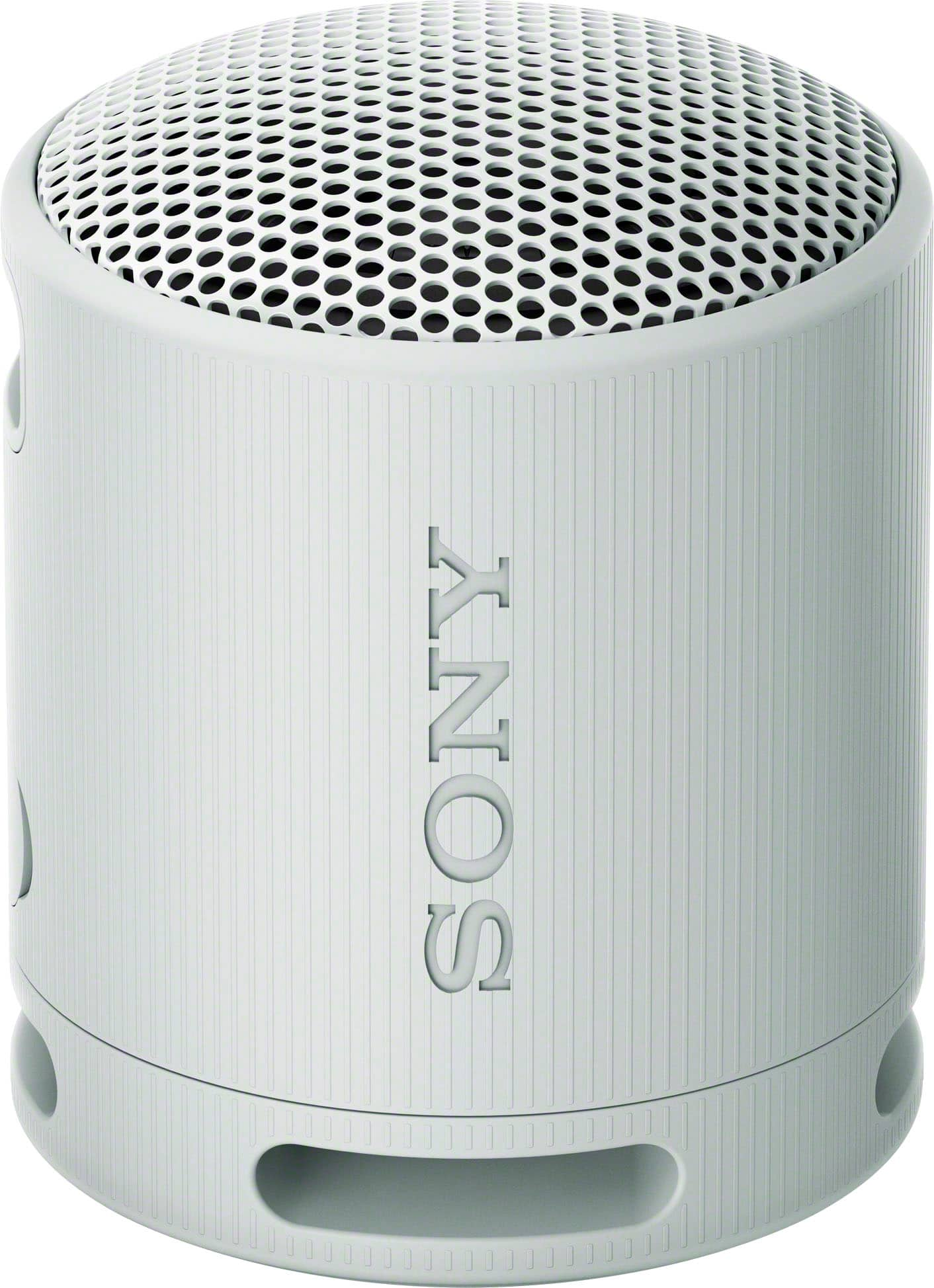
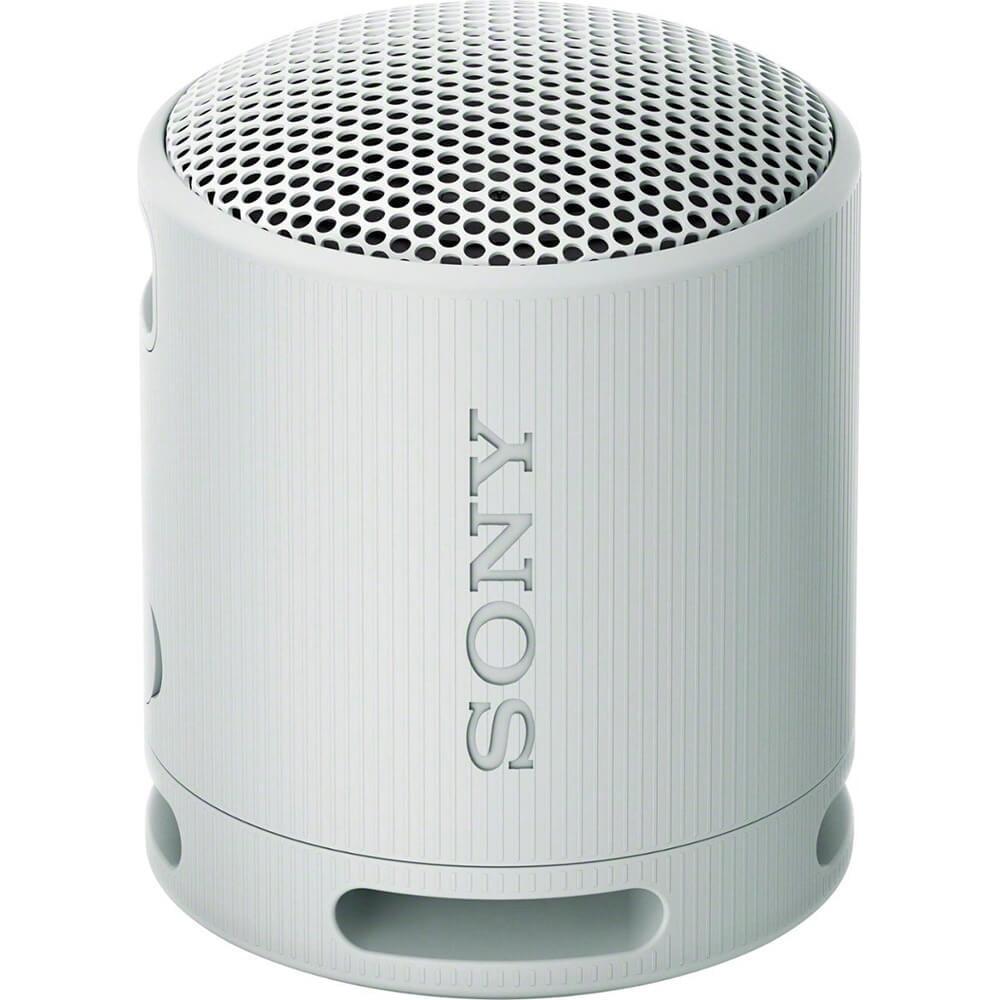
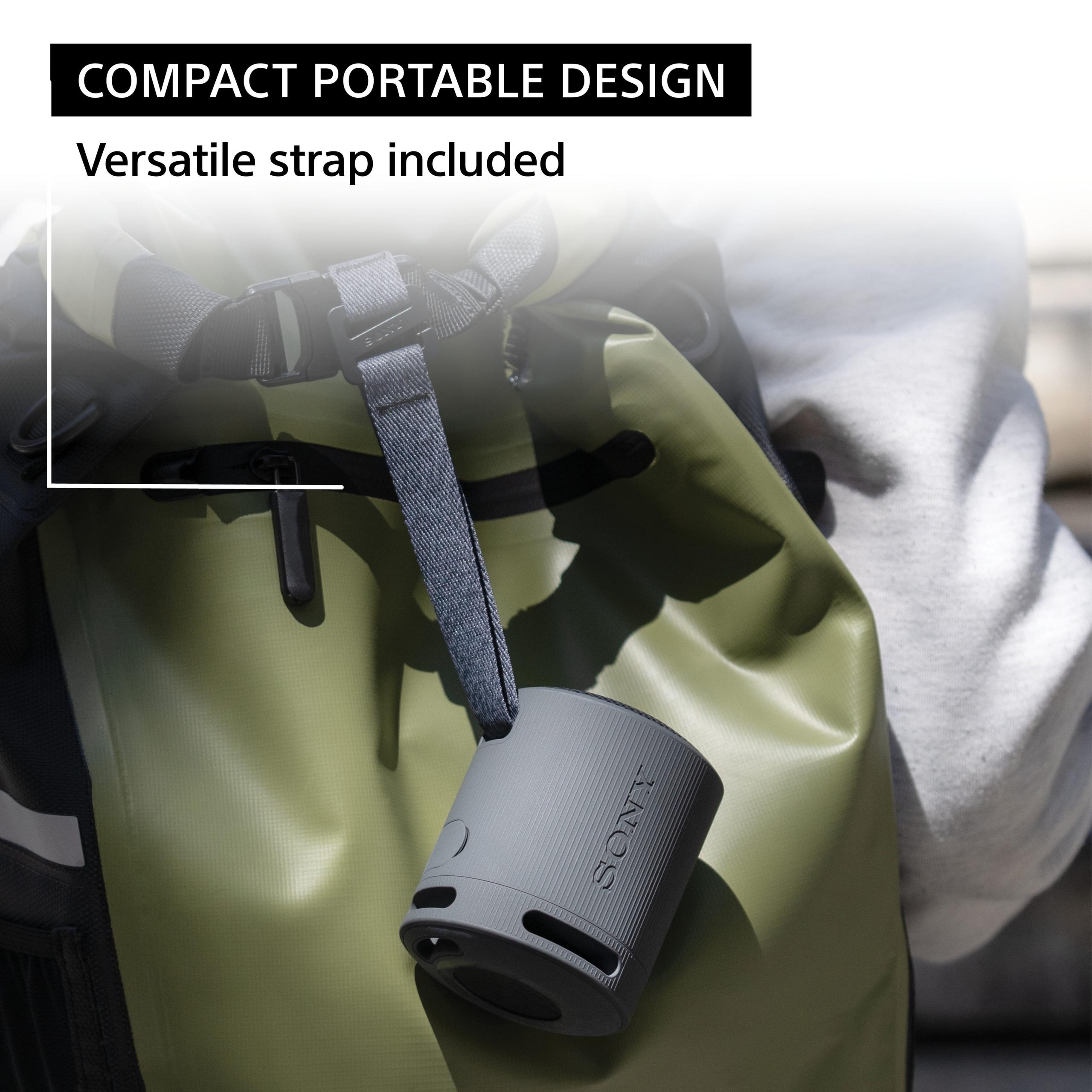
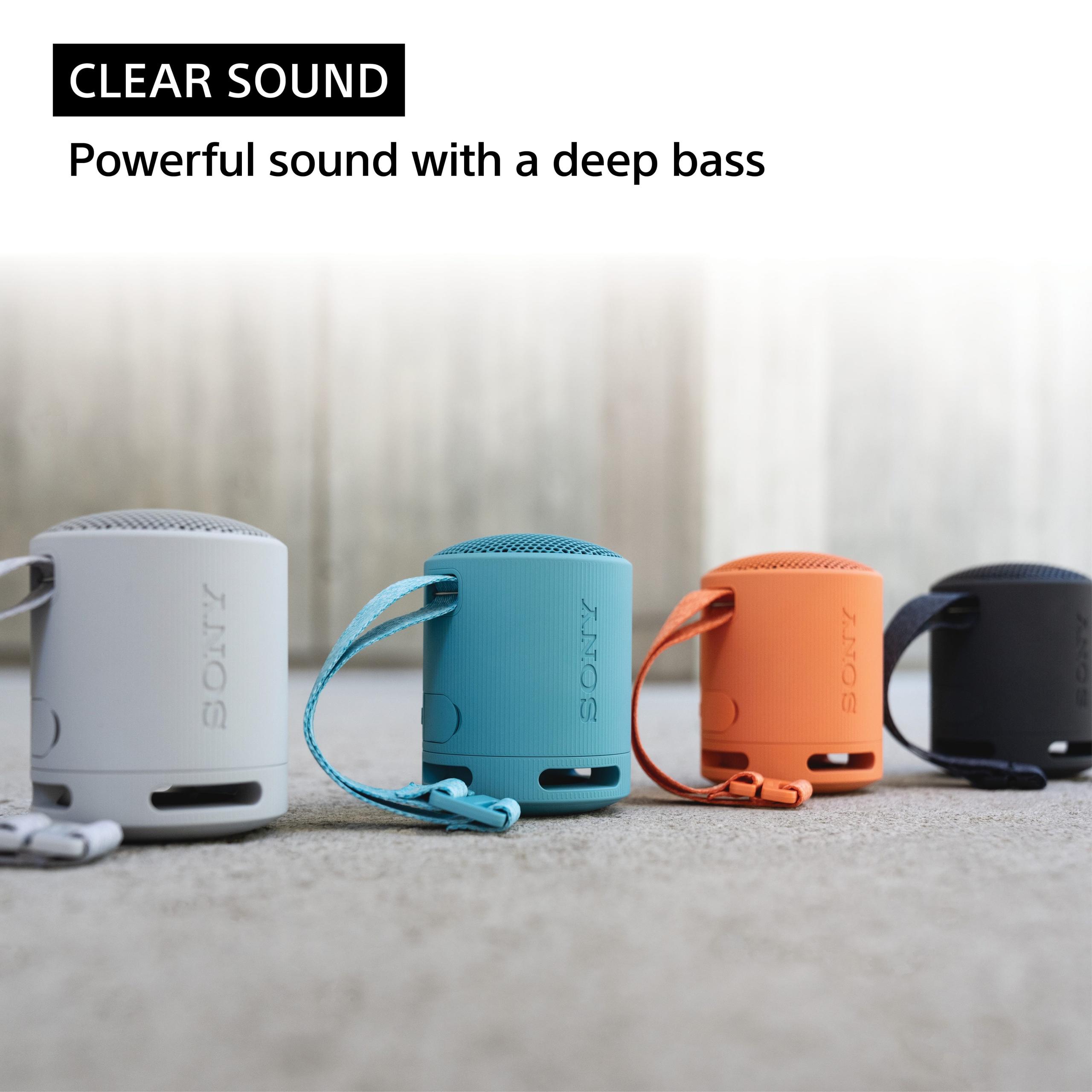
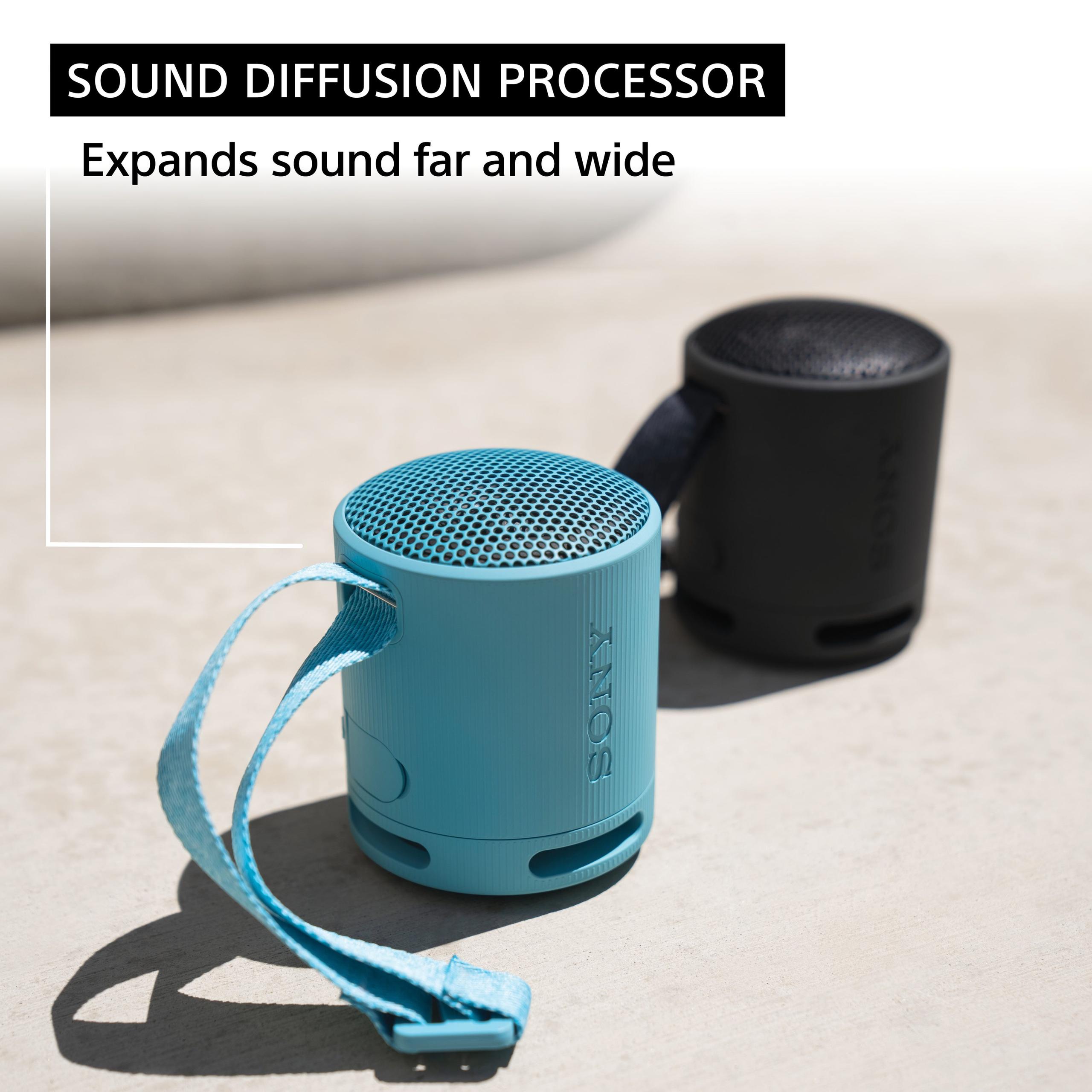
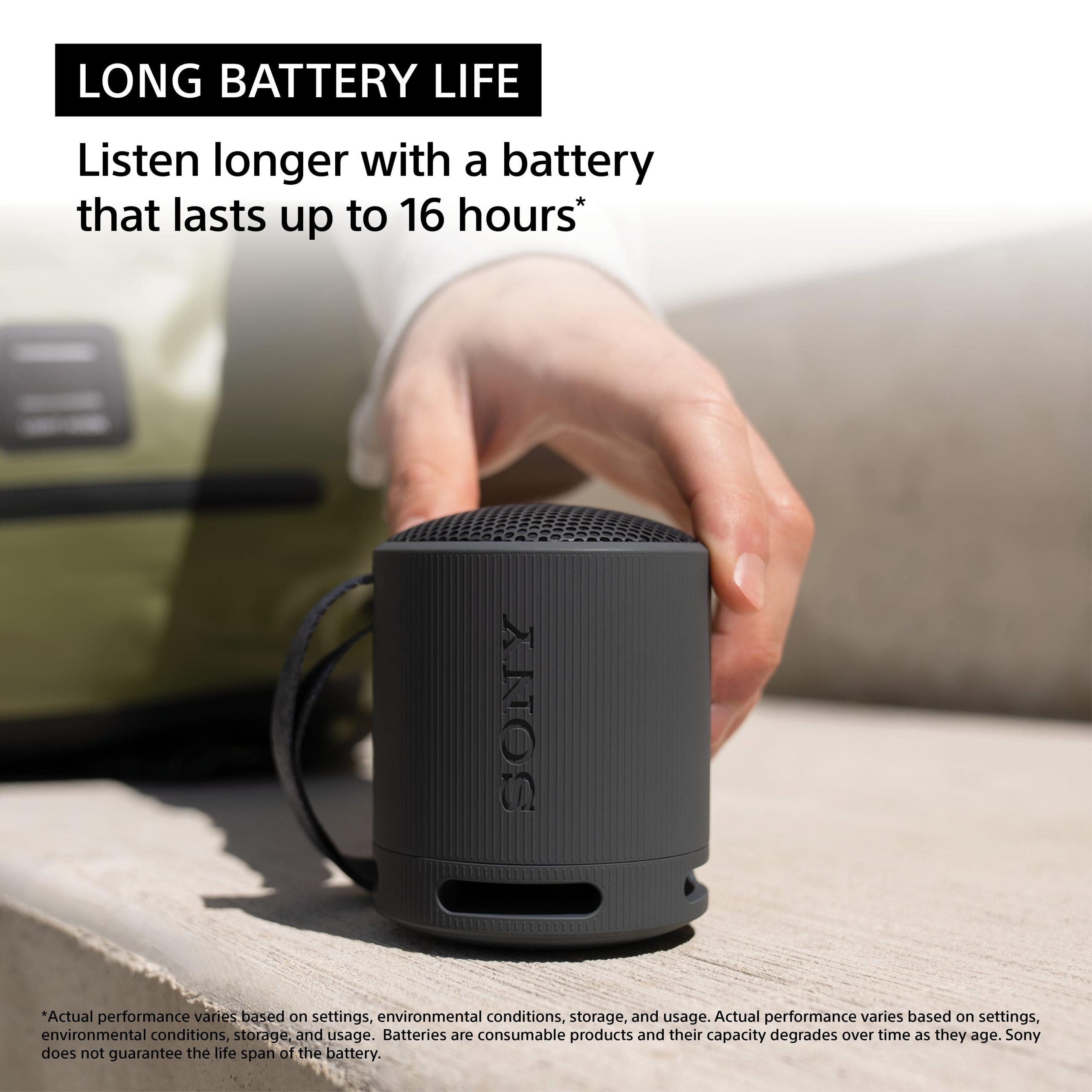
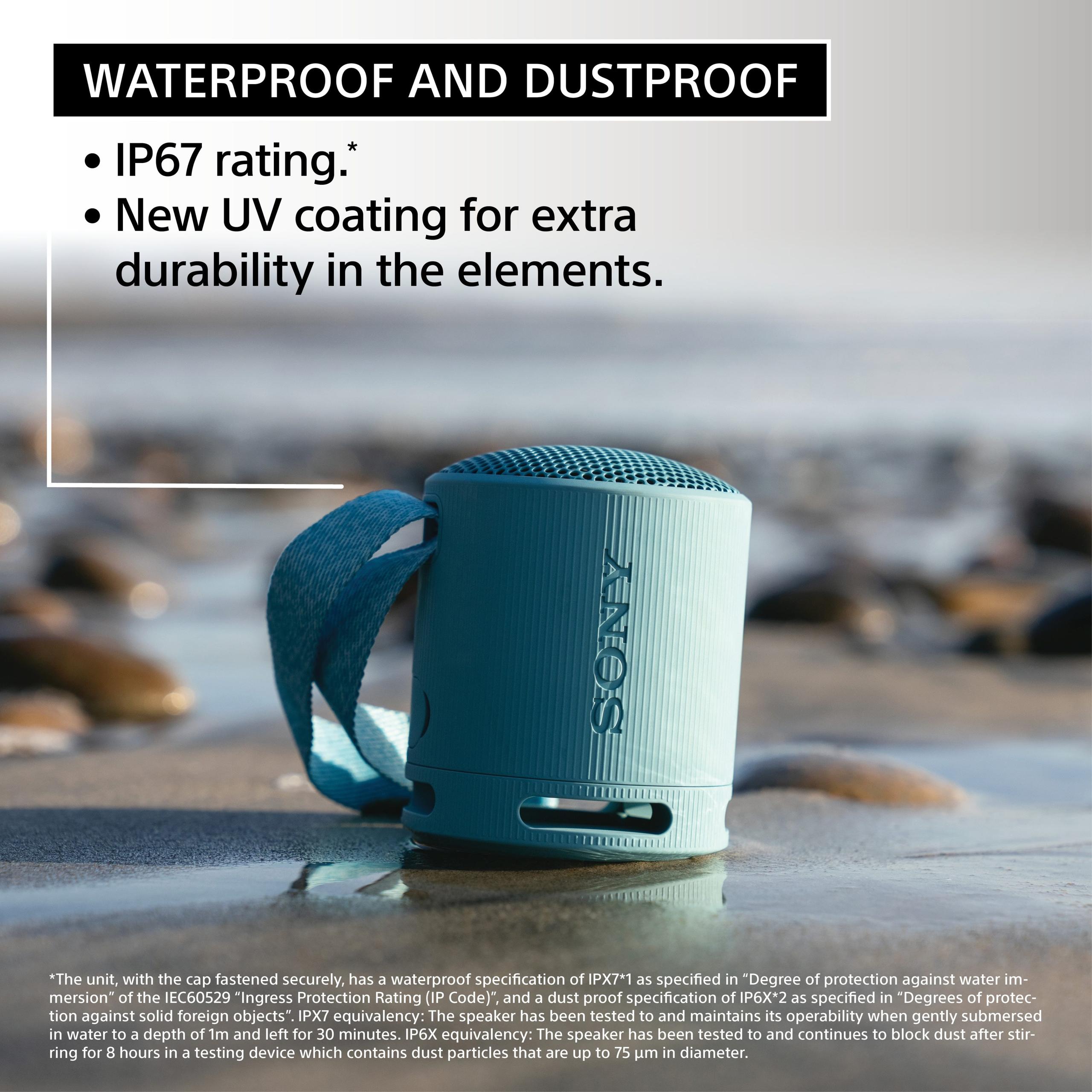
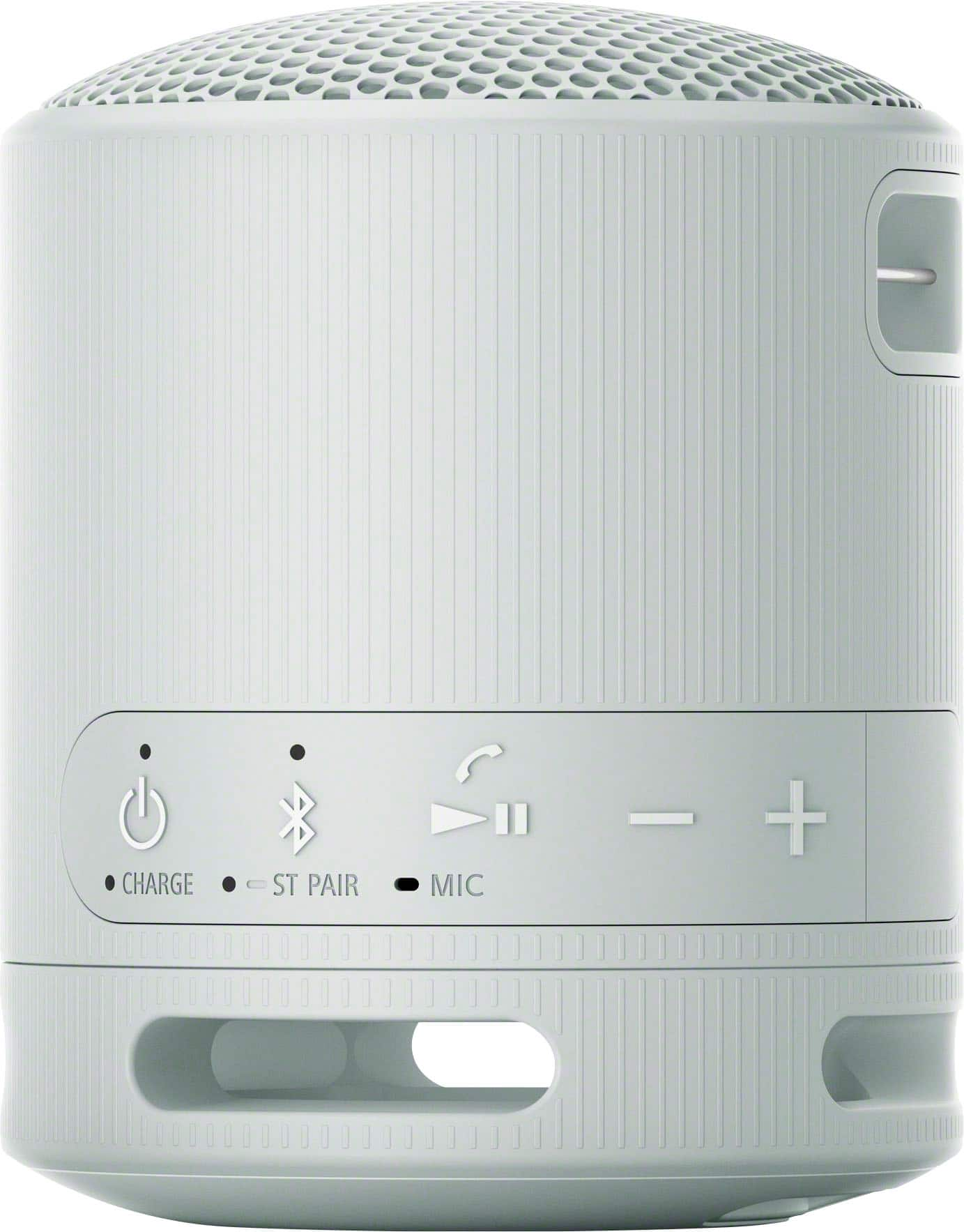
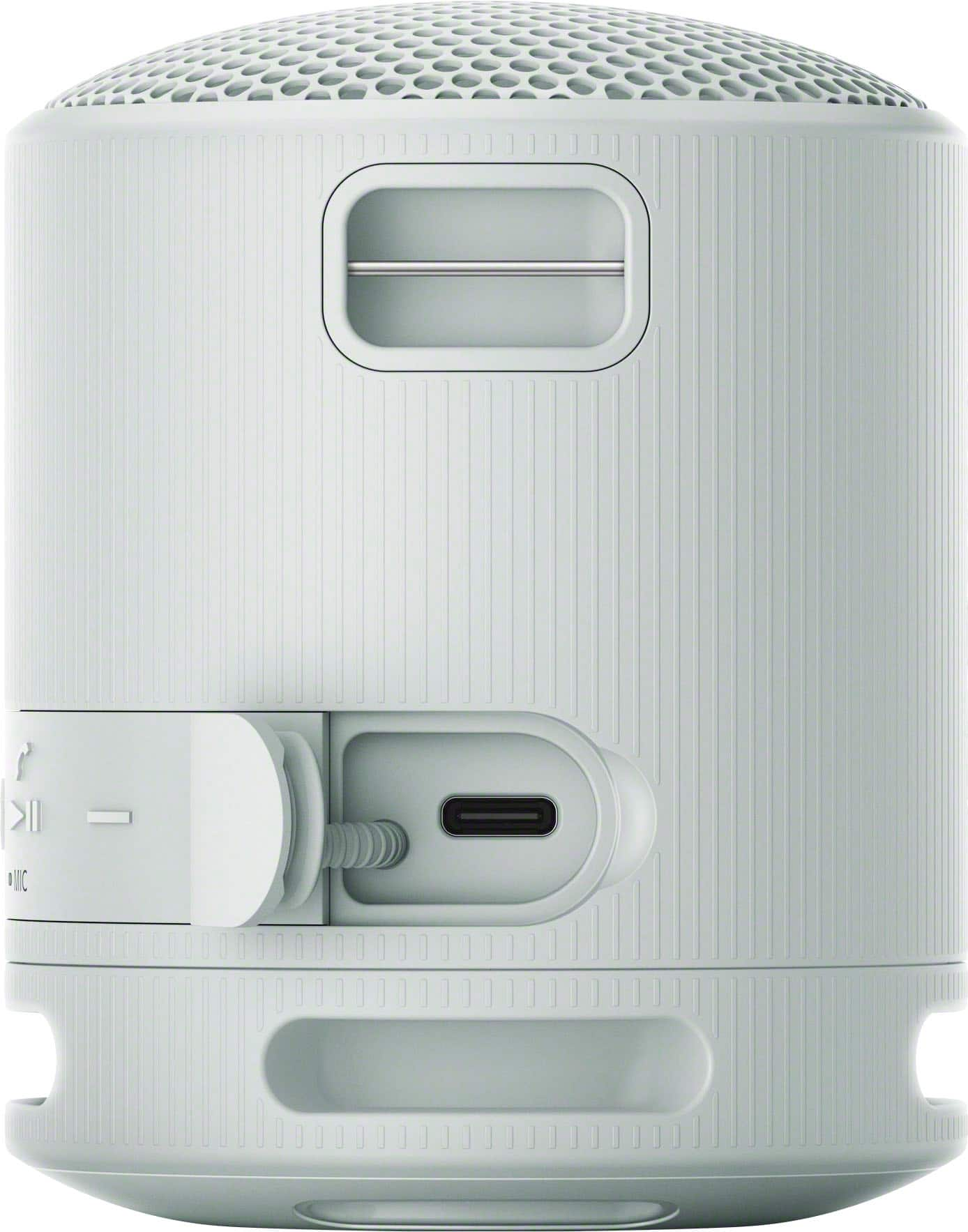
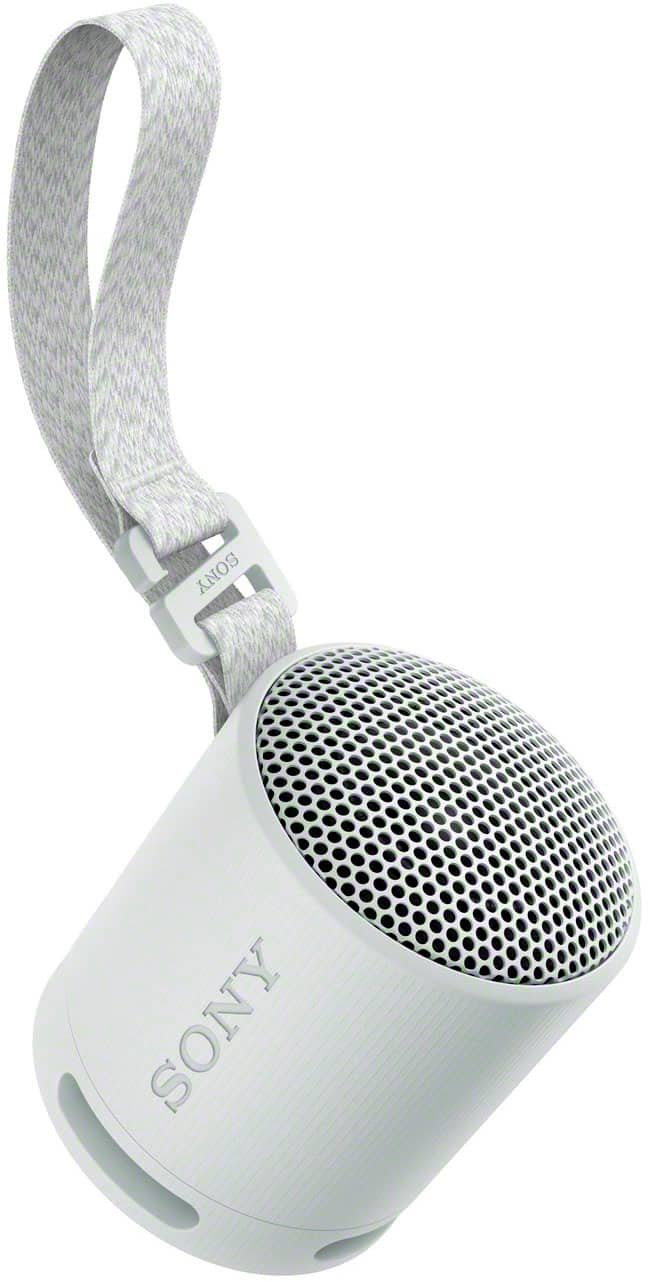
In contrast, the Sony XB100, launched in 2023, embodies modern portable audio design. Weighing just over half a pound and smaller than a coffee mug, it's engineered for life on the move. Its rugged waterproof construction tells you everything about its intended use.
The Woburn III's three-way speaker design represents a serious approach to audio reproduction. Here's why it matters:
The speaker's Dynamic Loudness feature automatically adjusts frequency response at different volumes - a sophisticated approach that maintains sound quality even at lower listening levels. This is particularly valuable for late-night listening or when you want background music.
The XB100 takes a different but equally thoughtful approach for its size:
Having tested both, the Woburn III produces the kind of room-filling sound you'd expect from a dedicated audio system. Bass is rich and controlled, midrange is detailed, and high frequencies extend well without becoming harsh. The XB100, while obviously more limited, delivers remarkably balanced sound for its size, with enough volume to be heard clearly outdoors.
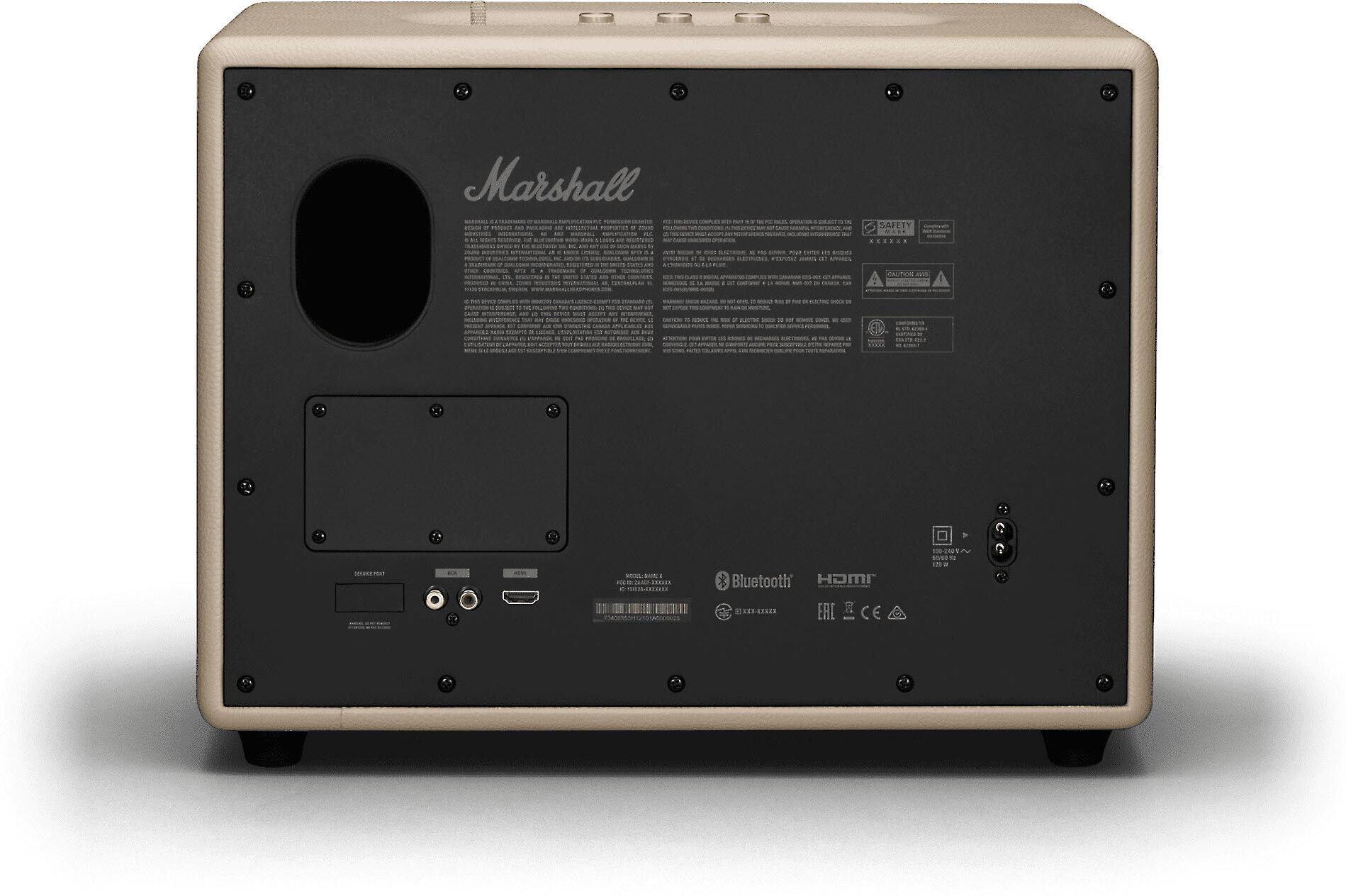
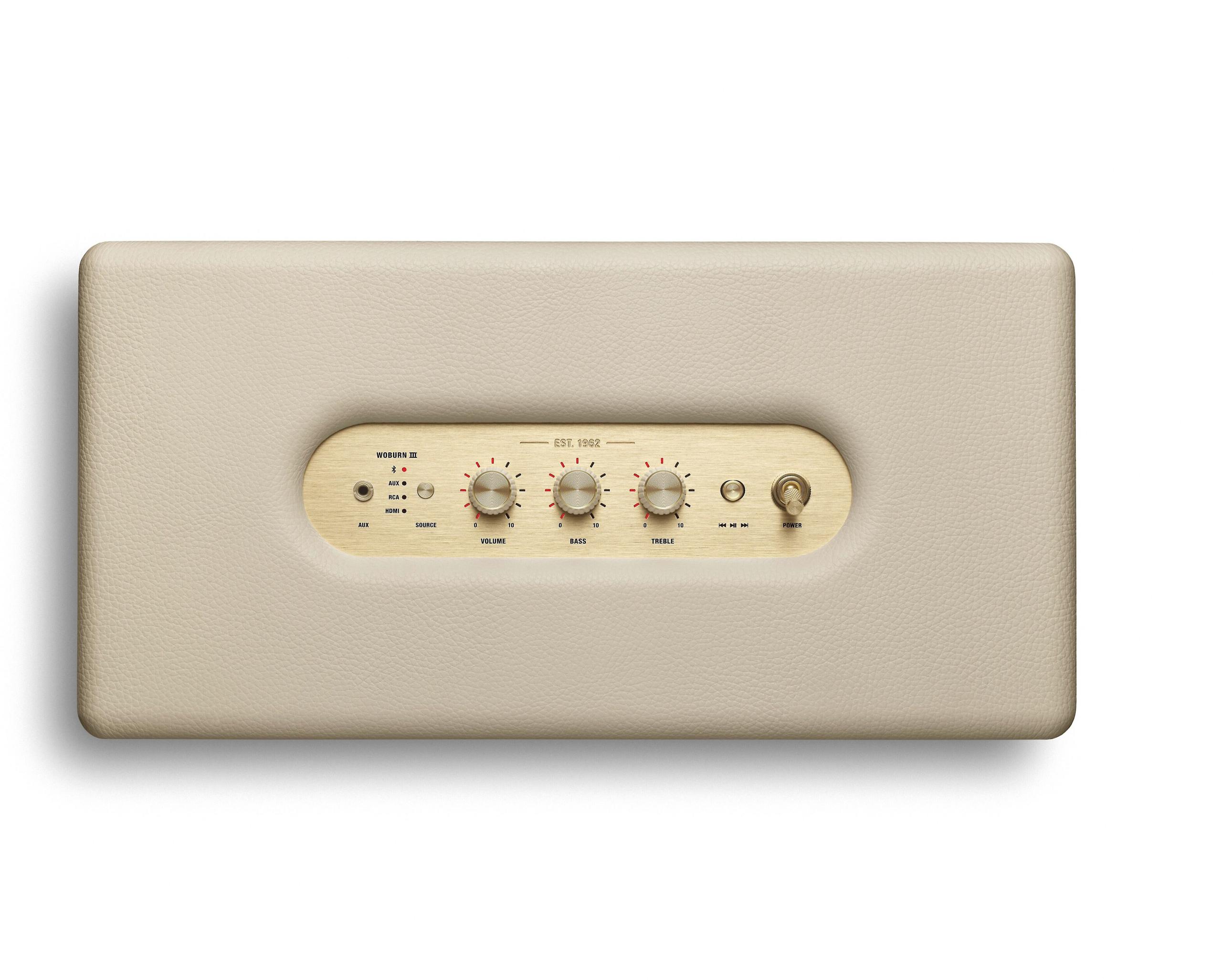
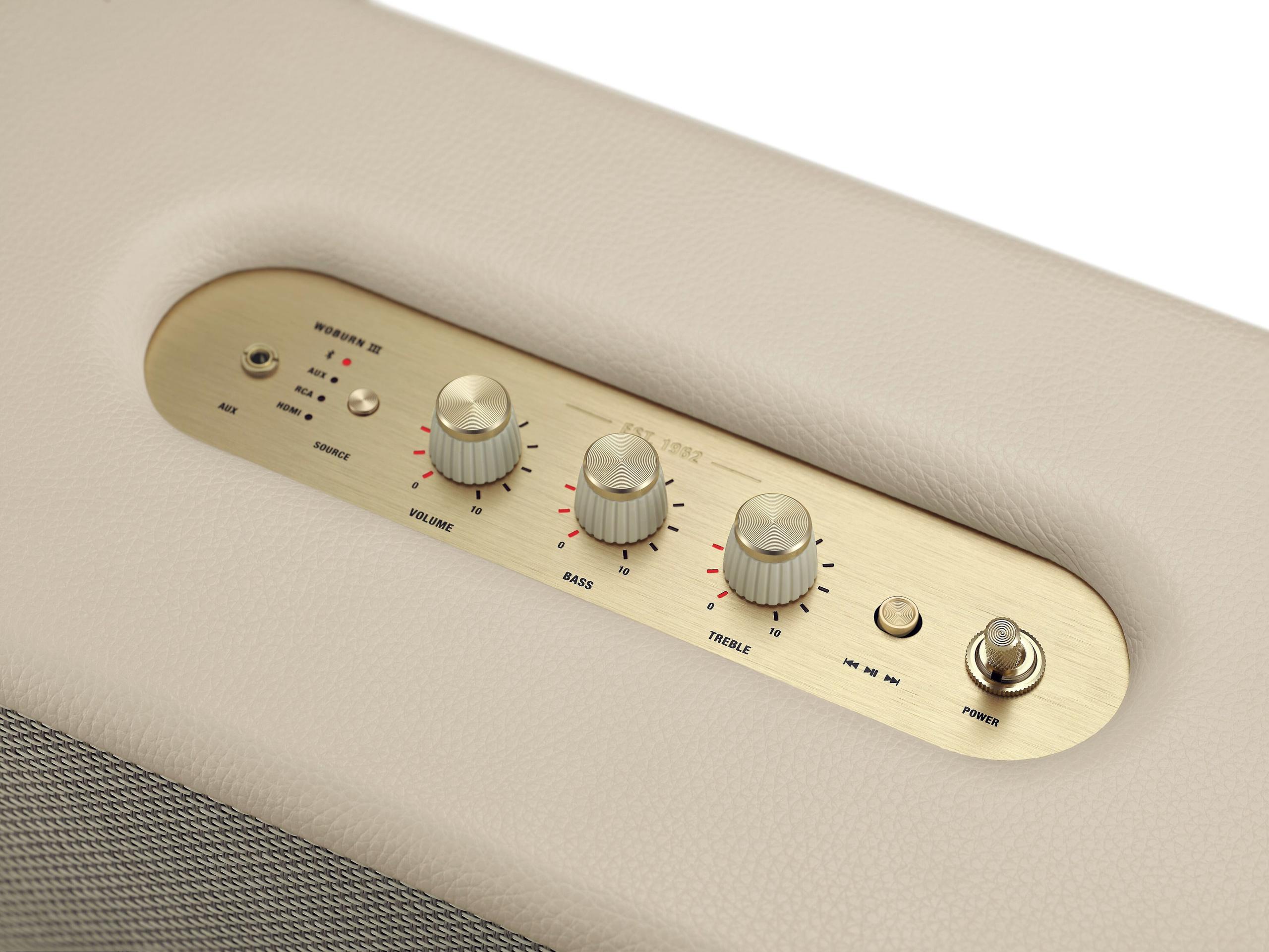
The Woburn III shines as a home audio hub:
This flexibility makes it particularly valuable in a home theater setup. The HDMI ARC connection means it can seamlessly integrate with your TV, automatically turning on and off and accepting remote control commands for volume.
The XB100 focuses on the essentials:
The Woburn III excels in home environments:
The XB100 is built for adventure:
The price difference between these speakers is substantial, but comparing them directly misses the point. The Woburn III represents an investment in home audio that could serve as your primary music system for many years. Its ability to connect to multiple sources and integrate with home theater makes it more versatile than typical Bluetooth speakers.
The XB100's value proposition is different but equally valid. Its durability and portability mean it can go places where you'd never take the Woburn III, and its modest price makes it a practical choice for outdoor activities where damage is possible.
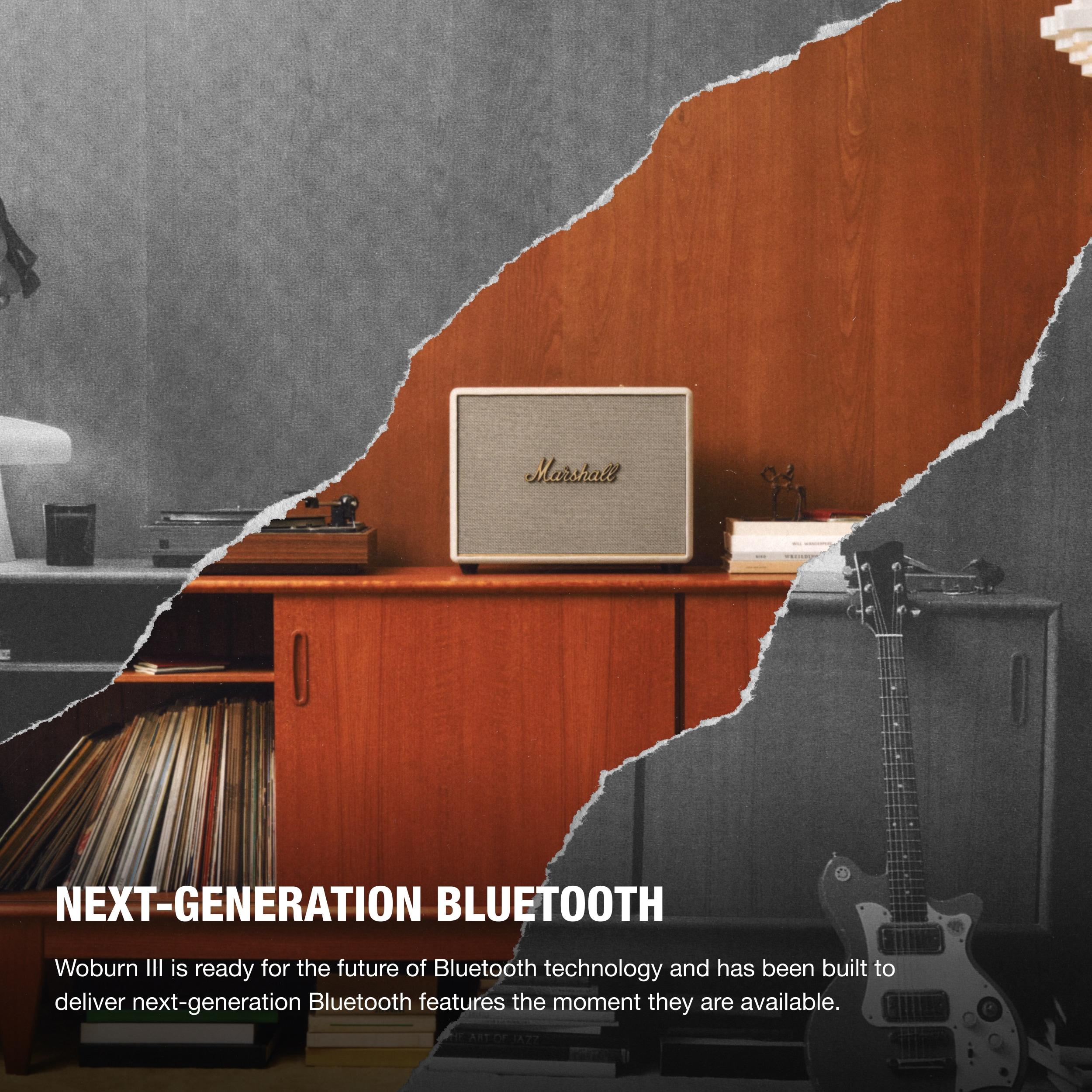
Both speakers represent current technology in their respective categories. The Woburn III's Bluetooth 5.2 implementation and HDMI connectivity make it future-ready for most home audio needs. The XB100's Bluetooth 5.3 and modern codec support ensure it will remain compatible with new devices for years to come.
The choice between these speakers ultimately depends on your listening habits and environment. They're both excellent at what they're designed to do, but they serve fundamentally different purposes. Consider your primary use case carefully, as this should guide your decision more than any specific feature comparison.
| Marshall Woburn III ($579.99) | Sony XB100 ($31.99) |
|---|---|
| Sound System - Determines overall audio quality and room-filling capability | |
| 150W three-way system with dedicated tweeters, mids, and woofer | Single full-range driver with passive radiator |
| Size & Weight - Impacts placement options and portability | |
| 15.75" x 12.5" x 9" / 16.42 lbs (stationary home unit) | 3" x 3.74" / 0.6 lbs (ultra-portable) |
| Bluetooth Version - Affects connection stability and range | |
| 5.2 with multi-device support | 5.3 with single device connection |
| Additional Inputs - Provides flexibility for different audio sources | |
| HDMI ARC, RCA, 3.5mm aux | None (Bluetooth only) |
| Durability Rating - Important for intended use environment | |
| Not rated for water/dust (indoor only) | IP67 waterproof and dustproof |
| Power Source - Determines mobility and placement requirements | |
| AC power only (must be plugged in) | Rechargeable battery (16 hour life) |
| Advanced Features - Adds value through additional functionality | |
| App control, EQ, night mode, placement compensation | Stereo pairing, hands-free calls, Sound Diffusion Processor |
| Frequency Response - Indicates bass capability and overall range | |
| 35-20,000 Hz (full range with deep bass) | Not specified (limited bass response) |
| Primary Use Case - Most suitable application | |
| Primary home audio system, TV sound, room-filling music | Personal portable audio, outdoor activities, travel |
The Marshall Woburn III ($579.99) offers significantly better sound quality with its 150W three-way speaker system. The Sony XB100 ($31.99) provides good sound for its size but can't match the Woburn III's room-filling audio and bass response.
The Marshall Woburn III includes HDMI ARC for direct TV connection and can serve as a TV sound system. The Sony XB100 can only connect to TVs via Bluetooth if available.
The Sony XB100 is specifically designed for outdoor use with IP67 water/dust protection and portable size. The Marshall Woburn III is not weatherproof and requires AC power, making it indoor-only.
The Sony XB100 offers 16 hours of battery life. The Marshall Woburn III doesn't have a battery and must remain plugged in.
The Marshall Woburn III supports connecting multiple Bluetooth devices simultaneously. The Sony XB100 can only connect to one device at a time.
The Marshall Woburn III is ideal for indoor parties with its powerful sound system and room-filling capability. The Sony XB100 is better suited for small gatherings or personal listening.
The Sony XB100 can be paired with another XB100 for stereo sound. The Marshall Woburn III doesn't support speaker pairing.
The Marshall Woburn III delivers superior bass with its 6" woofer and 35Hz low-end response. The Sony XB100 has limited bass due to its compact size.
Both speakers offer simple Bluetooth pairing. The Marshall Woburn III requires additional setup for HDMI and app features, while the Sony XB100 is essentially plug-and-play.
The Sony XB100 includes a built-in microphone for hands-free calling. The Marshall Woburn III doesn't support call functionality.
The Sony XB100 offers excellent value for portable use at $32. The Marshall Woburn III justifies its higher price through superior sound quality and additional features.
Both speakers work with any Bluetooth-enabled device. The Marshall Woburn III and Sony XB100 support common Bluetooth codecs for universal compatibility.
We've done our best to create useful and informative comparisons to help you decide what product to buy. Our research uses advanced automated methods to create this comparison and perfection is not possible - please contact us for corrections or questions. These are the sites we've researched in the creation of this article: bestbuy.com - crutchfield.com - rtings.com - idownloadblog.com - digit.in - crutchfield.com - epicrewards.com.ph - ione.com.kh - youtube.com - onward.ph - economictimes.indiatimes.com - techradar.com - bestbuy.com - bestbuy.com - tomsguide.com - electronics.sony.com - sony-asia.com - sony.com - sony.com - thesonyshop.ca - cornellstore.com - bestbuy.com

Privacy Policy
Terms and Conditions - Affiliate Policy
Home Security
© Copyright 2008-2026.
11816 Inwood Rd #1211, Dallas, TX 75244