

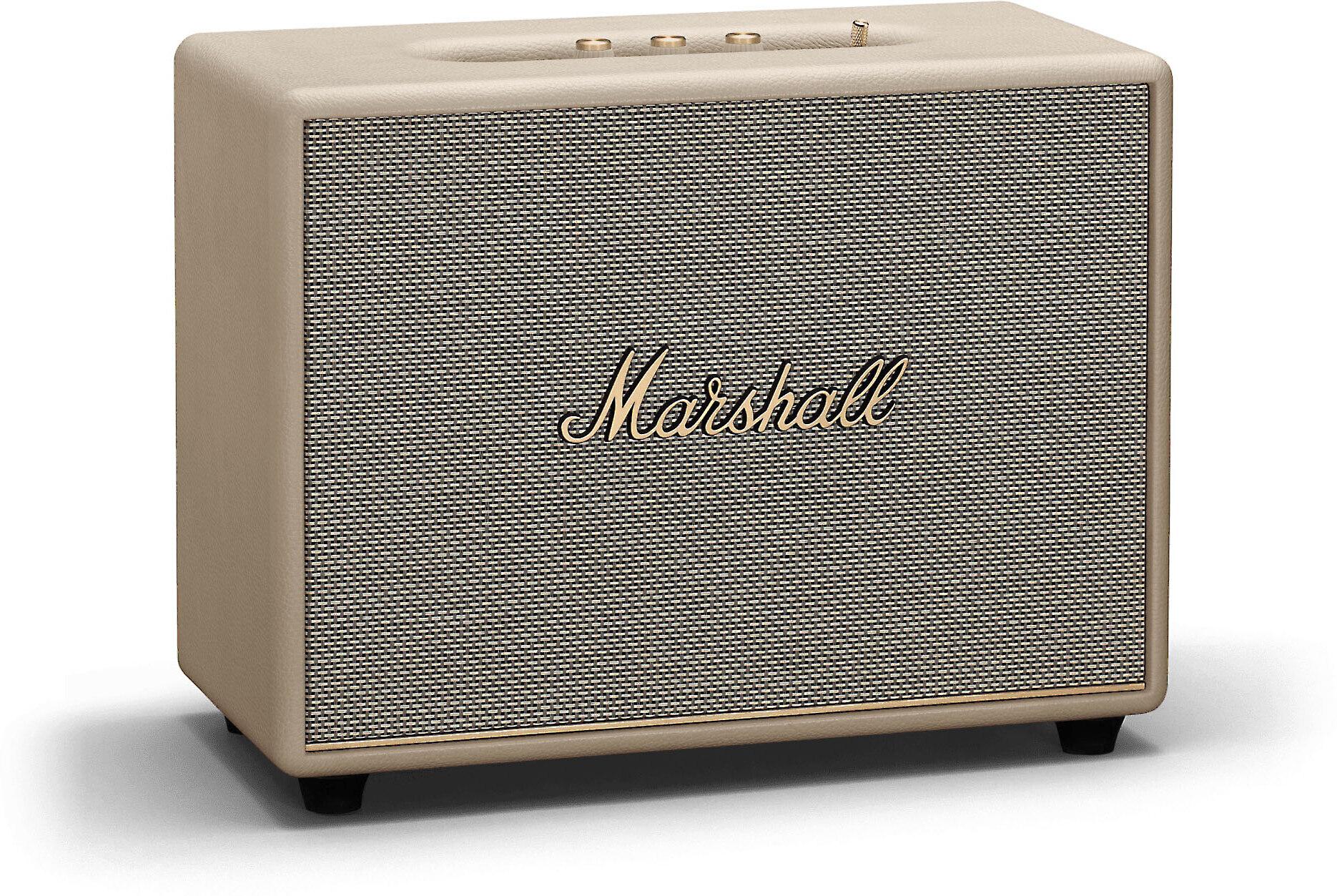
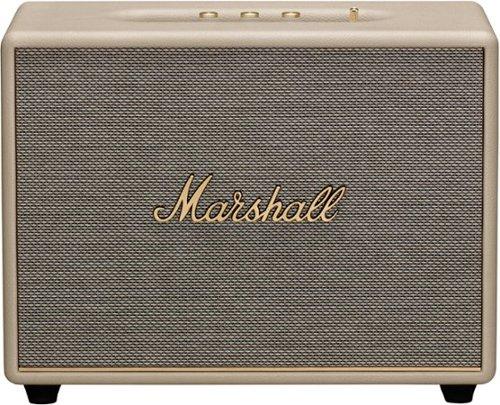
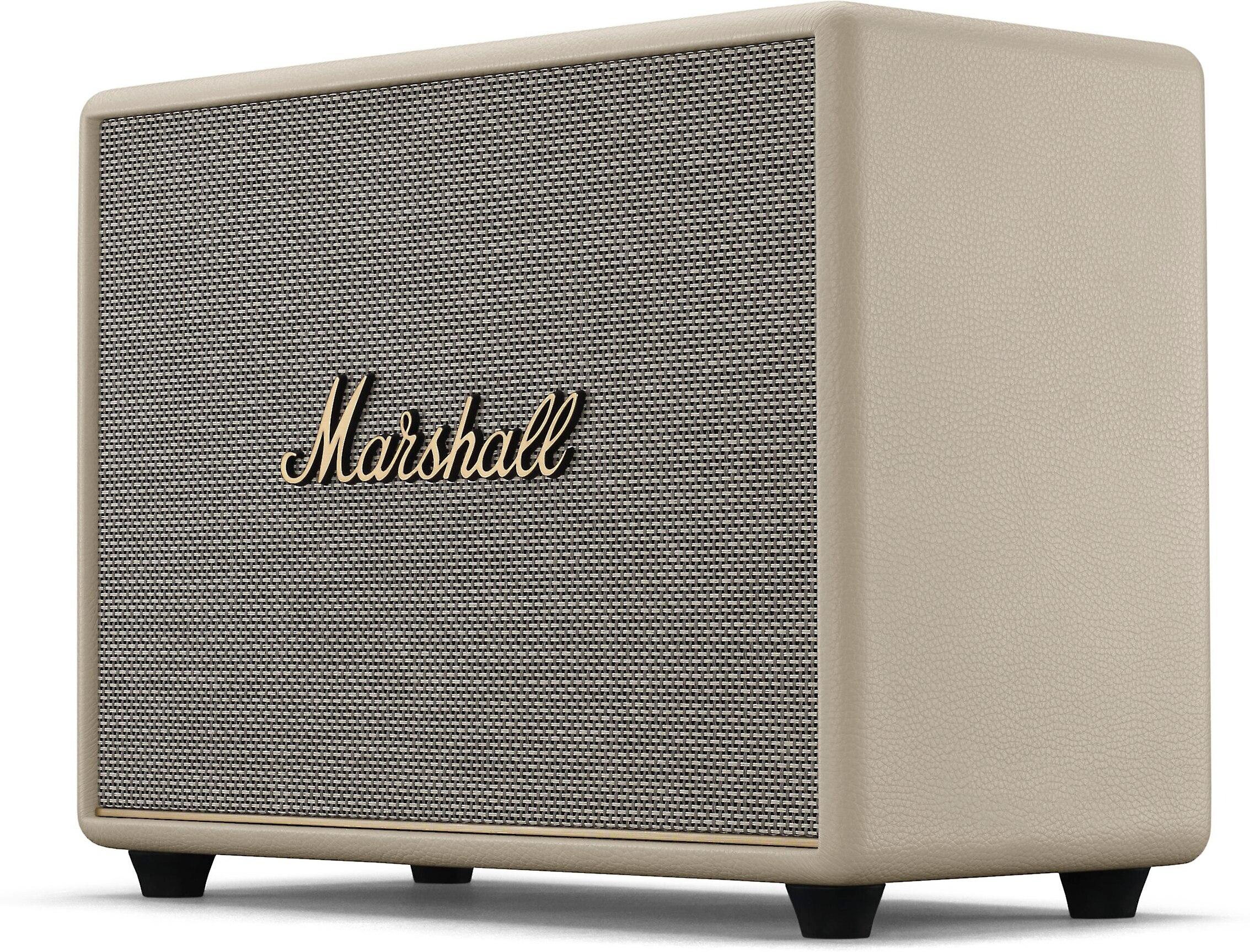
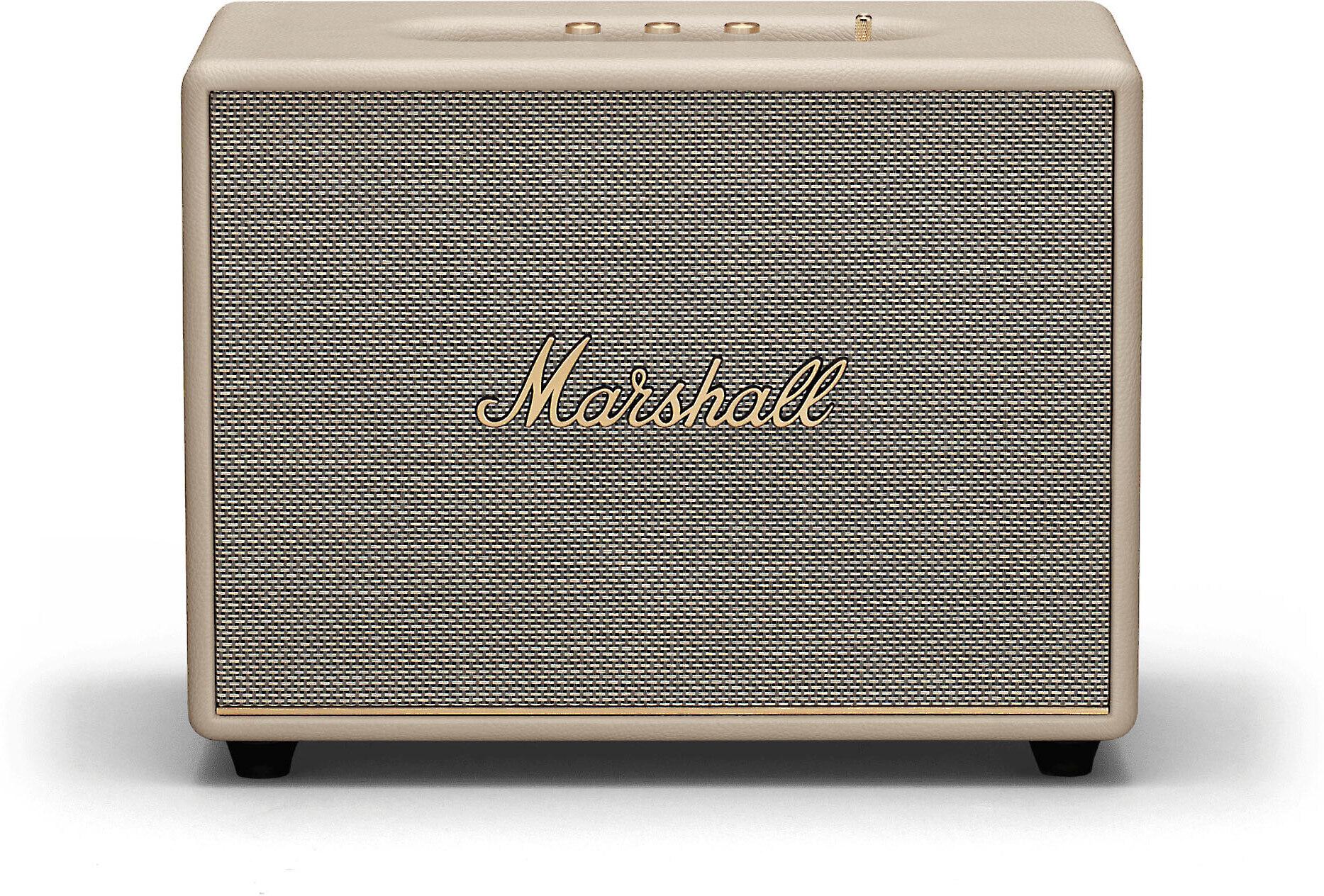
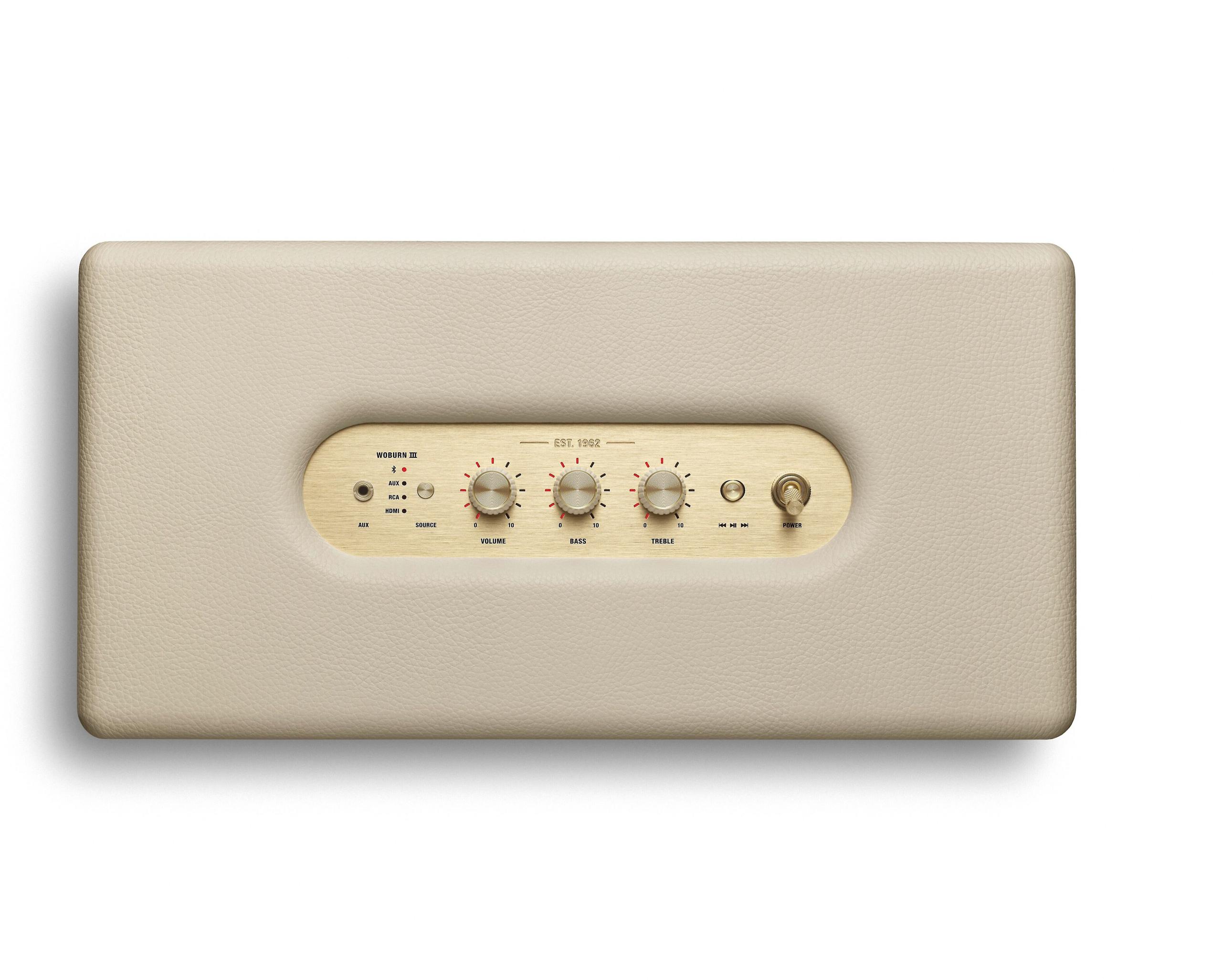
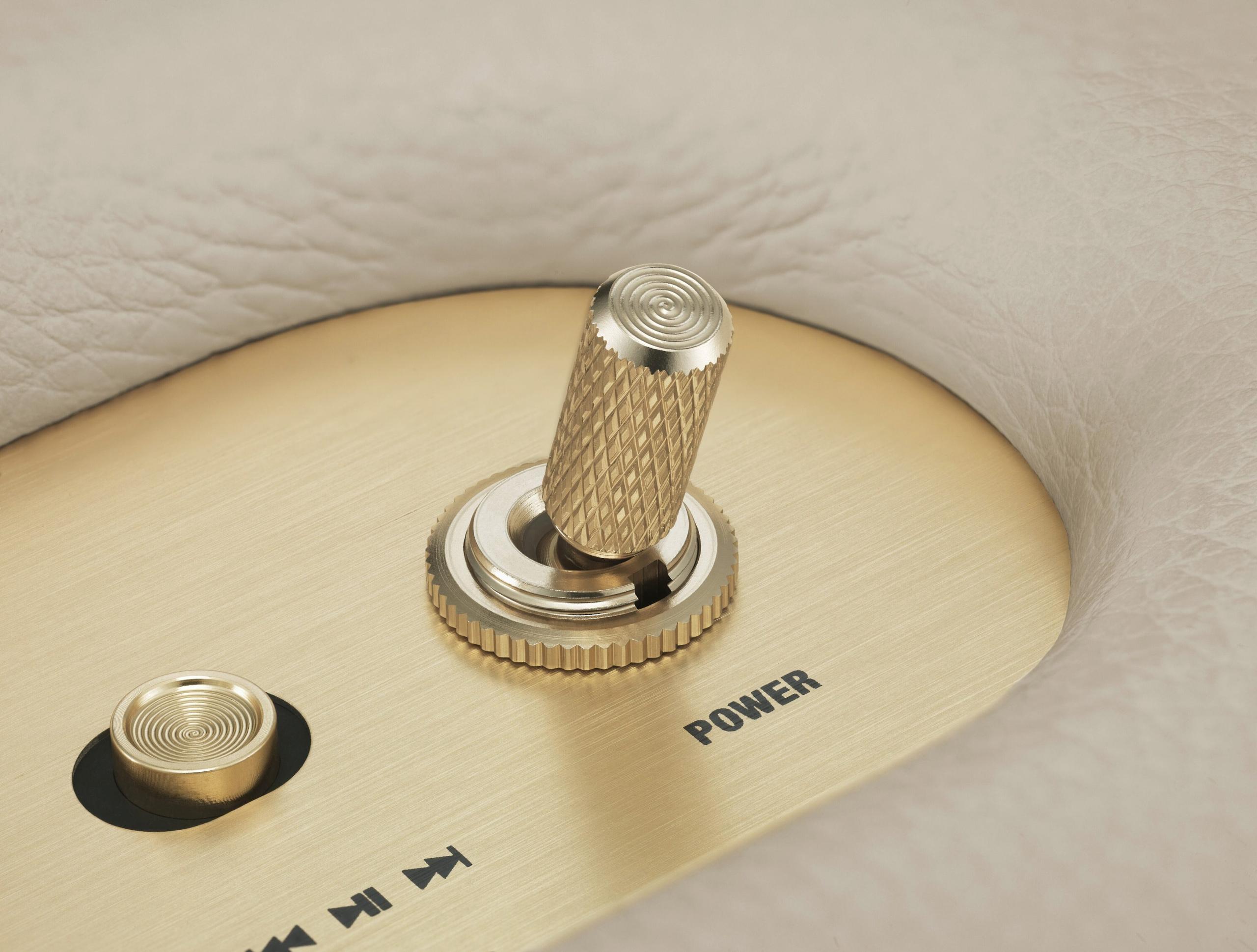
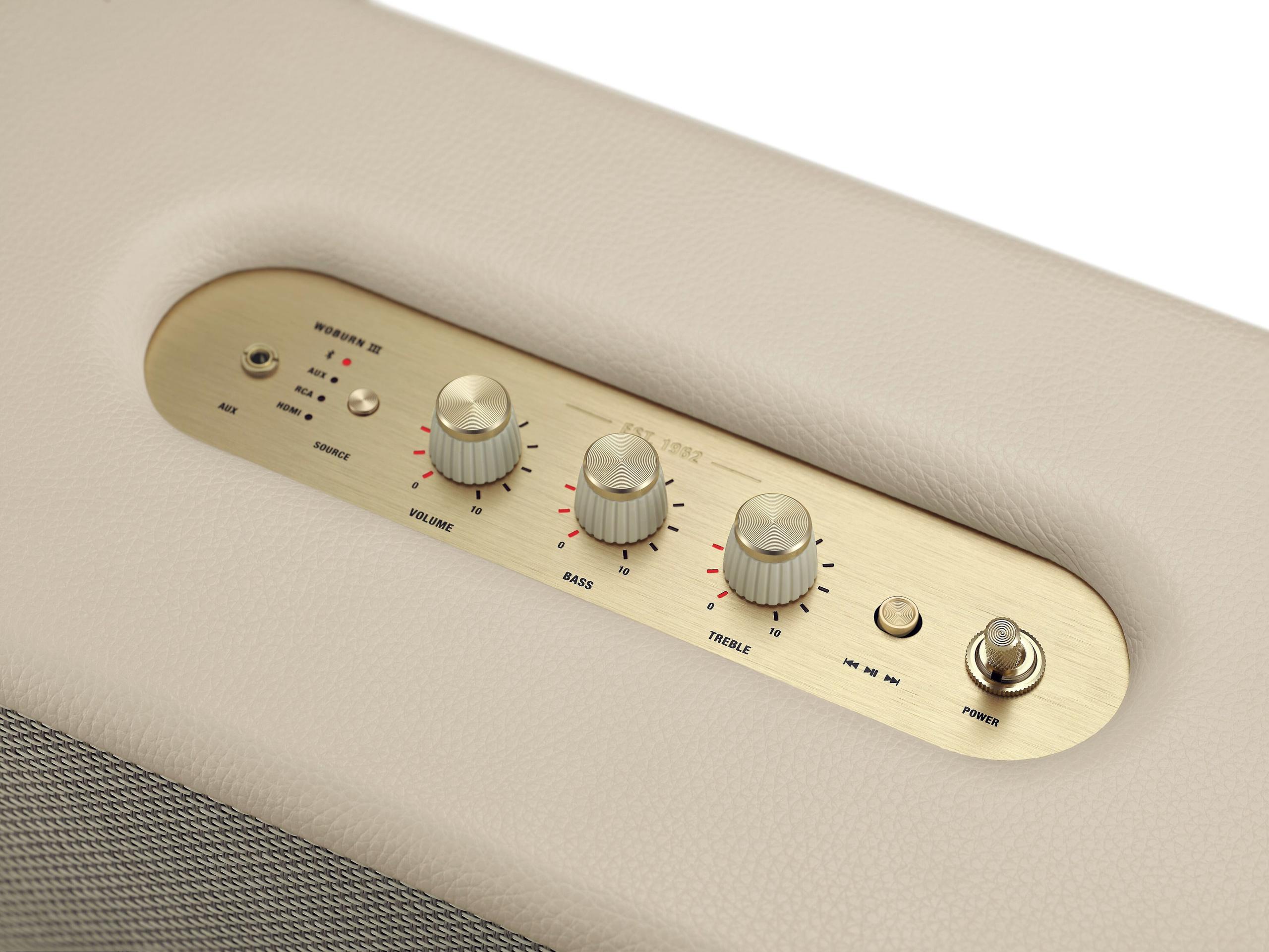
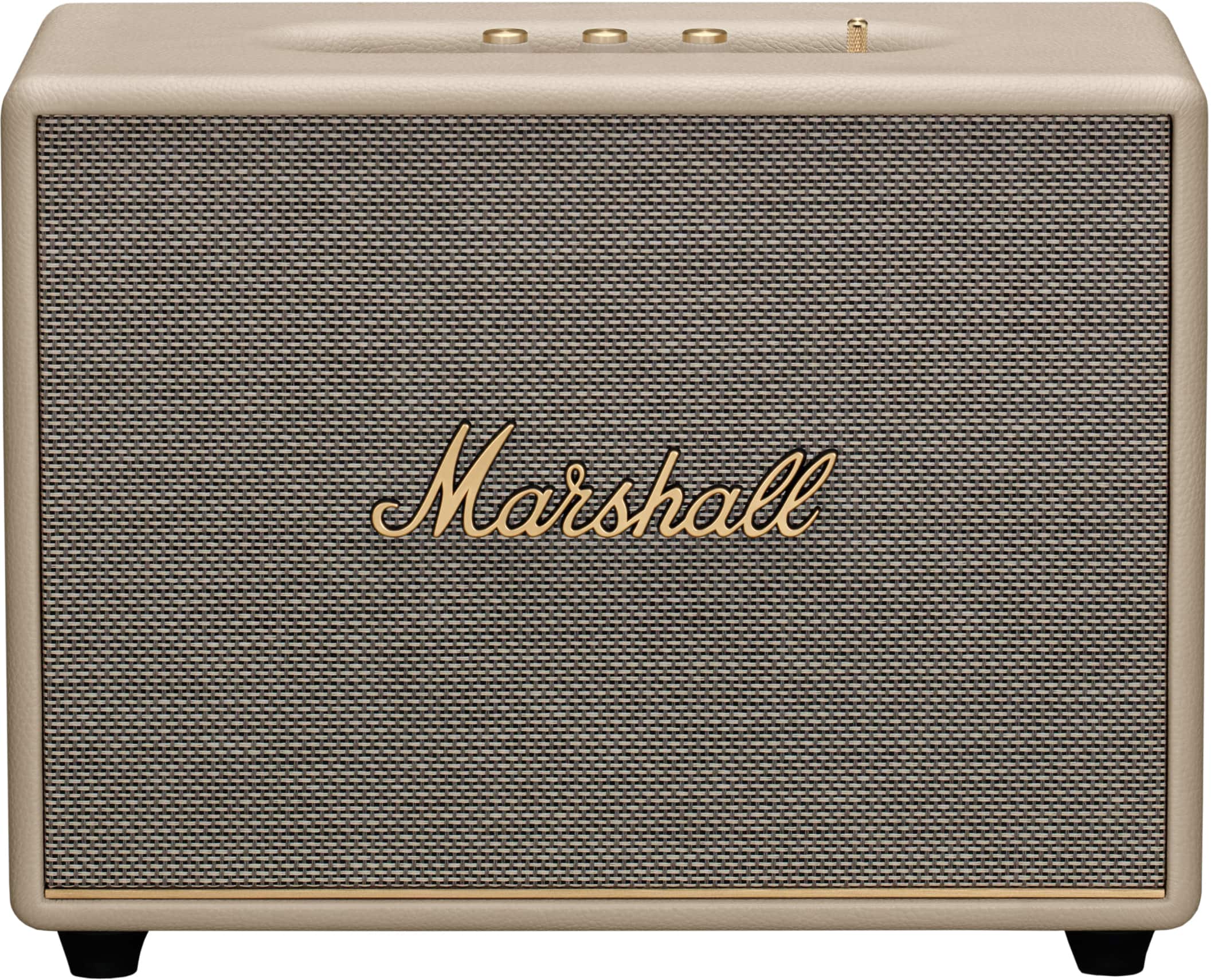

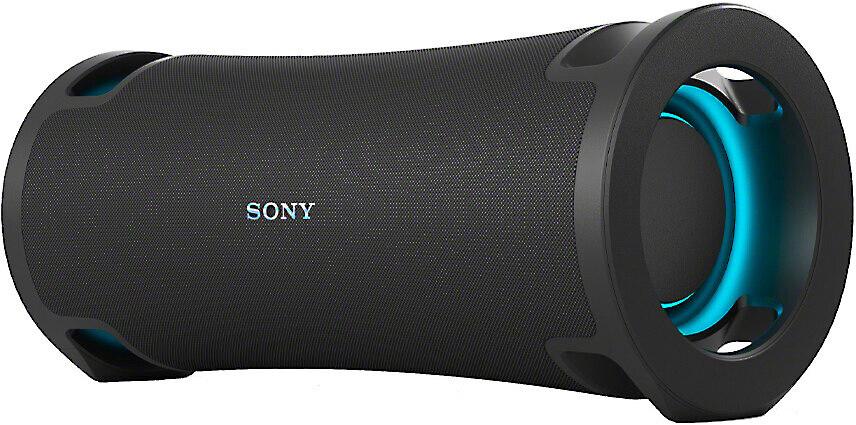
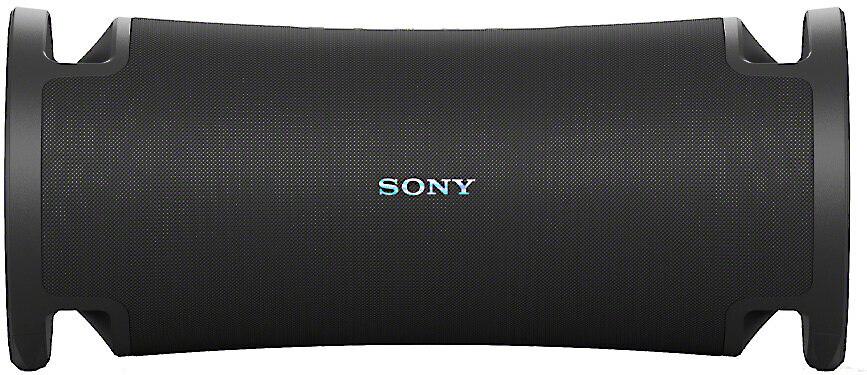

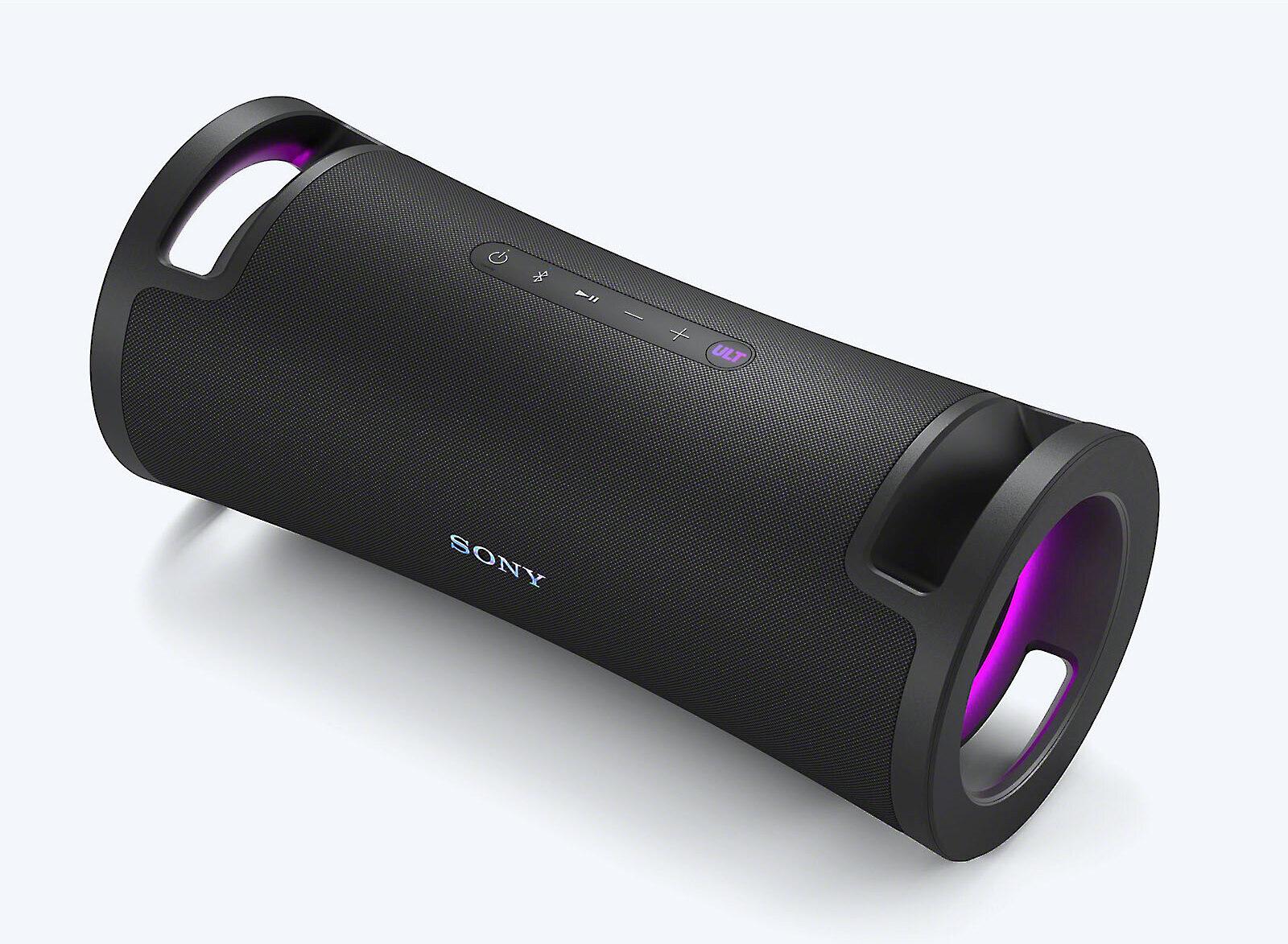
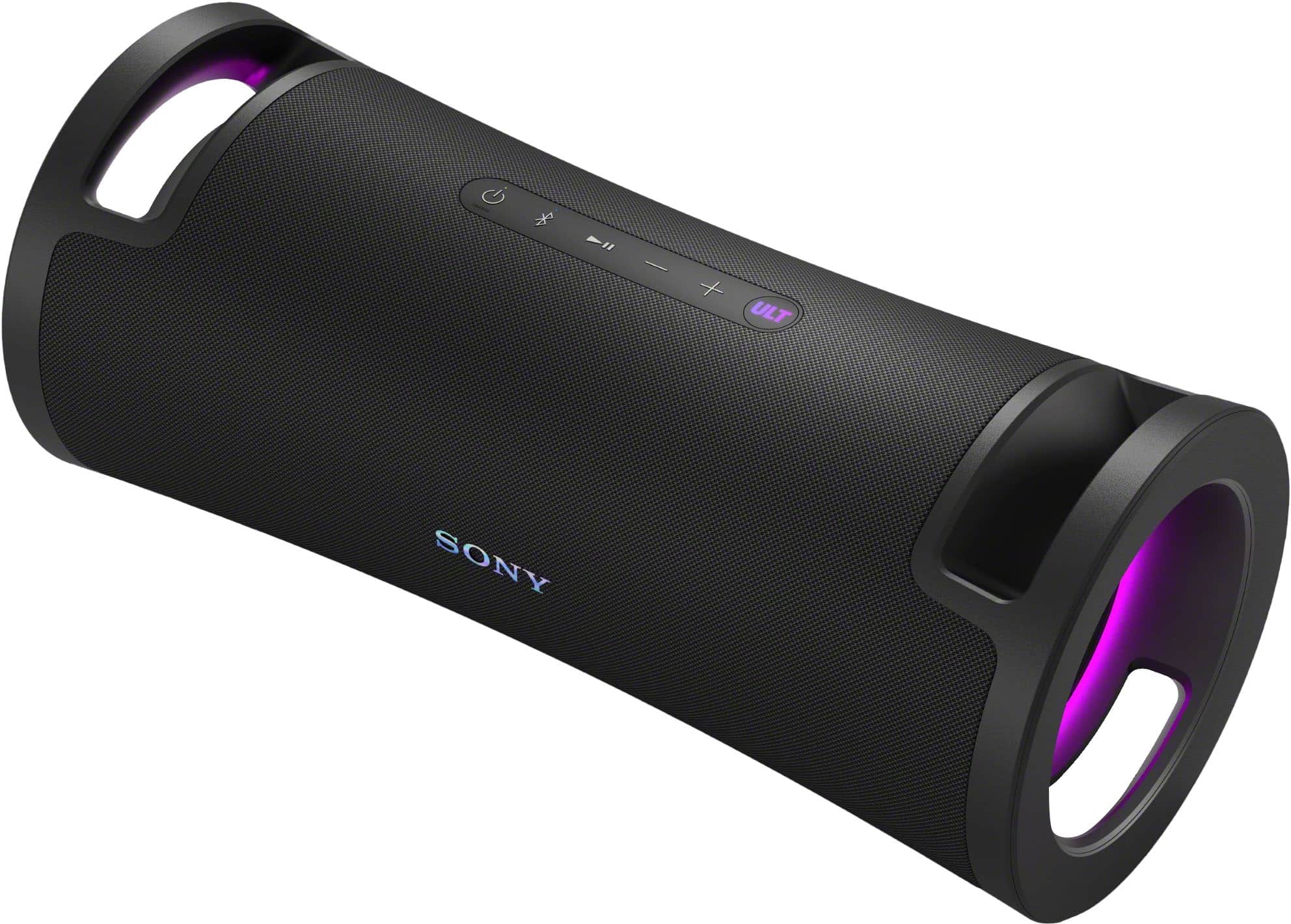
When it comes to high-end Bluetooth speakers in 2024, we're seeing an interesting divide between dedicated home audio solutions and versatile portable options. Today, we're comparing the Marshall Woburn III ($579), a powerhouse home speaker released in late 2022, against the brand new Sony ULT FIELD 7 ($299), which hit the market in early 2024.
The Bluetooth speaker market has matured significantly over the past few years. We've moved far beyond basic wireless convenience to expect genuine high-fidelity sound, advanced connectivity options, and smart features. The Marshall Woburn III represents the third generation of Marshall's flagship home speaker line, while Sony's ULT FIELD 7 introduces a fresh approach to portable audio with its new ULT series.
The Woburn III's three-way speaker system (meaning it has separate drivers for high, mid, and low frequencies) delivers impressive audio separation. With 150 watts of total power split across dedicated drivers - including a 6-inch woofer for bass, two 2-inch midrange drivers, and two 3/4-inch tweeters for highs - it produces clear, detailed sound across the frequency spectrum.
The speaker's frequency response of 35Hz to 20kHz means it can reproduce deep bass notes that many smaller speakers miss entirely. In practice, this translates to hearing the full impact of bass drums, feeling the rumble of movie explosions, and experiencing electronic music the way it was meant to be heard.
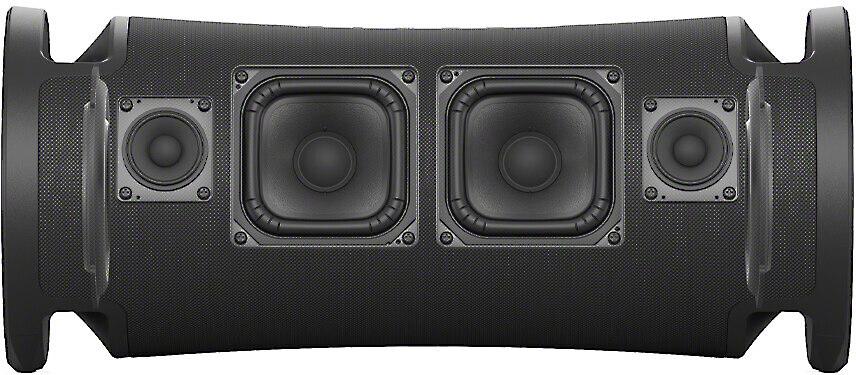
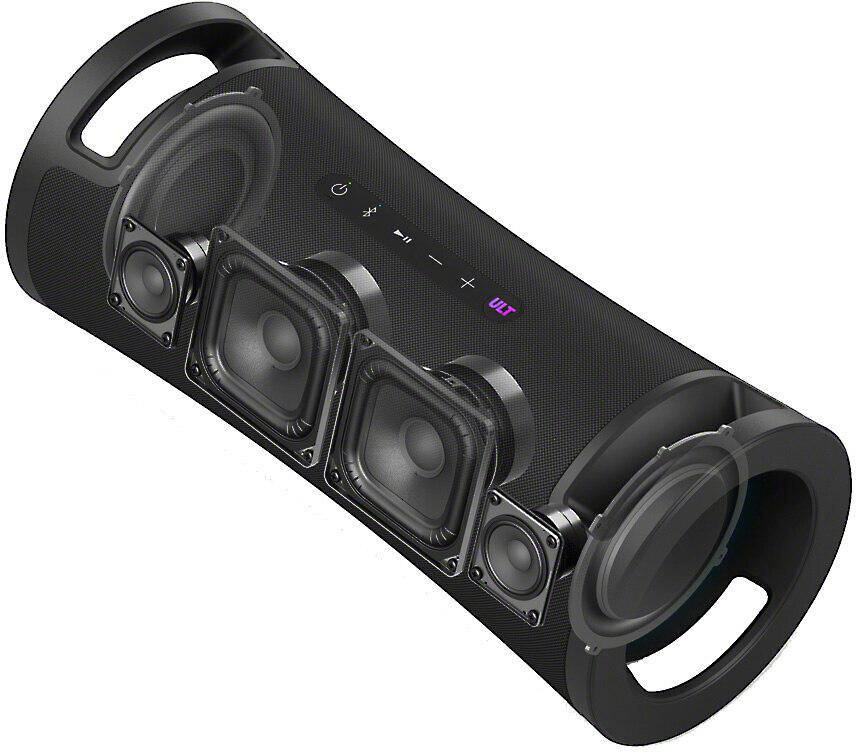
The ULT FIELD 7 takes a different approach, using Sony's X-Balanced Speaker technology. While it can't match the Woburn III's raw power in a home setting, it produces impressive sound for its size. Its dual bass radiators (passive speakers that help produce lower frequencies) provide substantial low-end response, though not with quite the same precision as Marshall's dedicated woofer.
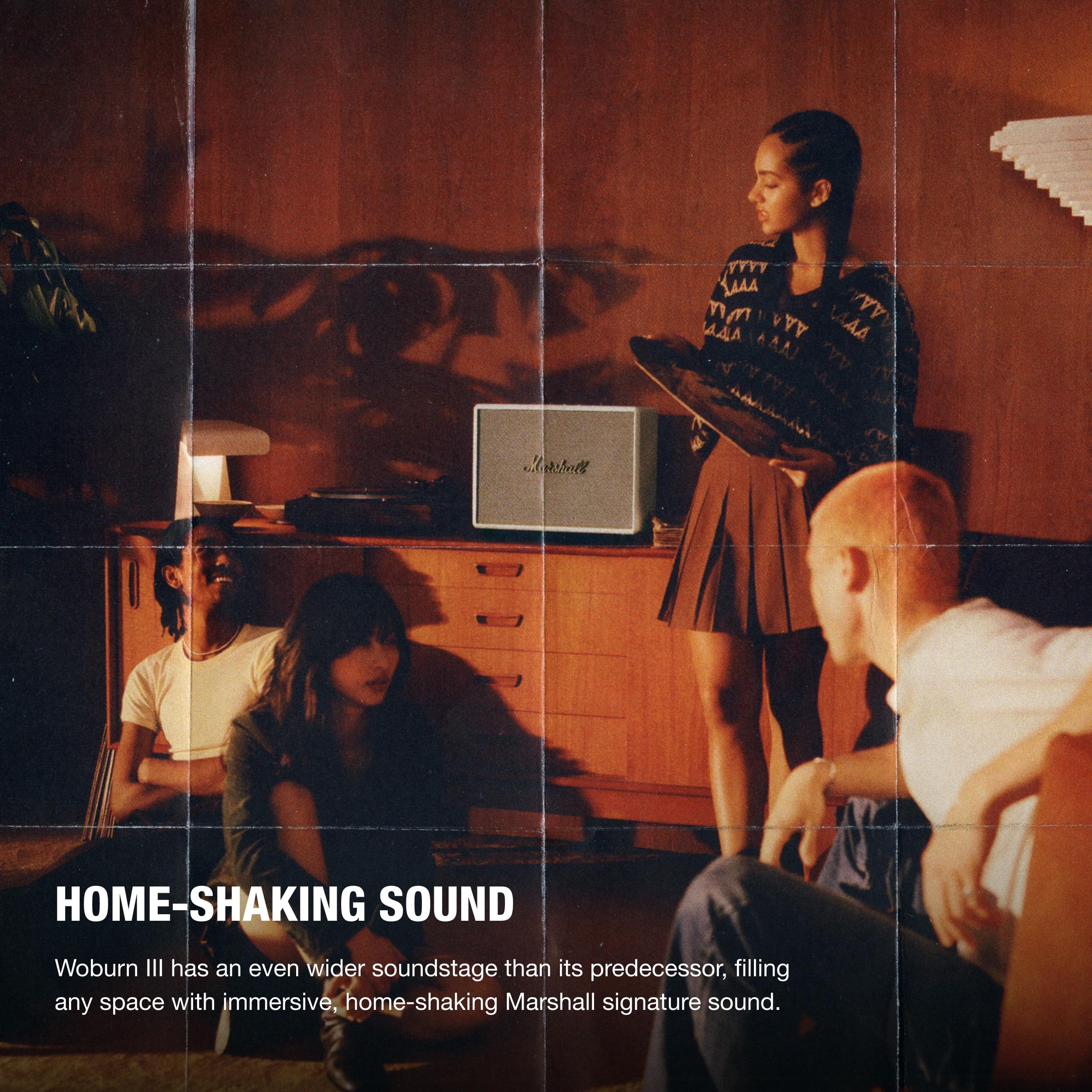
The Woburn III truly shines when it comes to filling a room with sound. Its angled waveguides (special shapes around the tweeters that help direct sound) create a wider soundstage, making music feel more spacious and immersive. The speaker's Dynamic Loudness feature automatically adjusts tonal balance at different volumes, ensuring music sounds full even at lower levels.
Sony's ULT FIELD 7 counters with Sound Field Optimization, which uses built-in microphones to analyze the environment and adjust audio settings accordingly. This adaptive approach works well for portable use but can't quite match the Woburn III's dedicated home audio performance.
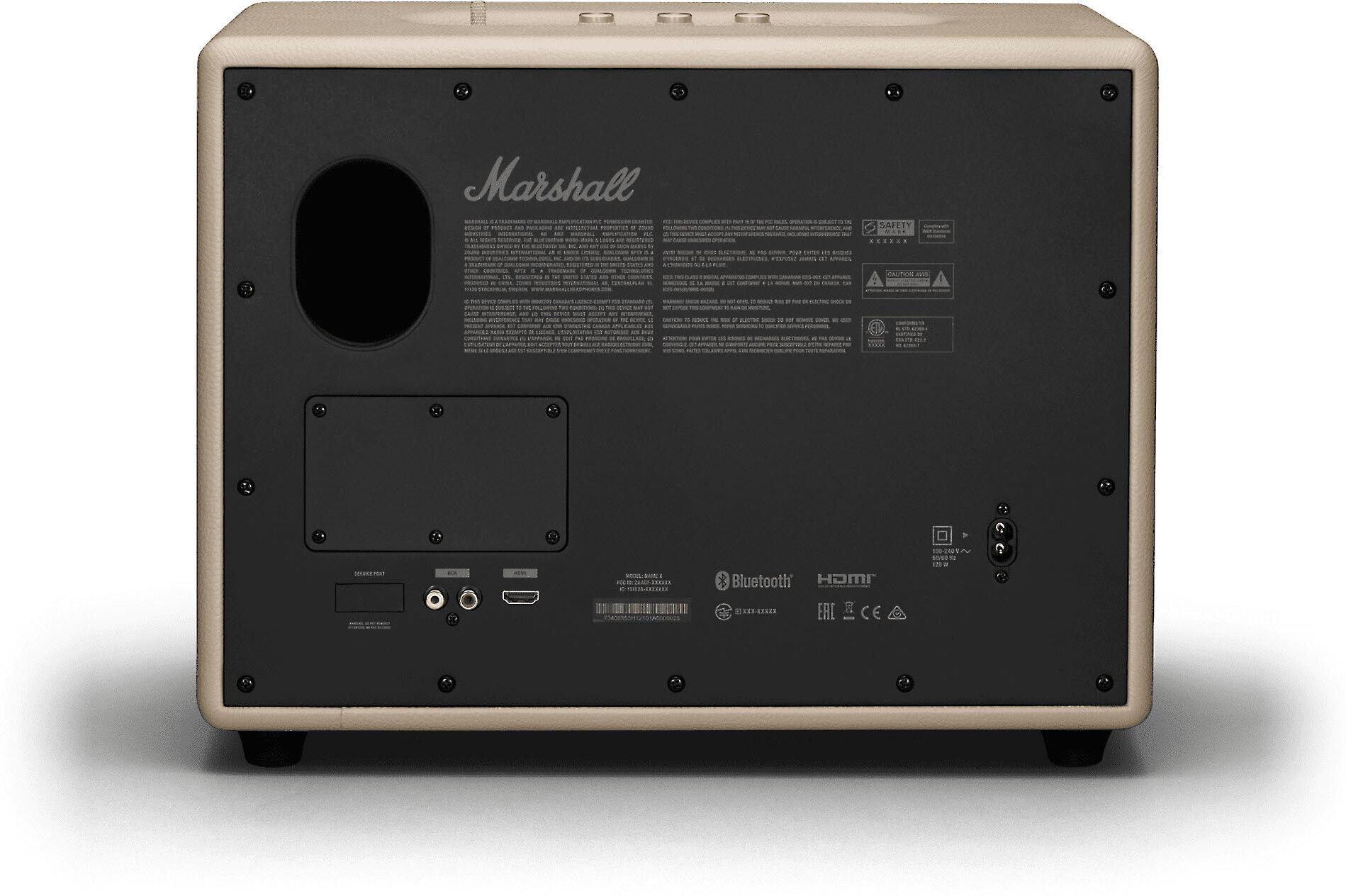
The Woburn III's HDMI ARC (Audio Return Channel) connection is a significant advantage for home theater use. This allows the speaker to automatically turn on with your TV and control volume through your TV remote. It supports high-quality 24-bit/96kHz audio, meaning you'll hear every detail in movies and TV shows.
The ULT FIELD 7 lacks HDMI connectivity but could serve as a temporary TV sound solution through its auxiliary input. However, this isn't its intended use case, and you'd miss out on the convenience of ARC's automatic switching and unified remote control.
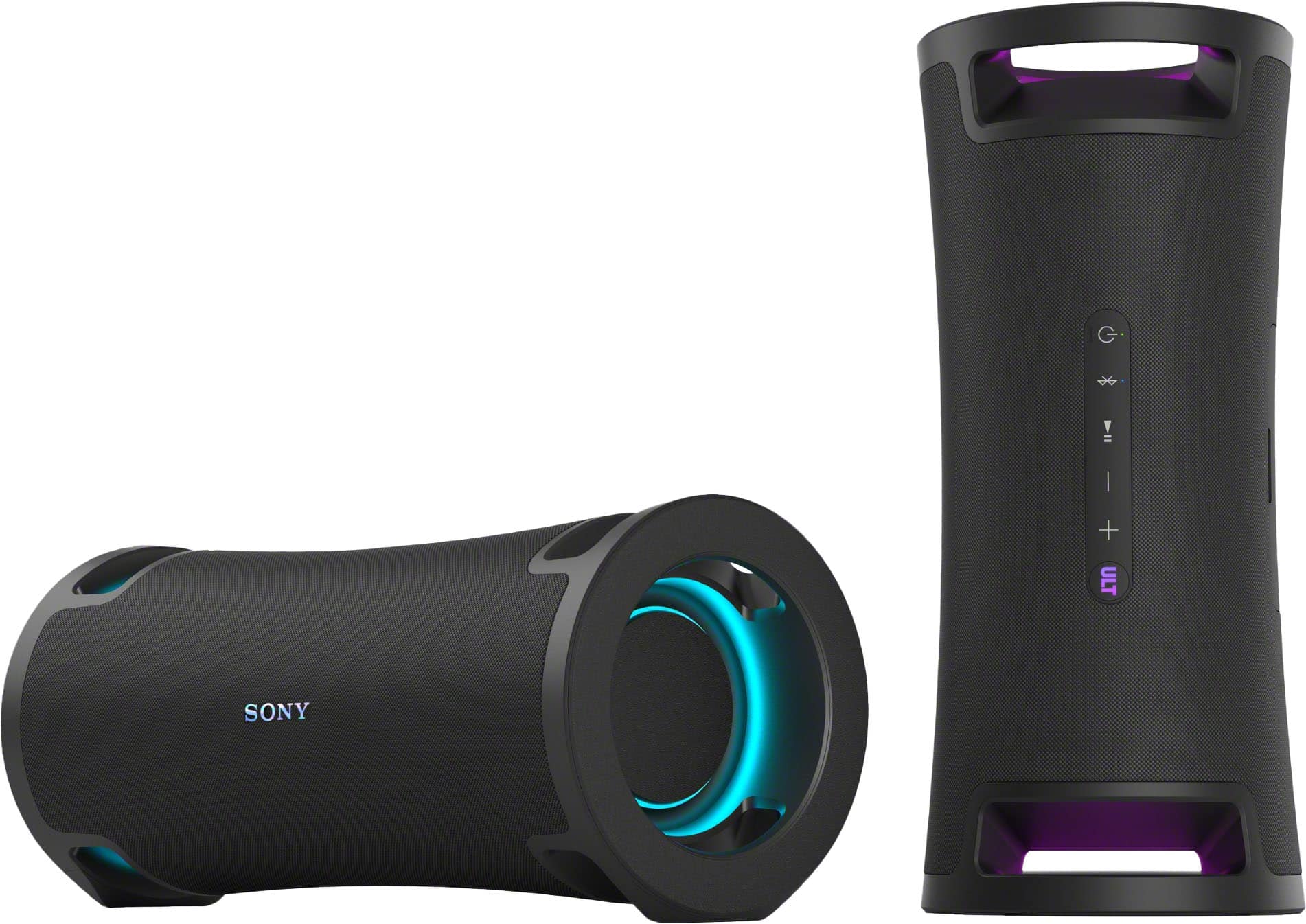
Here's where the Sony ULT FIELD 7 really shows its strengths. With IP67 water and dust resistance, it's built to handle outdoor parties, poolside gatherings, or beach trips. Its 30-hour battery life means you won't have to worry about running out of power during extended use.
The Woburn III, while excellent at what it does, is strictly a home audio solution. Weighing over 16 pounds and requiring constant power, it's designed to find a home and stay there.
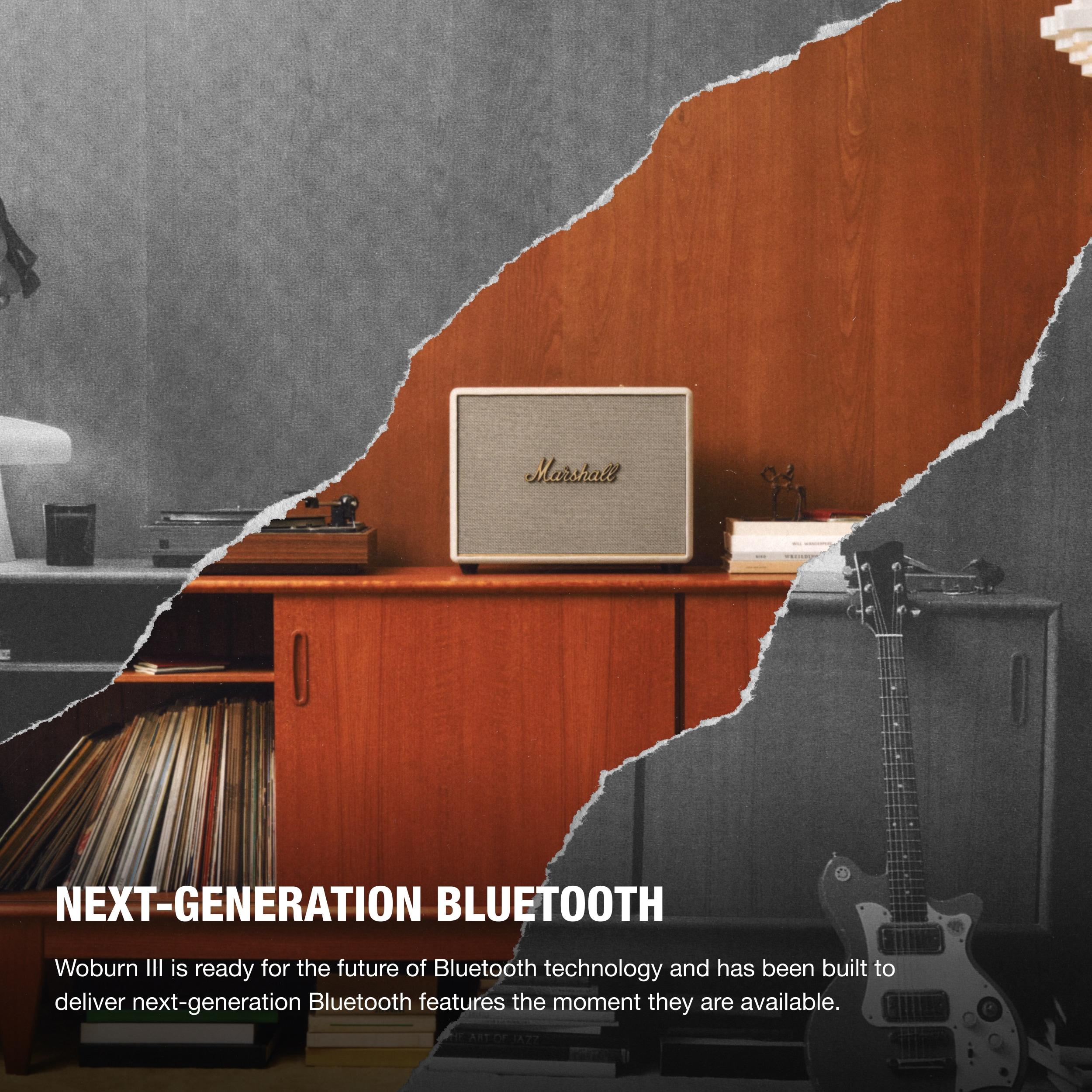
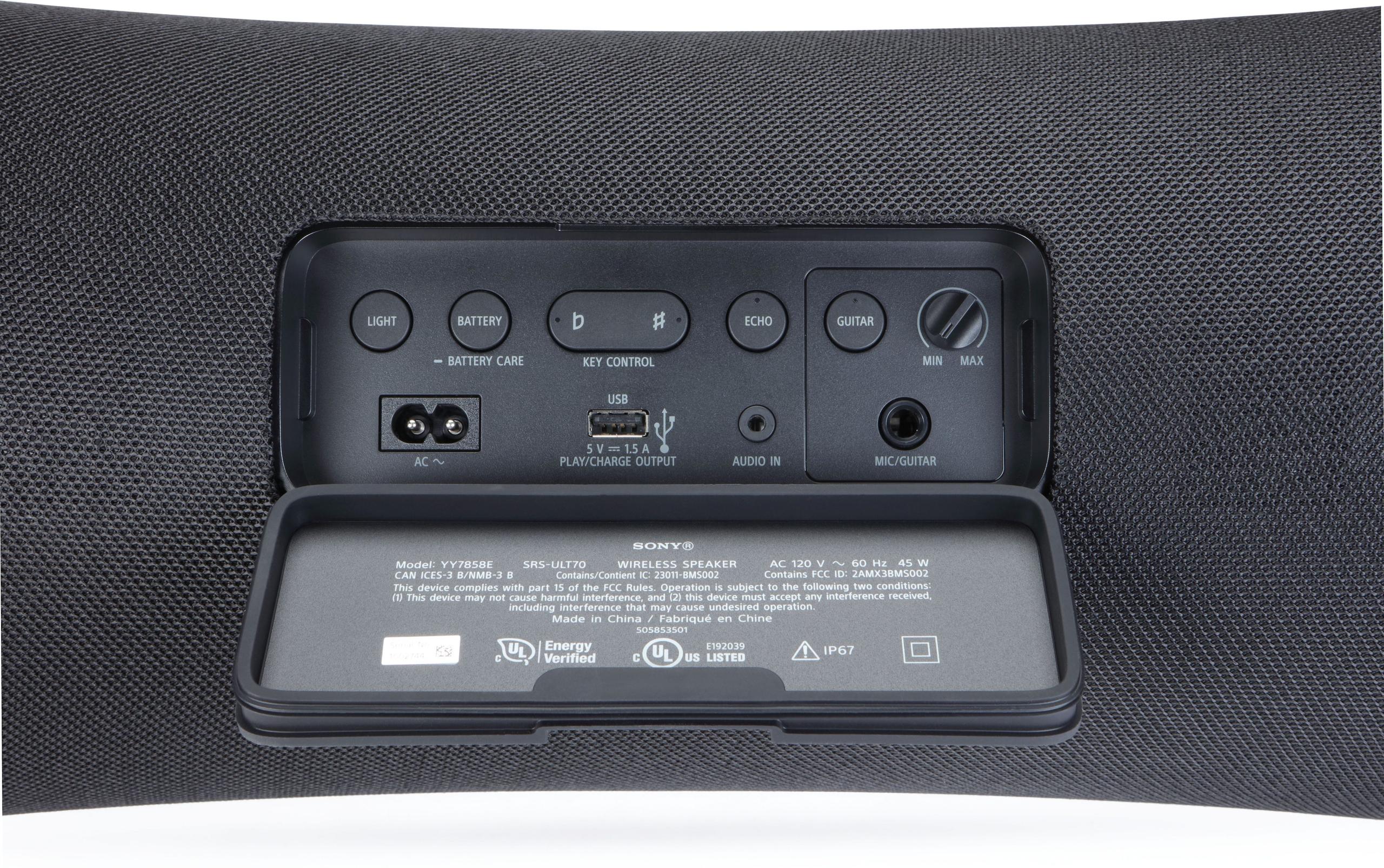
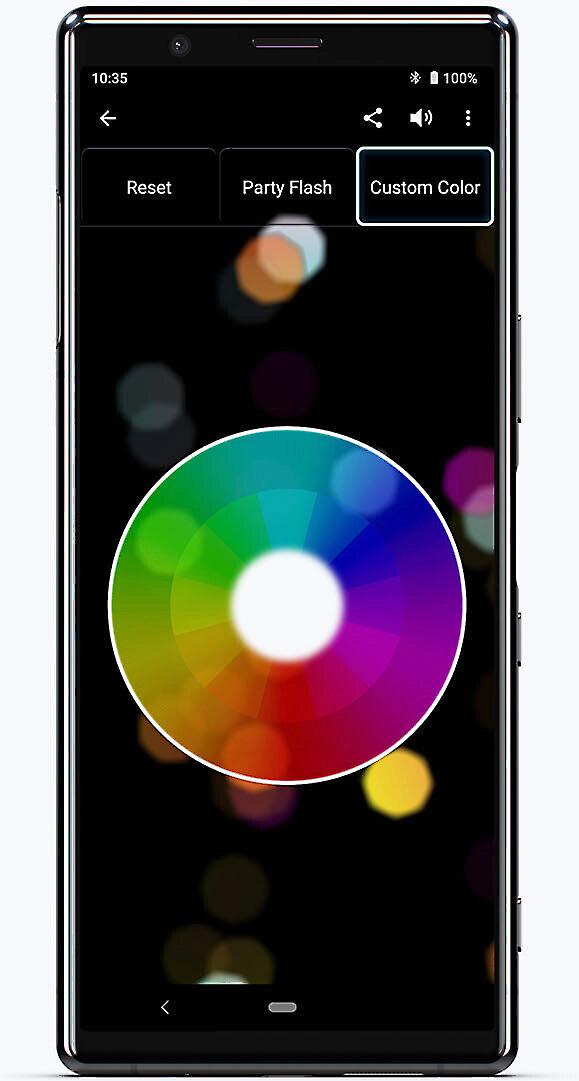
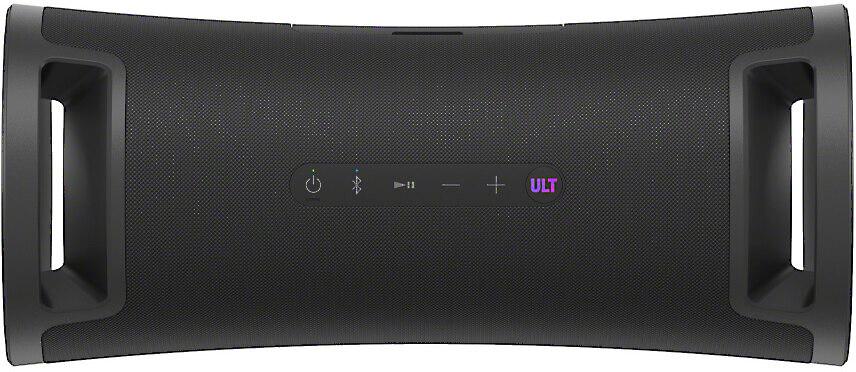
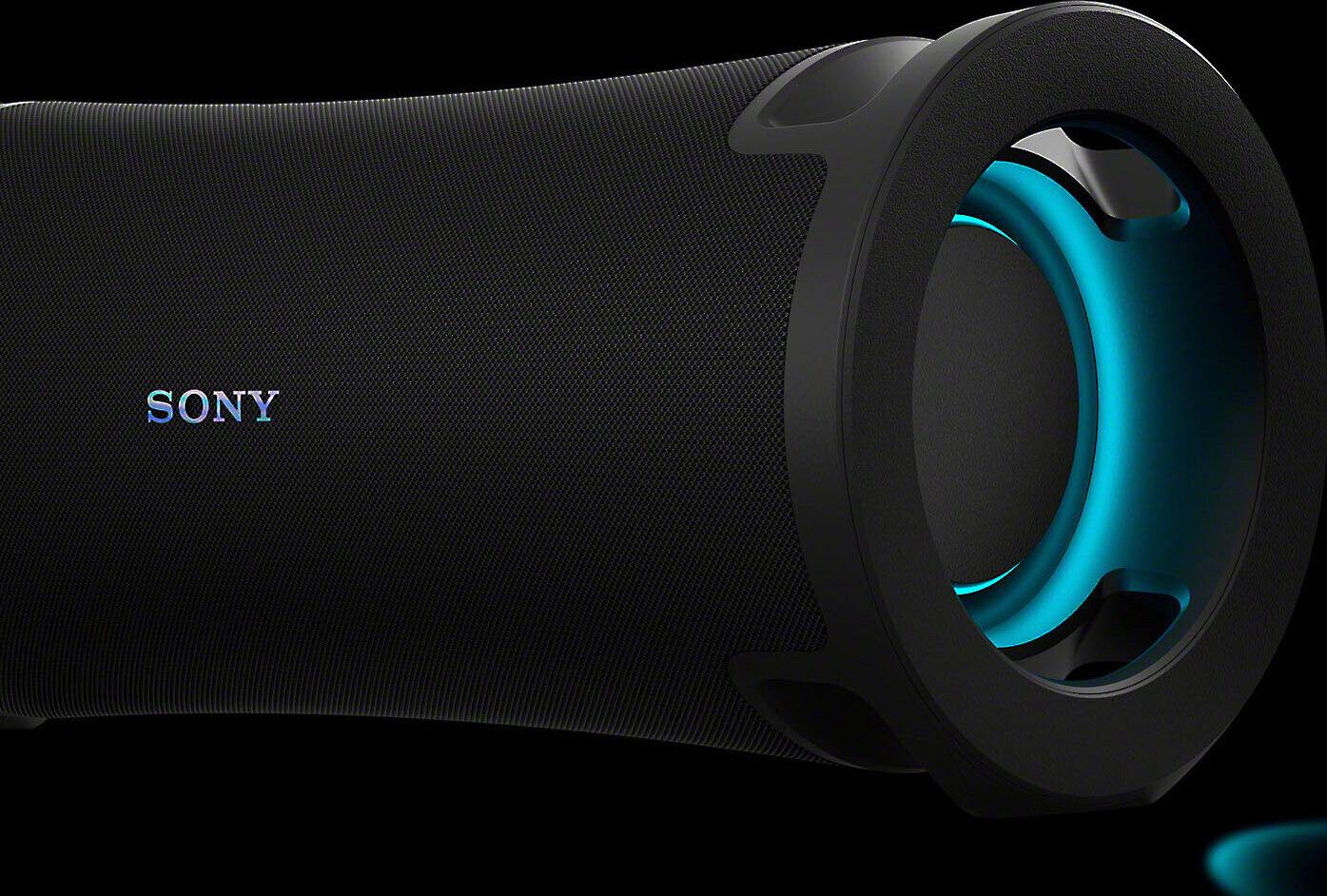
Both speakers feature Bluetooth 5.2, supporting the latest wireless audio standards. The Woburn III offers multipoint connection for switching between two devices, while the ULT FIELD 7 includes party features like synchronized lighting and karaoke functionality through its microphone input.
The Marshall Woburn III connects through:
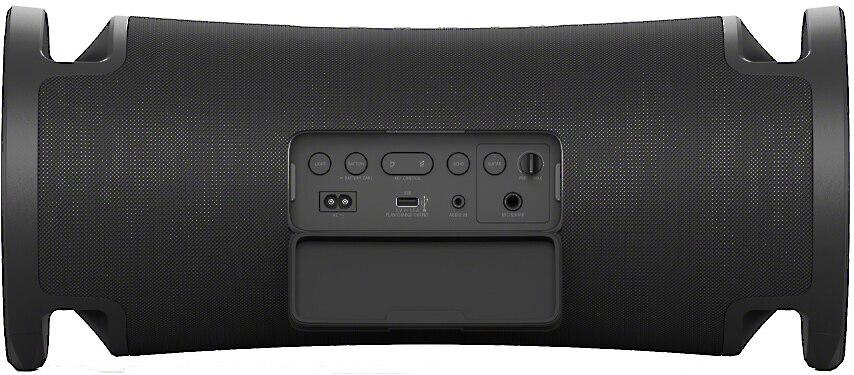
The Sony ULT FIELD 7 offers:
At $579, the Woburn III represents a significant investment but delivers audiophile-grade sound quality and home theater functionality. Its premium materials and classic design add to the value proposition for those seeking a permanent audio solution.
The ULT FIELD 7's $299 price point feels reasonable given its versatility and feature set. While it may not match the Woburn III's pure audio quality, its portability and durability make it a compelling option for different use cases.
Consider your primary use case:
For dedicated home audio:
For versatile use:
Both speakers support firmware updates through their respective apps, ensuring they can receive new features and improvements over time. The Woburn III has already received several updates since its 2022 release, while the ULT FIELD 7's newer platform suggests a long support lifecycle ahead.
In practice, the Woburn III excels at creating an immersive listening experience in home environments. Its room correction features help optimize sound based on speaker placement, while its powerful amplification system maintains clarity even at higher volumes.
The ULT FIELD 7 impresses with its ability to adapt to different environments. Whether you're using it indoors or out, its Sound Field Optimization ensures consistent performance. While it may not match the Woburn III's refined home audio experience, it delivers impressive sound quality considering its portable nature.
These two speakers represent different approaches to premium audio, each excelling in their intended use cases. The choice between them ultimately comes down to how you plan to use them and what aspects of performance matter most to you.
| Marshall Woburn III ($579) | Sony ULT FIELD 7 ($299) |
|---|---|
| Total Power Output - Determines max volume and sound clarity | |
| 150W total (90W woofer, 30W midrange, 30W tweeters) | 45W total power consumption (exact distribution not specified) |
| Driver Configuration - Affects sound quality and separation | |
| 3-way system: 6" woofer, two 2" midrange, two 0.75" tweeters | Two-way system: Two 4.49" woofers, two 1.81" tweeters |
| Frequency Response - Range of sounds speaker can reproduce | |
| 35Hz - 20kHz (deeper bass extension) | 20Hz - 20kHz (theoretical range, actual output may vary) |
| Connectivity Options - Flexibility for different sources | |
| HDMI ARC, Bluetooth 5.2, RCA, 3.5mm aux | Bluetooth 5.2, USB-A, 3.5mm aux, Guitar/Mic input |
| Portability & Durability - Usage flexibility | |
| Home only, 16.42 lbs, no water resistance | IP67 waterproof, 13.89 lbs, built-in handle |
| Special Features - Added functionality | |
| Dynamic Loudness, Placement Compensation, HDMI-CEC | Party lights, Sound Field Optimization, 30-hour battery |
| Size - Space requirements | |
| 15.75" x 12.5" x 9" (permanent placement) | 20.16" x 8.82" x 8.74" (portable design) |
| Smart Features - Modern convenience | |
| Marshall app with EQ, firmware updates, dual device pairing | Sony Music Center app, Fiestable app, Party Connect |
| Best Use Case - Primary intended purpose | |
| Premium home audio system, TV sound integration | Portable party speaker, outdoor events, versatile use |
| Value Proposition - Price vs. capability | |
| Higher cost justified for dedicated home audio quality | Better value for versatile use, strong feature set for price |
The Marshall Woburn III ($579) is significantly better for dedicated home use, offering superior room-filling sound and HDMI connectivity for TV integration. The Sony ULT FIELD 7 ($299) works at home but is designed primarily for portable use.
The Marshall Woburn III delivers better overall sound quality with its 150W three-way speaker system. The ULT FIELD 7 still sounds good but can't match the Woburn's audio separation and bass response.
The Sony ULT FIELD 7 is specifically designed for outdoor use with IP67 water resistance and battery power. The Woburn III is not suitable for outdoor use as it requires constant power and isn't weather-resistant.
The ULT FIELD 7 is ideal for parties with its portability, party lights, and karaoke features. While the Woburn III sounds great, it's less practical for party environments.
The Marshall Woburn III connects directly via HDMI ARC for seamless TV integration. The ULT FIELD 7 can only connect to a TV through its auxiliary input, offering basic functionality.
Only the Sony ULT FIELD 7 has a battery, lasting up to 30 hours. The Woburn III requires constant AC power.
The Marshall Woburn III supports connecting two Bluetooth devices simultaneously. The ULT FIELD 7 allows single device connection but can sync with other compatible Sony speakers.
The Sony ULT FIELD 7 is more durable with IP67 water/dust resistance. The Woburn III is well-built but designed for indoor use only.
The Marshall Woburn III measures 15.75" x 12.5" x 9" and weighs 16.42 lbs. The ULT FIELD 7 is slightly larger at 20.16" x 8.82" x 8.74" but lighter at 13.89 lbs.
Both speakers offer app control - the Woburn III uses the Marshall app, while the ULT FIELD 7 uses the Sony Music Center app.
The Sony ULT FIELD 7 offers better value at $299 with its versatility and features. The Woburn III costs more at $579 but justifies its price for dedicated home audio users.
Neither the Marshall Woburn III nor the Sony ULT FIELD 7 has built-in voice assistant capabilities, though both can play audio from devices using voice assistants.
We've done our best to create useful and informative comparisons to help you decide what product to buy. Our research uses advanced automated methods to create this comparison and perfection is not possible - please contact us for corrections or questions. These are the sites we've researched in the creation of this article: bestbuy.com - crutchfield.com - rtings.com - idownloadblog.com - digit.in - crutchfield.com - epicrewards.com.ph - ione.com.kh - youtube.com - onward.ph - economictimes.indiatimes.com - rtings.com - hifipicks.com - thesonyshop.ca - techradar.com - rtings.com - sony-africa.com - videoandaudiocenter.com - sony.com - youtube.com - johnlewis.com

Privacy Policy
Terms and Conditions - Affiliate Policy
Home Security
© Copyright 2008-2026.
11816 Inwood Rd #1211, Dallas, TX 75244