

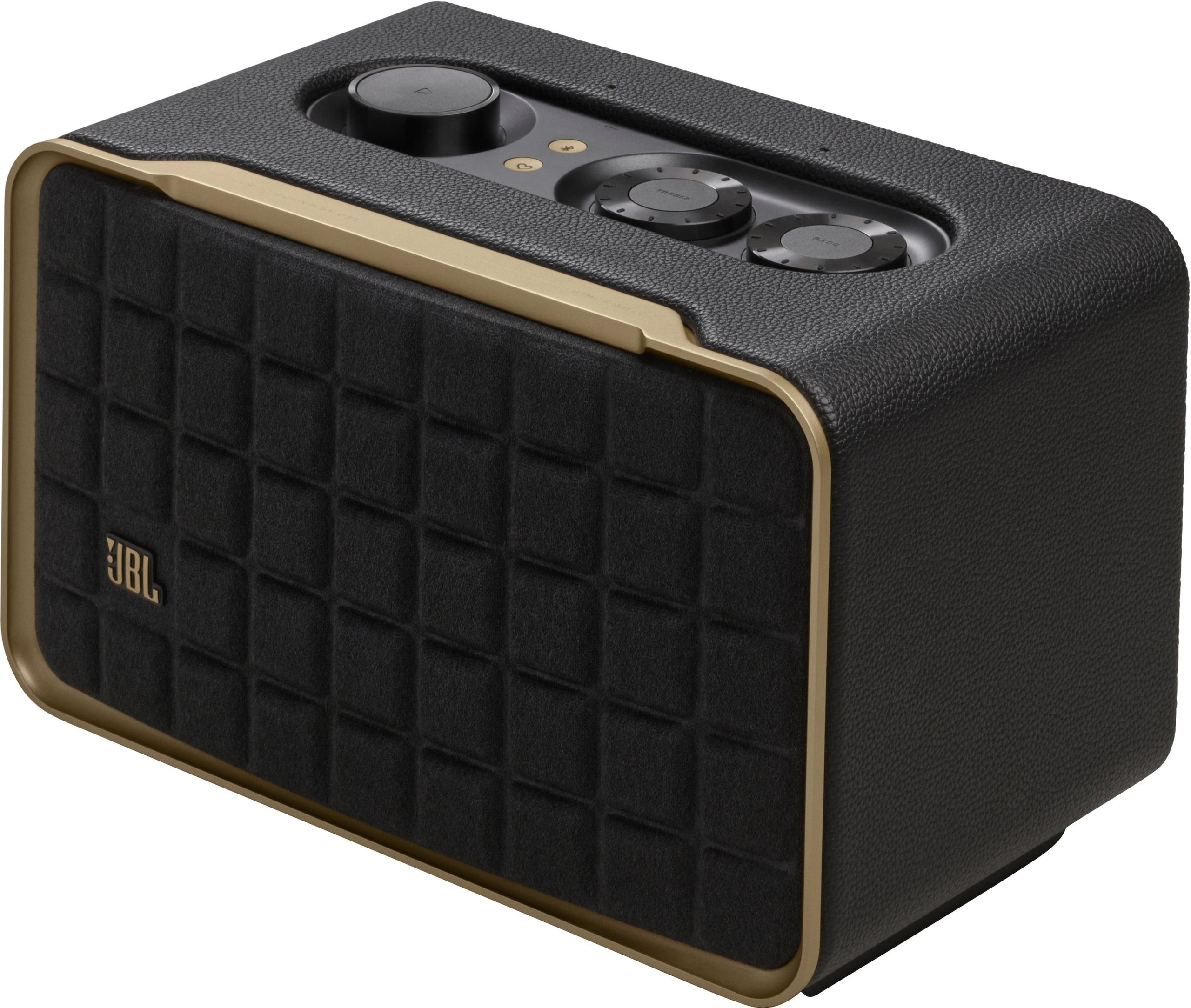
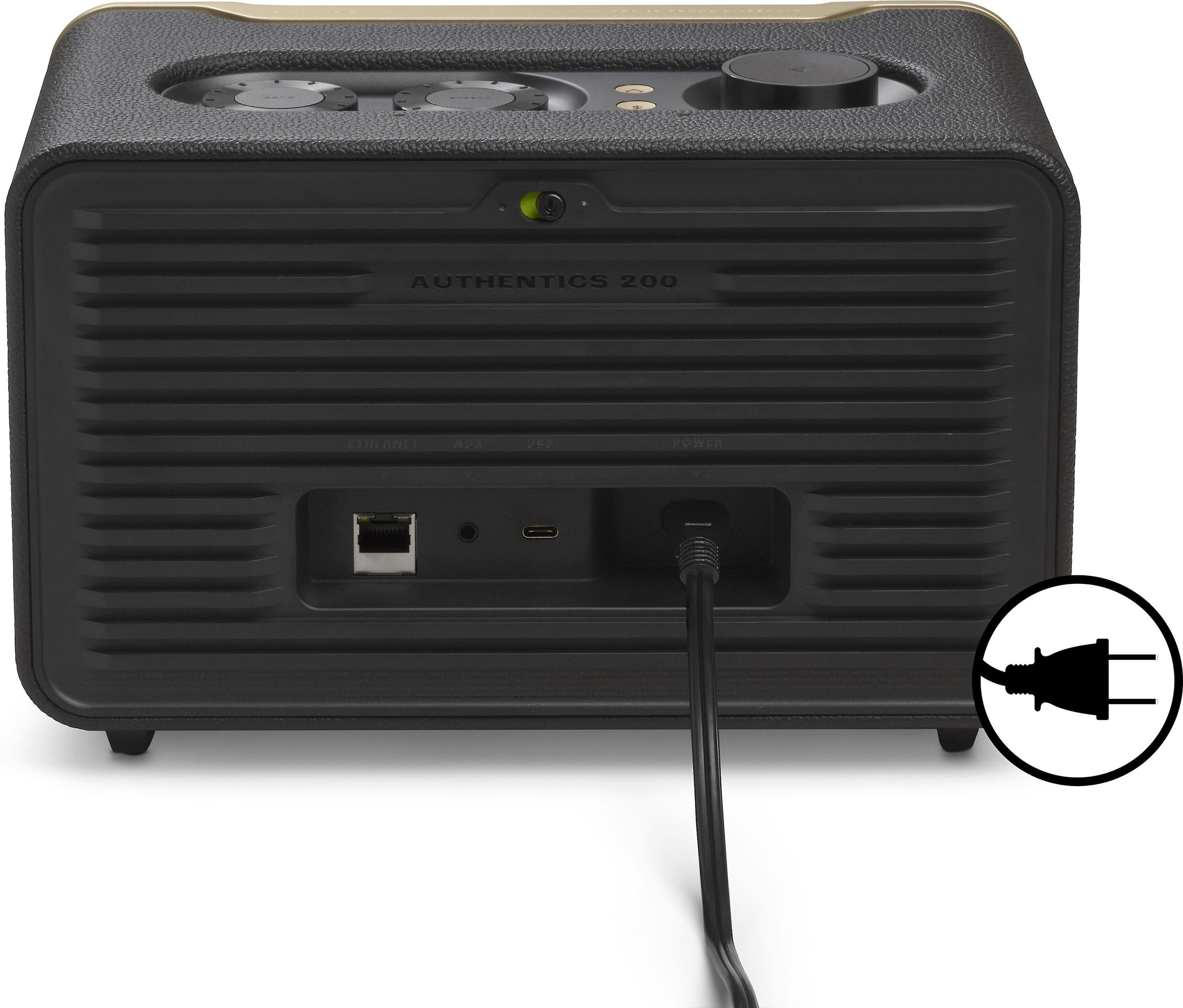
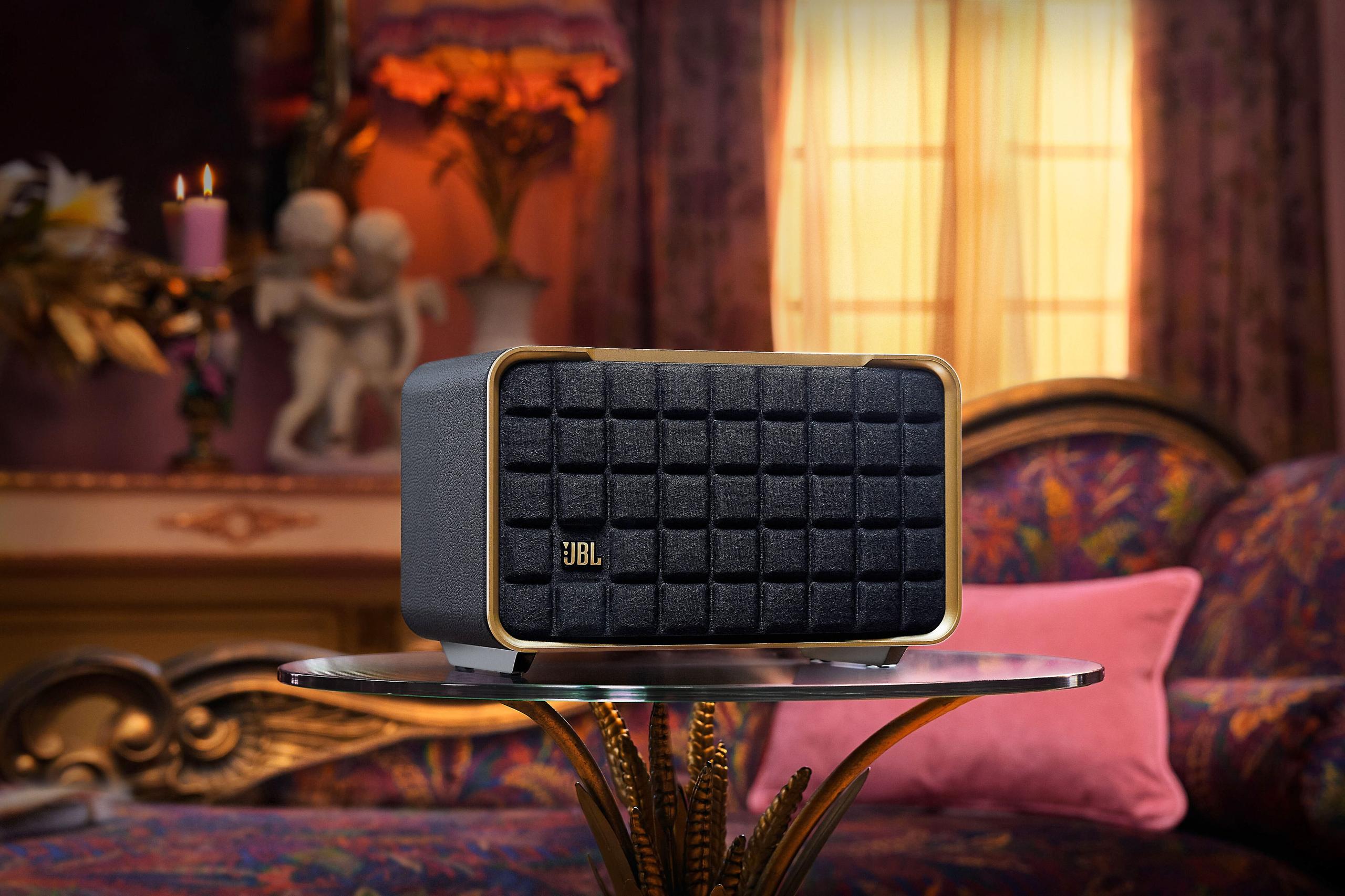
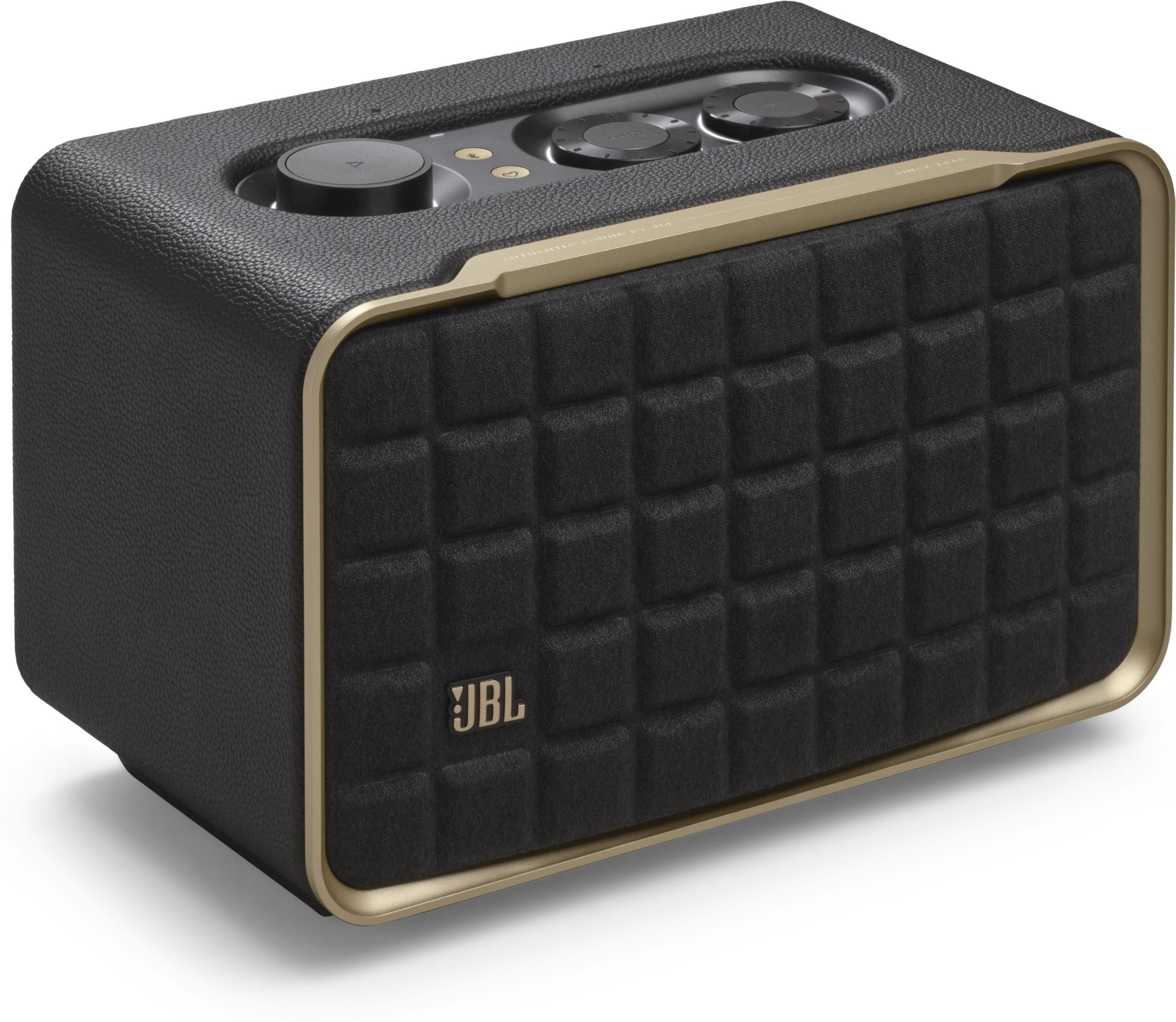
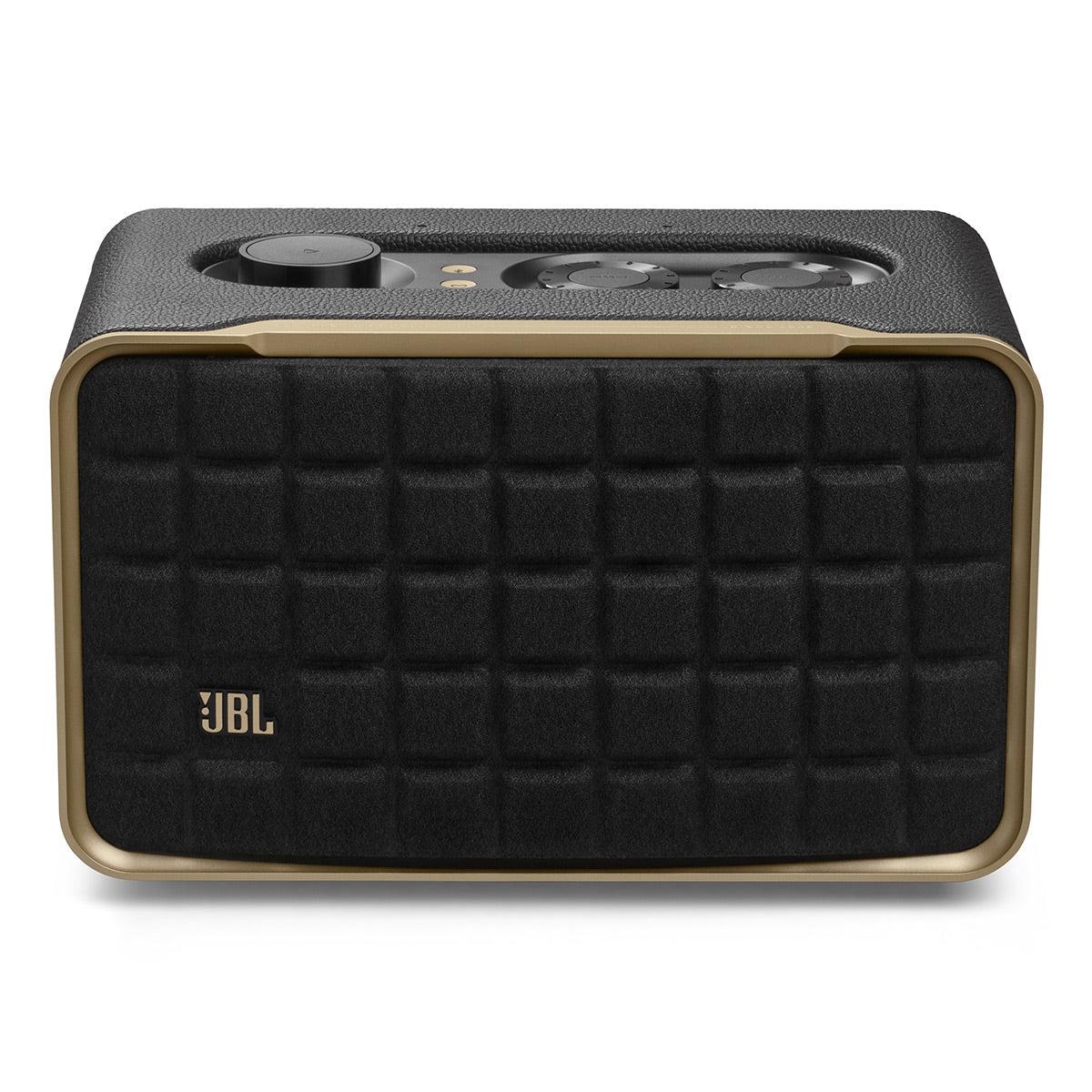
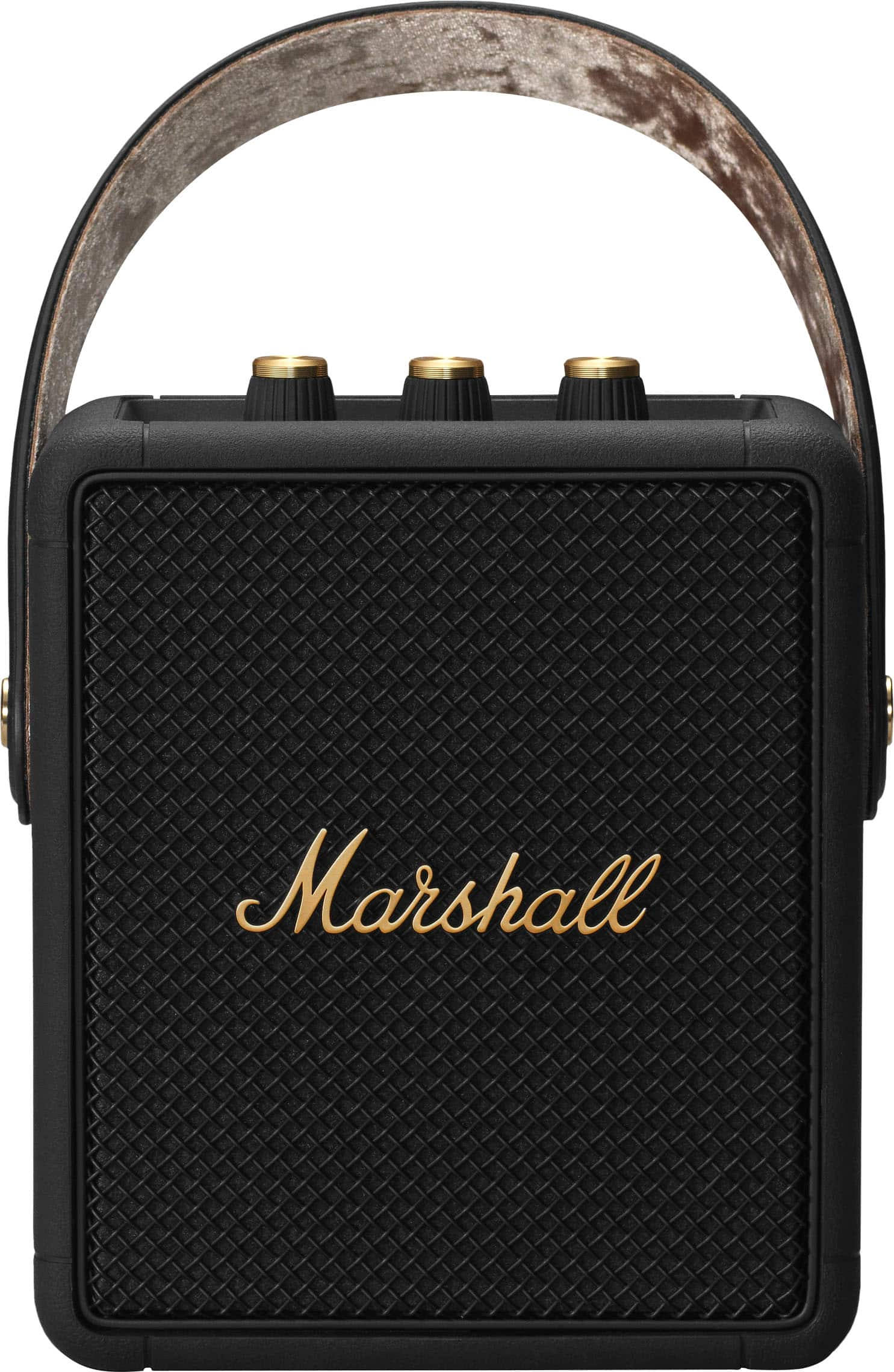
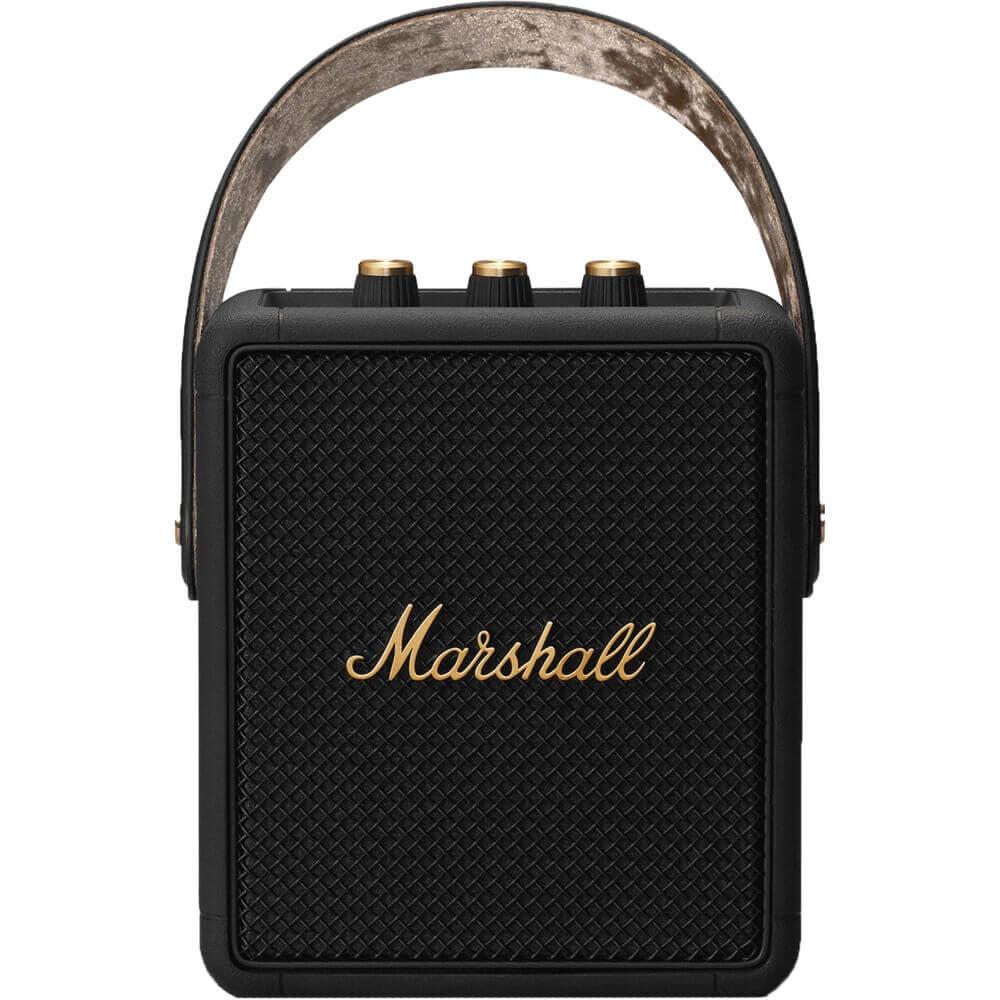
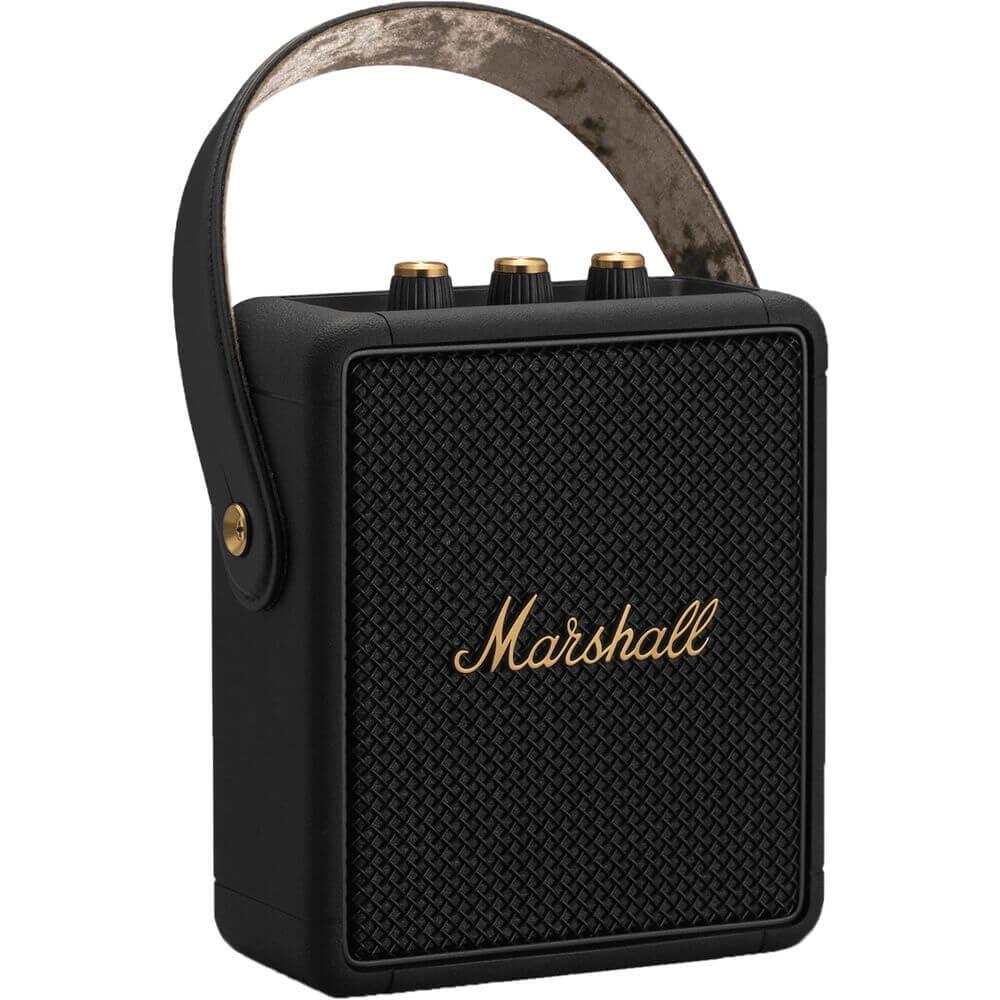

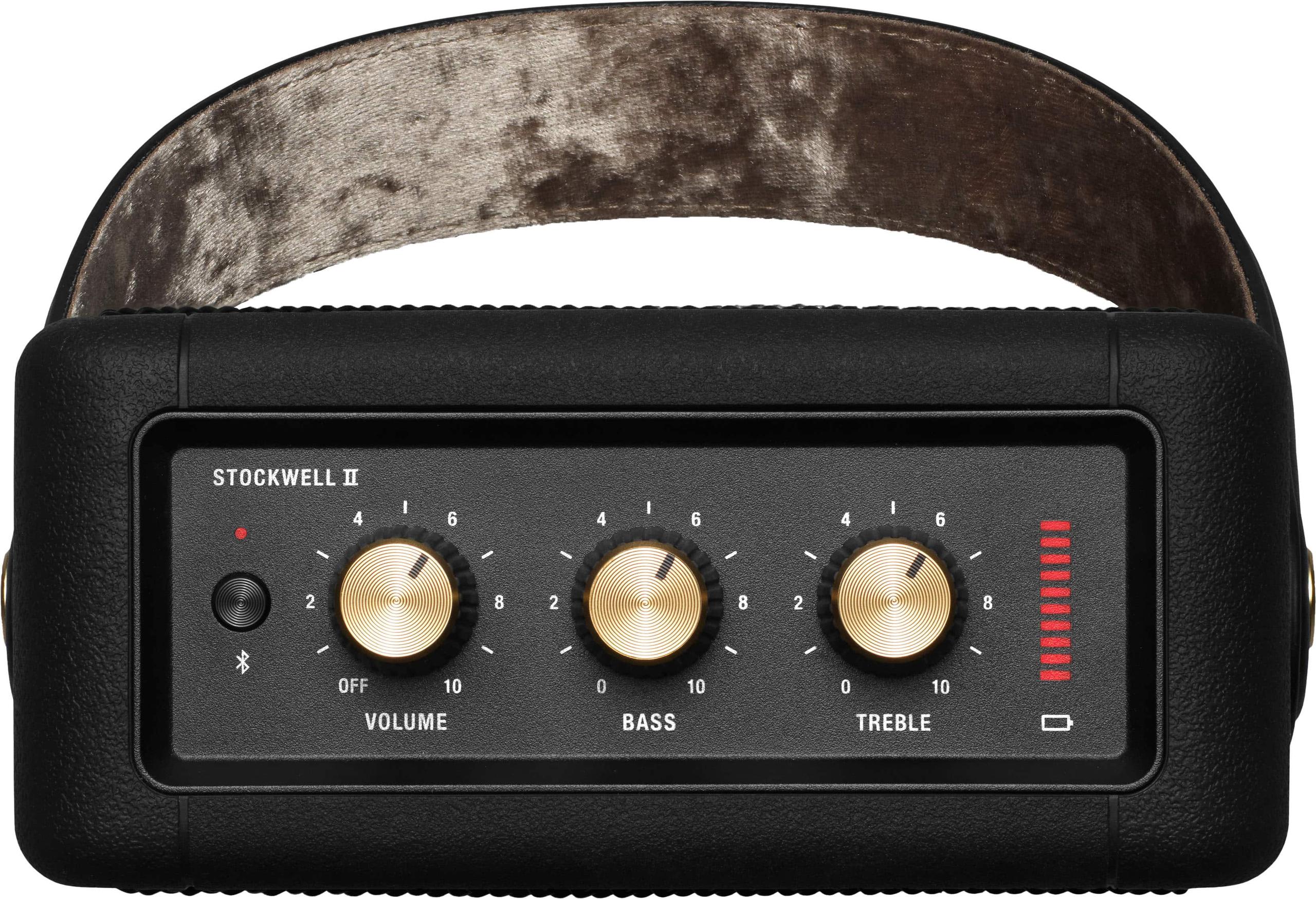
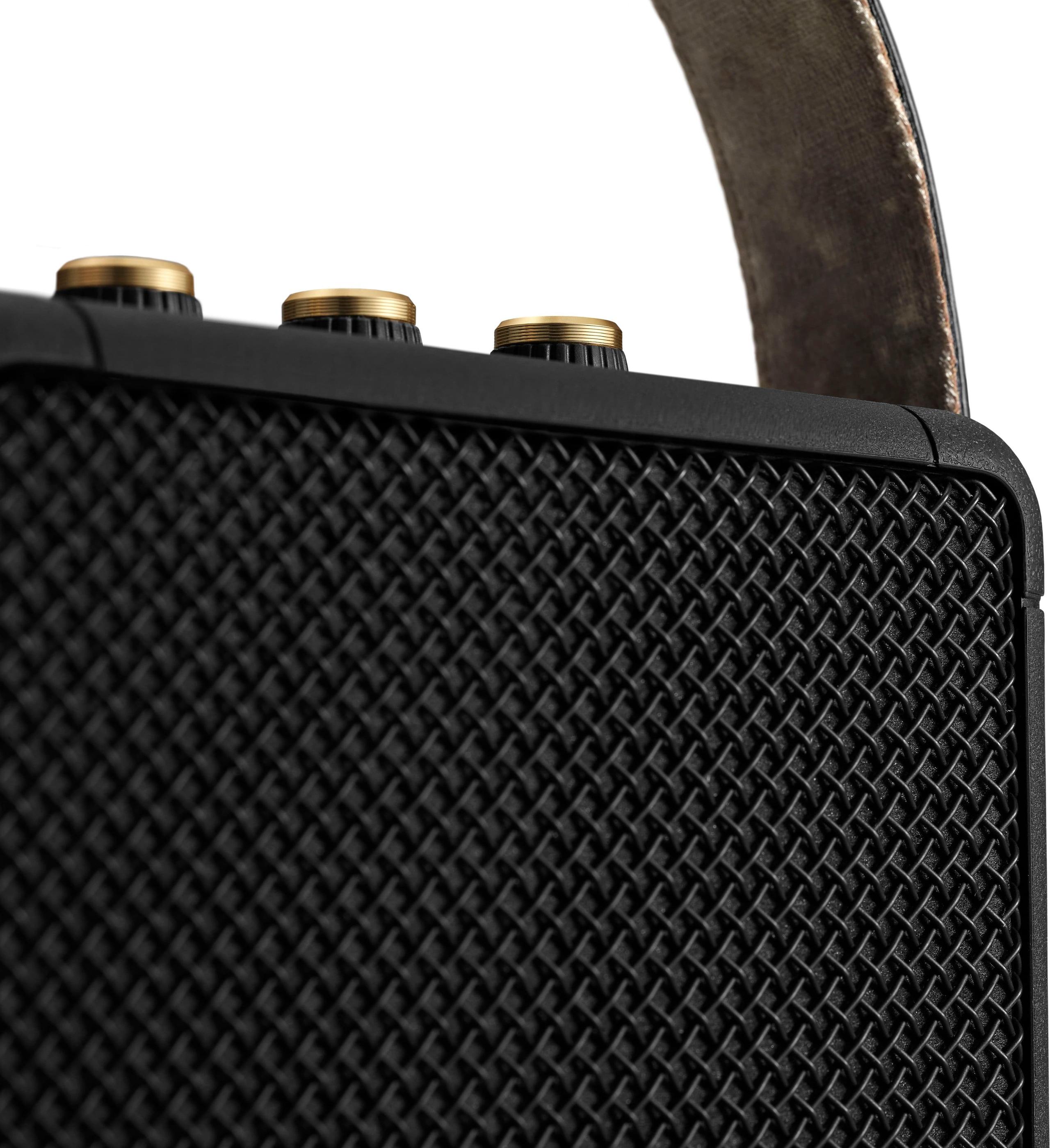
When the Marshall Stockwell II launched in 2019 at $249.99, portable Bluetooth speakers were just starting to deliver truly impressive sound. Fast forward to 2023, and the JBL Authentics 200 arrives at $349.95 (now $249.99), representing the latest in smart home audio integration. These two speakers highlight how the market has diverged into distinct use cases, each with unique advantages.
Smart speakers have evolved far beyond simple Bluetooth playback. Today's options range from portable units to sophisticated home audio solutions that integrate with voice assistants and whole-home audio systems. While both speakers we're comparing play music, they approach the task quite differently.
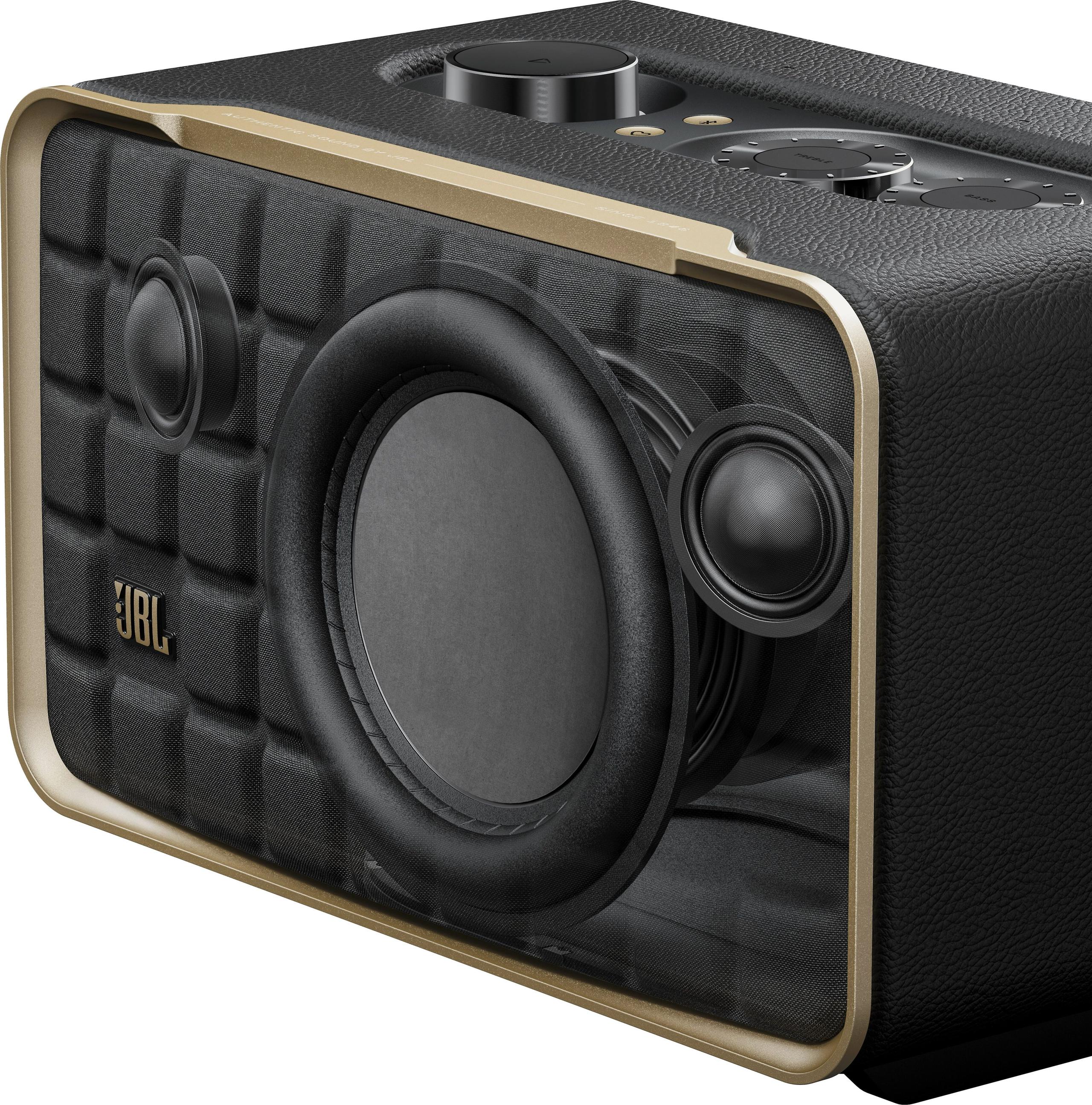
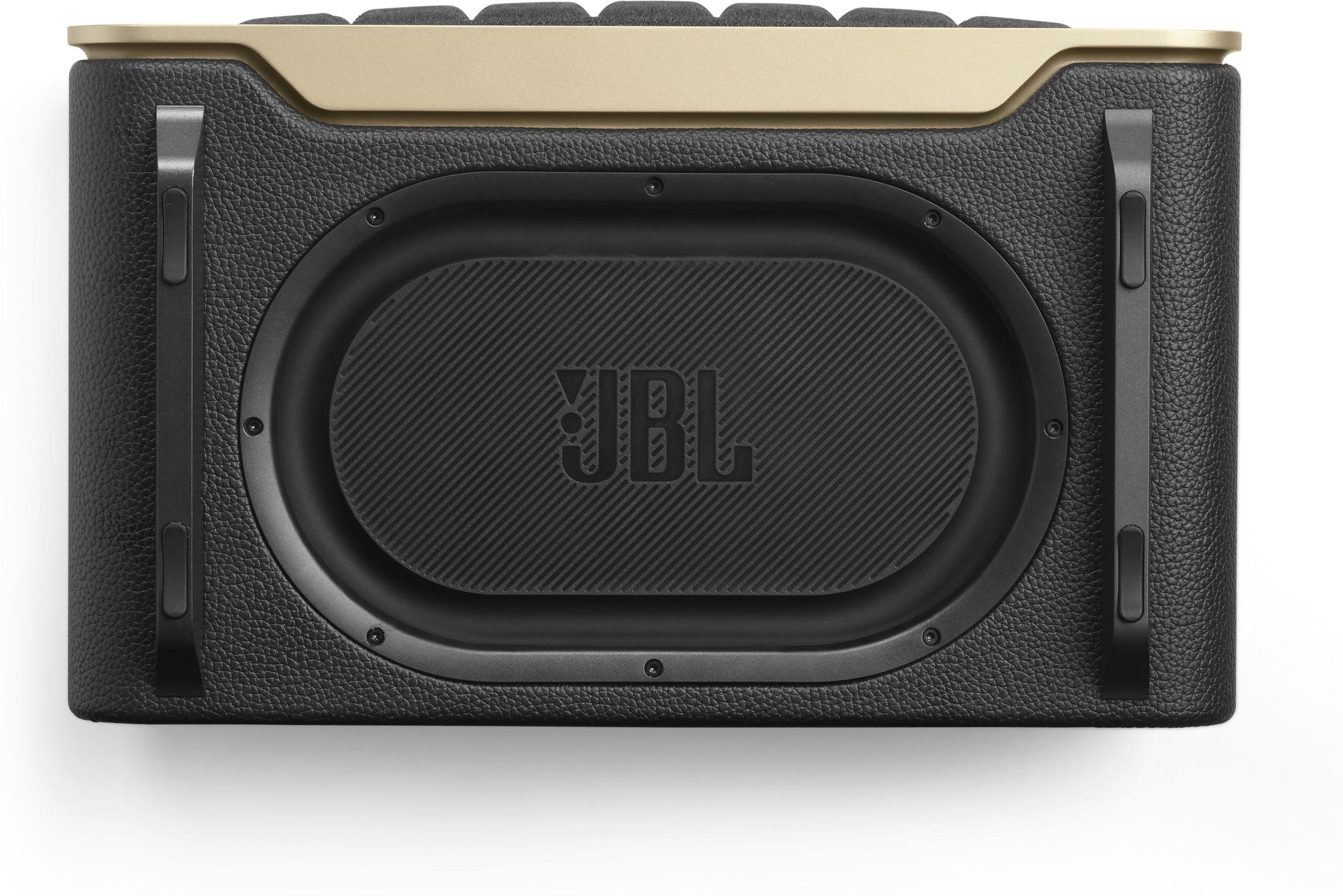
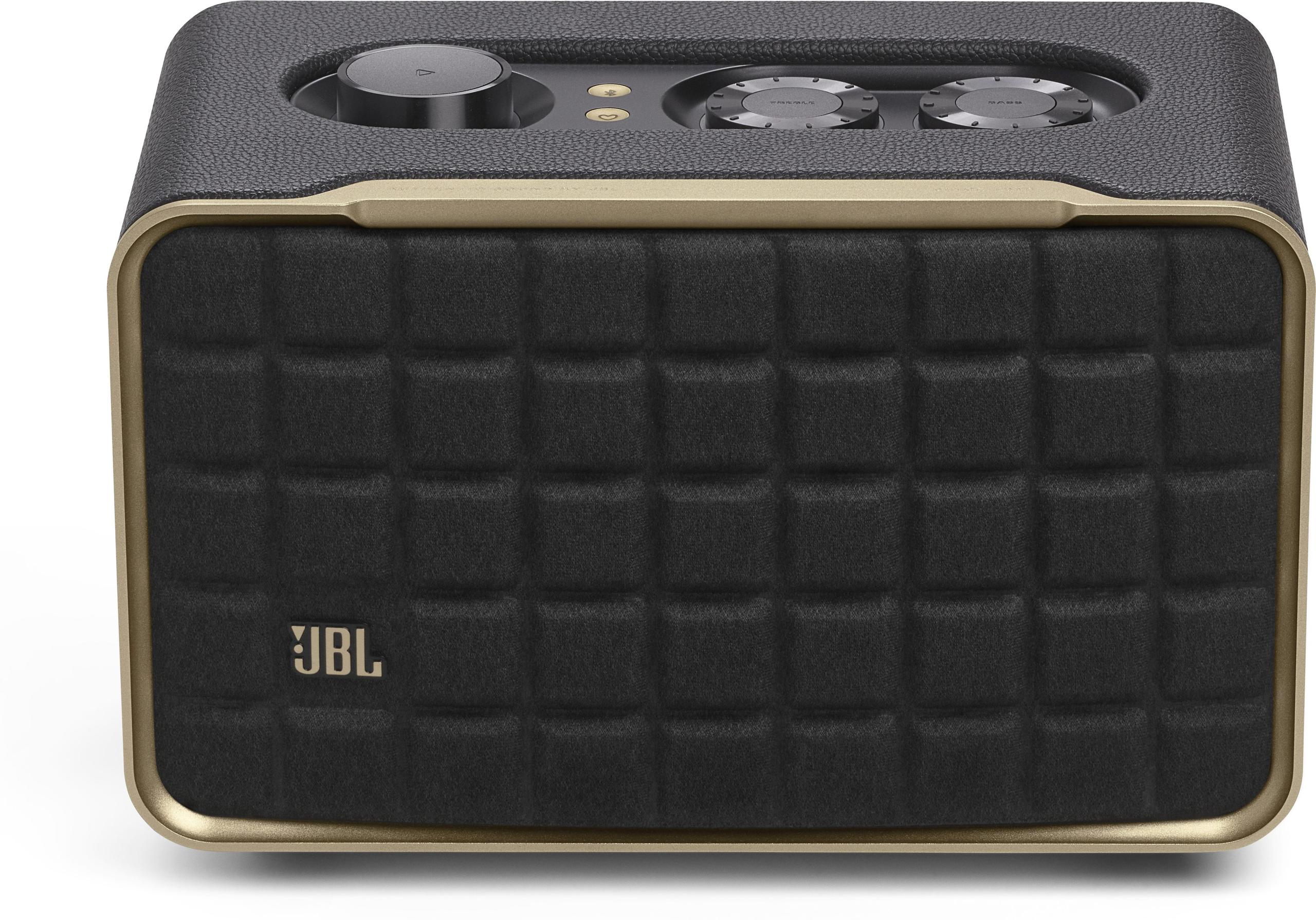
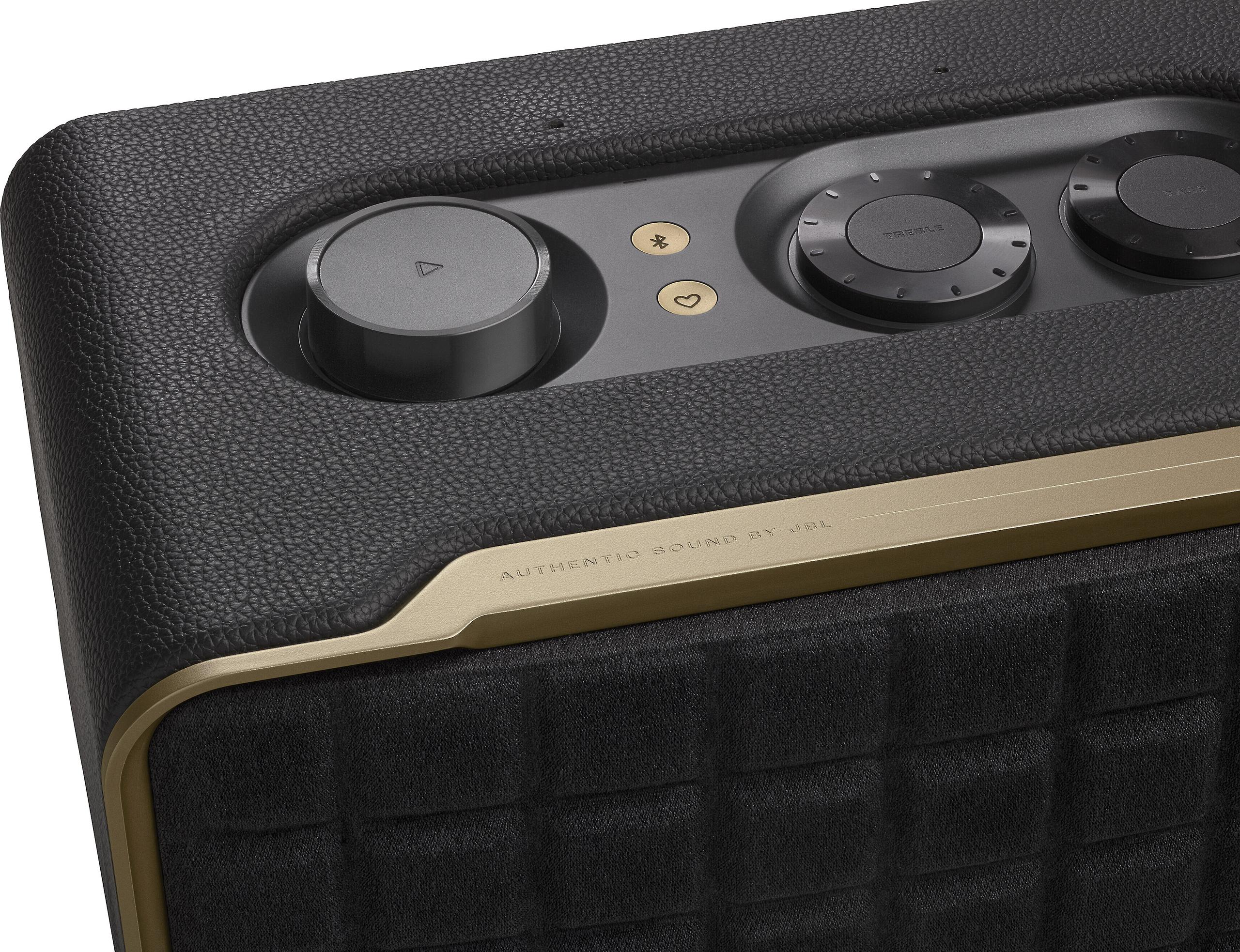
The JBL Authentics 200 brings serious audio firepower with its 90W system, using two 25mm tweeters (handling high frequencies) and a 5-inch woofer (for mid-range and bass), plus a 6-inch passive radiator that enhances low-end response. This configuration delivers room-filling sound with impressive clarity and depth. The bass response extends down to 50Hz, meaning you'll hear most music's full range - from deep bass drums to delicate cymbal work.
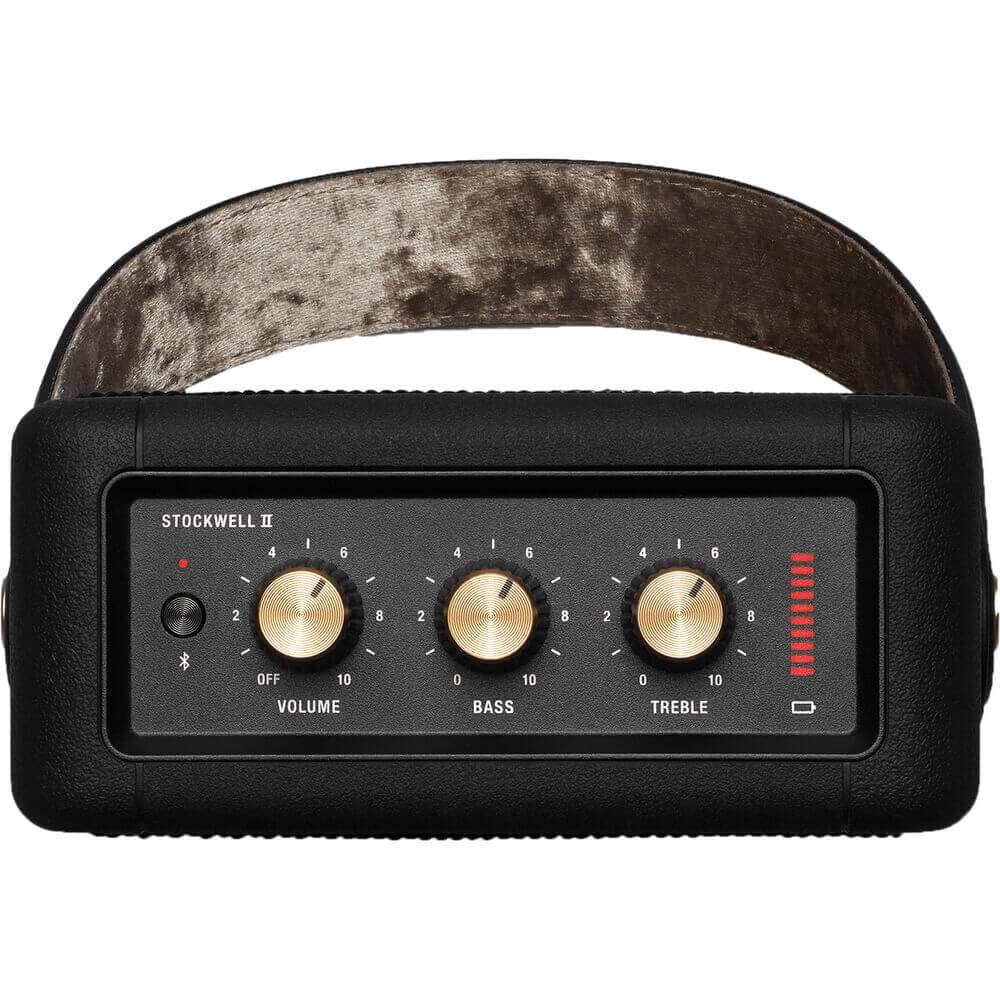
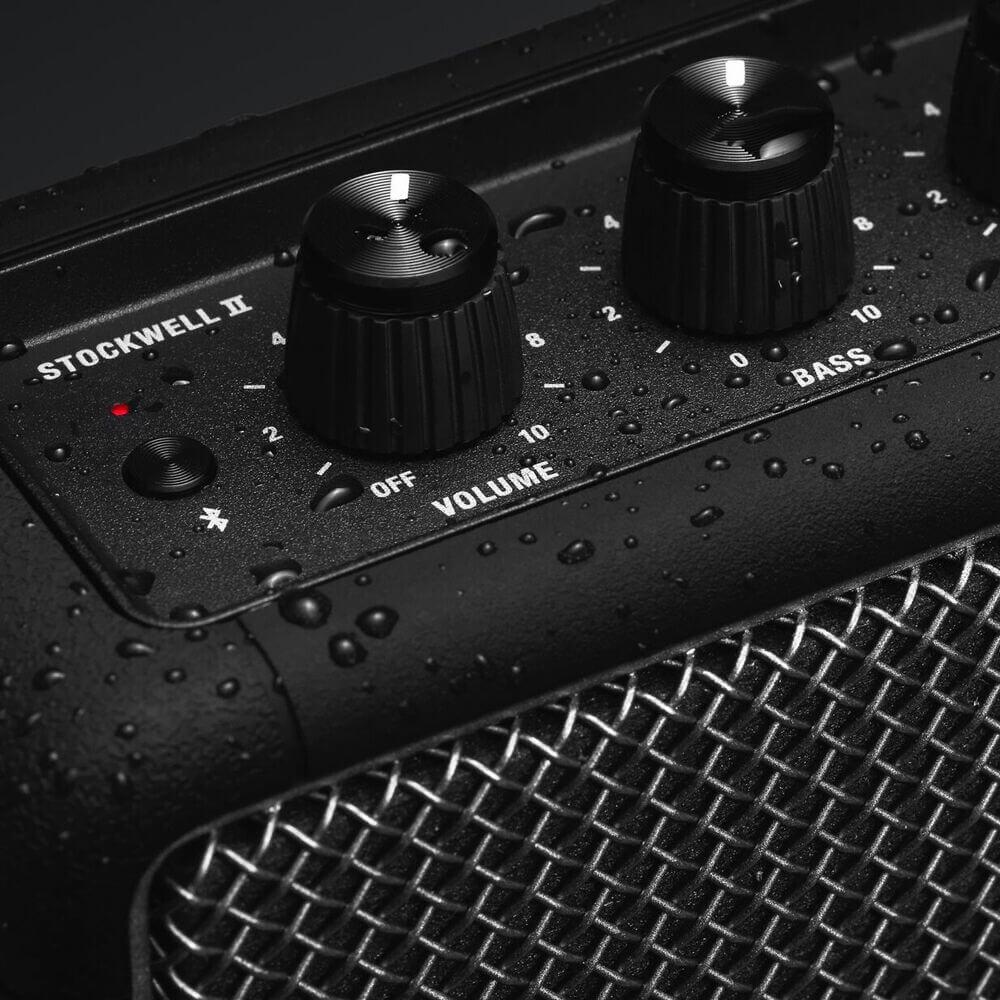
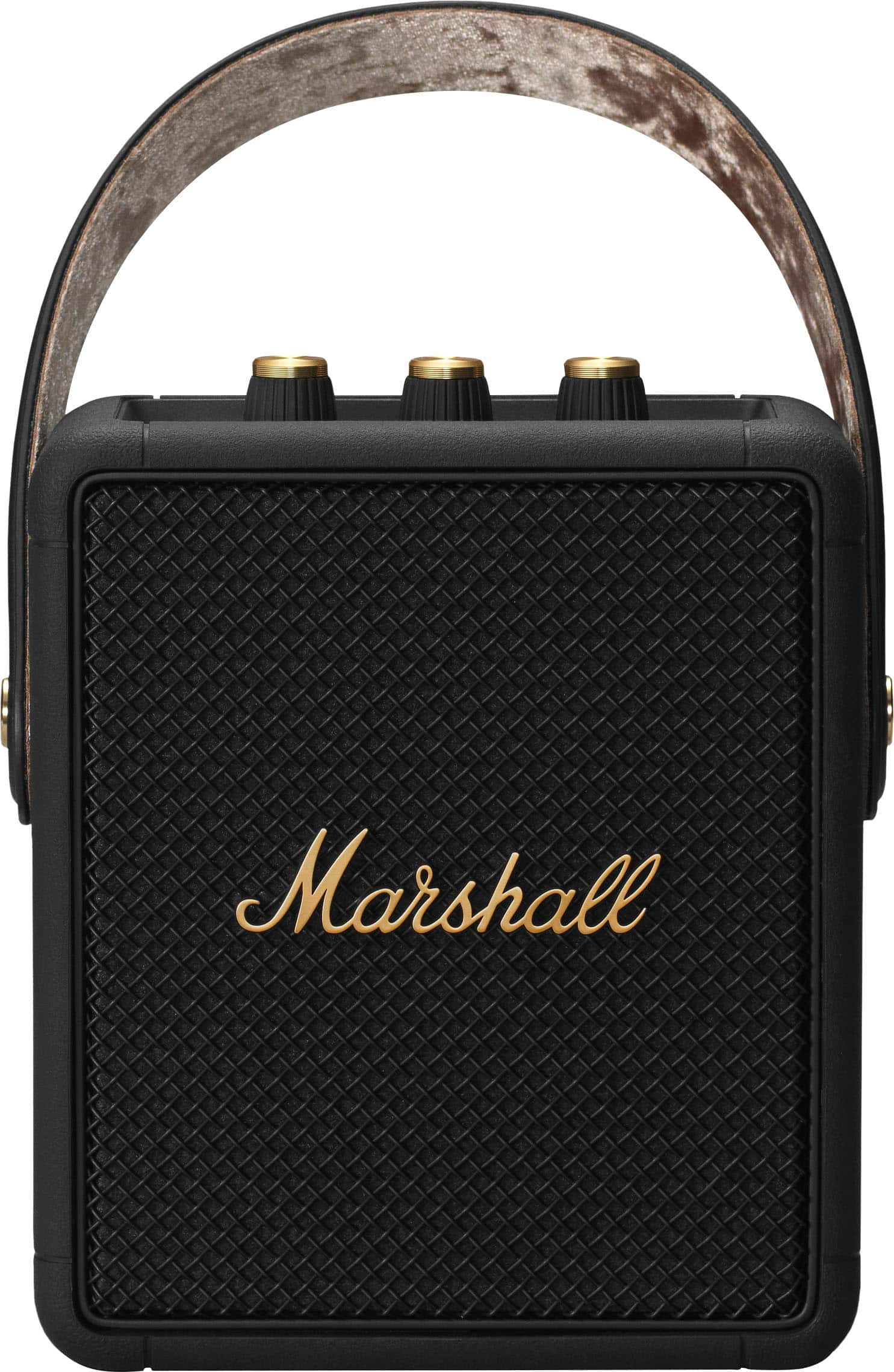
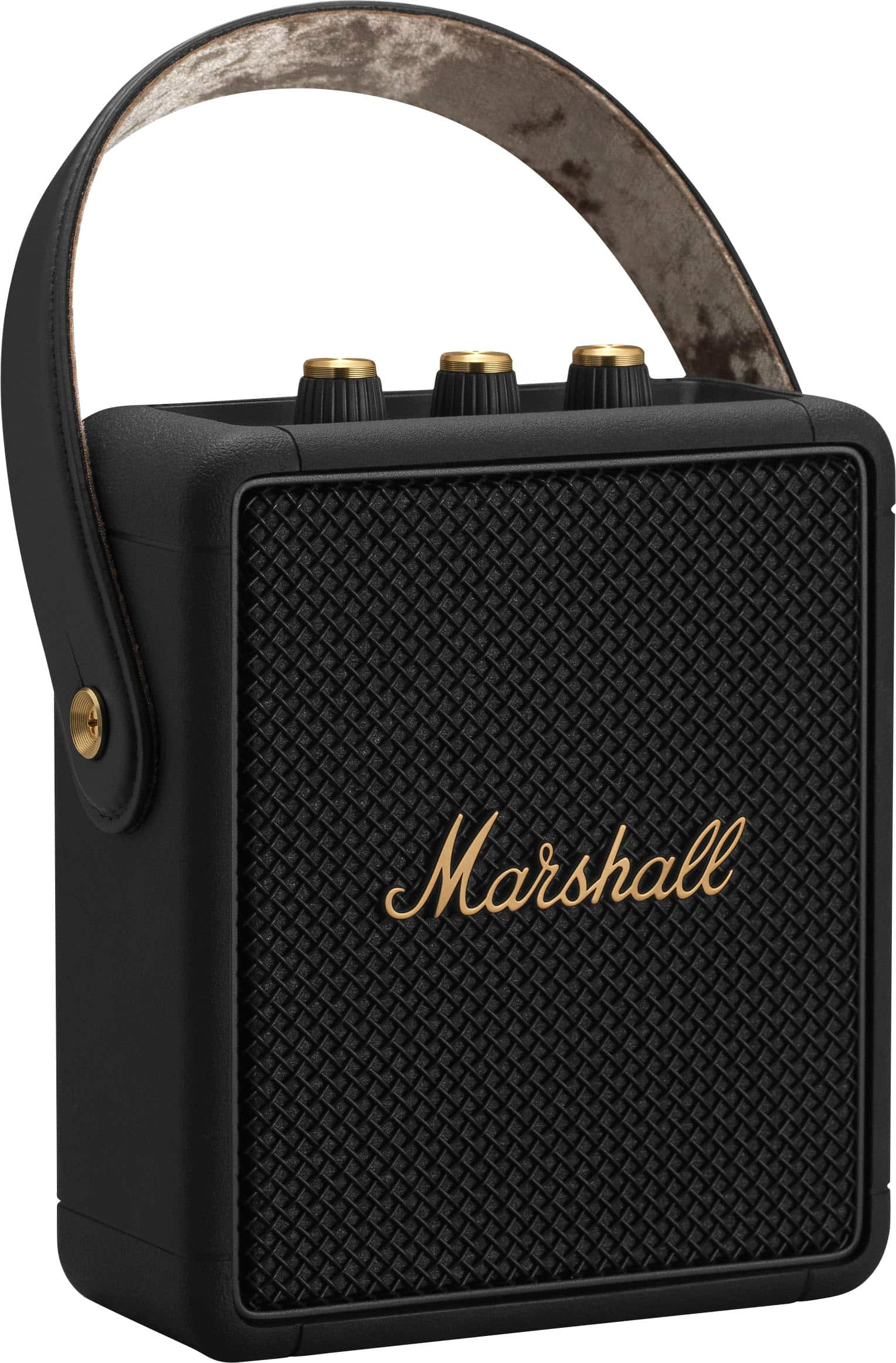
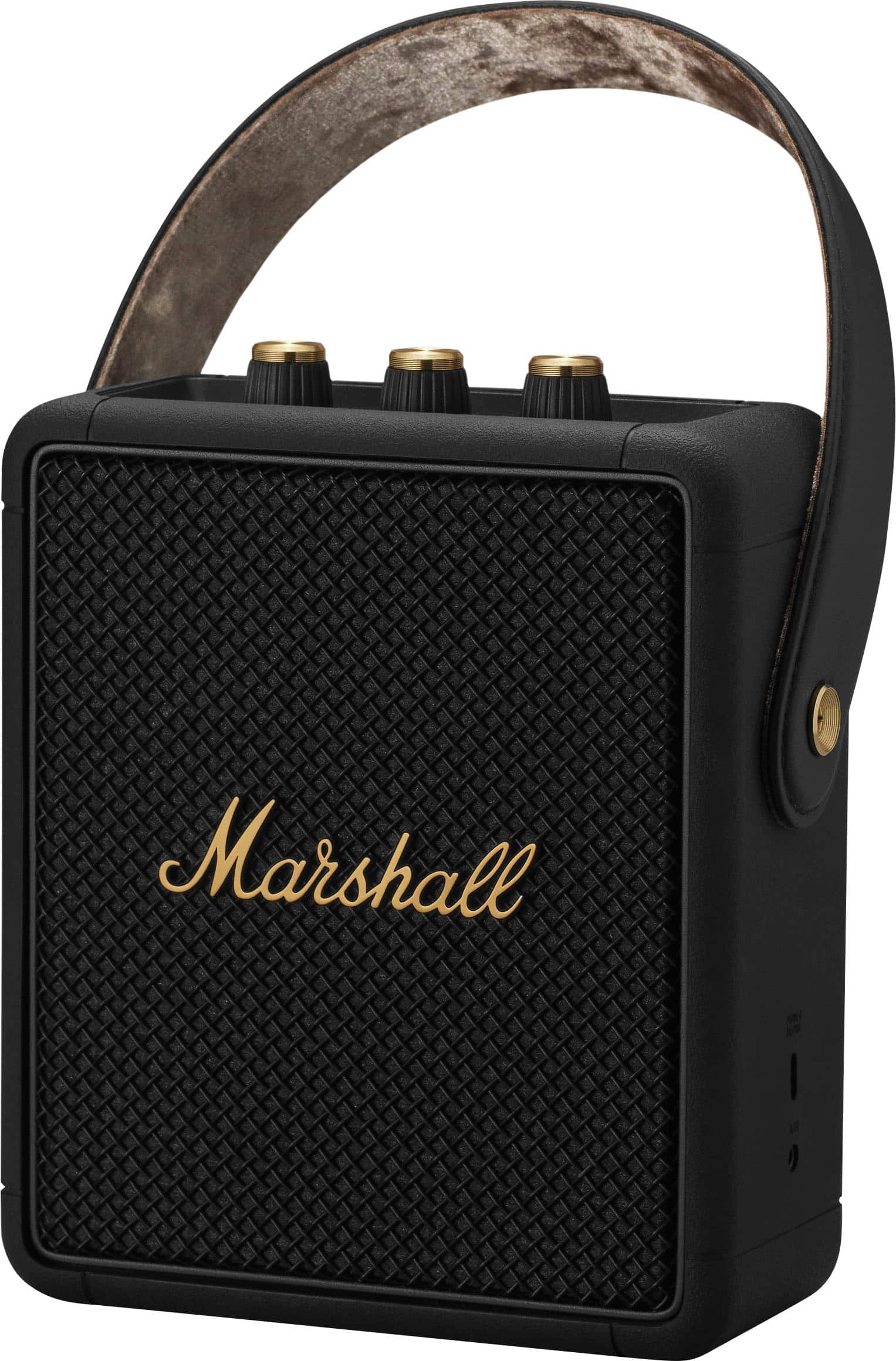
The Marshall Stockwell II takes a different approach, using a more compact 20W system with dual tweeters and a single woofer. While it can't match the JBL's raw power, it delivers surprisingly balanced sound for its size. The frequency response starts at 60Hz, meaning you'll miss some of the deepest bass notes, but the overall sound remains clear and engaging.
In real-world use, these differences become apparent:
The technological gap between these speakers reveals four years of progress. The JBL features:
The Marshall focuses on core features:
The JBL Authentics 200 shines in smart home setups. Its dual assistant support means you can control lights, check weather, or manage calendars directly through the speaker. The multi-room audio feature lets you sync music throughout your home, and the JBL One app provides detailed EQ control and firmware updates.
While the Marshall Stockwell II lacks smart features, its simplicity has advantages. There's no complex setup, no app required, and no network dependencies. Just turn it on, pair, and play.
Here's where the Marshall takes the lead. Its 20+ hour battery life, IPX4 water resistance (protected against splashes), and compact design make it ideal for:
The JBL, while more powerful, requires AC power and weighs over 6.8 pounds. It's designed to be placed and left, though its retro-inspired design looks great wherever it lands.
At current prices:
The JBL's price reflects its advanced features and superior audio performance. If you'll use the smart features and want better sound quality, it's worth the premium. The Marshall's lower price makes sense for its portable focus, and it's a strong value for mobile use.
Since the Marshall's 2019 release:
The JBL incorporates these advances, while the Marshall remains a simpler, focused device.
Consider your priorities:
For the JBL Authentics 200:
For the Marshall Stockwell II:
Both speakers excel in their intended roles. The JBL Authentics 200 represents the current state of home audio technology, with powerful sound and comprehensive smart features. The Marshall Stockwell II continues to impress with its portable design and reliable performance.
If you're primarily using the speaker at home and want the best sound quality along with smart features, the JBL is the clear choice. If portability matters more than absolute sound quality or smart features, the Marshall offers excellent value and versatility.
Remember, the best speaker is the one that fits your specific needs and use cases. Consider where and how you'll use it most often, and choose accordingly.
| JBL Authentics 200 | Marshall Stockwell II |
|---|---|
| Price - Current market positioning | |
| $249.99 | $149.00 |
| Total Power Output - Impacts volume and sound quality | |
| 90W (room-filling sound) | 20W (personal listening range) |
| Speaker Configuration - Determines sound clarity and bass response | |
| 2x25mm tweeters + 5" woofer + 6" passive radiator | 2x5W tweeters + 10W woofer |
| Frequency Response - Range of sound reproduction | |
| 50Hz-20kHz (fuller bass response) | 60Hz-20kHz (slightly limited bass) |
| Connectivity Options - Flexibility for different devices | |
| Wi-Fi 6, Bluetooth 5.3, AirPlay, Chromecast | Bluetooth 5.0, 3.5mm aux input |
| Smart Features - Integration with home automation | |
| Google Assistant, Alexa, multi-room audio | None |
| Portability - Mobility and placement options | |
| AC powered, 6.88 lbs (stationary use) | 20+ hour battery, 3.04 lbs (highly portable) |
| Water Resistance - Outdoor usability | |
| None | IPX4 (splash resistant) |
| Audio Controls - Sound customization | |
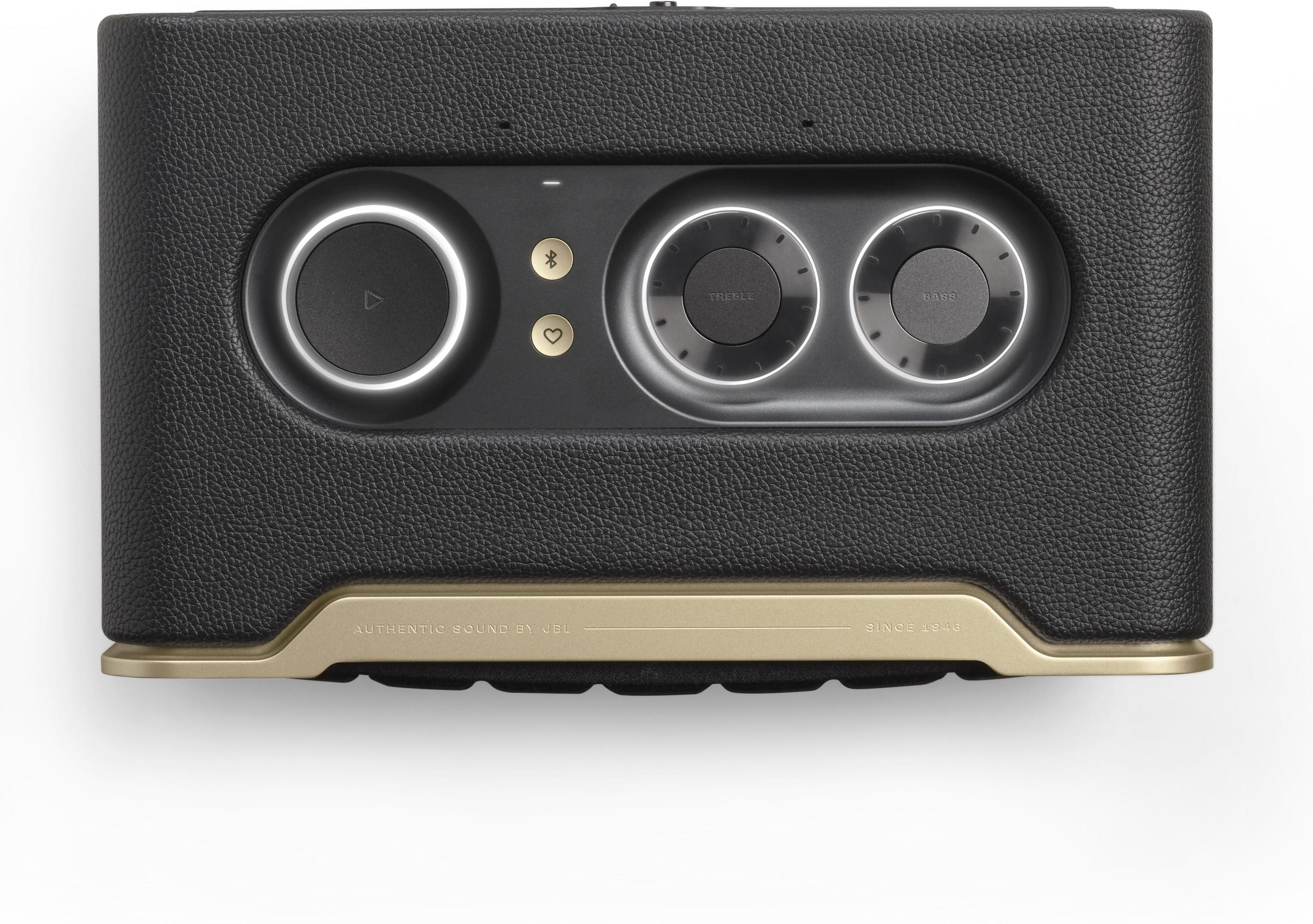
| App-based EQ + physical controls | Physical bass/treble knobs |
| Dimensions - Space requirements | |
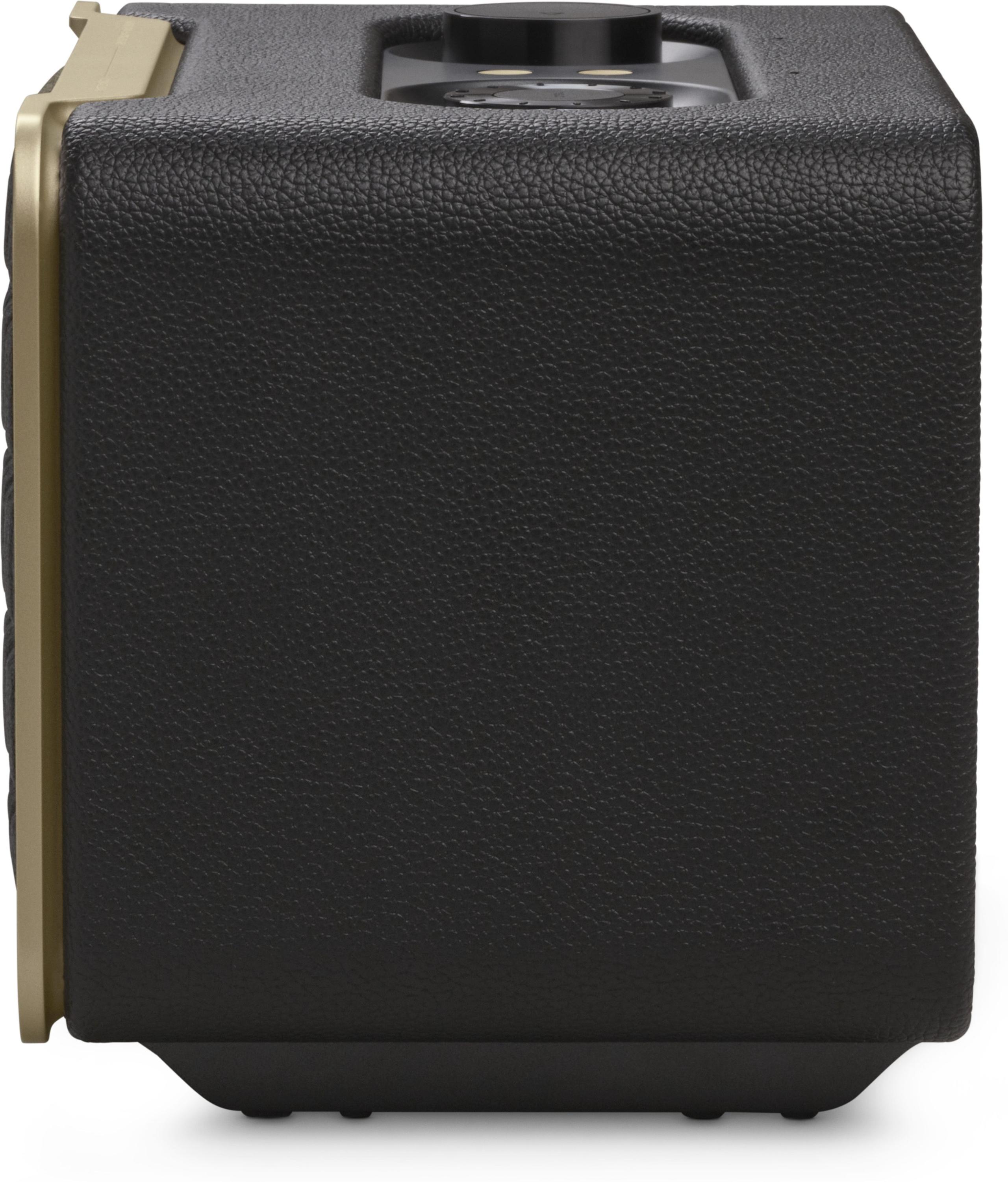
| 10.48" x 6.76" x 6.59" (larger footprint) | 7.09" x 6.34" x 2.76" (compact design) |
| Build Quality - Durability and aesthetics | |
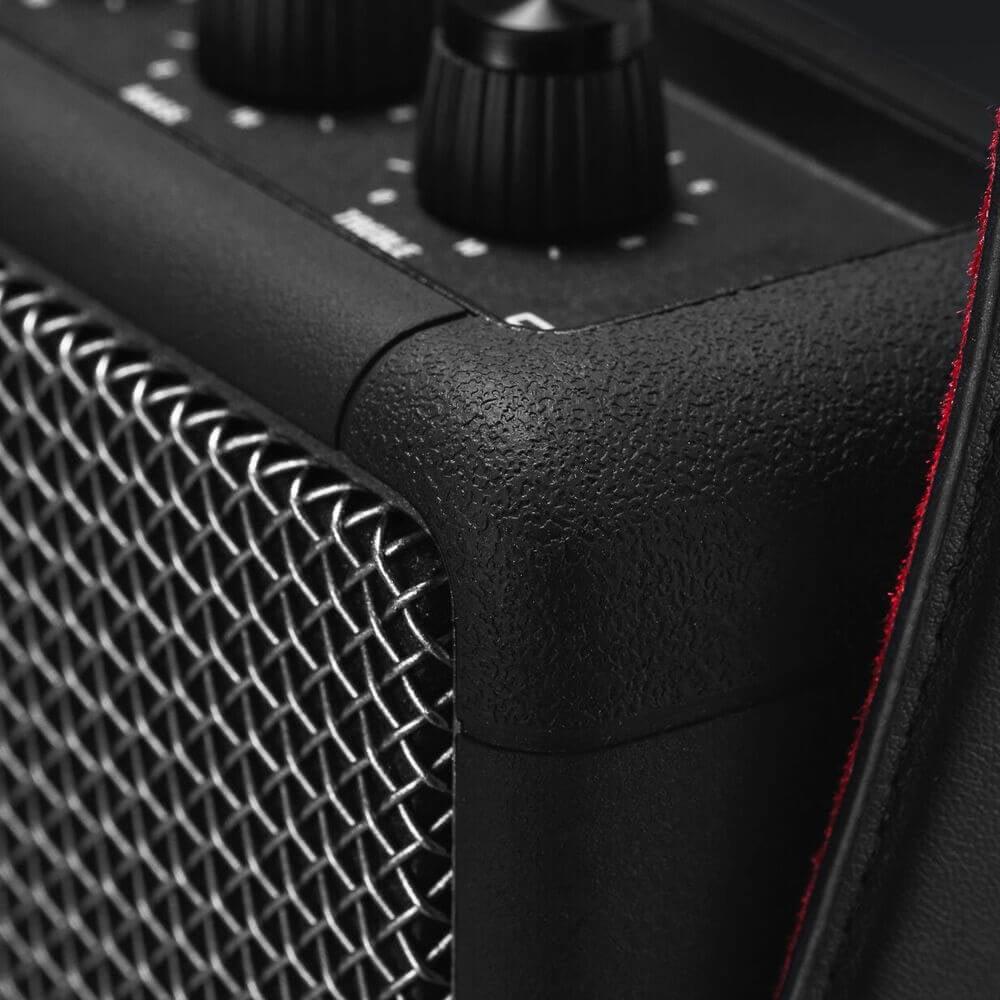
| Premium materials, retro design with Quadrex grille | Metal grille, silicone exterior, classic Marshall styling |
| Additional Features - Extra functionality | |
| Multi-room sync, automatic self-tuning, sustainable materials | Multi-host pairing, quick charge (6hrs in 20min) |
The JBL Authentics 200 is better for home use with its 90W output, smart features, and AC power. The Marshall Stockwell II is designed primarily for portable use and has less power at 20W.
The JBL Authentics 200 offers superior sound quality with deeper bass (50Hz vs 60Hz) and more powerful output. Its larger drivers and passive radiator provide fuller, richer sound compared to the Marshall.
The Marshall Stockwell II is significantly more portable with its 3.04 lb weight and 20+ hour battery life. The JBL Authentics 200 requires AC power and weighs 6.88 lbs, making it primarily a stationary speaker.
The Marshall Stockwell II is designed for outdoor use with IPX4 water resistance and battery power. The JBL Authentics 200 isn't suitable for outdoor use as it needs AC power and lacks water resistance.
Both speakers offer Bluetooth connectivity. The JBL Authentics 200 has newer Bluetooth 5.3 plus Wi-Fi, while the Marshall Stockwell II uses Bluetooth 5.0.
The JBL Authentics 200 works with both Google Assistant and Alexa. The Marshall Stockwell II doesn't support voice assistants.
Both offer sound adjustment - the JBL Authentics 200 through its app and physical controls, while the Marshall Stockwell II has physical bass and treble knobs.
The Marshall Stockwell II offers 20+ hours of battery life. The JBL Authentics 200 runs on AC power indefinitely.
The JBL Authentics 200 supports multi-room audio with other compatible JBL speakers. The Marshall Stockwell II doesn't offer multi-speaker connectivity.
For home parties, the JBL Authentics 200 offers better sound quality and volume. For outdoor parties, the Marshall Stockwell II is more practical with its portability and water resistance.
The JBL Authentics 200 can connect to smart TVs via Wi-Fi or Bluetooth, offering better TV audio integration. The Marshall Stockwell II can connect via Bluetooth but isn't optimized for TV use.
We've done our best to create useful and informative comparisons to help you decide what product to buy. Our research uses advanced automated methods to create this comparison and perfection is not possible - please contact us for corrections or questions. These are the sites we've researched in the creation of this article: homeitlab.com - hifipicks.com - nfm.com - youtube.com - harmanaudio.com - jbl.com - jbl.com - youtube.com - jbl.com - harmanaudio.com - kh.jbl.com - youtube.com - homedepot.com - bestbuy.com - stuff.tv - idownloadblog.com - stereoguide.com - kendallgiles.com - termagoods.com - aplaze.com - manua.ls - youtube.com - sg.tcacoustic.asia - marshall.com - youtube.com

Privacy Policy
Terms and Conditions - Affiliate Policy
Home Security
© Copyright 2008-2026.
11816 Inwood Rd #1211, Dallas, TX 75244