

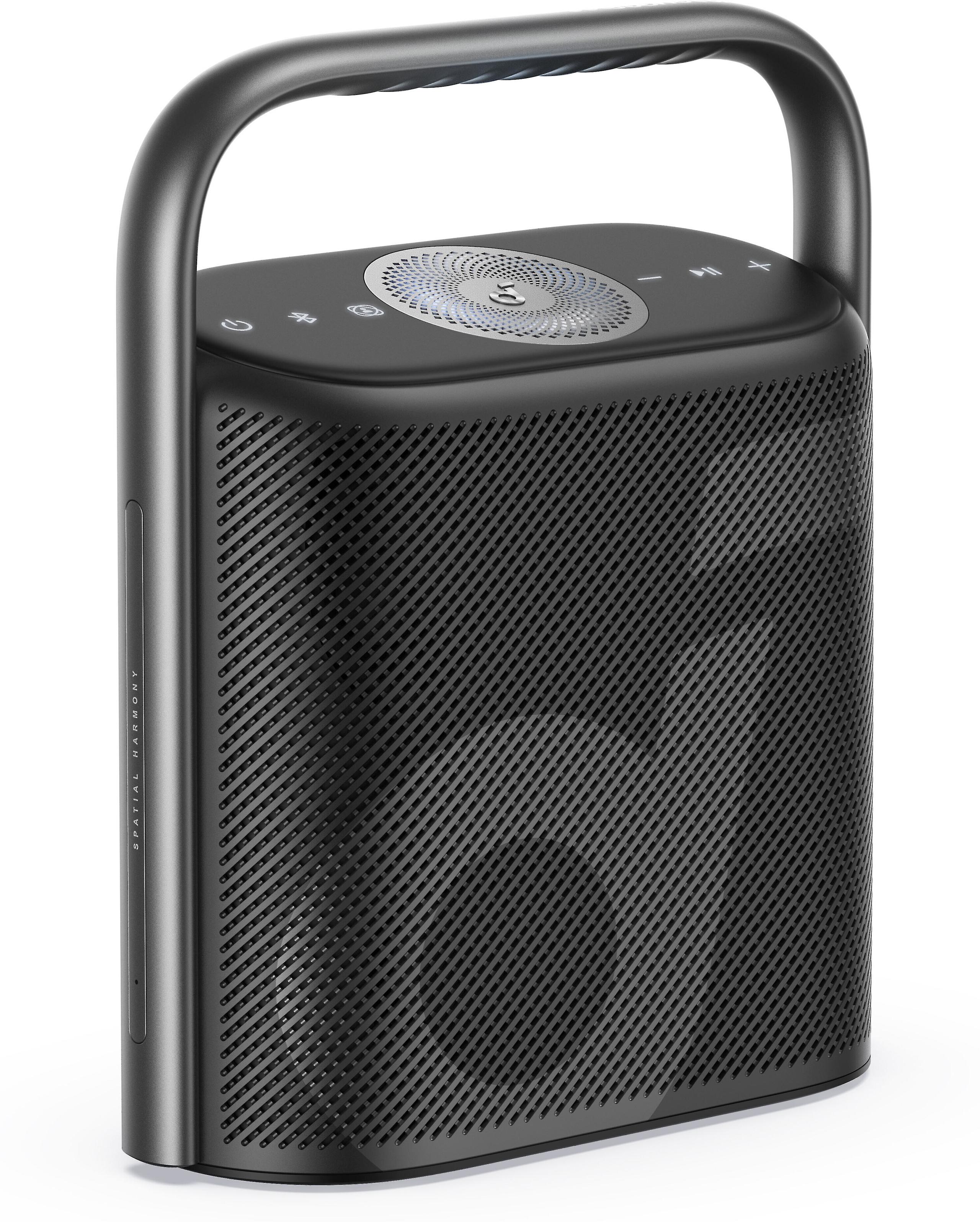
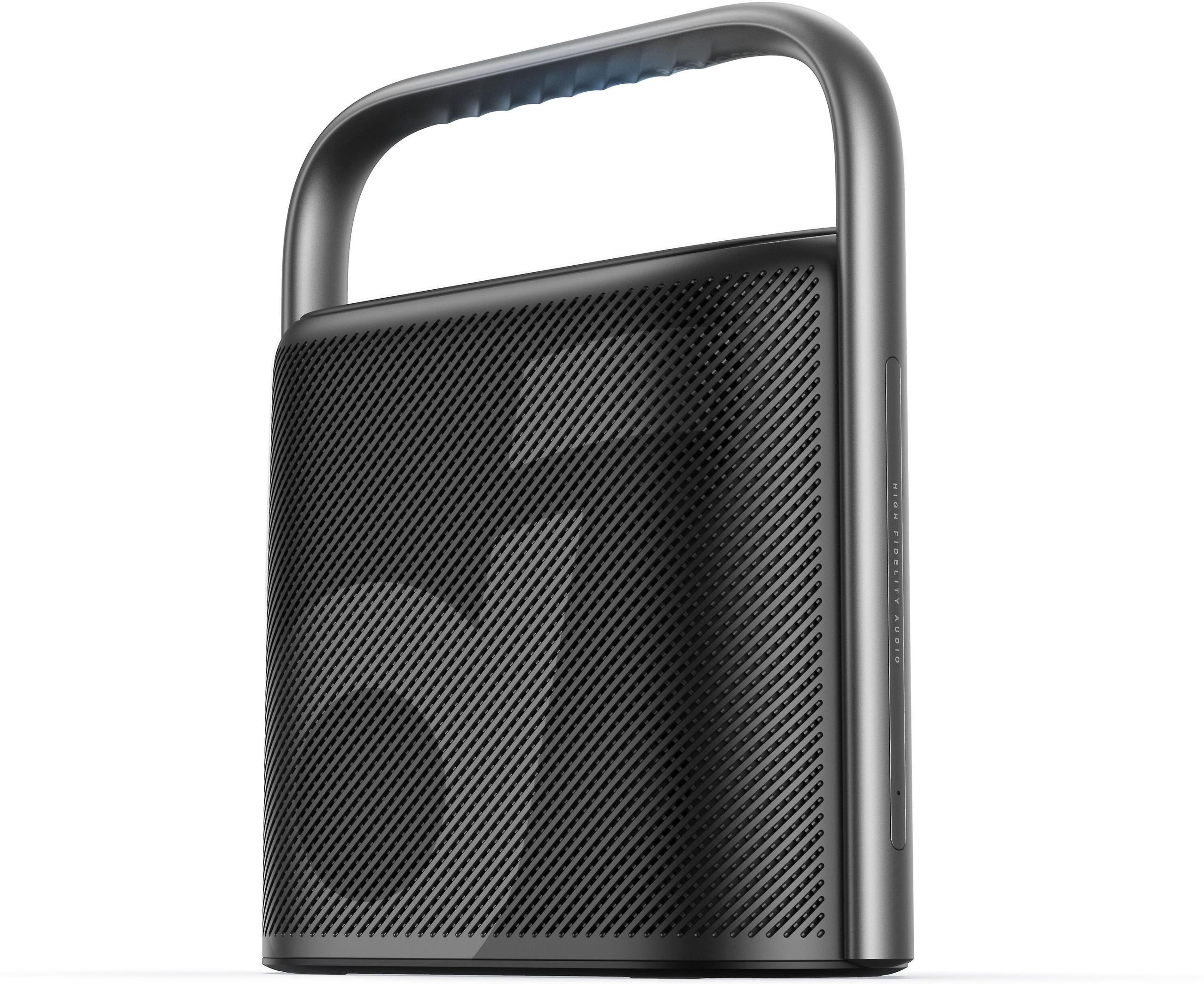
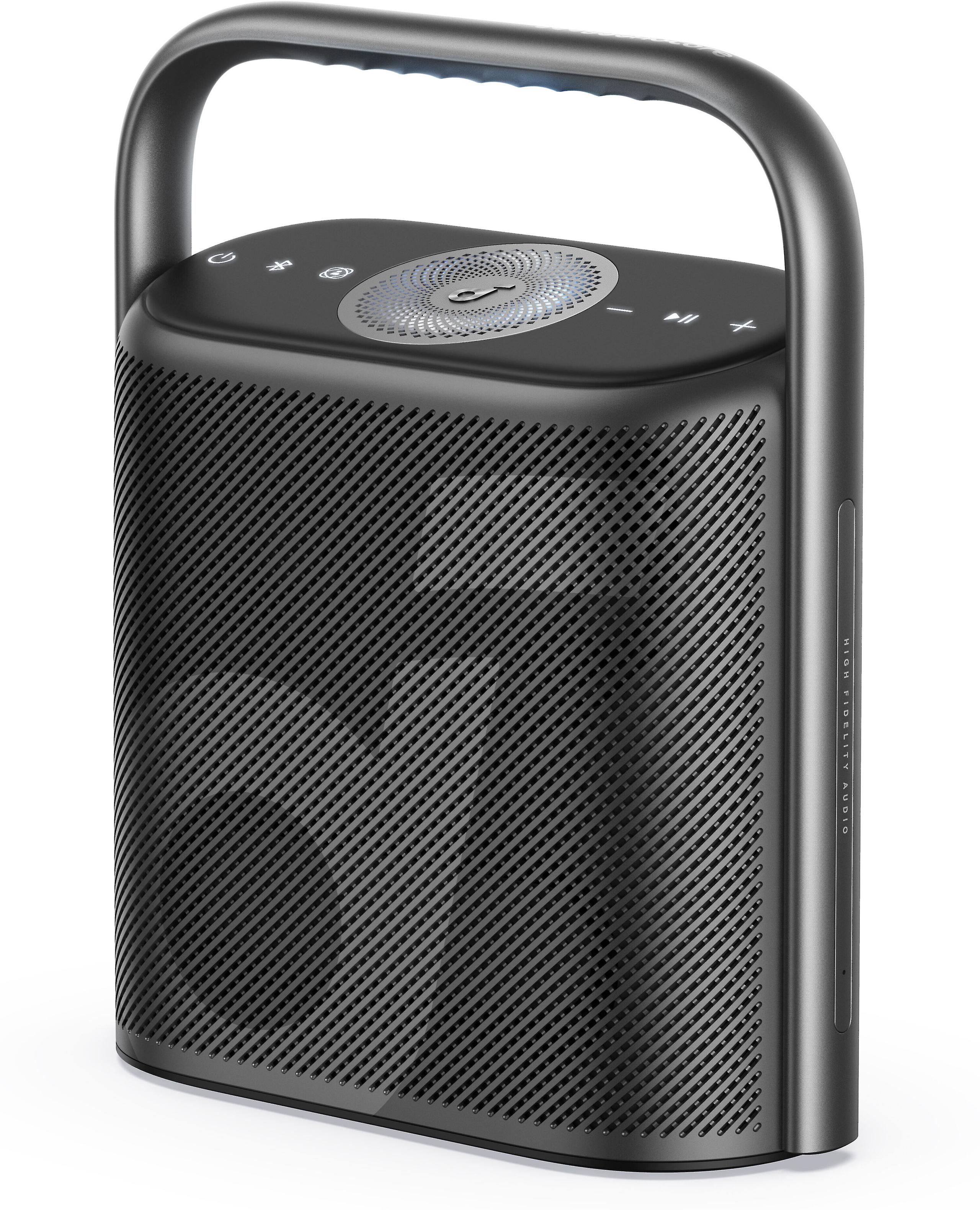
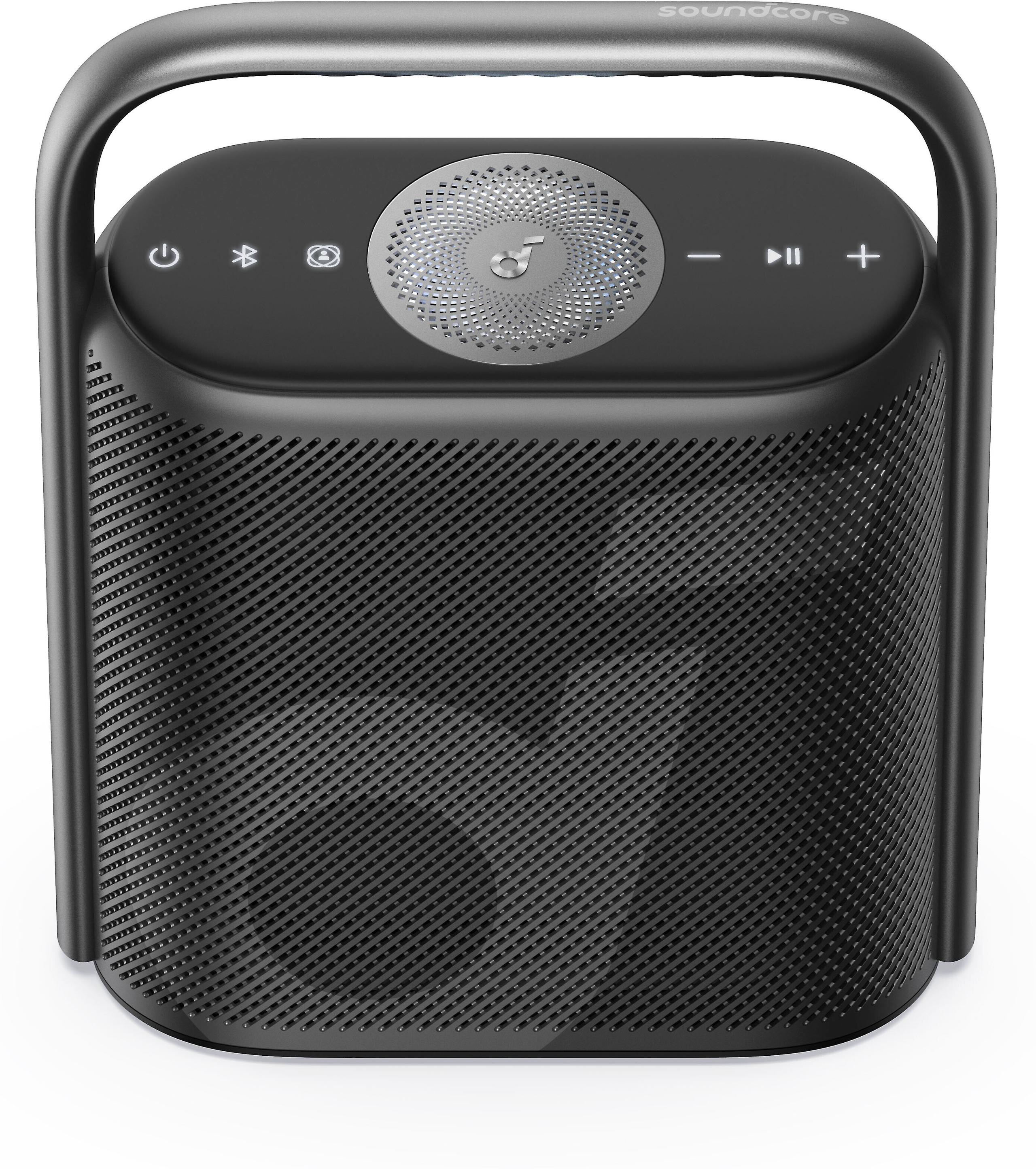

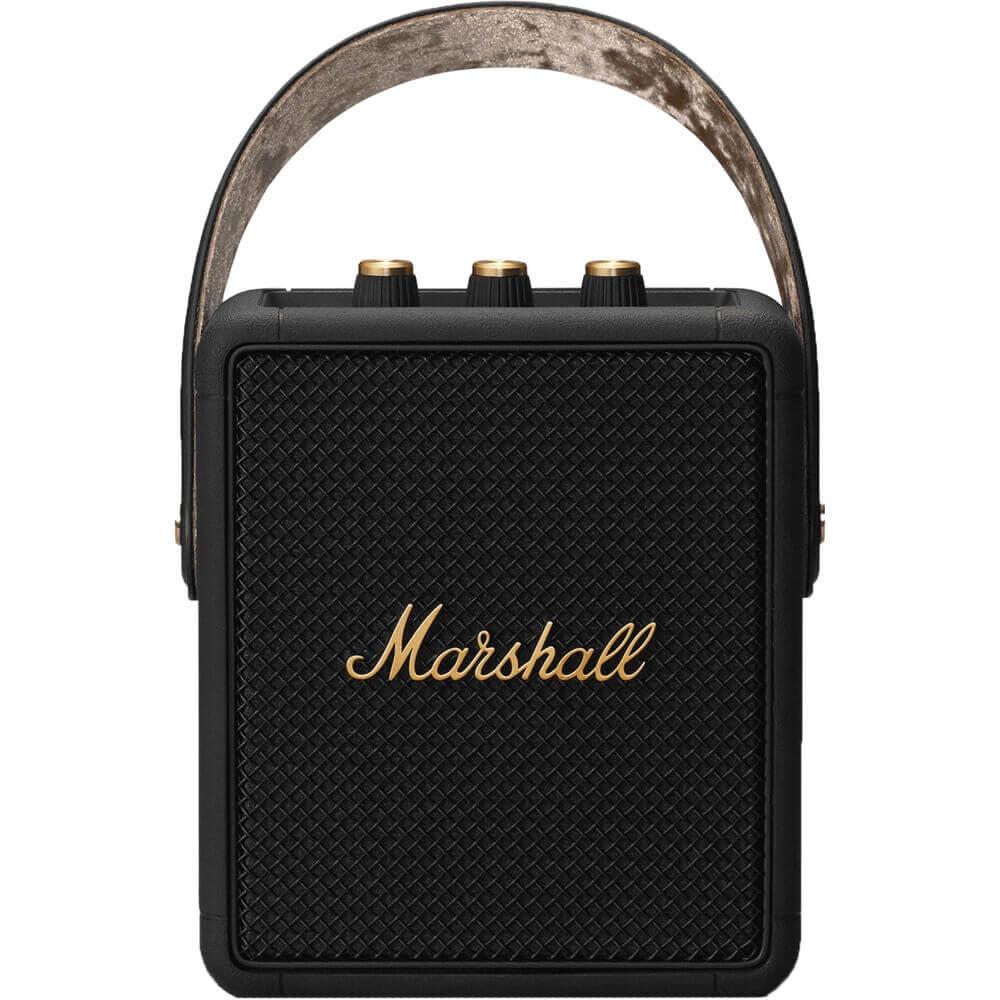
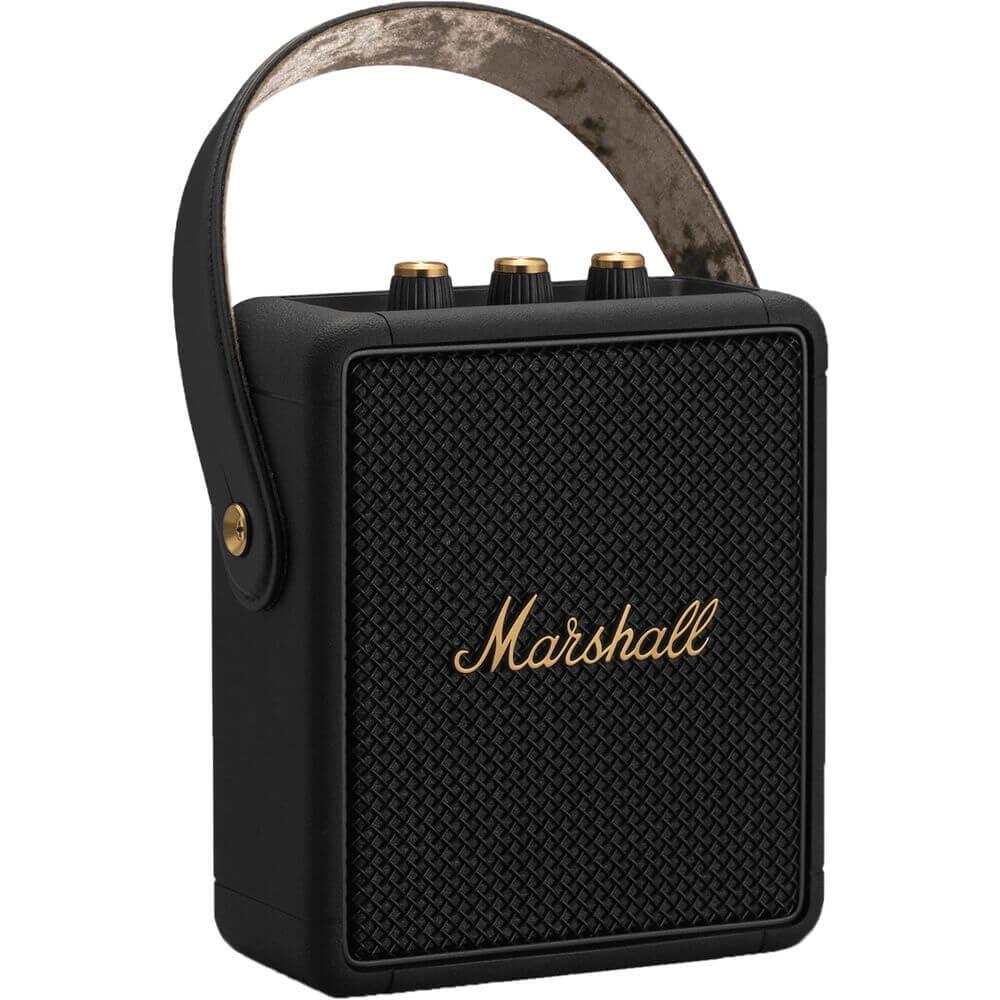

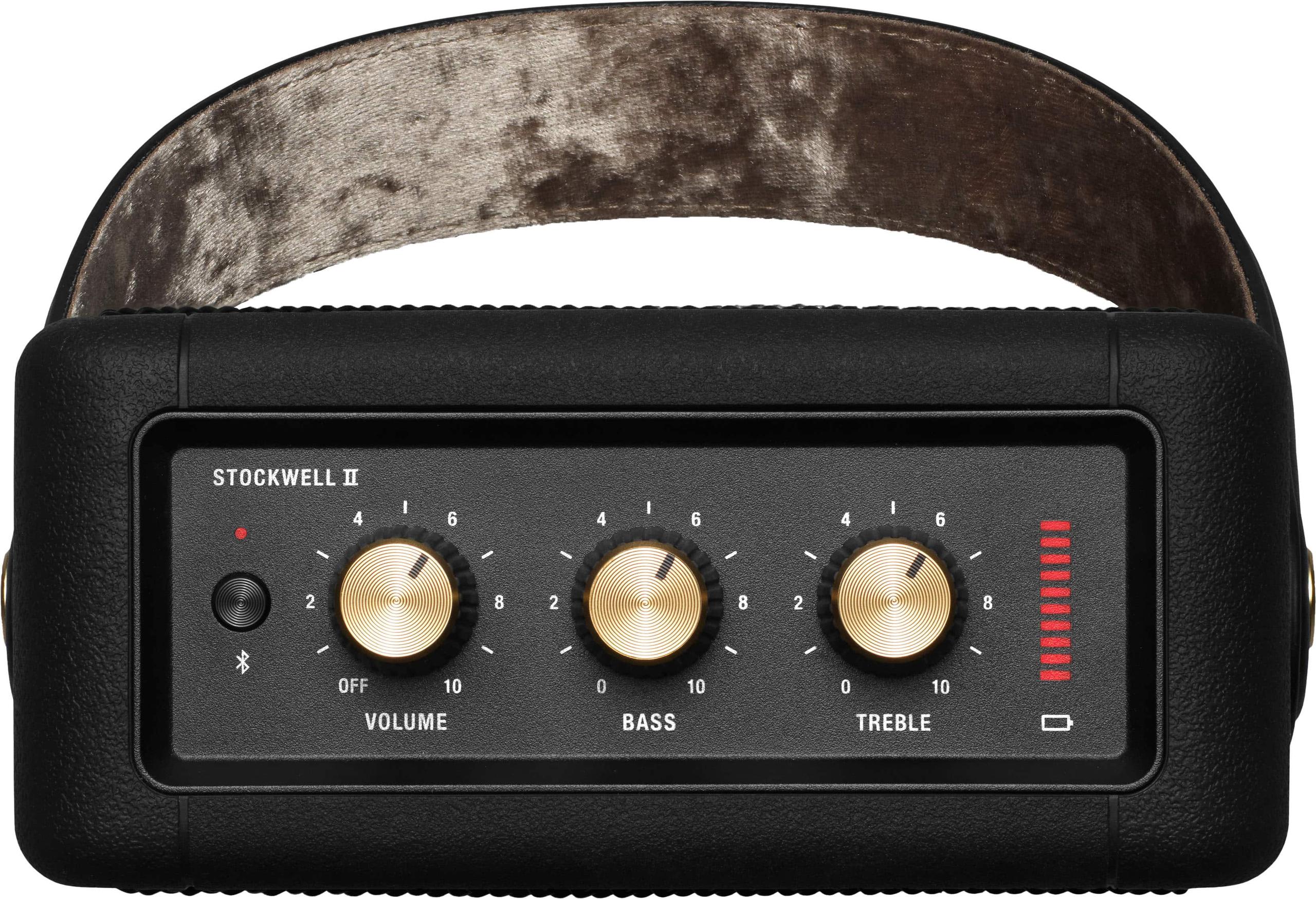
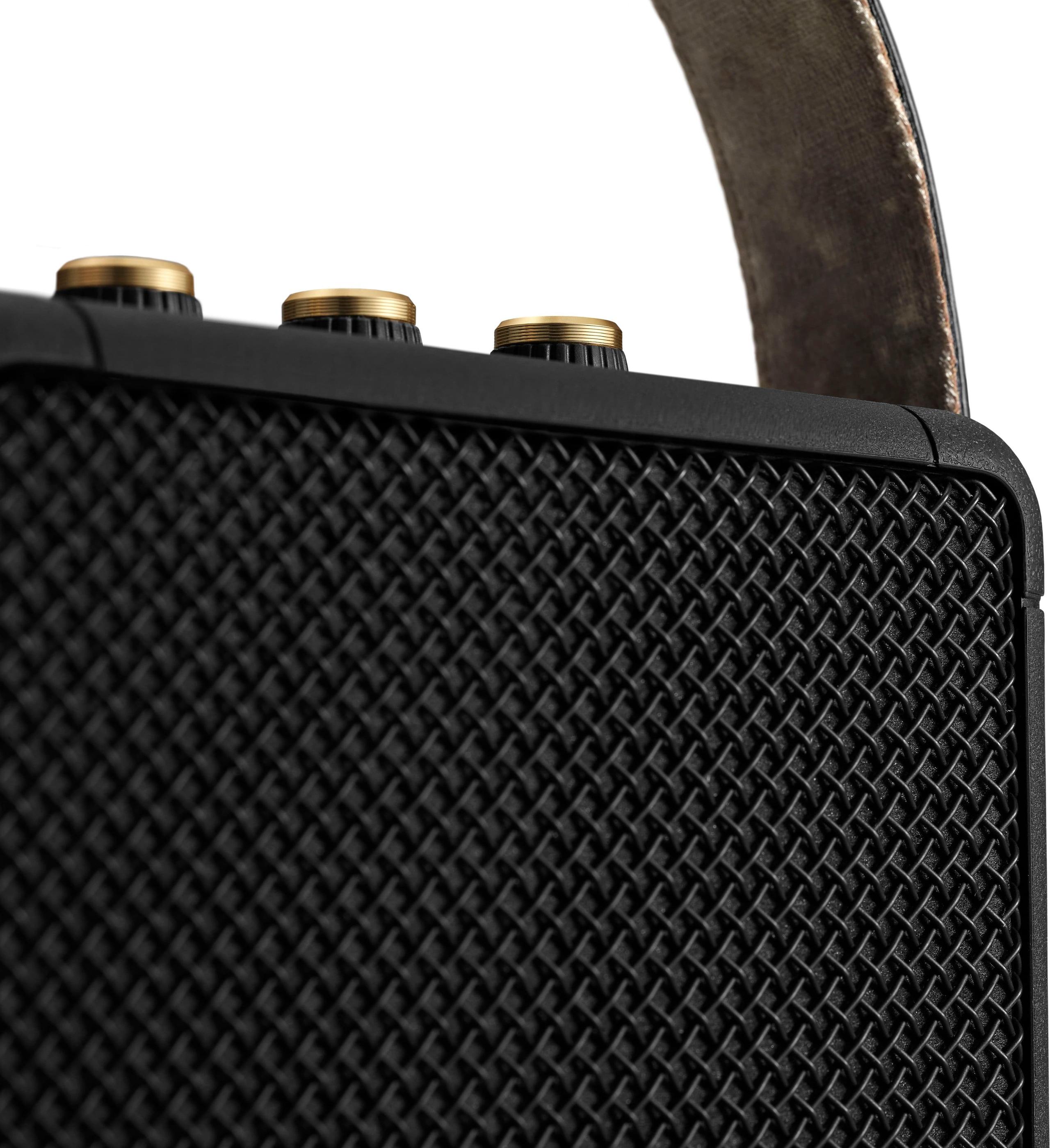
When it comes to portable Bluetooth speakers, the choice between Anker Soundcore Motion X500 ($169.99) and Marshall Stockwell II ($149.99) represents an interesting contrast between modern and classic approaches to portable audio. Let's dive into what makes each speaker unique and who might prefer one over the other.
Portable speakers have evolved significantly in recent years. While basic Bluetooth connectivity and decent battery life were once enough to impress, today's buyers expect much more. Modern features like spatial audio, app control, and serious water resistance have become increasingly important, while traditional elements like physical controls and classic styling maintain their appeal for many users.
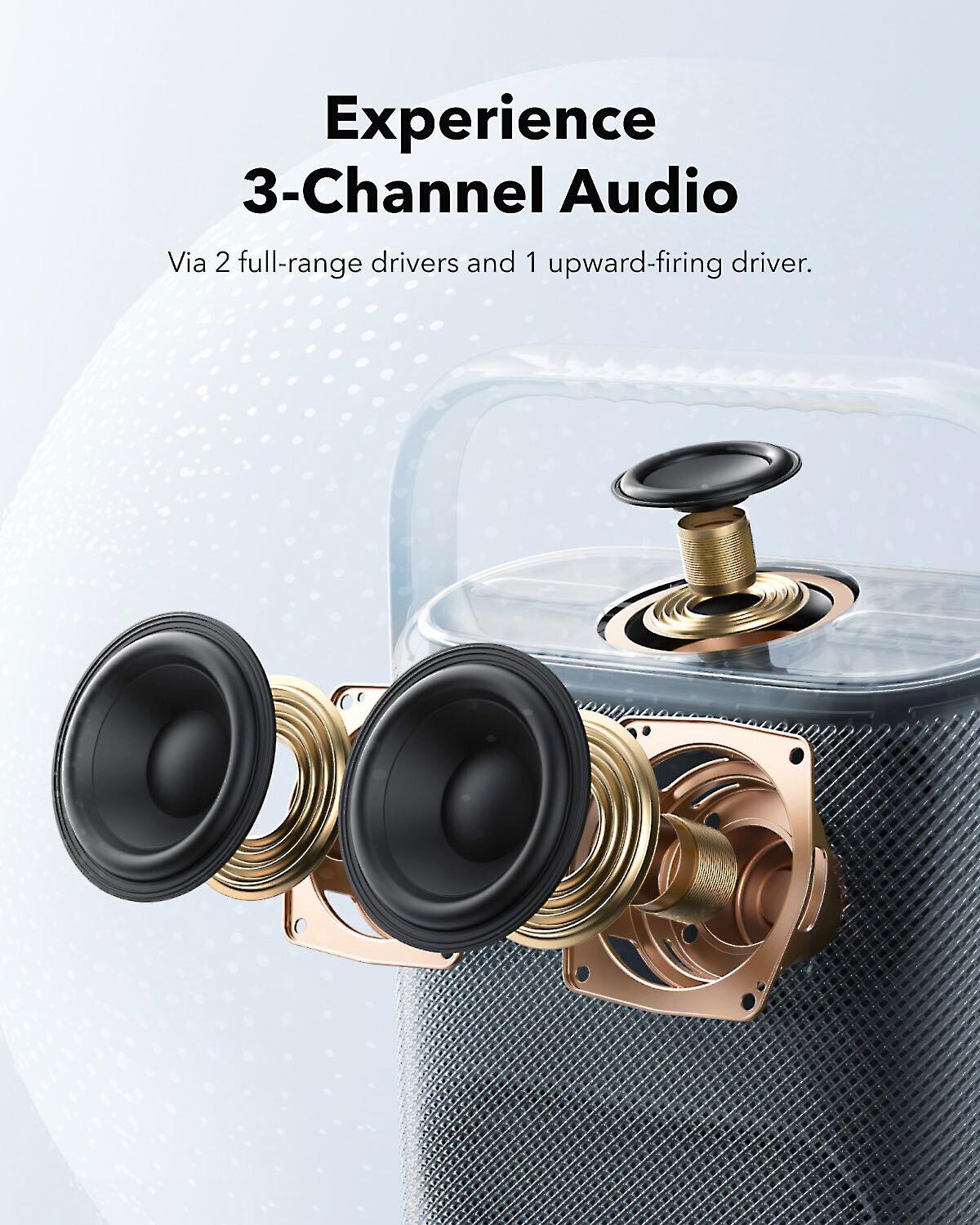
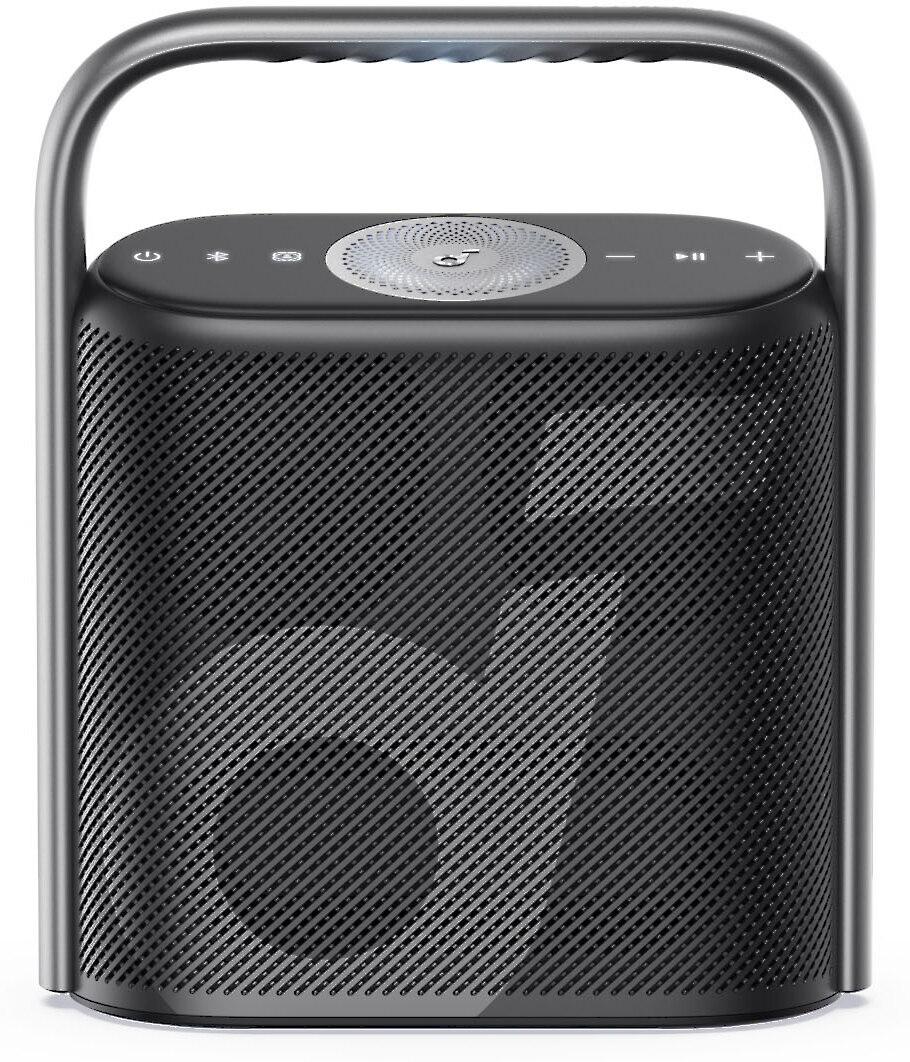
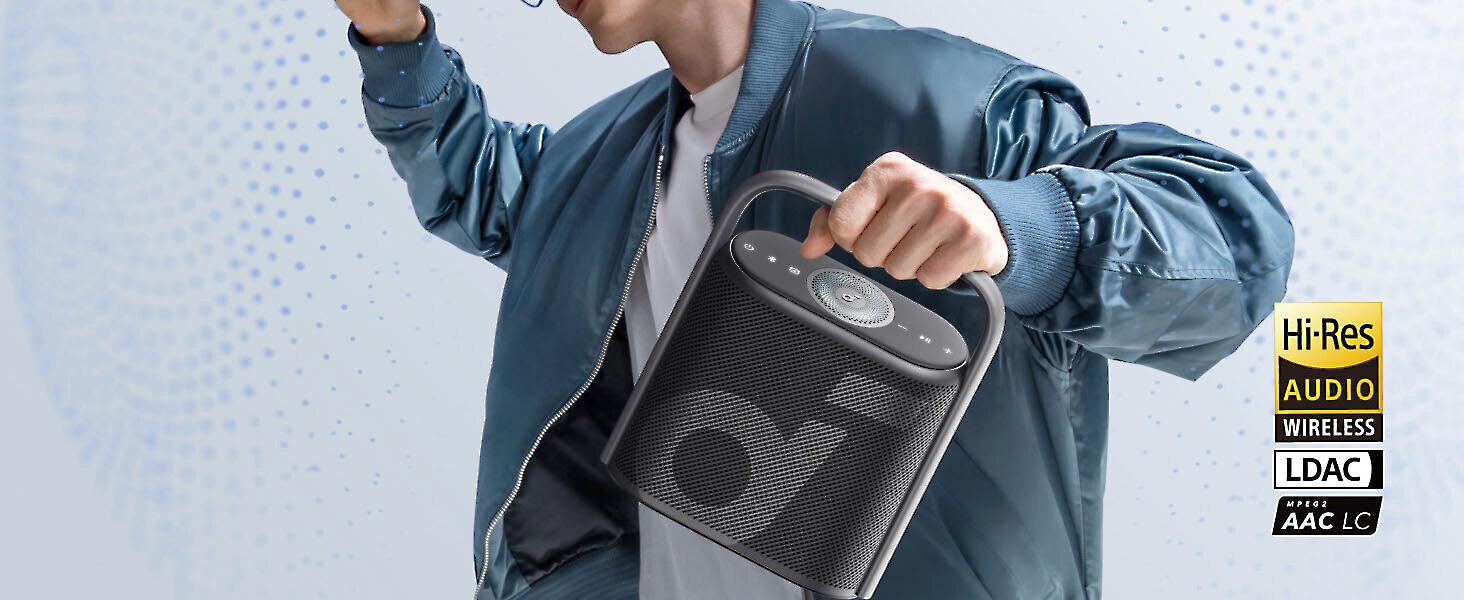
Released in late 2023, the Motion X500 represents the current state of portable speaker technology. Its 40W output comes from three drivers - two front-facing and one up-firing - creating a more immersive sound field. The speaker supports LDAC, a high-resolution Bluetooth codec that can transmit nearly three times the data of standard Bluetooth audio, resulting in noticeably better sound quality when used with compatible devices (mainly Android phones).
The spatial audio feature is particularly interesting, using digital signal processing to create a wider, more room-filling sound. In practice, this works surprisingly well, especially in medium-sized rooms where the sound can properly reflect off walls and ceilings.
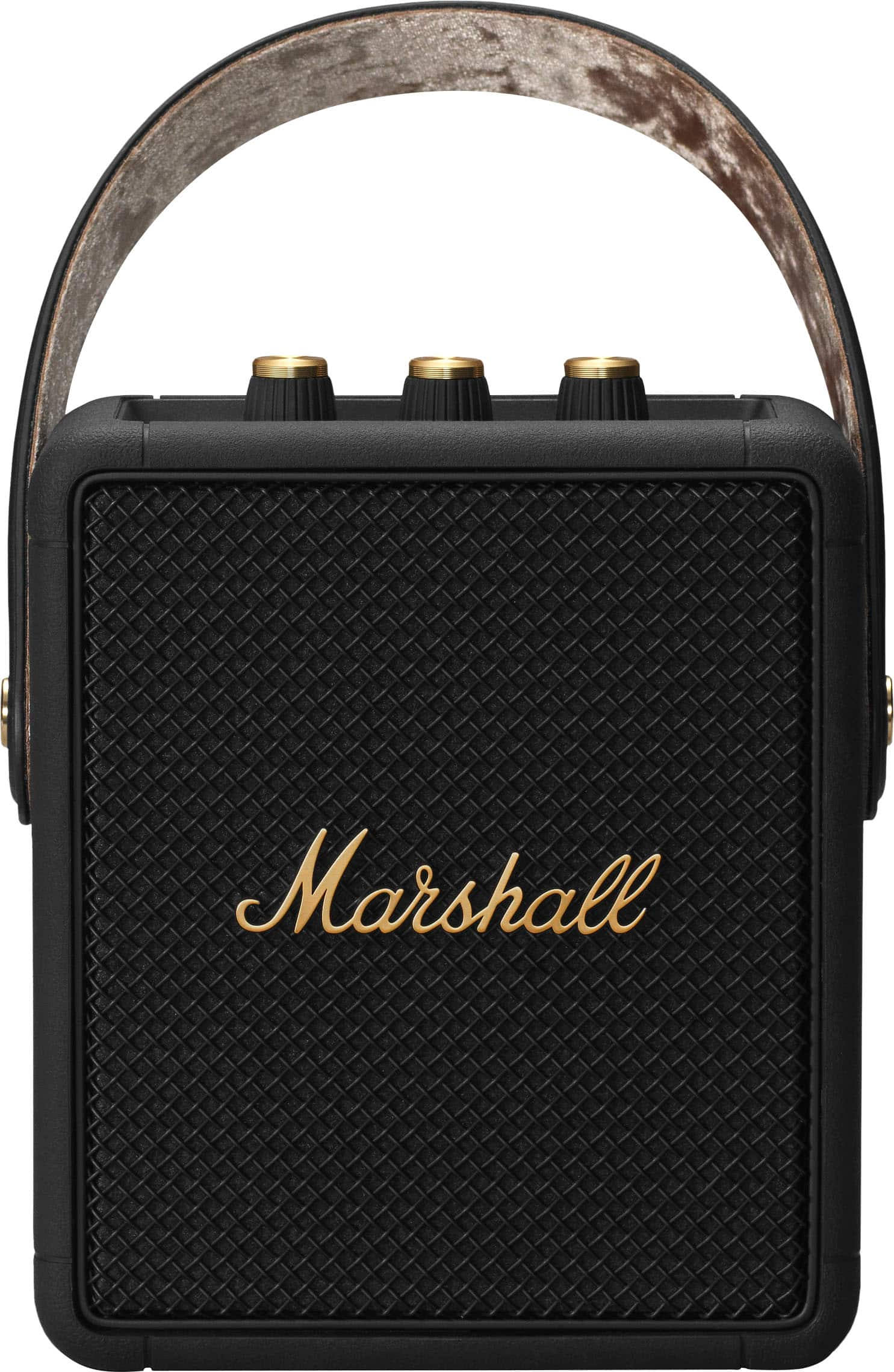
The Stockwell II, while released in 2019, takes a different approach. Its 20W output might seem lower on paper, but Marshall's expertise in speaker design shines through. The three-amplifier system (one 10W for bass, two 5W for treble) creates a warm, rich sound signature that many users find more musical and engaging for certain genres.
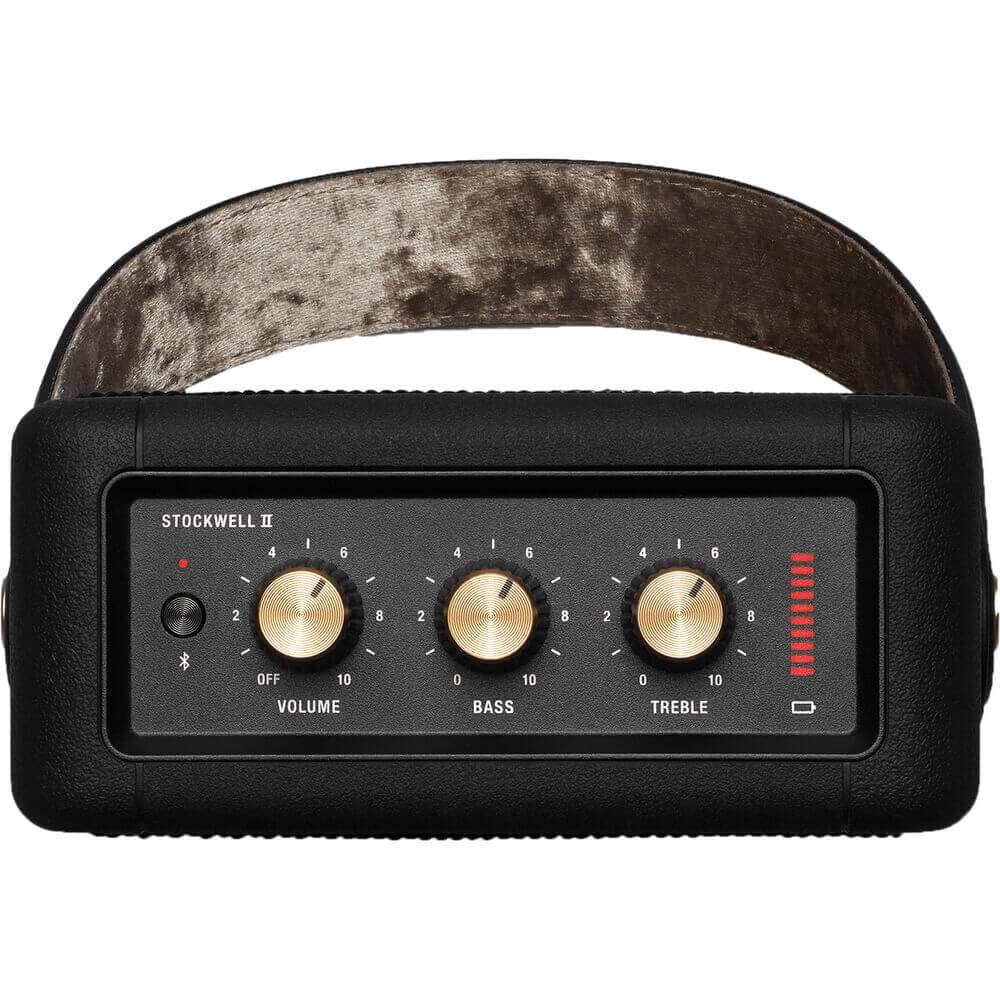
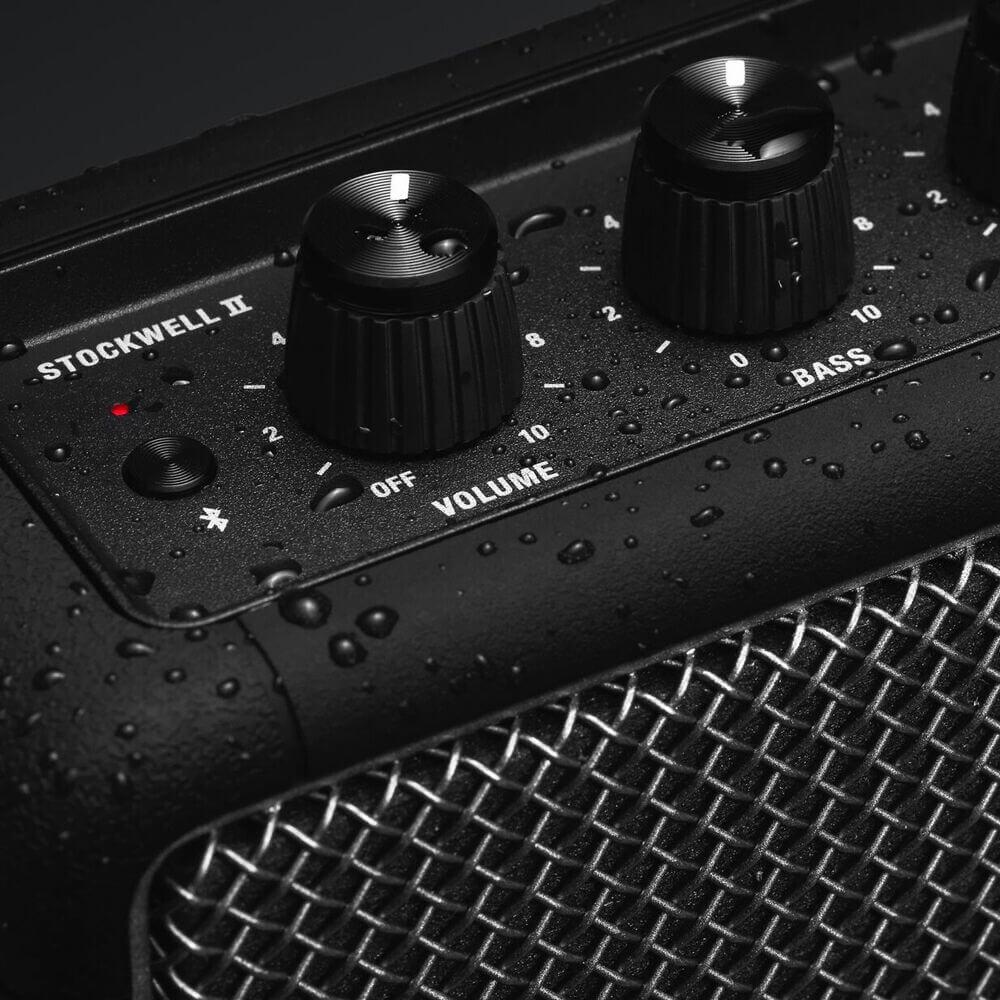
The physical bass and treble controls aren't just for show - they provide immediate, tactile control over the sound profile without needing to open an app. This old-school approach has its advantages, particularly when you want to make quick adjustments during a party or outdoor gathering.
The Motion X500's IPX7 rating means it can survive full immersion in water up to 1 meter for 30 minutes - a significant advantage for pool parties or beach trips. The Stockwell II's IPX4 rating only protects against splashes, though this is still adequate for most outdoor use.
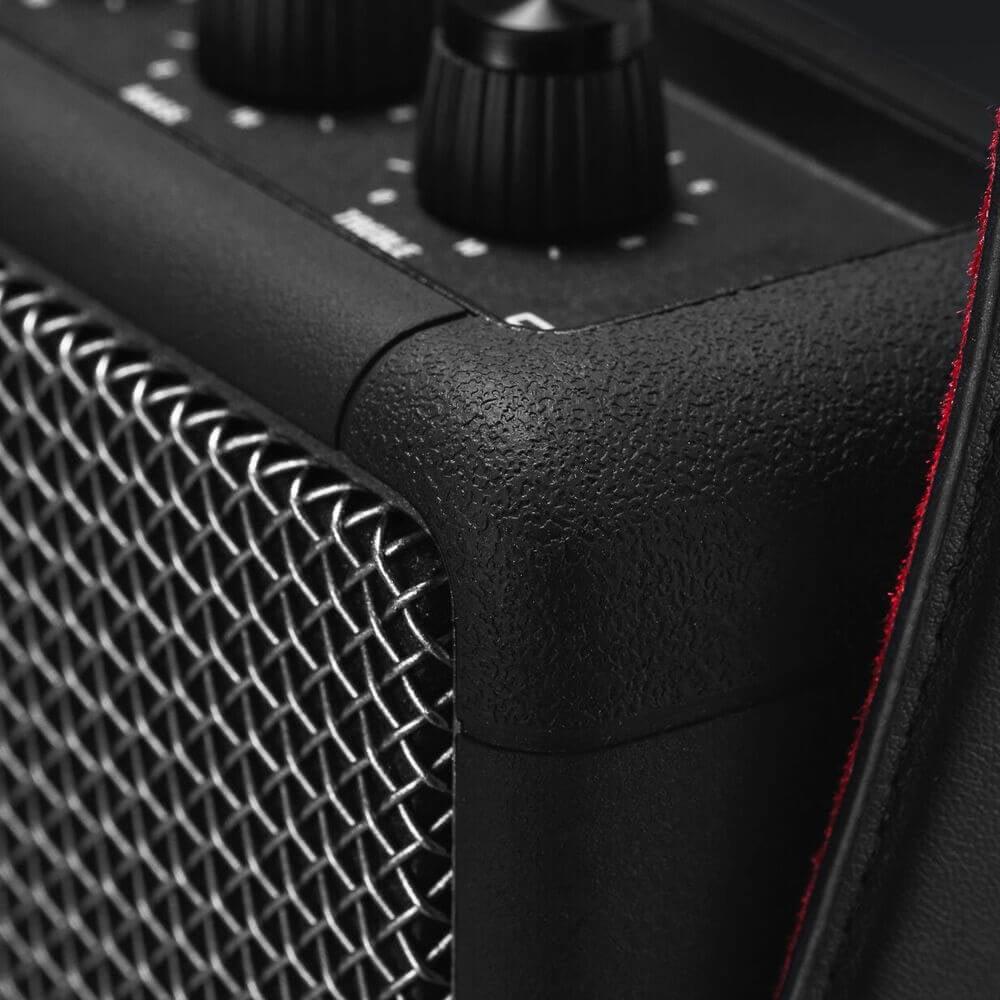
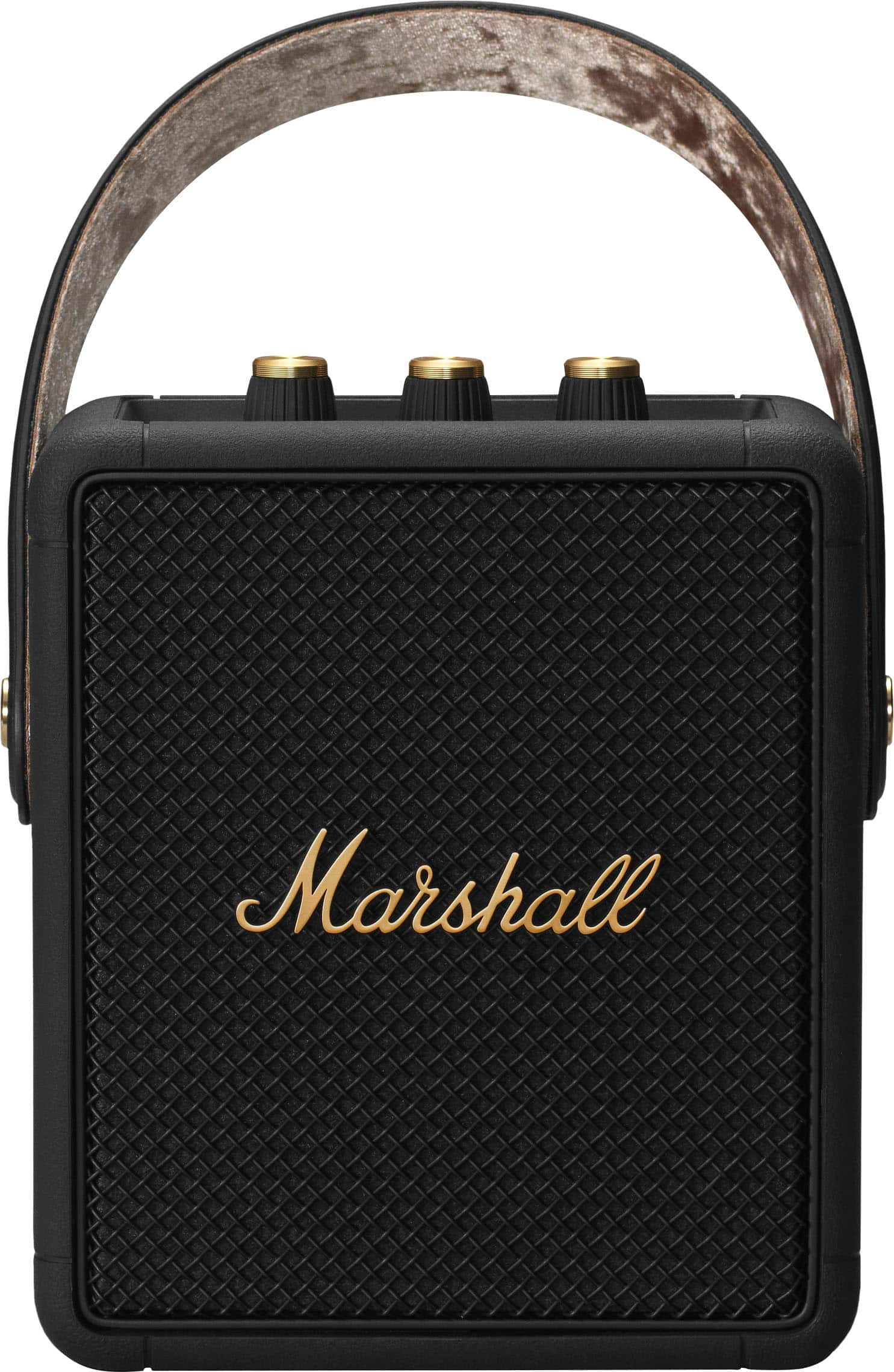
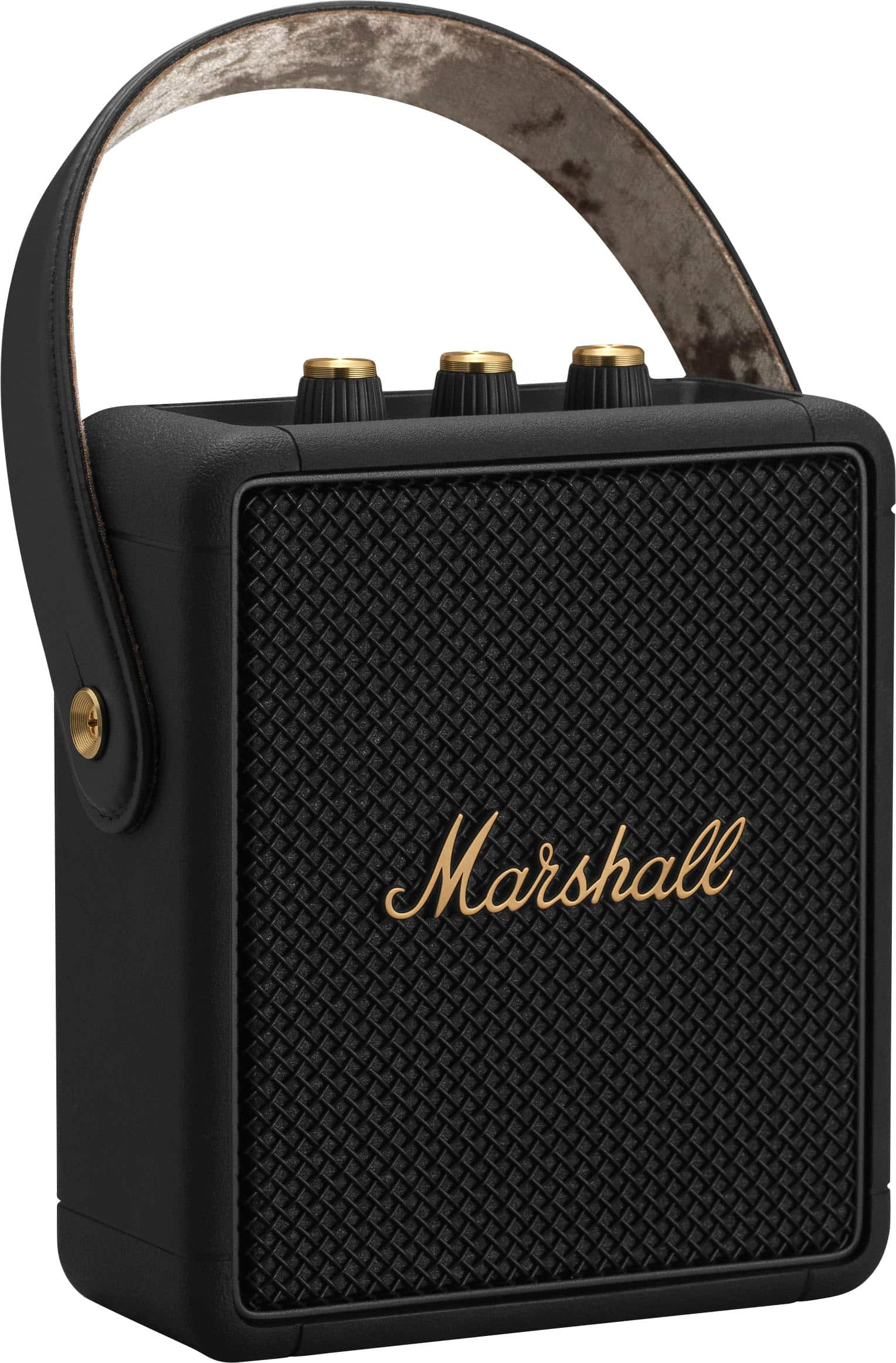
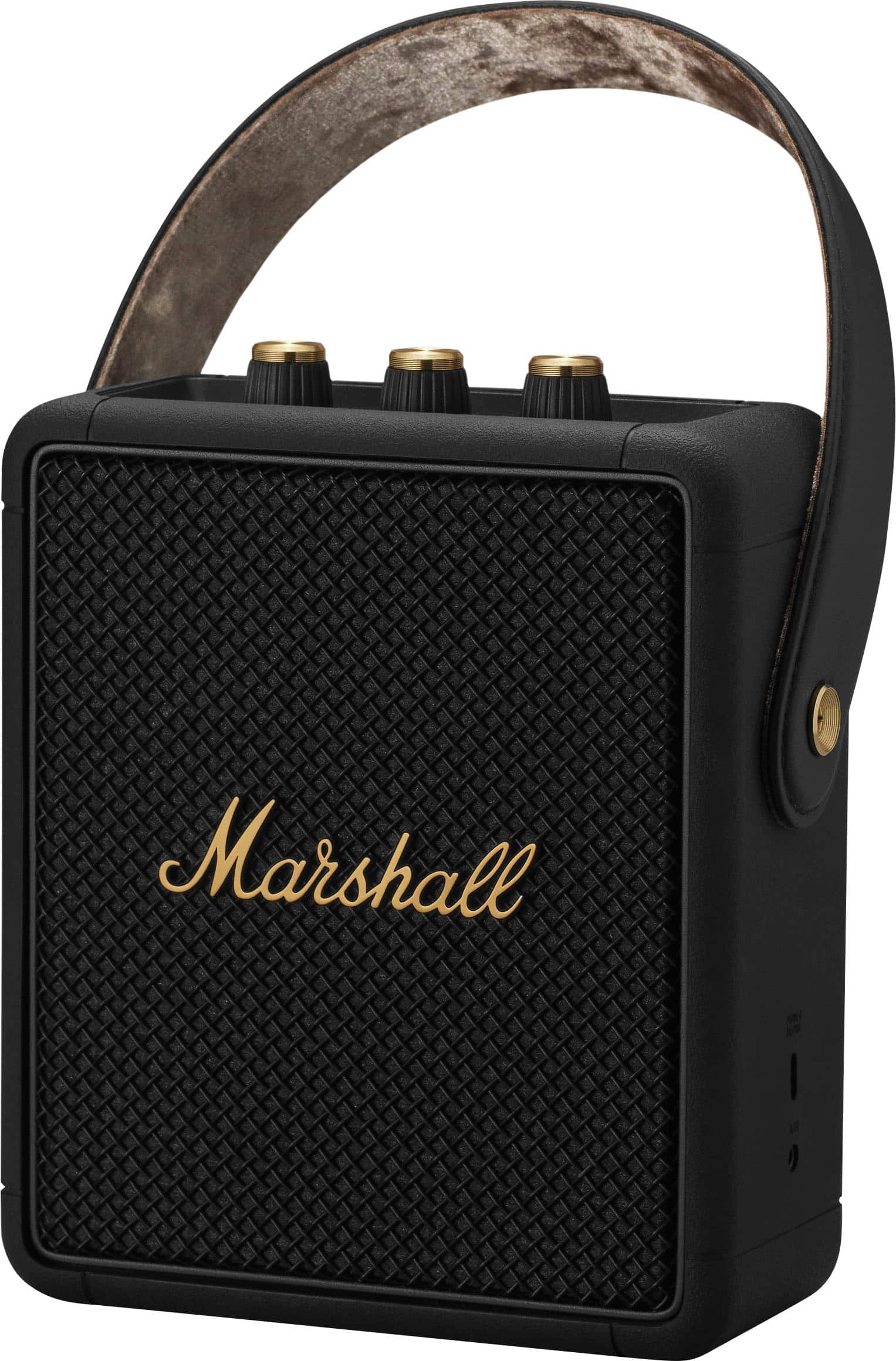
Each speaker reflects its manufacturer's design ethos. Anker's Motion X500 features modern materials and clean lines, while Marshall's Stockwell II embraces the classic amp-inspired look with textured covering and brass-colored details. Both are well-built, but they'll appeal to different aesthetic preferences.
This is an area where the age difference between the models shows interesting tradeoffs. The Stockwell II offers impressive 20-hour battery life and includes quick-charging capability (20 minutes for 6 hours of playback). The newer Motion X500 manages 12 hours but requires a longer charging time. This difference likely stems from the Motion X500's more power-hungry features like spatial audio and higher output power.
The Motion X500's Bluetooth 5.3 connectivity provides better range and stability compared to the Stockwell II's Bluetooth 5.0. While both work well, the Motion X500's LDAC support and companion app provide more flexibility for audio tweaking and feature updates.
The Stockwell II's physical controls might seem old-fashioned, but they're incredibly reliable and satisfying to use. The multi-host pairing feature lets you easily switch between two connected devices, which is particularly useful during gatherings.
In actual use, both speakers excel in different scenarios. The Motion X500's spatial audio and higher power output make it ideal for modern homes and apartments where you want room-filling sound. Its app control and water resistance also make it more versatile for outdoor use.
The Stockwell II shines in situations where battery life is crucial and when users prefer immediate physical controls. Its warm sound signature is particularly well-suited to rock, jazz, and acoustic music, while the Motion X500's more neutral profile might better serve electronic and pop genres.
While neither speaker is primarily designed for home theater use, the Motion X500's spatial audio capabilities make it an interesting option for improving TV sound in small rooms. It can create a wider soundstage than traditional portable speakers, though it won't replace a proper soundbar or surround system.
Choose the Motion X500 if you:
Choose the Stockwell II if you:
Both speakers represent excellent values in their price range, but they serve different user preferences and needs. The Motion X500 is clearly the more technologically advanced option, while the Stockwell II offers a more traditional, refined experience that many users still prefer.
The choice ultimately comes down to whether you value modern features and maximum versatility (Motion X500) or prefer a more classic approach with proven performance and superior battery life (Stockwell II). Either way, both speakers deliver excellent sound quality and build quality that justify their price points.
| Anker Soundcore Motion X500 | Marshall Stockwell II |
|---|---|
| Power Output - Determines maximum volume and sound clarity | |
| 40W total (2x15W + 10W up-firing) | 20W total (1x10W woofer + 2x5W tweeters) |
| Water Resistance - Important for outdoor use and durability | |
| IPX7 (full submersion up to 1m) | IPX4 (splash resistant only) |
| Battery Life - Critical for portable use | |
| 12 hours at 50% volume, 5-6 hour charge time | 20 hours playback, quick-charge (20min for 6 hours) |
| Bluetooth Version & Codecs - Affects sound quality and connection stability | |
| Bluetooth 5.3, LDAC/SBC/AAC support | Bluetooth 5.0, SBC only |
| Special Audio Features - Enhances listening experience | |
| Spatial audio, app EQ control, customizable LED | Physical bass/treble controls, multi-directional sound |
| Weight & Portability - Impacts ease of transport | |
| 1.627 kg (3.58 lbs) | 1.38 kg (3.04 lbs) |
| Build Quality & Design - Affects durability and aesthetics | |
| Modern design, premium materials, LED lighting | Classic Marshall design, metal grille, analog knobs |
| Price & Value - Overall cost consideration | |
| $169.99 (newer technology, more features) | $149.99 (proven reliability, longer battery) |
| Connectivity Options - Flexibility for different devices | |
| Bluetooth only, 100m range | Bluetooth + 3.5mm input, 30ft range |
| Release Date - Indicates technology generation | |
| Late 2023 | 2019 |
The Anker Soundcore Motion X500 is better for modern features like spatial audio and higher power output, while the Marshall Stockwell II excels in battery life and classical sound signature. The Motion X500 is more suitable for those wanting the latest technology, while the Stockwell II appeals to traditional audio enthusiasts.
The Motion X500 offers 40W output with spatial audio features, while the Stockwell II provides 20W with a warmer, more traditional sound. The Motion X500 has more modern audio processing, but both deliver excellent sound quality for their size.
The Stockwell II offers superior battery life at 20 hours and includes quick-charging capability. The Motion X500 provides 12 hours of playback, with longer charging times but more powerful features.
The Motion X500 has superior water resistance with IPX7 rating (fully waterproof), while the Stockwell II has IPX4 (splash resistant). Both are well-built, but the Motion X500 is more suitable for outdoor adventures.
Yes, both the Motion X500 and Stockwell II connect easily via Bluetooth. The Motion X500 has newer Bluetooth 5.3 with LDAC support, while the Stockwell II uses Bluetooth 5.0.
The Motion X500 has higher power output and better water resistance, making it more suitable for parties. However, the Stockwell II offers longer battery life and easy-access volume controls.
The Motion X500 costs $169.99, while the Stockwell II is priced at $149.99. The $20 difference reflects the Motion X500's newer technology and features versus the Stockwell II's proven reliability.
The Stockwell II is slightly lighter at 1.38kg compared to the Motion X500 at 1.627kg. Both are portable, but the Stockwell II has a slight advantage in weight.
The Stockwell II features a 3.5mm auxiliary input, while the Motion X500 relies solely on Bluetooth connectivity.
The Stockwell II features physical knobs for direct control of volume, bass, and treble. The Motion X500 uses digital controls and a companion app for more detailed customization.
Both are suitable for outdoor use, but the Motion X500 has better water resistance (IPX7) compared to the Stockwell II (IPX4), making it more suitable for beach or pool use.
The Motion X500 is more future-proof with newer Bluetooth 5.3, LDAC support, and app updates. The Stockwell II, while still excellent, uses older technology from its 2019 release.
We've done our best to create useful and informative comparisons to help you decide what product to buy. Our research uses advanced automated methods to create this comparison and perfection is not possible - please contact us for corrections or questions. These are the sites we've researched in the creation of this article: tomsguide.com - outeraudio.com - gadgetoid.com - soundguys.com - pcgamesn.com - hktvmall.com - elomymelo.com - youtube.com - jopanda.com - shop.menshealth.com - soundphilereview.com - bestbuy.com - stuff.tv - idownloadblog.com - stereoguide.com - kendallgiles.com - termagoods.com - aplaze.com - manua.ls - youtube.com - sg.tcacoustic.asia - marshall.com - youtube.com

Privacy Policy
Terms and Conditions - Affiliate Policy
Home Security
© Copyright 2008-2026.
11816 Inwood Rd #1211, Dallas, TX 75244