

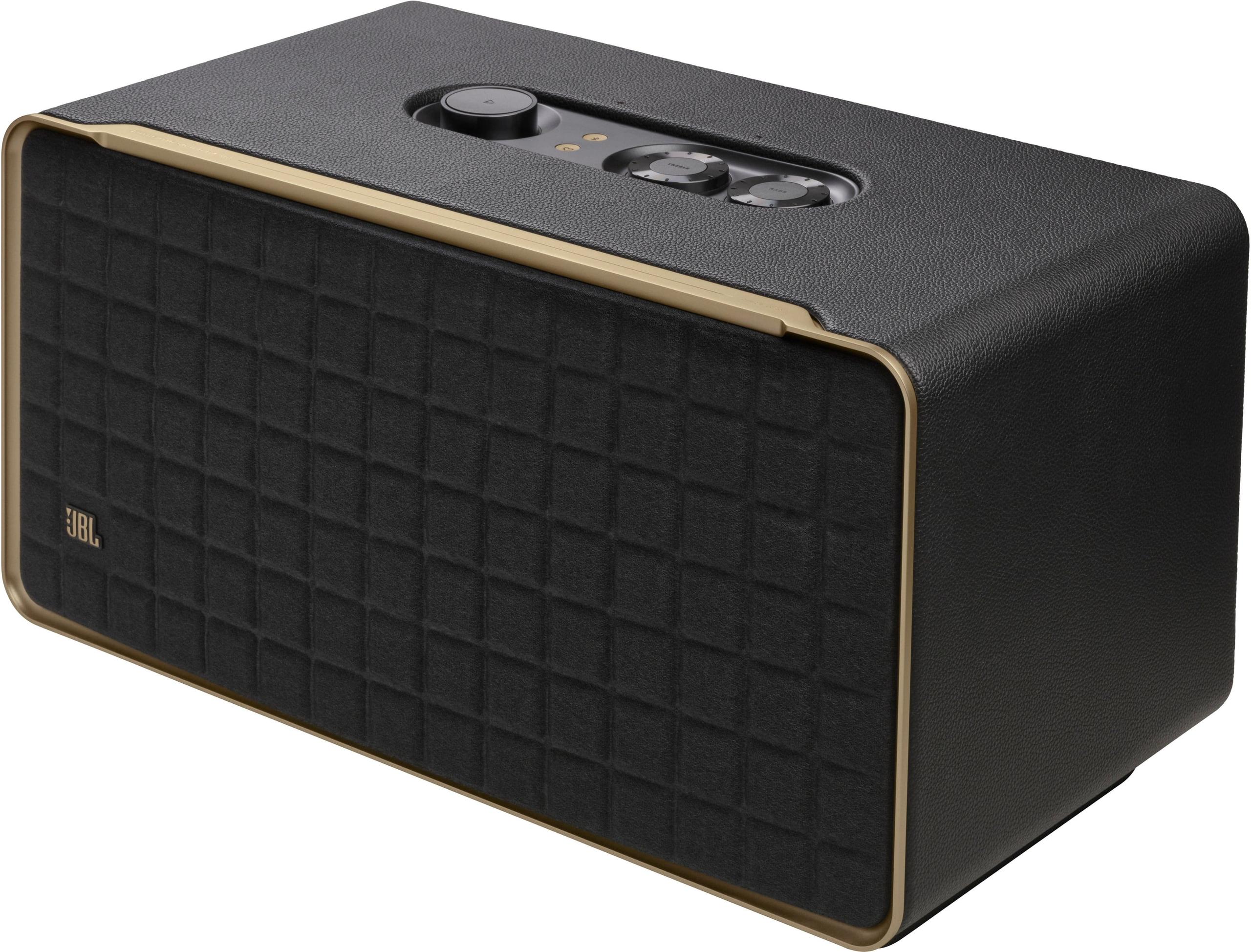
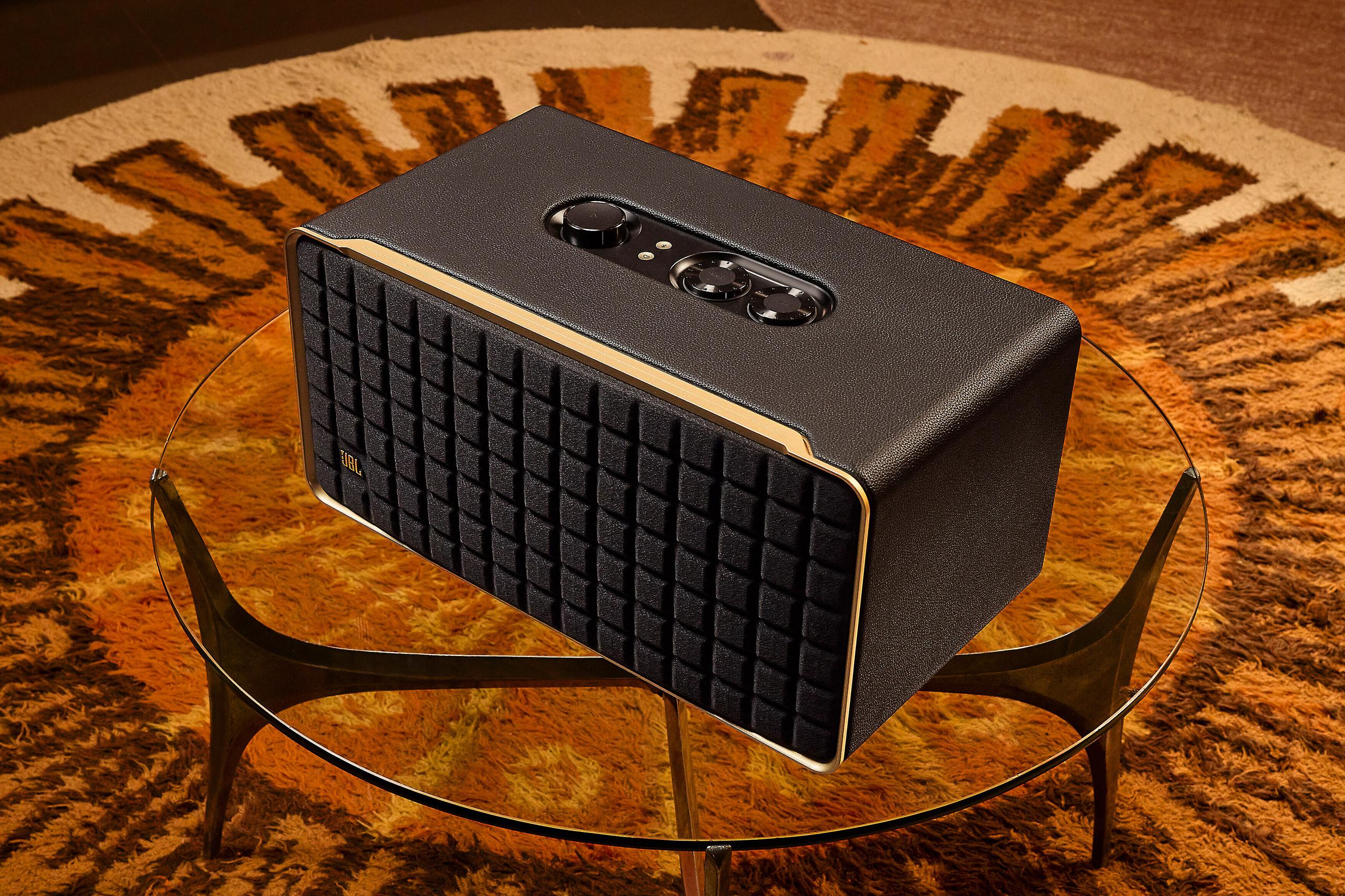
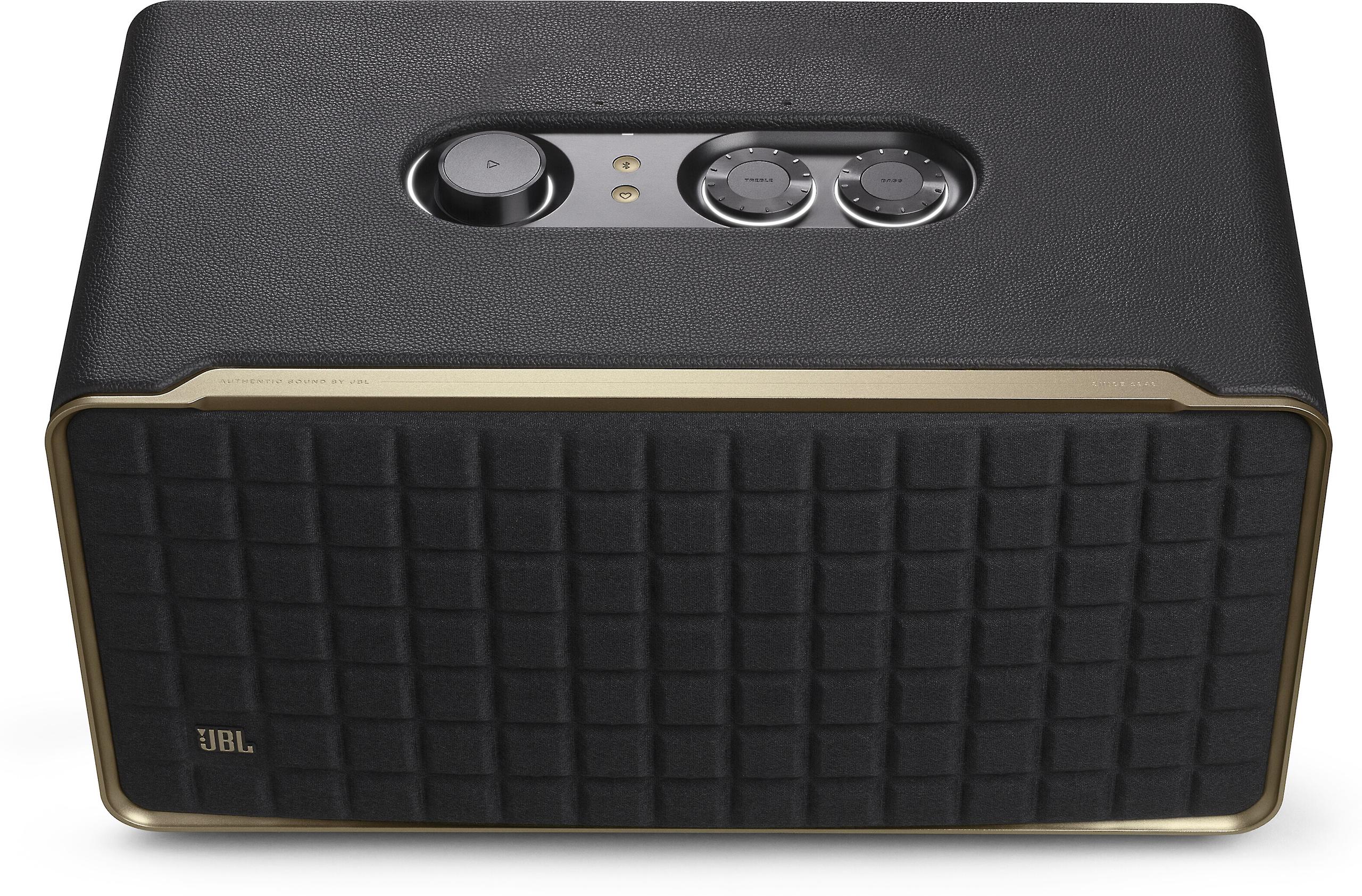
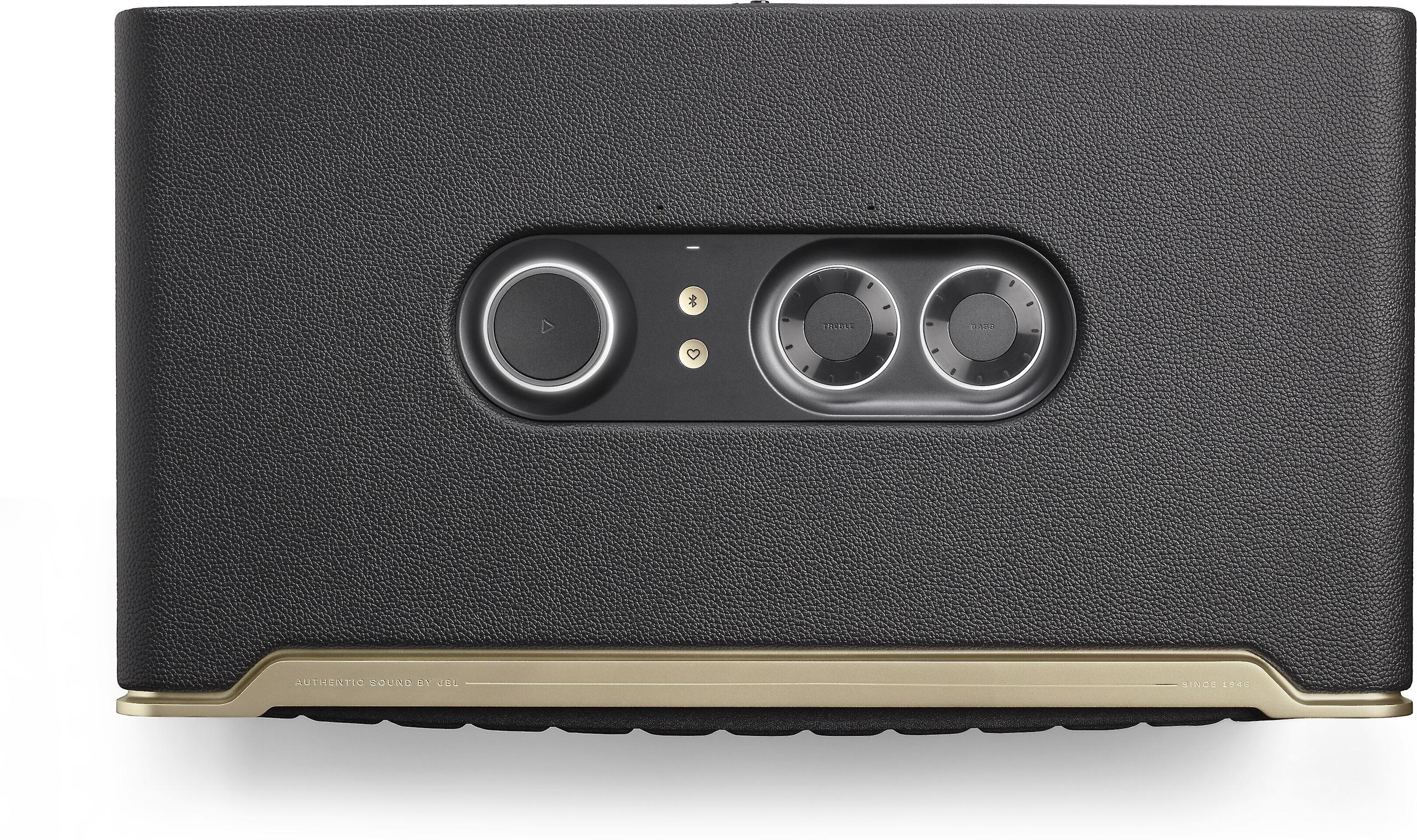
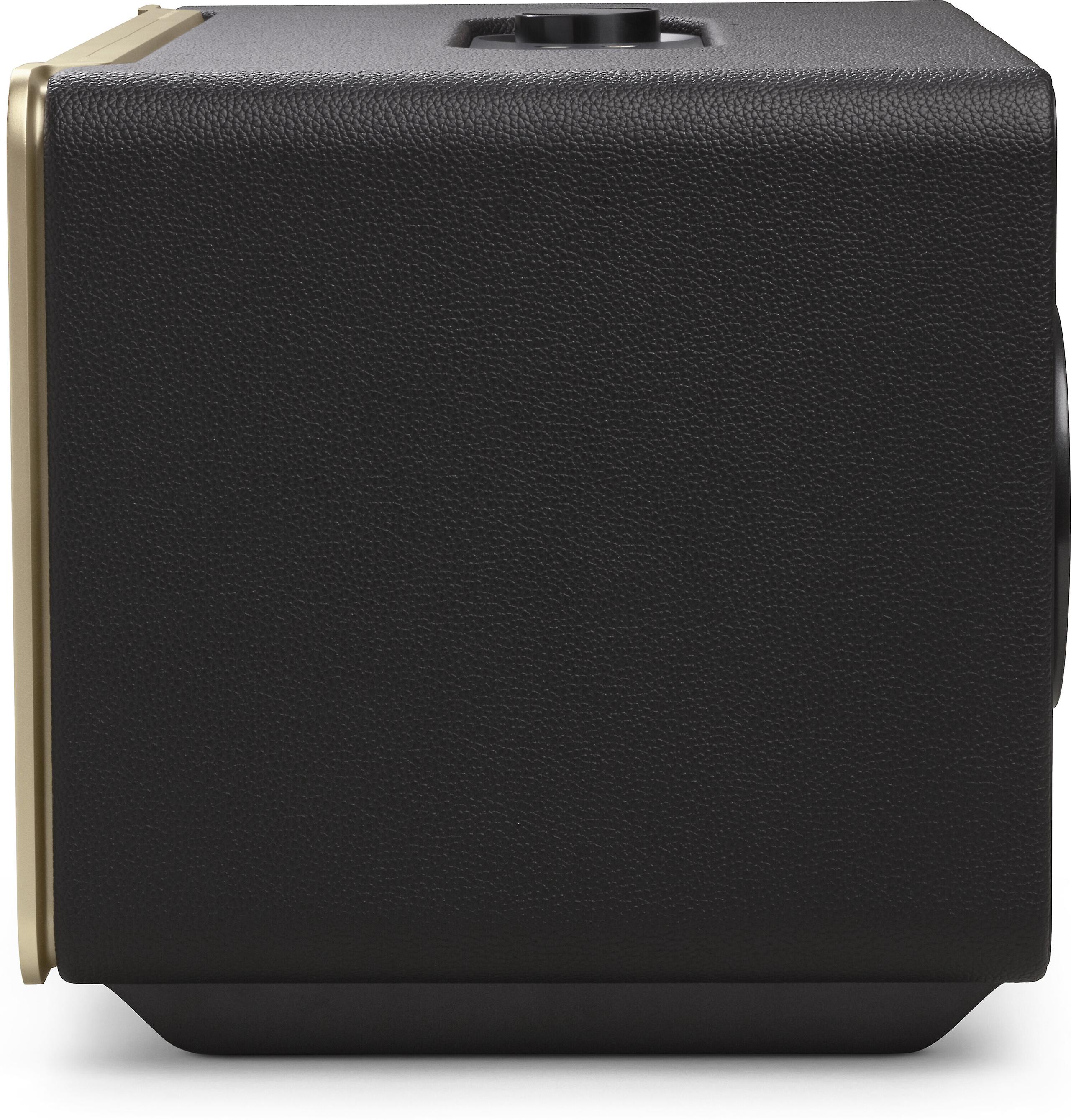
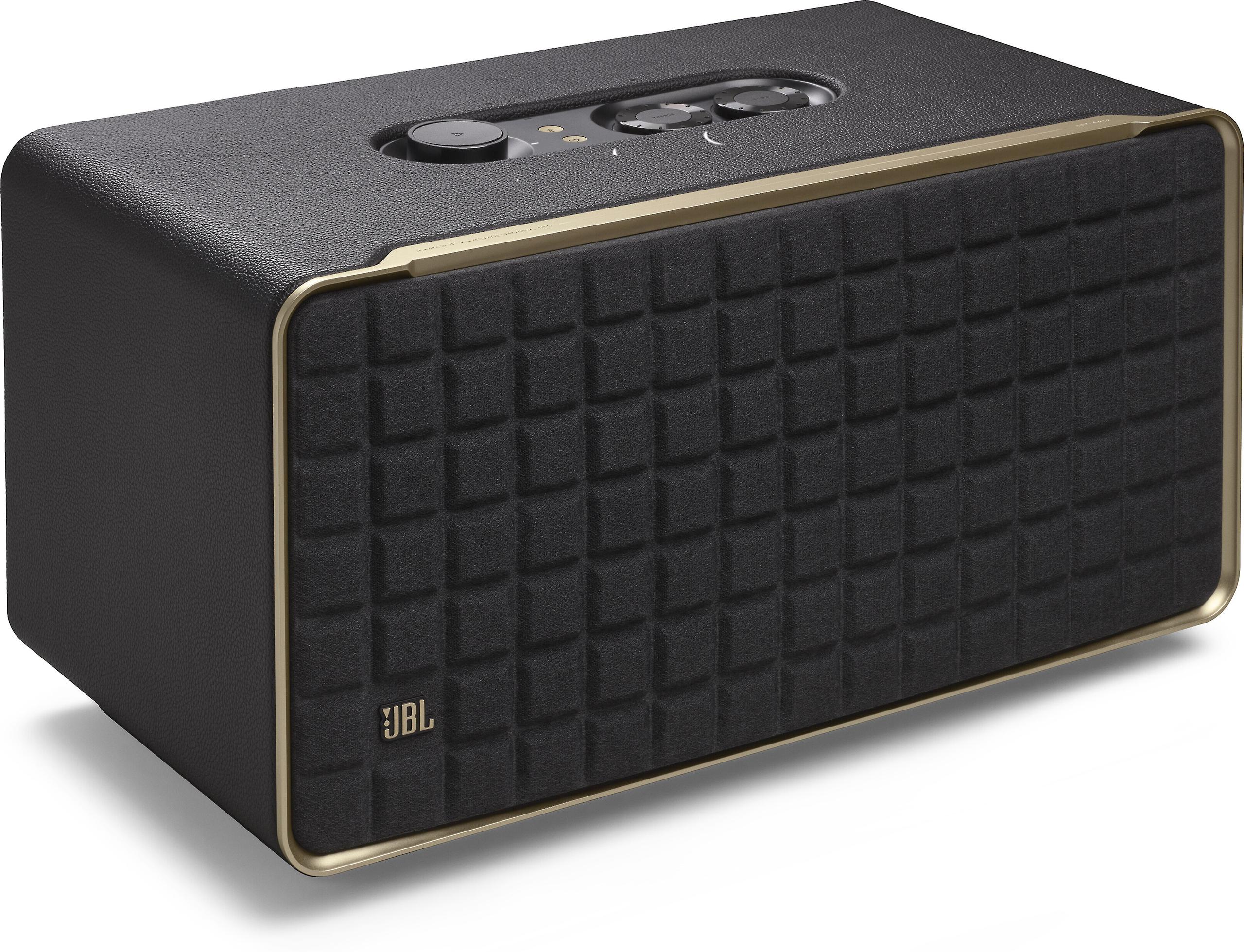
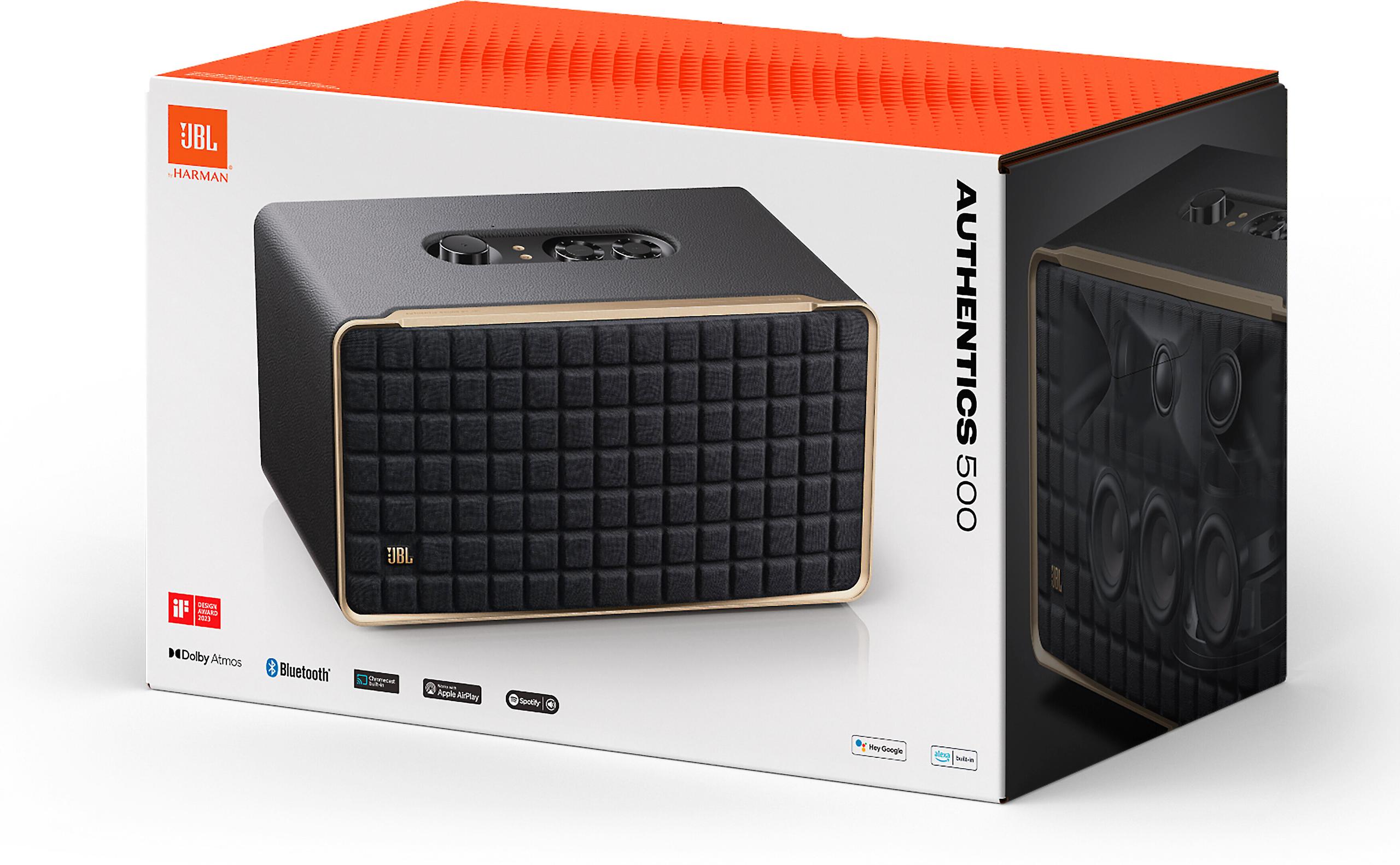
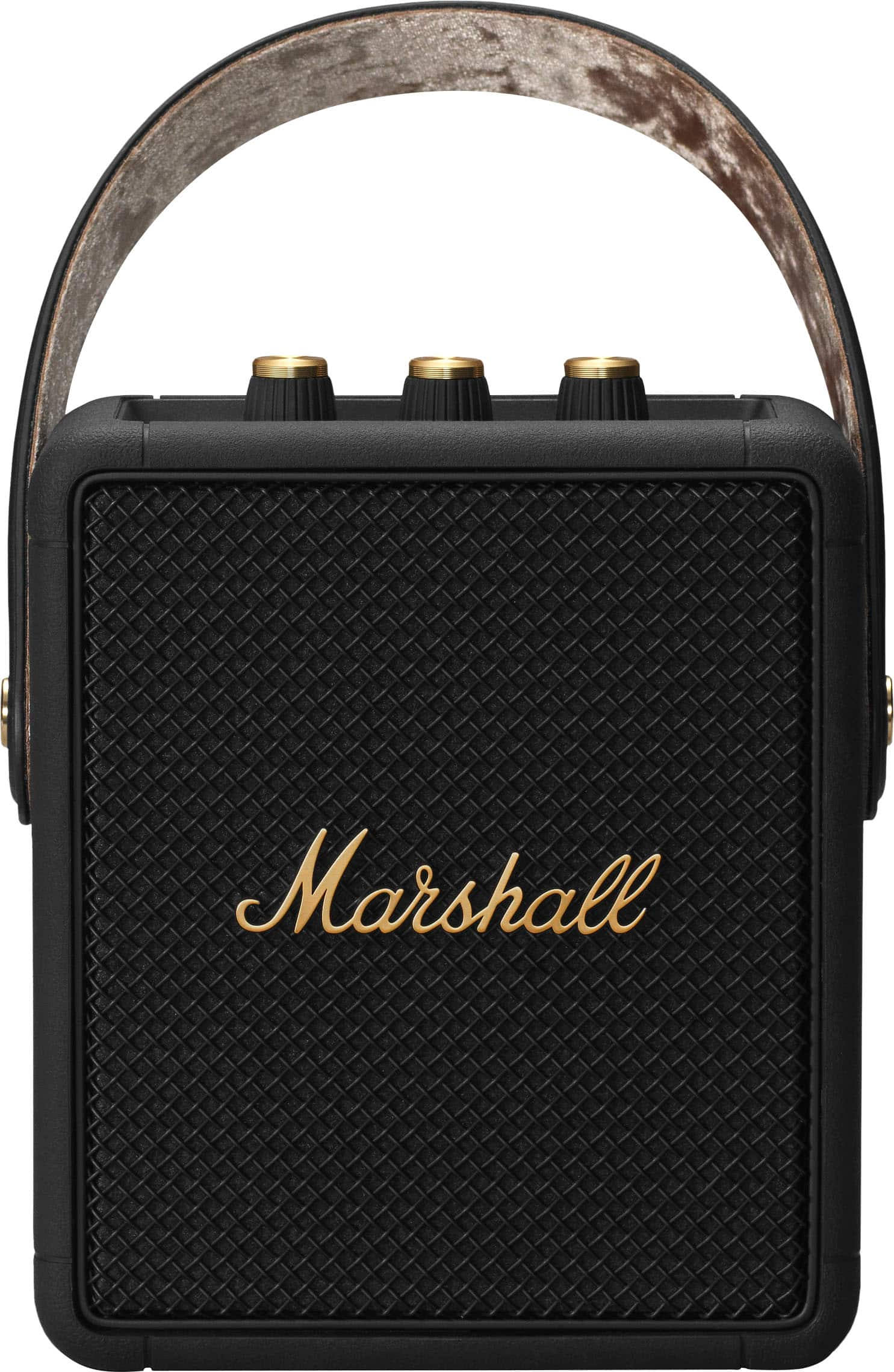
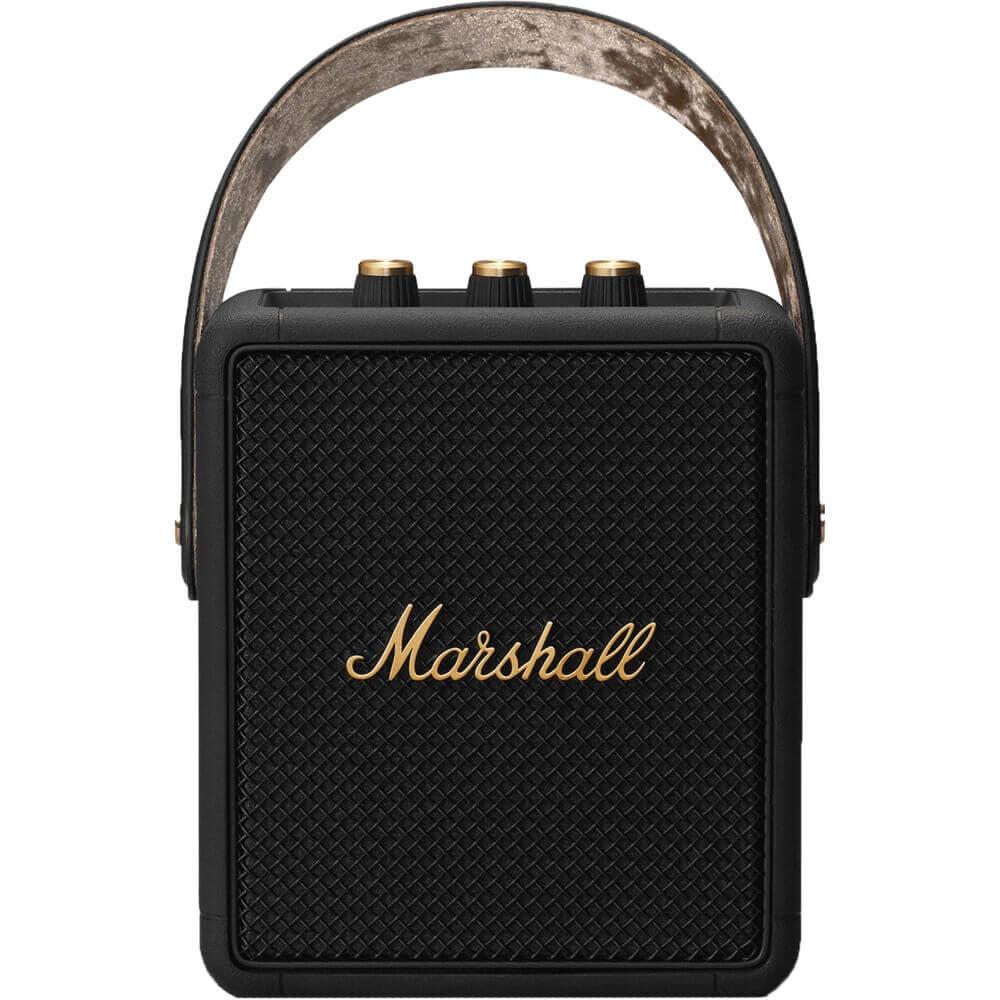
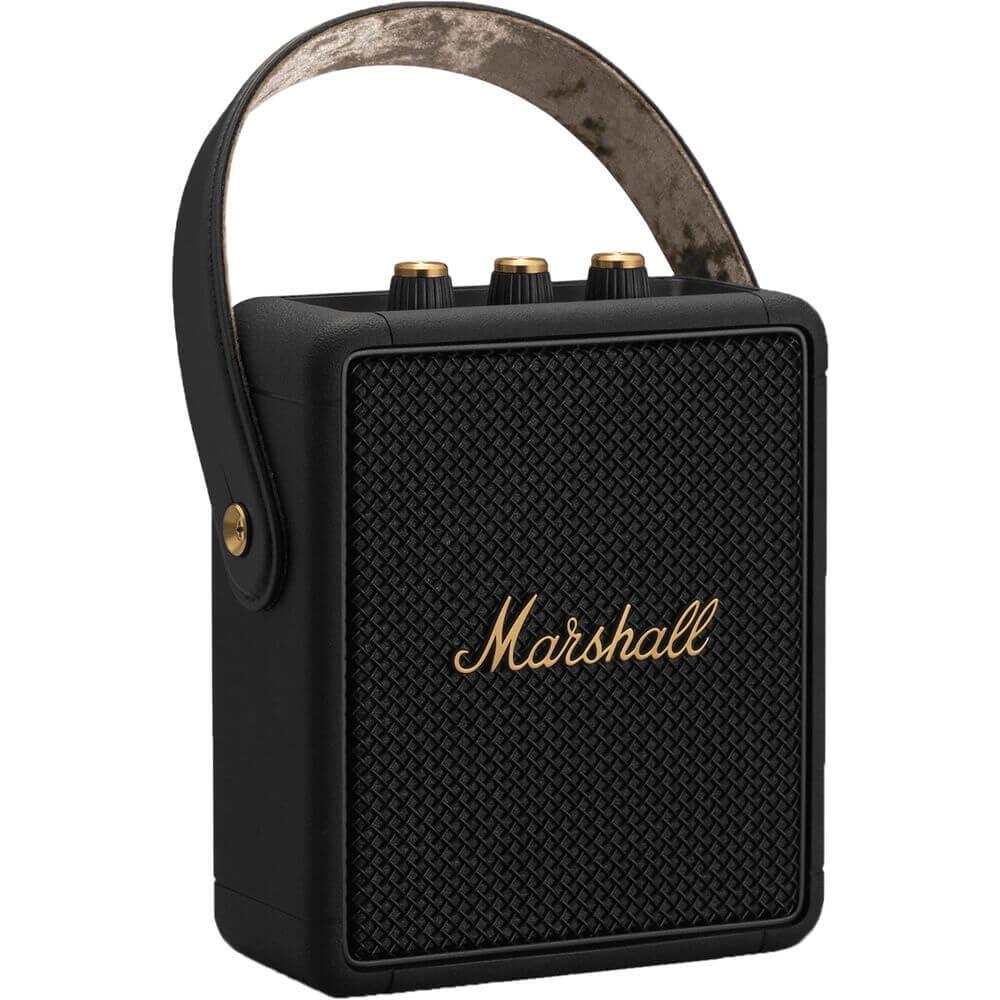

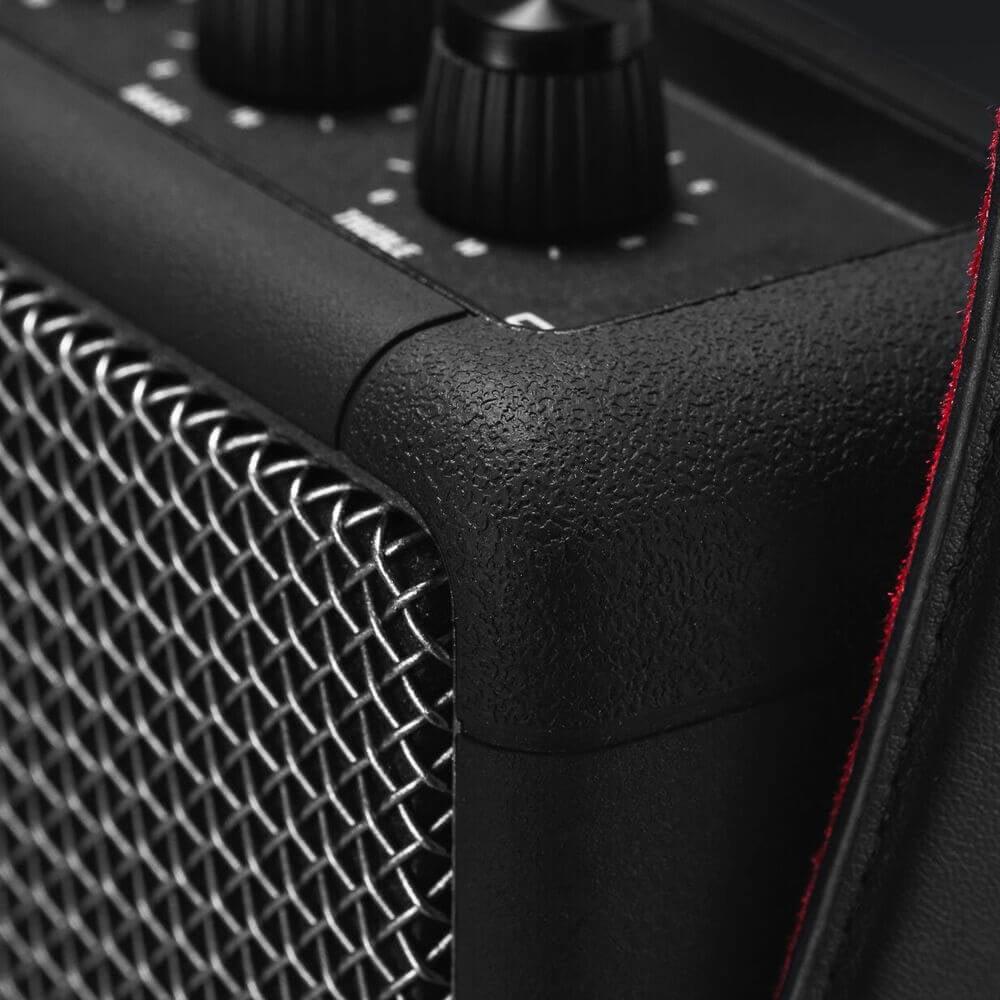
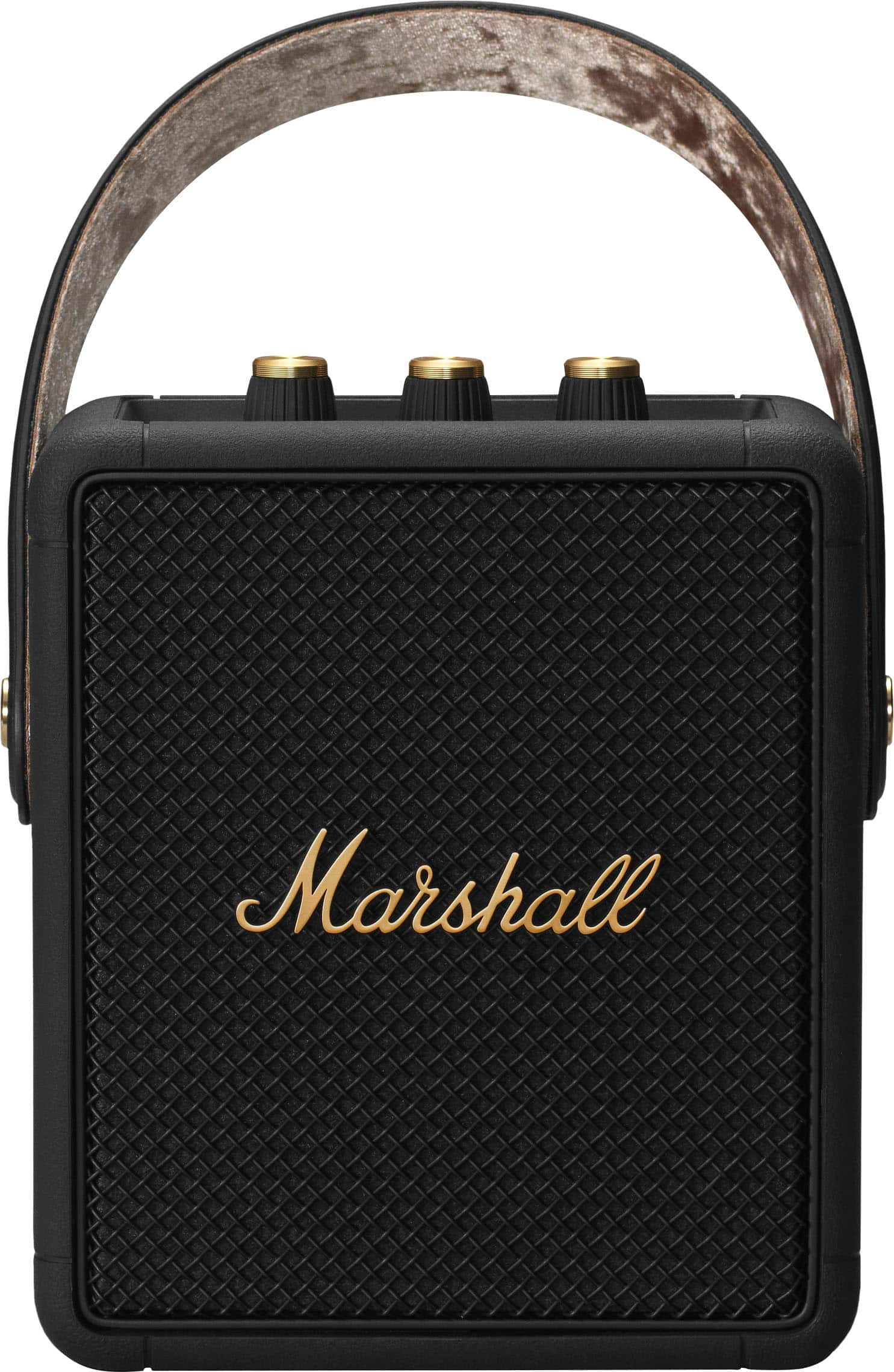
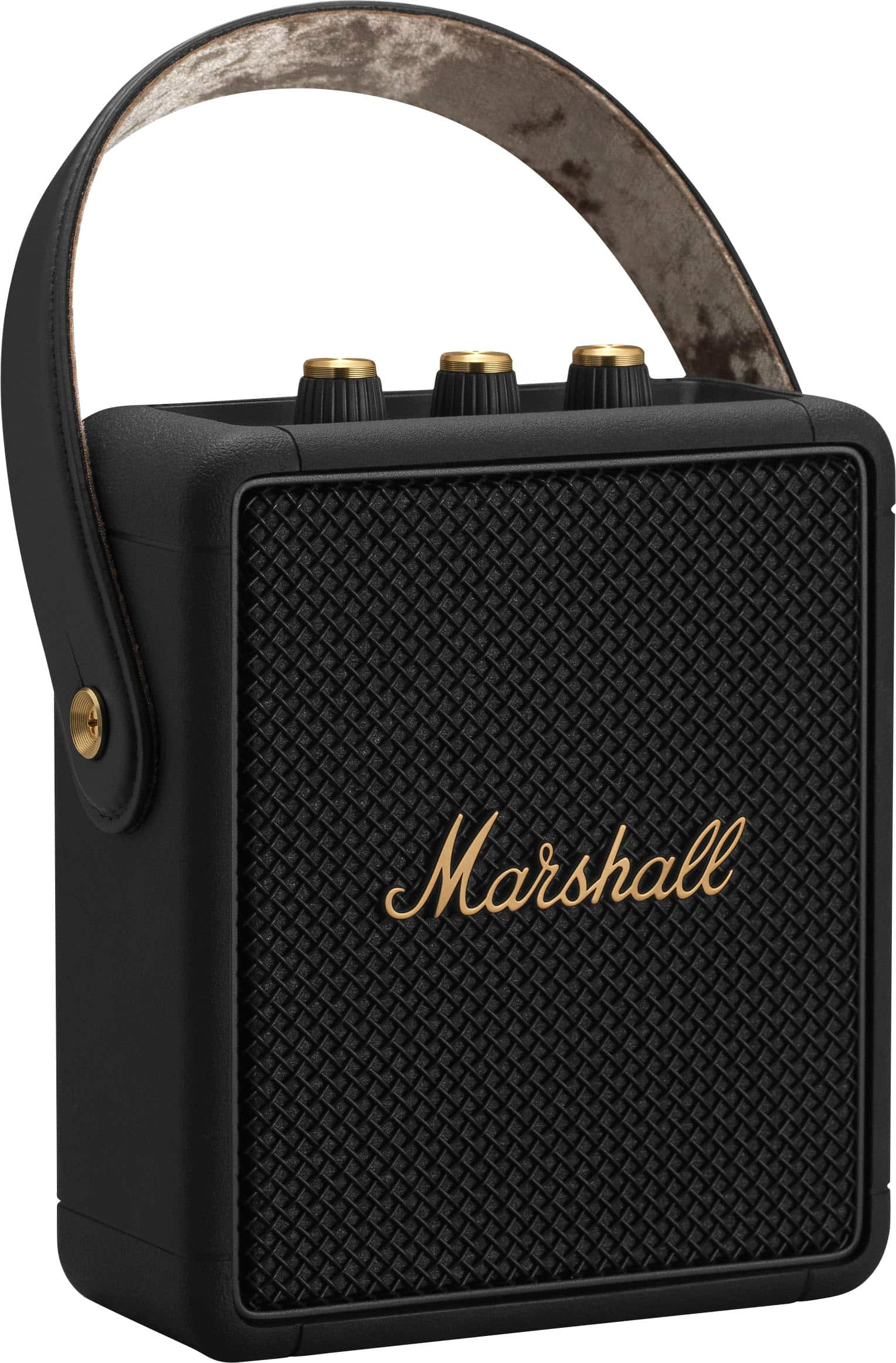
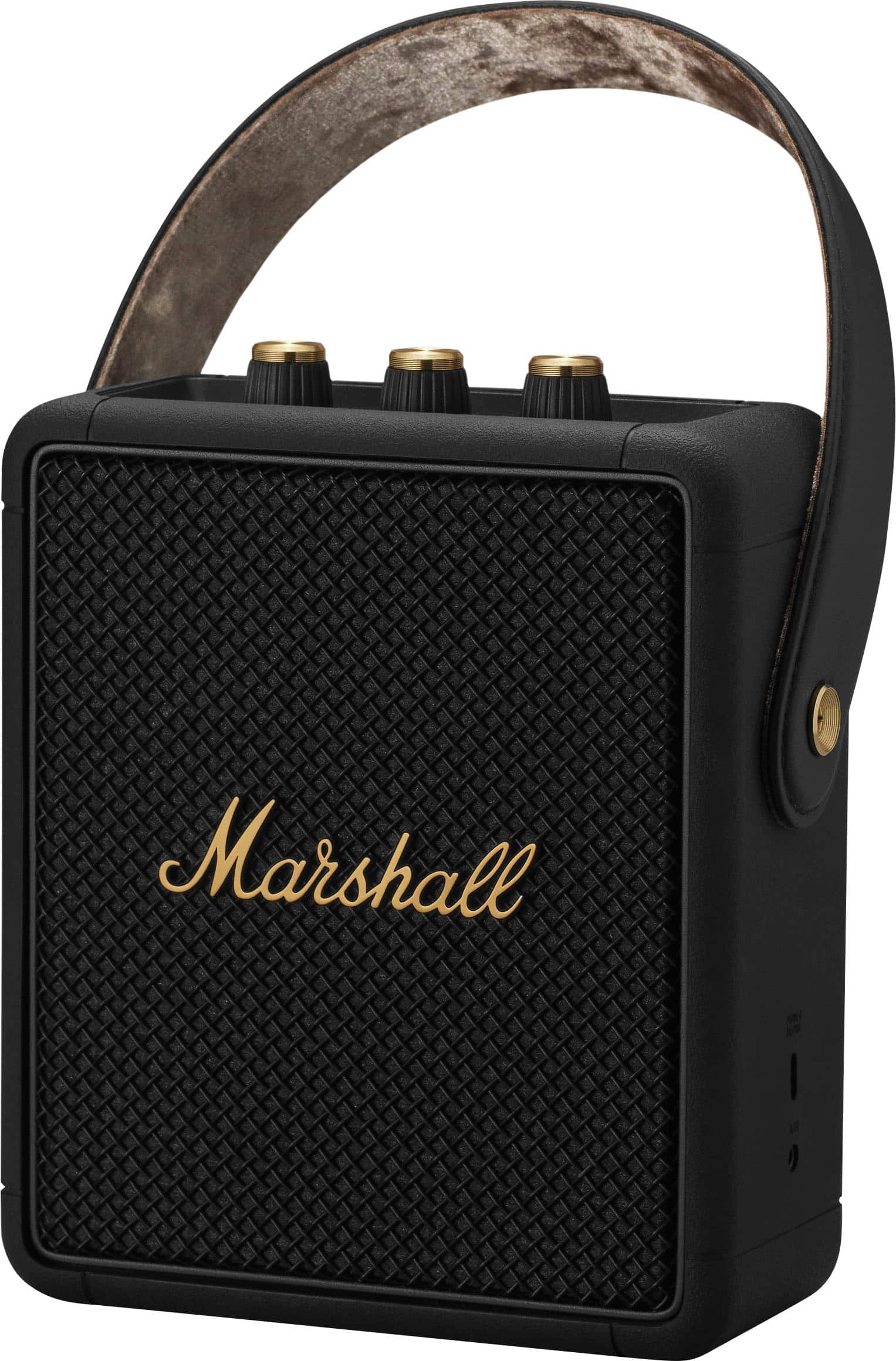
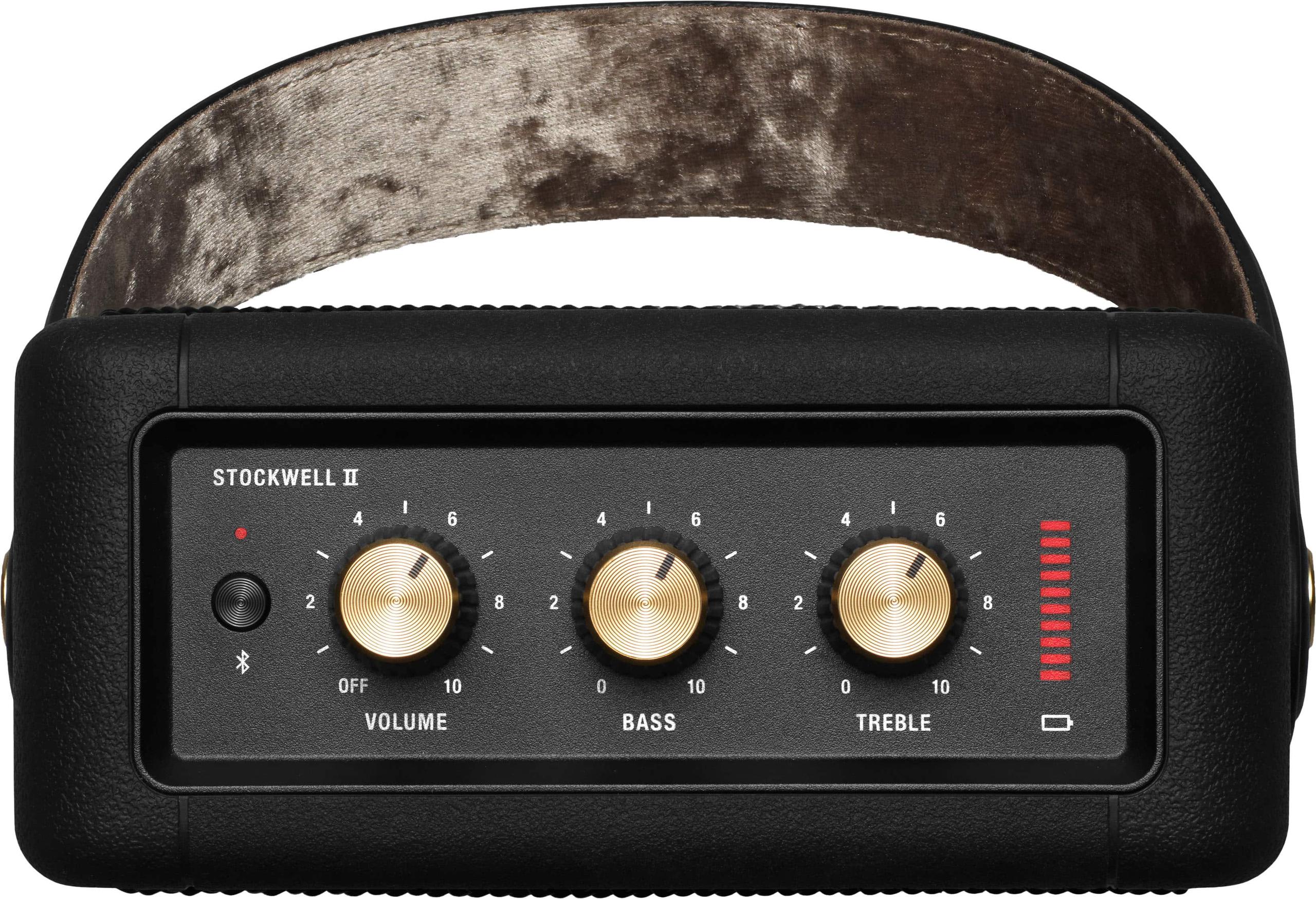
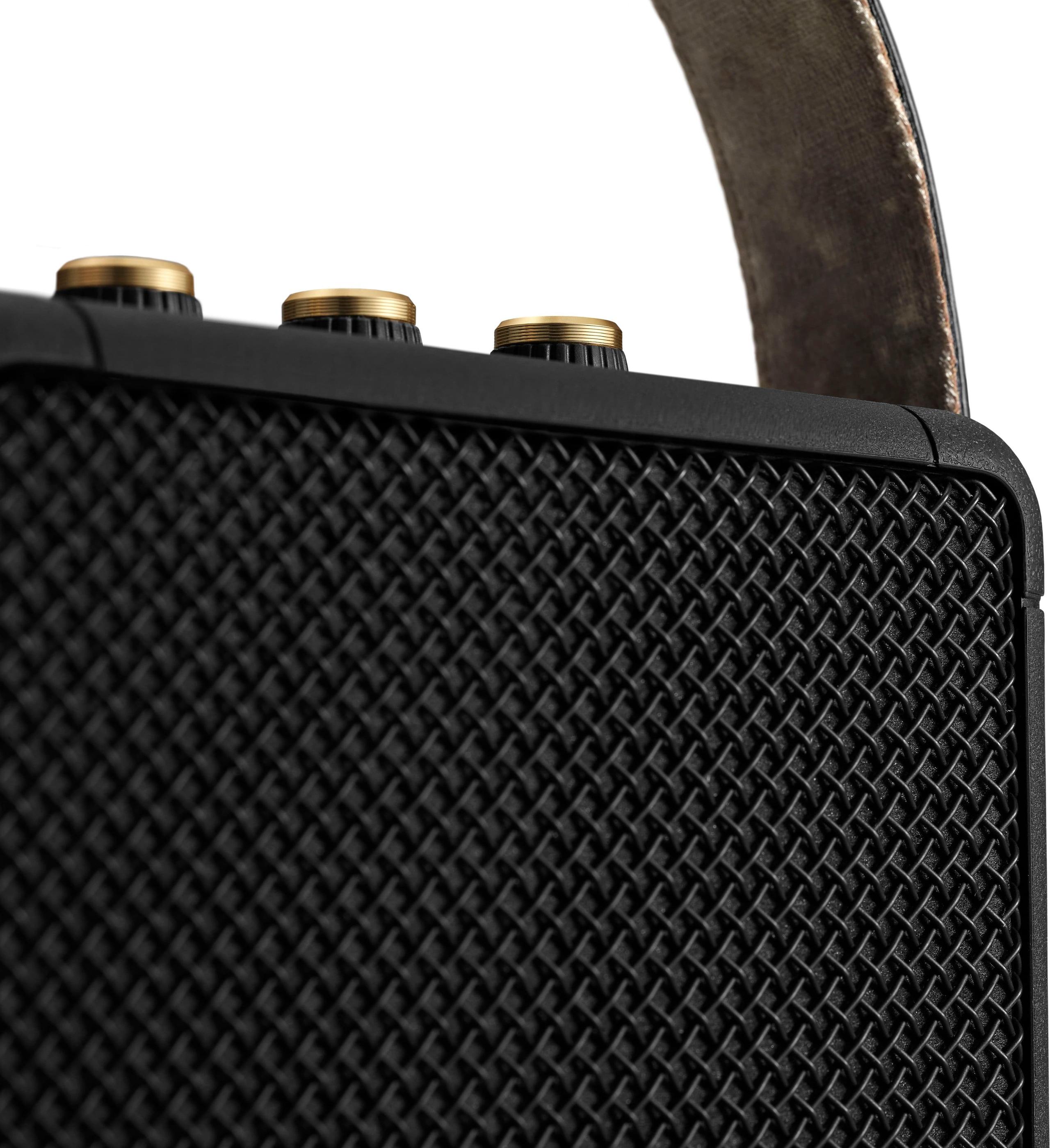
When JBL Authentics 500 launched in September 2023 at $699.99, it represented a new approach to home audio - combining retro styling with modern smart features. Meanwhile, the Marshall Stockwell II at $249.99, released in 2019, took a different path by focusing on portable performance and classic Marshall aesthetics.
The smart speaker market has evolved significantly since 2019. While portable speakers focused on improving battery life and durability, home speakers embraced virtual surround sound and smart home integration. Let's explore how these two different approaches serve different needs.
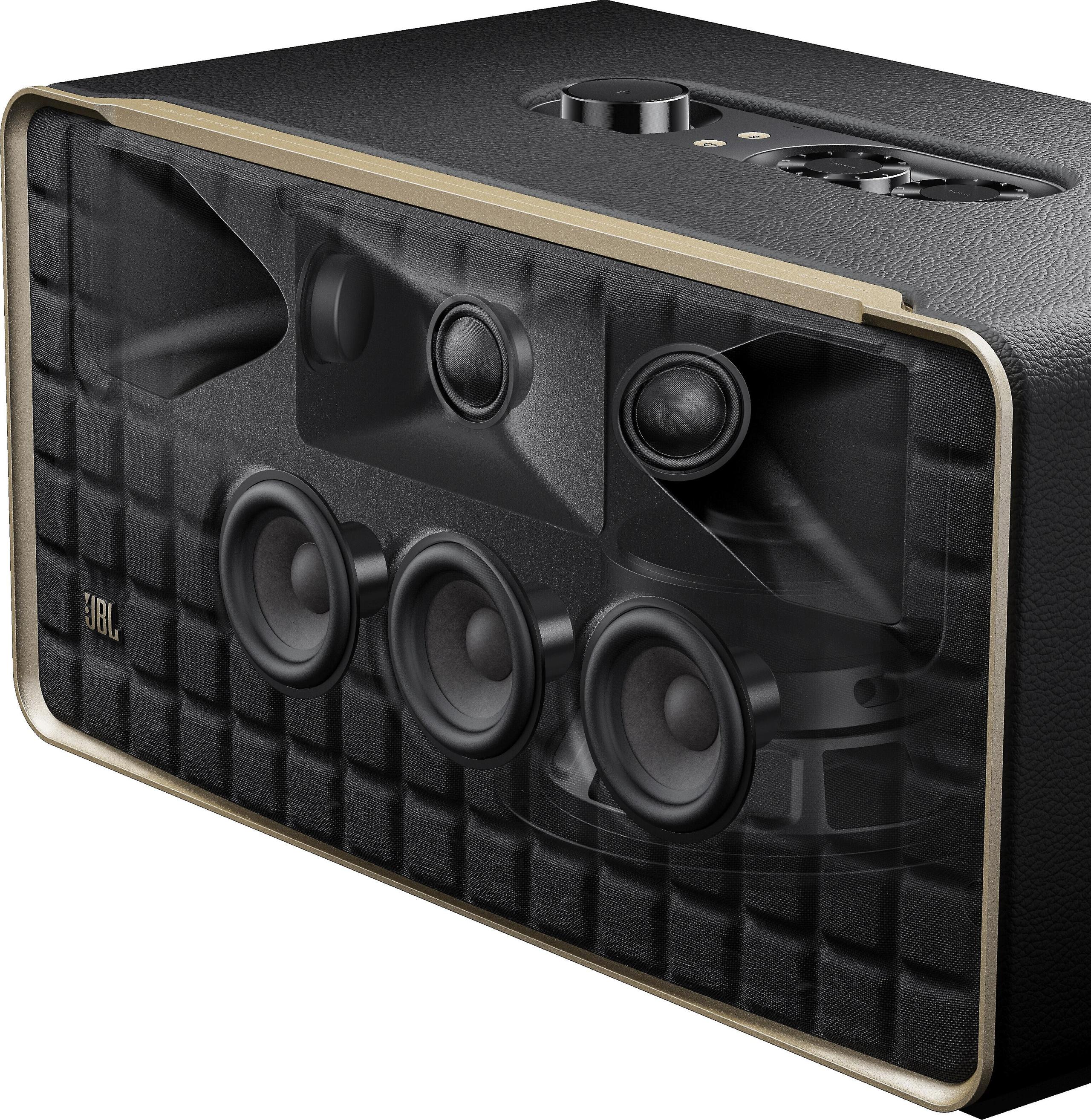
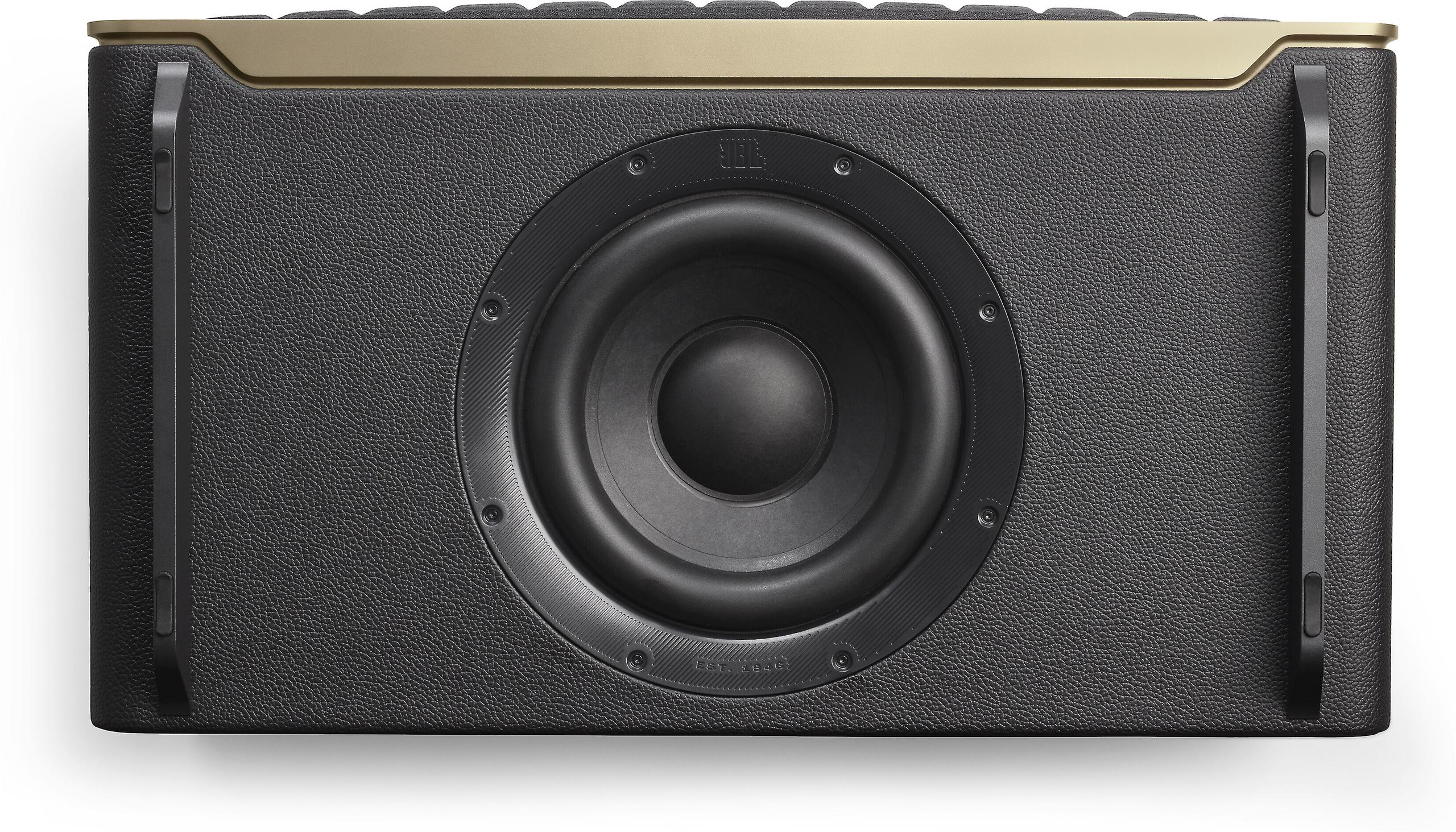
The JBL Authentics 500 employs a sophisticated 3.1 channel system that includes three 1-inch aluminum dome tweeters (handling high frequencies), three 2.75-inch midrange drivers (for vocals and instruments), and a powerful 6.5-inch subwoofer (for bass). This configuration, combined with 270 watts of power, creates room-filling sound with impressive clarity.
The speaker's Dolby Atmos support (which creates virtual surround sound from a single unit) makes it particularly interesting for home theater use. While not replacing a true surround system, it provides an immersive experience that works well for both movies and music.
In contrast, the Marshall Stockwell II uses a simpler but effective setup with two tweeters and one woofer, powered by 20 watts total. While this can't match the JBL's room-filling power, it provides surprisingly good sound for its size. The Marshall's multi-directional sound design helps create a wider soundstage than you might expect from a portable unit.
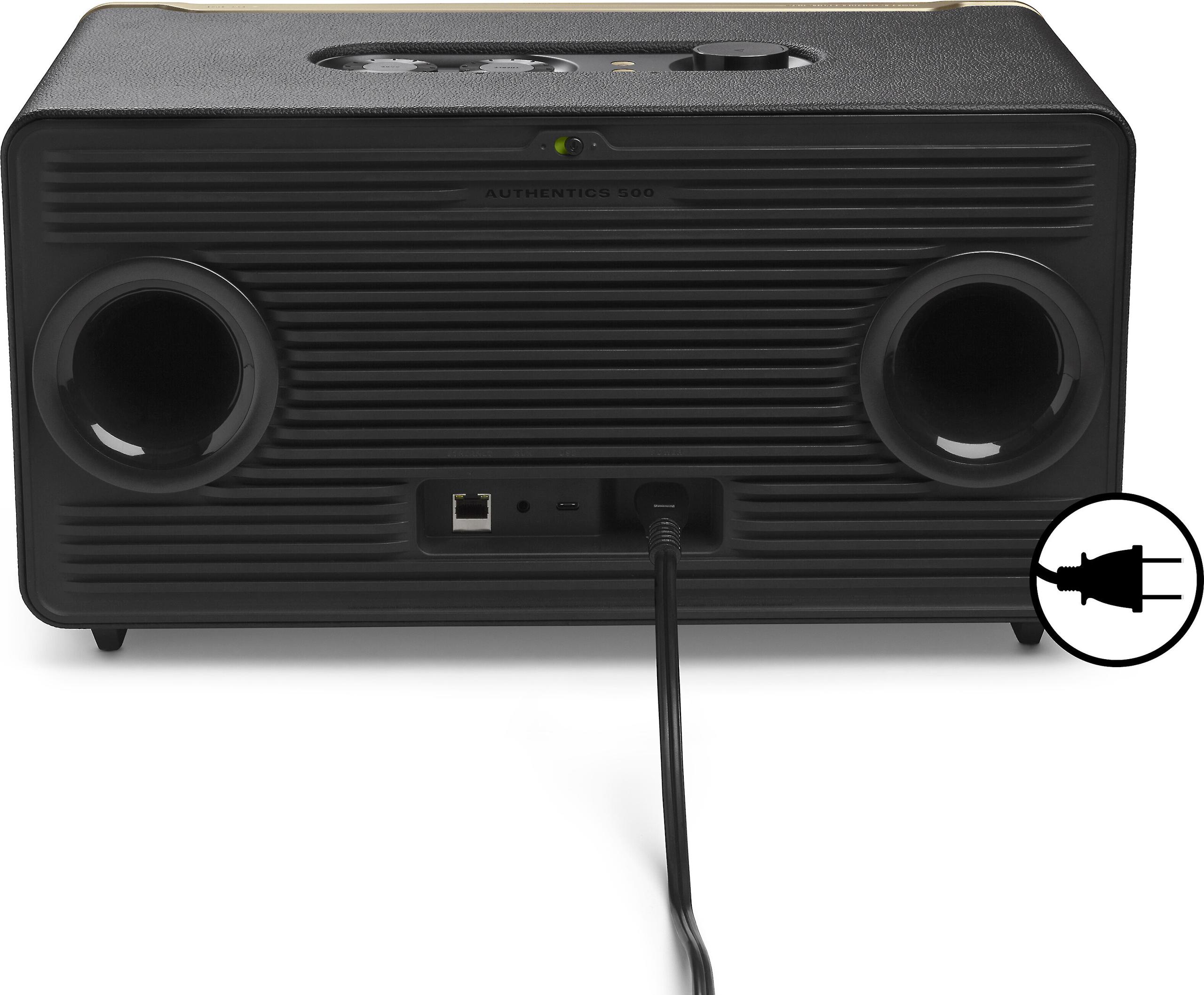
The JBL's smart capabilities are extensive. It supports both Alexa and Google Assistant, meaning you can control smart home devices, set reminders, or play music using voice commands. The speaker connects via Wi-Fi, Bluetooth 5.3, or Ethernet, supporting high-quality streaming through services like Spotify Connect and Apple AirPlay.
More impressively, its room correction feature automatically adjusts audio output based on room acoustics - something usually found only in high-end audio equipment. This means better sound regardless of where you place it.
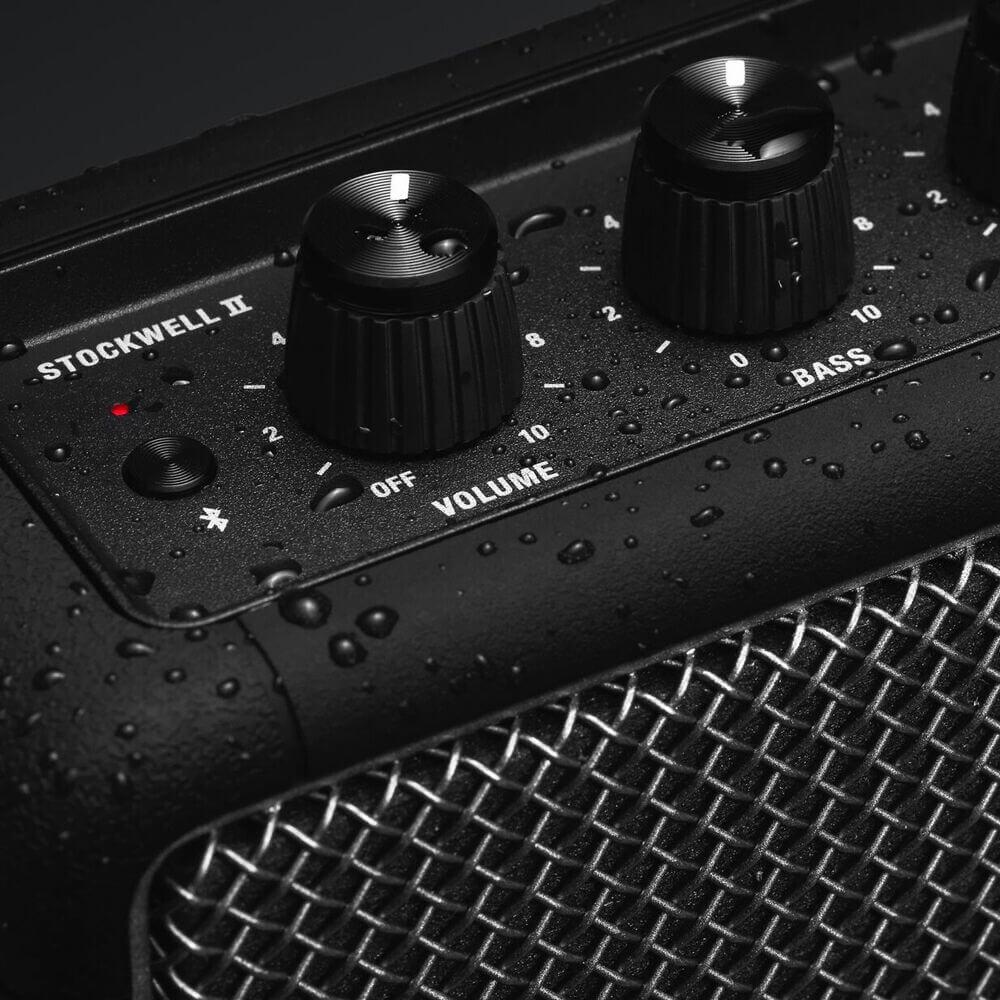
The Marshall takes a simpler approach, focusing on Bluetooth 5.0 connectivity with aptX support (which provides better audio quality than standard Bluetooth, though iPhone users won't benefit as Apple doesn't support aptX). While lacking smart features, this simplicity makes it more reliable for basic music playback.
The JBL's dedicated subwoofer and bass-reflex port design delivers substantial low-end punch, reaching down to 40Hz. This makes it excellent for electronic music, movie soundtracks, and any content where bass impact matters. The Marshall reaches to 60Hz, which is impressive for its size but can't match the JBL's foundation-shaking capability.
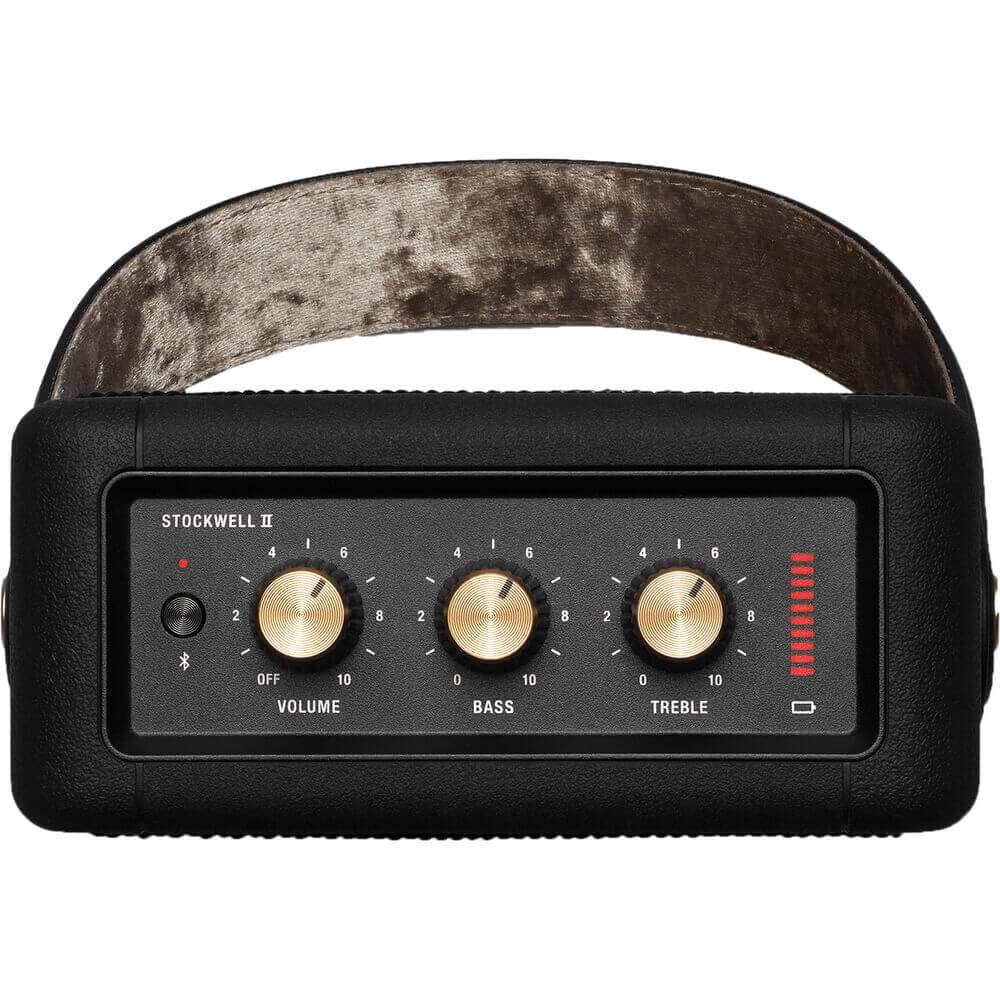
Both speakers handle vocal clarity well, but in different ways. The JBL's separate midrange drivers ensure voices cut through cleanly even in complex mixes. The Marshall compensates for its simpler driver setup with well-tuned frequency response and physical EQ controls that let you dial in your preferred sound.
The JBL Authentics 500 excels in larger rooms where its power and driver array can create an immersive soundfield. Its self-tuning capability means it maintains good sound quality even in acoustically challenging spaces.
The Stockwell II performs best in near-field listening - think backyard gatherings, desktop placement, or hotel rooms. Its IPX4 water resistance means you don't have to worry about light rain or splashes, making it more versatile for outdoor use.
At $549.99 (current price), the JBL represents a significant investment but offers capabilities matching separate components costing more. Its smart features, room correction, and audio quality make it a compelling option for primary home audio use.
The Marshall's $149.99 (current price) puts it in the premium portable speaker category. Its 20+ hour battery life, durability, and sound quality justify the price for users needing quality audio on the move.
Choose the JBL if:
Choose the Marshall if:
Both speakers represent different approaches to modern audio needs. The JBL focuses on premium home audio with smart features, while the Marshall prioritizes mobility without sacrificing sound quality. Your choice ultimately depends on whether you value flexibility or audio performance more highly.
Note that while you could use the JBL as a Bluetooth speaker or the Marshall as home audio, neither excels outside their intended use case. The best choice is the one that matches how you'll actually use it most often.
| JBL Authentics 500 Smart Home Speaker | Marshall Stockwell II Portable Bluetooth Speaker |
|---|---|
| Price - Initial investment consideration | |
| $549.99 | $149.99 |
| Power Output - Impacts maximum volume and sound quality | |
| 270W total (3.1 channel system) | 20W total (2 x 5W tweeters, 1 x 10W woofer) |
| Sound System Configuration - Determines audio performance and clarity | |
| 3 tweeters, 3 midrange drivers, 1 subwoofer | 2 tweeters, 1 woofer |
| Frequency Response - Range of sound reproduction | |
| 40Hz - 20kHz (-6dB) | 60Hz - 20kHz |
| Smart Features - Convenience and integration capabilities | |
| Alexa/Google Assistant, Wi-Fi, AirPlay, Chromecast | None (Bluetooth only) |
| Connectivity Options - Flexibility in audio sources | |
| Bluetooth 5.3, Wi-Fi, Ethernet, 3.5mm aux, USB-C | Bluetooth 5.0, 3.5mm aux |
| Special Audio Features - Enhanced listening experience | |
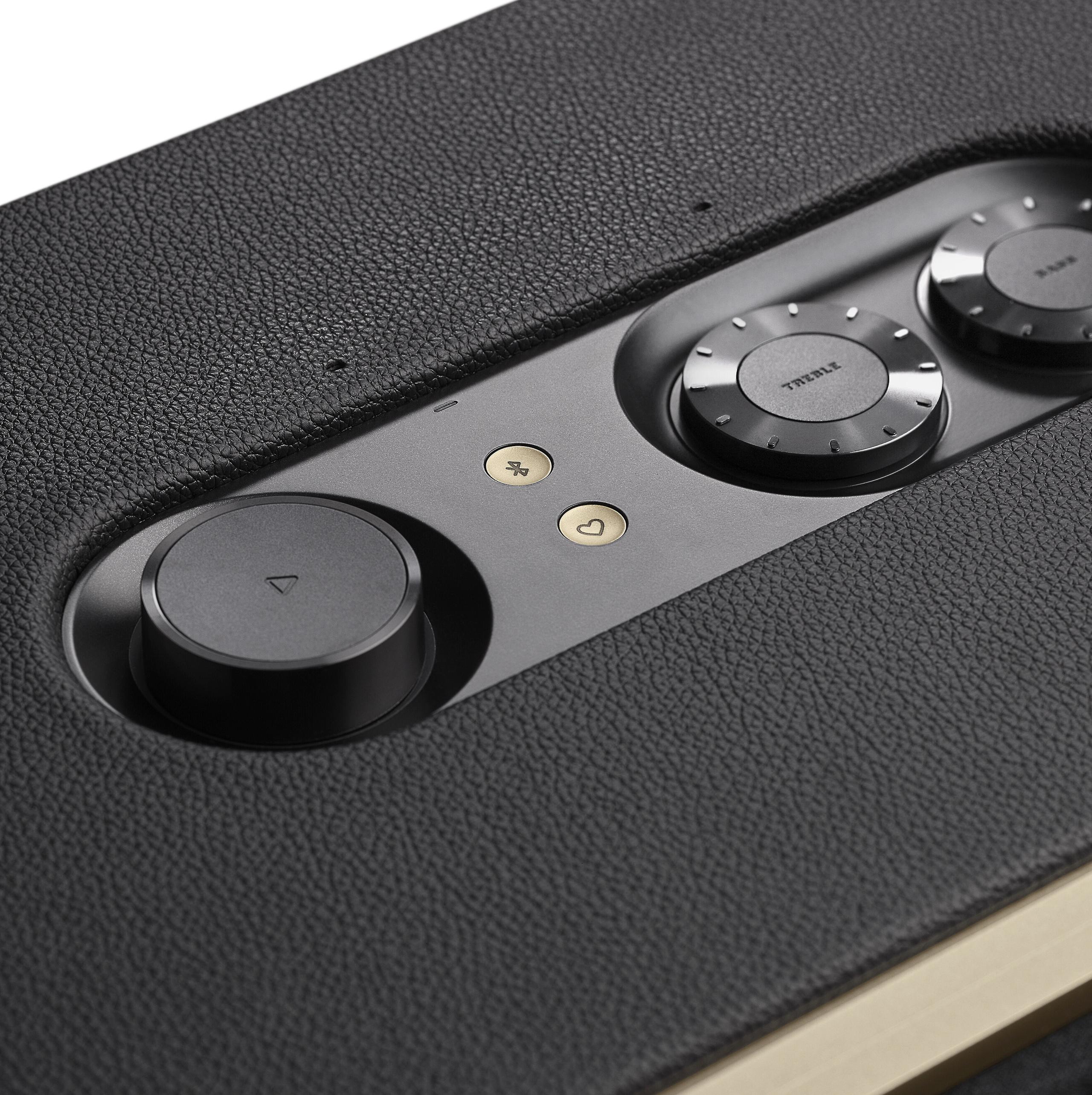
| Dolby Atmos, room correction, app EQ control | Physical bass/treble controls, multi-directional sound |
| Portability - Usage flexibility | |
| AC powered only, 17.2 lbs | 20+ hour battery, 3.04 lbs |
| Durability - Environmental resistance | |
| Indoor use only | IPX4 water resistance |
| Dimensions - Space considerations | |
| 17.6 x 9.4 x 10 inches | 7.09 x 6.34 x 2.76 inches |
| Primary Use Case - Best suited for | |
| Premium home audio system, smart home hub | Portable audio, outdoor/travel use |
| Latest Technology - Future-proofing | |
| Modern smart features, latest audio codecs (2023) | Basic feature set, focused on reliability (2019) |
The JBL Authentics 500 is significantly better for home use, with its 270W power output, room-filling sound, and smart home features. The Marshall Stockwell II is designed primarily for portable use and lacks the power and features needed for primary home audio.
The JBL Authentics 500 costs $549.99, while the Marshall Stockwell II is priced at $149.99. The price difference reflects their different purposes and capabilities.
The JBL Authentics 500 offers superior sound quality with its 3.1 channel system, Dolby Atmos support, and dedicated subwoofer. The Marshall provides good sound for its size but can't match the JBL's audio performance.
The Marshall Stockwell II is designed for outdoor use with IPX4 water resistance and battery power. The JBL Authentics 500 requires AC power and isn't weather-resistant, making it unsuitable for outdoor use.
The Marshall Stockwell II is far more portable, weighing just 3.04 lbs with 20+ hours of battery life. The JBL Authentics 500 weighs 17.2 lbs and requires constant power.
The JBL Authentics 500 supports both Alexa and Google Assistant. The Marshall Stockwell II has no voice assistant capabilities.
For indoor parties, the JBL Authentics 500 provides better sound quality and volume. For outdoor gatherings, the Marshall Stockwell II is more practical with its portability and water resistance.
The JBL Authentics 500 offers Wi-Fi, Bluetooth 5.3, Ethernet, and aux input. The Marshall Stockwell II connects via Bluetooth 5.0 and aux input only.
The JBL Authentics 500 delivers stronger bass with its 6.5-inch subwoofer and 40Hz low-end response. The Marshall's bass response starts at 60Hz and isn't as powerful.
The JBL Authentics 500 can be controlled through the JBL One app with extensive features. The Marshall Stockwell II only offers basic Bluetooth playback control.
The JBL Authentics 500 is more future-proof with its smart features, Wi-Fi updates, and modern connectivity options. The Marshall's simpler design focuses on basic reliability.
The JBL Authentics 500 offers more streaming options including Wi-Fi, AirPlay, and Chromecast, while the Marshall Stockwell II is limited to Bluetooth streaming only.
We've done our best to create useful and informative comparisons to help you decide what product to buy. Our research uses advanced automated methods to create this comparison and perfection is not possible - please contact us for corrections or questions. These are the sites we've researched in the creation of this article: 9to5google.com - youtube.com - community.roonlabs.com - techradar.com - mm.jbl.com - jbl.com - youtube.com - greentoe.com - jbl.com - projectorscreen.com - rtings.com - projectorscreenstore.com - stereoguide.com - bestbuy.com - stuff.tv - idownloadblog.com - stereoguide.com - kendallgiles.com - termagoods.com - aplaze.com - manua.ls - youtube.com - sg.tcacoustic.asia - marshall.com - youtube.com

Privacy Policy
Terms and Conditions - Affiliate Policy
Home Security
© Copyright 2008-2026.
11816 Inwood Rd #1211, Dallas, TX 75244