



When you're looking for a portable Bluetooth speaker, the choices can feel overwhelming. Two speakers that often come up in conversations are the Monster S320 Superstar and the Marshall Stockwell II – but they represent completely different philosophies about what makes a great portable speaker. Understanding these differences will help you pick the right one for your needs and budget.
Before diving into specifics, it's worth understanding what separates good portable speakers from great ones. The most important factors are sound quality, battery life, durability, and value for money. But within each category, there are nuances that matter more than marketing numbers suggest.
Sound quality isn't just about how loud a speaker gets – it's about how clean that sound remains at high volumes, how well it handles different types of music, and whether the sound feels natural and balanced. Battery life matters most when you're away from power sources for extended periods. Durability determines whether your speaker survives real-world use, from accidental drops to unexpected rain showers.
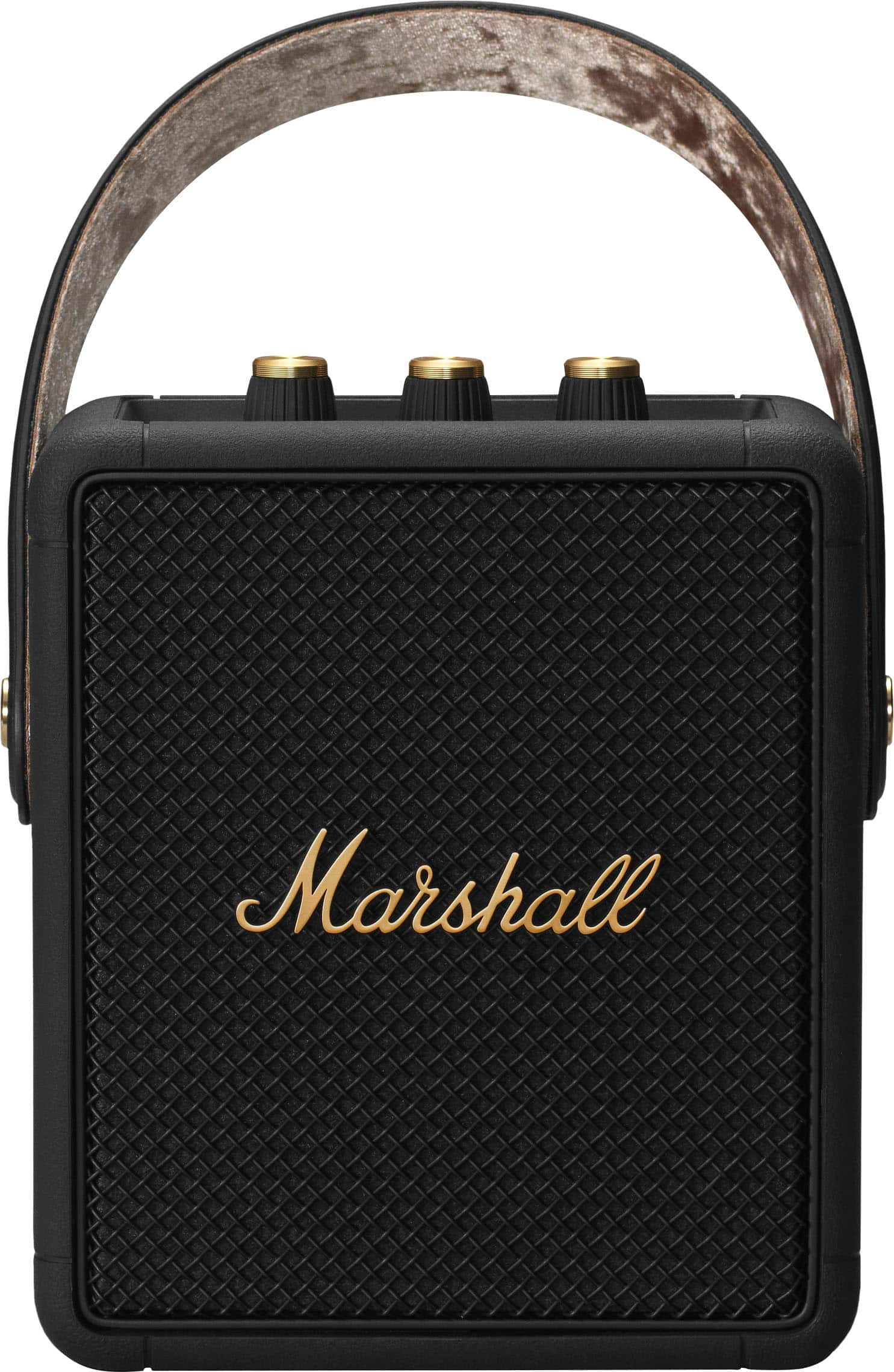
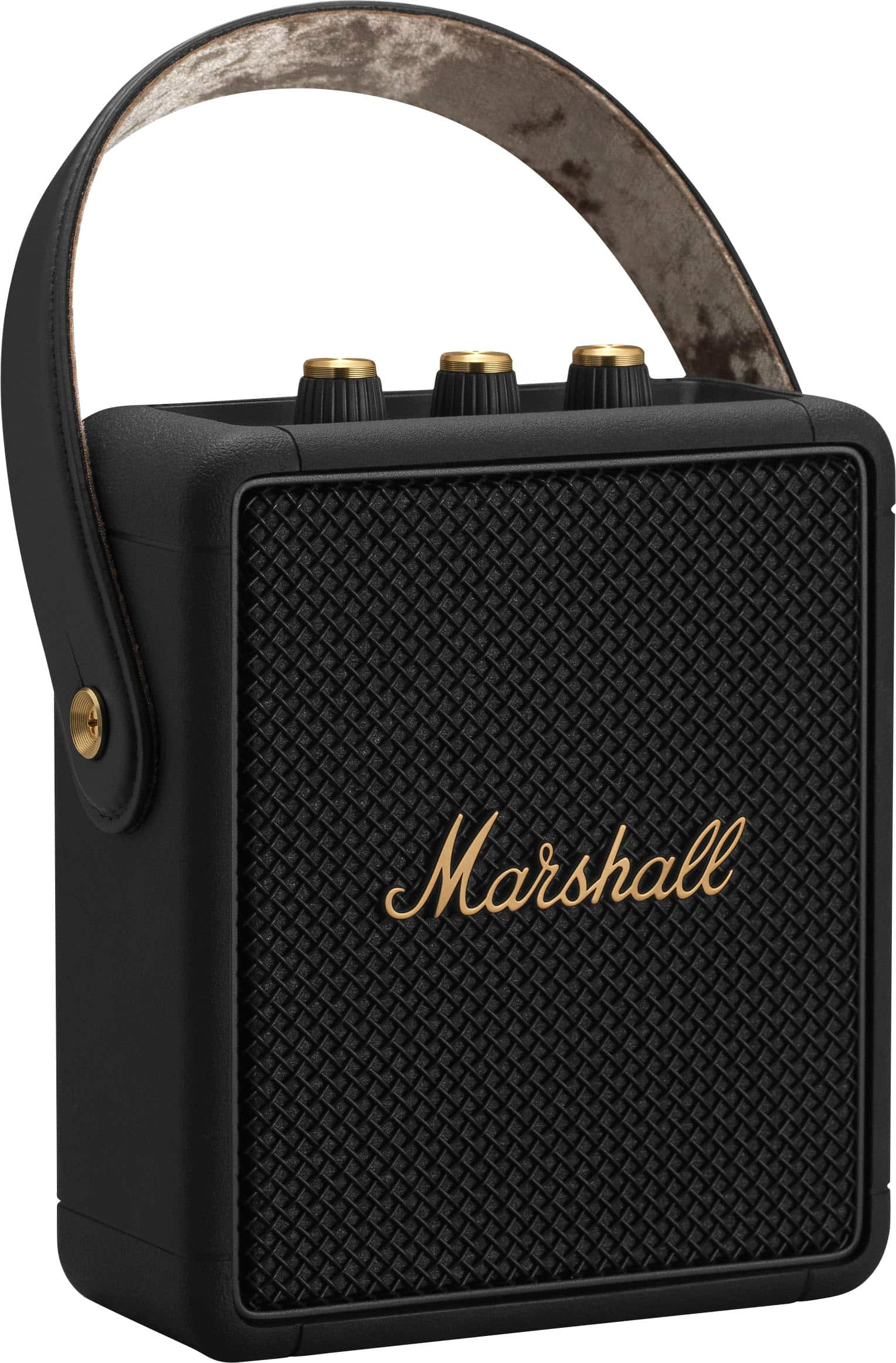
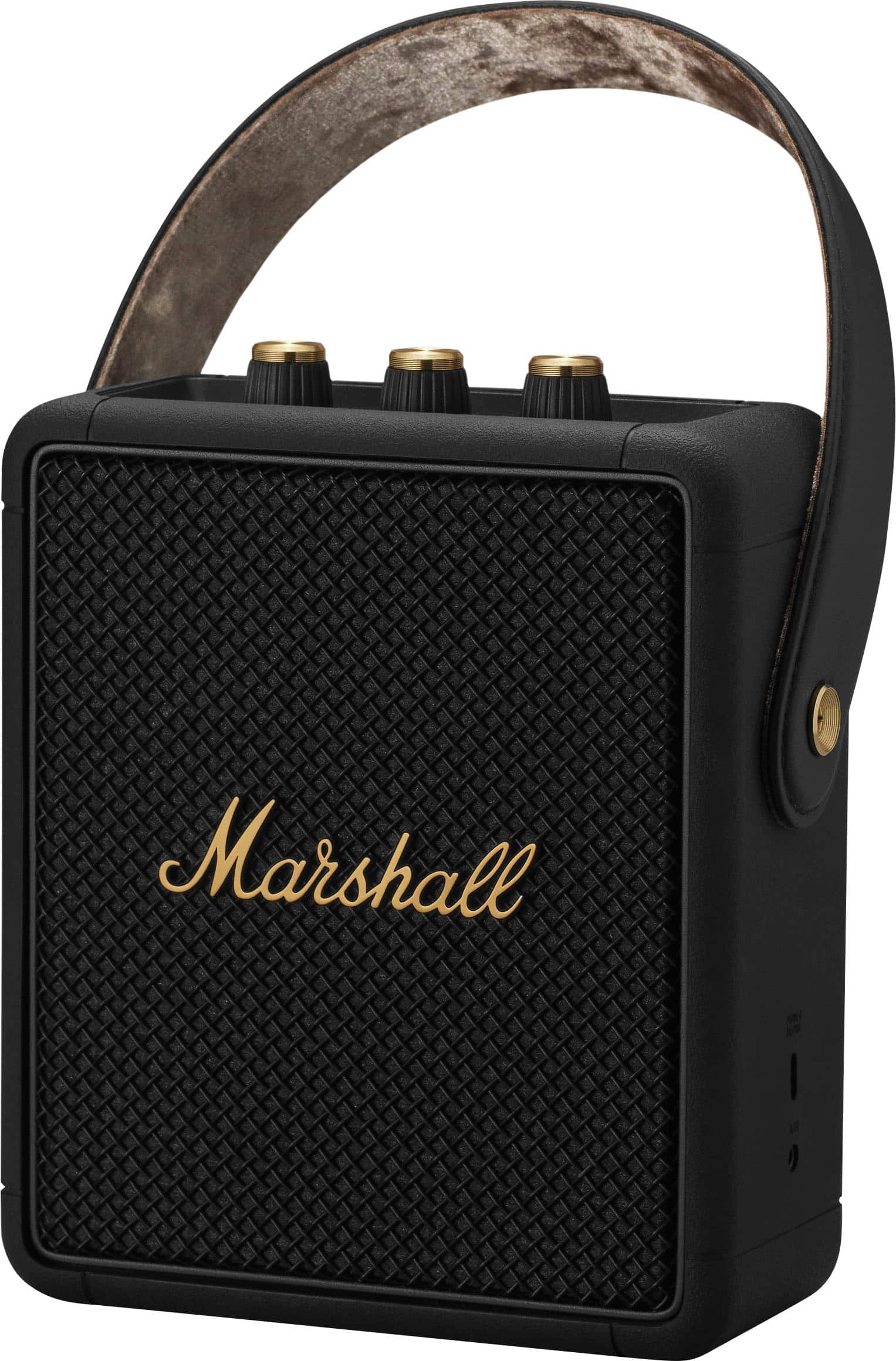
The Monster S320 Superstar, released in recent years as part of Monster's push back into mainstream audio, takes a no-nonsense approach focused on maximum performance per dollar. The Marshall Stockwell II, launched in 2019 as an update to Marshall's popular portable line, prioritizes audio refinement and iconic design heritage.
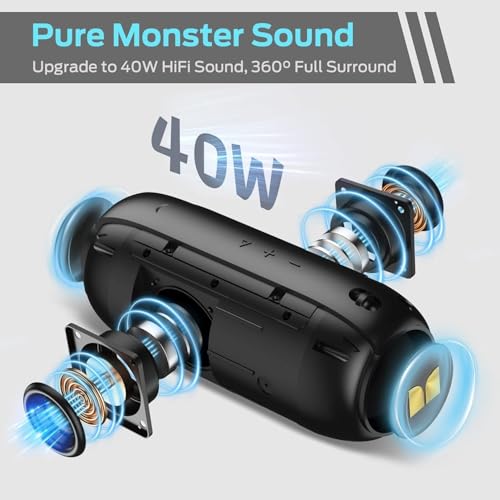
The Monster S320 delivers 40 watts of total power through its dual 2-inch drivers, which is impressive for a speaker in this size class. This translates to genuinely loud output that can fill large outdoor spaces without strain. The 360-degree sound dispersion means you don't need to position it perfectly – it spreads audio in all directions, making it practical for gatherings where people are scattered around.
What's particularly notable about the Monster's approach is how it maintains sound quality even at high volumes. Many budget speakers become harsh or distorted when pushed hard, but the S320's drivers seem well-matched to their amplification. The frequency response spans the full 20Hz to 20kHz range that human ears can detect, though like most small speakers, the very lowest bass frequencies are more felt than heard.
The Marshall Stockwell II takes a different approach with its True Stereophonic technology. Rather than just making sound louder, Marshall focuses on making it more spatially accurate. The speaker physically separates sound sources to create a more convincing stereo image, which is particularly noticeable with acoustic music or well-recorded albums where instruments are placed in specific positions.
Here's where personal preference really matters. The Monster S320 has what audiophiles call a "fun" sound signature – it emphasizes bass and treble to make music feel more exciting and energetic. This works brilliantly for electronic music, hip-hop, and pop, where that extra punch makes everything feel more alive. The midrange, where most vocals sit, is clear but not as forward as some listeners prefer.
The Marshall Stockwell II aims for a more balanced presentation. Its frequency response from 60Hz to 20kHz might seem limited compared to the Monster's range, but Marshall's tuning philosophy prioritizes accuracy over extension. Vocals come through with exceptional clarity, and the overall presentation feels more natural across different music genres. This makes it particularly good for acoustic music, podcasts, and situations where you're listening critically rather than just having background music.
Based on extensive user feedback and professional reviews, the Marshall handles complex musical passages better – when there's a lot happening in a song, individual elements remain distinct rather than blending together. The Monster excels when you want maximum impact and energy, especially in noisy environments where subtlety gets lost anyway.
In practical terms, these differences matter most in specific situations. If you're hosting a backyard barbecue and need music that cuts through conversation and ambient noise, the Monster S320's extra volume and bass emphasis will serve you better. But if you're relaxing indoors and want to appreciate the nuances in your favorite album, the Marshall's refined presentation becomes more valuable.
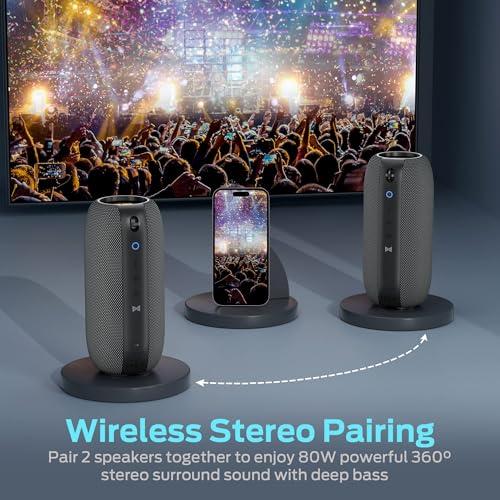
The Monster's True Wireless Stereo (TWS) capability deserves special mention. You can pair two S320 speakers wirelessly to create an 80-watt stereo system, which genuinely transforms the listening experience. This feature makes the Monster uniquely scalable – start with one for personal use, then add a second for parties or larger spaces.
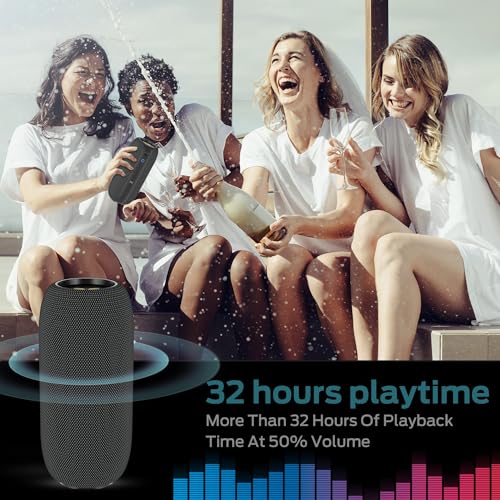
Battery performance often determines whether a speaker becomes a trusted companion or an occasional-use device. The Monster S320 absolutely dominates this category with its claimed 32-hour playback time at moderate volumes. Even accounting for real-world usage variations – louder volumes, different music types, and aging batteries – you're looking at genuinely multi-day performance.
This exceptional battery life comes from Monster's efficient Class D amplification (a type of amplifier that wastes very little power as heat) combined with a substantial 2500mAh battery pack. For context, that's similar to what you'd find in a mid-range smartphone, but dedicated entirely to audio playback.
The Marshall Stockwell II offers a more typical 20-hour runtime, which is still excellent by industry standards. What's particularly useful is its quick-charge capability – 20 minutes of charging provides about 6 hours of playback, which can save you when you've forgotten to charge overnight.
Both speakers use USB-C charging, which is becoming the standard for good reason – it's faster than older micro-USB connections and the cables are becoming universal across devices. This matters more than you might think when you're traveling and trying to minimize the number of different cables you need to pack.
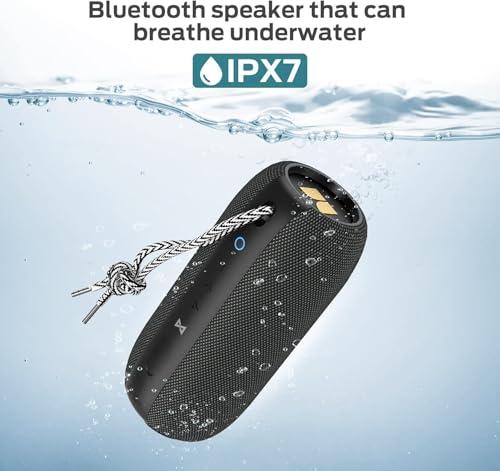
The difference in water resistance between these speakers is substantial and affects where you can confidently use them. The Monster S320 carries an IPX7 rating, which means it can survive complete submersion in up to one meter of water for 30 minutes. In practical terms, you could literally drop it in a pool and fish it out later with no damage.
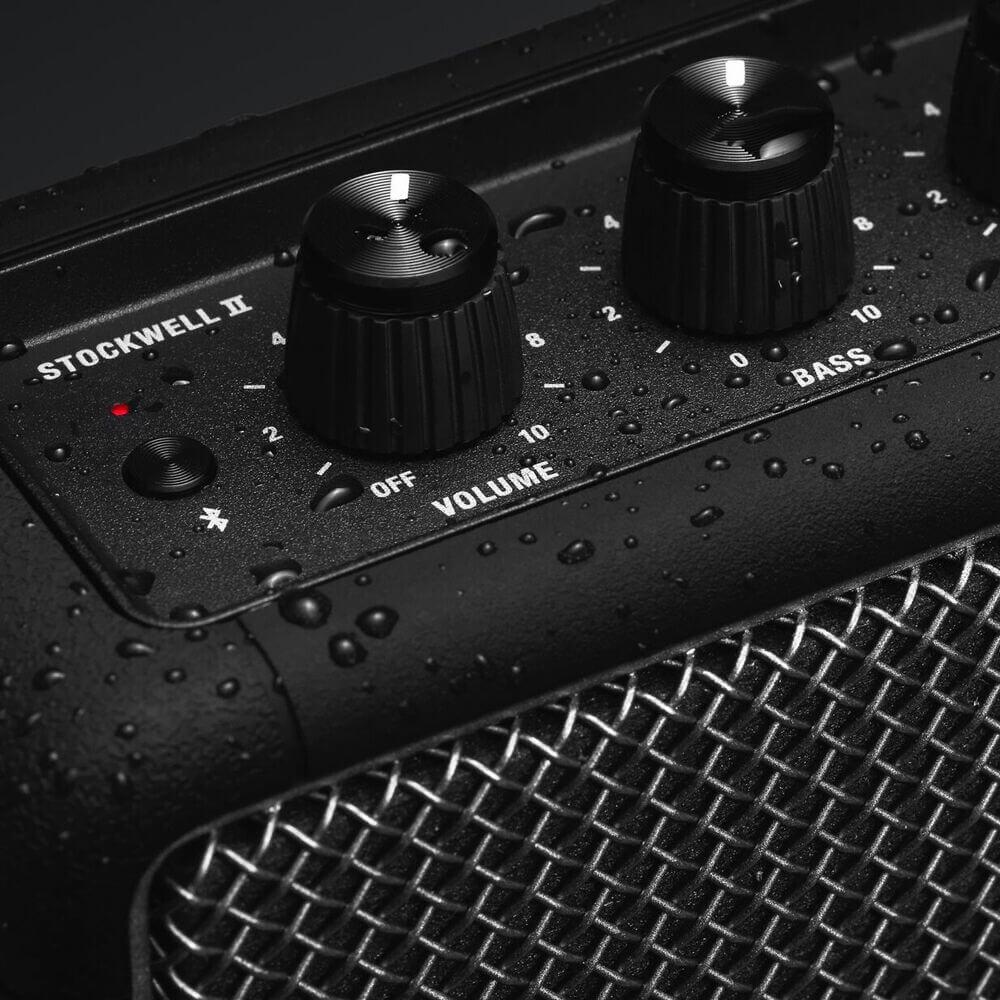
The Marshall Stockwell II has IPX4 protection, which guards against splashes and light rain but not submersion. Think of it as protection against accidents rather than invitation for water sports. This difference matters enormously if you plan to use your speaker around pools, beaches, or during unpredictable weather.
Both speakers take different approaches to durability. The Monster uses a rubberized exterior that's designed to bounce rather than crack when dropped. It feels almost industrial in its solidity, though this comes at the cost of refined aesthetics.
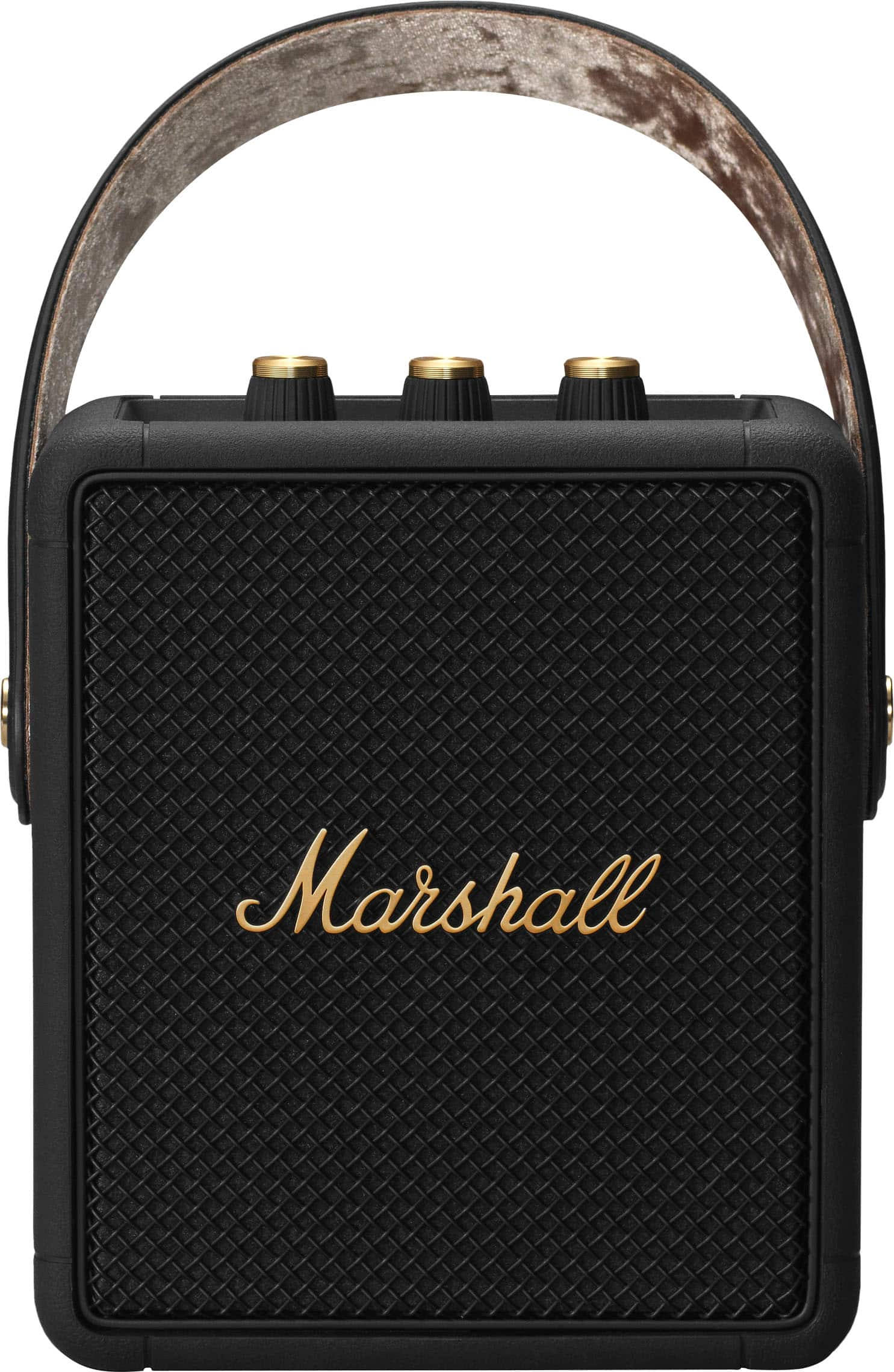
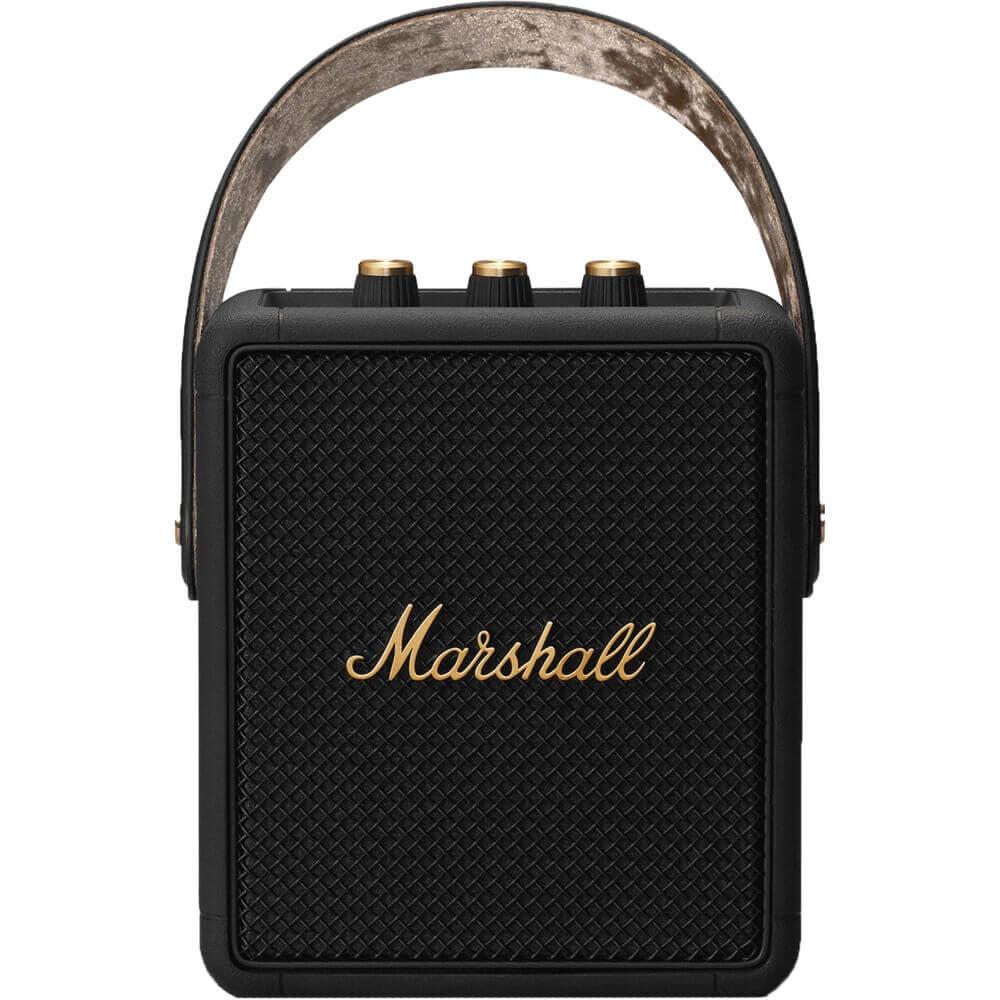
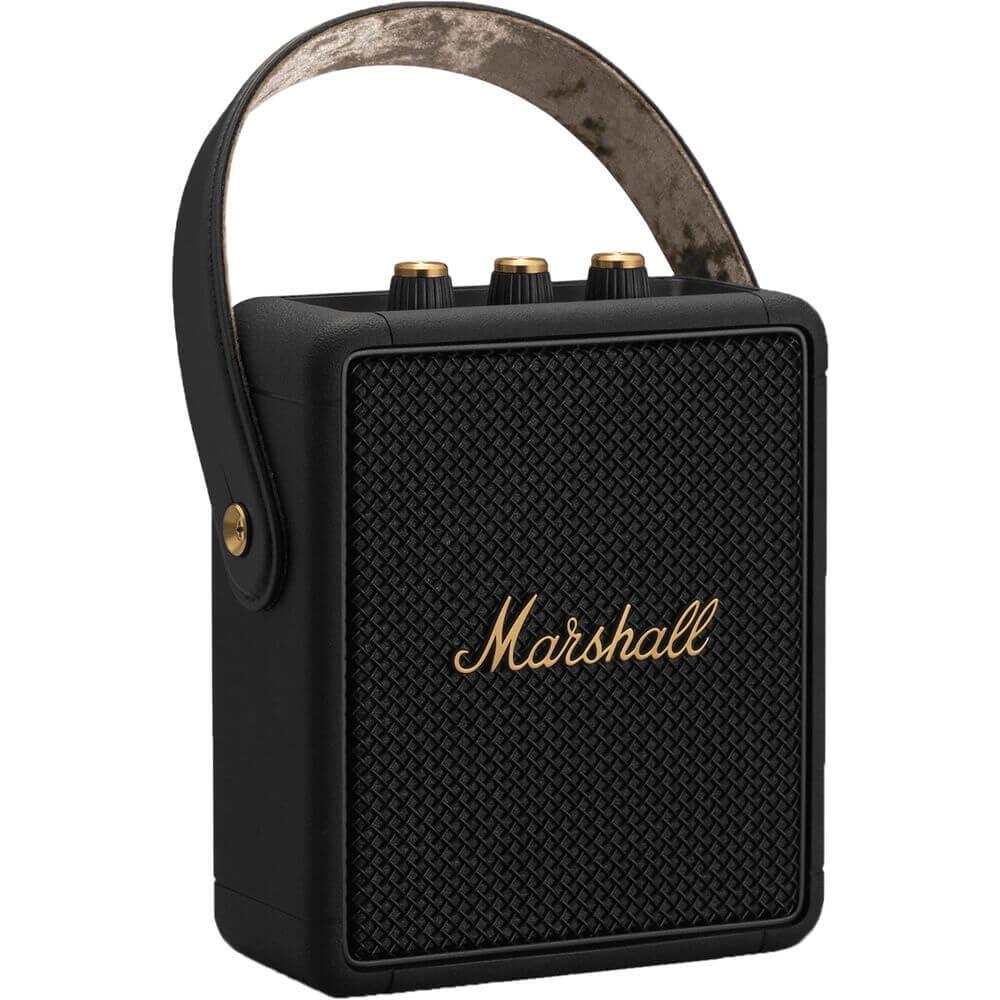
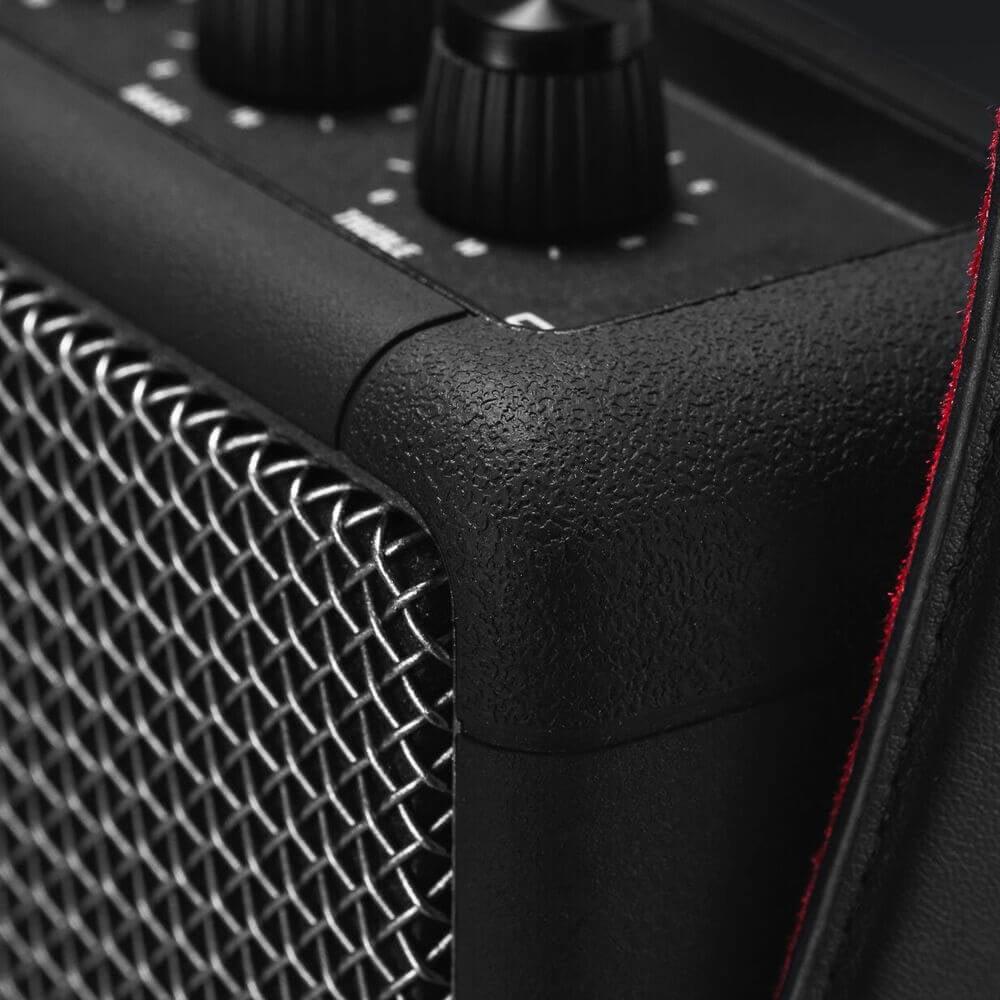
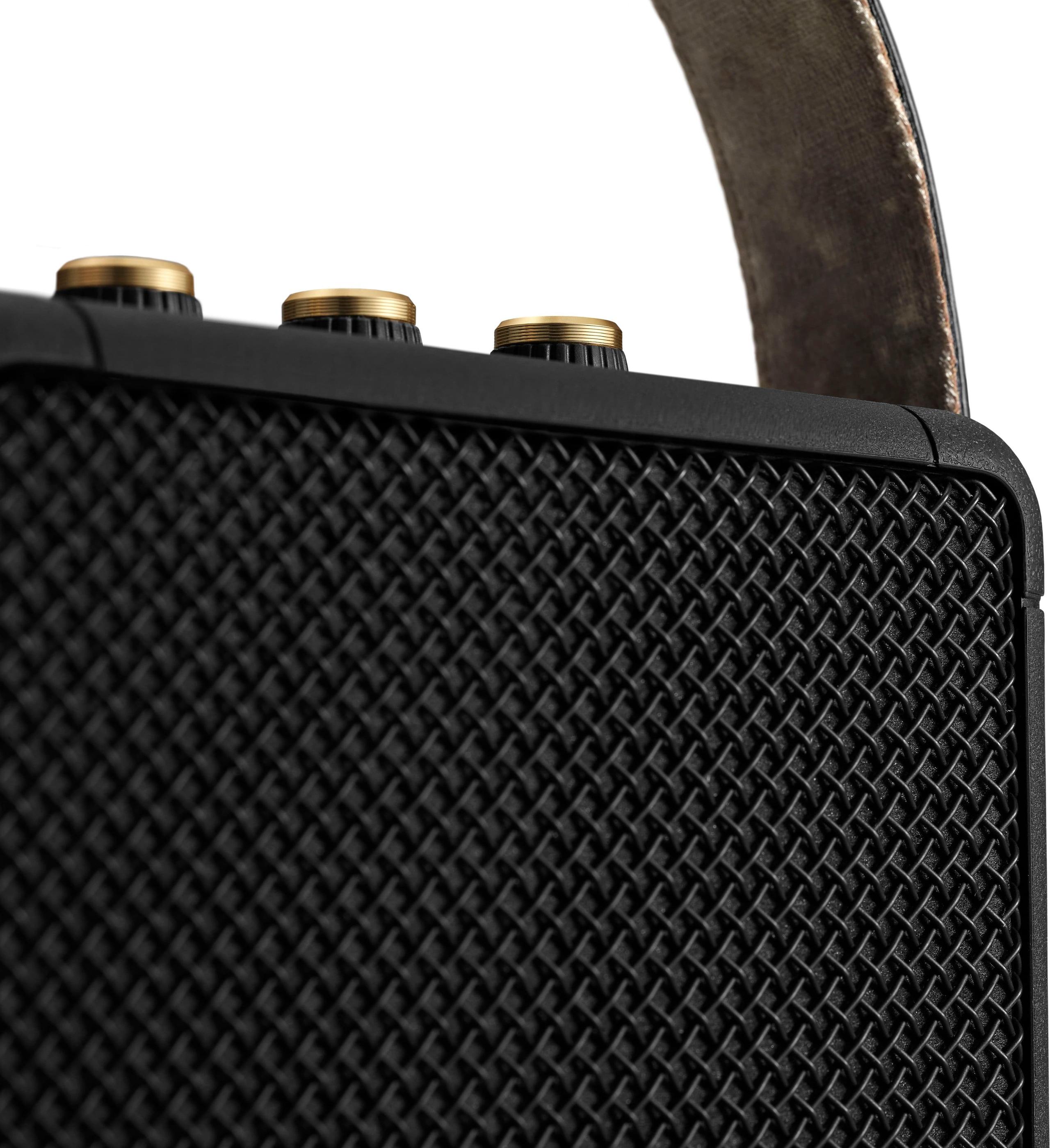
The Marshall combines a silicone exterior with a distinctive steel mesh grille that's both protective and iconic. The build quality feels premium in hand, with substantial weight that suggests quality components. The guitar-amp styling isn't just for show – it's built like a piece of musical equipment that touring musicians would trust.
From user reports and long-term testing feedback, both speakers hold up well to normal use, but the Monster's higher water resistance and shock-absorbing design give it an edge for truly rugged conditions.
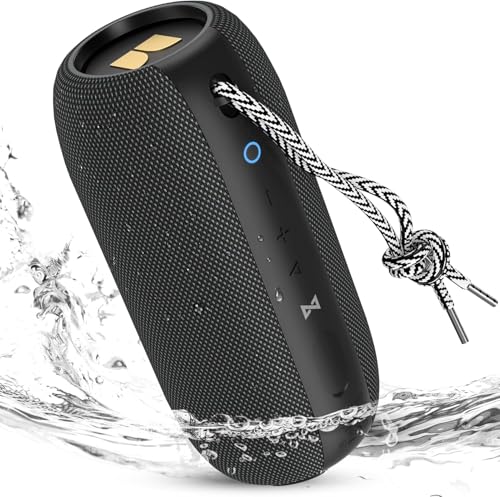
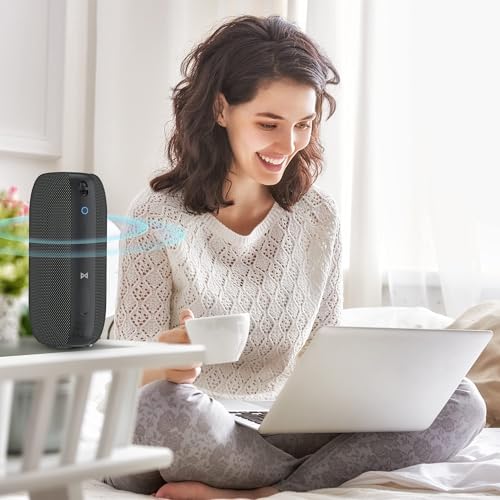
The aesthetic differences between these speakers reflect their target audiences. The Monster S320 is unapologetically utilitarian – it's designed to disappear into your gear bag and emerge when needed. The cylindrical form factor with hanging strap speaks to portability and practicality over visual appeal.
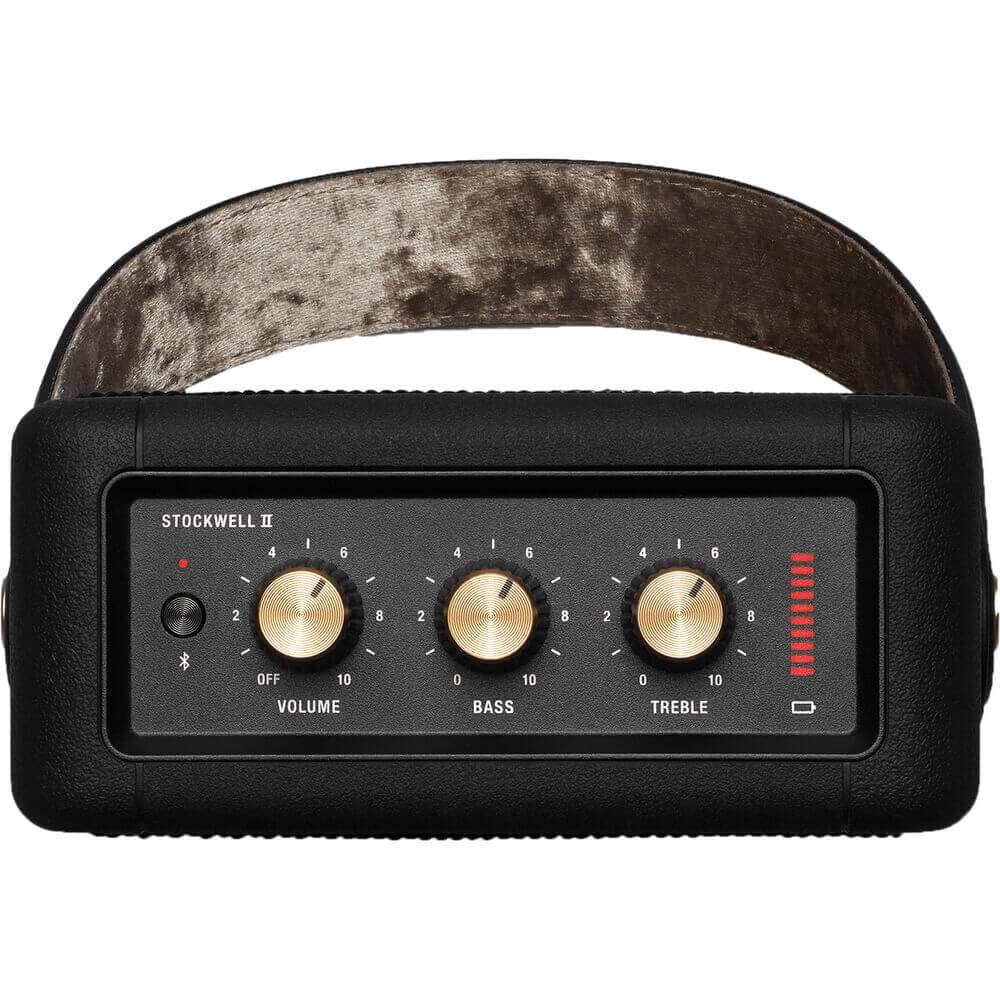
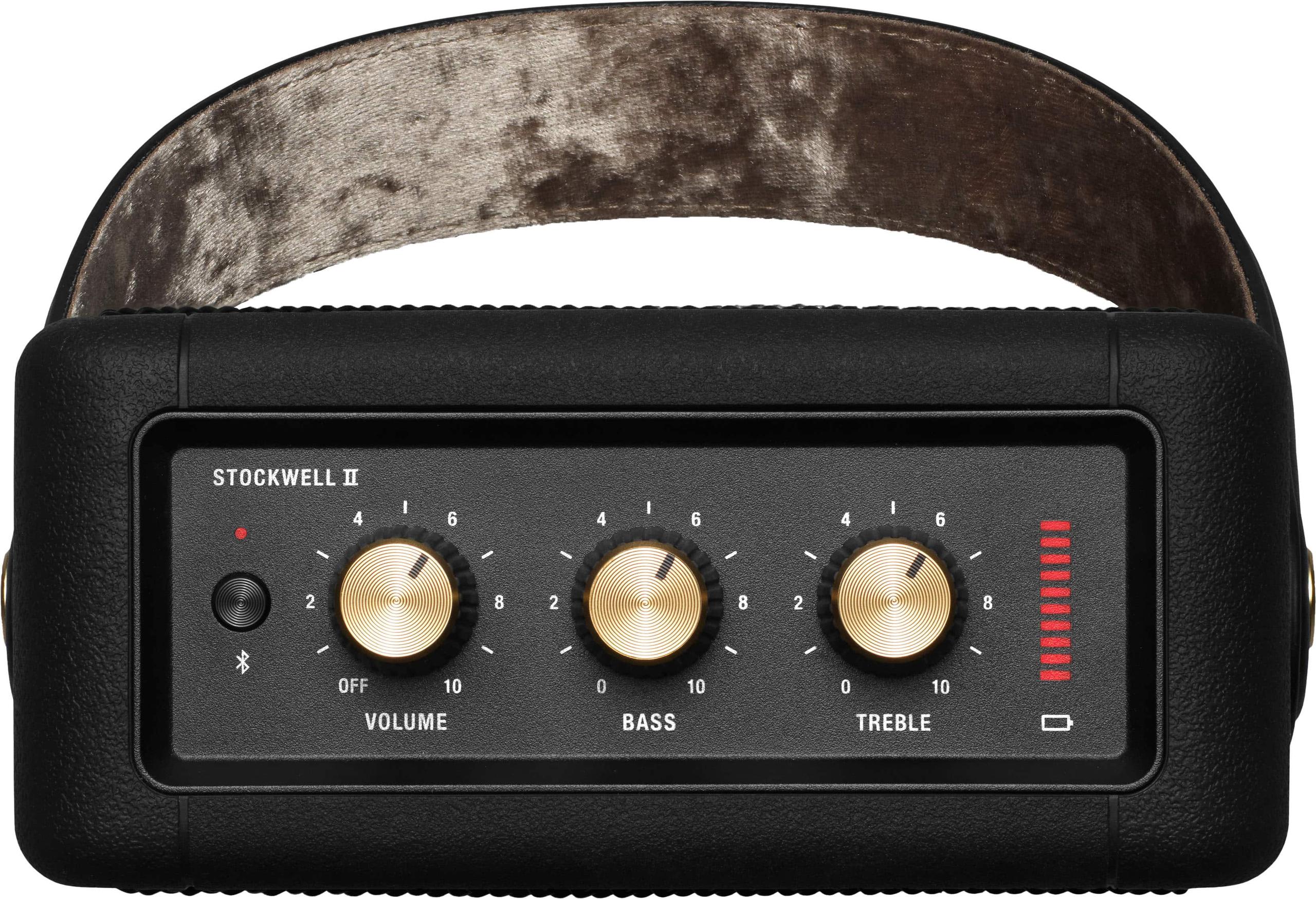
The Marshall Stockwell II is deliberately eye-catching, designed to look as good sitting on a bookshelf as it does at a picnic. The vintage amplifier aesthetic, complete with Marshall's iconic script logo and control knobs, makes it as much a style statement as an audio device. The leather-look handle even includes felt padding underneath to protect surfaces.
This design difference affects how you'll use these speakers. The Marshall invites display and conversation, while the Monster encourages grab-and-go functionality.
Both speakers offer solid Bluetooth 5.0 connectivity, which provides better range, more stable connections, and improved audio quality compared to older Bluetooth versions. The practical benefit is fewer dropouts and the ability to maintain connection when your phone is in another room or bag.
The Monster S320 includes voice assistant support, allowing you to activate Siri or Google Assistant directly from the speaker. There's also a built-in microphone for hands-free calls, which works surprisingly well for speaker phone conversations.
The Marshall Stockwell II deliberately omits smart features, focusing instead on immediate, tactile control through its physical knobs. The bass and treble controls allow real-time sound adjustment without needing to dig into phone apps or remember voice commands. There's something satisfying about turning an actual knob to adjust your music – it's more intuitive than digital controls and works even when your phone isn't nearby.
The Marshall's multi-host functionality lets you connect two devices simultaneously and switch between them easily, which is handy when multiple people want to share DJ duties.
At the time of writing, these speakers occupy very different price segments. The Monster S320 typically costs roughly one-third the price of the Marshall Stockwell II, making the value comparison complex but important.
The Monster delivers exceptional specifications per dollar – that 32-hour battery life, 40-watt power output, and IPX7 waterproofing would cost significantly more from premium brands. For users who prioritize measurable performance over aesthetics or brand prestige, it represents outstanding value.
The Marshall commands its premium through audio refinement, build quality, and brand heritage. Marshall has been making amplifiers since 1962, and that experience shows in the tuning and construction quality. You're paying more, but you're getting a speaker that feels like a premium product and delivers more nuanced sound quality.
While both speakers are designed for portability, they each have indoor applications worth considering. The Monster S320's TWS pairing capability makes it interesting for temporary home theater enhancement – two speakers can provide genuine stereo separation for movie watching or gaming when you don't want to install permanent speakers.
The Marshall Stockwell II works better as a permanent indoor addition, perhaps in a kitchen or bedroom where it can serve dual roles as functional speaker and decorative element. Its balanced sound signature is more suitable for extended indoor listening sessions where you want natural-sounding audio.
Neither speaker is designed to replace a proper home theater system, but both can enhance the experience in smaller rooms or temporary setups.
After extensive research into user experiences and expert opinions, the choice between these speakers depends heavily on your priorities and usage patterns.
Choose the Monster S320 Superstar if you need a speaker that can handle anything you throw at it. Its exceptional battery life makes it perfect for camping trips, beach days, or any situation where charging isn't convenient. The IPX7 waterproofing means you never need to worry about weather or accidents. The powerful, energetic sound signature works brilliantly for parties and outdoor gatherings. Most importantly, it delivers all this at a price point that won't strain your budget.
The Monster is ideal for active users, families with young children (thanks to its durability), and anyone who prioritizes practical performance over aesthetics. If you're likely to use TWS pairing to create a stereo system, that feature alone adds significant value.
Choose the Marshall Stockwell II if audio quality and design matter as much as functionality. Its more refined sound signature makes it better for critical listening across diverse music genres. The physical EQ controls offer immediate sound adjustment without app dependence. The premium build quality and iconic design make it suitable for both functional use and display.
The Marshall suits listeners who appreciate audio nuance, want a speaker that looks as good as it sounds, and don't mind paying extra for brand heritage and refined engineering. It's perfect for users who primarily listen indoors or in controlled outdoor environments.
Both speakers represent solid engineering and clear design philosophies – the Monster maximizes practical performance per dollar, while the Marshall delivers premium refinement for discerning users. Your choice should align with how you actually plan to use your speaker, rather than chasing specifications that might not matter for your lifestyle.
The portable Bluetooth speaker market has matured significantly since these models launched, but both continue to represent their respective approaches effectively. The Monster proves that budget doesn't mean compromise on core functionality, while the Marshall demonstrates that premium pricing can deliver tangible benefits in sound quality and build refinement.
| Monster S320 Superstar | Marshall Stockwell II |
|---|---|
| Power Output - Determines maximum volume and room-filling capability | |
| 40W total output (excellent for outdoor gatherings) | ~20W output (sufficient for most indoor/patio use) |
| Battery Life - Critical for extended use away from power sources | |
| 32 hours at medium volume (industry-leading endurance) | 20+ hours (solid performance with quick-charge feature) |
| Water Resistance - Determines where you can safely use the speaker | |
| IPX7 waterproof (full submersion protection for pools/beaches) | IPX4 splash-resistant (light rain protection only) |
| Sound Signature - Affects which music genres sound best | |
| Bass-emphasized, energetic (great for parties/electronic music) | Balanced, vocal-focused (excellent for diverse genres) |
| Frequency Range - Shows how much of the audio spectrum is covered | |
| 20Hz-20kHz (full human hearing range) | 60Hz-20kHz (focused on clarity over extension) |
| Weight - Impacts true portability | |
| 720g / 1.6 lbs (lightweight for its power output) | 1.38kg / 3.04 lbs (heavier but premium feel) |
| Special Features - Unique capabilities that add value | |
| TWS pairing for 80W stereo, voice assistant support | Physical EQ knobs, True Stereophonic 360° sound |
| Build Philosophy - Different approaches to durability | |
| Rugged, utilitarian design for extreme conditions | Premium materials with vintage amplifier aesthetics |
| Connectivity - How devices connect and control the speaker | |
| Bluetooth 5.0, 3.5mm aux, built-in microphone | Bluetooth 5.0, multi-host pairing, manual controls |
| Value Proposition - Performance delivered relative to cost | |
| Maximum specs per dollar (budget-friendly powerhouse) | Premium audio refinement and brand heritage (higher cost) |
The Monster S320 Superstar is significantly better for outdoor use due to its IPX7 waterproof rating, which means it can survive complete submersion in water. It's also shockproof and designed to handle extreme weather conditions like rain, snow, and dust. The Marshall Stockwell II only has IPX4 splash resistance, making it suitable for light outdoor use but not for water sports or harsh weather.
The Monster S320 Superstar offers exceptional battery life with up to 32 hours of playback at medium volume, making it ideal for extended camping trips or multi-day events. The Marshall Stockwell II provides 20+ hours of battery life, which is still excellent and includes a quick-charge feature that gives 6 hours of playback from just 20 minutes of charging.
Sound quality depends on your preferences and music genres. The Monster S320 Superstar delivers a more energetic, bass-heavy sound that's great for parties and electronic music, with 40W of power for loud outdoor gatherings. The Marshall Stockwell II offers more balanced, refined audio with excellent vocal clarity, making it better for acoustic music, podcasts, and critical listening across diverse genres.
Yes, the Monster S320 Superstar supports True Wireless Stereo (TWS) pairing, allowing you to connect two speakers wirelessly for an upgraded 80W stereo surround sound experience. The Marshall Stockwell II doesn't offer speaker pairing but provides True Stereophonic 360° sound from a single unit with better spatial audio quality.
The Monster S320 Superstar is more travel-friendly, weighing only 720g (1.6 lbs) with a compact cylindrical design and hanging strap for easy carrying. The Marshall Stockwell II is heavier at 1.38kg (3.04 lbs) but features a guitar case-style handle and premium build quality that some users prefer for its substantial feel.
The Monster S320 Superstar includes a built-in microphone and supports hands-free calling with voice assistant integration, making it excellent for conference calls and voice commands. The Marshall Stockwell II focuses purely on music playback and doesn't emphasize calling features, though basic Bluetooth calling is supported.
The Monster S320 Superstar offers exceptional value, delivering high-end features like 32-hour battery life, IPX7 waterproofing, and 40W power output at a budget-friendly price point. The Marshall Stockwell II commands a premium but justifies it through superior build quality, refined audio tuning, and iconic Marshall brand heritage.
The Marshall Stockwell II excels here with physical bass and treble control knobs that allow real-time EQ adjustments without needing a phone app. The Monster S320 Superstar relies on your device's EQ settings and voice assistant commands for sound adjustments, offering less direct control but more smart features.
For permanent home use, the Marshall Stockwell II is more suitable due to its premium aesthetics, balanced sound signature perfect for indoor listening, and physical controls that work without a connected device. The Monster S320 Superstar can work well for temporary home theater enhancement using its TWS pairing feature to create stereo sound for movies or gaming.
Both speakers use Bluetooth 5.0 for reliable connectivity. The Monster S320 Superstar offers standard Bluetooth pairing with voice assistant support and auxiliary input backup. The Marshall Stockwell II features multi-host functionality, allowing you to connect two devices simultaneously and easily switch between audio sources.
The Monster S320 Superstar is built for extreme durability with its shockproof, waterproof design that can handle drops, impacts, and harsh environmental conditions. The Marshall Stockwell II offers premium build quality with a silicone exterior and steel grille, but it's designed more for careful handling and lifestyle use rather than rugged outdoor adventures.
The Monster S320 Superstar stands out with its combination of 32-hour battery life, IPX7 waterproofing, TWS pairing capability, and powerful 40W output at an affordable price point. The Marshall Stockwell II is unique for its vintage amplifier aesthetics, physical EQ controls, True Stereophonic technology, and Marshall's 60+ years of audio engineering heritage in a portable format.
We've done our best to create useful and informative comparisons to help you decide what product to buy. Our research uses advanced automated methods to create this comparison and perfection is not possible - please contact us for corrections or questions. These are the sites we've researched in the creation of this article: youtube.com - runbazaar.com - youtube.com - exceldisc.com - youtube.com - 961souq.com - walmart.com - eshtir.com - mct-audio.com - hk.monsterstore.com - alibaba.com - cdn.tgdd.vn - device.report - manualslib.com - alibaba.com - bestbuy.com - stuff.tv - idownloadblog.com - stereoguide.com - kendallgiles.com - termagoods.com - aplaze.com - manua.ls - youtube.com - sg.tcacoustic.asia - marshall.com - youtube.com

Privacy Policy
Terms and Conditions - Affiliate Policy
Home Security
© Copyright 2008-2026.
11816 Inwood Rd #1211, Dallas, TX 75244